Hair Color Shades
If you're looking to switch up your hair color, look no further! This wide range of hair color shades is sure to have the perfect hue for you. Whether you're looking to go bold with a vibrant red or keep it classic with a natural brunette, we've got you covered. From rich and luxurious tones to playful and trendy shades, this selection has something to suit every style and personality. Get ready to transform your locks and make a statement with these fabulous hair color shades.
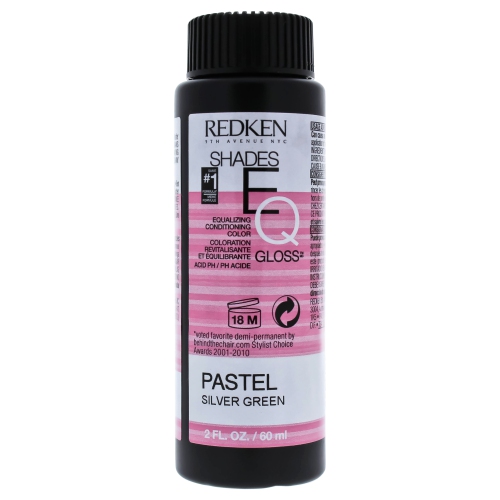
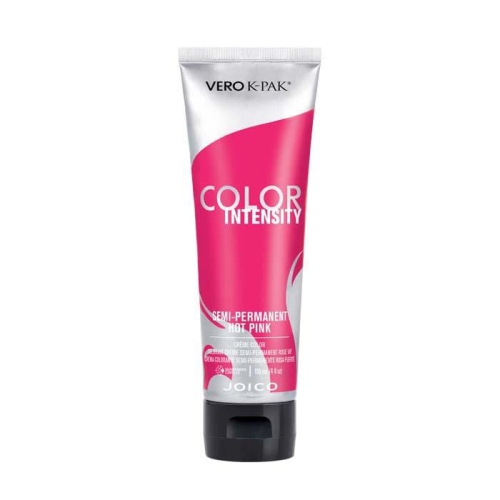
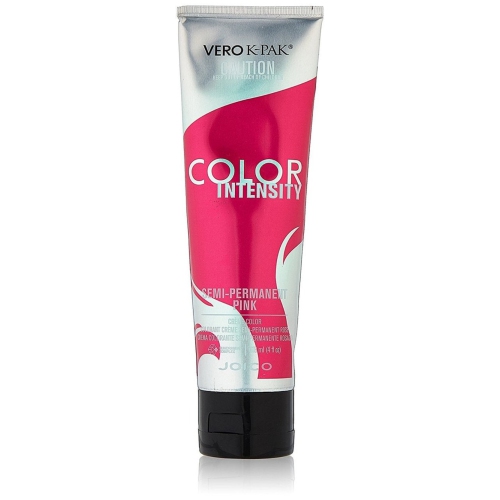
Understanding undertones, placement and upkeep helps set expectations
Hair colour shades span a wide spectrum, from natural-looking black, brown, blonde, red, grey and white tones to expressive shades such as rose gold, lavender, violet-plum, blue and garnet red. Within each colour family, subtle differences in depth and undertone can create a noticeably different result. Black may range from an inky black to a softer black with blue or brown undertones, while brunette shades include darkest brown, espresso, chocolate, chestnut, caramel and light brown. Blonde shades can move from dark blonde and honey through golden, strawberry, ash, platinum and the lightest blonde tones. Red shades include copper, true red and auburn, with options that range from bright and fiery to deep and richly toned. Grey and white shades can be used to complement naturally silver hair, blend visible regrowth or create a deliberate cool-toned look. Hair colour depth is often described using levels, with level 1 representing the deepest black and level 10 representing the lightest blonde; levels 3 to 5 generally cover dark to medium brown, levels 6 and 7 include light brown and dark blonde, and levels 8 to 10 cover medium blonde through lightest blonde. Understanding this scale can make it easier to compare shades and set realistic expectations, particularly when choosing a colour that is lighter or darker than your current hair. The colour shown on packaging is a useful reference, but the final appearance also depends on your starting shade, previous colour treatments, hair texture, porosity and the amount of grey present. A shade with cool or ash undertones can help create a muted, sophisticated finish, while warm undertones such as honey, caramel, copper and auburn add golden, red or glowing dimension. Neutral shades sit between these families and can be a versatile choice when you want a balanced result that works across changing light. For a broader selection of options, explore Women's Hair Colors.
The way colour is placed through the hair can be just as important as the shade itself. All-over colour creates an even, cohesive appearance and may be suitable for refreshing faded tones, changing your overall colour or blending grey from roots to ends. Highlights add lighter strands for brightness and dimension, while lowlights introduce deeper strands that can give fine or flat-looking hair more visual depth. Babylights are very fine highlights designed to look delicate and blended, often resembling the natural lightening that can occur around the face and through the lengths. A money piece is a brighter highlight placed around the front sections to frame the face, and it can be subtle or high contrast depending on the chosen shade. Balayage is a freehand sweeping technique that creates a softly graduated, sun-kissed effect, with colour often appearing lighter through the mid-lengths and ends. Ombré creates a more noticeable transition from darker roots to lighter ends, while a blended root or shadowed root can soften the boundary between new growth and coloured hair. These approaches can be paired with natural shades or vivid tones, including a softly blended rose gold, a cool mushroom brown, a silver finish or a bold violet accent. Consider how much upkeep fits comfortably into your routine before choosing a shade or placement. Colours that are close to your natural depth may offer a low-key refresh, while a dramatic lightening or vivid transformation may require more frequent maintenance to keep the tone even and the roots blended. Cool blondes, silver shades and vivid colours can also change as they fade, sometimes becoming softer, warmer or more pastel over time. Hair condition matters as well: dry, porous or previously lightened hair may absorb colour differently across separate sections, so reading the application information and following the recommended processing time is important. A strand test can provide a helpful preview of tone and intensity, and a patch test should be completed as directed before use, even if you have coloured your hair before without difficulty.
Hair colour shades can suit many different needs, from a quiet change that brings warmth back to a familiar look to a bold transformation that reflects an evolving sense of personal style. Someone covering early grey may prefer a natural brown, soft black, blonde or auburn that blends comfortably with their existing colour. Someone growing out a previous treatment may look for a close match that makes the transition less noticeable, while a person preparing for a special occasion may choose face-framing highlights, a richer brunette or a luminous copper to add definition in photographs and evening light. Colour can also be a thoughtful gift for a friend, family member or partner who enjoys experimenting with their appearance, especially when you have a good sense of the shades they already wear and the level of change they prefer. For a gift, a familiar colour family is often an easier choice than an unfamiliar dramatic shade, and checking preferences around warm versus cool tones can help avoid an unwanted result. When selecting for personal use, think about your natural or current colour, the condition and length of your hair, whether it has been chemically treated, and how you want the finished shade to look beside your eyes, skin tone and wardrobe. A warm honey or copper can create a bright, glowing impression, whereas ash brown, platinum or silver may have a cooler, more understated character. Rich chocolate, chestnut and auburn can add depth during the cooler months, while lighter blonde, caramel and rose gold tones can bring a fresh, radiant feel as the weather warms. Those seasonal impressions do not have to limit your choice; the right shade is the one that feels comfortable and expressive throughout the year. Keep the included instructions available, protect clothing and surfaces during application, and allow enough time for the process rather than rushing through it. With the right shade depth, undertone and application style, hair colour can refresh an everyday routine, complement a new haircut or provide a simple way to mark a personal change.
The way colour is placed through the hair can be just as important as the shade itself. All-over colour creates an even, cohesive appearance and may be suitable for refreshing faded tones, changing your overall colour or blending grey from roots to ends. Highlights add lighter strands for brightness and dimension, while lowlights introduce deeper strands that can give fine or flat-looking hair more visual depth. Babylights are very fine highlights designed to look delicate and blended, often resembling the natural lightening that can occur around the face and through the lengths. A money piece is a brighter highlight placed around the front sections to frame the face, and it can be subtle or high contrast depending on the chosen shade. Balayage is a freehand sweeping technique that creates a softly graduated, sun-kissed effect, with colour often appearing lighter through the mid-lengths and ends. Ombré creates a more noticeable transition from darker roots to lighter ends, while a blended root or shadowed root can soften the boundary between new growth and coloured hair. These approaches can be paired with natural shades or vivid tones, including a softly blended rose gold, a cool mushroom brown, a silver finish or a bold violet accent. Consider how much upkeep fits comfortably into your routine before choosing a shade or placement. Colours that are close to your natural depth may offer a low-key refresh, while a dramatic lightening or vivid transformation may require more frequent maintenance to keep the tone even and the roots blended. Cool blondes, silver shades and vivid colours can also change as they fade, sometimes becoming softer, warmer or more pastel over time. Hair condition matters as well: dry, porous or previously lightened hair may absorb colour differently across separate sections, so reading the application information and following the recommended processing time is important. A strand test can provide a helpful preview of tone and intensity, and a patch test should be completed as directed before use, even if you have coloured your hair before without difficulty.
Hair colour shades can suit many different needs, from a quiet change that brings warmth back to a familiar look to a bold transformation that reflects an evolving sense of personal style. Someone covering early grey may prefer a natural brown, soft black, blonde or auburn that blends comfortably with their existing colour. Someone growing out a previous treatment may look for a close match that makes the transition less noticeable, while a person preparing for a special occasion may choose face-framing highlights, a richer brunette or a luminous copper to add definition in photographs and evening light. Colour can also be a thoughtful gift for a friend, family member or partner who enjoys experimenting with their appearance, especially when you have a good sense of the shades they already wear and the level of change they prefer. For a gift, a familiar colour family is often an easier choice than an unfamiliar dramatic shade, and checking preferences around warm versus cool tones can help avoid an unwanted result. When selecting for personal use, think about your natural or current colour, the condition and length of your hair, whether it has been chemically treated, and how you want the finished shade to look beside your eyes, skin tone and wardrobe. A warm honey or copper can create a bright, glowing impression, whereas ash brown, platinum or silver may have a cooler, more understated character. Rich chocolate, chestnut and auburn can add depth during the cooler months, while lighter blonde, caramel and rose gold tones can bring a fresh, radiant feel as the weather warms. Those seasonal impressions do not have to limit your choice; the right shade is the one that feels comfortable and expressive throughout the year. Keep the included instructions available, protect clothing and surfaces during application, and allow enough time for the process rather than rushing through it. With the right shade depth, undertone and application style, hair colour can refresh an everyday routine, complement a new haircut or provide a simple way to mark a personal change.
Top selling and popular products
-
 Your price for this item is $43.13
 -
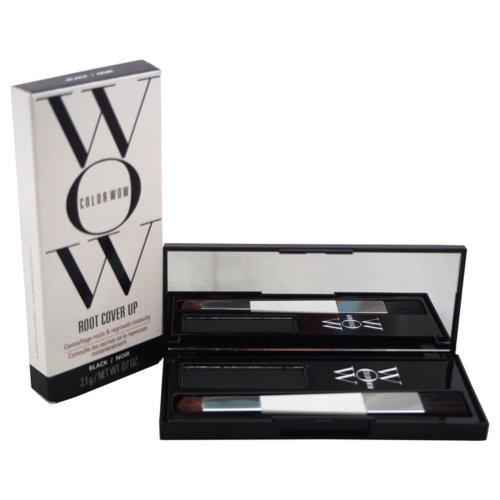 Your price for this item is $43.13
 -
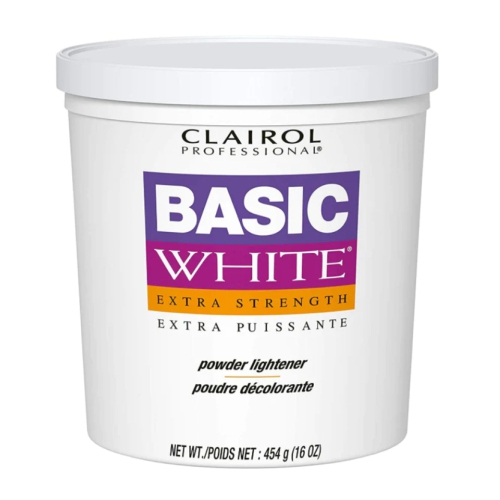 Your price for this item is $29.99
 -
 Your price for this item is $11.99
 -
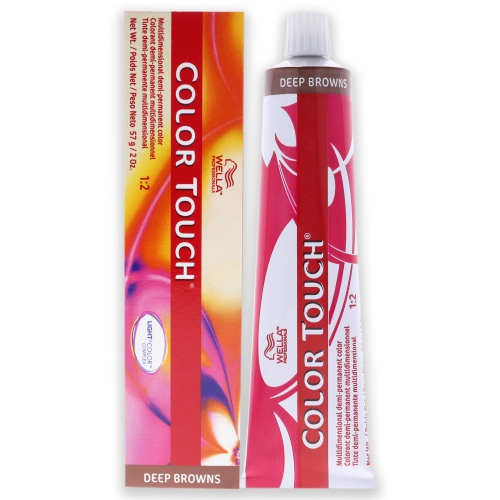 Your price for this item is $7.95
 -
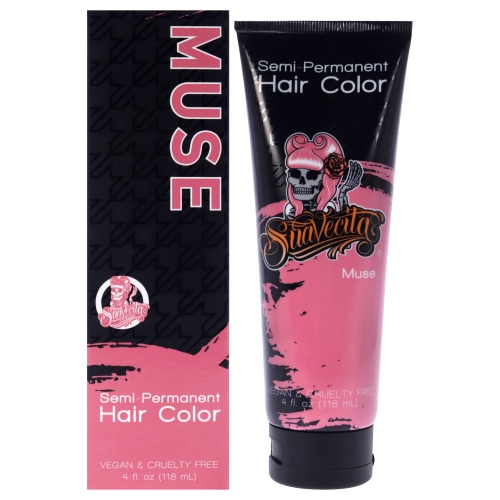 Your price for this item is $15.3
 -
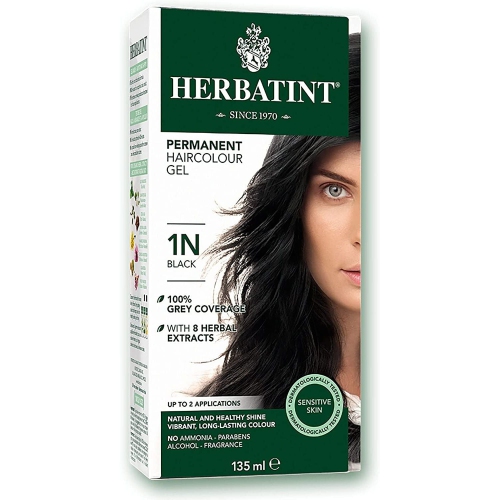 Your price for this item is $39.86
 -
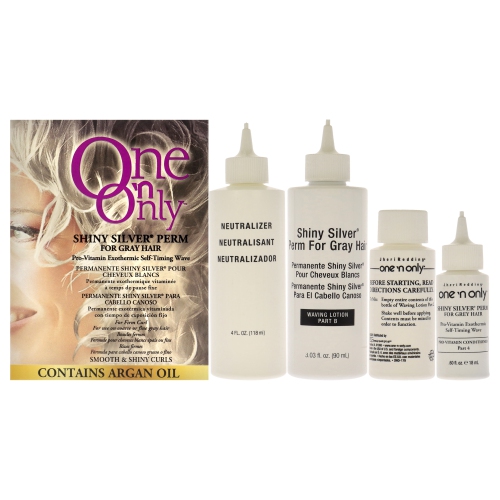 Your price for this item is $29.68
Discover more categories related to Hair Color Shades
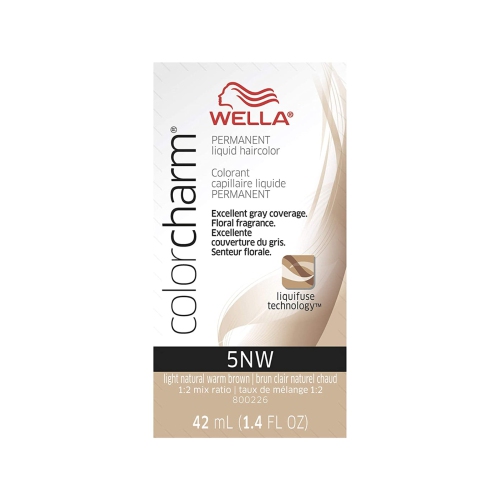
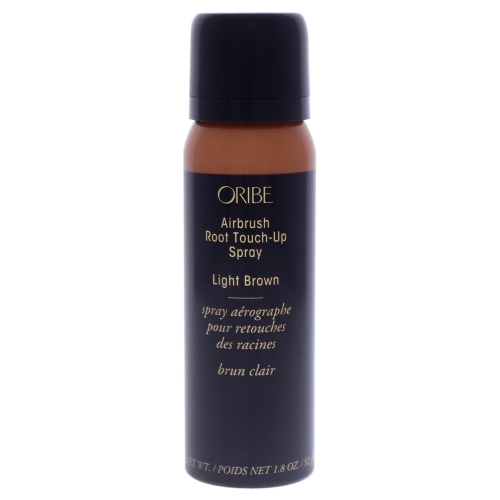

Top Collections:
Pokemon Centers, Budget 4K TVs, Kindle Devices, Canon G7X Cameras, Apple iPhones 16, iPhone 15 Apple, Laptops for Business Work, Flip Phones, Xiaomi Phones, Refurbished Apple Laptops
Some products may be subject to Environmental Handling Fees
(EHF) depending on your province.
Learn more about EHFs.