Hair Blow Brushes
If you're looking to achieve salon-worthy blowouts from the comfort of your own home, look no further than these hair blowers. These innovative tools combine the power of a hair dryer with the precision of a brush, allowing you to effortlessly create voluminous, smooth, and shiny locks in no time. Whether you have straight, wavy, or curly hair, this range of hair blowers offers something for everyone.
Sort

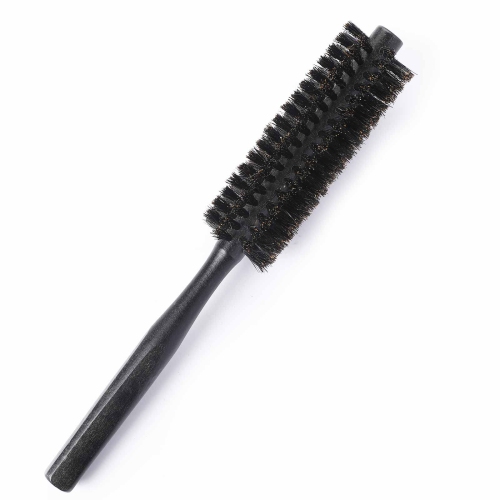
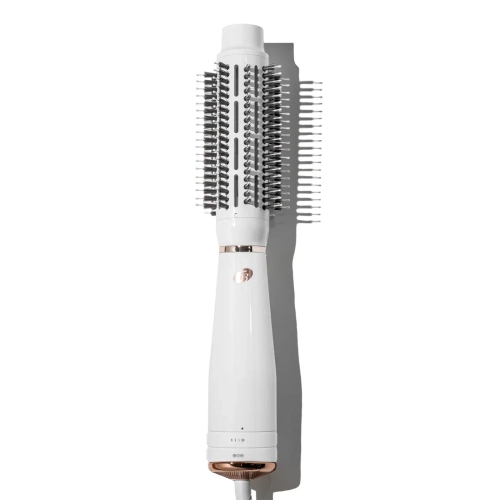
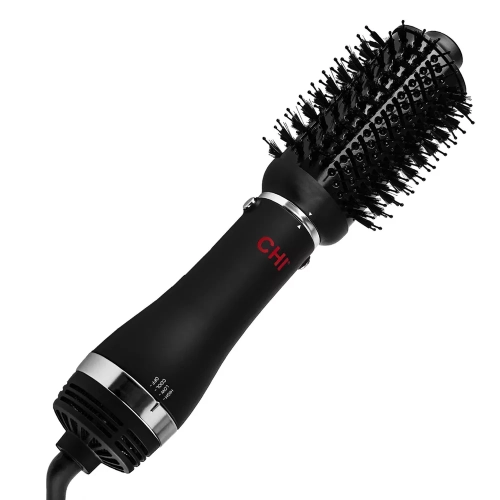
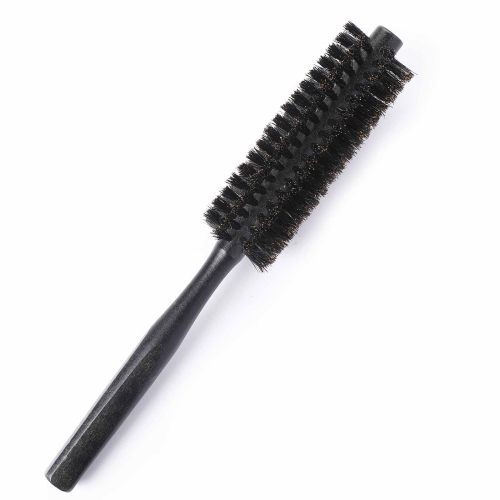
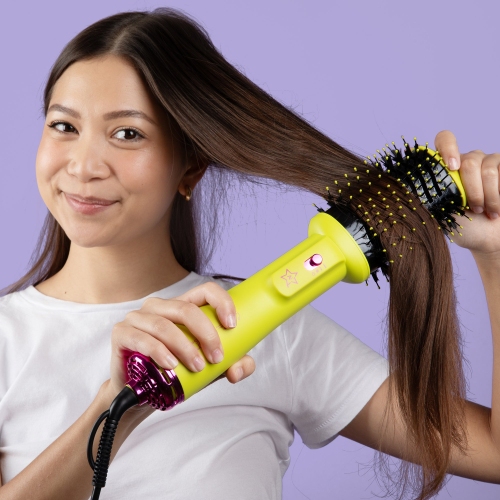
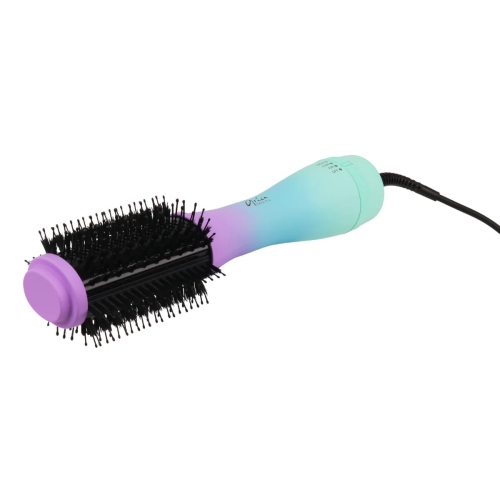

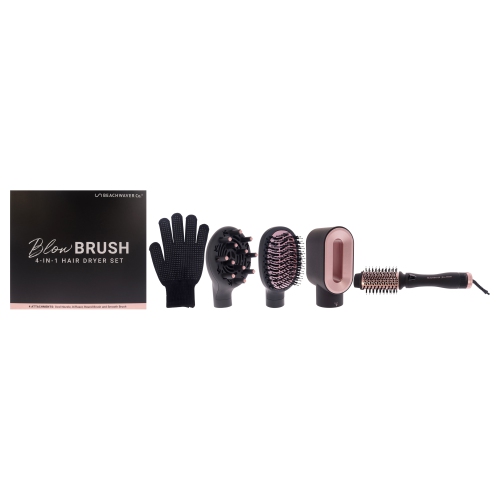
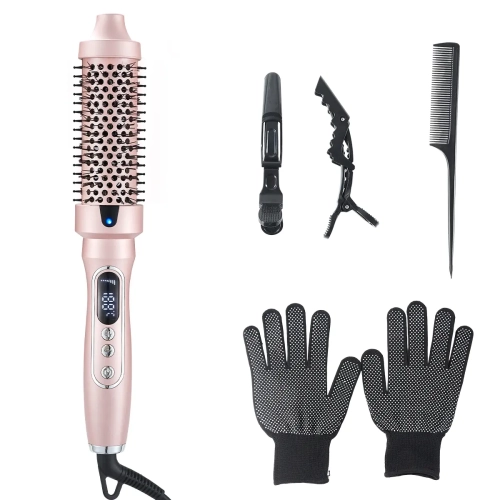
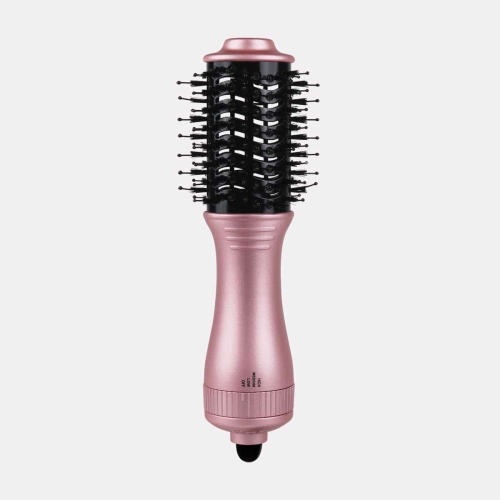
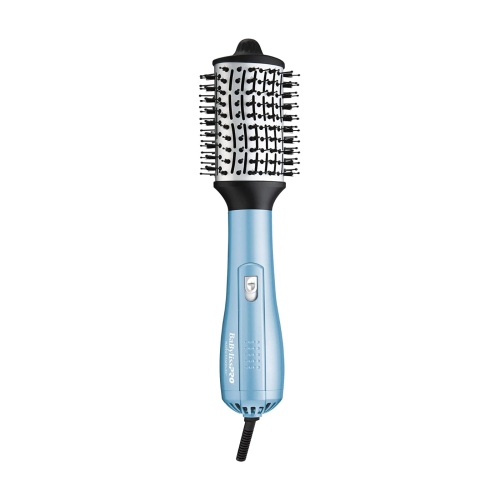
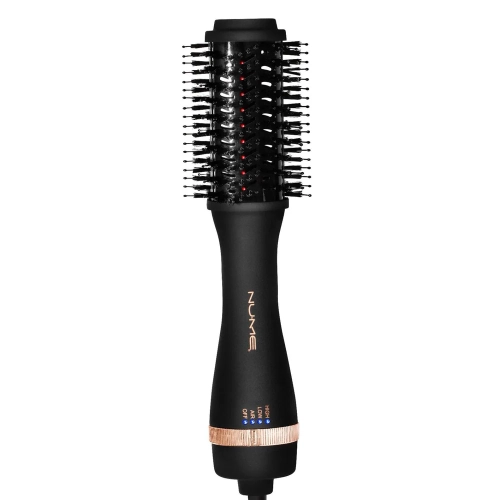
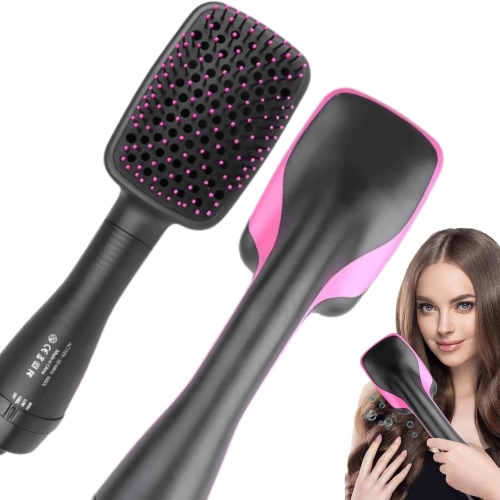
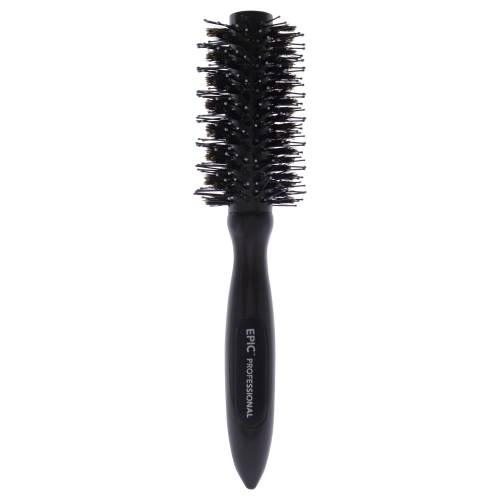
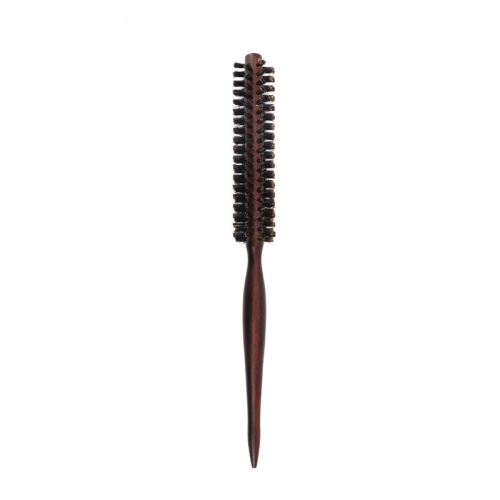
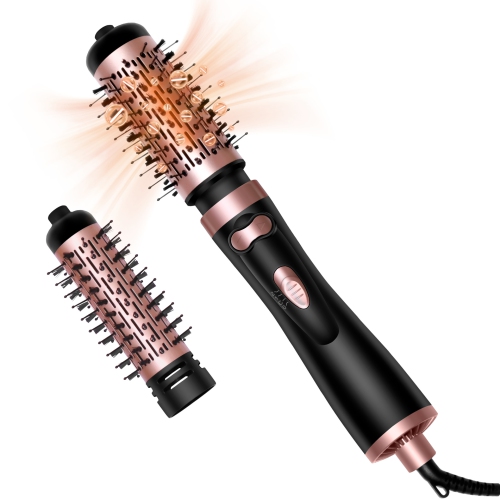
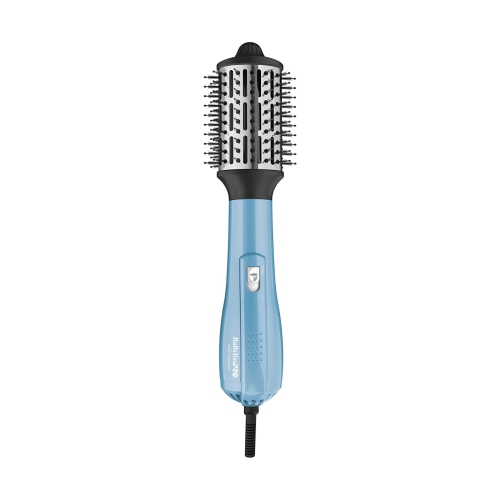
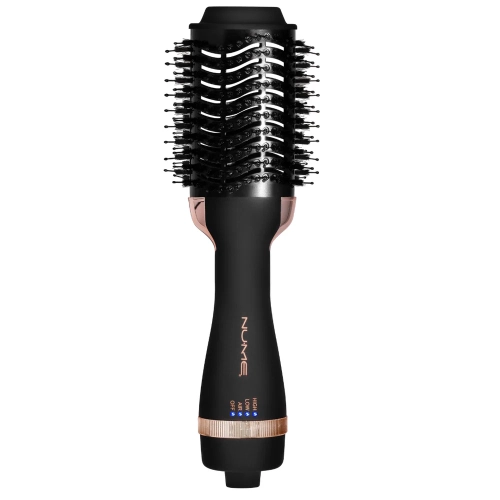
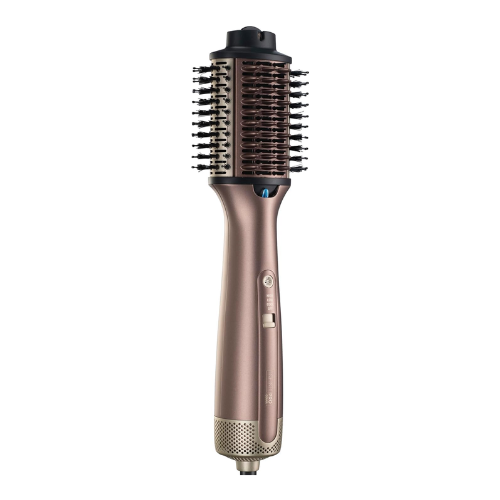
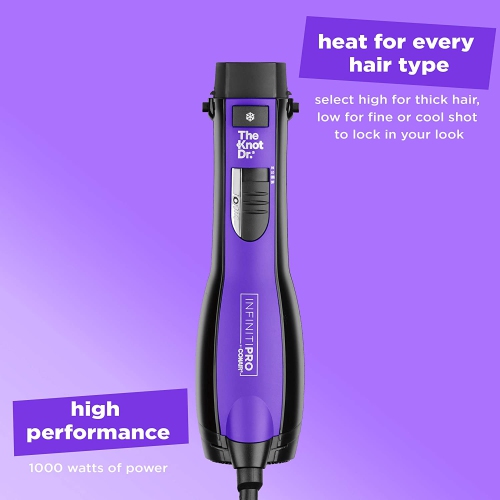
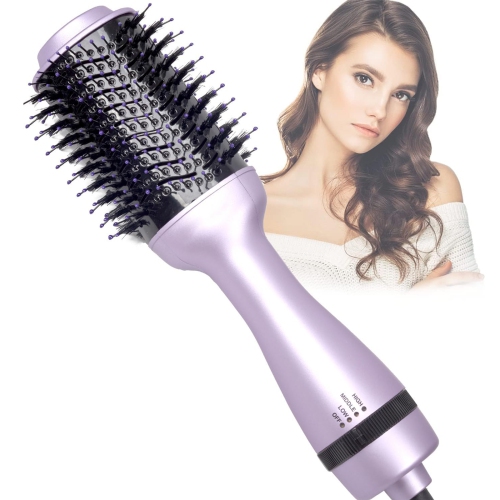
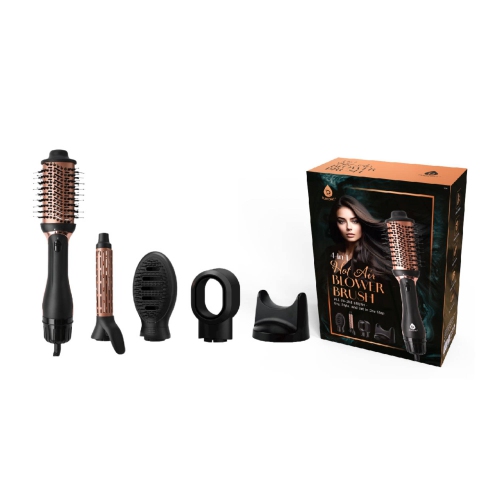
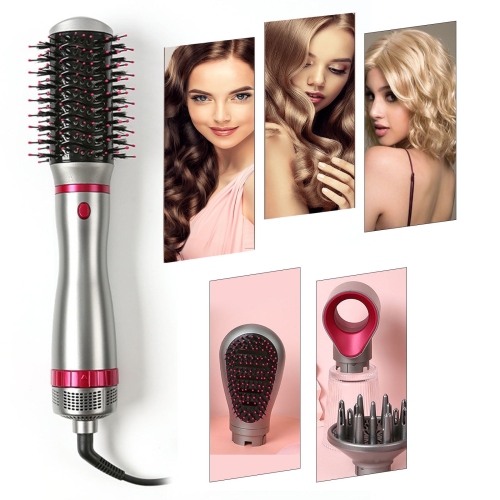
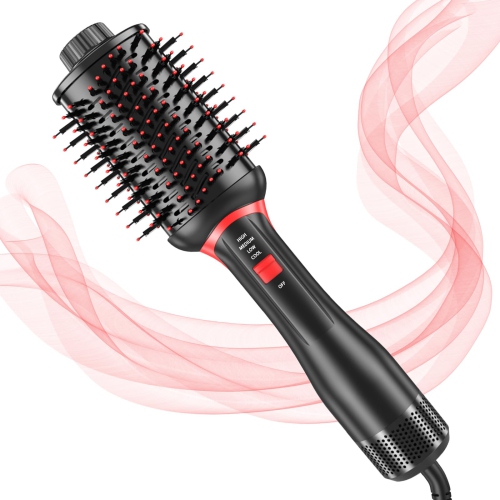
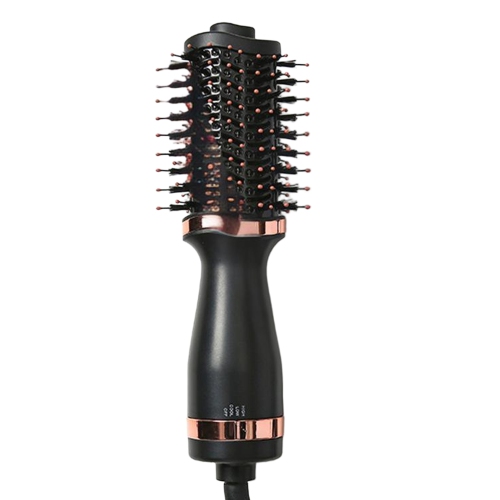
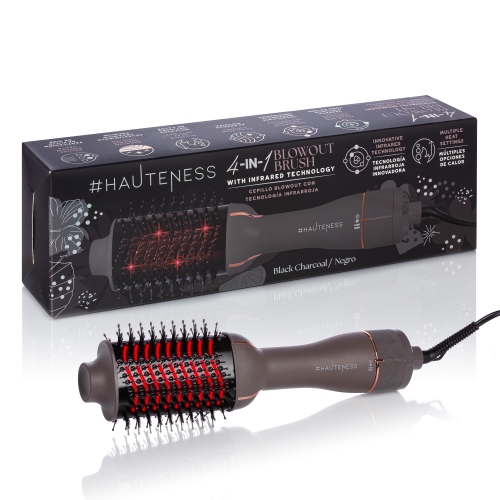
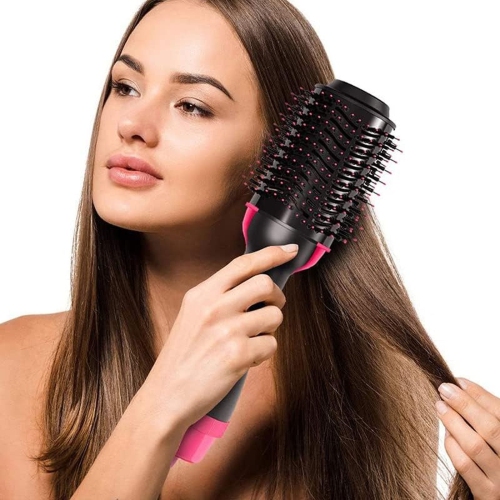
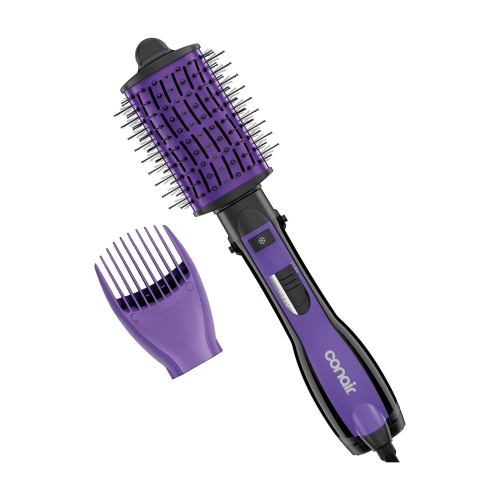
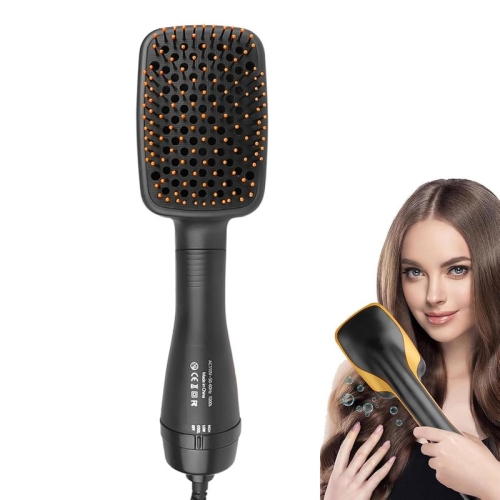
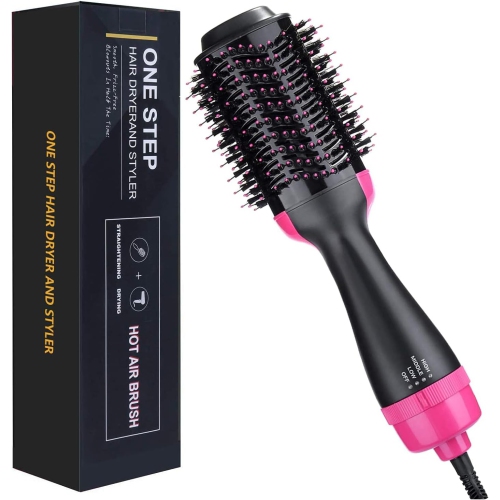
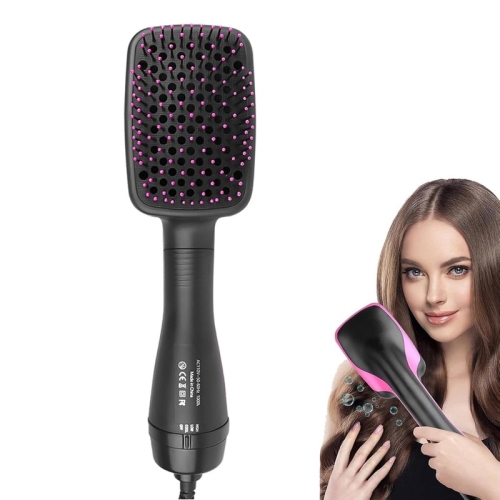
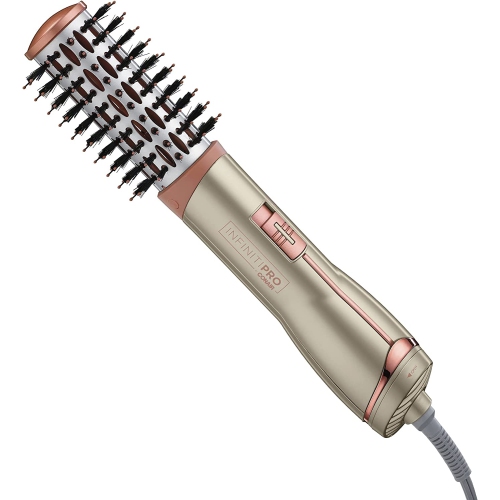
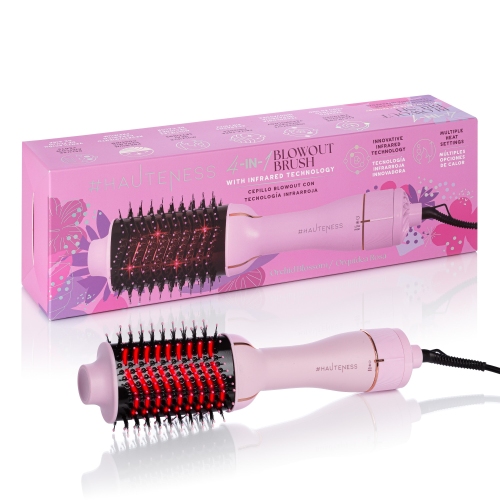
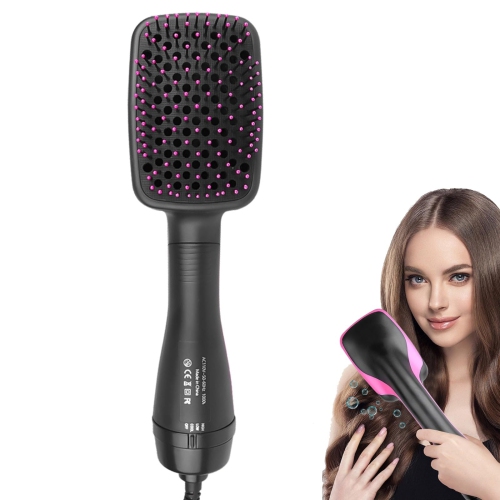
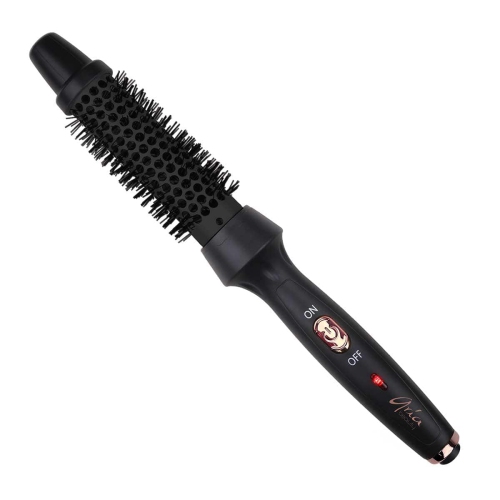
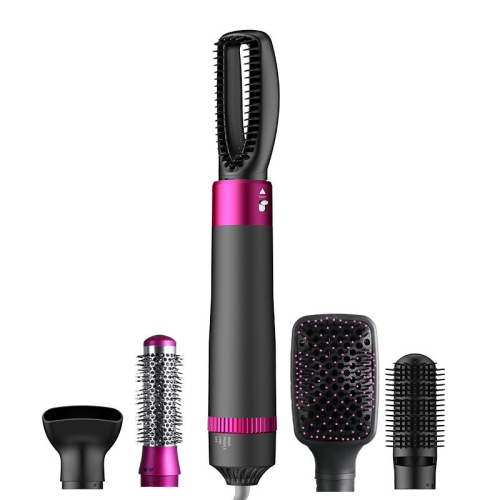
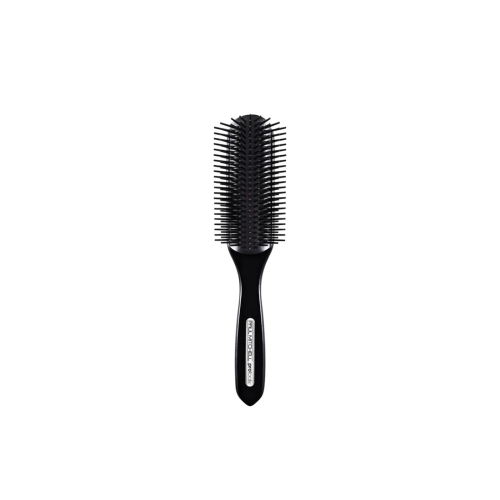

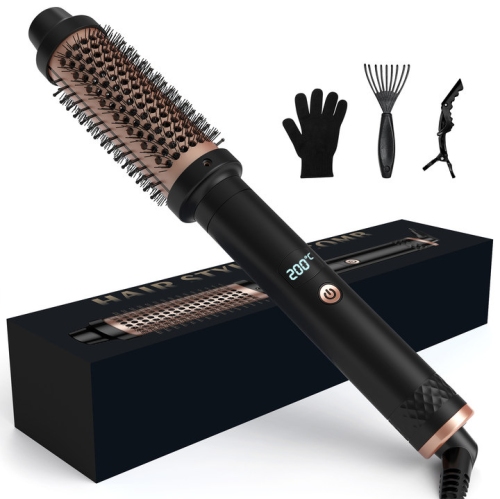
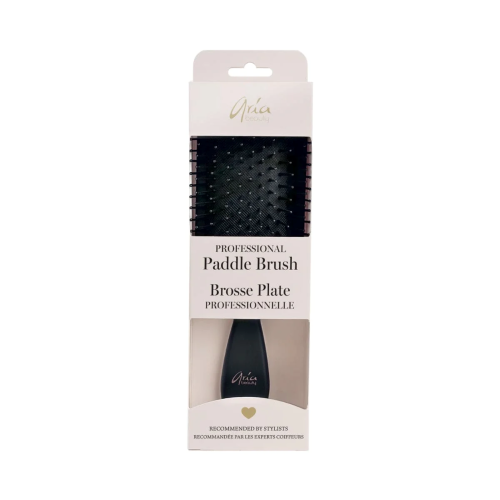
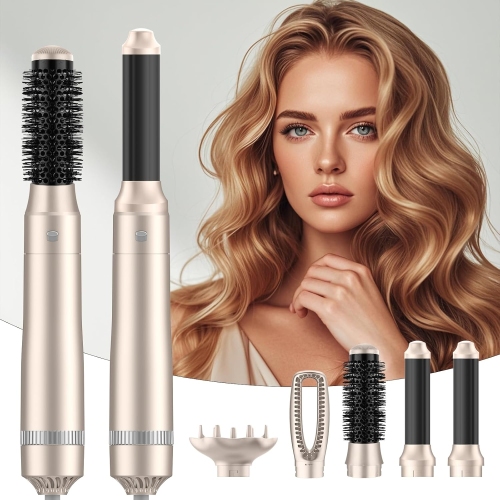
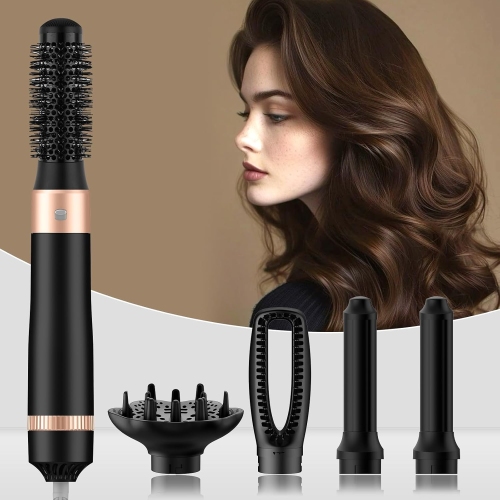
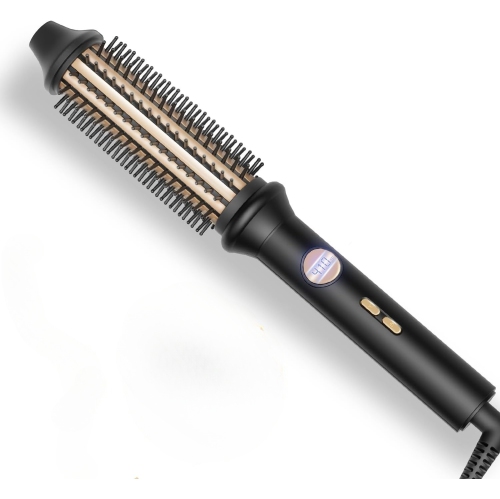

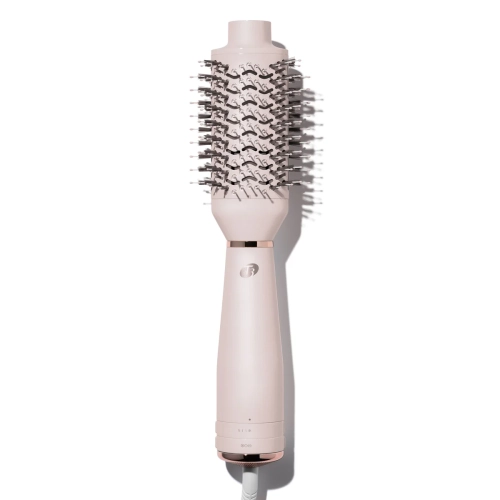
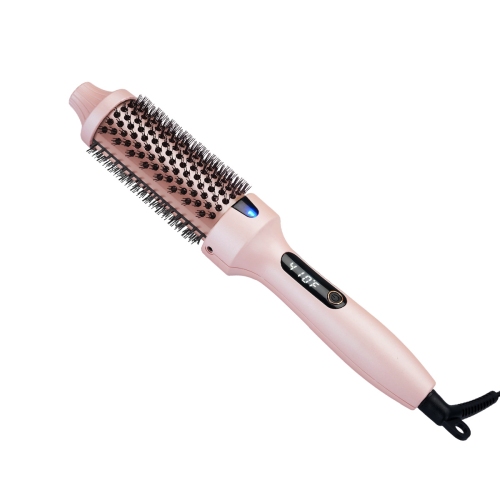
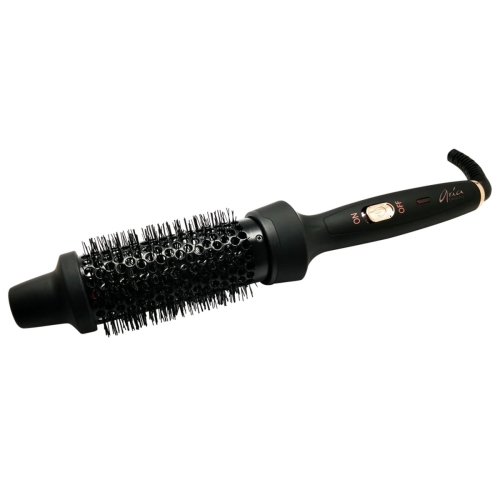
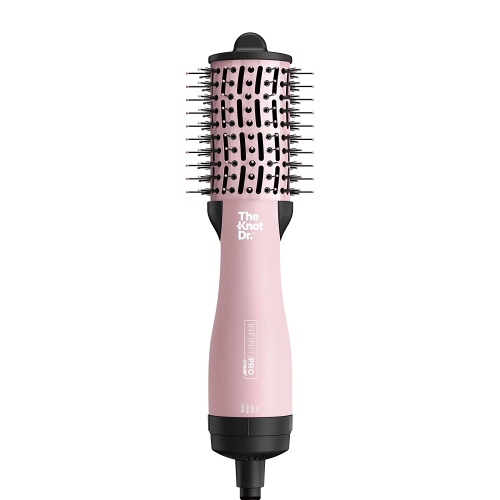
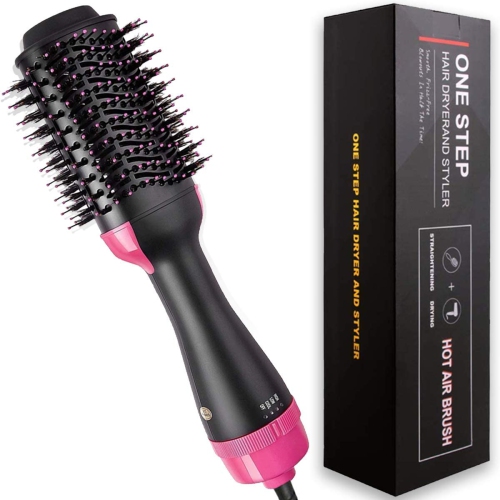
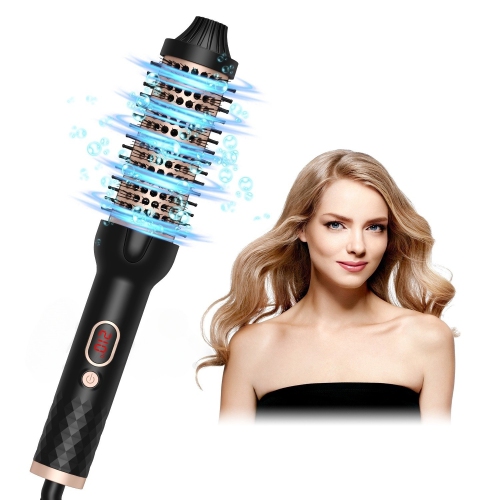
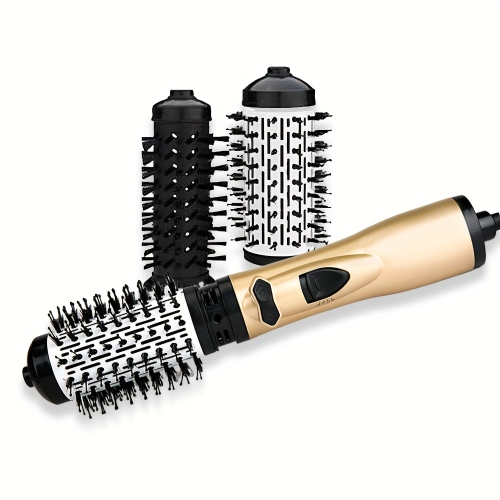
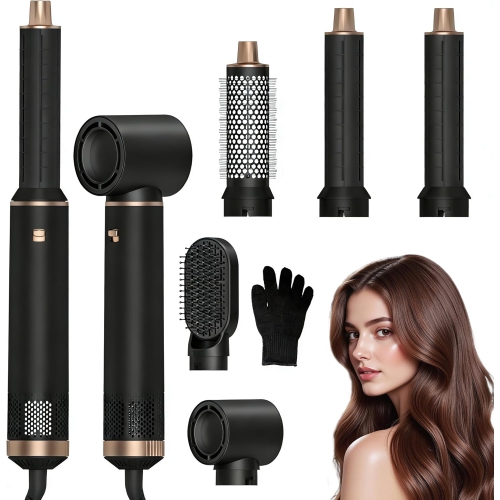
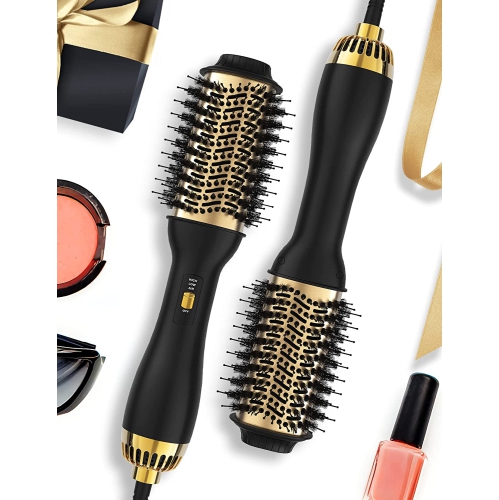
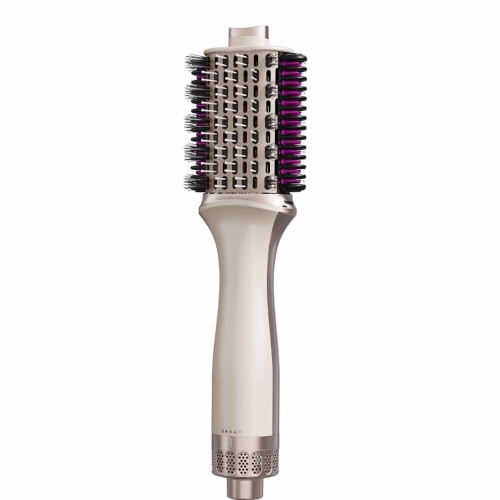
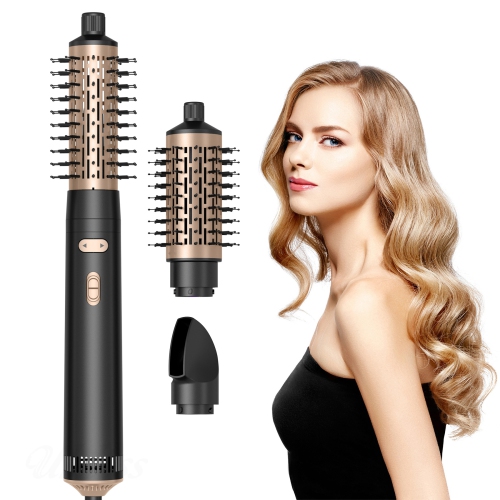
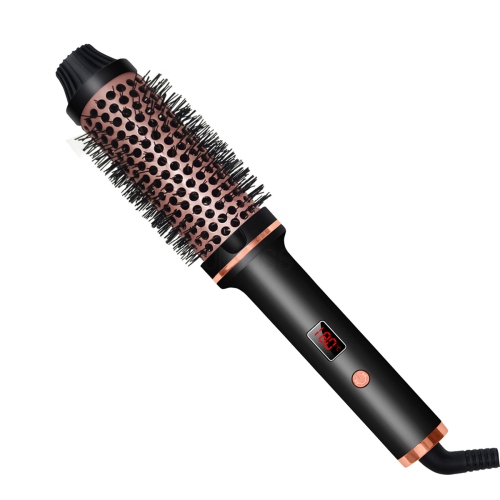
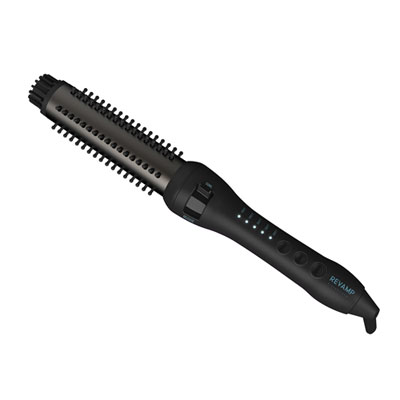

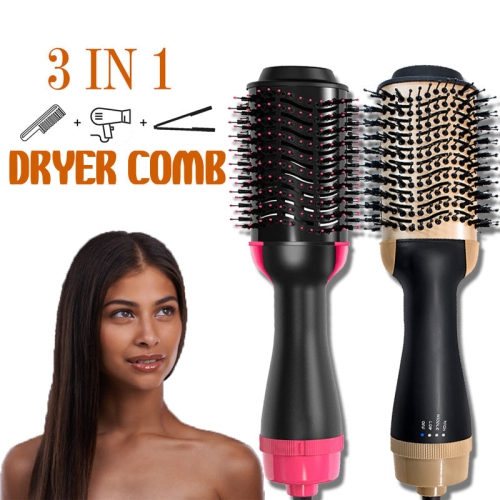
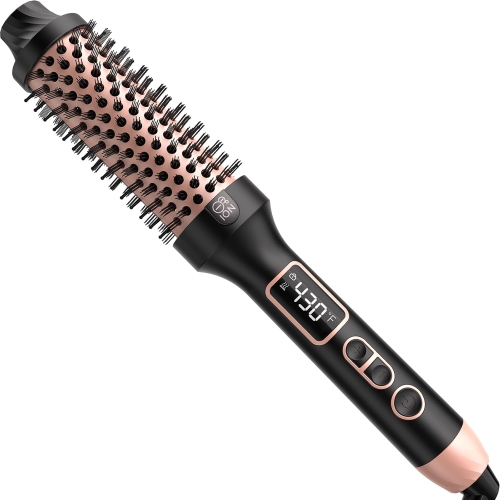
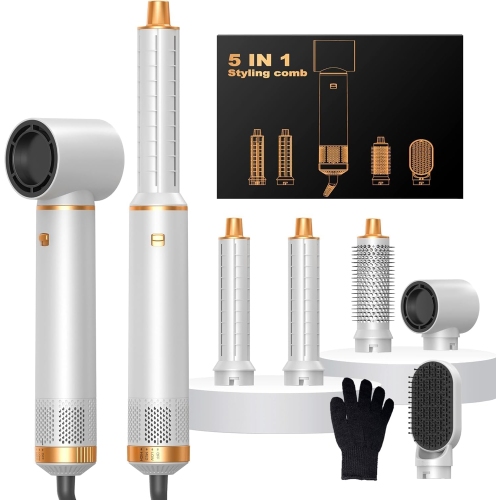
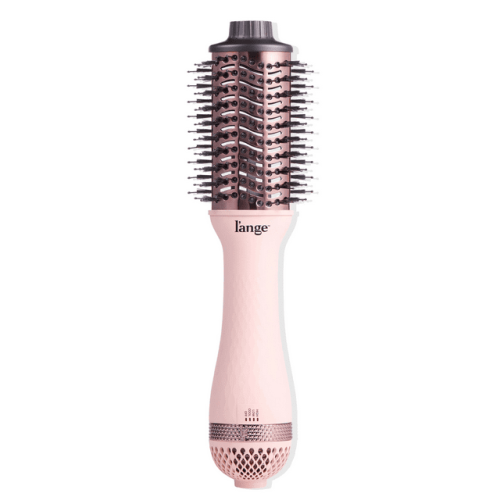
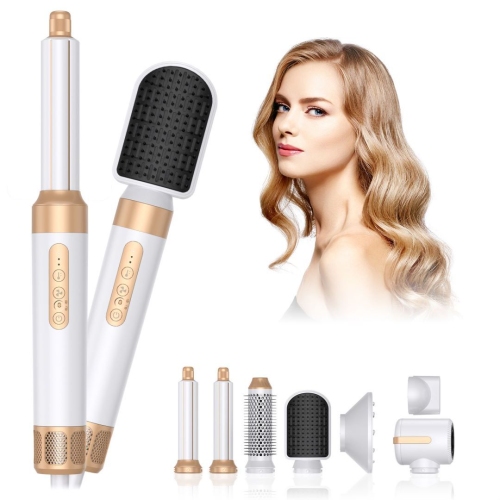
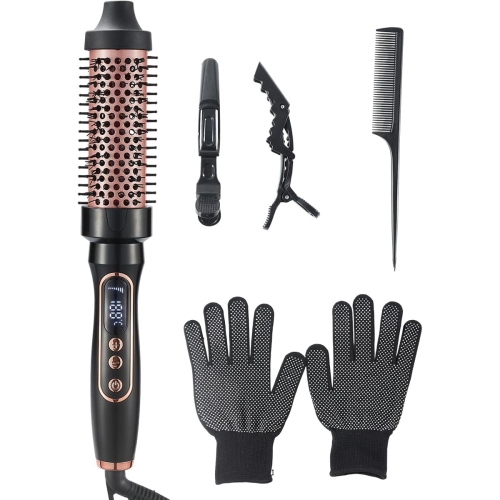
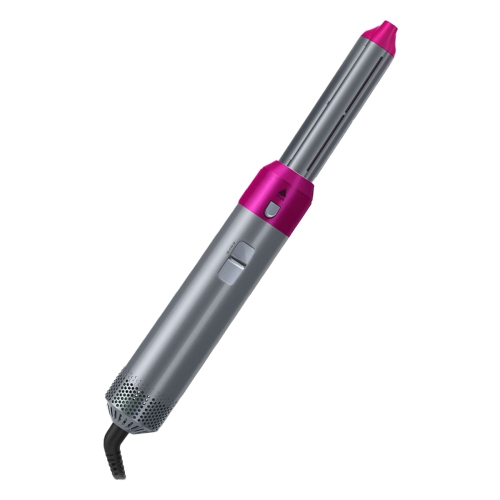
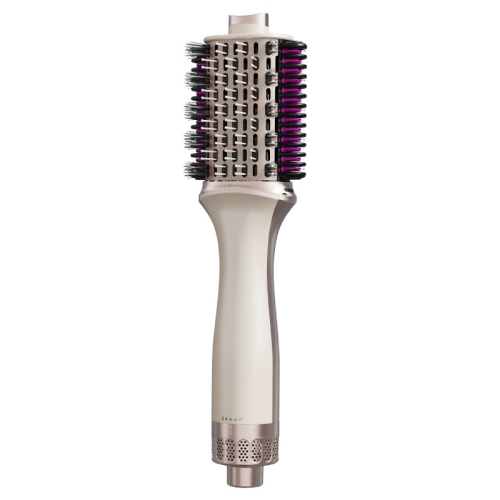
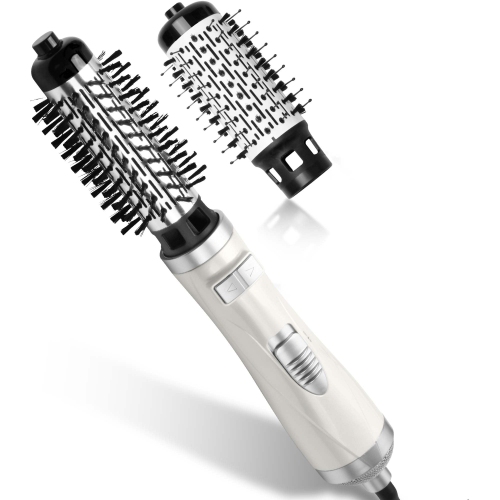
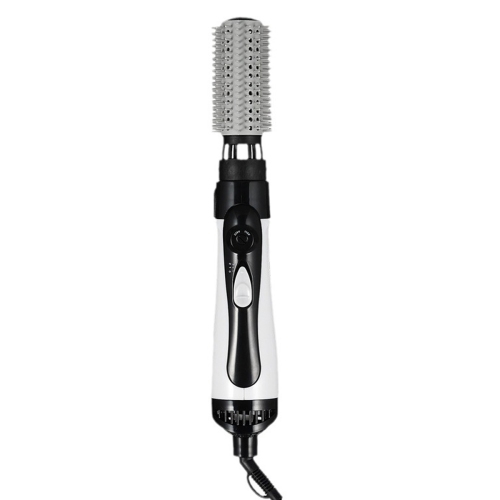
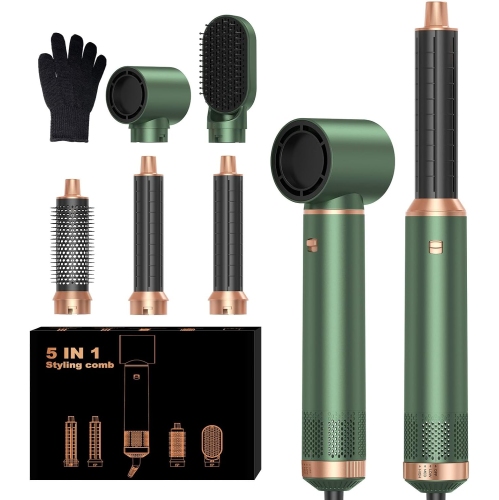
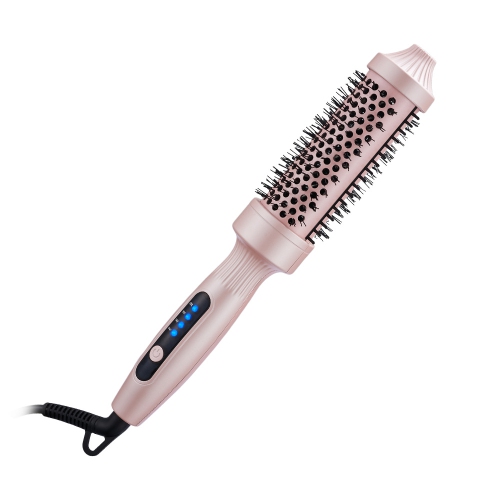
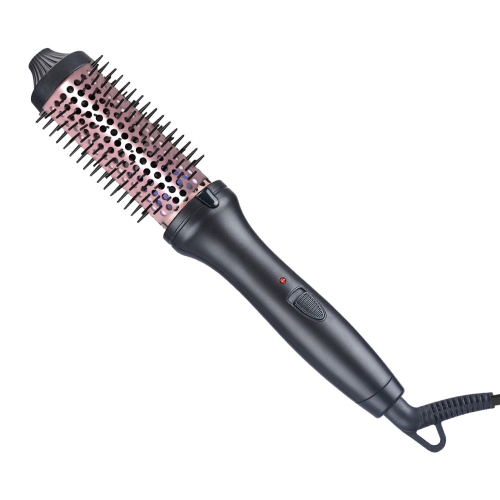
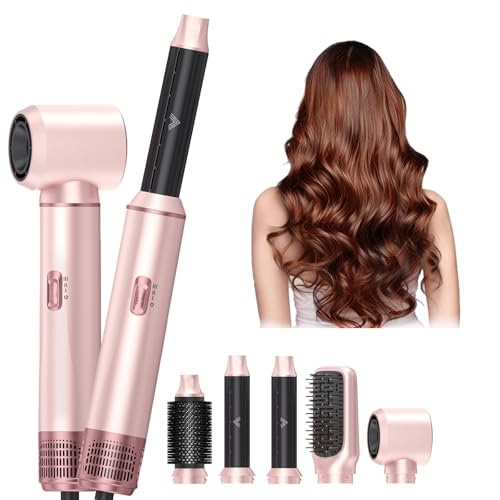
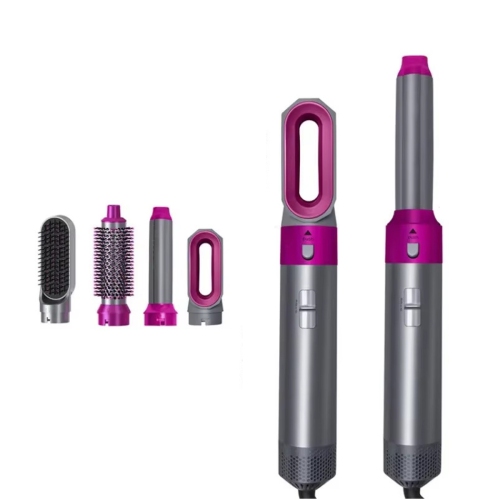
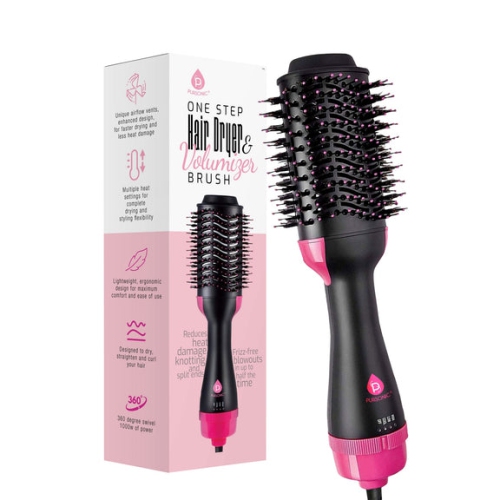
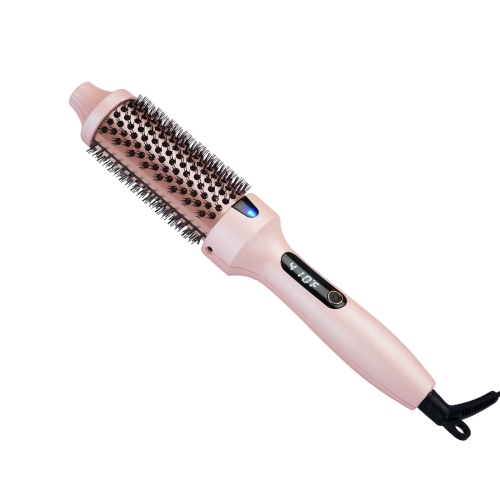

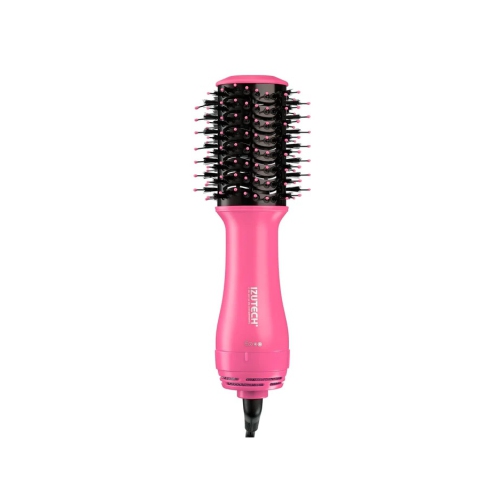
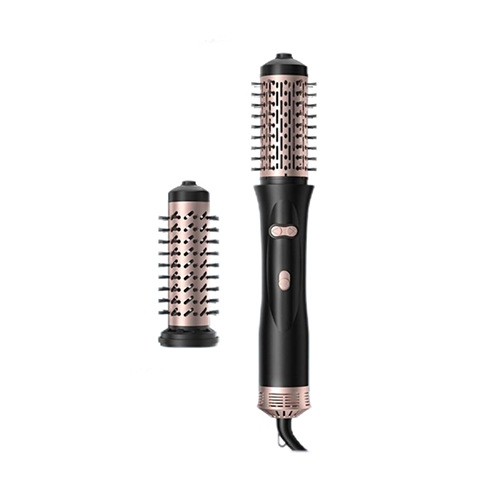
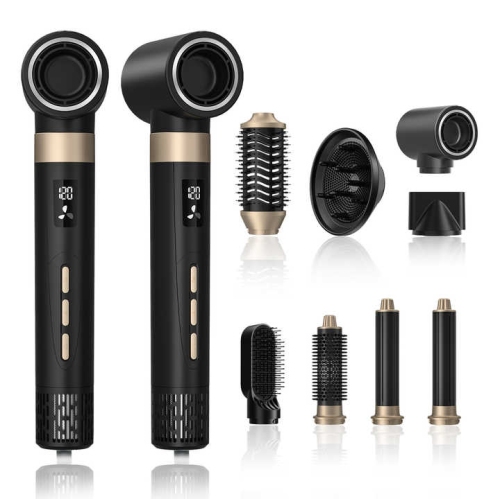
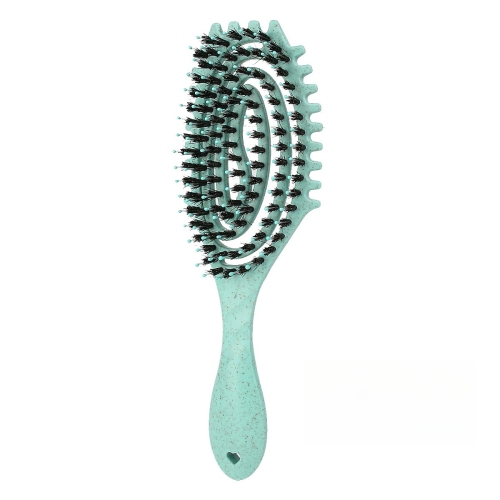
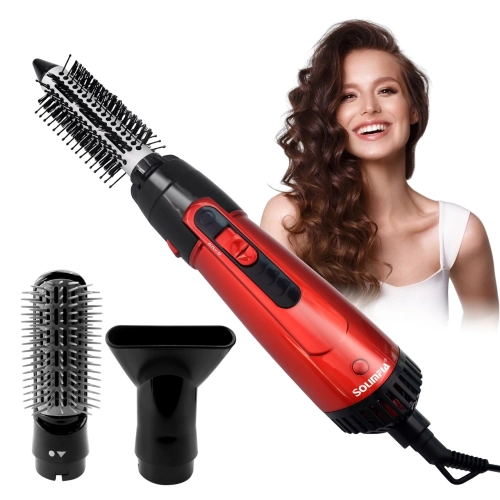
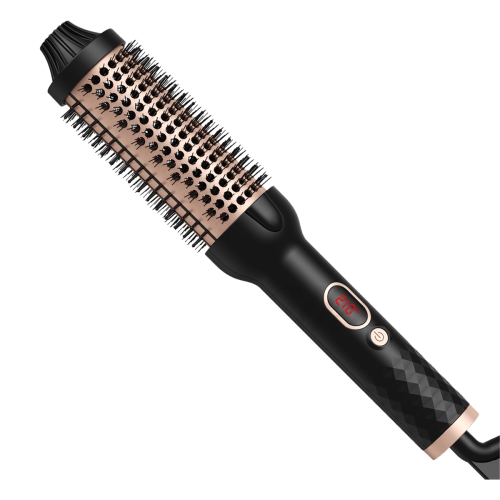
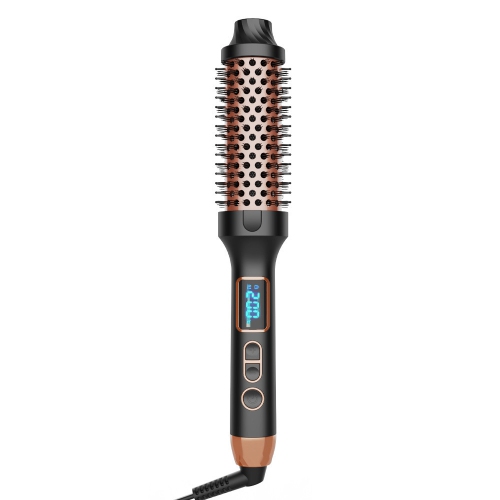
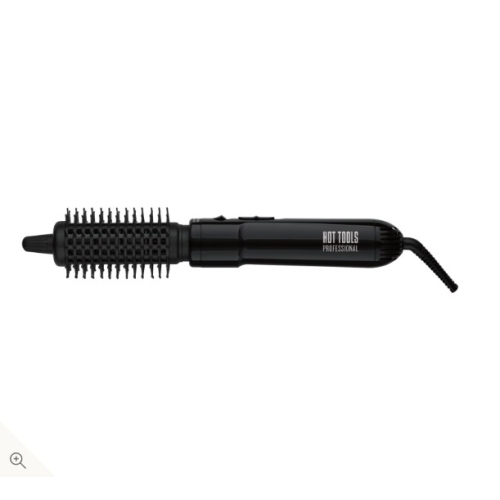
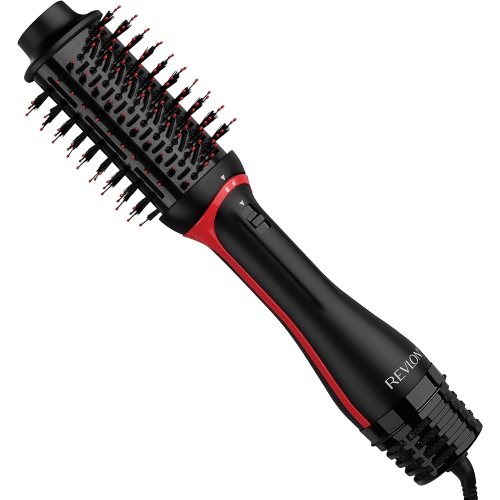

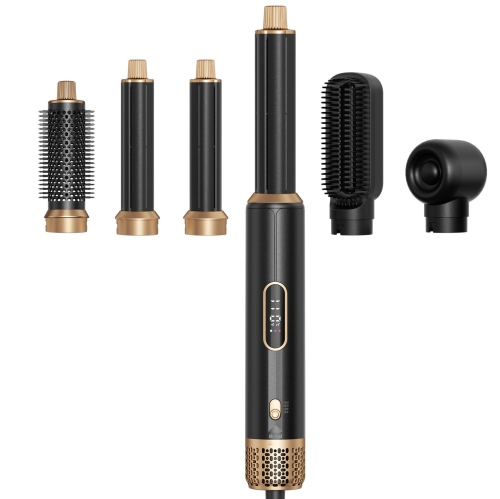
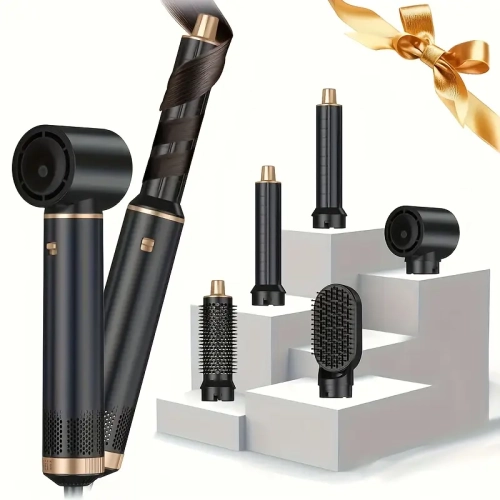
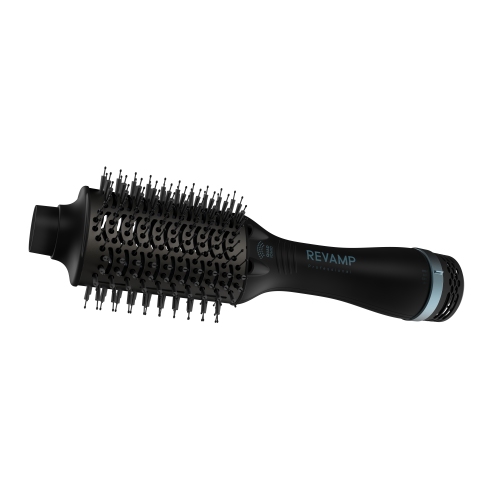
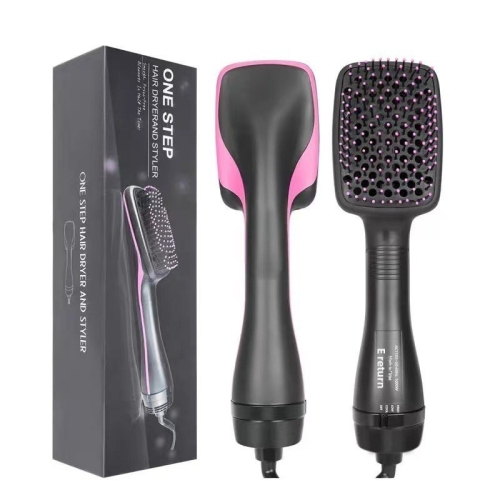
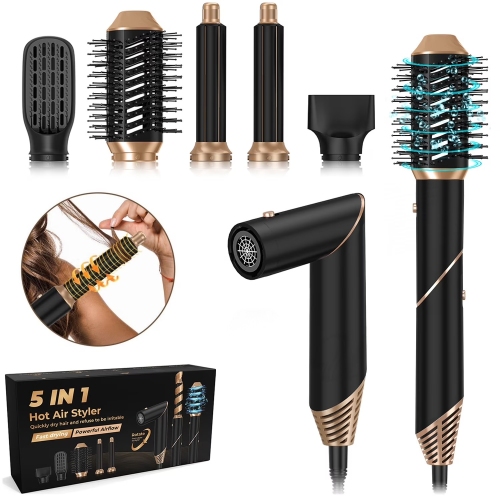
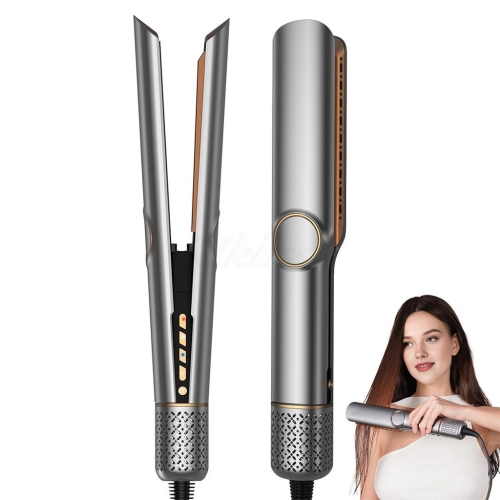
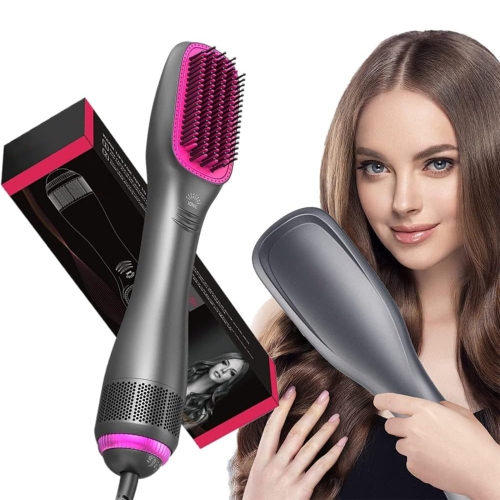
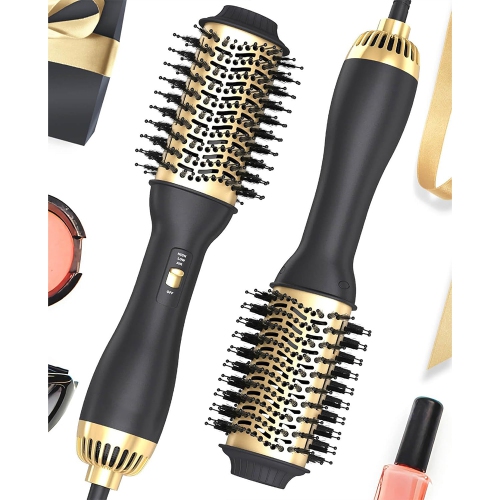
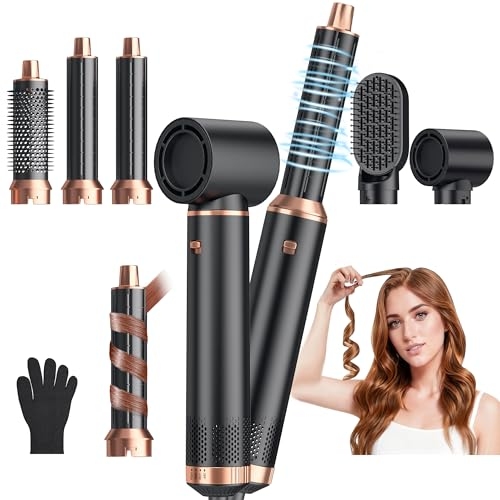
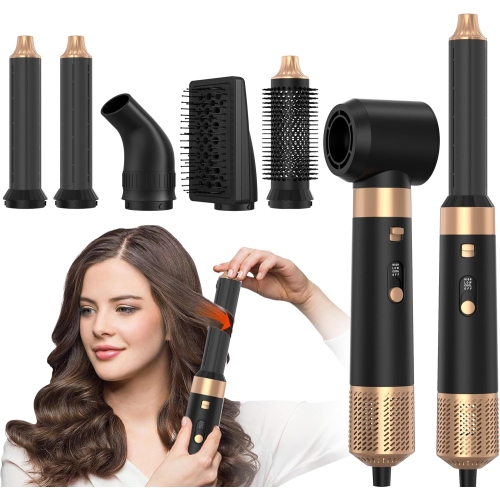
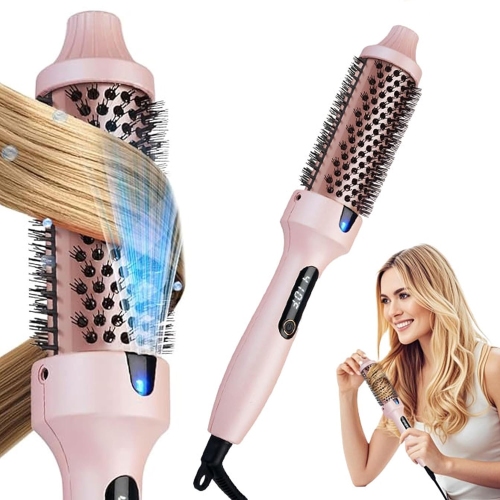
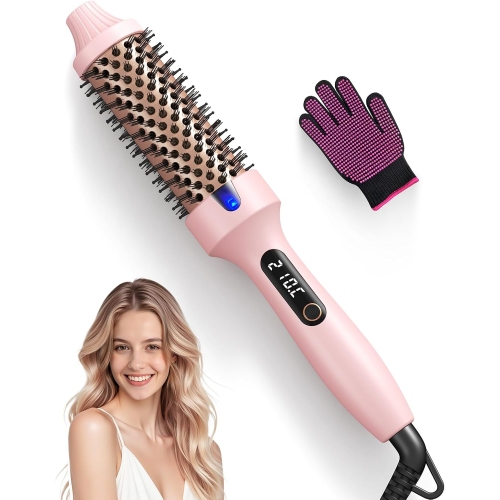
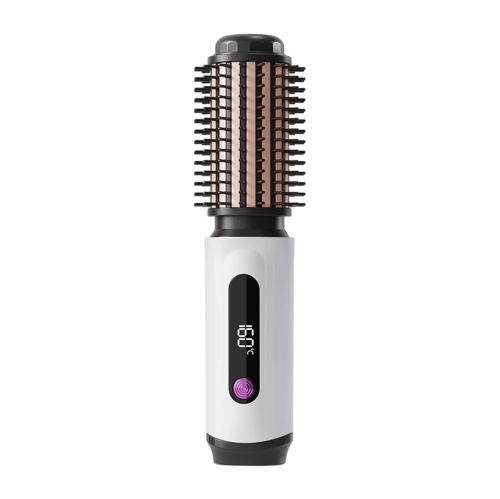
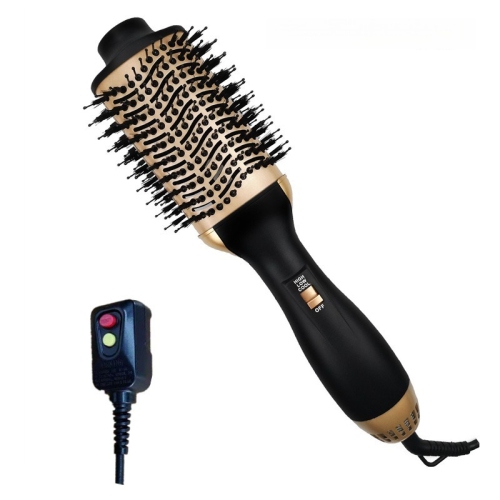
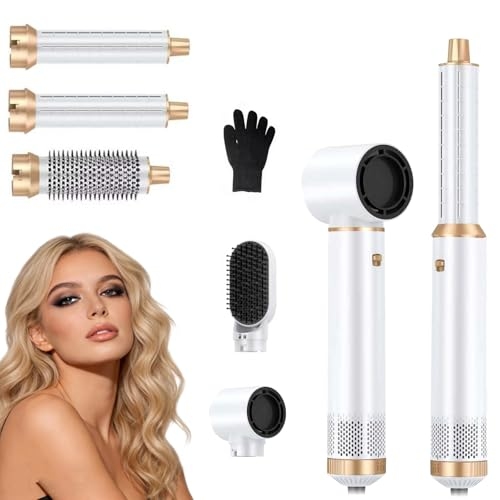
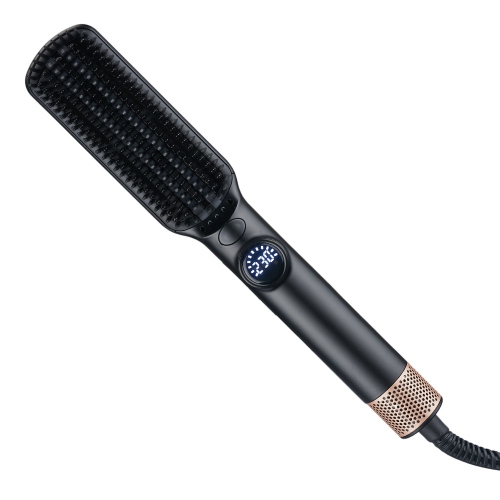
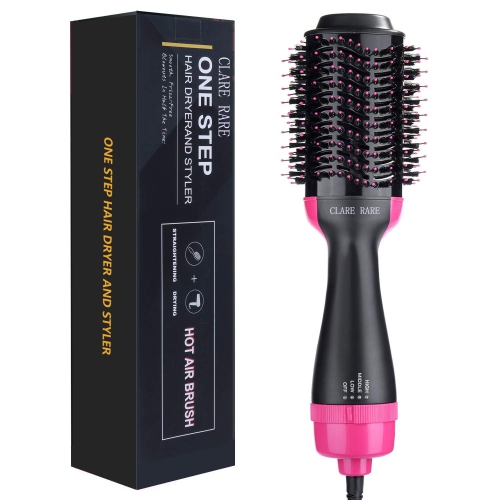
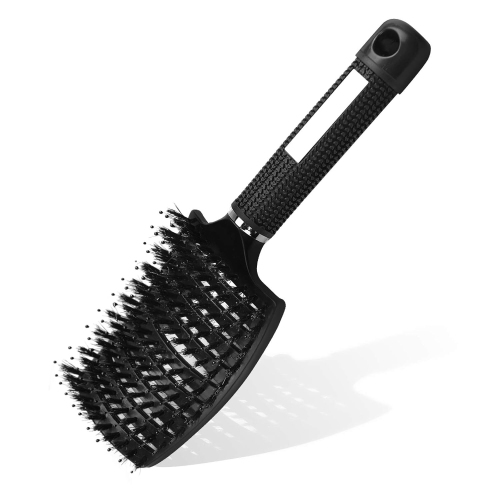
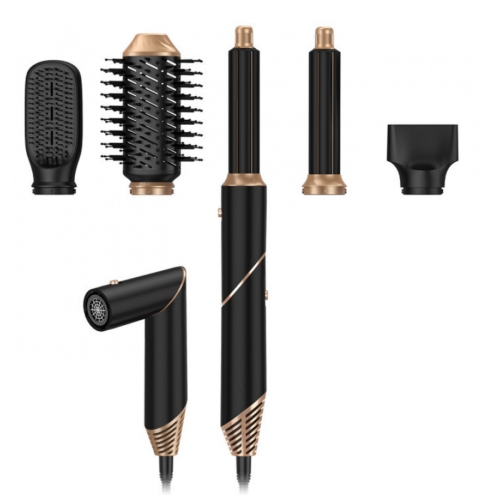

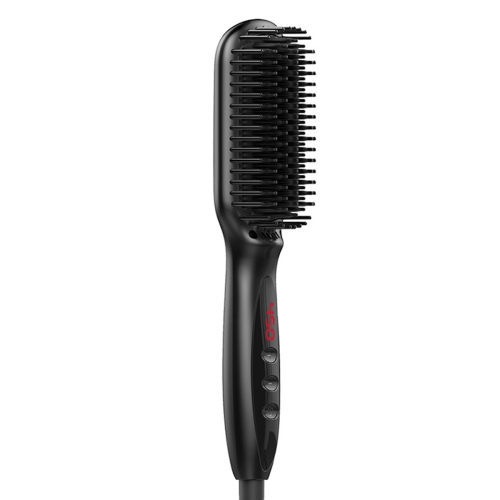
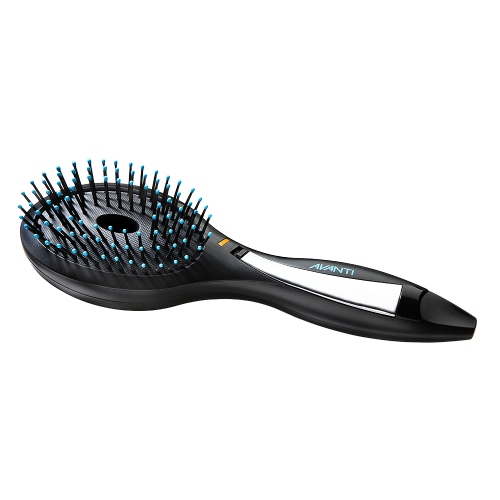
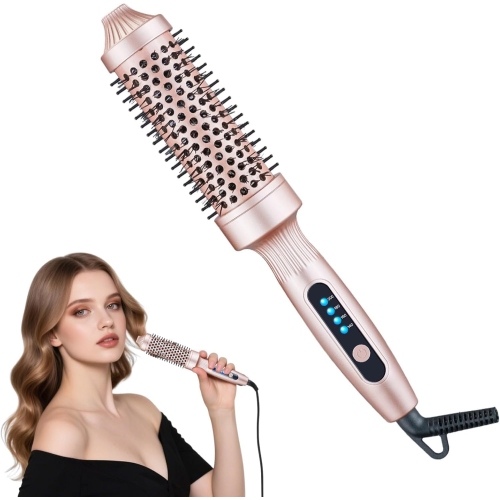
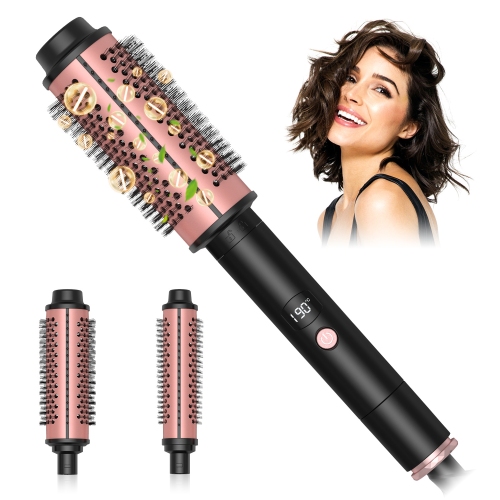
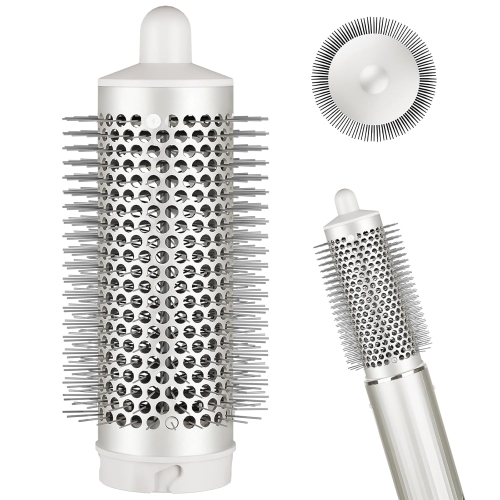
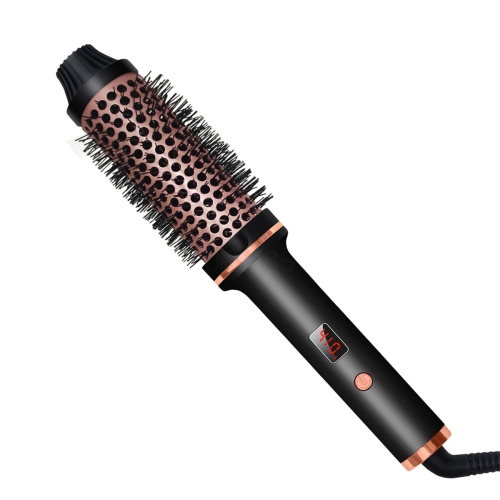
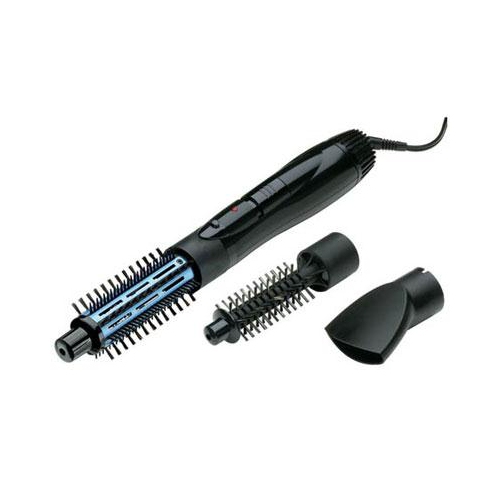
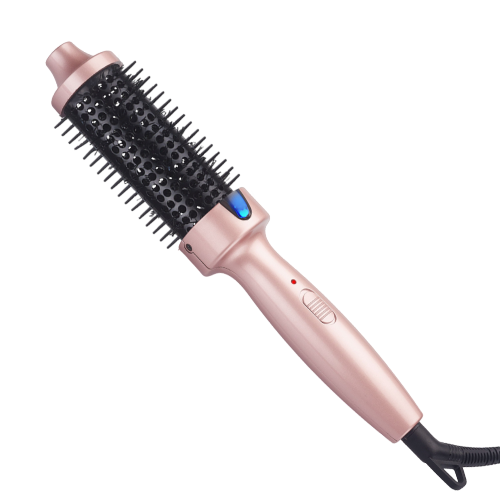
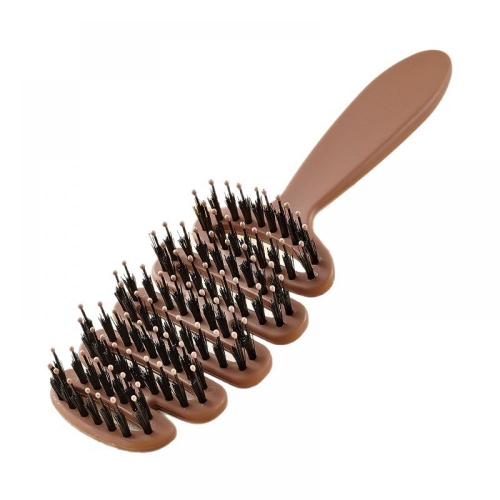
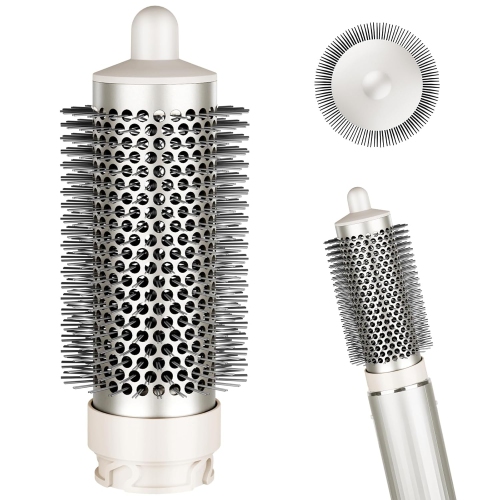
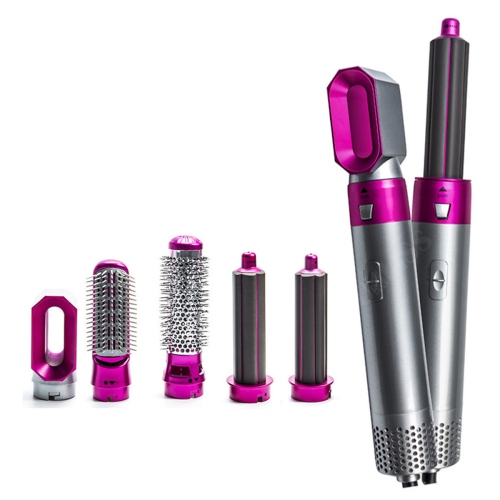
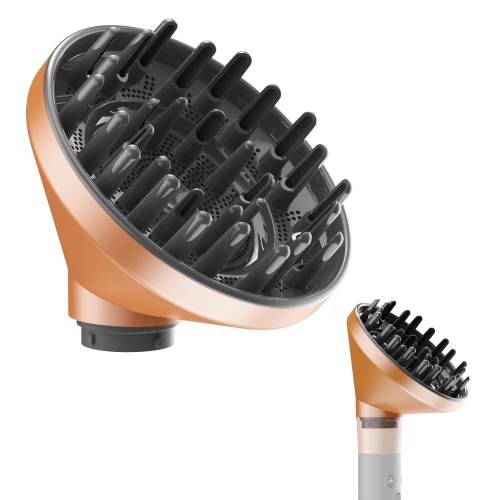
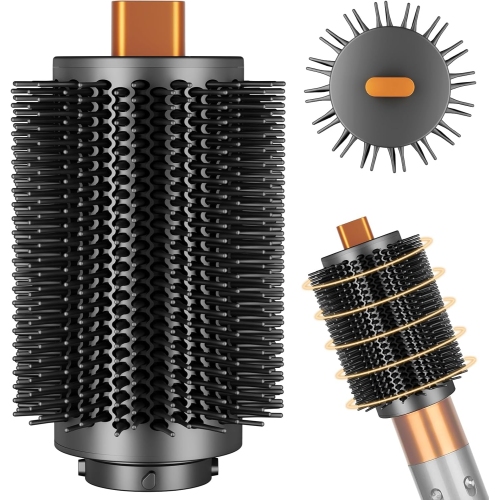
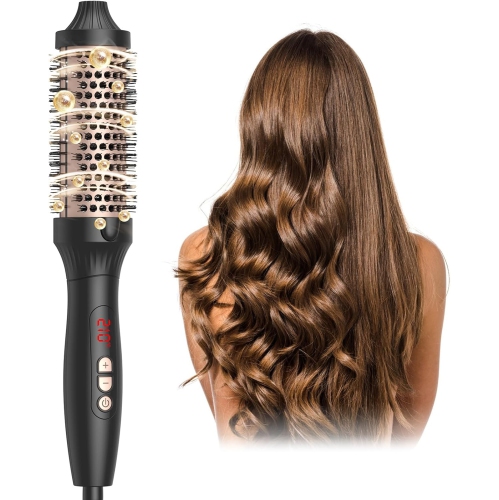
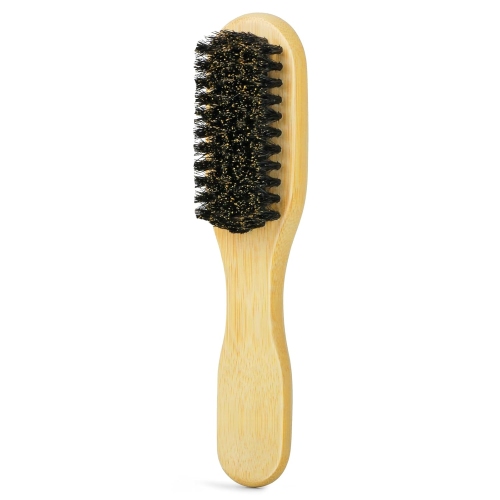

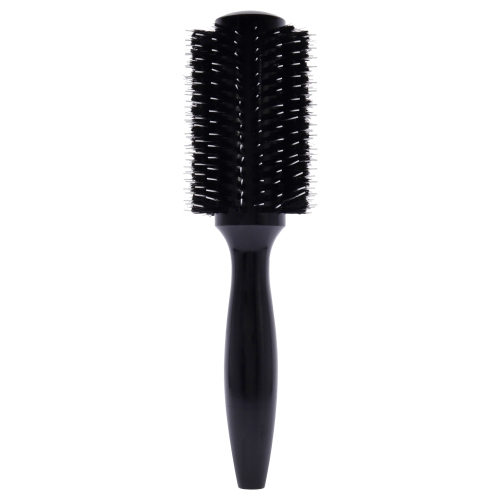
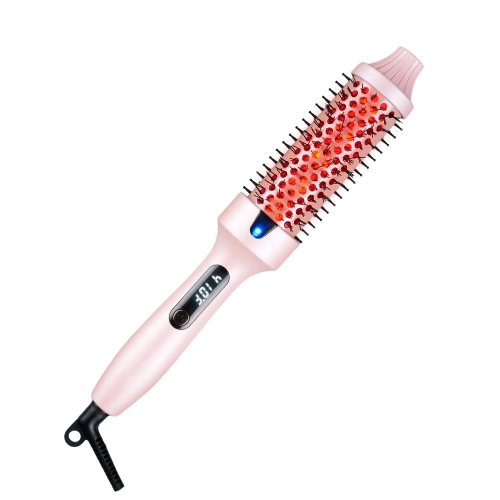
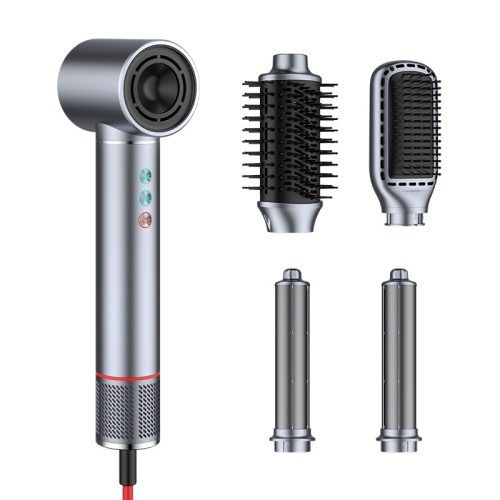
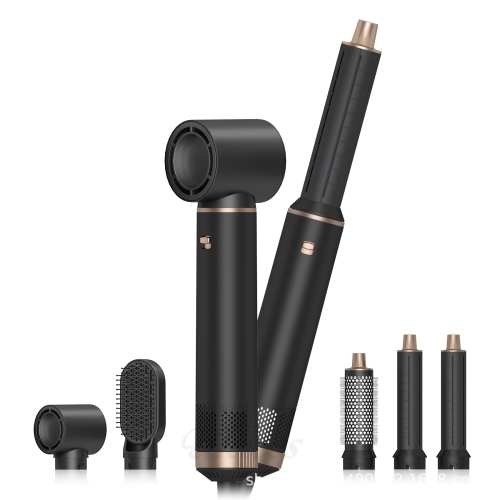
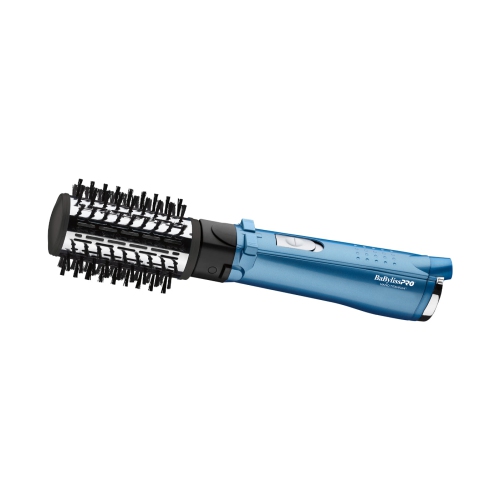
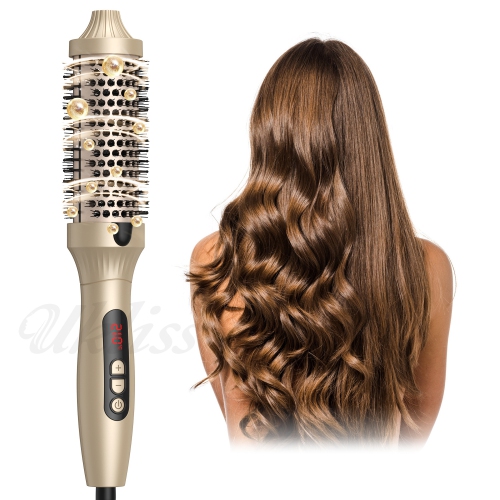
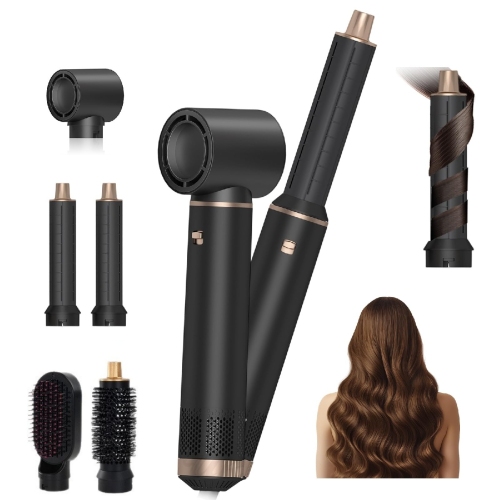
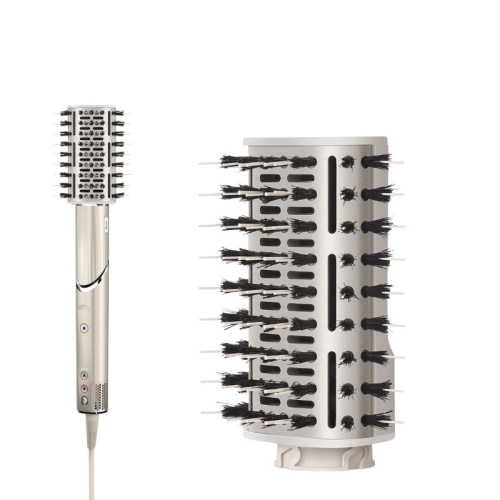
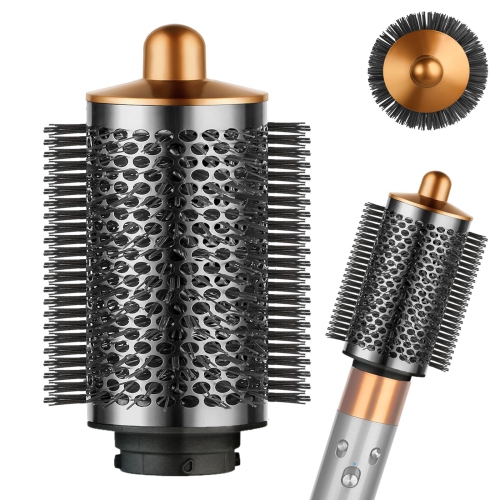
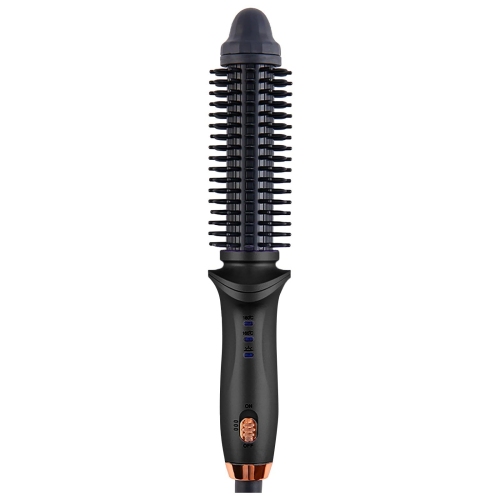
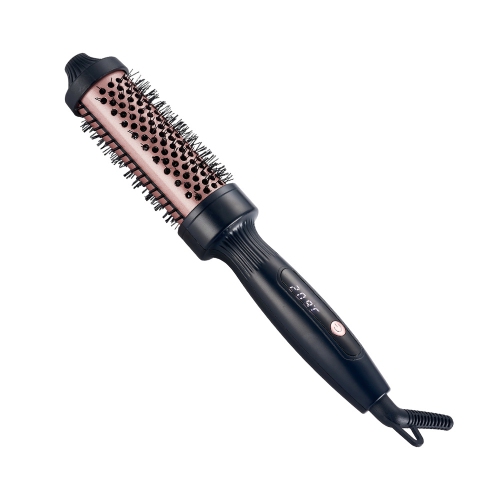
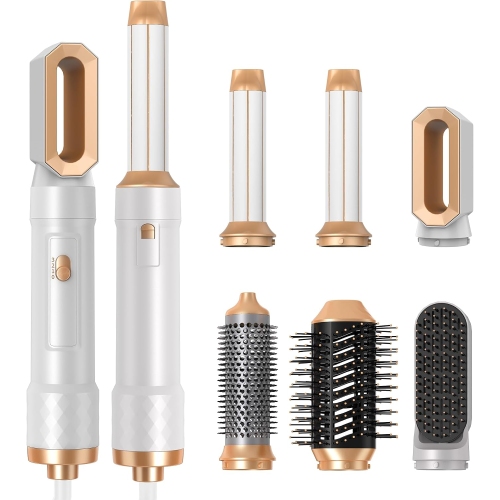
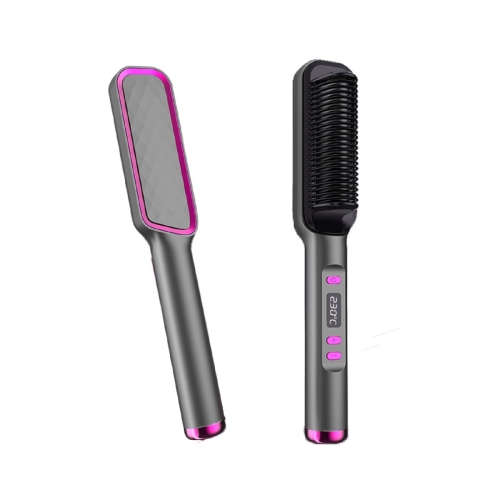
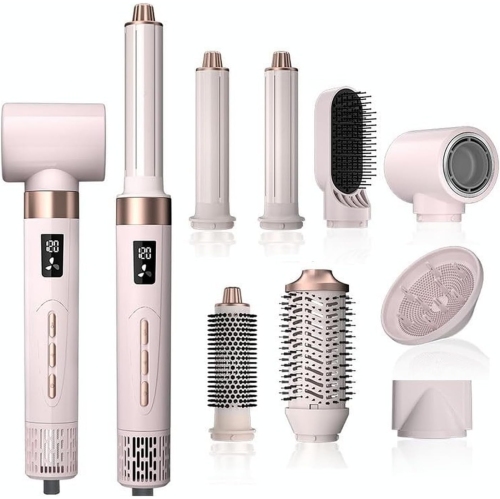
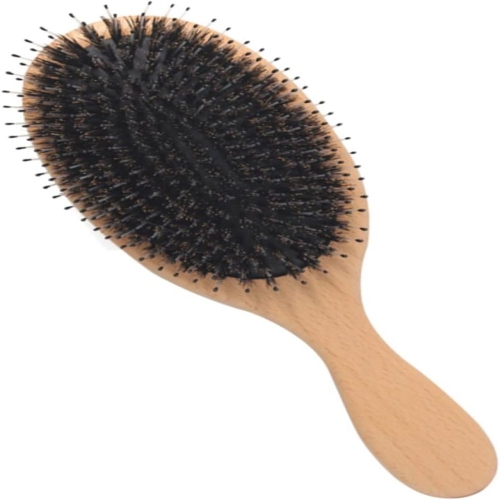
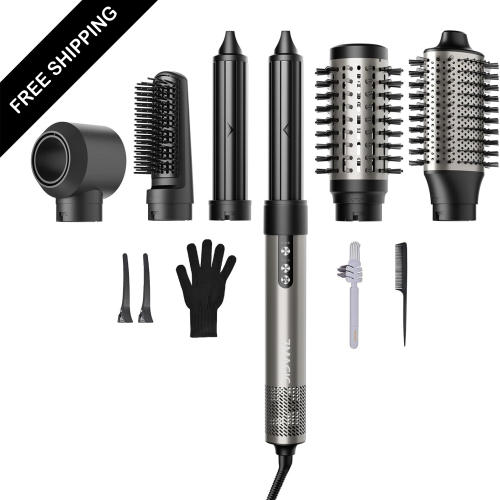
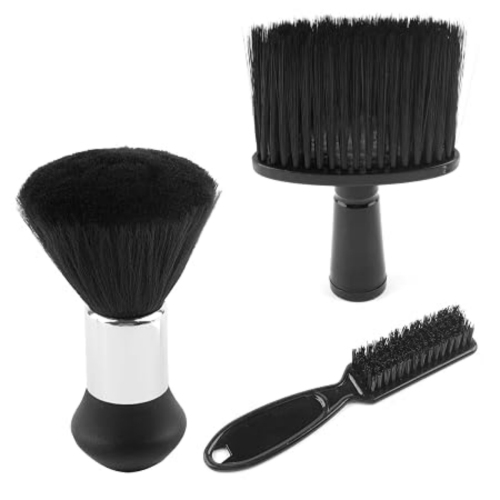
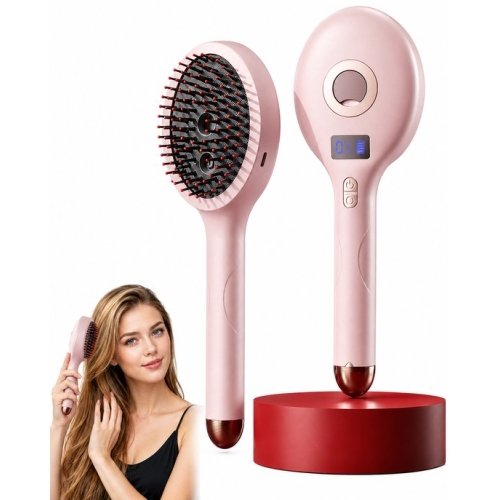
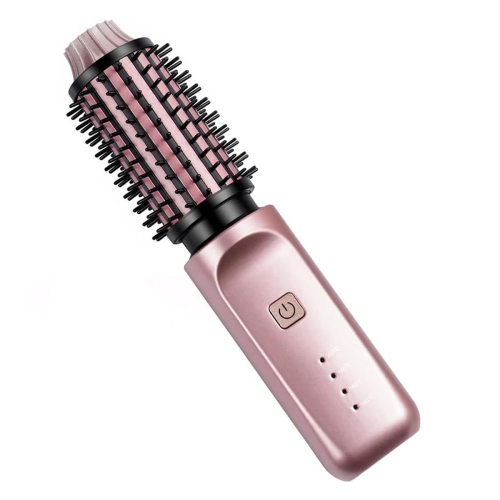
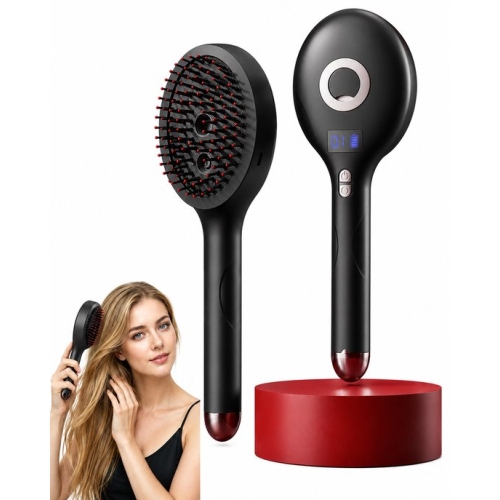
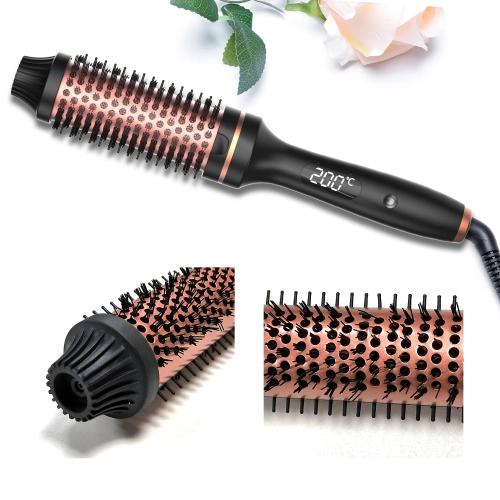
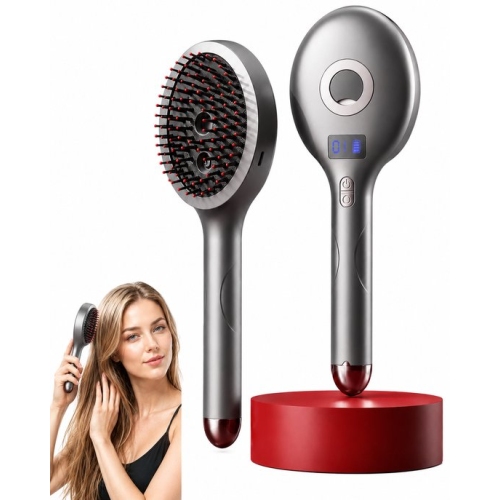
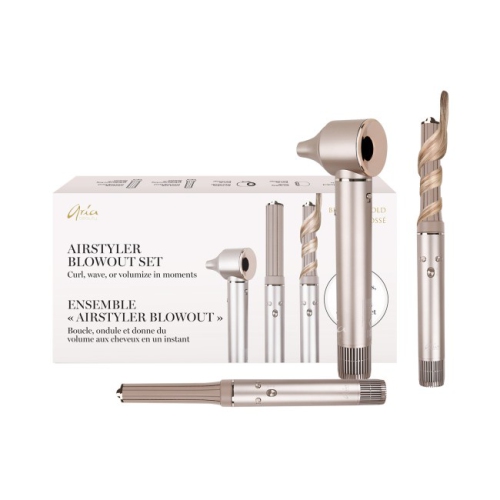
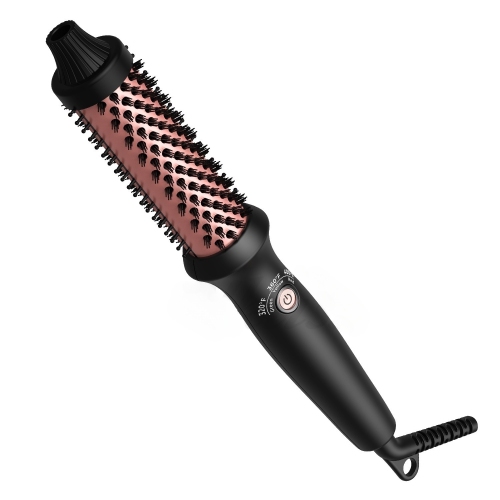
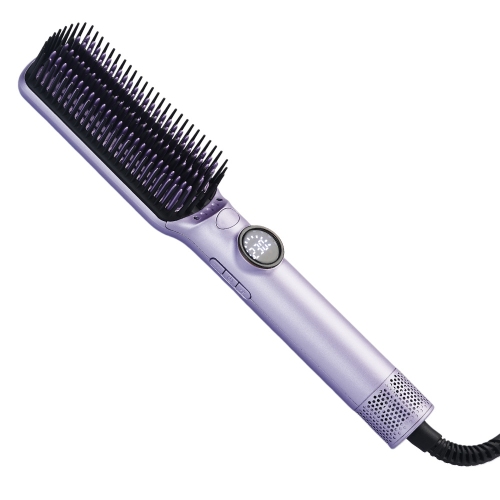
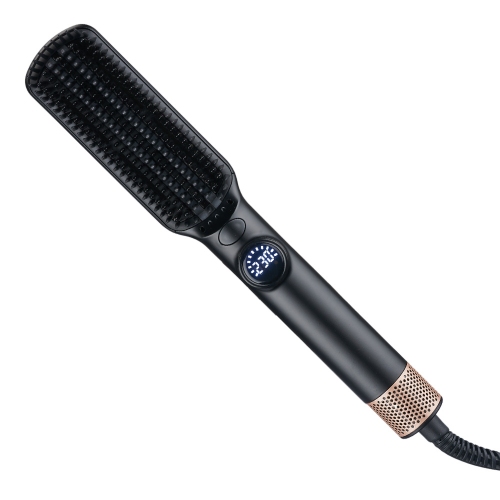
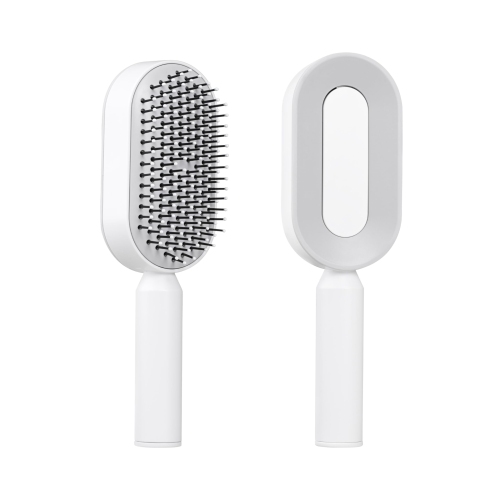
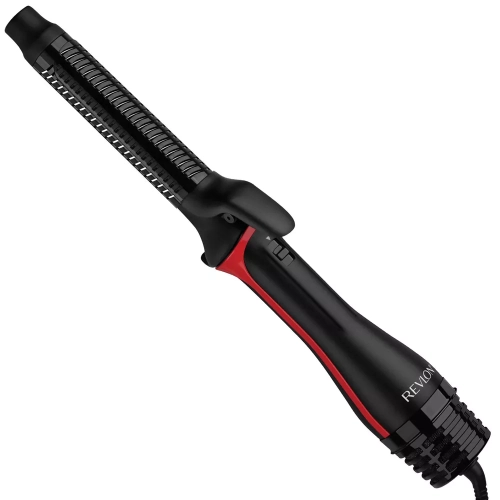
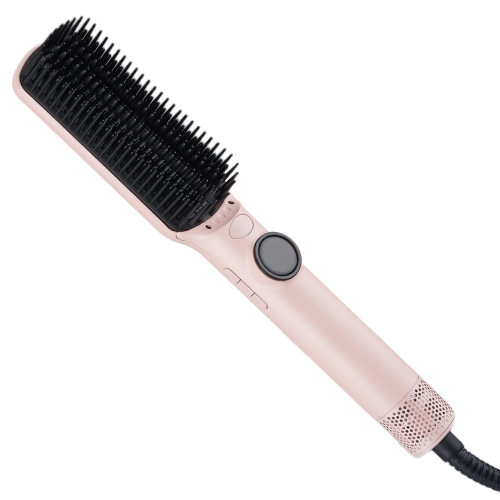
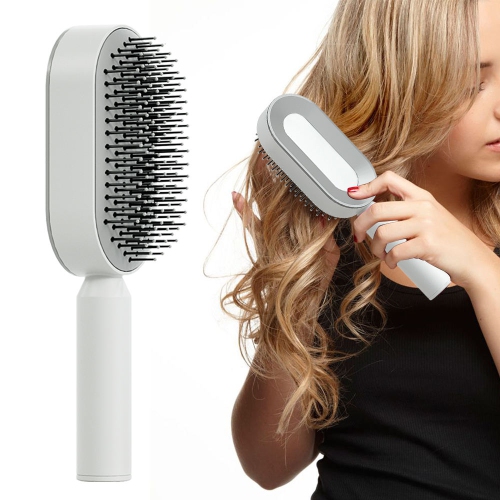
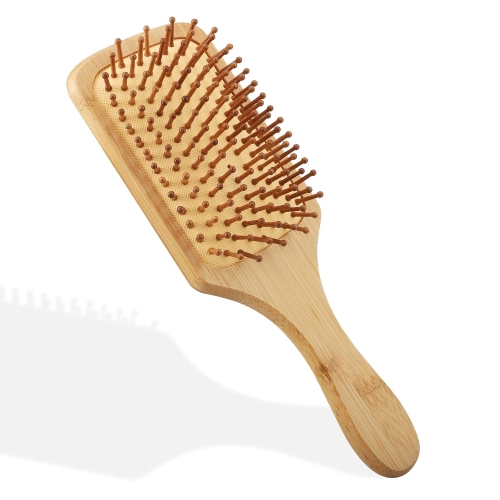
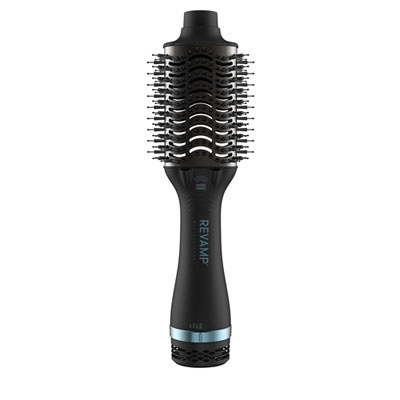
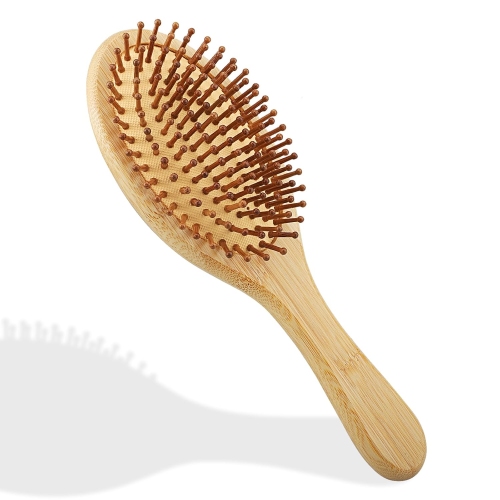

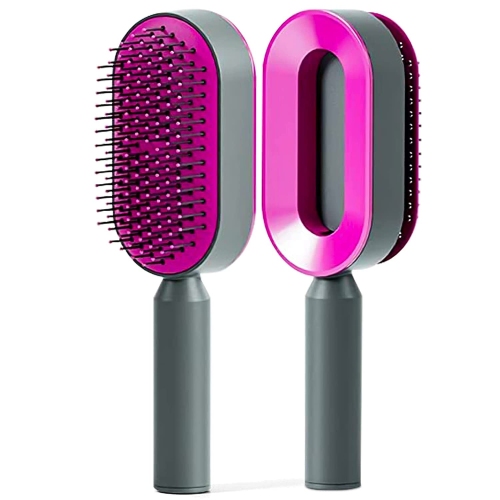
How airflow and bristles shape a smoother blowout
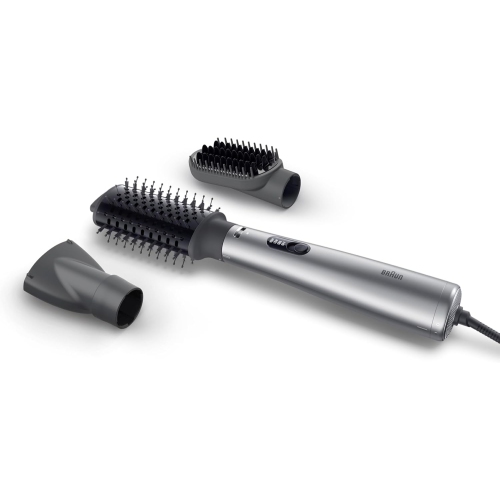
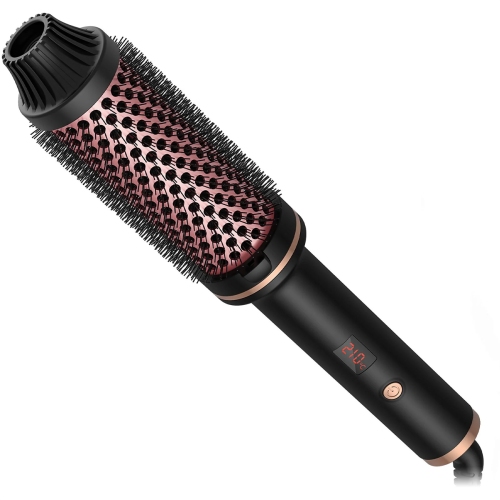
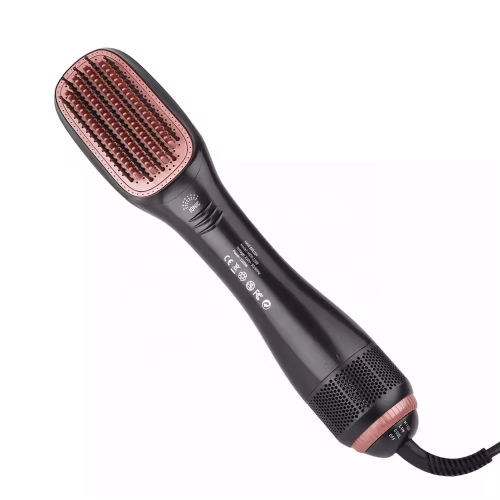
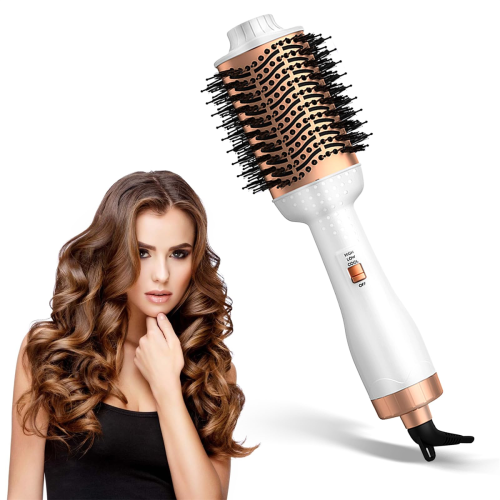
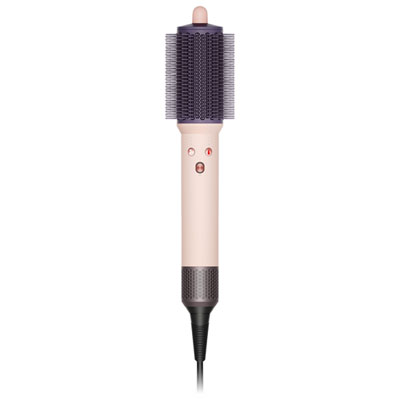
Hair blow brushes combine airflow from a hair dryer with the shaping surface of a brush, allowing hair to be dried, smoothed, and styled with one tool. Often called hair dryer brushes or Hot Air Brushes, they direct warm air through openings around the brush head while the bristles hold and guide each section. This combination can help create lift at the roots, a smooth finish through the lengths, and softly curved ends without holding a separate dryer and round brush. The result depends on hair texture, the brush shape, and the way each section is worked: lifting upward at the crown encourages volume, while guiding the brush down the hair helps produce a sleeker outline. Most are intended for damp, towel-dried hair rather than dripping-wet hair, although the permitted starting moisture level varies by design. They are different from heated straightening brushes that use a hot surface without drying airflow and are generally intended for dry hair. A blow brush can suit someone who enjoys a rounded blowout, wants to shape a fringe, or prefers one tool for smoothing and adding body. It can also make the coordination of brushing and drying feel more manageable, though longer or denser hair still benefits from patient sectioning. Some designs have fixed brush heads, while others use interchangeable attachments for different shapes and finishes. Round heads are useful for bending ends and building lift; oval heads typically offer a broader surface for smoothing while their curved edges help create movement. Paddle-style heads lean towards brushing hair straighter rather than forming a rounded curl. These tools are best understood as styling aids, not direct substitutes for every dryer, straightener, or curling tool. Their appeal is in combining familiar brushing motions with directed airflow for an everyday finish or a more polished style before dinner, a celebration, or a day at work.
The right fit involves both the hair being styled and the person holding the brush. A larger barrel can move through longer sections efficiently and create a broad bend, but it may feel awkward around a short fringe or close to the nape. A smaller barrel offers more control on shorter lengths and face-framing sections, provided the hair is long enough to wrap around it without tangling. Very long hair needs particular care around the barrel; guiding a section through gradually is safer than winding the entire length tightly around the head. Fine or fragile hair generally benefits from gentler heat and limited repeat passes, while thick or coarse hair may need smaller sections and more drying time rather than simply the highest setting. Curly and tightly textured hair can require a different preparation routine, and a brush chosen for a stretched or smooth finish should be assessed against the desired result rather than assumed to preserve natural curl definition. Separate heat and airflow controls offer useful flexibility, and a cool setting can help finish a shaped section after drying. Materials also affect the brushing experience. Nylon pins can help separate strands, while tufted bristles can provide additional grip; their spacing, flexibility, and condition matter as much as the material name. Ceramic-coated surfaces are commonly used to help distribute heat, but they do not remove the risk of heat damage. Ionic features may help reduce static and flyaway hair, although results vary and they do not repair damaged strands. Comfort becomes especially noticeable when styling the back of the head: a balanced handle, accessible controls, and manageable weight can make repeated movements easier. A swivel cord can reduce twisting during use, while a secure attachment connection helps keep a removable head steady. Sound level, storage space, and the ease of reaching the controls are practical details worth considering. For travel, check the stated voltage compatibility and plug requirements; a plug adapter alone does not make a single-voltage appliance suitable for a different electrical supply.
Preparation and care have a noticeable effect on both the finish and the useful life of a hair blow brush. Gently remove excess water with a towel, detangle with a suitable comb or brush, and apply a heat protectant according to its directions before styling. If the tool’s instructions call for partially dried hair, allow that drying stage first rather than asking the brush to remove all the moisture from soaking-wet lengths. Divide the hair into sections that fit comfortably across the brush head, keeping the remaining hair clipped out of the way. Working with a manageable section allows air to reach the strands more evenly and reduces the temptation to pull harder or repeat the same pass. Start with a lower suitable heat setting, keep the brush moving, and avoid holding a hot barrel against the scalp. For volume, lift a section away from the roots before moving through the length; for turned-under ends, guide the tips around the curved edge without wrapping them tightly. Letting a finished section cool before brushing through it can help retain its shape. Persistent snagging, a burning smell, or unusual noise is a reason to stop, unplug the tool, and inspect it according to the manufacturer’s directions. After use, switch it off, unplug it, and allow it to cool on a suitable heat-resistant surface before storage. Remove trapped hair and product residue as directed, and keep air inlets clear so airflow is not restricted. Never immerse the electrical body in water, and only wash a detachable component if its care instructions explicitly permit it. Store the cord loosely rather than pulling it tightly around the handle, and keep the appliance away from water and children. As a gift, a blow brush is most thoughtful when it matches the recipient’s hair length, styling preferences, and comfort with heat tools. Someone who regularly creates a smooth blowout may appreciate a different head shape from someone who mainly styles a fringe or adds lift at the crown. Those everyday habits are more useful clues than the number of attachments alone.
Top selling and popular products
-
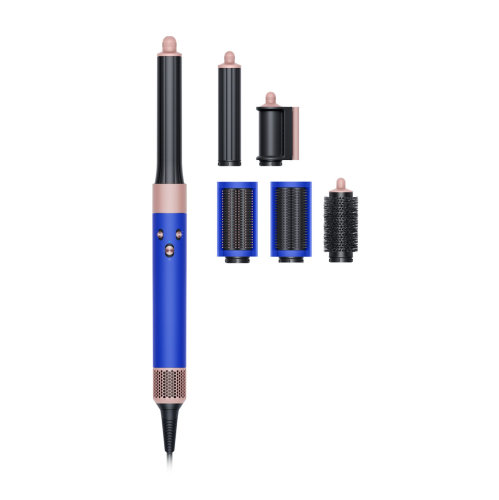 Your price for this item is $319.99
-
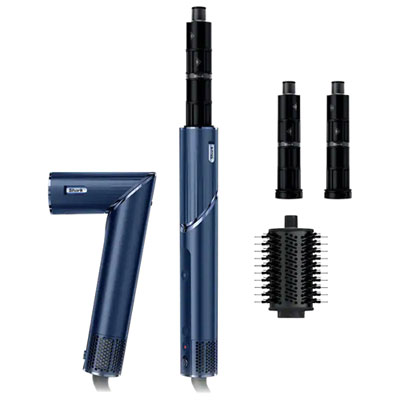 Your price for this item is $329.99
-
 Your price for this item is $108.89
-
 Your price for this item is $104.49
-
 Your price for this item is $599.99
-
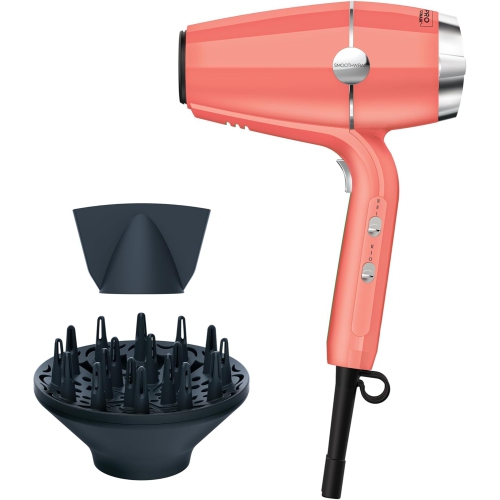 Your price for this item is $120
-
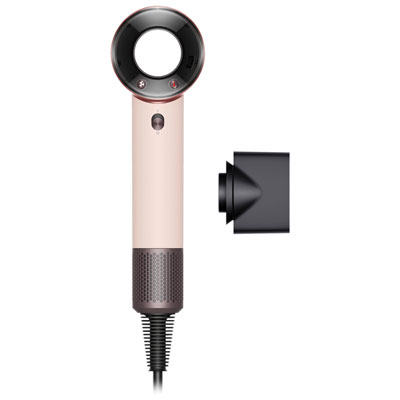 Your price for this item is $399.99
-
 Your price for this item is $349.99
Discover more categories related to Hair Blow Brushes
Top Collections:
Best Black Friday Deals This Year, Best Black Friday Deals On Electronics, Kindle Devices, Pokemon Centers, Best Black Friday Deals On Apple Products, Best Cameras for Sports Photography, Dyson Airwrap, Pokémon 30th Celebration Cards, Apple iPhone 17 Pro, Canon G7X Cameras
Some products may be subject to Environmental Handling Fees
(EHF) depending on your province.
Learn more about EHFs.