Blowout Brushes
Looking to achieve salon-worthy blowouts from the comfort of your own home? Look no further than our selection of blowout brushes. These innovative tools are designed to effortlessly add volume, smoothness, and shine to your hair, giving you that perfect blow-dried look in no time. Whether you have long locks or a short bob, our range of blowout brushes offers something for everyone. Say goodbye to frizz and hello to fabulous hair with our collection of top-quality blowout brushes.
Sort
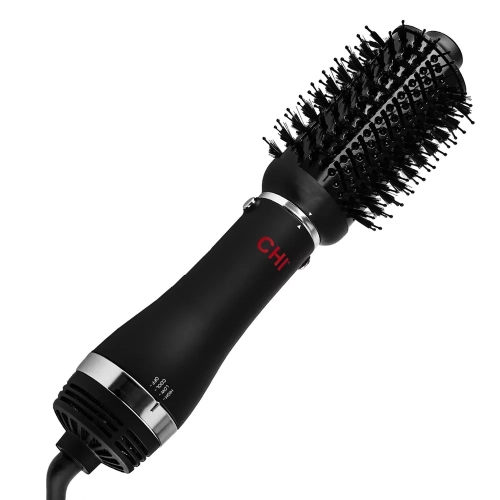

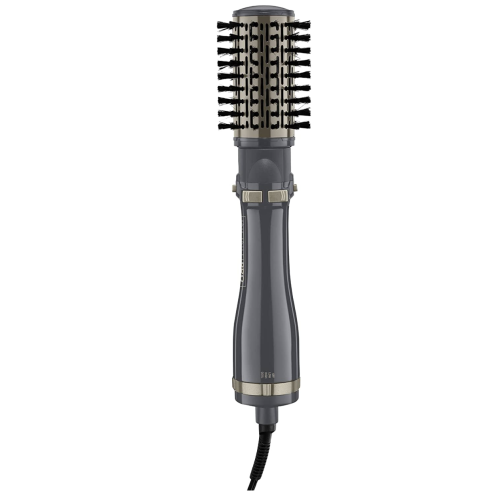
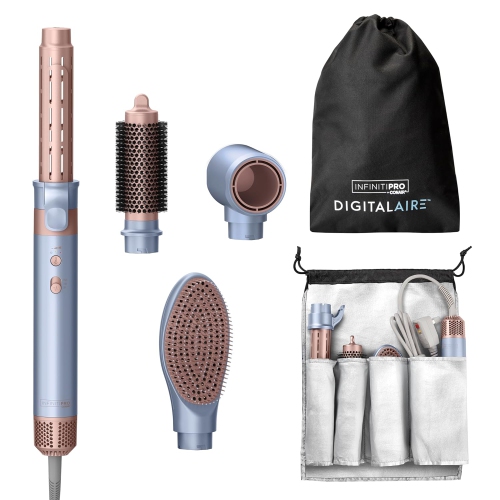
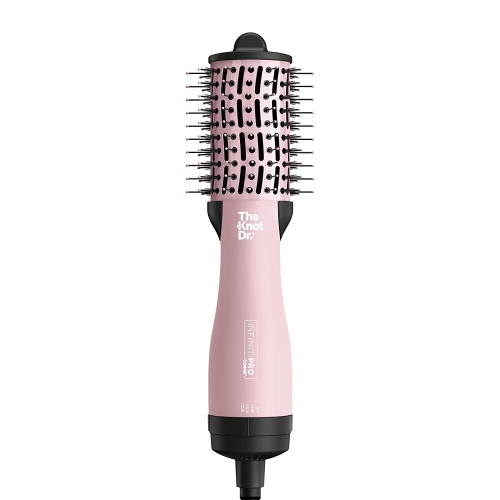
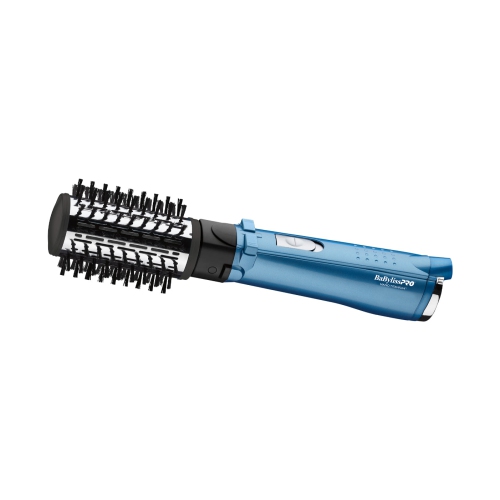
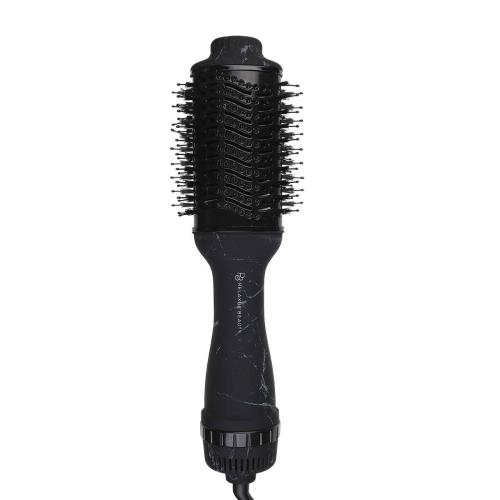
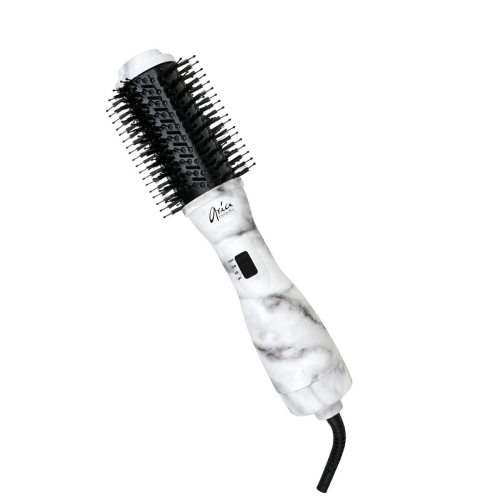
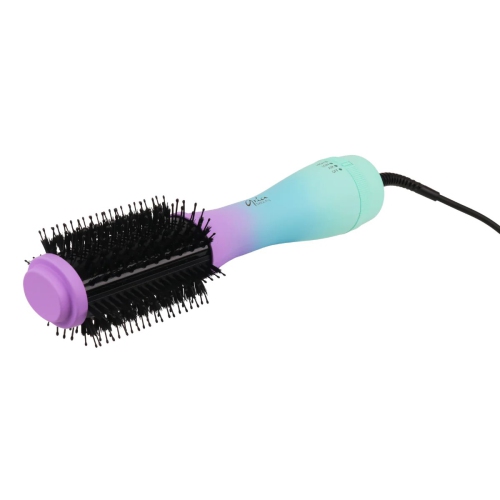
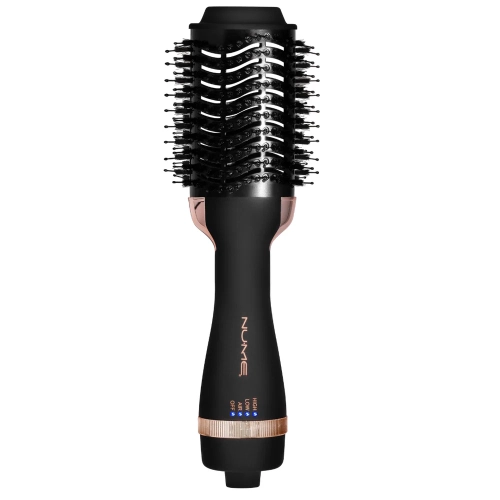
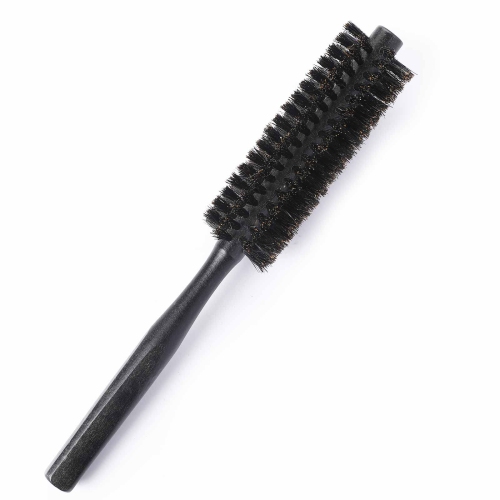
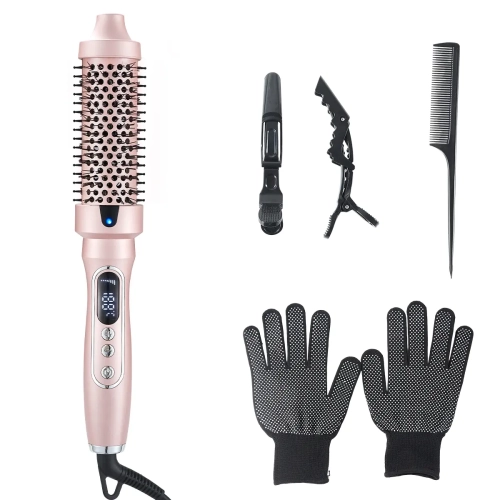
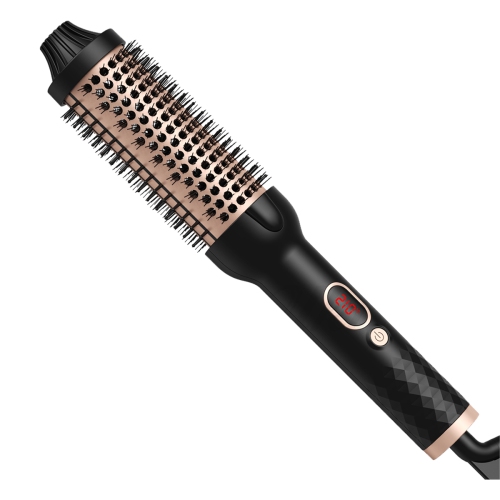
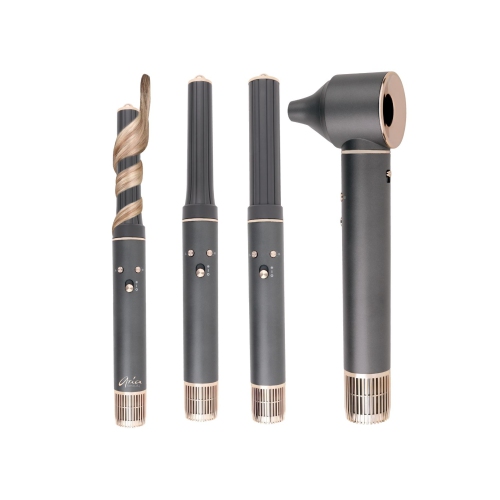
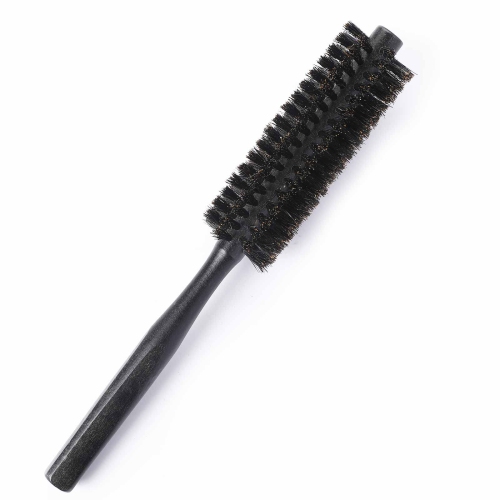
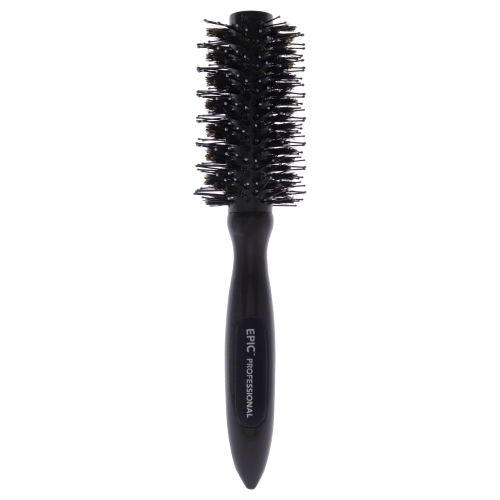
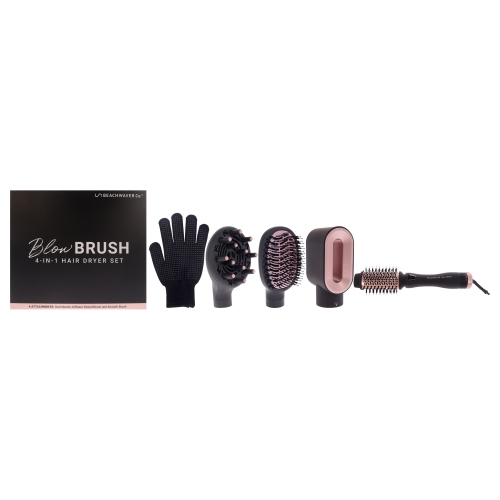
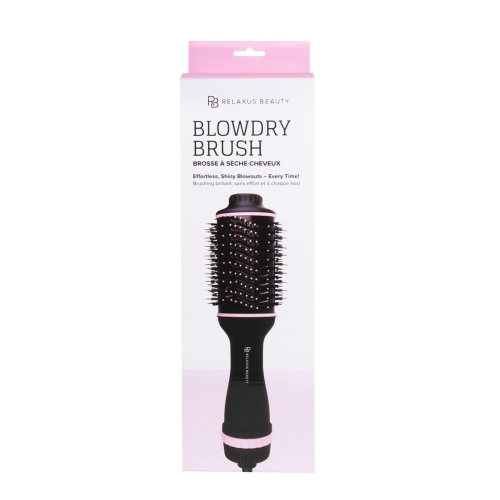

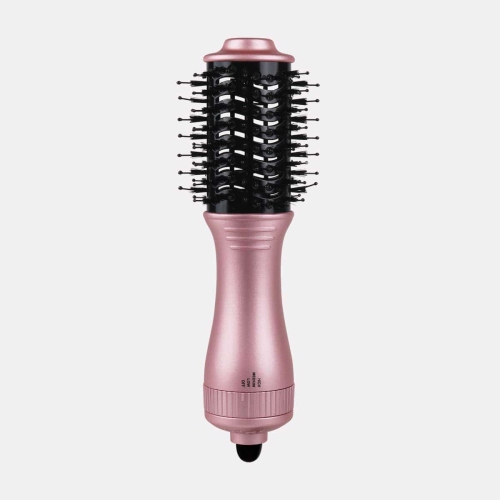
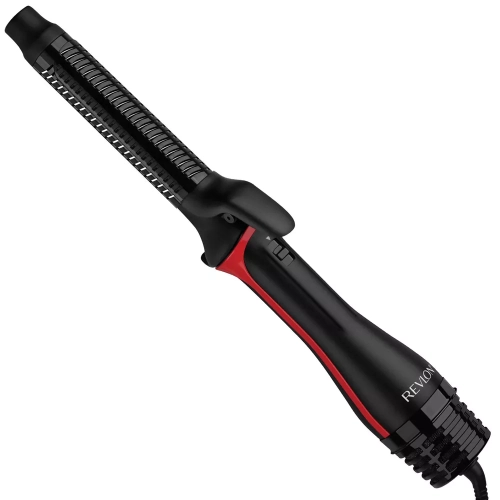
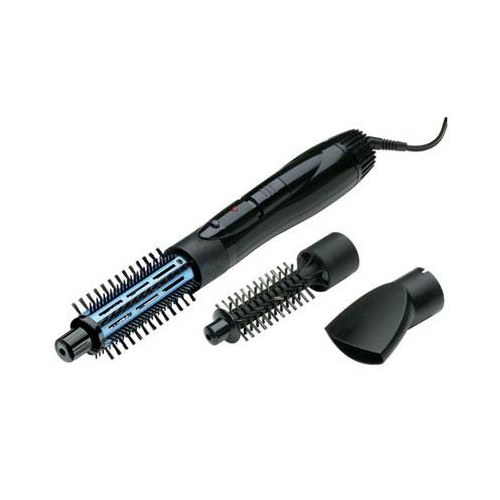
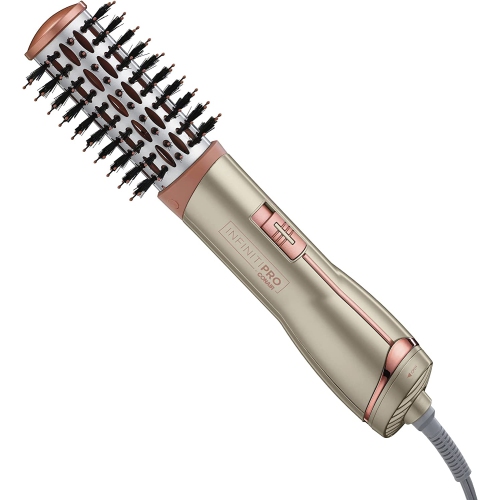
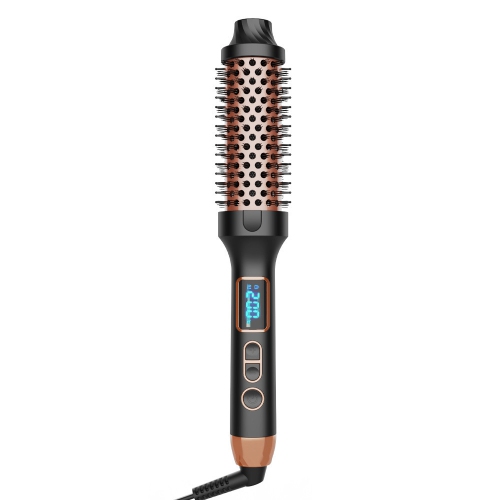
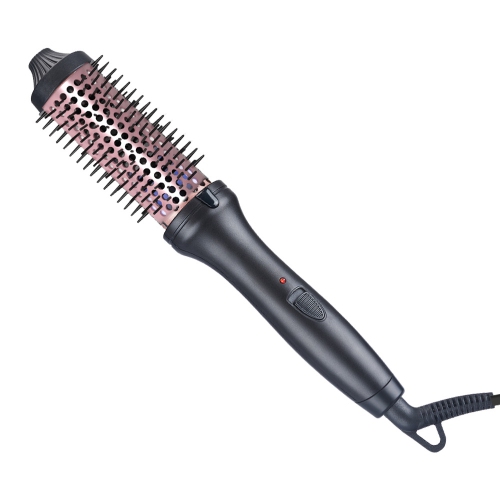
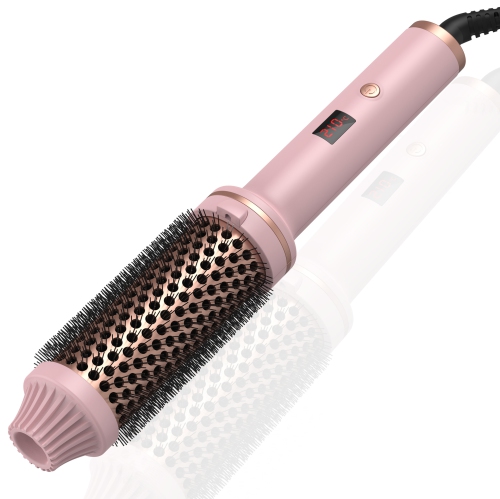
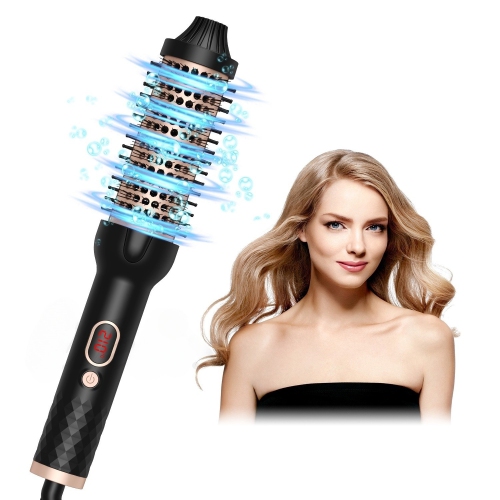
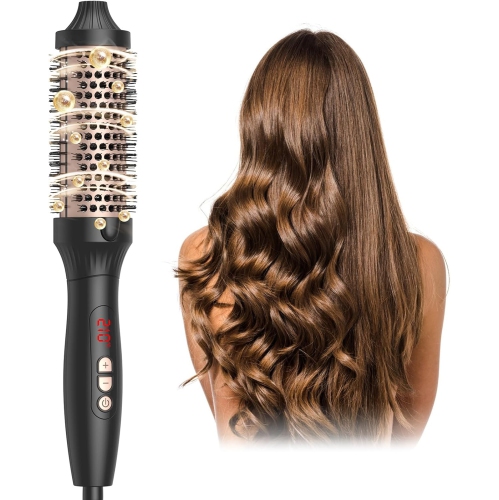
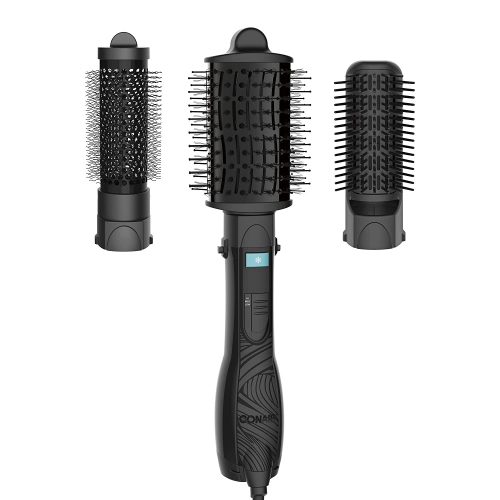
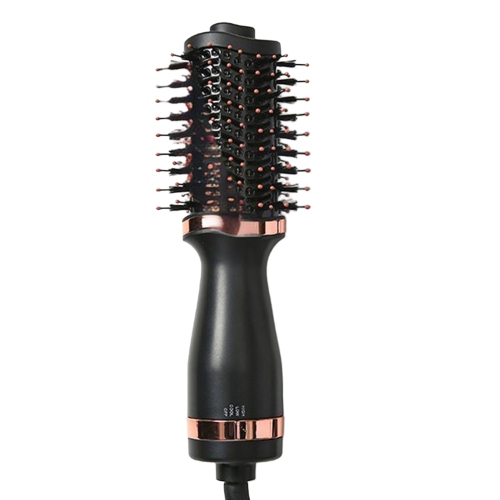
How brush shape affects lift and smoothness
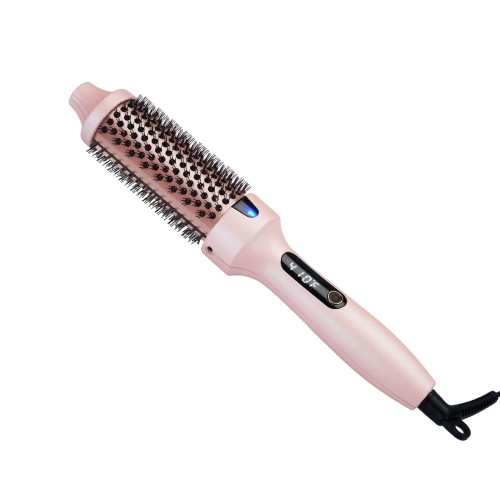
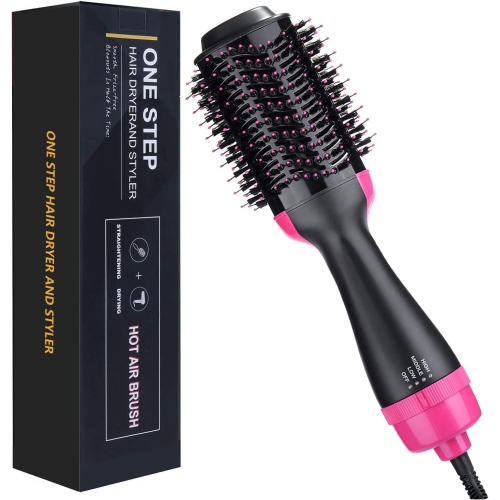
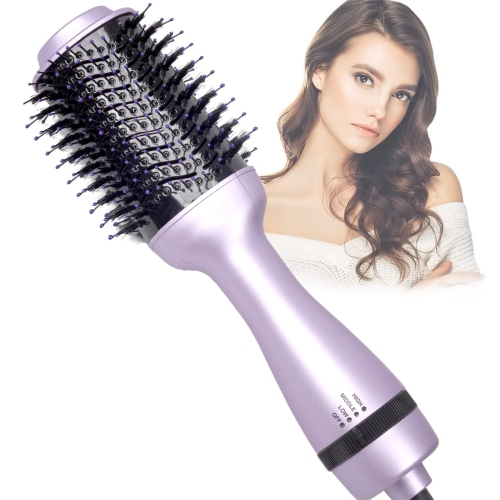
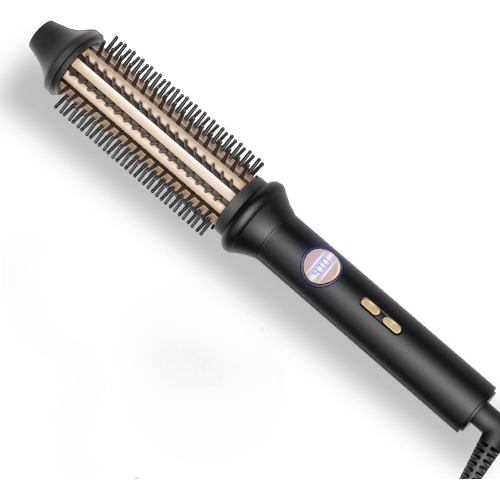
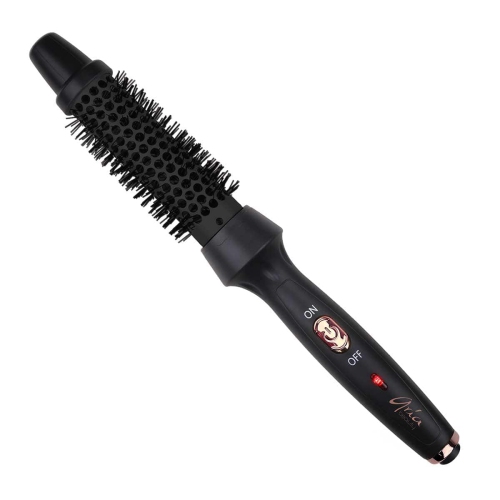
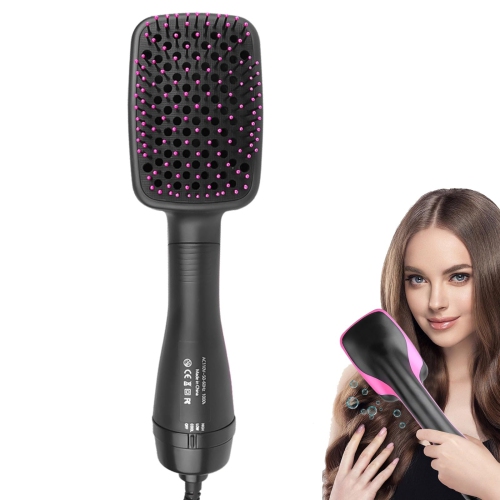
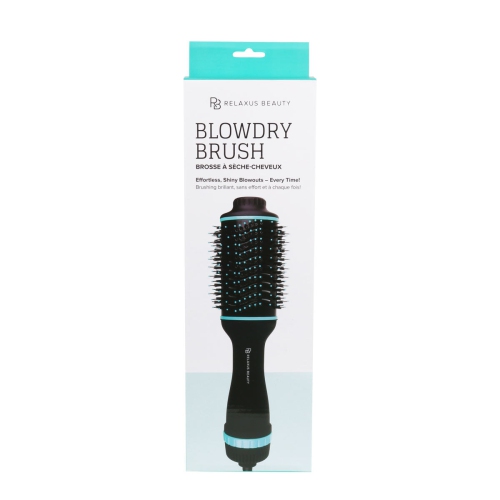
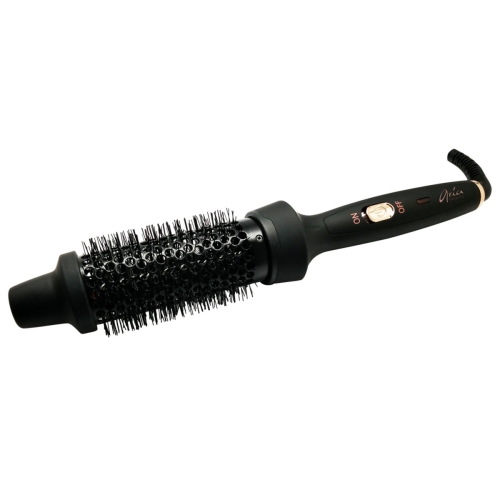
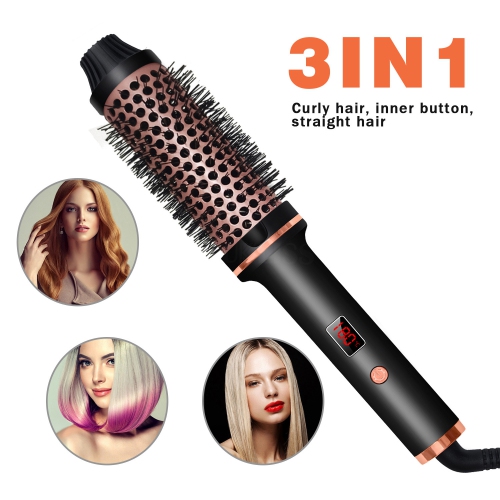
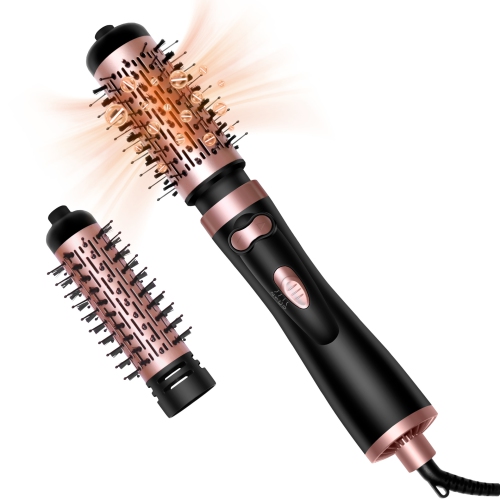
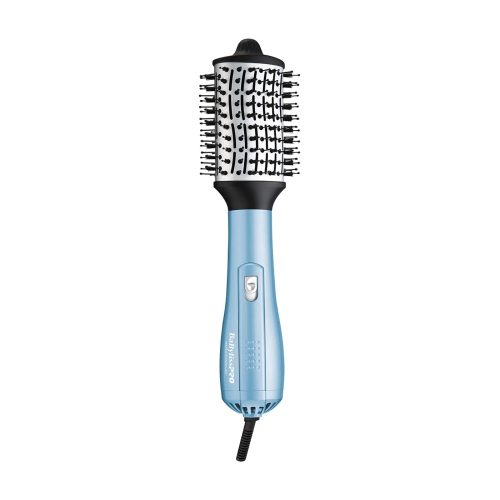
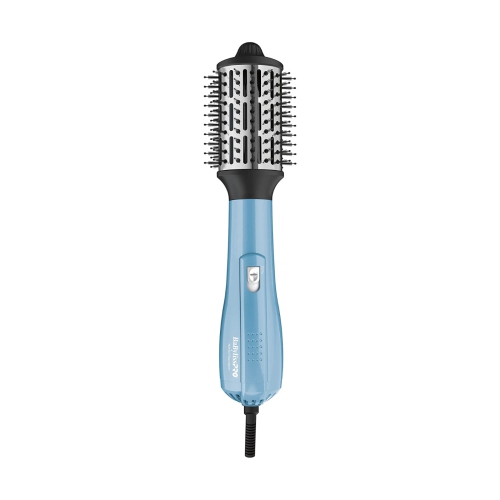
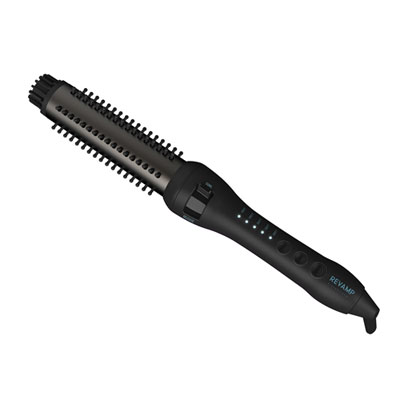
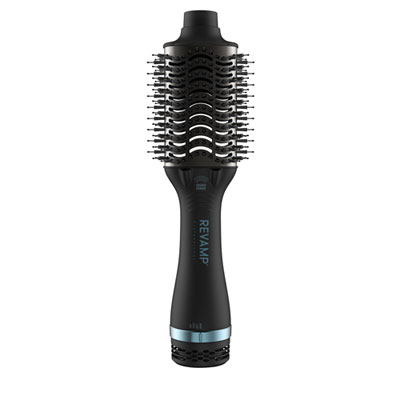
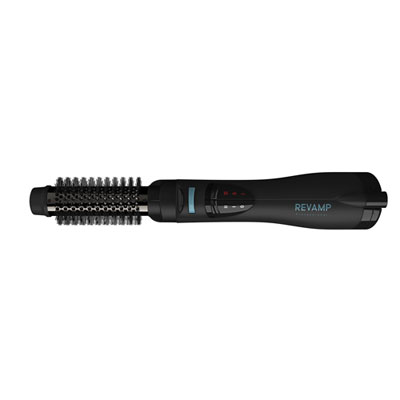
Blowout brushes are hair styling tools designed to create the smooth finish, lifted roots, and softly curved ends associated with a salon blowout. A hot air blowout brush combines airflow with a round or oval brush head, allowing hair to be dried and shaped with one tool rather than a separate hair dryer and brush. The brush holds a section of hair under light tension while warm air passes through it, helping guide strands into a fuller, more polished shape. Not every brush used for a blowout works the same way, though. A manual round brush needs a separate dryer, while a heated styling brush without airflow is generally intended to shape dry hair rather than dry wet hair. These differences matter when matching a tool to an everyday routine, whether that means smoothing a shoulder-length cut before work or adding movement to long layers before an evening out. Round barrels tend to suit curved ends, defined bends, and lift around the crown, while oval heads offer a broader surface for smoothing lengths and creating a rounded finish. Paddle-style hot air brushes generally emphasize smoothing rather than a pronounced curl. The result also depends on hair texture, section size, and how the brush is moved; a blowout brush is better suited to volume and soft shaping than the tightly defined curls of a curling iron or the very flat finish of a straightener. For related styling options, Blow Dry Brushes offer another way to explore this type of hair tool. Blowout brushes can appeal to people learning to style their own hair, those who find coordinating two separate tools awkward, and anyone who likes a bouncy finish with fewer steps. They can also make a thoughtful gift for someone who already enjoys hairstyling, particularly when the brush shape and controls suit that person’s hair and habits.
The right fit involves more than hair length alone. Barrel size, bristle design, heat settings, and the weight of the handle all affect how comfortably a blowout brush moves through the hair. A smaller barrel can get closer to shorter layers and shape a fringe more easily, while a larger head gives longer sections more surface to wrap around. On very short hair, an oversized oval brush may be difficult to position near the roots; on long, dense hair, a small head may require more sections and a longer styling session. Fine hair often benefits from gentler heat and controlled airflow, while thick or coarse hair may need smaller sections and additional drying time rather than simply the highest temperature. For curly or tightly textured hair, a blowout brush may help stretch and smooth the lengths, but the finish will vary with the natural curl pattern and preparation. Bristles should provide enough grip to guide hair without persistent pulling. Nylon pins, tufted bristles, or a combination of the two can create different levels of tension, and rounded tips may feel more comfortable against the scalp. Ceramic-coated surfaces are commonly used to help distribute heat, although the coating does not remove the risk of heat damage. Ionic features may help reduce static and flyaways, but their effect varies, and they do not replace heat protection or careful handling. Adjustable heat and airflow settings offer useful flexibility for delicate ends, denser roots, and touch-ups between washes. A cool setting, where included, can help cool a shaped section before it is released. Handle thickness, control placement, and cord movement deserve attention as well: a tool that feels manageable at waist height may feel heavier when held behind the head. A swivel cord can make changing angles easier, while clearly positioned controls reduce the chance of switching settings accidentally during styling. Detachable heads can add versatility, provided their shapes are useful for the hairstyles being created.
Everyday performance also depends on preparation and care. Unless the manufacturer specifically directs otherwise, a hot air brush is generally best used on towel-dried, partially air-dried hair rather than hair that is dripping wet. Removing excess moisture first can make styling more manageable and reduce the time each section spends exposed to heat. A brush that heats without blowing air should be used on dry hair according to its instructions. Gently detangling beforehand gives the bristles a clearer path, and a heat protectant suitable for the hair type helps support a more considered styling routine. Smaller sections allow airflow to reach the hair more evenly; trying to pull a thick bundle through the brush can leave the inner strands damp while the outer layers receive repeated heat. For root lift, the brush can guide a section upward and away from the scalp, with comfortable clearance from the hot surface. Through the lengths, steady movement and light tension are usually more useful than forceful pulling or holding the brush in one spot. Long hair should not be wound repeatedly around the barrel, where it can become difficult to release. Letting finished sections cool before vigorous brushing helps preserve their shape, whether the aim is a smooth bob or loose, sweeping layers. During the cooler months, gentle touch-ups can refresh hair flattened by a hat without repeating a full styling session. To help maintain the tool, unplug it, let it cool completely, and remove trapped hair from the bristles regularly. Clear air inlets and outlets according to the manufacturer’s directions, since lint and product residue can interfere with airflow. Electrical parts should never be immersed in water, and attachments should only be washed if their care instructions permit it. Storing the brush where the bristles will not be crushed, keeping the cord loosely arranged, and checking for wear can help extend its useful life. For travel, verify the voltage requirements rather than assuming a plug adapter makes the tool compatible. Used with suitable preparation and realistic expectations, a blowout brush can become a practical part of a routine built around smoother lengths, fuller roots, and softly shaped hair.
The right fit involves more than hair length alone. Barrel size, bristle design, heat settings, and the weight of the handle all affect how comfortably a blowout brush moves through the hair. A smaller barrel can get closer to shorter layers and shape a fringe more easily, while a larger head gives longer sections more surface to wrap around. On very short hair, an oversized oval brush may be difficult to position near the roots; on long, dense hair, a small head may require more sections and a longer styling session. Fine hair often benefits from gentler heat and controlled airflow, while thick or coarse hair may need smaller sections and additional drying time rather than simply the highest temperature. For curly or tightly textured hair, a blowout brush may help stretch and smooth the lengths, but the finish will vary with the natural curl pattern and preparation. Bristles should provide enough grip to guide hair without persistent pulling. Nylon pins, tufted bristles, or a combination of the two can create different levels of tension, and rounded tips may feel more comfortable against the scalp. Ceramic-coated surfaces are commonly used to help distribute heat, although the coating does not remove the risk of heat damage. Ionic features may help reduce static and flyaways, but their effect varies, and they do not replace heat protection or careful handling. Adjustable heat and airflow settings offer useful flexibility for delicate ends, denser roots, and touch-ups between washes. A cool setting, where included, can help cool a shaped section before it is released. Handle thickness, control placement, and cord movement deserve attention as well: a tool that feels manageable at waist height may feel heavier when held behind the head. A swivel cord can make changing angles easier, while clearly positioned controls reduce the chance of switching settings accidentally during styling. Detachable heads can add versatility, provided their shapes are useful for the hairstyles being created.
Everyday performance also depends on preparation and care. Unless the manufacturer specifically directs otherwise, a hot air brush is generally best used on towel-dried, partially air-dried hair rather than hair that is dripping wet. Removing excess moisture first can make styling more manageable and reduce the time each section spends exposed to heat. A brush that heats without blowing air should be used on dry hair according to its instructions. Gently detangling beforehand gives the bristles a clearer path, and a heat protectant suitable for the hair type helps support a more considered styling routine. Smaller sections allow airflow to reach the hair more evenly; trying to pull a thick bundle through the brush can leave the inner strands damp while the outer layers receive repeated heat. For root lift, the brush can guide a section upward and away from the scalp, with comfortable clearance from the hot surface. Through the lengths, steady movement and light tension are usually more useful than forceful pulling or holding the brush in one spot. Long hair should not be wound repeatedly around the barrel, where it can become difficult to release. Letting finished sections cool before vigorous brushing helps preserve their shape, whether the aim is a smooth bob or loose, sweeping layers. During the cooler months, gentle touch-ups can refresh hair flattened by a hat without repeating a full styling session. To help maintain the tool, unplug it, let it cool completely, and remove trapped hair from the bristles regularly. Clear air inlets and outlets according to the manufacturer’s directions, since lint and product residue can interfere with airflow. Electrical parts should never be immersed in water, and attachments should only be washed if their care instructions permit it. Storing the brush where the bristles will not be crushed, keeping the cord loosely arranged, and checking for wear can help extend its useful life. For travel, verify the voltage requirements rather than assuming a plug adapter makes the tool compatible. Used with suitable preparation and realistic expectations, a blowout brush can become a practical part of a routine built around smoother lengths, fuller roots, and softly shaped hair.
Top selling and popular products
-
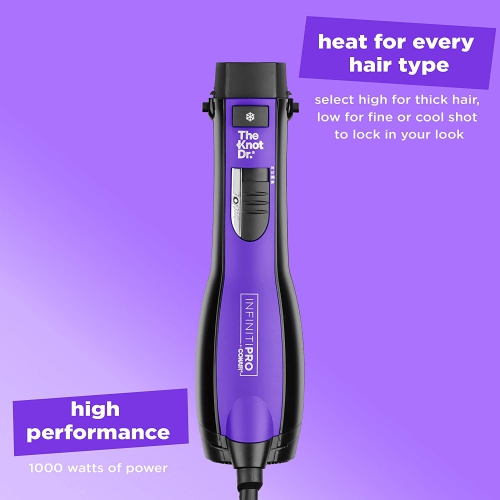 Your price for this item is $142.99
 -
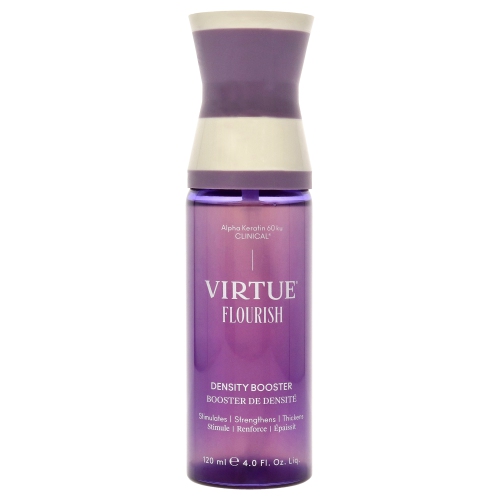 Your price for this item is $63.68
 -
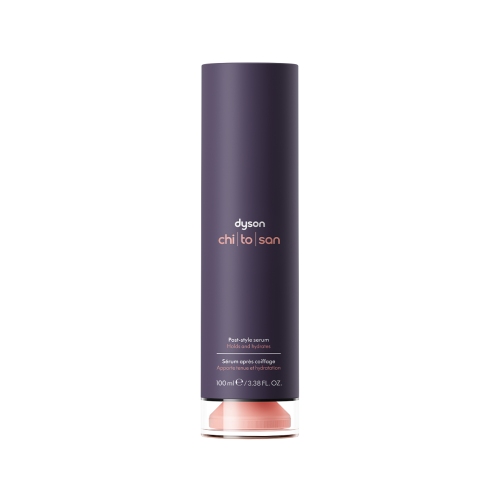 Your price for this item is $59.99
 -
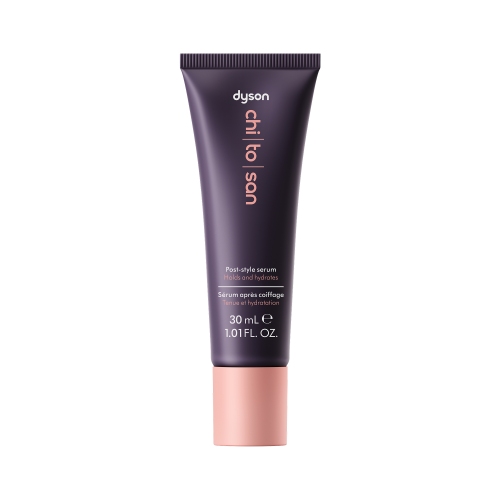 Your price for this item is $39.99
 -
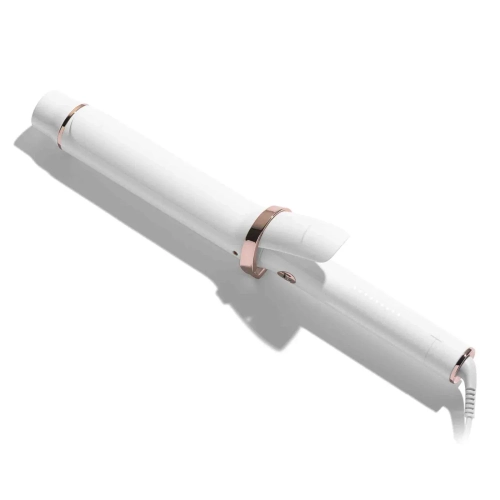 Your price for this item is $229.99
 -
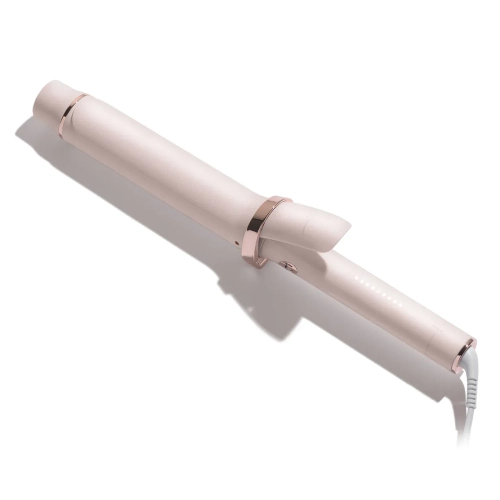 Your price for this item is $229.99
 -
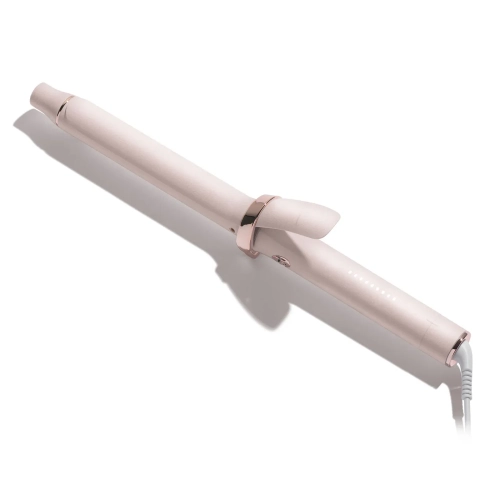 Your price for this item is $229.99
 -
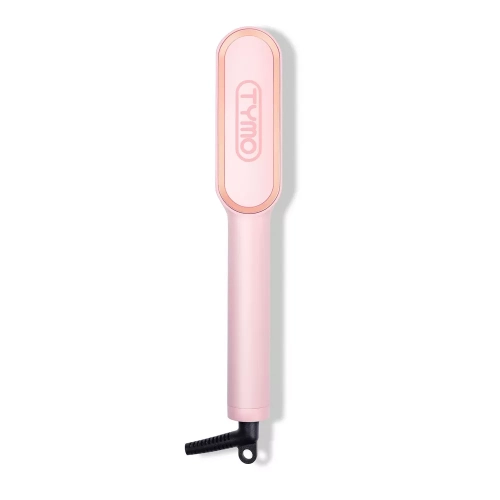 Your price for this item is $142.99
Discover more categories related to Blowout Brushes
Top Collections:
Pokemon Centers, Kindle Devices, Best Budget Office Chairs, Apple iPhones 16, Best Laptops for Writers, iPhone 15 Apple, Canon G7X Cameras, Refurbished Apple Laptops, Alarm Clock, Motorola Razr Phones
Some products may be subject to Environmental Handling Fees
(EHF) depending on your province.
Learn more about EHFs.