Hair Care for Chemically Treated Hair
Hair Care for Chemically Treated Hair requires special attention to help maintain the look and feel you love. Explore a wide variety of shampoos, conditioners, masks, and styling essentials designed to support hair that has been colored, permed, or relaxed. Whether you want to keep your color vibrant or help your strands stay smooth and manageable, find everything you need to care for chemically treated hair and refresh your routine with confidence.
Sort
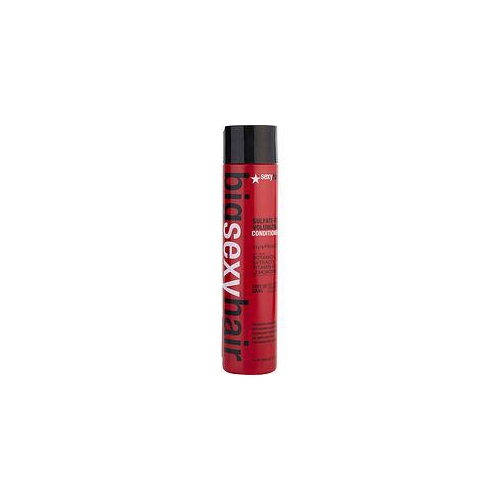
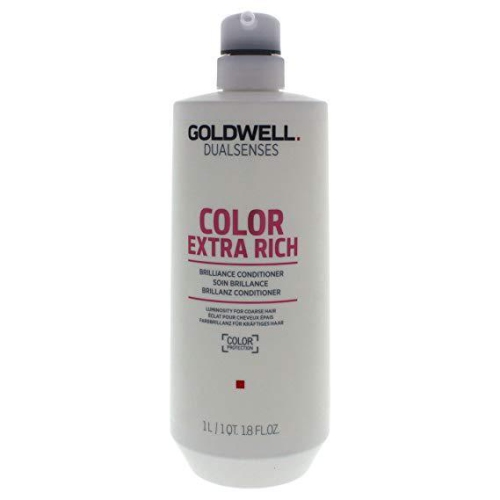
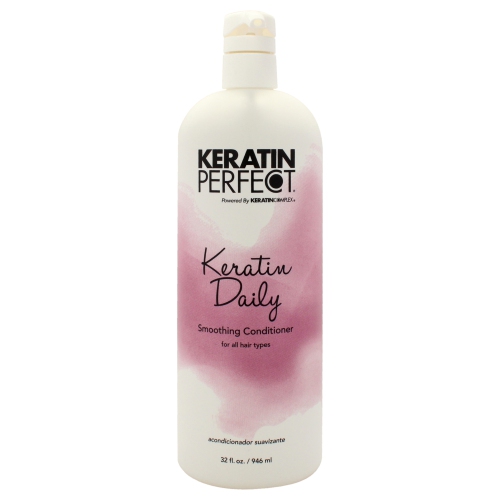

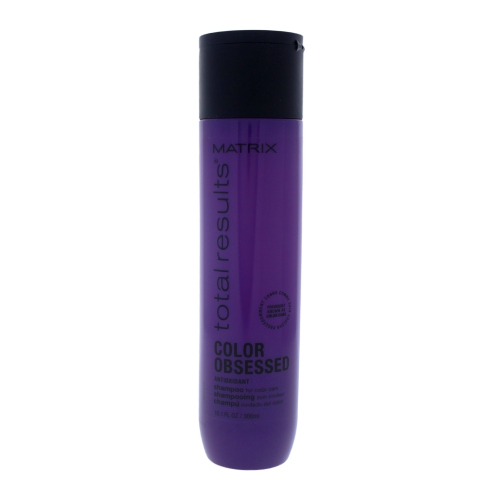
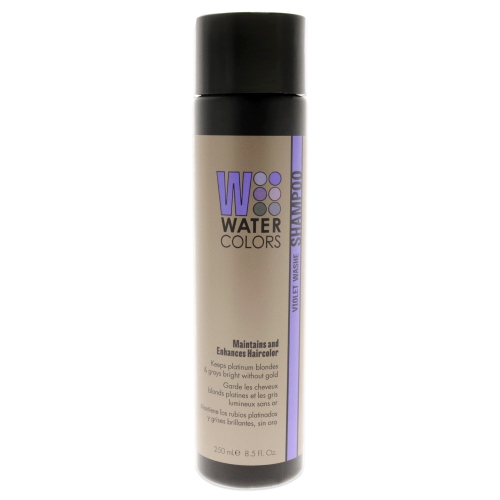
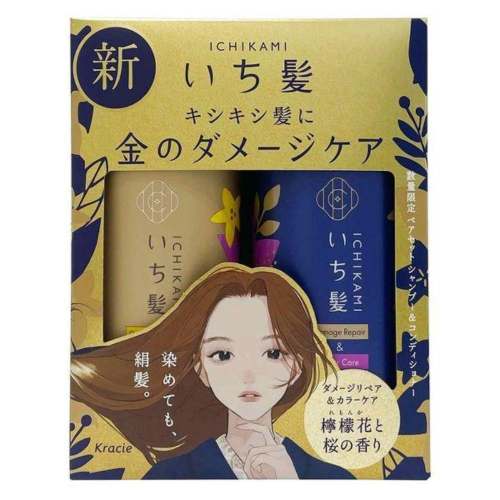
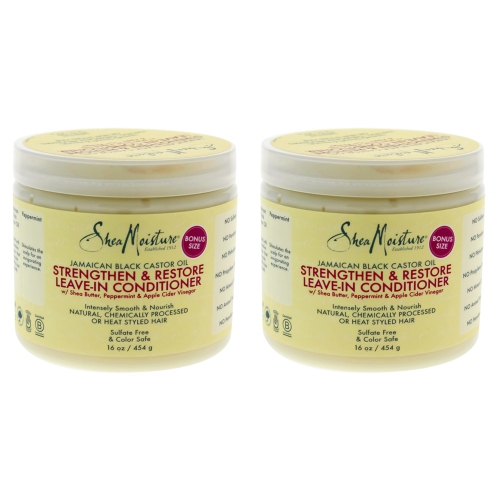
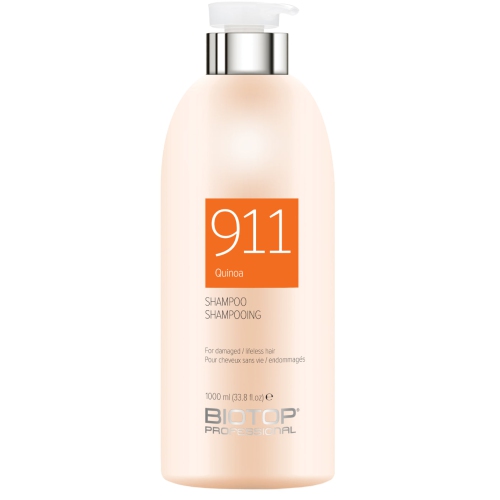
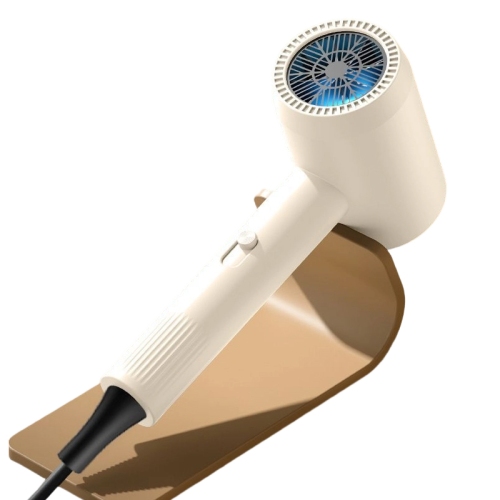
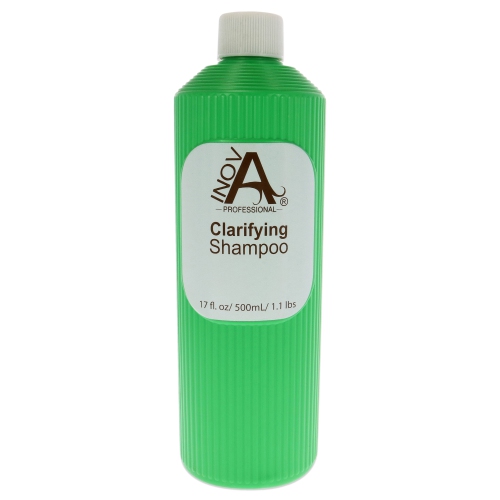
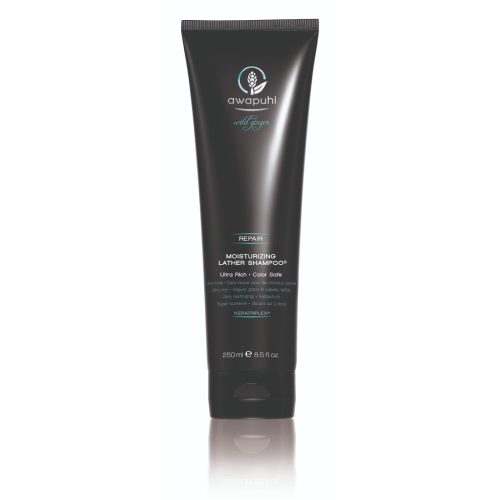
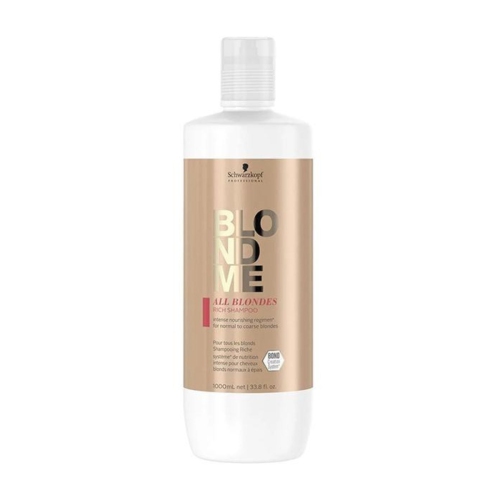
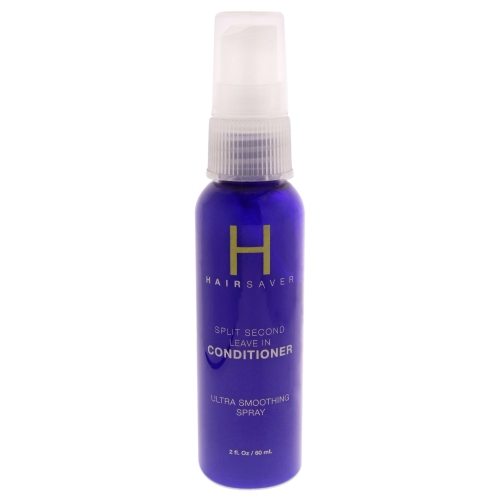
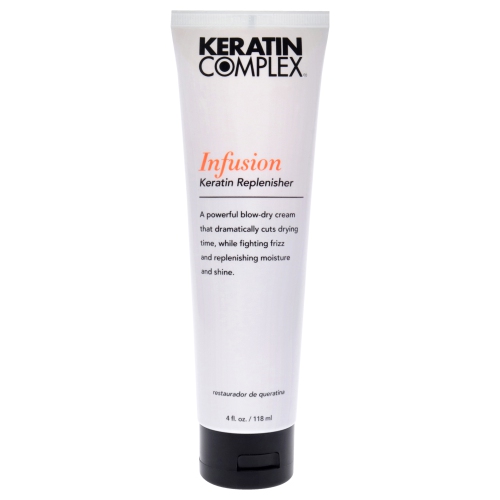
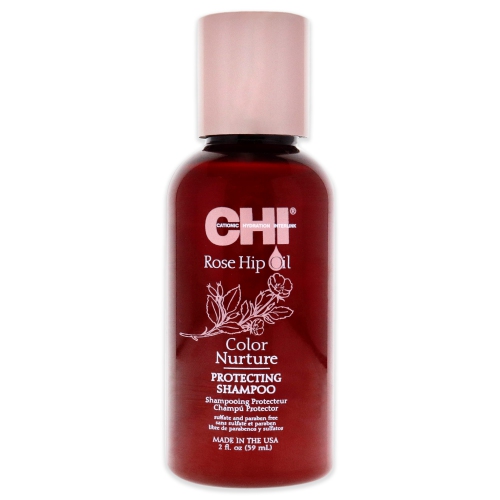
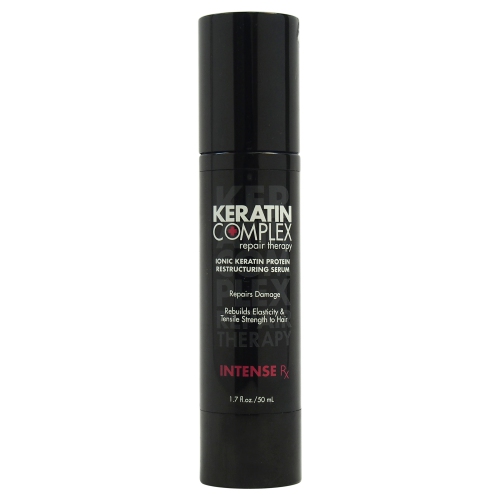

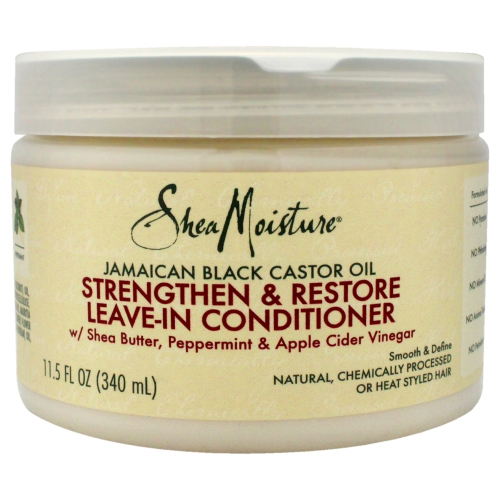
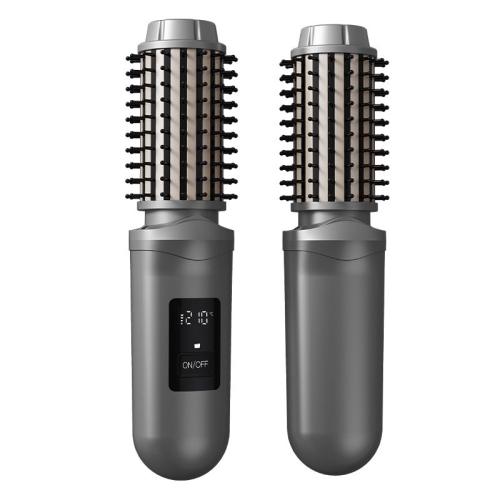
Why processed strands need more than rich conditioners
Hair care for chemically treated hair includes shampoos, conditioners, masks, leave-in treatments, and styling essentials designed for hair that has been coloured, bleached, permed, or chemically straightened. These processes change the hair’s pigment or structure and can leave strands more porous, prone to tangling, or vulnerable to breakage. The main priorities are gentle cleansing, effective conditioning, reduced friction, and protection from further styling damage. A useful routine supports both the desired finish and the condition of the hair underneath it, whether that means keeping blonde lengths manageable, helping relaxed hair retain movement, or maintaining the definition of a perm. Colour-safe cleansers are formulated with colour maintenance in mind, while conditioners help smooth the surface of the strand so hair feels softer and is easier to detangle. Rinse-out masks provide a richer conditioning option for lengths that feel rough or catch against one another when combed. Leave-in conditioners can add slip between washes without requiring another rinse, which is particularly useful when the ends tangle more readily than the roots. Bond-focused treatments and protein-containing formulas serve different purposes from everyday moisturizers. Some bond-focused formulas are designed to act on particular bonds affected by processing, while hydrolyzed proteins can form a film on damaged areas and temporarily improve the feel of the hair. Their performance depends on the formulation and the condition of the strands; no treatment makes heavily processed hair identical to untreated hair or permanently fixes split ends. For someone with highlighted ends and a less-processed root area, a lighter cleanser paired with targeted conditioning through the lengths may feel more balanced than applying a rich treatment everywhere. Hair care for chemically treated hair is therefore less about choosing the heaviest formula and more about matching cleansing, conditioning, and styling support to the areas that need attention. Products with clear directions for use on colour-treated, bleached, relaxed, or permed hair make that intended purpose easier to assess.
Hair texture, strand thickness, scalp comfort, and the amount of processing all influence how a formula feels in use. Fine, highlighted hair may need a lightweight conditioner that improves combability without flattening the roots, while coarse, bleached lengths may feel more manageable with a richer cream or mask. Curly and coily hair that has been coloured can benefit from conditioning that helps strands glide past one another while preserving the preferred curl pattern. Chemically straightened hair may need extra care where previously processed lengths meet newer growth, since repeated manipulation can put stress on that transition. Ingredients such as glycerin help attract moisture, fatty alcohols contribute softness and texture, and conditioning agents help reduce friction. Oils and silicones can add lubrication and shine, but they do not replace every function of a conditioner or repair all forms of chemical damage. The finished formula matters more than the presence or absence of one familiar ingredient. A sulphate-free label alone, for example, does not establish how gentle a cleanser will feel or whether it suits a particular colour service. Fragrance preferences and scalp sensitivity matter too, especially when a product remains close to the skin. Purple or blue toning formulas have a more specific role: they deposit pigments that help counter unwanted tones in suitable hair colours, rather than acting as a general treatment for damage. Excessive use can leave an unwanted cast, so the intended shade and directions are important selection details. Dryness is another common concern, and Hair Care Products for Dry Hair offer a related category for shoppers comparing moisture-focused options. Dry hair and chemically damaged hair can share a rough feel, but they are not interchangeable conditions. Hair that feels brittle after lightening may need a different balance of conditioning and treatment than untreated hair that simply feels dry at the ends. A formula that leaves strands supple, easy to separate, and comfortable to style is generally a better match than one that leaves a heavy coating or a stiff finish.
Styling tools and accessories also belong in a thoughtful selection of hair care for chemically treated hair, because handling can affect how well fragile lengths hold up between chemical services. Wide-tooth combs with smooth teeth, brushes designed for gentle detangling, and soft hair ties can help limit unnecessary pulling. The spacing and flexibility of bristles matter, particularly when hair catches easily or has dense curls. Smooth satin pillowcases and bonnets can reduce friction against the hair during sleep; satin describes a weave and may be made from different fibres, so fabric content, fit, and washing instructions remain useful comparison points. An adjustable bonnet should feel secure without pressing tightly around the hairline. Absorbent hair wraps offer another way to manage wet lengths without vigorous rubbing, with lightweight fabrics often feeling more comfortable than a bulky towel. For heat styling, adjustable settings provide more control than a single fixed setting, while a dryer nozzle can help direct airflow where it is needed. Ceramic-coated surfaces and other plate materials do not, on their own, guarantee that a tool will be gentle on fragile hair. Heat level, contact time, repeated passes, and the condition of the hair all matter. Heat-protectant formulas can help reduce styling-related damage when used as directed, but they do not make unlimited heat exposure harmless. Compatibility with damp or dry application is especially important when choosing a spray, cream, or serum for a particular styling routine. Durable accessories have smooth seams, secure fastenings, and surfaces that remain free of snags with regular care. Removing trapped hair from brushes, cleaning styling residue according to tool instructions, and washing fabric accessories as directed help keep them pleasant to use. Together, well-matched formulas and gentle styling essentials support everyday needs, from detangling coloured curls to smoothing relaxed lengths, without treating every chemically processed head of hair as though it needs the same routine.
Top selling and popular products
-
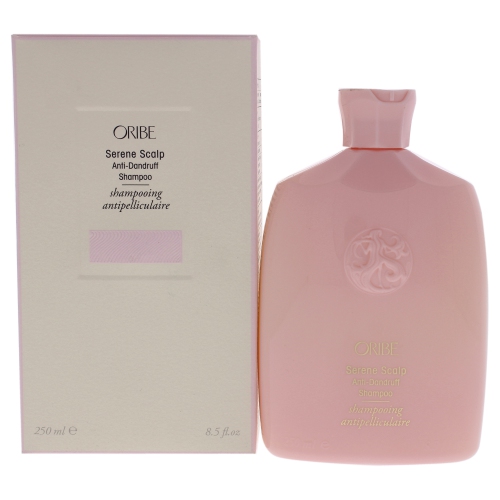 Your price for this item is $72.53
-
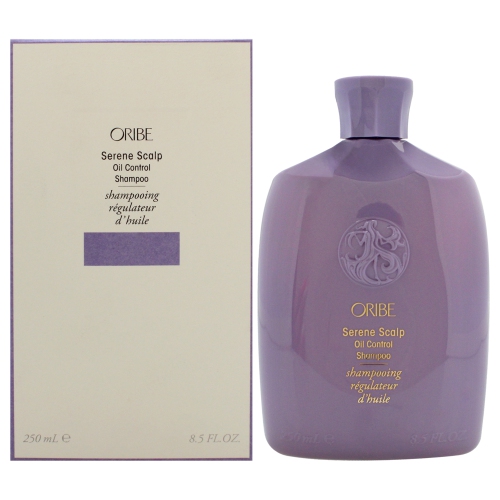 Your price for this item is $76.09
-
 Your price for this item is $129.99
-
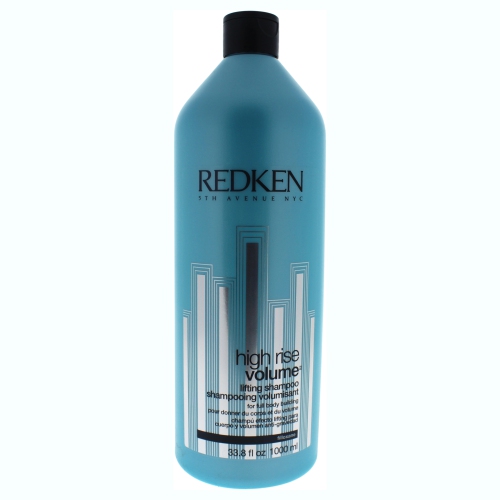 Your price for this item is $49.11
-
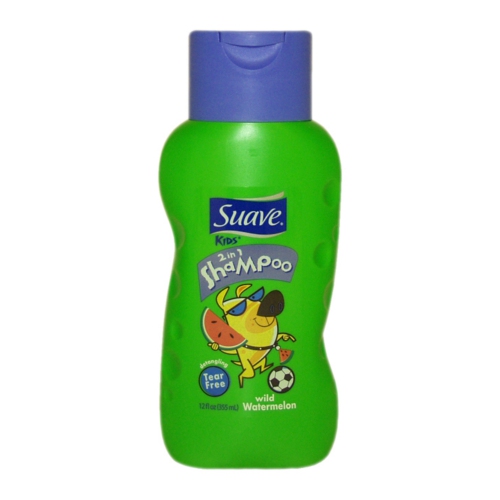 Your price for this item is $13.77
-
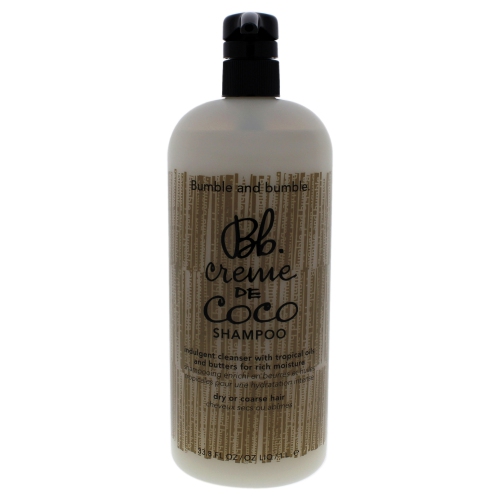 Your price for this item is $90.97
-
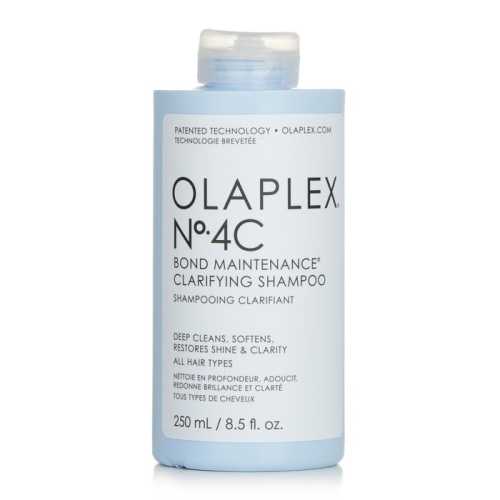 Your price for this item is $167.56
-
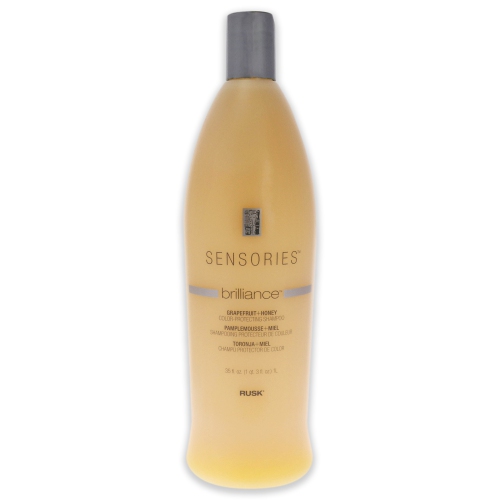 Your price for this item is $29.63
Discover more categories related to Hair Care for Chemically Treated Hair
Top Collections:
Best Black Friday Deals This Year, Best Black Friday Deals On Electronics, Kindle Devices, Pokemon Centers, Best Black Friday Deals On Apple Products, Best Cameras for Sports Photography, Dyson Airwrap, Pokémon 30th Celebration Cards, Apple iPhone 17 Pro, Canon G7X Cameras
Some products may be subject to Environmental Handling Fees
(EHF) depending on your province.
Learn more about EHFs.