Shampoos for Chemically Treated Hair
Shampoos for Chemically Treated Hair are specially designed to help maintain the look and feel of hair that has undergone coloring, perming, relaxing, or other chemical processes. Whether you want to keep your color vibrant or support the overall condition of your hair, these shampoos offer a tailored approach for your unique needs. Explore a wide selection to find the right option that fits seamlessly into your routine and supports your hair care goals.
Sort
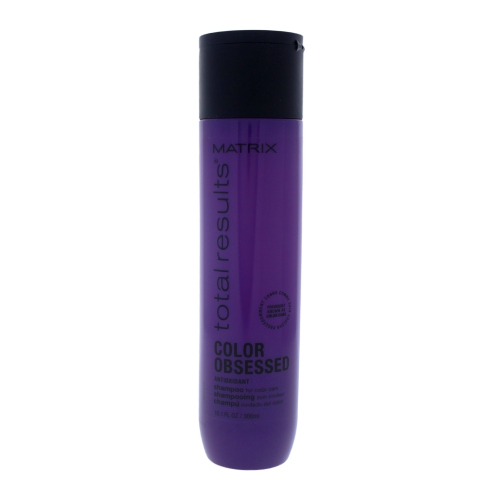

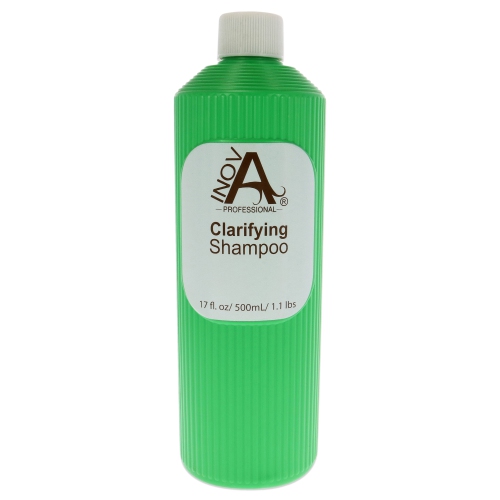
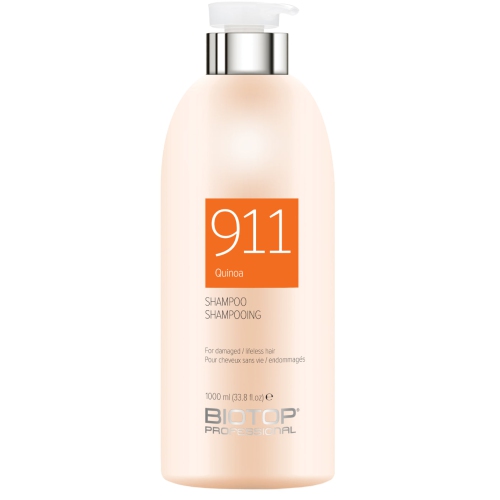
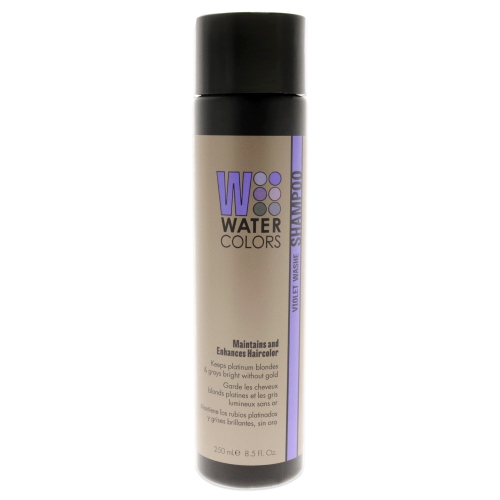
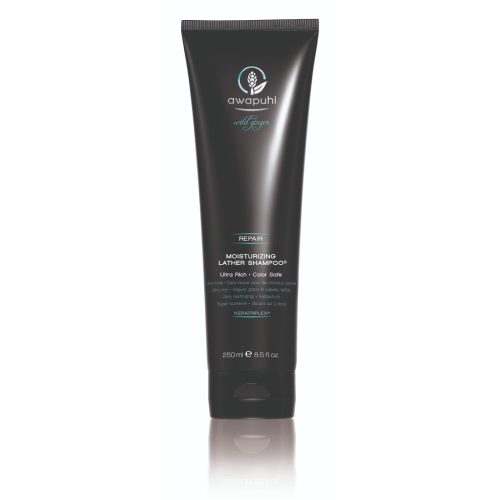
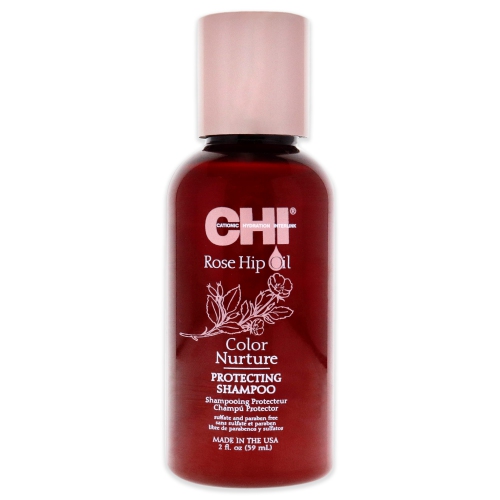
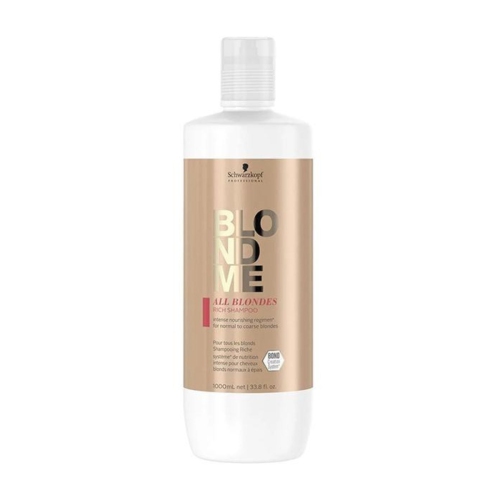


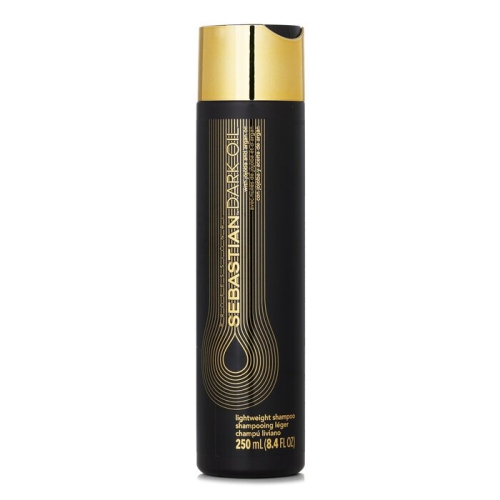
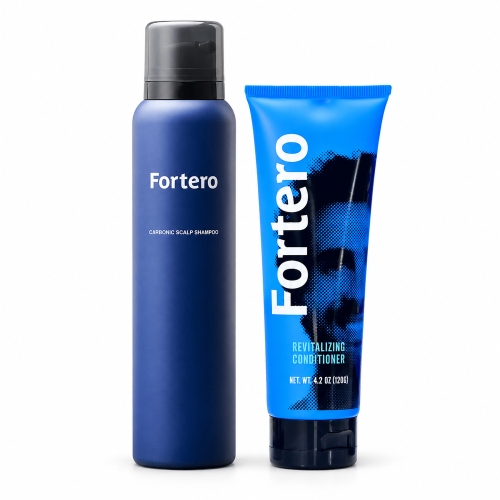
Why processed hair needs more than a colour-safe label
Shampoos for chemically treated hair are formulated to cleanse the scalp and lengths while addressing concerns that can follow colouring, bleaching, perming, relaxing, or chemical straightening. Depending on the formula, they may help preserve colour, soften rough-feeling strands, reduce tangling, and limit breakage caused by friction during washing and combing. Chemical services can alter the hair’s structure and outer cuticle, leaving some lengths more porous and less able to retain a smooth, conditioned feel. The difference is often noticeable in everyday moments: highlighted ends catching on a brush, freshly washed curls feeling stiff rather than springy, or straightened hair becoming difficult to detangle. A suitable shampoo balances effective cleansing with the needs of those processed lengths, rather than treating every type of chemical service as interchangeable. Colour-treated hair may benefit from a formula designed to minimize fading, while bleached hair often needs extra conditioning support. Permed or relaxed hair can require a similarly gentle approach, but compatibility with the treatment matters as much as softness. Labels such as colour-safe, moisturizing, strengthening, and repair describe different intended benefits; no single label guarantees that a shampoo suits every treatment or hair texture. Repair shampoos can improve the feel and manageability of damaged hair, but shampoo cannot permanently reverse all chemical damage or mend split ends. Their role is generally part of ongoing care, alongside conditioner, careful detangling, and sensible styling habits. For someone with a recently coloured bob, that might mean maintaining a smooth finish without flattening the roots. For someone with long, lightened curls, the priority may be cleansing comfortably while keeping the ends from feeling stripped. Chemically treated hair is not always dry from root to tip, either. An oily scalp and fragile ends can exist together, making the balance between cleansing and conditioning especially important. Hair density, strand thickness, curl pattern, and the amount of processing all influence how that balance feels after a wash.
The ingredients and texture of a shampoo help explain how it may perform on chemically treated hair. Cleansing agents remove oil, perspiration, and styling residue, while conditioning ingredients can improve slip and reduce the rough feeling that makes wet strands catch against one another. Sulphate-free shampoos are a common option for processed hair, although the absence of sulphates alone does not establish mildness or colour protection; the complete formula and how it is used matter. A low-lather cleanser can still clean effectively, and a rich foam does not necessarily mean a shampoo is too harsh. Glycerin and other humectants help attract moisture, while oils, silicones, and conditioning polymers may contribute softness, smoother combing, and a more polished appearance. Fine hair can feel weighed down by a very rich formula, whereas coarse or tightly curled lengths may feel more manageable with additional conditioning. Hydrolyzed proteins are included in some strengthening formulas to temporarily improve the feel of weakened strands. They are not a permanent replacement for the hair’s original structure, and the result depends on the formulation and the condition of the hair. Bond-care shampoos are another option, with benefits that vary according to their ingredients and supporting testing. Purple and blue shampoos serve a more specific purpose: their pigments help counter unwanted yellow or orange tones in suitable hair colours. They do not lighten hair, replace a colouring service, or automatically provide enough conditioning for heavily bleached lengths. The intended shade, recommended contact time, and frequency of use are important distinctions between a toning cleanser and an everyday shampoo. Formulas described as pH-balanced may also be relevant to processed hair, though that wording should be considered alongside the stated treatment compatibility. Fragrance is a separate consideration for anyone with a sensitive scalp or a preference for less scent. A fragrance-free formula may be preferable in that situation, but no shampoo can be assumed to suit every sensitivity simply because it is marketed for damaged or coloured hair.
A shampoo’s suitability becomes clearest in the context of a regular washing routine. Someone who uses dry shampoo and styling cream between washes may need more cleansing than someone who uses very little styling product, even if both have colour-treated hair. An occasional clarifying shampoo can address buildup, but stronger cleansing may not be appropriate immediately after certain services or for frequent use on fragile lengths. Aftercare directions from the stylist or treatment manufacturer take priority, particularly following a perm, relaxer, or smoothing service with specific washing restrictions. Some treatments call for particular ingredient exclusions or a waiting period before the first wash, and a general colour-safe claim does not replace those directions. During routine washing, concentrating shampoo on the scalp and allowing the lather to rinse through the lengths can reduce unnecessary rubbing of delicate ends. The amount needed depends on hair density, product concentration, and buildup, rather than length alone. Thorough rinsing helps avoid residue that can leave roots looking flat or lengths feeling coated. Conditioner remains important because even a moisturizing shampoo is primarily a cleanser; processed mid-lengths and ends often need a separate conditioning step for detangling and softness. A compatible mask or leave-in treatment may provide further support without requiring a richer shampoo at the scalp. Packaging can make daily use easier, too: a secure flip-top suits a shower shelf or gym bag, while a pump can simplify dispensing with wet hands. Keeping the closure clean, following storage directions, and observing any period-after-opening symbol help maintain the formula as intended. For households with different hair needs, separate cleansers may be more practical than expecting one formula to suit untreated roots, heavily highlighted lengths, and a sensitive scalp equally well. The broader Shampoos for Healthy Hair category offers another way to explore cleansing options for general maintenance. For chemically treated hair, the most relevant match remains a shampoo that respects the specific service, cleans the scalp effectively, and leaves the lengths manageable without unnecessary weight.
Top selling and popular products
-
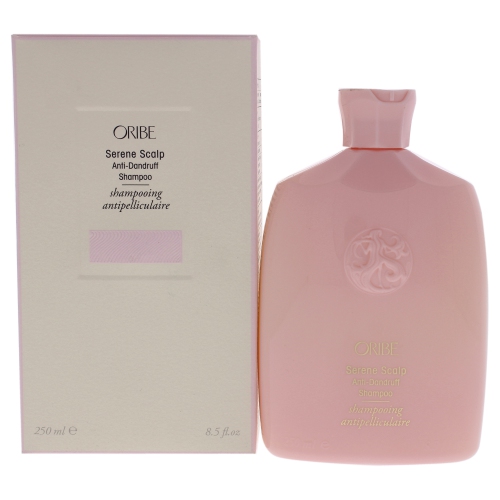 Your price for this item is $72.53
-
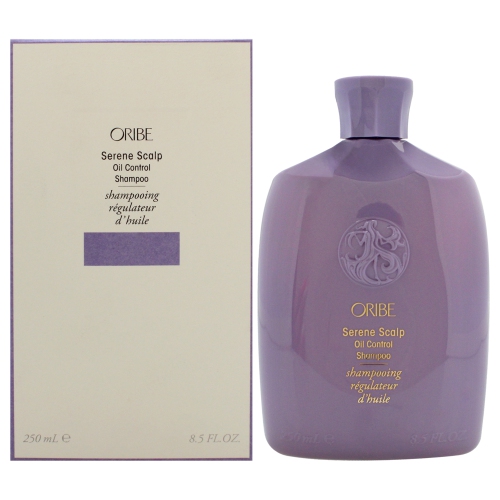 Your price for this item is $76.09
-
 Your price for this item is $129.99
-
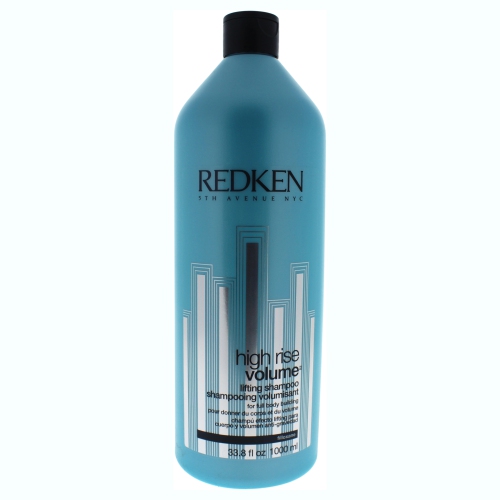 Your price for this item is $49.11
-
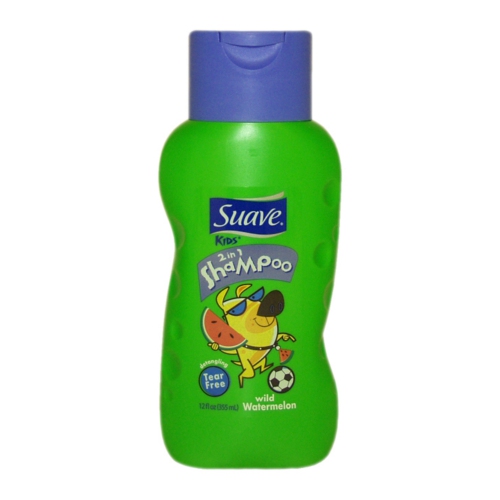 Your price for this item is $13.77
-
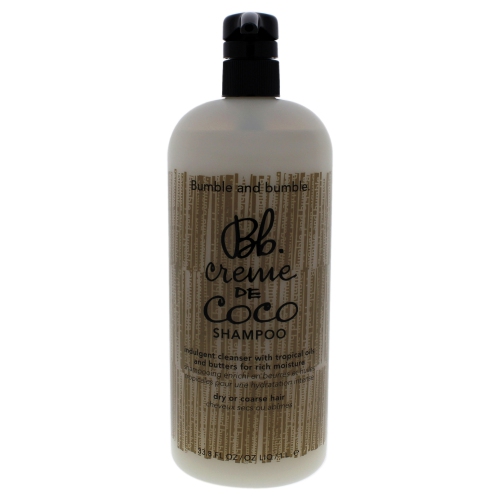 Your price for this item is $90.97
-
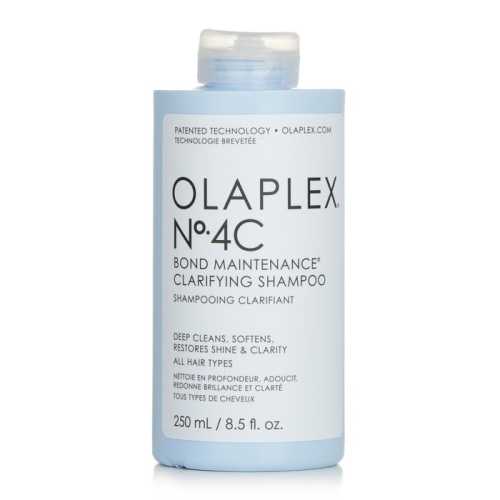 Your price for this item is $167.56
-
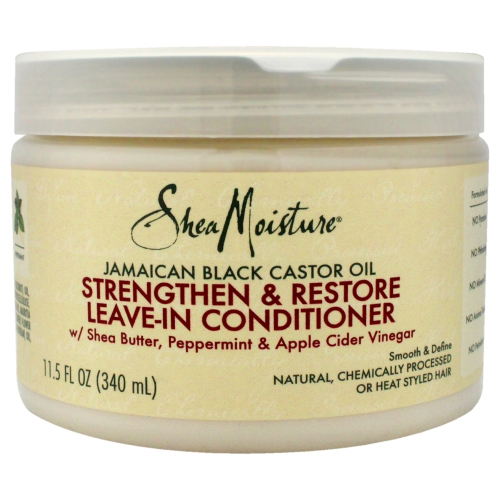
 Your price for this item is $29.63
Discover more categories related to Shampoos for Chemically Treated Hair
Top Collections:
Best Black Friday Deals This Year, Best Black Friday Deals On Electronics, Kindle Devices, Pokemon Centers, Best Black Friday Deals On Apple Products, Best Cameras for Sports Photography, Dyson Airwrap, Pokémon 30th Celebration Cards, Apple iPhone 17 Pro, Canon G7X Cameras
Some products may be subject to Environmental Handling Fees
(EHF) depending on your province.
Learn more about EHFs.