Hair Growth Products
Looking to achieve luscious locks and promote healthy hair growth? Our selection of hair growth products is here to help you nourish and revitalize your hair from root to tip. Whether you're dealing with thinning hair, looking to boost volume, or simply aiming for stronger strands, we have a range of solutions to cater to your specific needs. From serums and supplements to shampoos and treatments, these innovative products are designed to support your hair health journey and enhance the natural beauty of your locks. Discover the perfect hair growth solution for you and unlock the potential for gorgeous, radiant hair.
Sort




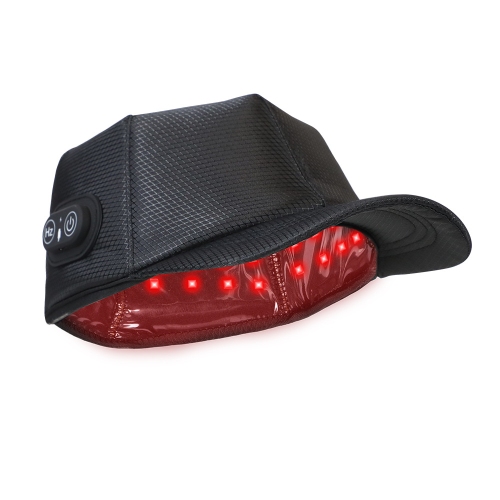

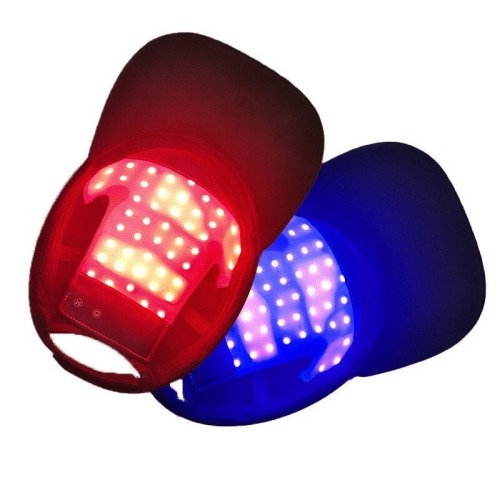

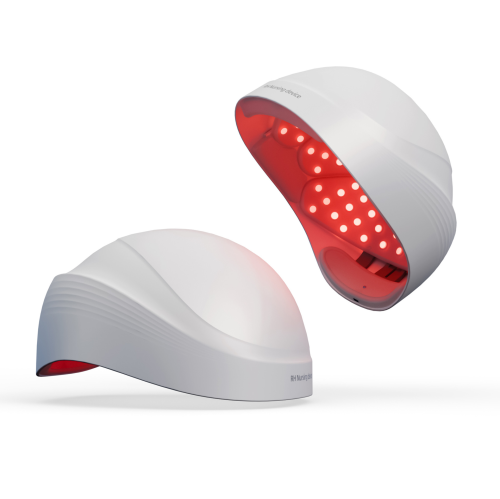
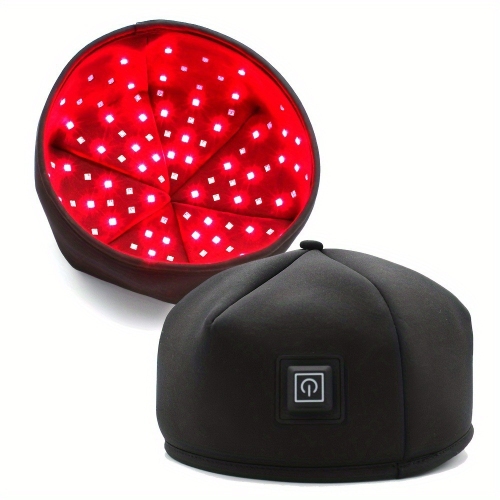


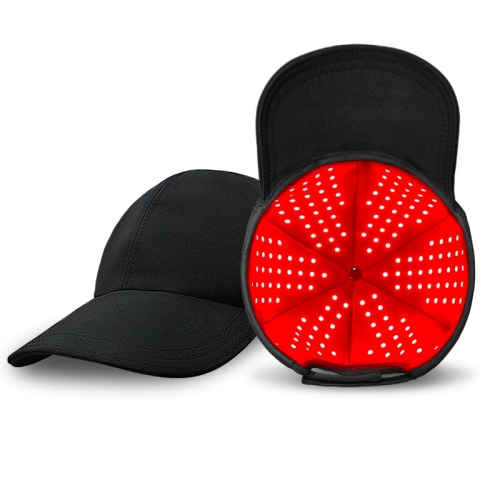


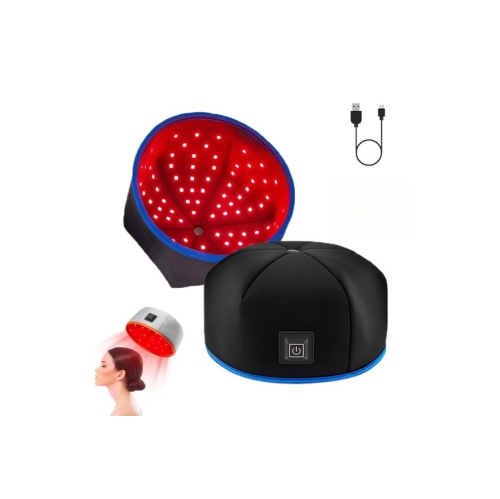

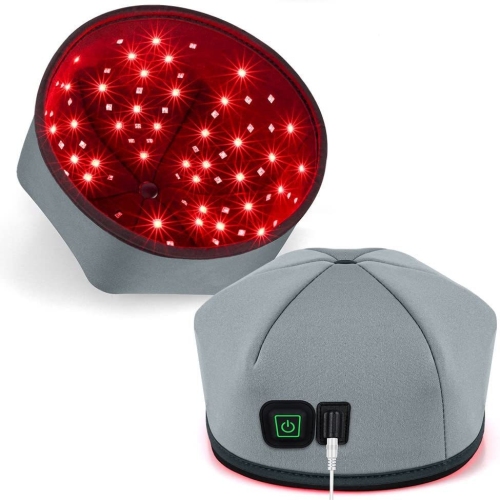
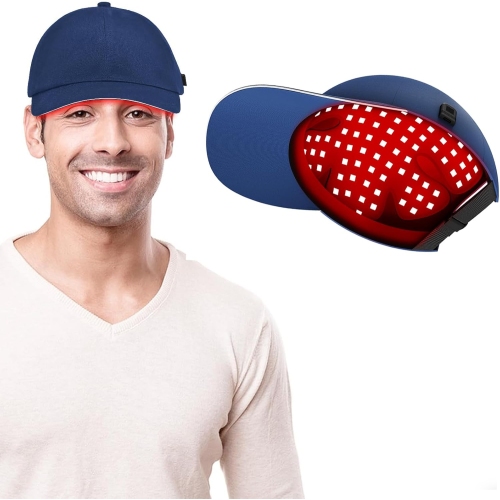
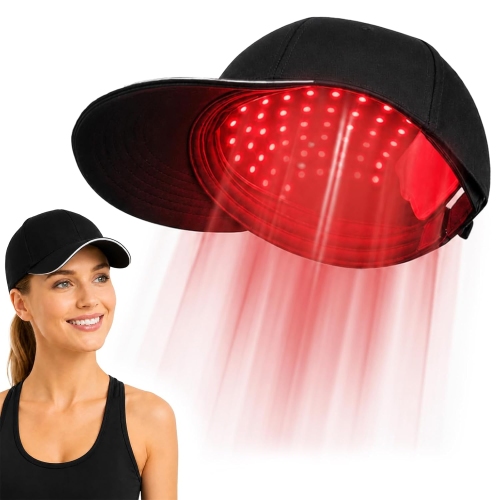

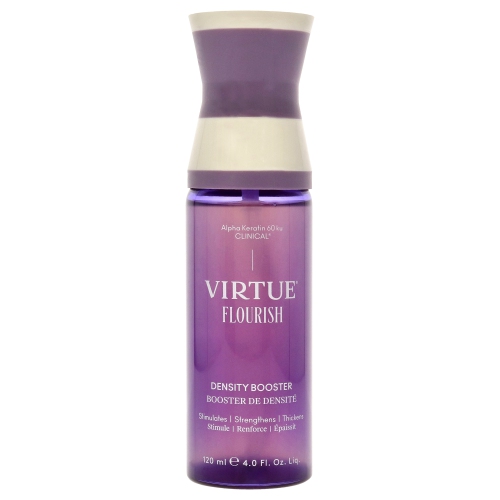
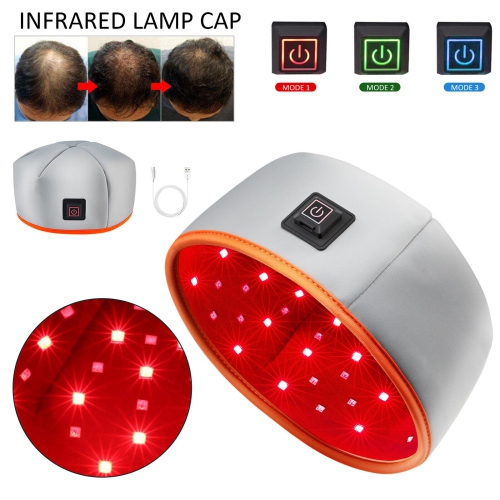
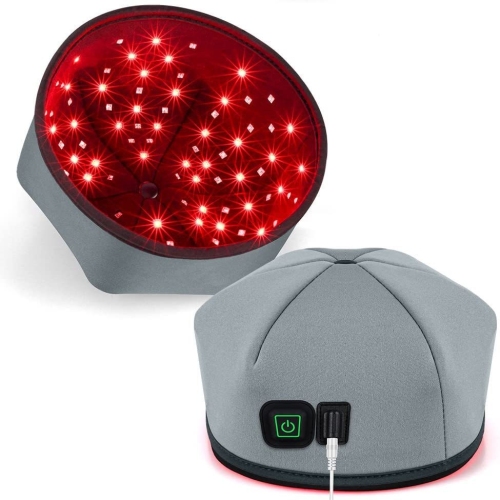
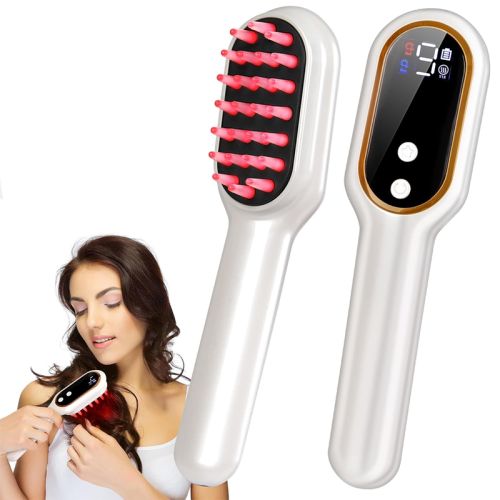
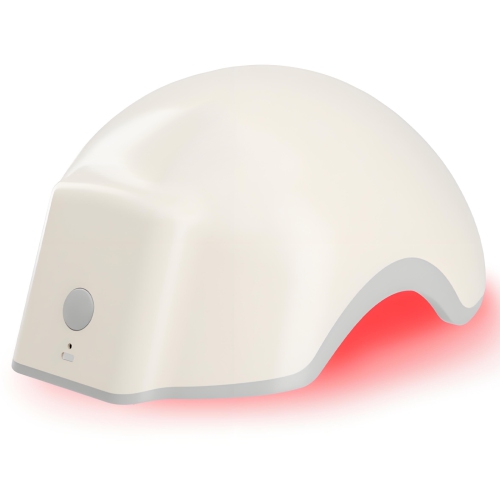

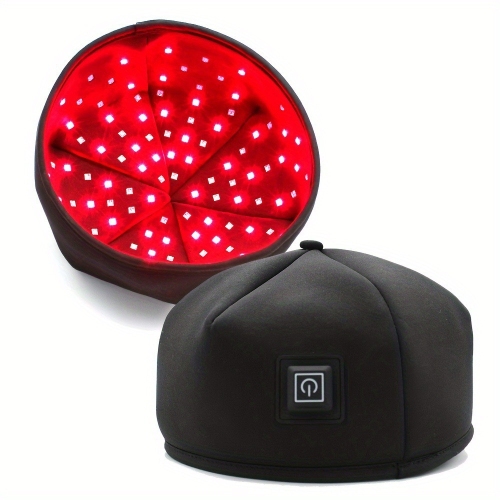
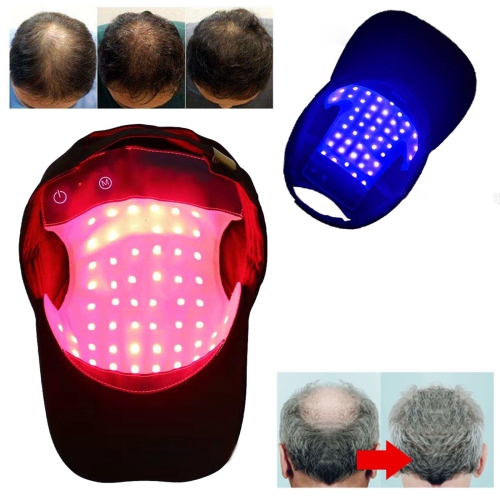



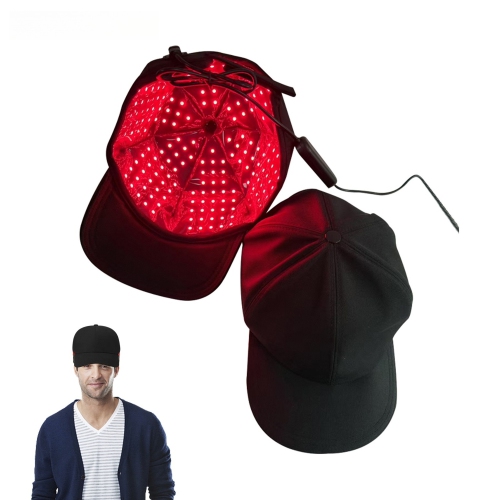


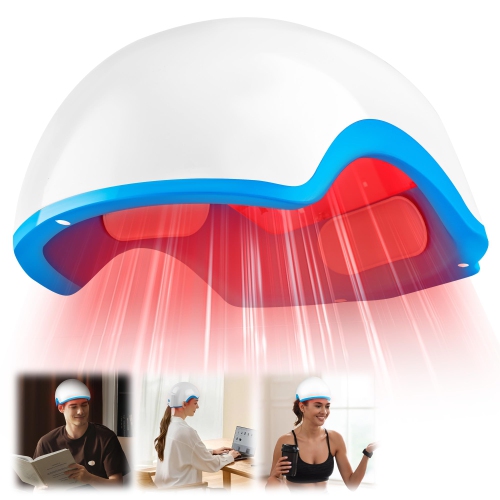
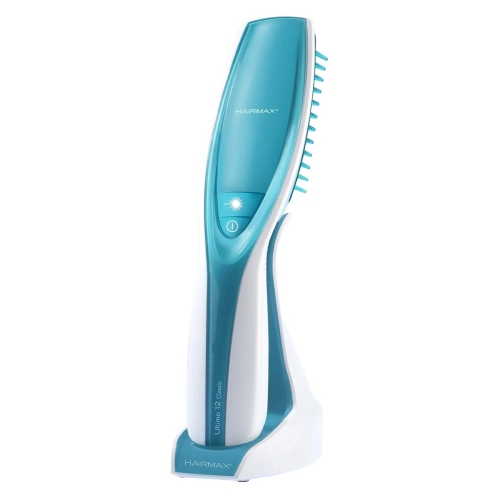

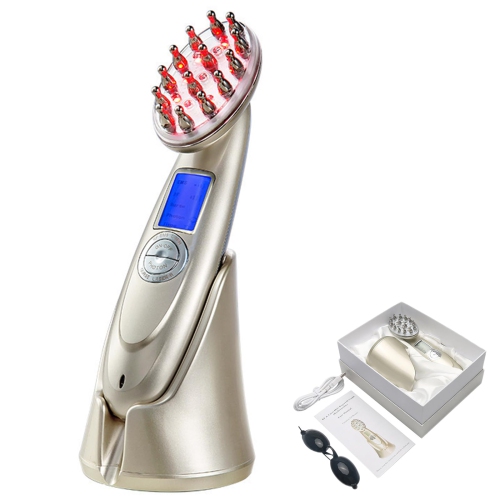
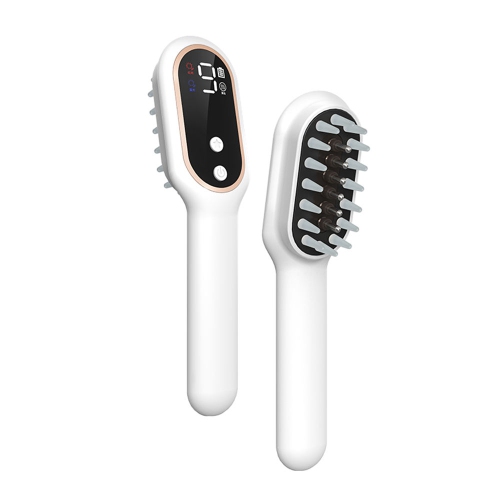
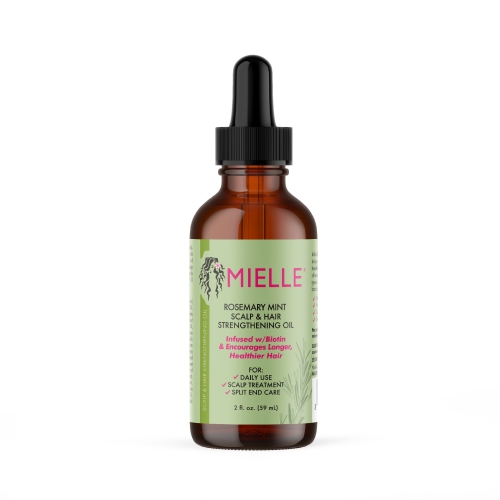
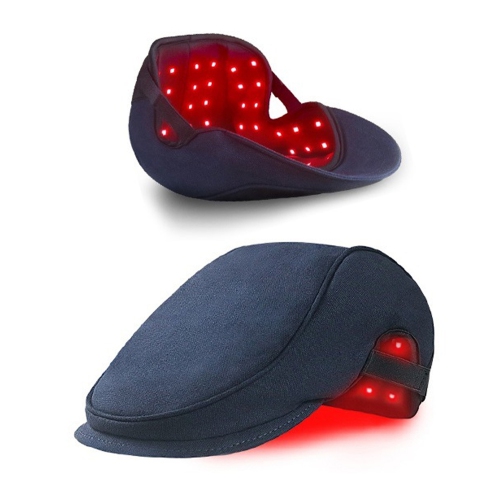


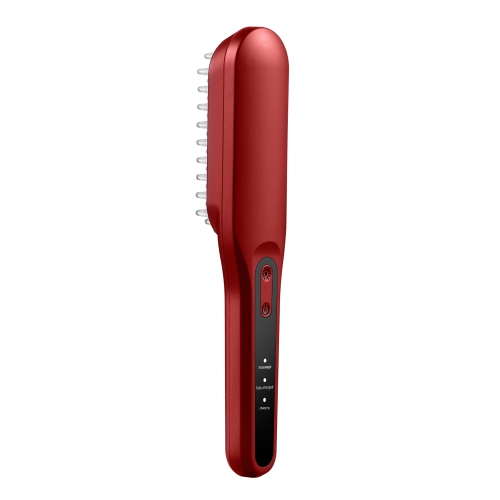
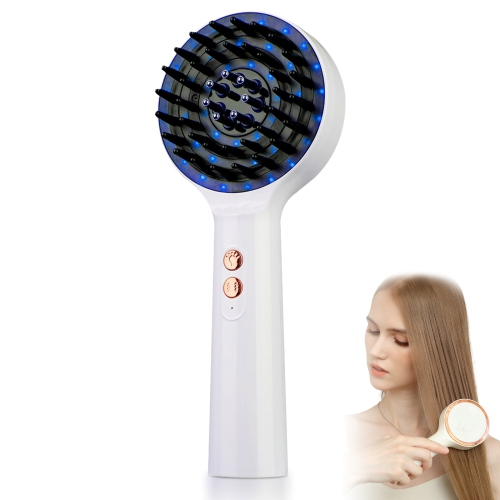
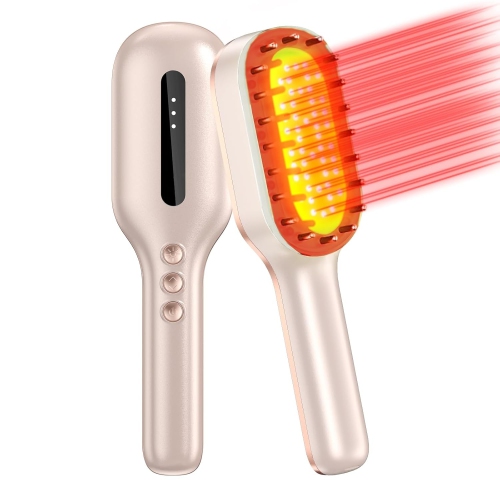


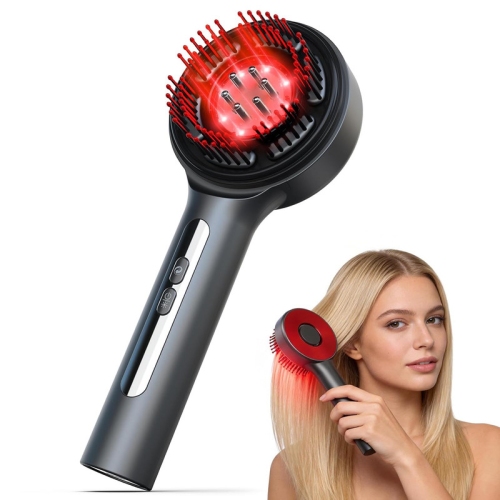
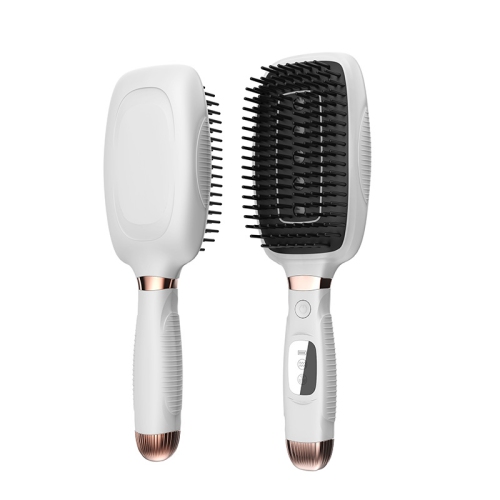

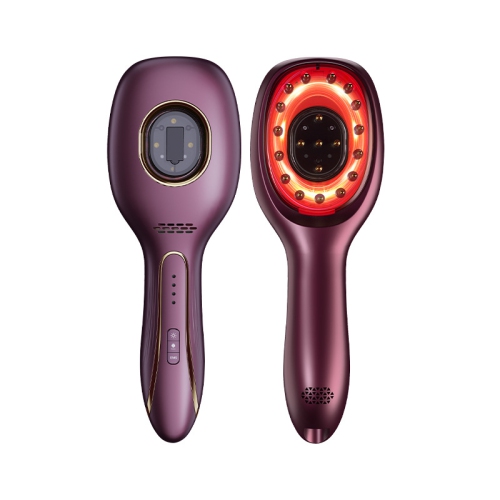
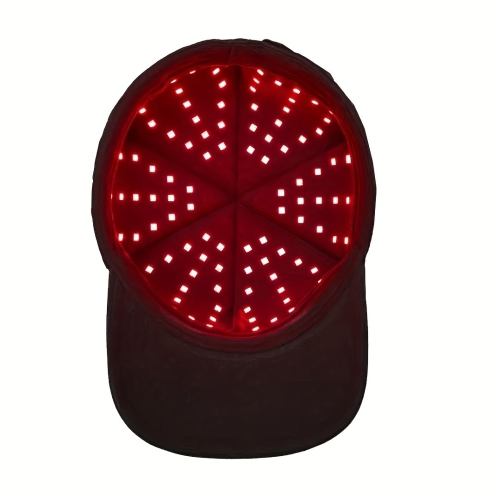

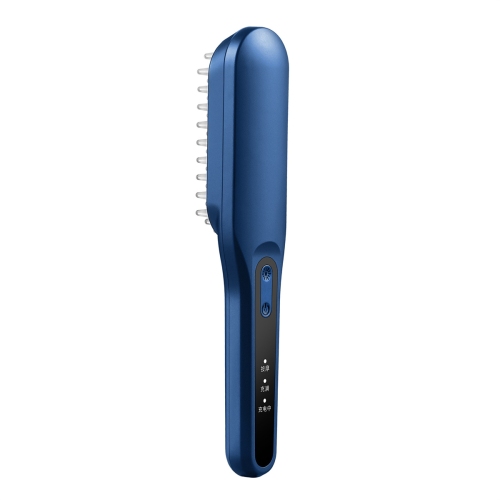


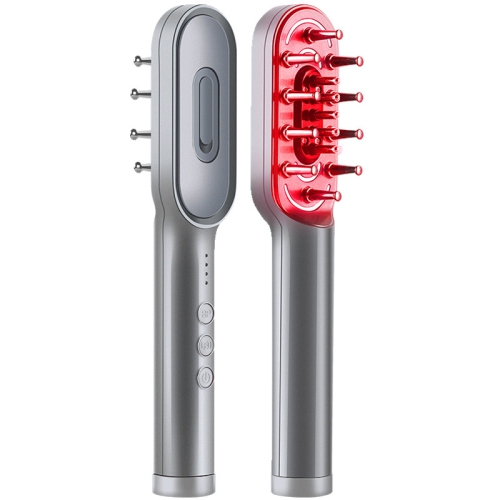


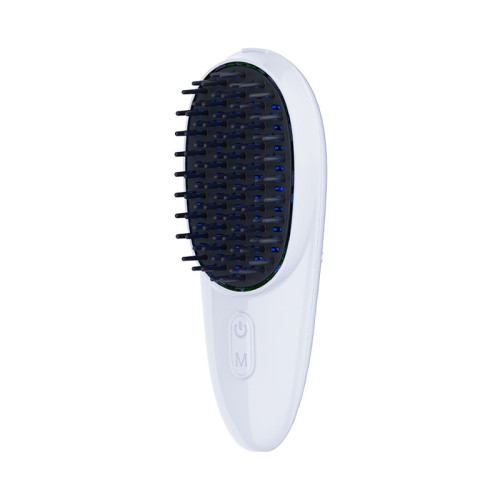


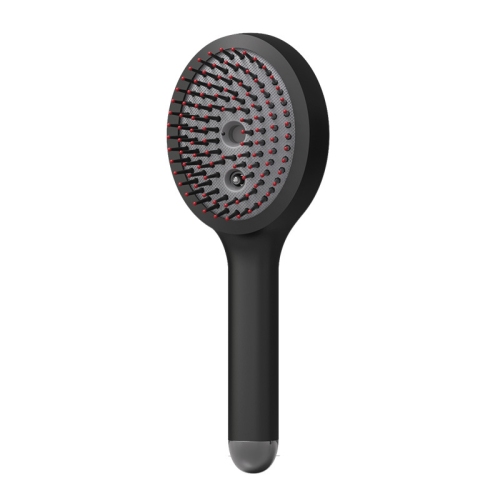

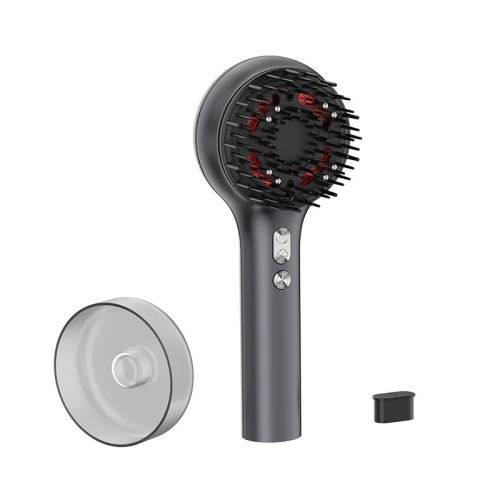
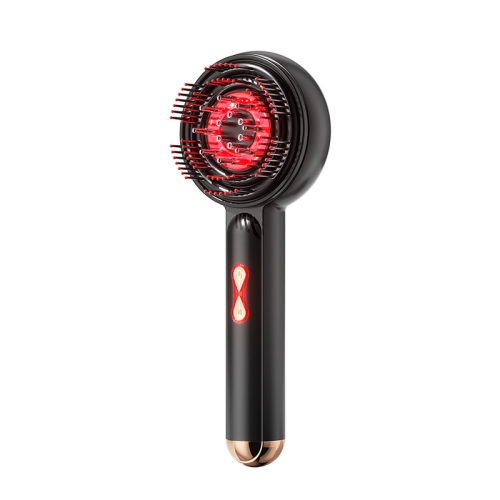

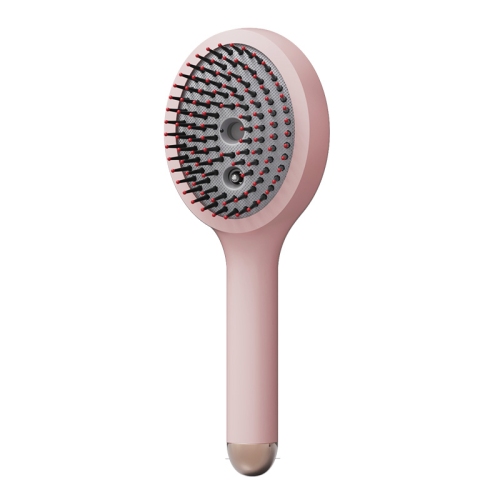


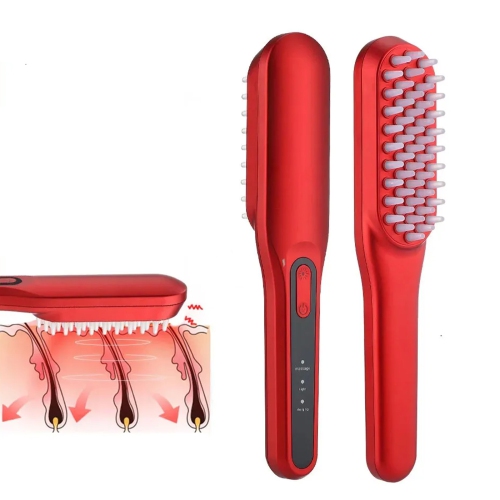

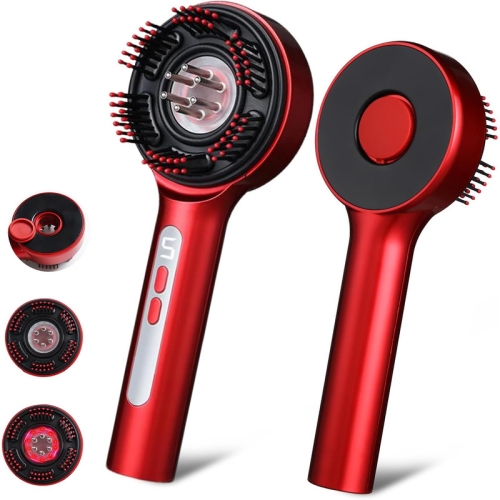
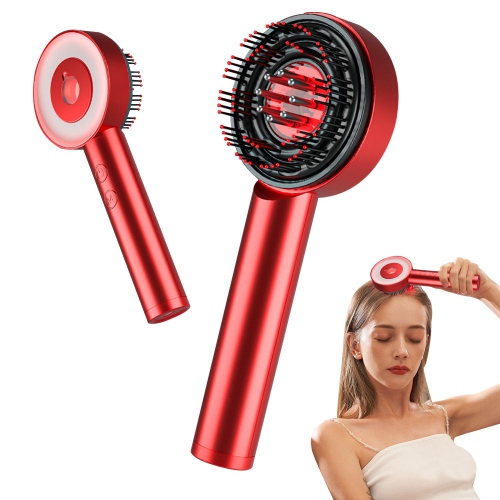
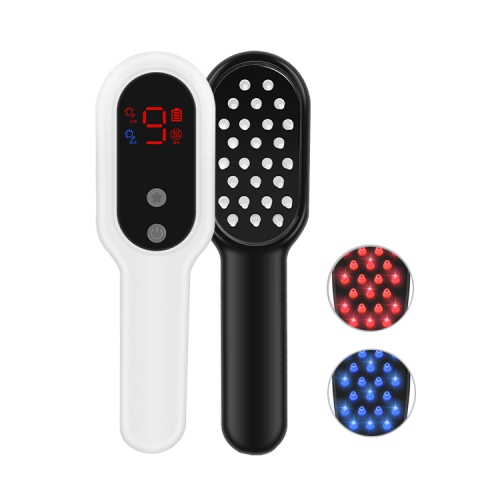

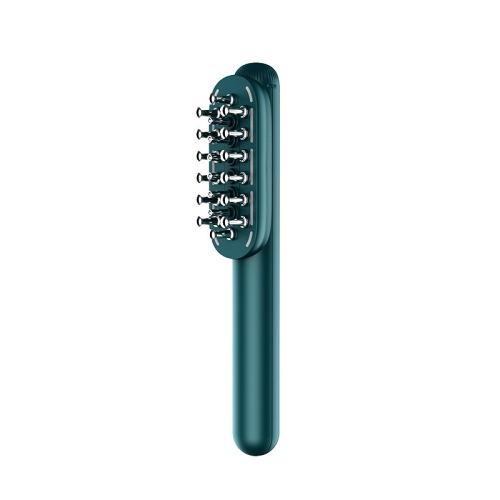
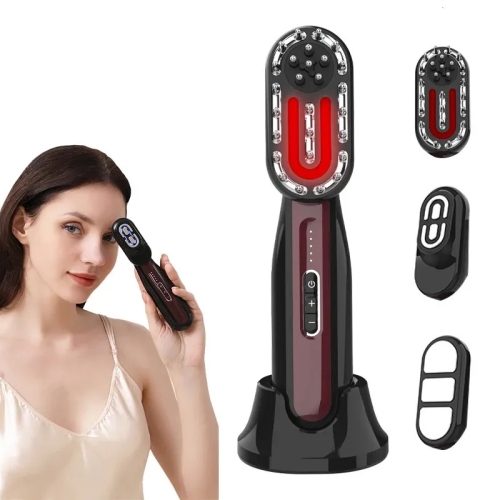


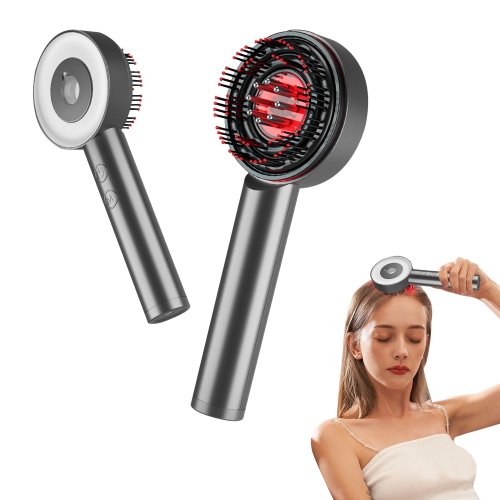


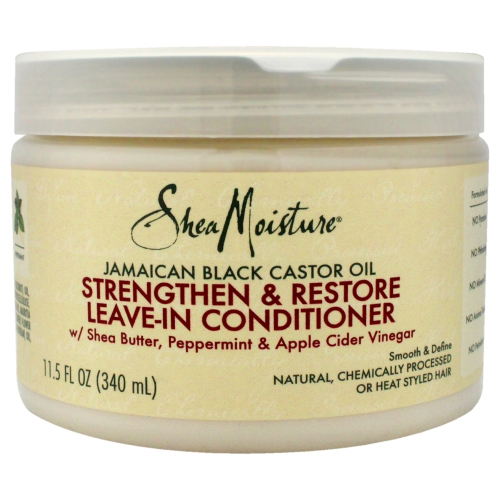


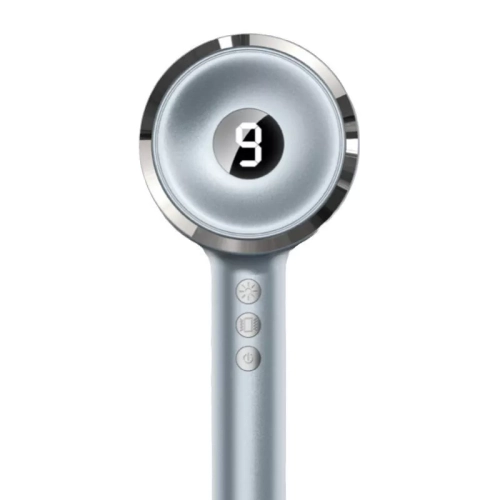


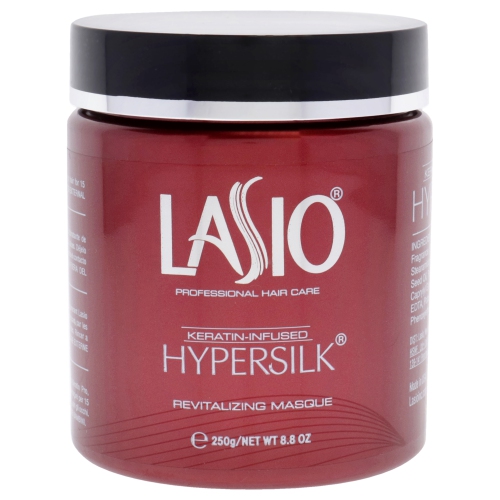
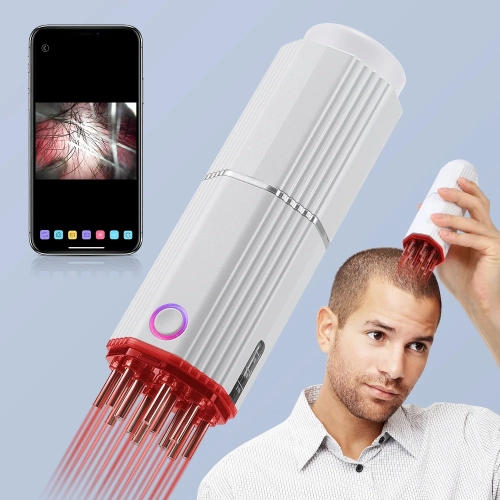
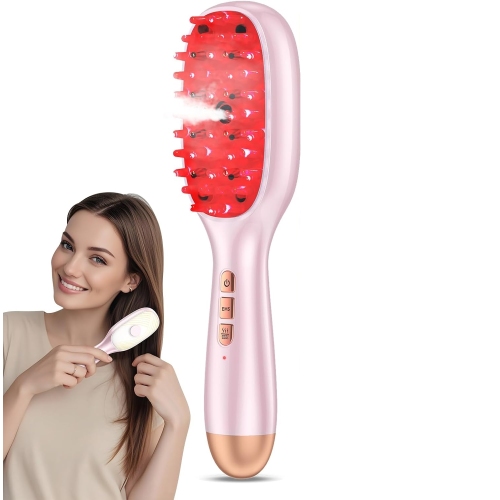


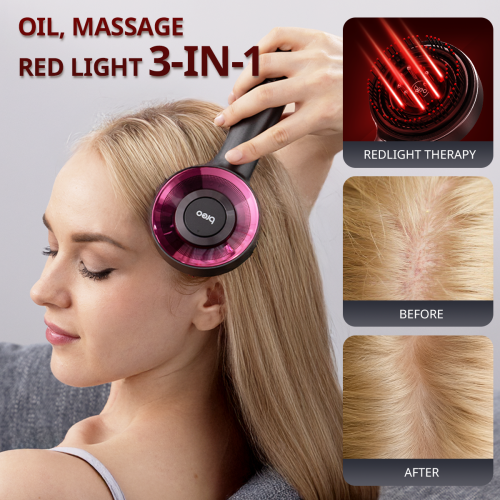
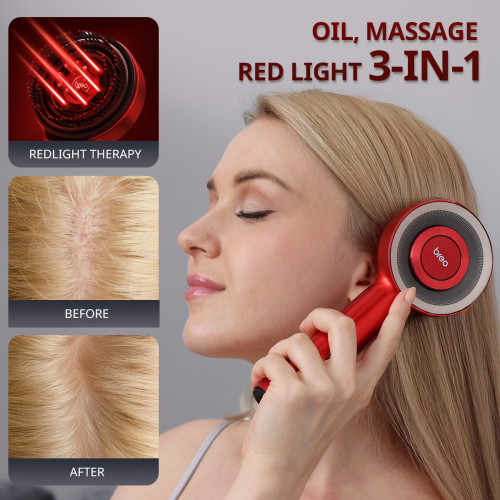


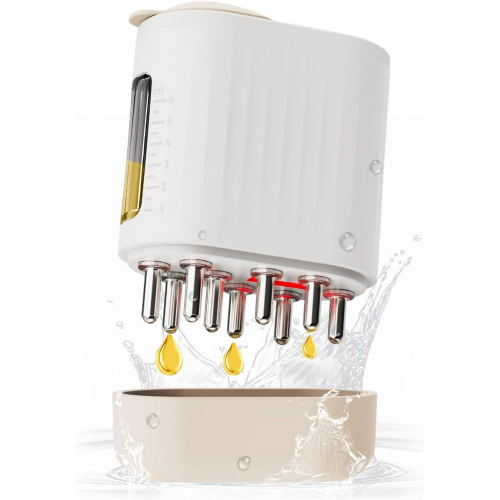

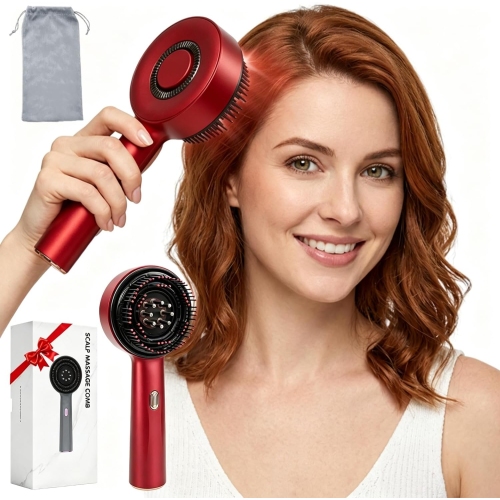

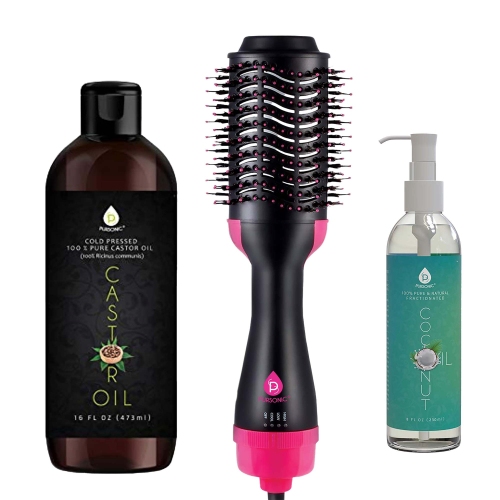

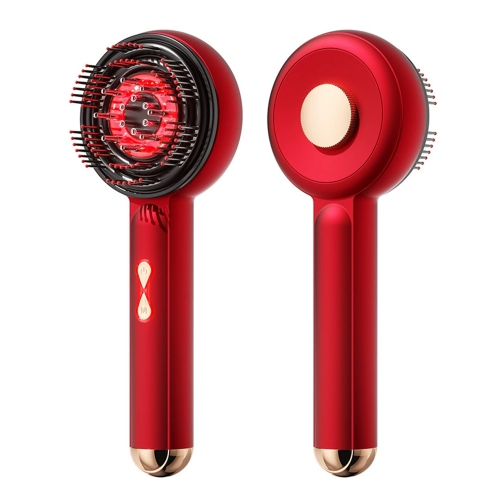


Compare treatment options and set realistic expectations
Hair growth products can help address several different concerns, from gradual thinning and a widening part to a receding hairline, fragile strands, and breakage that makes hair appear less full. The right choice depends on what is happening at the scalp and along the length of the hair, since products designed to support the appearance of denser growth are not always the same as products that condition dry ends or reduce snapping. For shoppers comparing Hair Growth Treatments, it helps to begin with a clear goal. Topical treatments containing minoxidil are among the most established non-prescription options for certain types of pattern hair loss, while scalp serums with ingredients such as peptides, caffeine, rosemary, or other botanical extracts are often selected to create a healthier-feeling scalp and a fuller-looking style. Shampoos and conditioners can cleanse away oil and product residue, add moisture, and help limit the breakage that can make hair look thinner, although they are generally not a replacement for treatments that act on the hair follicle. Hair oils and leave-in formulas may be useful for massaging the scalp or smoothing the lengths, particularly when hair feels coarse, dry, or prone to tangling. A scalp massager can also make a wash-day routine feel more thorough, but gentle pressure is important; vigorous scrubbing can cause irritation and will not make follicles produce hair faster. Since thinning may be linked to hereditary patterns, stress, illness, medication, hormonal changes, nutritional deficiencies, or scalp conditions, a new or sudden change deserves professional attention rather than trial and error alone. A pharmacist, physician, or dermatologist can help determine whether an over-the-counter option is appropriate and whether further assessment is needed.
Consistency is one of the most important considerations when comparing these products. A topical formula usually needs to be applied exactly as directed, often to a dry scalp, and it may take several months of regular use before changes are noticeable. Some people experience temporary shedding when beginning a minoxidil-based treatment, but anyone concerned about a strong reaction, persistent irritation, dizziness, or other unexpected symptoms should stop and seek medical advice. Results generally depend on continued use, and stopping a treatment can allow hair loss to resume over time. Cosmetic serums, oils, shampoos, and conditioners can fit more easily into an existing routine, yet their effects are typically focused on scalp comfort, moisture, shine, manageability, or the appearance of thicker hair rather than guaranteed regrowth. Read the ingredient list and directions carefully, especially when combining several active formulas. Using multiple strong products at once may leave the scalp tight, itchy, or flaky, while applying oil before heat styling can affect how hair responds to a dryer or straightener. Patch testing a new formula on a small area can be a sensible precaution for people with sensitive skin or known allergies. Supplements require the same care. Biotin and other nutrients are sometimes included in hair-focused capsules or gummies, but taking more than the recommended amount does not necessarily produce faster growth, and excess nutrients can cause problems or interfere with laboratory test results. Anyone who is pregnant, nursing, taking prescription medication, managing a health condition, or preparing for bloodwork should consult a health professional before adding an oral supplement. Keep expectations realistic: hair grows slowly, and photographs taken under similar lighting can provide a more useful comparison than checking the mirror every day. A simple routine that is easy to repeat will usually be more practical than a crowded shelf of products that are difficult to use consistently.
These products may suit adults who want to care for a gradually thinning scalp, protect fragile hair from everyday styling, or build a more deliberate wash-day routine. They can also be thoughtful gifts for someone who enjoys personal care, grooming, or at-home wellness, especially when the gift focuses on comfort and routine rather than making assumptions about hair loss. A scalp brush, nourishing conditioner, styling aid, or gentle treatment can feel personal without requiring the giver to identify a specific concern. For a gift, look for versatile formulas, clear instructions, and packaging that makes daily use straightforward. For personal use, consider hair texture, scalp sensitivity, current styling habits, and the amount of time available each day. Fine hair may benefit from lightweight, fast-drying products that do not flatten the roots, while thick, curly, or textured hair may call for richer moisture and careful sectioning during application. People who colour, relax, straighten, or heat-style their hair may want formulas that help reduce dryness and breakage, along with a lower-heat styling routine and regular trims. During the cooler months, indoor heating and dry air can leave the scalp and lengths feeling uncomfortable, so gentle cleansing, adequate conditioning, and avoiding very hot water can make a noticeable difference in day-to-day comfort. No product can promise the same result for everyone, and fuller-looking hair may come from addressing several small habits at once: handling wet hair gently, avoiding tight styles, detangling from the ends upward, and allowing treatments enough time to work. With careful selection and steady use, hair growth products can become a practical part of a personal care routine while keeping expectations grounded in the difference between supporting scalp and hair health, improving the look of density, and treating a medical form of hair loss.
Top selling and popular products
-
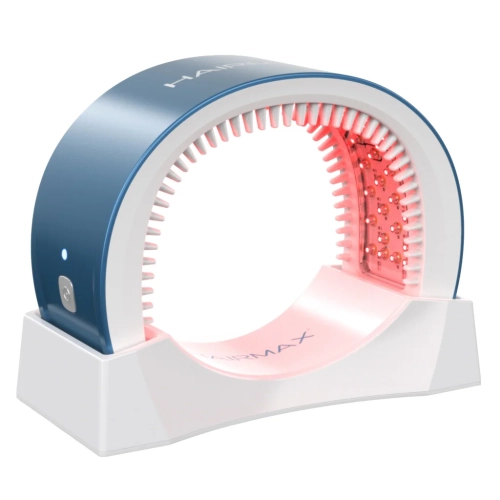 Your price for this item is $1359.95
-
 Your price for this item is $347.12
-
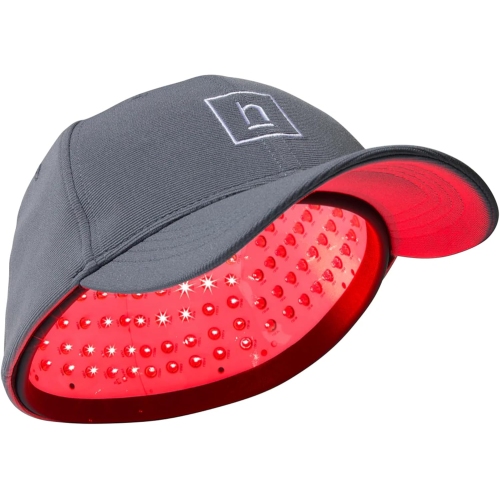 Your price for this item is $1329.36
-
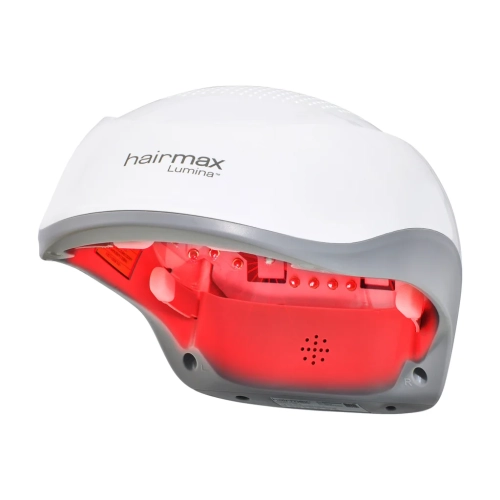 Your price for this item is $1999.91
-
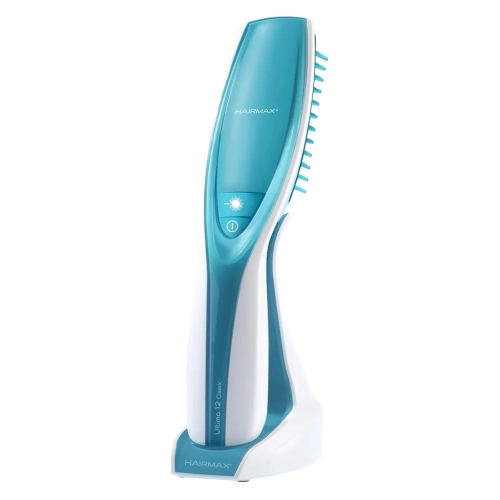 Your price for this item is $327.58
-
 Your price for this item is $59.99
-
 Your price for this item is $59.99
-
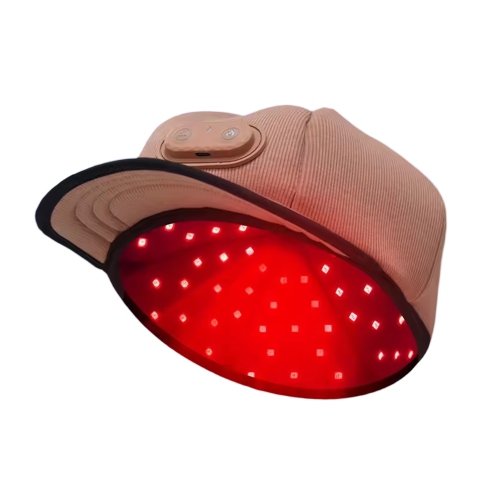 Your price for this item is $158.99
Discover more categories related to Hair Growth Products
Top Collections:
Pokemon Centers, Best Cameras for Sports Photography, Kindle Devices, Samsung Galaxy Phones, Canon G7X Cameras, Pokémon 30th Celebration Cards, Refurbished Apple Laptops, iPhone 15 Apple, Laptops for Students, Budget Smartphones
Some products may be subject to Environmental Handling Fees
(EHF) depending on your province.
Learn more about EHFs.