Hair Products for Hair Growth
Whether you're dealing with thinning hair, slow hair growth, or simply want to enhance your natural mane, we've got you covered. Our carefully curated selection features a variety of innovative solutions designed to nourish and stimulate your strands, helping you achieve the gorgeous hair you've always dreamed of. From revitalizing shampoos and conditioners to targeted treatments and supplements, these hair growth products are packed with essential nutrients and powerful ingredients that promote stronger, fuller hair. Explore our range today and unlock the secret to vibrant, voluminous tresses.
Sort



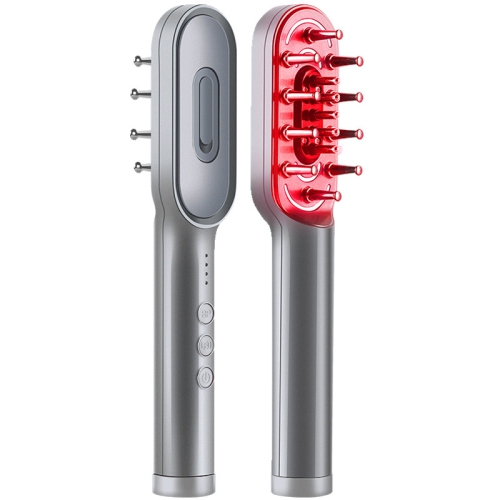
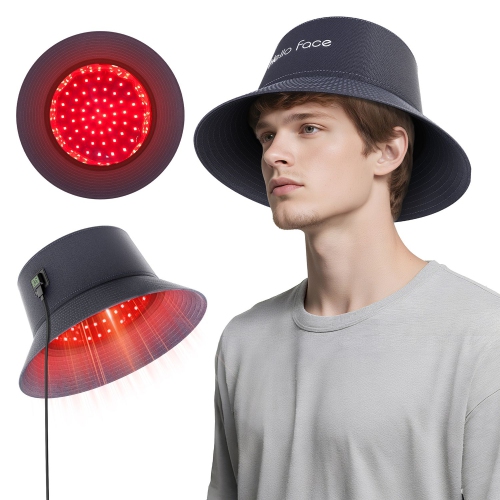

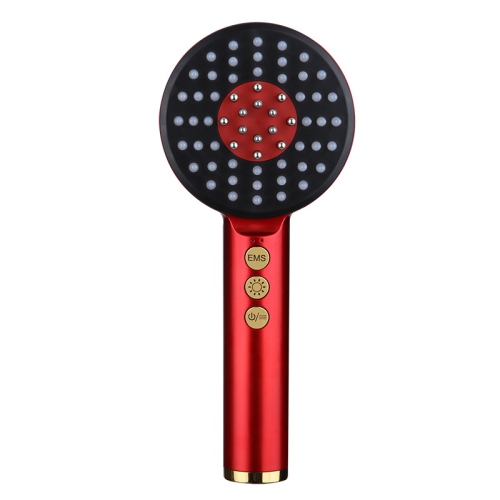
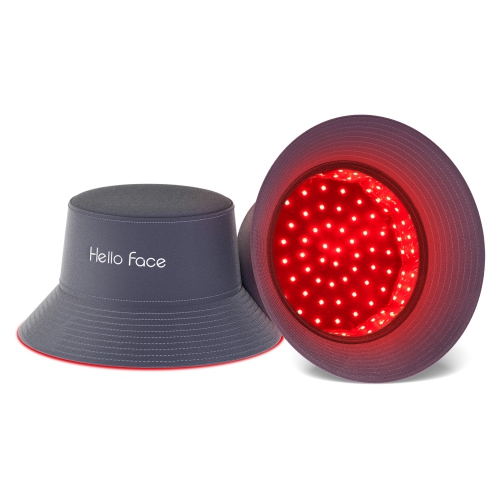
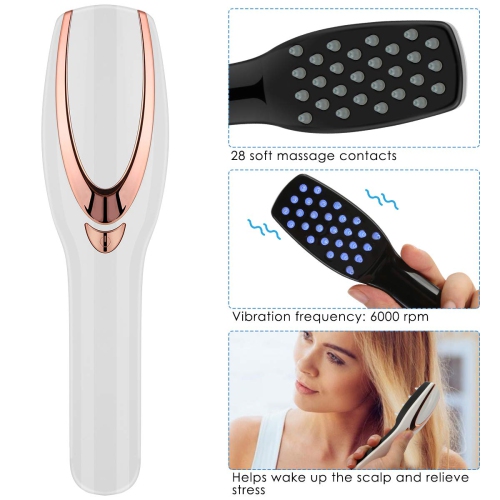
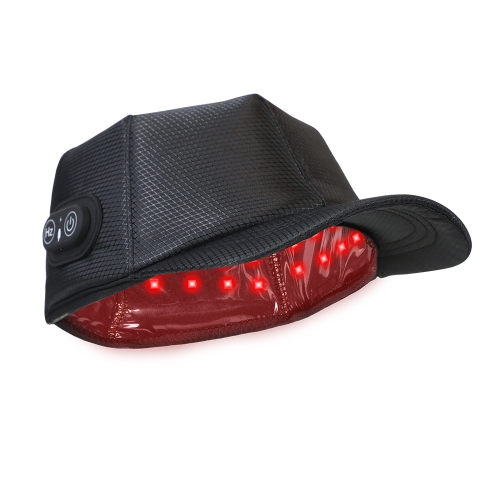
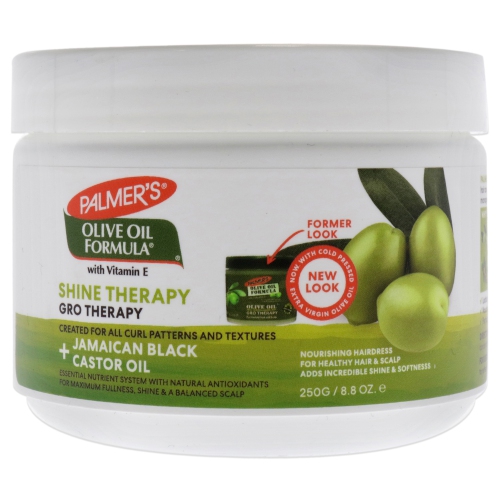
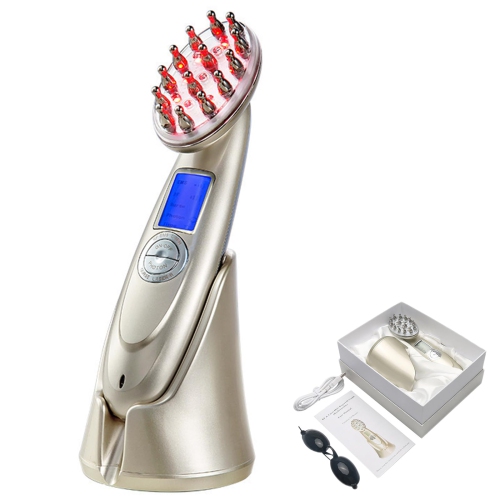
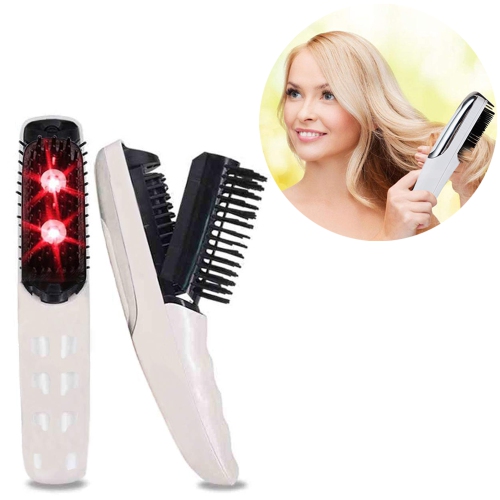
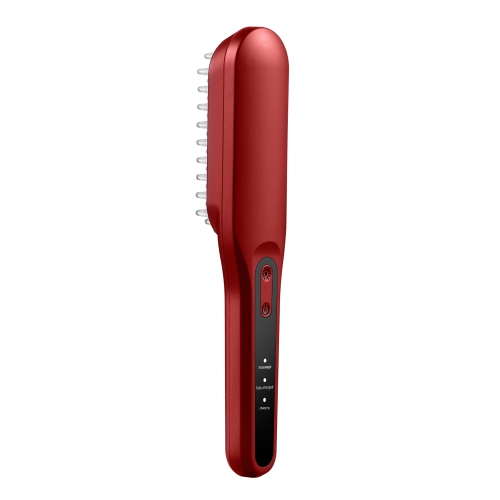
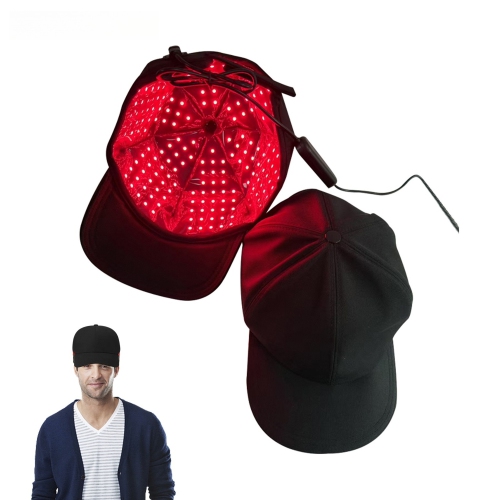

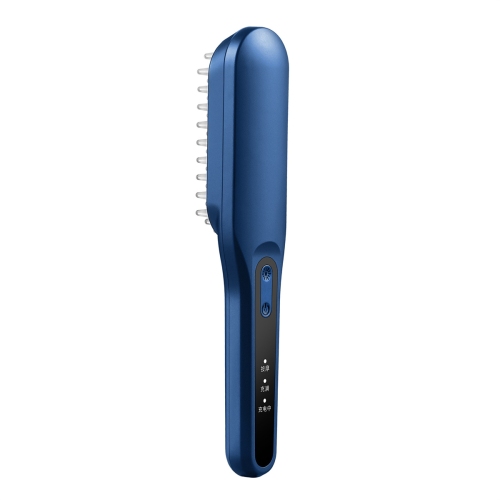

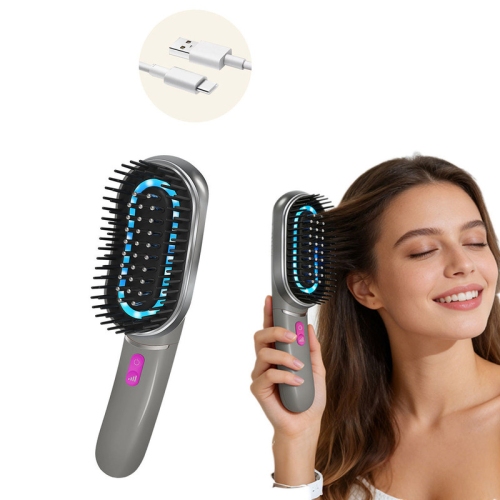
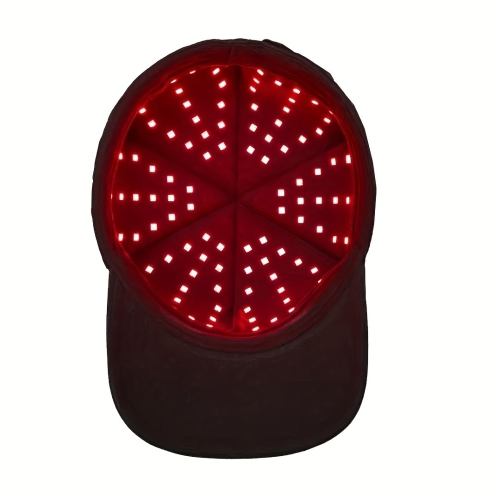
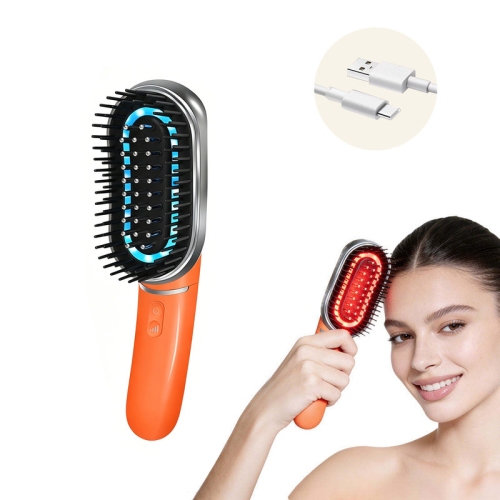
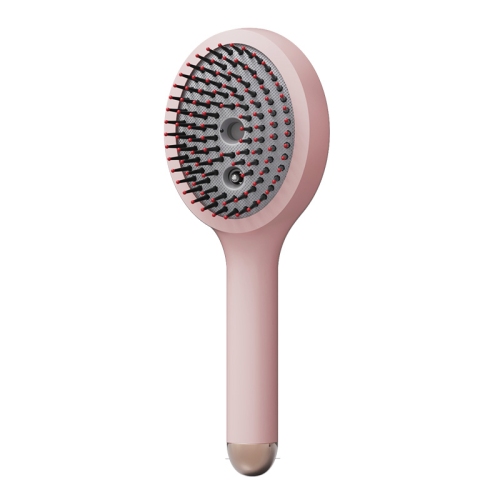

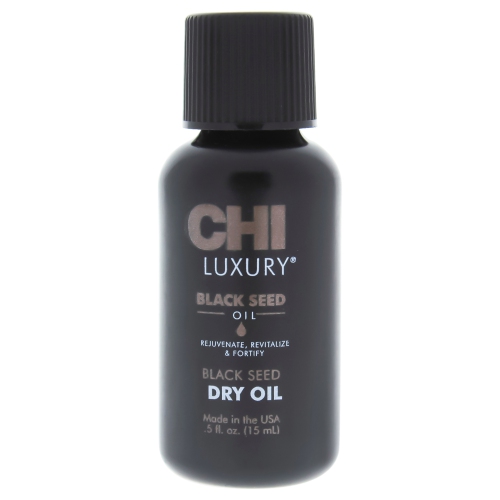
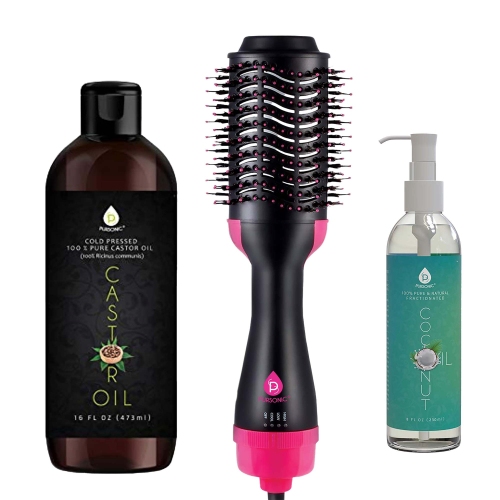
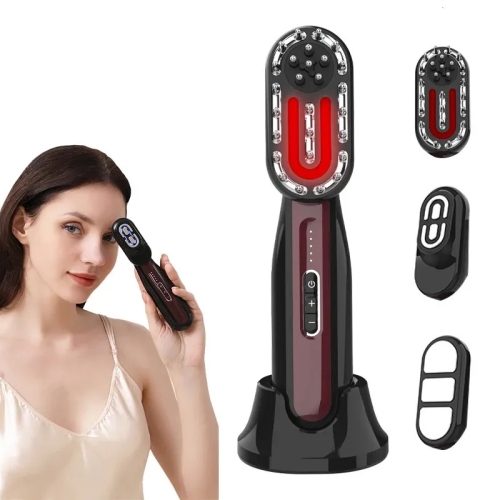
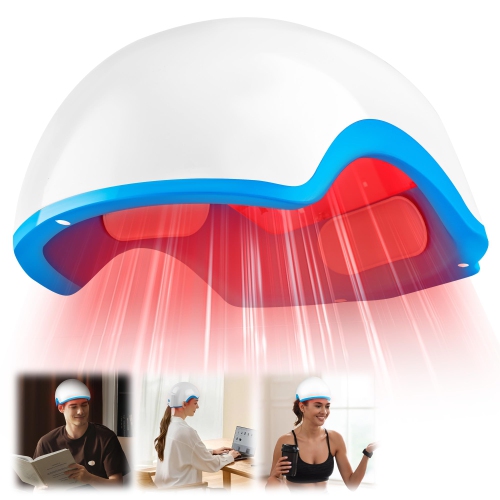
Why fuller-looking hair is not always new growth
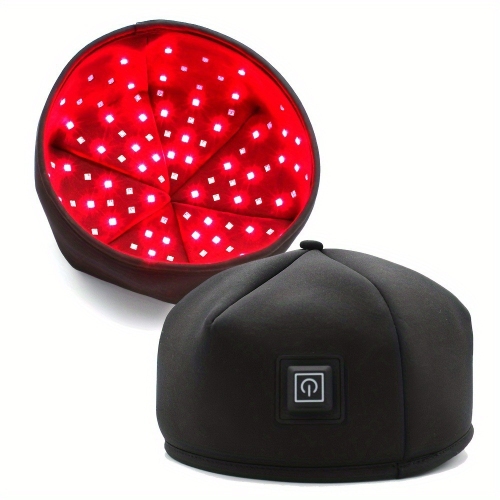
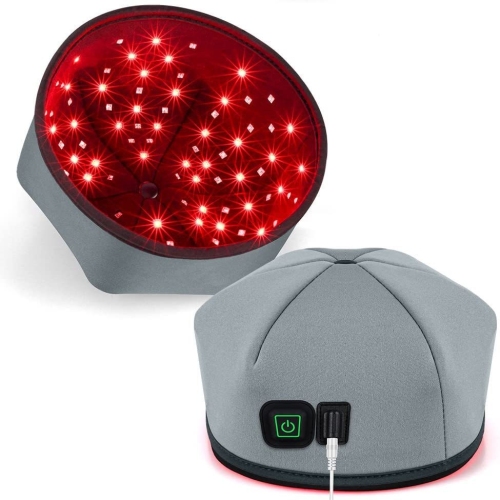
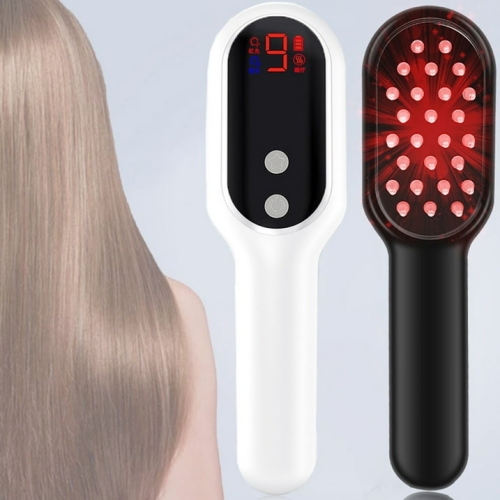
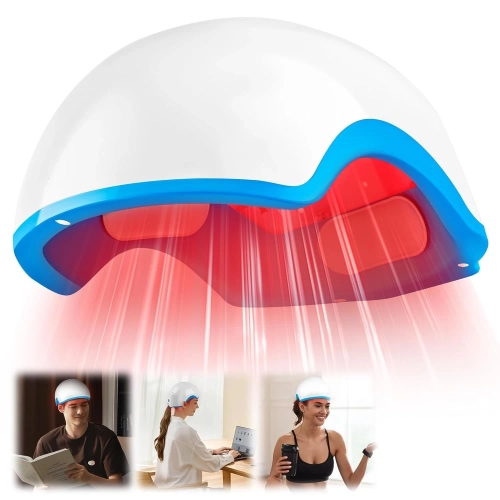
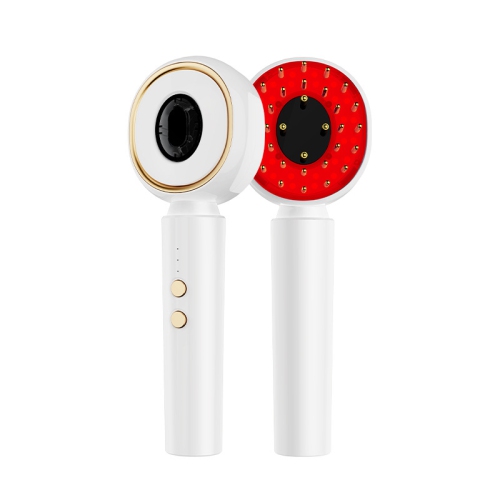
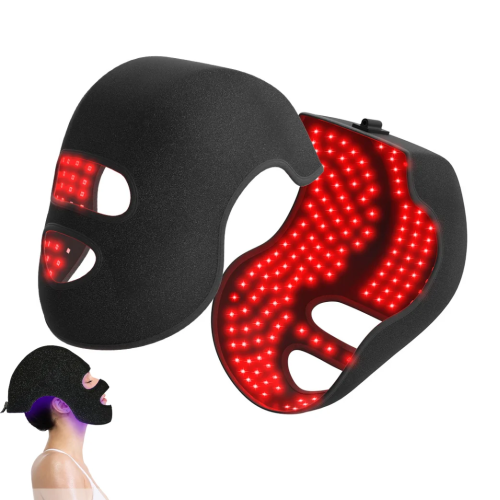
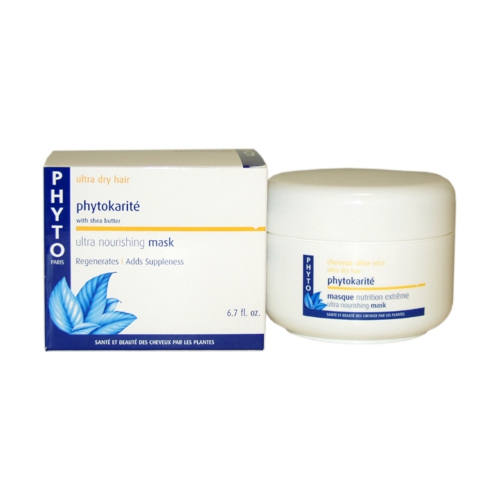
Hair products for hair growth include topical treatments, scalp serums, shampoos, conditioners and supplements, but these categories serve different purposes. Some treatments target particular types of hair loss, while many cosmetic formulas help hair look fuller or reduce the breakage that makes length difficult to retain. That distinction matters when comparing a widening part with ends that snap before reaching the desired length. For certain forms of pattern hair loss, topical minoxidil has evidence supporting hair regrowth; its suitability depends on the formulation, labelled use and individual health considerations. Cosmetic ingredients such as conditioning agents can make strands smoother and easier to detangle, but that effect is not the same as stimulating new growth at the follicle. Peptide, caffeine and botanical scalp formulas also differ in their supporting evidence, so ingredient names alone do not establish how well a finished formula will work. Hair naturally moves through growth, transition and resting phases, which helps explain why meaningful changes in density take time rather than appearing after a few washes. Fuller-looking hair immediately after styling may reflect added lift or a coating on the strands, not a change in the growth cycle. Product descriptions are most useful when they distinguish these appearance benefits from treatment claims. The cause of thinning is another important consideration: inherited patterns, tight hairstyles, certain illnesses, medications and nutritional deficiencies do not all call for the same approach. Sudden shedding, distinct bald patches, scalp pain or persistent irritation deserve assessment by a healthcare professional rather than a succession of new cosmetic formulas. For gradual concerns, a pharmacist or clinician can help clarify whether an over-the-counter treatment is appropriate. A practical routine starts with a clear purpose, whether that is addressing a diagnosed type of hair loss, keeping a comfortable scalp or protecting fragile strands so that existing growth is less likely to break.
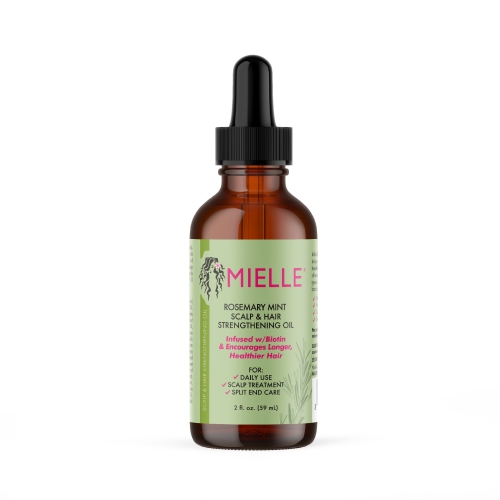
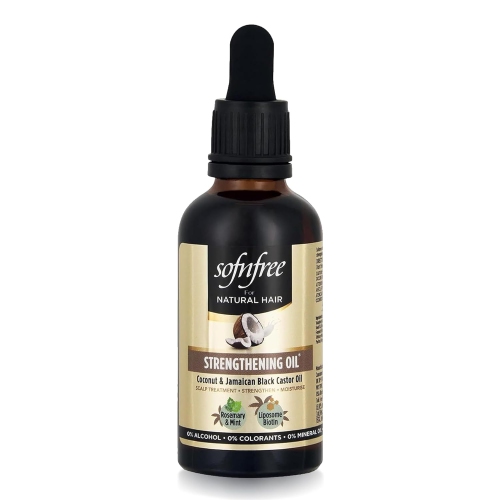
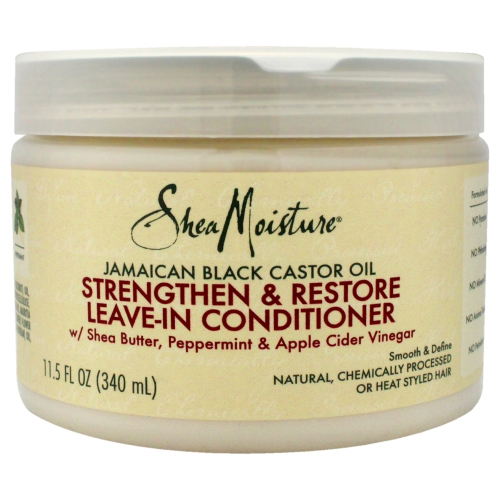
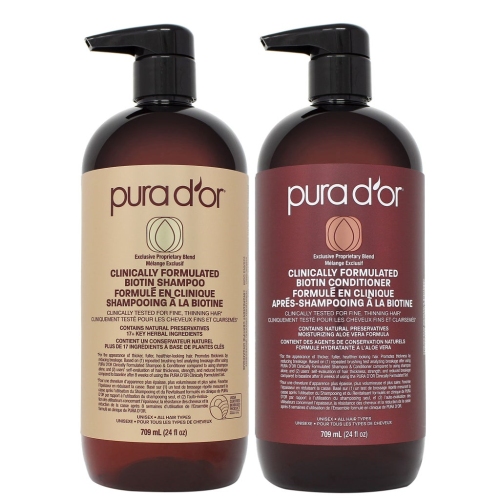
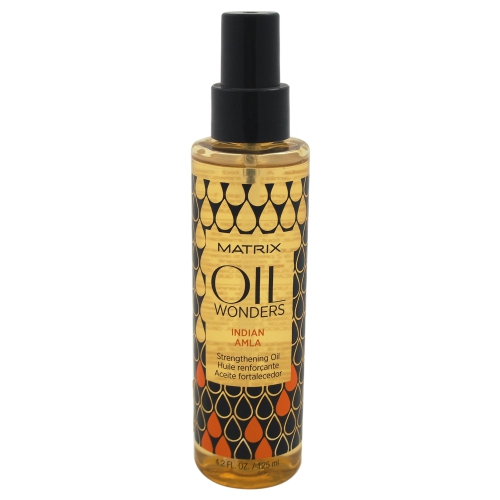
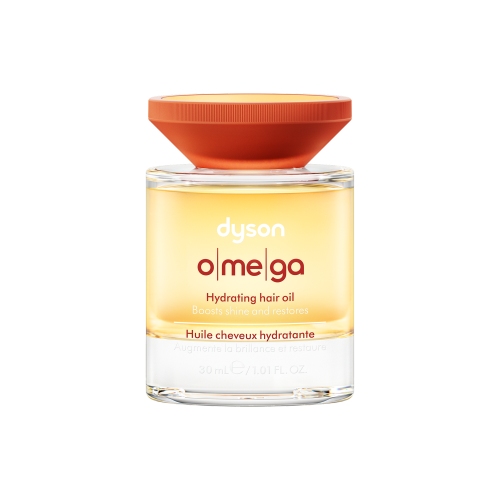
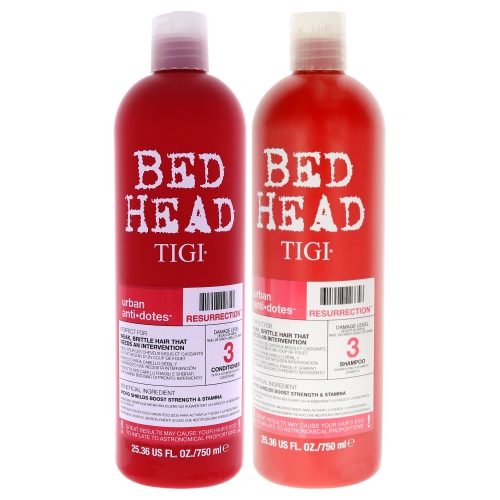
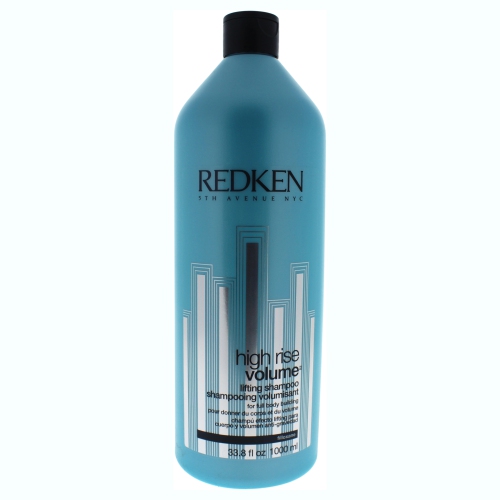
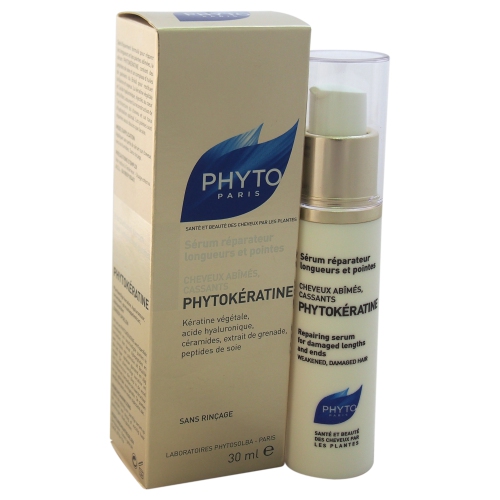
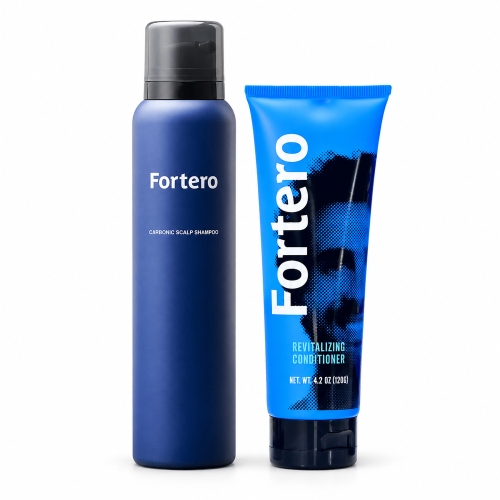
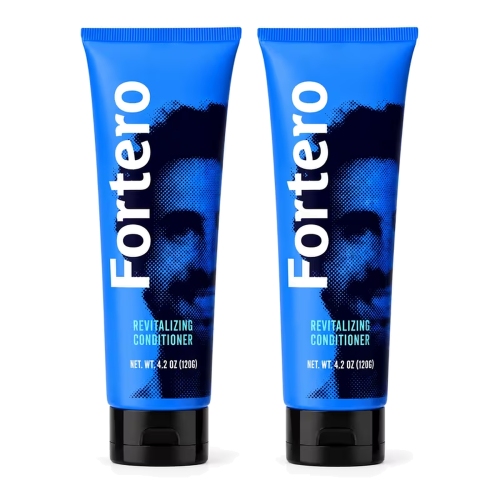
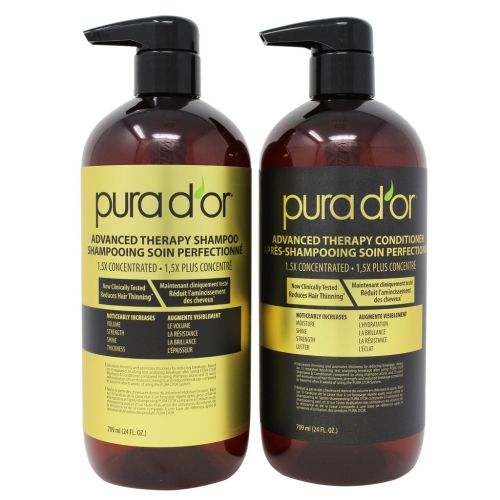
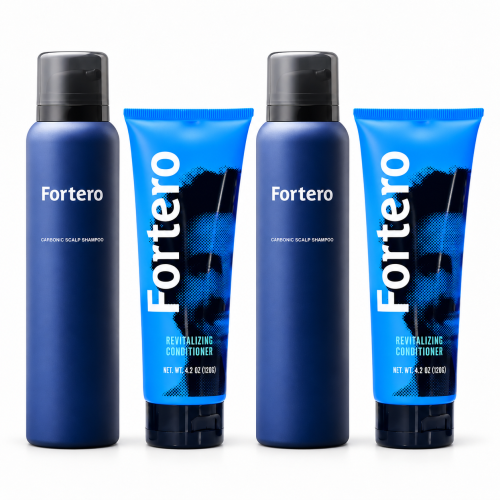
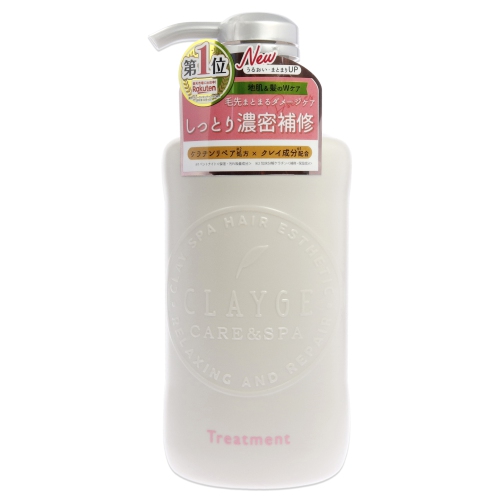
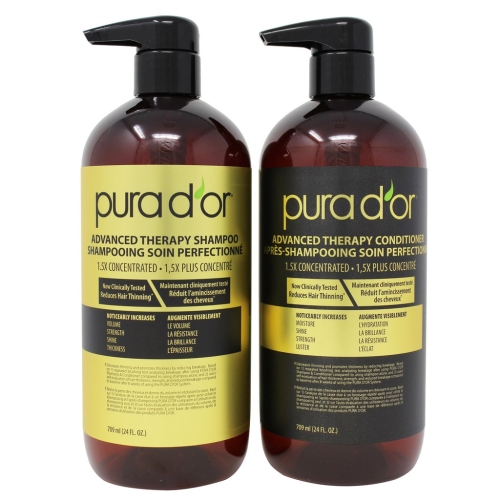
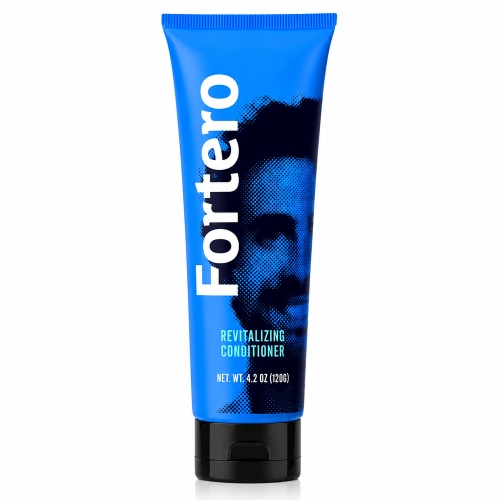
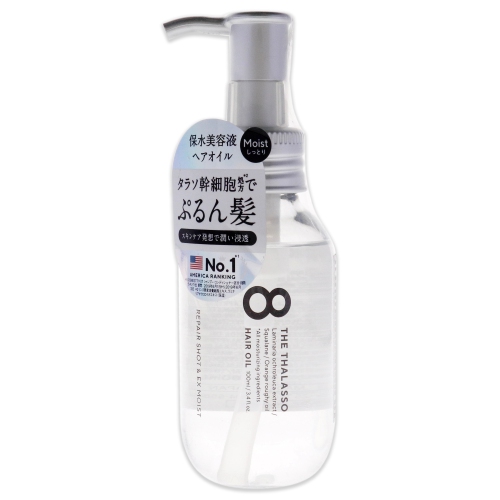
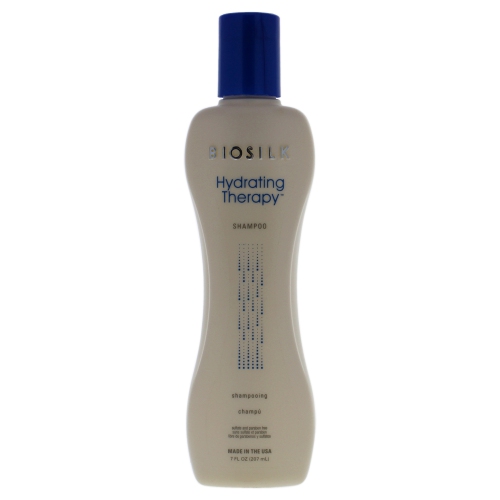
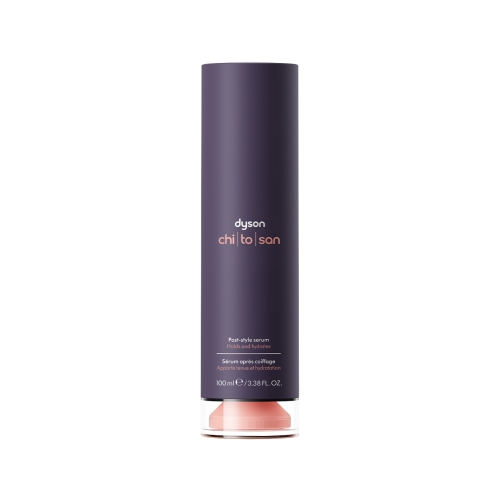
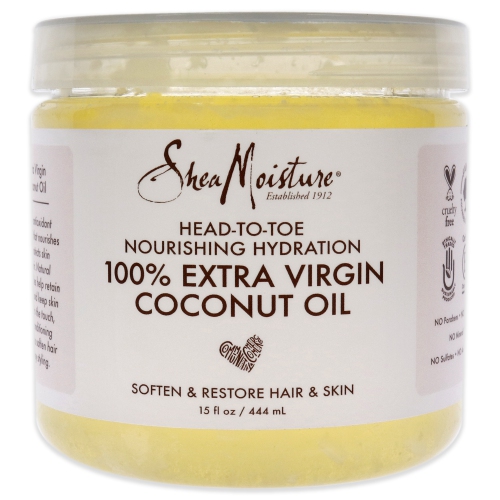
Cleansing and conditioning products have a supporting role in a hair growth routine, particularly when residue, tangles or rough-feeling lengths make everyday care difficult. Shampoos for Hair Growth can be considered alongside conditioners and leave-in care, with attention to scalp needs, hair texture and the benefits stated on the label. A rinse-off shampoo spends relatively little time on the scalp, so its cleansing performance should not be confused with the action of a leave-on medicinal treatment. Fine hair may suit a lightweight formula that rinses clean without leaving the roots flat, while tightly curled, coily or chemically treated hair may need more conditioning through the lengths to reduce friction during detangling. Colour-treated hair also benefits from formulas labelled for that use, especially when several treatments share space in the same routine. Fragrance, essential oils and other ingredients can be uncomfortable for some sensitive scalps; a fragrance-free option may be worth considering when scent is a known trigger. Rich oils can soften dry-feeling strands, but oiliness does not indicate that a formula will encourage growth, and a heavy application may leave some hair difficult to manage. Leave-in serums vary just as much in texture: watery formulas can spread easily along a part, while thicker preparations may need more careful placement to avoid coating the surrounding hair. A dropper, narrow nozzle or foam format can affect how neatly a treatment reaches the scalp, particularly with dense hair or limited hand dexterity. Packaging that is comfortable to grip and easy to close can make repeated use less cumbersome. Label directions determine whether a formula belongs on the scalp, through the lengths or only on the ends. Applying extra treatment does not necessarily improve results and can increase unwanted effects. When multiple products are involved, compatible directions and a manageable number of steps matter more than building an elaborate routine that is difficult to maintain.
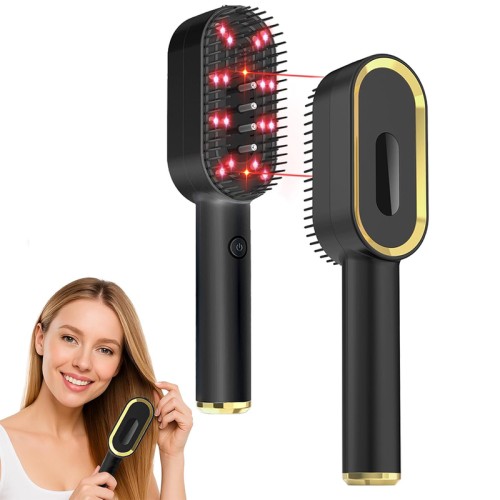
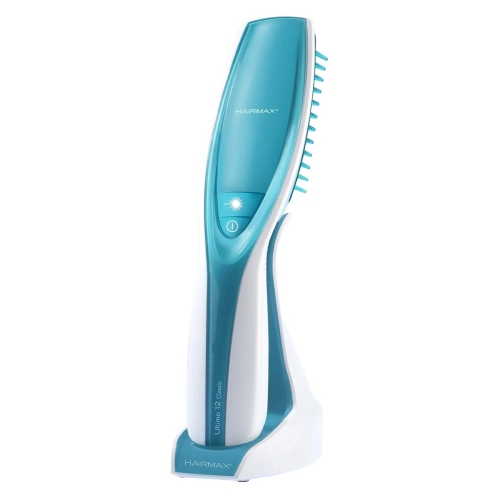
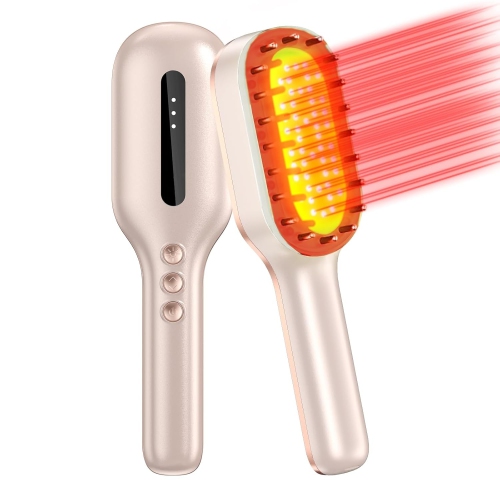
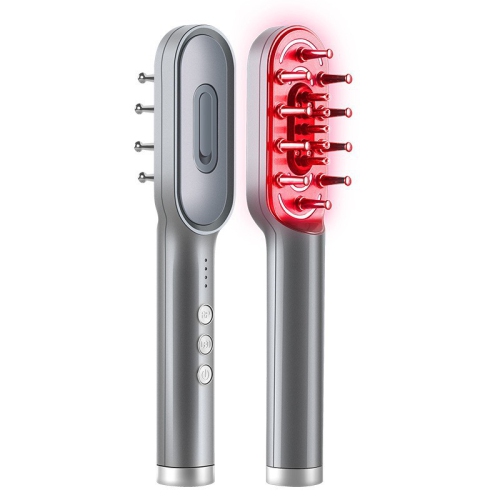
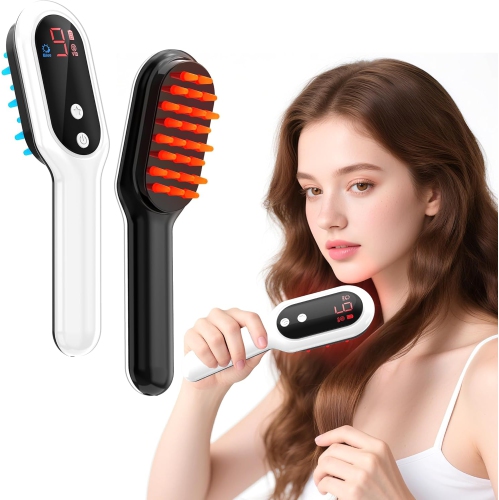
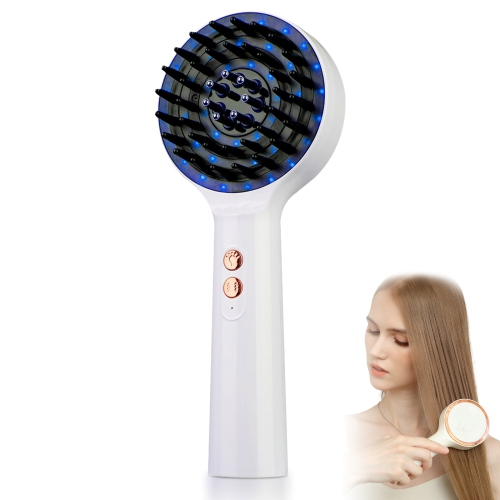
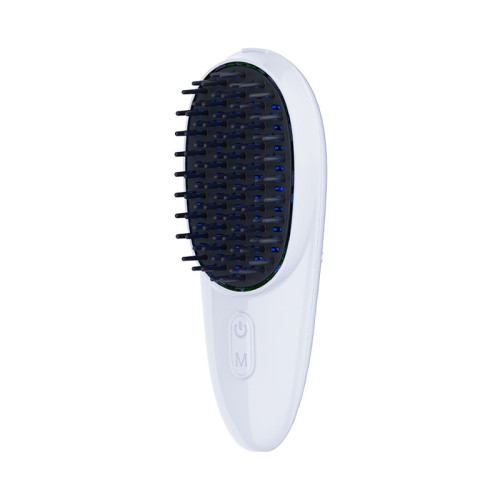
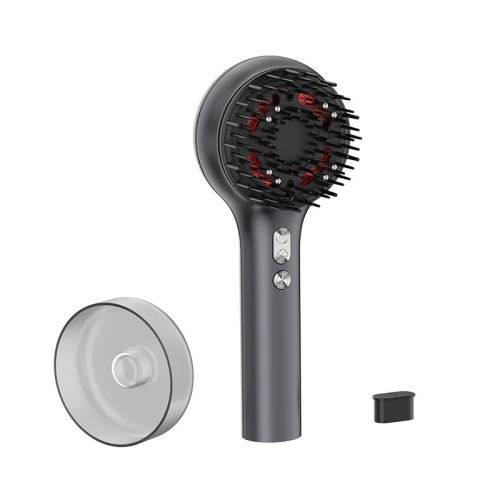
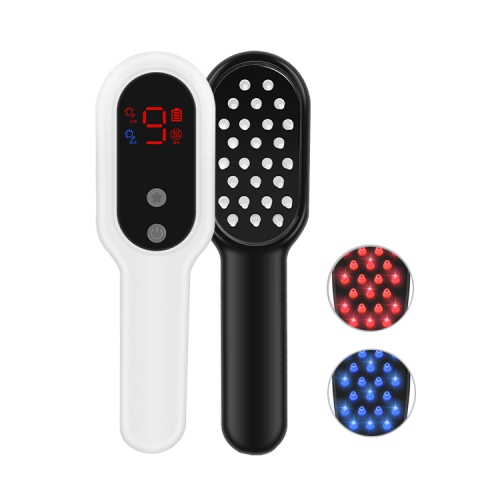
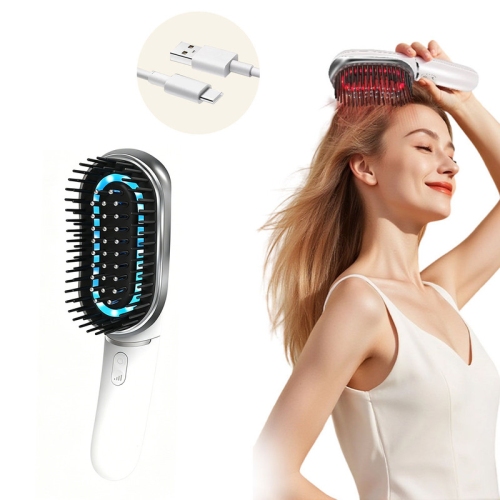
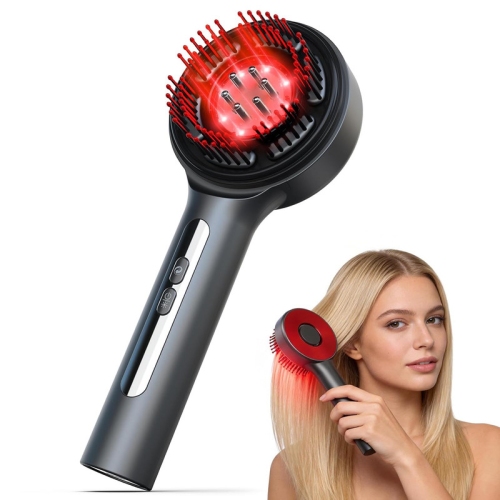
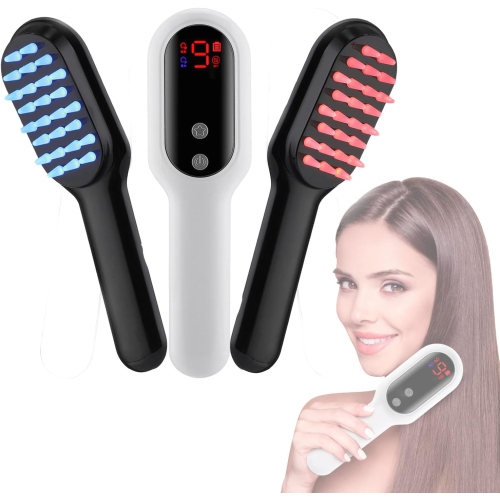
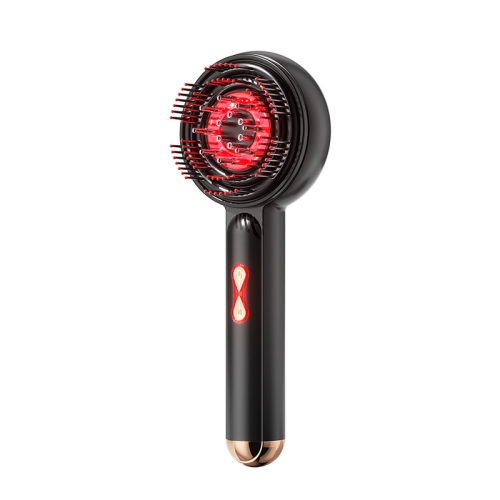
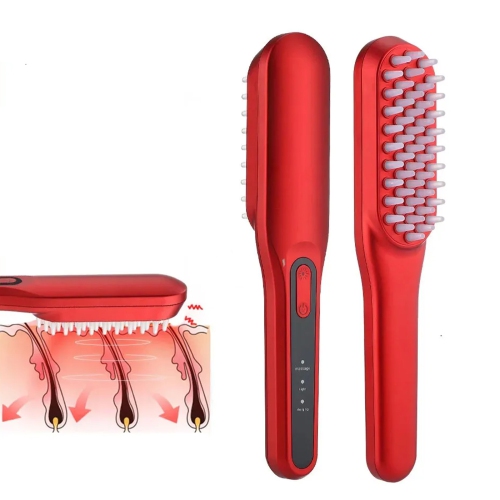
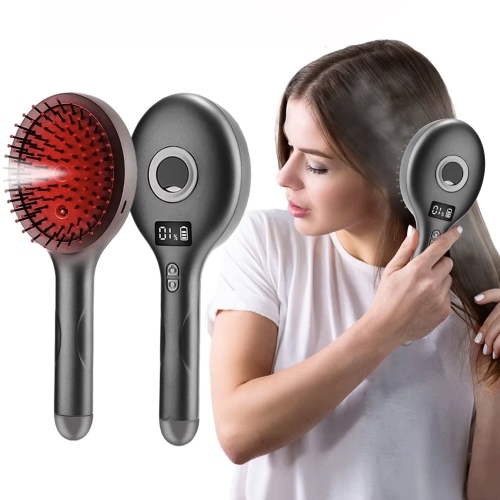
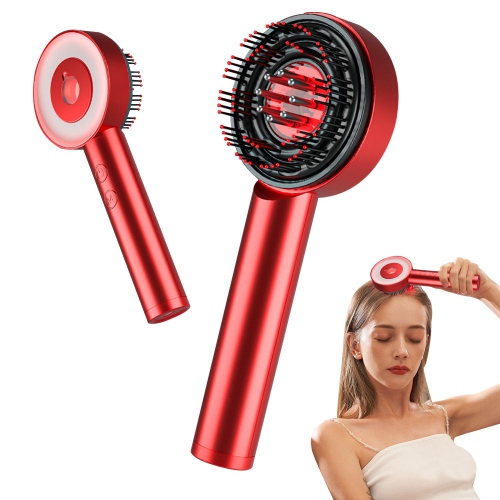
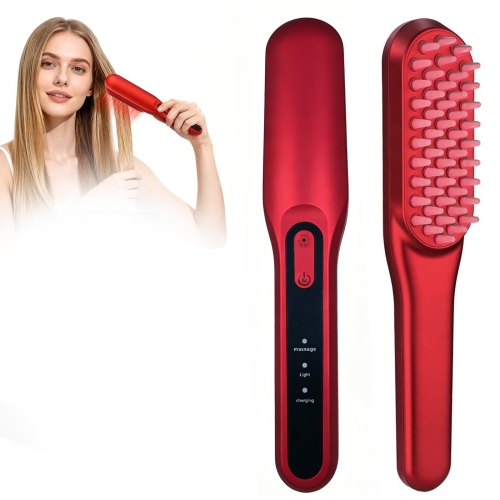
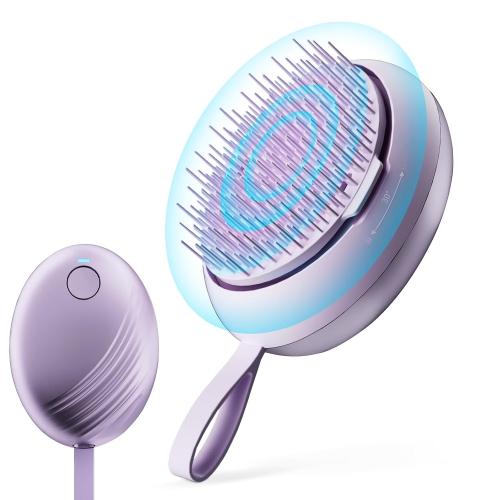
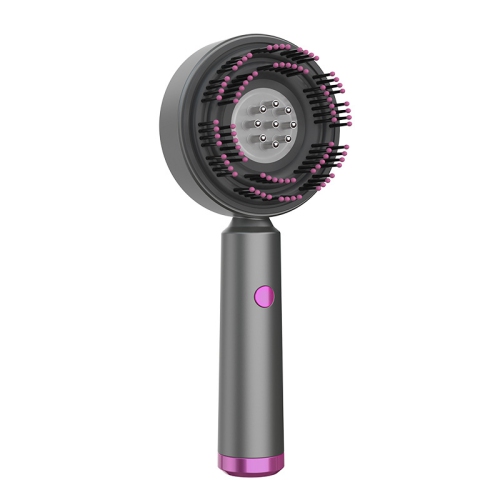
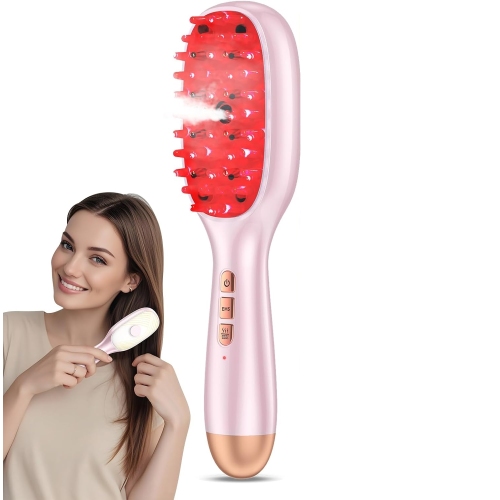
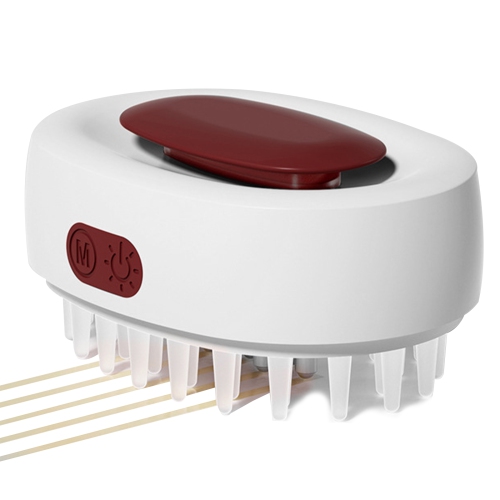
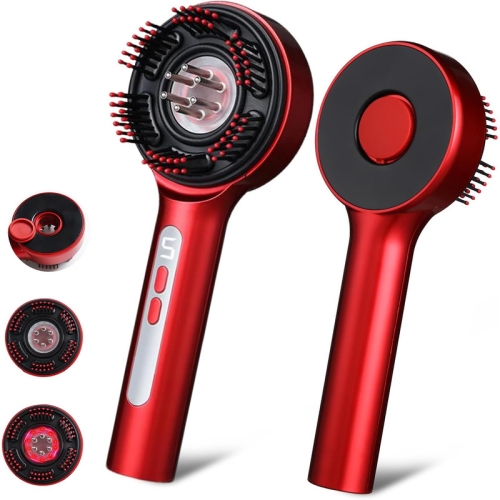
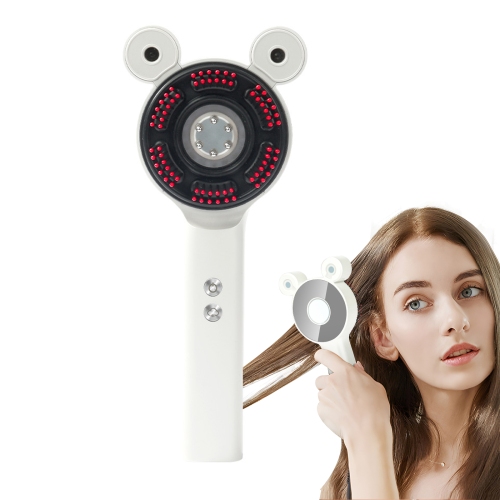
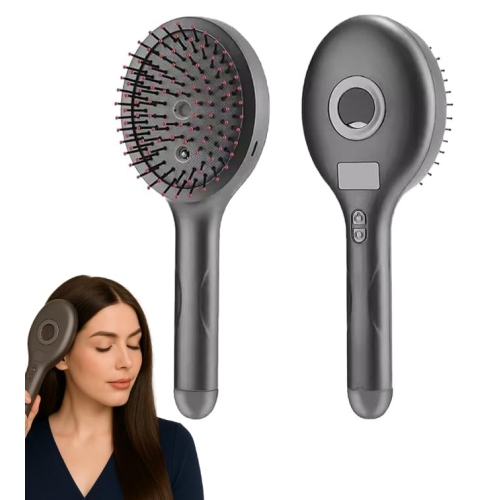
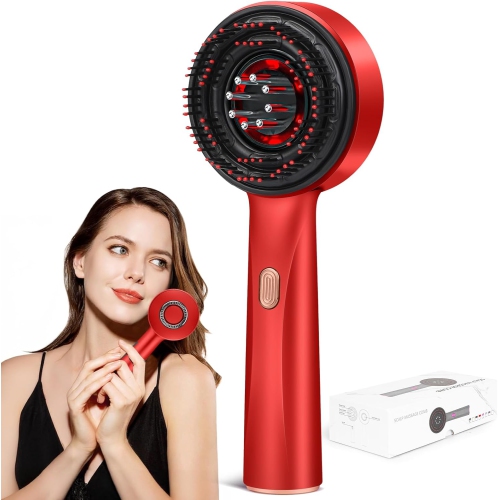
Consistency, tolerance and realistic expectations are central to choosing hair growth products for ongoing use. A treatment that requires regular application needs to fit around washing, styling and any drying time specified on its label. Some leave-on formulas must remain on the scalp for a stated period before washing, and their instructions may also address application to dry skin or precautions around heat. Following those details helps avoid turning an otherwise straightforward routine into guesswork. Medicinal treatments can have side effects, and some are unsuitable during pregnancy or breastfeeding or for people with certain health conditions; a pharmacist can help interpret the warnings. Scalp irritation is a reason to reassess a formula, not a sign that it is working. Supplements need similar care: biotin and other nutrients are not a substitute for identifying a cause of hair loss, and extra supplementation has no established hair growth benefit for someone without a relevant deficiency. Biotin can also interfere with certain laboratory tests, making disclosure to a healthcare professional important. Alongside treatment, gentle handling helps protect the hair already present. Conditioner that gives strands enough slip, smooth-edged detangling tools and hairstyles that avoid constant pulling can reduce unnecessary stress on fragile lengths. Scalp brushes should have comfortable, flexible bristles and be cleaned and dried according to their care instructions; massage alone is not an established treatment for pattern hair loss. Keeping applicators clean, closing containers securely and observing expiry dates supports sensible product care. Progress is easier to judge with occasional photographs taken under similar lighting and with the same part, rather than close inspection after every shower. Depending on the treatment, visible improvement may take several months, and continued use may be needed to maintain benefits. The most useful choice is one whose intended use, evidence, texture and application requirements match the person's needs, without promising that a single formula can resolve every kind of thinning.
Top selling and popular products
-
 Your price for this item is $1359.95
-
 Your price for this item is $347.12
-
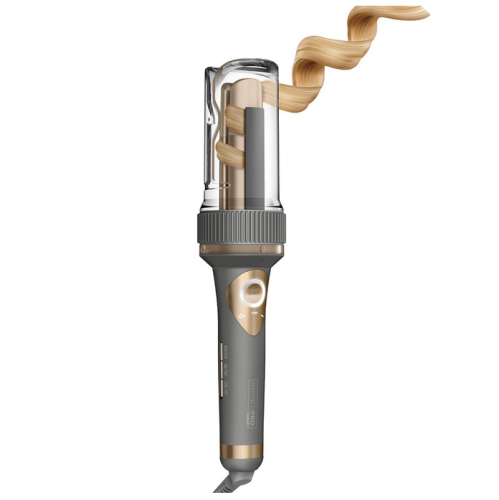 Your price for this item is $145.97
-
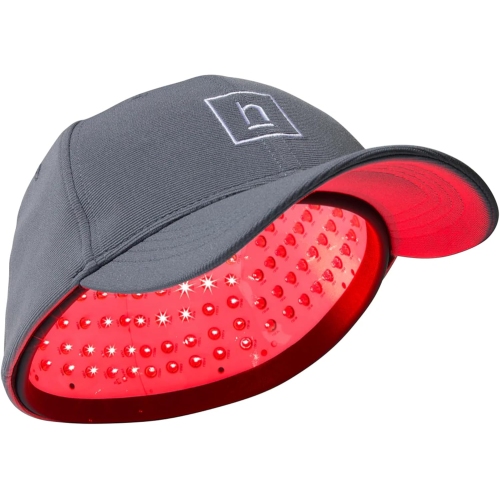 Your price for this item is $1727.97
-
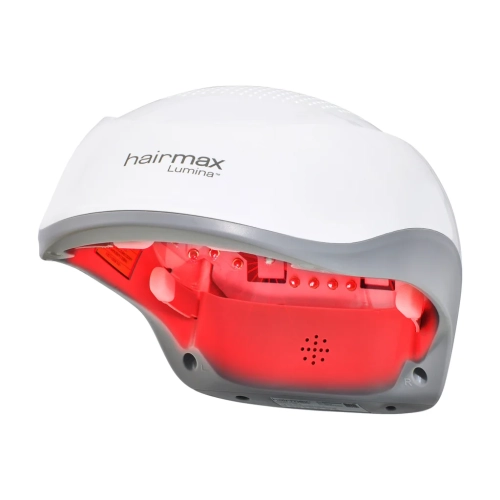 Your price for this item is $2749.97
-
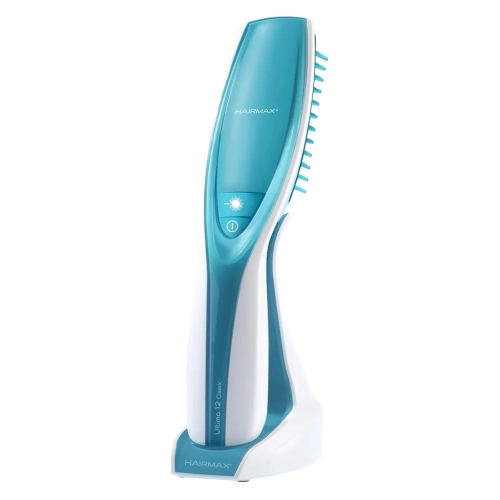 Your price for this item is $409.48
-
 Your price for this item is $59.99
-
 Your price for this item is $59.99
Discover more categories related to Hair Products for Hair Growth
Top Collections:
Best Black Friday Deals This Year, Best Black Friday Deals On Electronics, Kindle Devices, Pokemon Centers, Best Black Friday Deals On Apple Products, Best Cameras for Sports Photography, Dyson Airwrap, Pokémon 30th Celebration Cards, Apple iPhone 17 Pro, Canon G7X Cameras
Some products may be subject to Environmental Handling Fees
(EHF) depending on your province.
Learn more about EHFs.