Hair Stylers for Short Hair
When it comes to short hair, finding the perfect hair styler can make all the difference. Whether you're looking to add volume, create defined curls, or achieve a sleek and polished look, this wide selection of hair stylers is designed specifically for shorter hair lengths. With innovative features and advanced technologies, these hair stylers are sure to help you achieve your desired hairstyle with ease. From curling irons and straighteners to volumizing brushes and styling wands, our collection offers a variety of options to suit every short-haired individual's styling needs.
Sort















Why tool size matters for shorter cuts
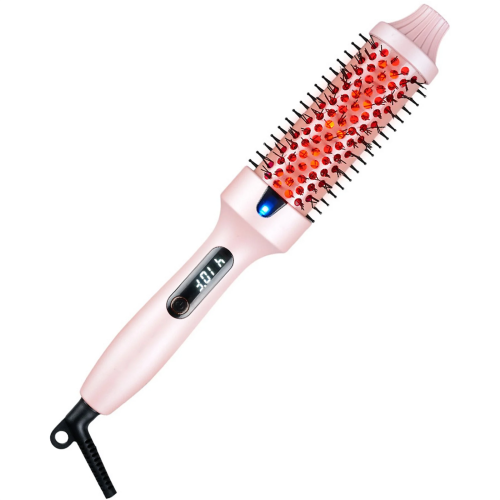
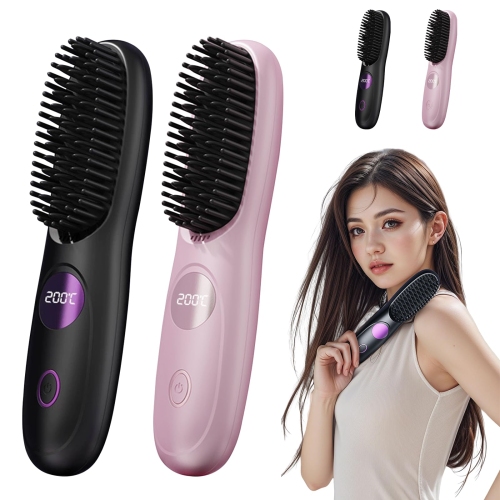
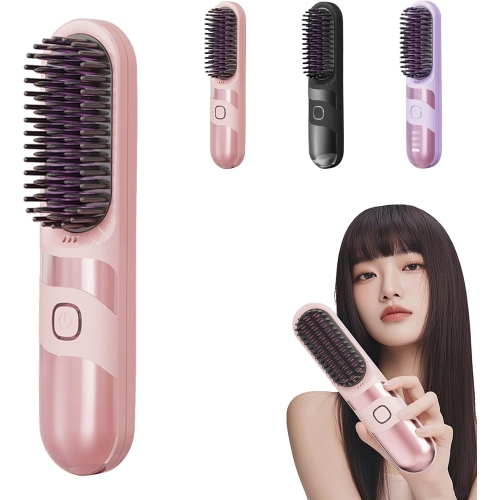
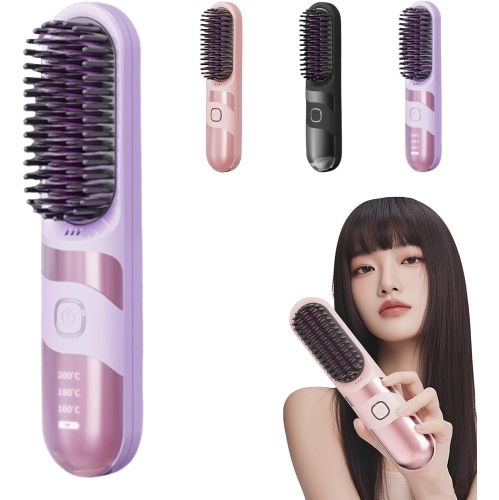
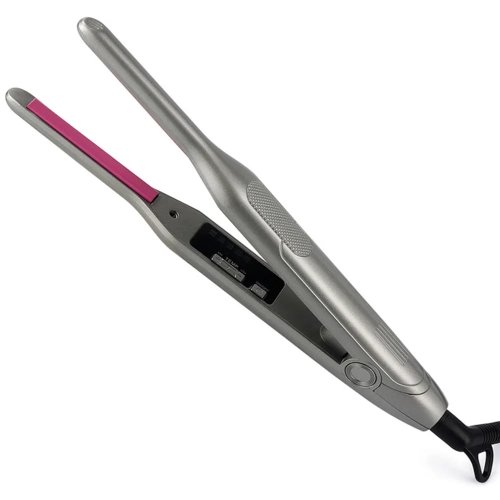
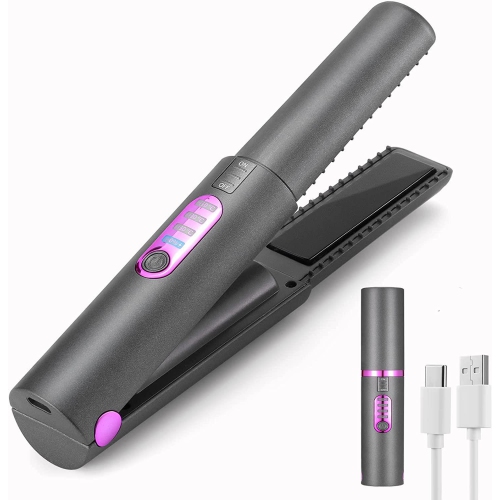
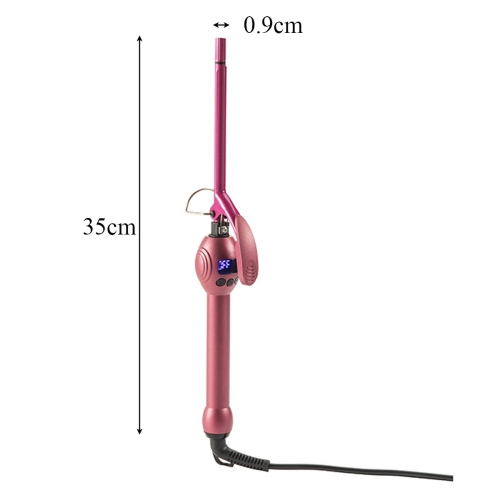
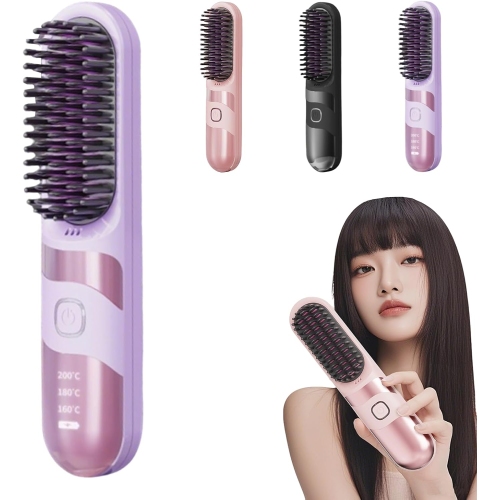
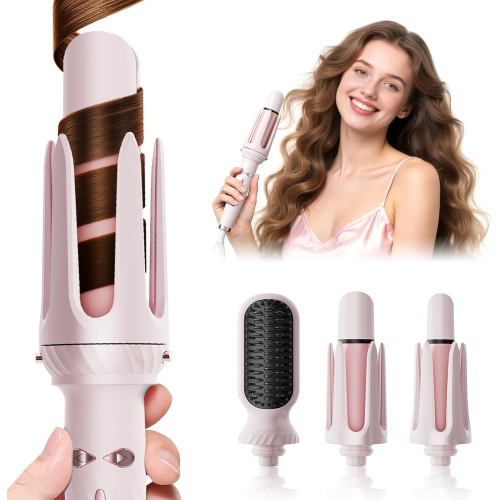
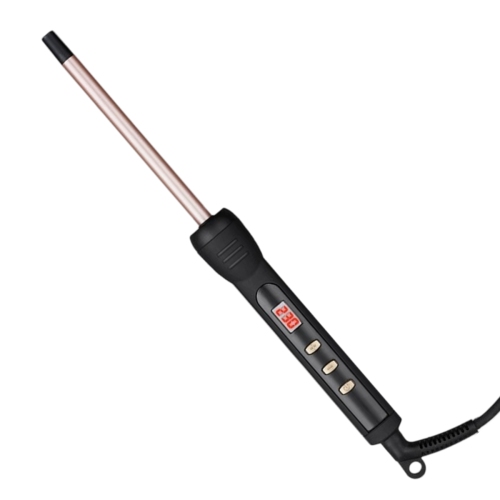
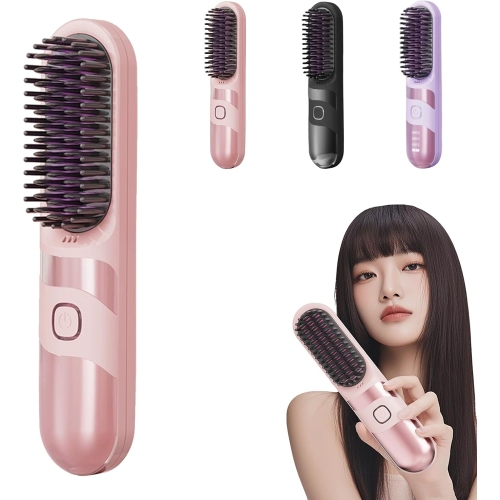
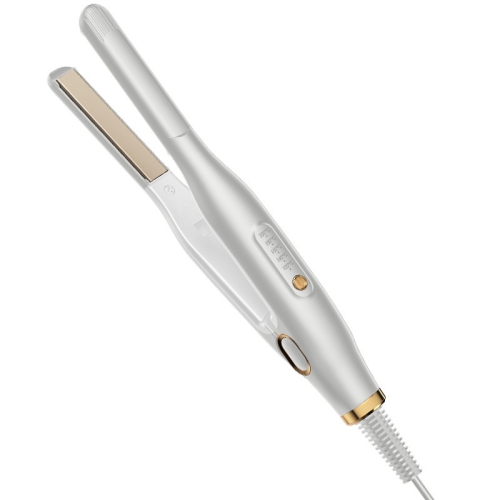
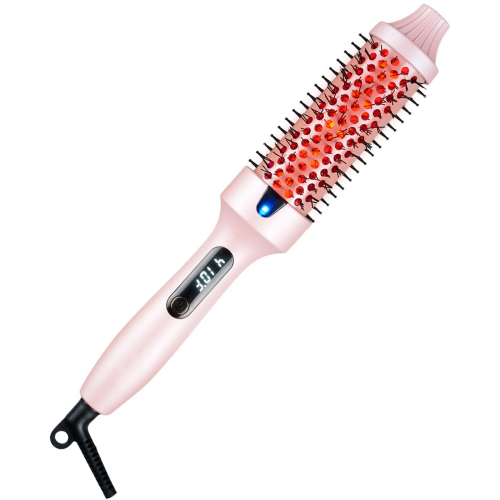
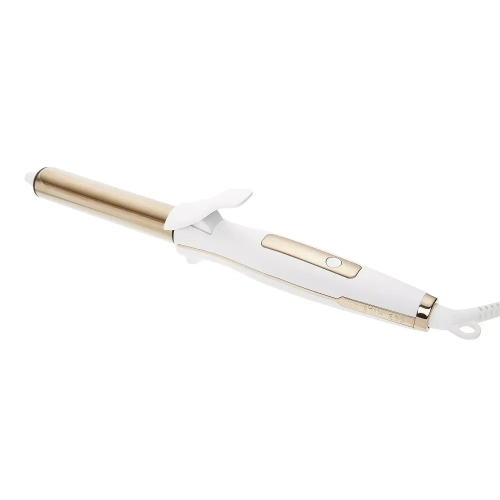
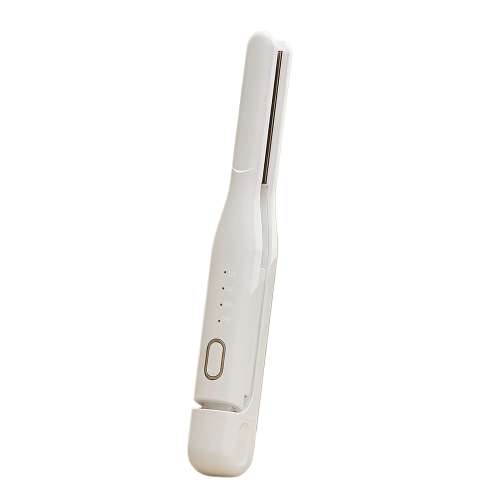
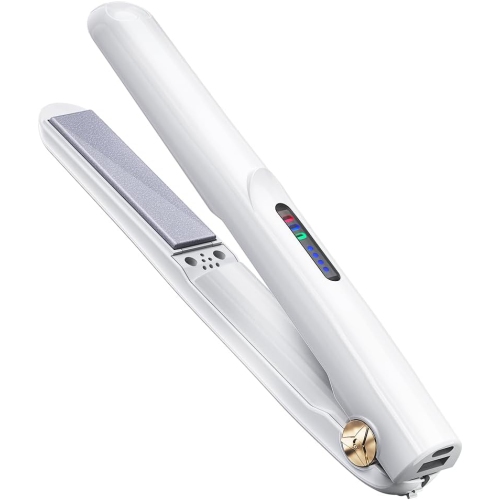
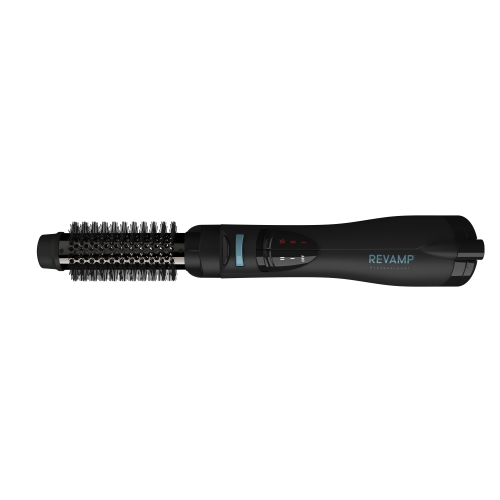
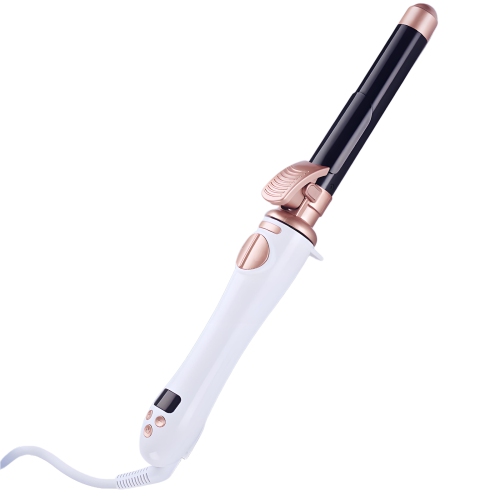
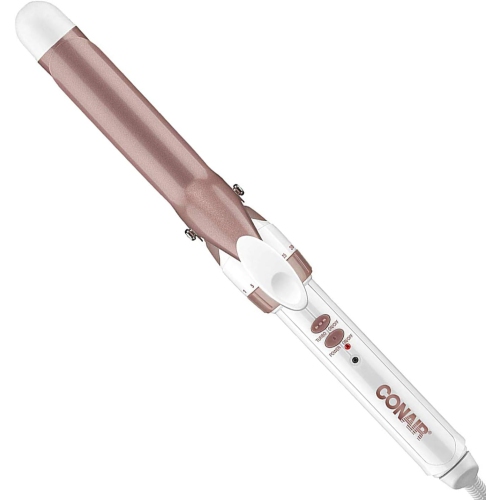
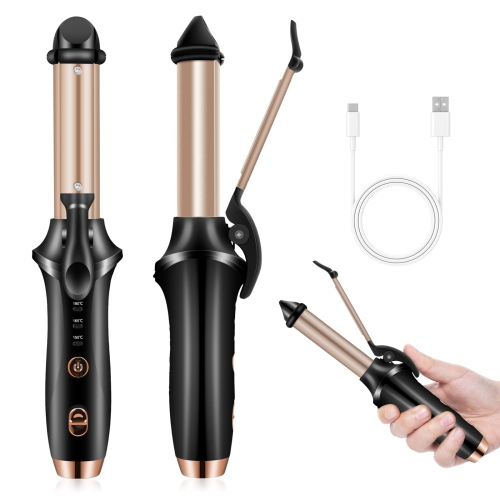
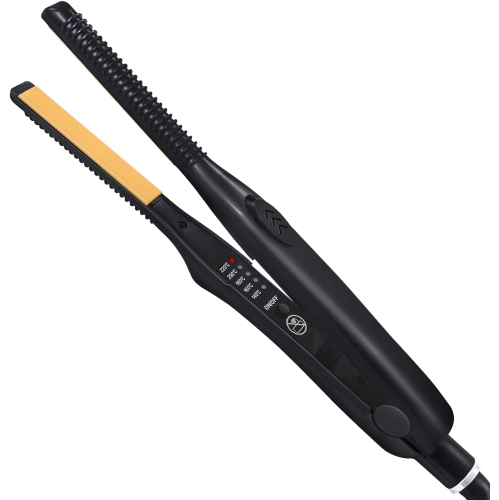
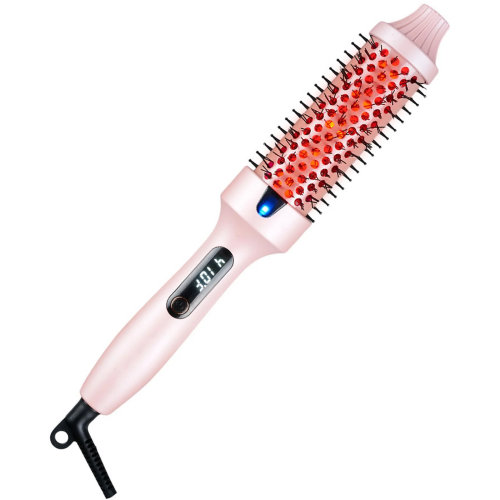
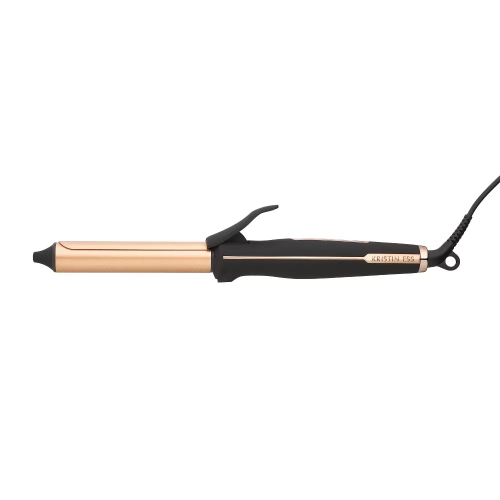
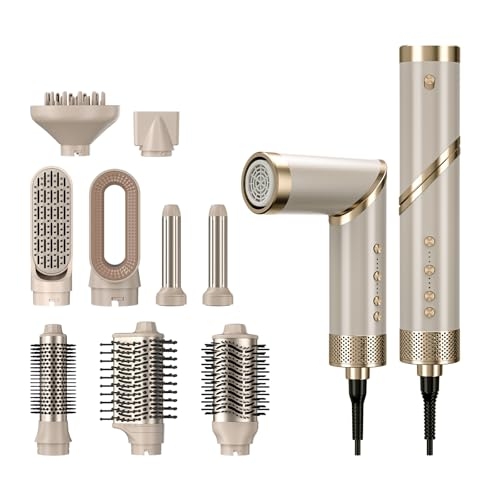
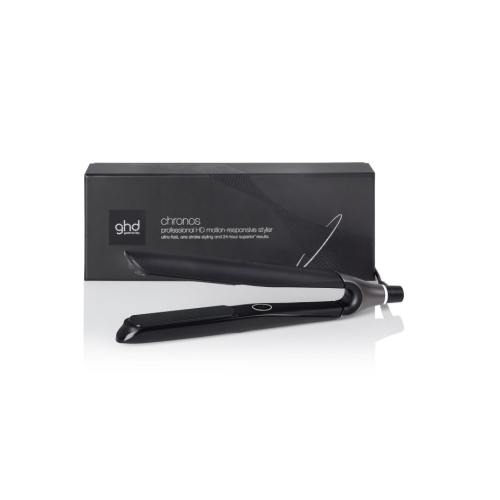
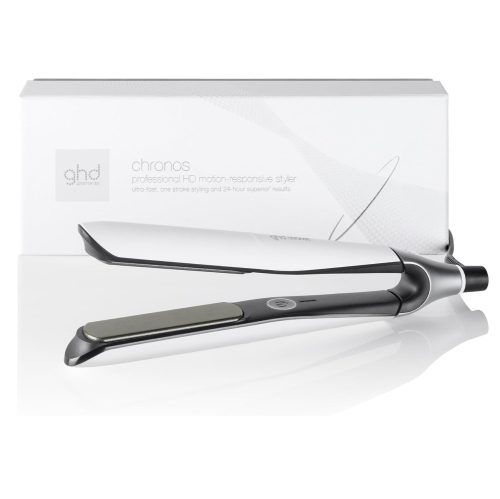
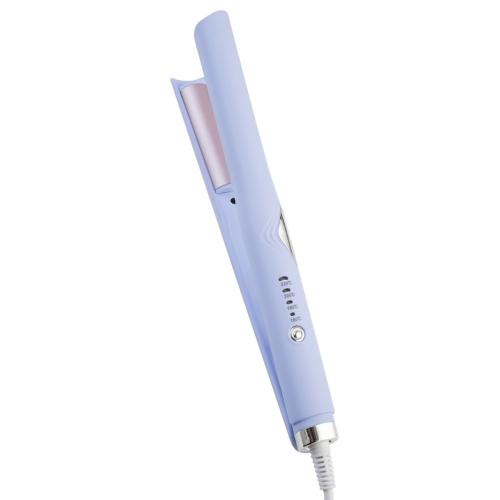
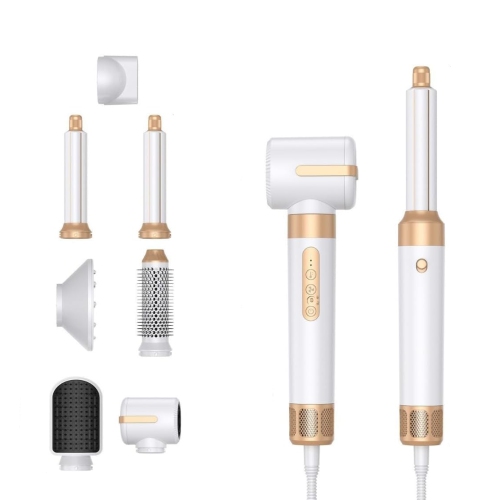
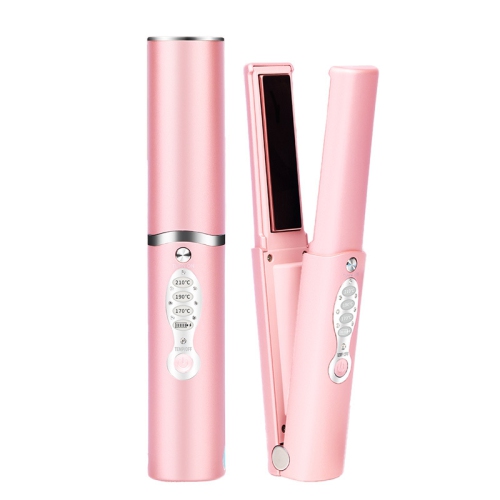
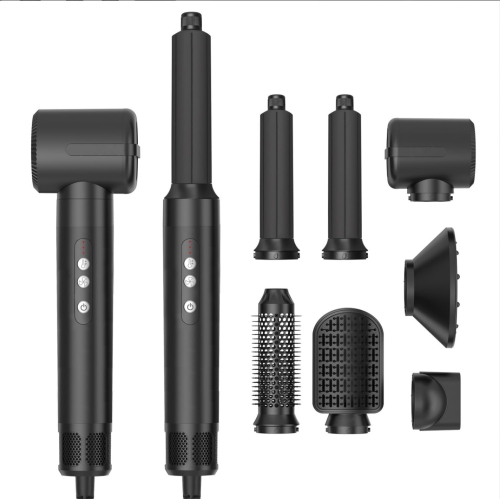
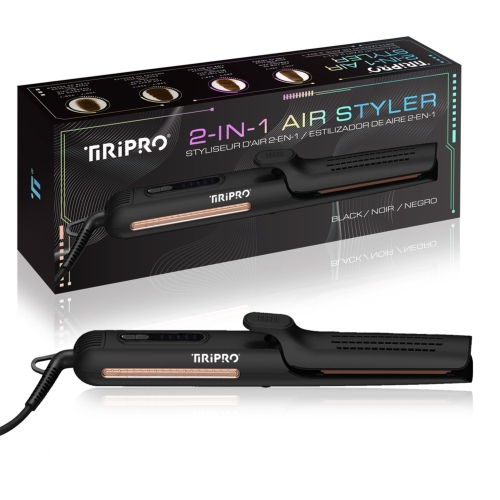
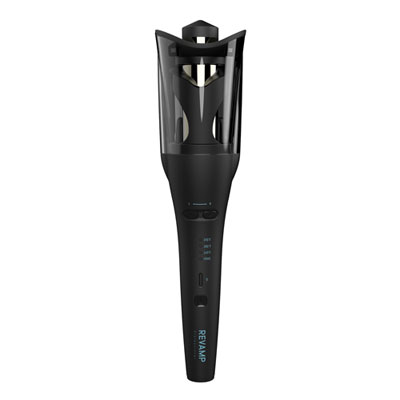
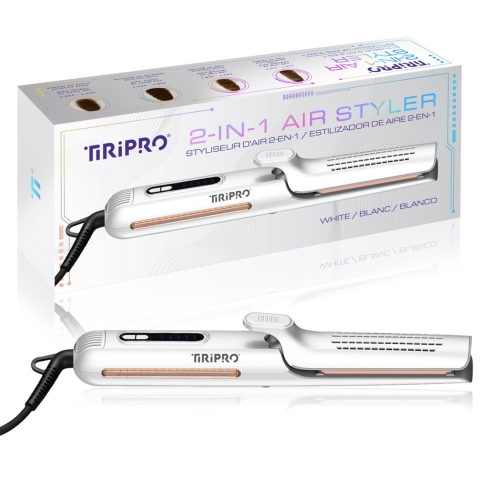
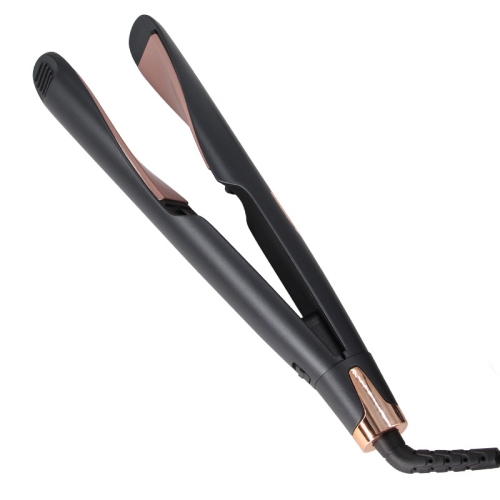
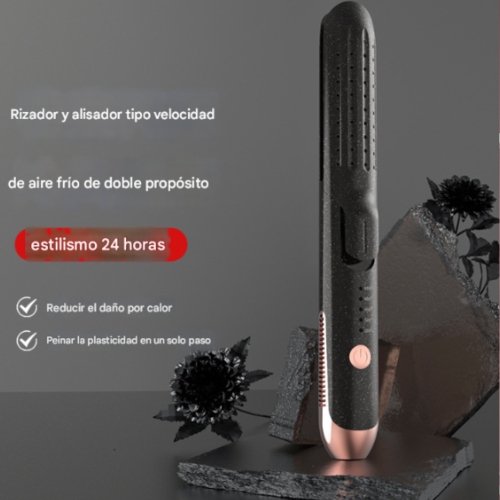
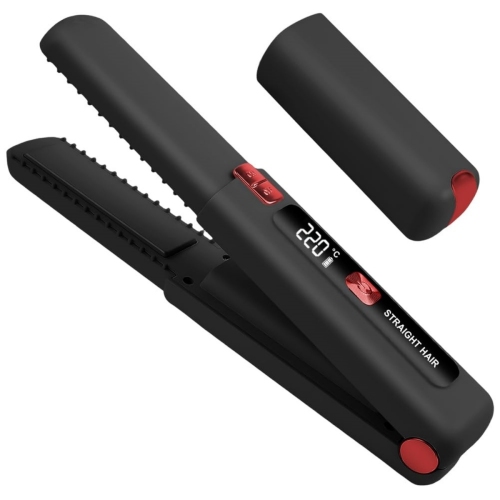
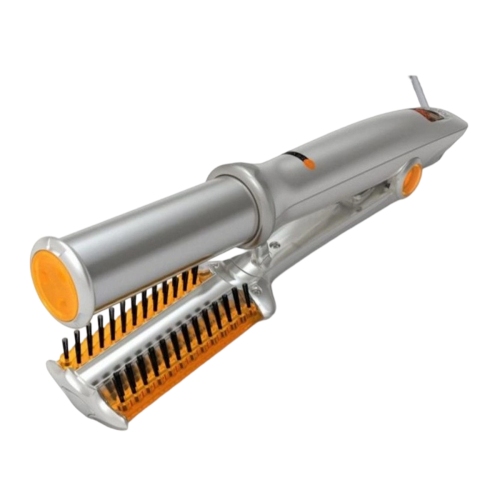
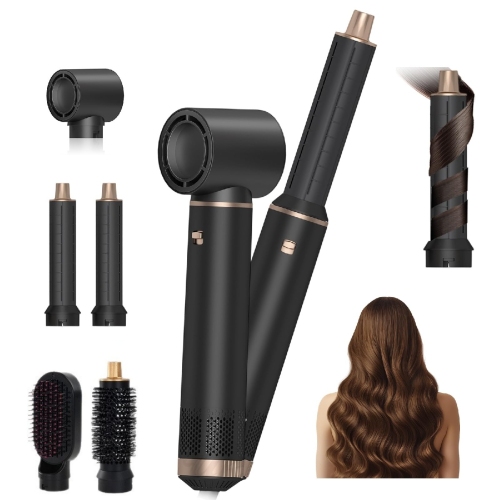
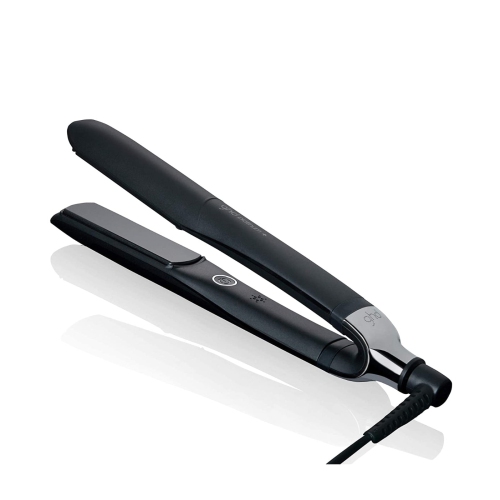
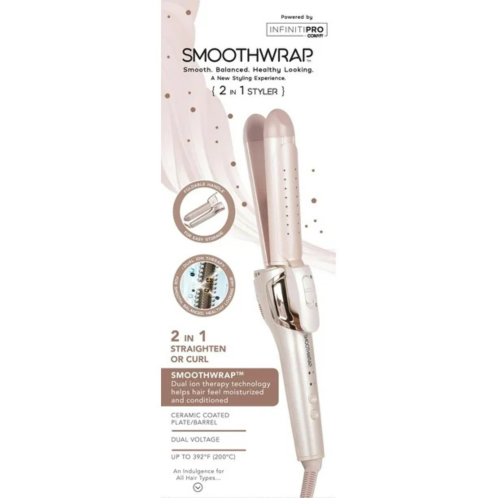
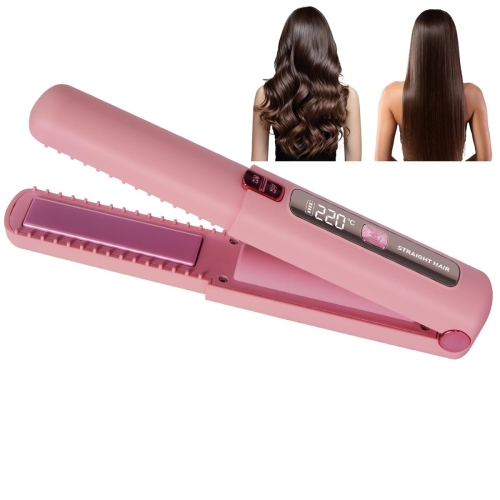
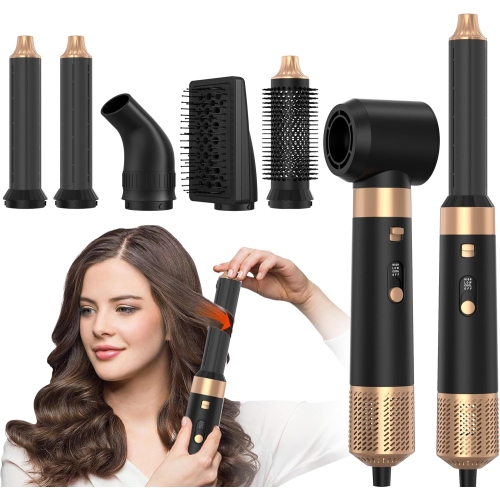
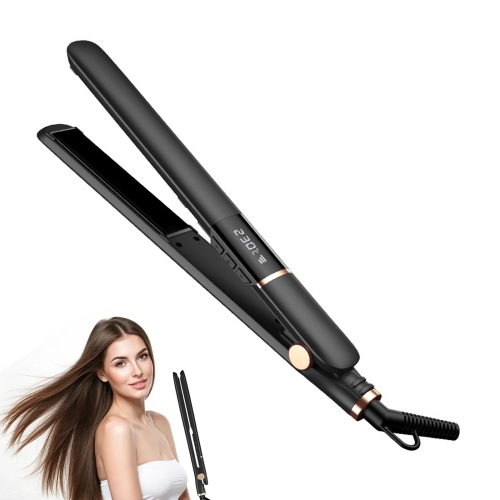
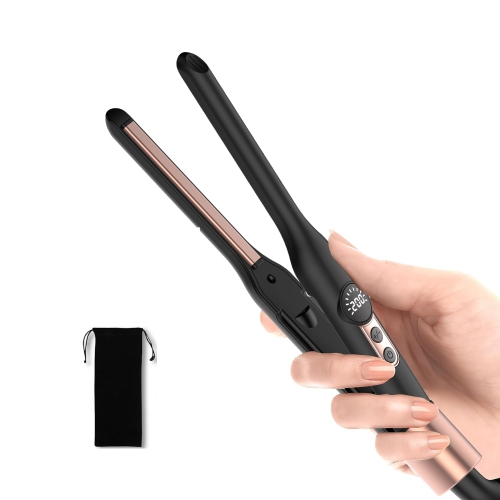
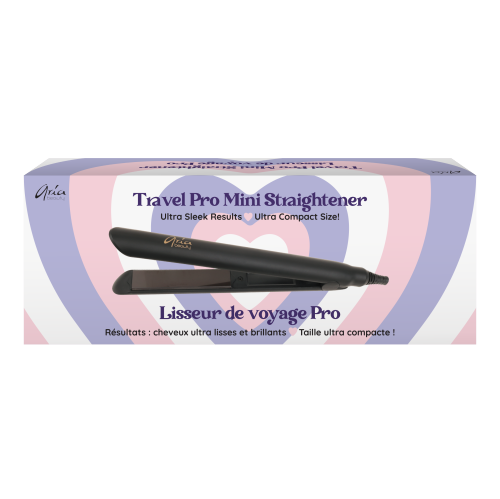
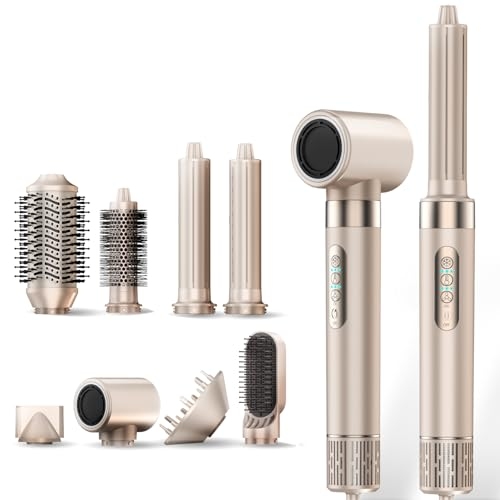
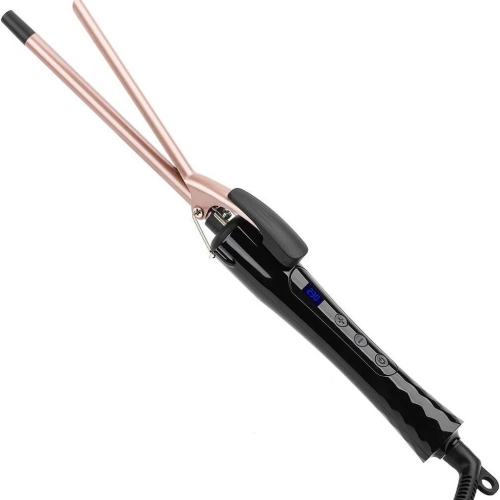
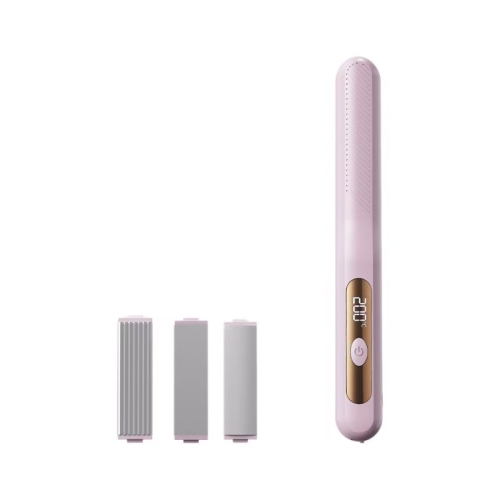
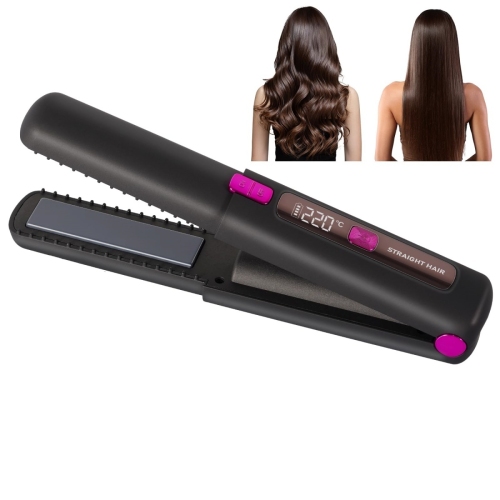
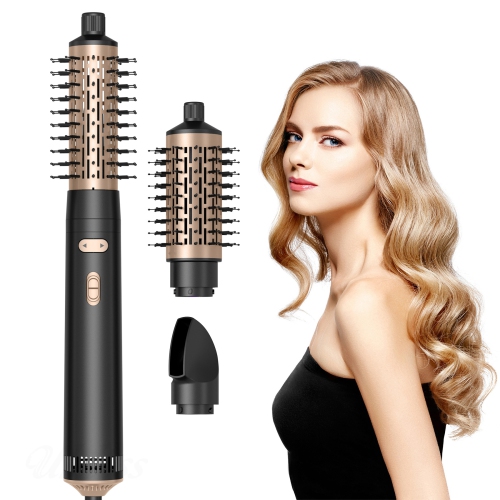
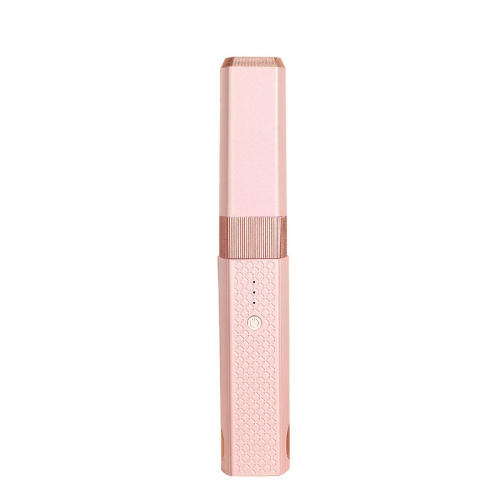
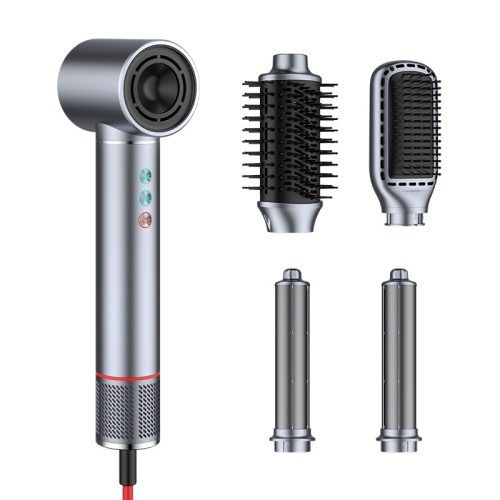
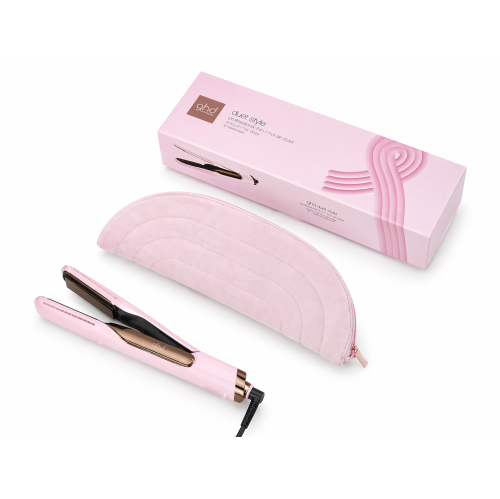
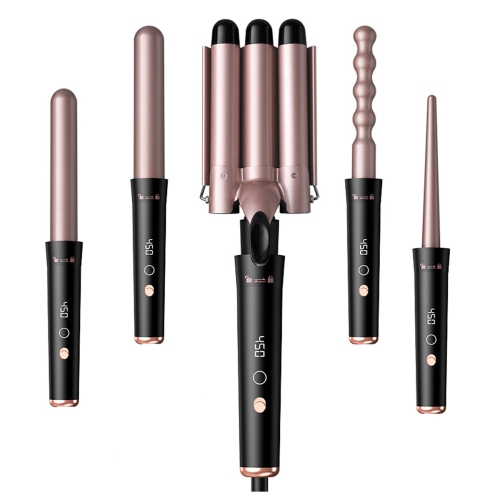
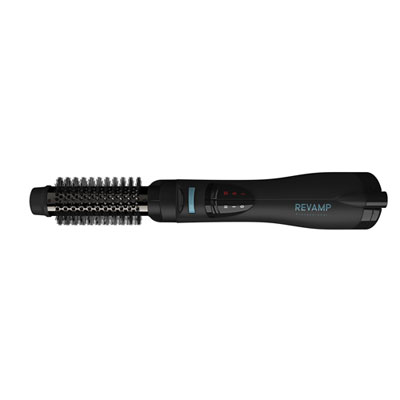
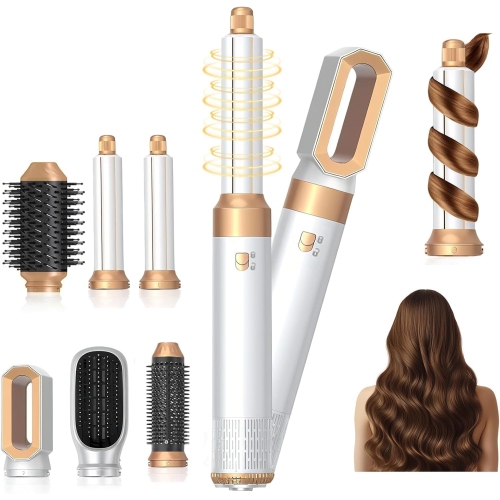
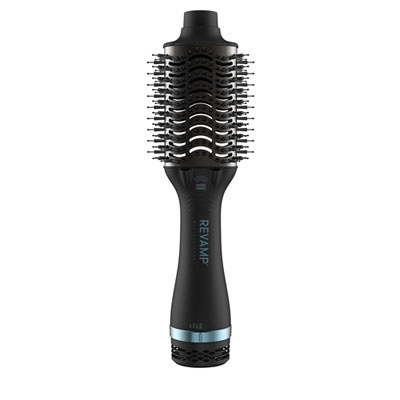
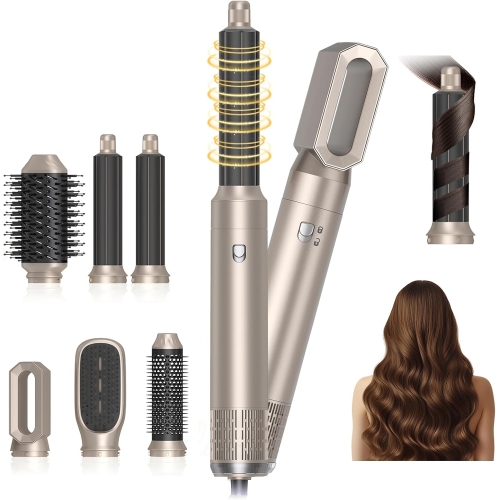
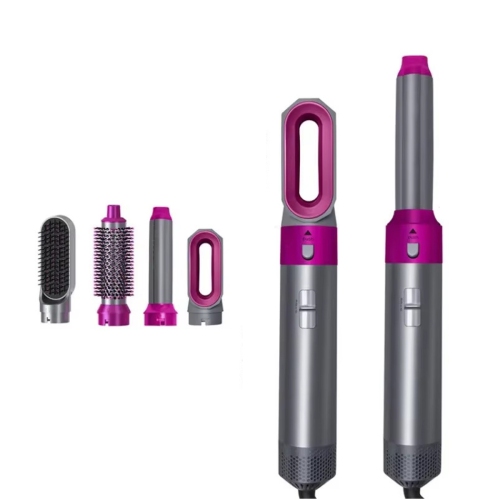
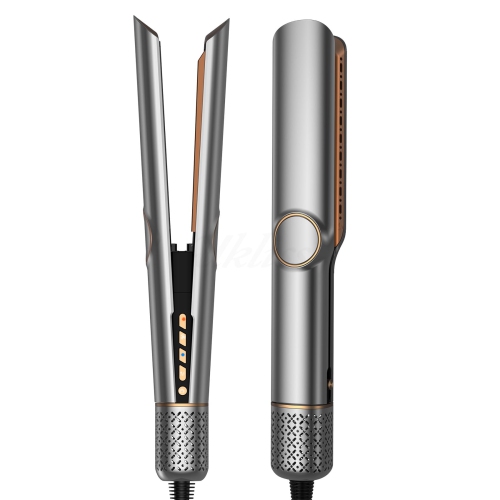
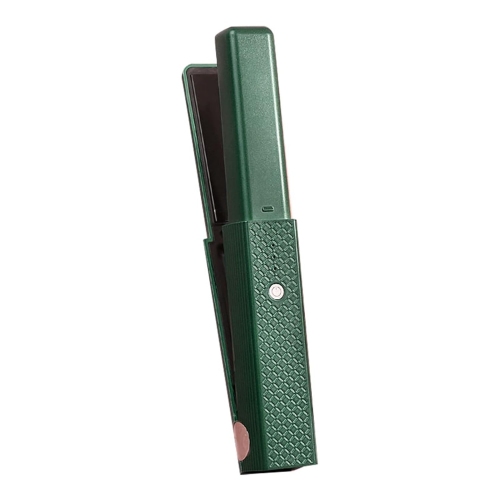
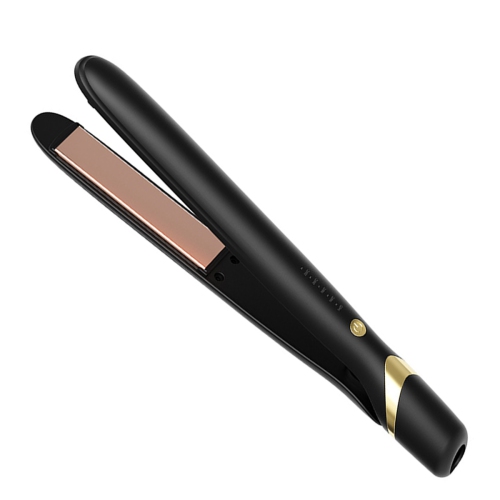
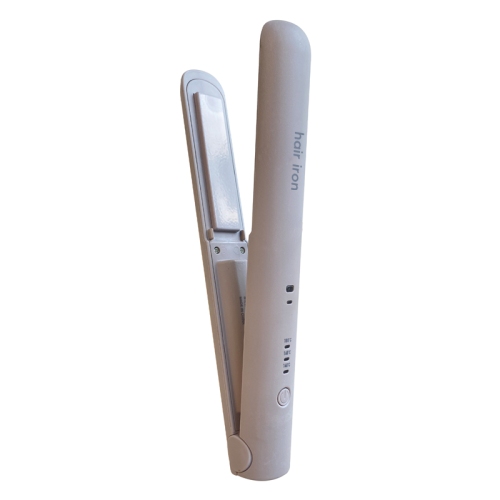
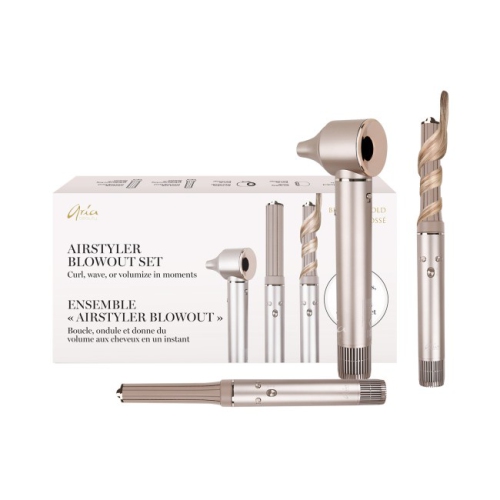
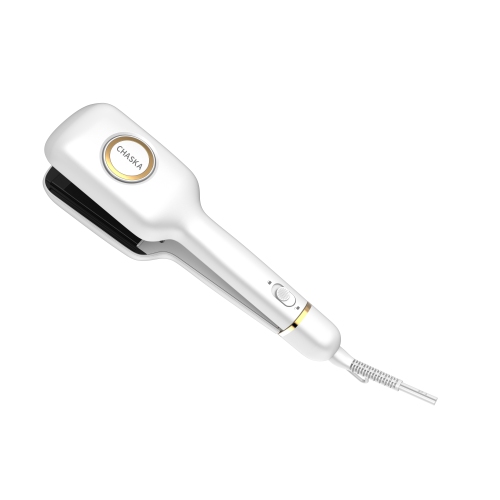
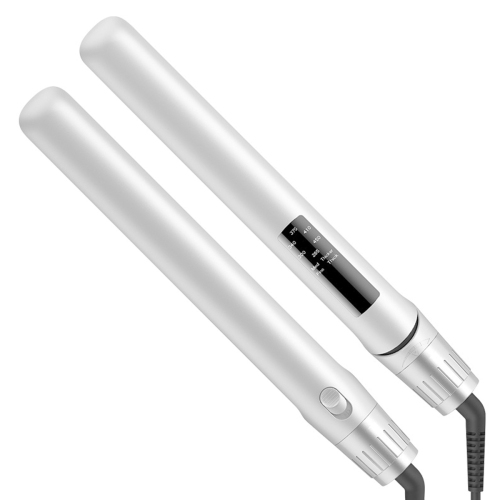
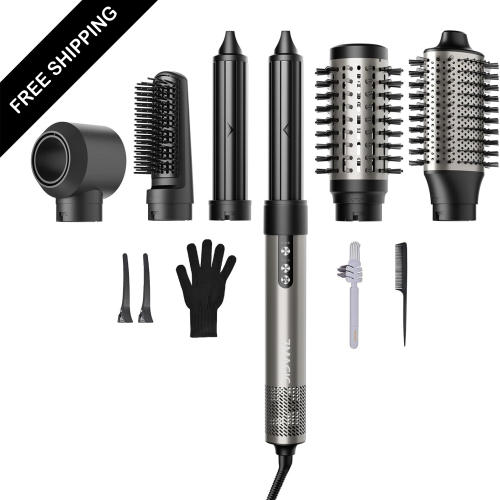
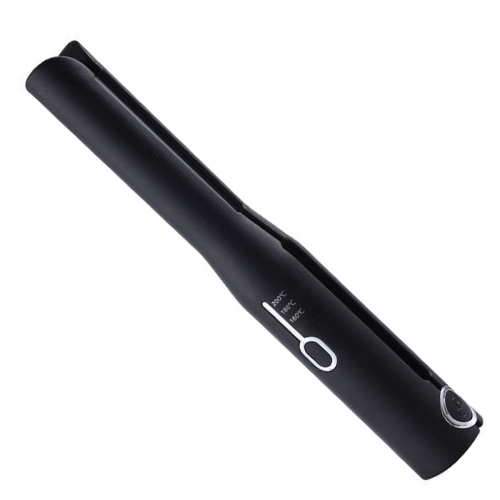
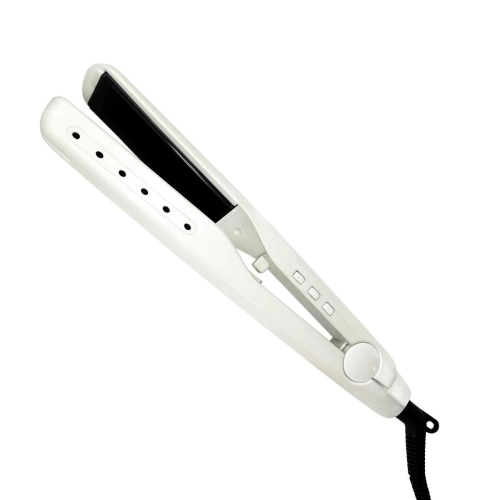
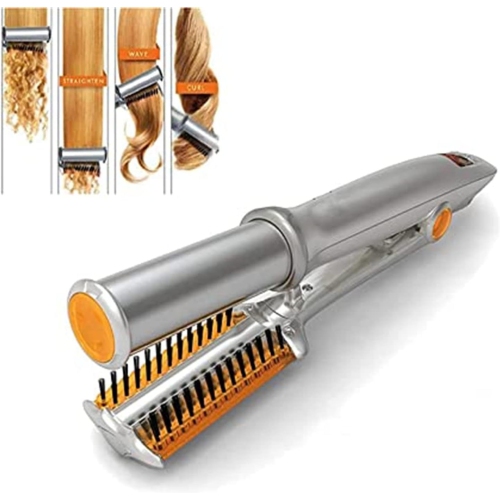
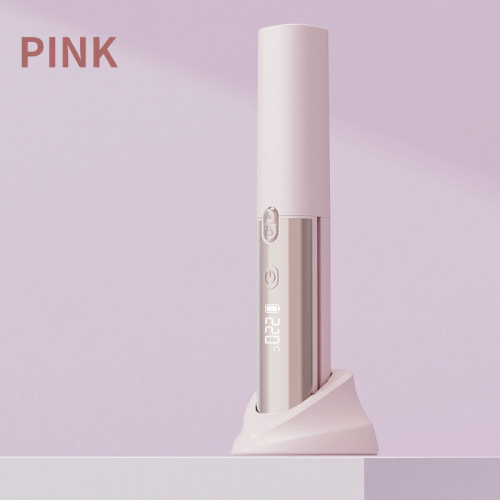
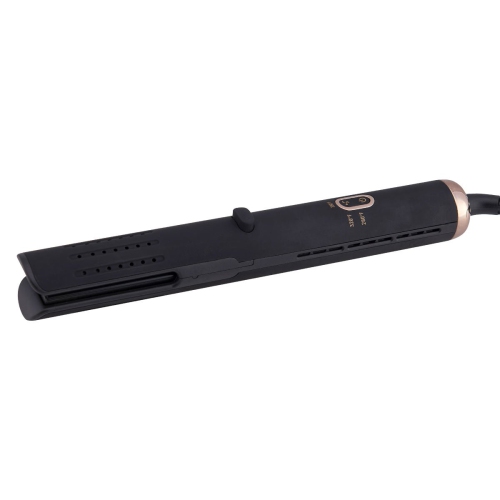
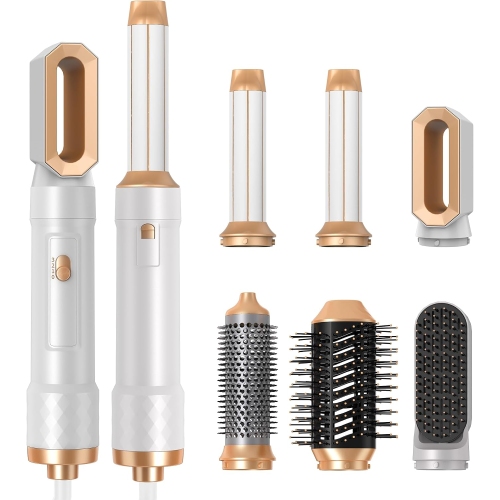
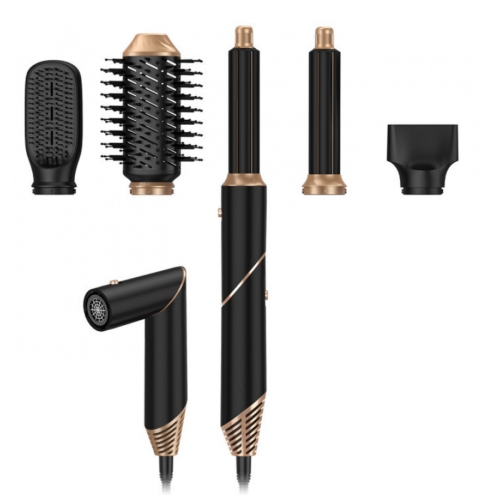
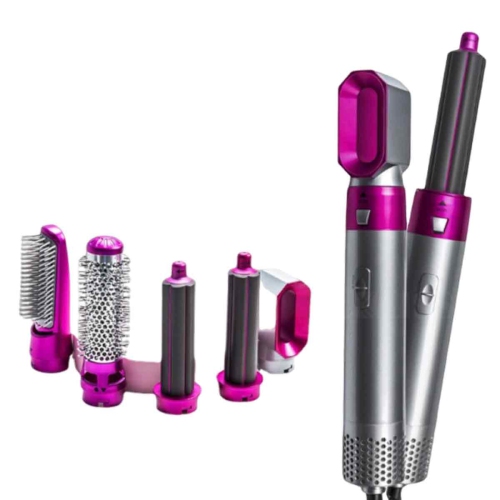
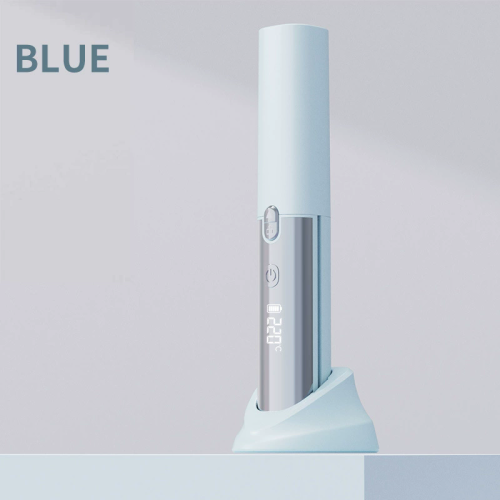
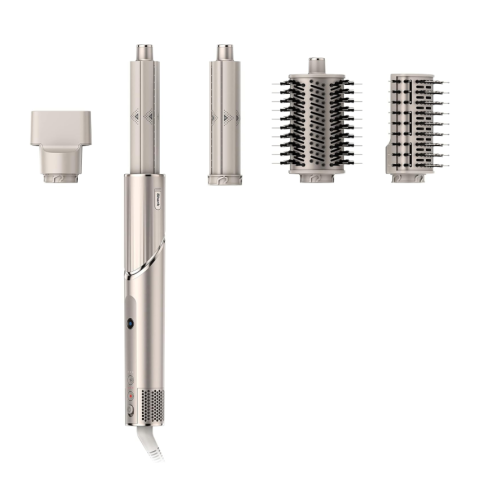
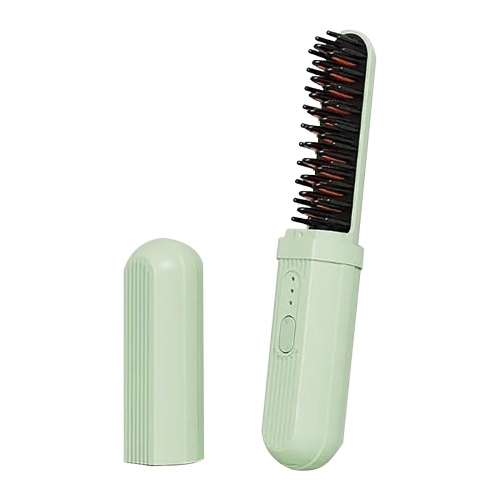
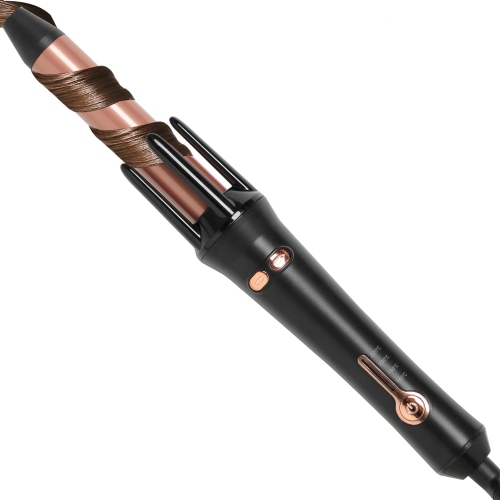
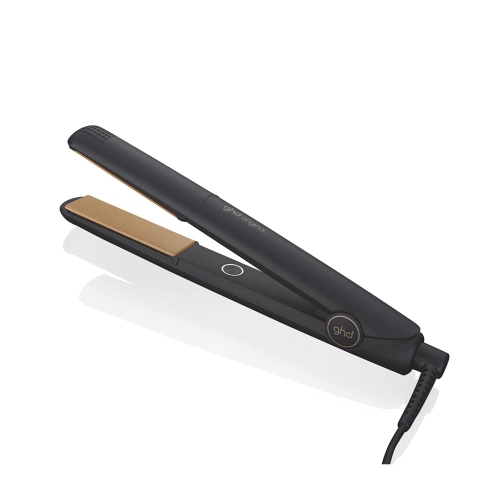
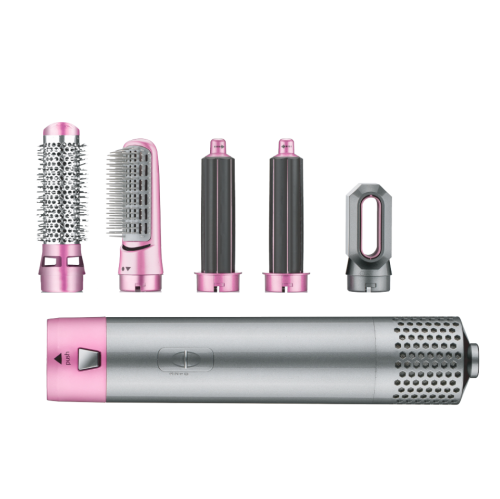
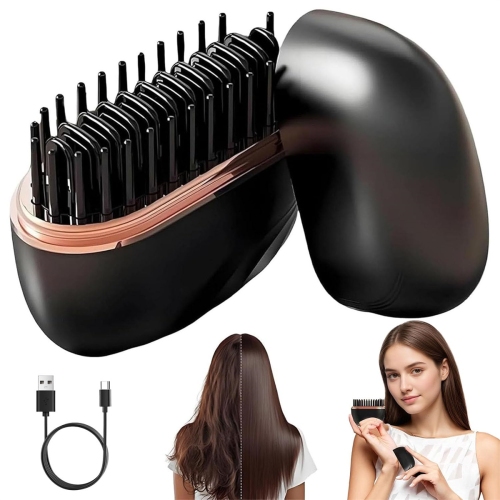
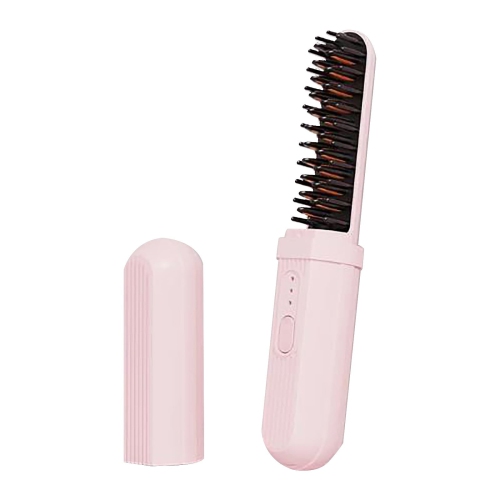
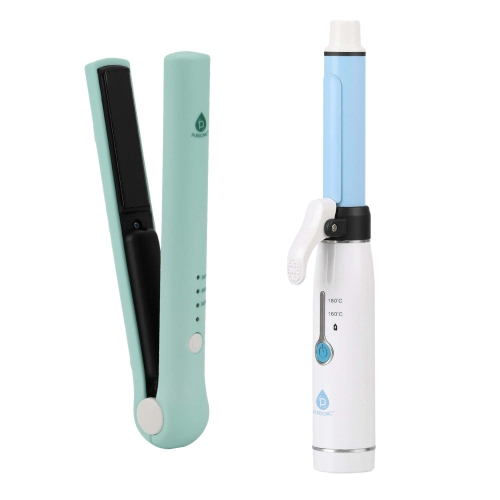
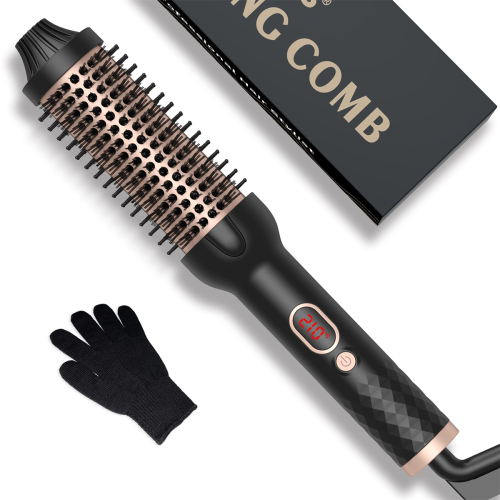
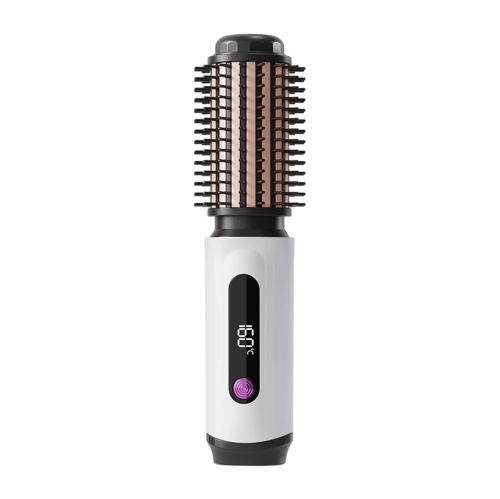
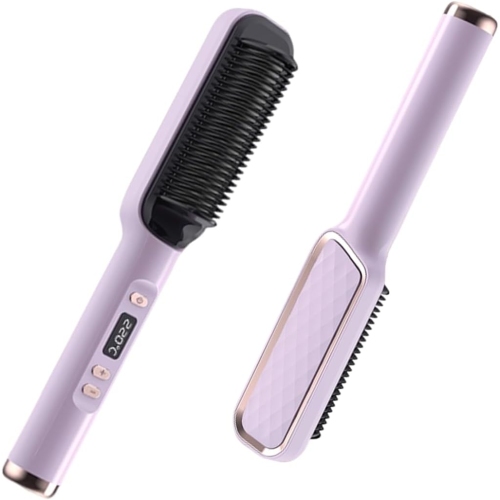
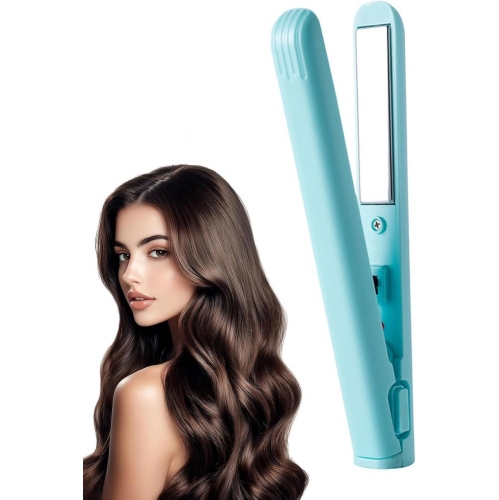
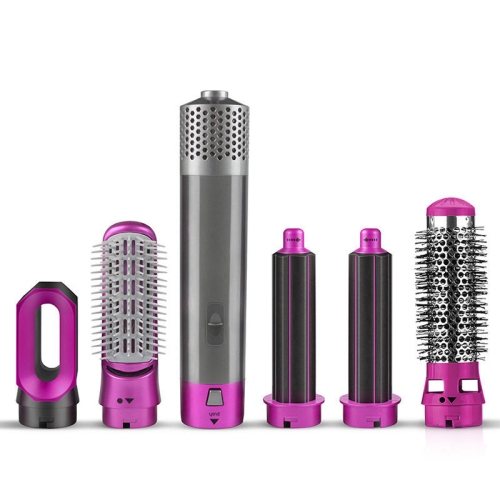
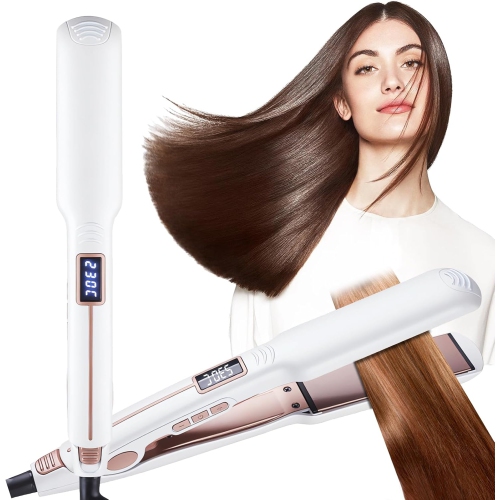
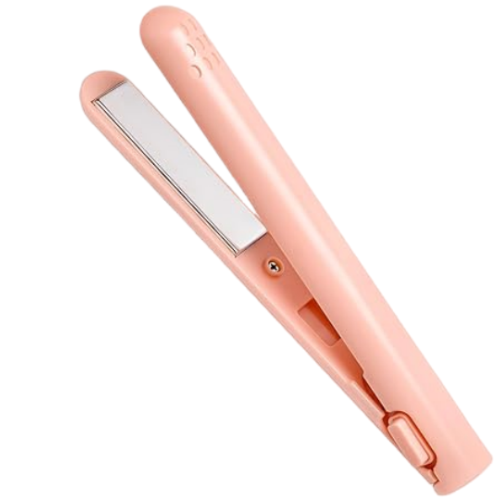
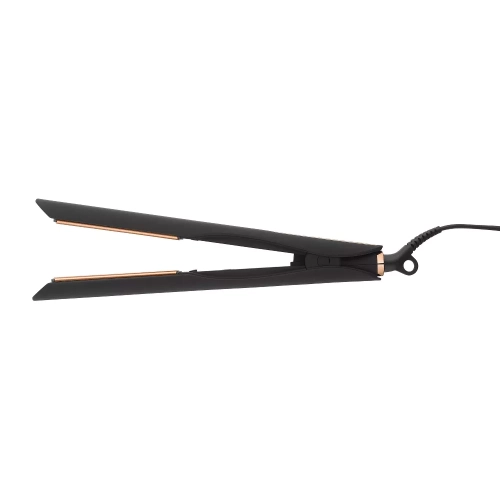
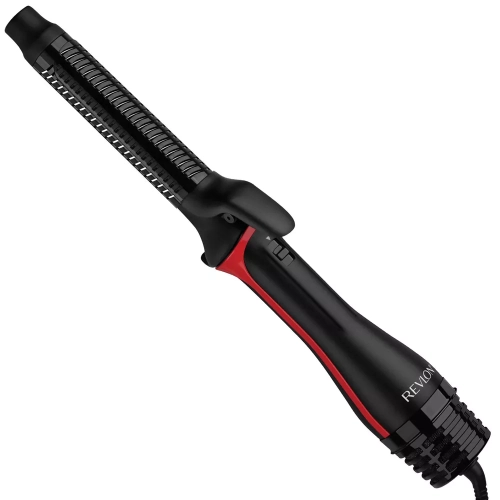
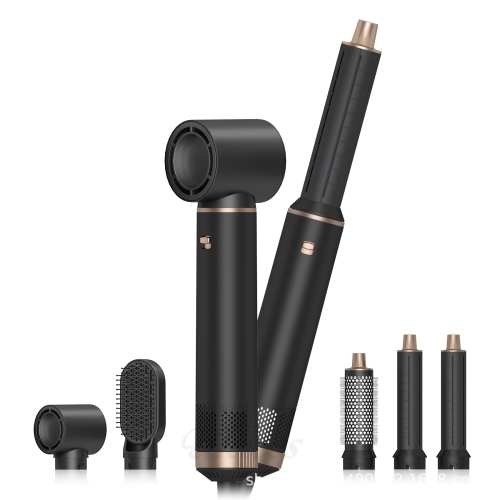
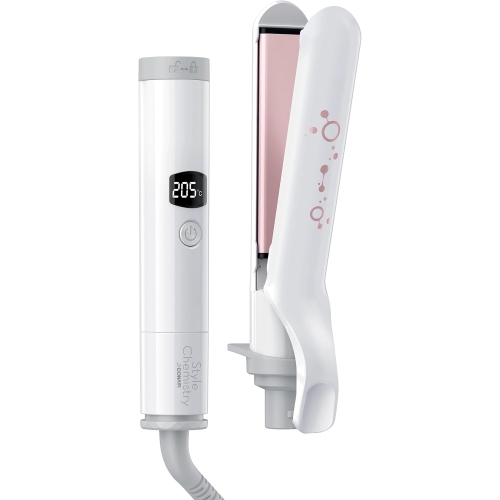
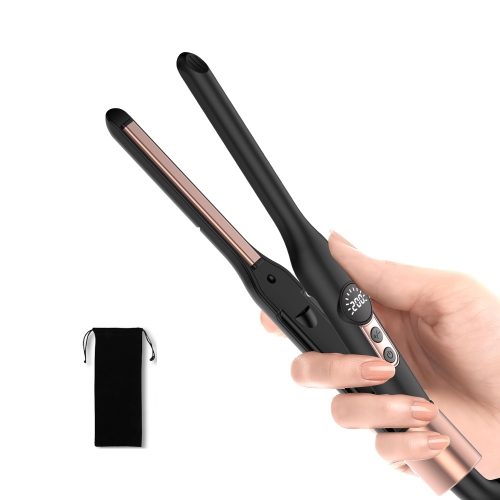
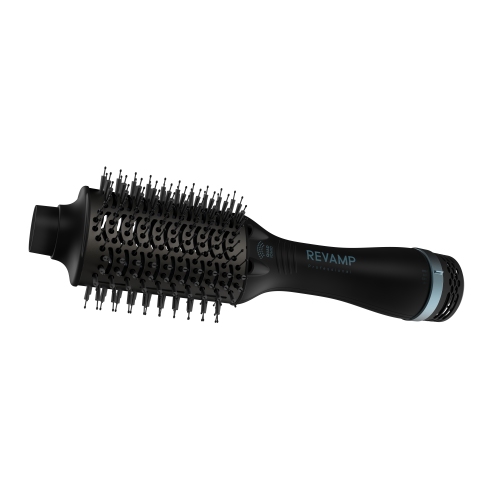
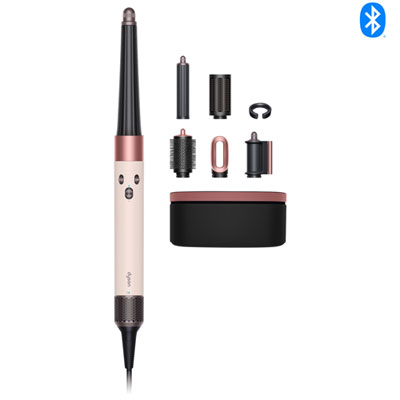
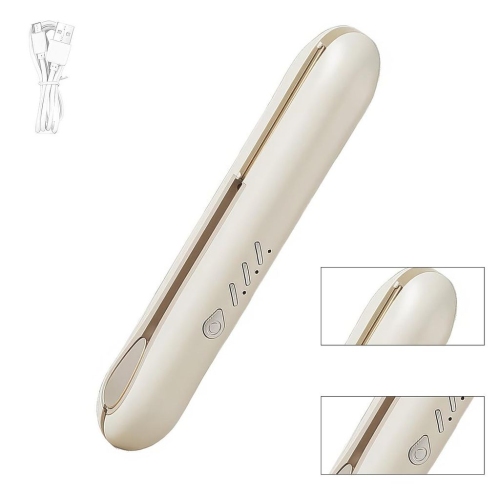
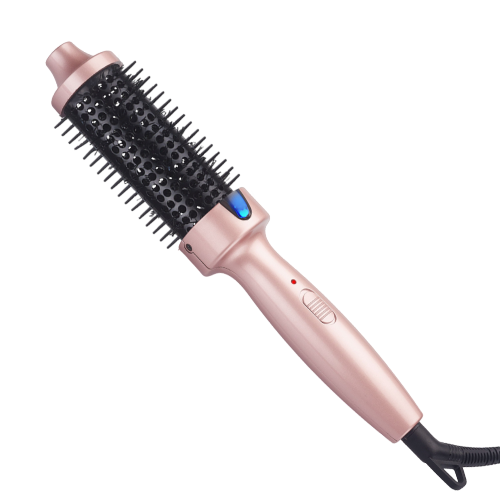
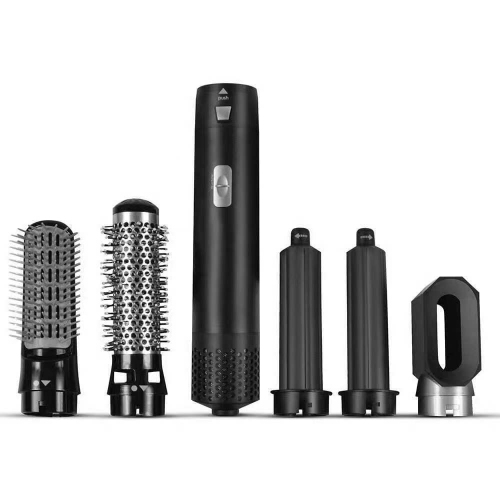
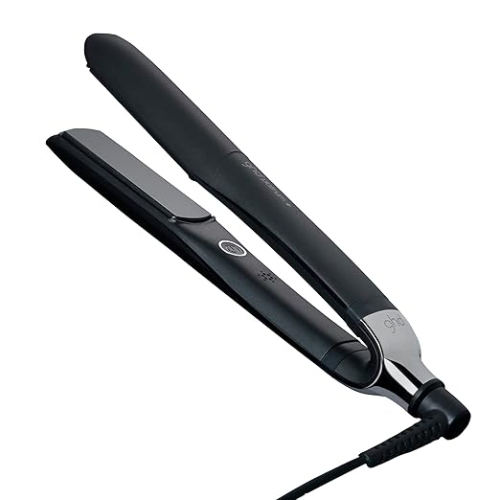
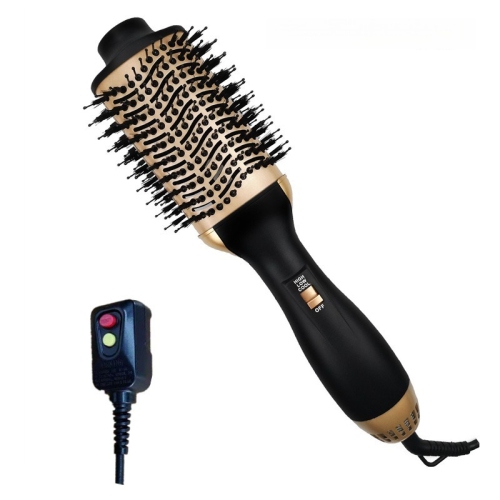
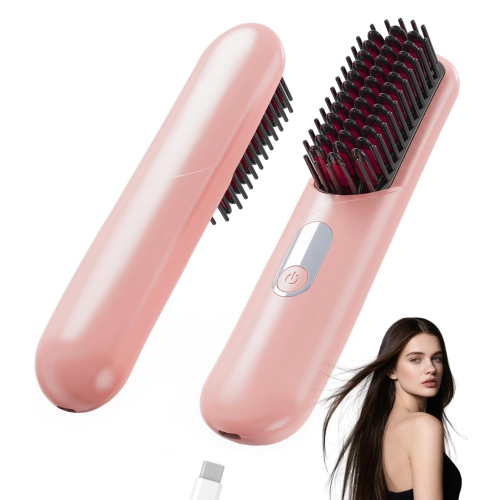
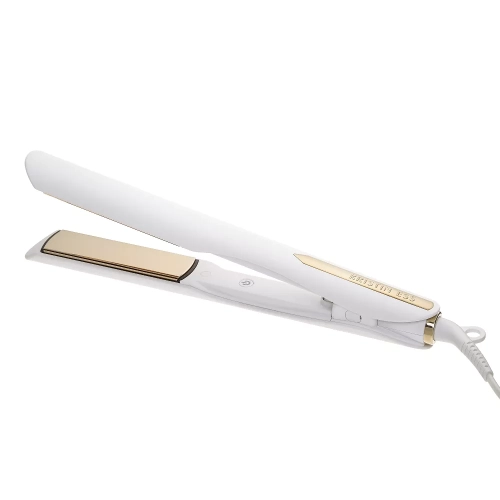
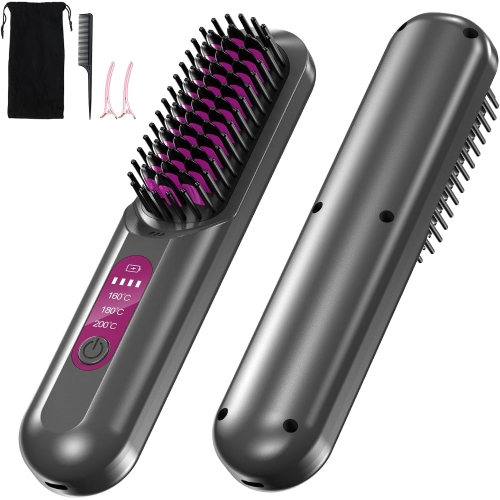
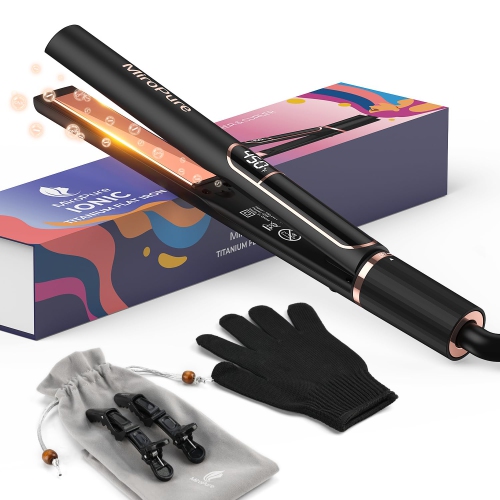
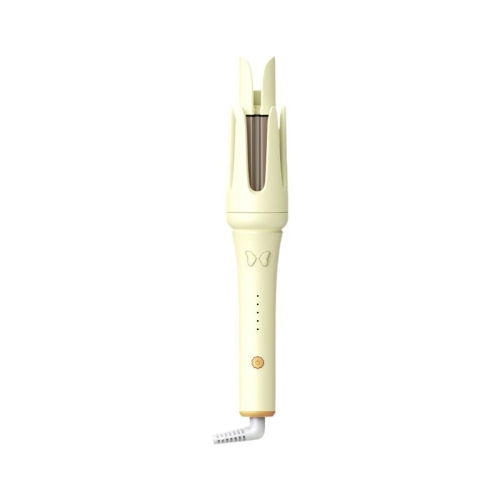
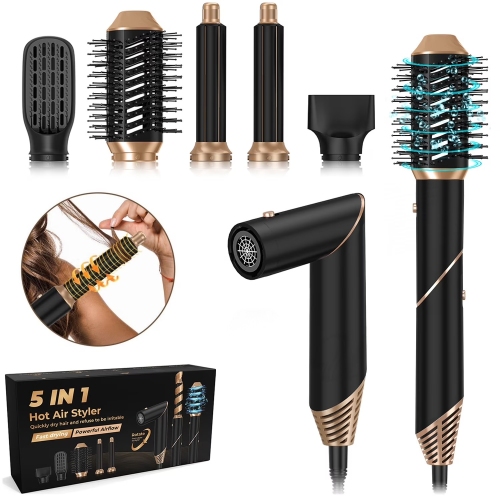
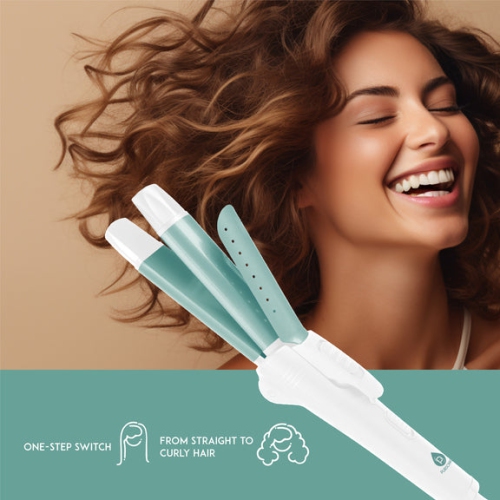
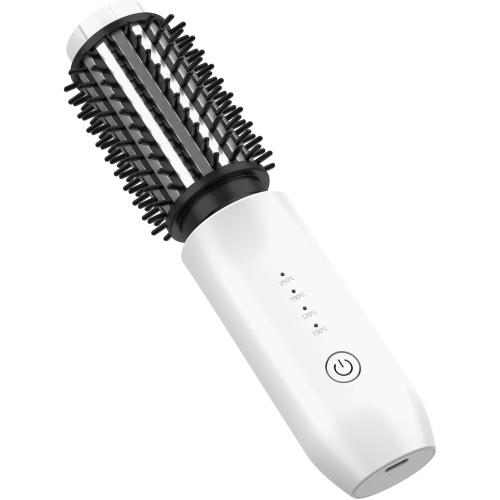
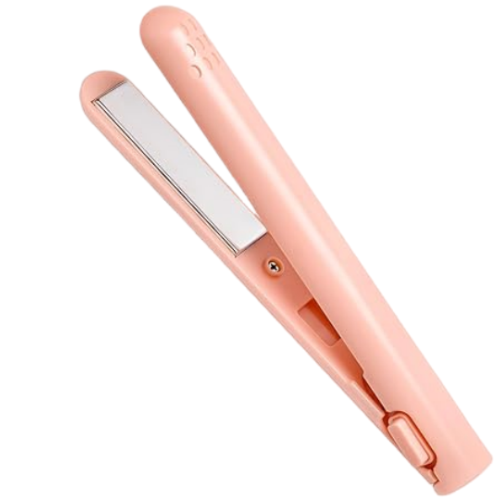
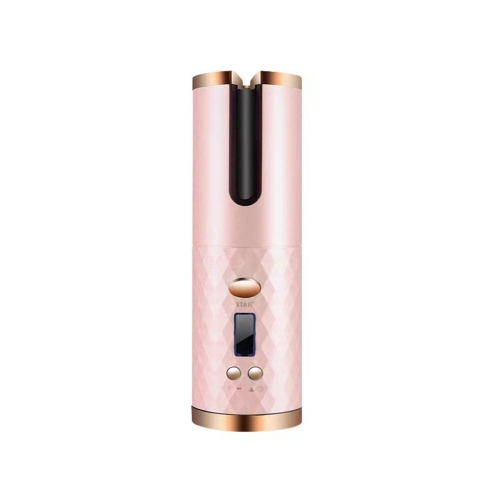
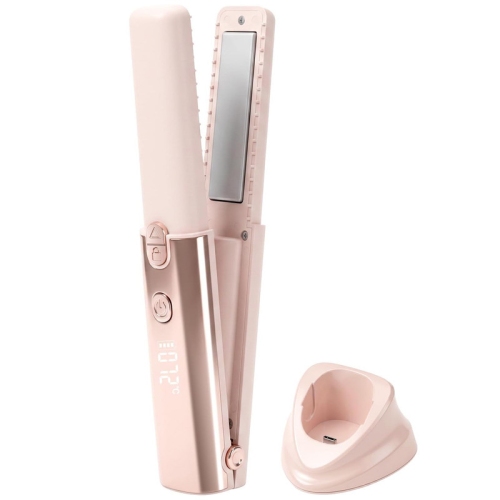
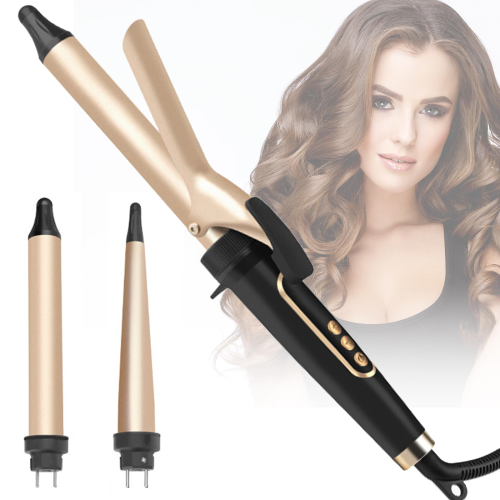
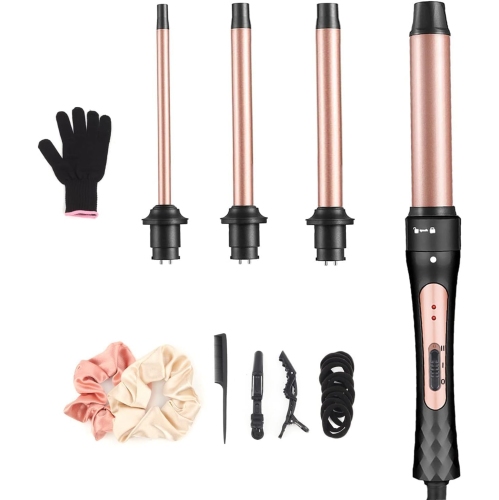
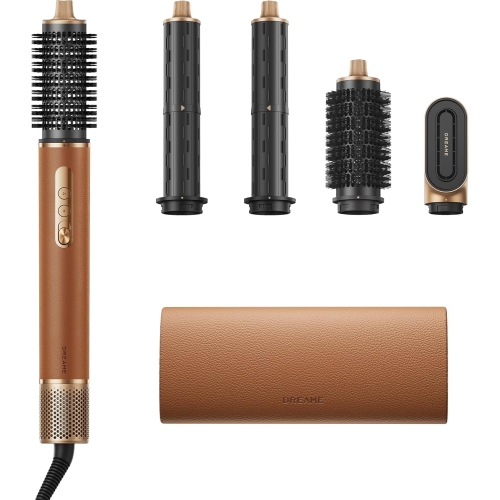
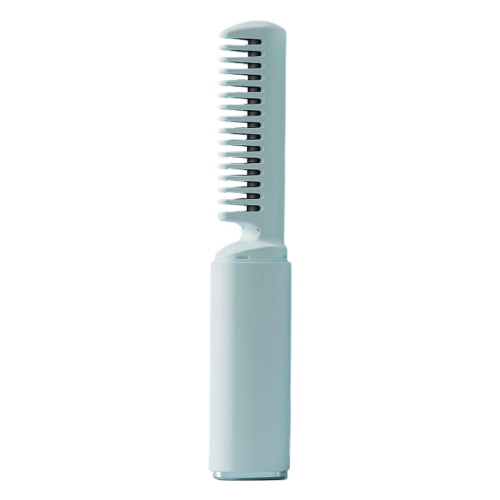
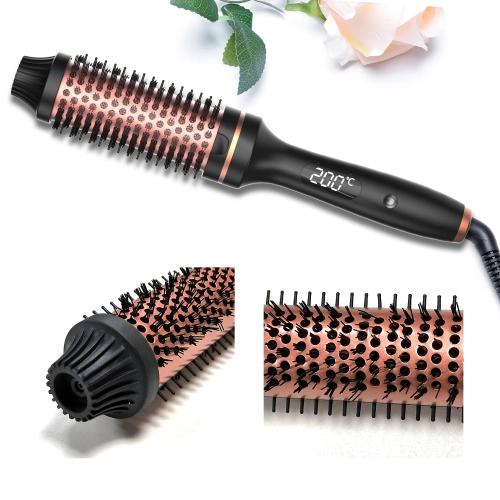
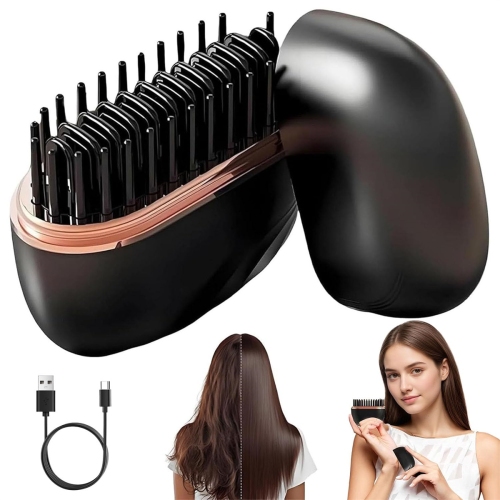
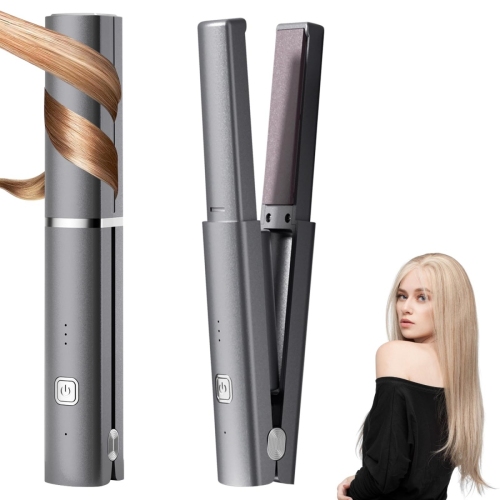
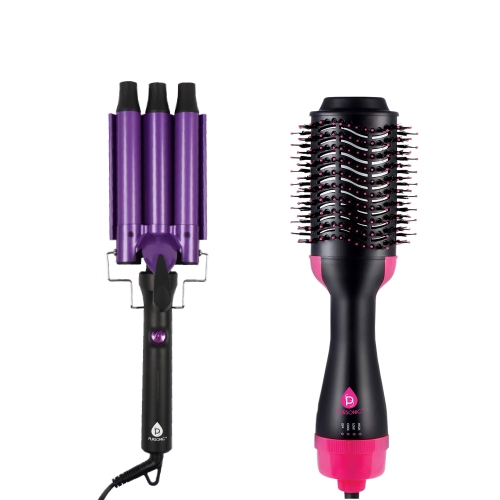
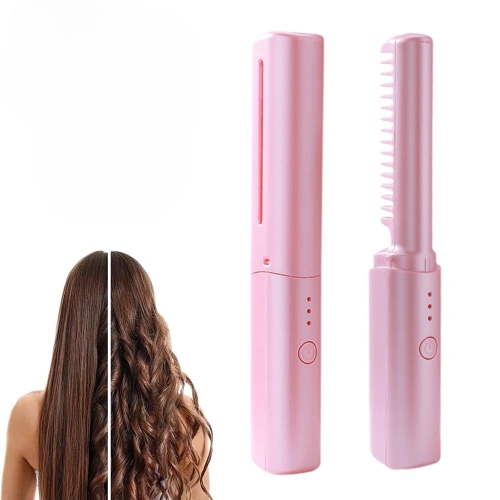
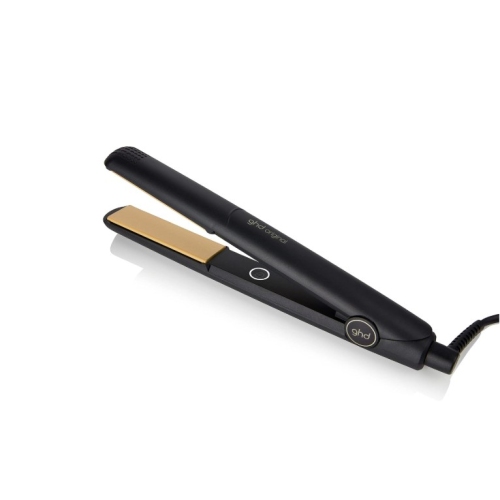
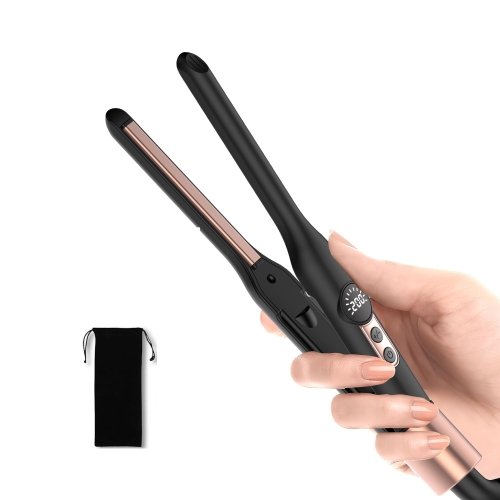
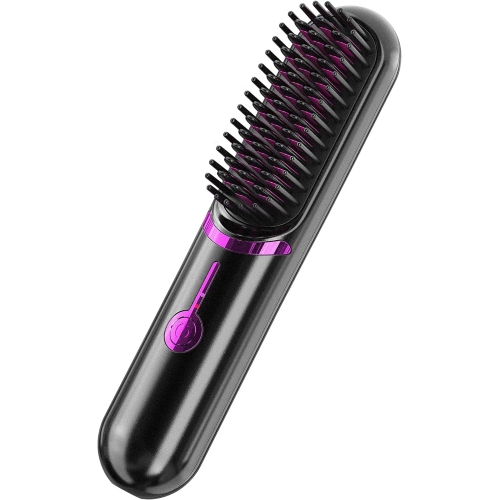
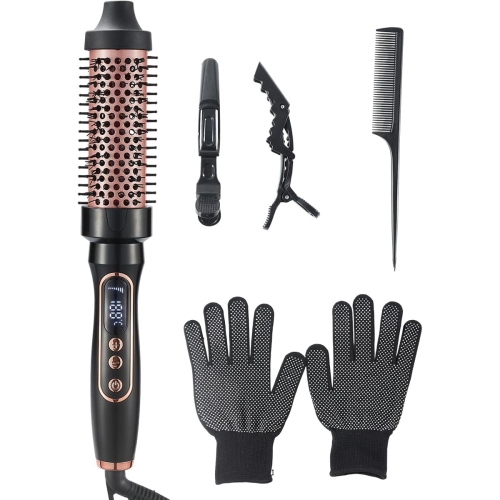
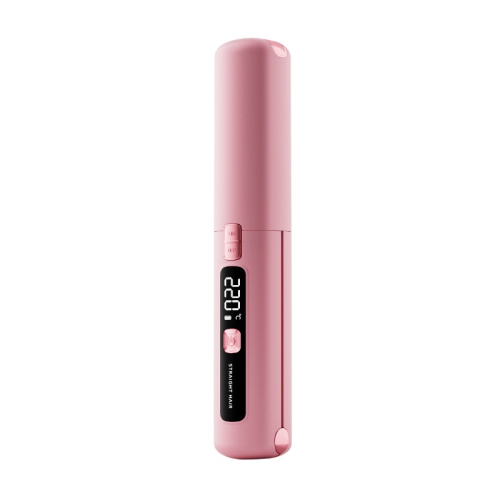
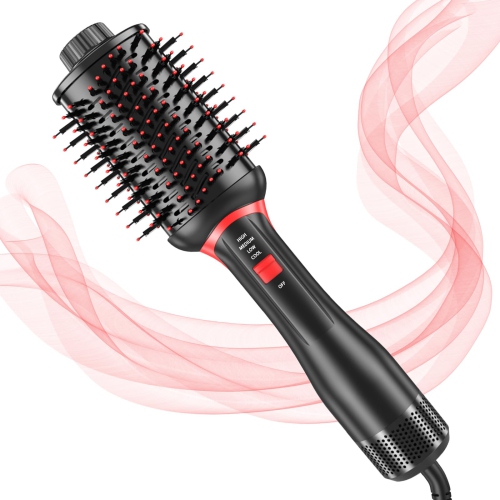
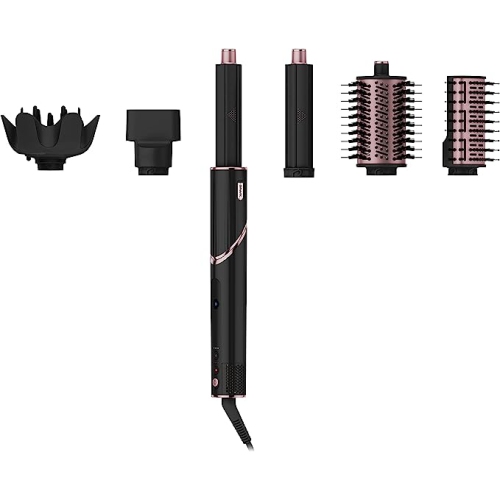
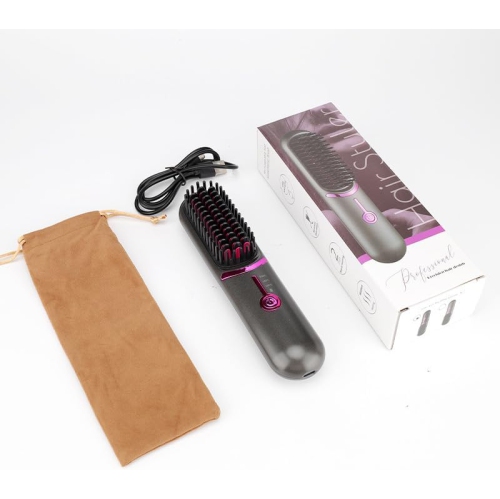
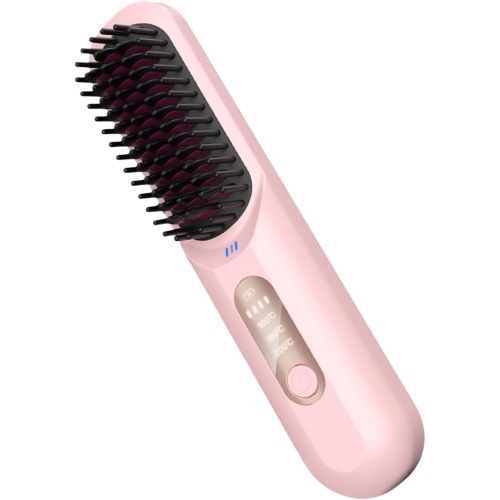
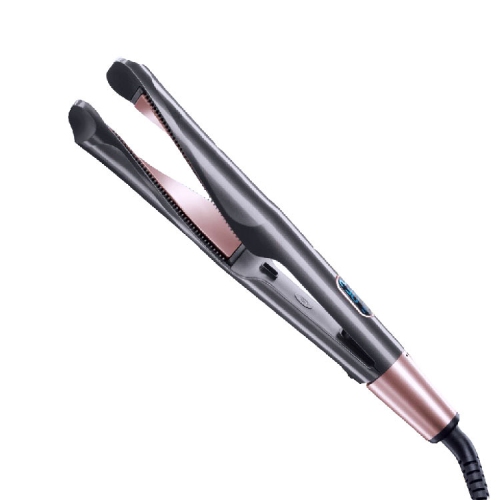
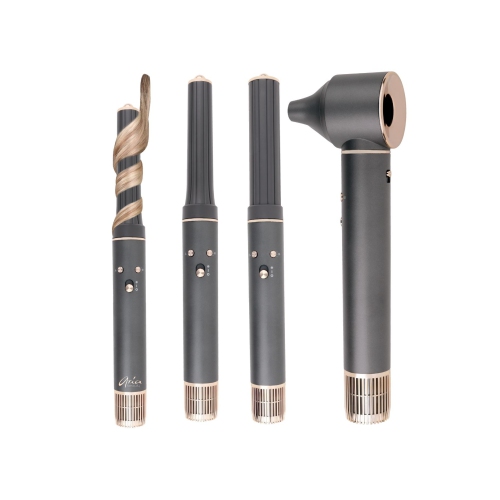
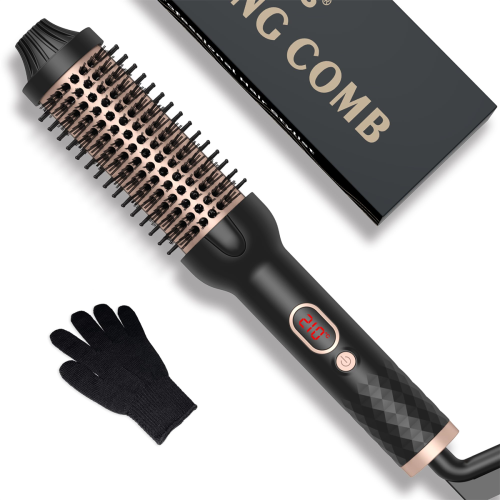
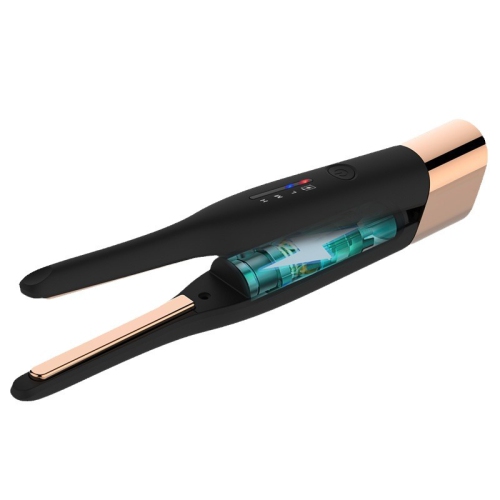
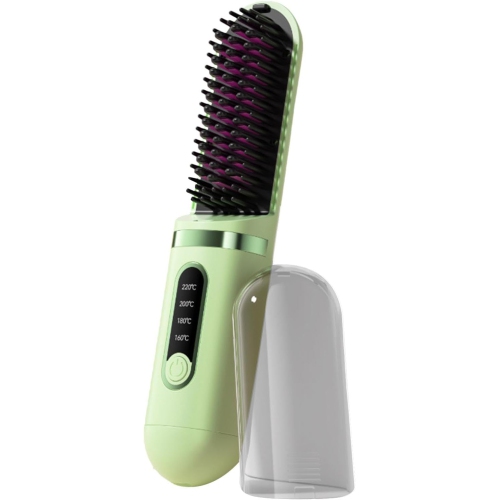
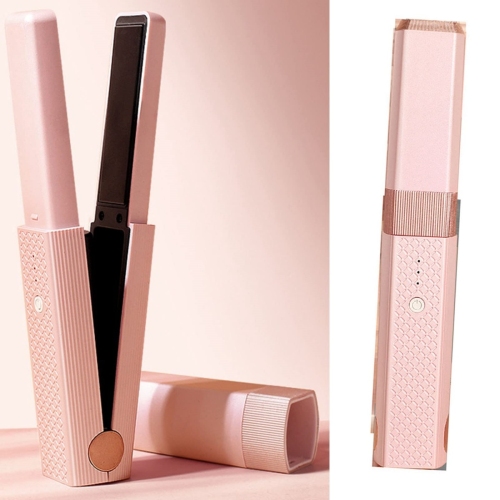
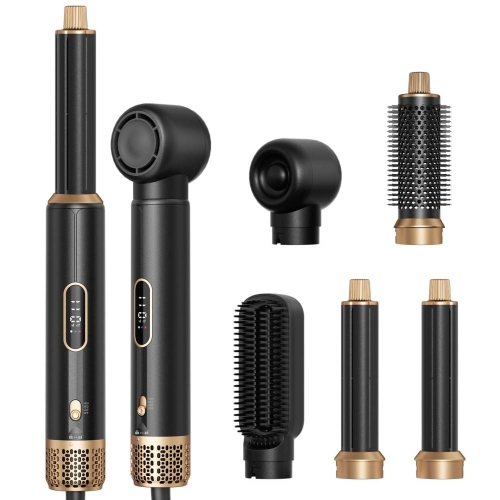
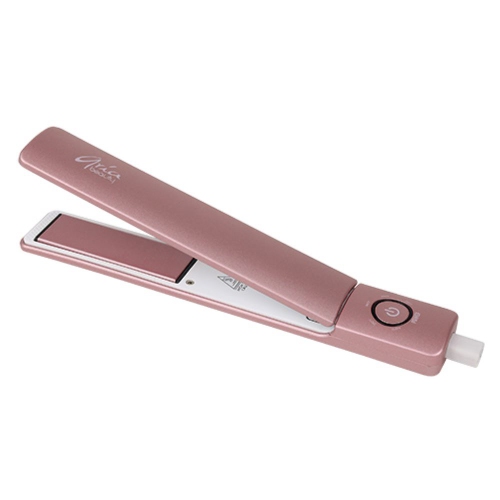
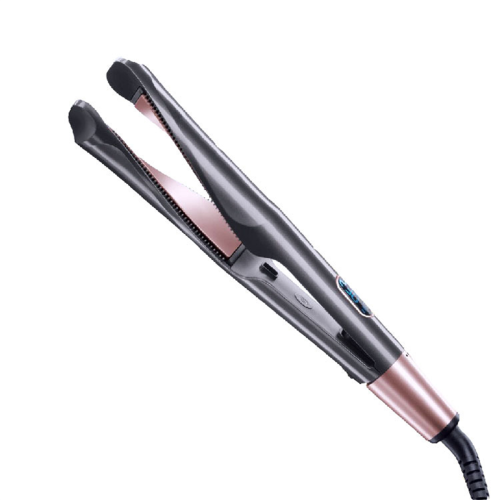
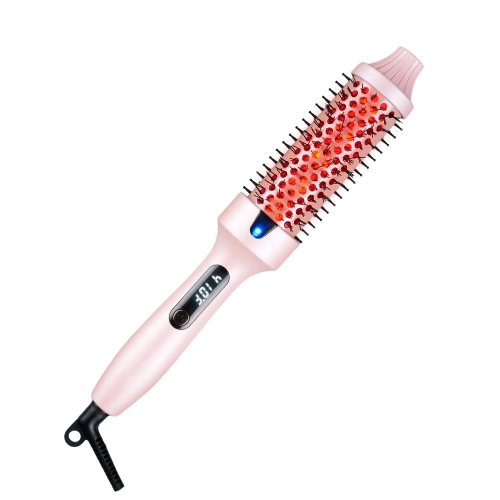
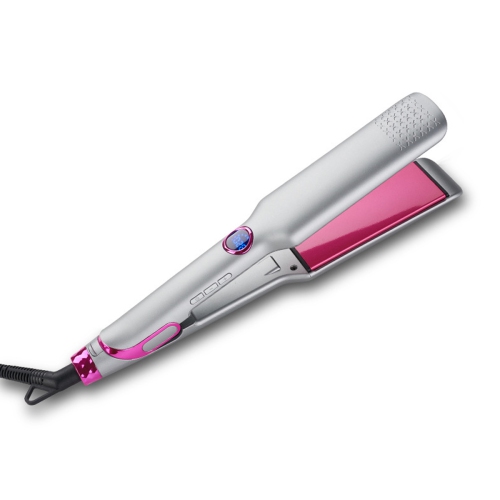
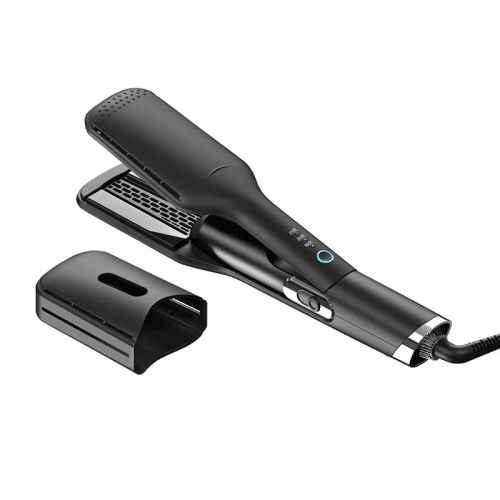
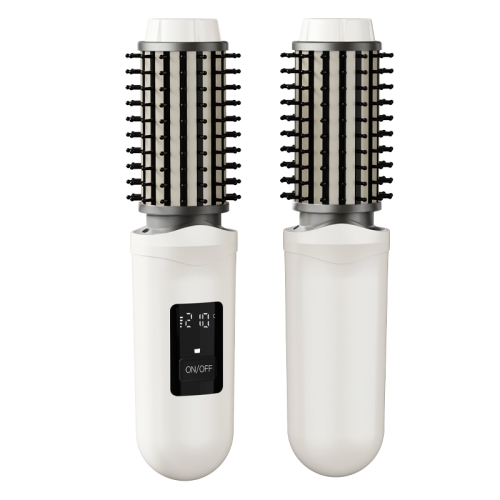
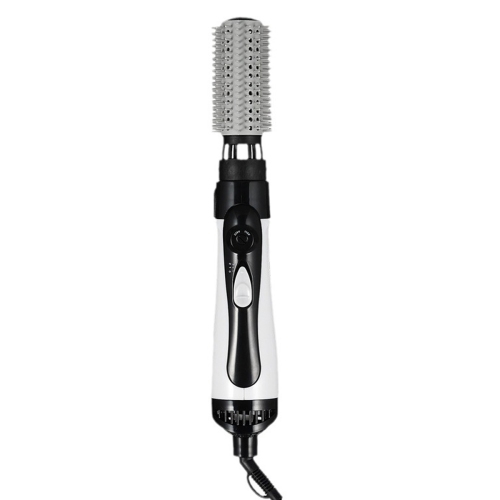
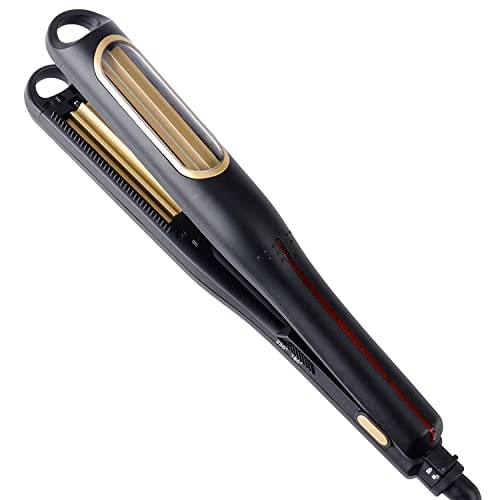
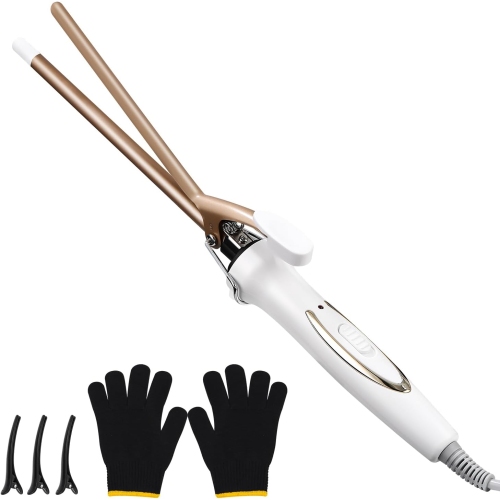
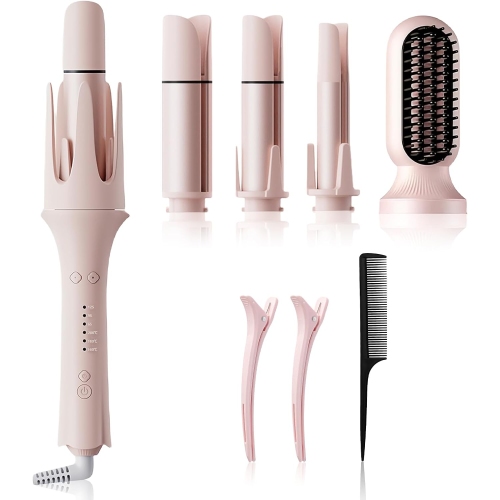
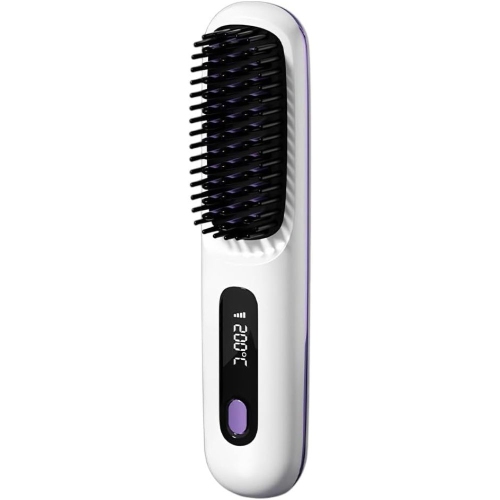
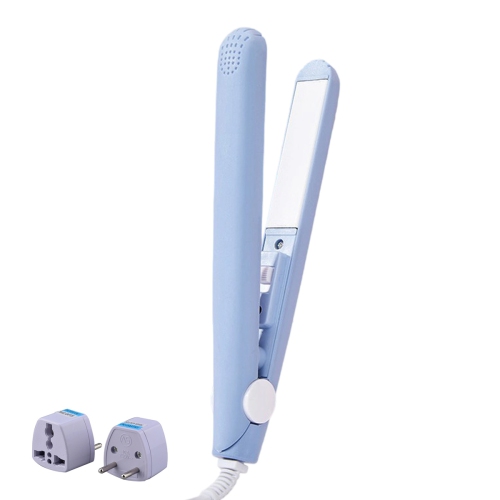
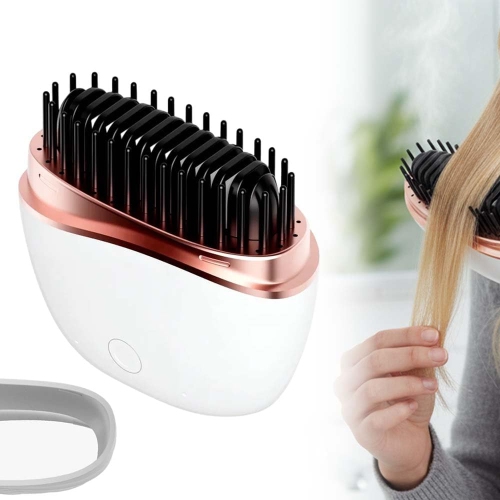
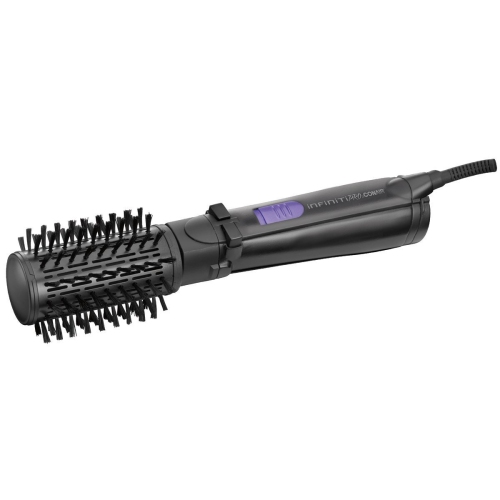
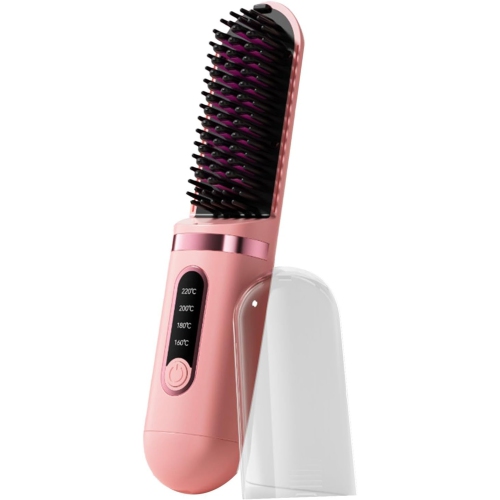
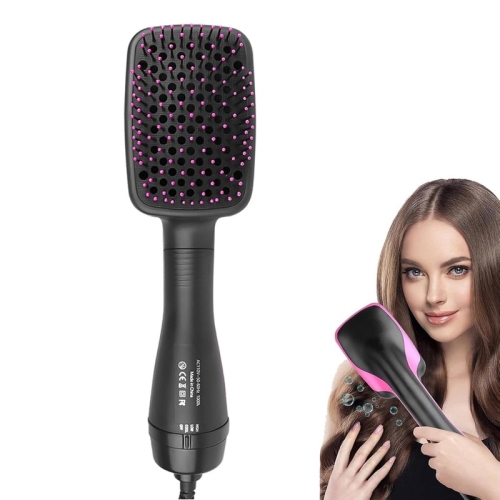
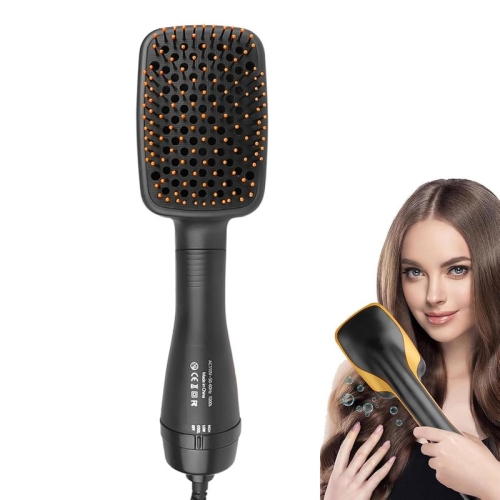
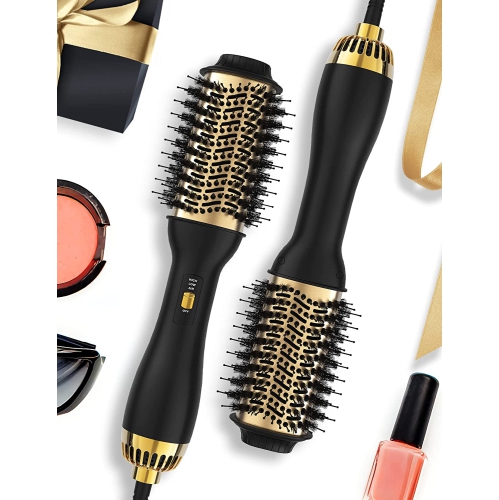
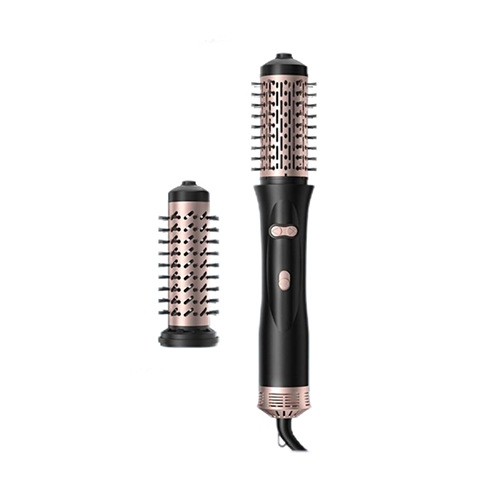
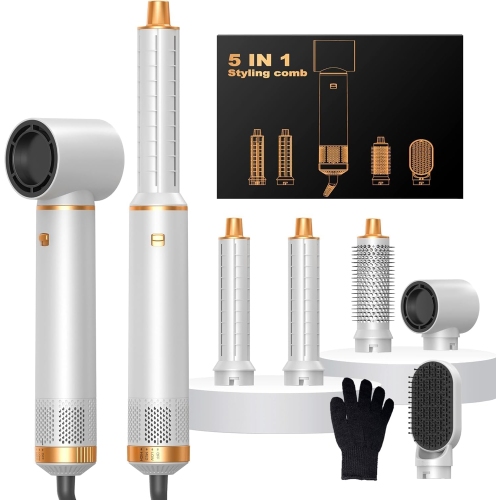
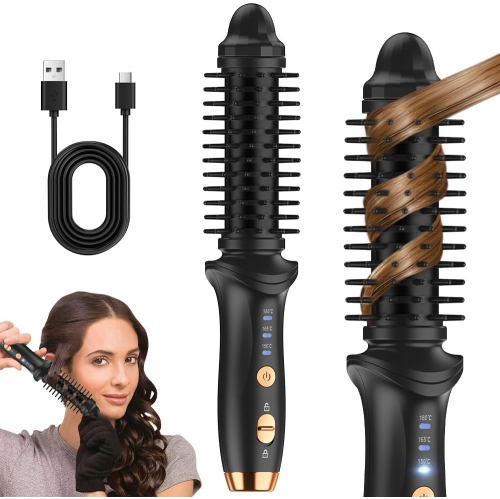
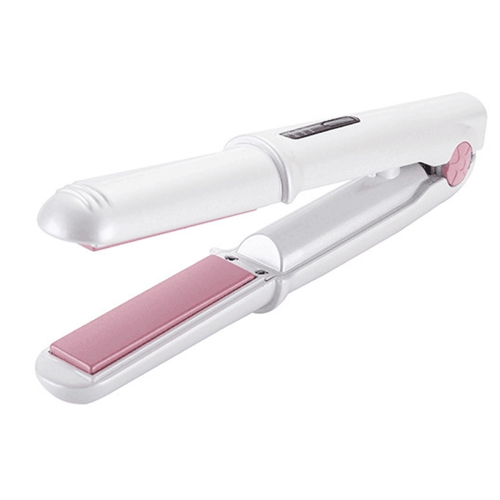
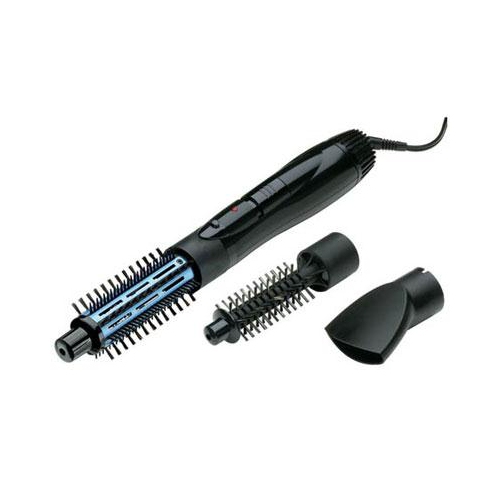
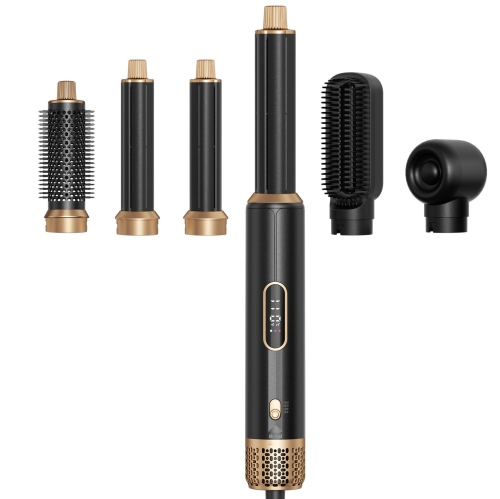
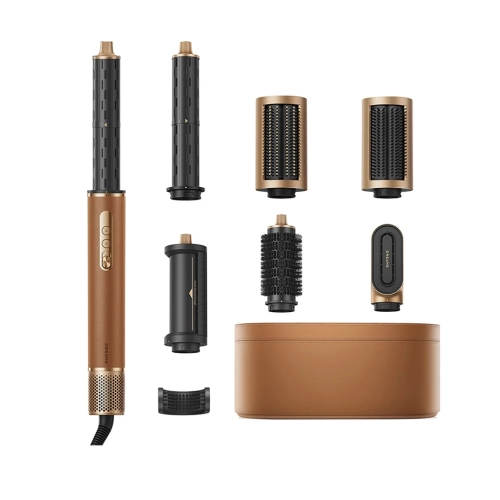
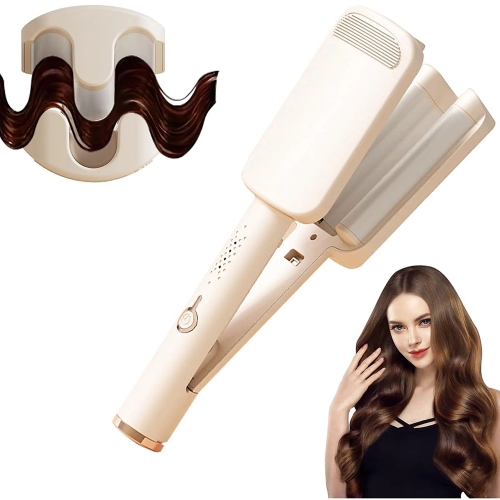
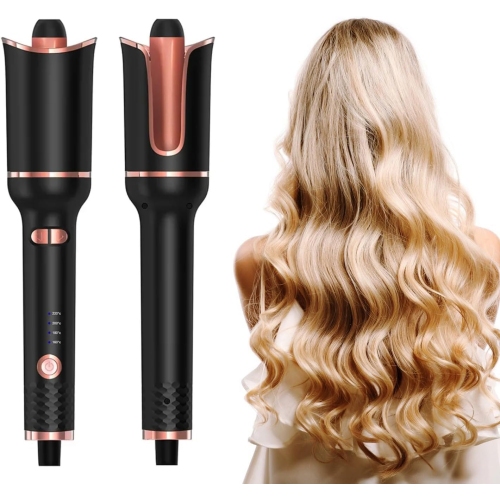
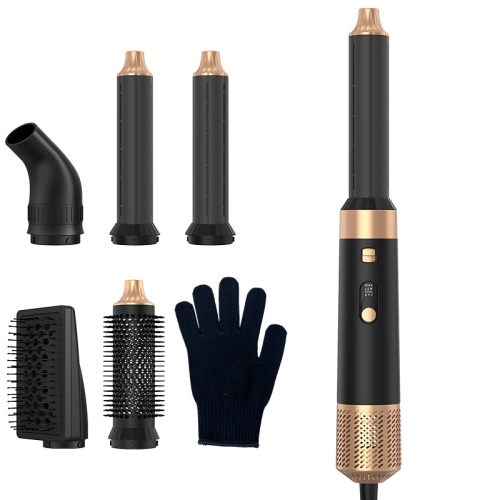
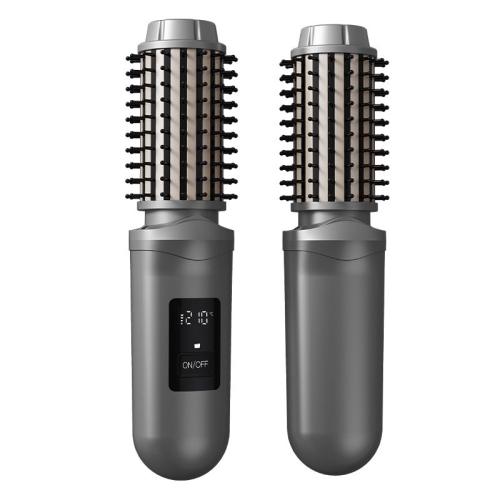
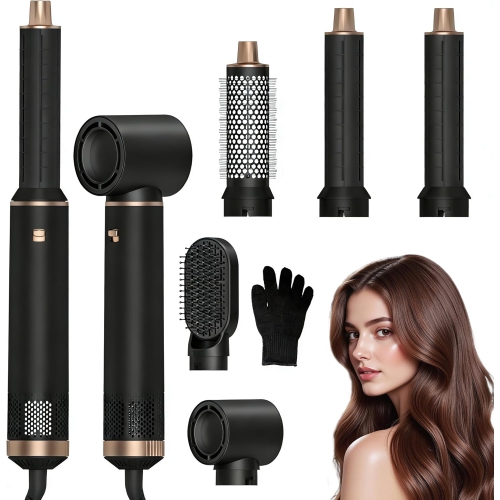
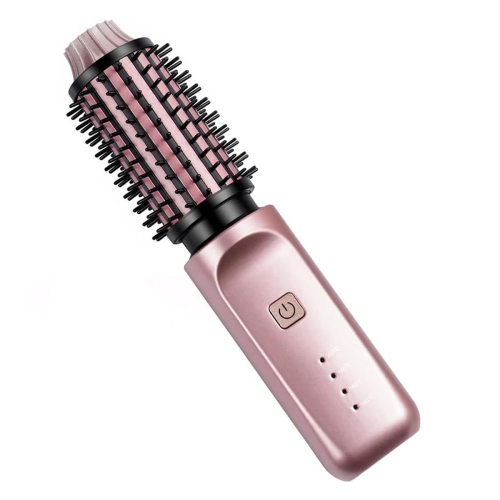
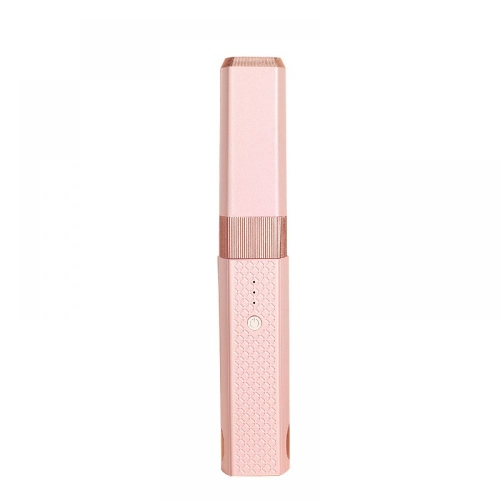
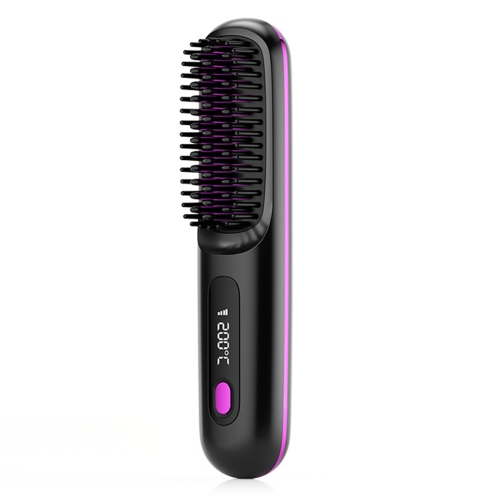
Hair stylers for short hair are most useful when their styling surfaces can reach smaller sections without overwhelming the cut. Narrow straightening plates suit sleek finishes and softly curved ends, smaller curling barrels create defined bends and curls, and compact hot-air brushes can add lift while shaping hair as it dries. The right match depends on both the desired finish and the amount of hair available to work with: a cropped pixie, a chin-length bob, and a textured cut with a longer fringe each offer different styling possibilities. On very short layers, a slim tool can make it easier to direct individual pieces around the face or smooth a section that sticks out at the crown. A bob may have enough length to wrap around a brush or barrel for rounded ends, loose movement, or a more polished outline. Barrel diameter matters because the hair needs sufficient length to wrap around it; a large barrel may create only a slight bend on a shorter cut rather than a full curl. Brush heads also need to fit the length, with smaller diameters generally offering better access beneath short layers. For a straighter silhouette, Straighteners for Short Hair offer a more focused category to explore. Rounded plate edges can support subtle curves as well as straightening, while a compact head helps with detail work near the fringe and nape. Air-based stylers serve a different purpose, combining airflow with a brush or shaping attachment rather than pressing hair between heated plates. They can be useful for creating a lifted root and softly finished ends, provided the attachment can catch the hair comfortably. A short haircut does not automatically call for the smallest tool in every situation; the most suitable proportions depend on section length, density, texture, and whether the intended result is smooth, tousled, curled, or full at the crown.
Hair texture and condition influence how a styler feels in use just as much as the haircut itself. Fine strands, lightened lengths, and fragile ends generally benefit from gentler handling and lower heat, while thicker or coarser hair may need different settings and smaller working sections to achieve an even finish. Adjustable temperature controls offer more flexibility than a single fixed setting, especially when the fringe is finer than the hair at the back. A clear display and controls positioned away from the gripping area can help prevent accidental changes while working around short layers. Plate and barrel materials are another consideration, although a material name alone does not establish how evenly a tool heats or how well it will suit a particular head of hair. Ceramic surfaces are commonly used for smooth contact and heat distribution, while titanium surfaces can transfer heat quickly and call for careful temperature selection. A ceramic coating is different from a solid ceramic component, making the quality and condition of the contact surface worth considering. Smooth plates, well-aligned edges, and a hinge that closes evenly help reduce catching as hair passes through. Floating plates can accommodate variations in section thickness, while rounded housings allow more freedom to turn the ends under or away from the face. On brushes, bristle spacing and flexibility affect how readily the head moves through hair and how much tension it creates. Enough grip is useful for shaping, but excessive pulling is uncomfortable and can stress delicate strands. Features described as ionic may help limit static and flyaways, though results vary and do not replace sensible heat use. No heated tool is free from the possibility of damage. A heat protectant suited to the hair and styling method, along with avoiding unnecessary repeated passes, can support a routine that balances the desired finish with the condition of the hair.
Everyday comfort often determines whether a styler becomes a regular part of a routine or stays tucked away in a drawer. A lightweight body, comfortable handle, and swivel cord can make a difference when reaching the back of a short cut, where there is less length to hold and guide. Clearly marked controls, a stable resting position, and an automatic shut-off feature are practical details, although automatic shut-off is not a substitute for switching off and unplugging a tool after use. Cool tips and protective guards may offer useful handling points, but hot surfaces still need clearance from the scalp, ears, and fingers. Compatibility with the intended starting condition matters too: conventional flat irons and curling irons are generally used on fully dry hair, while some air-based stylers are designed for damp hair within the limits stated by the manufacturer. That distinction is especially relevant for someone hoping to combine drying and shaping in one routine rather than adding a separate finishing stage. Care requirements are usually straightforward but contribute to lasting performance. Styling residue can collect on plates, barrels, and bristles, so cleaning according to the manufacturer’s directions, with the tool unplugged and fully cooled, helps keep contact surfaces in good condition. Removable filters on air-based tools may also need regular attention. Dry storage and a loosely arranged cord help avoid unnecessary strain, and heat-resistant storage accessories still require the cooling precautions specified for them. For travel, compact dimensions are useful, but voltage compatibility must be confirmed separately; a plug adaptor does not convert voltage. These details matter for a first-time user learning to shape a new bob, someone maintaining a familiar pixie cut, or a gift recipient who prefers simple controls over multiple attachments. A well-matched styler supports the way short hair is actually worn, whether that means a neat fringe for work, a little lift at the crown, or soft definition for an evening out.
Top selling and popular products
-
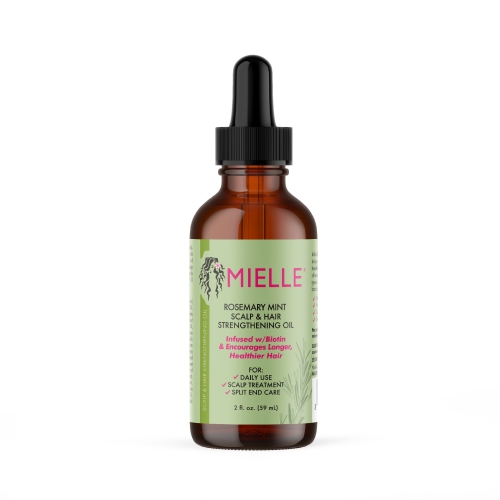 Your price for this item is $15.99
-
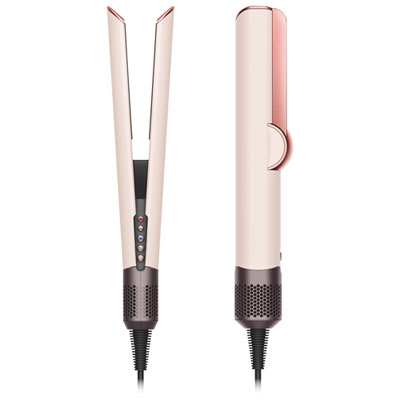 Your price for this item is $699.99
-
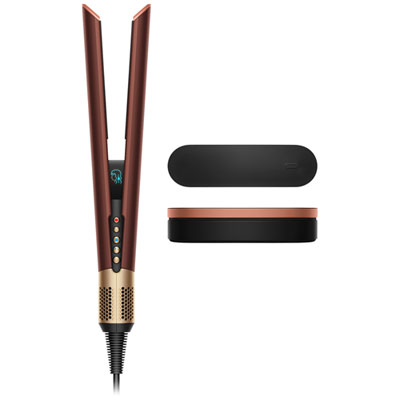 Your price for this item is $699.99
-
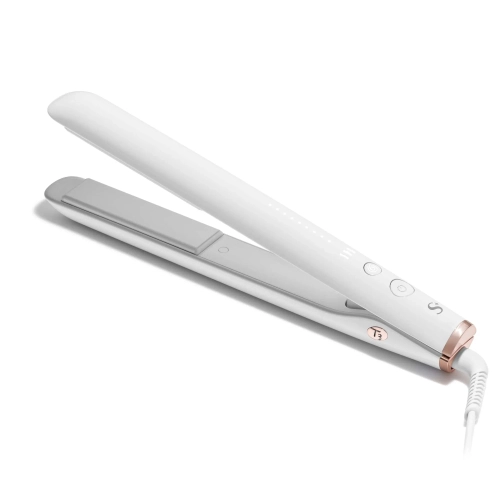 Your price for this item is $269.95
-
 Your price for this item is $649.99
-
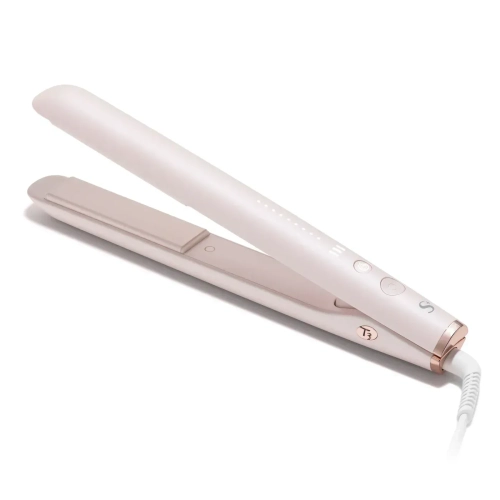 Your price for this item is $289.95
-
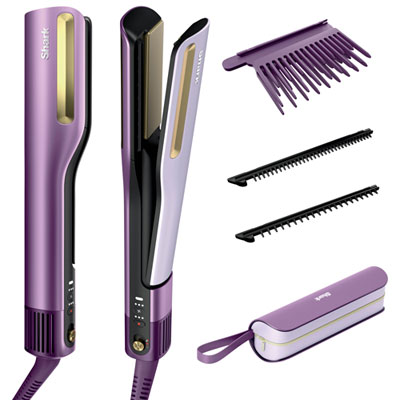 Your price for this item is $299.99
-
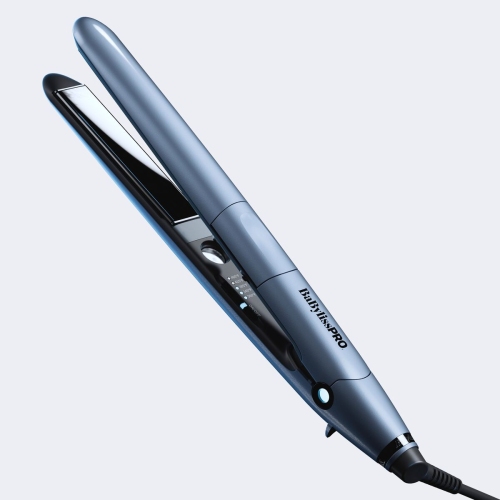 Your price for this item is $229.99
Discover more categories related to Hair Stylers for Short Hair

Top Collections:
Best Black Friday Deals This Year, Best Black Friday Deals On Electronics, Kindle Devices, Pokemon Centers, Best Black Friday Deals On Apple Products, Best Cameras for Sports Photography, Dyson Airwrap, Pokémon 30th Celebration Cards, Apple iPhone 17 Pro, Canon G7X Cameras
Some products may be subject to Environmental Handling Fees
(EHF) depending on your province.
Learn more about EHFs.