Hydrating Shampoos for Damaged Hair
Hydrating Shampoos for Damaged Hair offer a revitalizing solution for hair in need of extra care. Designed to help restore moisture and improve manageability, these shampoos are ideal for those looking to bring softness and shine back to their locks. Explore a wide selection that caters to various hair types and needs, making it easy to find the perfect addition to your haircare routine. Give your hair the gentle touch it deserves with options that support healthier-looking results every day.
Sort


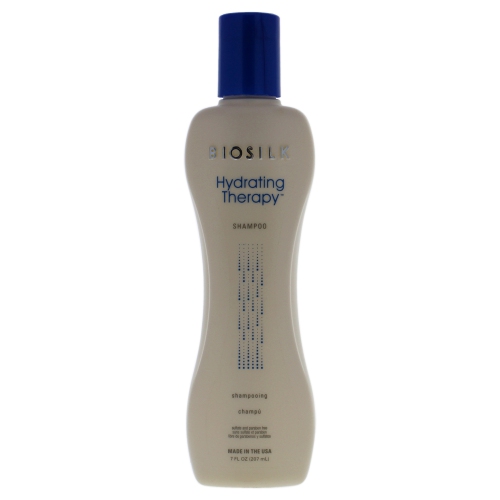

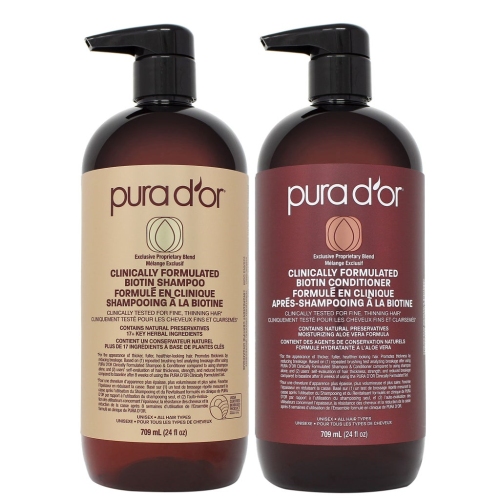
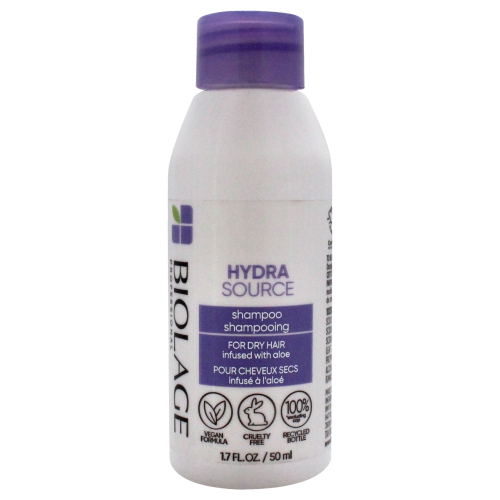
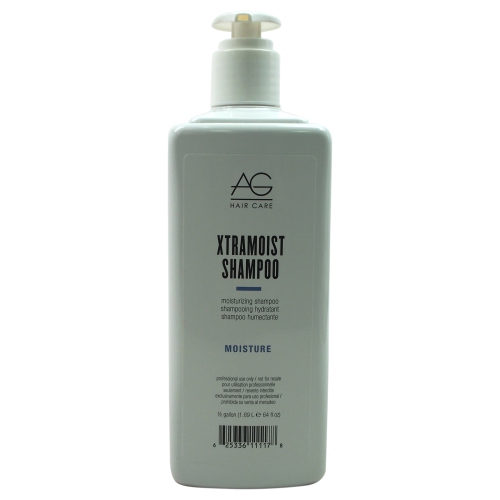

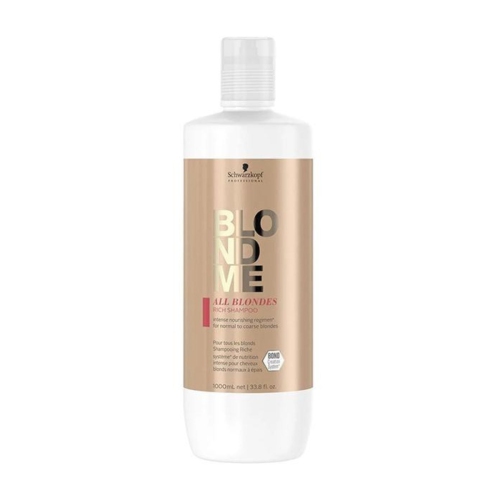

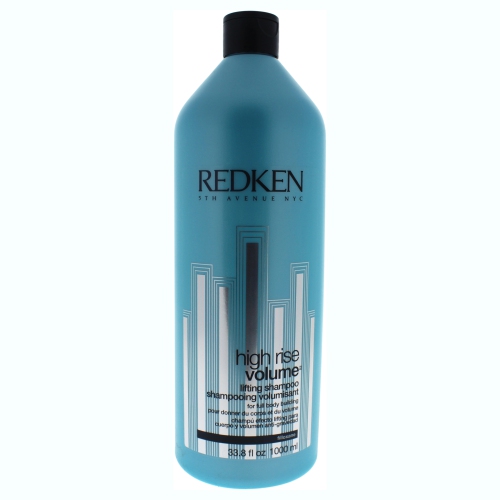
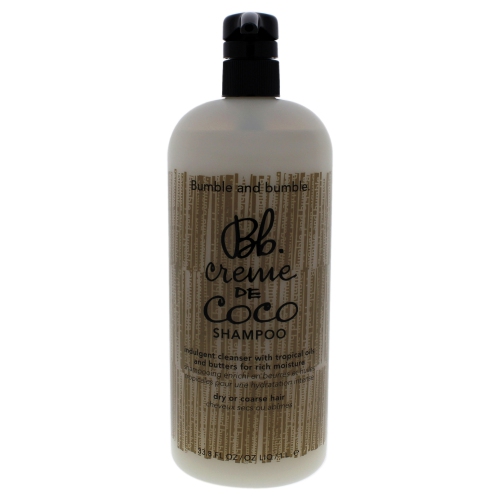

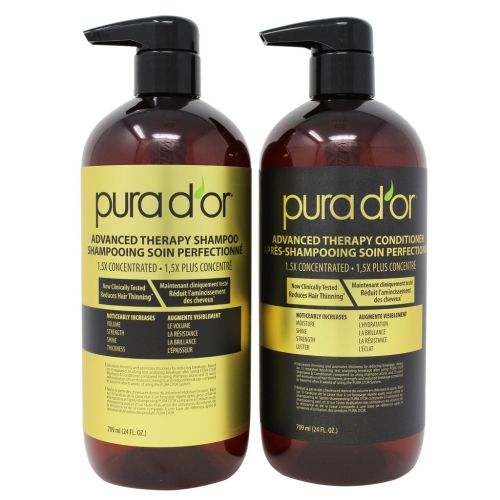
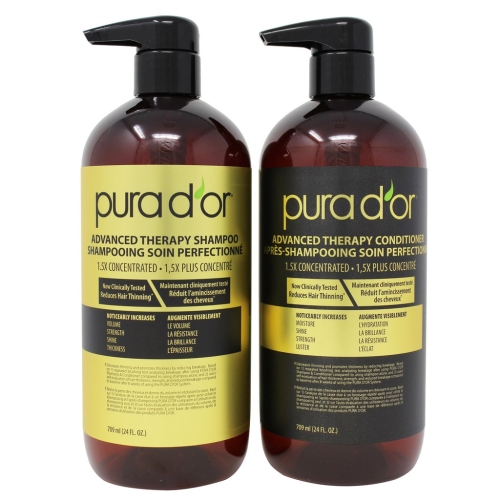


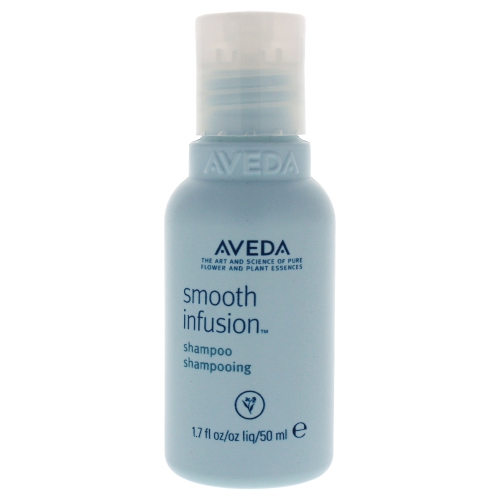
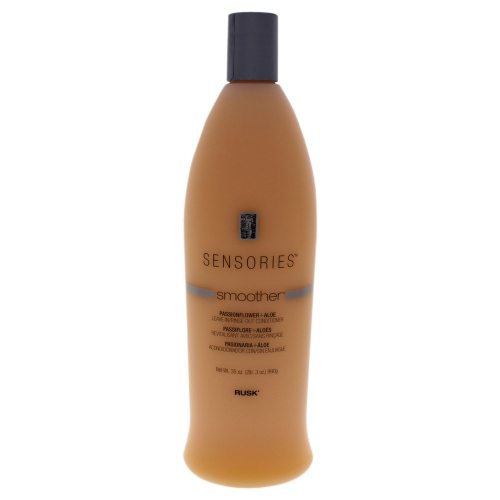
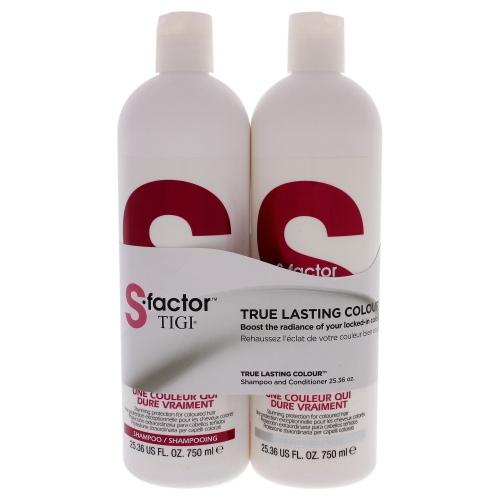

Gentle cleansing for softer strands and fewer tangles
Hydrating shampoos for damaged hair combine cleansing with conditioning ingredients to help dry, rough strands feel softer, smoother, and easier to manage. They are particularly relevant for hair that has become brittle after bleaching, colouring, frequent heat styling, or repeated friction from brushing and towel drying. Damage can leave the hair’s outer cuticle uneven, so strands catch against one another, tangle more readily, and lose their natural-looking shine. A hydrating shampoo helps remove scalp oil, perspiration, and styling residue while limiting the stripped, squeaky feeling that can make fragile lengths difficult to handle. The most suitable formula depends on both the condition of the hair and the needs of the scalp: dry ends do not necessarily mean a dry scalp, and a rich cleanser is not automatically the right choice for every texture. Fine, highlighted hair may need lightweight conditioning that preserves movement at the roots, while coarse curls or tightly coiled hair may benefit from a creamier formula that leaves lengths feeling more supple. For someone whose hair tangles at the nape beneath a scarf or feels stiff after blow-drying, improved slip and softness can make everyday grooming noticeably easier. During the cooler months, indoor heating and friction from hats can make existing dryness more apparent, adding to the appeal of a cleanser that leaves hair comfortable rather than rough. Hydration and repair are related but distinct benefits. Moisturising ingredients improve the feel and manageability of dry strands, while some strengthening formulas help reduce breakage under the conditions described on their labels. No shampoo can permanently fuse split ends or return heavily processed hair to its original, undamaged state. Its practical role is to cleanse without adding unnecessary stress and support a routine that keeps vulnerable hair easier to detangle, style, and maintain between trims. That balance matters more than a dramatic lather or an intensely silky feel during rinsing alone.
Ingredients help explain the differences between moisturising shampoos, although the complete formula matters more than any single ingredient on the label. Humectants such as glycerin, panthenol, and hyaluronic acid attract and hold water, helping support a hydrated feel. Oils such as argan, jojoba, and coconut oil can add lubrication and softness, but their effect depends on concentration, formulation, and how readily the hair becomes weighed down. Ceramides are lipids rather than humectants; in hair-care formulas, they can help support a smoother surface and limit moisture loss. Conditioning agents can also reduce friction between strands, making wet hair less likely to snag during detangling. Hydrolysed proteins, including keratin, may temporarily improve the feel and strength of damaged fibres by forming a film or interacting with compromised areas. They do not rebuild living tissue, since the visible hair shaft is not living tissue. Bond-building shampoos are another category intended to support damaged hair, but their mechanisms and results vary, so specific label claims are more useful than assuming all formulas perform alike. Gentle cleansing is especially important for bleached, chemically straightened, or frequently coloured lengths. Sulphate-free shampoos may suit hair that feels dry after washing, though sulphate-free does not automatically mean milder, and a shampoo containing sulphates is not necessarily unsuitable. The blend of cleansing agents, their concentration, and the conditioning system all influence how hair feels afterwards. Similarly, a generous foam does not prove that a shampoo cleans better. Fragrance-free formulas may appeal to people sensitive to scent, while anyone with a known ingredient allergy should check the full ingredient list. Fatty alcohols such as cetyl alcohol and cetearyl alcohol are commonly used for softness and texture and should not be confused with alcohols that may feel drying in some formulations. Colour-treated hair also benefits from attention to colour-care labelling and any directions supplied with a salon treatment. A comfortable scalp, clean roots, and lengths that remain manageable after drying are useful signs of a formula that suits the wearer.
Texture, washing habits, and styling routines shape how a hydrating shampoo fits into everyday hair care. Someone washing frequently after workouts may prefer a cleanser that removes perspiration without leaving fine roots flat, while someone with dense curls may place greater value on slip and easier section-by-section handling. An oily scalp with dry, lightened ends often calls for cleansing concentrated at the roots rather than vigorous scrubbing through the lengths. As shampoo rinses away, the flowing lather can help clean the rest of the hair with less manipulation. Lukewarm water, fingertips rather than nails, and gentle squeezing instead of twisting all help limit avoidable friction. Washing frequency is individual: the aim is to keep the scalp comfortable and remove buildup without repeatedly washing hair that does not need it. Shampoo is also only one part of moisture care. A rinse-out conditioner helps smooth and detangle after cleansing, and Hydrating Hair Masks for Damaged Hair can provide a richer conditioning step when lengths need additional softness, used according to their directions. Hair that feels coated, limp, or dull despite regular washing may have styling residue or mineral buildup rather than simply needing more moisture. In that situation, an occasional clarifying or chelating formula may be relevant, provided it suits any colour or chemical treatments. Persistent scalp itching, soreness, or flaking deserves separate attention rather than progressively richer shampoo. For fragile lengths, careful towel blotting, detangling from the ends upwards, and reducing unnecessary heat complement the benefits of a moisturising cleanser. Packaging can make a practical difference too: a pump is convenient for frequent washing, while a secure cap helps contain spills in a gym bag. Keeping the container closed and following storage and period-after-opening directions helps maintain the formula as intended. Across different textures and routines, the most useful hydrating shampoo leaves the scalp clean and the hair soft enough to handle comfortably, without heavy residue or expectations of permanent repair.
Top selling and popular products
-
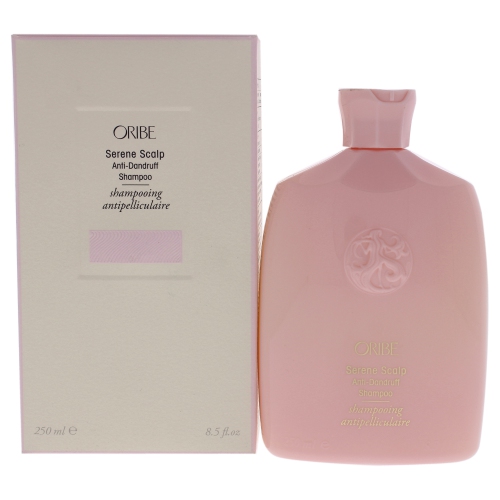 Your price for this item is $72.53
-
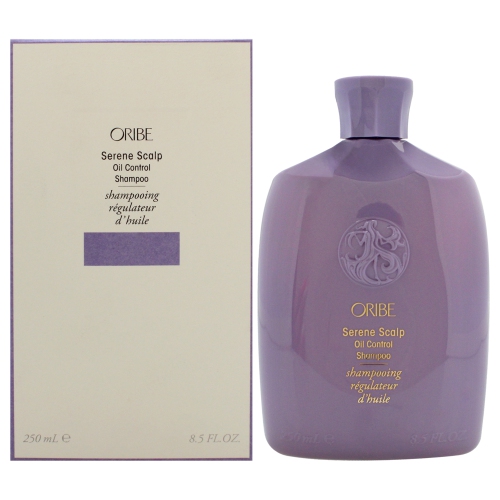 Your price for this item is $76.09
-
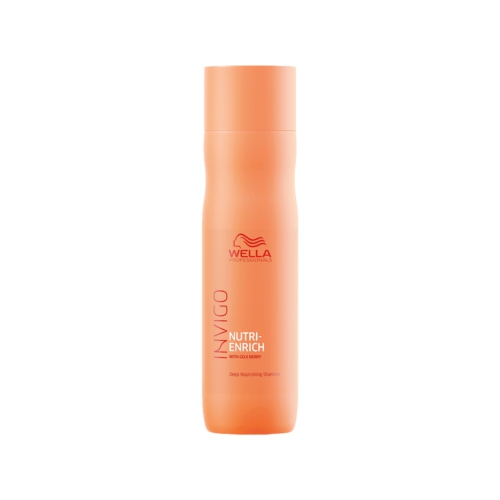 Your price for this item is $16.5
-
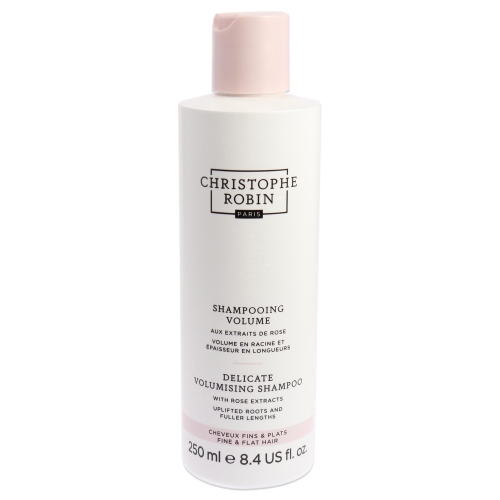 Your price for this item is $45.52
-
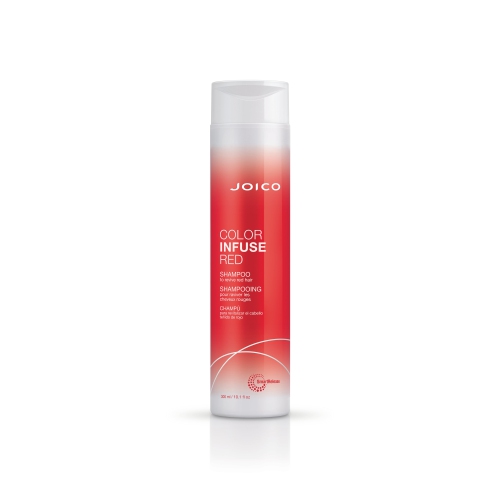 Your price for this item is $16.99
-
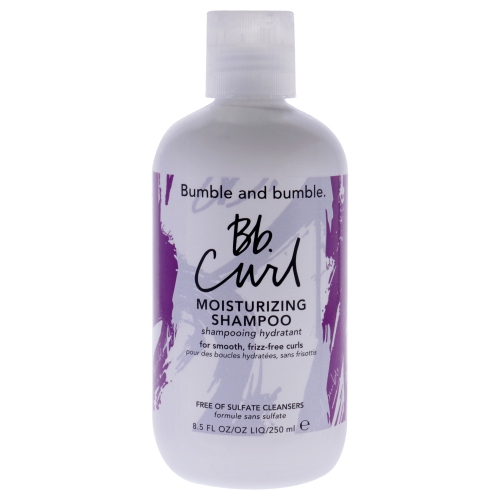 Your price for this item is $41.5
-
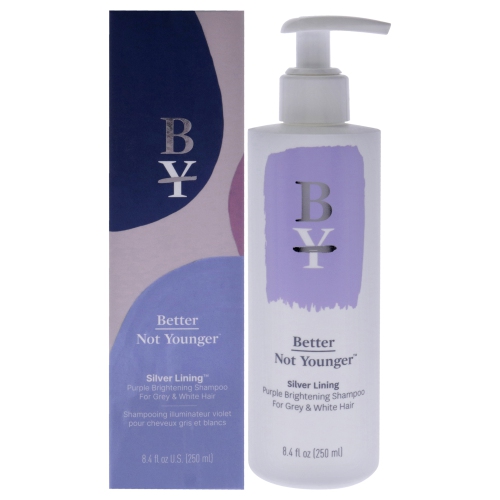 Your price for this item is $32.73
-
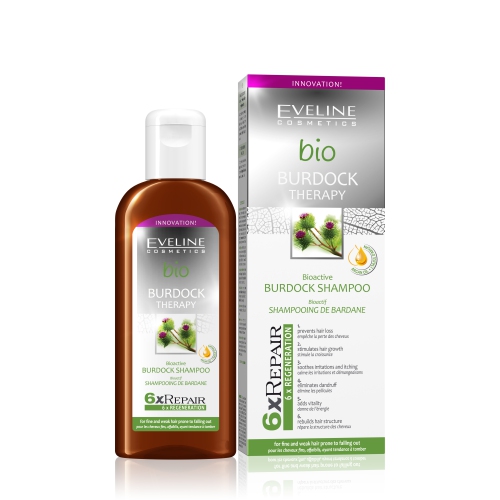 Your price for this item is $14.99
Discover more categories related to Hydrating Shampoos for Damaged Hair
Top Collections:
Pokemon Centers, Best Cameras for Sports Photography, Kindle Devices, Samsung Galaxy Phones, Canon G7X Cameras, Pokémon 30th Celebration Cards, Refurbished Apple Laptops, iPhone 15 Apple, Laptops for Students, Budget Smartphones
Some products may be subject to Environmental Handling Fees
(EHF) depending on your province.
Learn more about EHFs.