Shampoos for Dehydrated Hair
Shampoos for Dehydrated Hair are specially formulated to help restore moisture and bring back softness to dry, lackluster locks. Whether your hair feels brittle from styling, weather changes, or daily routines, choosing the right shampoo can make a noticeable difference in how your hair looks and feels. Explore a wide selection of options designed to gently cleanse while supporting hydration, so you can enjoy smoother, more manageable hair every day. Find the perfect match for your needs and start your journey to revitalized, healthy-looking hair with Shampoos for Dehydrated Hair.
Sort


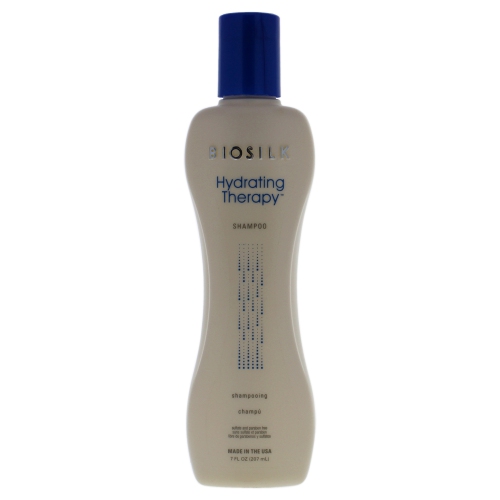
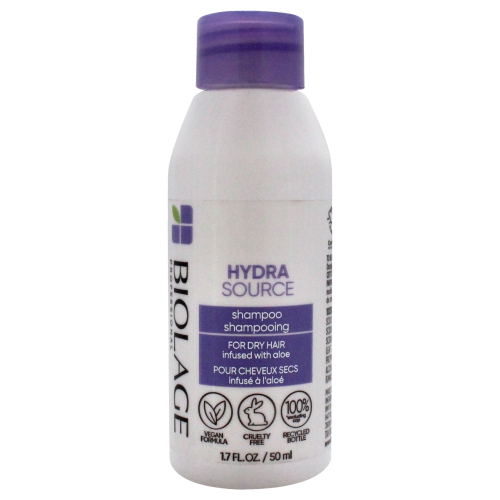
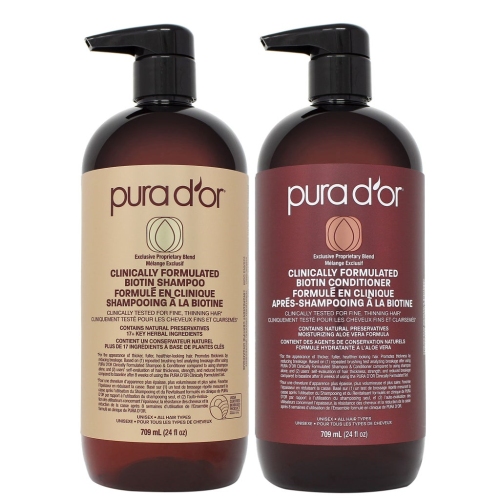
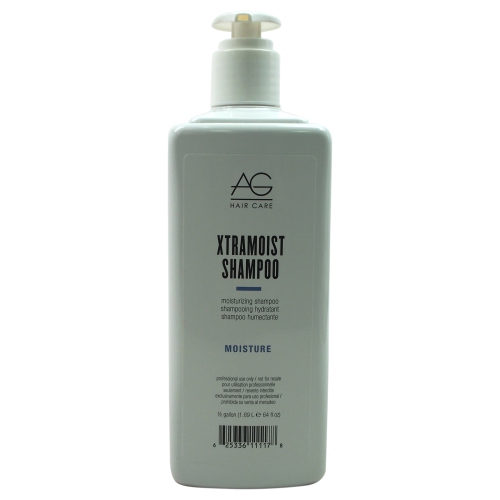

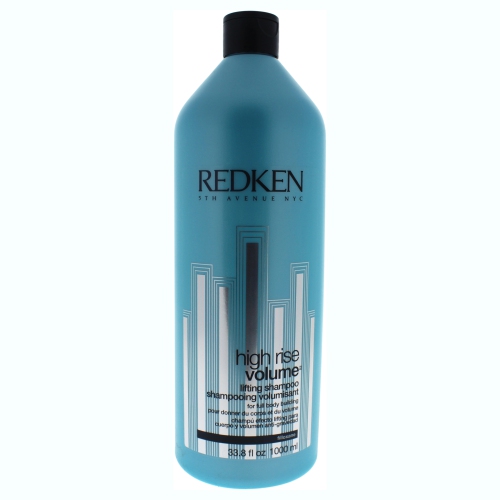
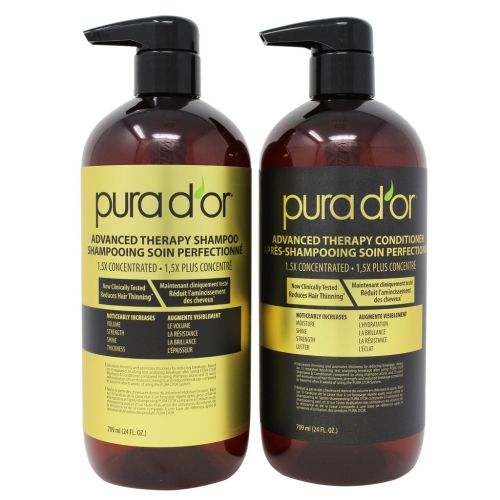
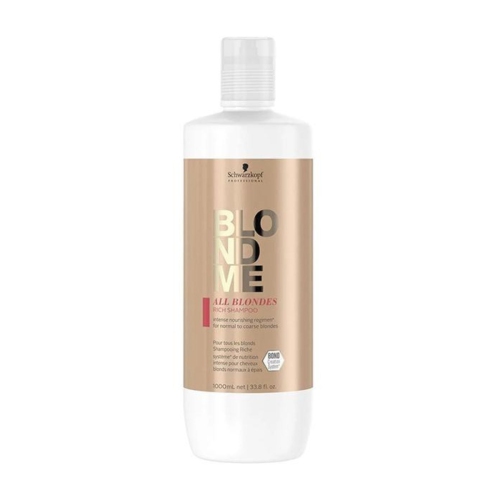
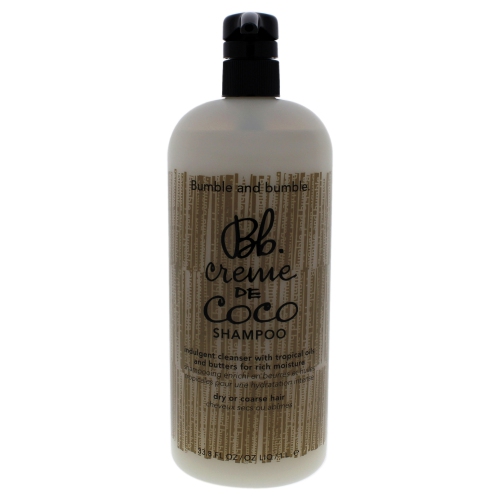

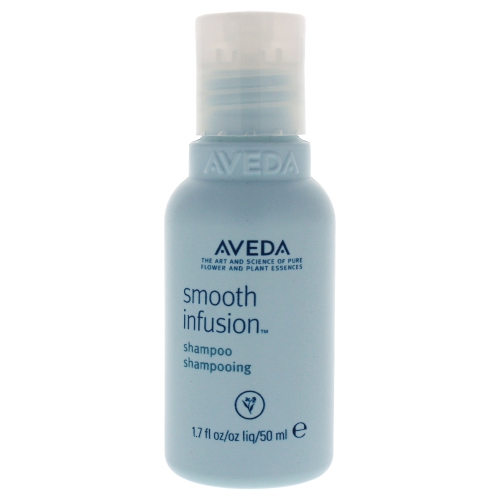
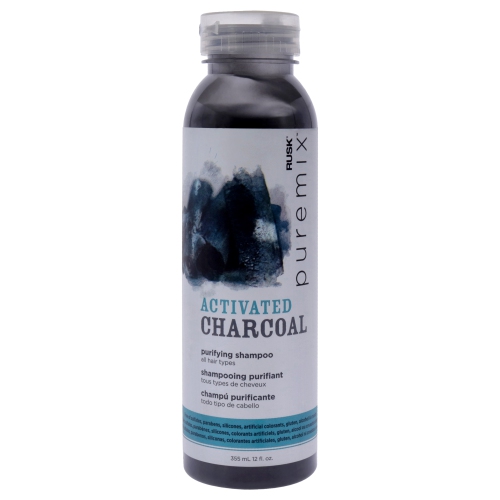

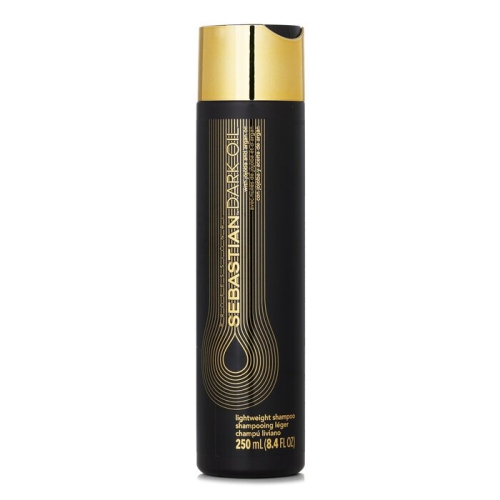

How hydrating shampoo balances cleansing with softer strands
Shampoos for dehydrated hair are formulated to cleanse the scalp and hair while helping strands feel softer, smoother, and less stripped after washing. Hair that feels rough through the lengths, tangles easily, or looks dull may benefit from a more moisture-focused cleansing routine, particularly when frequent heat styling, colouring, or chemical processing has left it difficult to manage. “Dehydrated” is a common hair-care description rather than a medical diagnosis, and it often overlaps with what packaging calls dry hair. The most useful distinction is how the hair behaves: fine strands may feel dry at the tips but become flat with rich formulas, while coarse curls may need more conditioning to feel supple after rinsing. A suitable shampoo balances cleansing with a comfortable finish rather than leaving hair either squeaky or heavily coated. Hydrating formulas often contain humectants such as glycerin, panthenol, or hyaluronic acid, which attract and hold water. Their effect depends on the complete formula and the brief contact time of a rinse-off product, not simply on the presence of a highlighted ingredient. Conditioning ingredients, including certain silicones, polymers, and oils, can help reduce friction between strands, making the hair feel smoother and easier to detangle. Shampoo still has a different job from conditioner: it removes oil, sweat, and styling residue, while a separate conditioner usually provides more substantial slip through the lengths and ends. For someone whose hair catches on a comb after every wash, that combination is often more useful than expecting shampoo alone to solve dryness. Hydrating shampoo can improve the feel and appearance of dry lengths, but it cannot permanently mend split ends or reverse every effect of chemical damage. Its place in a routine is practical: cleansing that suits the scalp, with enough conditioning support to leave the hair manageable for the next steps.
The right texture and cleansing strength depend as much on strand thickness and scalp needs as on the word “hydrating” on the bottle. Fine hair with dry ends often suits a lightweight formula that rinses clean without leaving the roots limp. Thick, coarse, curly, or coily hair may feel better with a richer conditioning formula, especially when the lengths are prone to knots. Curl pattern alone does not determine the best match, though; strand diameter, styling habits, and previous treatments also influence how a shampoo feels. An oily scalp and dehydrated lengths can exist together, so a moisturizing shampoo does not need to leave a noticeable coating at the roots to be effective. For colour-treated hair, formulas labelled for that use are worth considering, alongside the care requirements of the colouring treatment. Sulphate-free shampoos appeal to some shoppers, but the absence of sulphates does not automatically make a shampoo gentler or more hydrating. Cleansing performance comes from the full surfactant blend, its concentration, and the supporting ingredients. Similarly, abundant foam is not proof of a more thorough wash, and a creamy appearance is not a guarantee of richer conditioning. Shampoos with oils or butters may suit hair that needs a smoother finish, while lighter conditioning blends may be more comfortable for hair that quickly loses volume. Fragrance is another meaningful consideration, particularly for people who prefer a low-scent routine or have previously reacted to fragranced personal-care products. Fragrance-free and unscented are not always equivalent, so the ingredient list matters when avoiding a known trigger. Botanical extracts and essential oils can also cause sensitivity; plant-derived ingredients are not automatically suitable for every scalp. For shoppers interested in richer textures, distinctive fragrances, or a more indulgent wash routine, Luxury Shampoos for Dry Hair offers a related category to explore. The most suitable choice still comes down to cleansing comfort, hair texture, and the finish preferred after drying.
Everyday use also shapes the results of a shampoo for dehydrated hair. Thoroughly wetting the hair helps shampoo spread through the roots, reducing the temptation to apply more simply because the first lather feels small. Gentle fingertip massage at the scalp loosens oil and residue without the friction of scratching or bunching the lengths into a tangled pile. For many routines, the lather moving through the ends during rinsing is enough; lengths carrying heavy styling residue may need more deliberate, gentle cleansing. Lukewarm water and thorough rinsing help keep the process comfortable and prevent leftover product from making the roots feel coated. A hydrating conditioner applied mainly through the mid-lengths and ends can then improve slip where older, more weathered strands tend to tangle. Blotting with a soft towel rather than rubbing vigorously helps limit unnecessary friction, especially on hair that already feels fragile. Washing frequency is individual: a scalp that becomes oily after exercise may need cleansing more often than one paired with dense, tightly curled hair and little styling buildup. Persistent itching, soreness, or flaking should not simply be treated as a sign that a richer shampoo is needed; those concerns may call for advice from a qualified healthcare professional. Beyond the formula, bottle design and size affect daily convenience. A pump can make dispensing easier with wet hands, while a securely closing cap is useful for a gym bag or travel kit. Packaging directions, expiry information where provided, and the period-after-opening symbol help indicate appropriate storage and use. Keeping the closure clean and avoiding the addition of water to the bottle helps preserve the formula as intended. Hydrating shampoo can also be a thoughtful addition to a personal-care gift when the recipient’s hair needs and scent preferences are already known. Whether used in a simple shampoo-and-conditioner routine or alongside occasional masks and leave-in care, it should make cleansing feel easier to manage without asking one product to do every job.
Top selling and popular products
-
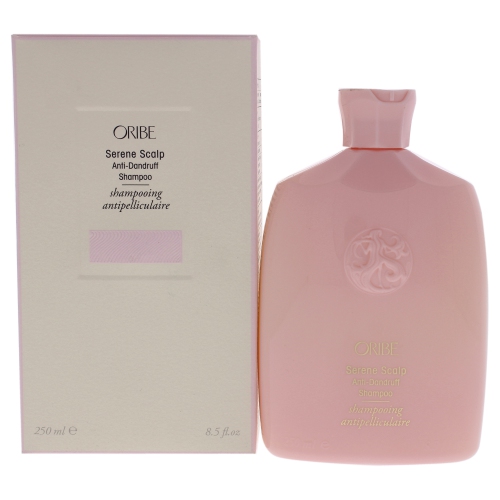 Your price for this item is $72.53
-
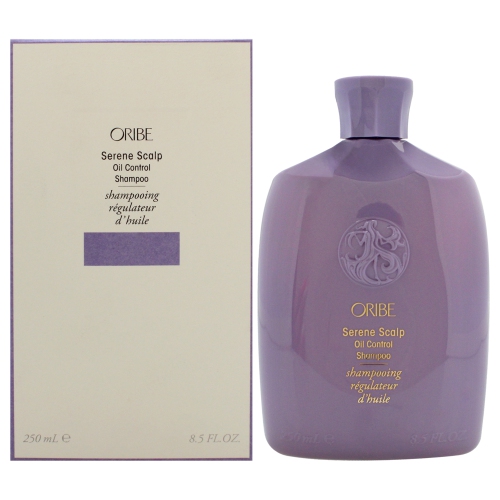 Your price for this item is $76.09
-
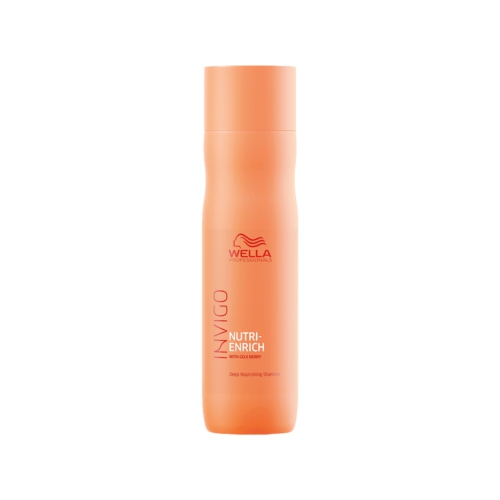 Your price for this item is $16.5
-
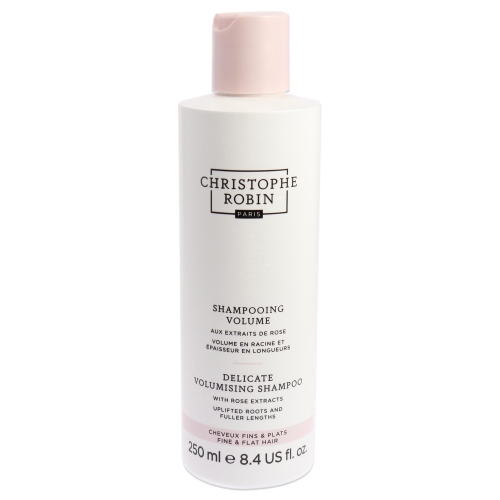 Your price for this item is $45.52
-
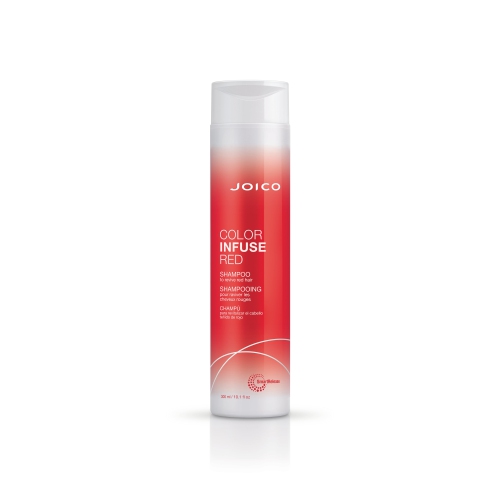 Your price for this item is $16.99
-
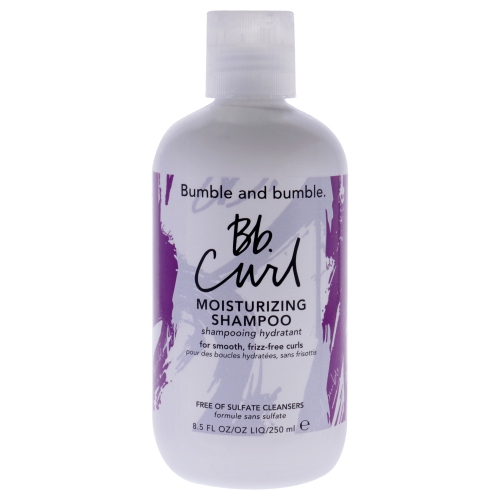 Your price for this item is $41.5
-
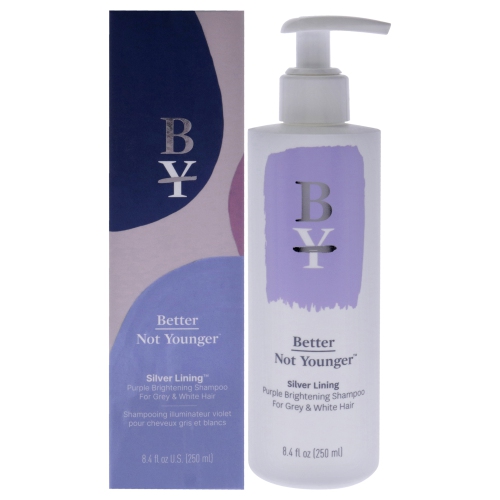 Your price for this item is $32.73
-
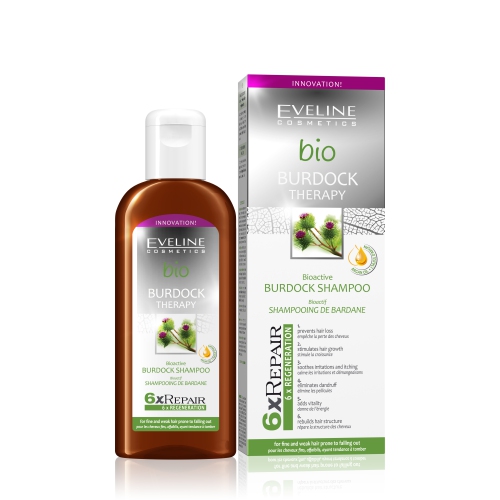 Your price for this item is $14.99
Discover more categories related to Shampoos for Dehydrated Hair
Top Collections:
Pokemon Centers, Best Cameras for Sports Photography, Kindle Devices, Samsung Galaxy Phones, Canon G7X Cameras, Pokémon 30th Celebration Cards, Refurbished Apple Laptops, iPhone 15 Apple, Laptops for Students, Budget Smartphones
Some products may be subject to Environmental Handling Fees
(EHF) depending on your province.
Learn more about EHFs.