Ionic Brushes
Unleash the power of advanced hair care technology with ionic brushes, designed to transform your daily styling routine. These innovative tools utilize negative ion technology to help reduce static and frizz, leaving your hair looking sleek and polished. Whether you're aiming for smooth, straight locks or voluminous curls, ionic brushes cater to a variety of hair types and styles, offering a salon-quality finish in the comfort of your home. Explore our selection to find the perfect brush that suits your needs and discover how this modern beauty essential can elevate your hair game effortlessly.
Sort


Why brush type matters more than the ionic label
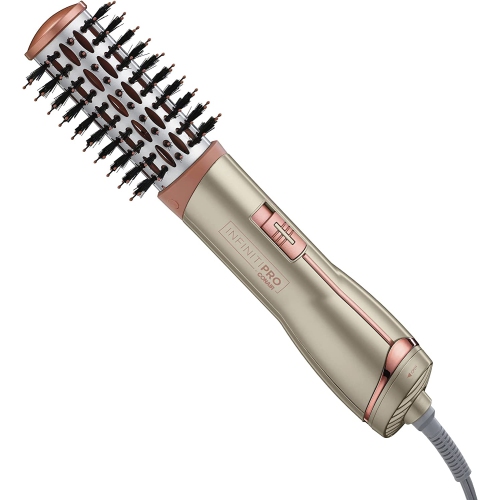
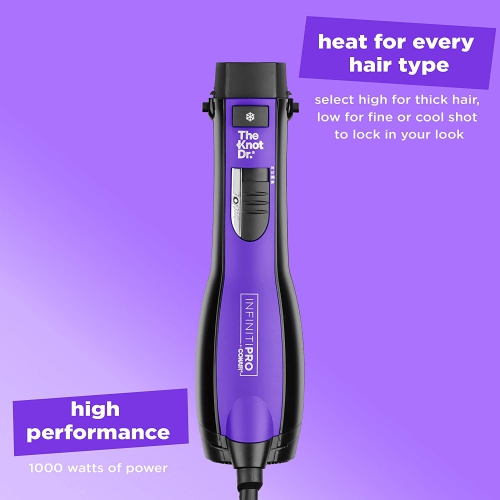
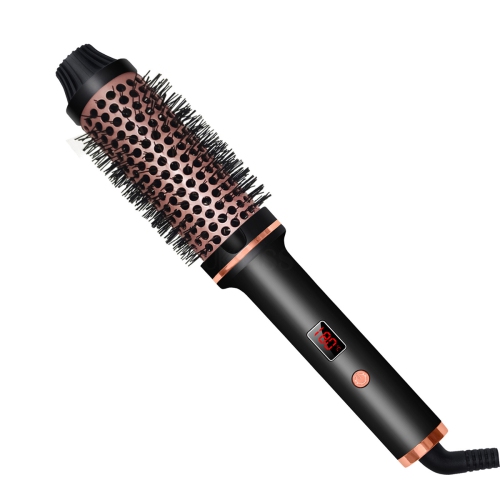
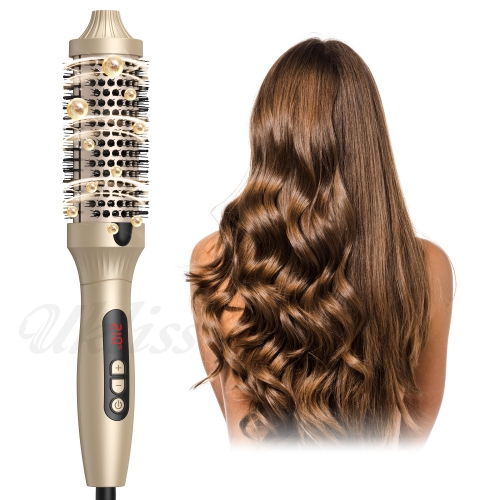
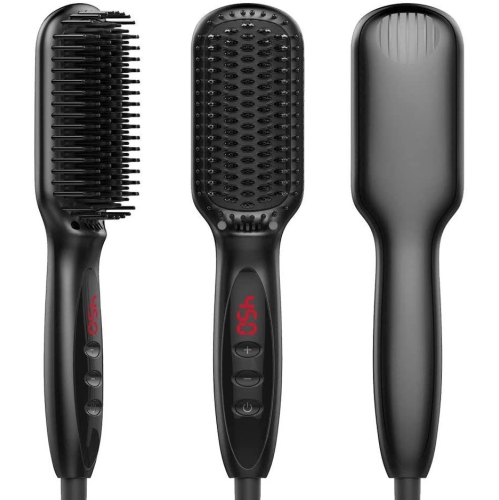
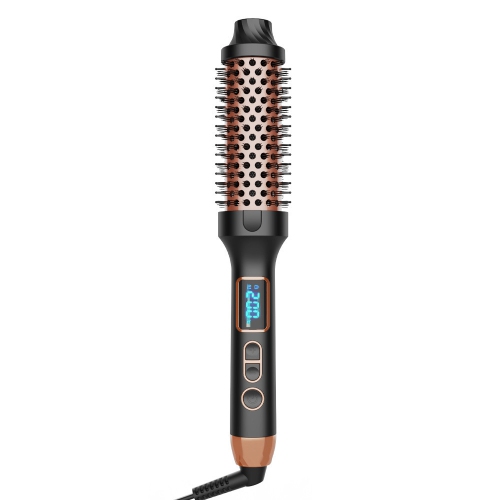
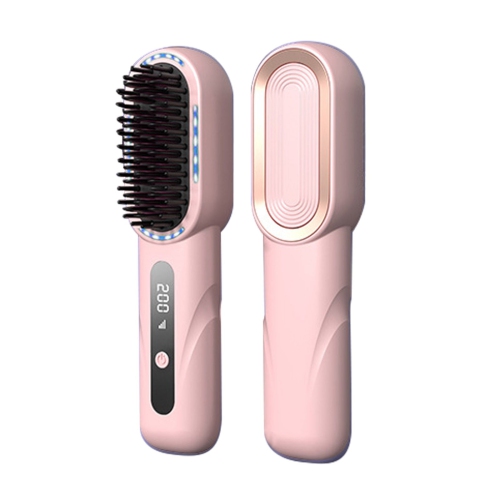
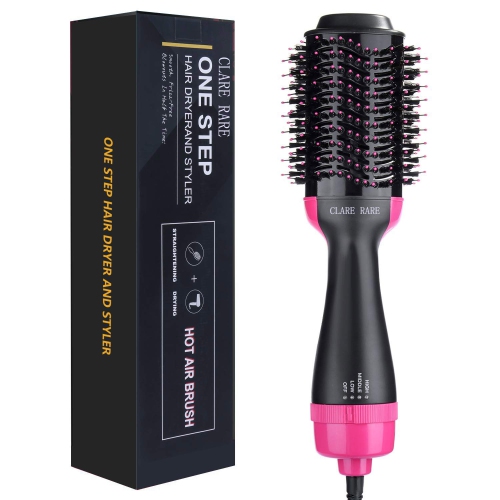
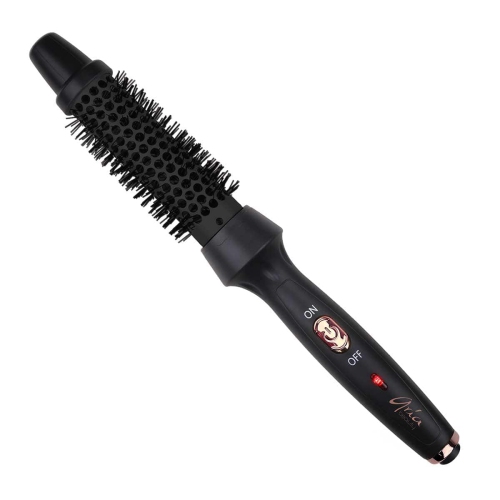
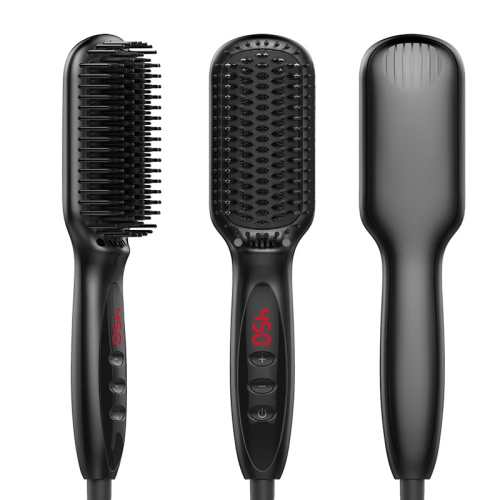
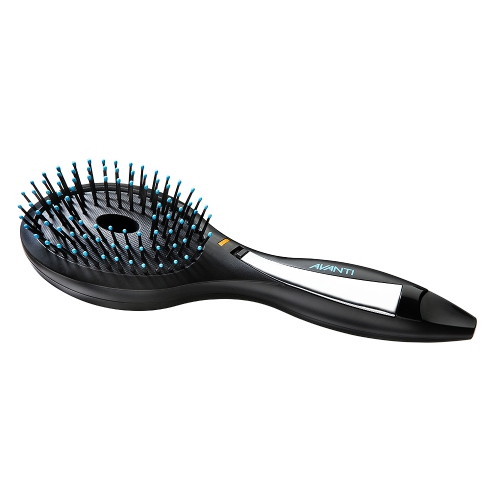
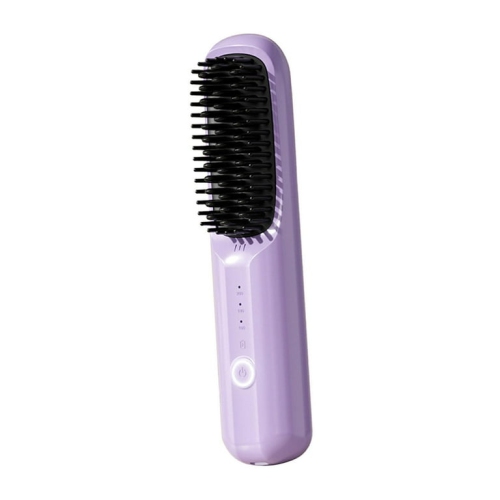
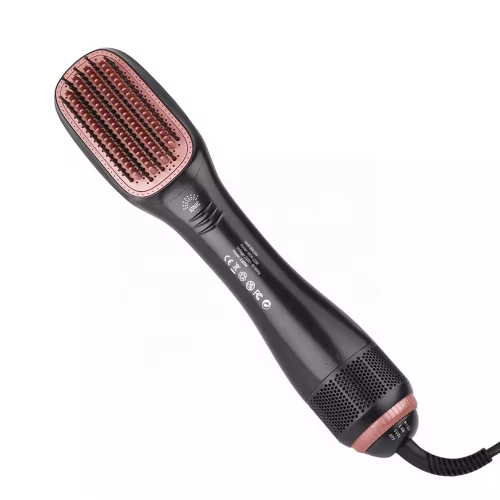
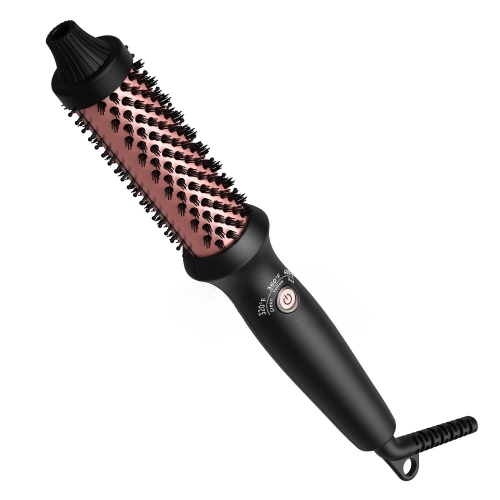
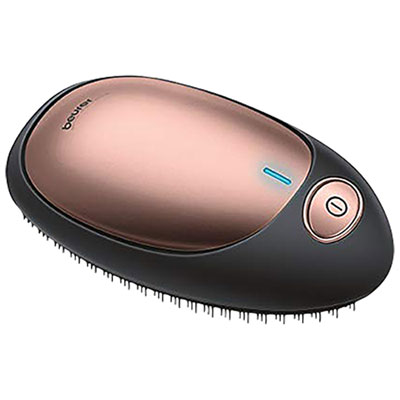
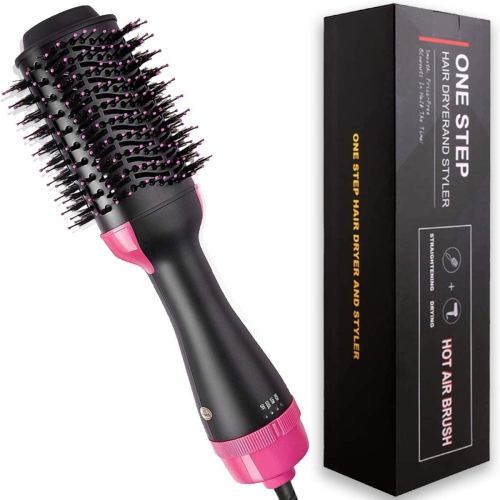
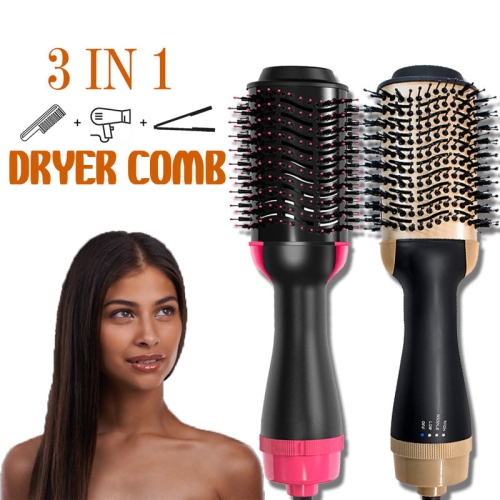
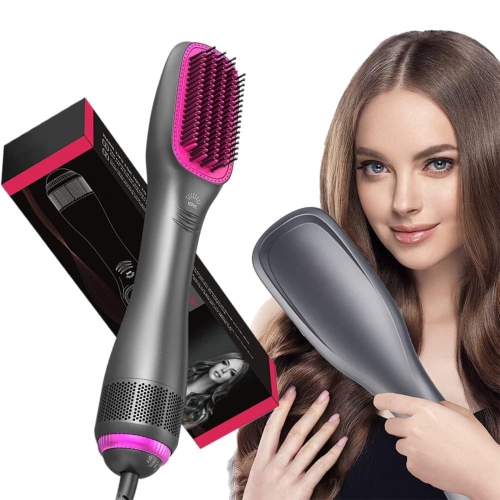
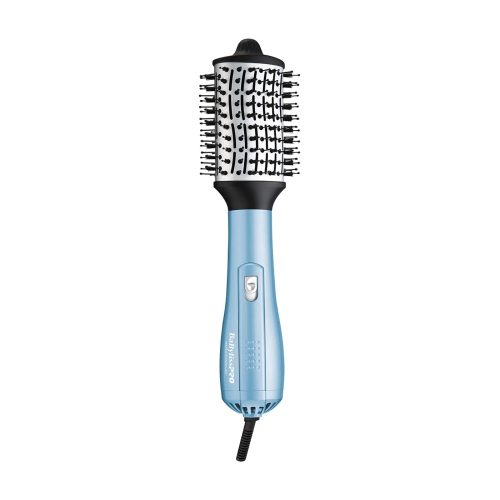
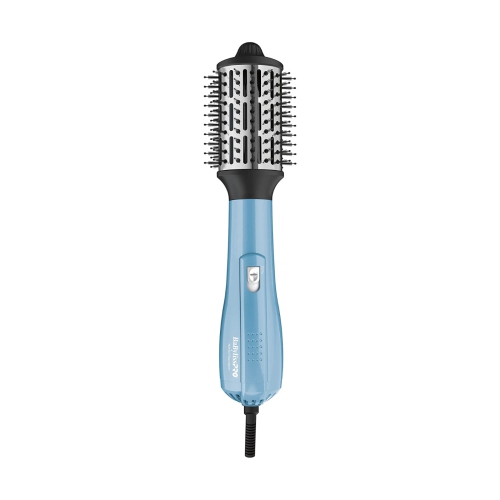
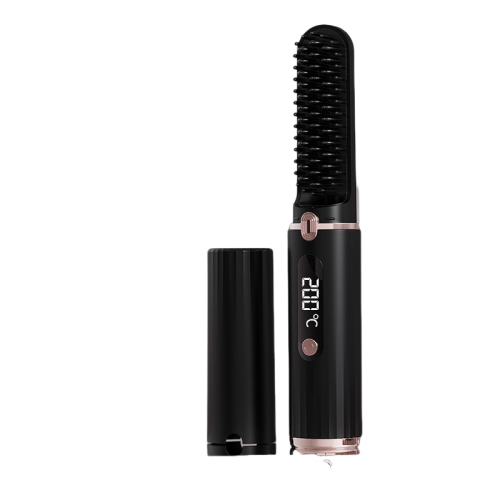
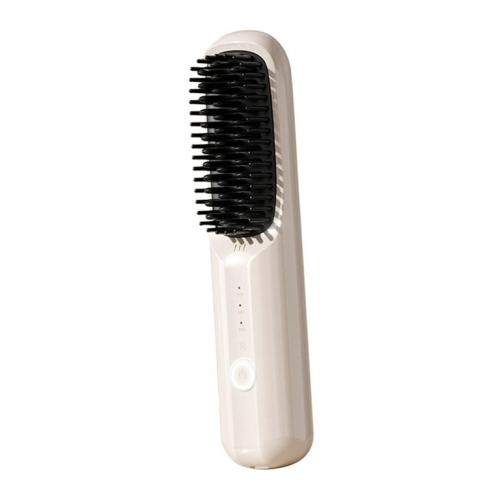
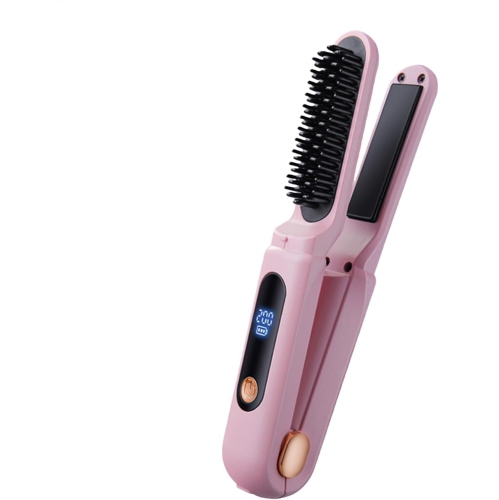
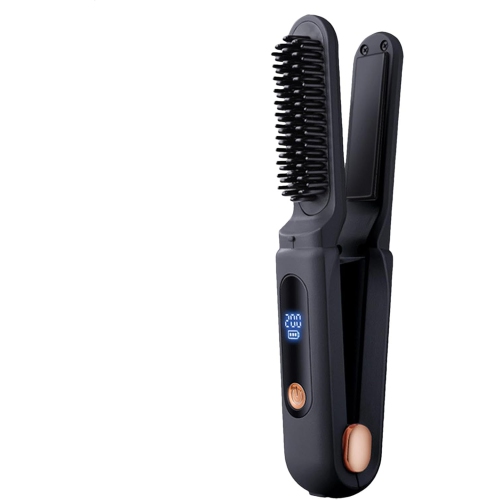
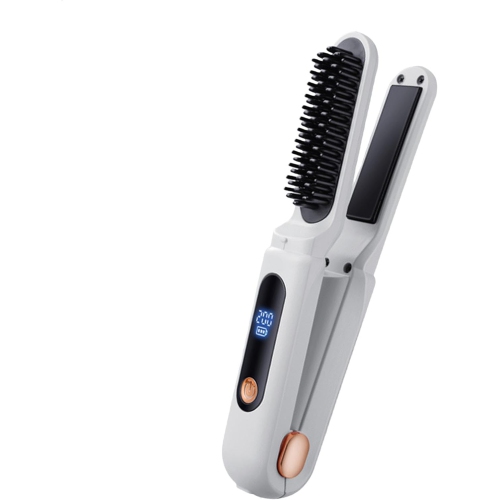
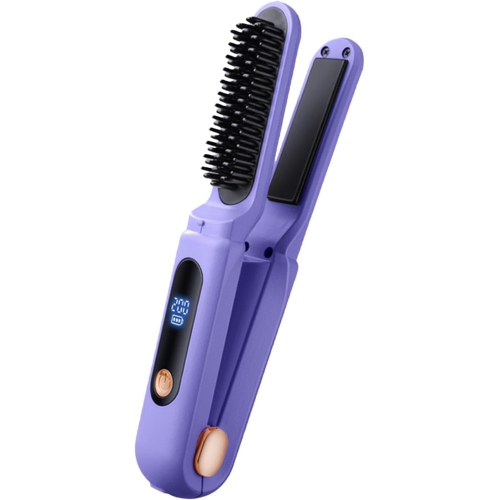
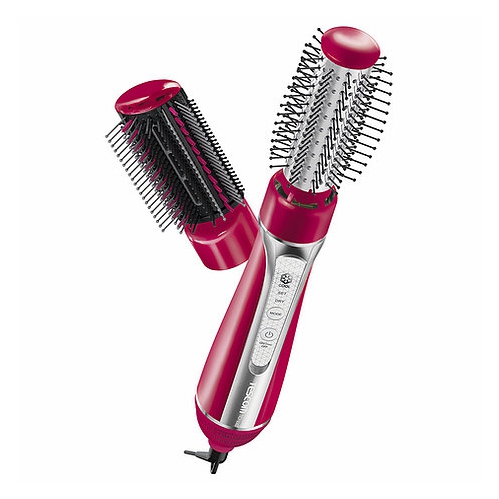
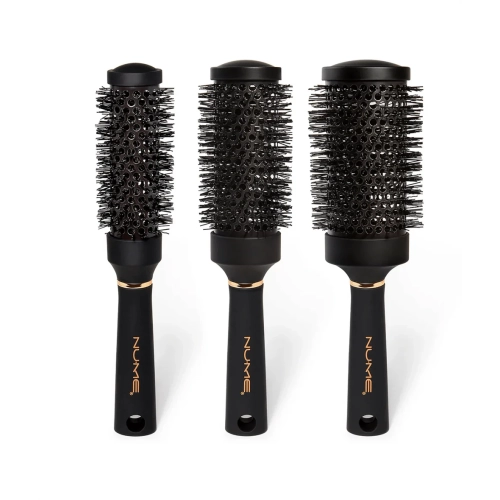
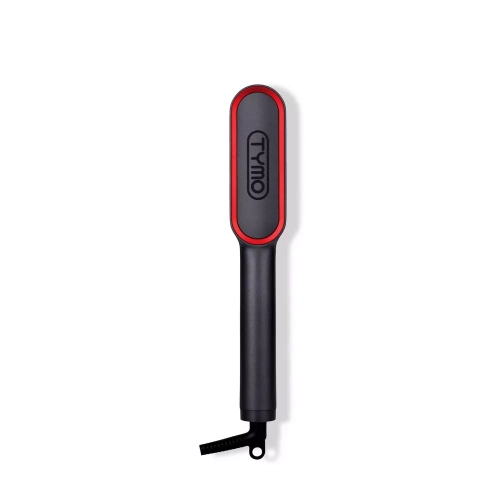
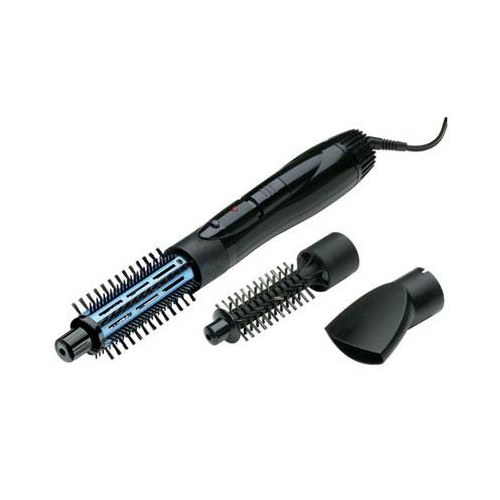
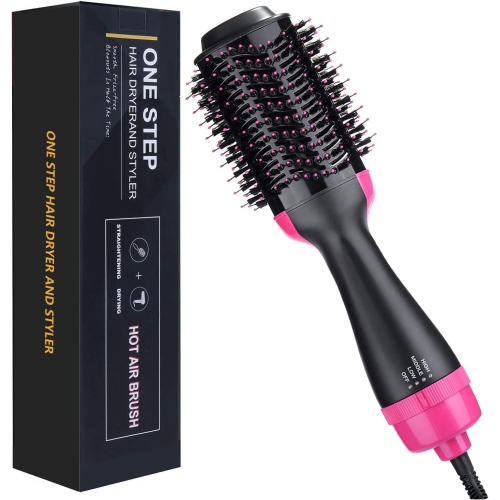
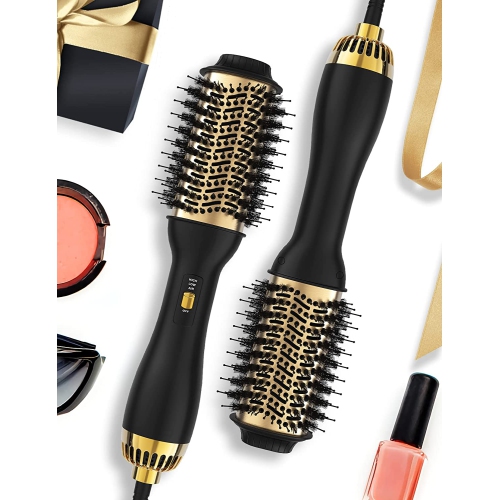
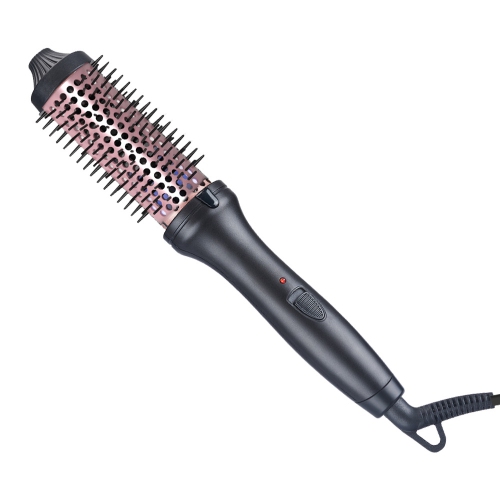
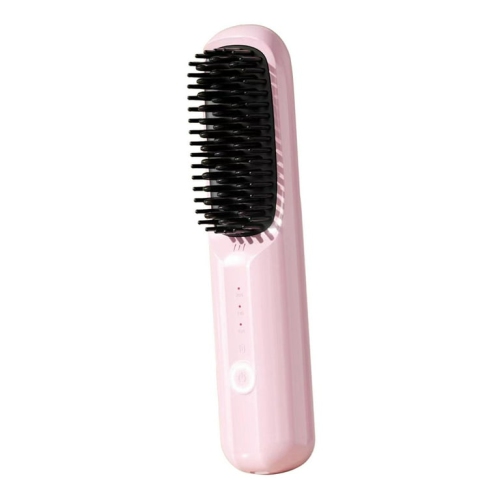
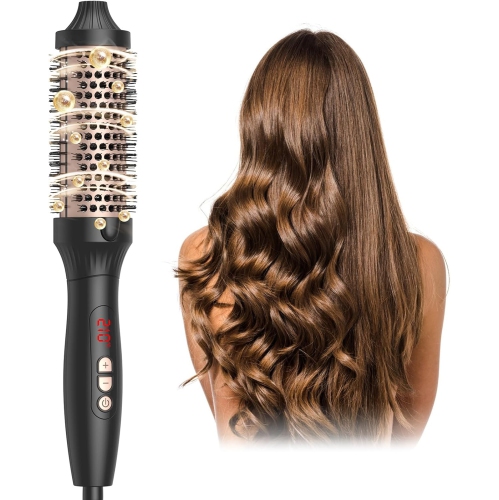
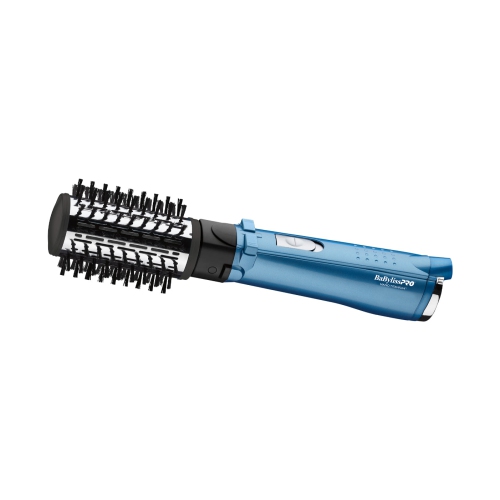
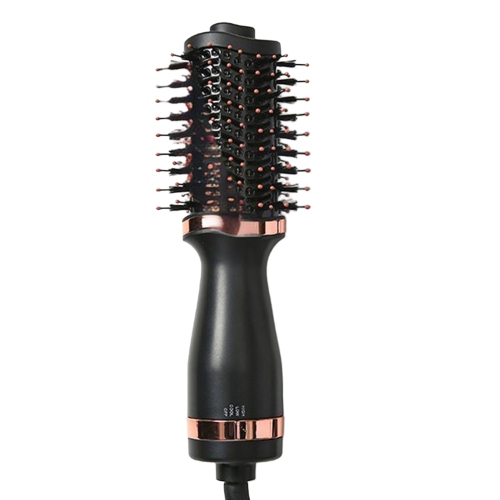
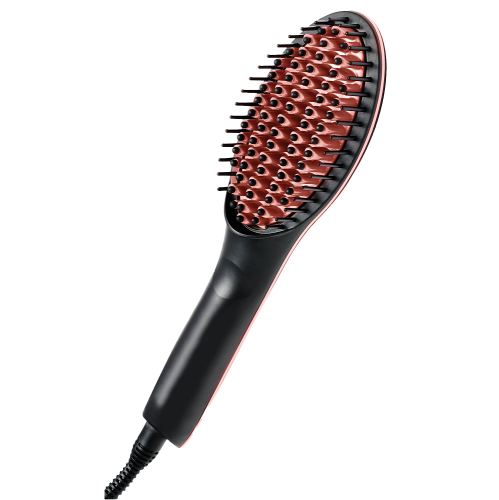
Ionic brushes are hair styling tools designed to help reduce static and leave hair looking smoother, with fewer flyaways. Electrically powered models use an ion generator to release negatively charged ions, which can help counter the electrical charge that builds up on hair during brushing and styling. The effect is most noticeable when strands lift away from a finished style or cling to a scarf during the cooler months. Ionic technology can support a sleeker finish, but results depend on hair texture, condition, humidity, and how the brush is used; it does not repair split ends or make hair immune to heat damage. The category includes several distinct types of hair brushes, and the difference matters more than the shared ionic label. A non-heated paddle or round brush may feature materials marketed as ion-infused and is used for everyday grooming or alongside a separate hair dryer. These brushes do not necessarily generate ions in the same way as a powered tool. An ionic hot air brush combines bristles, airflow, and heat to dry and shape hair in one step, making it useful for creating a rounded blowout or lifting hair at the roots. An ionic straightening brush uses heated bristles or a heated brushing surface to smooth dry hair, while a thermal round brush uses a heated barrel to add bend, shape ends, or create loose movement without necessarily producing airflow. Whether a tool is suitable for damp hair depends on its design: a hot air brush may be intended for towel-dried hair, whereas many heated straightening and thermal brushes are for dry hair only. Some ionic drying tools may help shorten a styling routine, but drying speed also depends on airflow, section size, and the amount of moisture in the hair. For someone who wants a polished fringe before work, softer ends after air-drying, or an easier way to manage a full blowout, the tool’s actual drying and shaping functions are the clearest starting point.
Hair length, density, and the desired finish influence how comfortable and effective an ionic hair brush feels in use. A broad paddle covers larger sections of long hair and suits smoothing through the lengths, while a smaller round barrel offers more control around a fringe, shorter layers, and the nape. Larger round or oval barrels tend to create sweeping bends and fullness rather than tight curls, although the result varies with hair length and technique. Fine or fragile hair generally benefits from gentle tension and lower heat, while dense hair may be easier to style in smaller sections with enough space between the bristles to move through without tugging. A higher temperature is not automatically a better match for thicker hair; controlled sectioning and steady movement often matter just as much. Curly and coily hair can be styled with ionic brushes when a stretched or smoother finish is the goal, but brushing through dry curls will usually disrupt their natural pattern. For colour-treated, bleached, or otherwise vulnerable hair, adjustable heat settings allow more control than a single fixed temperature. Bristle construction also changes the experience. Flexible nylon pins can help a brush move through the hair, while mixed-bristle designs may provide additional grip and surface smoothing. Rounded tips should feel comfortable against the scalp, and the brush should pass through a manageable section rather than snag or pull at the roots. Ceramic-coated heated surfaces are often used to distribute heat more evenly, while tourmaline-containing materials may also be marketed for their ionic properties. Neither material removes the need for careful heat use. Handle shape, balance, and weight become especially noticeable when styling the back of the head or holding a round brush above shoulder height. A swivel cord can make turning the tool less awkward, accessible controls reduce interruptions, and a cool-air setting on a hot air brush can help finish a shaped section. For gifting, a brush that matches the recipient’s usual routine is more useful than one chosen solely for its styling claims: someone who air-dries most days may have different needs from someone who regularly creates a smooth, voluminous blowout.
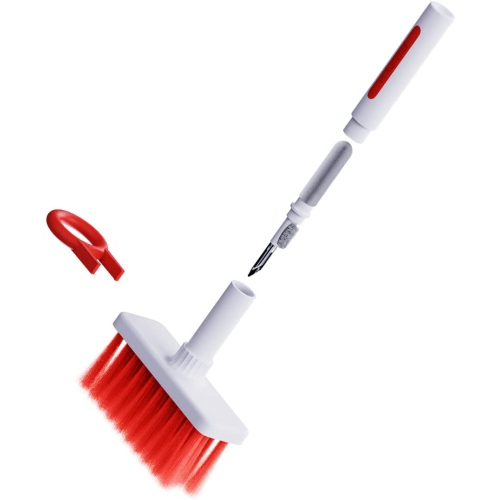
Day-to-day technique and care help an ionic brush perform consistently and remain comfortable to use. For a hot air model approved for damp hair, gently towel-drying first reduces the amount of water the tool needs to remove; some designs work best when the hair has already been partly dried. Detangling before styling allows the brush to move more freely and helps avoid repeatedly pulling through the same knot. With a dry-hair heated brush, hair should be fully dry unless the manufacturer explicitly states otherwise. A suitable heat protectant, applied according to its directions, can help limit heat-related damage, though it cannot prevent all damage from excessive temperatures or repeated passes. Working in sections that fit the brush makes contact and airflow more consistent, especially through a dense underlayer that can stay damp after the surface looks finished. Slow, controlled movement usually gives more even results than rushing over a large section several times, but a heated tool should not be held against one spot or pressed onto the scalp. After use, unplug powered brushes and allow them to cool completely before cleaning or storage. Loose hairs caught around the bristles can be lifted out gently, and styling residue should be removed only with methods approved for the brush’s materials and electrical construction. Powered handles should never be immersed in water, and air inlets need to remain clear so airflow is not restricted. Household brushes also serve very different purposes; Keyboard Brushes are intended for cleaning around computer keys, not for grooming hair or replacing a styling tool’s specified cleaning accessories. For lasting use, keep the cord loosely arranged rather than wrapped tightly around a hot barrel, protect bristles from being crushed in a drawer, and check periodically for damaged pins, a worn coating, or a frayed cable. Travel use calls for checking the voltage rating as well as the plug shape, since a plug adapter alone does not make a heated brush compatible with a different electrical supply. These practical details make a difference whether the brush is used for an occasional evening style or a familiar morning routine.
Hair length, density, and the desired finish influence how comfortable and effective an ionic hair brush feels in use. A broad paddle covers larger sections of long hair and suits smoothing through the lengths, while a smaller round barrel offers more control around a fringe, shorter layers, and the nape. Larger round or oval barrels tend to create sweeping bends and fullness rather than tight curls, although the result varies with hair length and technique. Fine or fragile hair generally benefits from gentle tension and lower heat, while dense hair may be easier to style in smaller sections with enough space between the bristles to move through without tugging. A higher temperature is not automatically a better match for thicker hair; controlled sectioning and steady movement often matter just as much. Curly and coily hair can be styled with ionic brushes when a stretched or smoother finish is the goal, but brushing through dry curls will usually disrupt their natural pattern. For colour-treated, bleached, or otherwise vulnerable hair, adjustable heat settings allow more control than a single fixed temperature. Bristle construction also changes the experience. Flexible nylon pins can help a brush move through the hair, while mixed-bristle designs may provide additional grip and surface smoothing. Rounded tips should feel comfortable against the scalp, and the brush should pass through a manageable section rather than snag or pull at the roots. Ceramic-coated heated surfaces are often used to distribute heat more evenly, while tourmaline-containing materials may also be marketed for their ionic properties. Neither material removes the need for careful heat use. Handle shape, balance, and weight become especially noticeable when styling the back of the head or holding a round brush above shoulder height. A swivel cord can make turning the tool less awkward, accessible controls reduce interruptions, and a cool-air setting on a hot air brush can help finish a shaped section. For gifting, a brush that matches the recipient’s usual routine is more useful than one chosen solely for its styling claims: someone who air-dries most days may have different needs from someone who regularly creates a smooth, voluminous blowout.
Day-to-day technique and care help an ionic brush perform consistently and remain comfortable to use. For a hot air model approved for damp hair, gently towel-drying first reduces the amount of water the tool needs to remove; some designs work best when the hair has already been partly dried. Detangling before styling allows the brush to move more freely and helps avoid repeatedly pulling through the same knot. With a dry-hair heated brush, hair should be fully dry unless the manufacturer explicitly states otherwise. A suitable heat protectant, applied according to its directions, can help limit heat-related damage, though it cannot prevent all damage from excessive temperatures or repeated passes. Working in sections that fit the brush makes contact and airflow more consistent, especially through a dense underlayer that can stay damp after the surface looks finished. Slow, controlled movement usually gives more even results than rushing over a large section several times, but a heated tool should not be held against one spot or pressed onto the scalp. After use, unplug powered brushes and allow them to cool completely before cleaning or storage. Loose hairs caught around the bristles can be lifted out gently, and styling residue should be removed only with methods approved for the brush’s materials and electrical construction. Powered handles should never be immersed in water, and air inlets need to remain clear so airflow is not restricted. Household brushes also serve very different purposes; Keyboard Brushes are intended for cleaning around computer keys, not for grooming hair or replacing a styling tool’s specified cleaning accessories. For lasting use, keep the cord loosely arranged rather than wrapped tightly around a hot barrel, protect bristles from being crushed in a drawer, and check periodically for damaged pins, a worn coating, or a frayed cable. Travel use calls for checking the voltage rating as well as the plug shape, since a plug adapter alone does not make a heated brush compatible with a different electrical supply. These practical details make a difference whether the brush is used for an occasional evening style or a familiar morning routine.
Top selling and popular products
-
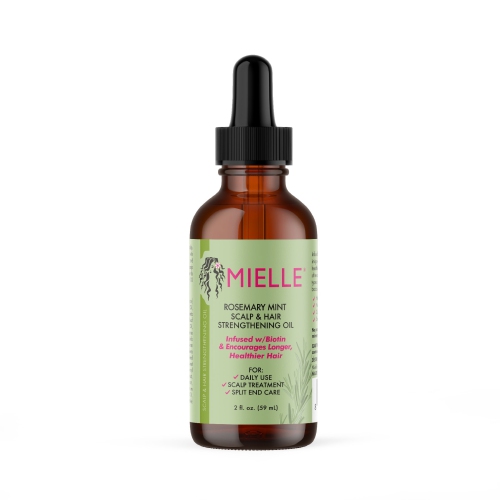 Your price for this item is $15.99
 -
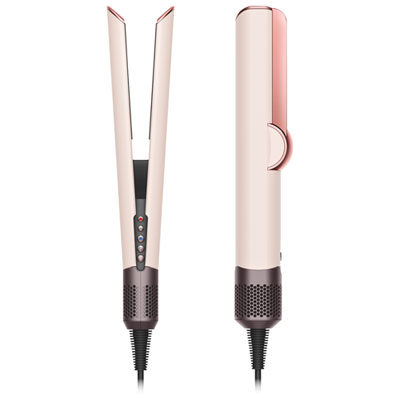 Your price for this item is $699.99
 -
 Your price for this item is $549.99
 -
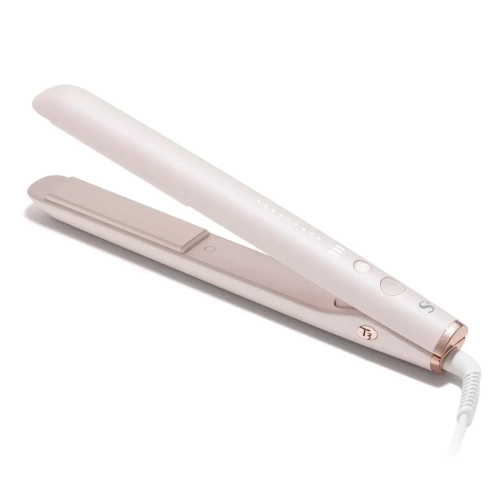 Your price for this item is $249.99
 -
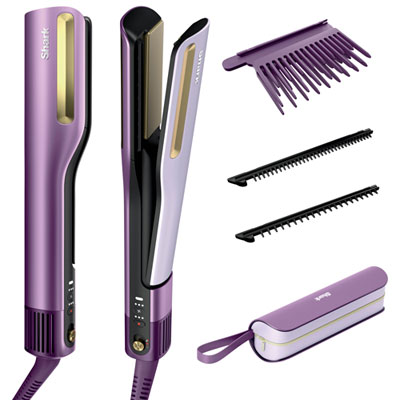 Your price for this item is $349.99
 -
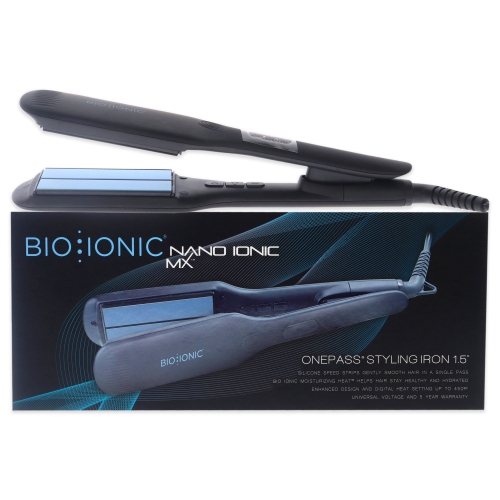 Your price for this item is $283.56
 -
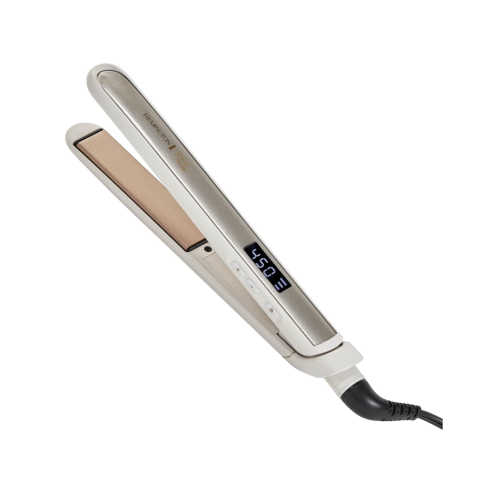 Your price for this item is $53
 -
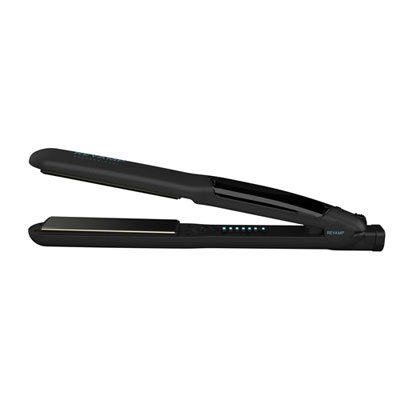 Your price for this item is $139.99
Discover more categories related to Ionic Brushes
Top Collections:
Pokemon Centers, Kindle Devices, Best Budget Office Chairs, Apple iPhones 16, Best Laptops for Writers, iPhone 15 Apple, Canon G7X Cameras, Refurbished Apple Laptops, Alarm Clock, Motorola Razr Phones
Some products may be subject to Environmental Handling Fees
(EHF) depending on your province.
Learn more about EHFs.