OneBlade Replacement Blades
Looking for high-quality replacement blades for your OneBlade? Look no further! Our extensive selection of replacement blades is designed to deliver a precise and comfortable shaving experience. Whether you need a close shave or prefer a more gentle trim, these blades are engineered to meet your unique grooming needs. With their exceptional durability and sharpness, you can trust that each blade will provide a smooth and effortless shave every time. Upgrade your shaving routine with our OneBlade replacement blades and achieve the perfect look with ease.
Sort

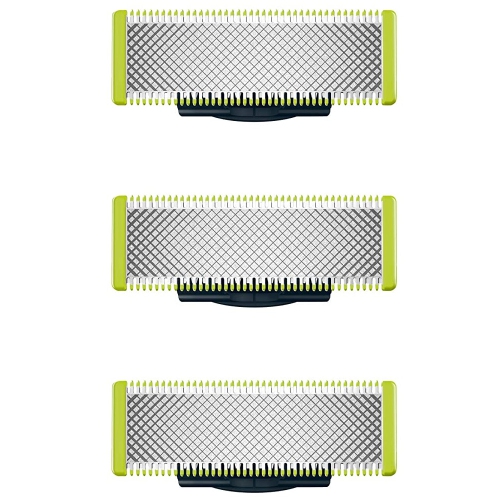
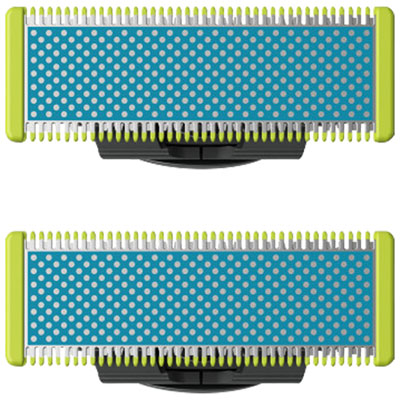
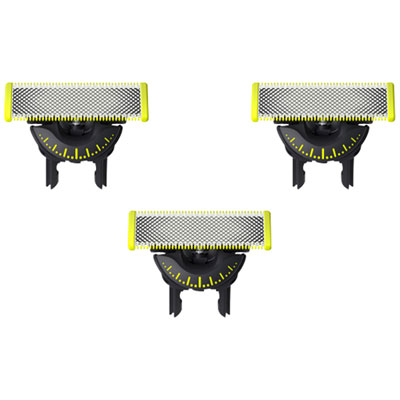
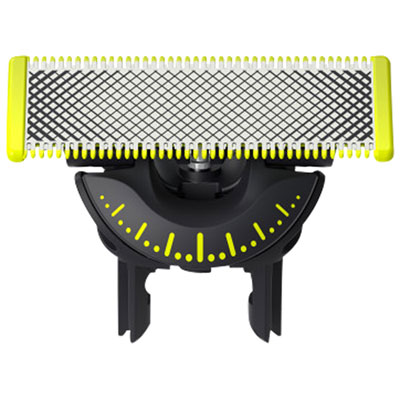


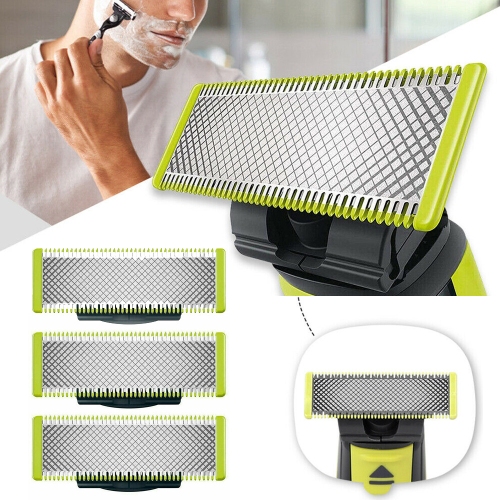
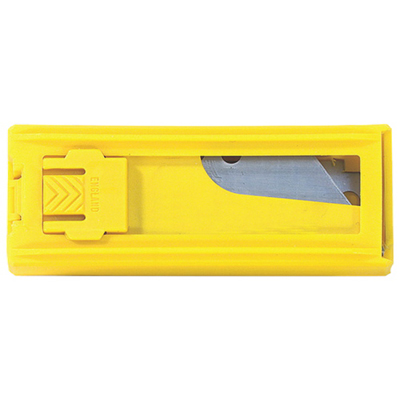



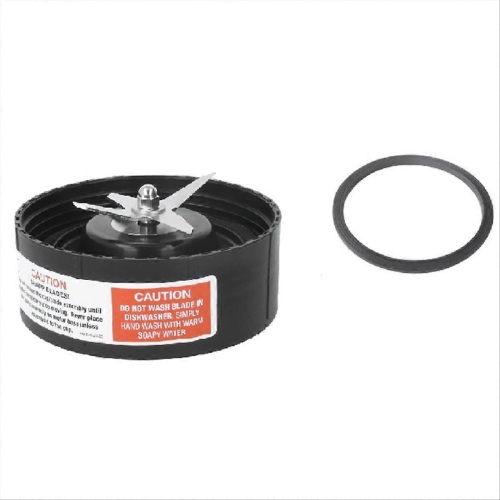


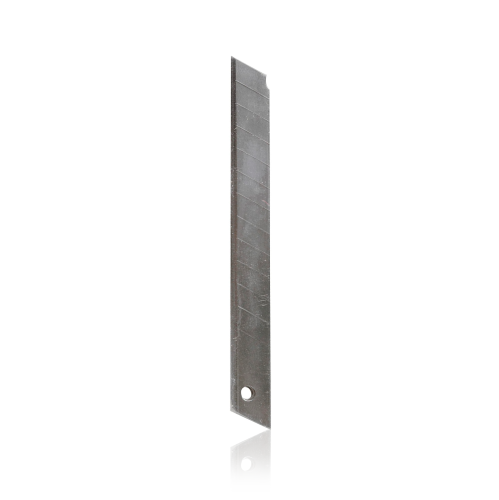
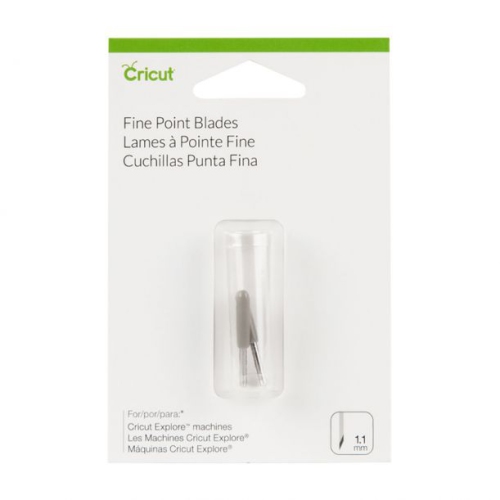
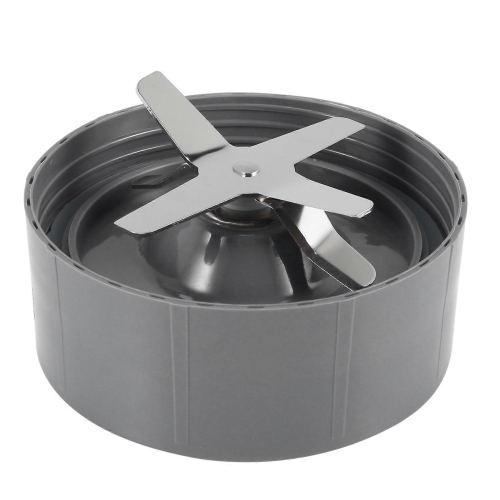


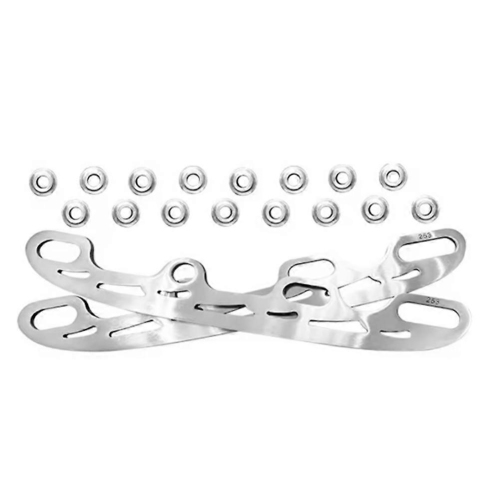


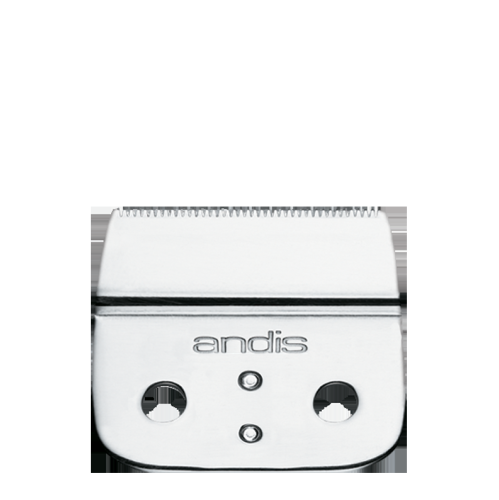
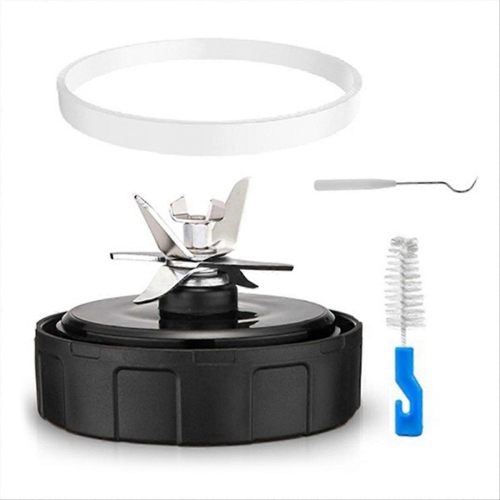
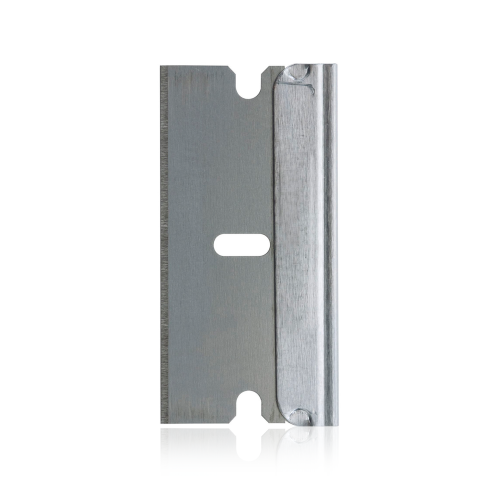

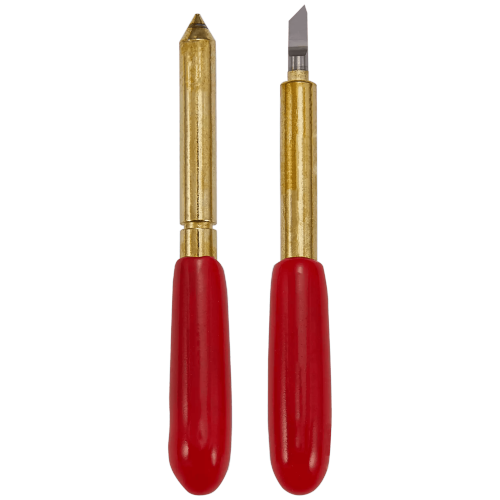
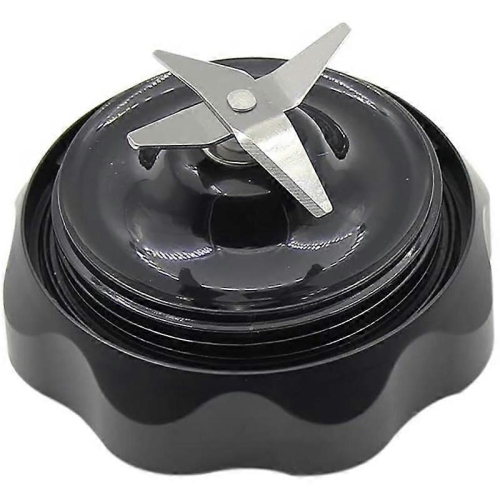

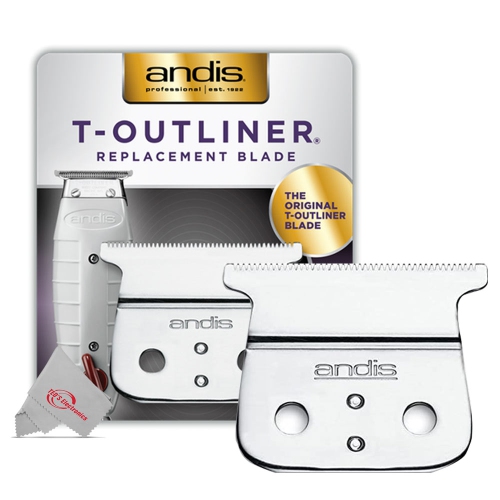
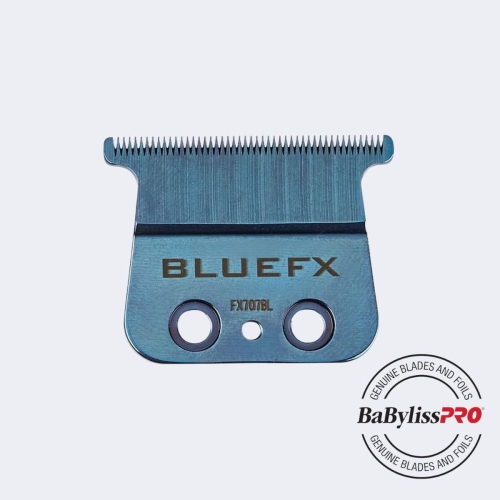

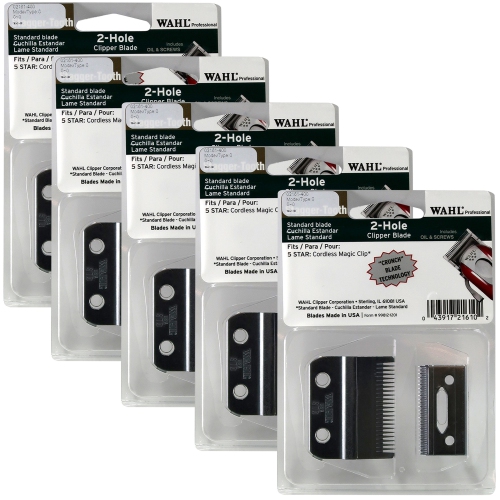
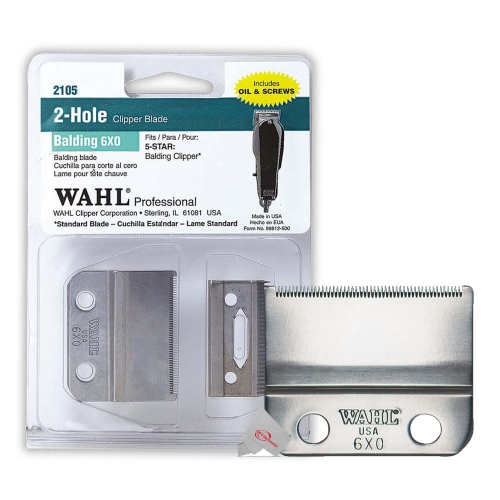

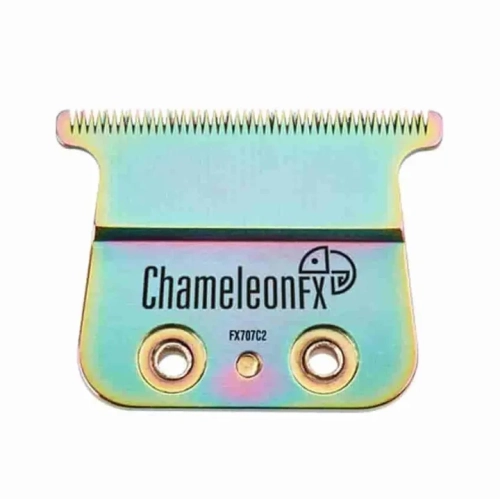
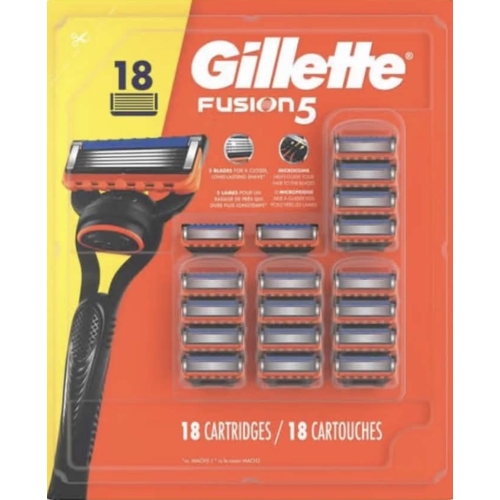
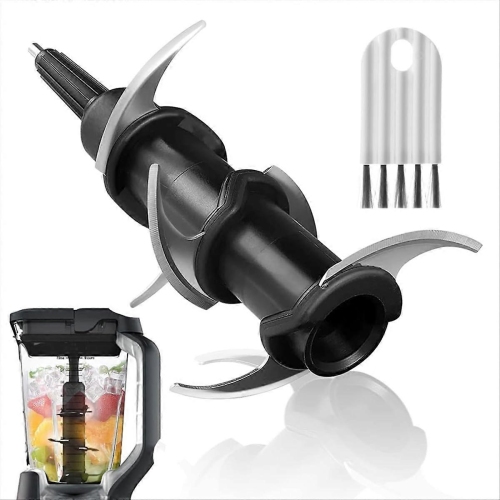

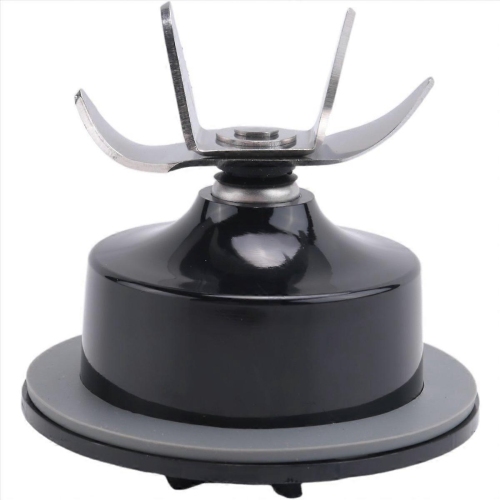
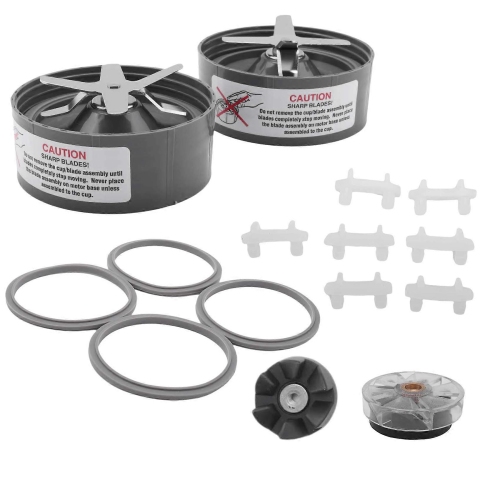
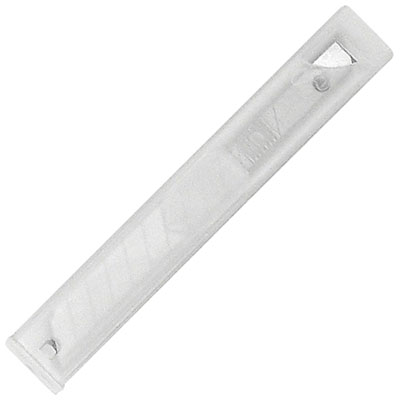




Fresh cutting performance without replacing your trimmer handle
Replacement blades for hybrid facial trimmers help maintain the cutting performance of a familiar grooming tool without replacing the handle. These compact cutting heads are designed for routines that combine trimming, edging, and shaving, whether that means keeping a short beard tidy, defining a moustache, or clearing stray hairs beneath the jawline. Unlike a traditional manual razor cartridge, a powered replacement head works with the movement supplied by a compatible handle. Its cutting surface and protective structure work together to cut facial hair while limiting direct contact between the moving cutters and skin. Depending on the design, a head may have a pivoting connection or a more flexible mounting system that helps it follow the chin, cheeks, and other facial contours. That movement can be useful around the curve beneath the lower lip, where a rigid cutting angle may require more repositioning. A dual-sided cutting edge can also help create a defined beard outline, allowing the user to approach a line from either direction. These features support different grooming styles, but the finished result still depends on hair texture, technique, and the condition of the blade. Hybrid trimmers generally do not shave as close as a traditional blade razor, which is worth considering for anyone who expects a completely smooth finish rather than neatly managed stubble. For someone who prefers a little texture along the jaw or wants to alternate between a beard and a shorter look, a fresh cutting head can help keep that routine consistent. Replacement heads are practical grooming essentials rather than complete shaving devices: they need a suitable powered handle, and any combs or guards used to control length must also be compatible. A refill package may contain cutting heads only, so the package contents matter when comparing options for an existing setup. The distinction is especially important when replacing a worn blade while keeping the same length-setting accessories.
Fit is the most important consideration when choosing a replacement blade. Heads that look similar can have different attachment points, movement ranges, or accessory requirements, and compatibility should be confirmed against the handle’s model information rather than appearance alone. A family of grooming tools may support several blade designs, but that does not make every head interchangeable with every handle or comb. A secure connection allows the blade to sit at its intended angle and move as designed; an incorrect fit can interfere with both comfort and cutting performance. Blade construction commonly combines metal cutting components with a lightweight moulded frame, although exact materials and coatings vary. The cutting assembly needs to manage repeated contact with coarse hair, while the surrounding frame supports the head during use and cleaning. Protective surface features may help reduce friction or the likelihood of nicks, but no blade design can guarantee irritation-free grooming. Someone with a dense beard may put more wear on a head than someone who only tidies a moustache and cheek line a few times a week. Similarly, shaving a larger area places different demands on the cutting surface than making a few finishing passes around an established beard. Flexible heads may suit users who value movement along facial curves, while other designs may feel more familiar for precise edging; the useful choice depends on the compatible options and the way the tool is used. Pack size is another practical distinction. A single replacement can suit occasional grooming, while a multi-pack keeps spare heads together for a regular routine or a shared household where each person has a separate, compatible device. Broader grooming setups may also call for Trimmer Replacement Blades, although different cutting systems have their own fit requirements. Replacement blades can make a useful addition to a grooming gift, provided the recipient’s handle model is known. Matching the existing tool is more valuable than choosing a head simply because its shape or packaging looks familiar.
Blade life depends on how often the trimmer is used, the size of the area being groomed, hair coarseness, and everyday care. Some replacement heads carry an estimated service life of up to four months under specified usage conditions, but that figure is not a universal replacement schedule. Frequent full-face shaving may wear a cutting surface sooner than occasional detail work. A blade that begins pulling at hairs, requires repeated passes, or leaves a less even finish may need attention before the suggested interval has passed. Some designs include a visible wear indicator to help signal when replacement is due; the meaning of that indicator should be checked in the information supplied with the head. A fresh blade should not be treated as a solution to every performance issue, since a low battery, trapped hair, an incorrectly attached head, or a damaged accessory can also affect the result. Routine care helps preserve the cutting assembly between replacements. Where the manufacturer permits rinsing, removing loose clippings and washing the head as directed can keep residue from collecting around the cutters. A rinseable blade does not necessarily mean the entire handle can be immersed, so the tool’s water-resistance instructions remain important. The delicate cutting surface should not be tapped against a sink, wiped aggressively with a towel, or cleaned with an unsuitable brush. Allowing the head to dry before fitting a storage cover helps avoid leaving moisture trapped around the assembly. A protective cap or a suitable case is useful when the trimmer travels in a toiletry bag, where contact with other objects could damage the blade. Replacement is also appropriate if the head is visibly bent, cracked, or otherwise damaged, regardless of its age. For everyday use, light pressure and controlled passes generally let the powered cutting system do its work without forcing the head against the face. With the correct fit, suitable accessories, and care matched to the device, replacement blades support a dependable routine for anything from a quick neckline tidy-up to a more complete facial shave.
Top selling and popular products
-
 Your price for this item is $1699
-
 Your price for this item is $310
-
 Your price for this item is $91
-
 Your price for this item is $66.95
-
 Your price for this item is $128.99
-
 Your price for this item is $109.99
-
 Your price for this item is $224.07
-
 Your price for this item is $178.95
Discover more categories related to OneBlade Replacement Blades
Top Collections:
Pokemon Centers, Best Cameras for Sports Photography, Kindle Devices, Samsung Galaxy Phones, Canon G7X Cameras, Pokémon 30th Celebration Cards, Refurbished Apple Laptops, iPhone 15 Apple, Laptops for Students, Budget Smartphones
Some products may be subject to Environmental Handling Fees
(EHF) depending on your province.
Learn more about EHFs.