Utility Knife Replacement Blades
Looking for durable and reliable utility knife replacement blades? Look no further! Our wide selection of utility knife replacement blades is designed to meet all of your cutting needs. Whether you're working on a DIY project, tackling household repairs, or involved in professional construction, these replacement blades are essential for achieving precise and efficient cuts. With various options available, you can easily find the perfect blade to fit your utility knife and get back to work in no time. Explore our range of utility knife replacement blades and experience the convenience and quality they offer.
Sort
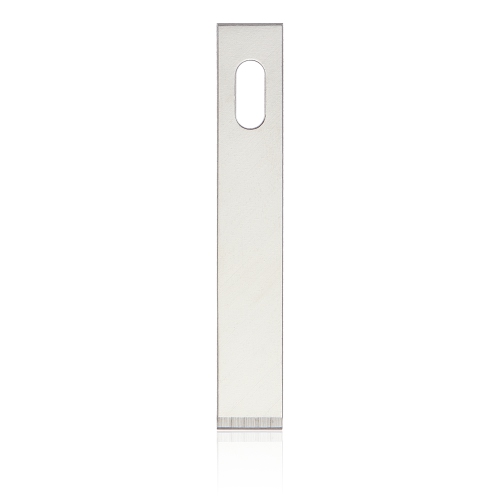
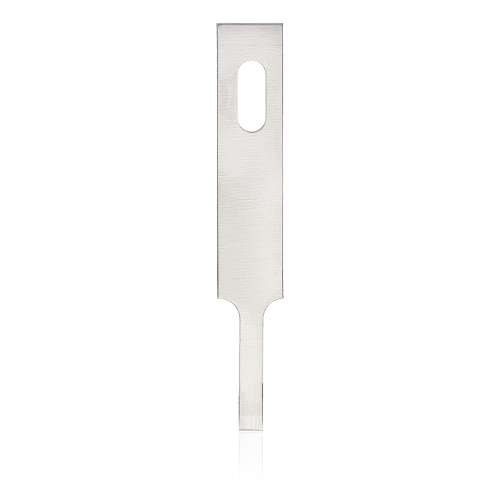
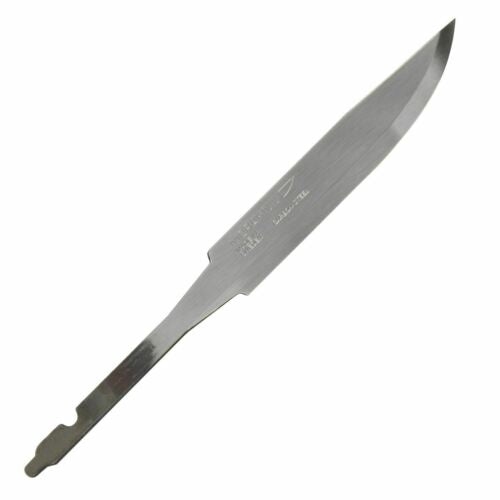
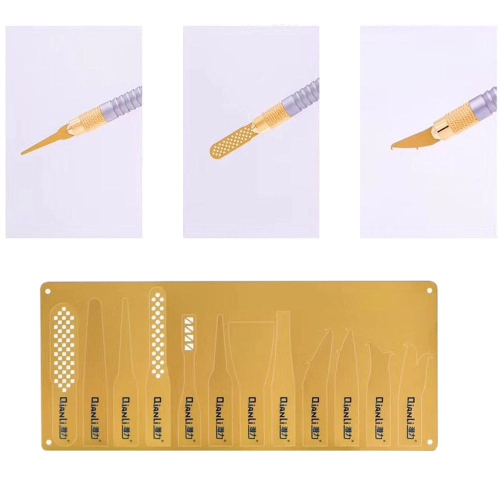
Sharp, reliable cuts for projects at home or work
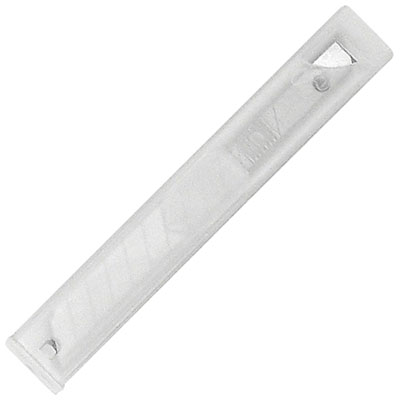
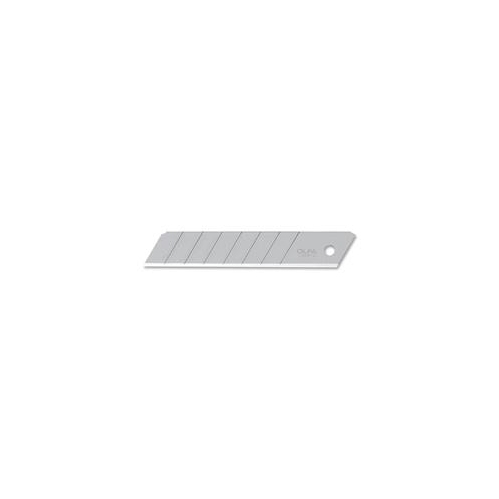
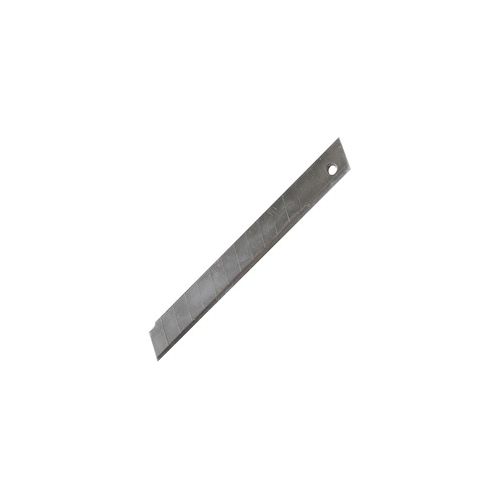
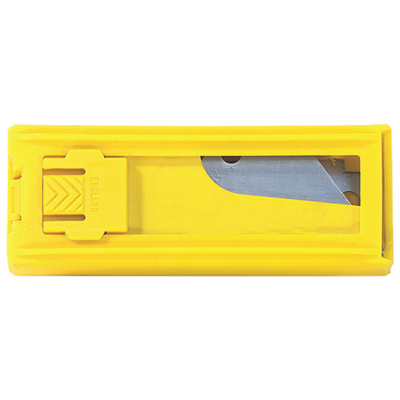
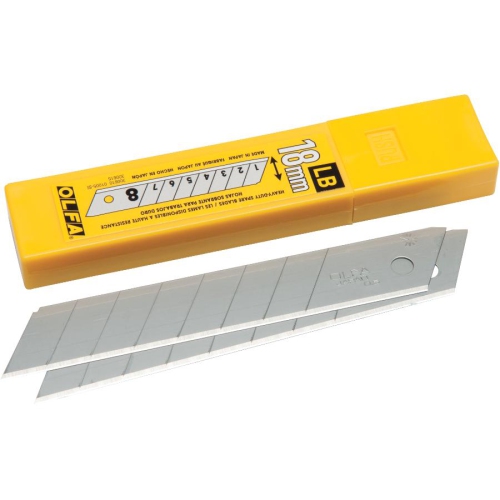
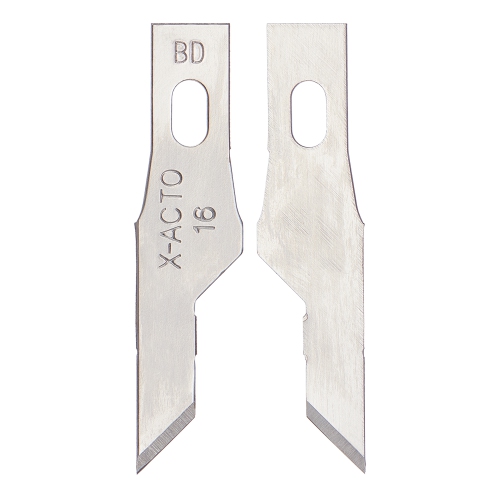
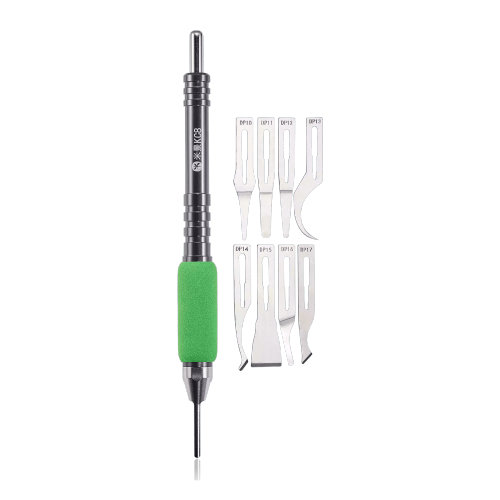
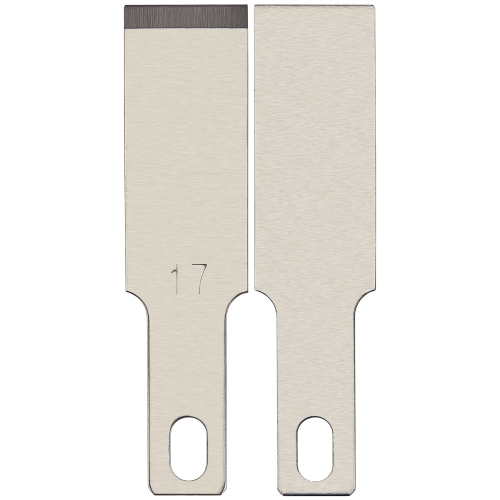
Utility knife replacement blades are a practical way to keep a trusted cutting tool working smoothly for household projects, repairs, renovations, moving, crafting and workshop tasks. Rather than replacing the entire knife when an edge becomes dull, you can select replacement blades that match the knife’s design and the material being cut. Standard trapezoid blades are a common choice for classic heavy-duty utility knives and often have two usable edges, allowing the blade to be turned around when one side loses its sharpness. Snap-off blades use a segmented design, usually in 9 mm or 18 mm widths, so a fresh tip can be exposed by snapping off the worn section. These blades are useful for light- to medium-duty cutting where a clean point is needed repeatedly, such as trimming cardboard, opening packaging, cutting paperboard or working with craft materials. Hook blades have a curved cutting edge that can help slice through roofing materials, flooring, carpet, vinyl and thick plastic while reducing the chance of the point digging deeply into the surface underneath. Serrated or carbide-edged options may be suited to abrasive materials such as drywall, insulation or layered construction products, where a standard smooth edge can wear more quickly. Checking the blade shape, width, thickness and locking style against the utility knife before buying is essential, since replacement blades are not universally compatible. The product listing and the knife’s instructions can help confirm whether a particular blade is intended for a fixed-blade, folding, retractable or snap-off design.
Choosing the right utility knife replacement blades starts with considering the work ahead. For opening parcels and breaking down cardboard, a standard or snap-off blade may provide the control and convenience needed for occasional tasks. Someone preparing a room for painting may prefer a reliable sharp edge for trimming masking materials, scraping labels or cutting protective coverings, while a home renovator handling flooring, insulation or roofing materials may benefit from a blade designed for thicker or more abrasive surfaces. Blade material also affects performance and care. Carbon steel blades are known for a keen edge and can be suitable for general-purpose cutting, while stainless steel blades offer added resistance to rust and are convenient for storage in garages, workshops or utility drawers where temperature and humidity can vary. Bi-metal and carbide options are designed to combine durability with edge retention for demanding jobs, although the best choice still depends on the material, pressure and frequency of use. Pack size is another useful consideration. A small pack can suit occasional household repairs or a compact tool kit, whereas a larger dispenser may be more practical for a contractor, property manager, teacher, artist, craft room or busy workshop. Replacement blades can also make a thoughtful addition to a housewarming, renovation or DIY-focused gift basket when paired with other practical tools, provided the recipient’s knife style is known. For personal-care equipment, shoppers should look for the separate category of Trimmer Replacement Blades, since those blades are made for grooming devices and are not interchangeable with utility knife blades.
Safe handling matters every time a blade is changed, stored or discarded. Before replacing a blade, place the knife on a stable surface, retract or lock the cutting mechanism if possible, and keep fingers away from the edge and the blade channel. For a screw-secured knife, loosen the retaining screw carefully and keep track of any washers, springs or small internal pieces; for a quick-release design, follow the manufacturer’s instructions rather than forcing the housing open. Some standard trapezoid blades can be flipped to use the second edge, but a blade with chips, rust, a bent tip or visible damage should be replaced instead of reused. After installing a new blade, make sure it sits fully in the holder and that the locking mechanism closes securely before cutting. Use controlled pressure and let the blade do the work, especially when cutting dense materials, and keep the path clear of hands, cords and other people. Dull blades should never be left loose in a drawer, tool bag or recycling bin. Place used edges in a dedicated blade dispenser, a rigid container designed for sharps or a heavy plastic container that can be closed securely; taping a dull blade before disposal can provide an additional layer of protection. Keeping spare blades sealed and dry helps preserve their condition during the cooler months and through seasonal home projects, while a clearly labelled storage spot makes it easier to reach for the correct replacement when a moving box, package, floor covering or repair job needs a clean, controlled cut.
Choosing the right utility knife replacement blades starts with considering the work ahead. For opening parcels and breaking down cardboard, a standard or snap-off blade may provide the control and convenience needed for occasional tasks. Someone preparing a room for painting may prefer a reliable sharp edge for trimming masking materials, scraping labels or cutting protective coverings, while a home renovator handling flooring, insulation or roofing materials may benefit from a blade designed for thicker or more abrasive surfaces. Blade material also affects performance and care. Carbon steel blades are known for a keen edge and can be suitable for general-purpose cutting, while stainless steel blades offer added resistance to rust and are convenient for storage in garages, workshops or utility drawers where temperature and humidity can vary. Bi-metal and carbide options are designed to combine durability with edge retention for demanding jobs, although the best choice still depends on the material, pressure and frequency of use. Pack size is another useful consideration. A small pack can suit occasional household repairs or a compact tool kit, whereas a larger dispenser may be more practical for a contractor, property manager, teacher, artist, craft room or busy workshop. Replacement blades can also make a thoughtful addition to a housewarming, renovation or DIY-focused gift basket when paired with other practical tools, provided the recipient’s knife style is known. For personal-care equipment, shoppers should look for the separate category of Trimmer Replacement Blades, since those blades are made for grooming devices and are not interchangeable with utility knife blades.
Safe handling matters every time a blade is changed, stored or discarded. Before replacing a blade, place the knife on a stable surface, retract or lock the cutting mechanism if possible, and keep fingers away from the edge and the blade channel. For a screw-secured knife, loosen the retaining screw carefully and keep track of any washers, springs or small internal pieces; for a quick-release design, follow the manufacturer’s instructions rather than forcing the housing open. Some standard trapezoid blades can be flipped to use the second edge, but a blade with chips, rust, a bent tip or visible damage should be replaced instead of reused. After installing a new blade, make sure it sits fully in the holder and that the locking mechanism closes securely before cutting. Use controlled pressure and let the blade do the work, especially when cutting dense materials, and keep the path clear of hands, cords and other people. Dull blades should never be left loose in a drawer, tool bag or recycling bin. Place used edges in a dedicated blade dispenser, a rigid container designed for sharps or a heavy plastic container that can be closed securely; taping a dull blade before disposal can provide an additional layer of protection. Keeping spare blades sealed and dry helps preserve their condition during the cooler months and through seasonal home projects, while a clearly labelled storage spot makes it easier to reach for the correct replacement when a moving box, package, floor covering or repair job needs a clean, controlled cut.
Top selling and popular products
-
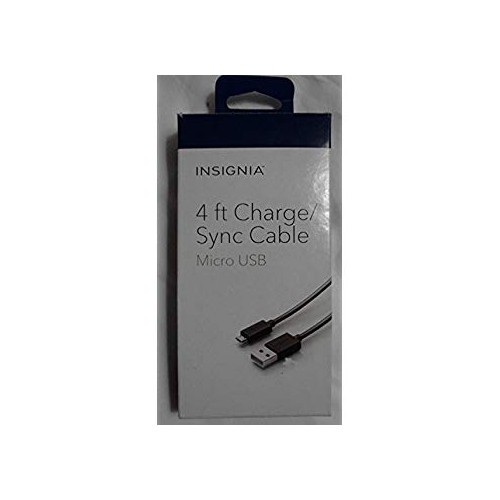 Your price for this item is $0.99
 -
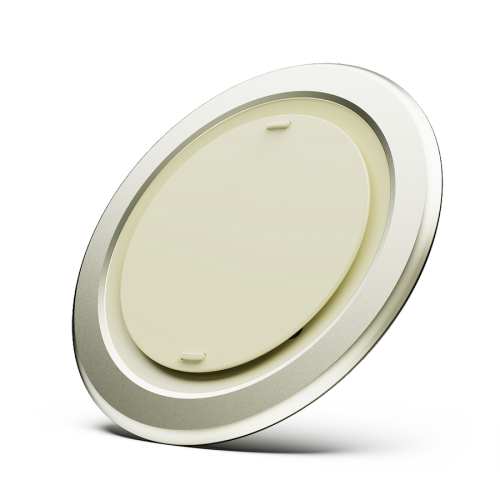 Your price for this item is $34.99
 -
![ANDOBIL Phone Holder Car Vent, [Military Sturdy, Firmly Grip & Never Slip] Car Phone Holder Mount Universal Vent Cell Phone Holder Car, Fit For](https://multimedia.bbycastatic.ca/multimedia/products/500x500/196/19675/19675335.jpeg) Your price for this item is $59.49
Your price for this item is $59.49 -
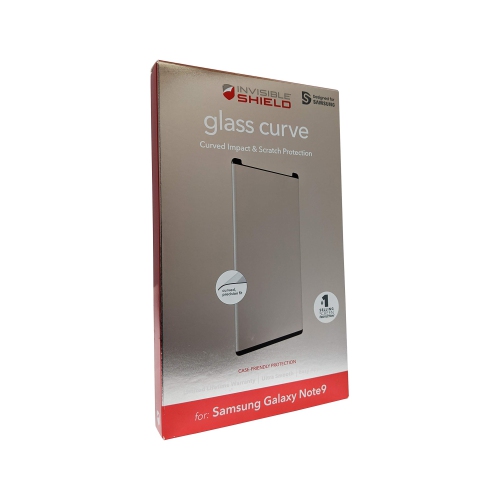 Your price for this item is $40.49
 -
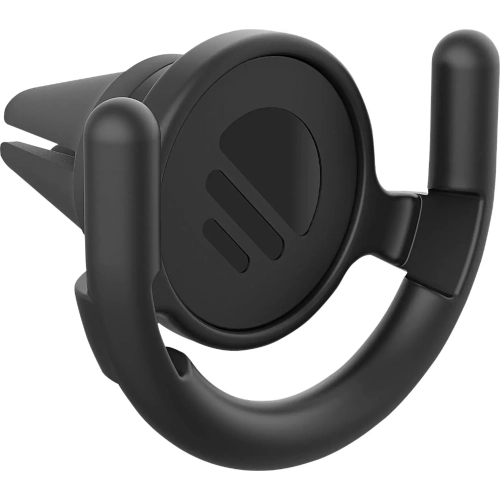 Your price for this item is $49.99
 -
 Your price for this item is $1099
 -
 Your price for this item is $79.99
 -
 Your price for this item is $69.99
Discover more categories related to Utility Knife Replacement Blades
Top Collections:
Pokemon Centers, Best Cameras for Sports Photography, Kindle Devices, Samsung Galaxy Phones, Canon G7X Cameras, Pokémon 30th Celebration Cards, Refurbished Apple Laptops, iPhone 15 Apple, Laptops for Students, Budget Smartphones
Some products may be subject to Environmental Handling Fees
(EHF) depending on your province.
Learn more about EHFs.