Organic Shampoos
Discover the refreshing world of organic shampoos, where nature and innovation come together to elevate your hair care routine. These eco-friendly alternatives are crafted with natural ingredients, offering a gentle cleanse that respects both your hair and the environment. Perfect for those seeking a more sustainable lifestyle, organic shampoos provide a nourishing experience without compromising on quality or performance. Whether you're looking to enhance your hair's natural shine or maintain its health, explore our wide selection to find the perfect match for your unique needs. Embrace the beauty of nature with every wash and enjoy the benefits of a greener choice today.
Sort


Why organic ingredients are only part of the formula
Organic shampoos cleanse the hair and scalp with formulas that include organically grown ingredients, such as botanical extracts, aloe vera, and plant oils. Their role is the same as any shampoo: to lift away excess oil, perspiration, styling residue, and everyday buildup so hair feels clean and ready for conditioning. What distinguishes them is the sourcing of certain ingredients, not a single texture, scent, or cleansing strength. An organic shampoo can be a lightweight liquid, a creamy wash, or a solid bar, and its suitability depends on the complete formula. The term organic may describe selected ingredients rather than the finished shampoo, so ingredient lists and certification details offer useful context. Where a certification appears, its stated scope helps clarify which ingredients or production requirements it covers. Organic also does not automatically mean sulphate-free, fragrance-free, or suitable for sensitive skin. Some formulas use sulphate alternatives, while others include different combinations of cleansing agents to achieve a particular feel and level of cleansing. These cleansing agents, known as surfactants, help water carry away oils and residue. A generous foam can feel satisfying, but the amount of lather alone does not indicate how effectively a shampoo cleans. Supporting ingredients affect the experience, too. Glycerin helps attract moisture, conditioning agents can improve slip, and oils may contribute softness, depending on their concentration and how the formula rinses. Botanical ingredients are not interchangeable: an extract included for scent serves a different purpose from an oil used to improve the feel of dry lengths. Fragrance deserves attention as well, particularly for anyone who finds strongly scented hair care uncomfortable. Essential oils can provide a noticeable aroma even when a formula has no added perfume. Natural origin is not a guarantee against irritation, making personal tolerance just as important as ingredient preferences when considering organic hair care.
The most useful match is an organic shampoo that suits both the scalp and the hair growing from it. Fine hair with oily roots often benefits from a formula that rinses clean without leaving a heavy coating, especially when strands tend to fall flat soon after washing. Thick, coarse, or tightly curled hair may feel more manageable with a creamy cleanser that offers some slip, followed by a conditioner suited to the lengths. Curly and coily textures can be especially prone to tangling, so a shampoo that spreads easily across the scalp can make wash day less demanding without requiring vigorous rubbing through the ends. Hair length matters, too: a short cut may need very little shampoo, while dense hair may need to be washed in sections so the cleanser reaches the scalp evenly. For hair that feels oily at the roots but dry below the ears, concentrating shampoo at the scalp and conditioner through the mid-lengths and ends can address those different needs. Colour-treated hair calls for a formula specifically labelled as suitable for coloured hair; organic ingredients alone do not establish colour compatibility. The same principle applies to chemically straightened, permed, or otherwise treated hair, where aftercare directions should guide the choice. Frequent use of dry shampoo, wax, or styling cream may create buildup that a very mild cleanser does not fully remove. In that situation, cleansing strength matters more than whether the ingredient list features a particular plant extract. Someone who washes after exercise may prefer a different cleansing feel from someone who washes less often and uses several styling products between washes. Scalp comfort should remain part of that decision. Tightness, itching, or a lingering coated feeling can indicate that a routine needs adjustment, but persistent irritation or flaking deserves professional advice rather than repeated product changes. Organic shampoos are cosmetic cleansers, not a substitute for treatment of a scalp condition, and they should not be expected to repair split ends or reverse hair loss.
Everyday handling also influences how well an organic shampoo fits into a routine. Thoroughly wet hair allows the cleanser to spread more evenly, reducing the temptation to use a large amount just to create foam. A small amount worked gently over the scalp with the fingertips is often enough to begin, with the quantity adjusted for hair density and the directions on the label. Fingernails and rough scrubbing can irritate the scalp and encourage tangling. As the shampoo rinses away, the lather moving through the lengths can help remove light residue without bunching long hair into a knot. A second wash is not automatically necessary; it depends on buildup, the formula, and how clean the scalp feels after rinsing. Conditioner can then provide the detangling and softness that shampoo alone may not deliver, particularly for long, textured, or processed hair. Those prioritizing mild cleansing can also explore Gentle Shampoos, since gentleness depends on the complete formula rather than organic status alone. Packaging and storage are practical considerations for daily use. A pump can be convenient with wet hands, while a securely closing cap helps contain a liquid shampoo in a gym bag or travel pouch. Solid formats need a draining holder and time to dry between uses; sitting in pooled water can soften a bar and make it harder to handle. Liquid formulas should remain in their original containers where possible, with closures kept clean and storage directions followed. Adding water directly to a bottle can interfere with the formula’s preservation, so dilution is best avoided unless the manufacturer specifically directs it. Expiry dates or period-after-opening symbols, where provided, help establish an appropriate use window. A change in smell, colour, or consistency is a reason to stop using the shampoo. In a shared bathroom, different hair textures, fragrance preferences, and scalp needs may call for separate formulas rather than one cleanser for everyone. Children should use shampoos labelled for their age group. The best everyday fit brings together effective cleansing, comfortable use, manageable hair, and a scent and texture that make the routine pleasant to repeat.
Top selling and popular products
-
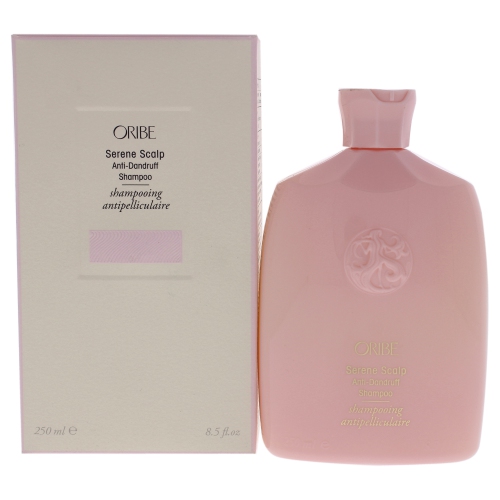 Your price for this item is $72.53
-
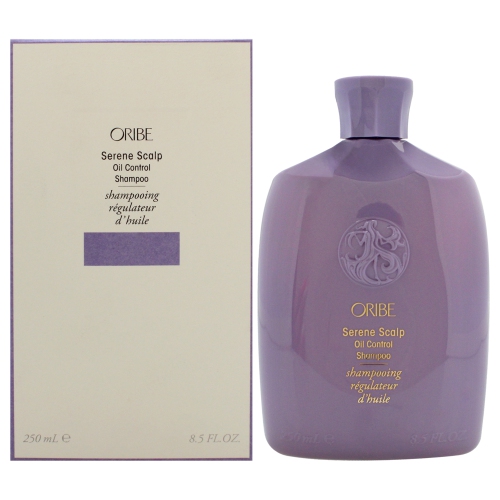 Your price for this item is $76.09
-
 Your price for this item is $129.99
-
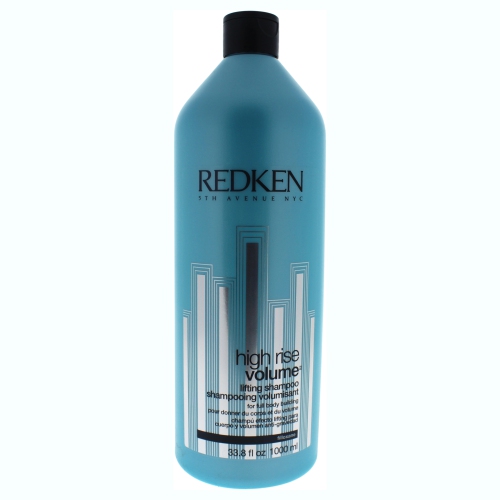 Your price for this item is $49.11
-
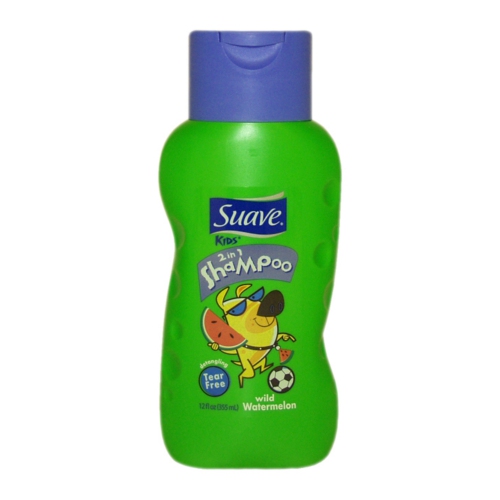 Your price for this item is $13.77
-
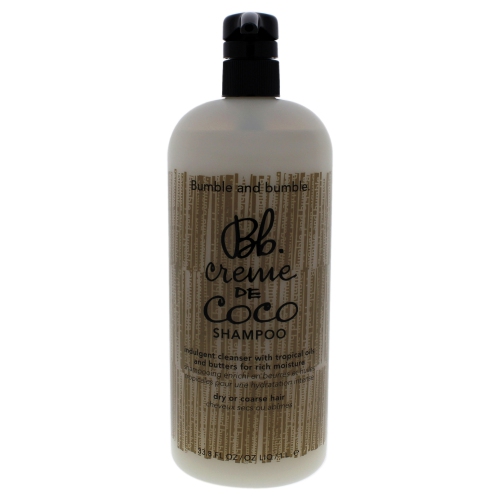 Your price for this item is $90.97
-
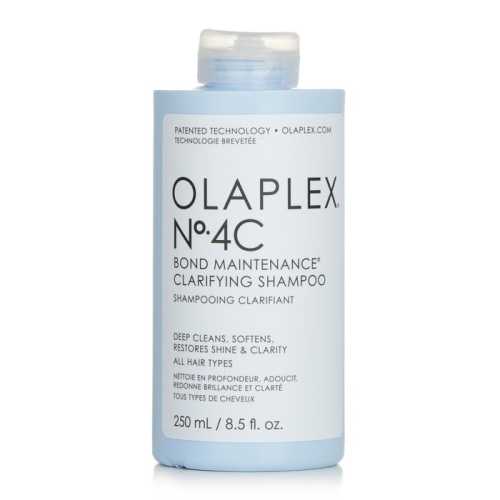 Your price for this item is $167.56
-
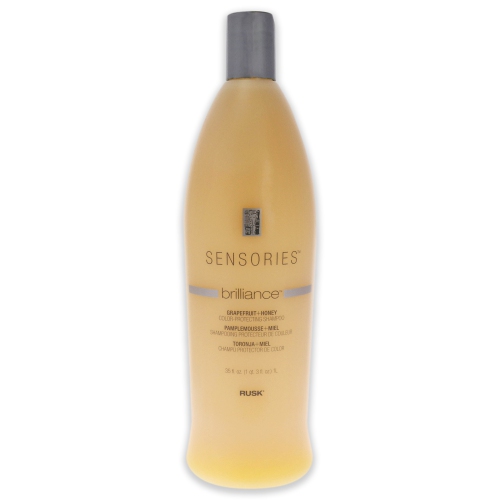 Your price for this item is $29.63
Discover more categories related to Organic Shampoos
Top Collections:
Best Black Friday Deals This Year, Best Black Friday Deals On Electronics, Kindle Devices, Pokemon Centers, Best Black Friday Deals On Apple Products, Best Cameras for Sports Photography, Dyson Airwrap, Pokémon 30th Celebration Cards, Apple iPhone 17 Pro, Canon G7X Cameras
Some products may be subject to Environmental Handling Fees
(EHF) depending on your province.
Learn more about EHFs.