Gentle Shampoos
If you're looking for a gentle shampoo that will leave your hair feeling clean, soft, and nourished, look no further! These gentle shampoos are specially formulated to cleanse your hair without stripping away its natural oils. Whether you have a sensitive scalp, dry or damaged hair, or simply prefer a milder option, we have the perfect shampoo for you. With a variety of formulas to choose from, you can find the one that suits your specific needs and hair type.
Sort

Why mild cleansing depends on more than the label
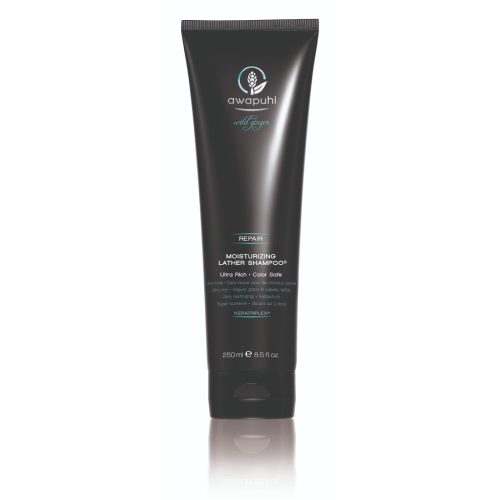
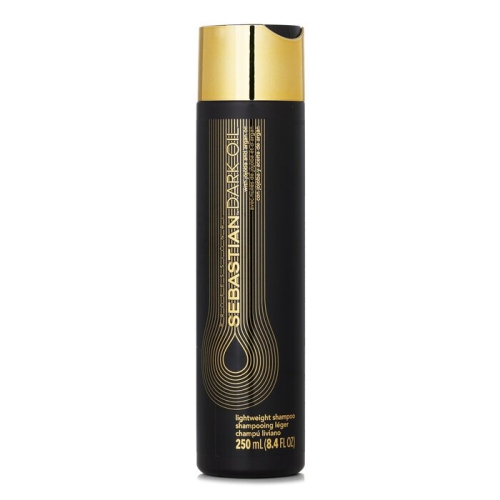
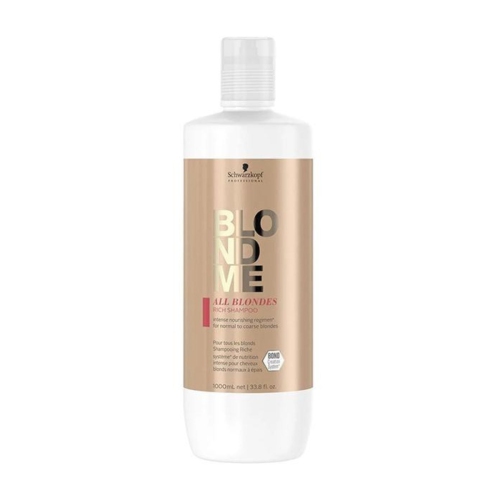
Gentle shampoos use mild cleansing systems to remove oil, sweat, and everyday buildup while helping limit dryness and discomfort. They are often chosen for sensitive scalps, dry hair, colour-treated hair, or routines that involve frequent washing. Rather than leaving hair feeling squeaky or rough, a suitable formula should leave the scalp comfortably clean and the lengths manageable. Gentleness depends on the complete formula, not just one ingredient or a claim on the bottle. Cleansing agents, also called surfactants, loosen oil and residue so they can rinse away with water; their concentration and how they are combined influence the washing experience. Sulfate-free shampoos can be worth considering, particularly when stronger cleansers leave hair feeling stripped, but sulfate-free does not automatically mean irritation-free. Likewise, a shampoo containing sulfates is not necessarily unsuitable for every scalp. Fragrance-free formulas may appeal to people who react to added scent or prefer a wash that does not compete with other personal care products. Unscented and fragrance-free are not always interchangeable, since an unscented formula may contain ingredients that mask odours. Reading the ingredient list helps clarify that distinction. Ingredients such as glycerin, panthenol, ceramides, and hyaluronic acid may appear in formulas intended to support moisture retention or improve how hair feels after rinsing. Oat extracts and other botanical ingredients are also used, although plant-derived ingredients are not automatically suitable for sensitive skin. Labels such as pH-balanced, dermatologist-tested, and hypoallergenic provide information about a formula’s positioning, but none guarantees that every person will tolerate it. A shorter ingredient list can make it easier to identify a known sensitivity, without necessarily making the shampoo better for everyone. Foam is another imperfect measure: a modest lather can still cleanse effectively, while abundant bubbles do not prove that a shampoo cleans more thoroughly. The most useful distinction is how the hair and scalp respond over repeated washes.
The right gentle shampoo also needs to suit the hair it is washing. Fine, straight hair can lose volume when a formula leaves too much conditioning residue, so a lighter texture may be a better match than a rich, creamy wash. Coarse, curly, and coily hair often benefits from cleansing that preserves a comfortable feel at the roots without leaving the lengths tangled or rough. Shampoo and conditioner perform different jobs, however, and even a moisturizing shampoo may not provide enough slip for easy detangling. A separate conditioner applied where needed can help protect the lengths from unnecessary pulling during combing. For colour-treated hair, a formula labelled for that use may help balance cleansing with the needs of processed strands; gentle wording alone does not establish colour protection. Bleached, highlighted, or frequently heat-styled hair can also feel more fragile, making rinseability and the after-wash texture important considerations. Scalp needs may differ from the condition of the ends. Someone with oily roots and dry lengths may prefer thorough cleansing at the scalp while keeping conditioner away from areas that become greasy quickly. Someone who washes after exercise may value a mild formula that rinses out easily and works well within a frequent-washing routine. There is no single washing schedule that suits every hair type: oil production, styling products, protective styles, and personal comfort all influence frequency. A gentle shampoo is not necessarily a daily shampoo, and daily use is not required simply because a formula is mild. Sensitive scalps also deserve a distinction between ordinary cleansing and treatment. Gentle shampoos are not automatically dandruff treatments and should not be expected to manage eczema, psoriasis, or other diagnosed skin conditions unless their labelling specifically supports that purpose. Persistent itching, burning, scaling, or sores warrants advice from a healthcare professional. When changing formulas, keeping the rest of the hair-care routine consistent can make it easier to notice whether the new shampoo feels comfortable. A strong scent, tingling sensation, or unusually tight feeling after rinsing is not evidence that a wash is working better.
Everyday use and packaging can make a gentle shampoo easier to live with, especially when the goal is a straightforward routine. Following the label’s directions is more useful than assuming that extra shampoo will produce a better result. Thoroughly wetting the hair helps distribute the cleanser, and working it through the scalp with fingertips rather than scratching with nails reduces unnecessary friction. Hair length, density, and the amount of styling residue affect how much shampoo is needed. A concentrated formula may spread differently from a thinner liquid, so bottle size alone does not explain how long it will last. Rinsing thoroughly matters, particularly behind the ears, at the nape, and through dense roots where residue can linger. A second wash is not essential every time; whether it is useful depends on the formula’s directions and how much oil or buildup is present. Heavy styling products may sometimes call for a different cleansing approach, rather than repeatedly applying a shampoo that is not suited to removing them. After washing, gentle squeezing with a towel and careful detangling can help avoid unnecessary pulling on wet hair. Bottle design matters, too: a pump can simplify dispensing, while a secure cap helps prevent leaks when a shampoo is packed for travel or a gym visit. Keep the closure clean, avoid adding water to the bottle, and follow any storage directions and expiry or period-after-opening information on the label. For shared households, individual sensitivities still matter; an adult shampoo should not be assumed suitable for a baby or young child unless it is labelled for that use. A simpler personal care routine may also include Gentle Body Washes, with each cleanser chosen for the area it is intended to wash. The best fit is a shampoo that cleans adequately, rinses predictably, and leaves both the scalp and hair comfortable without requiring an elaborate routine to compensate for the wash.
Top selling and popular products
-
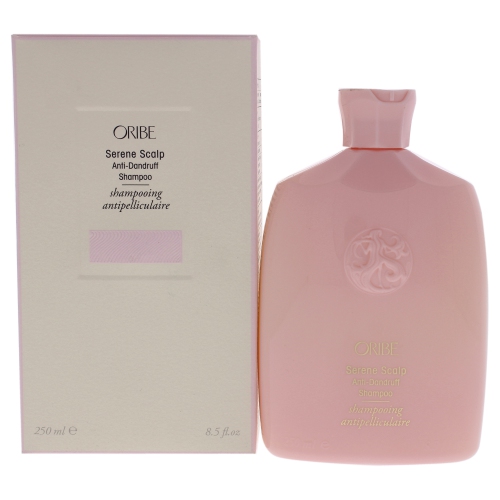 Your price for this item is $72.53
-
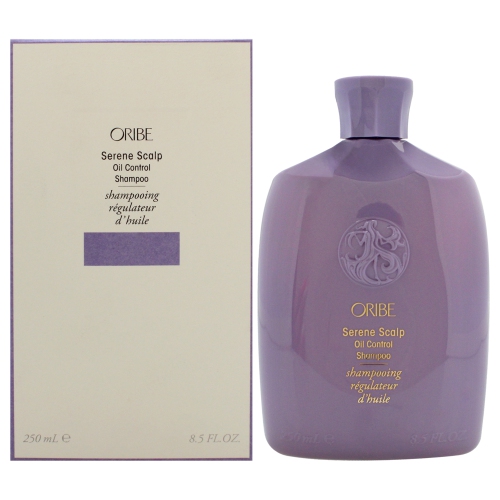 Your price for this item is $76.09
-
 Your price for this item is $129.99
-
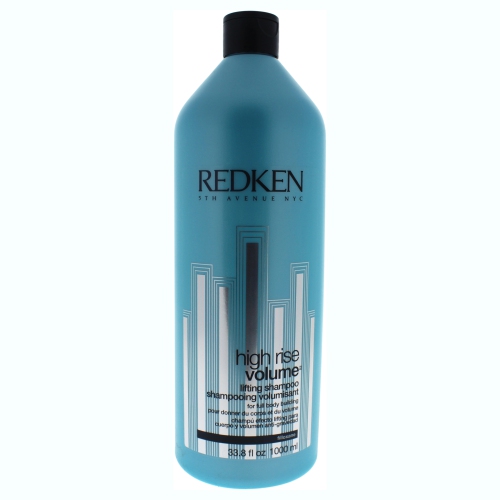 Your price for this item is $49.11
-
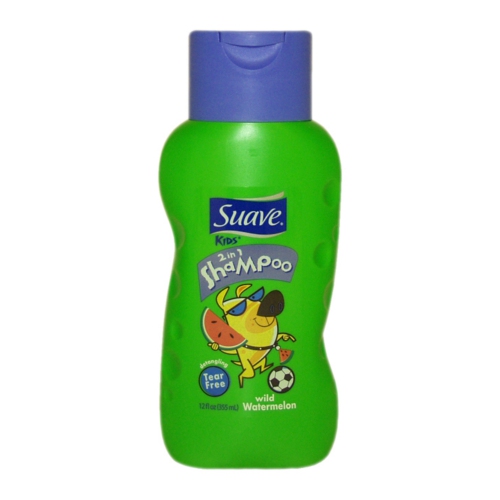 Your price for this item is $13.77
-
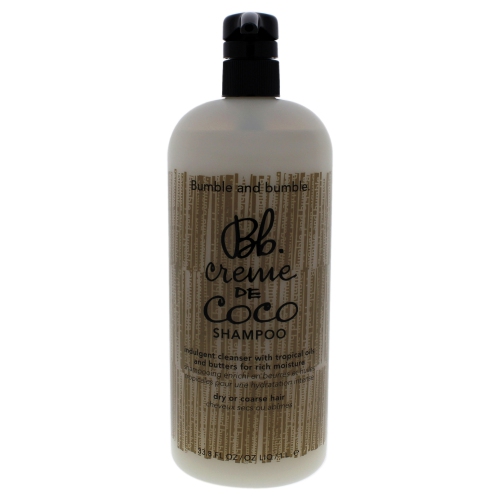 Your price for this item is $90.97
-
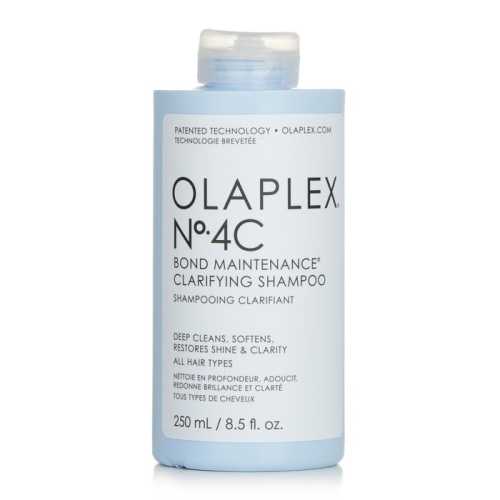 Your price for this item is $167.56
-
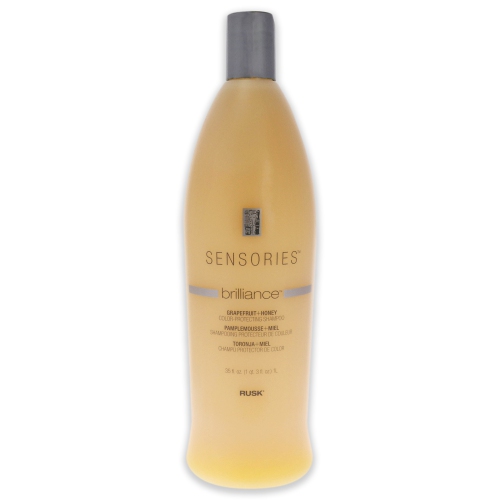 Your price for this item is $29.63
Discover more categories related to Gentle Shampoos
Top Collections:
Best Black Friday Deals This Year, Best Black Friday Deals On Electronics, Kindle Devices, Pokemon Centers, Best Black Friday Deals On Apple Products, Best Cameras for Sports Photography, Dyson Airwrap, Pokémon 30th Celebration Cards, Apple iPhone 17 Pro, Canon G7X Cameras
Some products may be subject to Environmental Handling Fees
(EHF) depending on your province.
Learn more about EHFs.