Professional Hair Clippers
Looking to achieve salon-quality haircuts from the comfort of your own home? Look no further than our selection of professional hair clippers. Whether you're a seasoned stylist or just starting out, these high-performance tools are designed to deliver precise and effortless results. With advanced features and cutting-edge technology, our professional hair clippers offer exceptional control and versatility, allowing you to create your desired hairstyles with ease. Explore our range of top-rated options and take your hairstyling game to the next level.
Sort





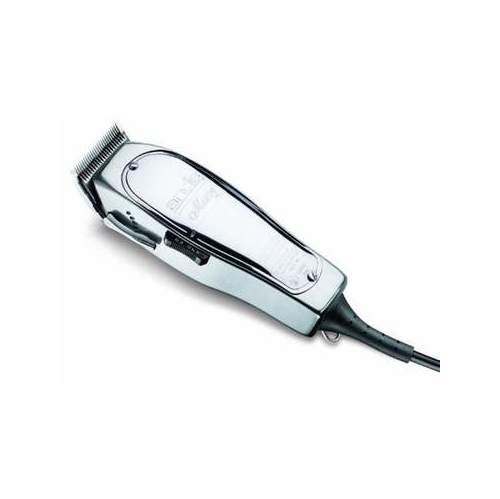
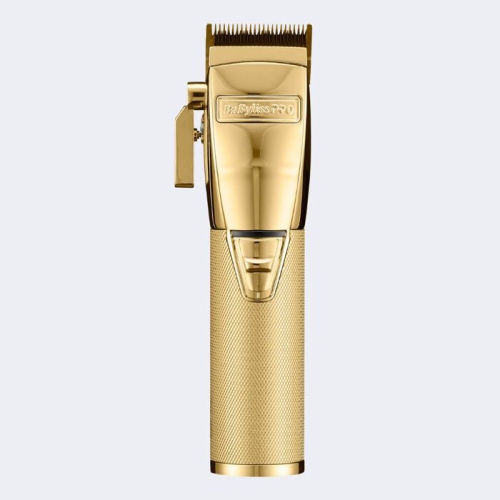
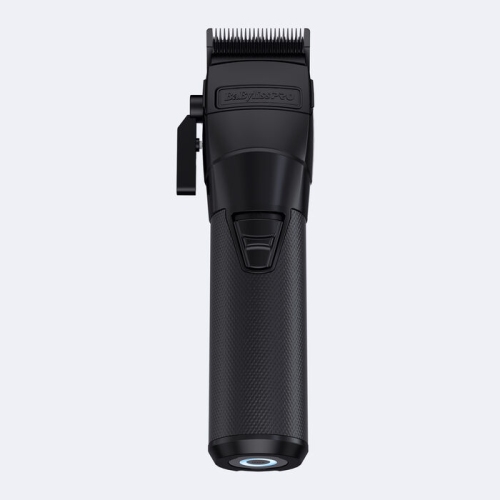
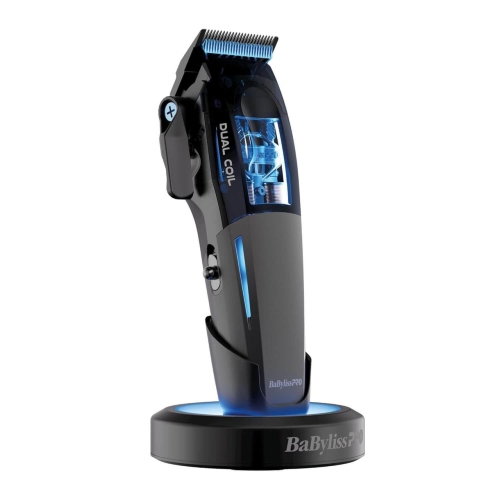

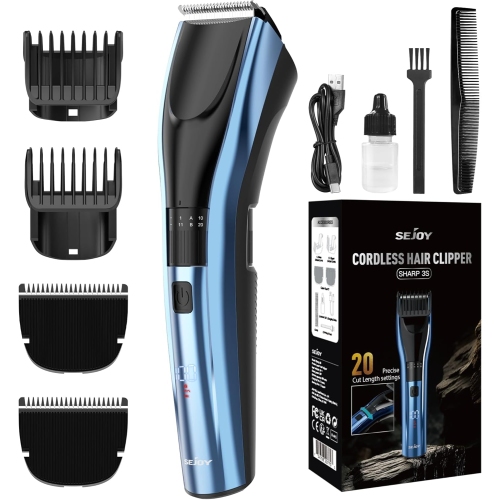

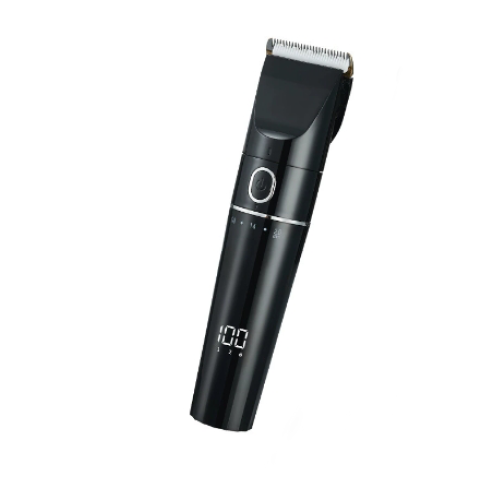
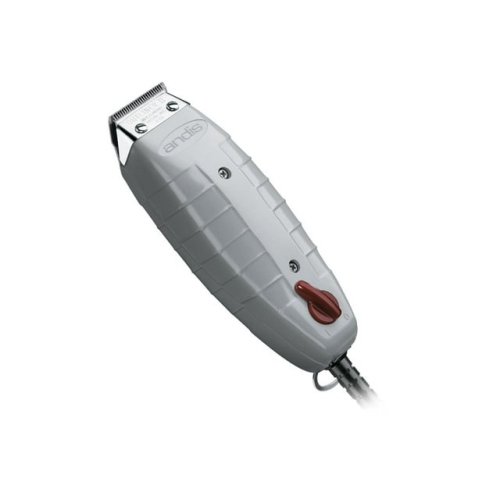

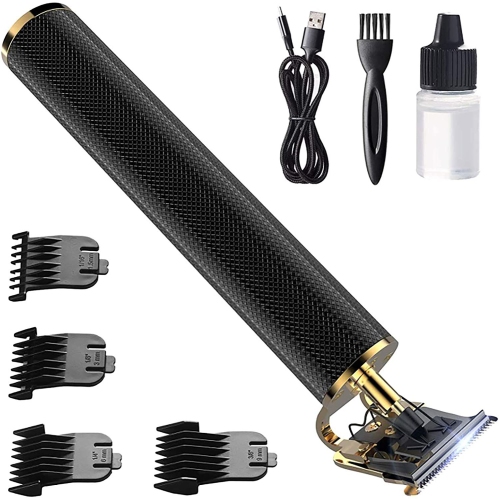

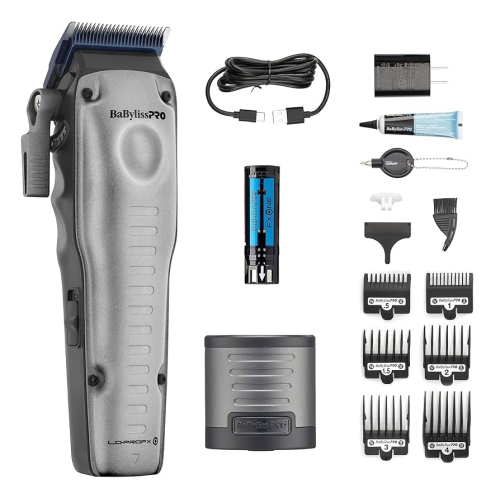
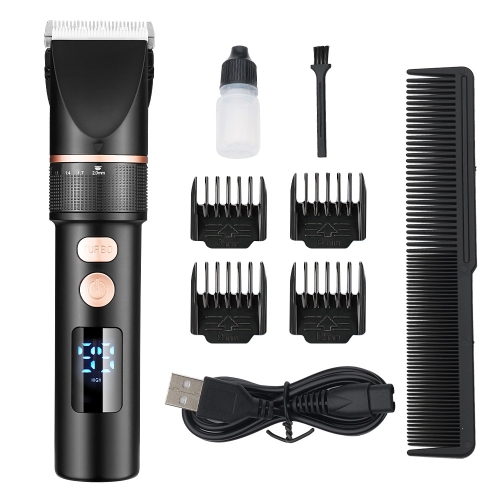
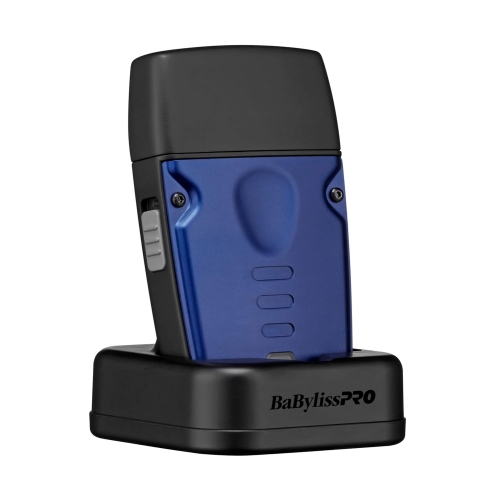
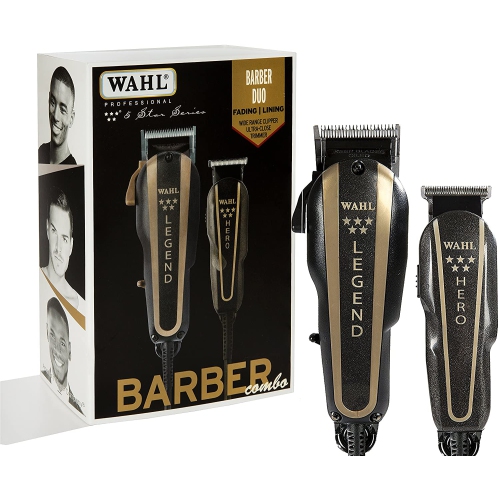


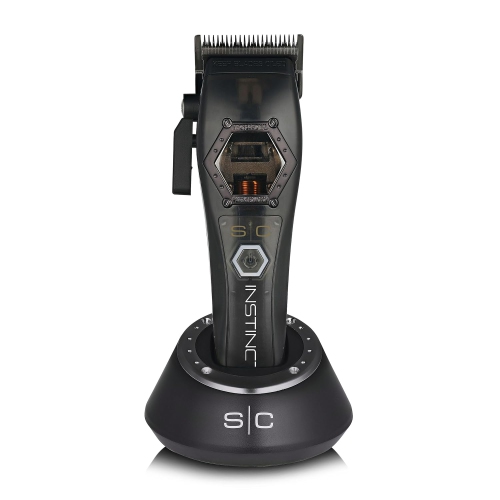


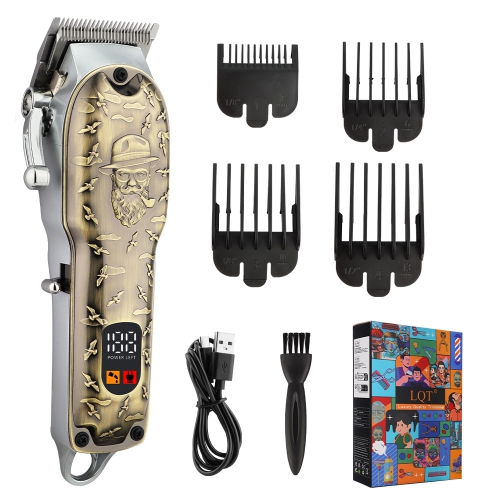
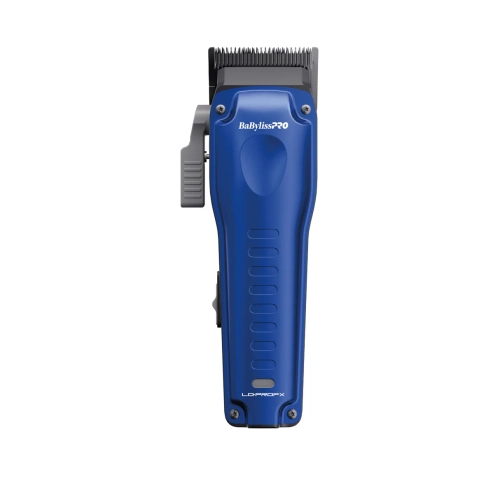
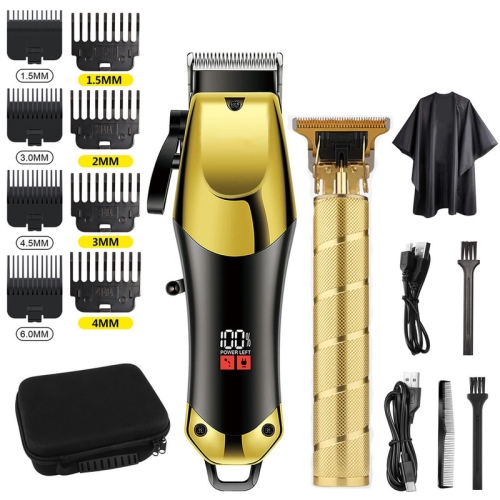
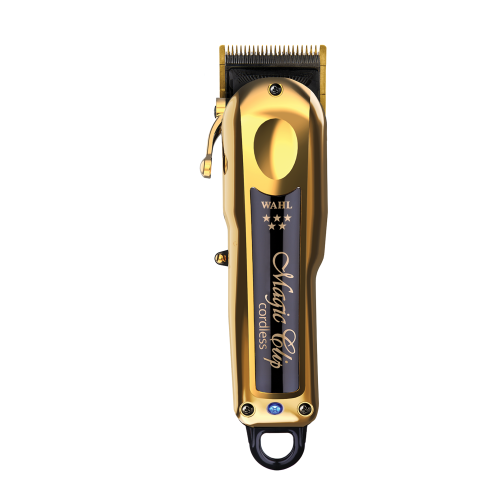
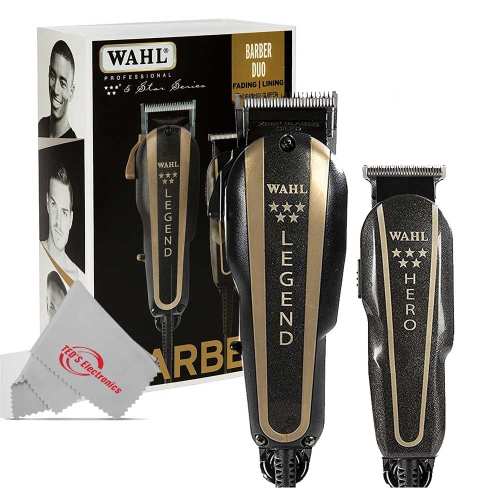
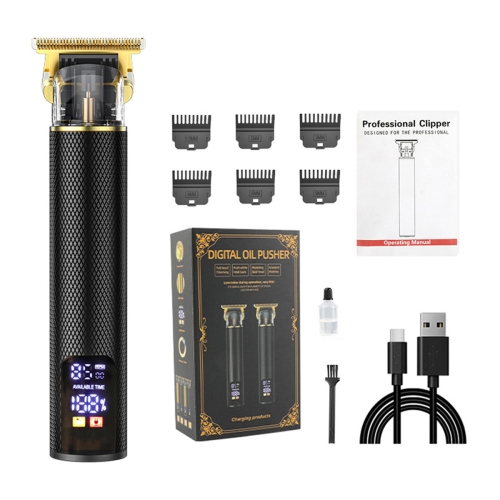

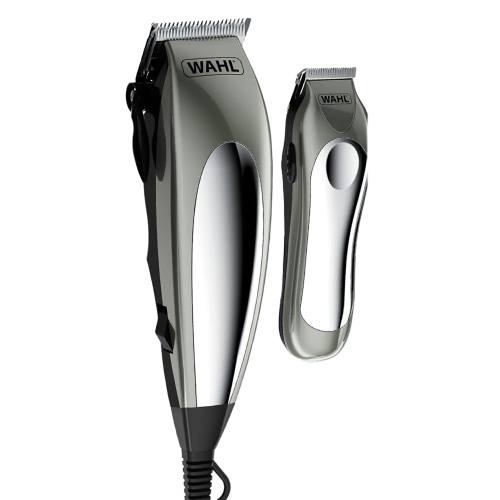
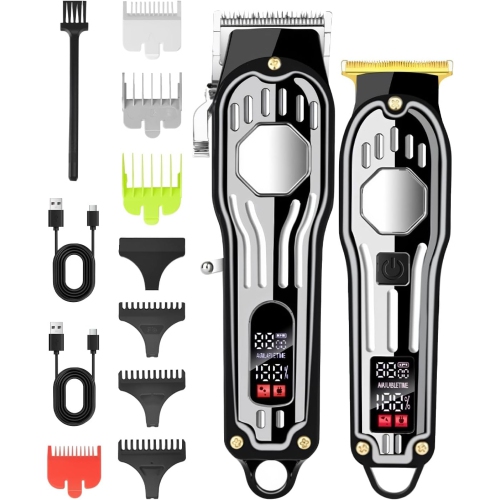

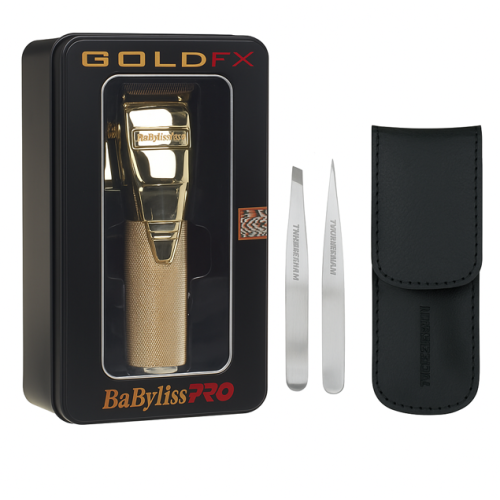


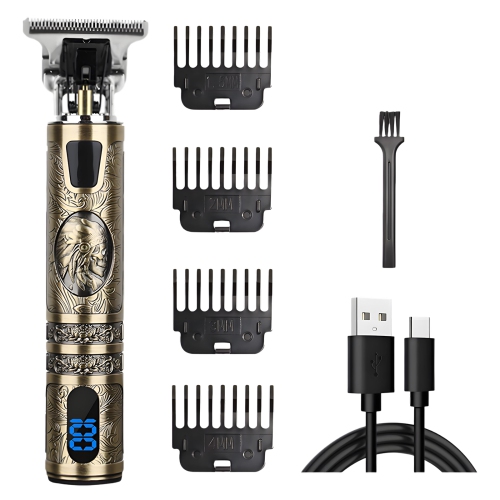


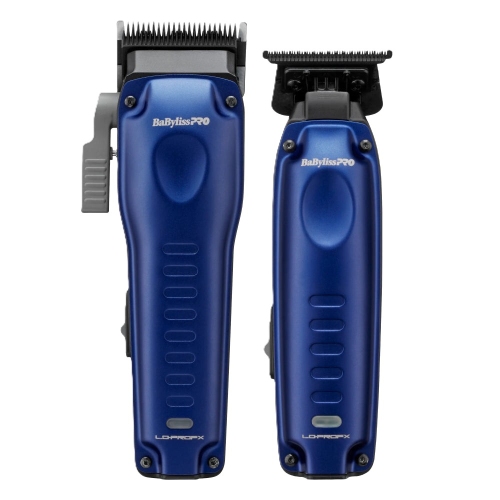
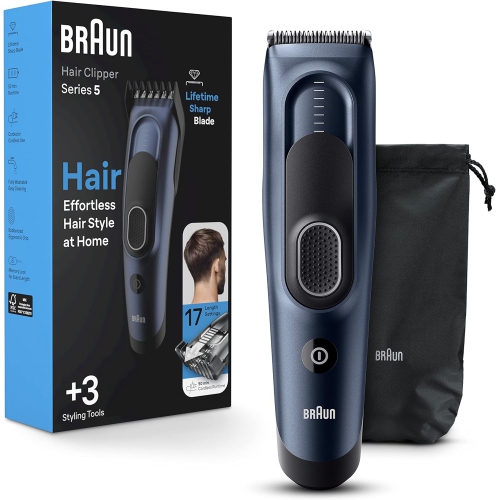
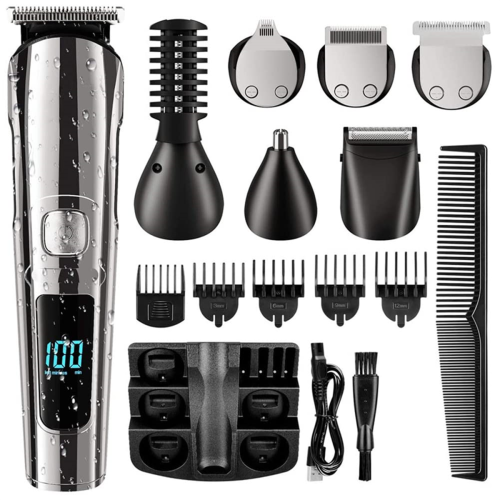
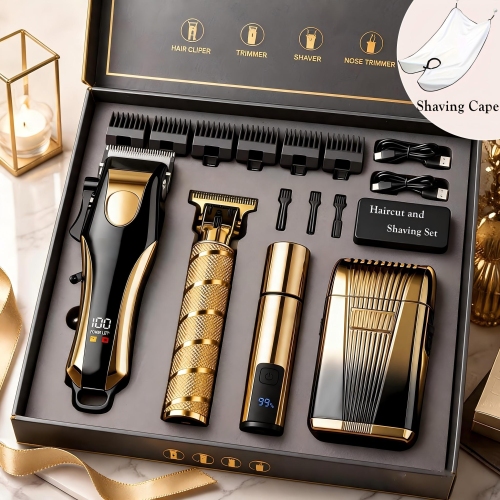
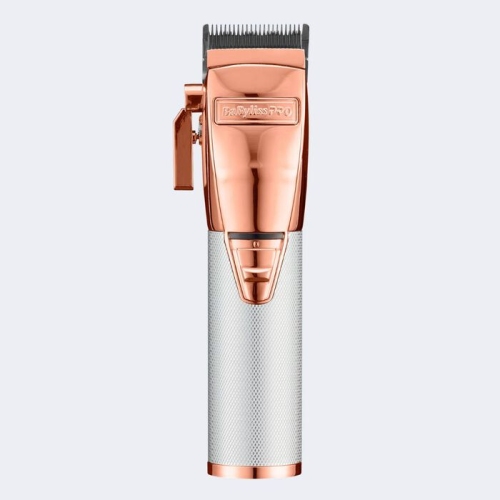
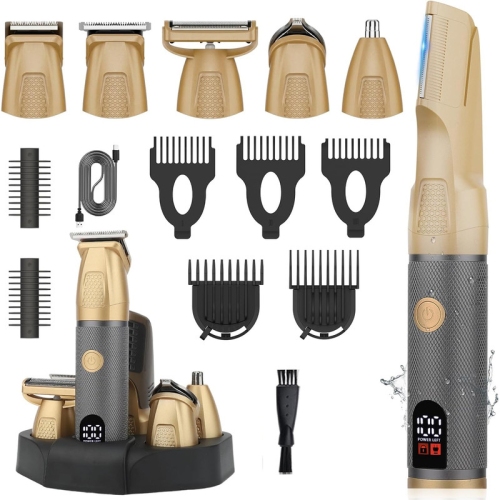

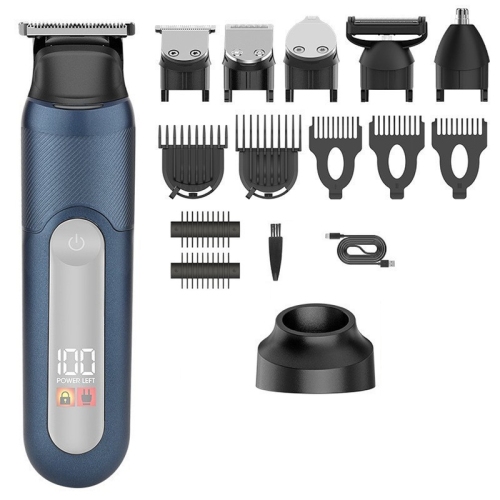
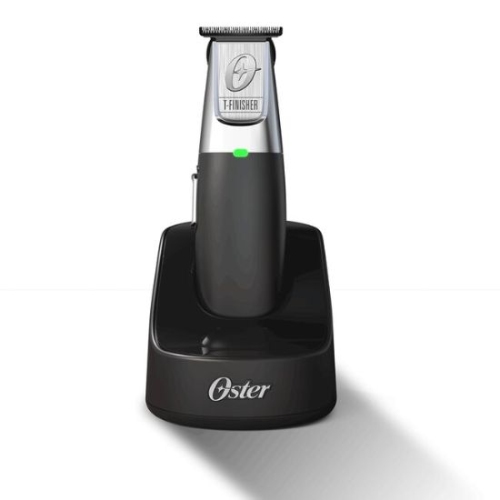
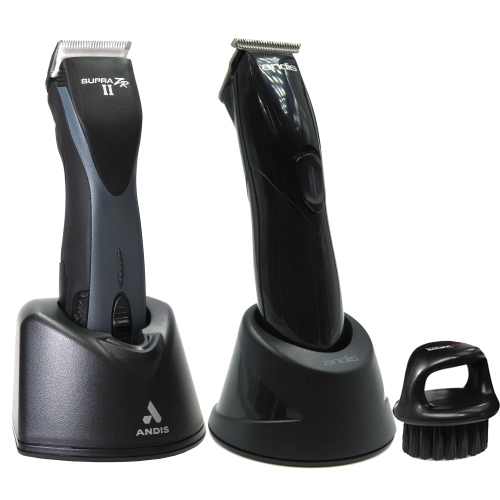

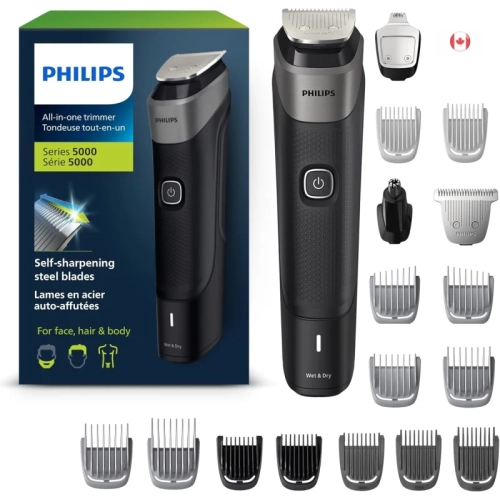

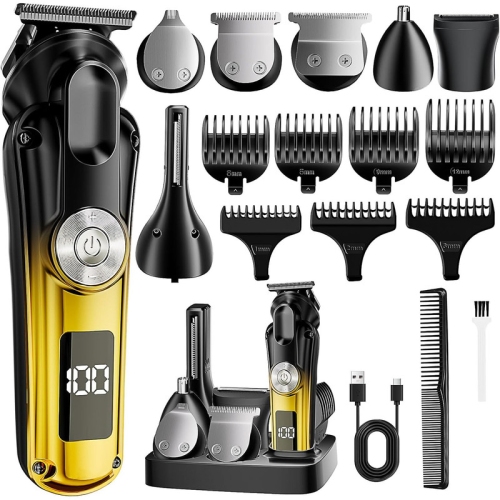
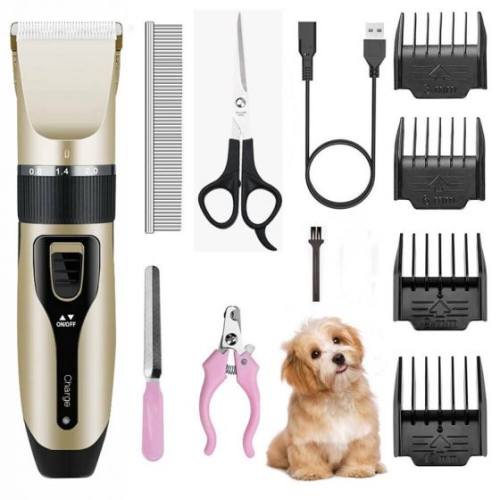
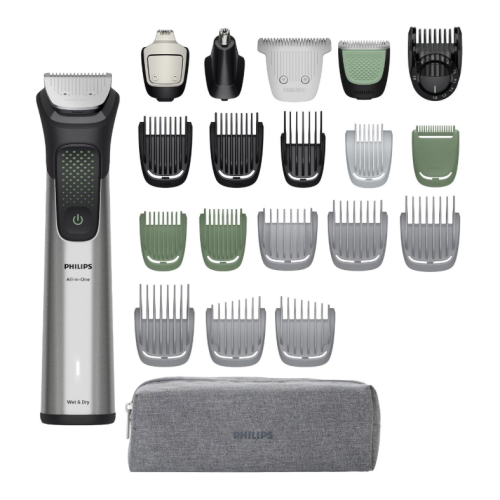
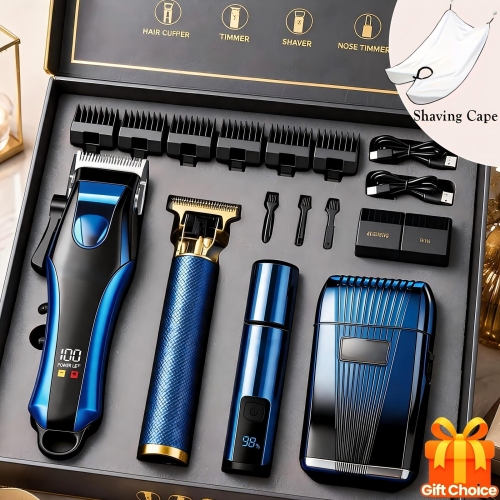
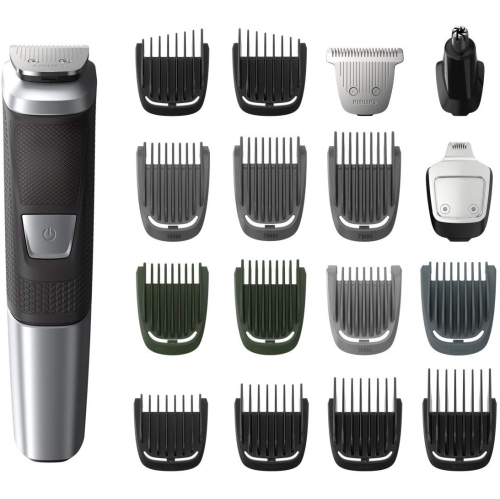
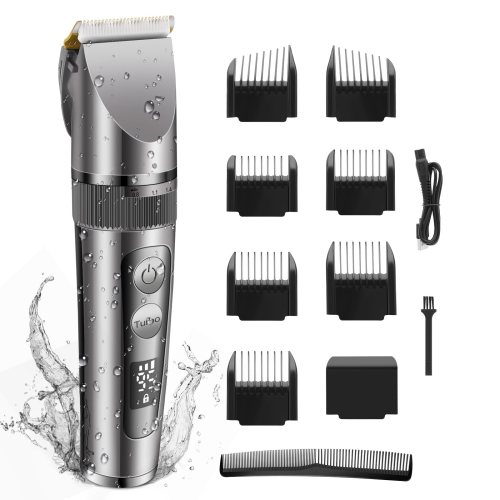
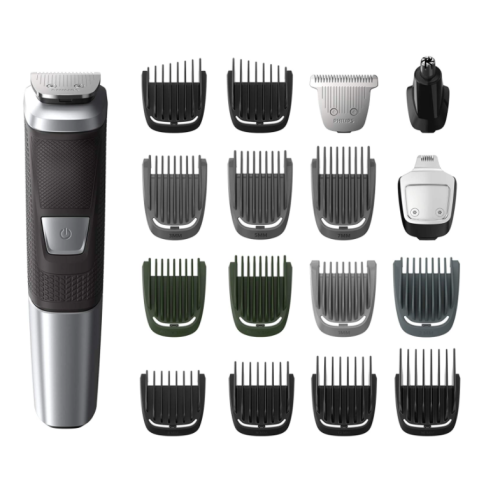
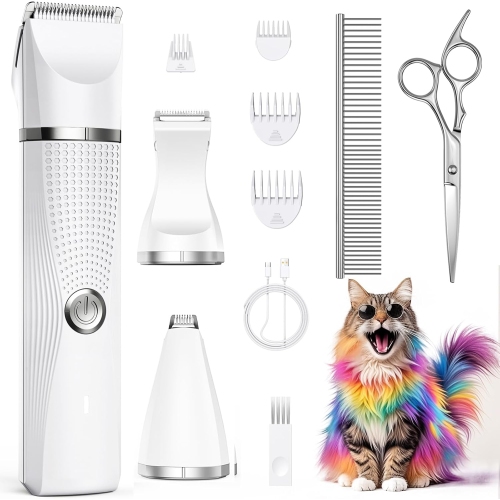

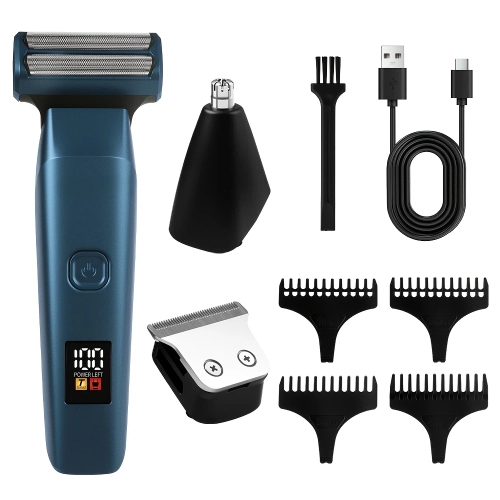
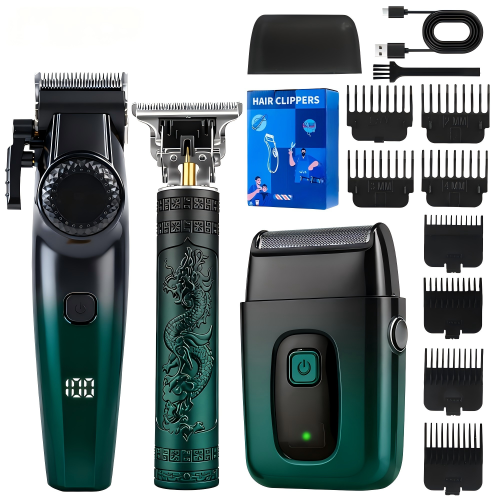

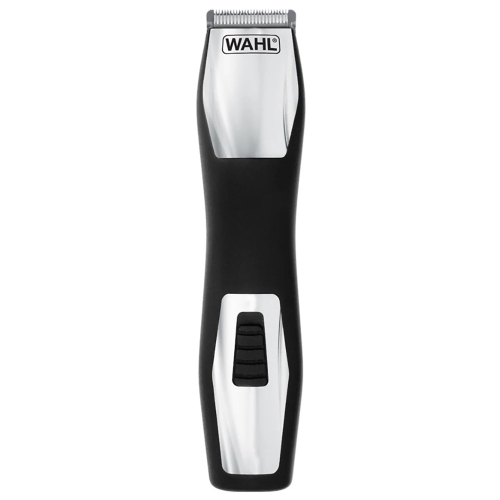
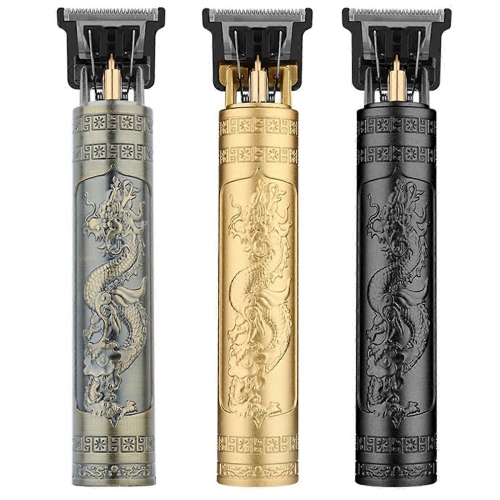




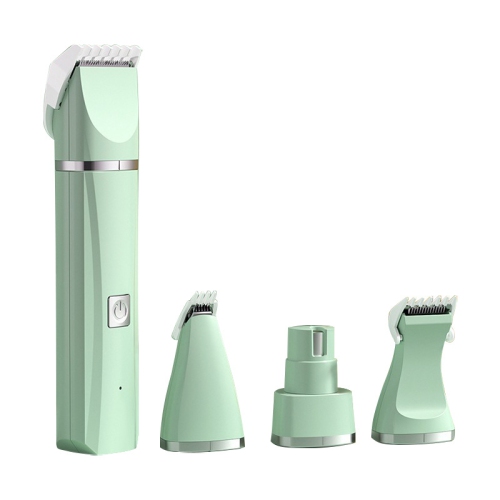
Why smooth cuts take more than motor speed
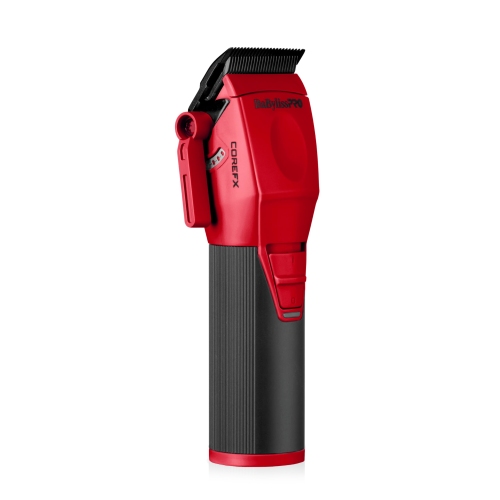
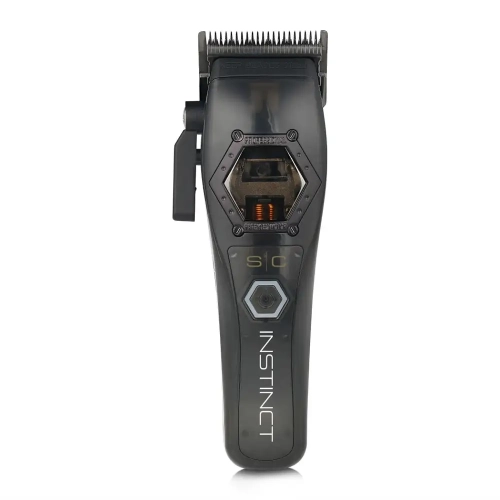
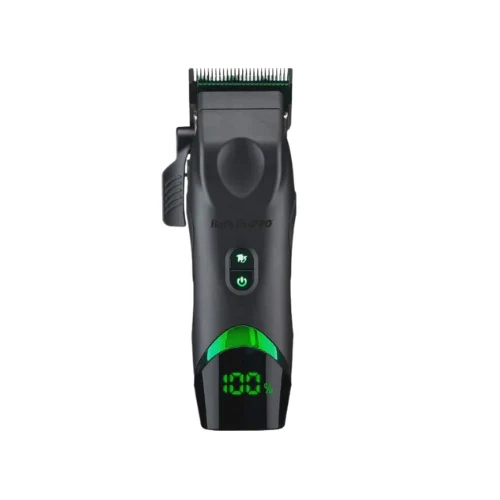
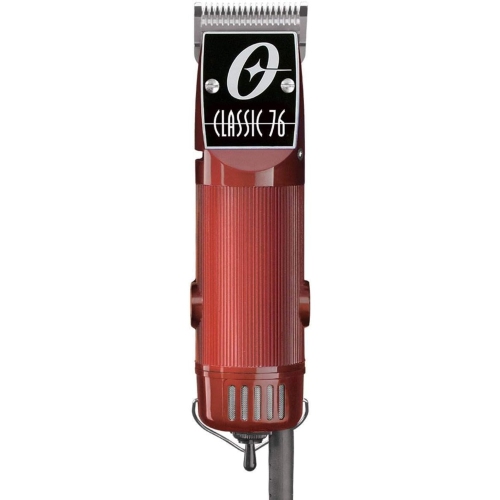
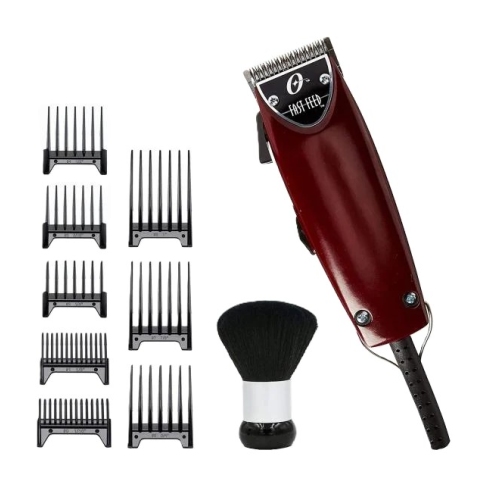
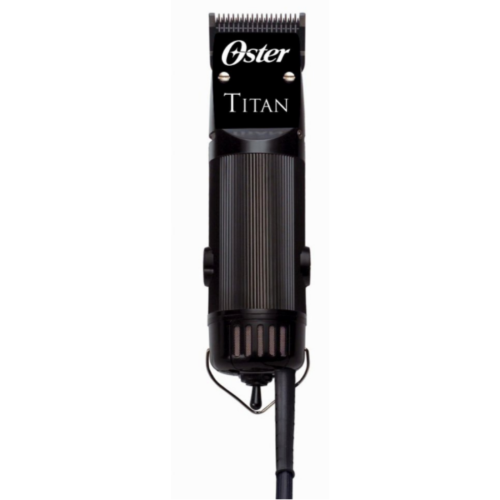
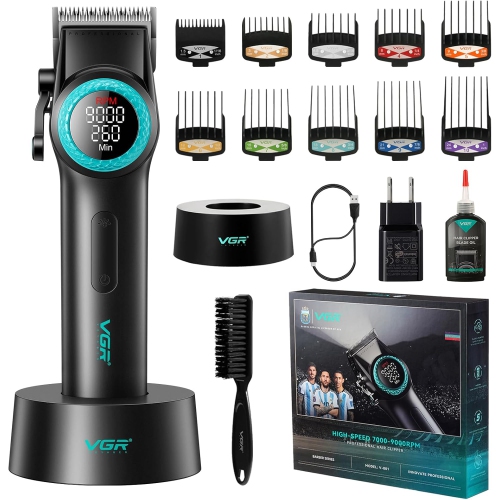
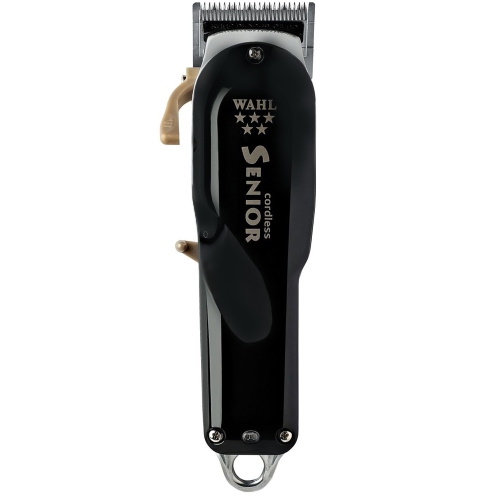
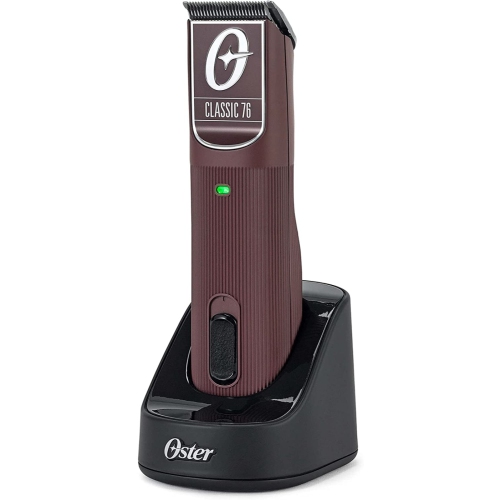
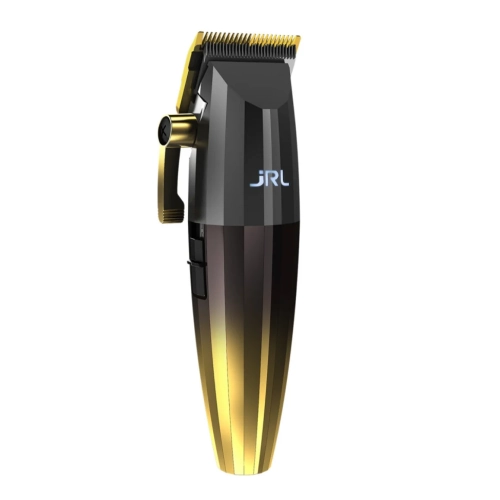
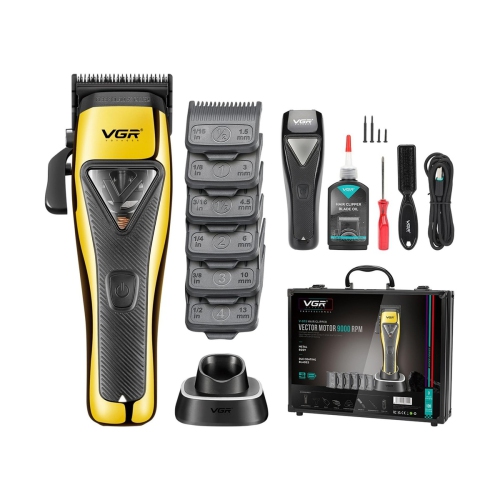
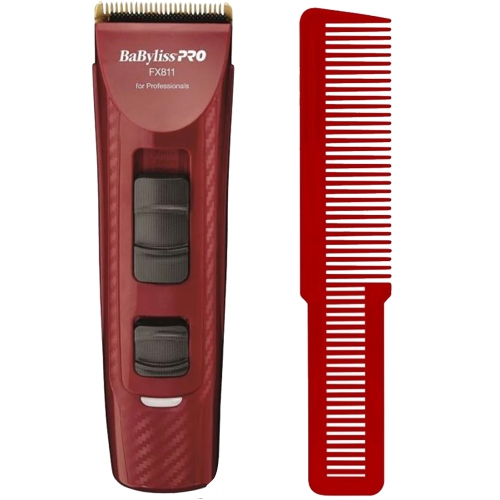
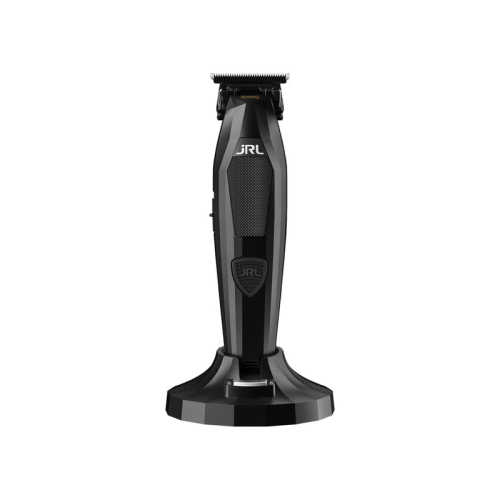
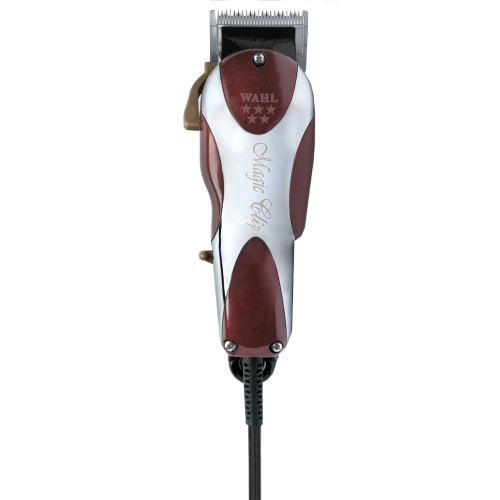
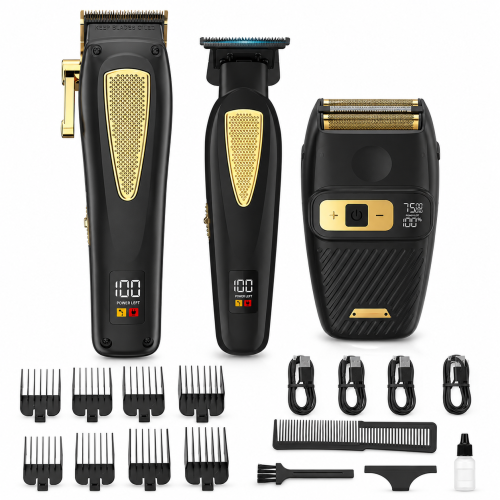
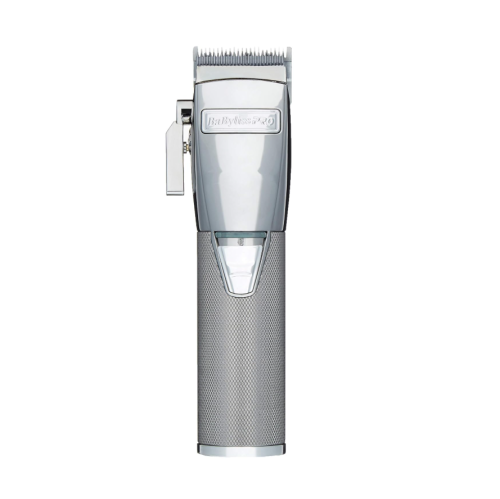
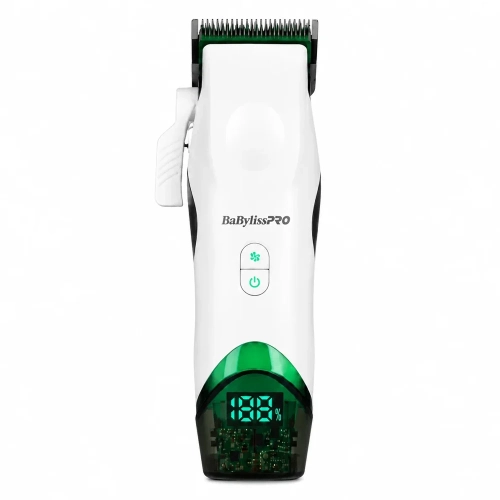
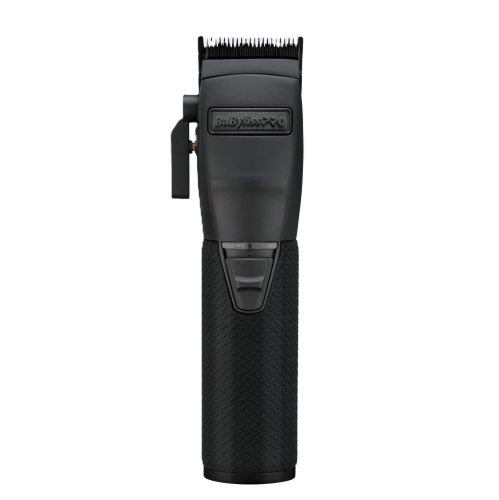
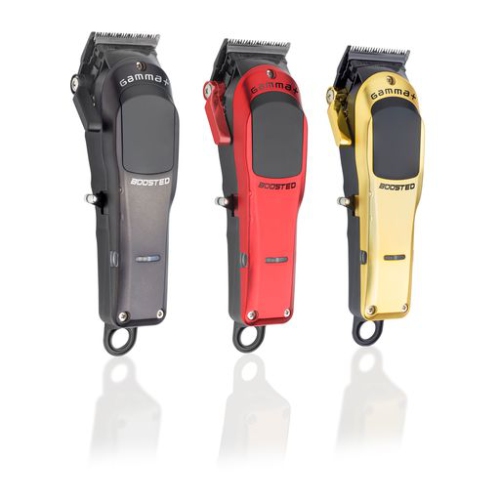
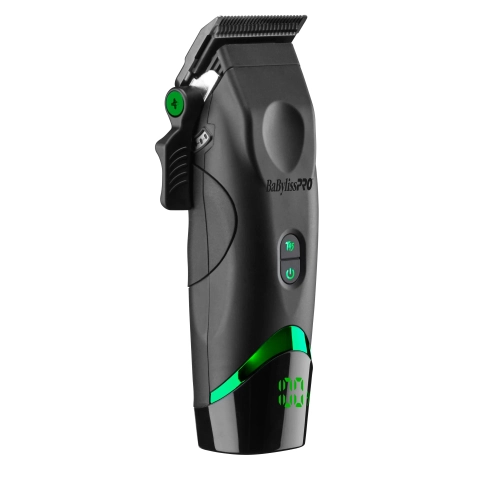
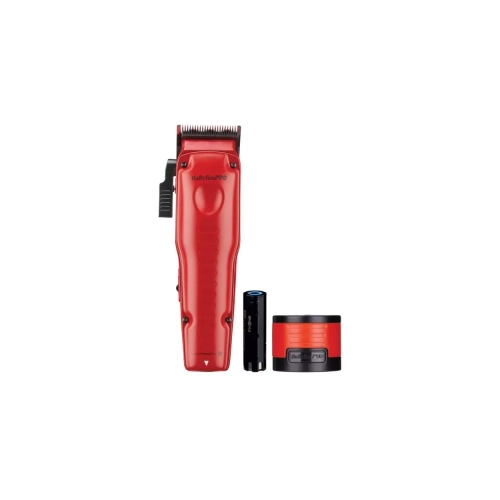
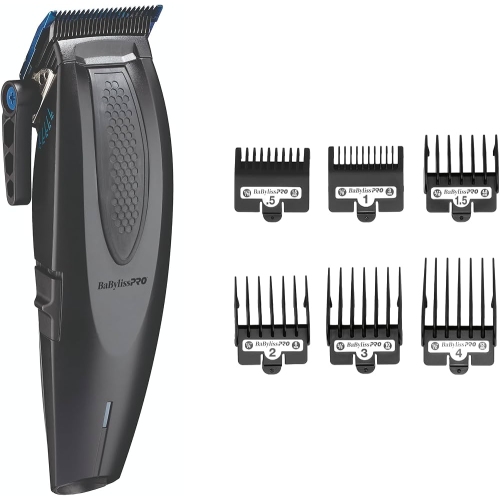
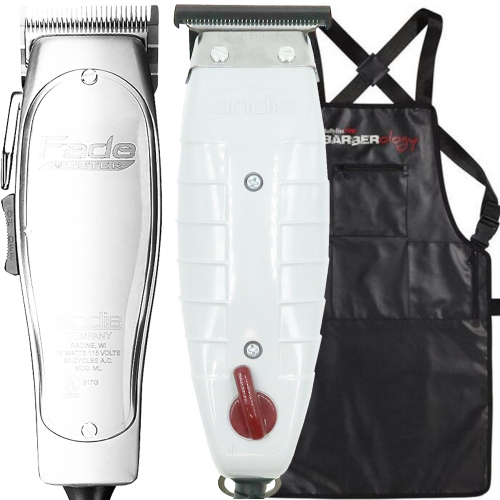
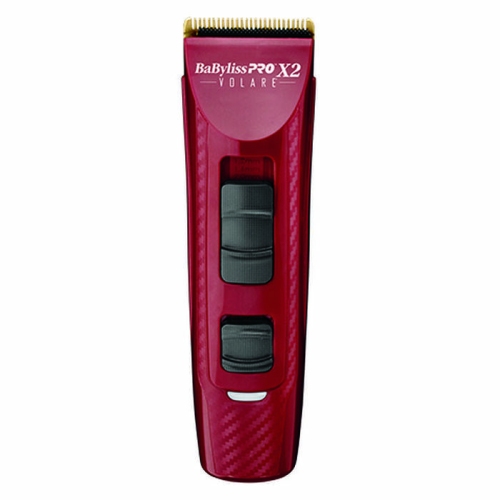
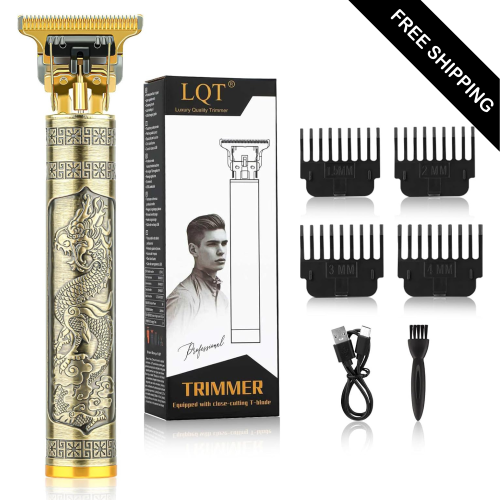
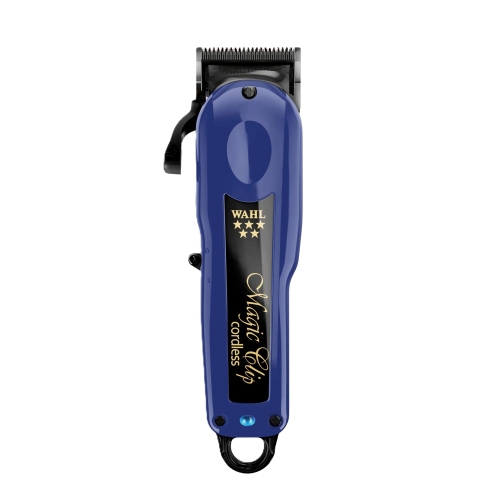
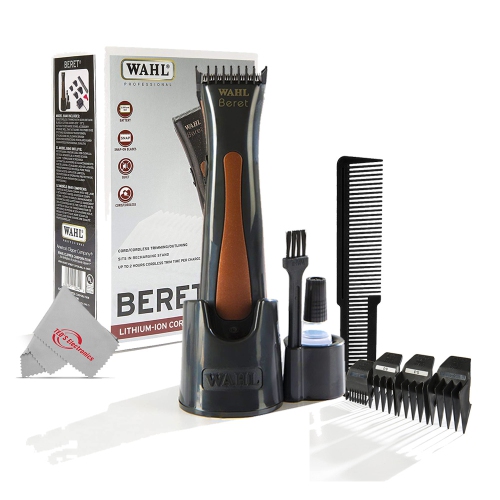
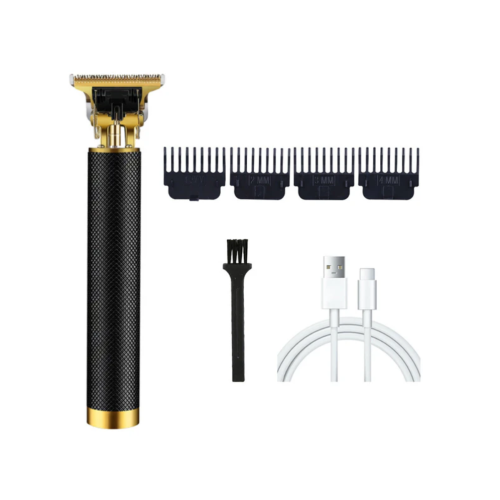
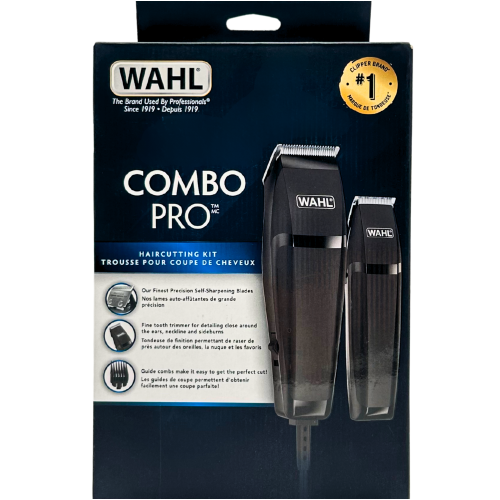
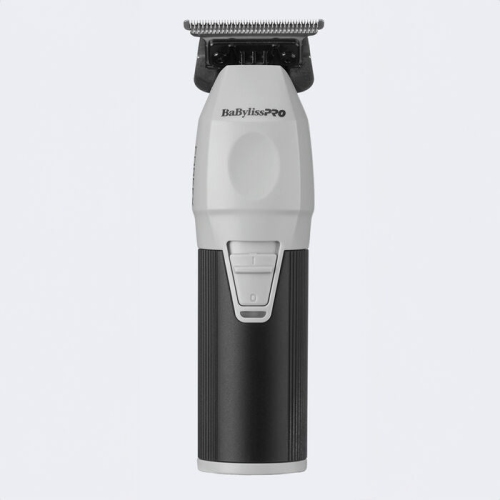
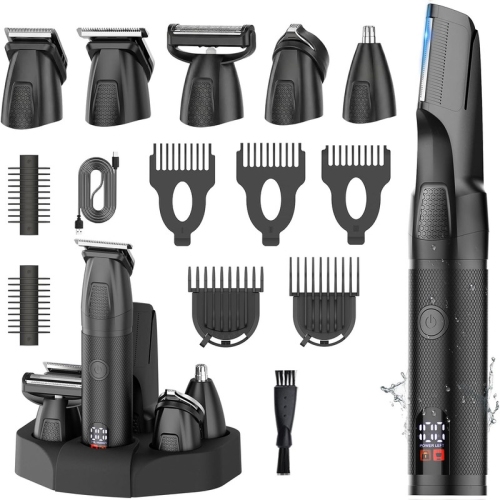
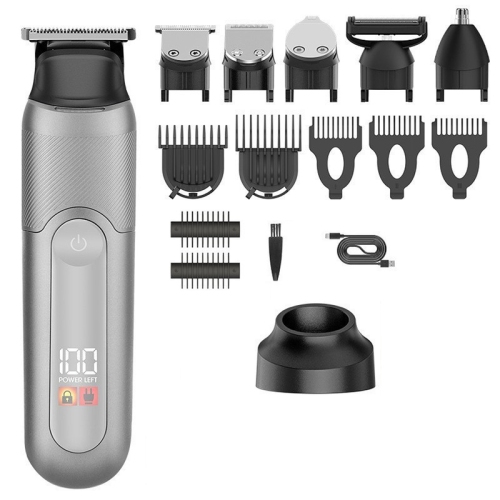
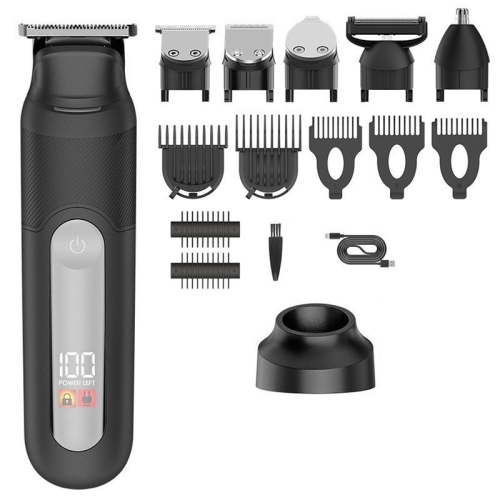
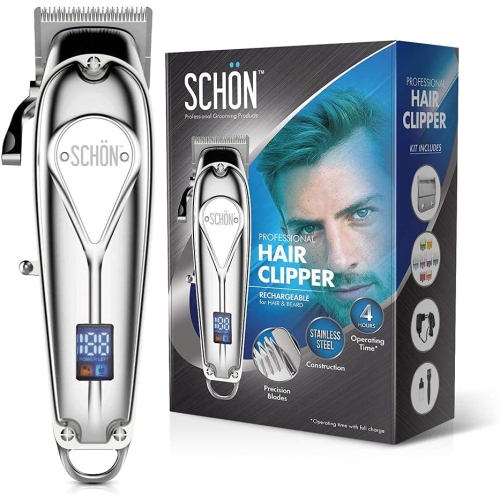
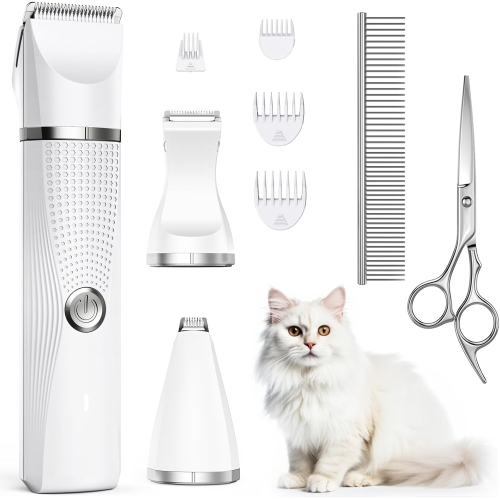
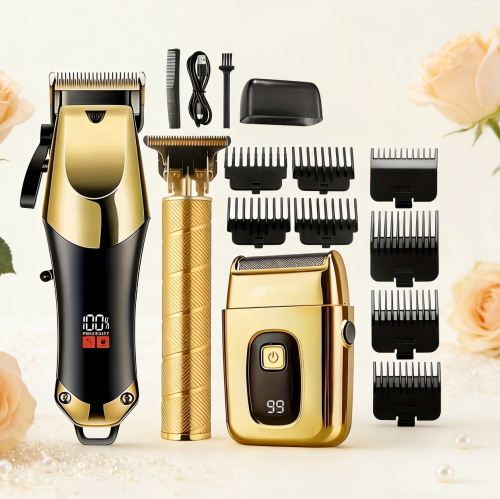
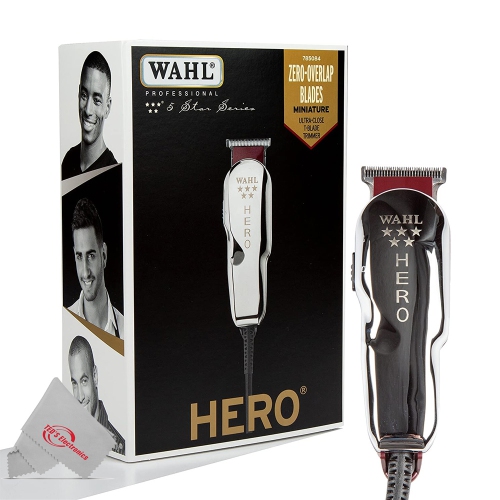
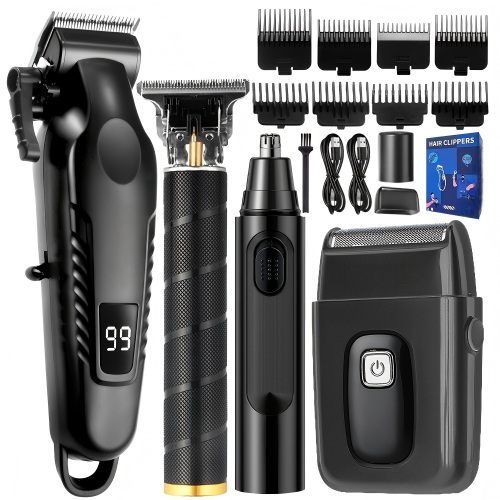
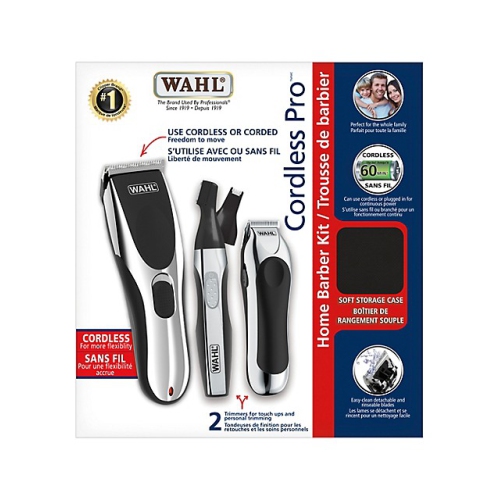
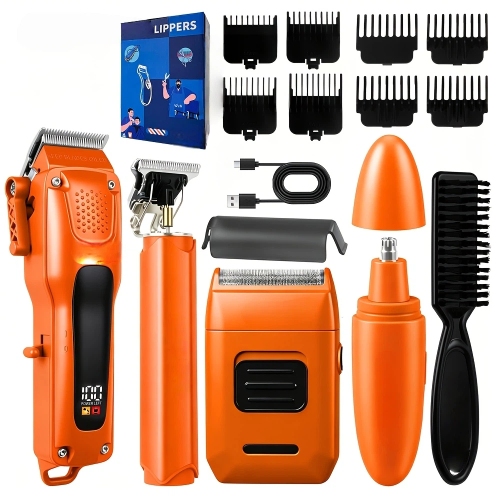
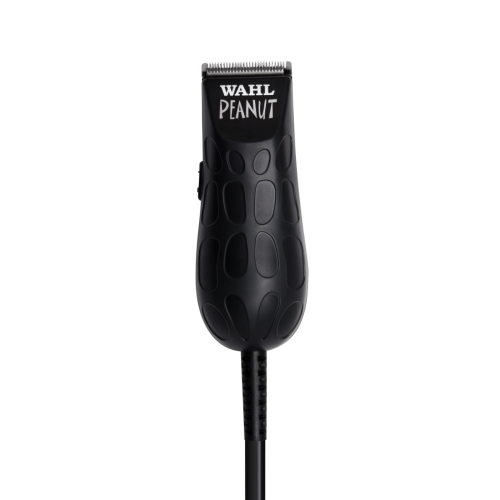
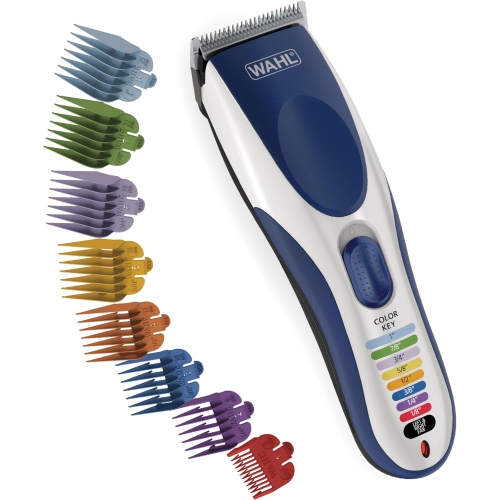
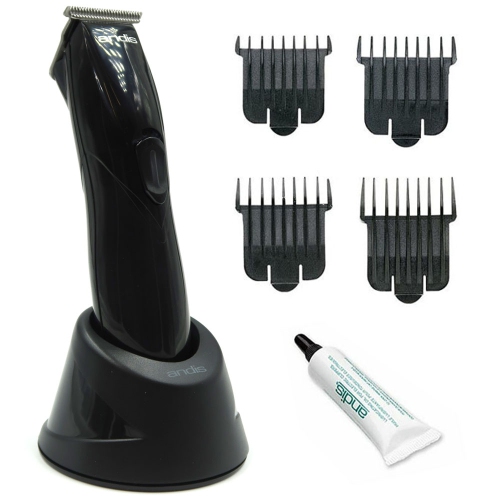
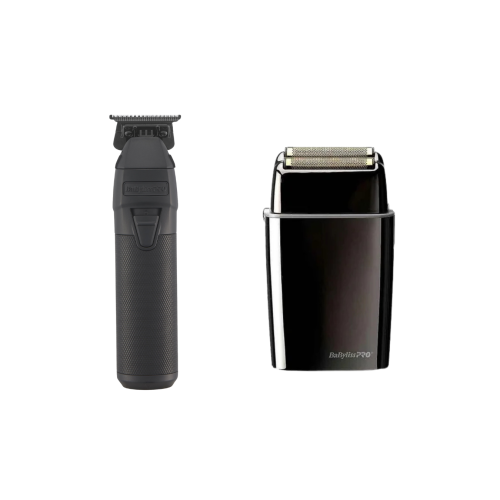
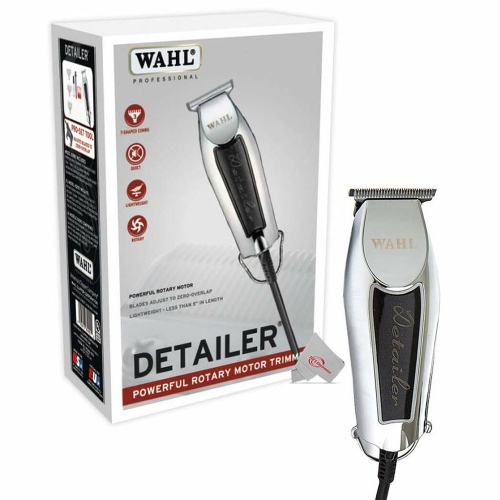
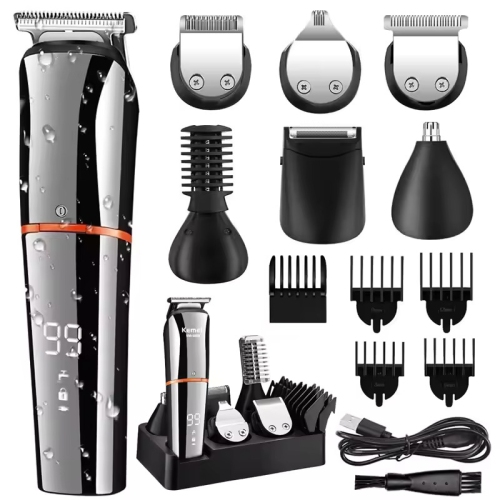
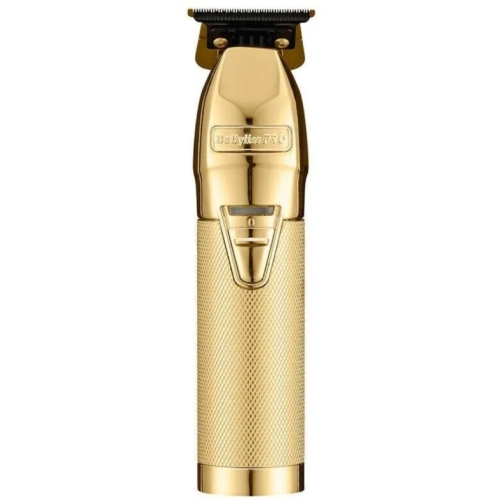
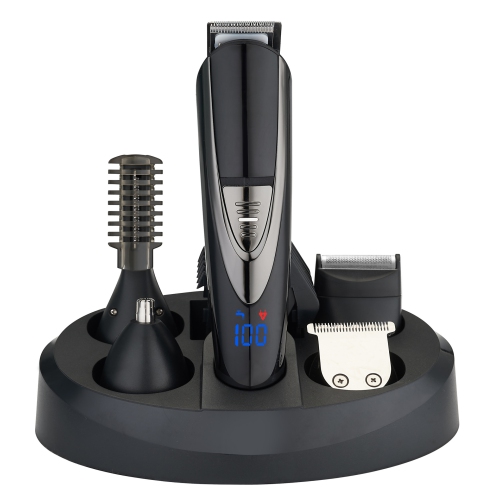
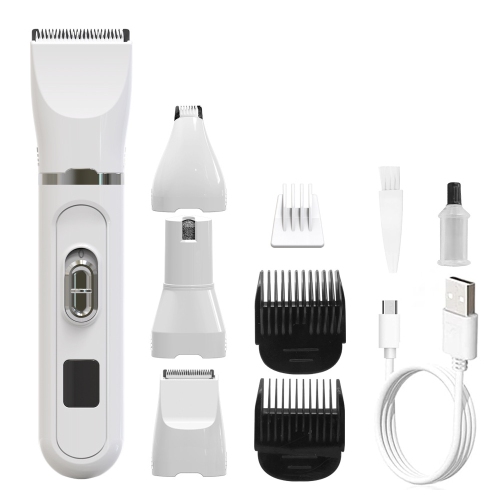
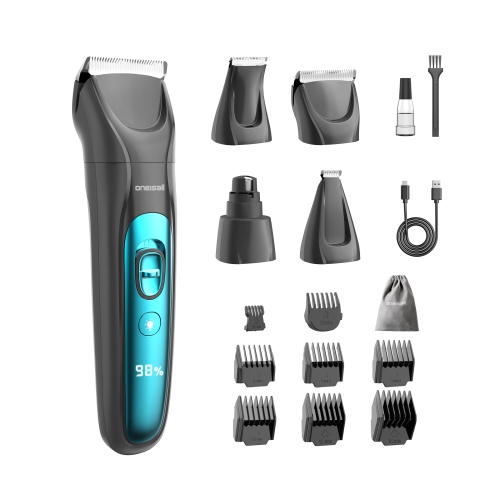
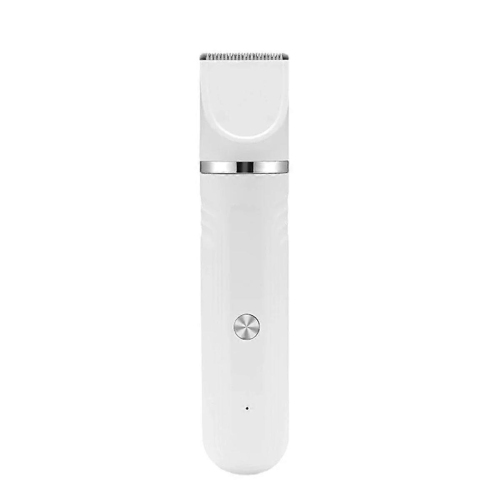
Professional hair clippers are powered haircutting tools designed for controlled cutting, consistent lengths, and repeated use. They suit barbers and hairstylists working through appointments, as well as experienced home users who want to maintain short hairstyles with greater precision. Their wider cutting blades remove bulk efficiently, while attachment combs and adjustable blade settings support everything from an even buzz cut to a carefully blended taper. For a fade, small changes in cutting length help soften the transition between closely cropped sides and longer hair above; for a straightforward all-over cut, secure comb attachments help maintain a uniform finish. Clippers differ from detail trimmers, which generally have narrower blades for edging around sideburns, ears, and the neckline. A foil shaver serves another purpose, cutting very short hair close to the skin rather than replacing a clipper for bulk removal. Motor performance matters most when the blade meets resistance, such as dense growth at the back of the head or thick hair that needs several controlled passes. Motor speed, often expressed in revolutions per minute, is one specification worth considering, but speed alone does not determine cutting quality. Torque, blade sharpness, blade alignment, and the amount of hair entering the teeth also affect whether a clipper cuts smoothly or pulls. A well-matched motor and blade can help maintain a steady cutting rhythm without requiring excessive pressure against the scalp. Straight, wavy, curly, and tightly coiled hair can all be cut with clippers, though texture, growth direction, and the desired finish influence the technique and attachments used. In a busy chair, dependable cutting performance supports consistent results from one client to the next. At home, it can make regular upkeep more manageable for someone already comfortable handling a powered cutting tool. Professional hair clippers can also make a thoughtful gift for a barbering student, a practising stylist, or a grooming enthusiast, particularly when the tool’s weight, blade system, and power options match the recipient’s established preferences.
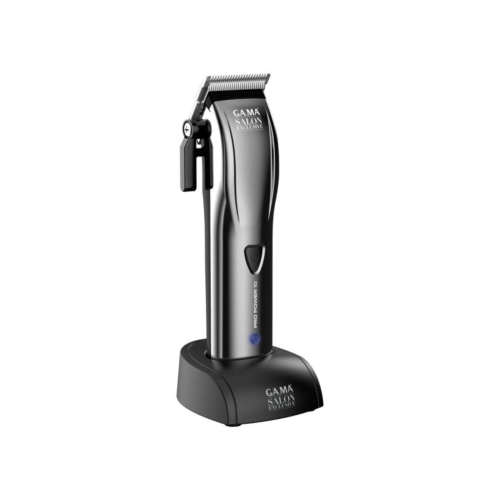
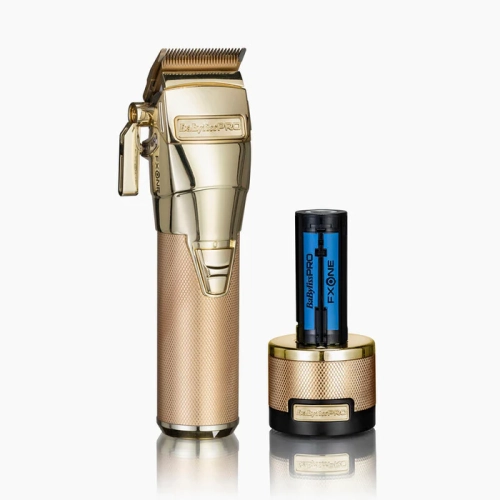
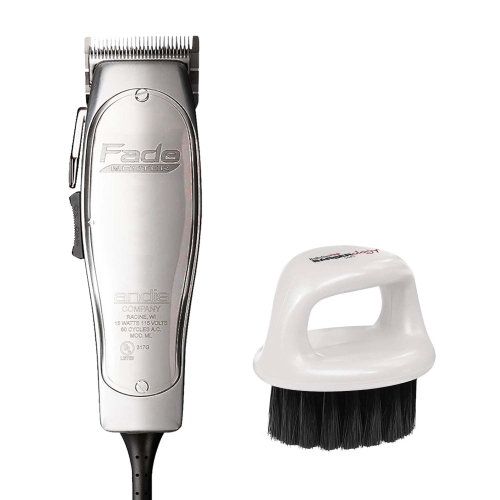
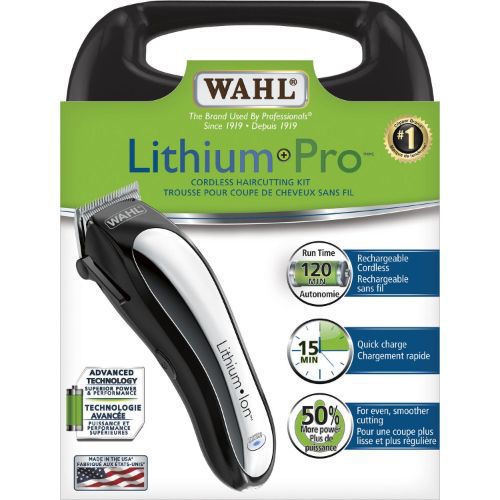
Corded and cordless professional hair clippers offer different advantages in everyday use. A corded design provides continuous power without depending on a charged battery, making it useful for extended cutting sessions, although cord length and the position of an outlet affect freedom of movement. A cordless design allows easier movement around the head and fewer interruptions from a cable brushing against a shoulder or chair. Battery runtime, charging time, and the clarity of charge indicators are useful considerations for anyone planning several cuts between charges. Stated runtime is not always the same as working time under demanding cutting conditions, and a clipper should only be used while connected to its charger if the manufacturer supports corded operation. Balance is equally important: a comfortable grip and manageable weight can make precise work behind the ears or along the lower neckline feel more controlled. Metal housings can offer a substantial feel, while durable moulded housings may reduce weight; construction quality matters more than appearance alone. Textured grip areas, accessible controls, and a taper lever that stays in position can help keep adjustments deliberate. Blade materials also influence care and cutting characteristics. Stainless steel is widely used for its durability and resistance to corrosion, while some blade systems use ceramic cutting components or titanium coatings. These materials do not eliminate the need for cleaning, lubrication, or temperature checks during longer sessions. An adjustable taper lever changes the blade’s cutting position over a small range, allowing finer transitions between comb lengths. Detachable blade systems offer another approach, with interchangeable blades intended for particular cutting lengths or tasks. Neither system makes every attachment interchangeable. Securely fitting combs, clear length markings, and compatible replacement parts matter when building a reliable setup. A comb that lifts or loosens during a pass can leave an uneven patch, so attachment fit deserves as much attention as the number of combs included. For someone maintaining several hairstyles, a practical range of lengths is often more useful than accessories that do not suit the intended cuts.
Care has a direct effect on the feel, reliability, and working life of professional hair clippers. Loose hair collecting between the blade teeth can interfere with cutting, while insufficient lubrication increases friction and may contribute to heat or premature wear. Regular removal of hair debris and the use of manufacturer-recommended clipper oil help keep moving surfaces working smoothly. Cleaning and disinfecting are separate tasks: brushing away visible hair does not disinfect a blade, and a suitable disinfectant must be used according to both its directions and the clipper manufacturer’s guidance. This distinction is particularly important for tools shared between people. A washable attachment does not necessarily mean the clipper body can be rinsed, and powered components should never be immersed unless expressly designed for that treatment. Removable blades and combs need to be properly dried before reassembly or storage. A protective blade cover and a dry storage space help prevent damaged teeth and accidental contact with the cutting edge. During a longer haircut, blade warmth is worth checking periodically; even a well-maintained blade can become uncomfortable against the skin. Dull, damaged, or incorrectly aligned blades can also snag hair, making replacement parts and servicing options relevant to long-term ownership. Most clippers work best on clean, detangled hair prepared according to the tool’s instructions, rather than hair coated with heavy styling residue. Gentle, controlled passes allow the teeth to feed through the hair without forcing the tool into the scalp. For household use, comfort also includes keeping the person seated securely and taking particular care around ears, folds of skin, and any irritated areas. Younger family members may be more at ease with a manageable sound level and shorter cutting sessions. Those comparing professional tools with options for occasional home maintenance can explore Hair Clippers for the broader category. The most suitable choice brings together cutting performance, comfortable handling, compatible attachments, and maintenance requirements that fit the way the tool will actually be used.
Top selling and popular products
-
 Your price for this item is $19.99
-
 Your price for this item is $44.99
-
 Your price for this item is $74.99
-
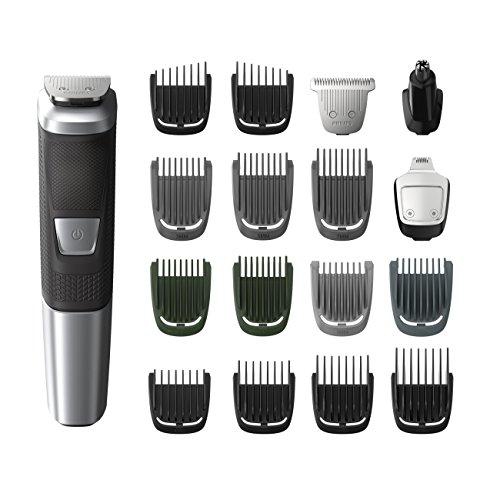 Your price for this item is $35
-
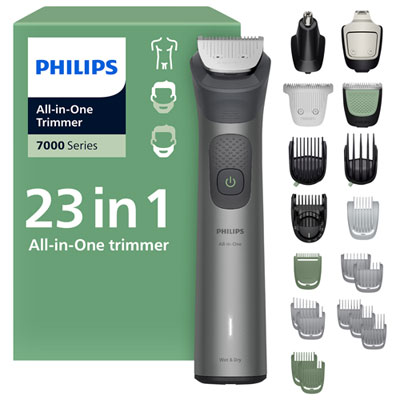 Your price for this item is $89.99
-
 Your price for this item is $21.99
-
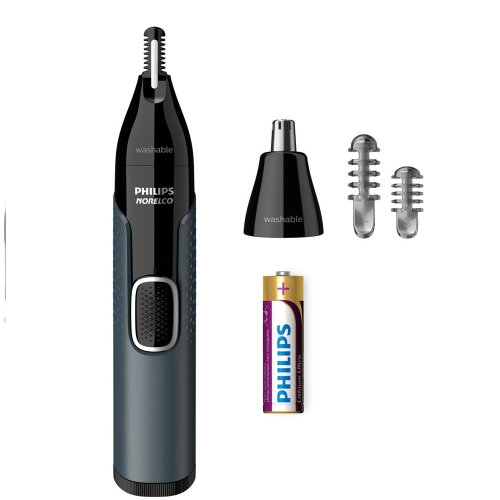 Your price for this item is $34.99
-
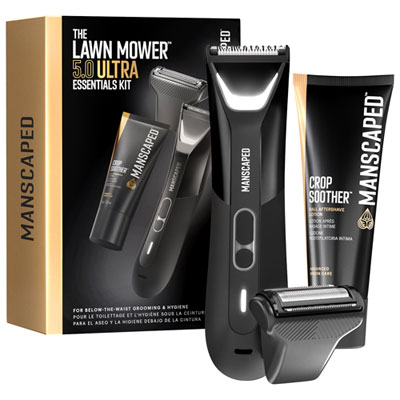 Your price for this item is $149.99
Discover more categories related to Professional Hair Clippers
Top Collections:
Best Black Friday Deals This Year, Best Black Friday Deals On Electronics, Kindle Devices, Pokemon Centers, Best Black Friday Deals On Apple Products, Best Cameras for Sports Photography, Dyson Airwrap, Pokémon 30th Celebration Cards, Apple iPhone 17 Pro, Canon G7X Cameras
Some products may be subject to Environmental Handling Fees
(EHF) depending on your province.
Learn more about EHFs.