Shampoos for All Hair Types
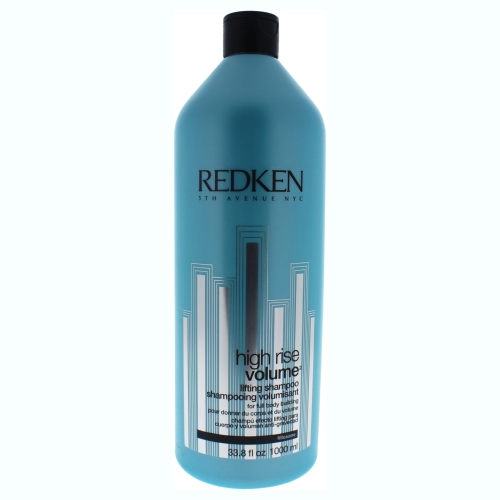
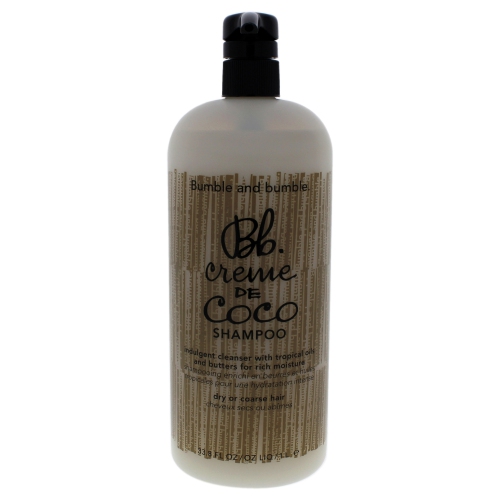
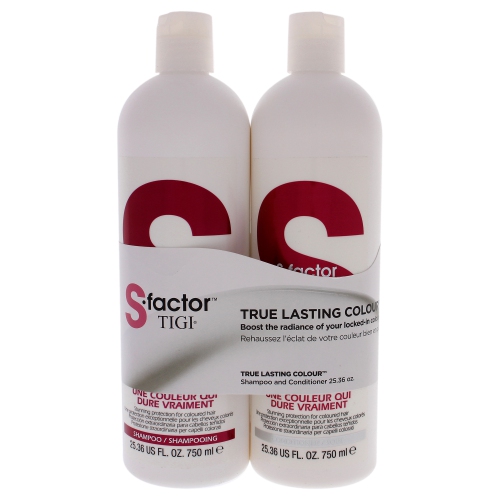
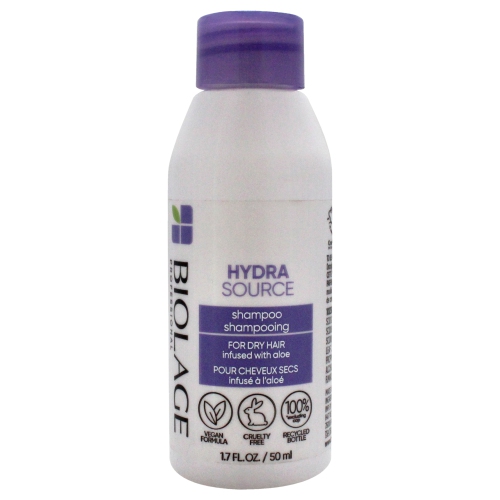
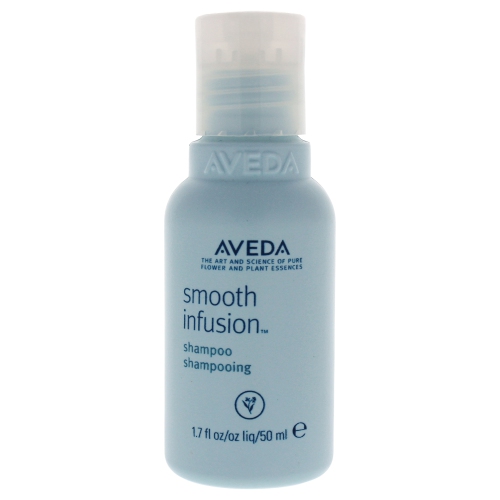
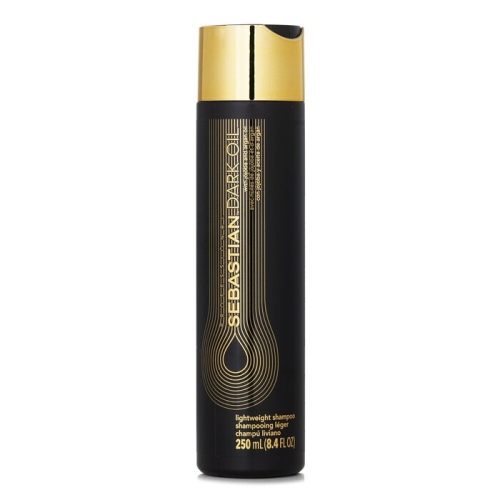
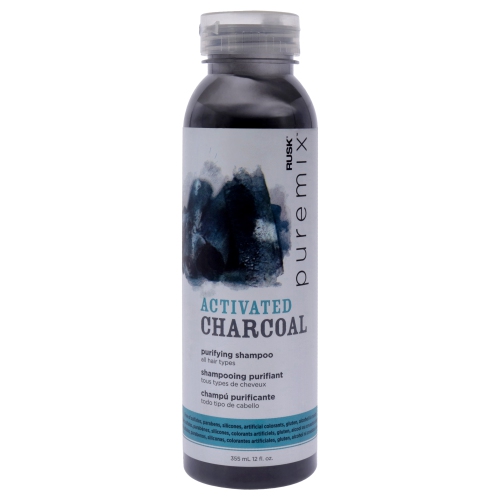
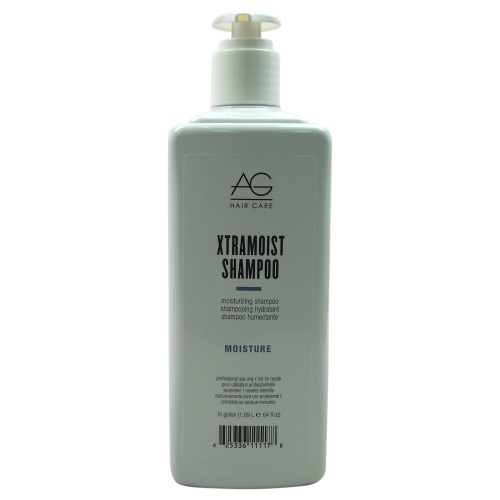
Shampoos for All Hair Types make it easy to find the perfect match for your daily routine. Whether you have curly, straight, fine, or thick hair, there’s a shampoo designed to help you feel confident and refreshed every day. Explore a wide variety of options tailored to different needs and preferences, and discover formulas that fit seamlessly into your hair care regimen. With so many choices available, achieving clean and manageable hair is just a step away.
Sort
Why one shampoo can feel different on every head
Shampoos for all hair types are designed to cleanse the scalp and hair across a range of textures without targeting just one concern, such as excess oil or dryness. Their main job is to lift away oil, perspiration and styling residue while leaving hair feeling comfortable, manageable and ready for conditioning. An all-hair-types label describes a versatile intended use, not a guarantee that every scalp or texture will respond identically. Straight, wavy, curly and coily hair can all benefit from a balanced cleanser, but the right fit also depends on strand thickness, scalp sensitivity, colour treatments and how frequently hair is washed. Fine hair often feels best with a light finish that preserves movement at the roots, while thicker or more textured hair may need a richer feel and additional conditioning through the lengths. Someone with oily roots and dry ends may prefer a shampoo that cleans thoroughly at the scalp without leaving the rest of the hair feeling rough. For a household sharing one bottle, a broadly suitable formula can be a practical starting point, with separate conditioners helping address individual needs. The wider Hair Shampoos category includes different cleansing approaches, from gentle everyday formulas to options intended for occasional removal of heavier residue. Within that range, versatile shampoos suit people who want a straightforward wash routine rather than a cleanser focused on a narrowly defined hair concern. The most useful qualities are a clean-feeling scalp, an easy rinse and a finish that does not make hair feel unusually stiff, coated or limp. A creamy texture, clear gel or generous lather can shape the washing experience, but appearance and foam alone do not establish how well a shampoo cleans. What matters more is how the complete formula performs on the hair, both immediately after rinsing and once it has dried. Softness, root lift and ease of detangling offer more meaningful clues than the amount of foam in the shower.
Ingredients help explain why shampoos with the same broad label can feel quite different. Cleansing agents, known as surfactants, loosen oil and residue so they can rinse away with water. Formulas use different combinations and strengths of these ingredients, which means a shampoo can provide a thorough wash without necessarily producing a dense lather. Sulphate-free shampoos use alternative cleansing agents, but that label alone does not establish gentleness or suitability for a sensitive scalp. Humectants such as glycerin help attract moisture, while conditioning ingredients can improve slip and reduce the rough feeling that makes wet hair difficult to detangle. Added oils may lend softness to dry lengths, although a richer formula can feel heavy on very fine strands. Silicones can help smooth the hair surface and make brushing easier; whether that finish feels beneficial depends on the formula, hair texture and other styling products used between washes. For colour-treated or chemically processed hair, a stated suitability for those treatments is more useful than assuming every all-hair-types shampoo offers the same protection. Shampoo cannot permanently repair split ends, though conditioning ingredients can temporarily improve the feel and appearance of damaged lengths. Fragrance is another meaningful consideration, particularly when a scent lingers after drying or overlaps with other personal care products. A fragrance-free option may appeal to someone who prefers less scent, while anyone with known sensitivities should check the full ingredient list rather than relying on descriptions such as gentle or botanical. Plant-derived ingredients are not automatically suitable for every scalp. Persistent itching, redness or flaking may need advice from a healthcare professional rather than repeated changes to a general-purpose shampoo. For everyday cosmetic use, the goal is a formula that fits comfortably into an existing routine, whether that means a quick wash before work, cleansing after exercise or a longer wash day with careful detangling and conditioning. The best fit supports the hair’s natural movement and texture without demanding extra styling simply to offset an unsuitable finish.
Everyday habits also influence how a versatile shampoo performs. A person who uses dry shampoo, wax or a strong-hold styling cream may notice residue sooner than someone who rarely applies leave-in products. Regular swimming, frequent workouts and wearing hats during the cooler months can change how the scalp and roots feel between washes. There is no single washing schedule that suits every hair type: scalp oil, comfort, texture and styling needs all play a part. Washing more often calls for attention to how the scalp feels afterwards, while longer intervals may make a thorough rinse and even distribution especially important. Fully wetting the hair helps shampoo spread, and concentrating the wash at the scalp allows the rinsing lather to pass through the lengths without unnecessary scrubbing. Long hair does not usually need to be piled on top of the head, where friction can create tangles. A gentle massage with the fingertips is generally more comfortable than scratching with the nails. The amount needed varies with hair density, formula concentration and residue, so package directions provide a better starting point than a fixed rule. A repeat wash may be useful after heavy product use, but it is not essential every time. Conditioner can then address softness and detangling, especially from the mid-lengths to the ends. During cooler weather, dry indoor air, scarves and frequent blow-drying may leave lengths feeling less smooth even when the scalp still needs regular cleansing. A shampoo with a comfortable finish can support that routine, but heat protection and conditioning remain separate considerations. Packaging matters in daily use as well: a stable pump bottle can simplify dispensing with wet hands, while a securely closing cap helps contain the formula in a gym bag or travel case. Keeping the closure clean, avoiding added water and following storage and after-opening directions help preserve the formula as intended. For a personal care gift, a versatile shampoo is most thoughtful when the recipient’s fragrance preferences and sensitivities are already known. Across these uses, all-hair-types shampoos offer a flexible foundation for clean hair, with the final choice shaped by scalp comfort, texture and the desired feel after drying.
Ingredients help explain why shampoos with the same broad label can feel quite different. Cleansing agents, known as surfactants, loosen oil and residue so they can rinse away with water. Formulas use different combinations and strengths of these ingredients, which means a shampoo can provide a thorough wash without necessarily producing a dense lather. Sulphate-free shampoos use alternative cleansing agents, but that label alone does not establish gentleness or suitability for a sensitive scalp. Humectants such as glycerin help attract moisture, while conditioning ingredients can improve slip and reduce the rough feeling that makes wet hair difficult to detangle. Added oils may lend softness to dry lengths, although a richer formula can feel heavy on very fine strands. Silicones can help smooth the hair surface and make brushing easier; whether that finish feels beneficial depends on the formula, hair texture and other styling products used between washes. For colour-treated or chemically processed hair, a stated suitability for those treatments is more useful than assuming every all-hair-types shampoo offers the same protection. Shampoo cannot permanently repair split ends, though conditioning ingredients can temporarily improve the feel and appearance of damaged lengths. Fragrance is another meaningful consideration, particularly when a scent lingers after drying or overlaps with other personal care products. A fragrance-free option may appeal to someone who prefers less scent, while anyone with known sensitivities should check the full ingredient list rather than relying on descriptions such as gentle or botanical. Plant-derived ingredients are not automatically suitable for every scalp. Persistent itching, redness or flaking may need advice from a healthcare professional rather than repeated changes to a general-purpose shampoo. For everyday cosmetic use, the goal is a formula that fits comfortably into an existing routine, whether that means a quick wash before work, cleansing after exercise or a longer wash day with careful detangling and conditioning. The best fit supports the hair’s natural movement and texture without demanding extra styling simply to offset an unsuitable finish.
Everyday habits also influence how a versatile shampoo performs. A person who uses dry shampoo, wax or a strong-hold styling cream may notice residue sooner than someone who rarely applies leave-in products. Regular swimming, frequent workouts and wearing hats during the cooler months can change how the scalp and roots feel between washes. There is no single washing schedule that suits every hair type: scalp oil, comfort, texture and styling needs all play a part. Washing more often calls for attention to how the scalp feels afterwards, while longer intervals may make a thorough rinse and even distribution especially important. Fully wetting the hair helps shampoo spread, and concentrating the wash at the scalp allows the rinsing lather to pass through the lengths without unnecessary scrubbing. Long hair does not usually need to be piled on top of the head, where friction can create tangles. A gentle massage with the fingertips is generally more comfortable than scratching with the nails. The amount needed varies with hair density, formula concentration and residue, so package directions provide a better starting point than a fixed rule. A repeat wash may be useful after heavy product use, but it is not essential every time. Conditioner can then address softness and detangling, especially from the mid-lengths to the ends. During cooler weather, dry indoor air, scarves and frequent blow-drying may leave lengths feeling less smooth even when the scalp still needs regular cleansing. A shampoo with a comfortable finish can support that routine, but heat protection and conditioning remain separate considerations. Packaging matters in daily use as well: a stable pump bottle can simplify dispensing with wet hands, while a securely closing cap helps contain the formula in a gym bag or travel case. Keeping the closure clean, avoiding added water and following storage and after-opening directions help preserve the formula as intended. For a personal care gift, a versatile shampoo is most thoughtful when the recipient’s fragrance preferences and sensitivities are already known. Across these uses, all-hair-types shampoos offer a flexible foundation for clean hair, with the final choice shaped by scalp comfort, texture and the desired feel after drying.
Top selling and popular products
-
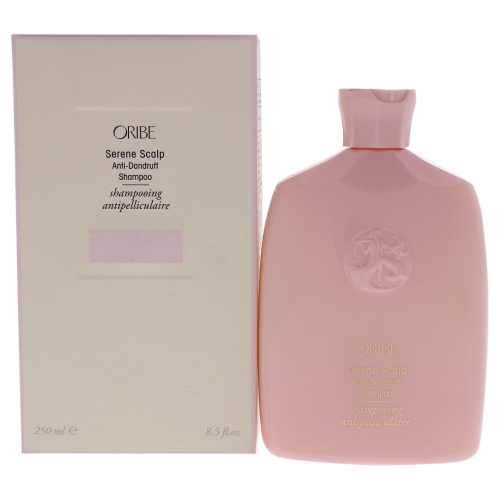 Your price for this item is $72.53
 -
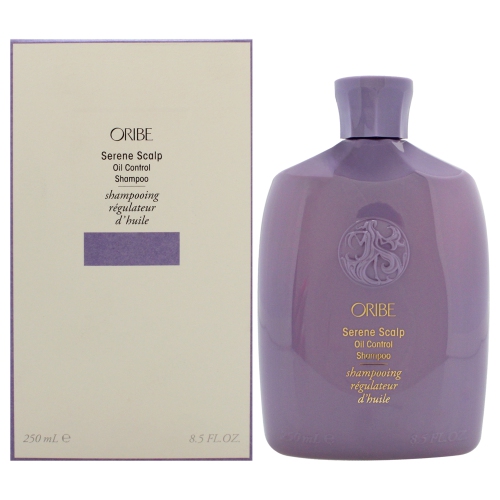 Your price for this item is $76.09
 -
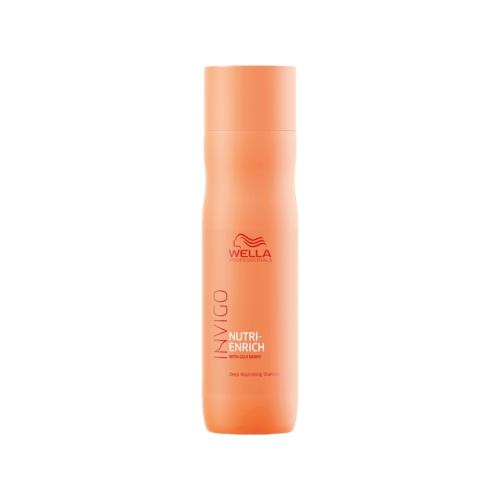 Your price for this item is $16.5
 -
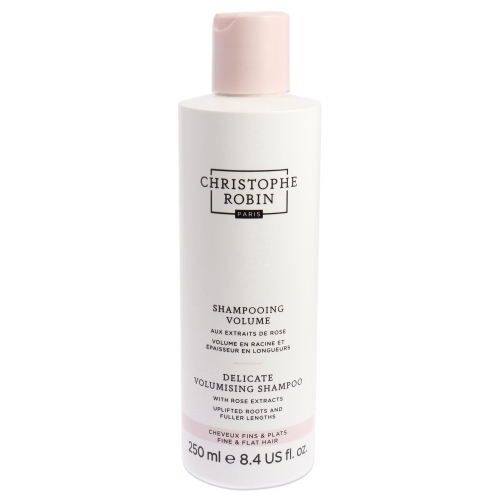 Your price for this item is $45.52
 -
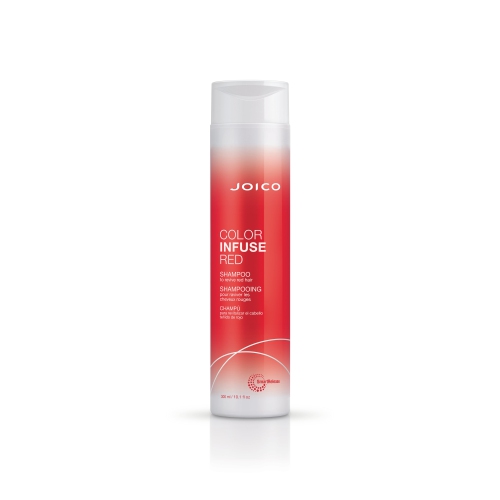 Your price for this item is $16.99
 -
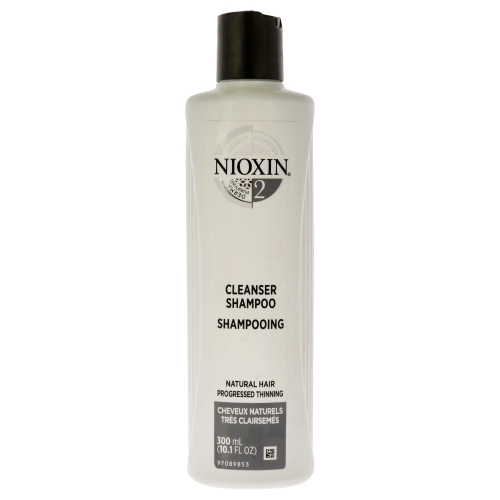 Your price for this item is $24.61
 -
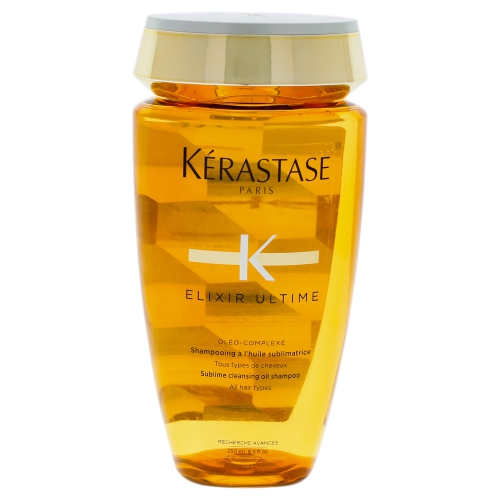 Your price for this item is $47.94
 -
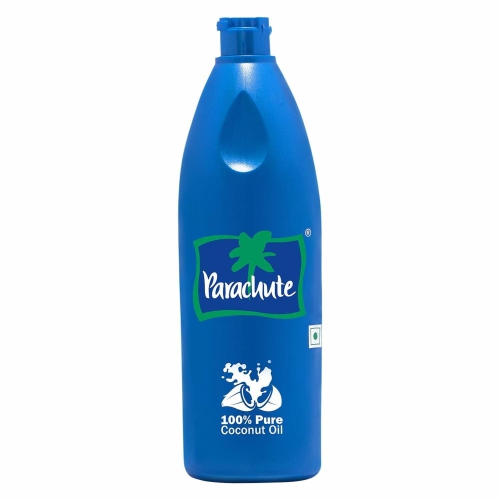 Your price for this item is $24.99
Discover more categories related to Shampoos for All Hair Types

Top Collections:
Pokemon Centers, Budget 4K TVs, Kindle Devices, Canon G7X Cameras, Apple iPhones 16, iPhone 15 Apple, Laptops for Business Work, Flip Phones, Xiaomi Phones, Refurbished Apple Laptops
Some products may be subject to Environmental Handling Fees
(EHF) depending on your province.
Learn more about EHFs.