Shampoos for Sensitive Scalps
Shampoos for Sensitive Scalps are specially formulated to provide a gentle cleansing experience while caring for delicate skin. Whether you’re looking to refresh your hair routine or seeking options that help minimize discomfort, these shampoos offer a soothing solution for everyday use. Discover a variety of choices designed to leave your hair feeling clean and comfortable, making it easy to find the right fit for your personal care needs. Explore our selection and enjoy a more enjoyable hair-washing experience with Shampoos for Sensitive Scalps.
Sort

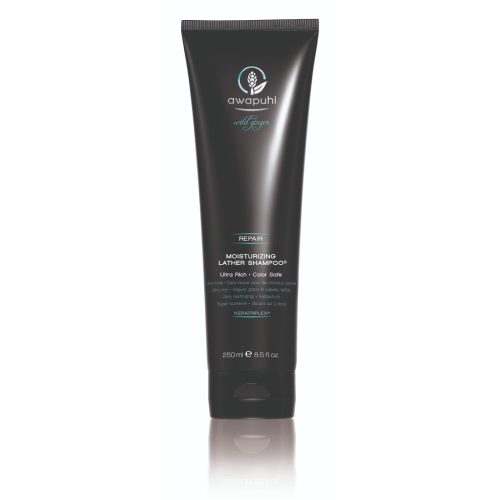
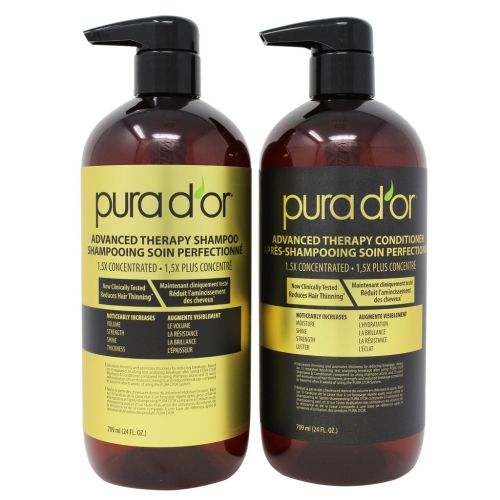
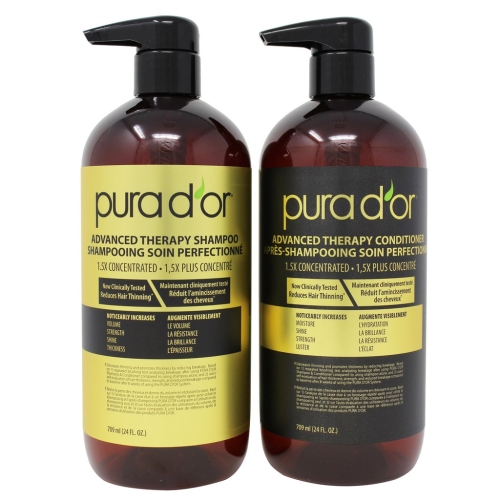
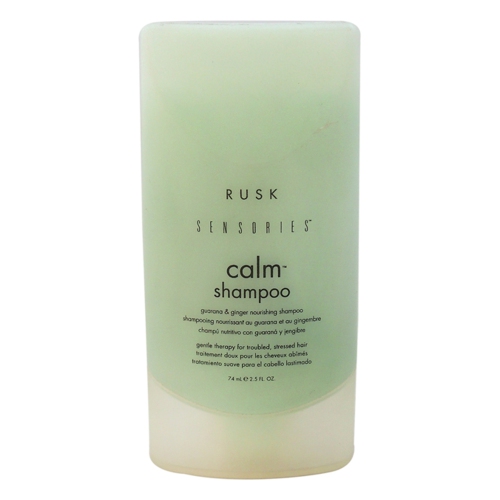

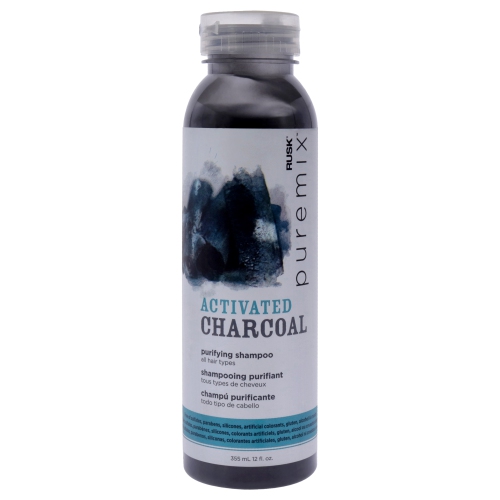
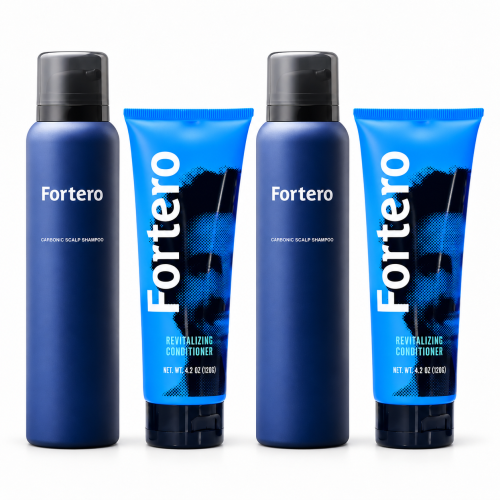
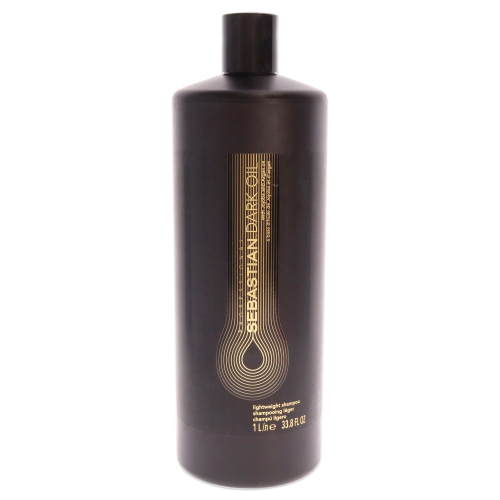
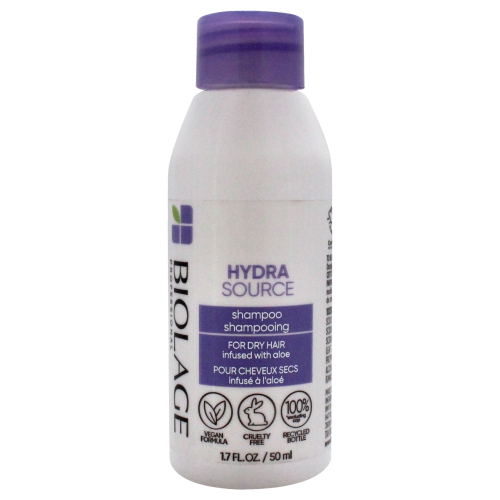

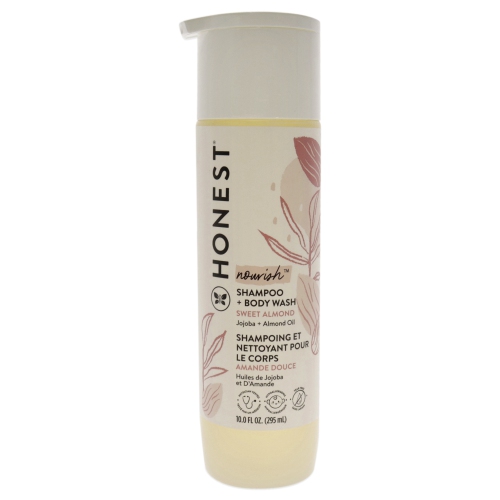

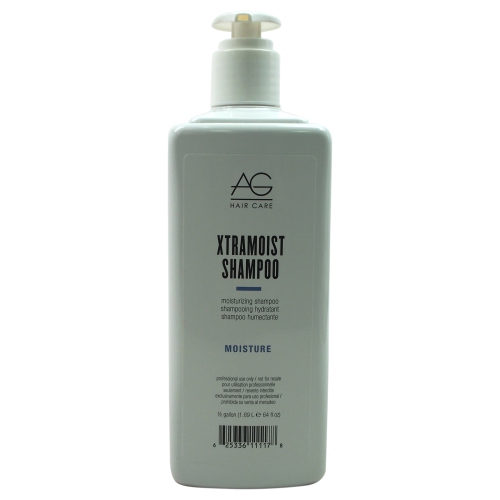
Scalp comfort depends on more than shampoo labels
Shampoos for sensitive scalps are formulated to cleanse the hair and scalp with an emphasis on comfort and tolerability. They may suit people whose scalp feels tight after washing, reacts to strongly scented hair care, or becomes itchy when a particular formula is used. Sensitivity is not a single scalp condition, so a shampoo that feels comfortable for one person may not suit another. Fragrance-free formulas are a useful starting point for people with fragrance sensitivity, while dye-free options can help those avoiding a known colour additive. “Unscented” and “fragrance-free” do not necessarily mean the same thing: an unscented formula may contain ingredients that mask the smell of other components. The full ingredient list provides more detail than a front-label description alone. Sulphate-free shampoos use alternatives to sulphate cleansing agents, but the absence of sulphates does not automatically make a formula gentler. Overall formulation, ingredient concentration, washing habits, and individual sensitivities all affect how a shampoo feels. Similarly, a paraben-free label is not, by itself, evidence that a shampoo will be better tolerated; preservatives help protect water-based formulas from contamination, and tolerance varies by ingredient. A shorter ingredient list can make it easier to check for a known trigger, although simplicity is not a guarantee of suitability. Botanical extracts and essential oils also deserve attention, since plant-derived ingredients can still cause irritation or allergic reactions. Peppermint or other strongly scented ingredients may create a noticeable cooling sensation without addressing the cause of discomfort. Labels such as “hypoallergenic” and “dermatologist-tested” offer context, but neither guarantees that a formula will suit every scalp. For someone who has reacted to several shampoos, knowing which ingredient caused the reaction is more useful than relying on broad claims about gentleness. Sensitive-scalp shampoo is therefore best understood as a category of cleansing options, rather than a single formula that works for everyone.
The feel of a sensitive-scalp shampoo also depends on the balance between cleansing and conditioning. Ingredients such as glycerin and panthenol are commonly used to help retain moisture, while ceramides may be included to support the skin’s moisture barrier. Niacinamide and oat-derived ingredients appear in some scalp-care formulas, though their presence alone does not establish how well a finished shampoo will work. Shampoo is rinsed away, so the complete formula and its intended use matter more than any one highlighted ingredient. Hair texture adds another layer to the choice. Fine hair may feel weighed down by a rich formula, whereas thick, curly, or tightly coiled hair may need more conditioning to limit tangles and friction during washing. Colour-treated or chemically processed hair may also benefit from a formula labelled for that use, provided it meets the scalp’s needs. A scalp can be sensitive and oily at the same time; a heavily moisturizing shampoo is not automatically the best match when roots become greasy quickly. Styling waxes, dry shampoo, and leave-in treatments can leave residue, making effective rinsing important even with a mild cleanser. A comfortable wash does not require a large mound of foam. Some cleansing systems produce less lather while still removing oil and everyday buildup, and adding extra shampoo solely to create bubbles can make rinsing more difficult. Gentle fingertip contact is generally preferable to scratching with fingernails or scrubbing with a stiff tool. Concentrating cleanser at the scalp and allowing the rinse water to carry it through the lengths can reduce unnecessary handling of fragile ends. Conditioner can then be used according to its label, often through the mid-lengths and ends rather than directly on the scalp. Washing frequency depends on oil production, activity, hair texture, and any treatment directions, rather than a universal daily or weekly schedule.
Dryness and sensitivity often overlap, but they are not interchangeable. A dry scalp may feel tight and develop small flakes, while itching or flaking can also occur with dandruff, contact reactions, and other skin conditions. For shoppers whose main concern is a dry, tight feeling, Shampoos for Dry Scalp offers a related category to consider alongside sensitive-scalp formulas. Moisturizing shampoo may improve comfort when dryness is part of the problem, but it is not a substitute for a treatment intended for a diagnosed scalp condition. Persistent flakes, recurring redness, or an oily scalp with irritation may call for a different approach, including advice from a pharmacist or healthcare professional about whether a medicated shampoo is appropriate. Treatment shampoos can have specific contact times and washing schedules, so their directions take priority over general hair-care habits. Changing several parts of a routine at once can also make it difficult to identify what helps or causes discomfort. Introducing one new formula at a time, following any label directions for testing, and noting how the scalp feels after washing can provide useful information. A shampoo that causes burning, worsening itch, or a rash should be rinsed out and discontinued. Persistent symptoms, sores, or unexpected hair loss warrant professional assessment rather than repeated changes of shampoo. Practical details matter for everyday use, too: a dispenser that is easy to control helps avoid using more than needed, and a closure that stays clean helps keep the bottle tidy between washes. Store shampoo according to the label, close it after use, and avoid adding water to the bottle, which can affect preservation. For shared bathrooms, keeping a dedicated bottle can help someone avoid accidentally using a scented or otherwise unsuitable formula. The most useful sensitive-scalp shampoo is one that cleans effectively, suits the hair’s texture and treatment history, and fits a routine the scalp can comfortably tolerate.
Top selling and popular products
-
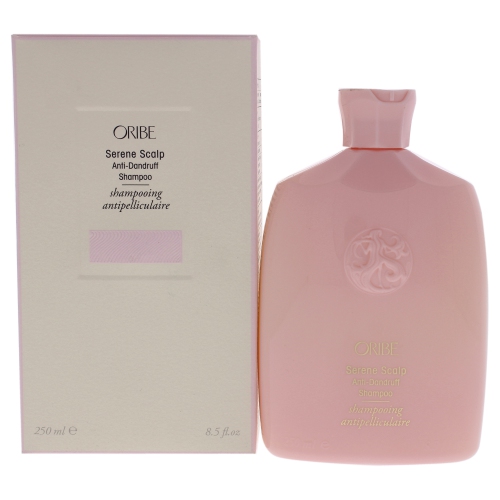 Your price for this item is $72.53
-
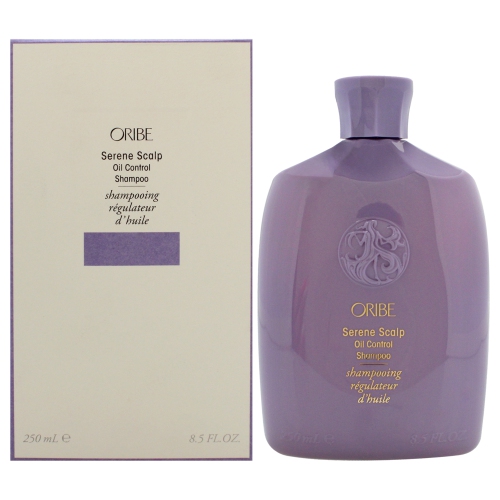 Your price for this item is $76.09
-
 Your price for this item is $129.99
-
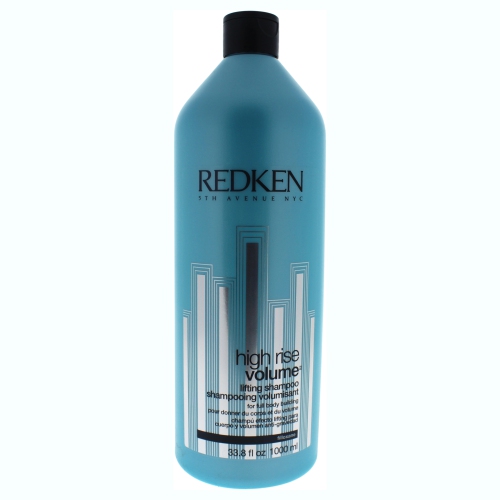 Your price for this item is $49.11
-
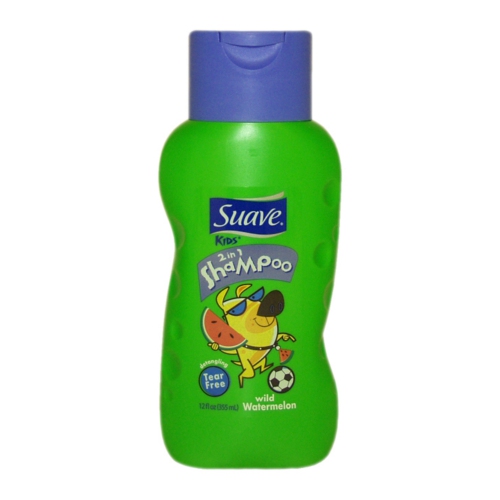 Your price for this item is $13.77
-
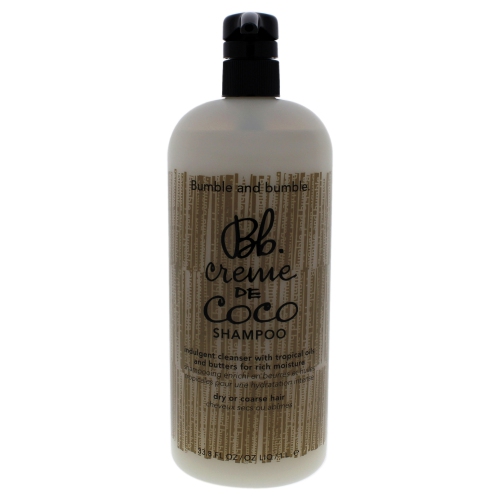 Your price for this item is $90.97
-
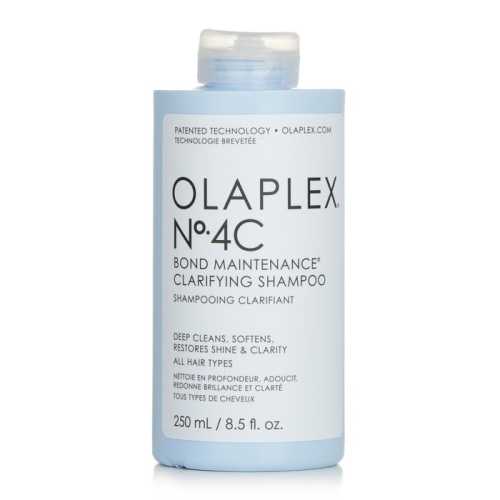 Your price for this item is $167.56
-
 Your price for this item is $29.63
Discover more categories related to Shampoos for Sensitive Scalps
Top Collections:
Best Black Friday Deals This Year, Best Black Friday Deals On Electronics, Kindle Devices, Pokemon Centers, Best Black Friday Deals On Apple Products, Best Cameras for Sports Photography, Dyson Airwrap, Pokémon 30th Celebration Cards, Apple iPhone 17 Pro, Canon G7X Cameras
Some products may be subject to Environmental Handling Fees
(EHF) depending on your province.
Learn more about EHFs.