Smart Electric Toothbrushes
Smart electric toothbrushes are a revolutionary advancement in oral hygiene. These toothbrushes are designed to be effective providing users with a thorough and efficient cleaning experience. They come with a variety of features to make brushing easier and more enjoyable. Here are some of the best options available.
Sort

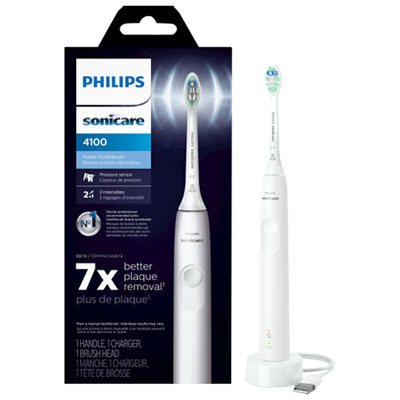
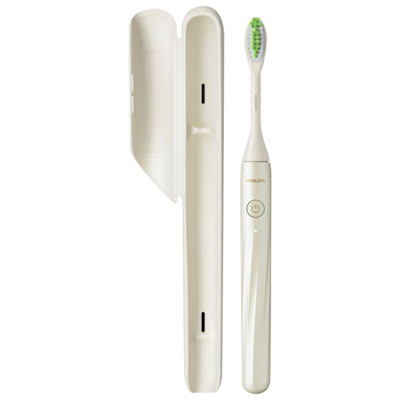
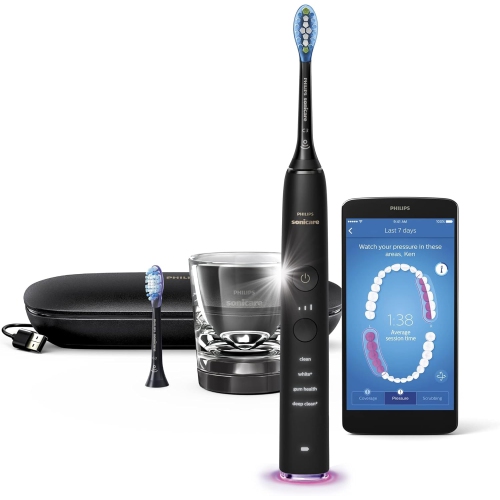
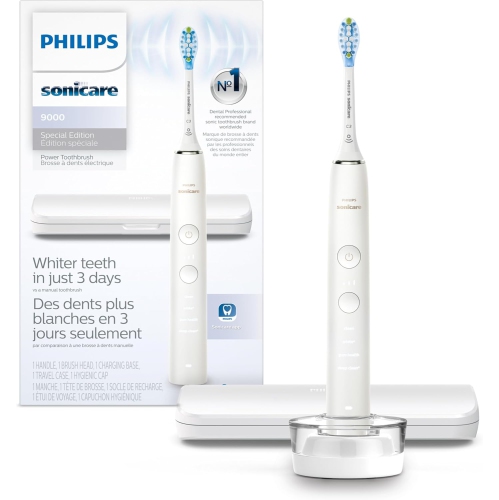
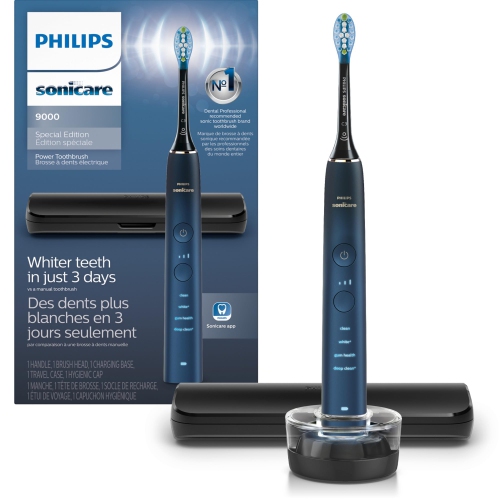
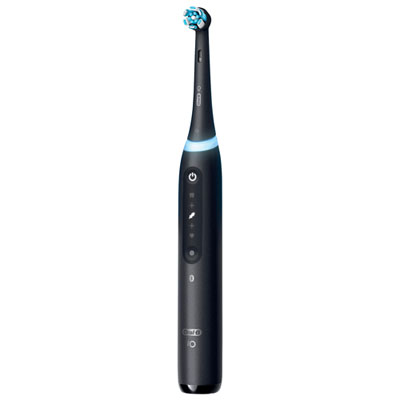
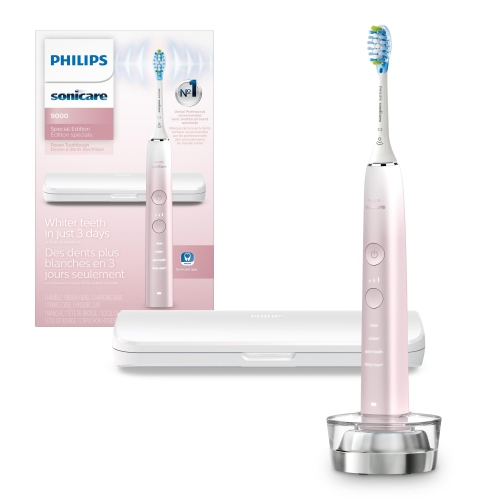

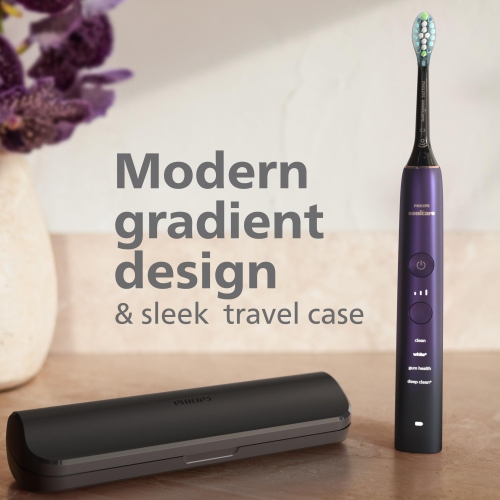
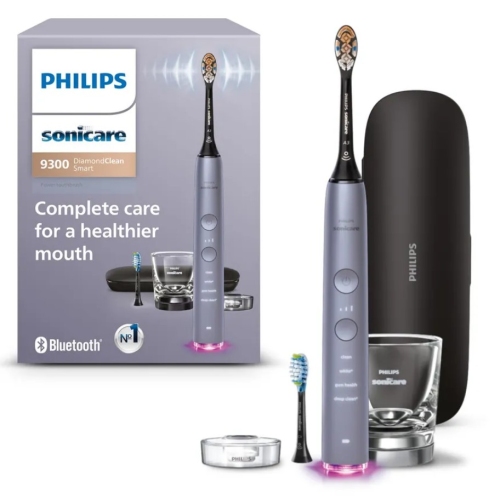
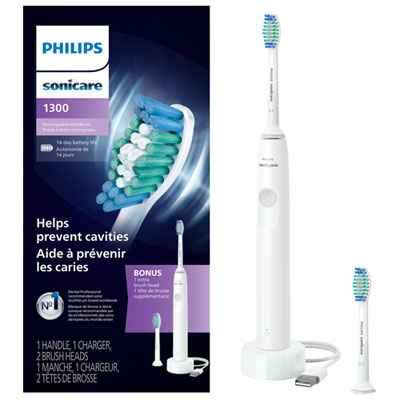
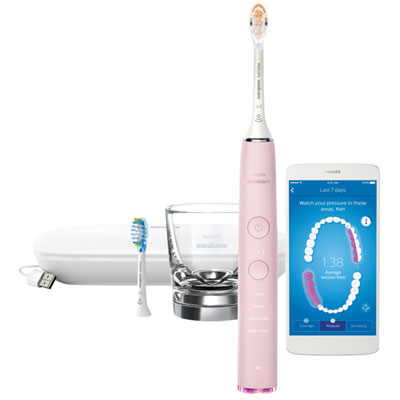
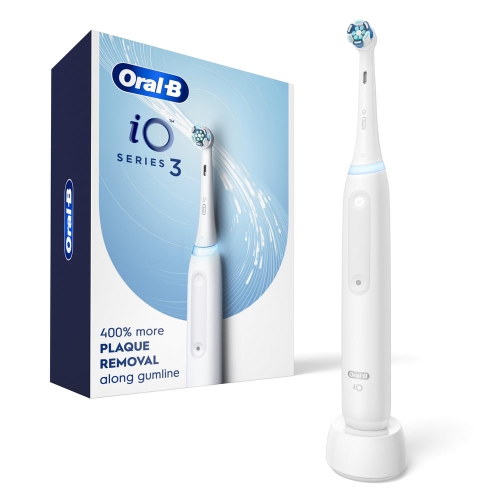
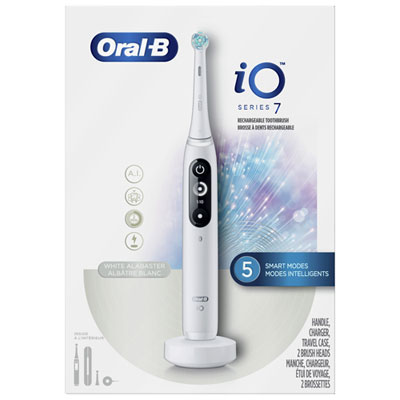
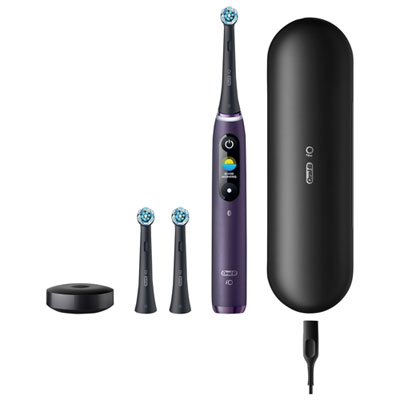
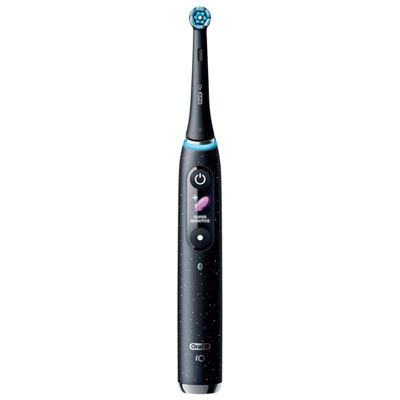
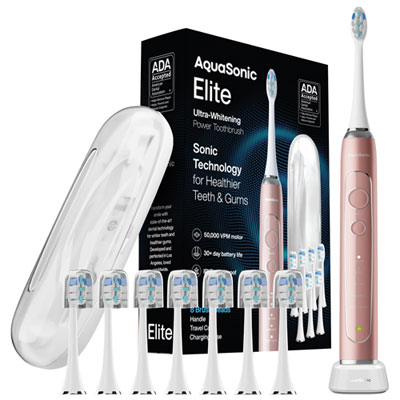
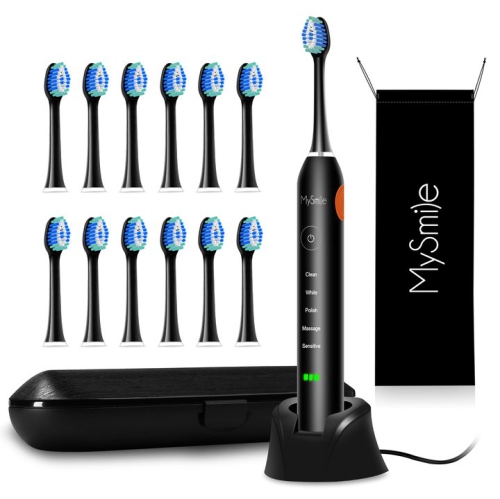
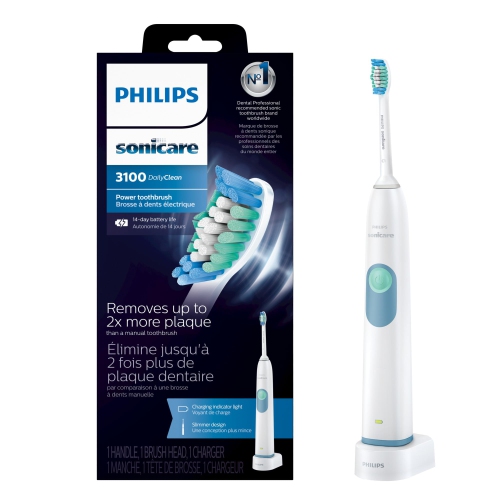
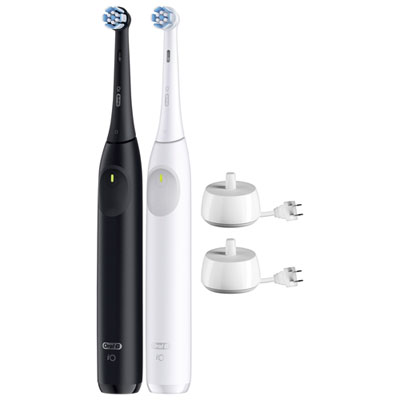
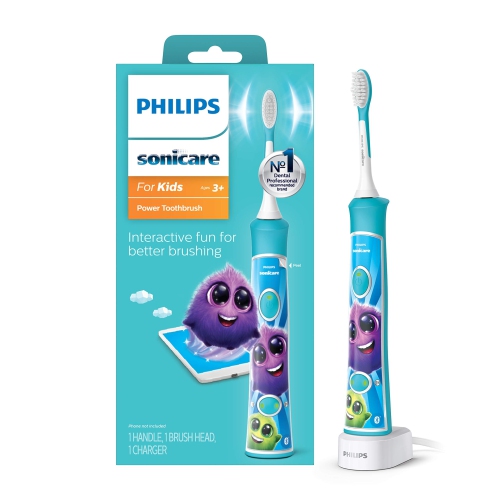
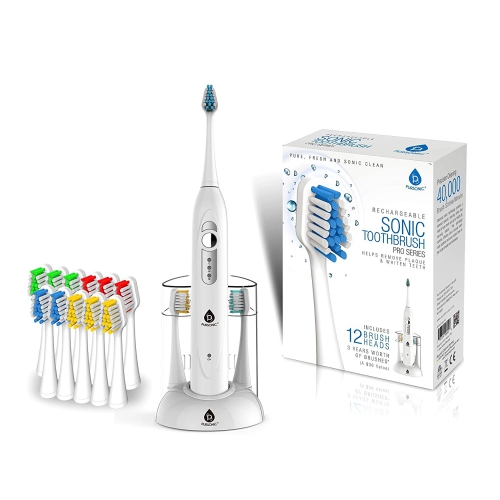
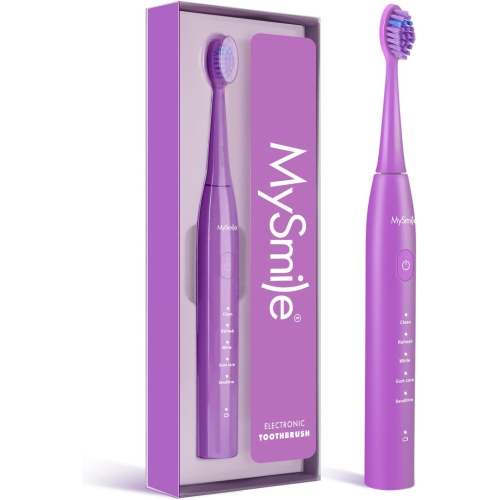
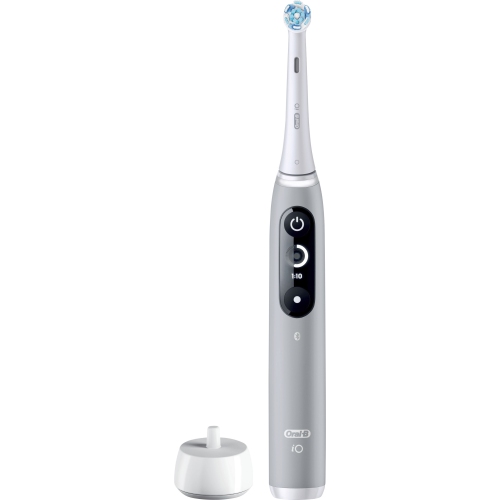
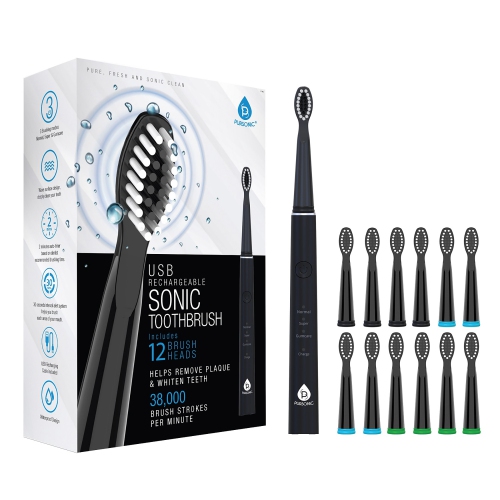
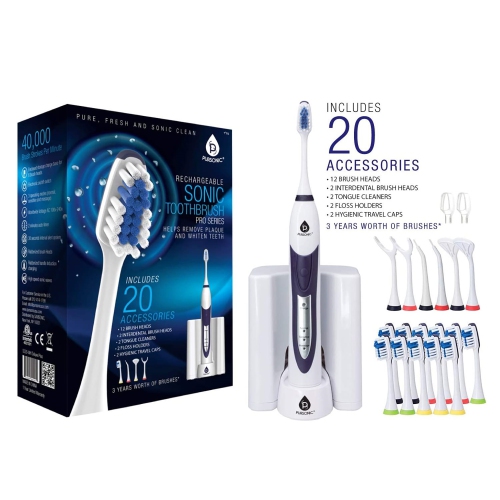

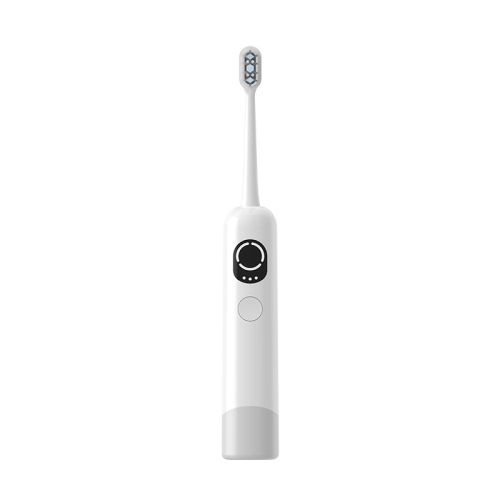
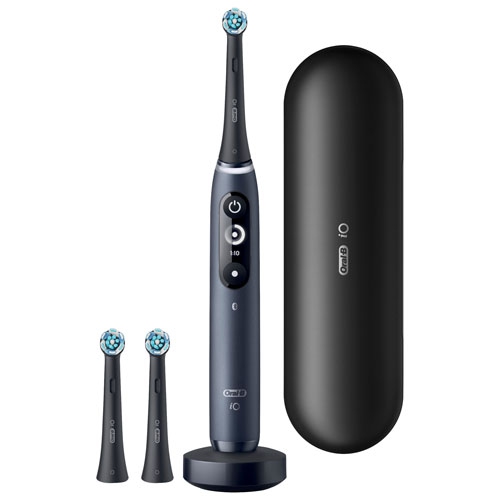
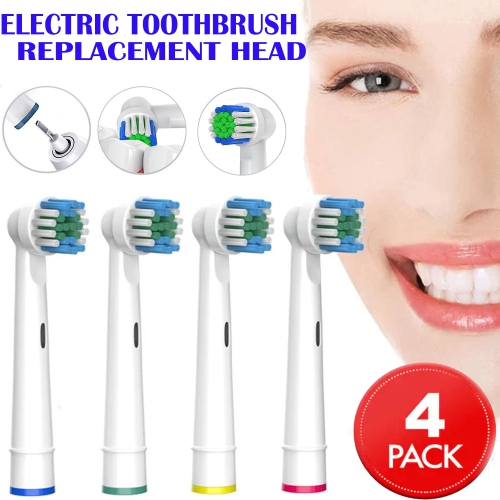
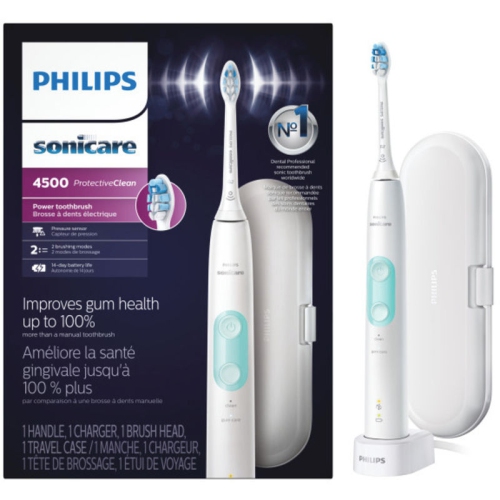
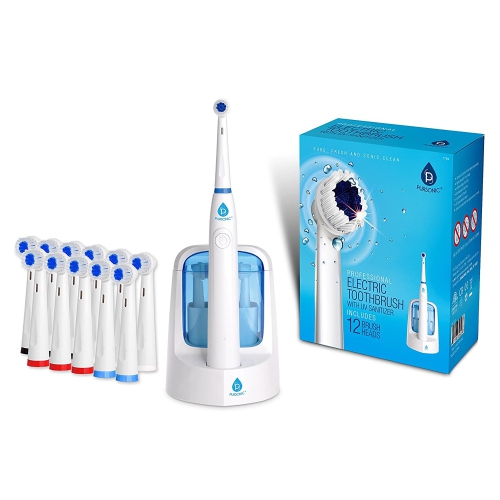
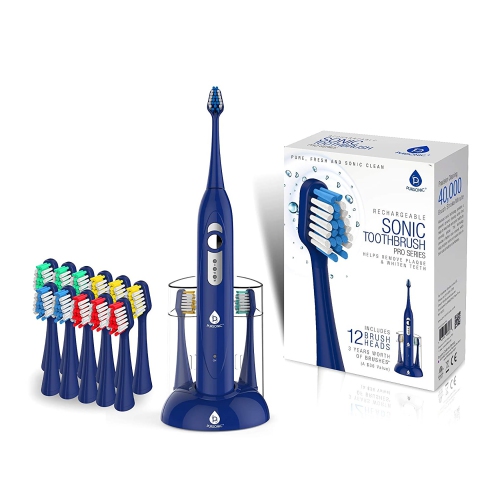
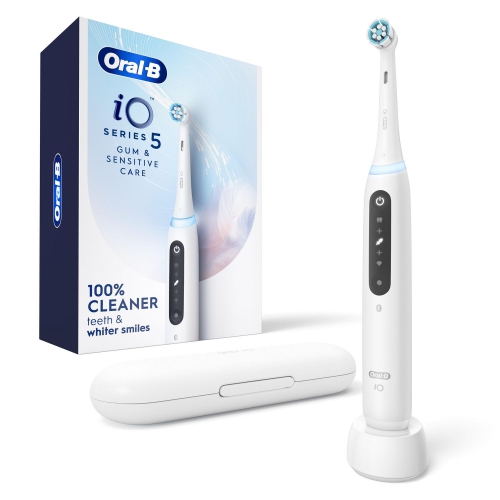
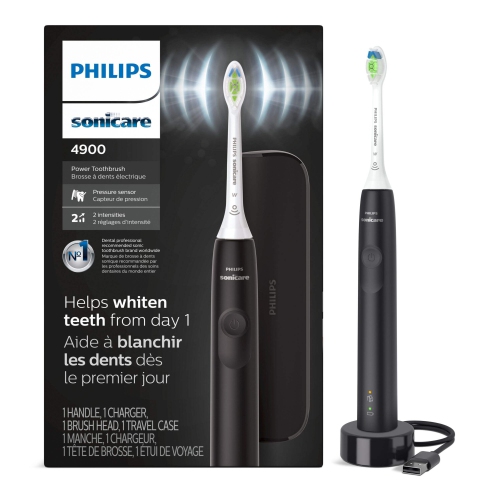
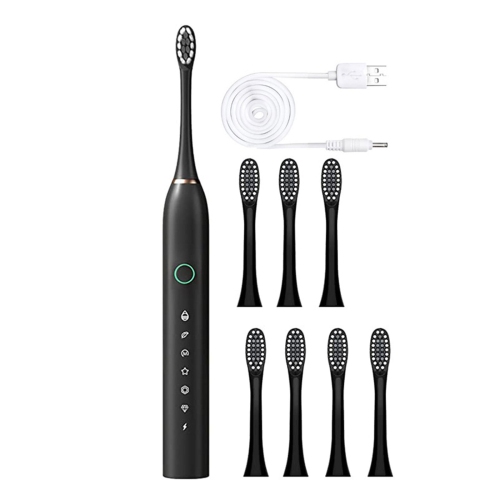
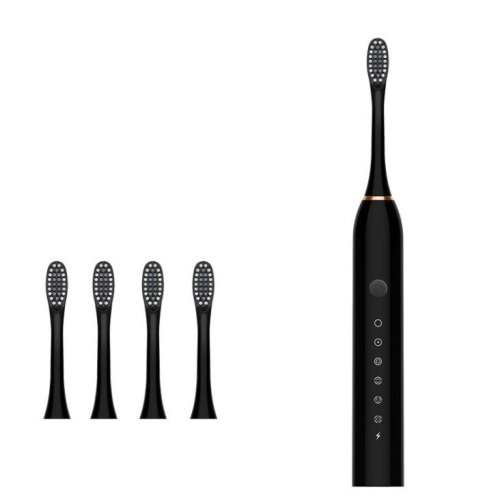
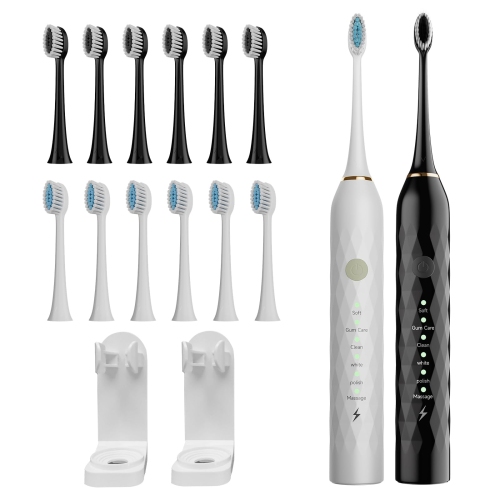
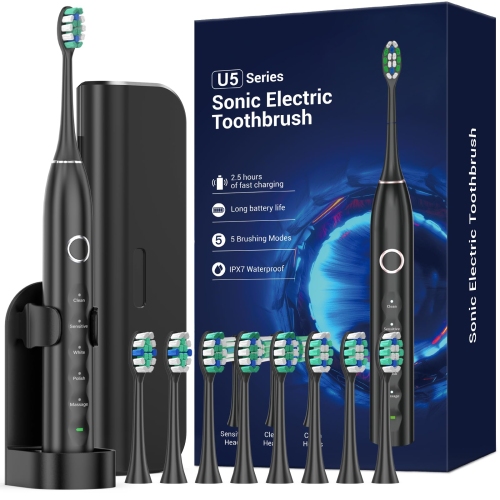
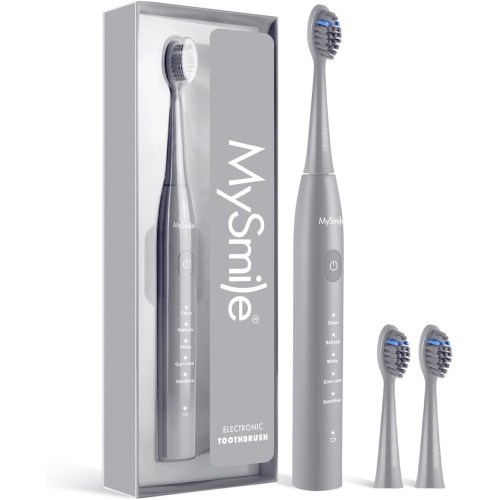
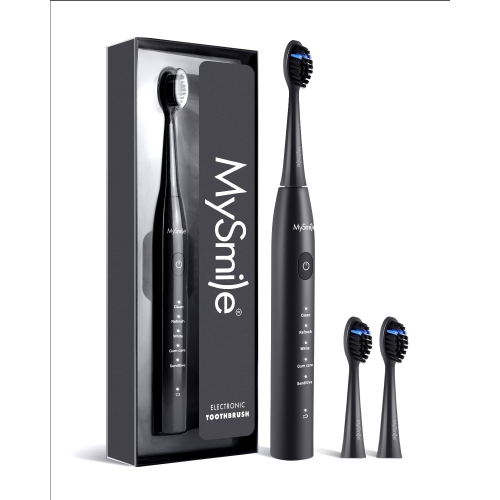
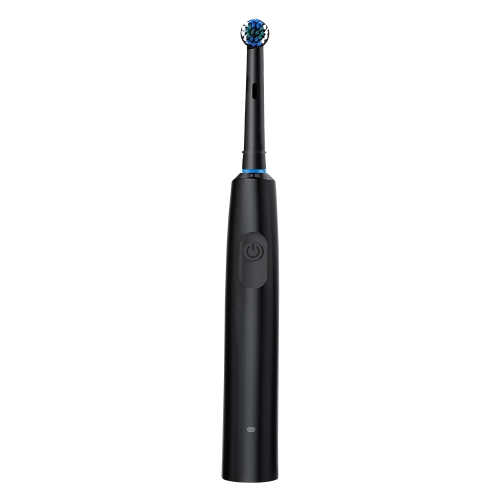
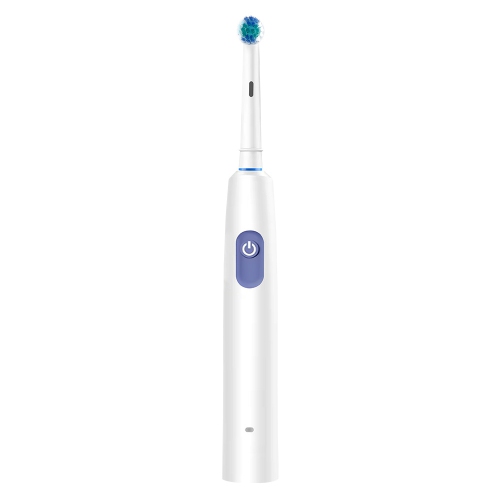
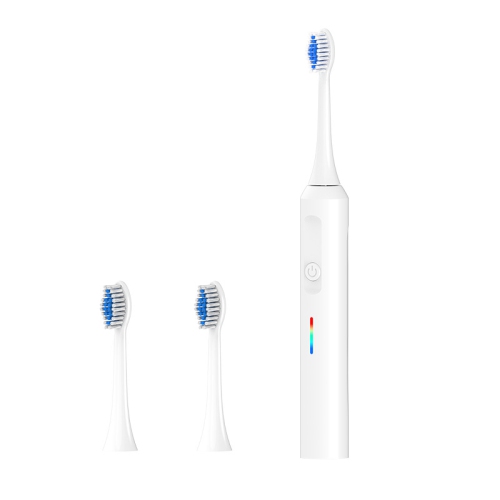
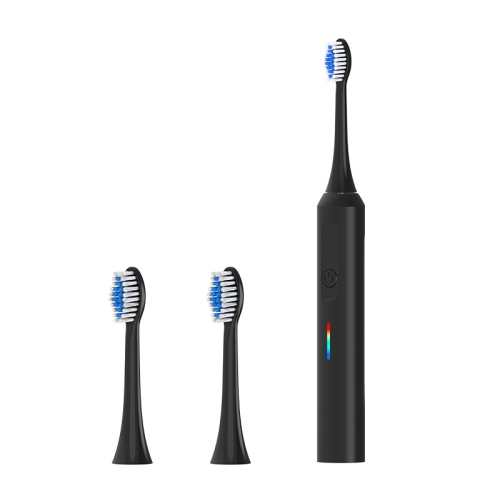
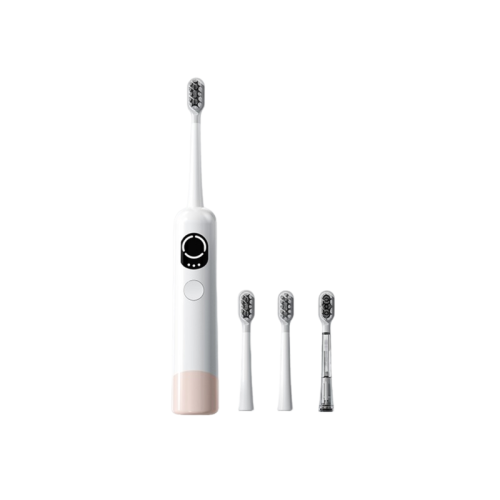

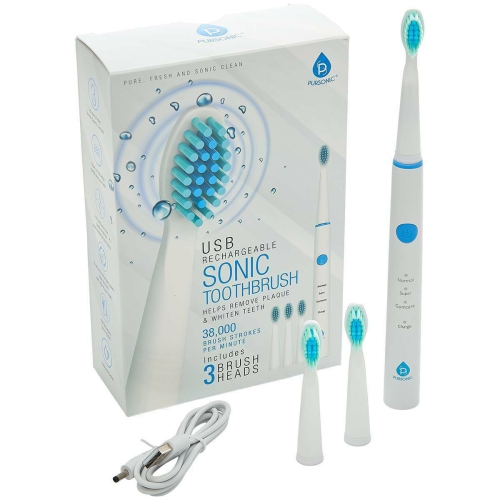
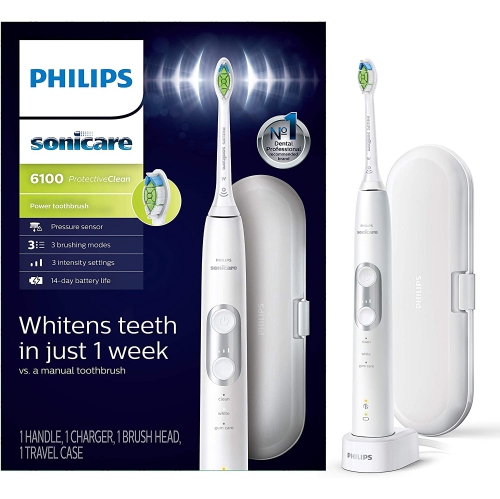
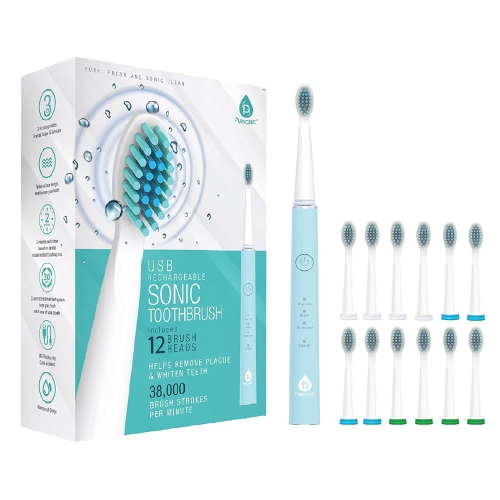

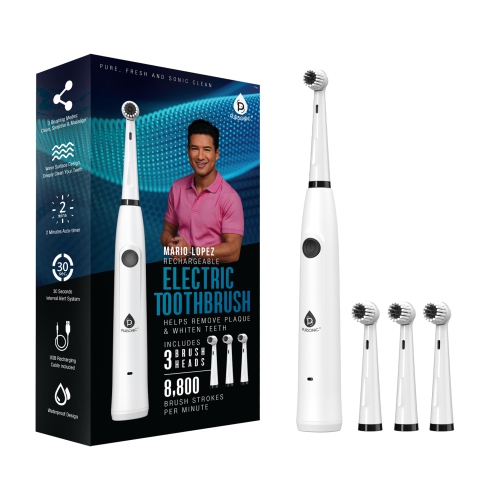
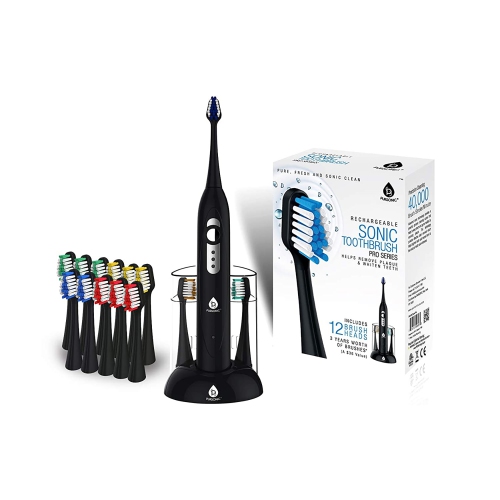
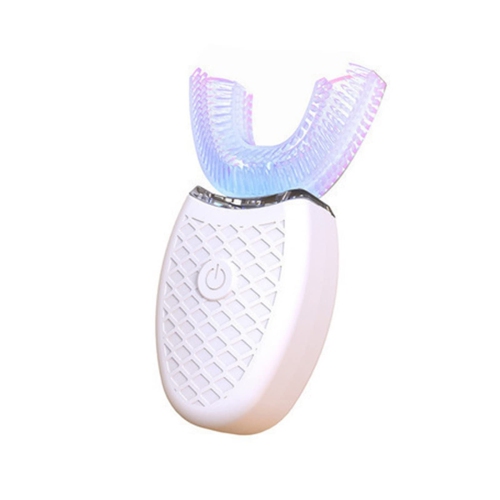
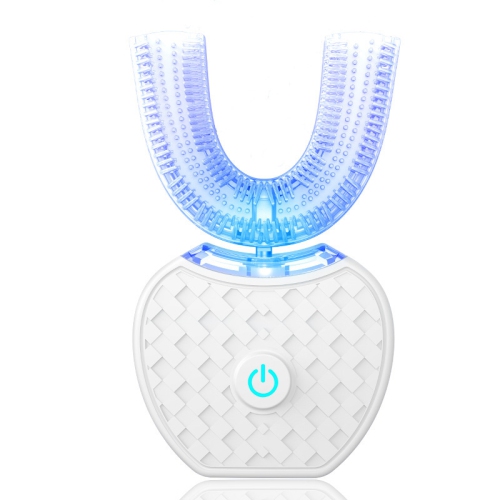
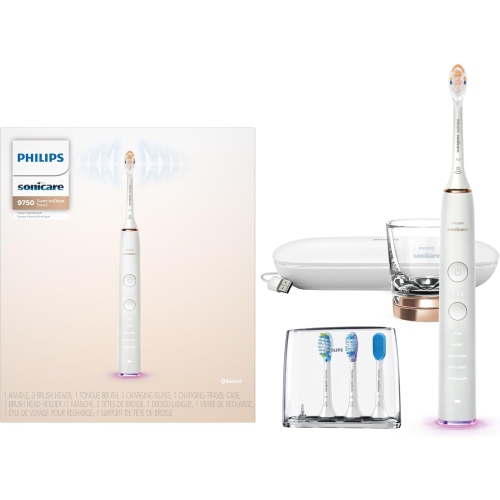
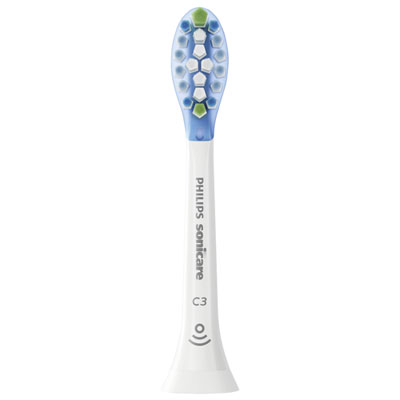
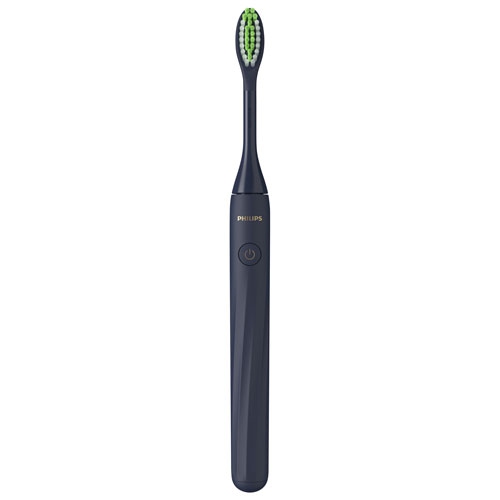
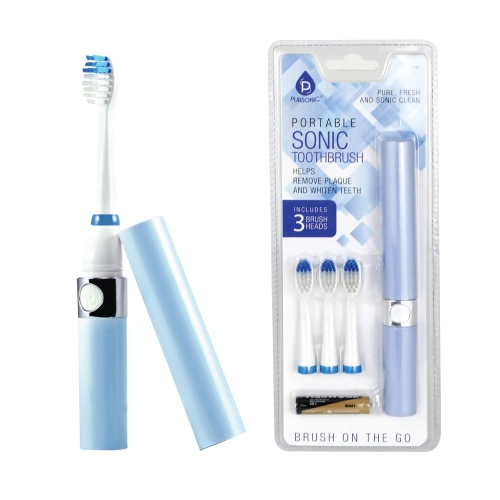
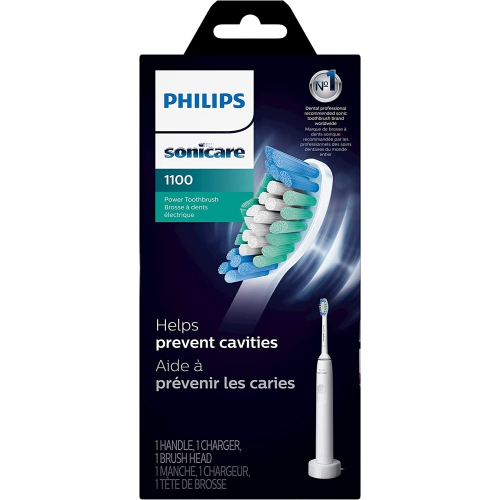

Feedback that helps you brush with less guesswork
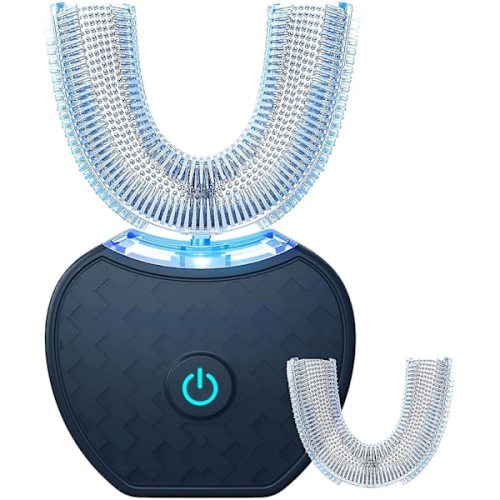
Smart electric toothbrushes combine powered brushing with feedback that can make a daily routine easier to follow. Depending on the design, built-in sensors may monitor brushing time, pressure, movement, or coverage, while a connected smartphone app shows brushing patterns and areas that may need more attention. The practical difference between a standard electric toothbrush and a smart electric toothbrush is that added feedback: instead of relying only on how clean teeth feel, the person brushing can receive prompts about technique and consistency. A pressure sensor may light up, vibrate, or reduce brushing intensity when the head is pressed too firmly against teeth and gums. A two-minute timer and interval reminders help divide brushing time across the mouth, making it less tempting to finish after a quick pass over the front teeth. Some connected toothbrushes estimate which areas have been brushed, although tracking methods and accuracy vary, and an app display is not a dental assessment. Bluetooth is a common connection method, with supported features depending on the toothbrush, app, and compatible phone. Not every smart feature requires a screen nearby; certain designs provide useful reminders through the handle or charging base, so brushing does not always mean balancing a phone beside the sink. Sonic toothbrushes use rapid vibrating movements, while oscillating-rotating toothbrushes typically move a small, round head back and forth. Both approaches still require careful positioning along tooth surfaces and the gumline, following the instructions for the brush head and handle. A connected model can be particularly useful for someone who tends to brush too hard, rush through a routine, or repeatedly overlook the same section of the mouth. It can also appeal to people who enjoy seeing their habits recorded over time. Those interested in powered brushing with different levels of connected functionality can also explore Great Electric Toothbrushes as part of finding a comfortable fit for everyday oral care.
Comfort depends on more than the number of brushing modes. Brush head size, bristle softness, handle shape, and the feel of the powered movement all affect how naturally a toothbrush fits into a routine. A compact head may be easier to position behind the back molars or inside a smaller mouth, while a broader head can feel more familiar to someone moving from a manual toothbrush. Soft bristles are generally a suitable starting point for daily brushing, particularly when paired with light pressure rather than scrubbing. Brush heads commonly use synthetic bristles and moulded plastic supports; handles often combine a rigid body with textured or rubberized grip areas. A secure grip matters when hands are wet, and a wider handle may feel easier to hold for someone with limited dexterity, though weight and button placement also deserve attention. Clearly marked controls and visible pressure alerts can be more useful in practice than a long list of settings. Sensitive or gentle modes generally change brushing intensity, but their names and operation differ between designs. A mode labelled for whitening may help address surface stains through brushing; it does not change the natural colour of teeth in the same way as a bleaching treatment. People with braces, implants, crowns, or ongoing gum concerns should look for appropriate brush head compatibility and follow advice from a dental professional. An electric toothbrush does not replace cleaning between teeth or regular dental care. For children, the handle and head should be intended for the child's age, with adult supervision as needed; interactive app features do not make an adult-sized brush suitable for a small mouth. A smart toothbrush can make a thoughtful practical gift for someone who has expressed interest in upgrading their routine, especially if they appreciate personal care technology. Preferences around vibration, sound, head shape, and phone use are personal, however, so ease of use matters more than choosing the largest feature set.
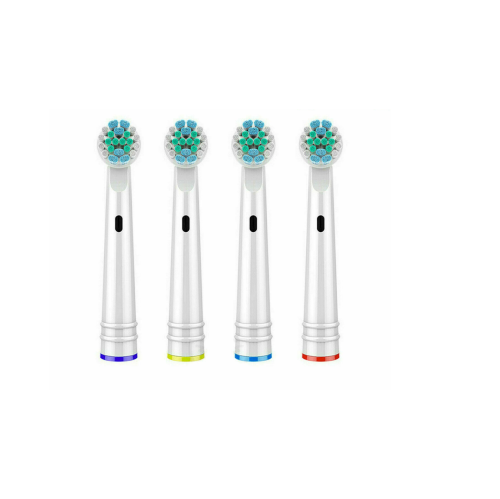
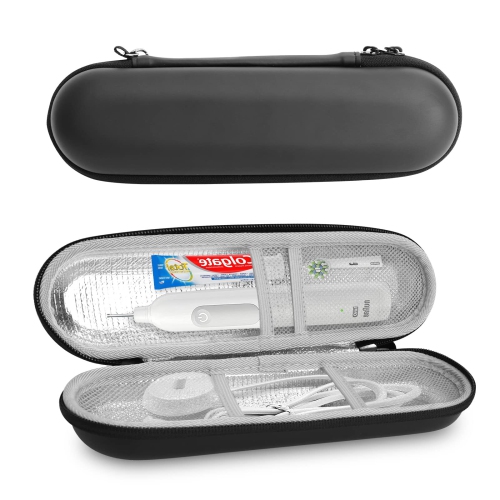
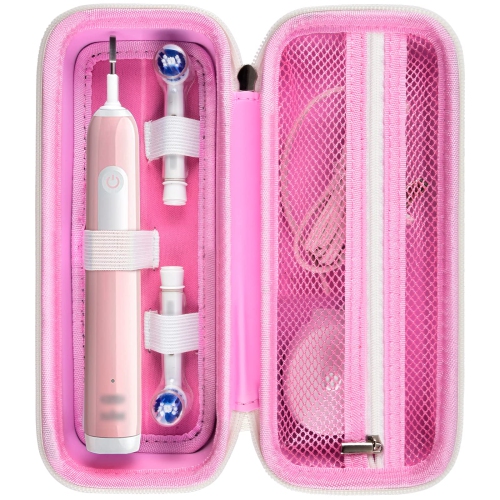
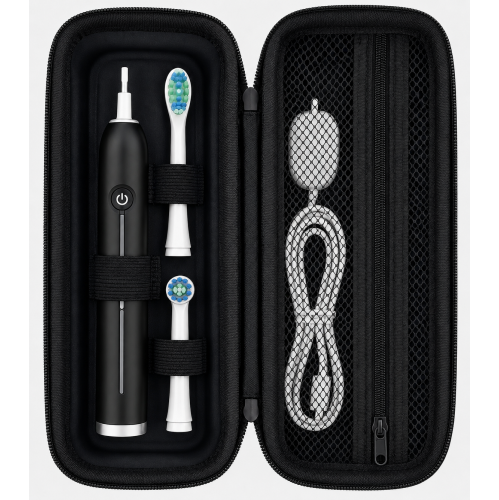
Everyday ownership also comes down to charging, cleaning, and keeping the right replacement heads on hand. Rechargeable smart toothbrushes differ in how long they run between charges, and battery performance depends on brushing frequency, session length, selected modes, and connected features. A battery indicator can make it easier to avoid discovering an empty handle just before leaving home. Charging bases, USB-powered accessories, and charging travel cases are not interchangeable features, so the included charging method matters, particularly for frequent travel or a bathroom with limited counter space. A protective case helps keep the handle and head separated from other toiletries, but a damp brush should be allowed to air-dry rather than staying enclosed for long periods. After brushing, rinse the head thoroughly, remove toothpaste residue, and clean the handle and head connection according to the manufacturer's instructions. Keep charging equipment dry as directed, and do not assume that a water-resistant handle means its charger can be rinsed or submerged. Smooth surfaces with fewer crevices can be simpler to wipe clean, while regular care around the head attachment helps prevent residue from building up. Brush heads generally need replacing about every three to four months, or sooner if the bristles become frayed or worn; follow the head manufacturer's guidance and any advice from a dental professional. Compatibility is important because replacement heads are not universally interchangeable, even when two handles look similar. Household members should each use their own brush head, and shared-handle arrangements may require attention to how app profiles and brushing history are managed. For connected functions, phone compatibility, account requirements, app permissions, and software support are worth considering alongside the hardware. Some apps store brushing records or offer optional reminders, and those features should suit the user's comfort with sharing personal information. Durable construction, a stable charging base, straightforward maintenance, and clear warranty terms can all contribute to a toothbrush that remains pleasant to use. The most useful smart features are the ones that support a thorough, comfortable routine without adding unnecessary steps to an ordinary morning or evening.
Comfort depends on more than the number of brushing modes. Brush head size, bristle softness, handle shape, and the feel of the powered movement all affect how naturally a toothbrush fits into a routine. A compact head may be easier to position behind the back molars or inside a smaller mouth, while a broader head can feel more familiar to someone moving from a manual toothbrush. Soft bristles are generally a suitable starting point for daily brushing, particularly when paired with light pressure rather than scrubbing. Brush heads commonly use synthetic bristles and moulded plastic supports; handles often combine a rigid body with textured or rubberized grip areas. A secure grip matters when hands are wet, and a wider handle may feel easier to hold for someone with limited dexterity, though weight and button placement also deserve attention. Clearly marked controls and visible pressure alerts can be more useful in practice than a long list of settings. Sensitive or gentle modes generally change brushing intensity, but their names and operation differ between designs. A mode labelled for whitening may help address surface stains through brushing; it does not change the natural colour of teeth in the same way as a bleaching treatment. People with braces, implants, crowns, or ongoing gum concerns should look for appropriate brush head compatibility and follow advice from a dental professional. An electric toothbrush does not replace cleaning between teeth or regular dental care. For children, the handle and head should be intended for the child's age, with adult supervision as needed; interactive app features do not make an adult-sized brush suitable for a small mouth. A smart toothbrush can make a thoughtful practical gift for someone who has expressed interest in upgrading their routine, especially if they appreciate personal care technology. Preferences around vibration, sound, head shape, and phone use are personal, however, so ease of use matters more than choosing the largest feature set.
Everyday ownership also comes down to charging, cleaning, and keeping the right replacement heads on hand. Rechargeable smart toothbrushes differ in how long they run between charges, and battery performance depends on brushing frequency, session length, selected modes, and connected features. A battery indicator can make it easier to avoid discovering an empty handle just before leaving home. Charging bases, USB-powered accessories, and charging travel cases are not interchangeable features, so the included charging method matters, particularly for frequent travel or a bathroom with limited counter space. A protective case helps keep the handle and head separated from other toiletries, but a damp brush should be allowed to air-dry rather than staying enclosed for long periods. After brushing, rinse the head thoroughly, remove toothpaste residue, and clean the handle and head connection according to the manufacturer's instructions. Keep charging equipment dry as directed, and do not assume that a water-resistant handle means its charger can be rinsed or submerged. Smooth surfaces with fewer crevices can be simpler to wipe clean, while regular care around the head attachment helps prevent residue from building up. Brush heads generally need replacing about every three to four months, or sooner if the bristles become frayed or worn; follow the head manufacturer's guidance and any advice from a dental professional. Compatibility is important because replacement heads are not universally interchangeable, even when two handles look similar. Household members should each use their own brush head, and shared-handle arrangements may require attention to how app profiles and brushing history are managed. For connected functions, phone compatibility, account requirements, app permissions, and software support are worth considering alongside the hardware. Some apps store brushing records or offer optional reminders, and those features should suit the user's comfort with sharing personal information. Durable construction, a stable charging base, straightforward maintenance, and clear warranty terms can all contribute to a toothbrush that remains pleasant to use. The most useful smart features are the ones that support a thorough, comfortable routine without adding unnecessary steps to an ordinary morning or evening.
Top selling and popular products
-
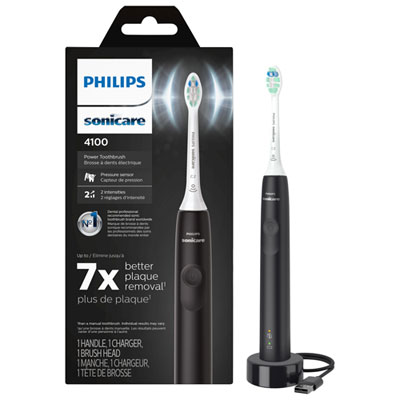 Your price for this item is $84.99
 -
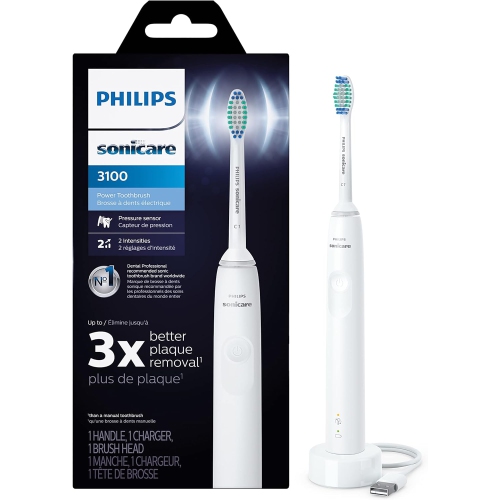 Your price for this item is $49.99
 -
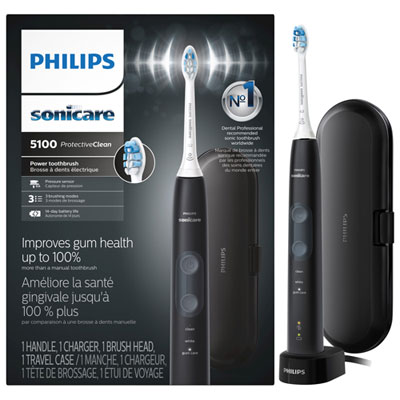 Your price for this item is $119.99
 -
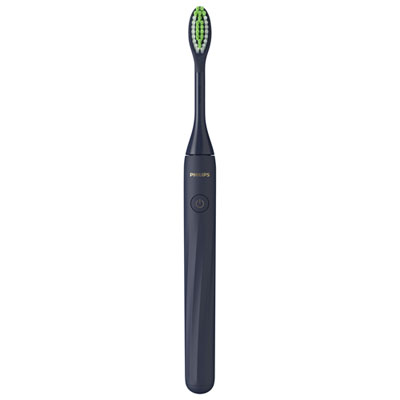 Your price for this item is $34.95
 -
 Your price for this item is $29.99
 -
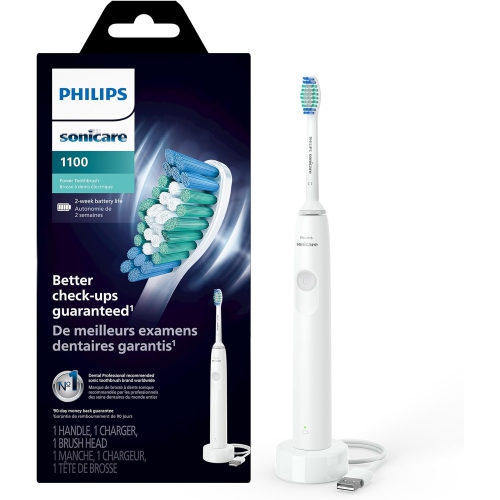 Your price for this item is $29.97
 -
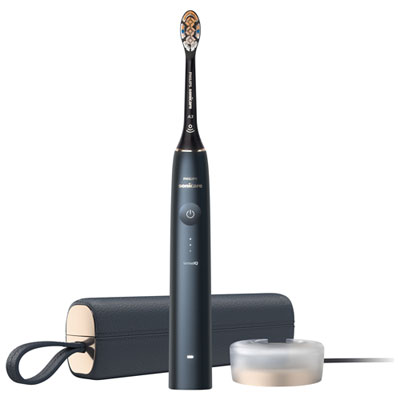 Your price for this item is $499.99
 -
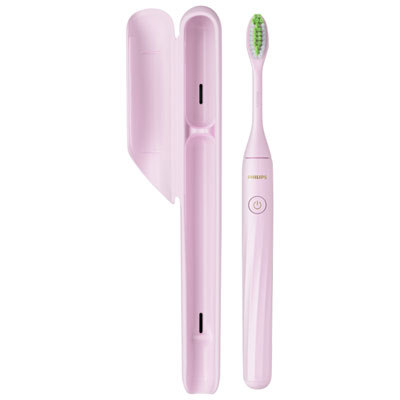 Your price for this item is $34.99
Discover more categories related to Smart Electric Toothbrushes
Top Collections:
Pokemon Centers, Kindle Devices, Apple iPhones 16, Canon G7X Cameras, iPhone 15 Apple, Alarm Clock, Flip Phones, Refurbished Apple Laptops, iPhone 14 256GB, Lightweight On-Ear USB-C Headphones
Some products may be subject to Environmental Handling Fees
(EHF) depending on your province.
Learn more about EHFs.