White Electric Toothbrushes
If you're looking for a way to make brushing your teeth more efficient, consider investing in these white electric toothbrushes. These tools are designed to help you brush your teeth more effectively. They have oscillating or sonic technology that helps remove plaque and food particles from between teeth. Here are some of the best options available.
Sort

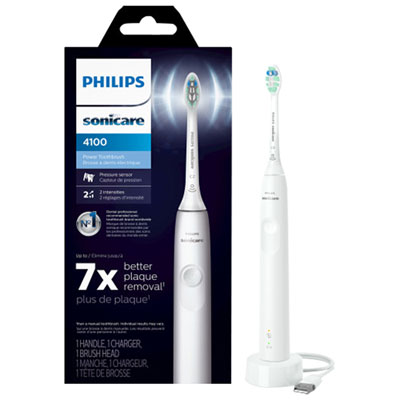
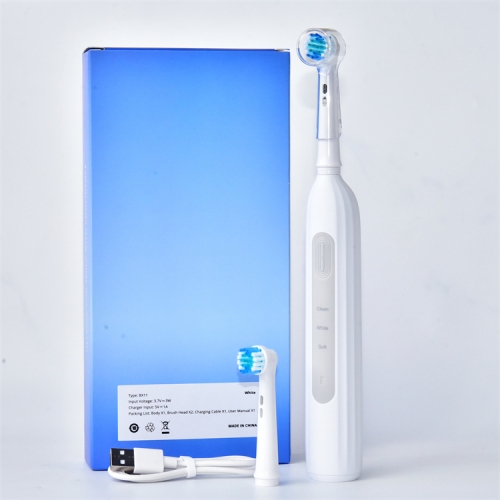
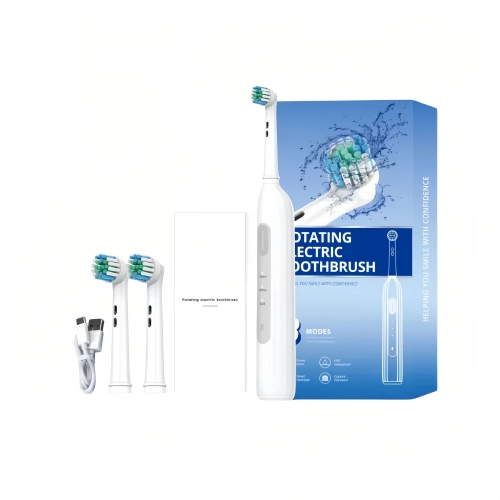
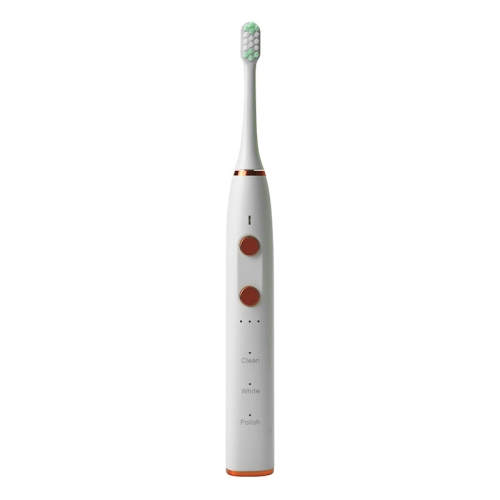





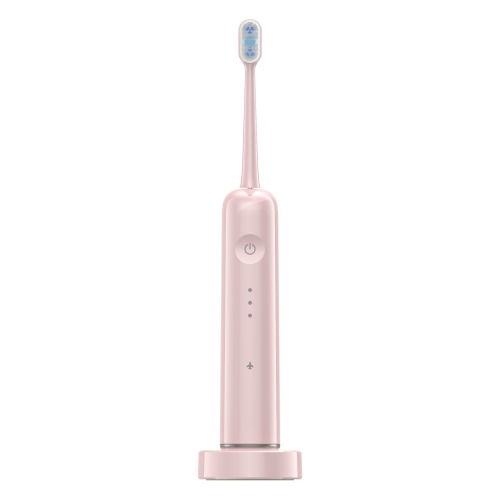
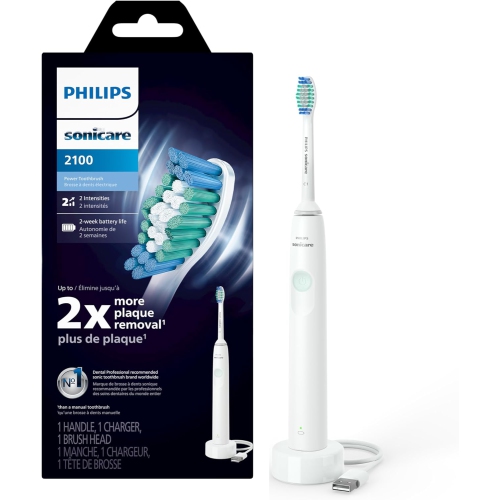
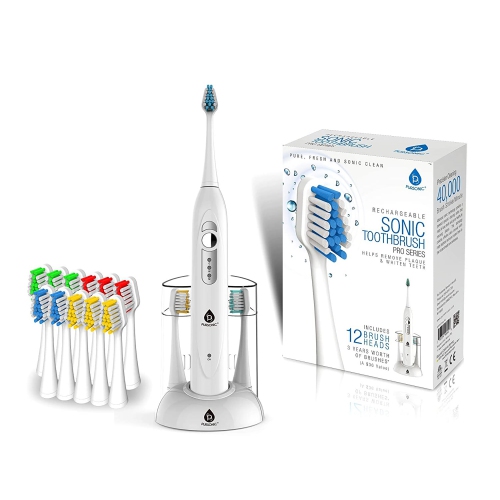
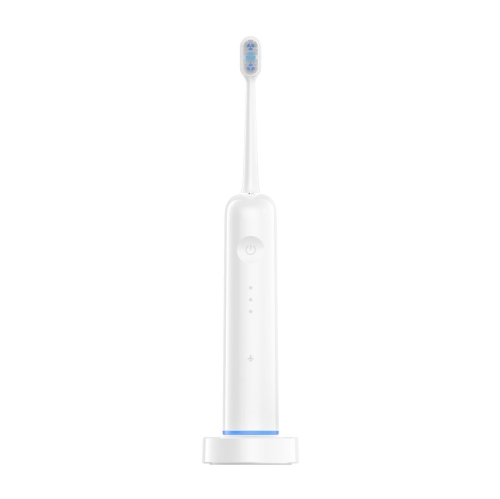
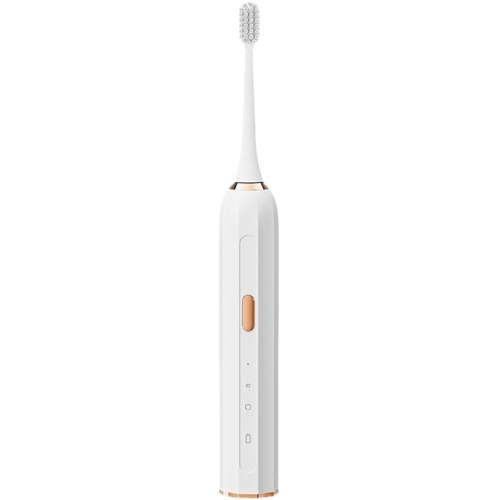
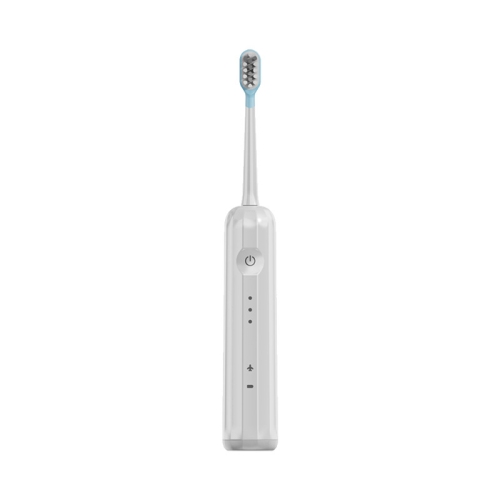
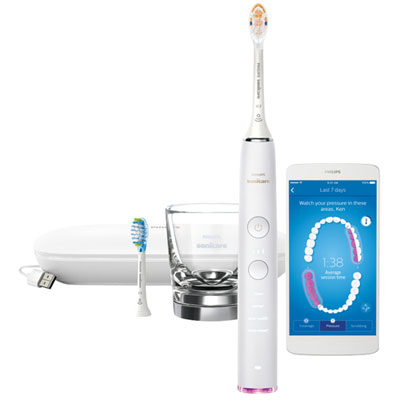
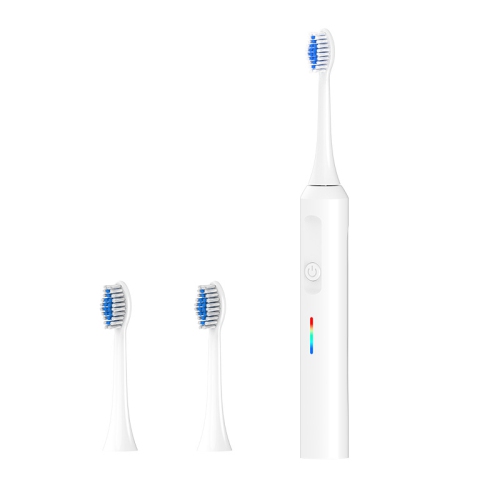


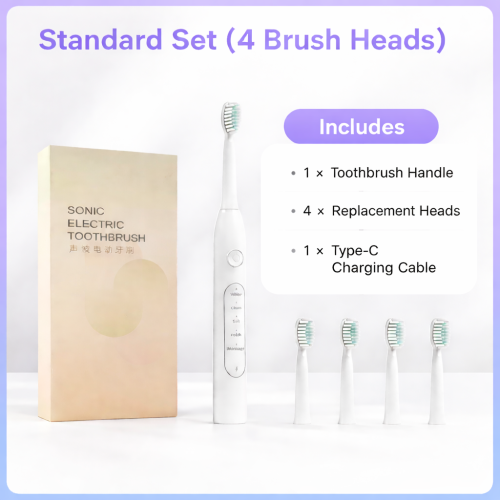
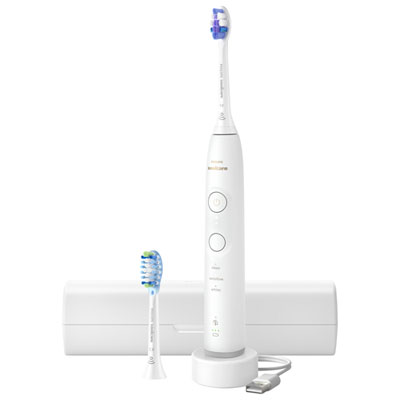
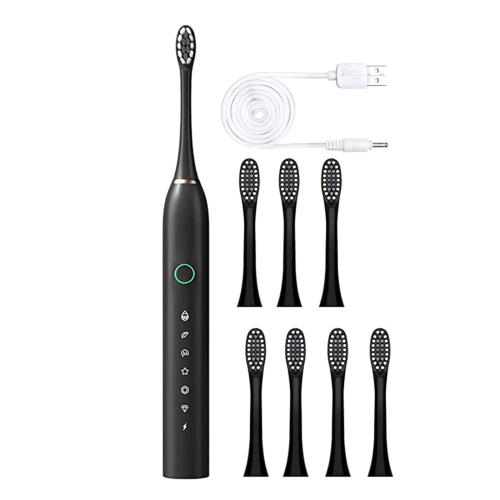
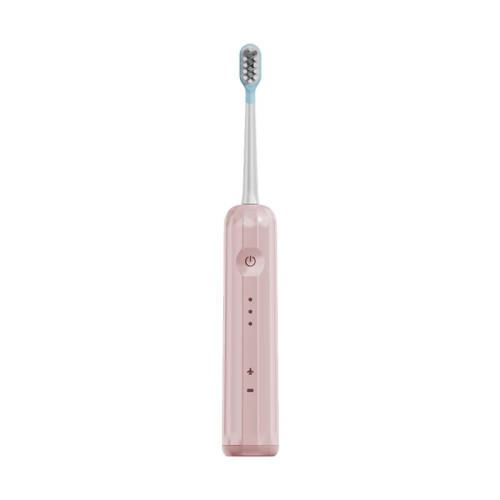

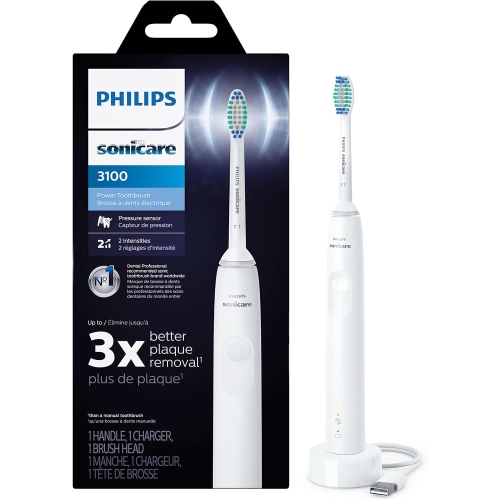
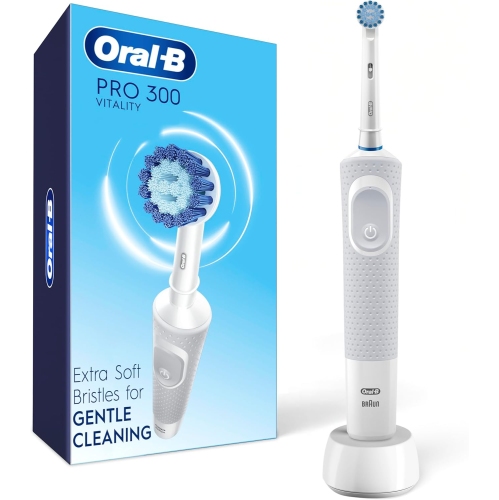
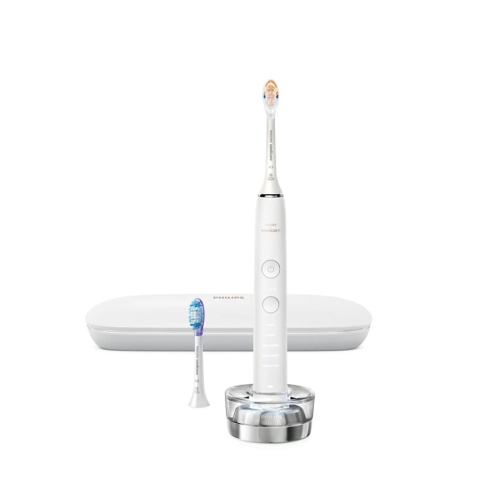
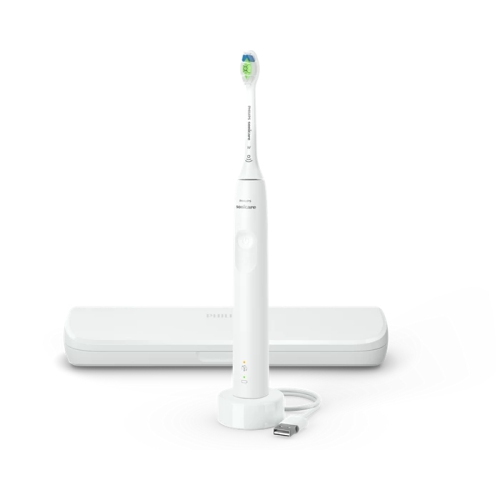
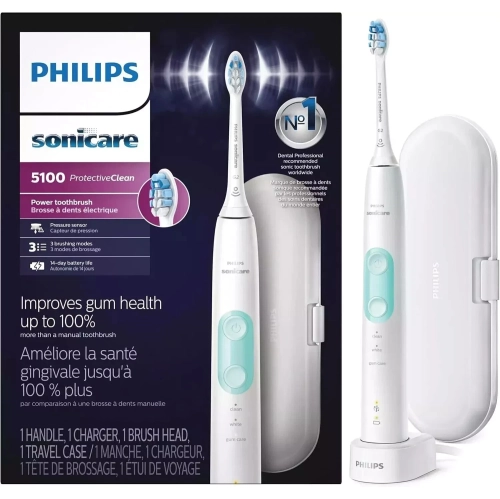
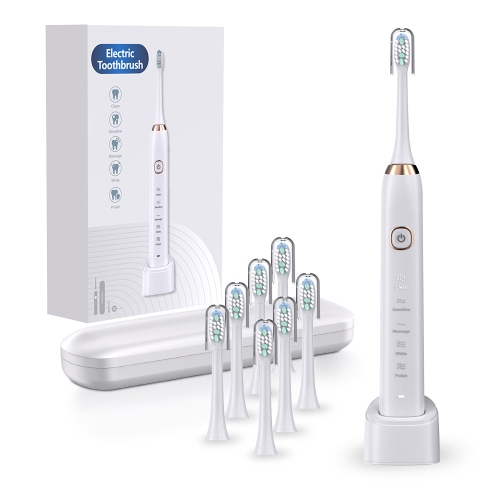
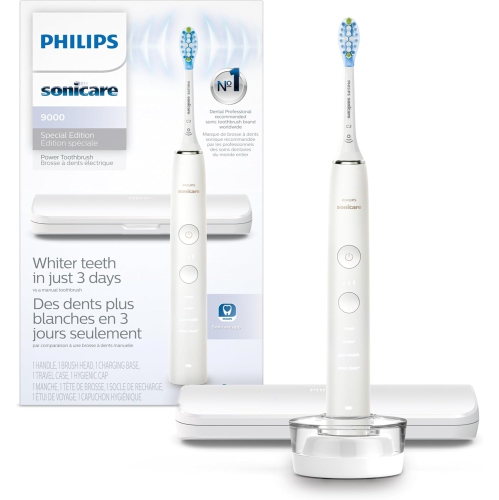
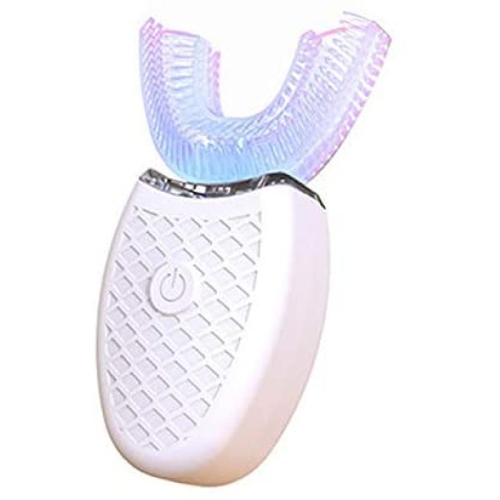

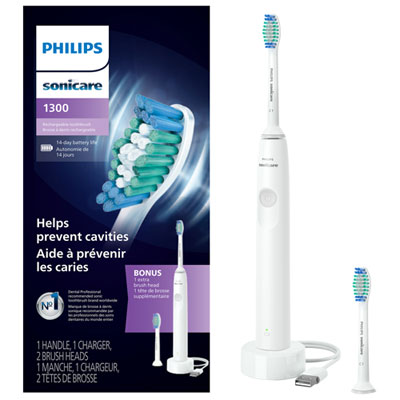
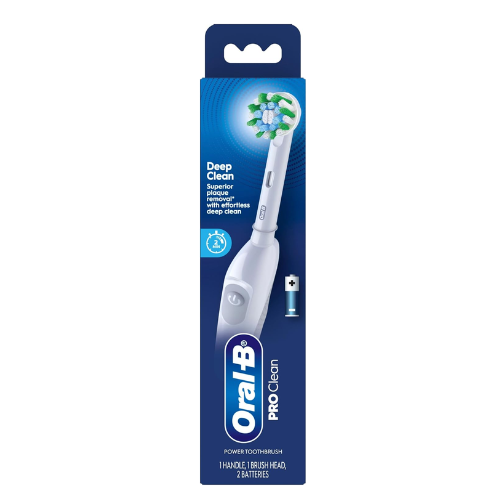
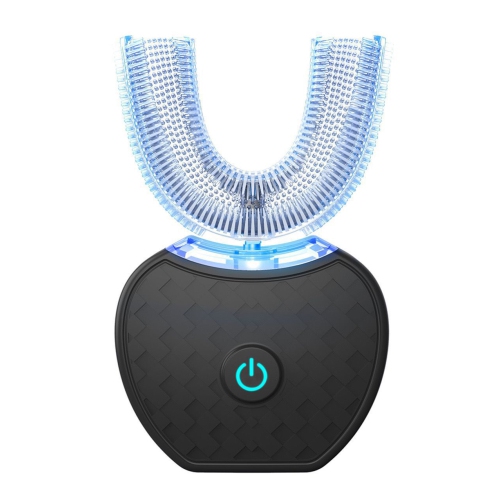



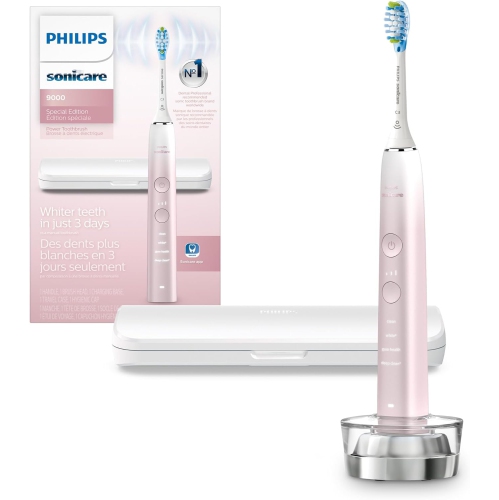
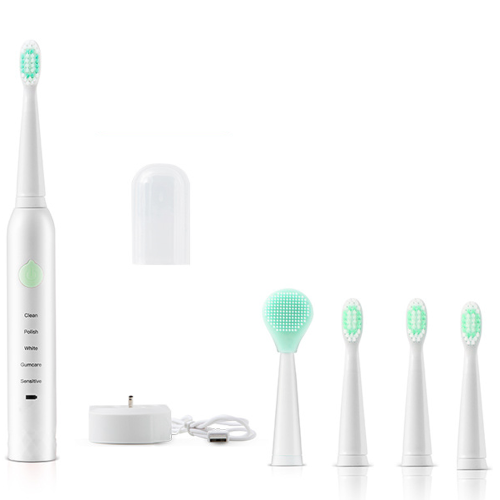
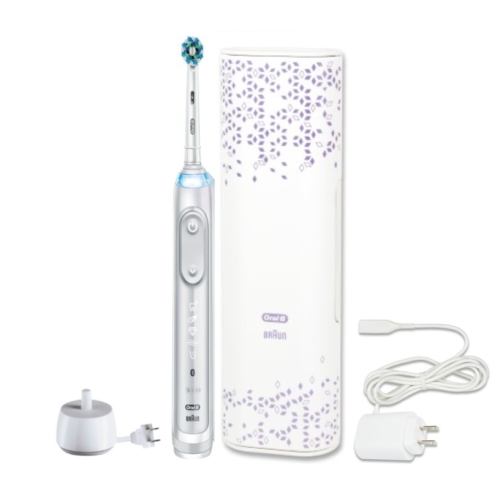
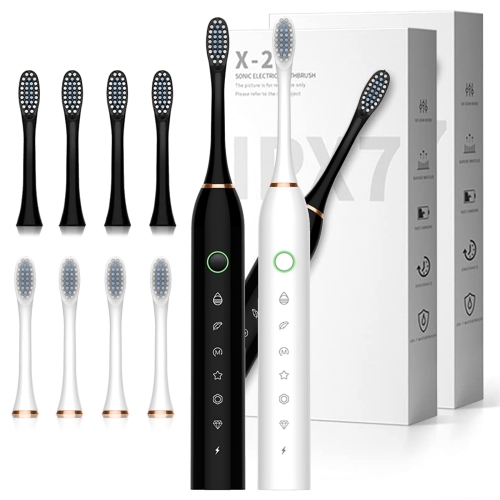

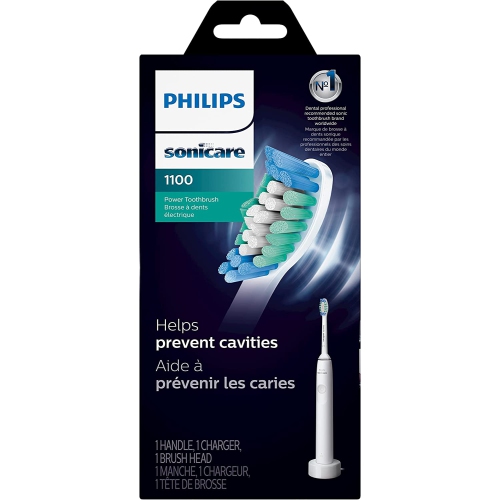
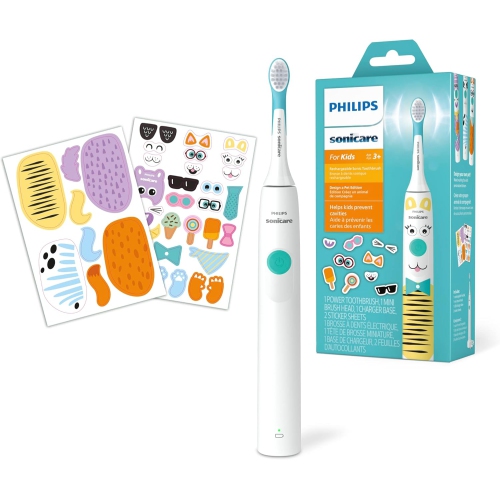
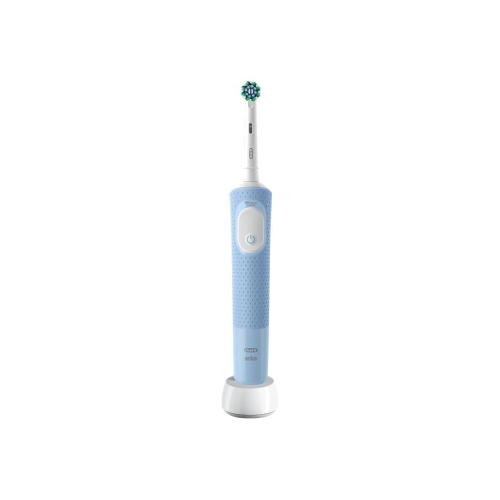
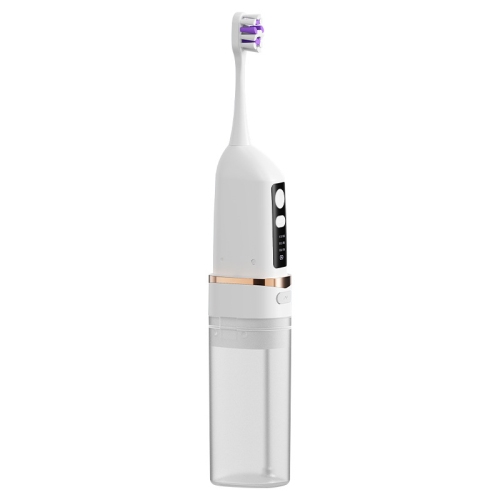
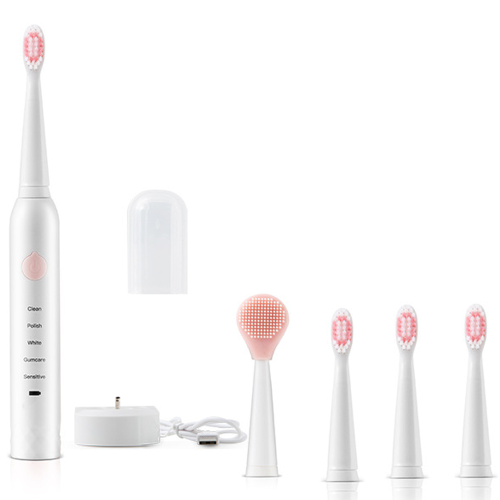
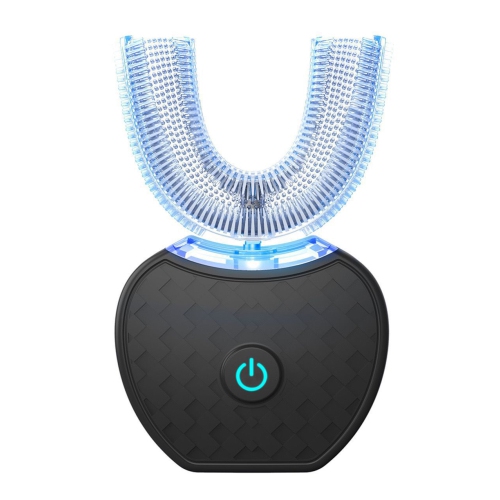
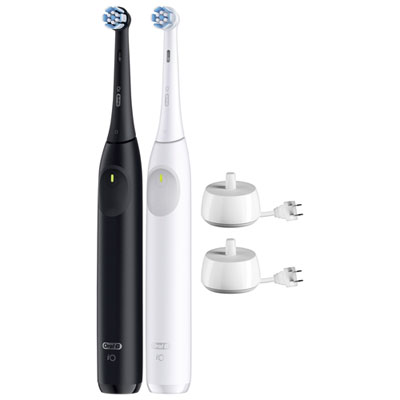

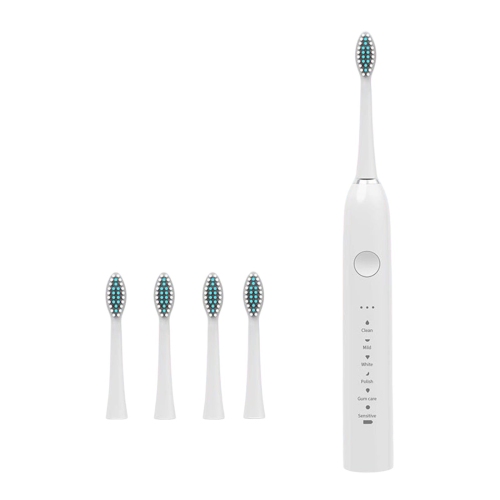
Why similar white handles can feel so different
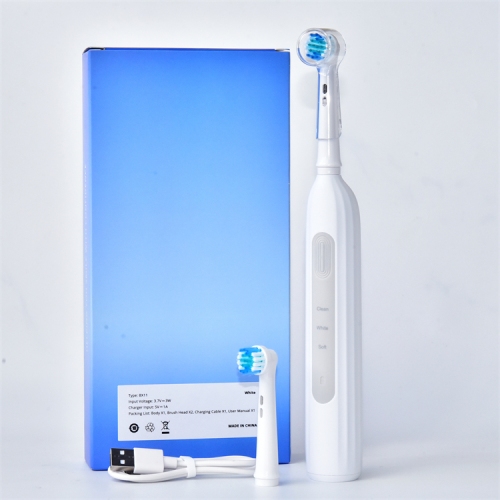
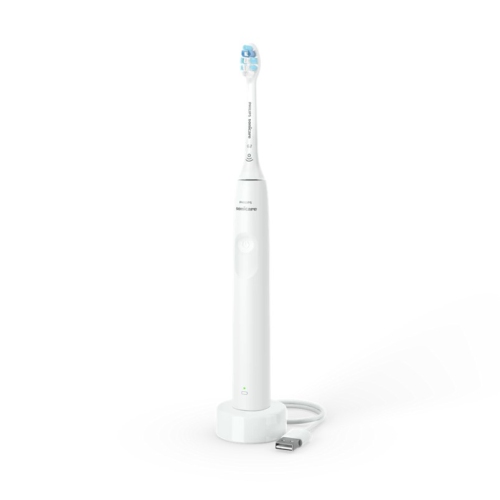
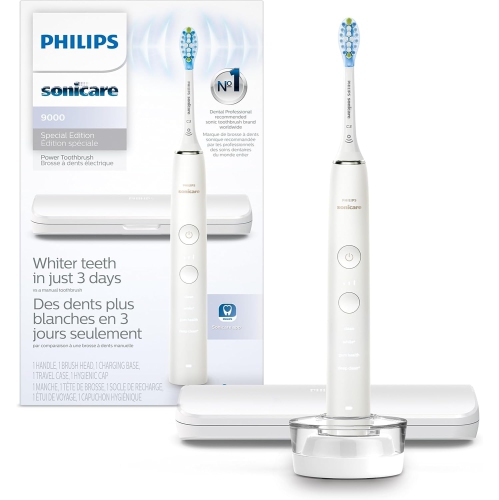
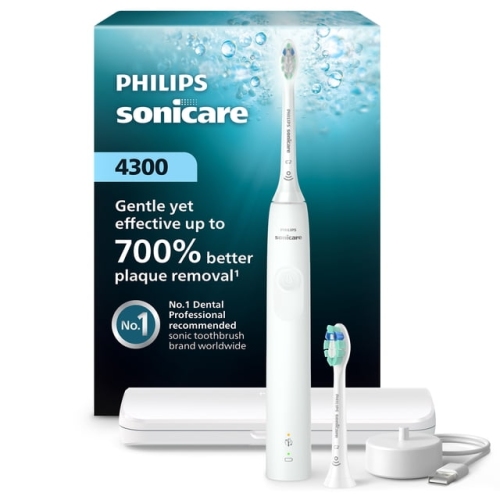
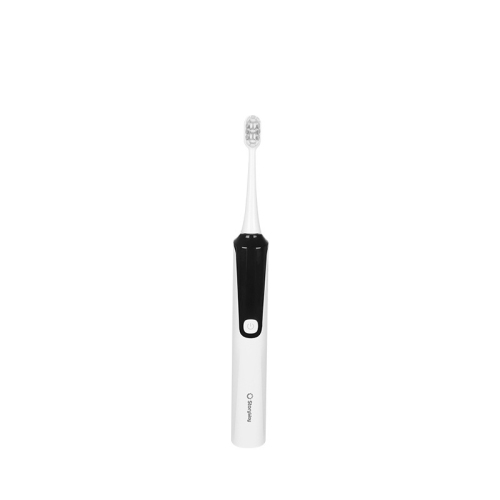
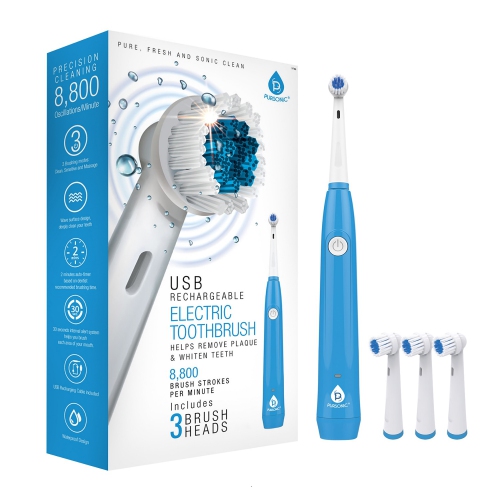
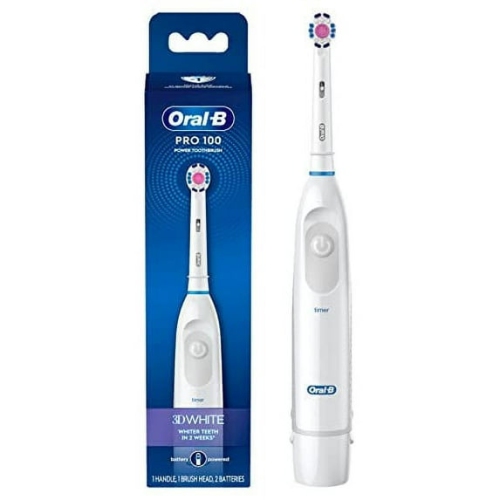
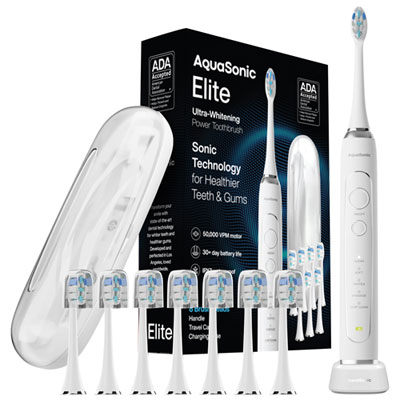
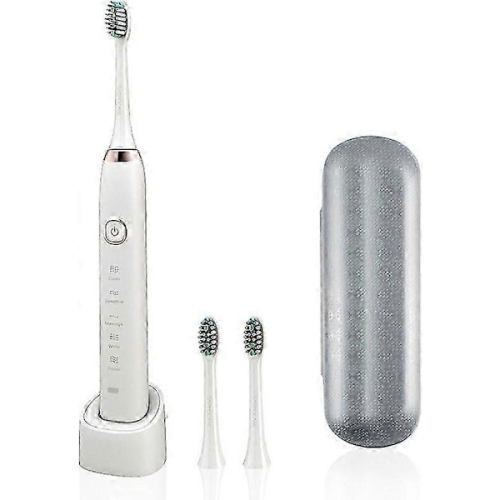
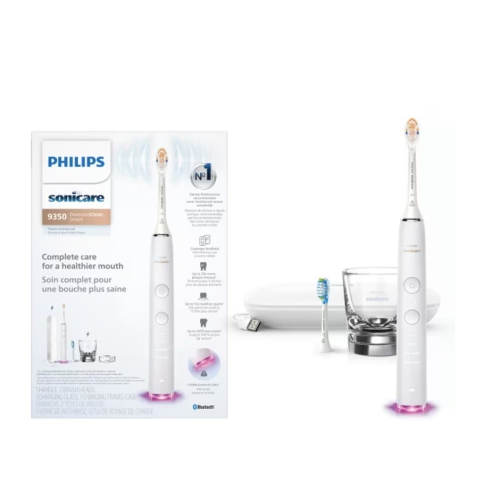
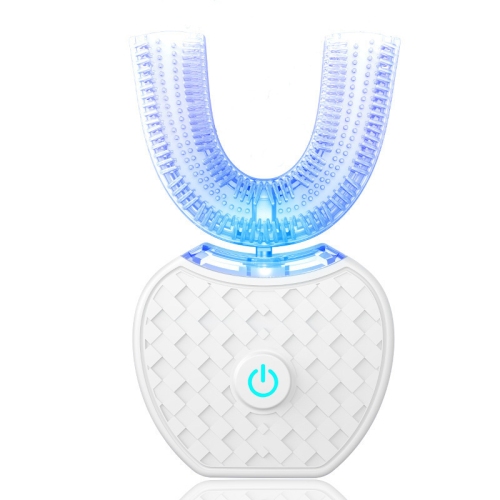
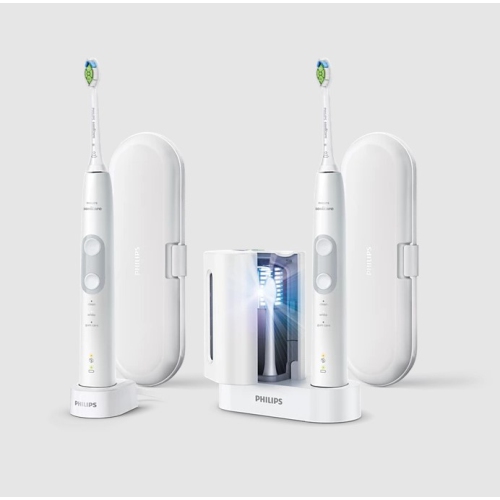
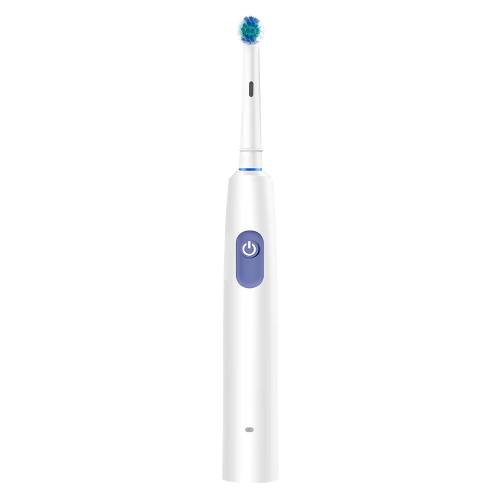
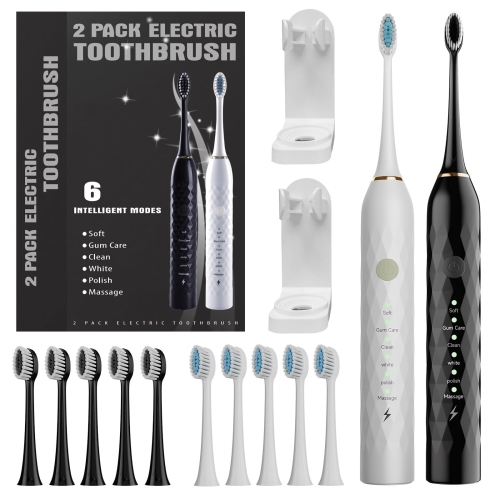
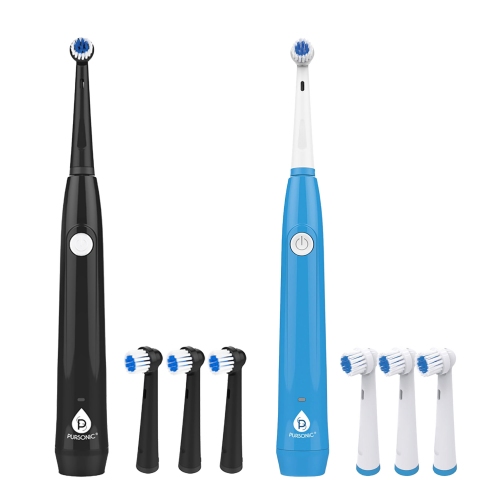
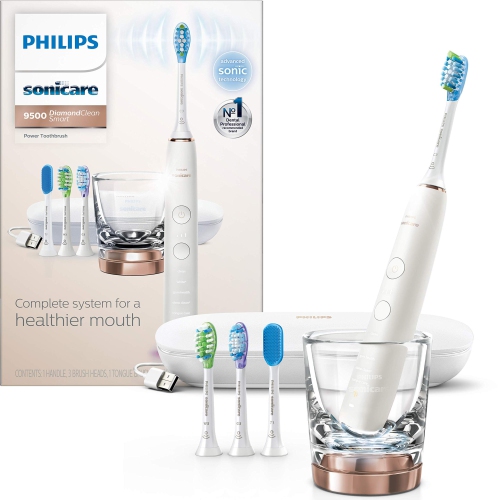
White electric toothbrushes combine a clean, neutral finish with powered brushing designed for everyday oral care. A white handle can sit quietly beside a porcelain basin, blend with pale bathroom accessories, or provide a simple contrast against a dark countertop. The colour describes the toothbrush itself, not its cleaning action or its ability to whiten teeth. Within this category, the main differences are in brush movement, handle shape, brush-head compatibility, and features that help make brushing more consistent. Sonic toothbrushes use rapid bristle movement, while oscillating-rotating designs use a head that turns back and forth; the brushing technique varies between these designs, so the supplied directions matter. Neither approach calls for forceful scrubbing. A comfortable grip and gentle pressure help the bristles work along tooth surfaces and the gumline without encouraging unnecessary pressure. Common features include a two-minute timer, short pacing signals, and a pressure sensor that alerts the user when they press too firmly. Some sensors use a visible light, while others change the vibration or provide another alert. These details can be especially helpful for someone moving from a manual toothbrush, where brushing time and pressure are easier to misjudge. A pacing signal at 30-second intervals can help divide attention between four sections of the mouth instead of lingering over the front teeth and rushing the harder-to-reach areas. Brushing modes may offer different intensities or patterns, but their names are less important than how comfortably the brush fits an established routine. A straightforward handle with clear controls may suit someone who wants minimal setup, while adjustable intensity can make the powered sensation easier to get used to. White electric toothbrushes can therefore share a similar appearance while offering quite different experiences in the hand and mouth.
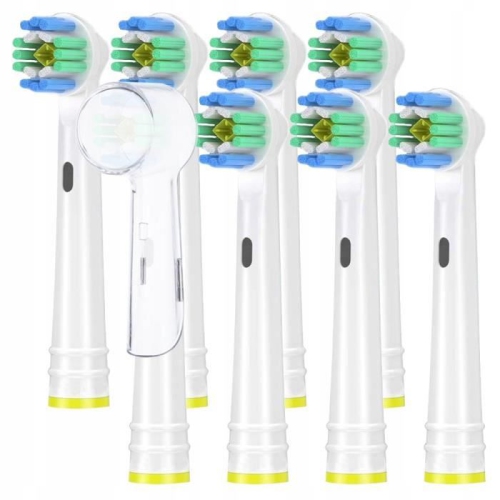
Brush-head size, bristle softness, and handle proportions have a direct effect on daily comfort. A compact head may be easier to position around back teeth or within a smaller mouth, while a longer head can feel more familiar to someone accustomed to a manual toothbrush. Soft bristles are generally appropriate for everyday brushing, and a sensitive setting may appeal to people who find stronger vibration uncomfortable. Persistent tenderness or bleeding deserves advice from a dental professional rather than simply a change of mode. People with braces, bridges, implants, or other dental work may also need guidance on suitable heads and technique, since a powered toothbrush does not replace cleaning between teeth or around appliances. Replaceable heads attach through systems that are not necessarily interchangeable, even when the handles look alike. Compatibility matters both for a secure fit and for keeping the toothbrush useful as heads wear out. Handles commonly combine a rigid moulded body with textured or rubberized grip areas; a slightly broader shape can be easier for some people to hold, although balance, weight, and button placement are equally worth considering. Someone with reduced hand dexterity may appreciate a handle that is easy to steady and a control that does not require a precise fingertip press. Children need age-appropriate brushes and supervision rather than an adult handle chosen solely for its colour. For adults interested in surface-stain removal, Whitening Electric Toothbrushes represent a related category, but a white exterior alone says nothing about whitening performance. Whitening modes or polishing heads may help address surface stains when used as directed; they are not equivalent to bleaching treatments and do not change the colour of crowns or fillings. For everyday use, comfortable access to every tooth and a brushing routine that is easy to maintain matter more than an extensive list of settings. A brush that feels manageable twice a day has practical value beyond how neatly it matches the bathroom.
Care and charging arrangements also shape how well a white electric toothbrush fits into a household. Toothpaste residue can show around buttons, textured grips, and the joint beneath the head, making regular rinsing and drying particularly useful for keeping a pale finish tidy. After brushing, rinse the head thoroughly, remove it to clean the connection as directed, and allow the parts to air-dry before covering them. Abrasive cleaners and unsuitable chemicals can damage finishes or seals, so cleaning should follow the manufacturer's directions. Bristles that become splayed, flattened, or rough are a sign that the head needs replacing; many replacement schedules are around three months, with earlier changes when wear appears. Long-term durability depends on more than the outer shell: secure head attachment, intact seals, and proper charger care all contribute to reliable use. Water resistance varies, and a handle intended for rinsing should not automatically be treated as suitable for submersion or shower use. Charging bases and electrical connections need the care specified for them, including dry placement where required. Battery life is another practical distinction. A charge indicator can prevent an unexpected stop halfway through brushing, while a travel case can keep the handle and head separated from toiletries in a bag. A ventilated case is useful, but packing a wet brush away for an extended period is best avoided. For travel, charging connections and voltage requirements deserve attention rather than an assumption that every charger works everywhere. In a shared bathroom, matching white handles can be distinguished with compatible identification rings or separate storage positions, and each person should have their own brush head. As a gift, a white electric toothbrush can suit someone who has expressed an interest in powered oral care or prefers understated bathroom accessories. An easy-to-clean design, comfortable grip, and uncomplicated routine make it a practical personal-care choice without relying on decorative features alone.
Top selling and popular products
-
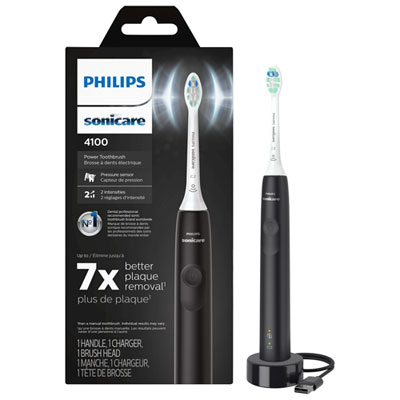 Your price for this item is $84.99
-
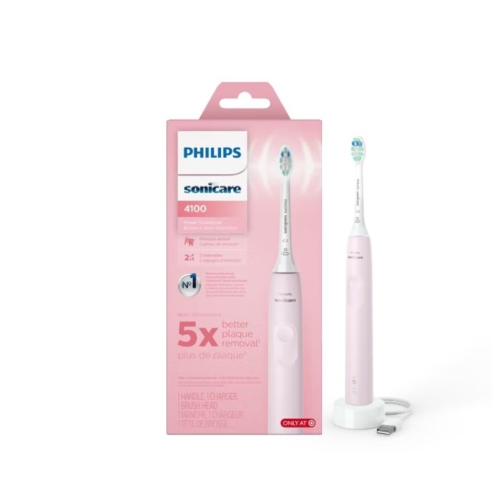 Your price for this item is $49.95
-
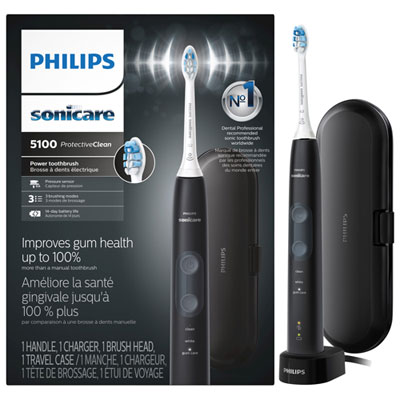 Your price for this item is $89.99
-
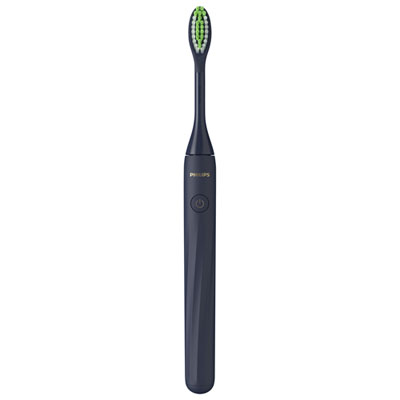 Your price for this item is $24.97
-
 Your price for this item is $29.99
-
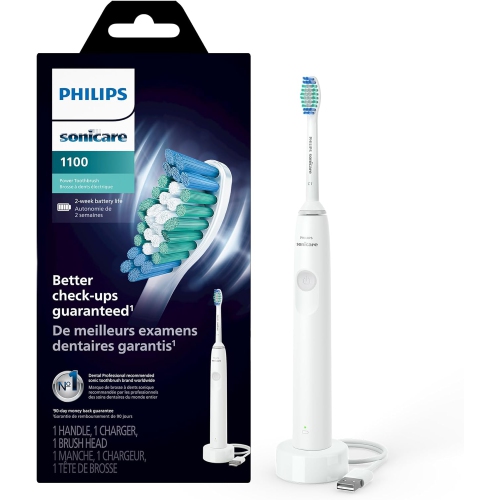 Your price for this item is $29.97
-
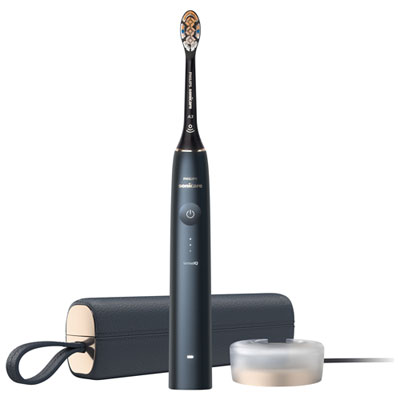 Your price for this item is $499.99
-
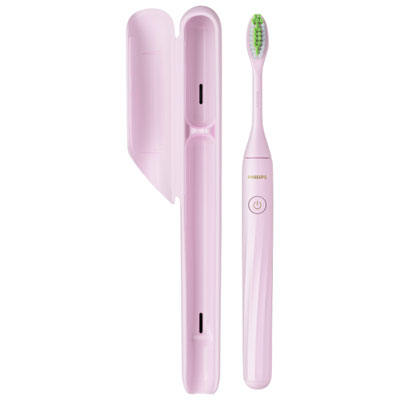 Your price for this item is $34.99
Discover more categories related to White Electric Toothbrushes
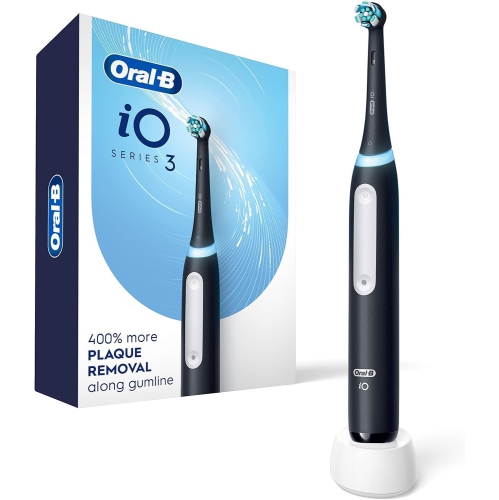
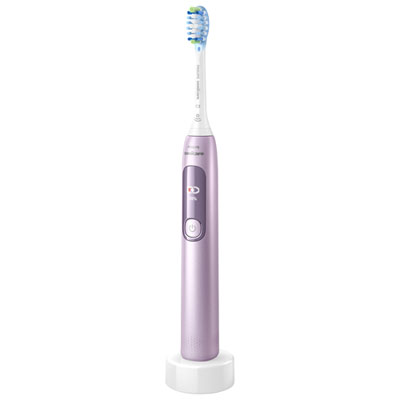
Top Collections:
Best Black Friday Deals This Year, Best Black Friday Deals On Electronics, Kindle Devices, Pokemon Centers, Best Black Friday Deals On Apple Products, Best Cameras for Sports Photography, Dyson Airwrap, Pokémon 30th Celebration Cards, Apple iPhone 17 Pro, Canon G7X Cameras
Some products may be subject to Environmental Handling Fees
(EHF) depending on your province.
Learn more about EHFs.