Sonic Toothbrushes
Elevate your oral care routine with the advanced technology of sonic toothbrushes, designed to deliver a superior clean that leaves your smile sparkling. Utilizing high-frequency vibrations, these innovative brushes gently yet effectively remove plaque and promote healthier gums. Perfect for those seeking an effortless way to enhance their dental hygiene, sonic toothbrushes offer a range of features that cater to diverse needs and preferences. Whether you're looking to improve your daily brushing experience or tackle specific dental concerns, discover the benefits of incorporating a sonic toothbrush into your regimen for a fresher, brighter smile every day.
Sort
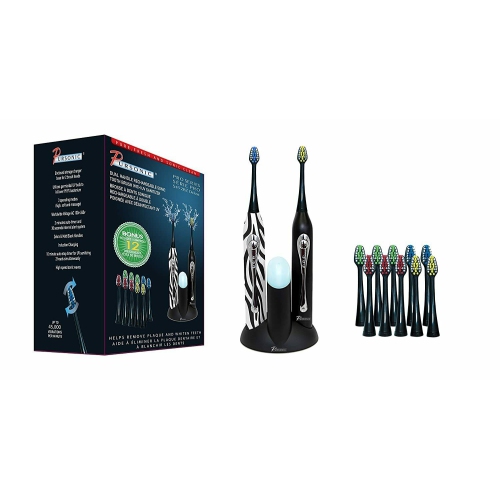
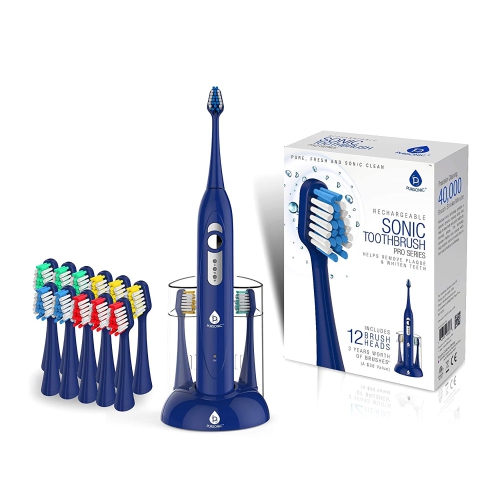
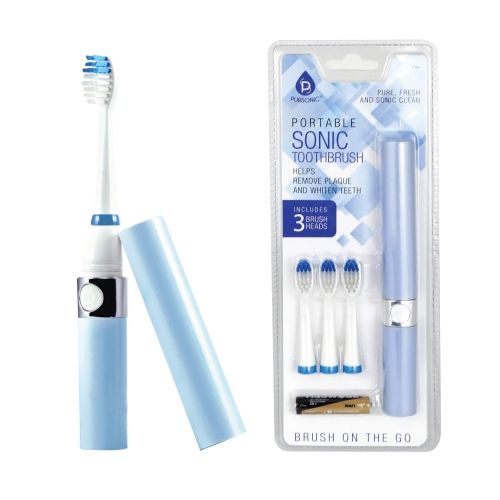
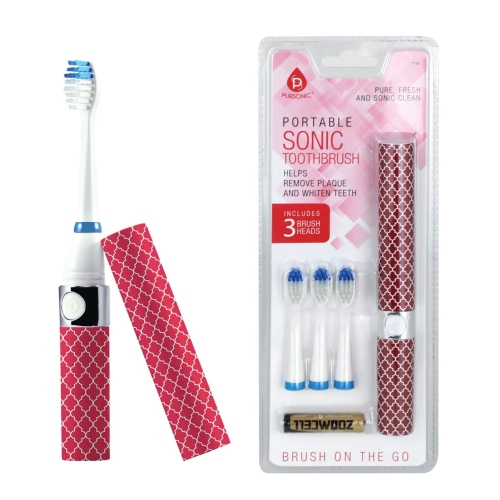
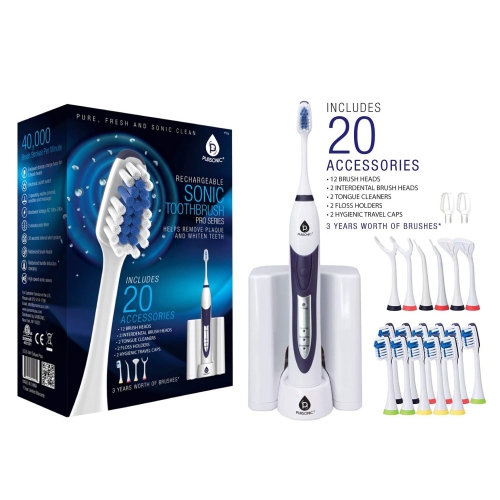
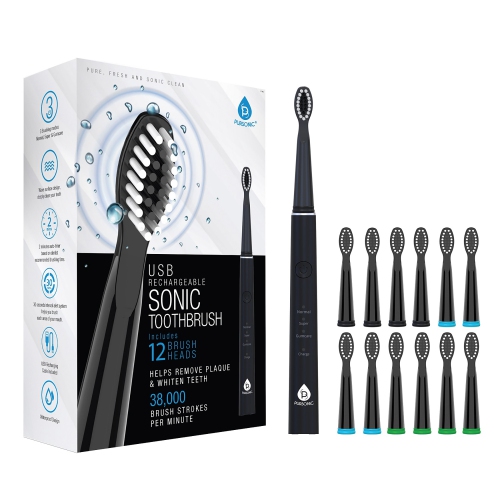
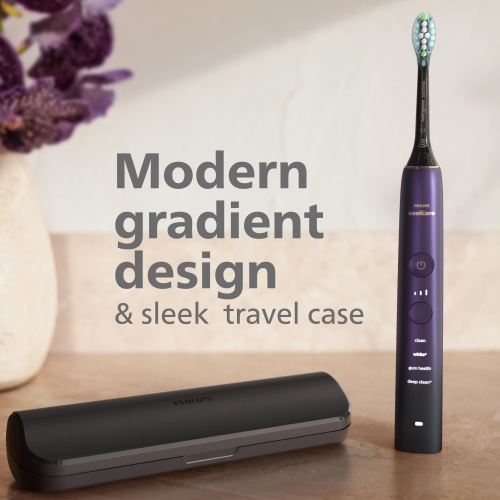

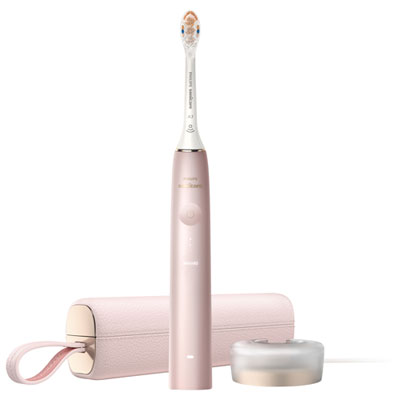
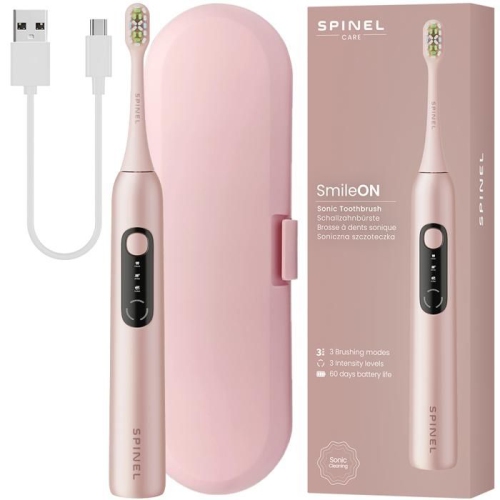
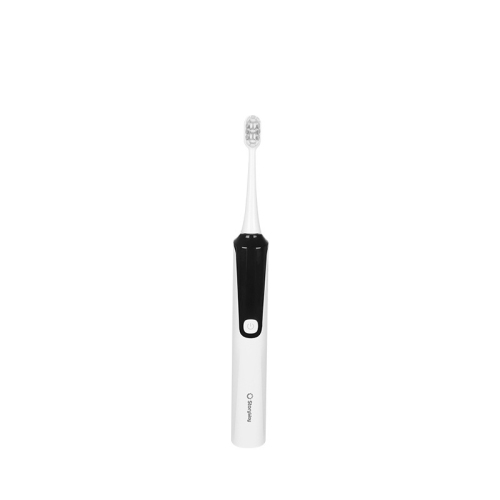
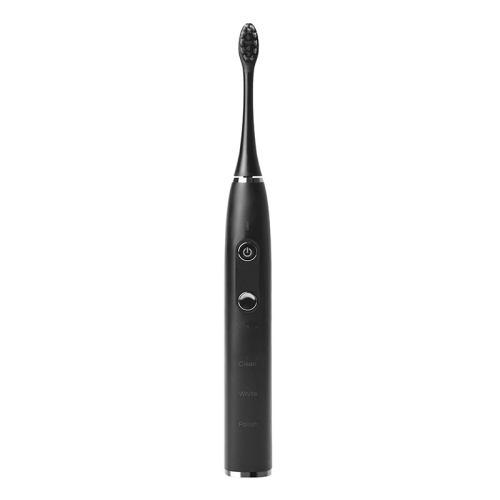
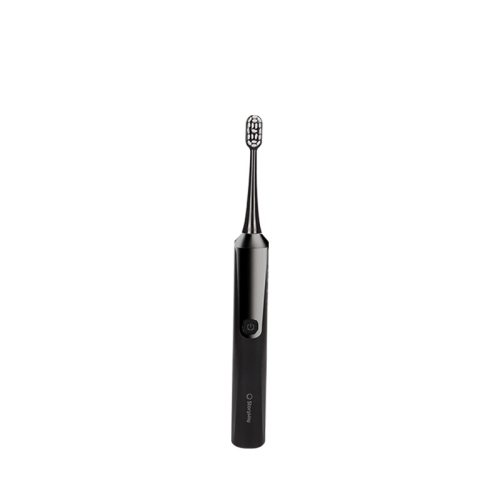
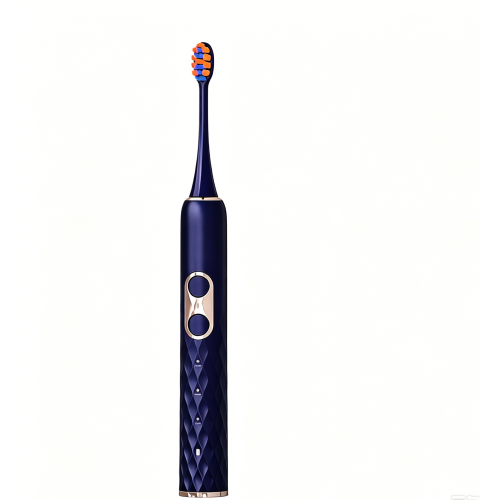
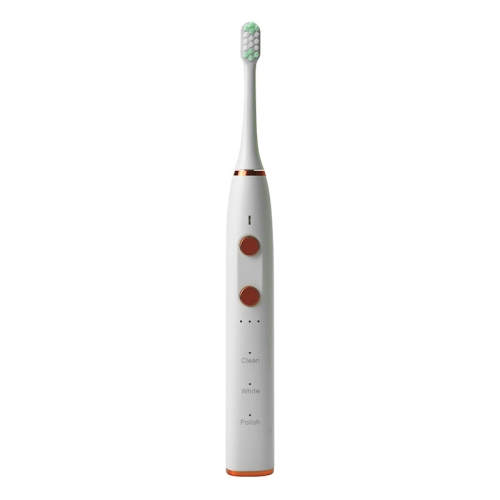
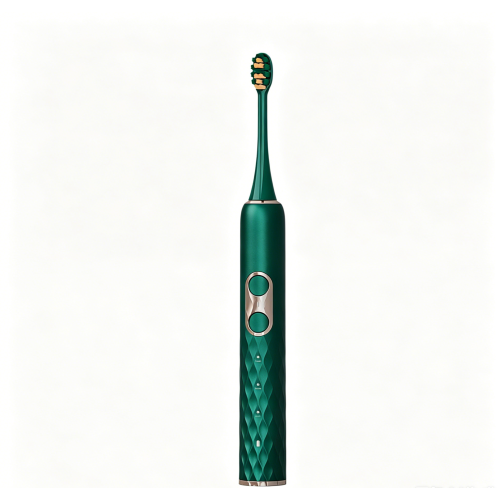
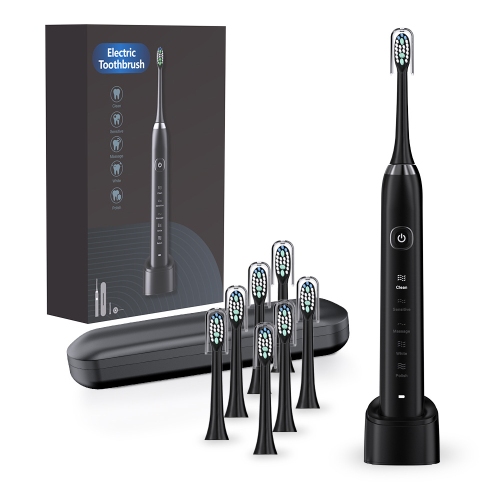
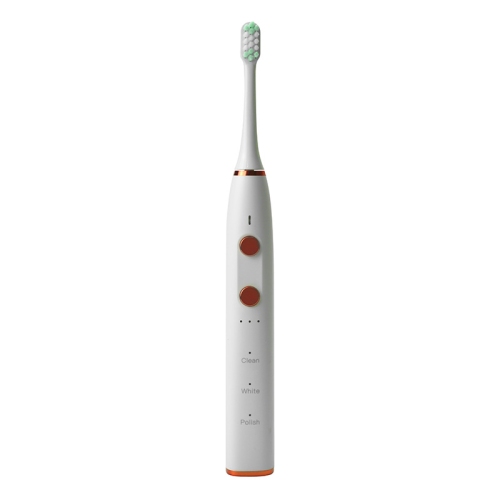
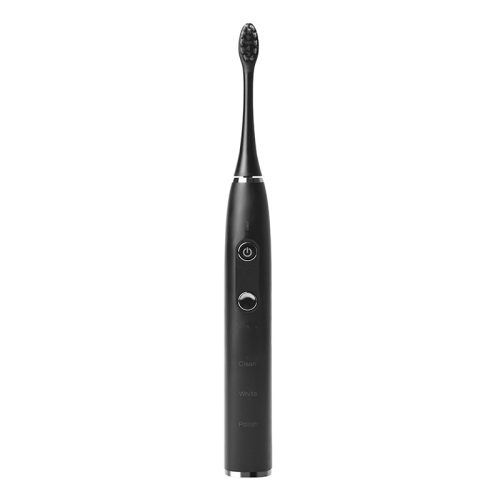
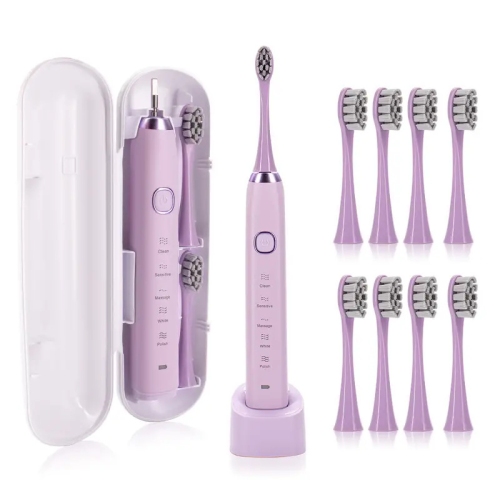

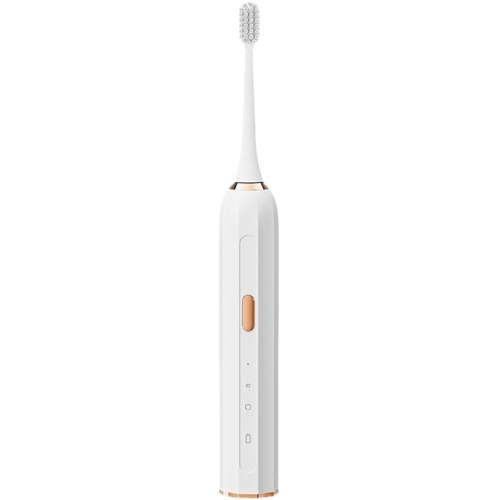


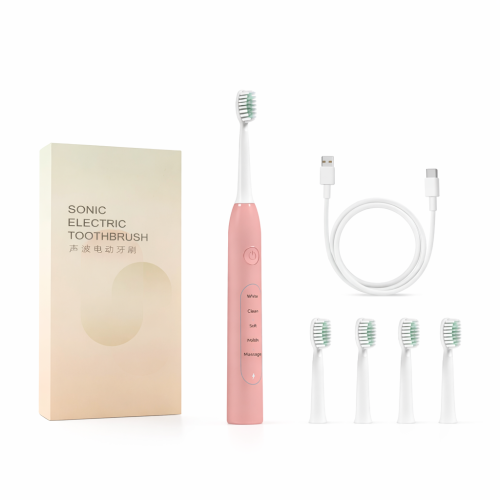
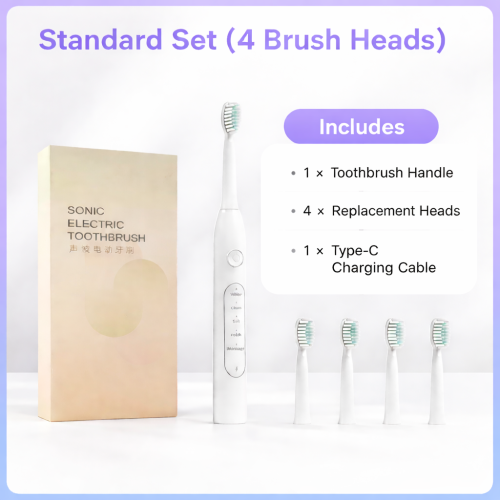

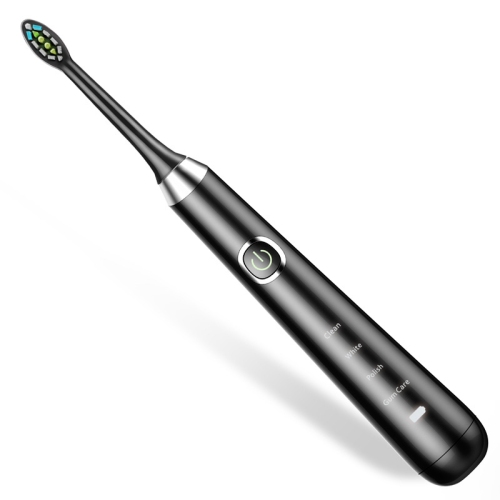
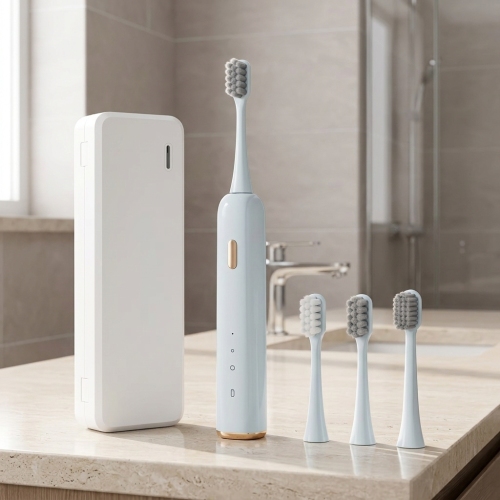
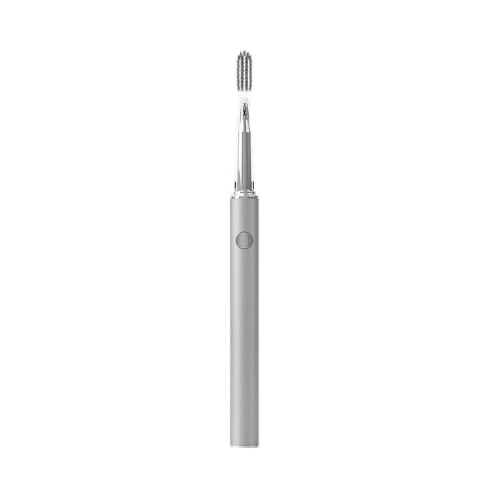
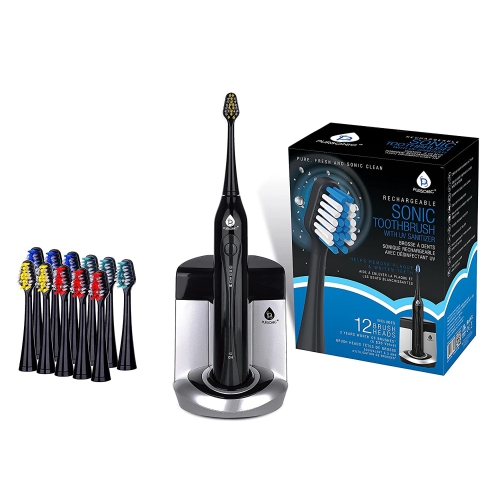
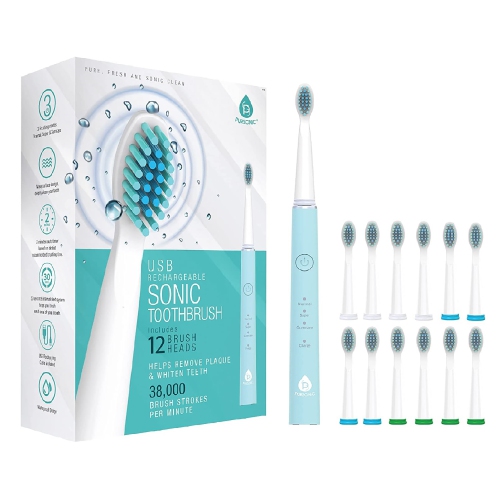





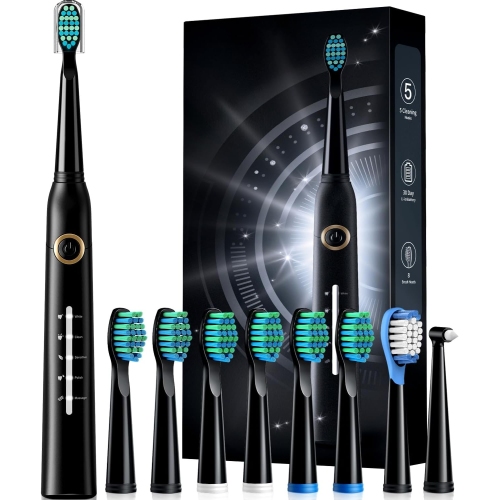

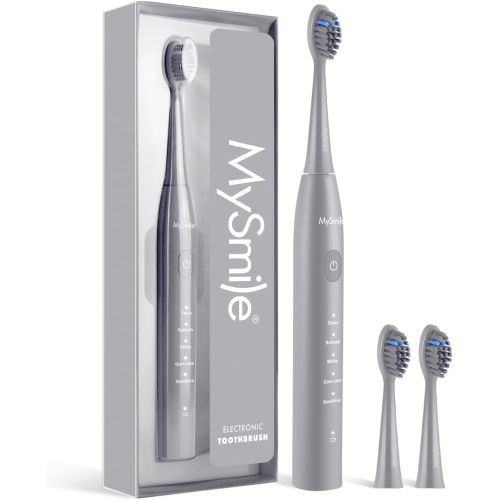
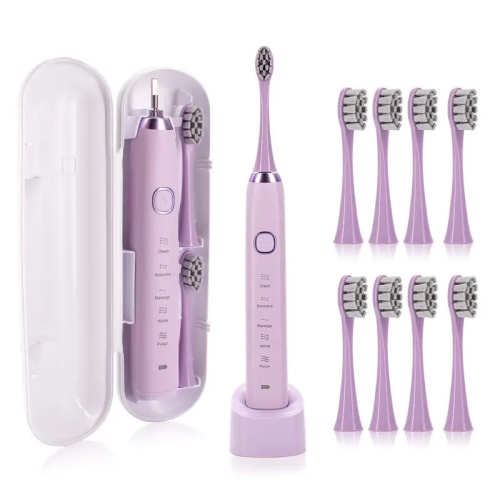
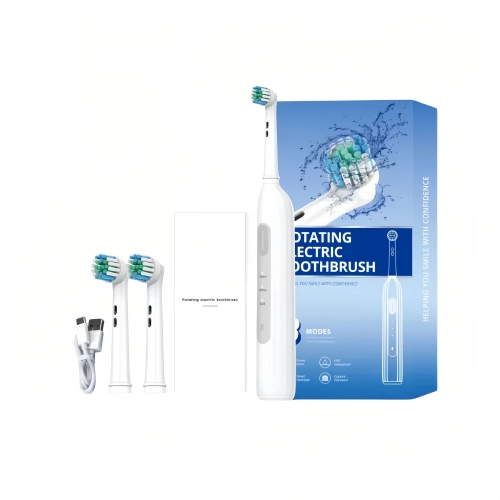
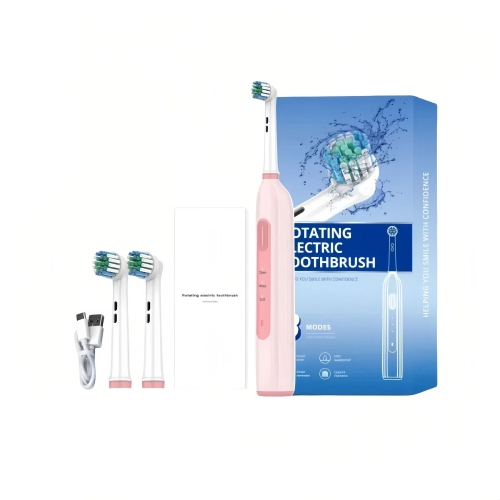
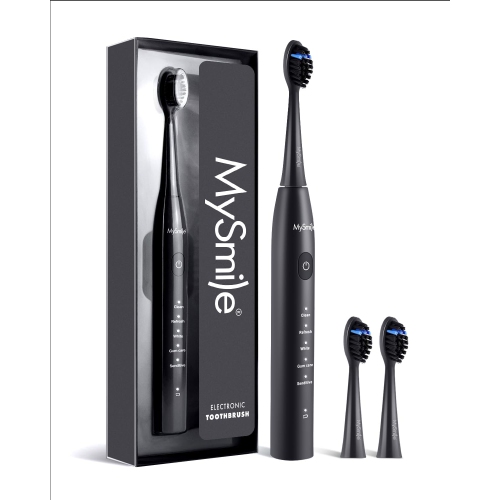

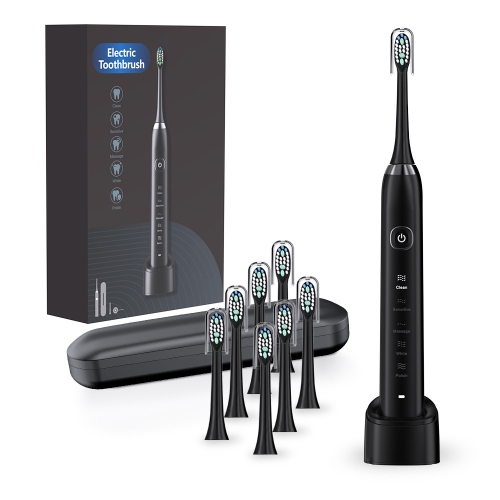
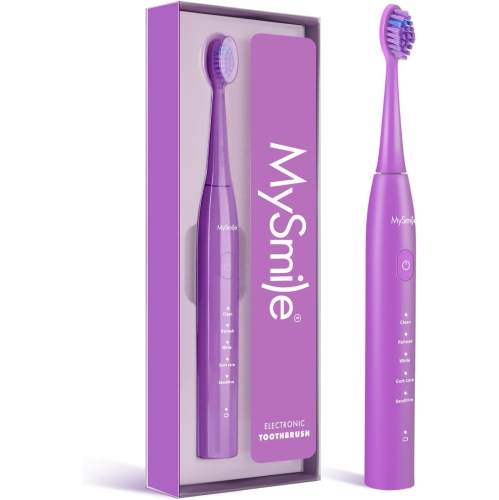


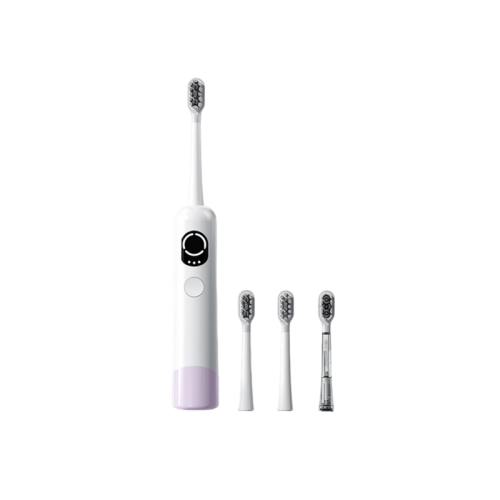
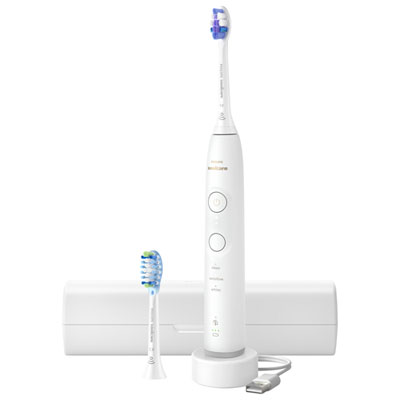
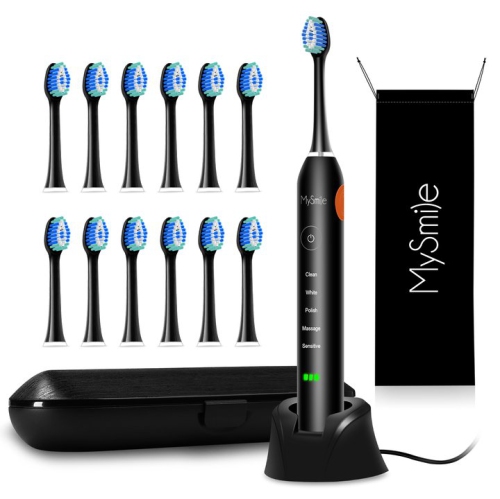
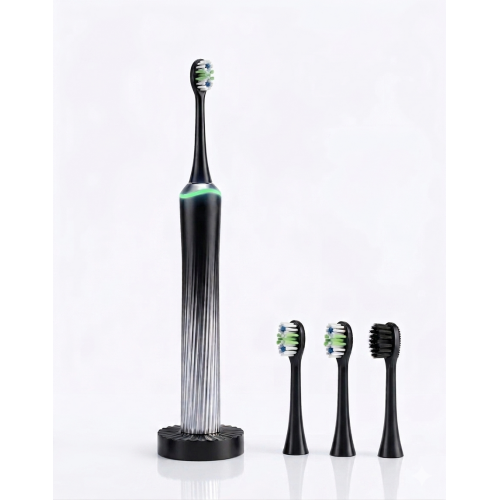
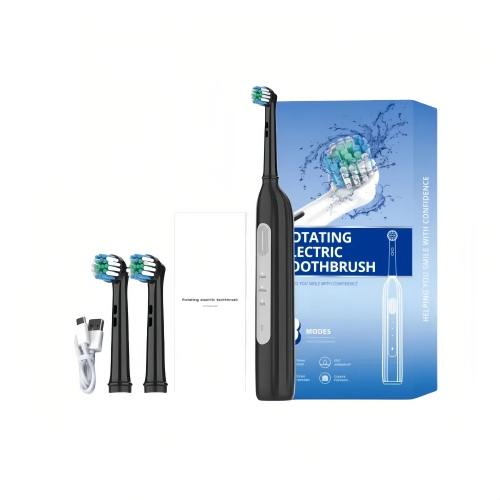
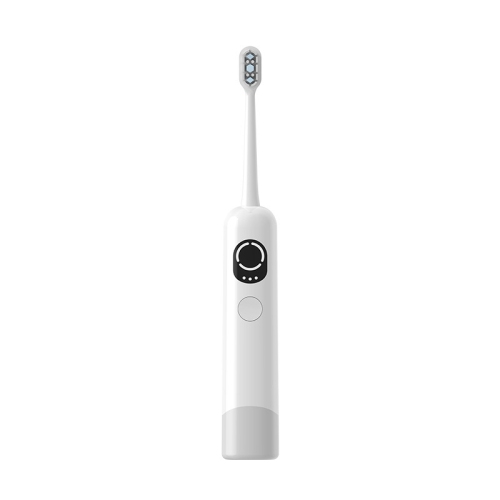
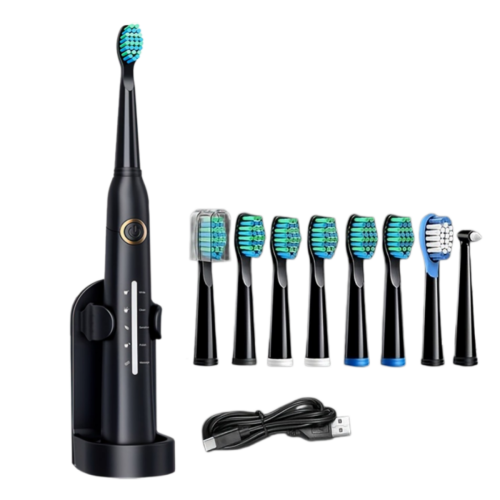


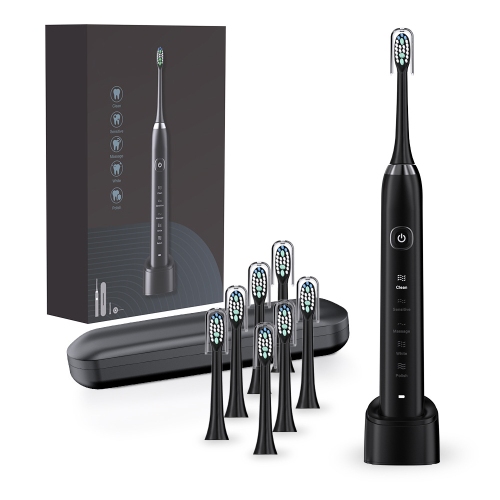


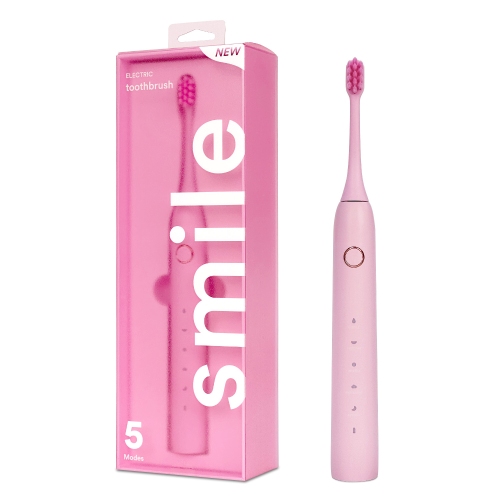

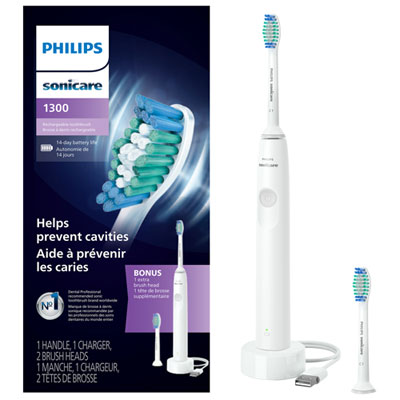

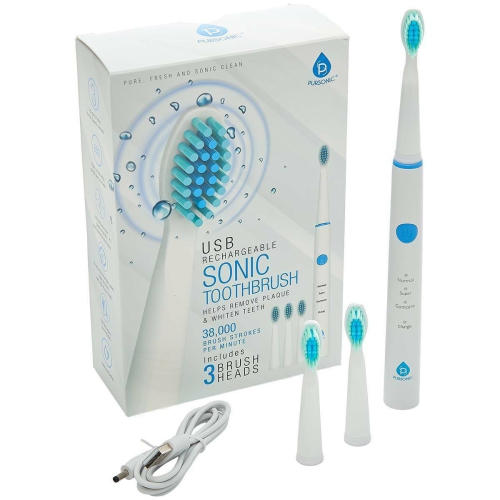
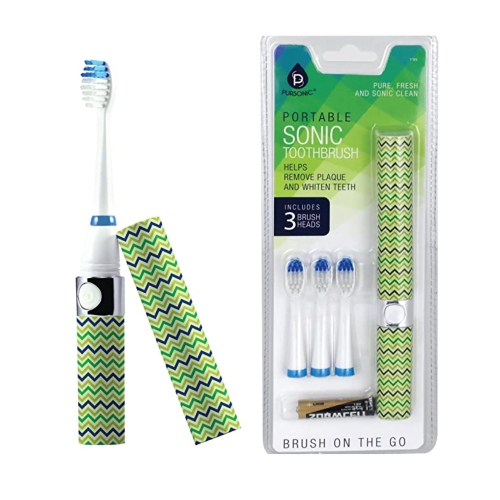

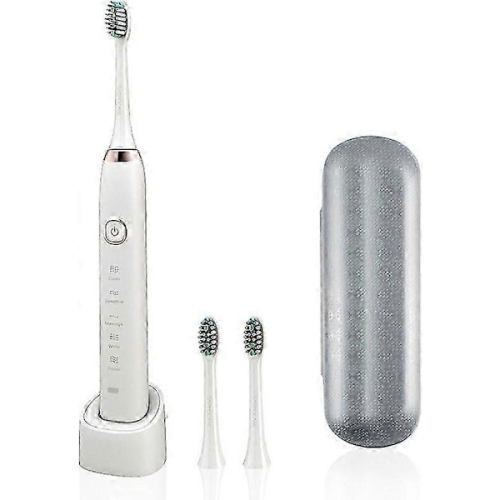
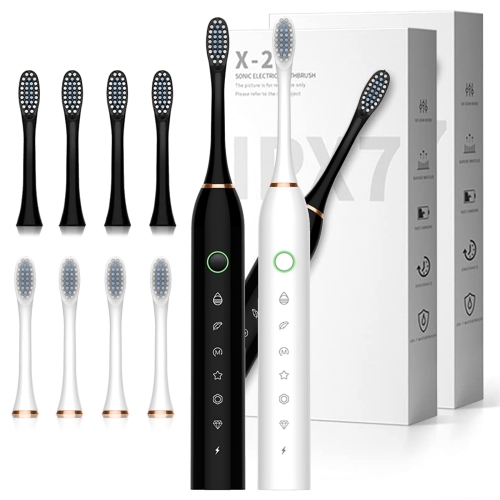
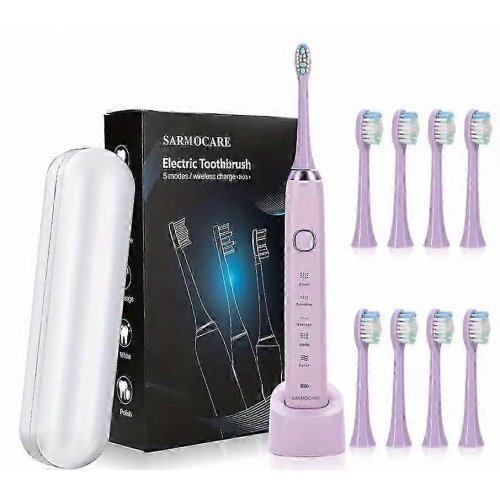
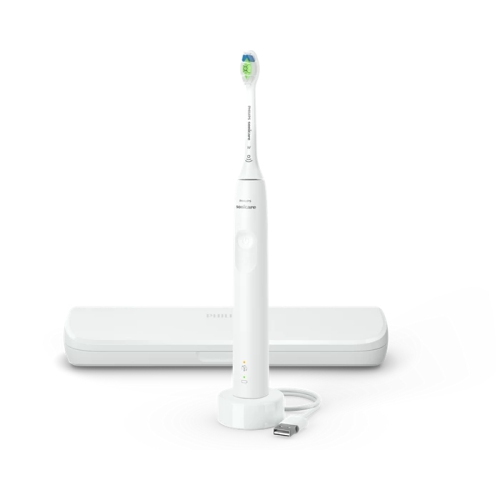
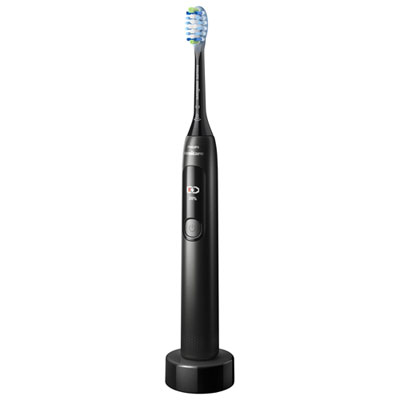
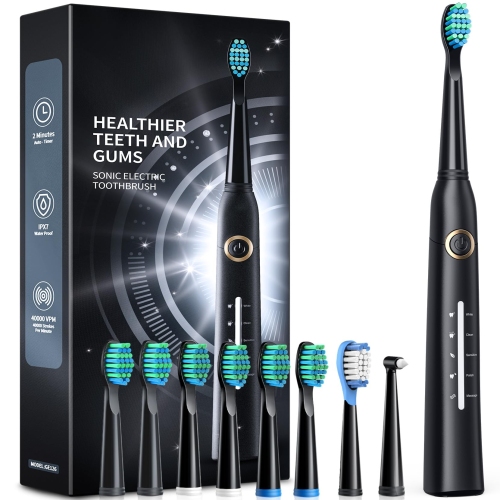
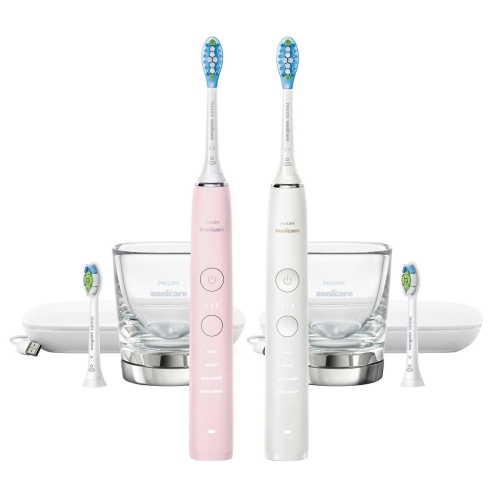
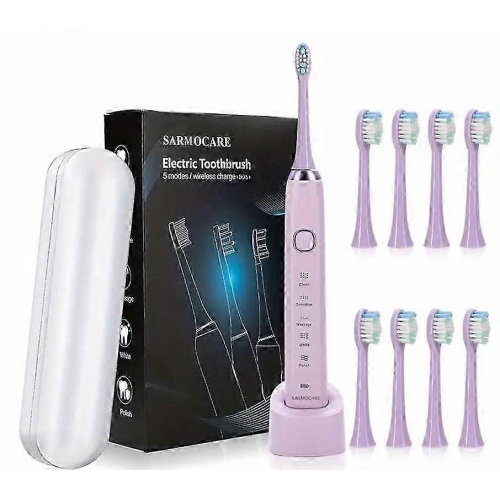

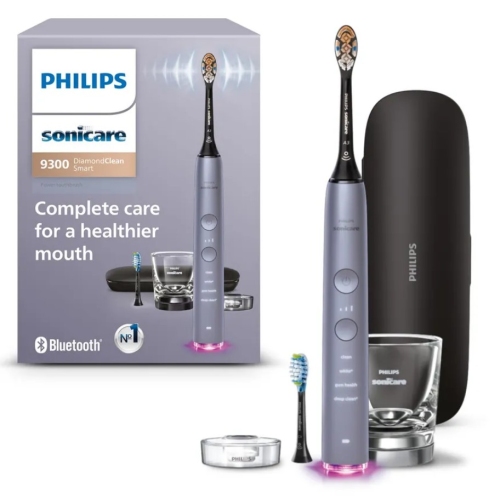


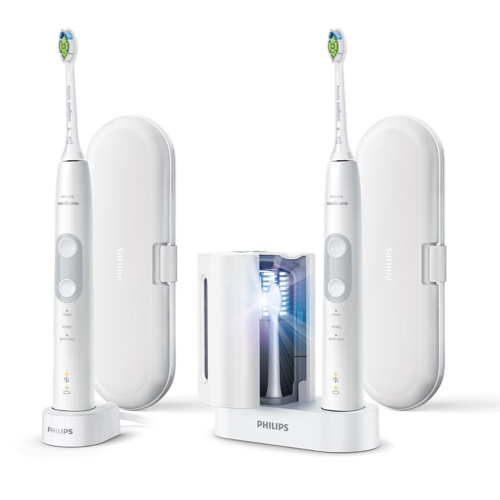

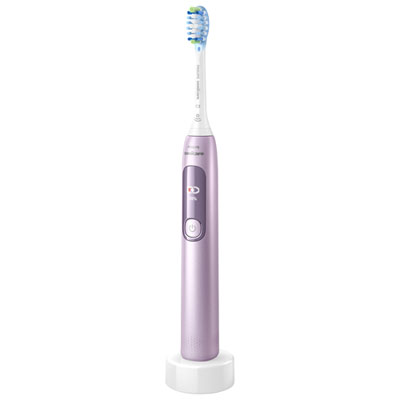
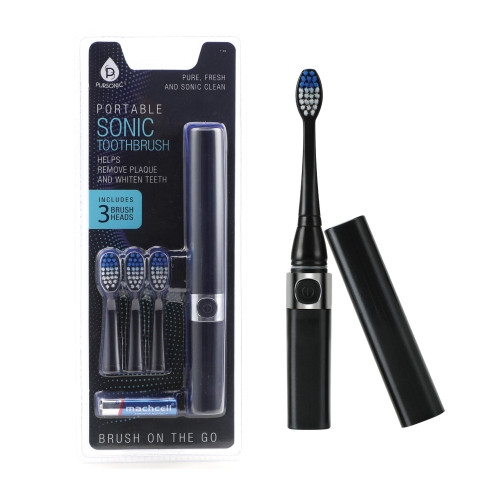


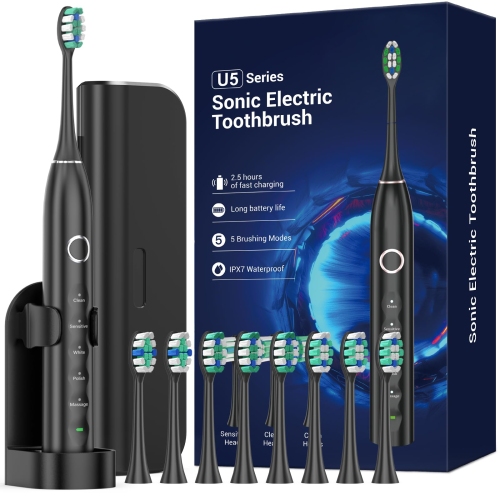
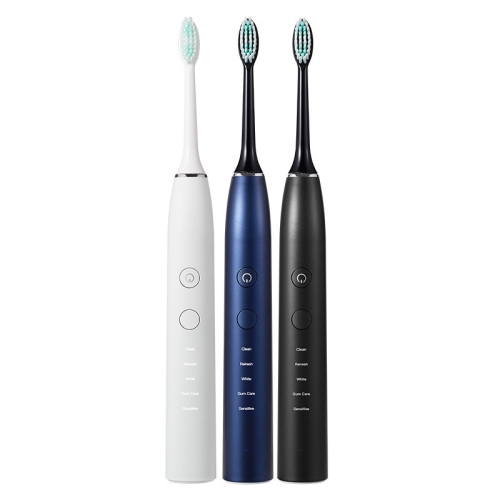

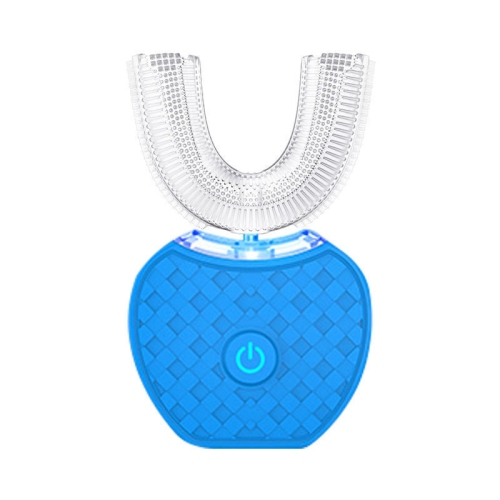
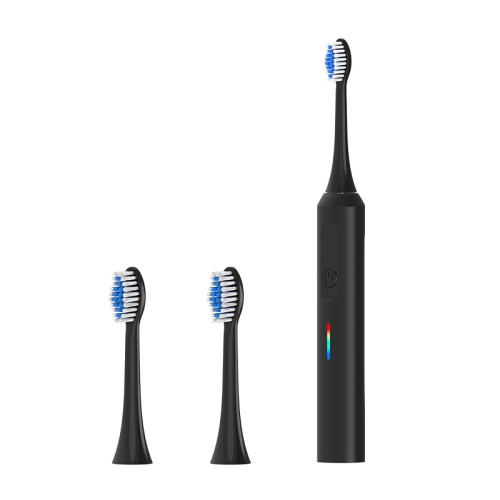



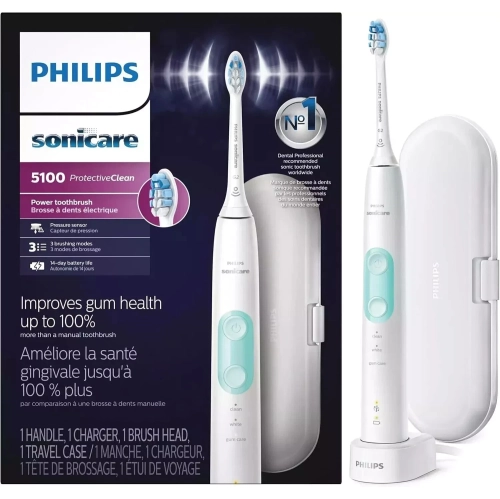
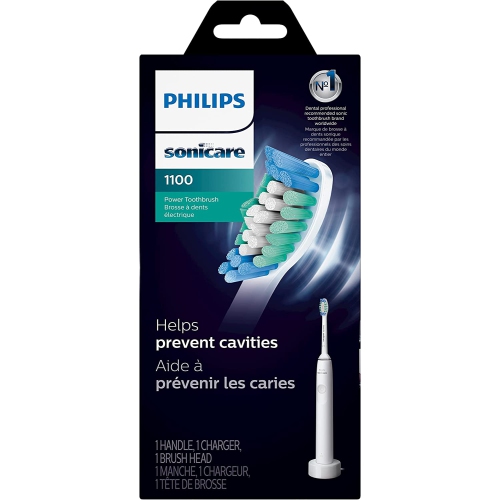
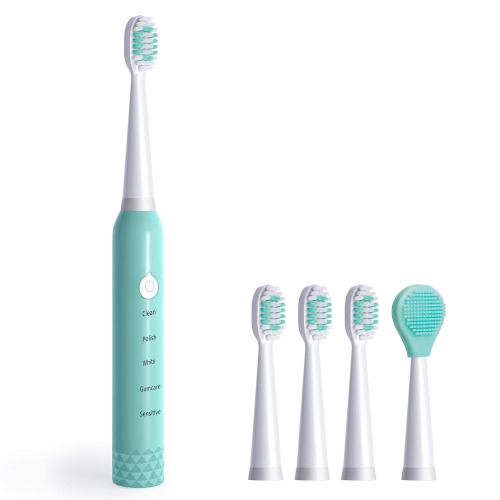
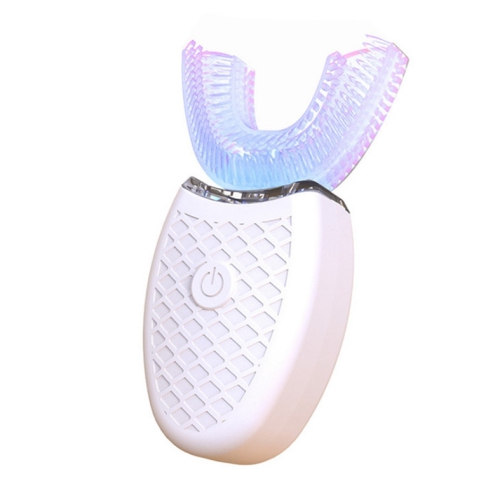
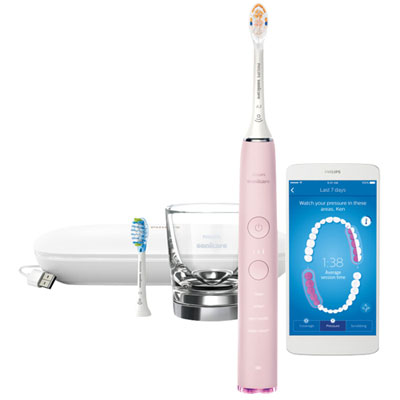
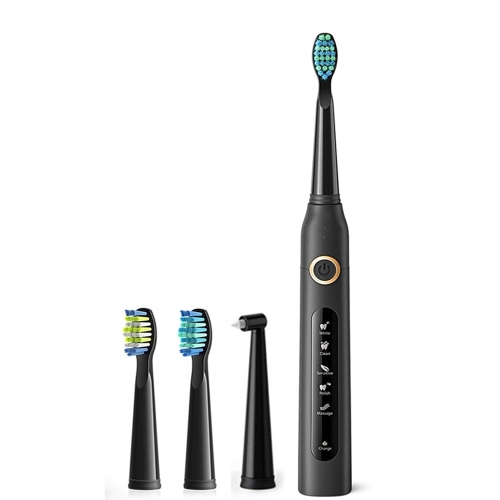
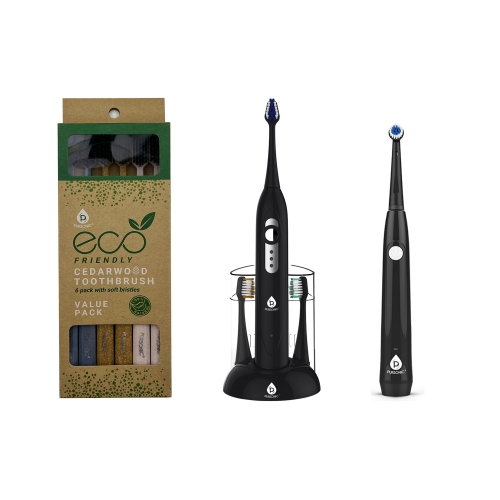
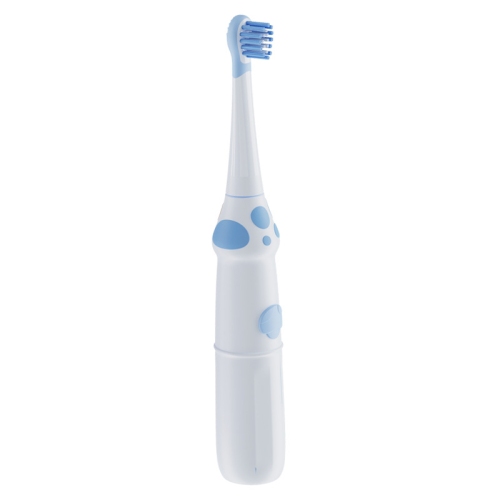

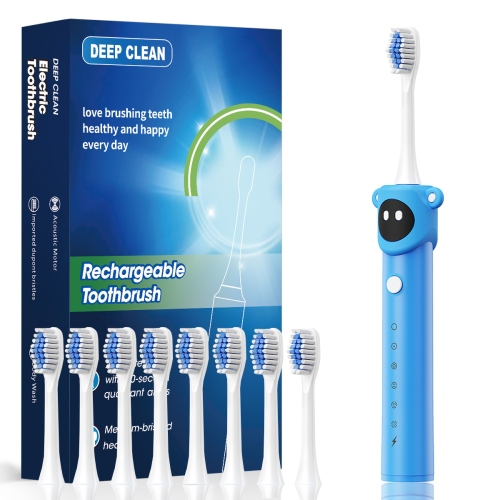

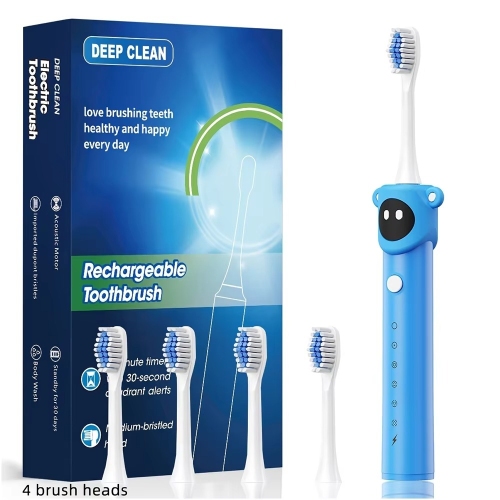
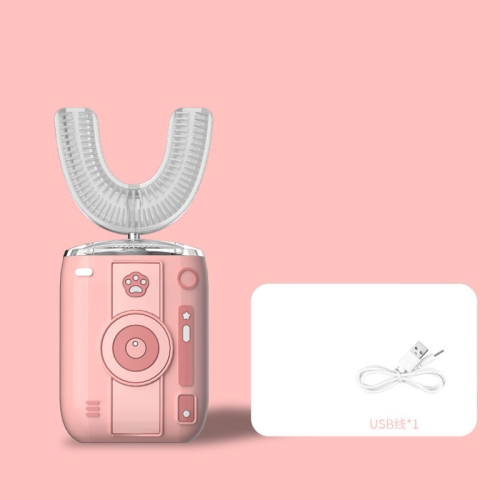
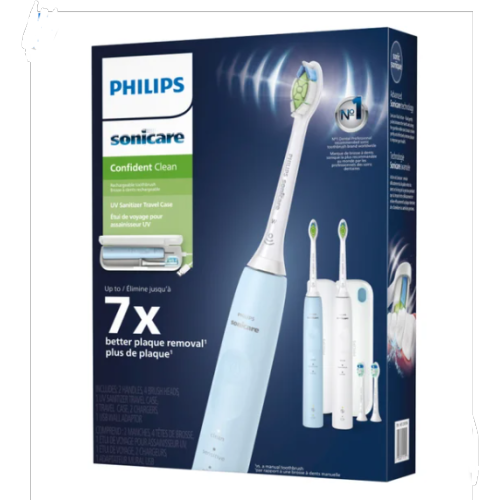
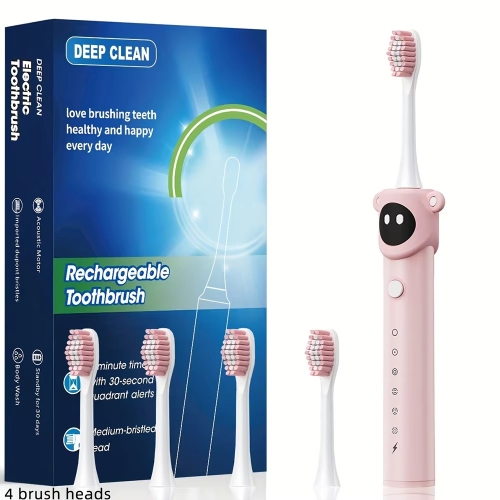
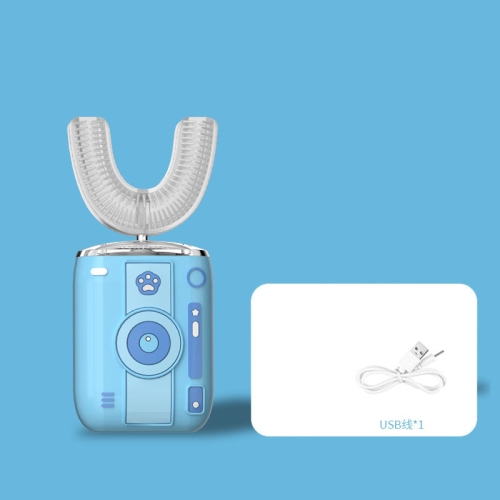
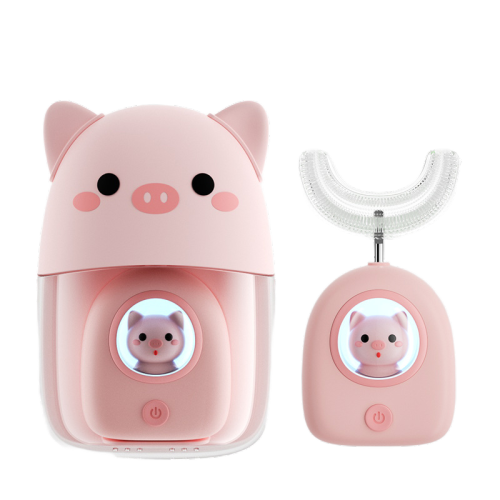
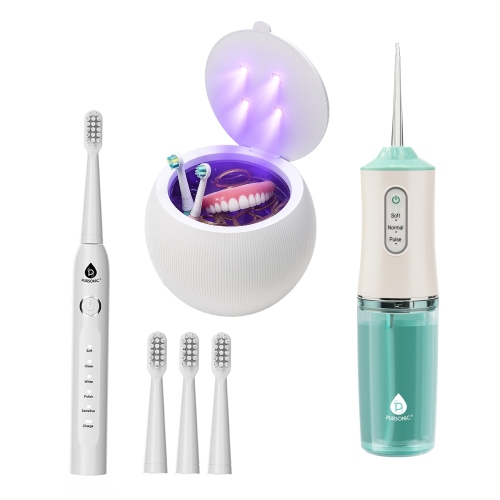
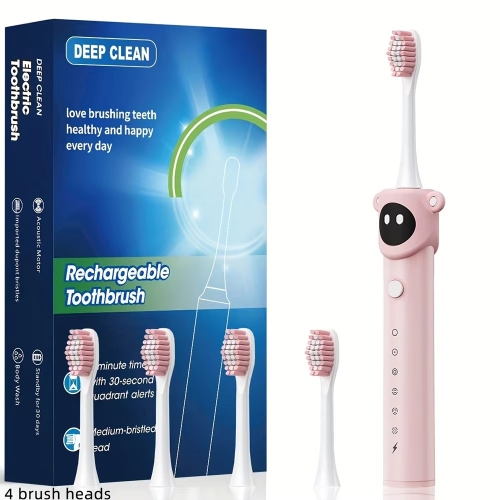
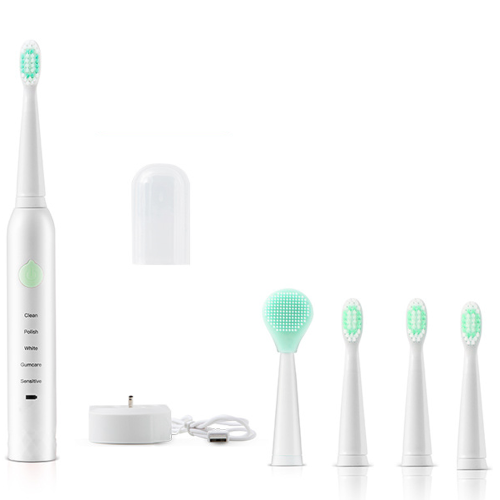
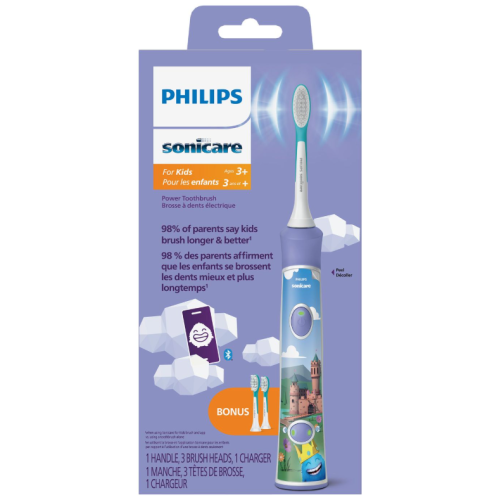
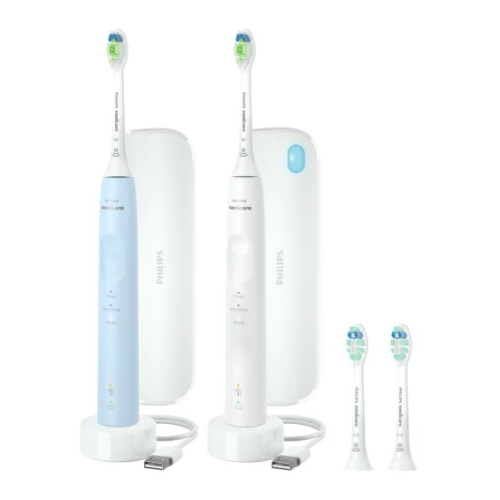
Why brushing comfort matters more than vibration counts
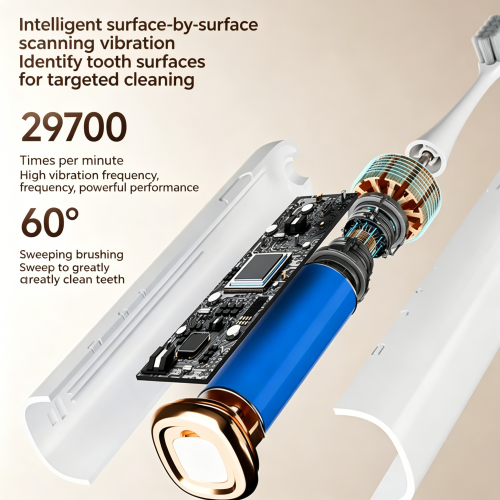
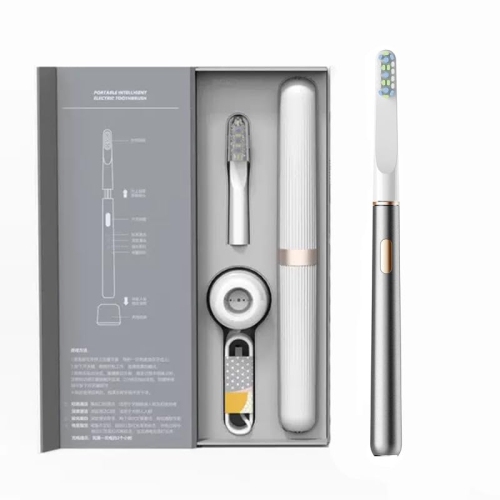
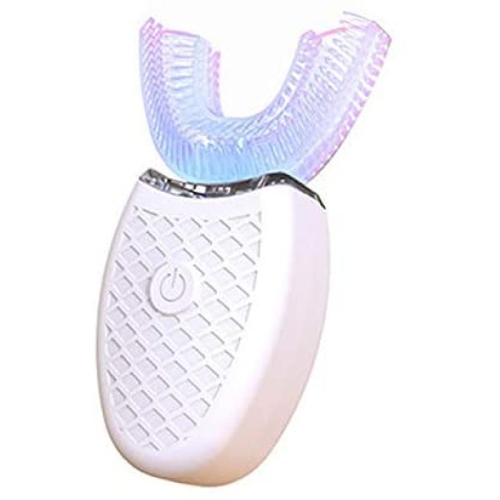
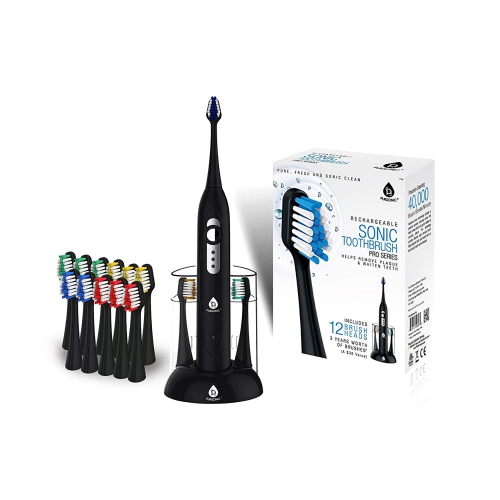
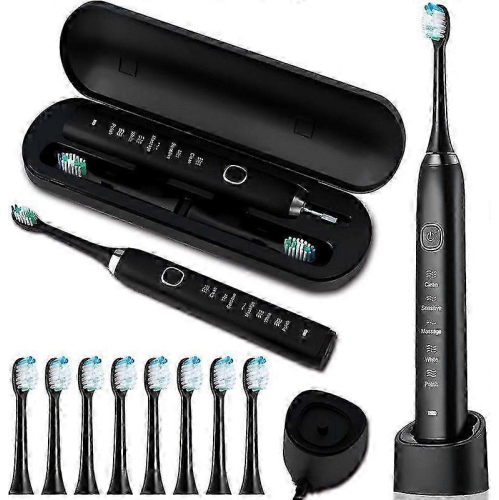
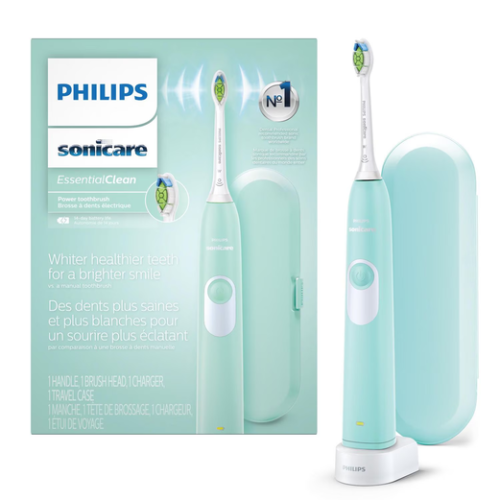
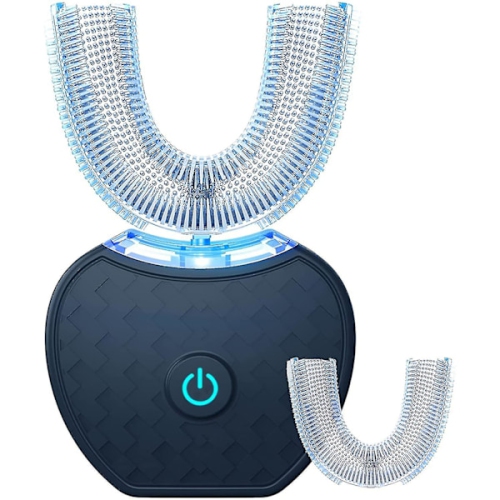
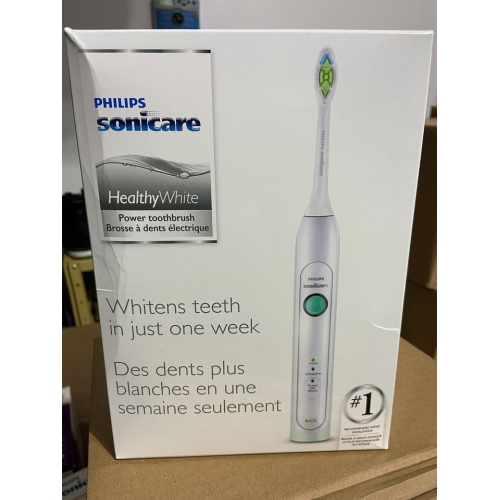
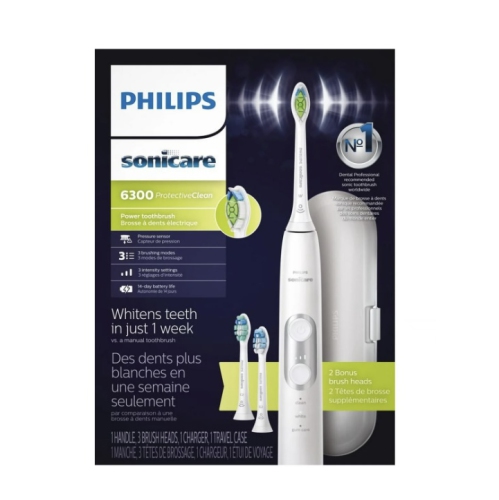
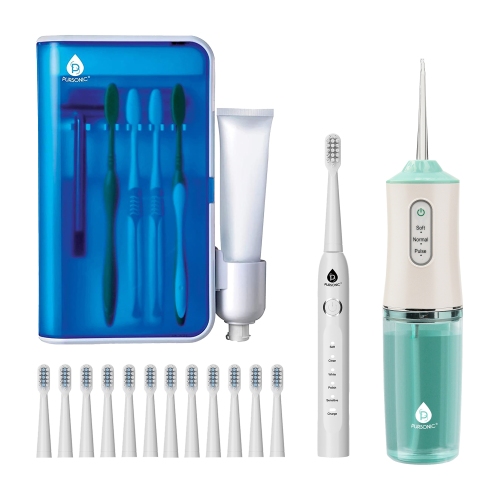
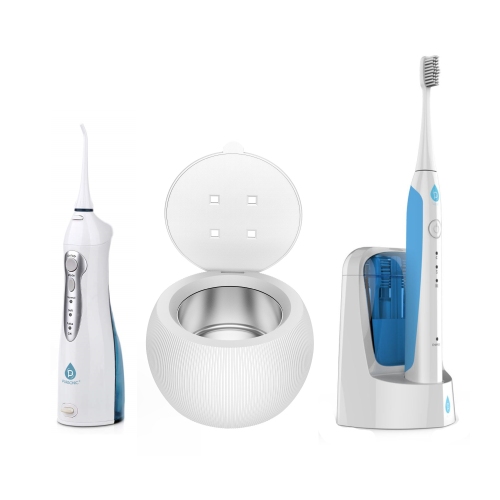
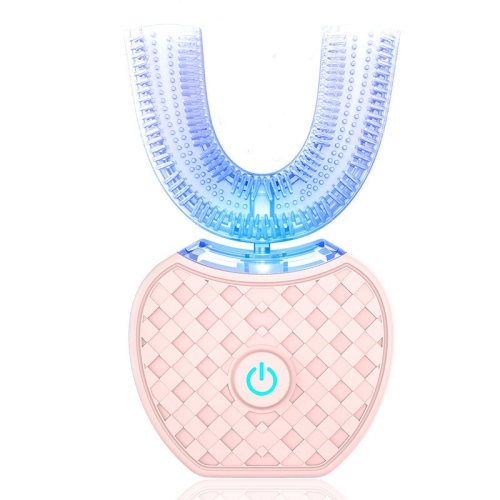
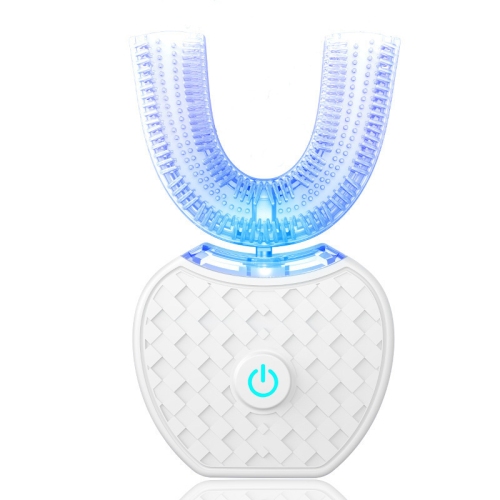
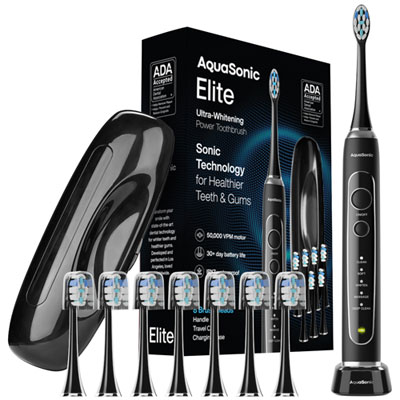
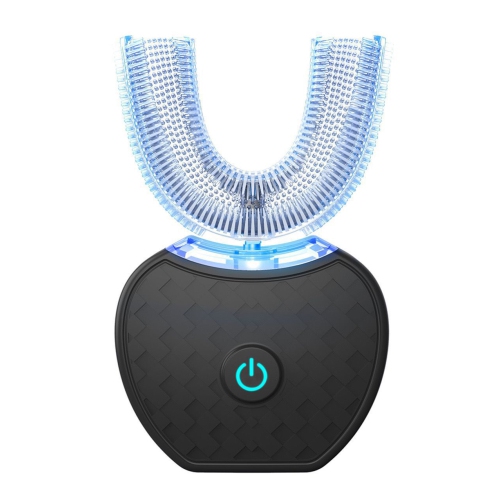
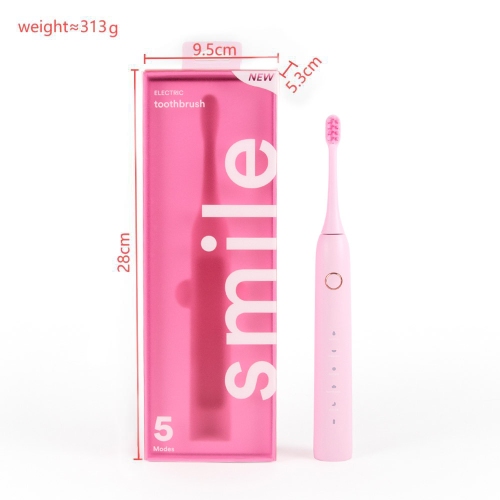
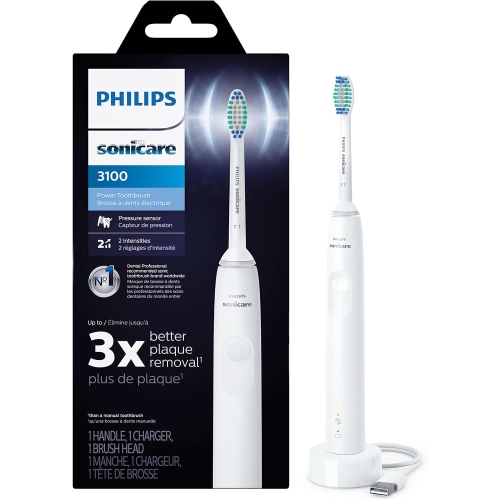
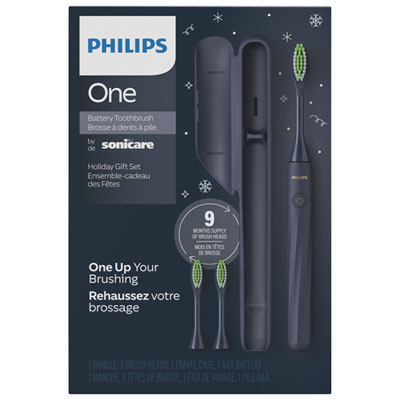
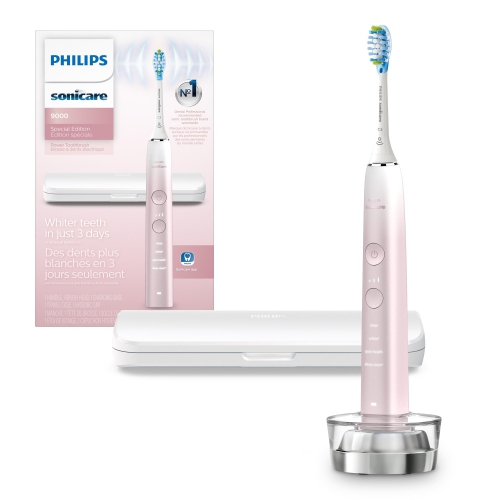
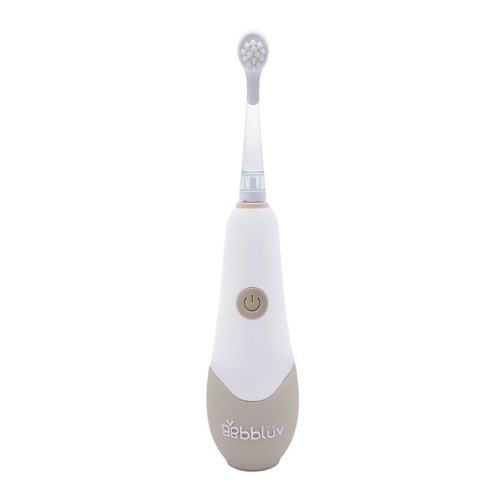
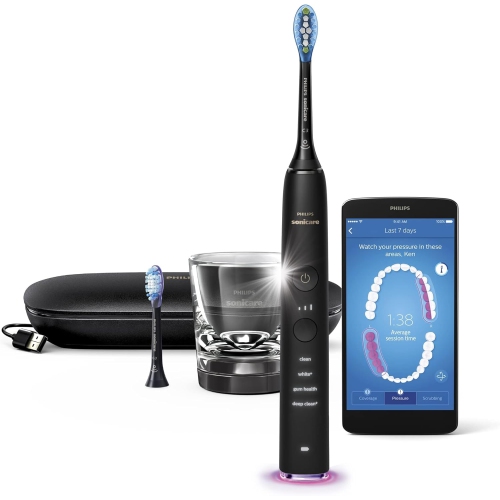
Sonic toothbrushes are electric toothbrushes that use rapid bristle vibrations to clean tooth surfaces and along the gumline. Many operate at tens of thousands of movements per minute, producing the familiar humming sound and light buzzing sensation associated with sonic brushing. Their vibrating bristles help loosen plaque through direct contact, while the motion also moves toothpaste and saliva around the teeth. That fluid movement does not replace careful brushing or daily cleaning between teeth with floss or another suitable interdental tool. Unlike oscillating toothbrushes, which typically use a small round head that rotates back and forth, sonic toothbrushes generally use a vibrating head with a sweeping action. Both designs can support effective daily brushing; head shape, comfort, and ease of use often matter more to the everyday experience than a movement count alone. Sonic brushing suits people who prefer to guide a toothbrush slowly across their teeth rather than make repeated scrubbing strokes. A built-in two-minute timer can make it easier to maintain a consistent session, while interval signals prompt attention to different sections of the mouth. For someone who tends to rush through the inside surfaces of the lower teeth or spend most of the session on the front teeth, those small reminders can add useful structure. Many handles also offer pressure feedback, reduced-intensity settings, or a gentle introduction mode to help users adjust to the sensation. These features vary by model, and a gentler setting is not a substitute for using light pressure and an appropriate brush head. People exploring Sonicare toothbrushes alongside the broader sonic category can consider the same essentials: a comfortable grip, a head that reaches the back teeth without feeling bulky, and controls that are easy to use with wet hands. The most useful combination is one that fits naturally into twice-daily brushing without making the routine unnecessarily complicated.
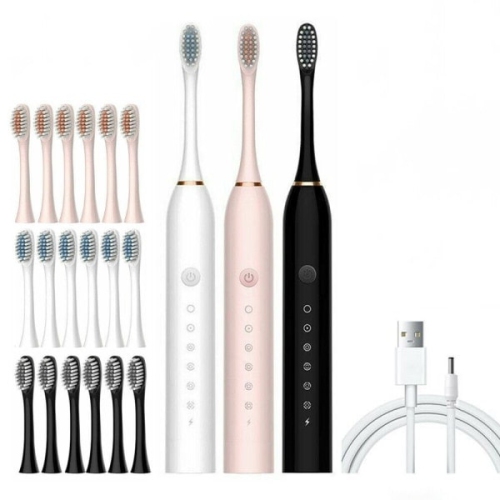
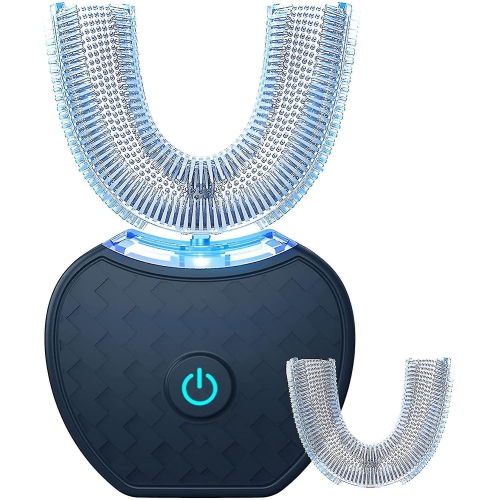
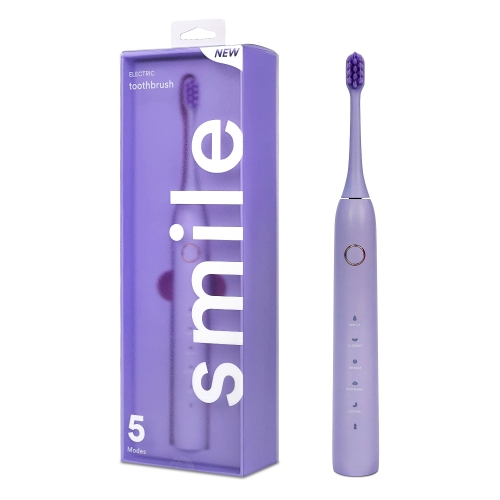
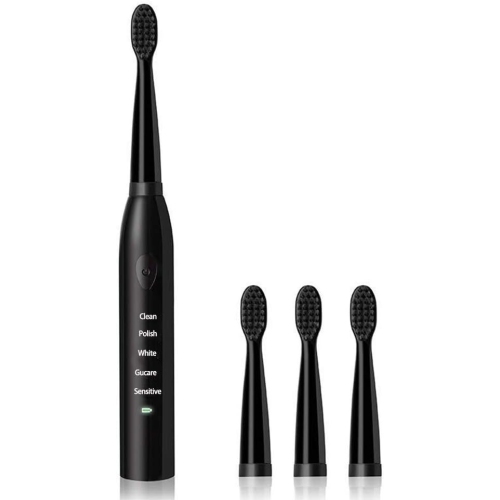
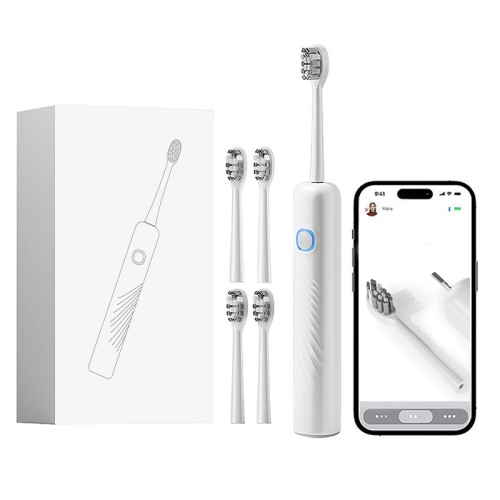
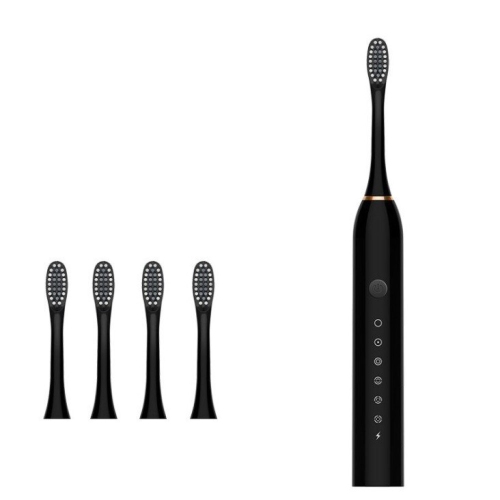
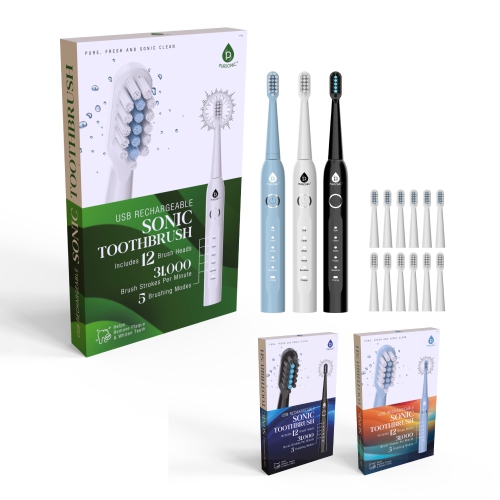
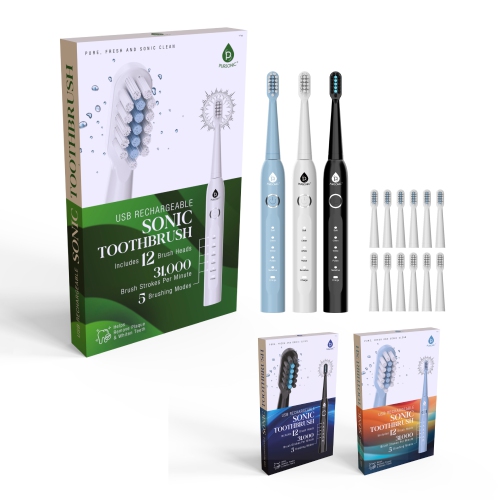
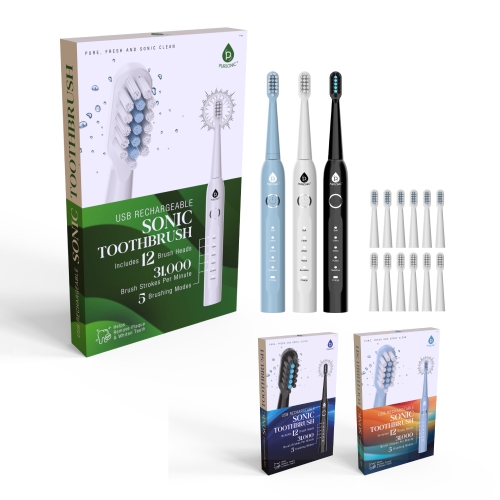
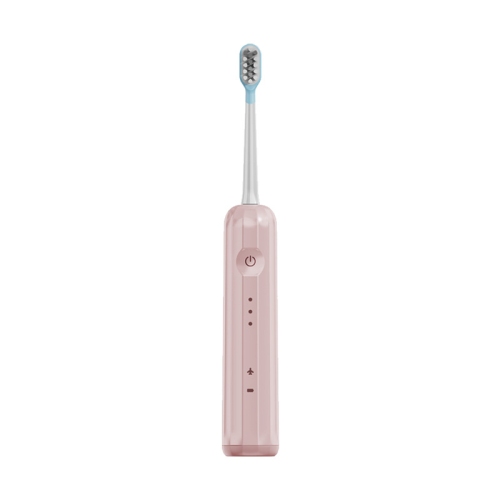
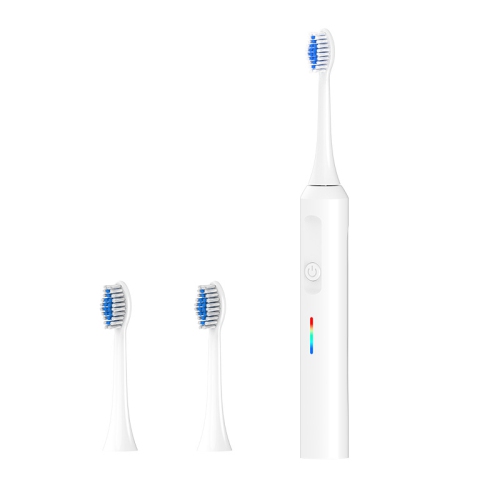
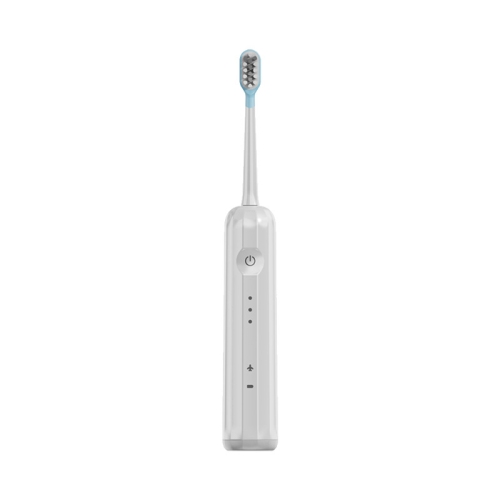
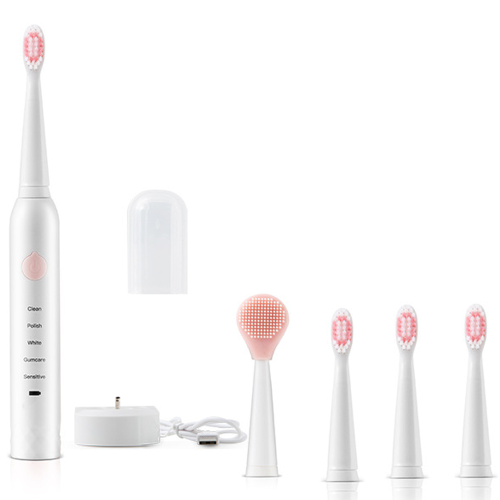
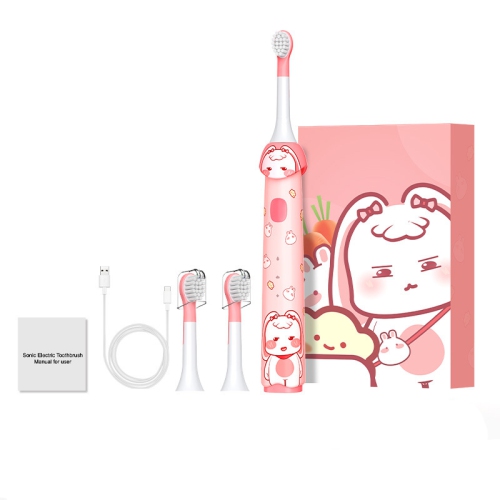
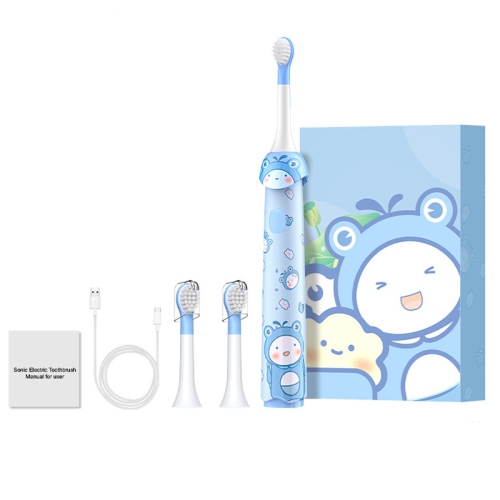
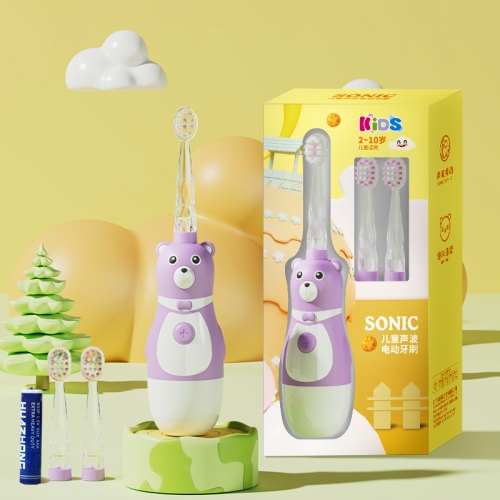
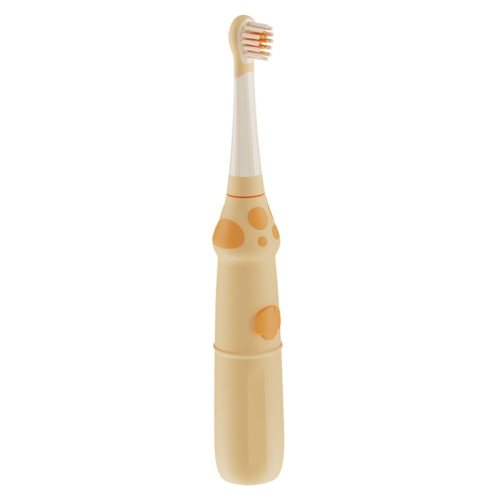
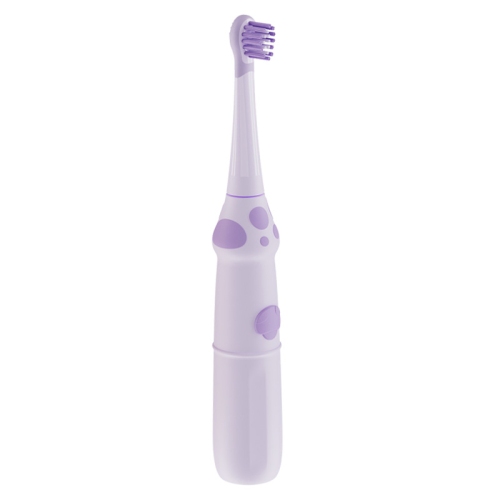
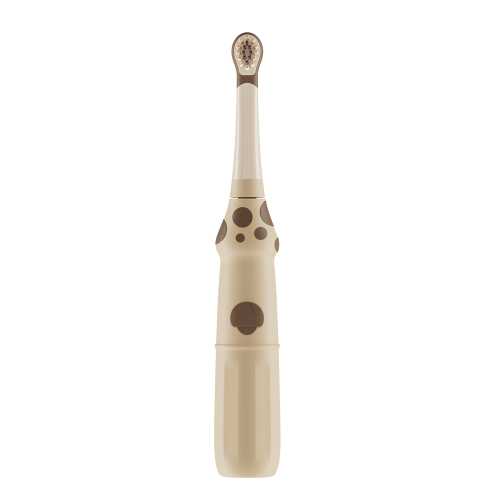
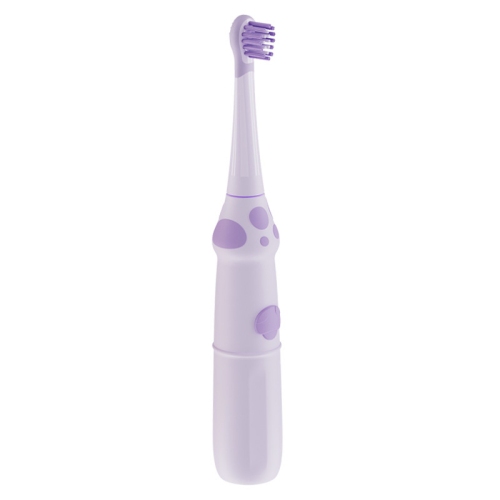
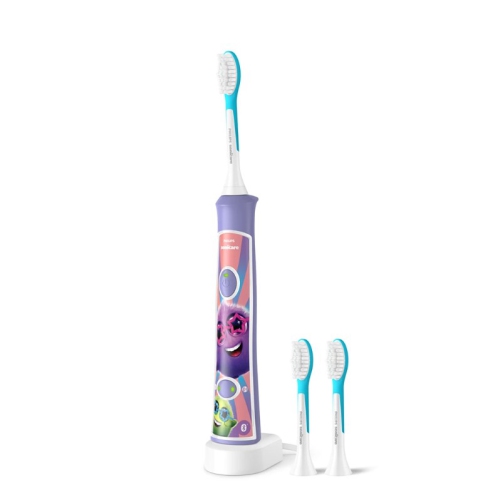
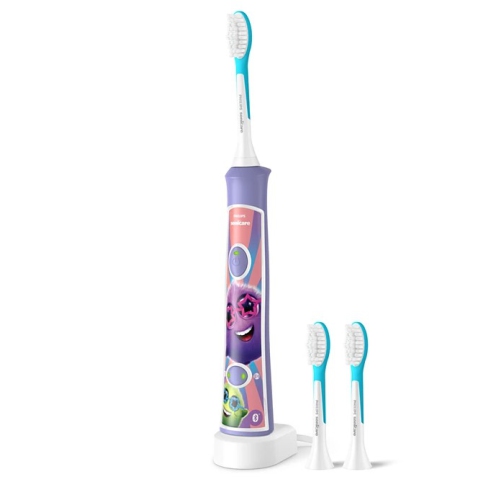
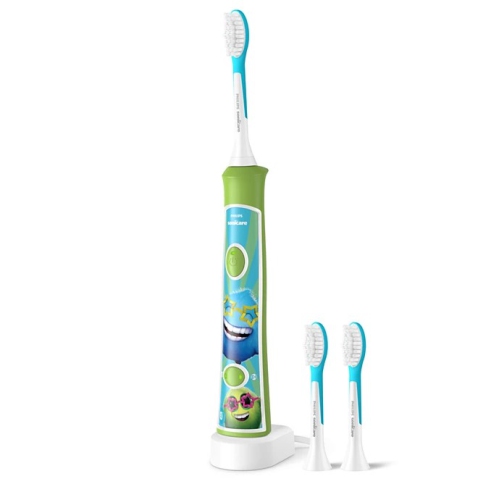
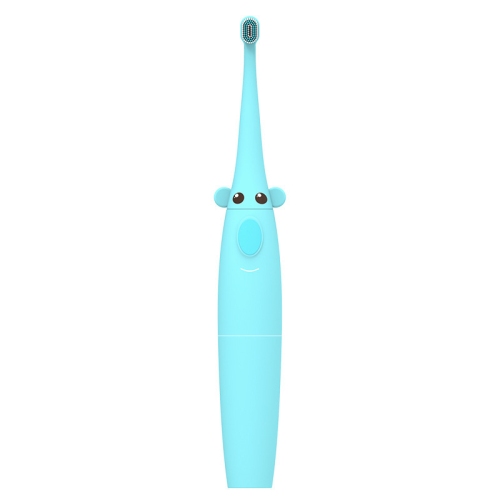
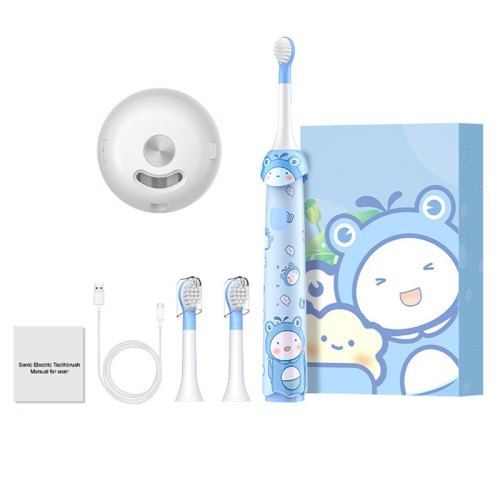
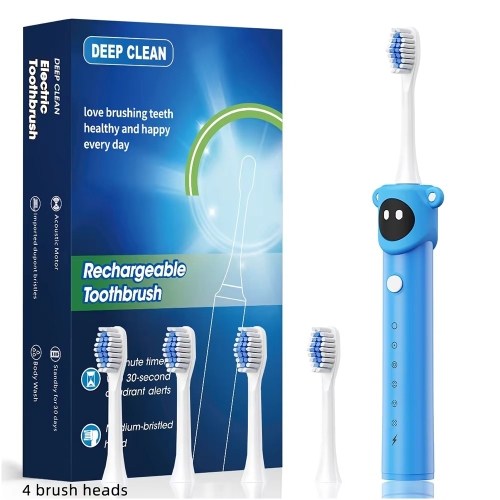
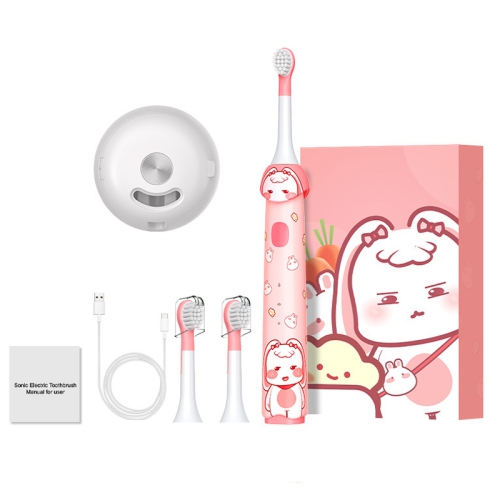
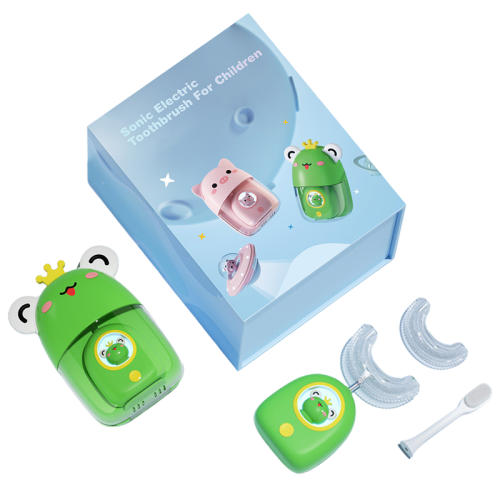
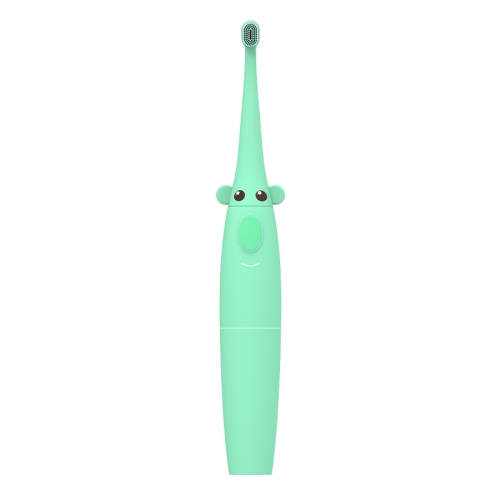
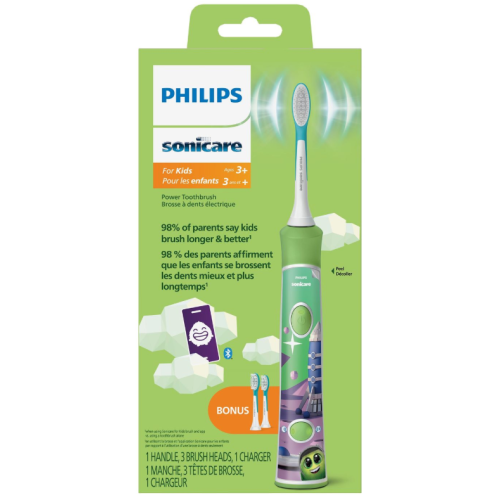
Brush-head fit has a noticeable effect on how a sonic toothbrush feels in use. Compact heads can be easier to manoeuvre around back molars or within a smaller mouth, while longer heads may feel more familiar to someone moving from a manual toothbrush. Soft nylon bristles are common, with different tuft arrangements and contours intended to contact tooth surfaces and follow the gumline. A head should feel comfortable rather than scratchy, and pressing harder is not a way to compensate for bristles that have become worn or splayed. Replacement heads must be compatible with the handle: similar-looking attachment points do not necessarily mean that two brush systems are interchangeable. Handles commonly use moulded plastic, sometimes with textured or rubberized grip areas that improve control when damp. Shape and weight deserve attention, particularly for anyone with limited hand strength or dexterity. A broader handle may be easier to hold, while a lighter design may feel less tiring during a full brushing session. Clearly marked buttons, a visible battery indicator, and pressure feedback that is easy to notice can be more helpful than a long list of settings. Modes labelled for daily cleaning, sensitive brushing, gum care, or whitening usually change the intensity, vibration pattern, or session length; the labels alone do not establish a better result. Whitening settings generally focus on helping remove surface stains rather than changing the natural colour of teeth. People with sensitive teeth, gum concerns, braces, implants, or extensive dental restorations may benefit from advice from a dental professional about suitable heads and technique. For children, an age-appropriate head, manageable handle, and adult supervision matter more than simply choosing a smaller-looking adult brush. Connected features can appeal to users who enjoy feedback, with some systems offering brushing records or coverage prompts through a compatible phone app. Others may prefer a straightforward handle with a timer and no phone connection. A sonic toothbrush can also be a practical personal-care gift when the recipient has expressed interest, especially when its controls and maintenance requirements match their preferences.
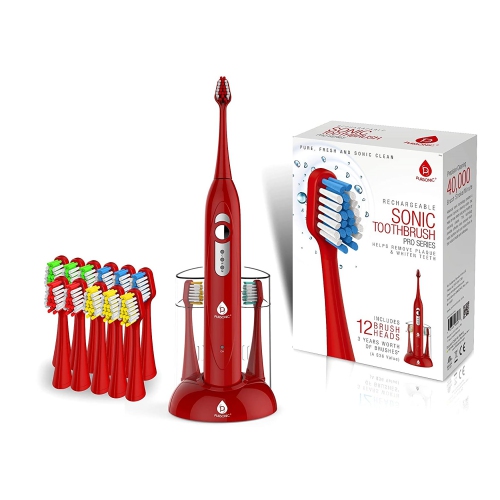
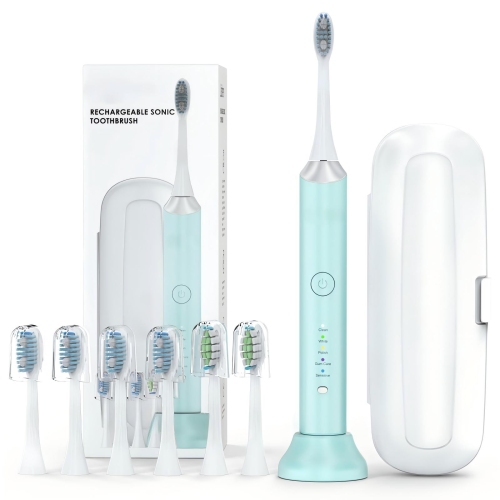
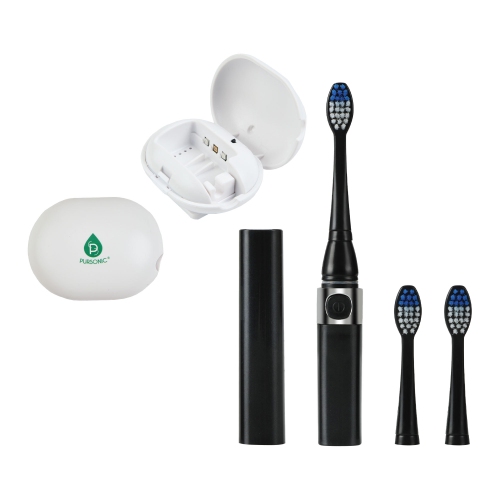
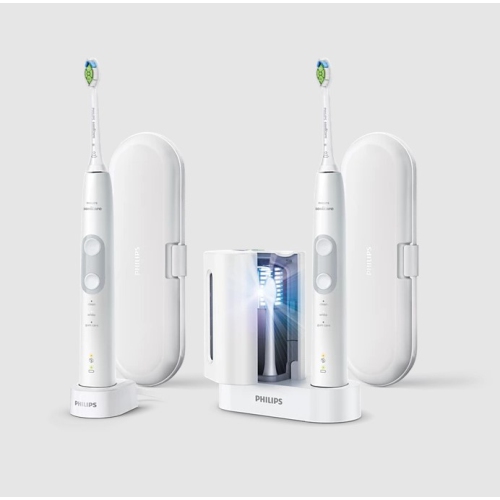
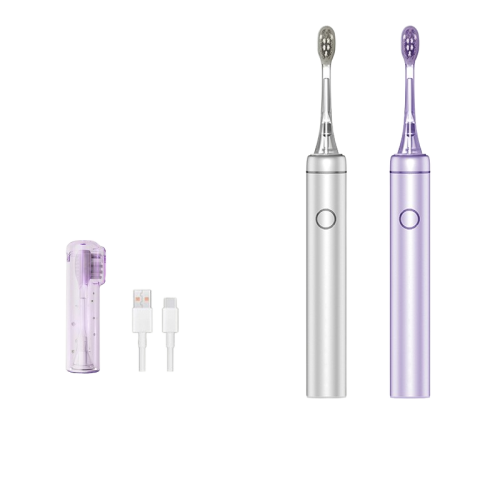
Power, storage, and routine care influence how well a sonic toothbrush fits into a bathroom or travel bag over time. Rechargeable designs may use a charging stand, a cable connection, or a charging travel case, while some sonic toothbrushes operate on replaceable batteries. Stated battery life depends on factors such as brushing frequency, session length, intensity, and connected functions, so it is useful to read runtime claims alongside their stated usage conditions. A battery indicator helps prevent a flat handle from interrupting a familiar routine, and a travel lock can keep the motor from switching on inside a toiletry bag. Charging accessories also differ: a cable may not include a wall adapter, and charging bases are not necessarily interchangeable between handles. For travel outside Canada, the input rating on the charger determines whether it supports the local electrical supply; a plug adapter alone does not convert voltage. At home, a stable stand with a small footprint can keep the handle upright without crowding the sink. After brushing, rinse the head thoroughly, remove trapped toothpaste as directed, and let the bristles air-dry. Cleaning around the head connection helps prevent residue from collecting where the head meets the handle. A travel cap or case is useful for transport, but a wet brush should not remain sealed away longer than necessary. Brush heads generally need replacing about every three to four months, or sooner if the bristles become frayed, following the manufacturer's directions and any advice from a dental professional. Water resistance also varies, so the care instructions determine whether a handle can be rinsed and how its charging components should be kept dry. Dropping the handle, using an incompatible charger, or allowing residue to accumulate can affect long-term reliability. Individual brush heads should not be shared, and clearly distinguishable heads help household members keep their own separate. With comfortable bristles, appropriate pressure, and regular care, a sonic toothbrush can become a dependable part of daily oral hygiene, complementing fluoride toothpaste, interdental cleaning, and regular dental care.
Top selling and popular products
-
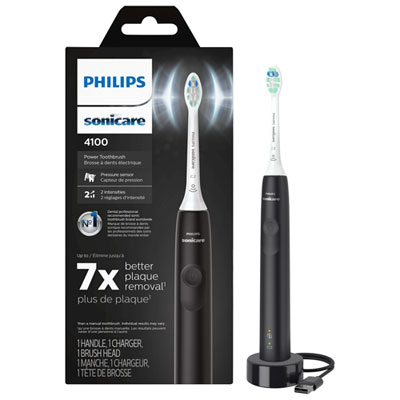 Your price for this item is $84.99
-
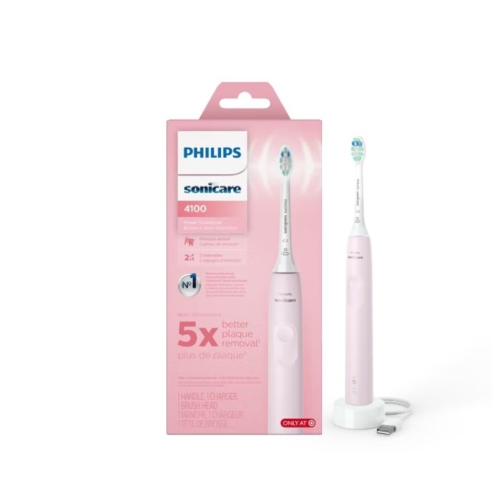 Your price for this item is $49.95
-
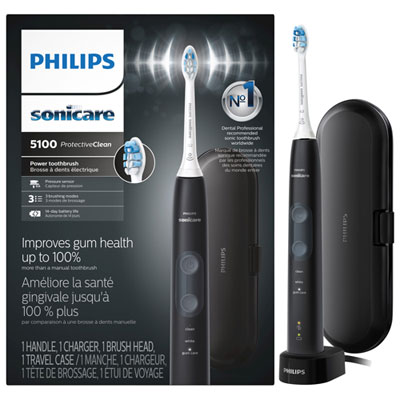 Your price for this item is $89.99
-
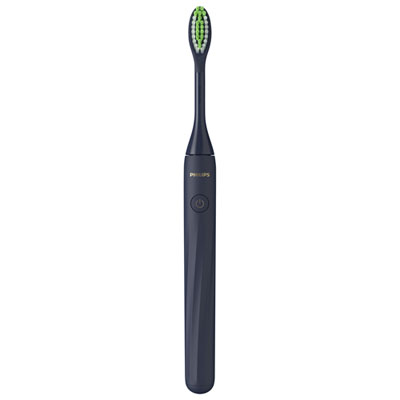 Your price for this item is $24.97
-
 Your price for this item is $29.99
-
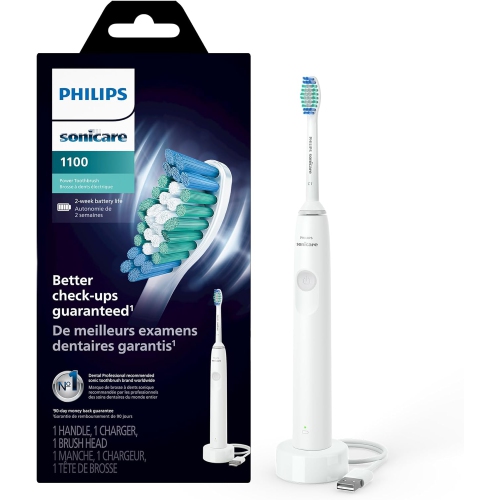 Your price for this item is $29.97
-
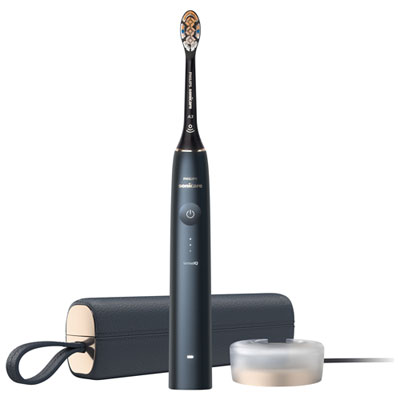 Your price for this item is $499.99
-
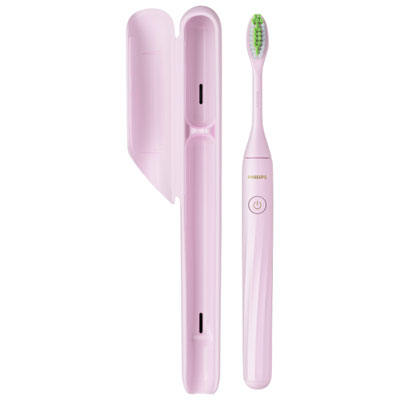 Your price for this item is $34.99
Discover more categories related to Sonic Toothbrushes
Top Collections:
Best Black Friday Deals This Year, Best Black Friday Deals On Electronics, Kindle Devices, Pokemon Centers, Best Black Friday Deals On Apple Products, Best Cameras for Sports Photography, Dyson Airwrap, Pokémon 30th Celebration Cards, Apple iPhone 17 Pro, Canon G7X Cameras
Some products may be subject to Environmental Handling Fees
(EHF) depending on your province.
Learn more about EHFs.