Sonicare Toothbrushes
SoniCare toothbrushes are some of the best electric toothbrushes on the market. They are known for their high-quality, long lasting, and efficient cleaning action. Here are some great SoniCare toothbrushes available today.
Sort
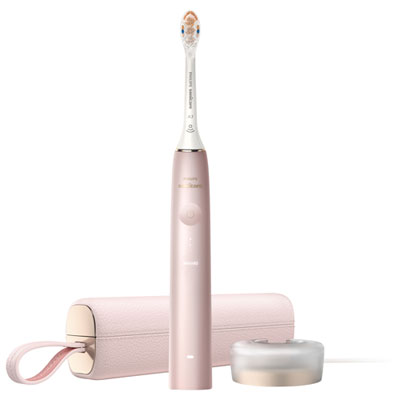
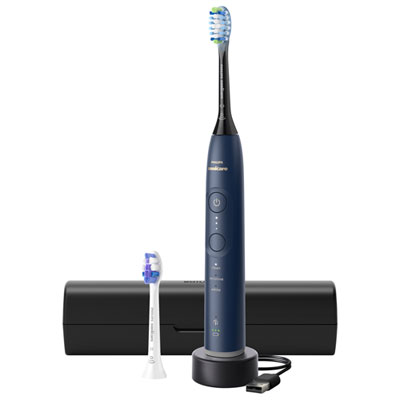
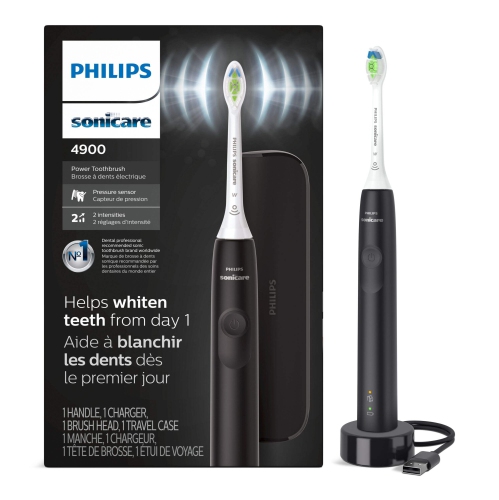
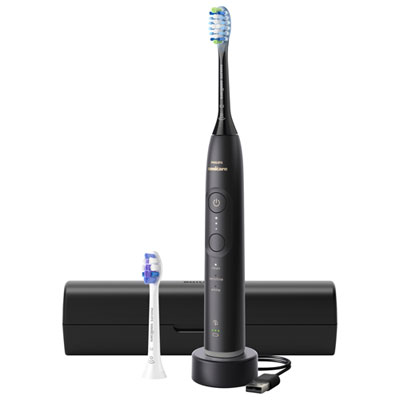
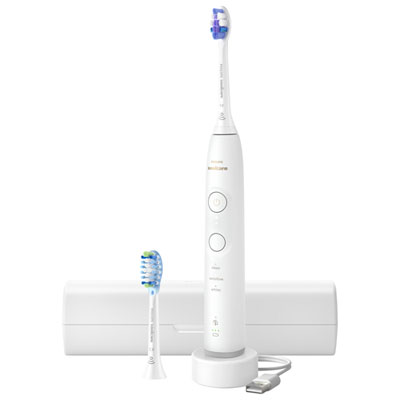
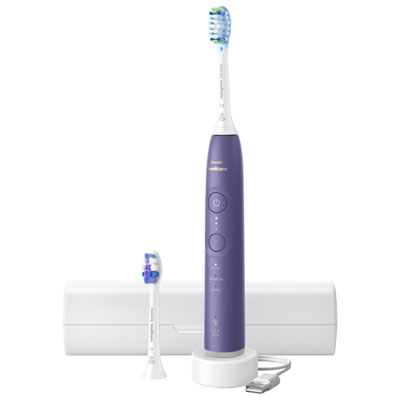
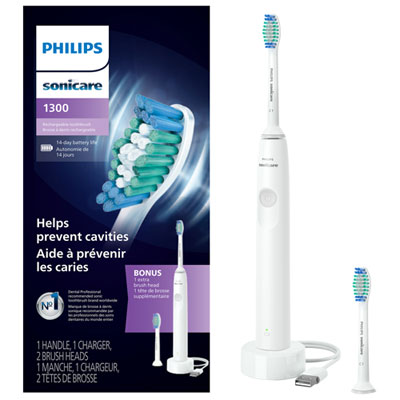
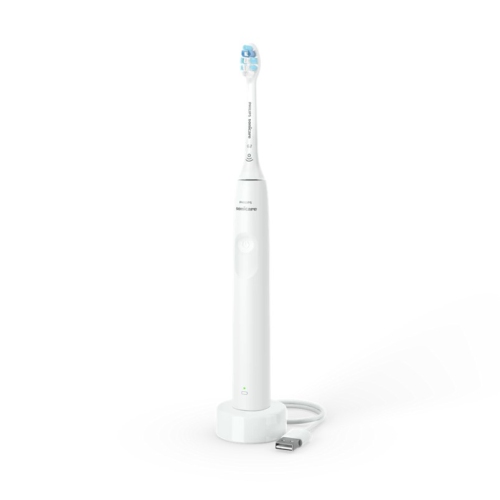
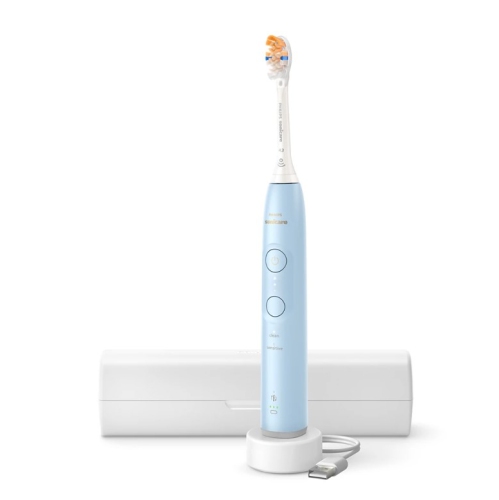
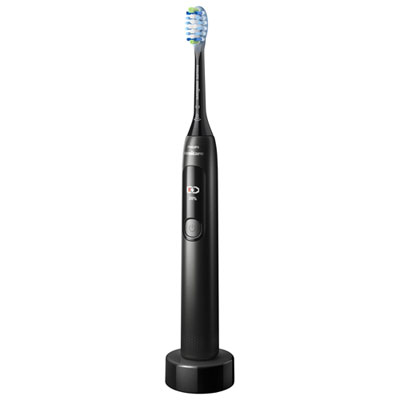
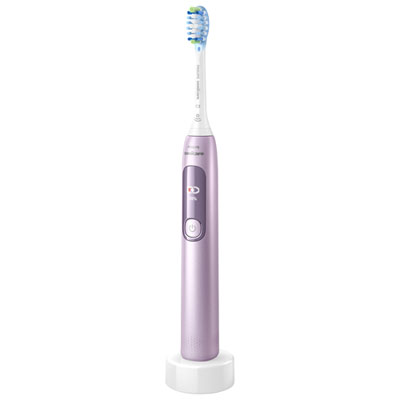

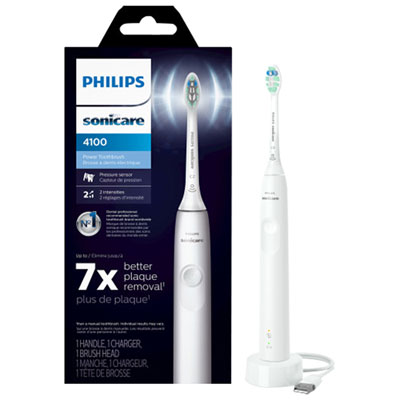

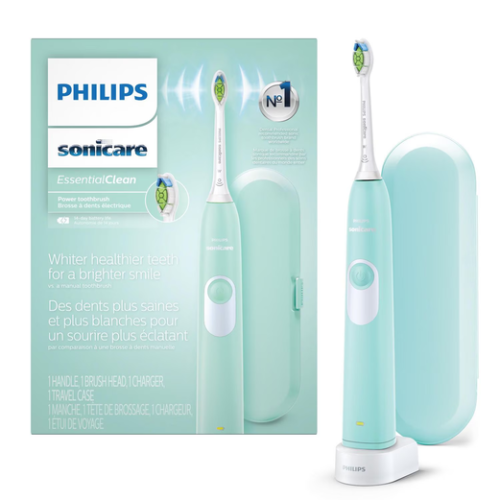
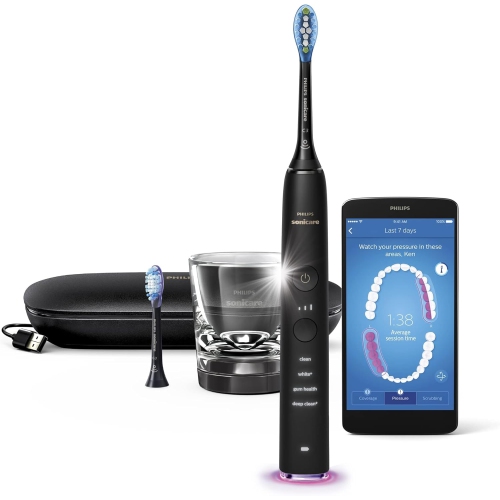
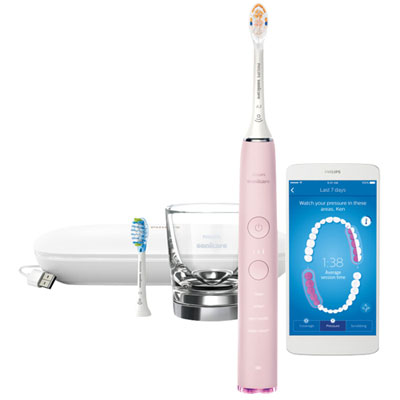
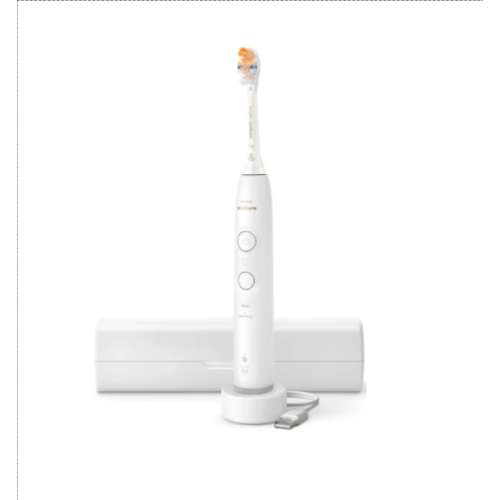

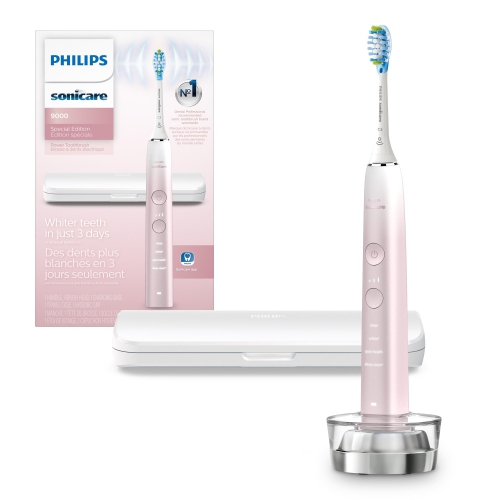
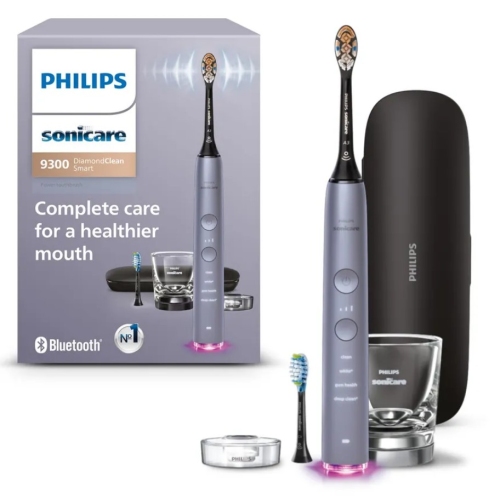
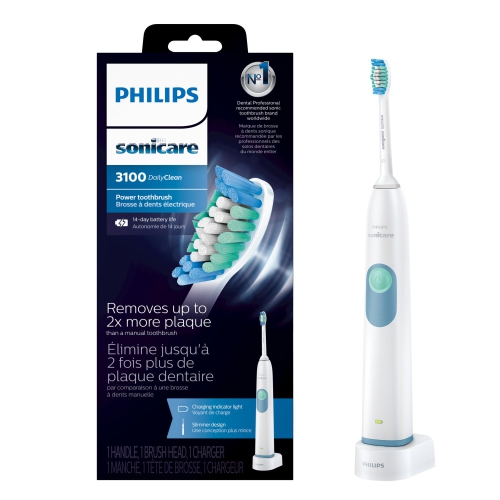
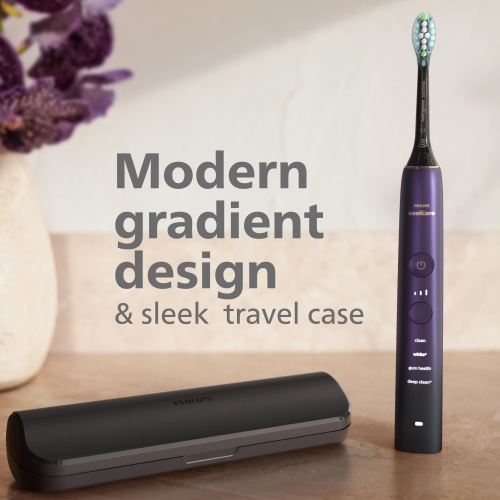
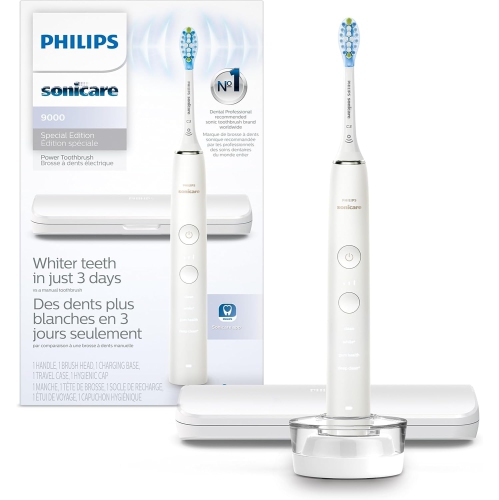
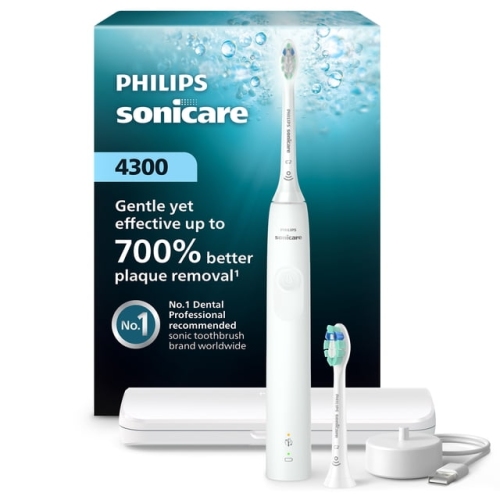
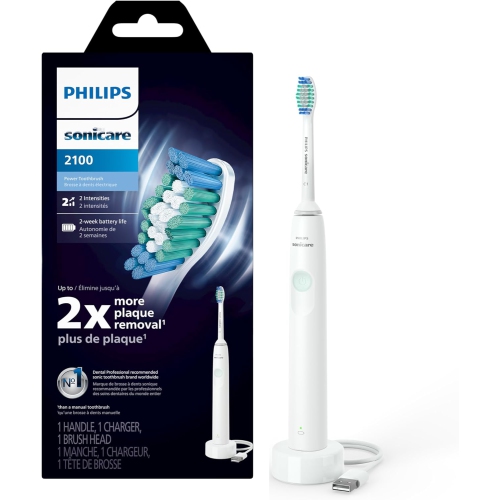
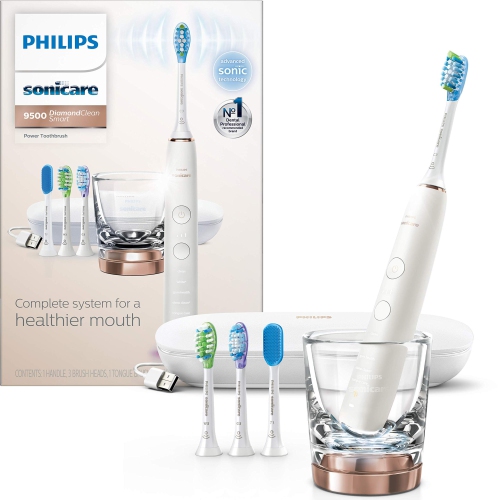
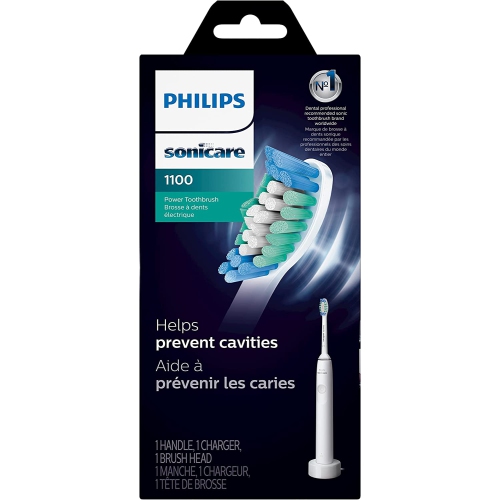
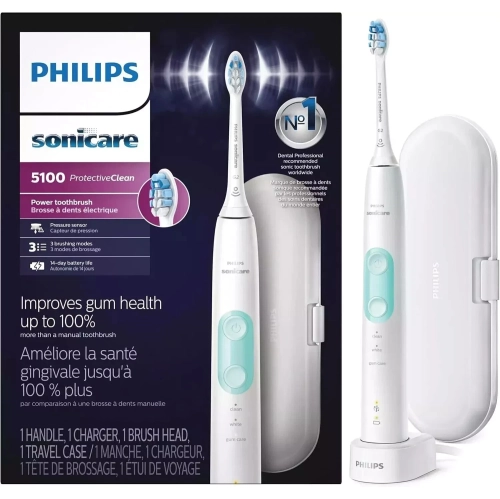

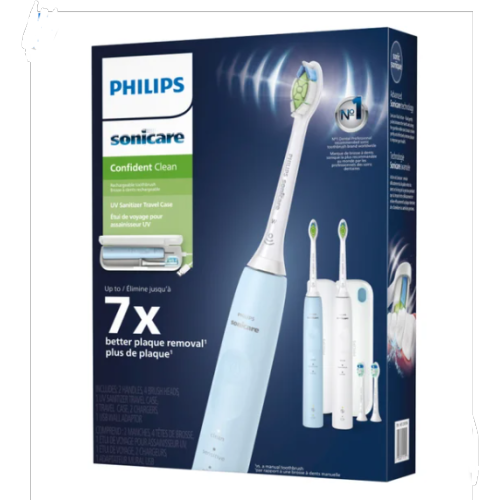
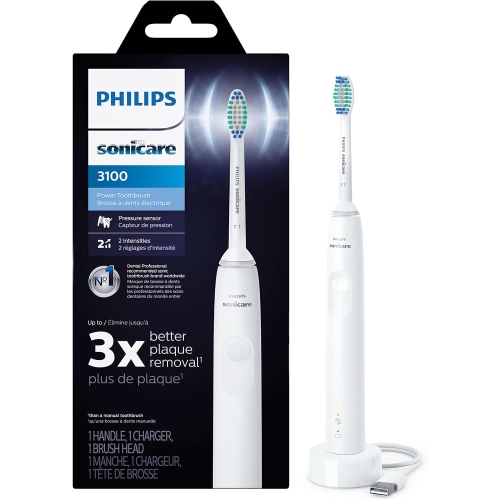
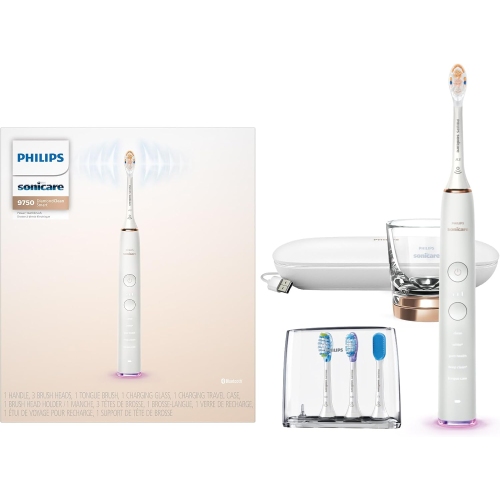
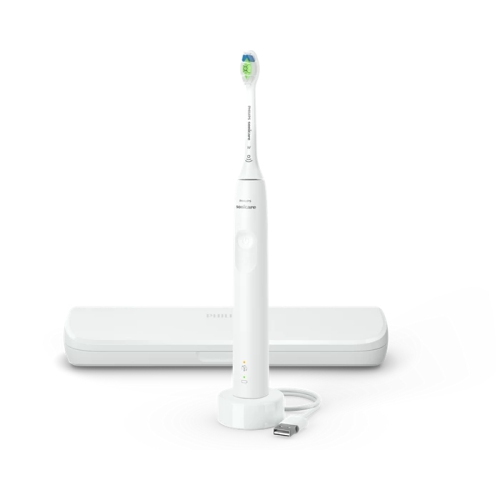
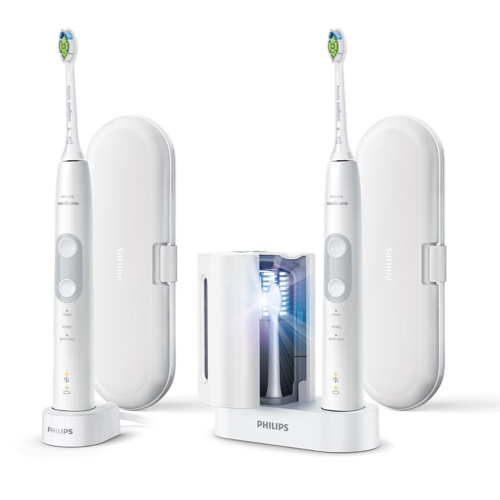
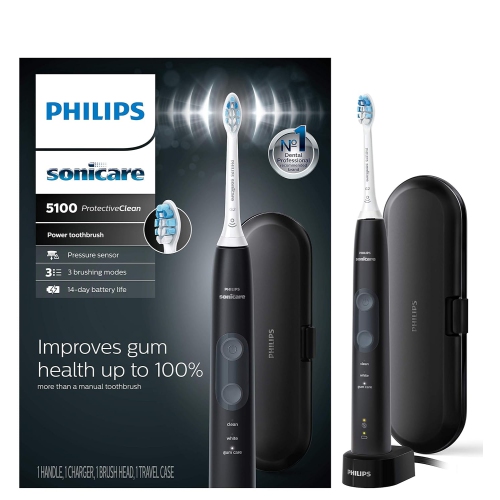
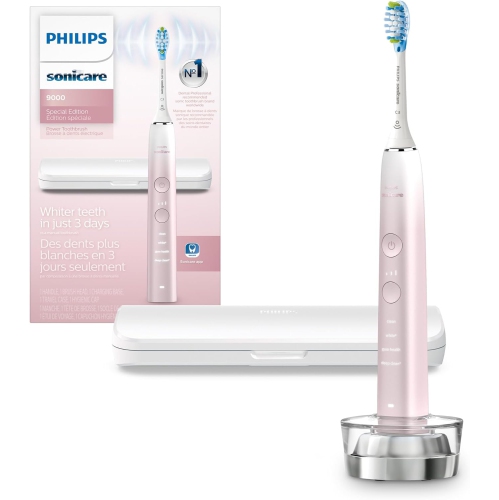
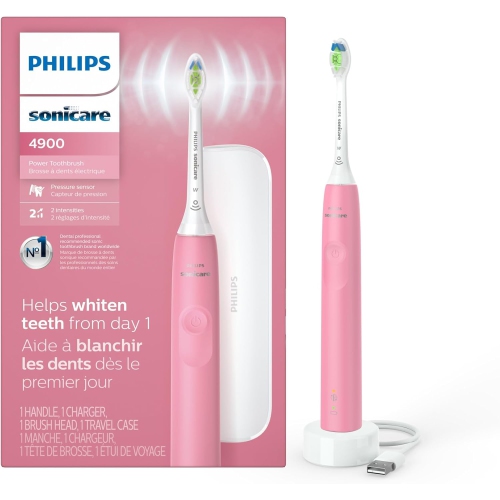
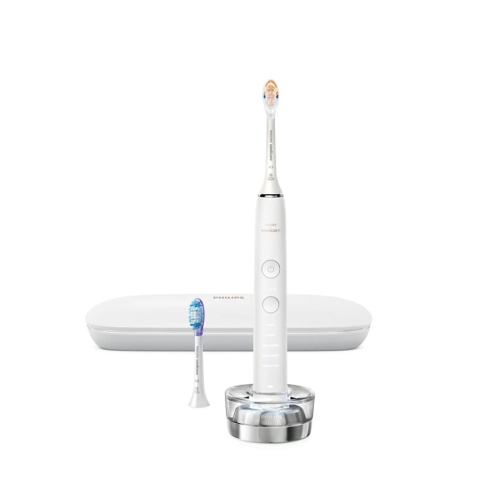
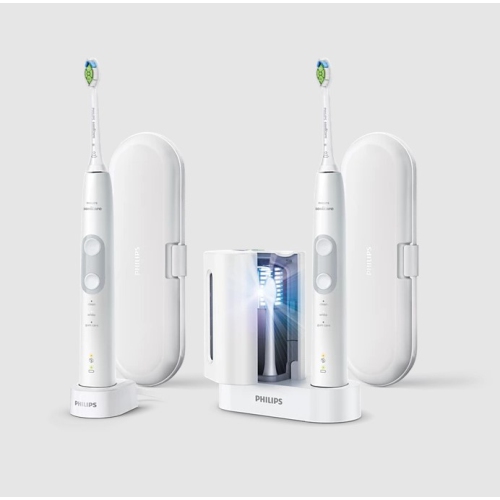

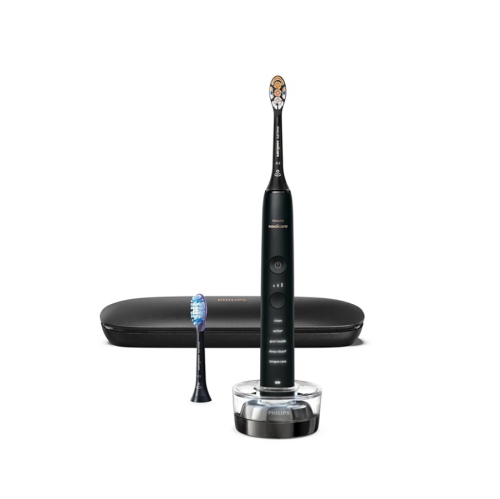
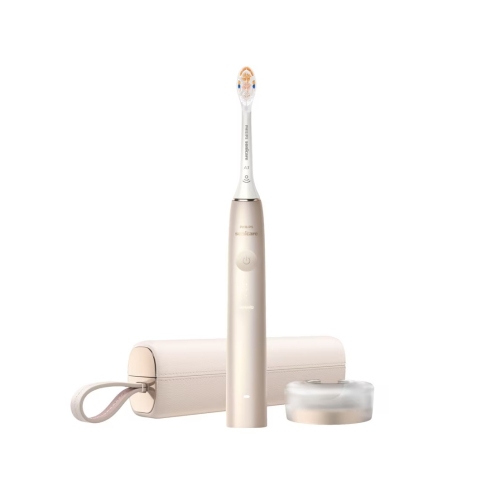
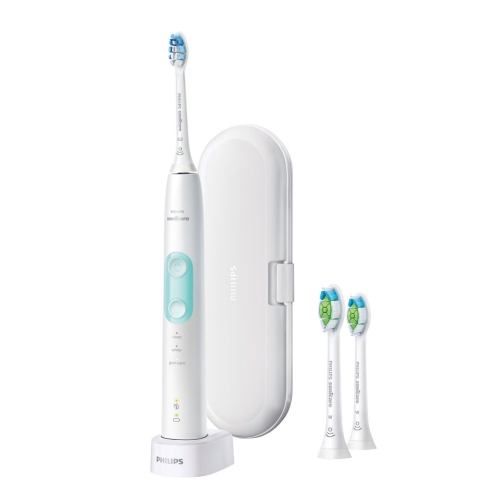
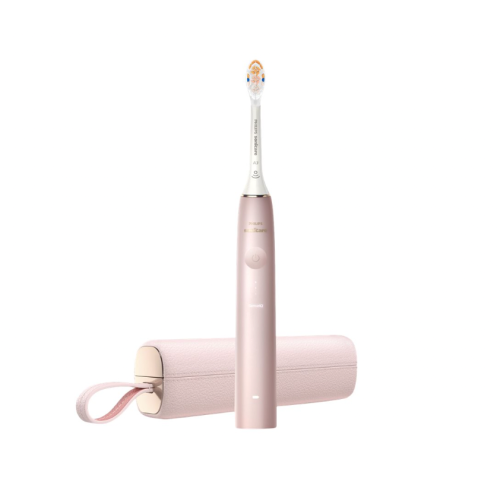
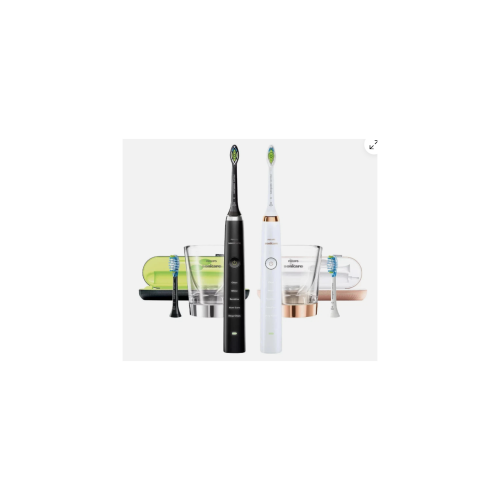
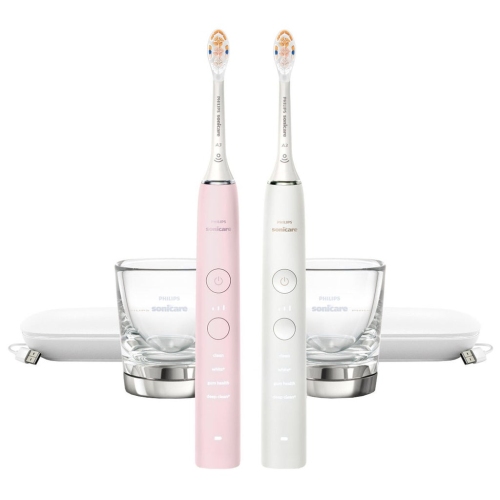
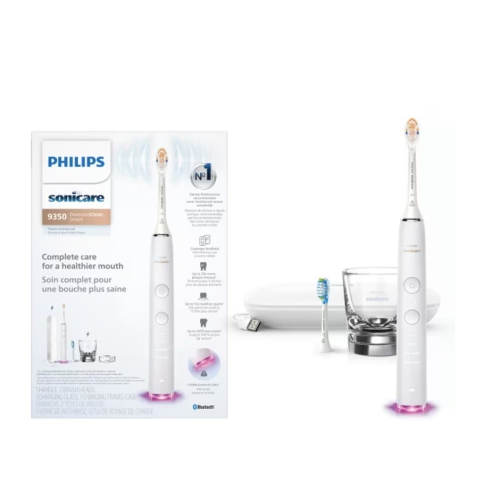
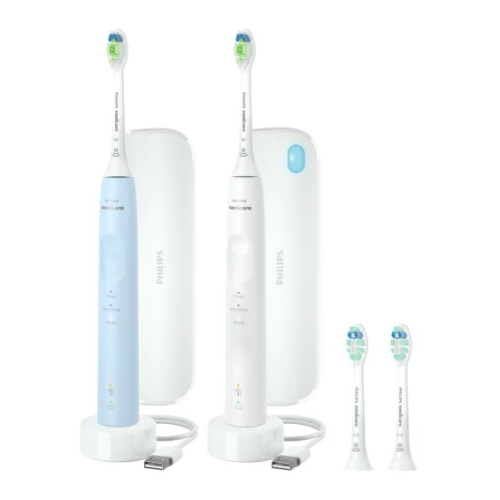
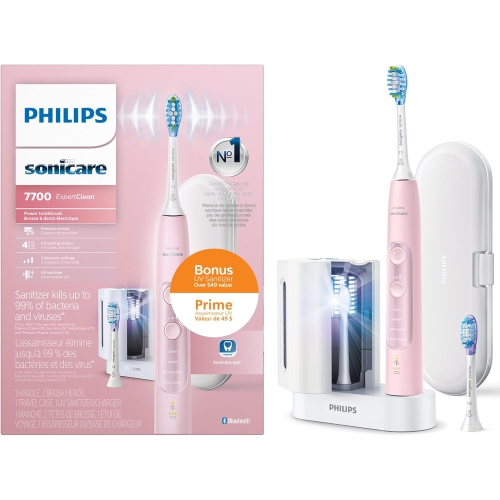
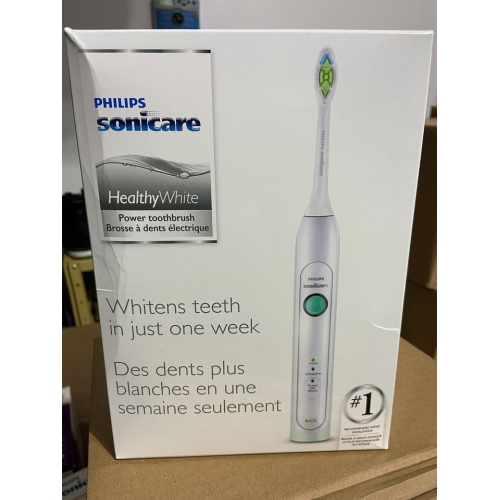
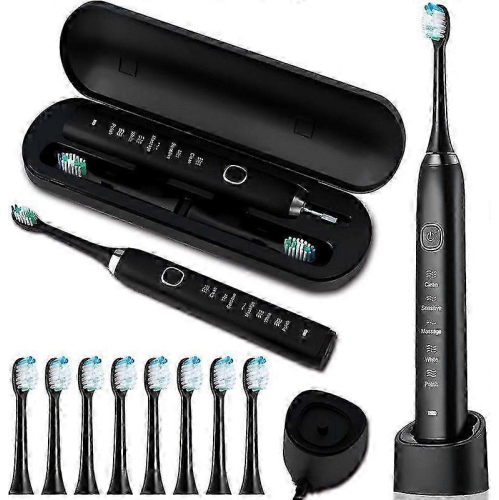
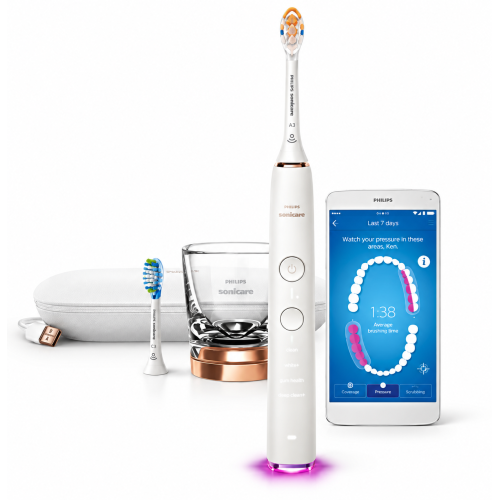
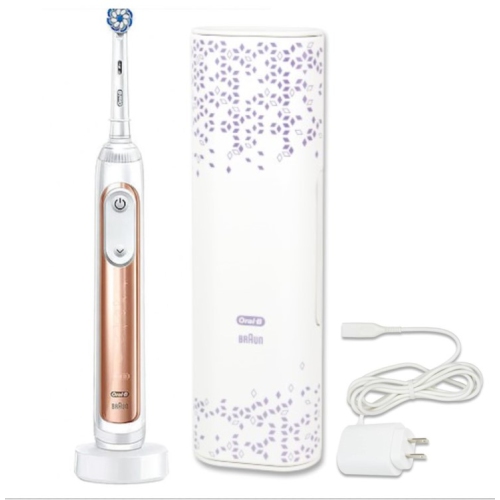
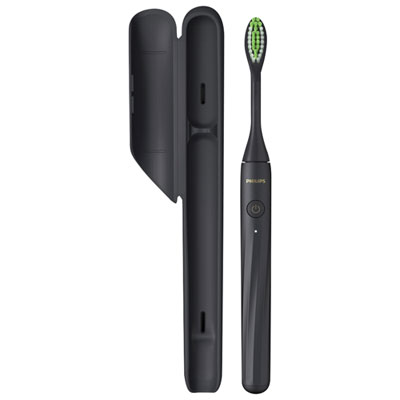
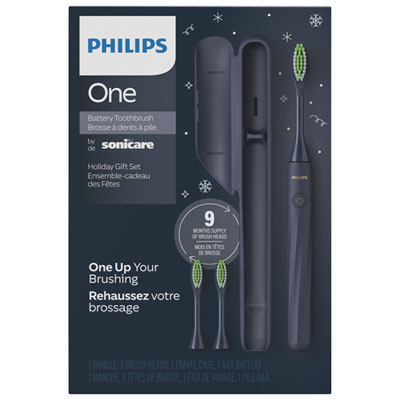
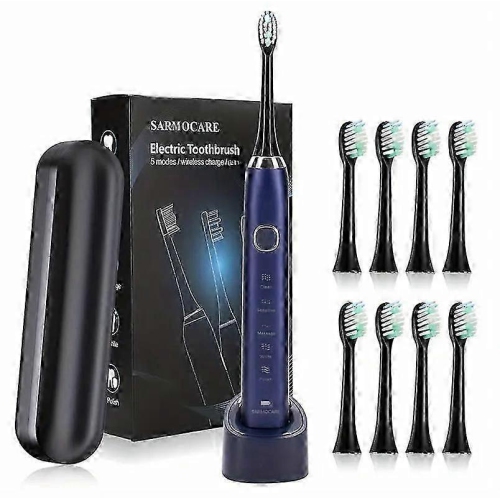
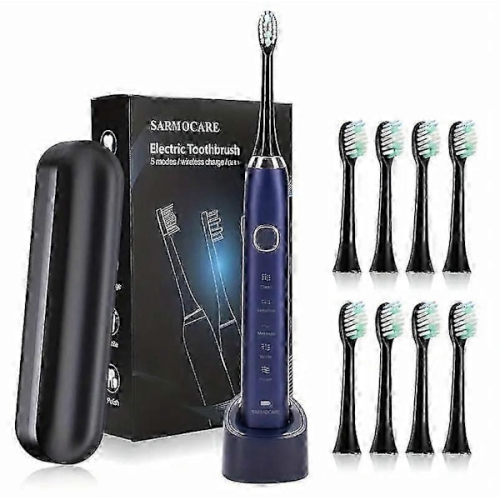
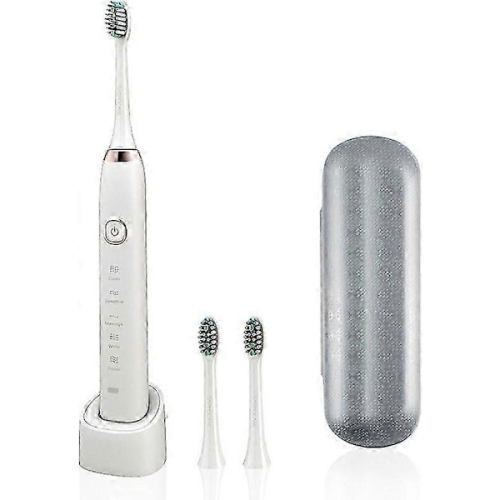
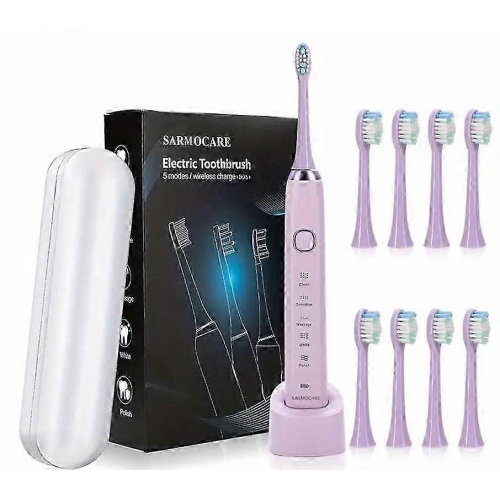
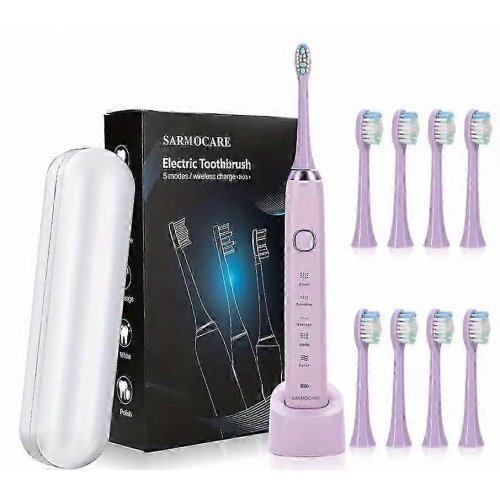
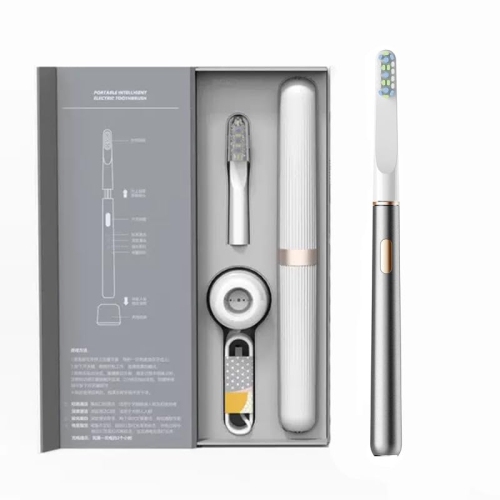
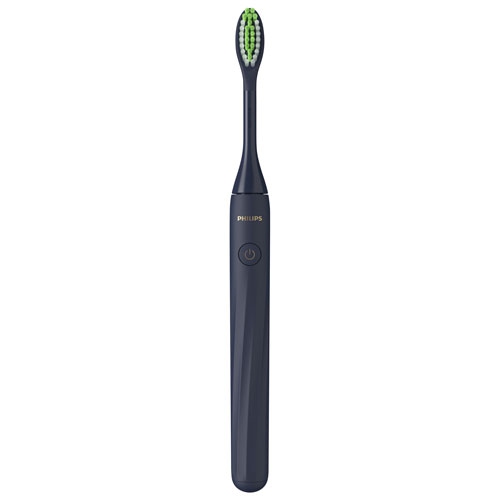
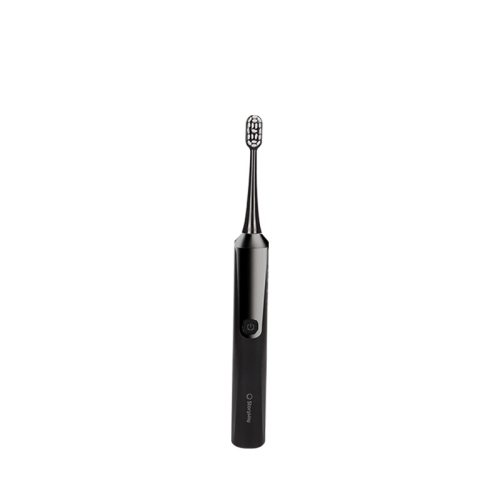
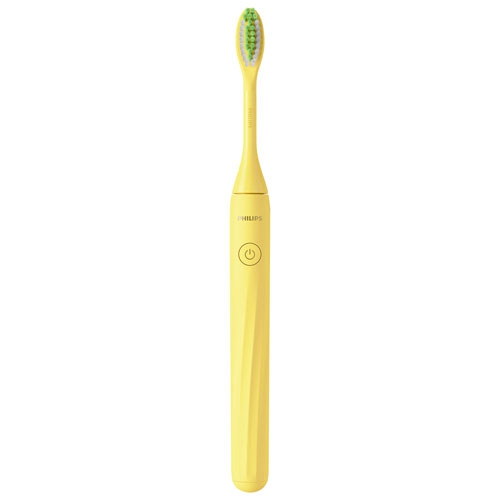
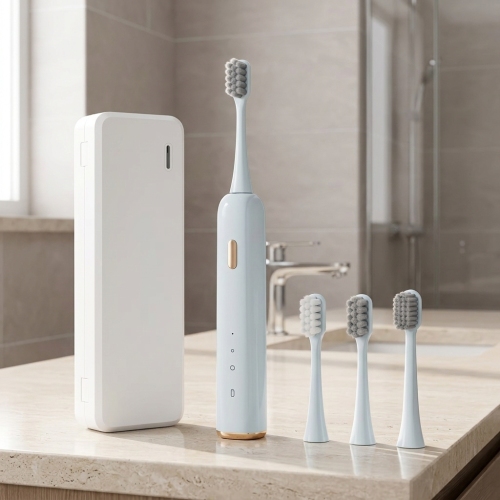
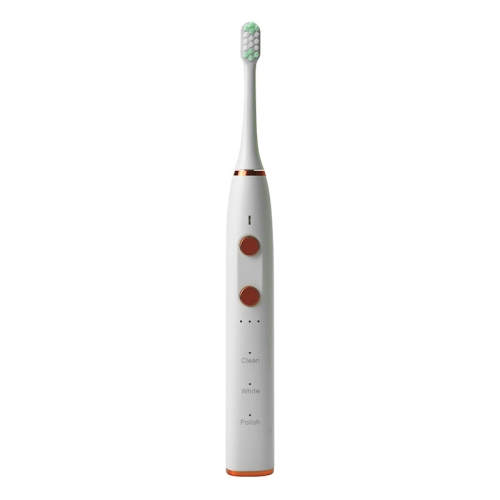
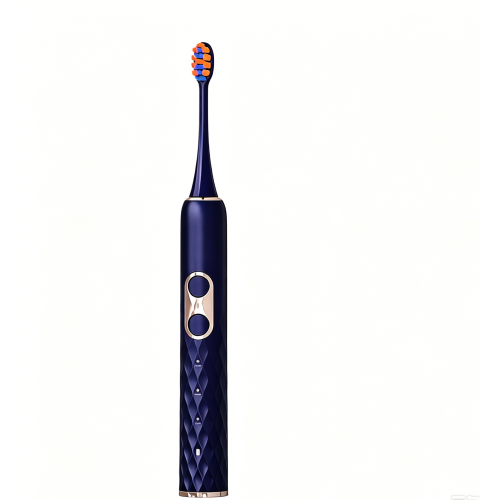
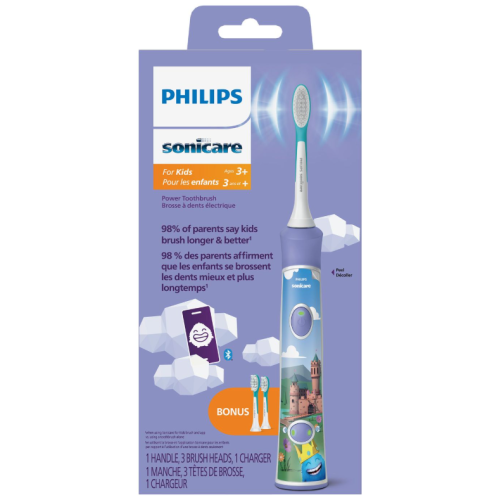
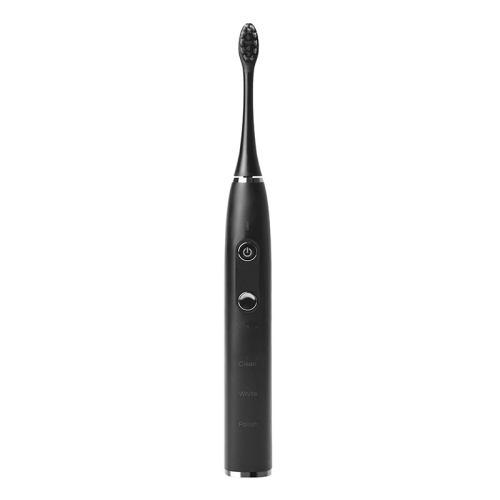
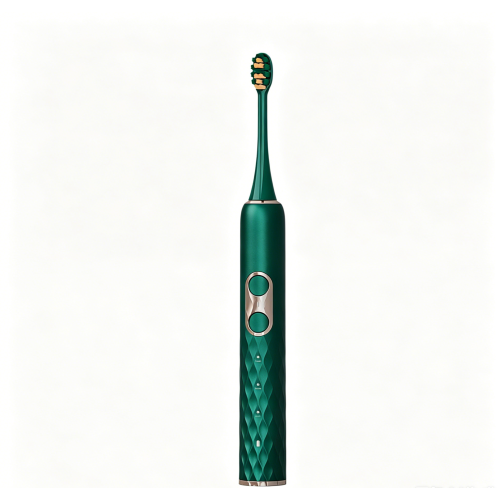

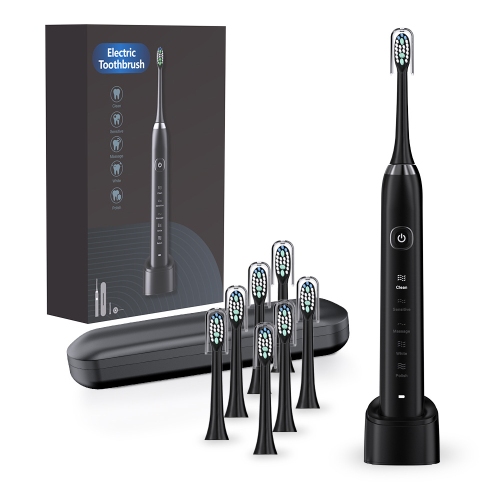
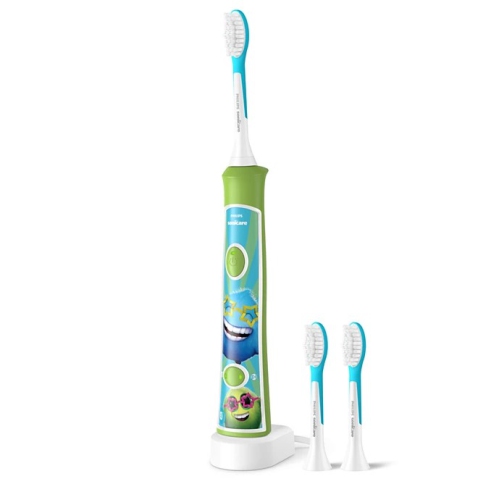
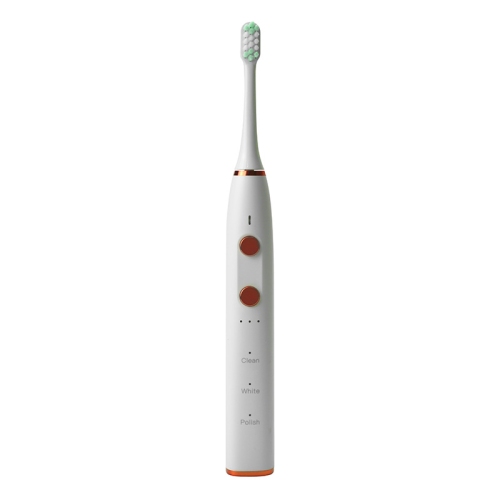
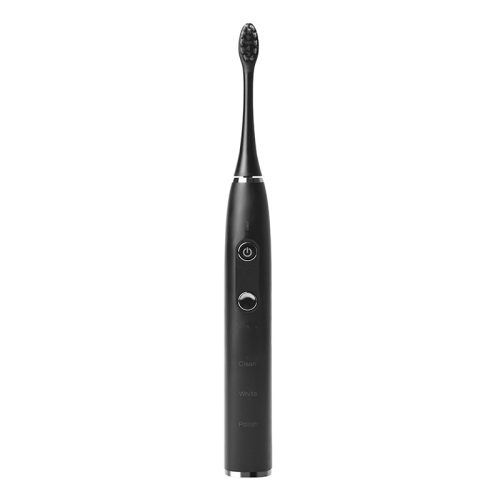
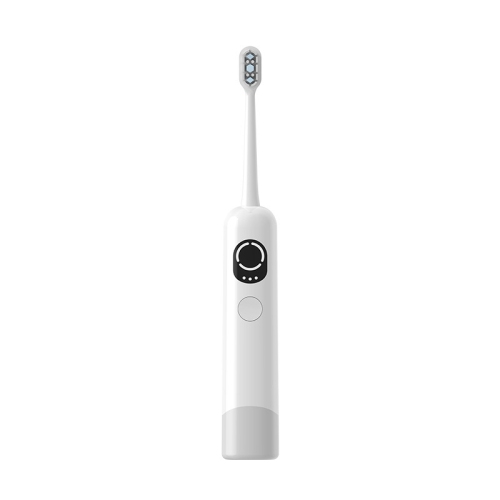
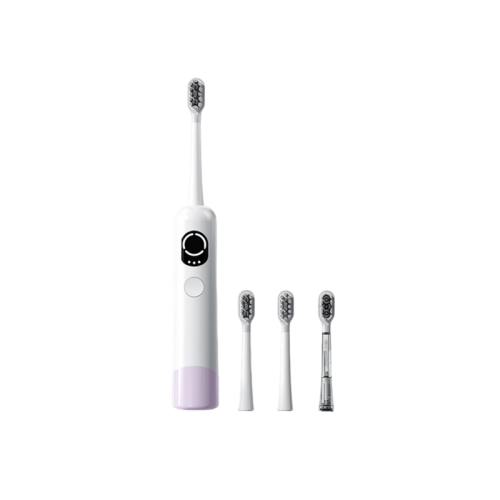
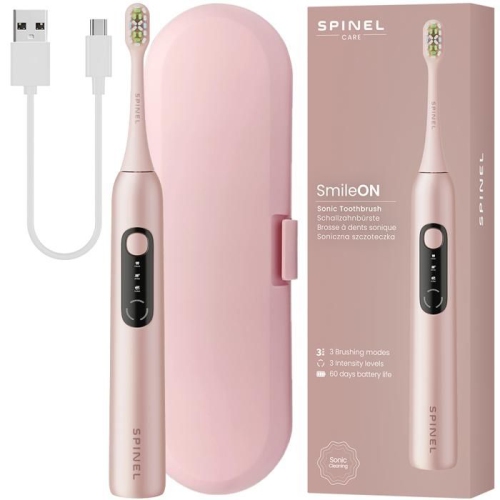
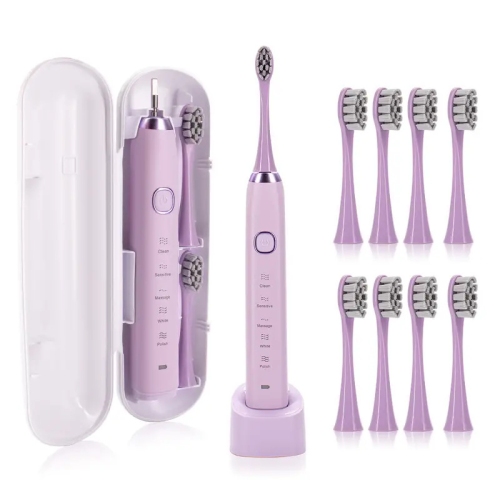
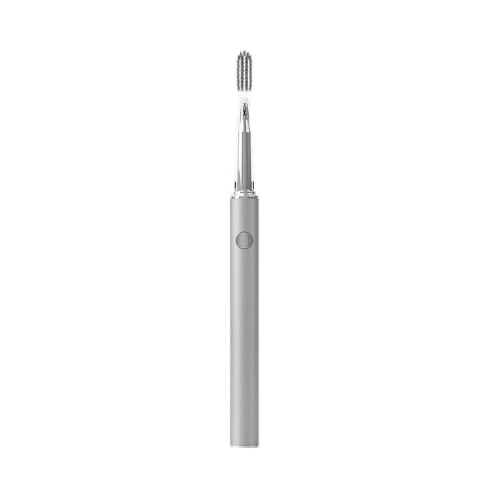
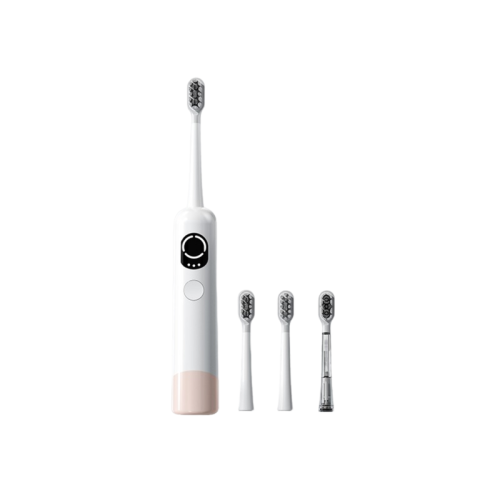
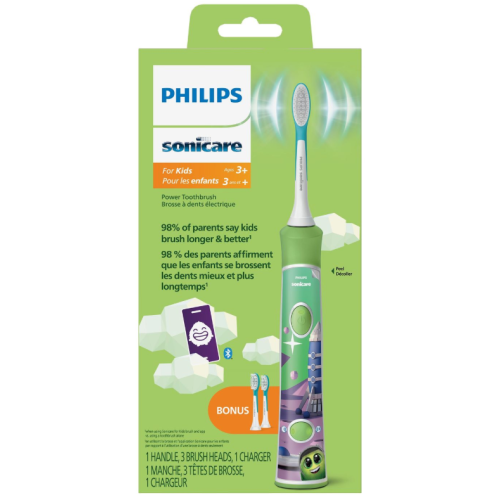

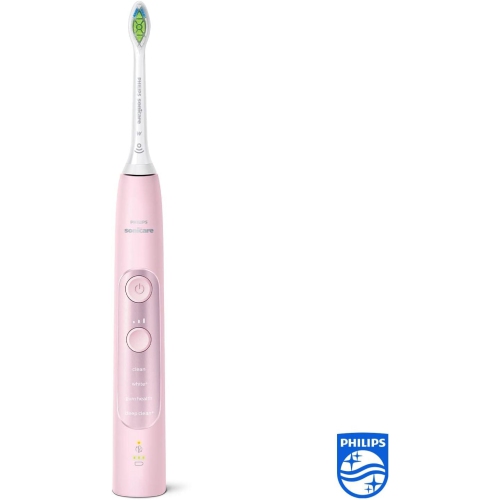

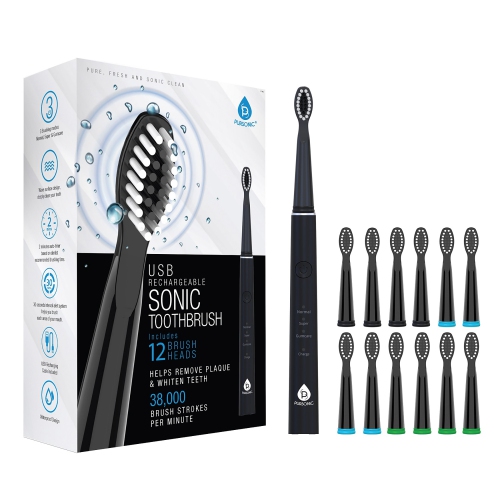
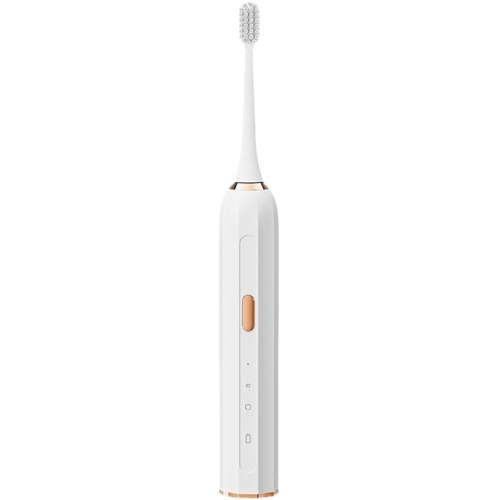

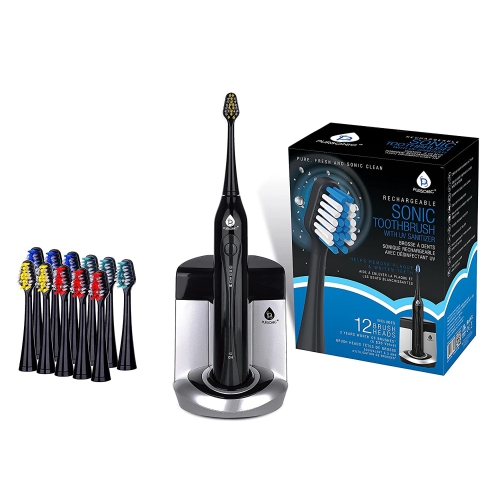
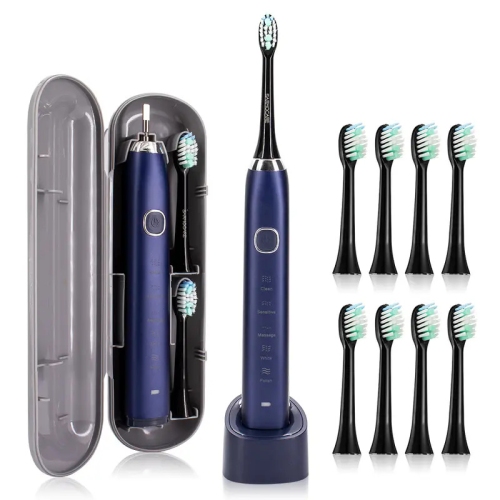
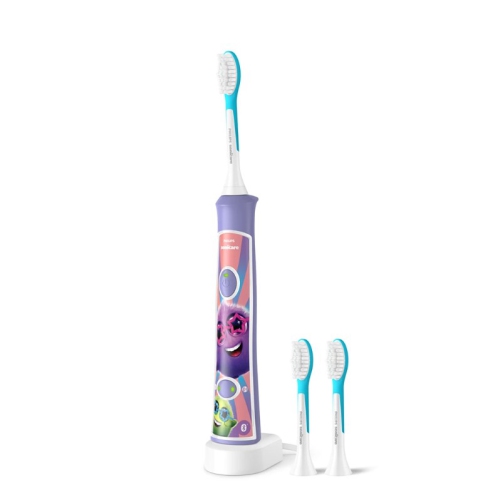
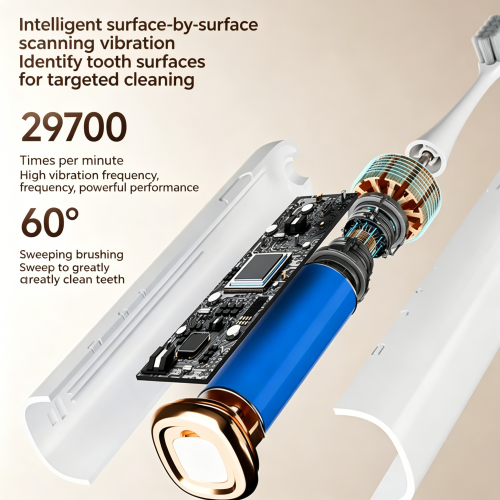

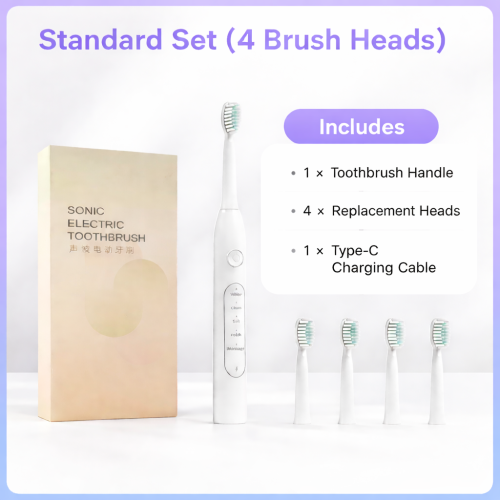
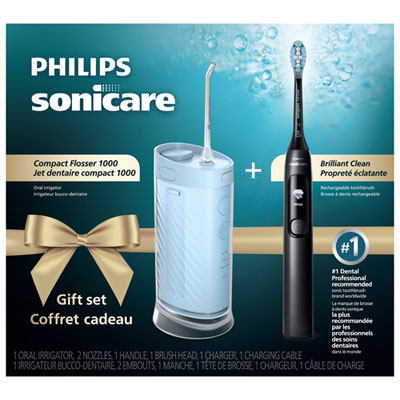

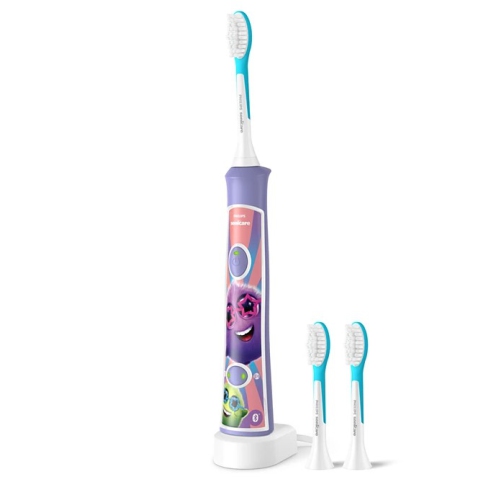

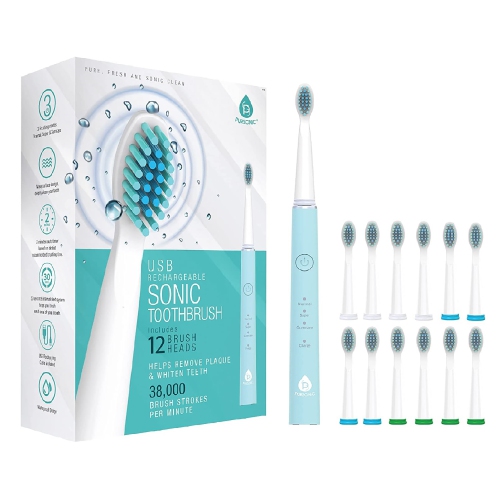
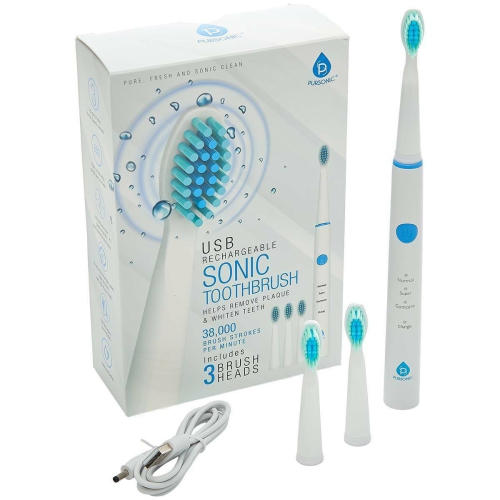
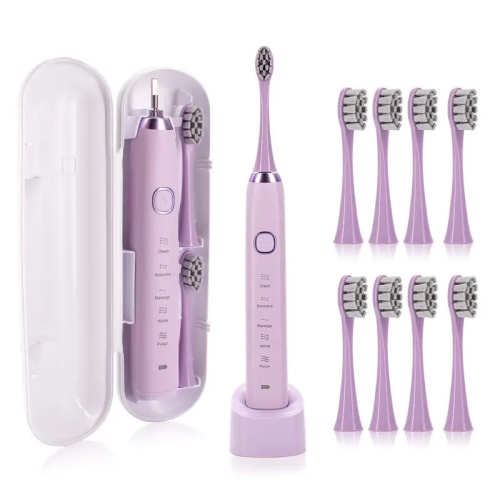
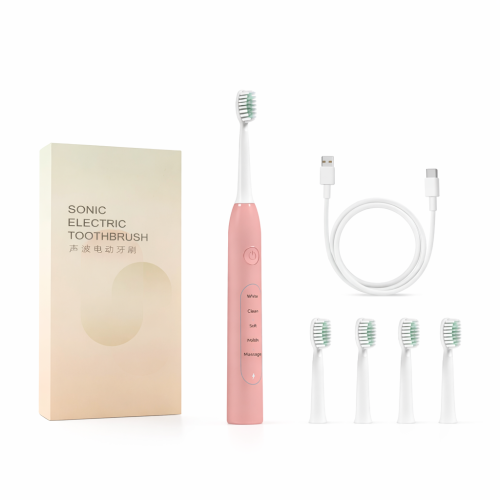


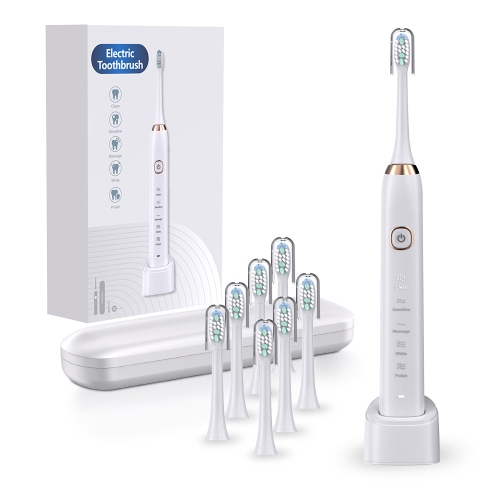
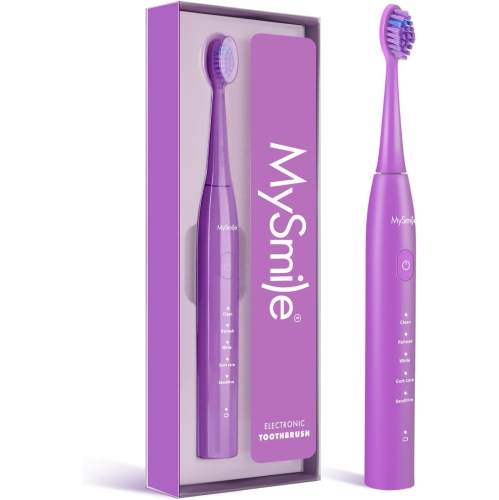


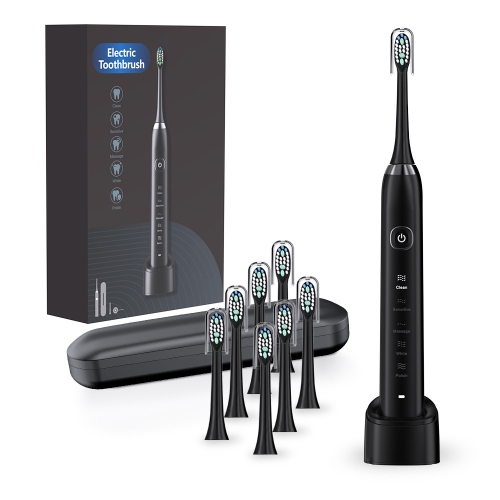
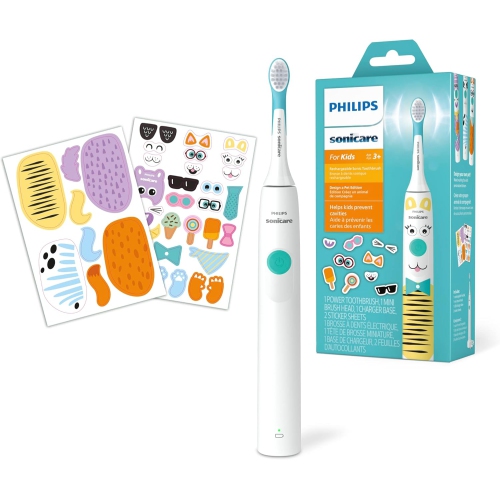

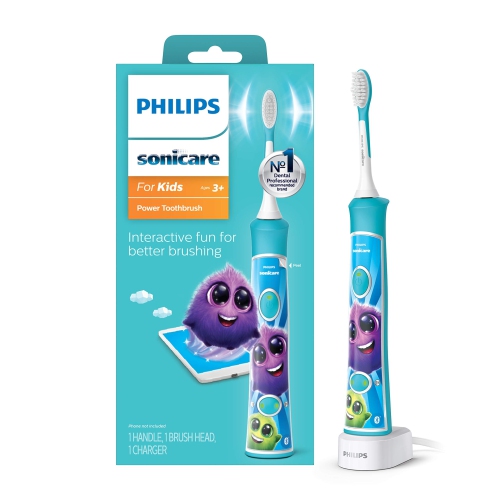


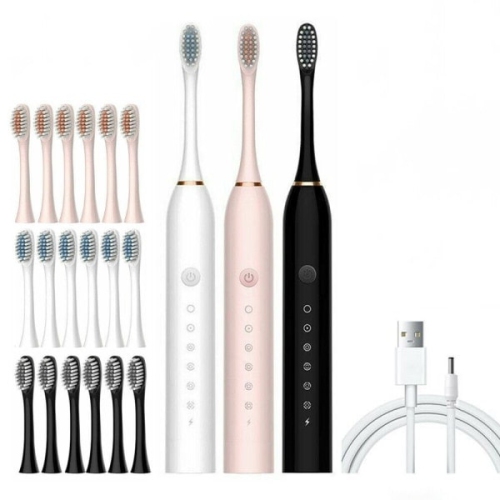
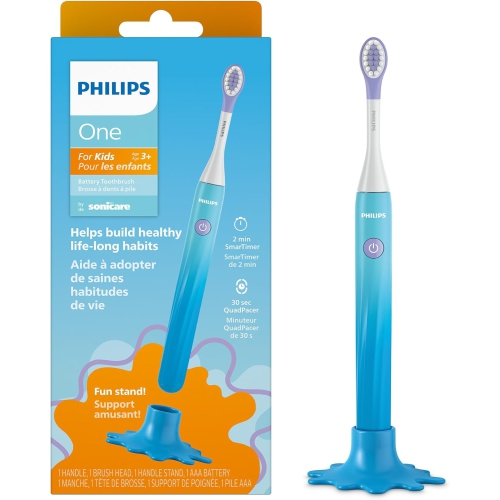
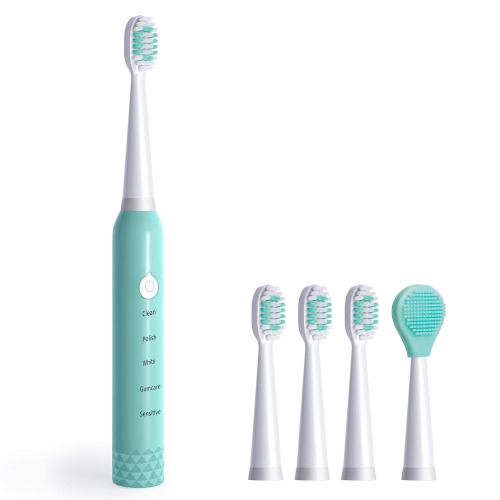
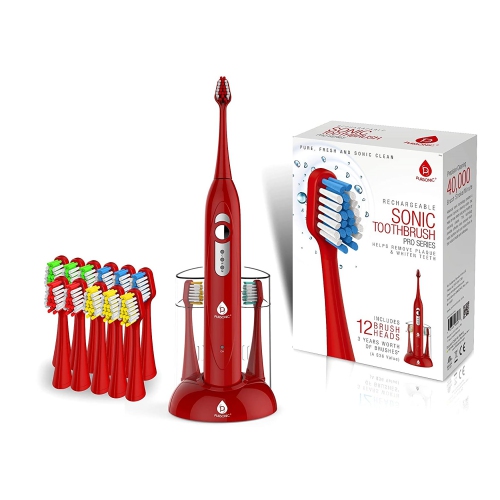
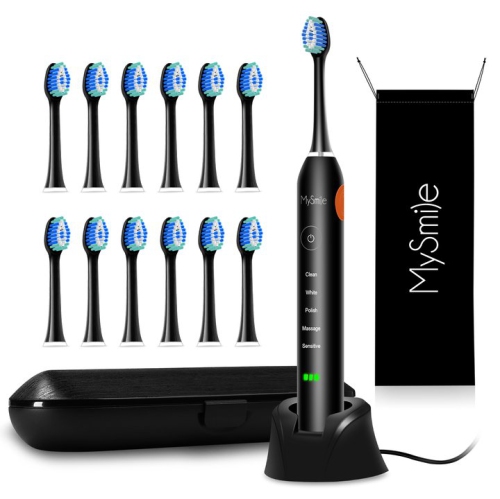
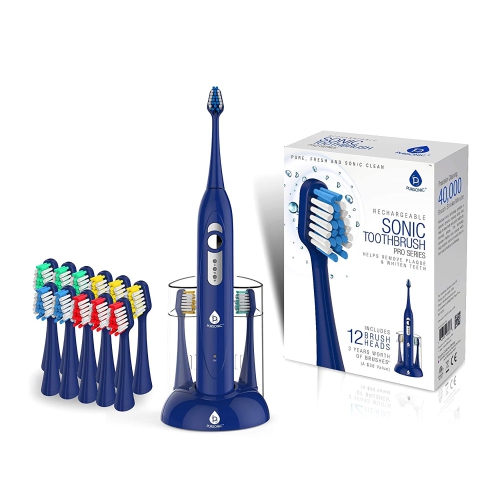
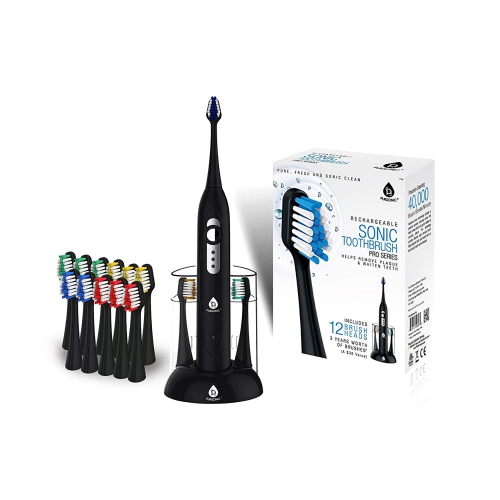
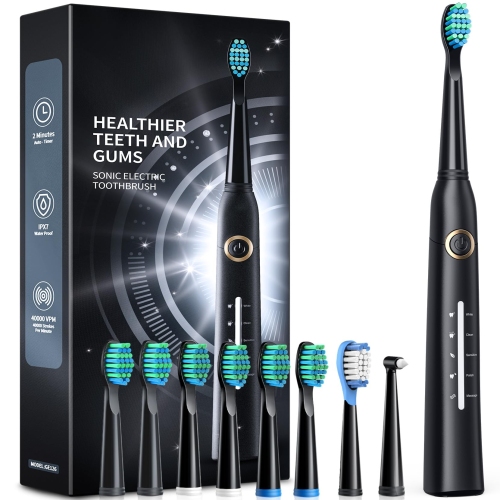
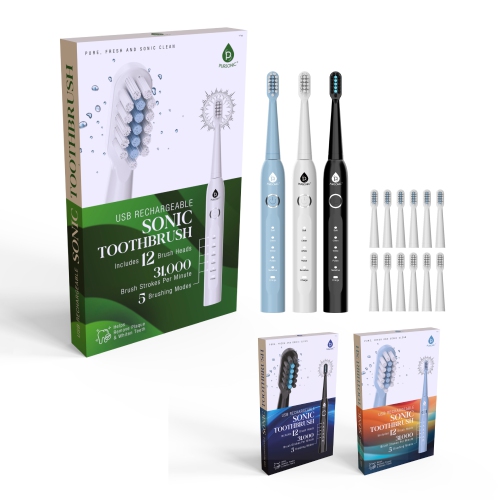
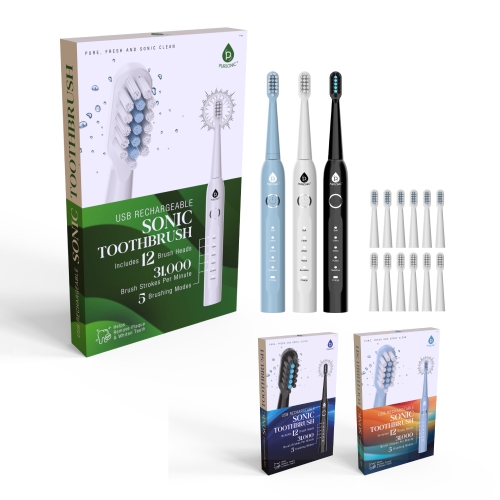
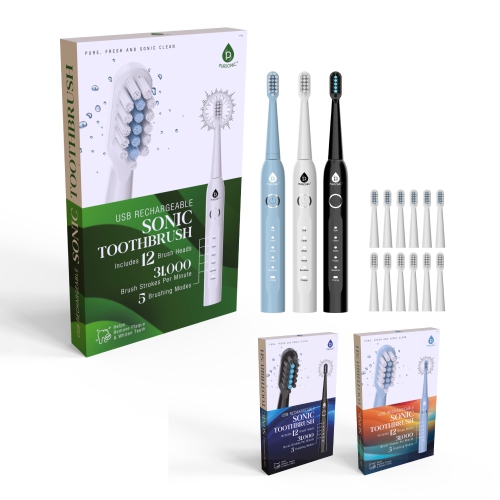
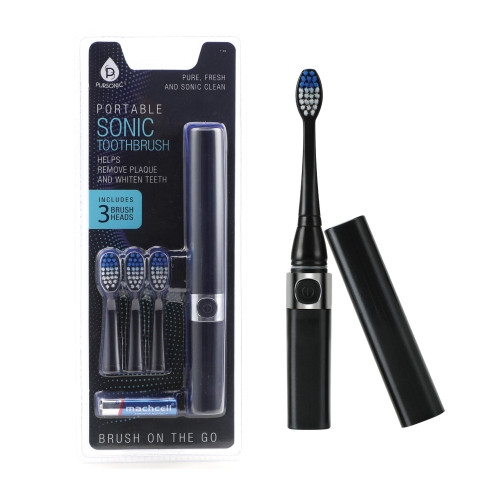
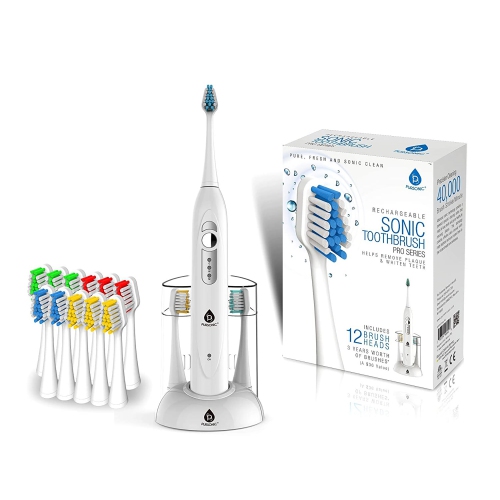
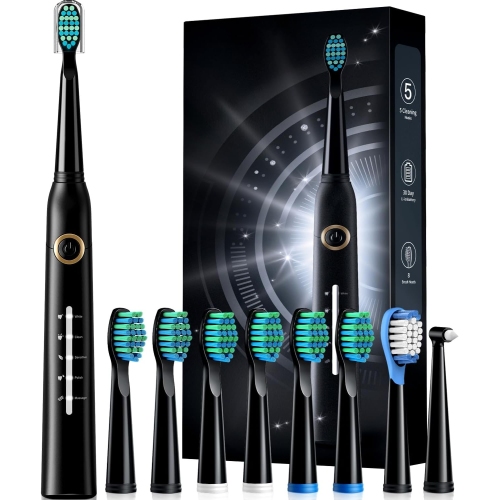
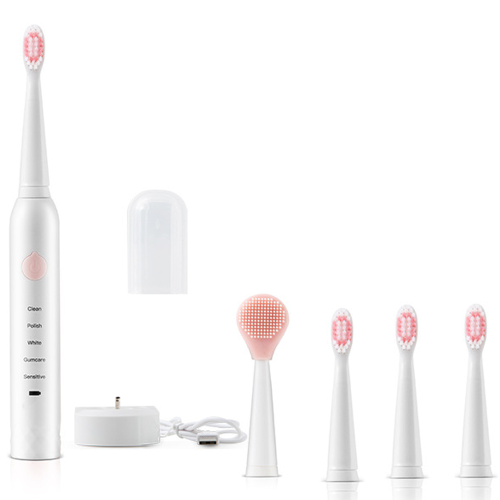
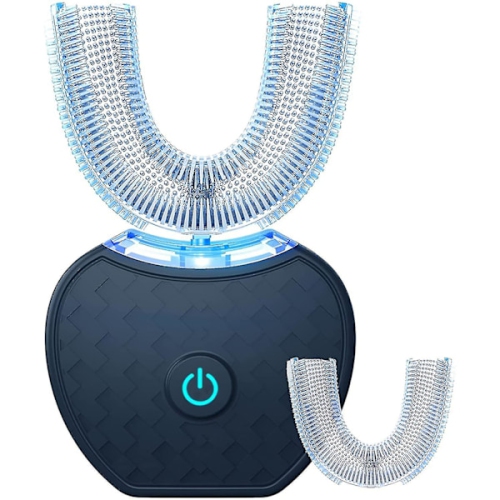
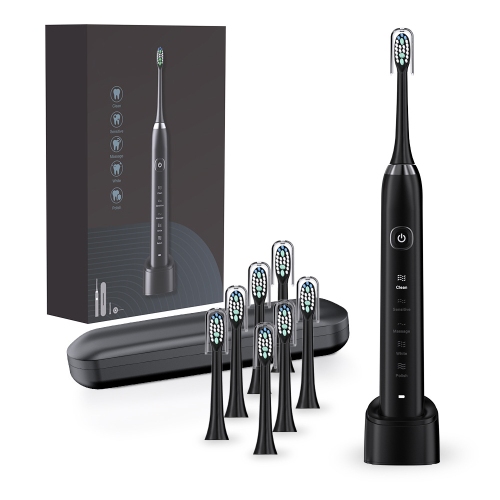
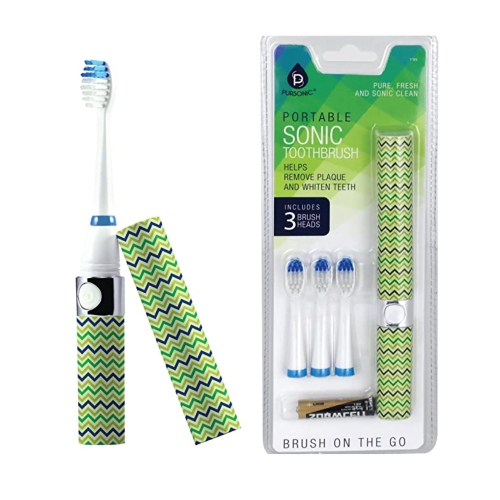
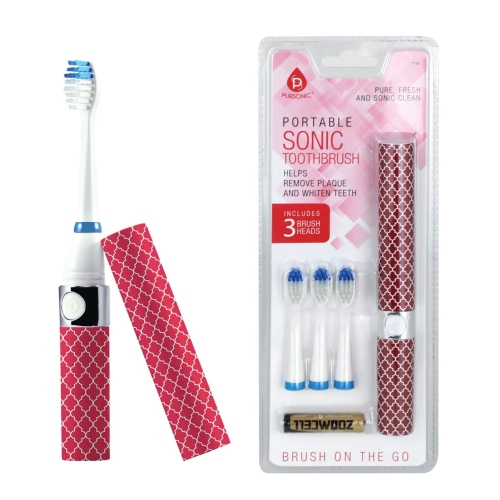
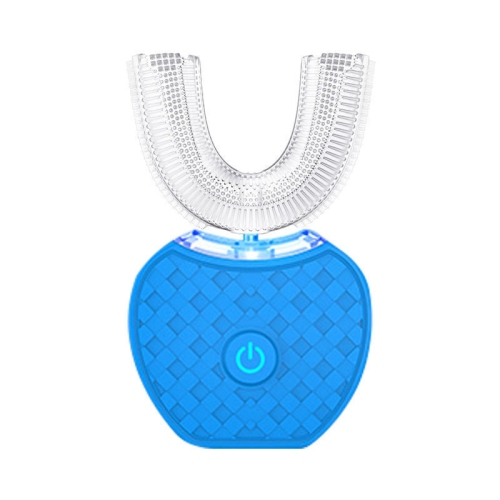
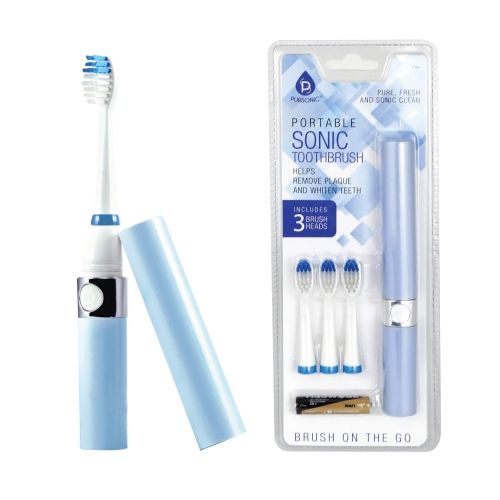
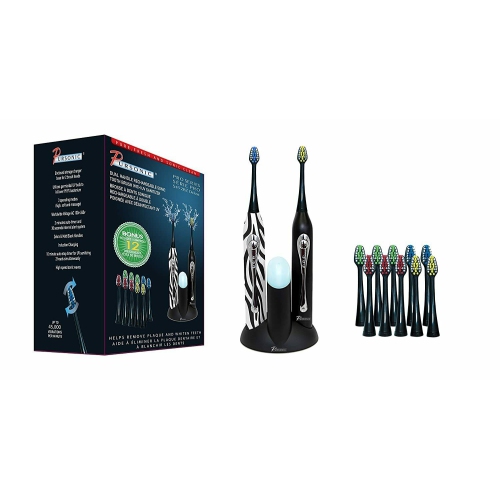
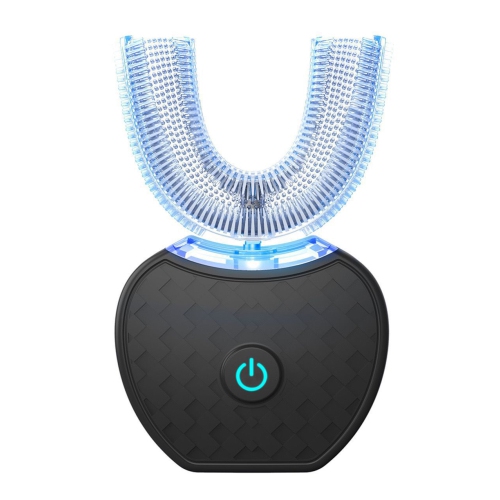
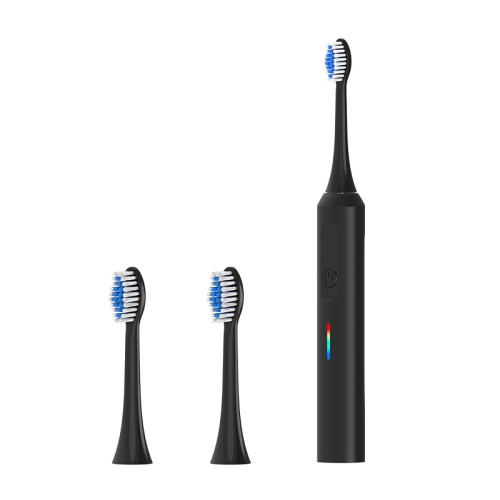
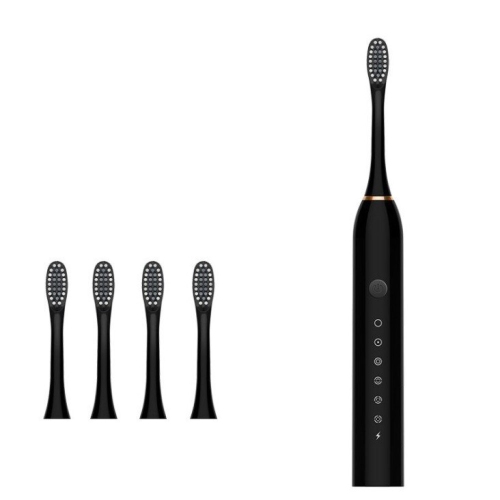
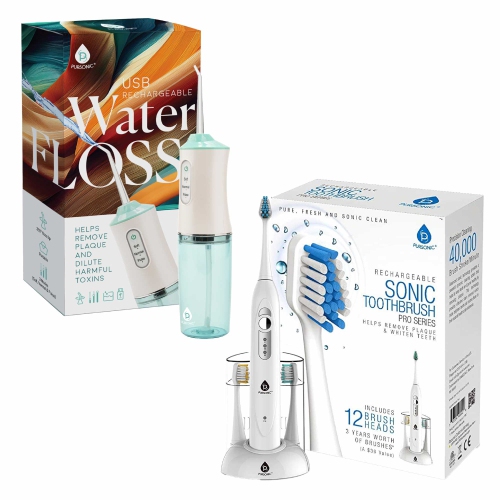
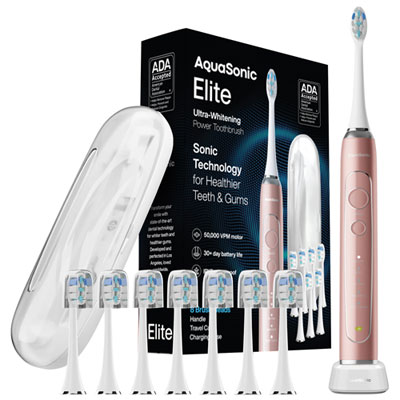
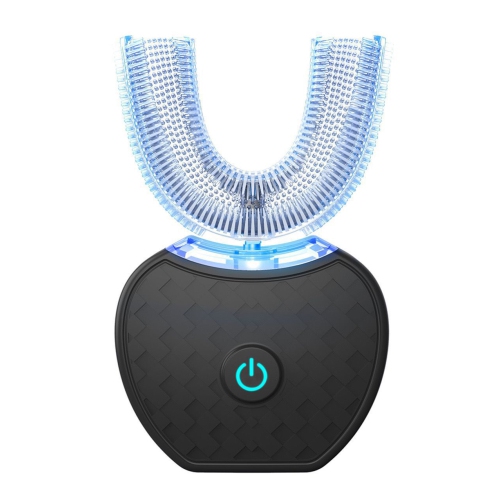
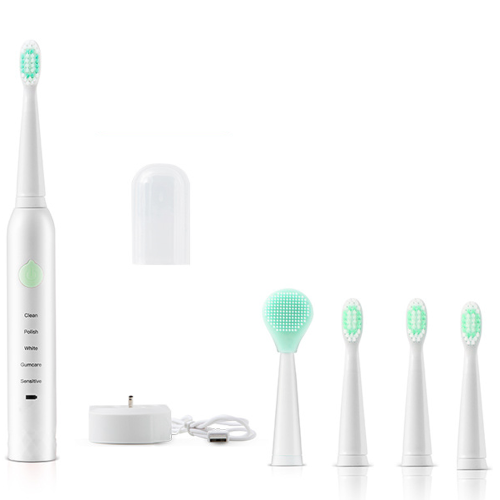
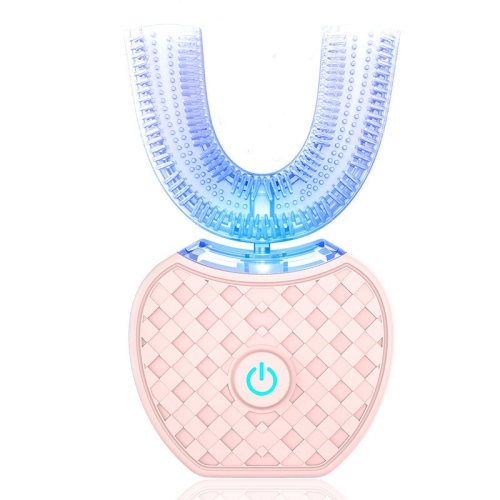
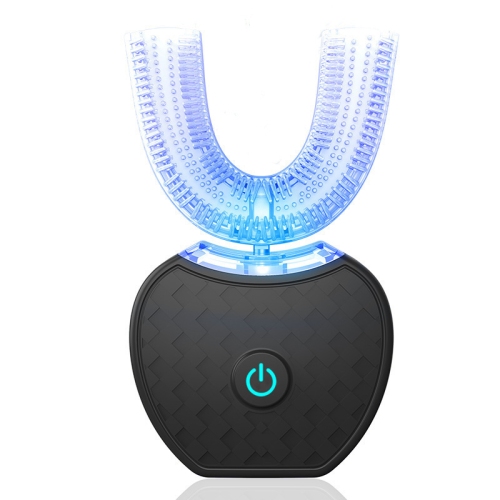
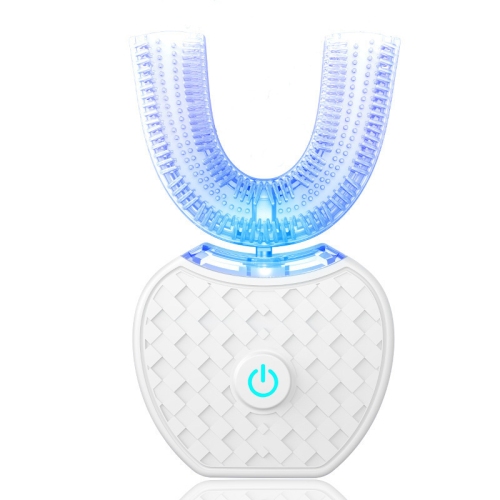
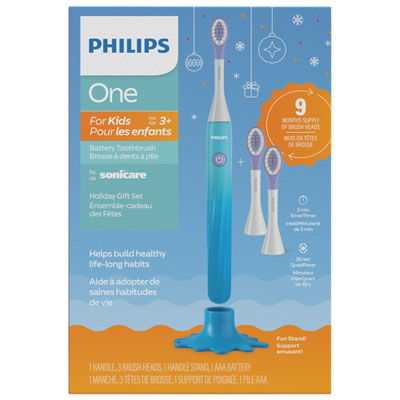
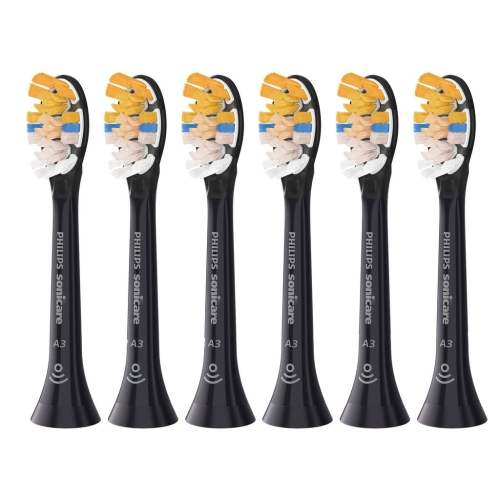
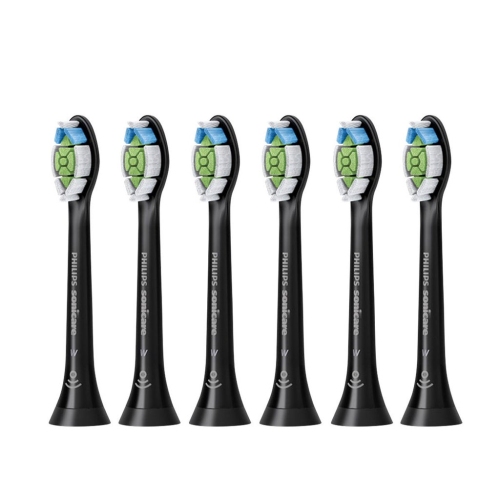
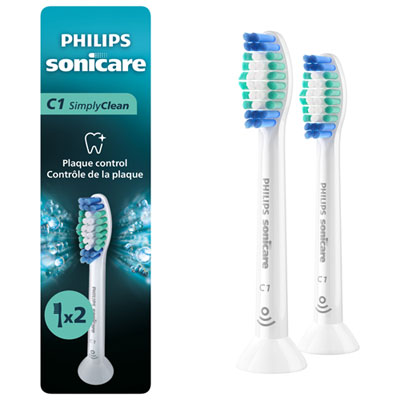

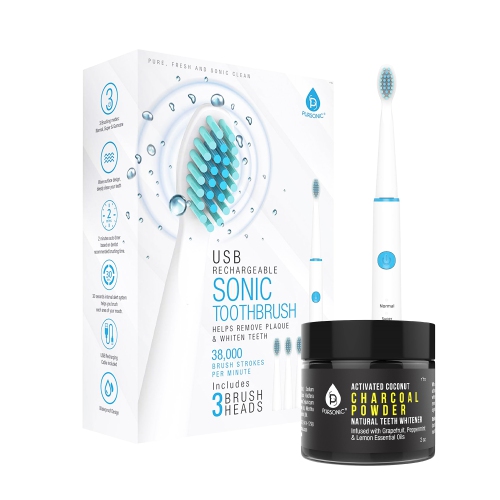

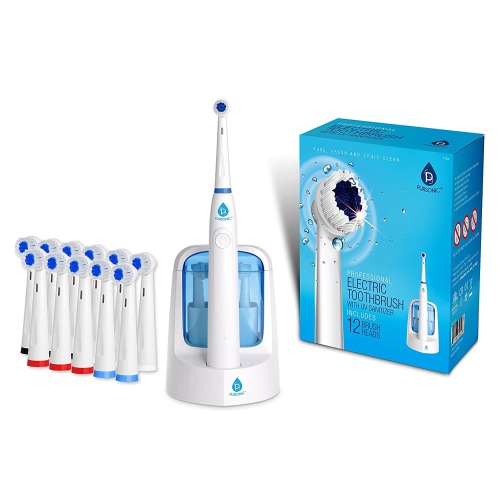
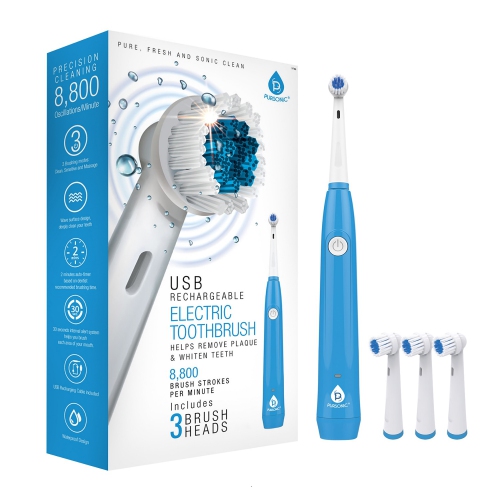
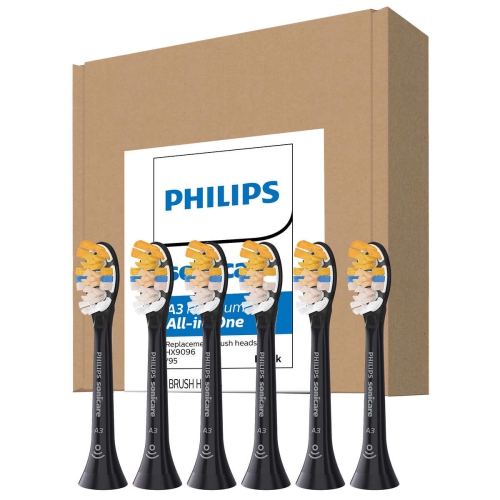
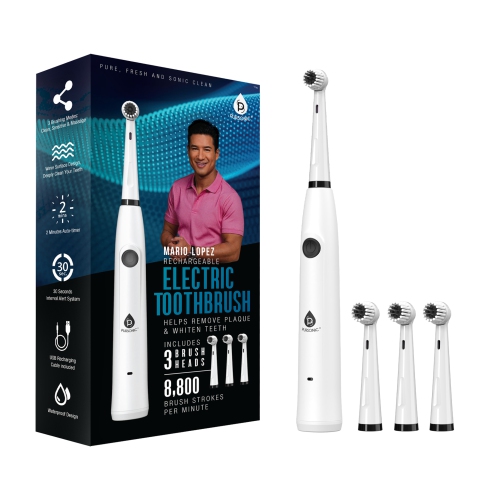


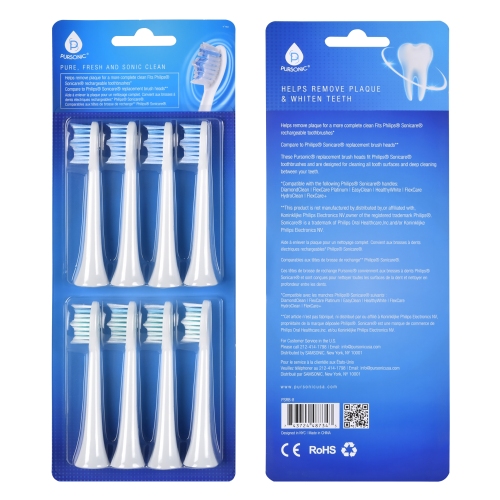
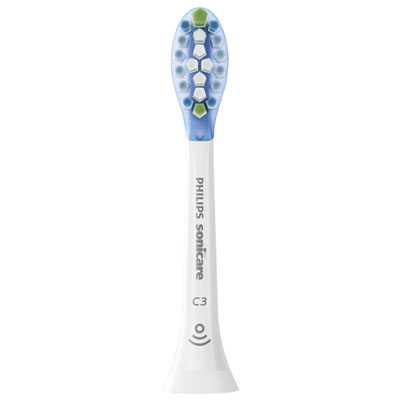
How sonic brushing supports a more consistent routine
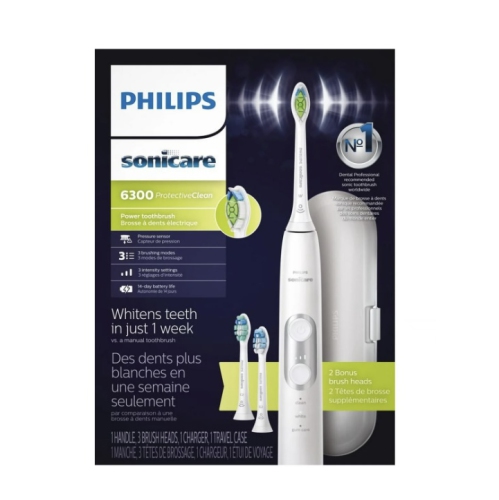
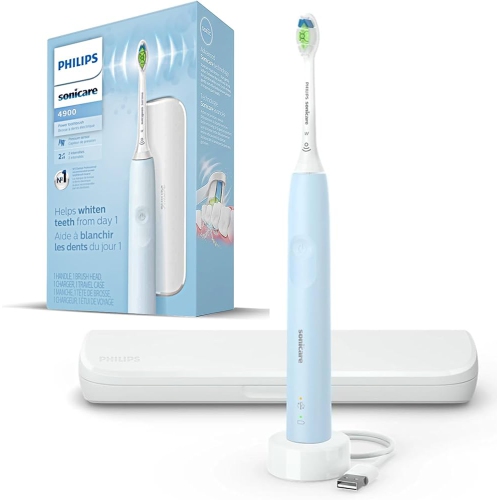
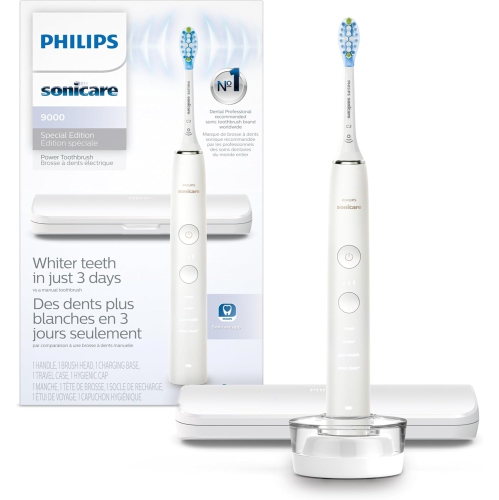
Sonic electric toothbrushes use rapid, high-frequency bristle movements to help remove plaque from teeth and along the gumline. Unlike a manual toothbrush, which relies on repeated brushing strokes, a sonic brush supplies the cleaning motion while the user slowly guides the head across the tooth surfaces. The moving bristles also agitate the mixture of toothpaste and saliva around the brush head, but brushing still needs to be paired with cleaning between teeth using floss or another suitable interdental tool. This category suits people who want a more consistent daily routine, whether they are switching from a manual brush or replacing an older electric handle. Features vary, but common options include a two-minute timer, pacing reminders that divide brushing time into sections, and a pressure sensor that signals when the brush is being pressed too firmly. These functions can be particularly helpful for someone who tends to rush through the back teeth or scrub harder than necessary. A timer supports a familiar brushing duration; it does not confirm that every surface has been cleaned, so attention to the inside, outside, and chewing surfaces still matters. Some handles offer several cleaning modes or intensity settings, allowing the brushing sensation to be adjusted within the options provided by the manufacturer. A gentler setting may make the transition to powered brushing more comfortable, especially when the vibration initially feels unfamiliar. Mode names are not standardized measures of cleaning performance, and a larger number of settings does not necessarily make a brush a better fit. The most useful features are often the ones that make twice-daily brushing easier to maintain. People with sensitive teeth, ongoing gum discomfort, dental restorations, or orthodontic appliances may benefit from advice from a dental professional about suitable bristles and technique. An electric toothbrush supports everyday oral care, but it does not replace dental examinations or treatment for persistent pain, bleeding, or swelling.
The feel of the handle and the shape of the brush head have a noticeable effect on everyday comfort. Compact heads can be easier to position behind the last molars or inside a smaller mouth, while a longer handle may provide a comfortable grip for someone who finds a narrow manual toothbrush awkward to hold. Handle weight, balance, button placement, and grip texture all matter when hands are wet or covered with toothpaste foam. People with limited hand strength or dexterity may appreciate a handle that feels secure without requiring a tight grip, although individual needs differ. Smooth plastic surfaces are common because they are straightforward to wipe clean, while textured sections can provide additional traction. Brush heads generally combine a moulded plastic body with synthetic bristles, and soft bristles are commonly recommended for routine brushing. Bristle firmness should not be confused with cleaning ability: pressing hard or choosing a harsher feel can irritate gums rather than improve results. Head compatibility is another important distinction, since similar-looking attachments are not necessarily interchangeable across handle ranges. The attachment system and the manufacturer's compatibility information are more reliable than appearance alone. For households with several users, individual brush heads and clear identification markings help keep personal care routines separate; brush heads should never be shared. A shared rechargeable handle may be practical where the manufacturer permits it, provided each person uses a separate compatible head and the handle is cleaned between uses. Charging arrangements also influence how easily a brush fits into a bathroom. A small charging base takes up less counter space, while a travel case can keep the handle and head organized in a bag. Battery runtime varies with brushing frequency, settings, and battery condition, so stated estimates are best understood alongside the manufacturer's testing details. For travel, charging voltage and connector requirements deserve attention rather than assuming every charger will work with every outlet or adapter.
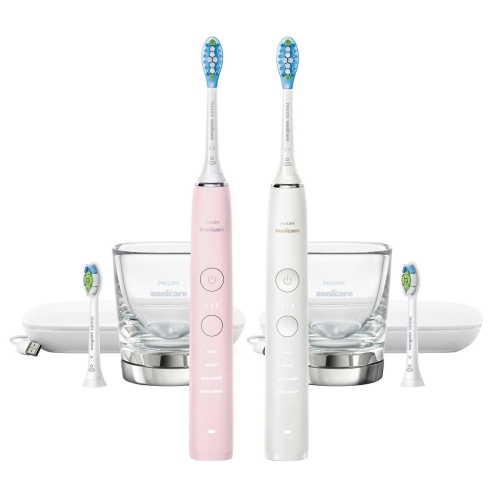
Day-to-day care helps a sonic toothbrush remain pleasant to use and makes wear easier to spot. After brushing, the head needs a thorough rinse to clear away toothpaste and loosened debris, followed by storage where it can air-dry. Regularly removing the head, as directed by the manufacturer, allows the attachment area to be rinsed or wiped before residue builds up around the shaft. A travel cover is useful for protecting bristles in transit, but a damp head should not remain enclosed longer than necessary. Most brush heads need replacing about every three months, or sooner if the bristles become frayed, splayed, or otherwise worn; the manufacturer's directions provide the appropriate interval for the particular head. Bent bristles can also be a sign that too much pressure is being used. The handle and charging base need their own care, with cleaning methods matched to the instructions rather than an assumption that every component can be submerged. Cracks, damaged charging cables, or a loose head connection are reasons to stop and check the relevant safety guidance. Over time, battery condition and access to compatible replacement heads can affect how useful a handle remains. People comparing related designs can explore Philips Sonicare Diamond Head Toothbrushes, noting that modes, charging arrangements, and included accessories differ by model. A powered toothbrush can also be a practical gift for someone who has expressed interest in upgrading their oral-care routine. Personal preferences matter here: a simple handle with clear controls may be more welcome than one with numerous settings or app-connected features. For children, an age-appropriate handle and head, along with adult supervision where needed, are more relevant than adult-oriented extras. Whether intended for a first powered brushing routine, a shared household setup with separate heads, or frequent travel, a comfortable fit and manageable upkeep help make the brush a useful part of daily care.
Top selling and popular products
-
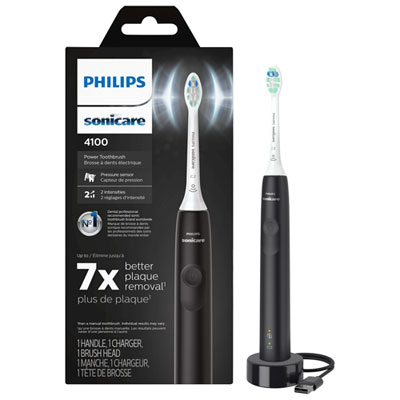 Your price for this item is $84.99
-
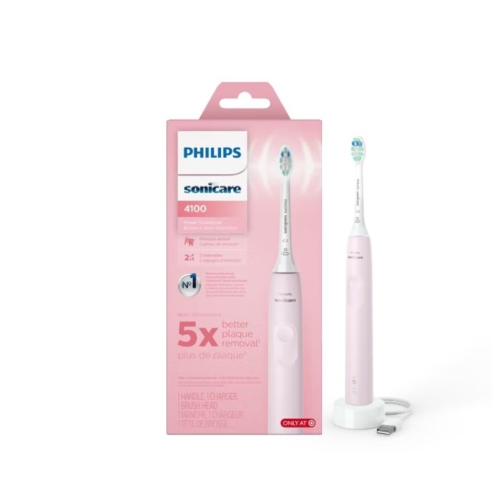 Your price for this item is $49.95
-
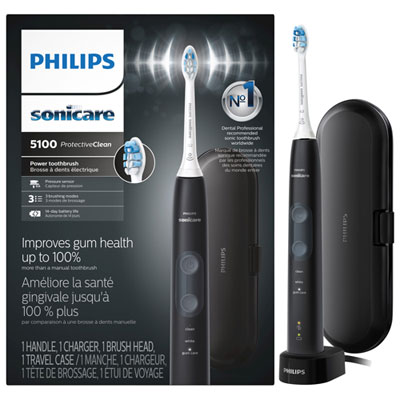 Your price for this item is $89.99
-
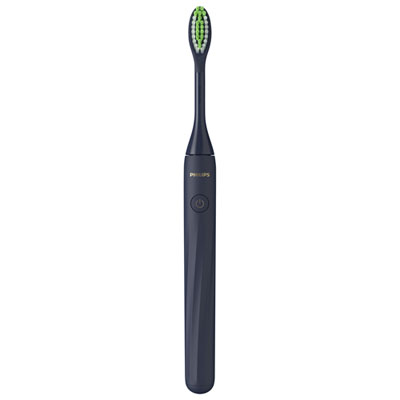 Your price for this item is $24.97
-
 Your price for this item is $29.99
-
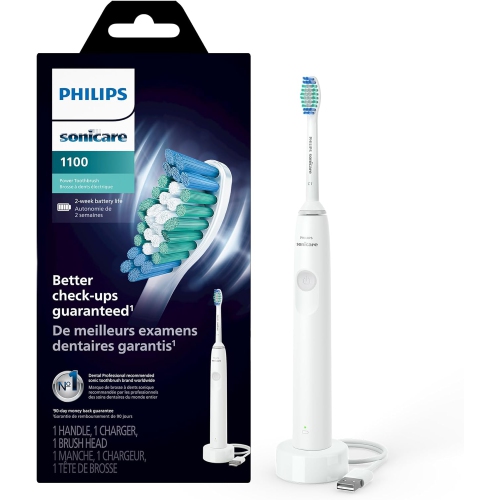 Your price for this item is $29.97
-
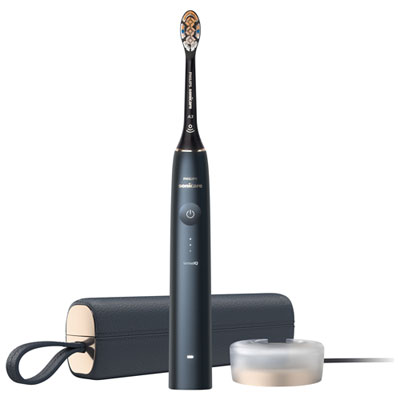 Your price for this item is $499.99
-
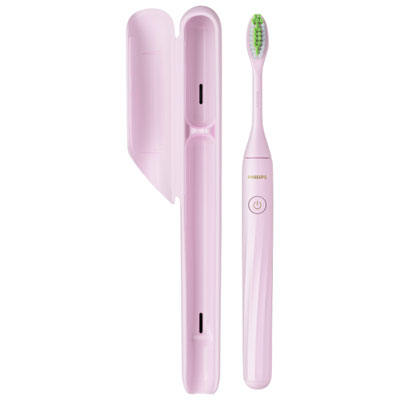 Your price for this item is $34.99
Discover more categories related to Sonicare Toothbrushes
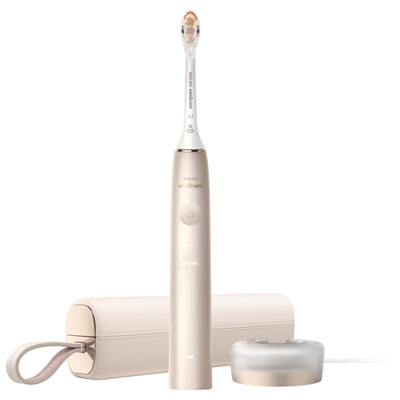
Top Collections:
Best Black Friday Deals This Year, Best Black Friday Deals On Electronics, Kindle Devices, Pokemon Centers, Best Black Friday Deals On Apple Products, Best Cameras for Sports Photography, Dyson Airwrap, Pokémon 30th Celebration Cards, Apple iPhone 17 Pro, Canon G7X Cameras
Some products may be subject to Environmental Handling Fees
(EHF) depending on your province.
Learn more about EHFs.