Thickening Shampoos
Our collection of thickening shampoos is here to help you achieve the luscious locks you've always dreamed of. Whether you have fine, thin, or limp hair, these specially formulated shampoos are designed to give your hair a boost, leaving it looking thicker and more voluminous. Say goodbye to flat, lifeless hair and hello to bouncy, luxurious tresses with our selection of top-rated thickening shampoos.
Sort
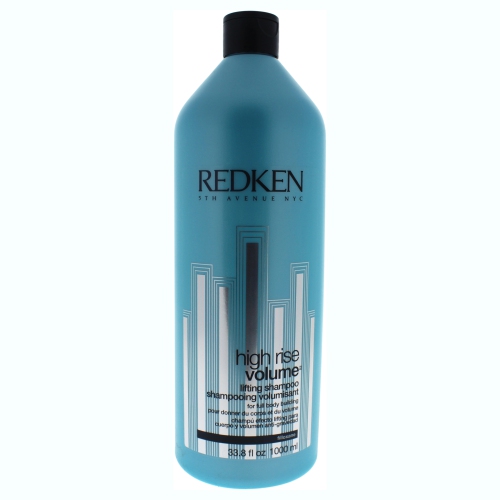
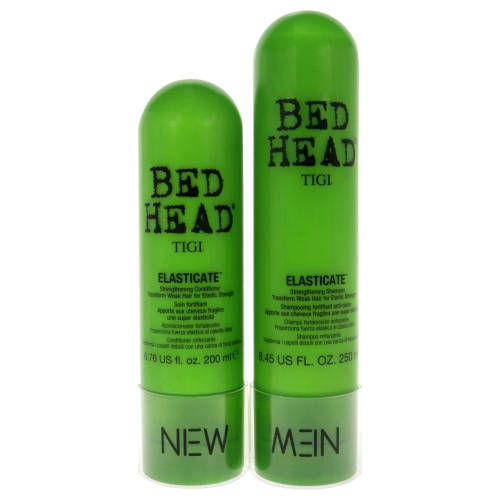

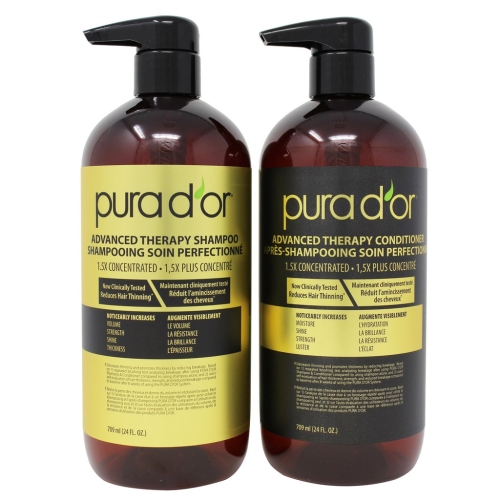
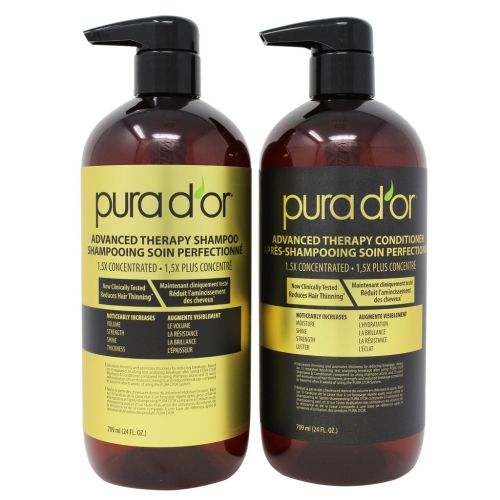
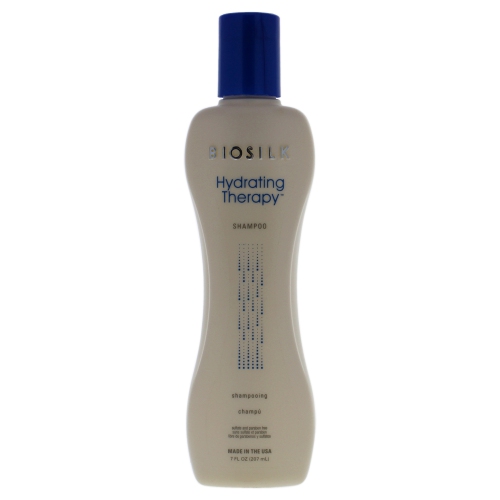


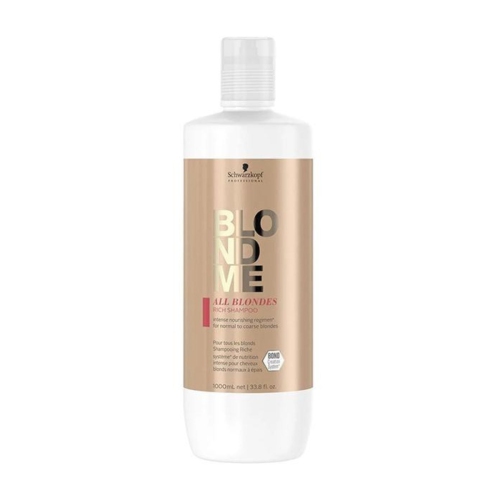
How lightweight coatings help flat hair feel fuller
Thickening shampoos are cleansing products designed to make individual hair strands feel more substantial and help hair look fuller. Many formulas combine cleansing agents with proteins, polymers, or starches that leave a lightweight coating on the hair shaft, adding temporary body without changing the number of hairs growing from the scalp. Removing excess oil and styling residue can also help roots sit less flat, particularly around the crown and part line. These effects are cosmetic: a thickening shampoo does not permanently increase strand diameter or, on its own, treat the underlying causes of hair loss. For someone whose freshly styled hair quickly falls flat, the appeal is often a little more grip, movement, and fullness rather than a dramatic change in texture. Fine hair and thinning hair are different, although both may benefit from that fuller appearance. Fine hair describes the diameter of each strand, while thinning refers to a reduction in hair density. A person can have plenty of fine strands, or relatively coarse strands with less coverage overall. Thickening formulas are often useful for short styles that need structure, shoulder-length cuts that lack body, or longer hair that looks limp at the roots. Thickening and volumizing shampoos have overlapping purposes, but their emphasis can differ: thickening generally targets the feel and appearance of individual strands, while volumizing focuses on overall lift and lightness. Product descriptions may use both terms, so the formula’s cleansing and conditioning characteristics matter more than the wording alone. The most suitable result is hair that looks fuller while remaining comfortable to touch, easy to rinse, and manageable after drying. Some people prefer an airy finish with plenty of movement; others appreciate a slightly textured feel that helps a fringe or cropped style hold its shape. Neither finish should require accepting an itchy scalp or hair that feels persistently rough.
The ingredients in a thickening shampoo influence both its immediate finish and how it fits into an ongoing hair-care routine. Hydrolyzed proteins, including wheat, rice, or keratin-derived ingredients, may form a temporary film that improves the feel of the hair surface and contributes to body. Certain polymers can add structure or help strands feel more substantial, while ingredients such as panthenol can support moisture retention and a smoother feel. Results depend on the complete formula, not simply the presence of one highlighted ingredient. Biotin and caffeine appear in some shampoos, but their inclusion is not a guarantee of hair growth, and rinse-off biotin should not be confused with treatment for a diagnosed deficiency. A formula that leaves one person’s hair pleasantly full may feel too coated on another’s, especially when combined with a rich conditioner or several styling products. Scalp oiliness, strand texture, colour treatments, and existing dryness all affect suitability. Fine hair with oily roots may respond well to effective cleansing and light conditioning, whereas lightened or frequently heat-styled lengths may need more softness to avoid a tangled, brittle feel. Sulfate-free shampoos use alternative cleansing agents, but that label alone does not establish how gentle, moisturizing, or effective a formula will be. Similarly, a rich lather is not proof of better cleansing or better thickening. For colour-treated hair, a formula labelled suitable for that use can help narrow the choice, alongside attention to how the hair feels between washes. Fragrance is another practical consideration, particularly for anyone with a sensitive scalp or a preference for a less noticeable scent. Fragrance-free and unscented do not necessarily mean the same thing, so ingredient information remains useful. Curly and coily hair can also have fine strands, making the balance between body, slip, and curl definition more relevant than a simple straight-versus-curly distinction. Naturally dense hair has different needs from hair seeking a fuller appearance; Products for Thick Hair relates more directly to caring for hair that already has substantial thickness, rather than creating temporary fullness in fine strands.
Everyday performance matters as much as the first impression after a wash. A well-matched thickening shampoo should fit the person’s normal washing frequency, rinse cleanly, and leave the scalp feeling comfortable rather than tight. During washing, gentle fingertip massage helps distribute cleanser around the roots and crown, where oil and residue tend to collect; vigorous scratching is unnecessary and can irritate the skin. Working shampoo mainly through the scalp area, without rubbing the lengths together, can reduce tangling, while thorough rinsing helps prevent leftover product from flattening fine hair. The amount needed varies with hair length, density, and the formula’s directions, and using extra shampoo does not necessarily produce extra fullness. Conditioner can complement a thickening routine rather than cancel it out. For fine hair that gets weighed down easily, a modest amount through the mid-lengths and ends often provides useful detangling without adding richness at the roots. More textured or damaged hair may need a different balance. Once washed, gently squeezing out water and blotting with a towel can help limit friction before detangling. Air-drying and blow-drying create different finishes, so the same shampoo may produce noticeably different body depending on the styling routine. A low or moderate heat setting and an appropriate heat protectant are sensible companions when a dryer is used. The thickening effect is temporary and varies with oil production, brushing, humidity, and other products applied afterward; it is not a permanent change that accumulates indefinitely with each wash. Persistent coating, dullness, or stiffness can signal that the combination of shampoo, conditioner, and styling products needs adjusting. Bottle size, a secure closure, and an easy-to-use dispenser are practical details for a shared bathroom, gym bag, or regular shower routine, while storage and period-after-opening directions help preserve product quality. For someone choosing hair care as a gift, a known preference is more considerate than assuming they want help with thinning. Sudden shedding, patchy loss, or ongoing scalp irritation deserves attention from a healthcare professional rather than reliance on a cosmetic shampoo.
Top selling and popular products
-
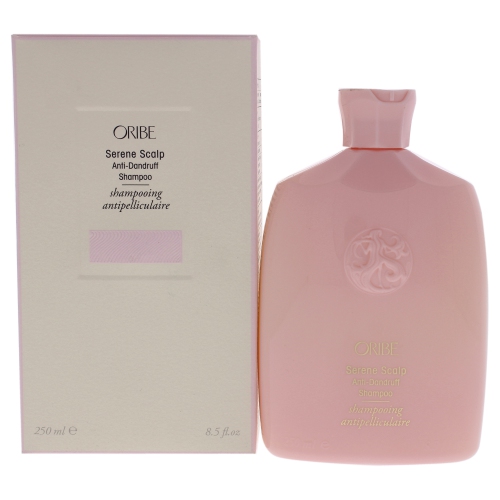 Your price for this item is $72.53
-
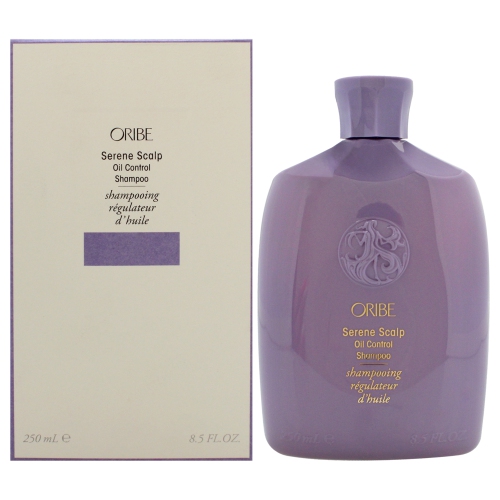 Your price for this item is $76.09
-
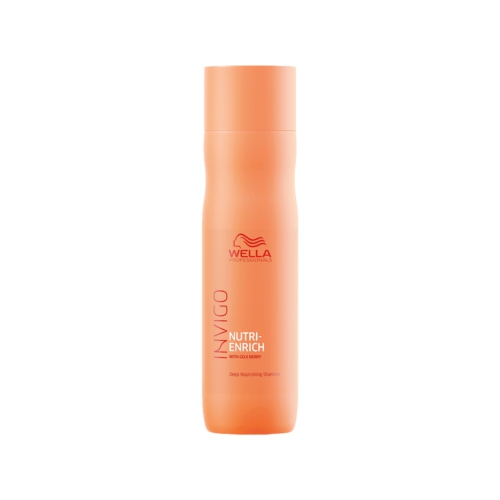 Your price for this item is $16.5
-
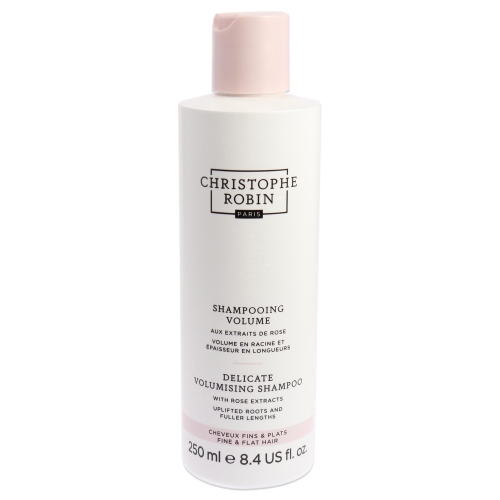 Your price for this item is $45.52
-
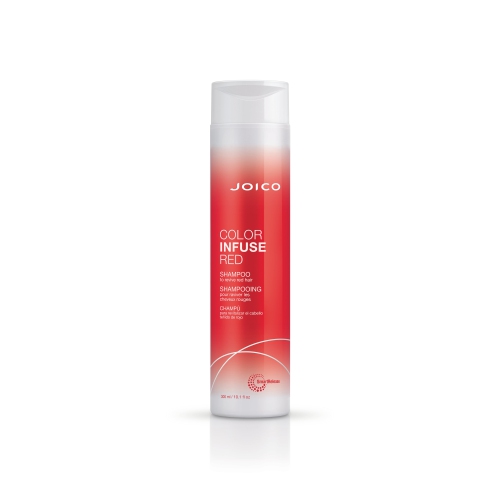 Your price for this item is $16.99
-
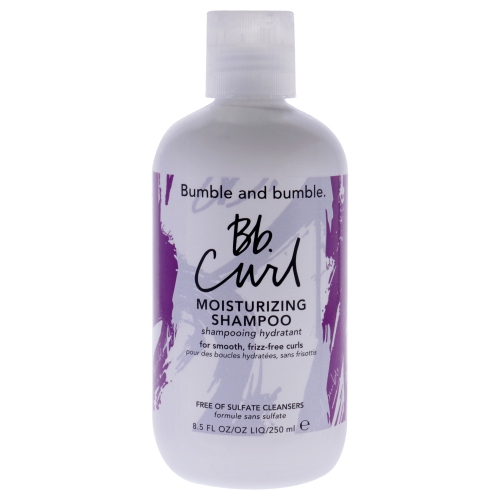 Your price for this item is $41.5
-
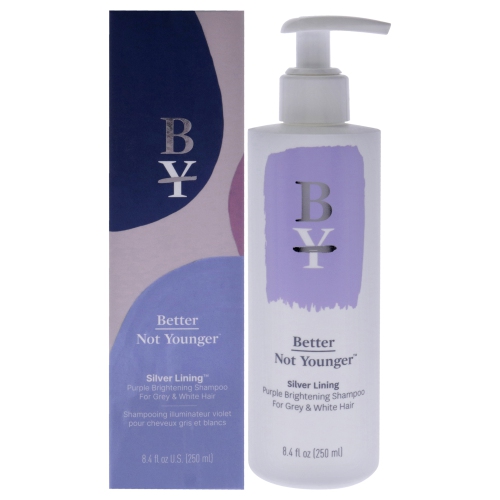 Your price for this item is $32.73
-
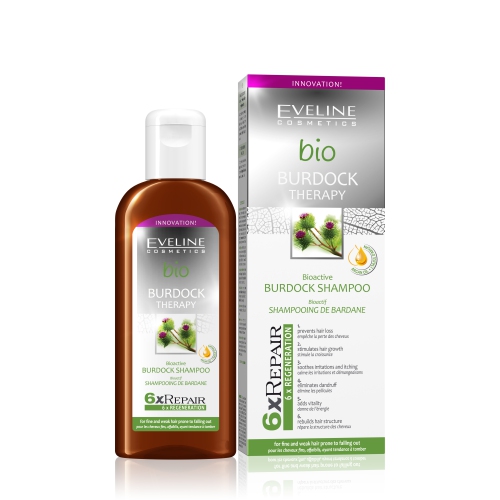 Your price for this item is $14.99
Discover more categories related to Thickening Shampoos
Top Collections:
Pokemon Centers, Best Cameras for Sports Photography, Kindle Devices, Samsung Galaxy Phones, Canon G7X Cameras, Pokémon 30th Celebration Cards, Refurbished Apple Laptops, iPhone 15 Apple, Laptops for Students, Budget Smartphones
Some products may be subject to Environmental Handling Fees
(EHF) depending on your province.
Learn more about EHFs.