Volumizing Shampoos
Looking to add some oomph to your hair? Our collection of volumizing shampoos is here to give your locks the lift they deserve. Whether you have fine, flat hair or just want to achieve that enviable full-bodied look, these shampoos are designed to boost volume and add texture without weighing your hair down. With a variety of formulas to choose from, our selection of volumizing shampoos will leave your hair feeling refreshed, bouncy, and ready to take on any style. Say goodbye to lifeless locks and hello to gorgeous, voluminous hair with our range of top-notch products.
Sort
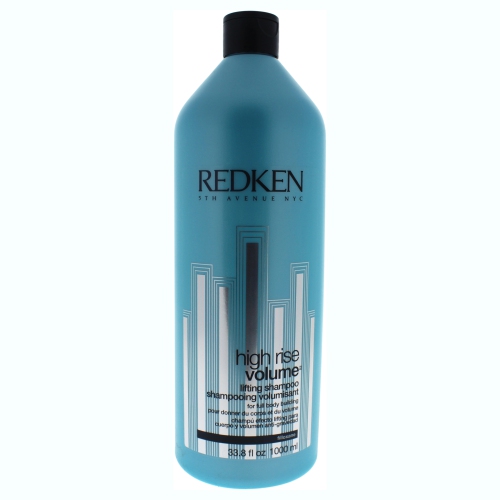
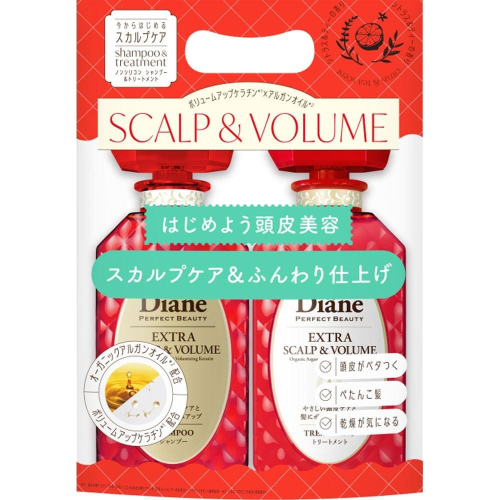
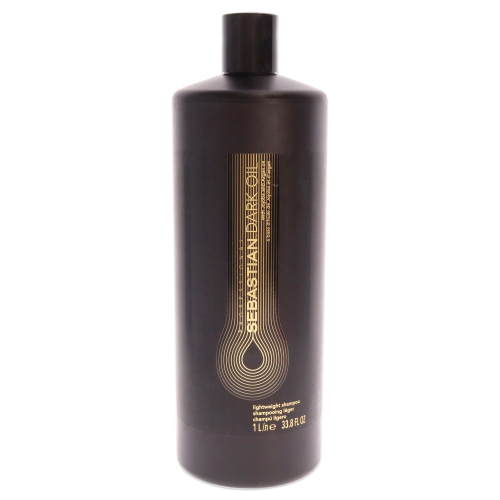
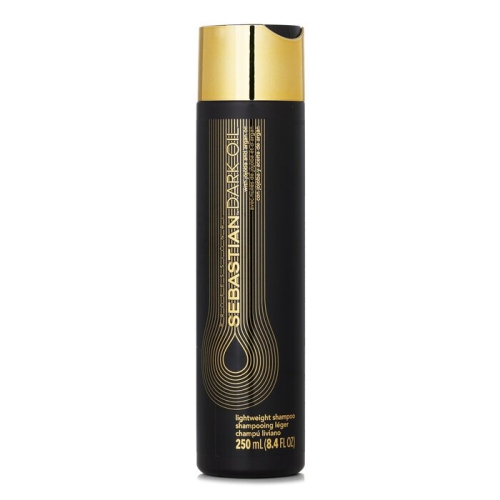
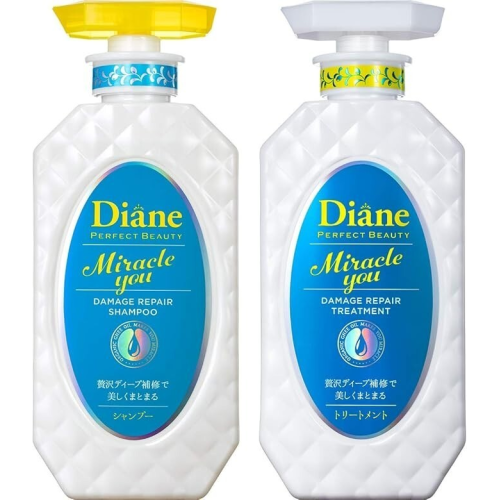
Fuller-looking hair starts with a lighter wash
Volumizing shampoos are lightweight cleansers designed to help fine or flat-looking hair appear fuller without leaving heavy residue. They remove excess oil and styling buildup that can pull strands together and make roots sit close to the scalp, while some formulas contain proteins or lightweight conditioning ingredients that support a fuller-looking finish. The effect is cosmetic: volumizing shampoo can improve the appearance of body, but it does not increase the number of hair follicles or treat hair loss. Fine hair describes the diameter of individual strands, whereas hair density describes how closely those strands grow together. Someone with plenty of fine hair may still find that a ponytail looks limp or that a blowout loses its shape quickly. Hair with thicker individual strands can also look flat when oil, rich conditioners, or styling residue weigh down the roots. This makes volumizing formulas relevant to more than one hair type, although results depend on texture, length, condition, and styling habits. On straight hair, a lighter wash may help strands separate instead of gathering into flat sections. On wavy hair, it may help preserve an airy shape without the coated feeling that can come from a richer formula. Curly hair can benefit from lightweight cleansing too, provided the formula offers enough conditioning for its needs. Long hair naturally places more weight on the roots, so shampoo alone may not create the same lift seen in a shorter, layered cut. The most useful distinction is between fullness and roughness: hair that feels stripped or tangled is not necessarily receiving better volume. A suitable formula leaves the scalp feeling clean and the lengths manageable, creating a foundation for movement rather than a stiff or inflated finish. For everyday wear, that can mean a fringe that separates more naturally, a bob with a little more swing, or roots that look less compressed beneath a smooth surface.
The formulation matters as much as the volumizing label. Surfactants are the cleansing ingredients that help water carry away oil and residue, and their combined performance determines how thoroughly a shampoo cleans. A generous lather does not automatically mean stronger cleansing, just as a low-lather texture does not necessarily mean a gentler wash. Some volumizing shampoos include hydrolyzed proteins, which can temporarily coat strands and contribute to a thicker feel; others use ingredients such as panthenol or conditioning polymers to improve manageability without relying on a rich finish. No single ingredient guarantees lift, and the balance of the complete formula is more informative than one highlighted ingredient. Lightweight conditioning can be particularly helpful when fine hair tangles easily, since excessive friction during washing and brushing can lead to breakage. Silicone-free formulas may appeal to people who prefer to avoid certain coating ingredients, but silicones are not automatically unsuitable for fine hair; their type, concentration, and interaction with the rest of the formula all matter. Similarly, a sulphate-free label does not by itself establish whether a shampoo will suit a sensitive scalp or colour-treated hair. Colour compatibility, fragrance, and any stated usage restrictions deserve attention alongside volume claims. Hair that has been lightened or frequently heat-styled may need more conditioning through the lengths than an oilier, untreated root area requires. A scalp that feels greasy by the end of the day presents a different need from one that feels tight immediately after washing. People with fragrance sensitivities may prefer fragrance-free options, while those who enjoy a scented wash may consider how it sits alongside conditioner and styling products. Volumizing and clarifying shampoos also serve different purposes: clarifying formulas generally focus on removing accumulated residue and may have different recommended usage patterns. Matching the cleansing strength and conditioning level to the hair helps keep a fuller-looking finish comfortable and manageable.
How volumizing shampoo fits into a routine can influence the result as much as the formula itself. Thoroughly wet hair allows shampoo to spread more evenly, while concentrating the wash at the scalp targets the area where oil and styling products commonly collect. The amount needed varies with hair density, length, and the directions on the bottle; extra shampoo or repeated washing is not automatically necessary for more lift. Careful rinsing matters because leftover cleanser can affect how hair feels and behaves once dry. Conditioner still has a place in a volume-focused routine, especially when the ends are dry or prone to knots. Applying it mainly through the mid-lengths and ends can provide slip without adding unnecessary weight at the roots, although very short hair may need a different approach. A lightweight wash can also provide a useful foundation for styling with volumizing hair dryers, where airflow and technique help shape the finished look. Heat protection and an appropriate heat setting remain important, particularly for fine, fragile, or colour-treated strands. Gentle towel blotting rather than vigorous rubbing helps limit tangling before styling, and a heavy finishing oil applied near the scalp can counteract the airy feel of the wash. Washing frequency is individual rather than a fixed requirement: scalp comfort, oil production, exercise, and styling habits all play a role. Product care is straightforward but worthwhile. Keeping the closure secure, avoiding dilution with water, and following storage directions help maintain the formula as intended. Any expiry date or period-after-opening symbol should guide how long a bottle stays in use. A larger bottle may suit a shared bathroom or frequent washing, while a smaller format may be more practical for occasional use or travel. Ultimately, a well-matched volumizing shampoo offers clean-feeling roots, workable lengths, and natural-looking body without asking the hair to sacrifice softness for lift.
Top selling and popular products
-
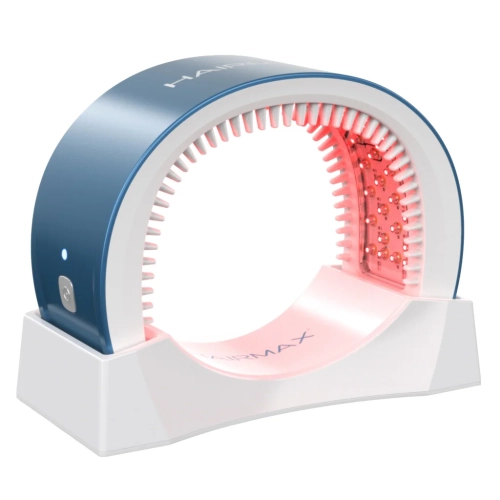 Your price for this item is $1359.95
-
 Your price for this item is $347.12
-
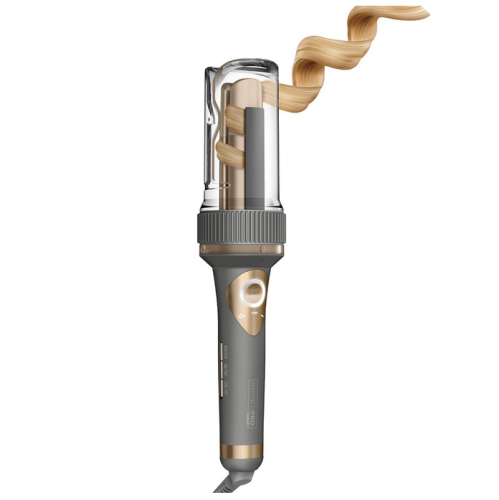 Your price for this item is $145.97
-
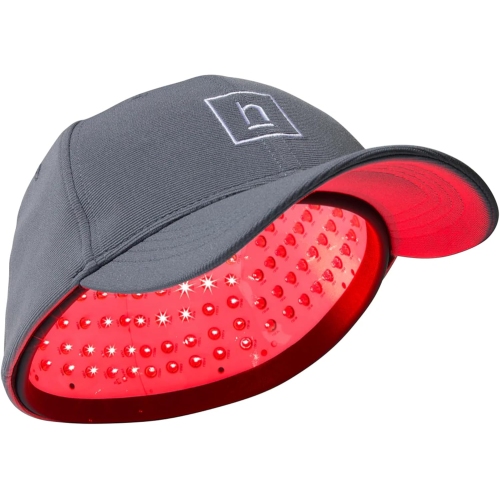 Your price for this item is $1727.97
-
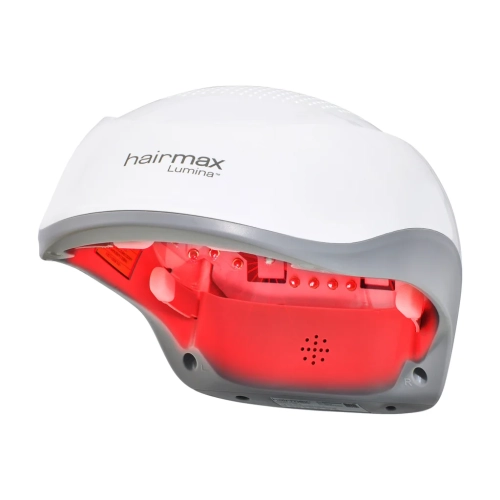 Your price for this item is $2749.97
-
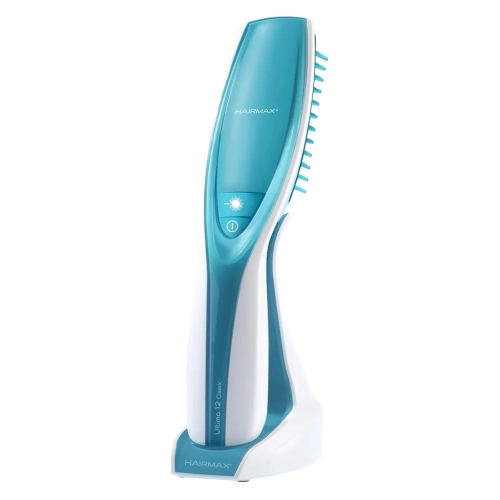 Your price for this item is $409.48
-
 Your price for this item is $59.99
-
 Your price for this item is $59.99
Discover more categories related to Volumizing Shampoos
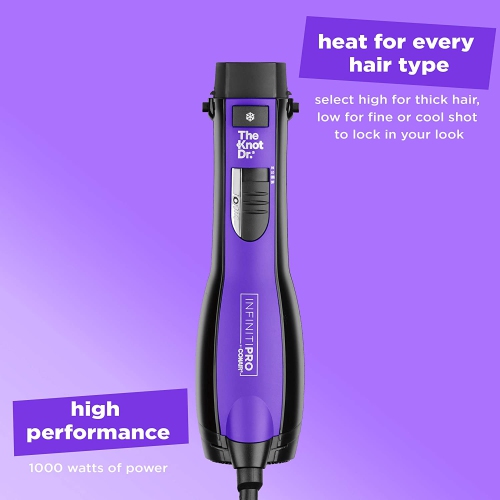
Top Collections:
Best Black Friday Deals This Year, Best Black Friday Deals On Electronics, Kindle Devices, Pokemon Centers, Best Black Friday Deals On Apple Products, Best Cameras for Sports Photography, Dyson Airwrap, Pokémon 30th Celebration Cards, Apple iPhone 17 Pro, Canon G7X Cameras
Some products may be subject to Environmental Handling Fees
(EHF) depending on your province.
Learn more about EHFs.