Water Flossers
Water Flossers offer an easy and effective way to elevate your oral care routine. Designed for convenience and performance, these devices provide a modern alternative to traditional flossing methods. Whether you’re looking to maintain a healthy smile or simply want a refreshing clean, Water Flossers make it simple to keep your teeth and gums feeling their best. Explore a variety of options to find the perfect fit for your daily needs.
Sort
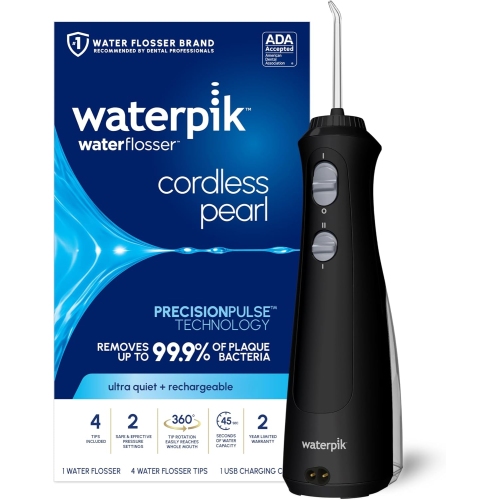
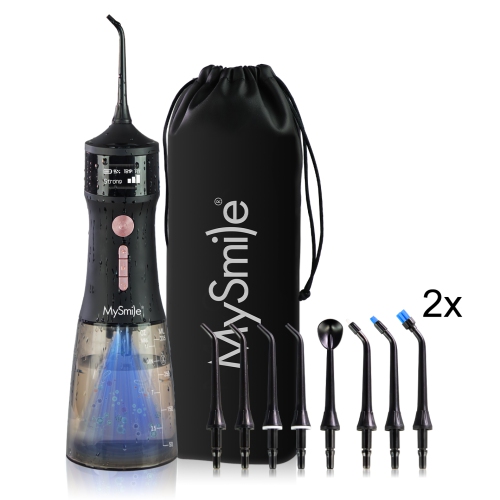
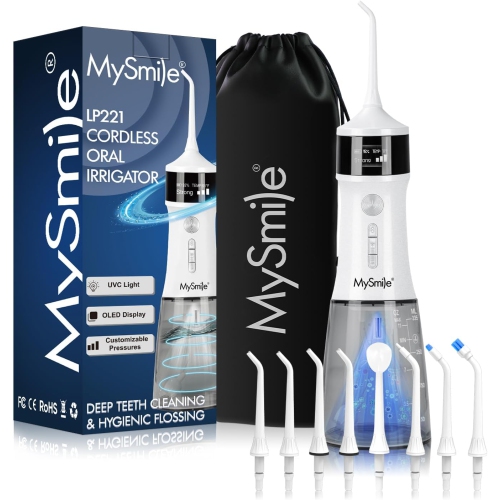
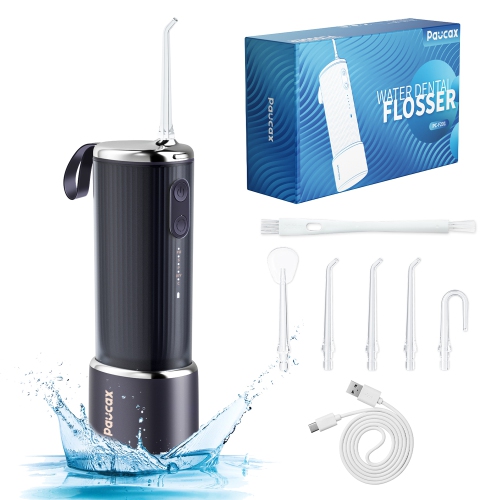
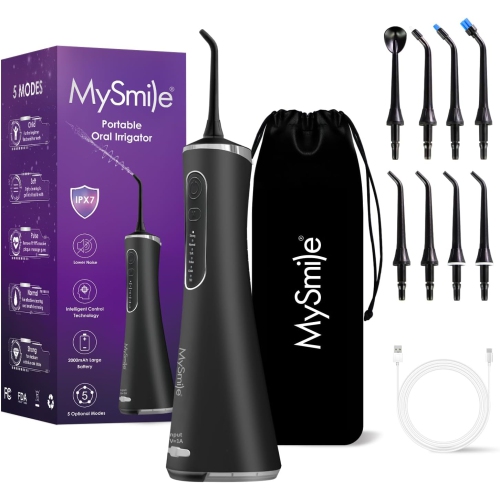
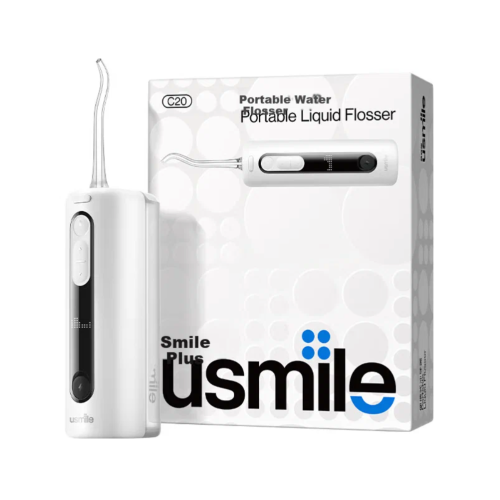
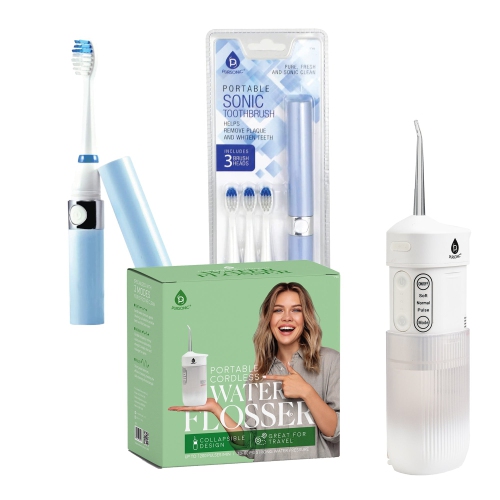
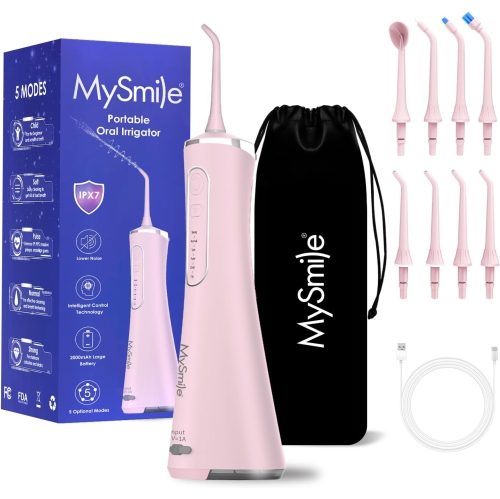
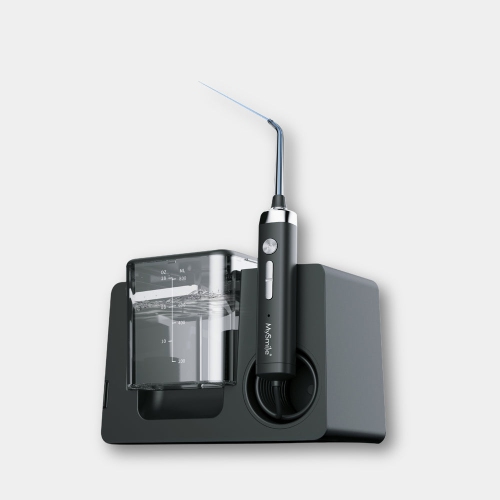
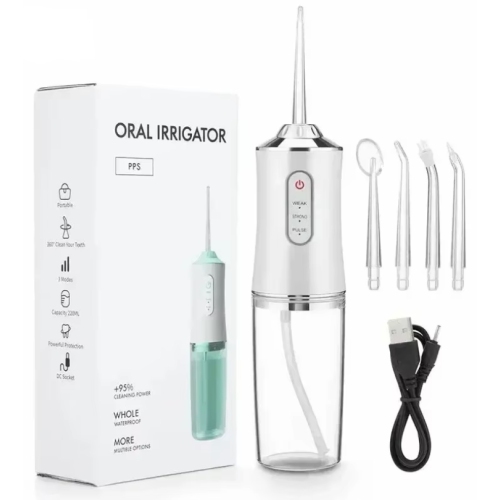
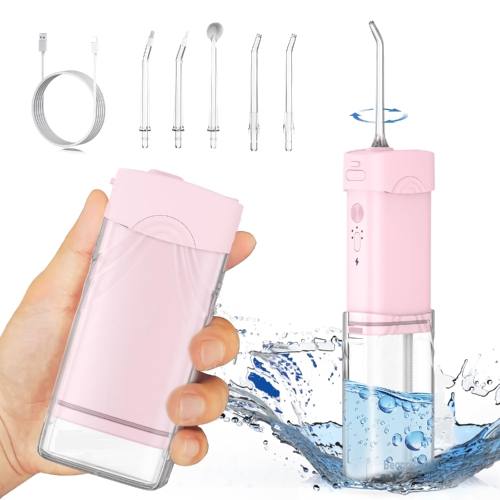
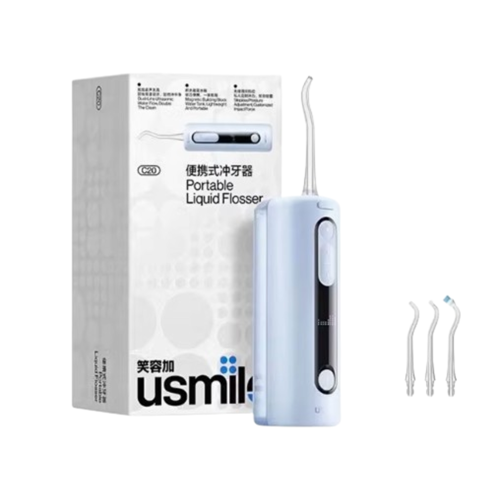
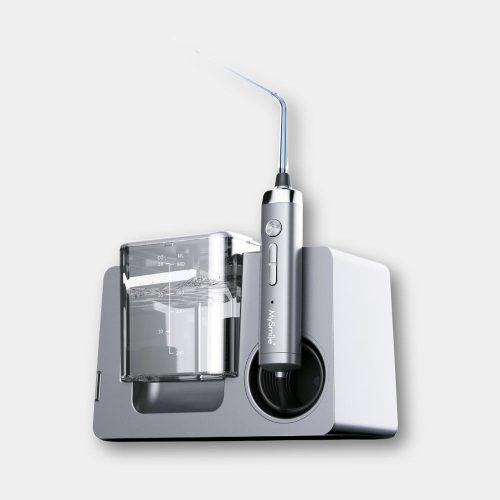
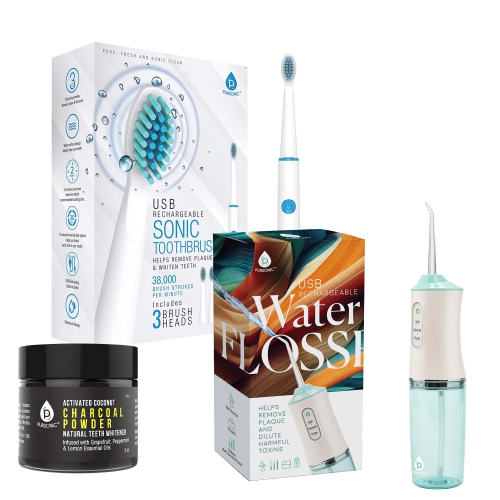
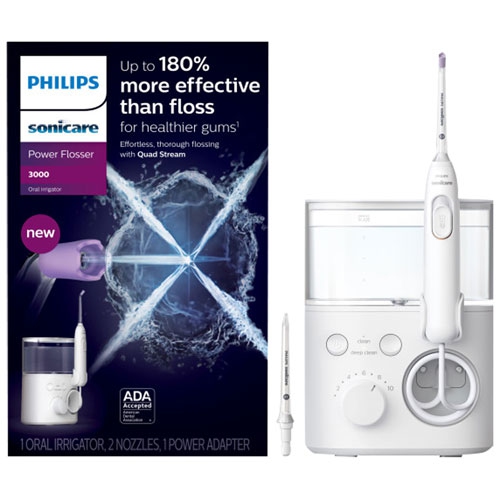
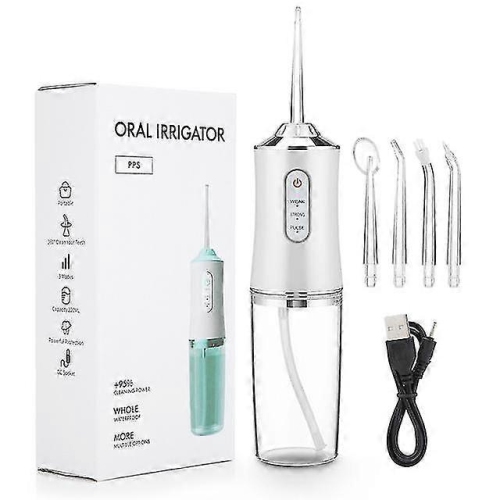
A targeted stream for spaces your toothbrush can miss
Water flossers, also called oral irrigators, use a targeted stream of pressurized water to remove food particles and debris from between teeth and along the gumline. Used consistently and according to their instructions, they can also help reduce plaque and support gum health as part of a daily oral care routine. They complement toothbrushing rather than replacing it, and a dental professional can advise on the most suitable way to clean between teeth. The narrow nozzle directs water into spaces that can be awkward to reach with a toothbrush alone, including around orthodontic brackets and beneath certain types of dental bridges. For someone who regularly finds food caught around a back molar or between closely spaced teeth, that focused stream offers a different approach to everyday cleaning. Water flossers may also suit people who find handling string floss difficult, although the size, weight and controls of the handle still matter. A comfortable grip and an easy-to-reach power switch can make a noticeable difference when hands are wet or finger movement is limited. Adjustable pressure allows the sensation to be tailored to personal comfort, while different tip designs may serve general cleaning or more specialized needs. Orthodontic tips, for example, are designed for cleaning around braces, while other attachments may be intended for particular dental work. These attachments are not interchangeable in purpose, so their intended use matters as much as their shape. People with implants, sensitive gums, recent dental surgery or ongoing gum concerns should confirm appropriate settings and attachments with their dental professional. Children may need an age-appropriate design and adult supervision. Across these situations, the most useful water flosser is one that fits both the person’s mouth and the practical details of their routine: how comfortably it can be held, how easily the tip reaches the back teeth and how straightforward it is to prepare, use and clean each day.
Countertop and cordless water flossers bring different advantages to a bathroom setup. Countertop designs generally separate the reservoir from a lighter handheld nozzle connected by a hose. A larger reservoir can allow more cleaning time between refills, which may be helpful when working carefully around braces or extensive dental work. The trade-off is the space needed beside the sink, along with access to a suitable electrical outlet. The footprint of the base, the height needed to lift out the reservoir and the reach of the hose all affect how comfortably a unit fits beneath a cabinet or beside a shared basin. Cordless designs combine the reservoir and handle into one device, keeping the setup compact but placing more weight in the hand. For travel bags, smaller vanities or bathrooms where a permanent countertop base would feel crowded, portable water flossers offer a compact format with fewer separate parts to position during use. Reservoir capacity still matters: a smaller tank is easier to pack, but it may require a refill before cleaning is complete. A broad filling opening, a removable tank and clearly accessible controls can be more useful in daily life than a long list of modes. Charging arrangements also deserve attention, including whether the device uses a dedicated stand, a cable or replaceable batteries. Travel use adds practical considerations such as a secure reservoir closure, a protective tip cover and a way to prevent accidental activation inside a bag. Smooth moulded plastic housings are common, but surface finish and shape influence grip, particularly when water runs down the handle. A well-fitting reservoir, secure nozzle connection and stable base contribute to a reassuring feel during use. Rotating tips can help reach different angles without requiring the wrist to do all the work. For a shared household, individually assigned tips and clear tip identification help keep personal attachments separate, while accessible storage keeps them from getting mixed together beside the sink.
Daily care has a direct effect on how pleasant a water flosser is to use and how well its components hold up. A removable reservoir with accessible corners is easier to clean than a tank with narrow openings and hard-to-reach crevices. Parts should be washed, rinsed and dried according to the manufacturer’s directions; dishwasher cleaning is suitable only when expressly permitted. Emptying leftover water after use and allowing components to dry helps limit residue and odours. In homes with hard water, mineral deposits can collect inside the reservoir and water pathway, so the specified descaling method is an important part of upkeep. Cleaning solutions, mouthwash and other additives should enter the tank only when the instructions allow them, since unsuitable liquids can affect seals or internal components. Tips also need regular inspection and replacement at the recommended interval, particularly if they become damaged or no longer attach securely. The housing’s water-resistance rating determines its permitted exposure to water; a bathroom appliance should not automatically be treated as suitable for shower use or immersion. Charging connections and electrical bases need the care described in their instructions. During use, gentle pressure and a comfortable water temperature can make the experience easier to settle into. Leaning over the basin with lips partly closed around the tip helps contain splashes while allowing water to drain, rather than spraying across the mirror or collecting in the mouth. A pause control can be helpful when repositioning the nozzle, and a timer may support a more consistent routine without making the device complicated to operate. Pain, persistent bleeding or discomfort around dental work calls for professional advice rather than simply increasing the pressure or changing attachments. With suitable settings, a comfortable handle and manageable cleaning requirements, a water flosser can become a practical part of a familiar bathroom routine, used alongside brushing and the personalized oral care advice provided by a dentist or dental hygienist.
Top selling and popular products
-
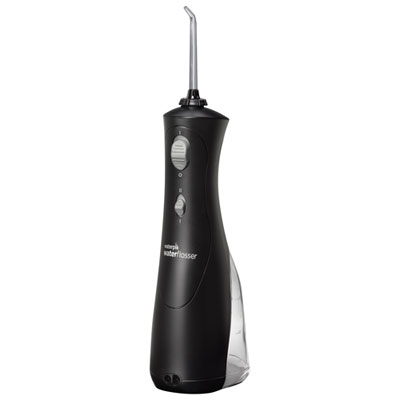 Your price for this item is $74.99
-
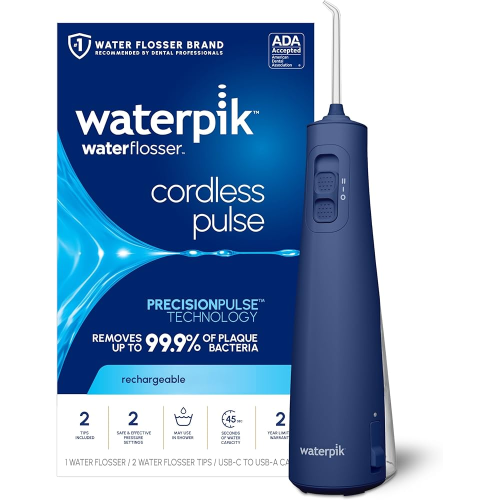 Your price for this item is $56.99
-
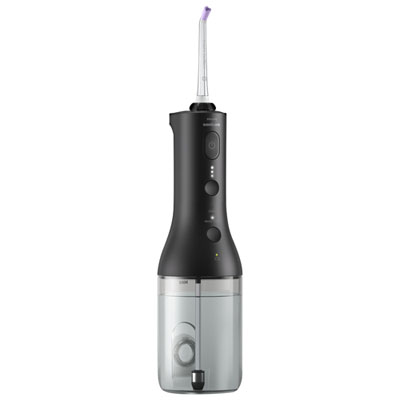 Your price for this item is $99.99
-
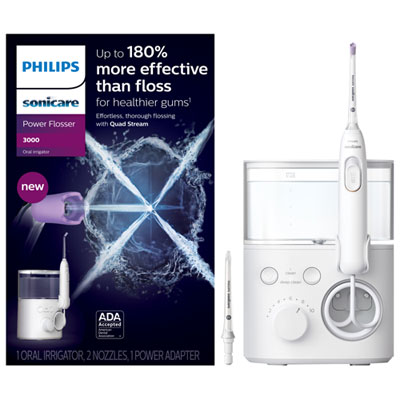 Your price for this item is $89.95
-
 Your price for this item is $69.95
-
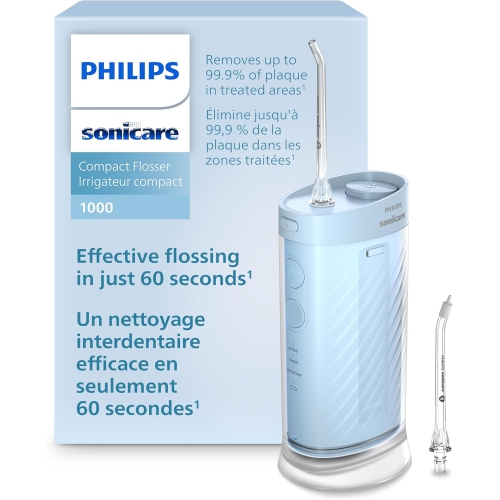 Your price for this item is $86.97
-
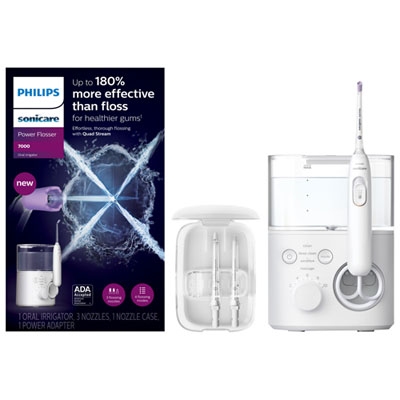 Your price for this item is $179.99
-
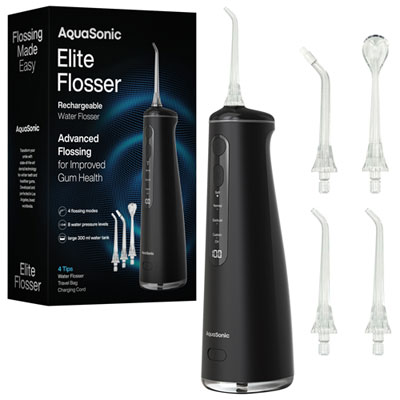 Your price for this item is $52.99
Discover more categories related to Water Flossers
Top Collections:
Best Black Friday Deals This Year, Best Black Friday Deals On Electronics, Kindle Devices, Pokemon Centers, Best Black Friday Deals On Apple Products, Best Cameras for Sports Photography, Dyson Airwrap, Pokémon 30th Celebration Cards, Apple iPhone 17 Pro, Canon G7X Cameras
Some products may be subject to Environmental Handling Fees
(EHF) depending on your province.
Learn more about EHFs.