Wet Wipes
Discover the ultimate convenience in cleanliness with our premium selection of wet wipes. Perfect for a variety of uses, wet wipes provide a quick, effective solution for maintaining hygiene on-the-go or at home. Whether you're looking to freshen up, clean surfaces, or care for sensitive skin, these versatile wipes are designed to meet your needs with ease. Explore options that offer gentle ingredients, durable materials, and compact packaging to ensure you're always prepared for life's little messes.
Sort




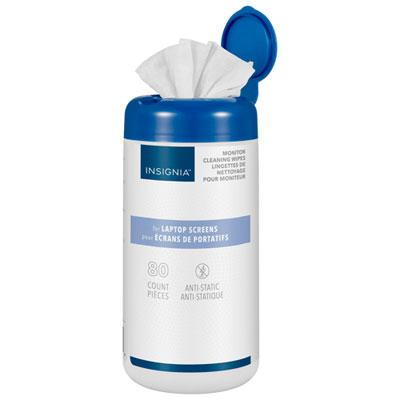
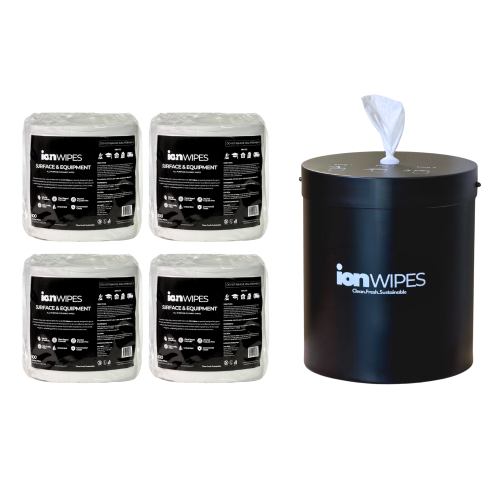


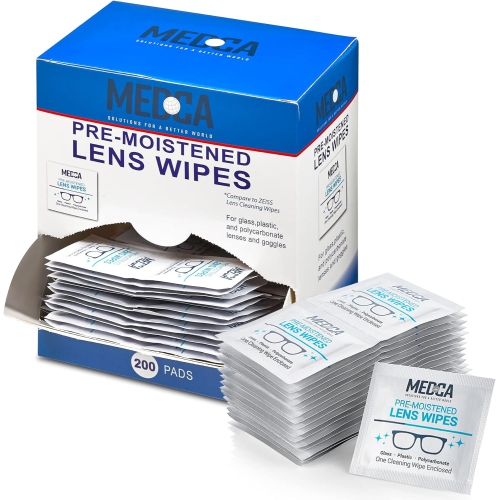
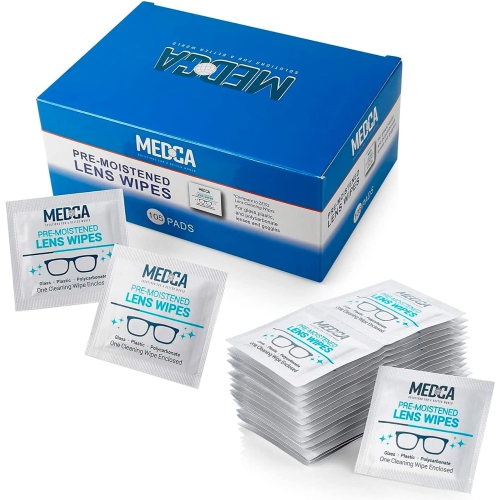










Why skin care and surface cleaning need different wipes
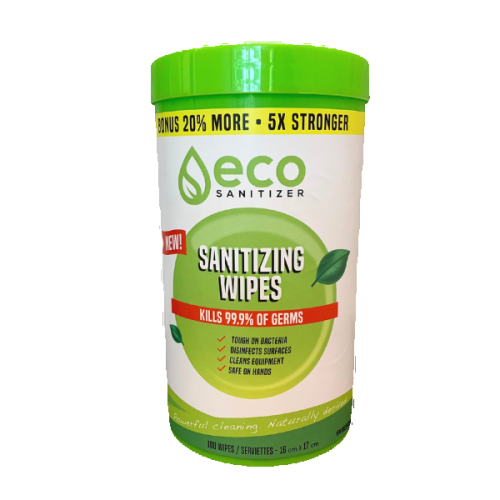
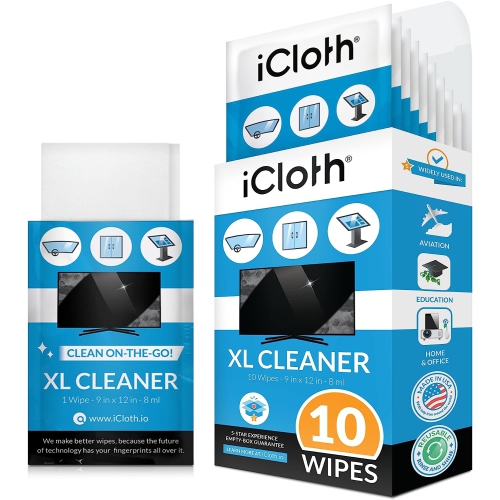
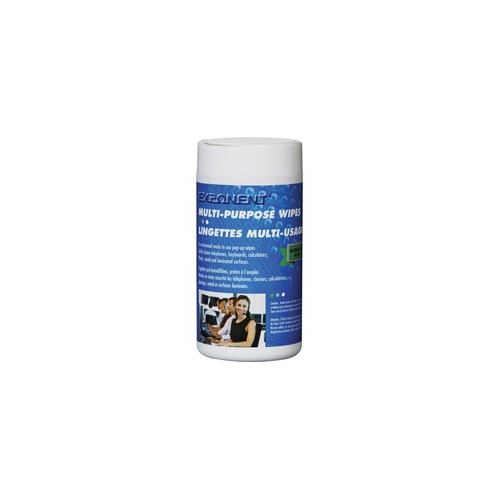
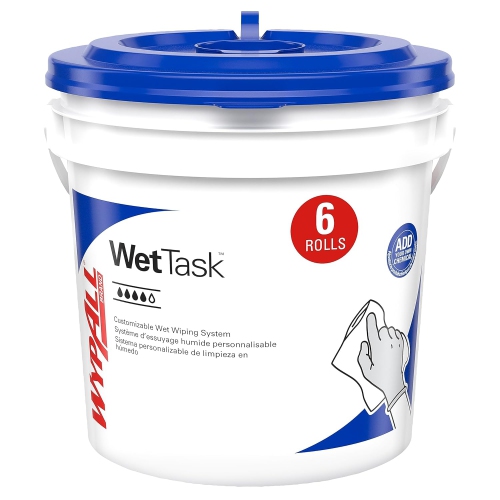
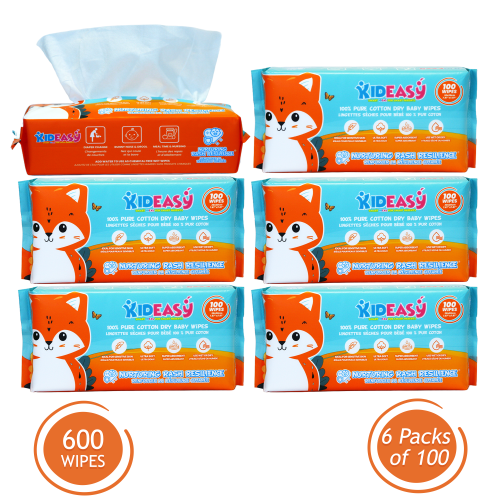
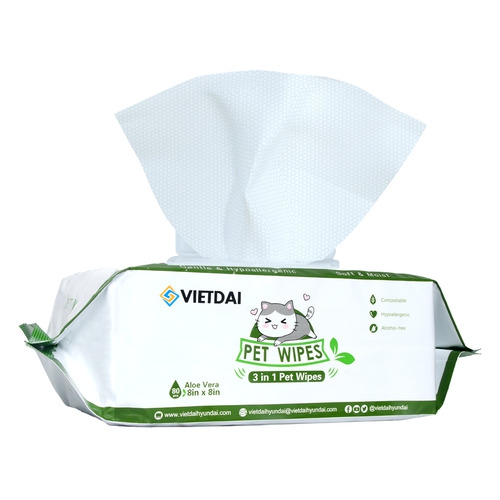
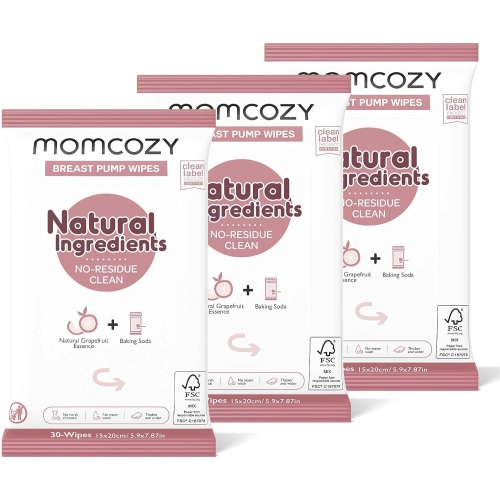
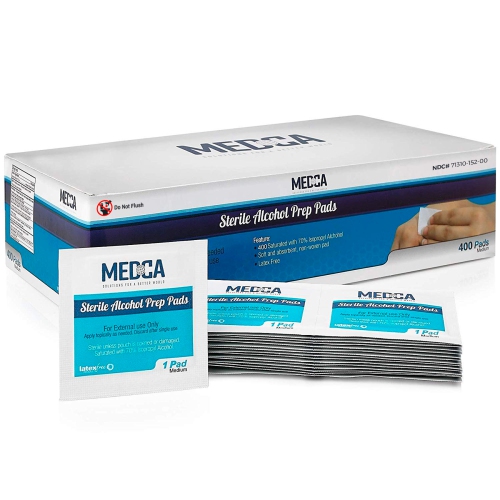
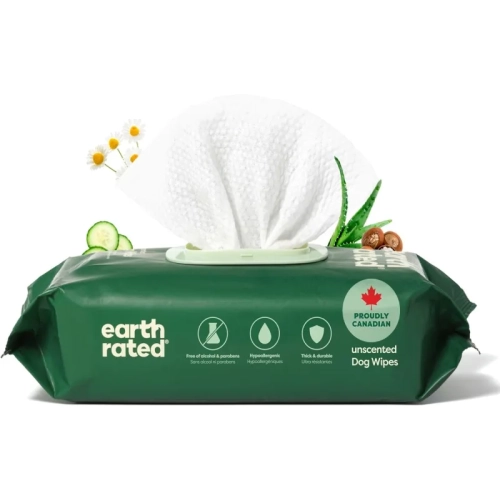
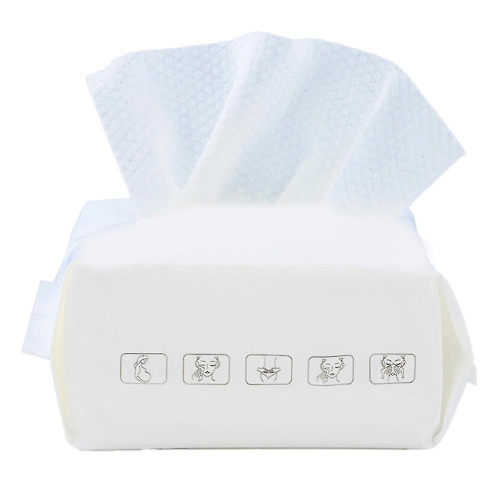
Wet wipes are pre-moistened sheets used for convenient cleaning, personal care, or surface disinfection, depending on their labelled purpose. Also called moist towelettes, they combine a soft sheet with a liquid formula so that water does not need to be added before use. Baby wipes, hand wipes, makeup-removing wipes, and household cleaning wipes belong to this broad category, but their formulas and intended uses are not interchangeable. A wipe made for a kitchen counter should not be used on a baby’s skin, and a gentle skin-cleansing wipe should not be assumed to disinfect a surface. The sheet itself is commonly a non-woven fabric made from cotton, viscose, polyester, or a blend of fibres. Its thickness, texture, and size affect how it feels in the hand and how well it holds together during use. A larger sheet offers more coverage for wiping sticky fingers or cleaning up after a meal, while a compact towelette takes up less room in a handbag or day bag. Smooth sheets may feel softer against the skin; textured surfaces can help lift visible residue. Strength matters, too: a sheet that resists tearing is easier to unfold and use without bunching into a small wad. Moisture level is another practical distinction. A lightly moistened wipe may suit a quick touch-up, while a wetter sheet can provide more liquid for its intended task, although excess moisture is not appropriate for every material. For skin-contact wipes, the full ingredient list matters more than a general description such as “gentle.” Fragrance-free formulas may appeal to people who prefer to avoid added scent, but no label can guarantee that a formula will suit every person. Any age guidance, allergy information, and directions for use remain important, especially when choosing wipes for babies or people with sensitive skin. For a caregiver managing a diaper change or a parent wiping food from a child’s hands, softness and easy handling can be just as noticeable as sheet size.
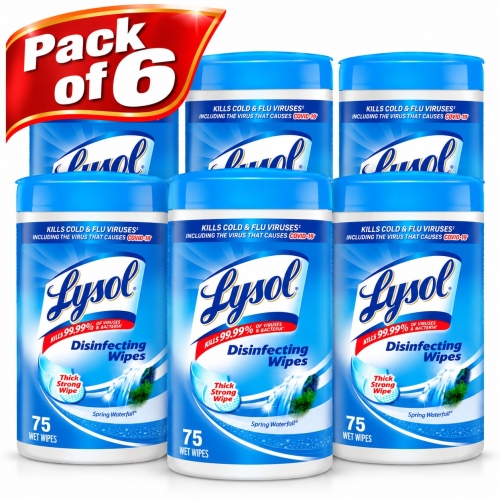
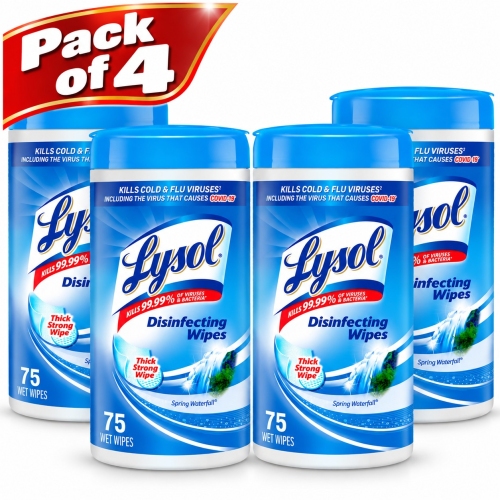
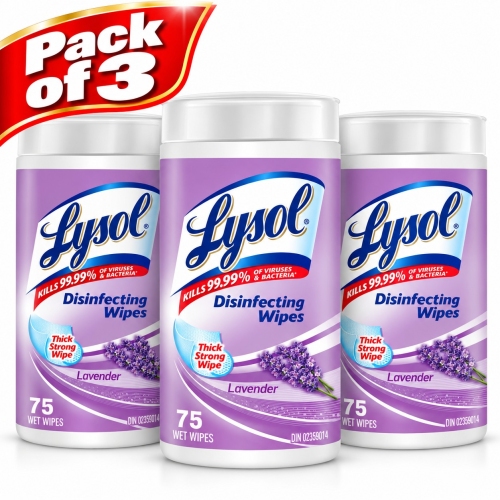
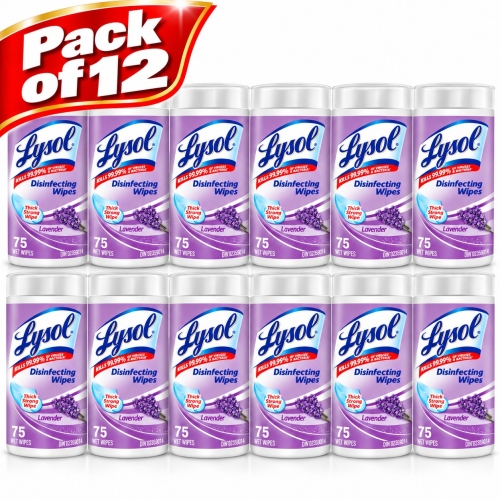
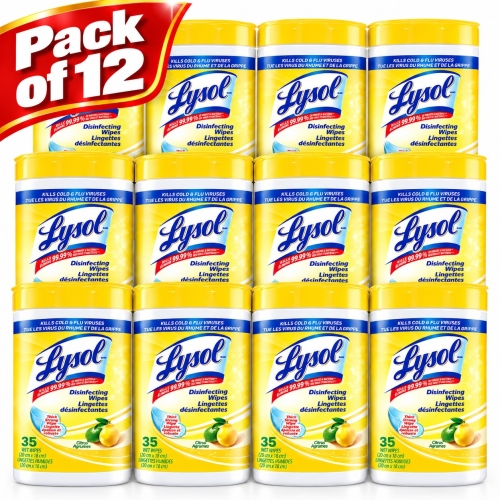
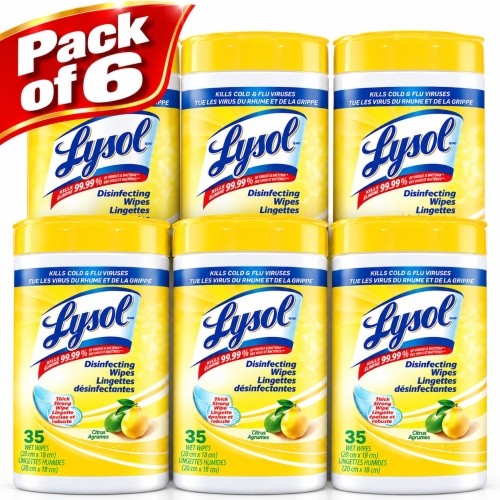
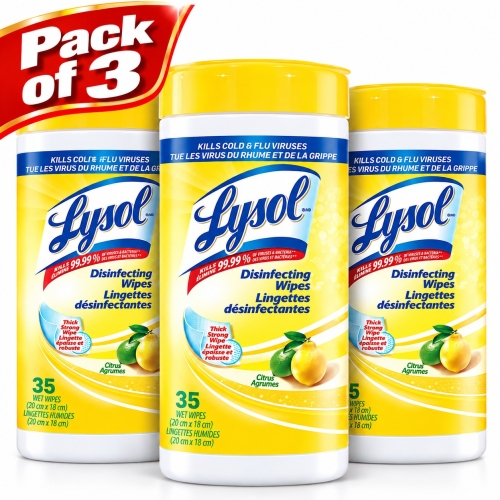
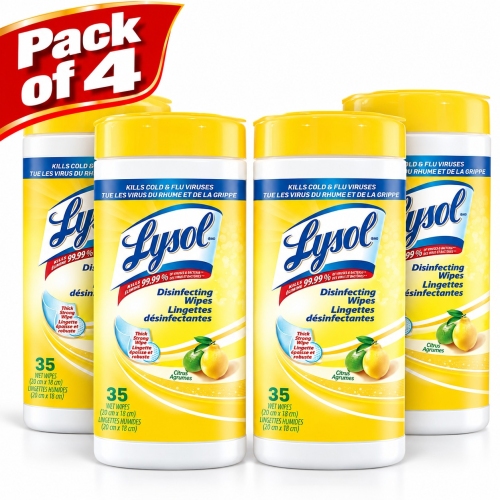
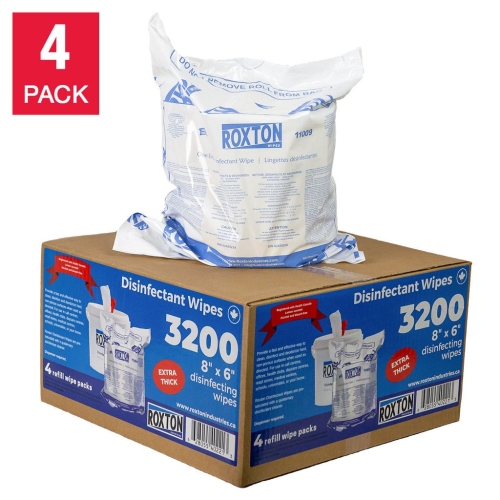
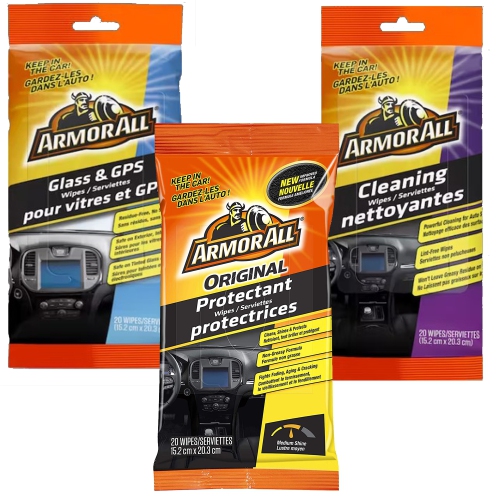
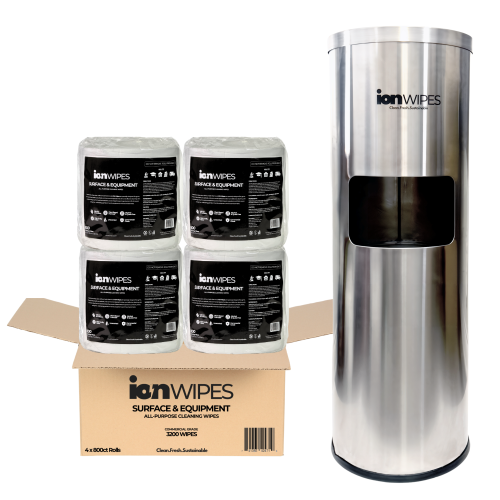
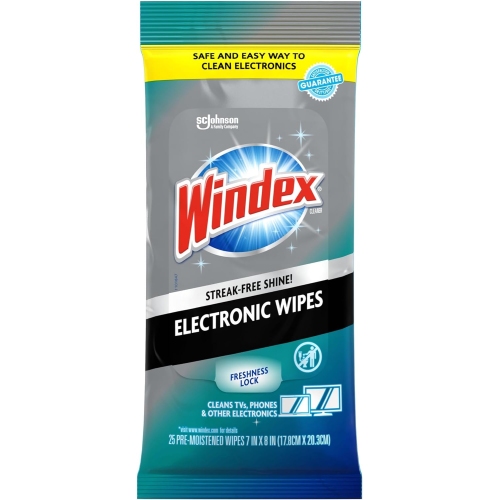
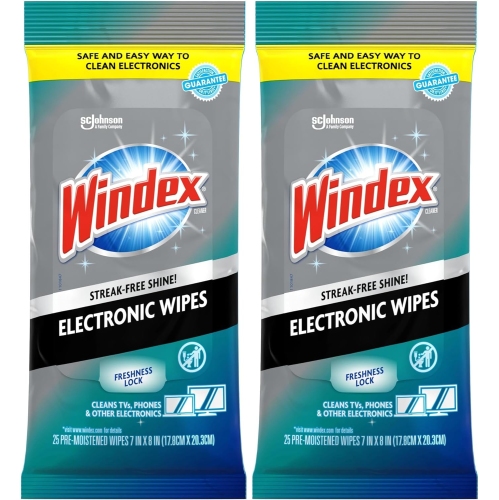
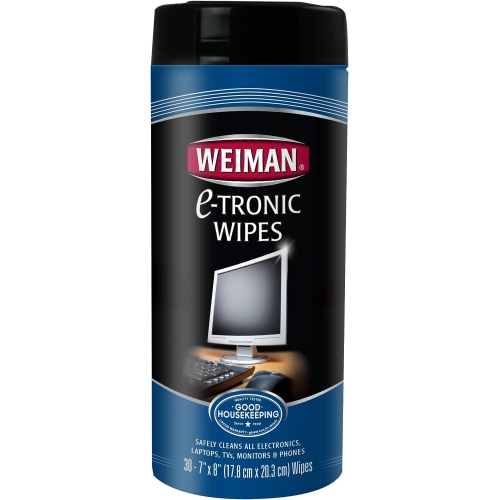
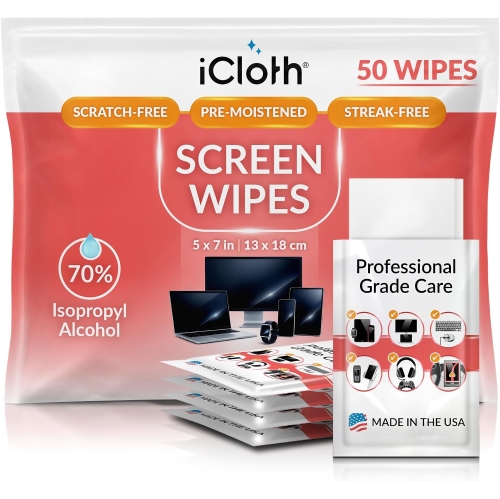
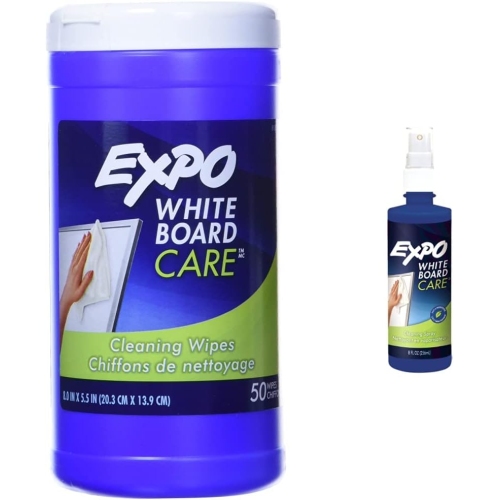
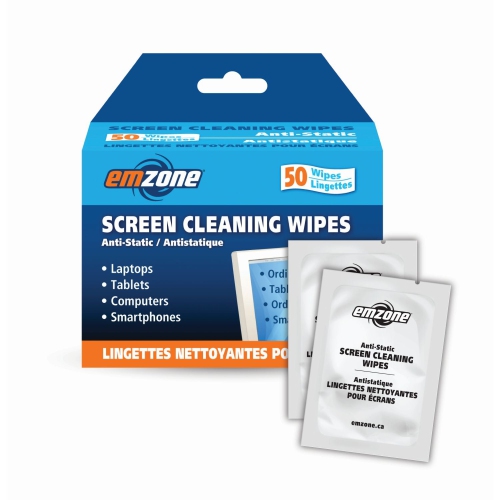
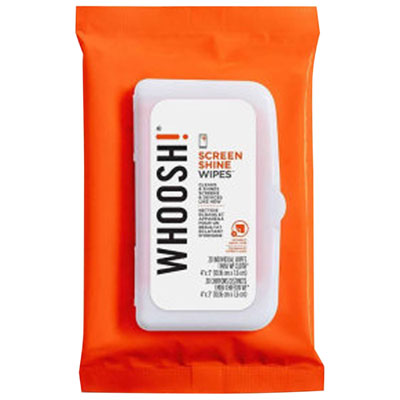
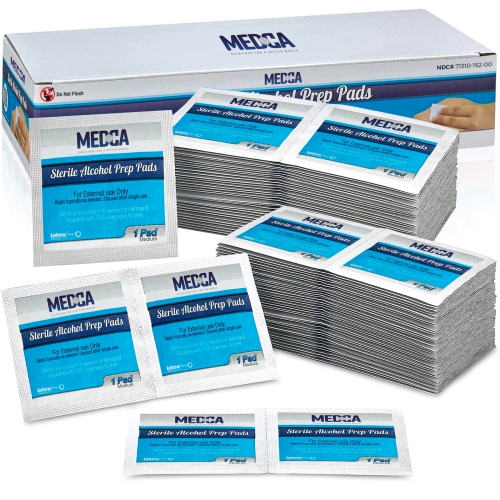
The distinction between cleaning and disinfecting is especially important with wet wipes. Cleaning wipes help remove dirt, grease, and other residue; disinfecting wipes are formulated and labelled to kill specified germs on suitable surfaces when used as directed. A quick pass across a tabletop does not necessarily provide disinfection. The surface may need to be cleaned first, and it must remain visibly wet for the full contact time stated on the label. That time varies by formula, so the directions are more useful than assumptions based on how damp the sheet feels. Surface compatibility also deserves attention. A wipe suitable for a sealed countertop may not be suitable for unfinished wood, natural stone, upholstery, or an electronic display. Screen coatings, painted finishes, and porous materials can be damaged by liquids or particular ingredients, making the care instructions for the surface just as important as the wipe’s label. Food-contact areas may require a rinse after treatment, and anything used around feeding equipment or children’s toys needs to be appropriate for that specific application. Keeping household cleaning wipes separate from personal-care supplies helps prevent mix-ups, particularly when several packs have similar shapes or closures. Hand-cleansing wipes have their own distinctions: some remove everyday grime, while others carry a specific sanitizing claim and directions. Ordinary wet wipes do not replace handwashing with soap and water, and surface disinfectants should never be used to clean skin. Makeup-removing wipes are different again, with formulas intended to loosen cosmetics; suitability for the eye area or waterproof makeup should be stated rather than assumed. These differences make intended use the clearest way to distinguish among wipe types. A pack kept beside a craft table for washable messes serves a different purpose from one carried for hand cleanup before a snack, even when both offer the convenience of a ready-moistened sheet.
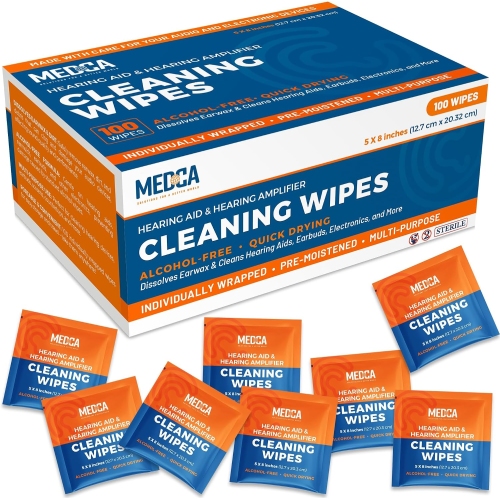
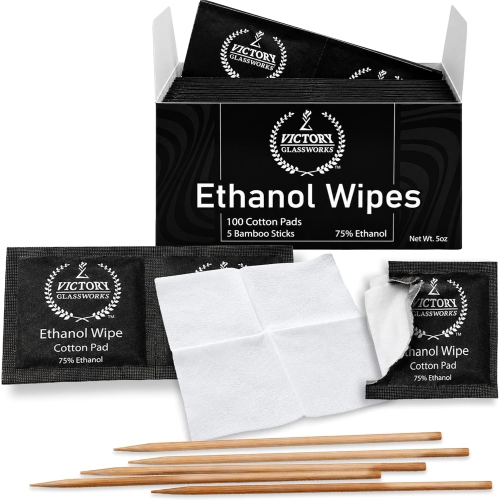
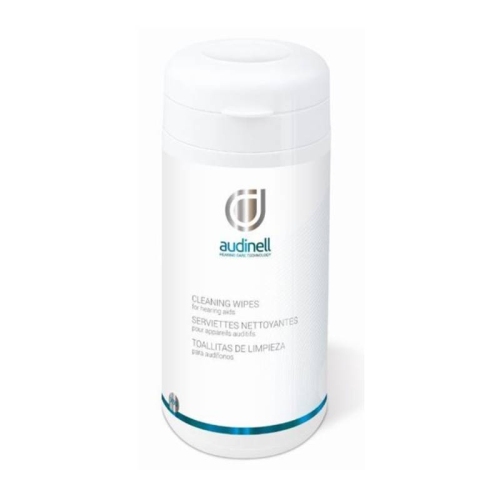
Packaging has a noticeable effect on how wet wipes perform from the first sheet to the last. A secure flip-top lid or resealable opening helps retain moisture, while a poorly closed pack can leave the upper sheets dry and less useful. Individually wrapped towelettes offer a separate seal for each use and fit neatly into a lunch bag, travel pouch, or desk drawer. Soft packs are easy to tuck into a diaper bag, while rigid tubs can provide a stable place for supplies used repeatedly in one location. The opening matters as much as the container: sheets that separate cleanly are easier to manage when one hand is occupied, and an opening that closes fully helps prevent leaks during transport. Pack dimensions also affect whether wipes fit comfortably into a stroller organizer, changing station compartment, or small carry bag. Within the broader Disposable Wipes category, pre-moistened formats offer ready-to-use convenience, but they still need appropriate storage and handling. Following the stated storage directions, keeping packs away from direct sunlight, and closing them promptly help preserve their condition. Expiry dates and any instructions about use after opening are particularly important for formulas with sanitizing or disinfecting claims. Adding water or another liquid to a dried-out pack can change the formula and should be avoided unless the manufacturer specifically permits it. Wipes labelled for single use should not be washed and reused, and a visibly soiled sheet should be replaced rather than spread across additional areas. After use, wet wipes belong in the garbage according to local disposal requirements, not in the toilet, where even small sheets can contribute to blockages. Packaging should be kept beyond the reach of young children and pets, with cleaning and disinfecting formulas stored separately from everyday skin-care supplies. These practical details help keep a pack ready for its intended task, whether that means tidying up after lunch, removing makeup, or caring for a baby away from home.
Top selling and popular products
-
 Your price for this item is $10.99
-
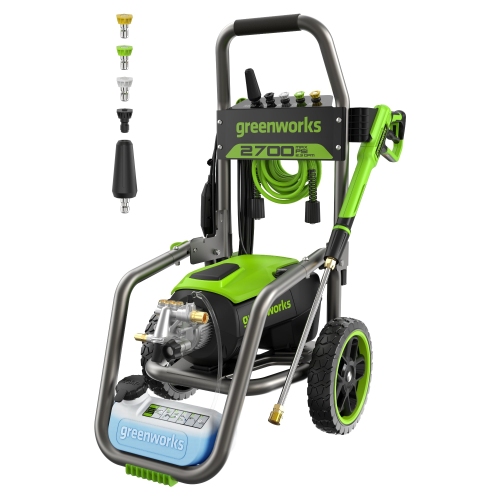 Your price for this item is $649.99
-
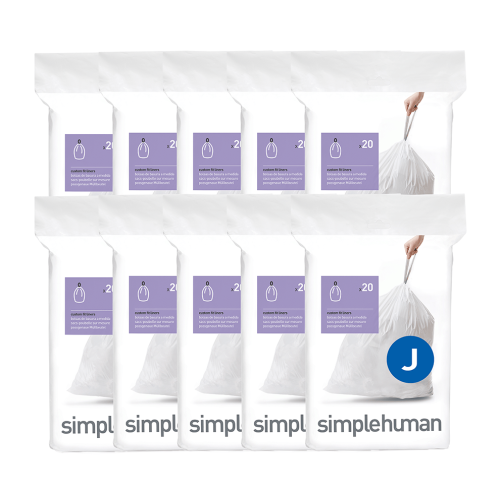 Your price for this item is $70
-
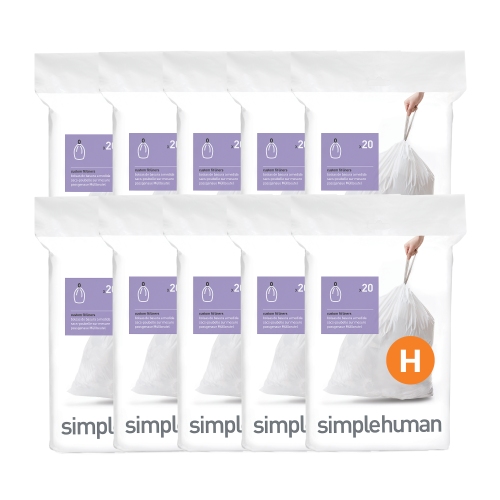 Your price for this item is $65
-
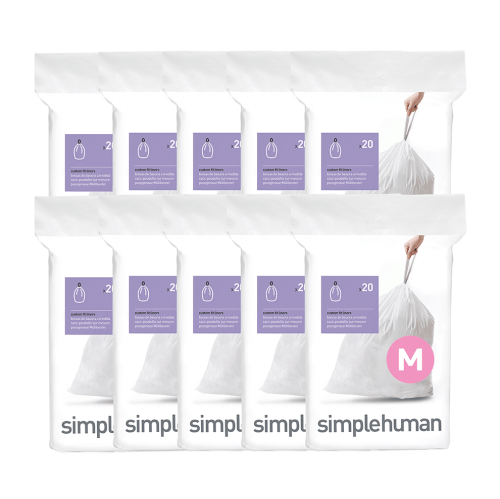 Your price for this item is $70
-
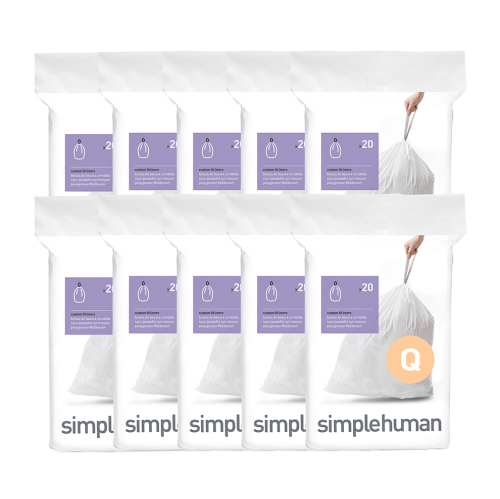 Your price for this item is $90
-
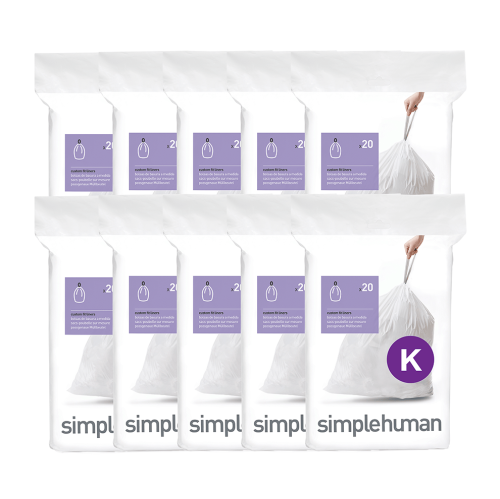 Your price for this item is $75
-
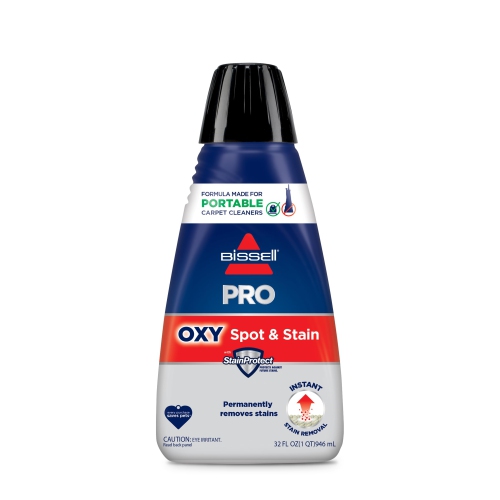 Your price for this item is $43.99
Discover more categories related to Wet Wipes
Top Collections:
Best Black Friday Deals This Year, Best Black Friday Deals On Electronics, Kindle Devices, Pokemon Centers, Best Black Friday Deals On Apple Products, Best Cameras for Sports Photography, Dyson Airwrap, Pokémon 30th Celebration Cards, Apple iPhone 17 Pro, Canon G7X Cameras
Some products may be subject to Environmental Handling Fees
(EHF) depending on your province.
Learn more about EHFs.