Wig Brushes
If you're looking to keep your wigs looking flawless and tangle-free, look no further than these wig brushes. Designed specifically for the unique needs of wig wearers, these brushes are a must-have accessory for anyone looking to maintain the longevity and beauty of their wigs. From detangling knots to smoothing out frizz, these wig brushes offer a variety of options to suit your styling preferences. With their gentle bristles and ergonomic designs, these brushes make it easy to achieve salon-quality results from the comfort of your own home.
Sort
Gentle care for every wig type and texture
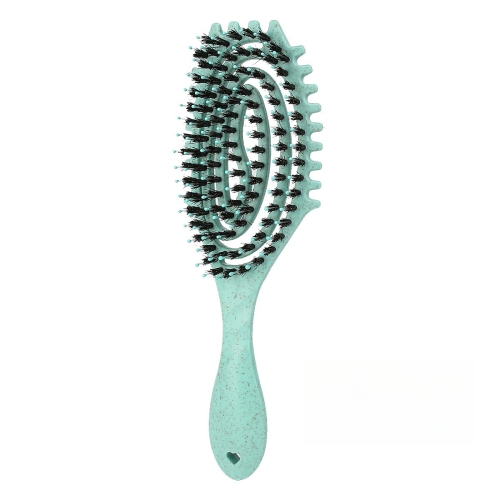
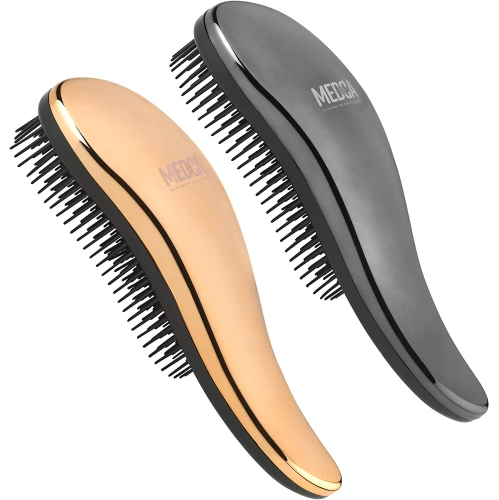
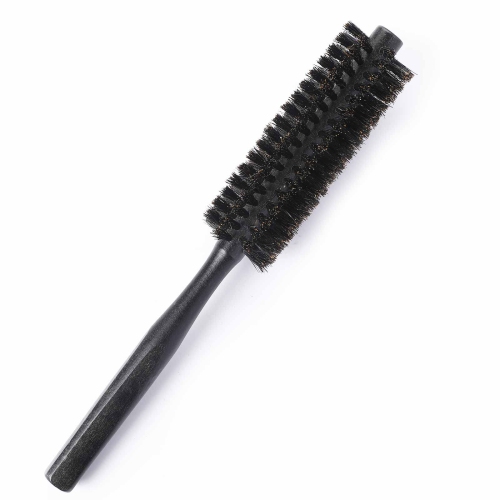
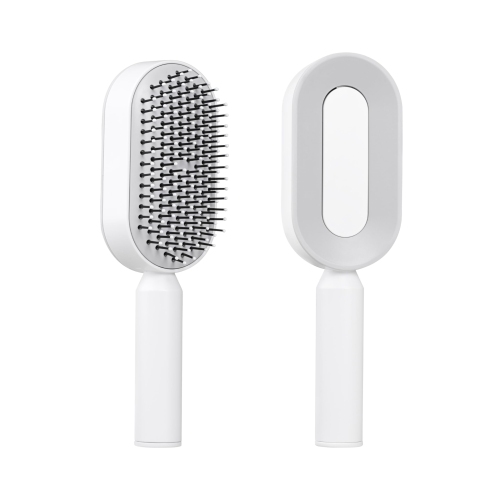
Wig brushes are designed to care for wigs with more control and less pulling than an everyday hairbrush. Whether a wig is made from synthetic fibres or human hair, its strands are attached to a cap, lace front, wefts, or other delicate construction that needs gentle handling. A suitable brush can help separate tangles, smooth the lengths, refresh a style, and keep the hair looking neat between washes and wear. Common choices include loop-bristle brushes, flexible wire cushion brushes, wide-tooth combs, and select natural-bristle brushes. Loop bristles are shaped to move over wefts, tracks, lace, and extensions with less chance of catching individual fibres, making them a practical option for many straight or softly waved wigs. Wire cushion brushes use slim, flexible pins and are often useful for dry synthetic or human-hair styles, provided they do not have sharp tips or exposed ends that could snag the cap. Wide-tooth combs create generous space between each tooth, which can be helpful for loosening knots in longer, fuller, wavy, or curly hair. A natural-bristle brush may be better suited to a dry human-hair wig when the goal is to smooth the surface and distribute natural oils, but it is not the universal choice for every fibre or texture. When comparing options, consider the wig’s material, length, density, curl pattern, and cap construction. A compact brush may be convenient for a dressing table or travel bag, while a larger cushion style can make it easier to work through longer lengths in sections. Those building a complete styling collection can also browse Hair Styling Brushes for tools that may complement a wig-care routine, while keeping in mind that a brush intended for natural hair is not automatically suitable for a wig.
The safest brushing method is slow, light, and organized. Place the wig on a stable stand or hold it securely at the cap, then separate the hair into manageable sections with your fingers. Begin at the bottom few inches, gently working through the ends before moving upward in short strokes. Once the lower section is smoother, gradually approach the middle and then the area near the roots. This bottom-up technique helps prevent a small knot from becoming a tight cluster that places stress on the fibres, lace, or attachment points. Keep the brush away from the base whenever possible, especially around a lace front, monofilament part, hand-tied area, or fine top section. Pulling at the root can loosen knots and increase shedding, while repeated pressure may affect the shape of the cap. For curly and tightly waved wigs, avoid brushing through the entire style unless the care instructions specifically recommend it; a wide-tooth comb or careful finger separation can preserve the pattern and help reduce frizz. Damp or wet hair also needs special attention. A wide-tooth comb is generally the gentler choice for approved wet detangling, while loop and wire brushes are commonly reserved for dry hair unless the wig maker’s instructions say otherwise. Synthetic fibres can react differently to heat, moisture, and styling products than human hair, so always follow the care guidance supplied with the wig. Before using any new brush, test it on a small, less visible section and check that the pins or bristles move smoothly without catching. Cleaning the brush regularly is equally important: remove loose fibres and hair, wipe away product residue, and allow the tool to dry fully before storing it. Keeping one brush dedicated to wig care also helps prevent the transfer of oils, dry shampoo, hairspray, and other products from natural hair.
A wig brush can be a thoughtful practical gift for someone who wears wigs for personal style, convenience, performance, costume dressing, hair-loss coverage, or changes in their usual hairstyle. It can also be a useful addition to a wig stand, storage case, styling accessories, or a personal-care set, particularly for someone learning how to maintain a new wig. For a gift, a versatile loop brush or gentle cushion design may suit a range of everyday looks, while a wide-tooth comb can be a valuable choice for someone who prefers curls, waves, or longer lengths. Those selecting a brush for themselves may want to think about where and how it will be used: a lightweight option can stay in a handbag or overnight bag, a broad paddle shape can cover more hair with each pass, and a smaller design may offer better control around a part, fringe, or face-framing layers. During the cooler months, hats, scarves, collars, and dry indoor air can contribute to tangling and static, making gentle detangling especially useful when a wig is put on or taken off. Avoid brushing immediately after vigorous styling, and do not force the tool through resistance; pause, separate the knot with your fingers, and continue from the ends. Store the wig and brush in a clean, dry place away from direct heat, and allow the wig to cool fully after any approved styling process before brushing it into place. With the right match between brush design and wig type, regular care can help maintain a smooth appearance, preserve the intended texture, and make daily styling feel more comfortable and manageable.
The safest brushing method is slow, light, and organized. Place the wig on a stable stand or hold it securely at the cap, then separate the hair into manageable sections with your fingers. Begin at the bottom few inches, gently working through the ends before moving upward in short strokes. Once the lower section is smoother, gradually approach the middle and then the area near the roots. This bottom-up technique helps prevent a small knot from becoming a tight cluster that places stress on the fibres, lace, or attachment points. Keep the brush away from the base whenever possible, especially around a lace front, monofilament part, hand-tied area, or fine top section. Pulling at the root can loosen knots and increase shedding, while repeated pressure may affect the shape of the cap. For curly and tightly waved wigs, avoid brushing through the entire style unless the care instructions specifically recommend it; a wide-tooth comb or careful finger separation can preserve the pattern and help reduce frizz. Damp or wet hair also needs special attention. A wide-tooth comb is generally the gentler choice for approved wet detangling, while loop and wire brushes are commonly reserved for dry hair unless the wig maker’s instructions say otherwise. Synthetic fibres can react differently to heat, moisture, and styling products than human hair, so always follow the care guidance supplied with the wig. Before using any new brush, test it on a small, less visible section and check that the pins or bristles move smoothly without catching. Cleaning the brush regularly is equally important: remove loose fibres and hair, wipe away product residue, and allow the tool to dry fully before storing it. Keeping one brush dedicated to wig care also helps prevent the transfer of oils, dry shampoo, hairspray, and other products from natural hair.
A wig brush can be a thoughtful practical gift for someone who wears wigs for personal style, convenience, performance, costume dressing, hair-loss coverage, or changes in their usual hairstyle. It can also be a useful addition to a wig stand, storage case, styling accessories, or a personal-care set, particularly for someone learning how to maintain a new wig. For a gift, a versatile loop brush or gentle cushion design may suit a range of everyday looks, while a wide-tooth comb can be a valuable choice for someone who prefers curls, waves, or longer lengths. Those selecting a brush for themselves may want to think about where and how it will be used: a lightweight option can stay in a handbag or overnight bag, a broad paddle shape can cover more hair with each pass, and a smaller design may offer better control around a part, fringe, or face-framing layers. During the cooler months, hats, scarves, collars, and dry indoor air can contribute to tangling and static, making gentle detangling especially useful when a wig is put on or taken off. Avoid brushing immediately after vigorous styling, and do not force the tool through resistance; pause, separate the knot with your fingers, and continue from the ends. Store the wig and brush in a clean, dry place away from direct heat, and allow the wig to cool fully after any approved styling process before brushing it into place. With the right match between brush design and wig type, regular care can help maintain a smooth appearance, preserve the intended texture, and make daily styling feel more comfortable and manageable.
Top selling and popular products
-
 Your price for this item is $15.99
 -
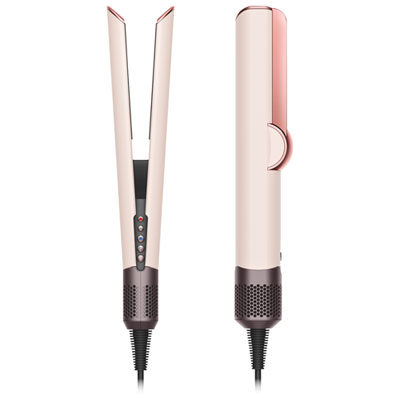 Your price for this item is $699.99
 -
 Your price for this item is $549.99
 -
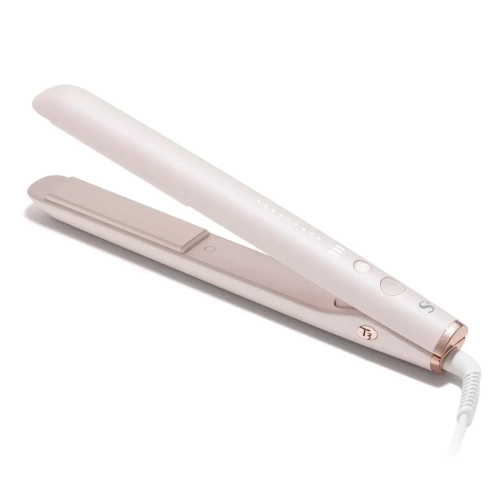 Your price for this item is $249.99
 -
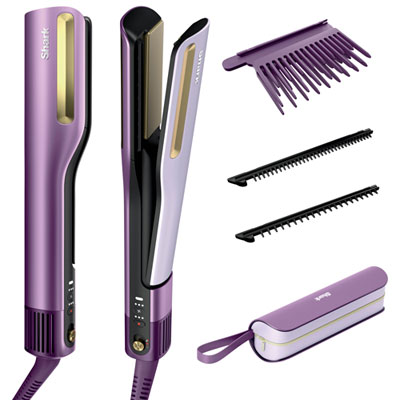 Your price for this item is $349.99
 -
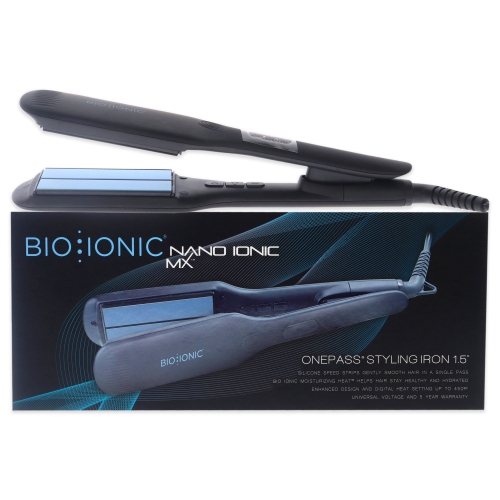 Your price for this item is $283.56
 -
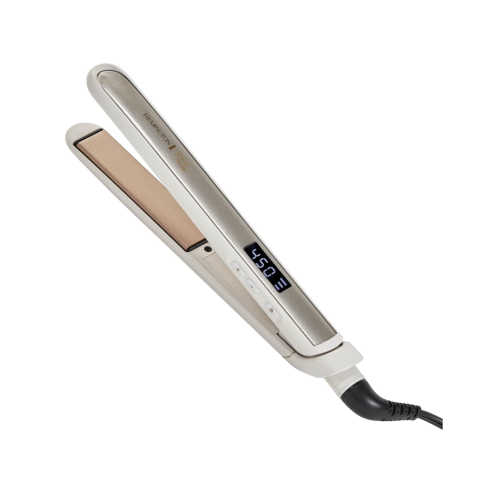 Your price for this item is $53
 -
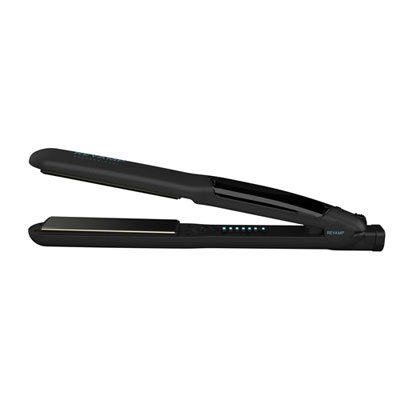 Your price for this item is $139.99
Discover more categories related to Wig Brushes
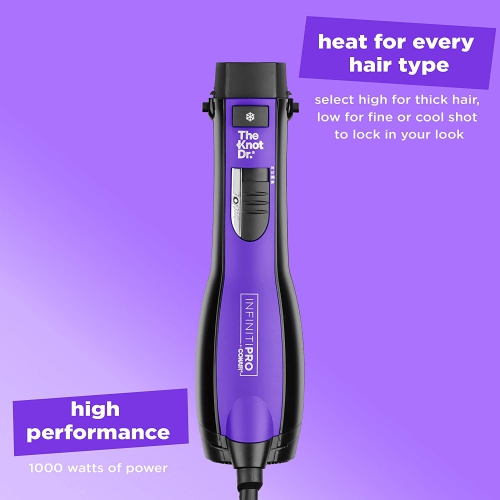
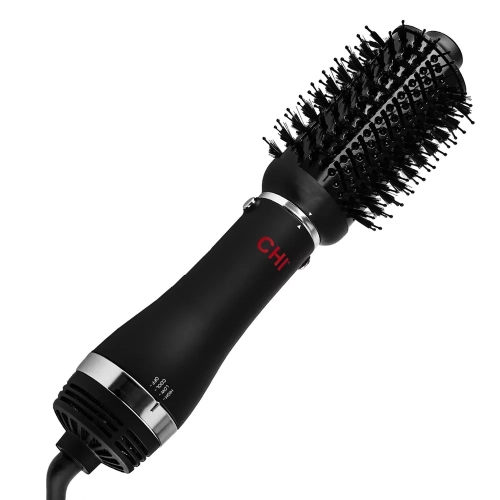
Top Collections:
Pokemon Centers, Kindle Devices, Best Budget Office Chairs, Apple iPhones 16, Best Laptops for Writers, iPhone 15 Apple, Canon G7X Cameras, Refurbished Apple Laptops, Alarm Clock, Motorola Razr Phones
Some products may be subject to Environmental Handling Fees
(EHF) depending on your province.
Learn more about EHFs.