Leather Cellphone Cases
If you're looking for a stylish way to protect your smartphone, look no further than a leather cellphone case. These cases are made from real leather and come in a variety of colors and styles. They offer protection without adding bulk to your phone. Leather cases also look great and can help you make a statement about your personal style. They can even add a touch of elegance to your phone. Here are the suggested products for your cellphone.
Sort
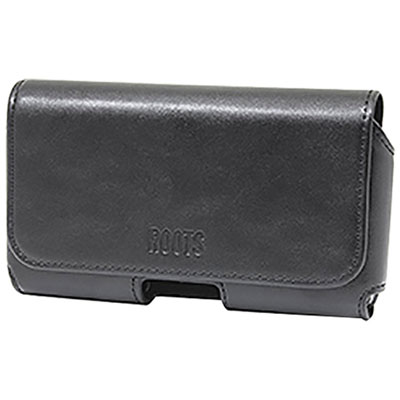


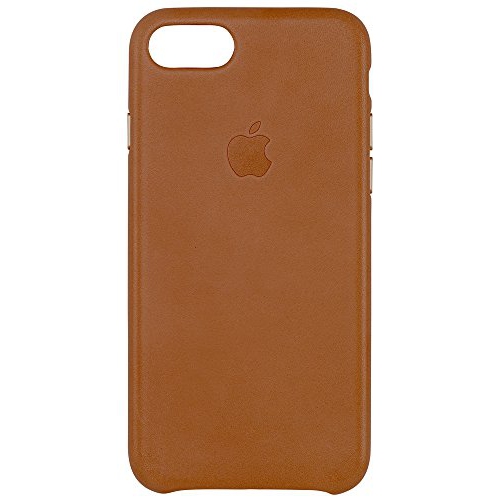

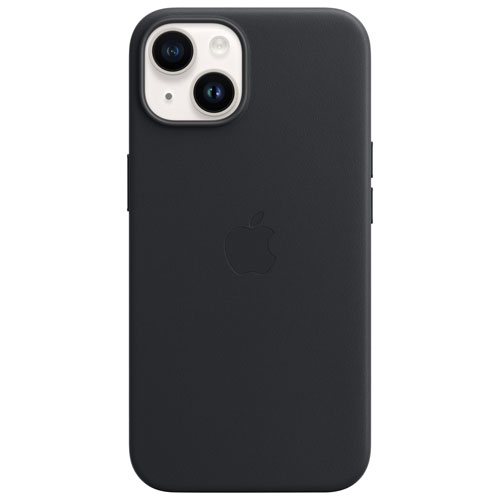














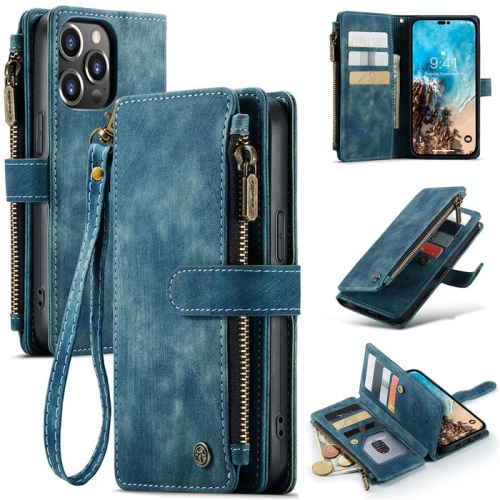


How leather texture and construction shape everyday protection
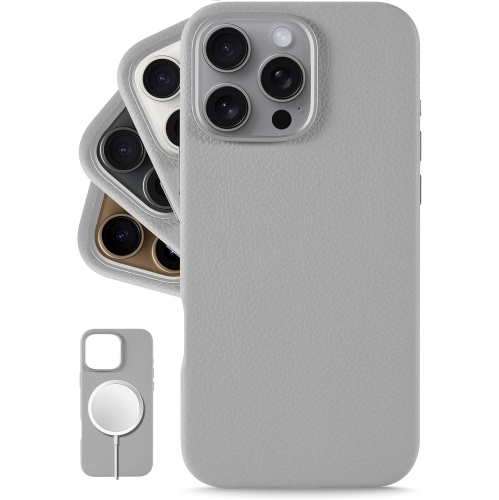
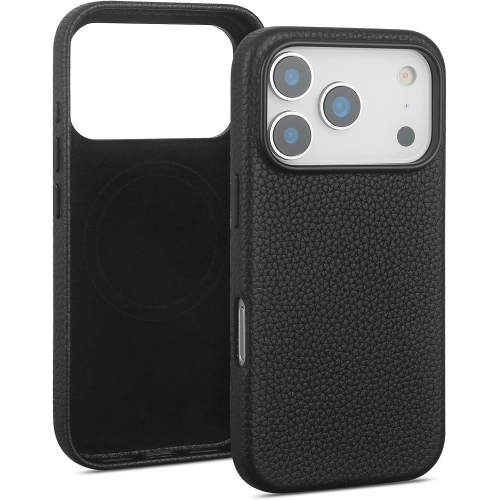
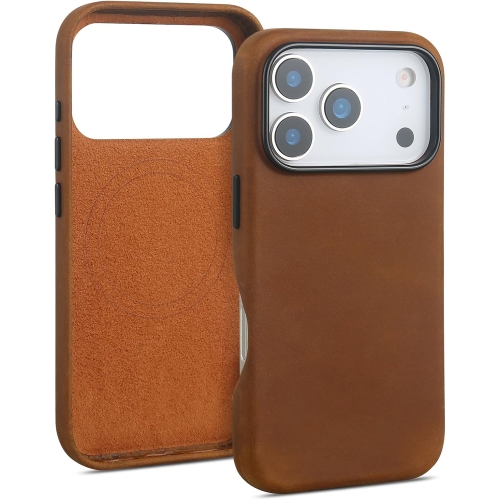
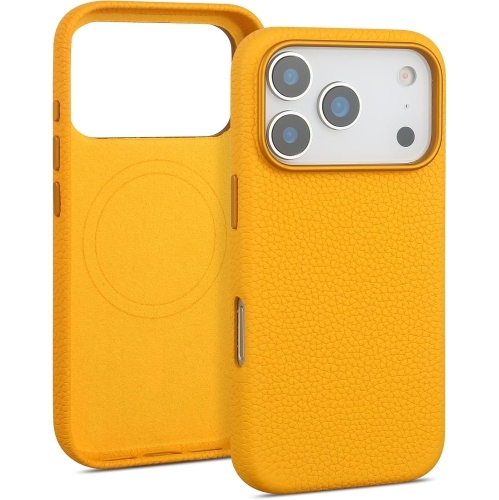
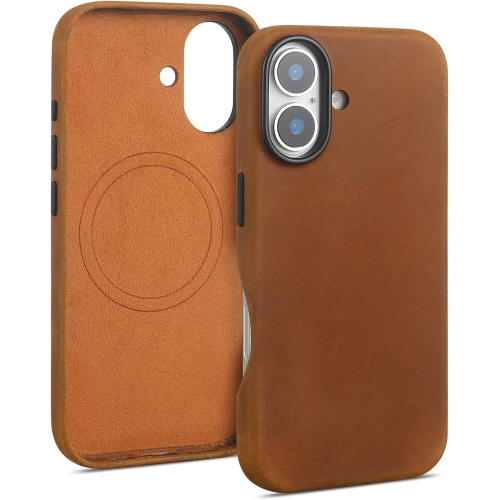
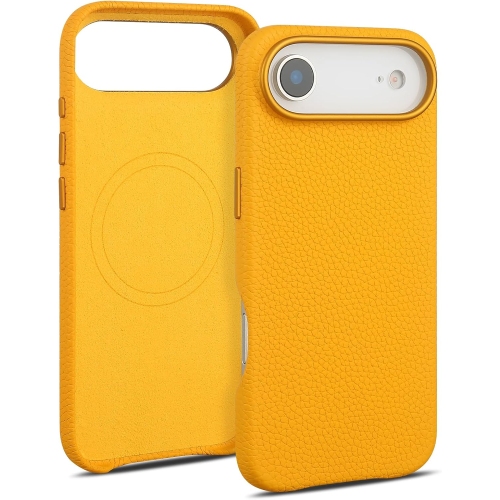
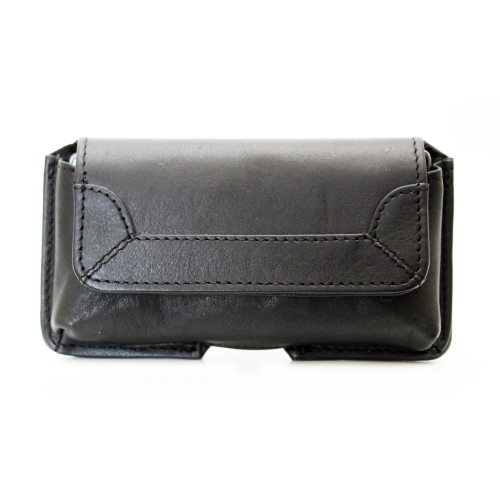
Leather cellphone cases pair a textured outer finish with everyday protection, with designs ranging from slim snap-on covers to folio cases that hold cards and cover the screen. Their appeal is both practical and tactile: leather can feel comfortable in the hand, bring subtle colour and grain to a frequently used device, and develop a patina as it ages. That patina may include a deeper tone, a gentle sheen, and marks from regular handling, although the effect varies with the leather and its finish. Full-grain leather retains the original grain surface and often shows natural variations, while top-grain leather has been refined for a more uniform appearance. A description of “genuine leather” identifies real leather but does not, by itself, establish its grade, thickness, or construction quality. Bonded leather contains leather fibres joined with binding materials, while faux leather uses a manufactured surface to create a leather-like look. These differences matter when comparing texture, care requirements, and how a case may wear over time. Smooth finishes have a clean, understated appearance; pebbled textures give the surface a more pronounced grain and may make small marks less noticeable. Black, brown, and tan are familiar choices for work and everyday use, while other colours can make a phone easier to spot inside a bag. The visible leather is only part of the construction, however. Many cases combine a leather exterior with a rigid shell or flexible bumper that holds the phone in place. A soft inner lining can help limit rubbing against the back of the device, provided grit does not collect inside. Neat stitching, securely finished edges, and firmly attached closures are useful details to assess alongside the material description. For someone who enjoys the character of a well-used wallet or notebook cover, natural variation may be part of the attraction; someone who prefers a consistently uniform finish may favour a more heavily finished surface.
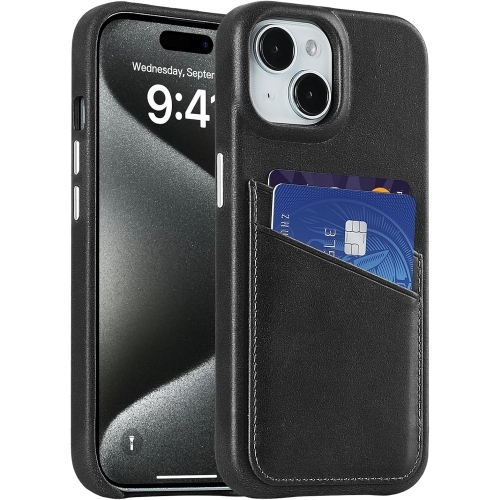
Fit is the most important starting point for a leather phone case, because similar-looking phones can have different dimensions, camera layouts, and button positions. Compatibility should match the exact model and size rather than simply the device family or screen measurement. A properly fitted case leaves charging ports, microphones, and speakers accessible without forcing the phone into place or interfering with normal operation. Button covers should respond without excessive pressure, and camera openings should leave the lenses and flash unobstructed. For model-focused browsing, leather iPhone cases offer a narrower starting point, though exact device compatibility still matters. The preferred shape depends on how the phone is carried and used. A slim back cover keeps the screen immediately accessible for checking messages, taking photos, or tapping a transit app, and generally adds less bulk than a wallet-style design. A folio wraps around the front as well as the back, helping shield the display from direct contact with nearby objects while the cover is closed. Some folios fold into a stand for video calls or watching content at a desk; the supported viewing positions depend on the design. Wallet cases can hold a few frequently used cards, making them convenient for a quick errand when a separate wallet feels unnecessary. Card capacity should follow the stated limit, since overfilling pockets can strain seams, distort the cover, or prevent the closure from sitting flat. Detachable wallet designs separate the phone shell from the card section, which can be useful when taking a call or placing the phone in a mount. Wireless charging and magnetic attachment need particular attention: a leather exterior alone does not establish compatibility with either feature. Case thickness, built-in components, and stored cards can affect performance. Check the stated charging and accessory support, and remove cards or detach the wallet section before charging when directed by the case or charger instructions.
Durability depends on the complete case design, not just the presence of leather. Reinforced corners, a secure shell, and raised edges around the screen and camera can contribute to everyday protection, but their effectiveness varies with construction and the circumstances of an impact. Raised edges may help keep glass from touching a flat tabletop; they cannot prevent every scratch or protect against every uneven surface. A leather finish should not be taken as proof of tested drop protection, and any stated test rating applies to the particular case rather than the material as a whole. For a phone that spends much of its day moving between a desk, a handbag, and a jacket pocket, a fitted leather cover may provide a comfortable balance of coverage and manageable bulk. More demanding use may call for a reinforced design with clearly stated protective features. Care is usually straightforward but should follow the instructions for the specific finish. Routine dust can often be removed with a soft, dry cloth, while spills should be blotted promptly rather than rubbed into the surface. Soaking, abrasive cleaners, and direct heat can damage leather or the adhesives and layers underneath it. A leather conditioner is not suitable for every case, particularly those with coated finishes, so use one only when the care instructions allow it. Periodically removing the phone and clearing loose debris from the shell helps prevent trapped particles from rubbing against the device. Keeping the case away from keys and other sharp objects can also limit avoidable scuffs. Leather cellphone cases can make thoughtful gifts for commuters, students, professionals, or anyone who appreciates a coordinated set of everyday accessories. Knowing the recipient’s exact phone model is essential, and noticing whether they carry cards with their phone or prefer a slim pocket profile helps narrow the style. The most useful choice brings together a finish they enjoy, a comfortable grip, dependable access to phone functions, and a level of coverage suited to their daily routine.
Top selling and popular products
-
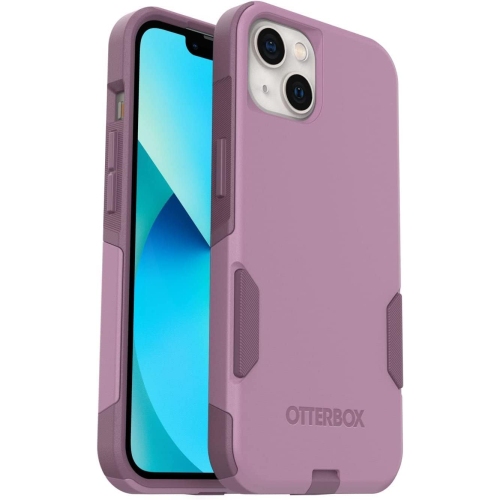 Your price for this item is $83
-
 Your price for this item is $39.99
-
 Your price for this item is $49.99
-
 Your price for this item is $59.99
-
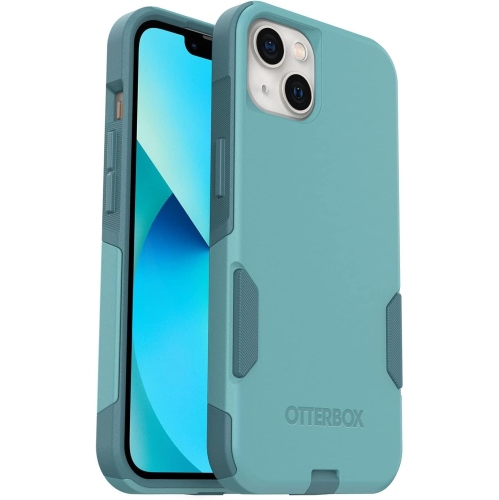 Your price for this item is $76
-
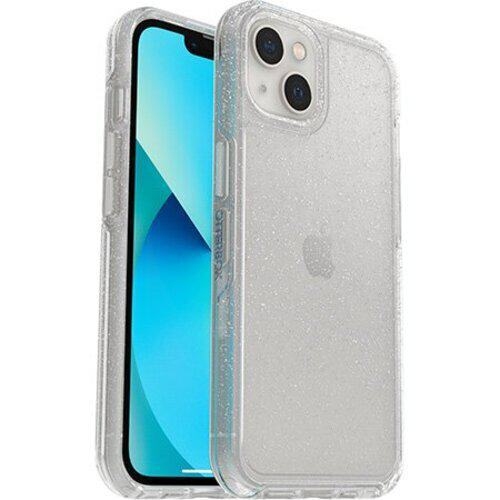 Your price for this item is $49.99
-
 Your price for this item is $54.99
-
 Your price for this item is $59.99
Discover more categories related to Leather Cellphone Cases
Top Collections:
Pokemon Centers, Kindle Devices, Best Cameras for Sports Photography, Pokémon 30th Celebration Cards, Apple iPhones 16, Canon G7X Cameras, iPhone 15 Apple, Flip Phones, Samsung Galaxy Phones, Alarm Clock
Some products may be subject to Environmental Handling Fees
(EHF) depending on your province.
Learn more about EHFs.