Portable Solar Chargers for Camping
Whether you're embarking on a thrilling camping adventure or simply looking to stay connected while enjoying the great outdoors, these portable solar chargers are an absolute game-changer. Harnessing the power of the sun, these innovative devices offer a reliable and eco-friendly way to keep your essential gadgets charged up and ready for use. With their lightweight and compact designs, portable solar chargers are perfect companions for campers, hikers, and outdoor enthusiasts seeking a convenient power source on the go. Say goodbye to worrying about running out of battery and hello to uninterrupted adventures with a portable solar charger for camping.
Sort
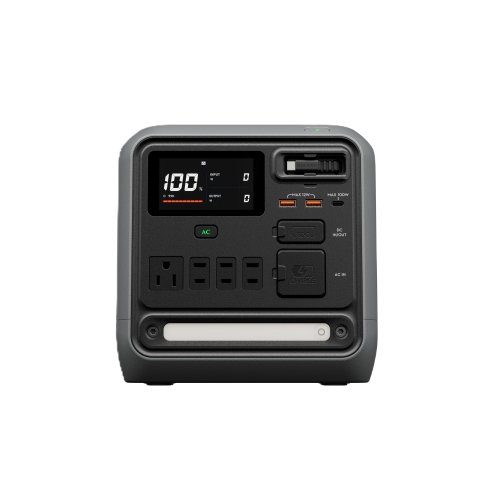
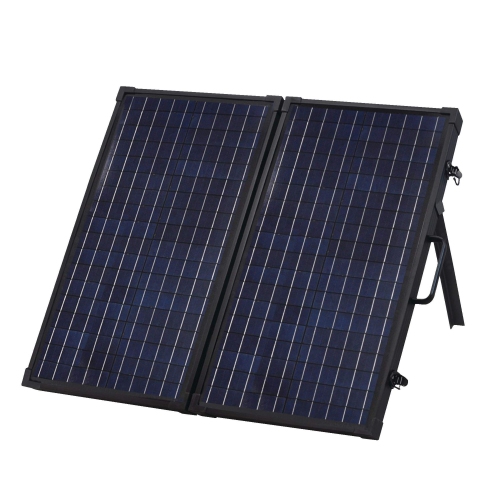
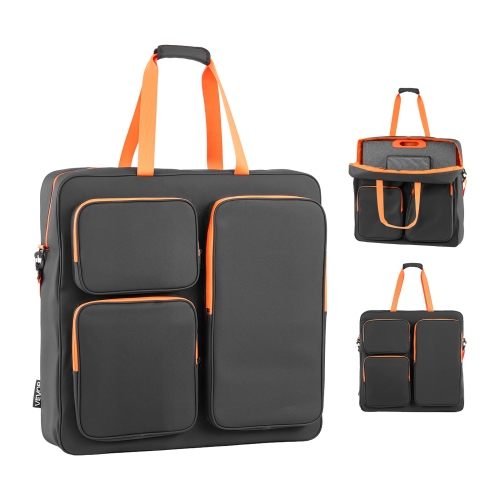
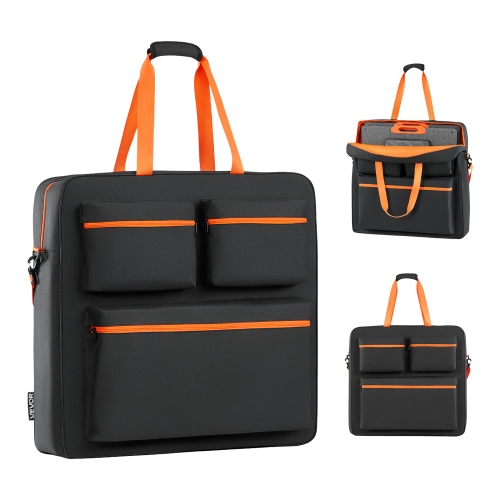
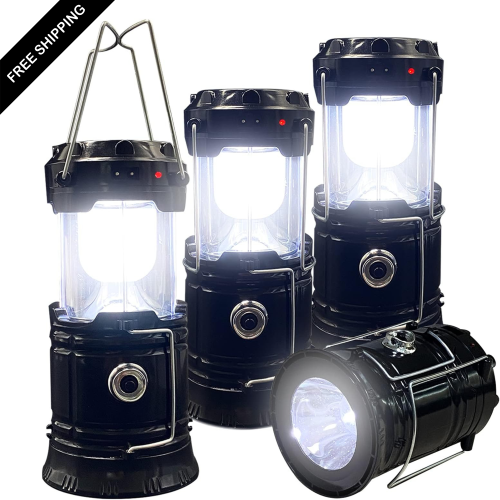
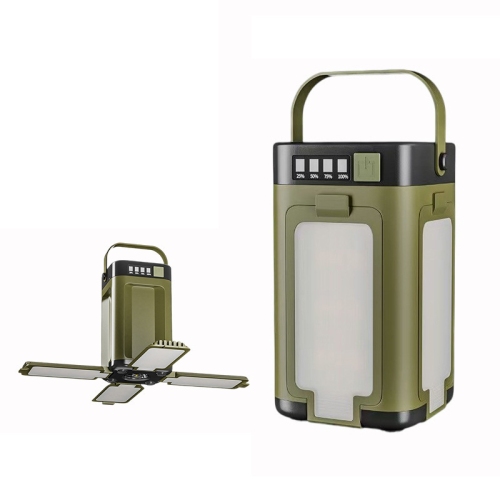
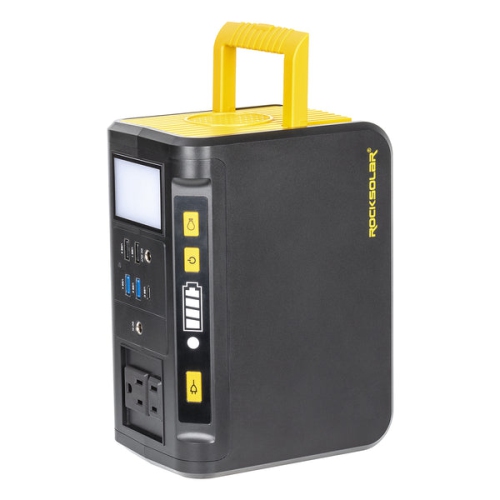
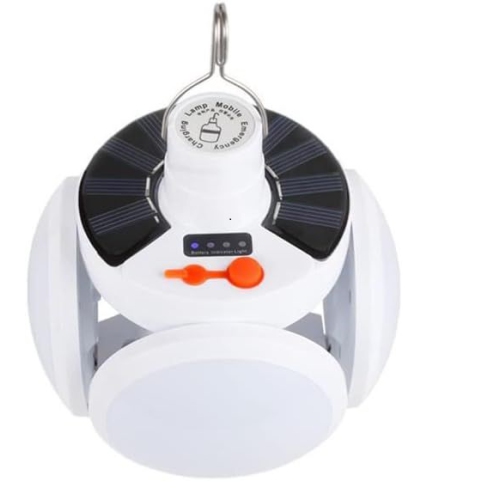
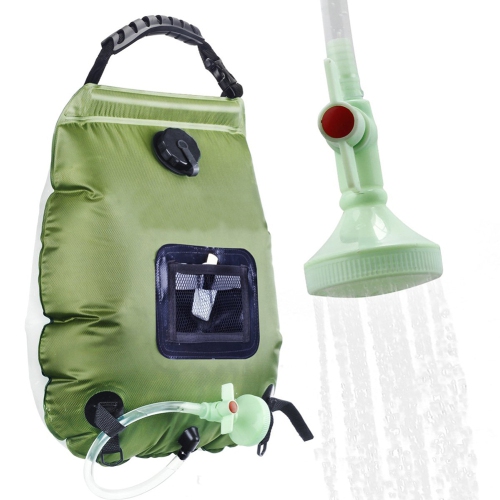
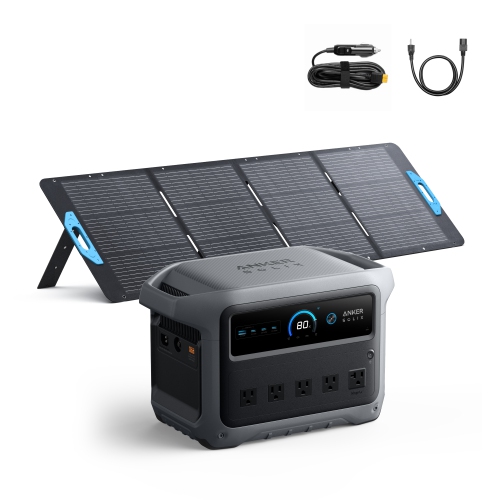
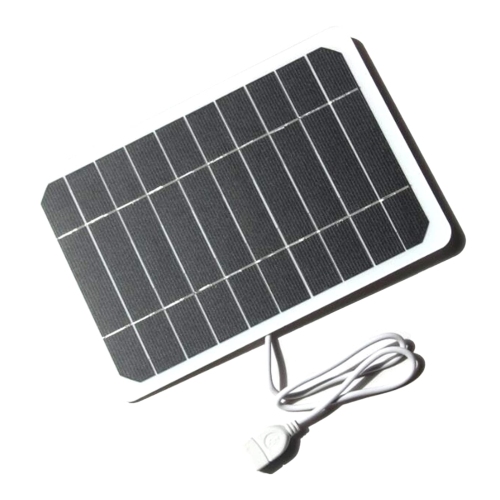
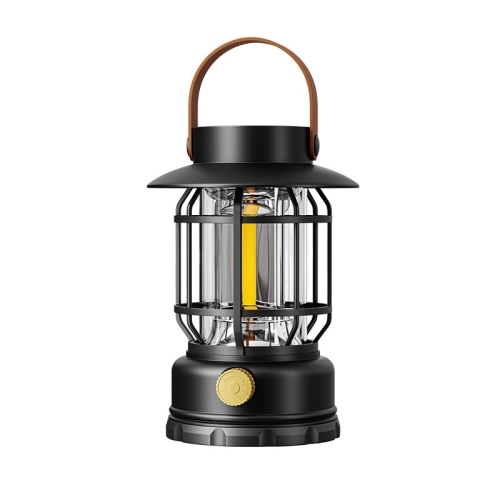
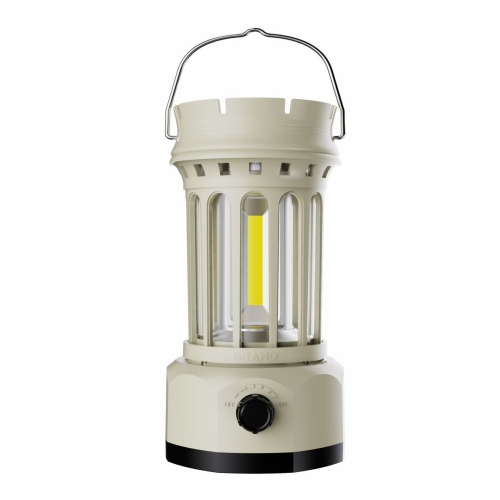
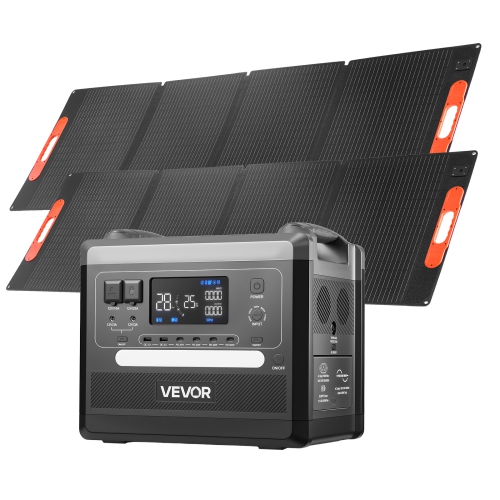
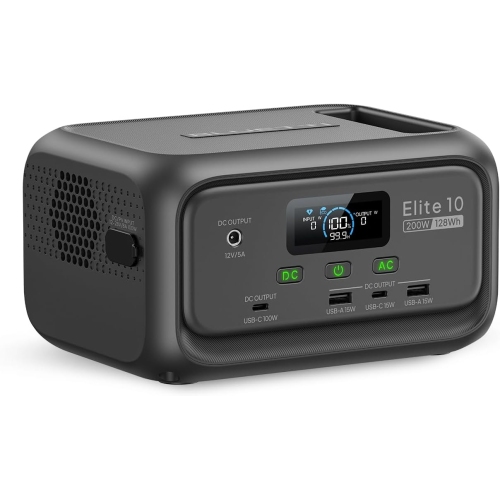
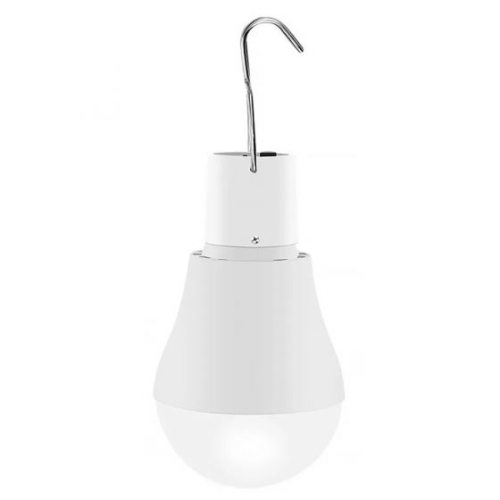

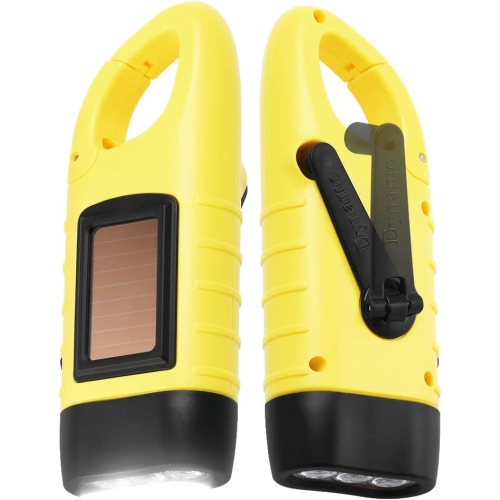
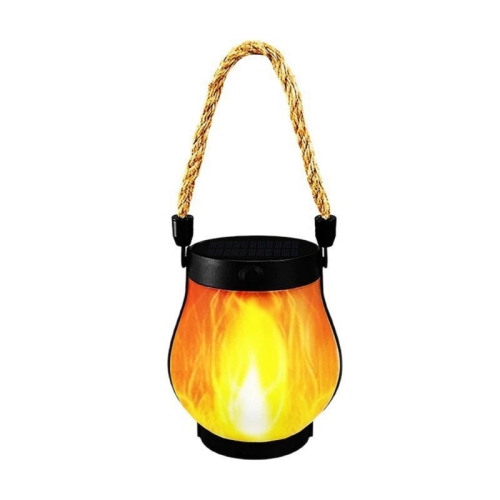
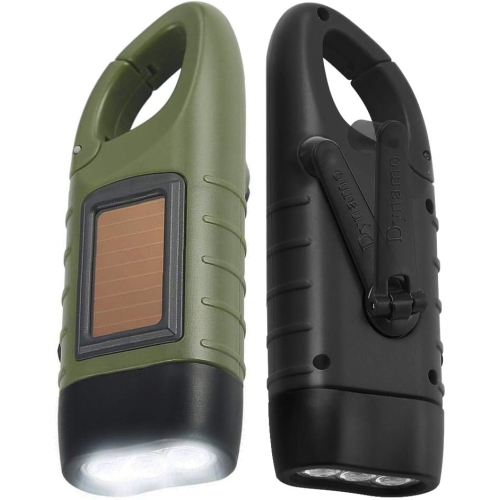
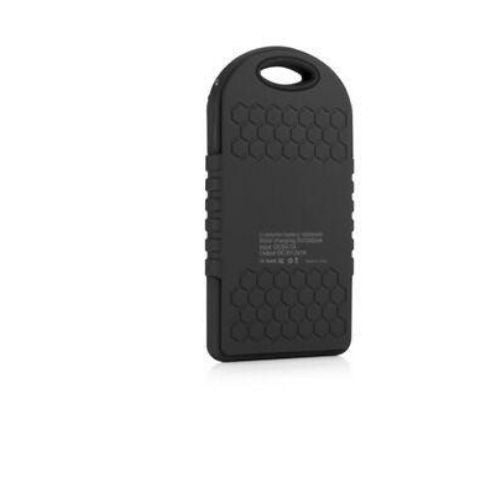
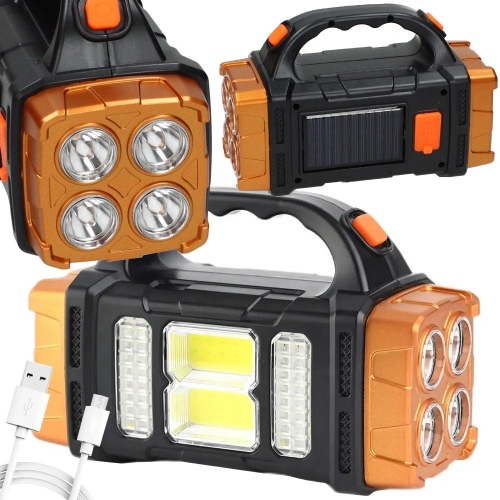
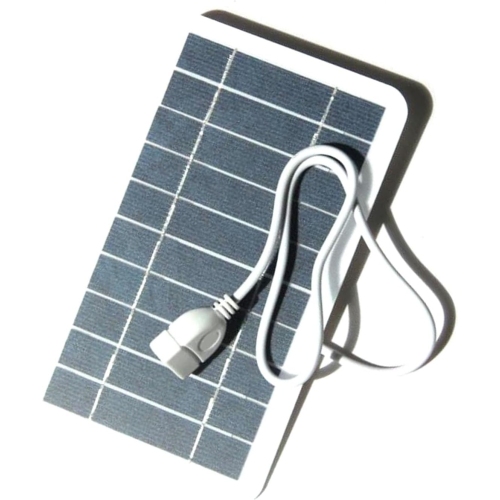
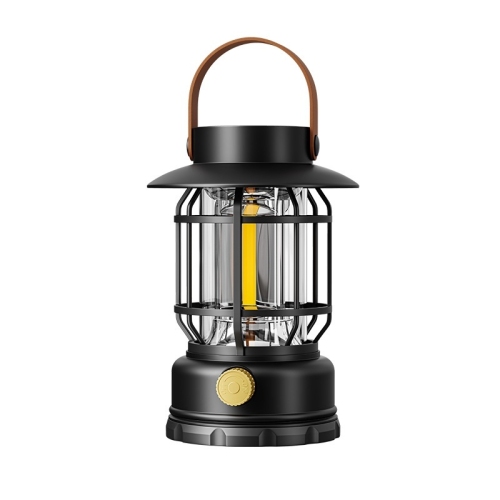
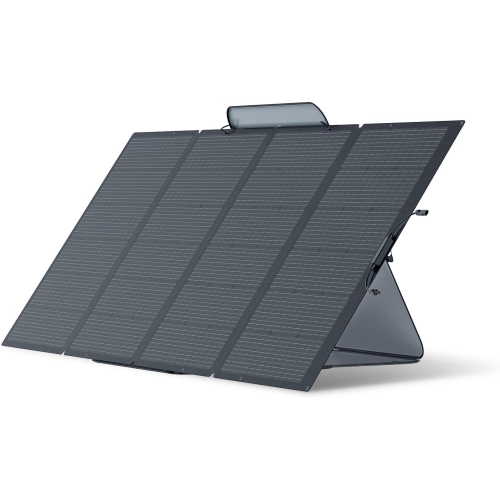
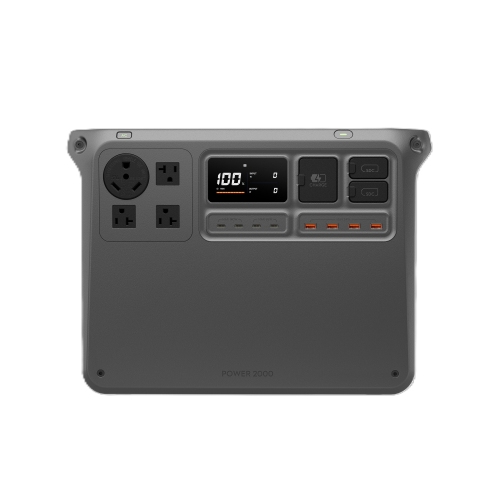
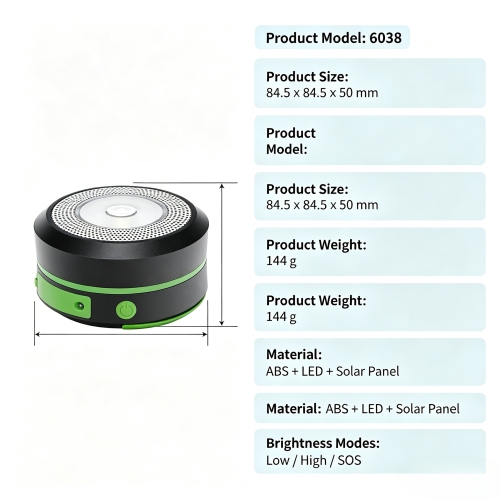
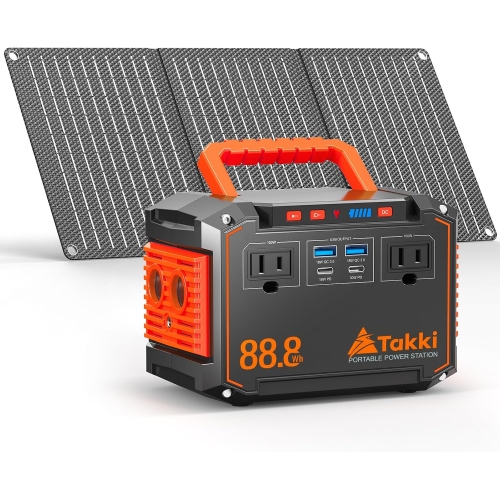
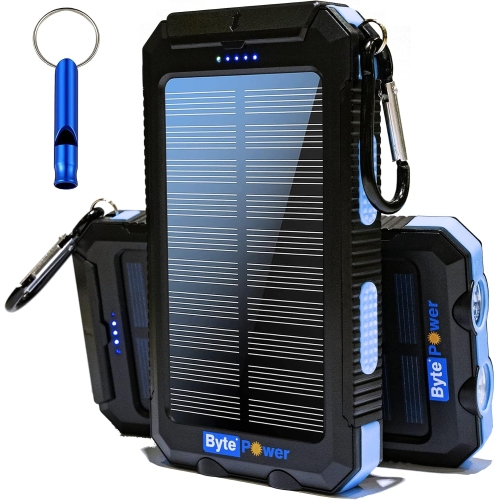
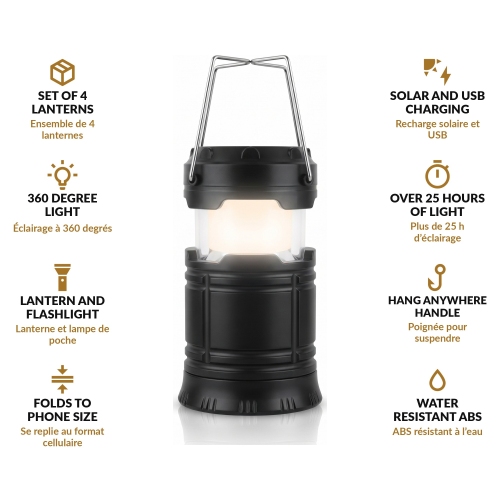
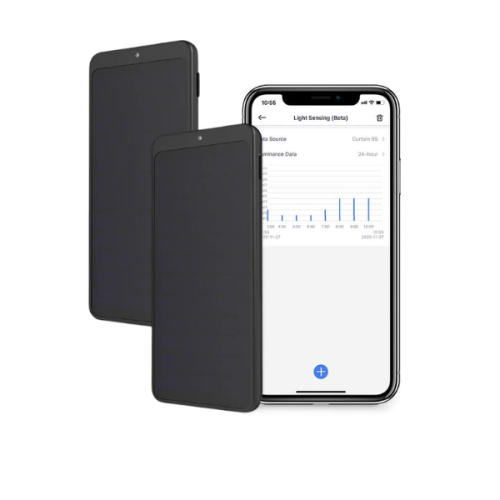
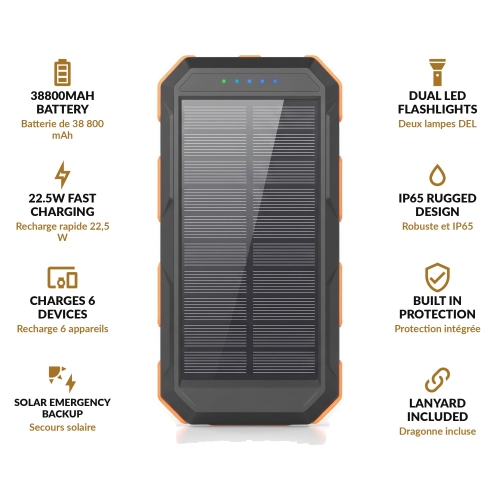
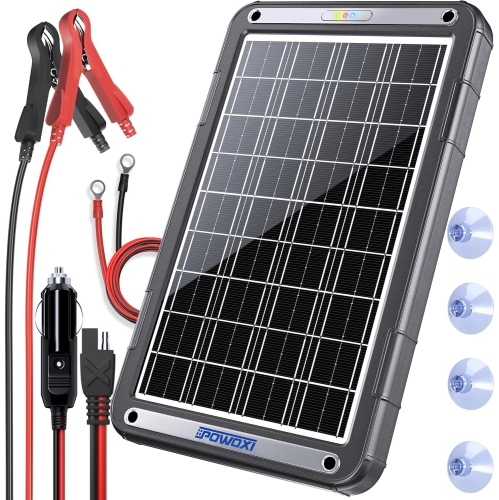
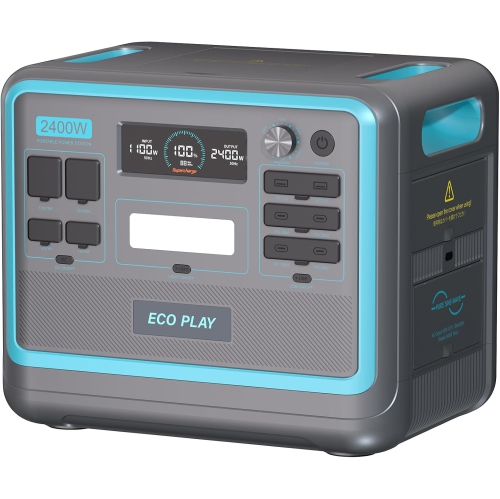
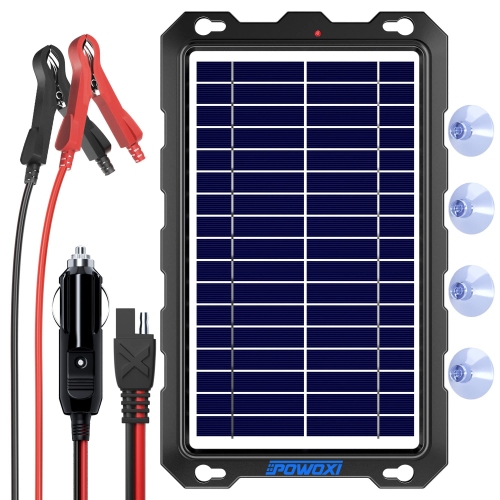
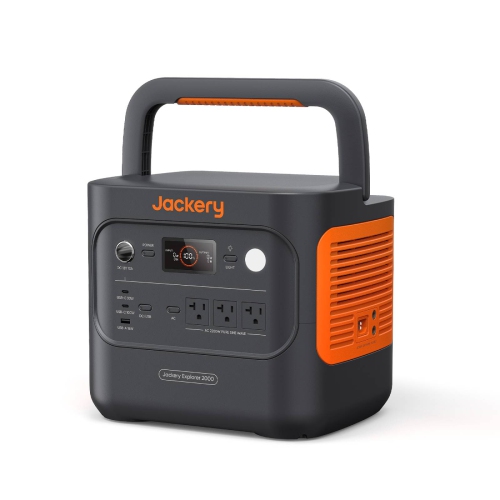
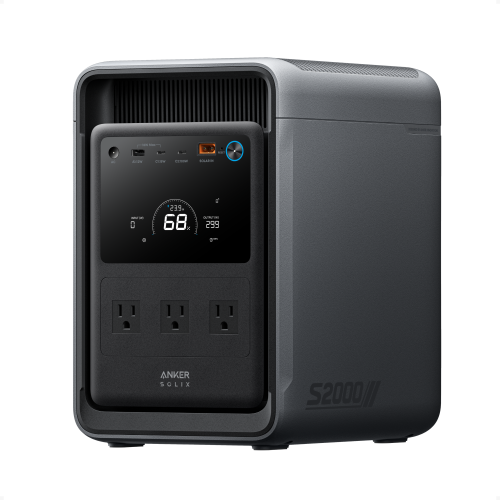
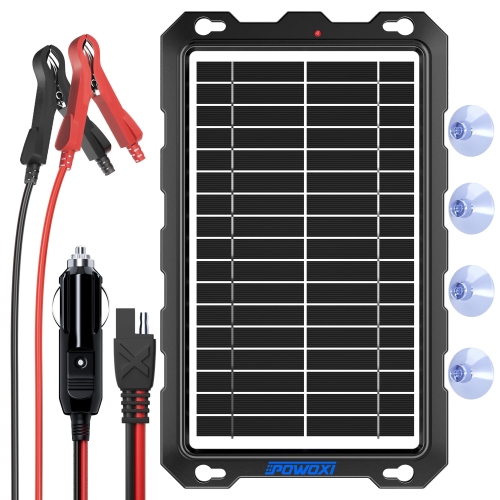
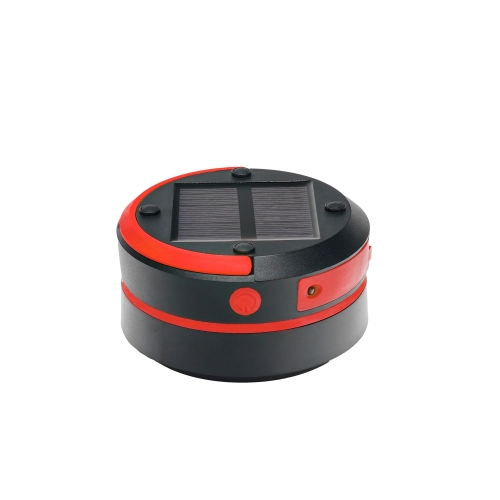
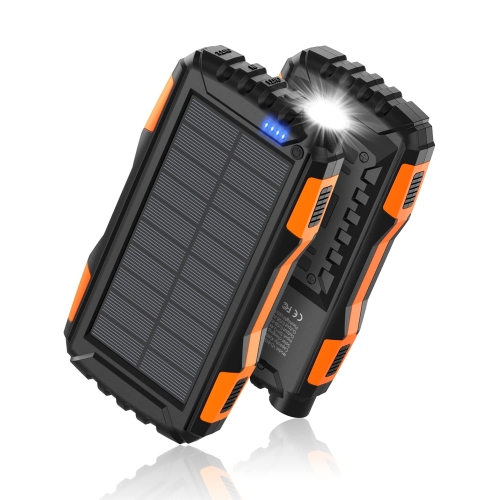
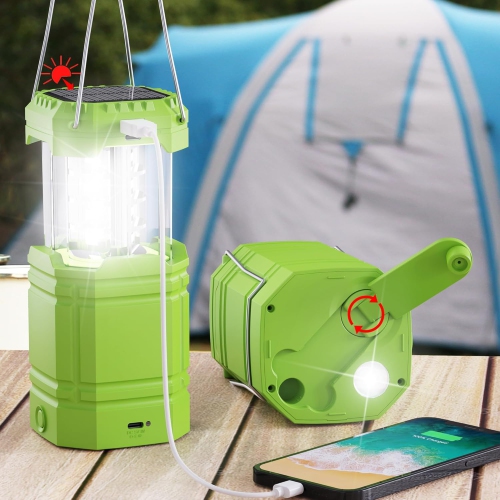
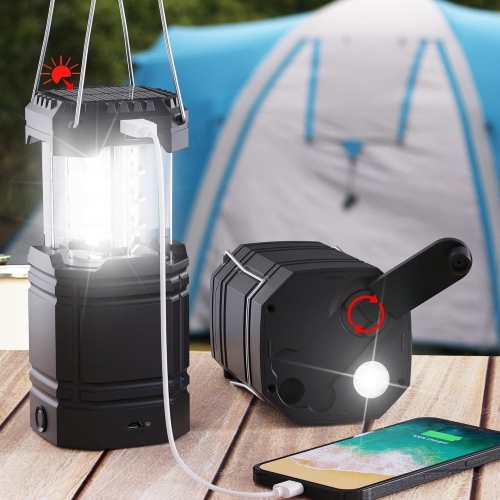

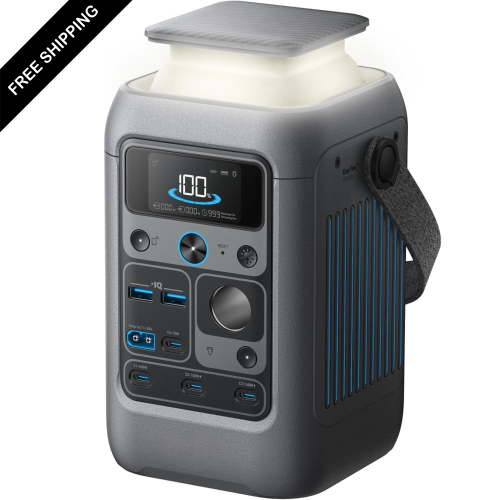
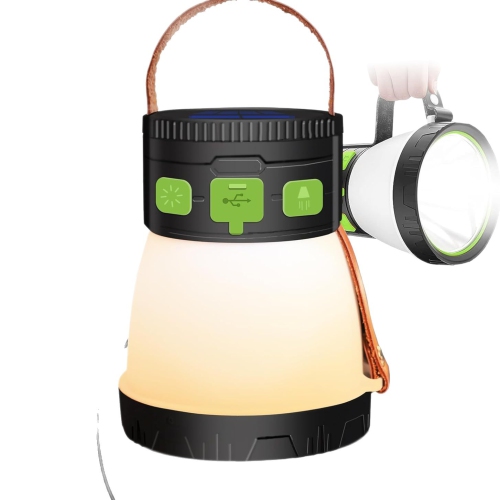
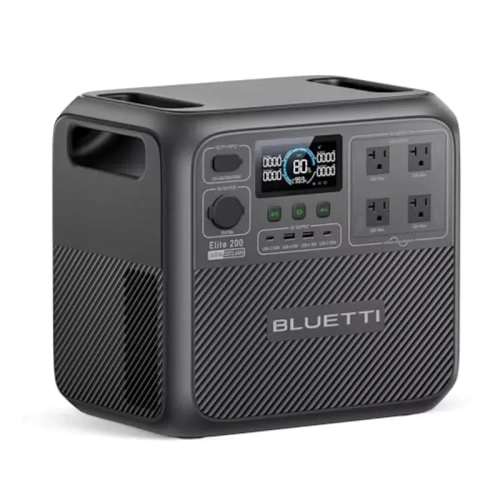
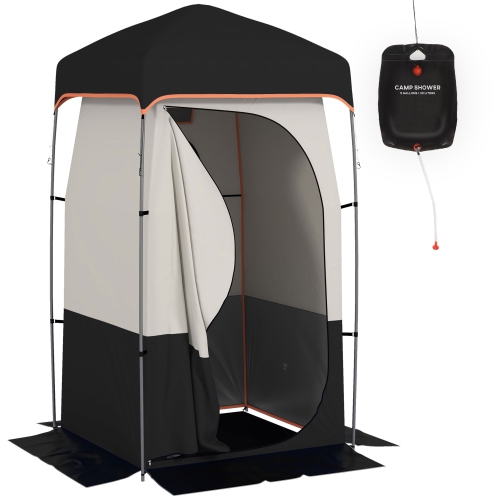

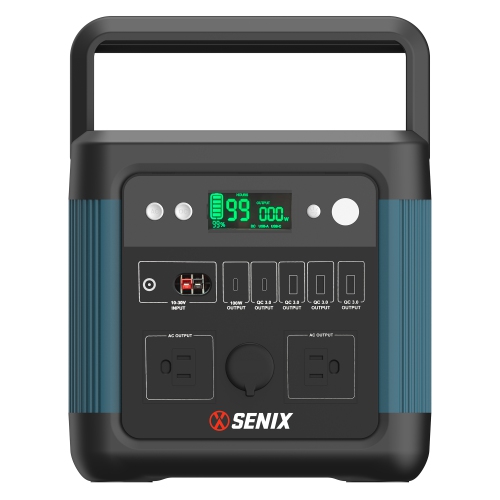
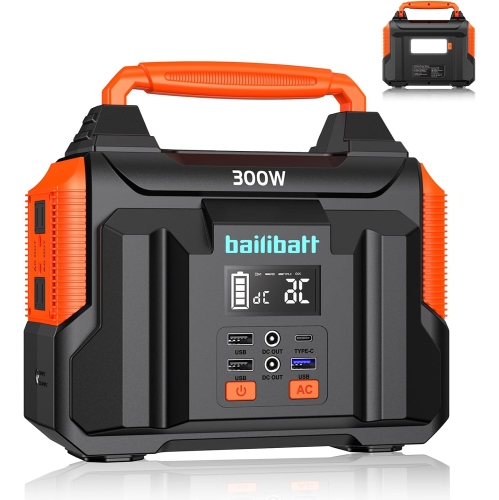
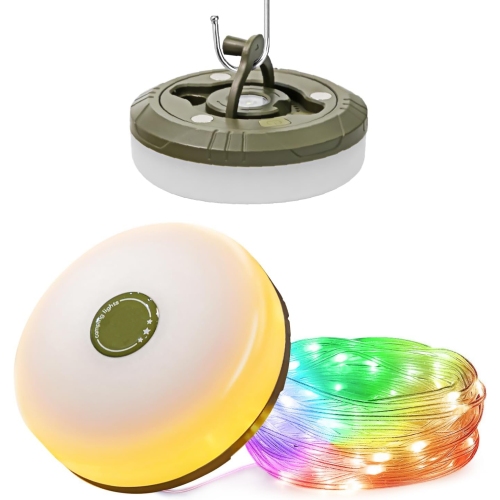
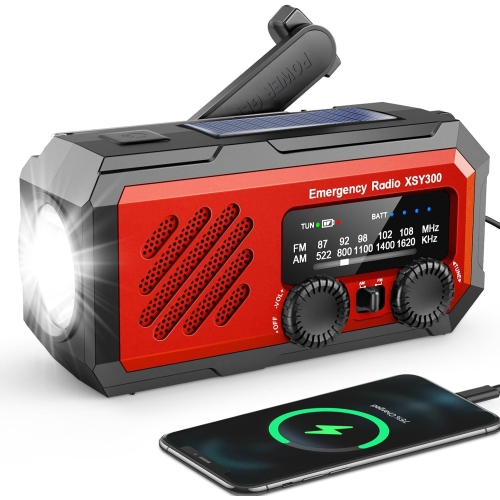
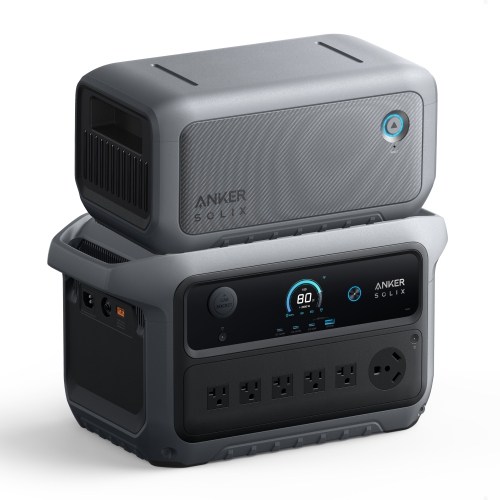
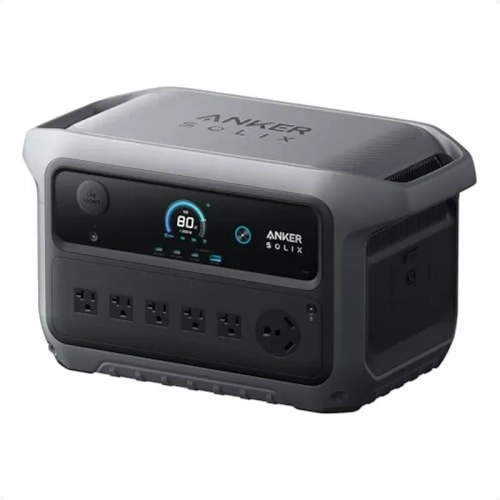
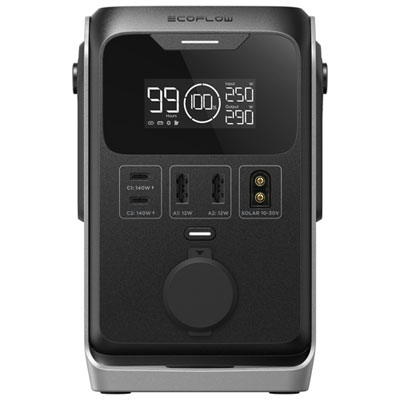
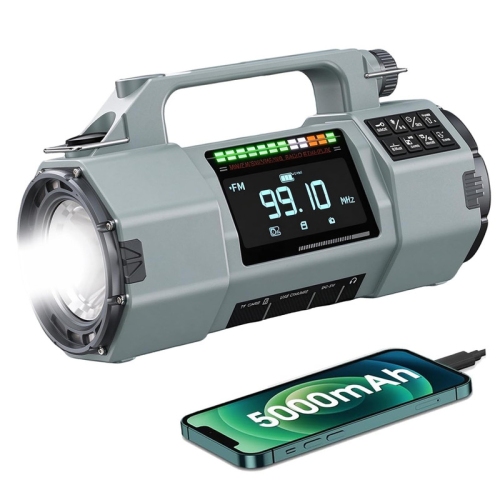

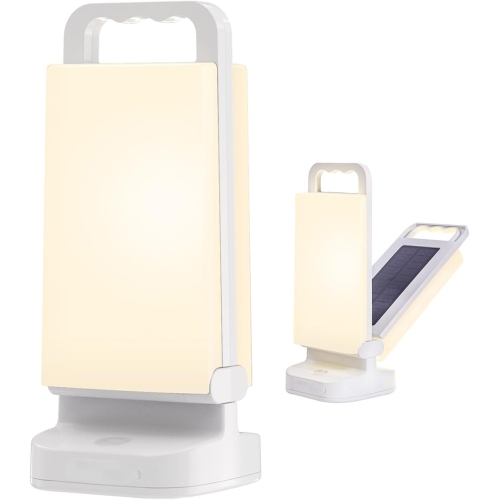

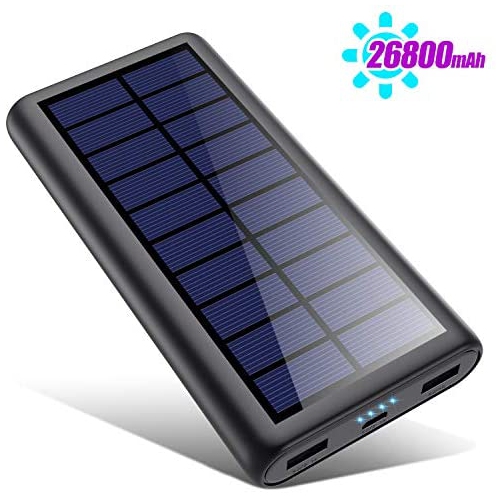
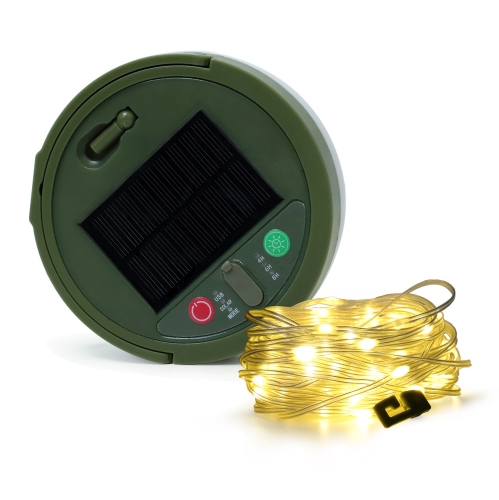
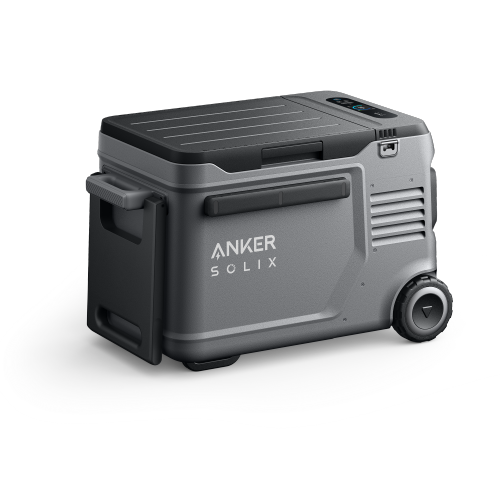
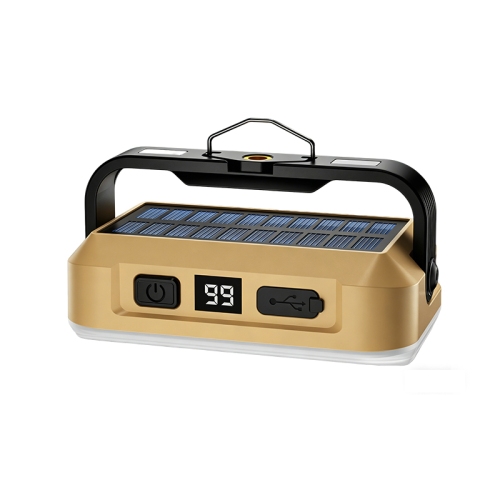
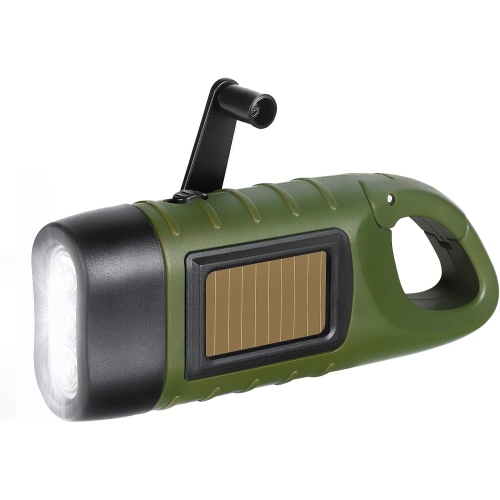
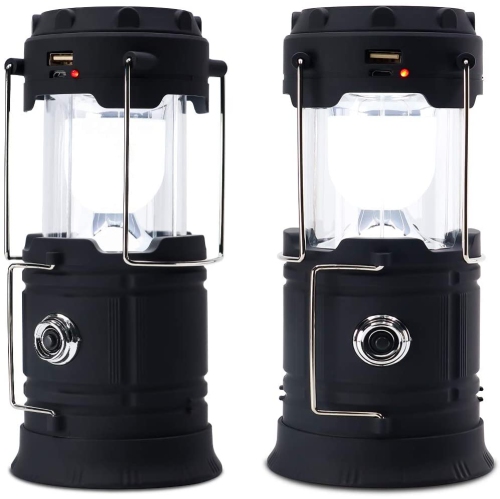
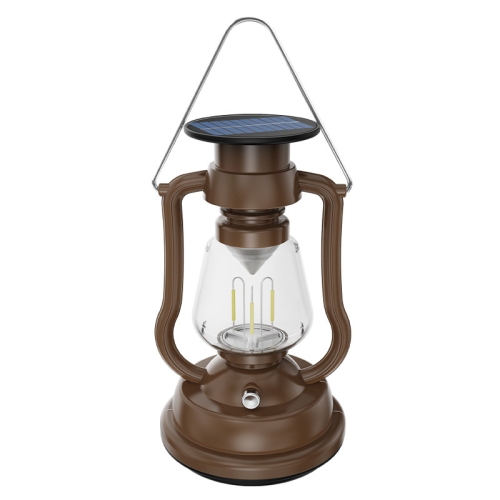
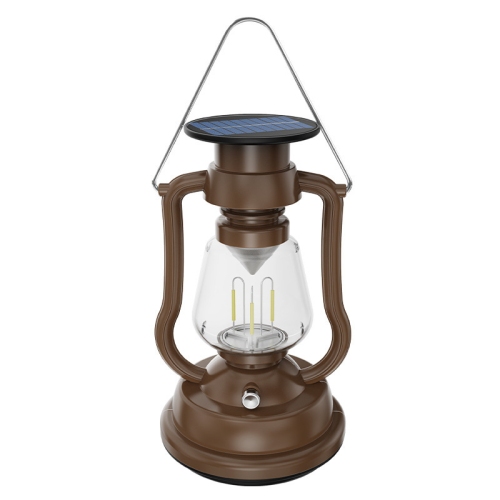
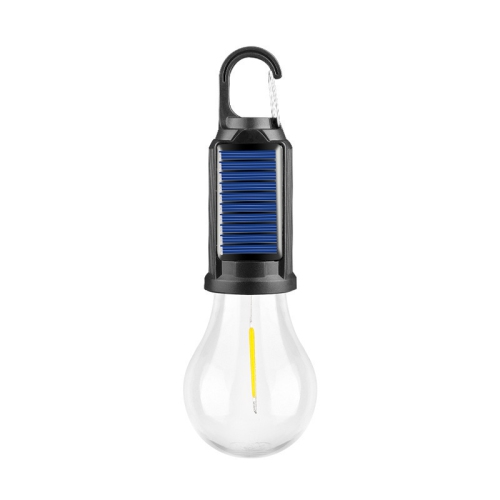
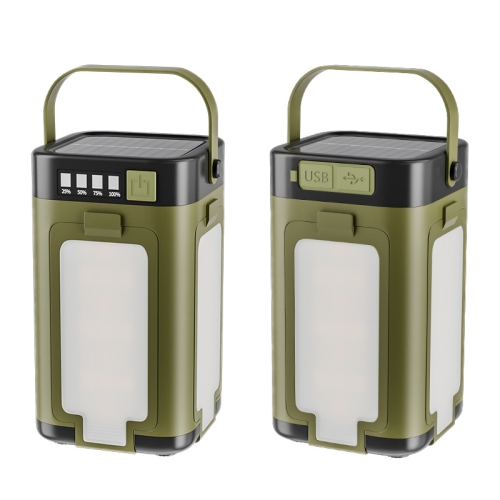
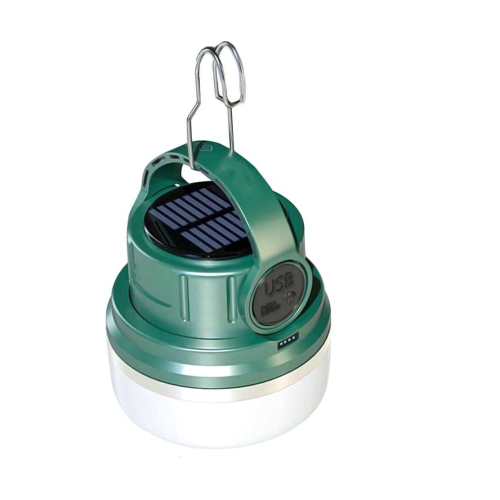
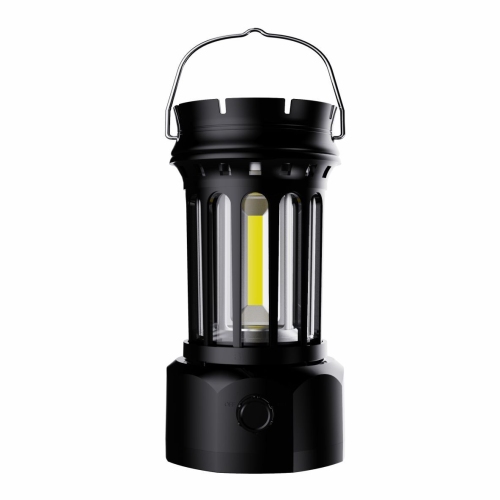

Campsite power depends on more than sunshine
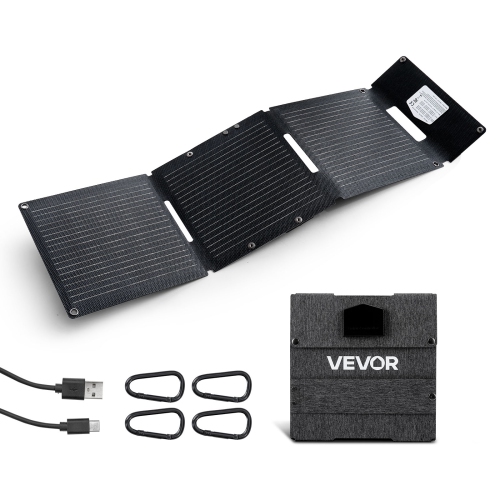
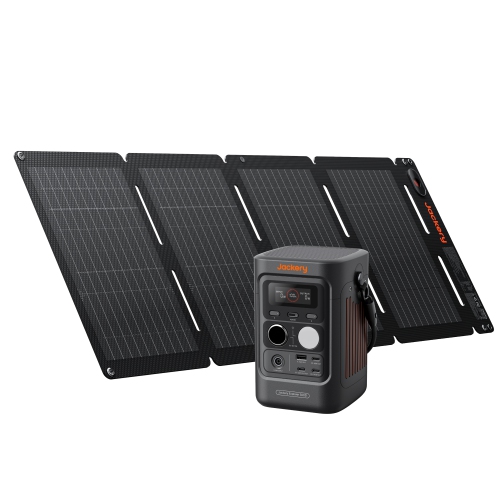
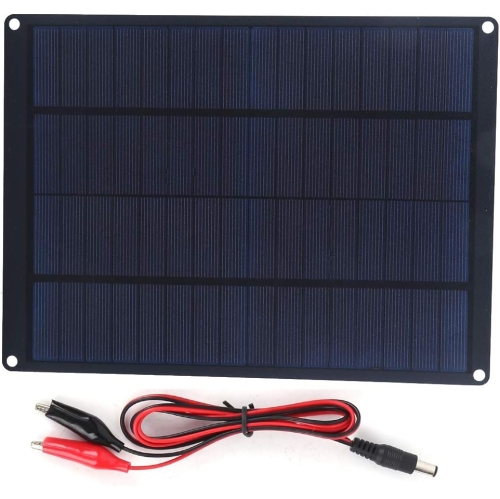
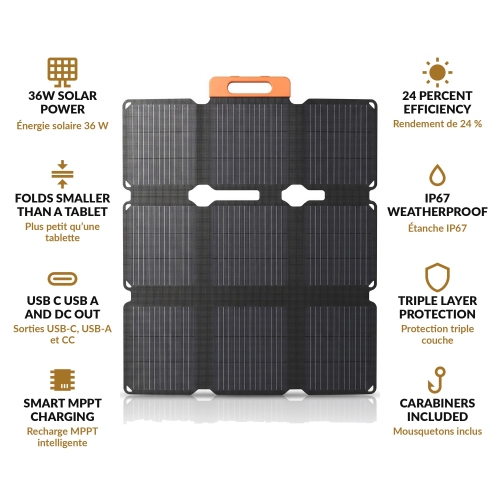
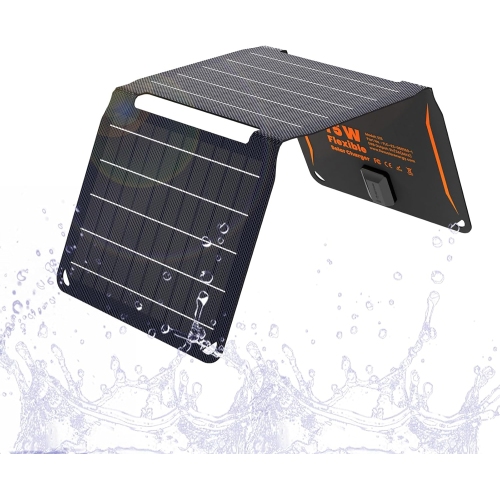
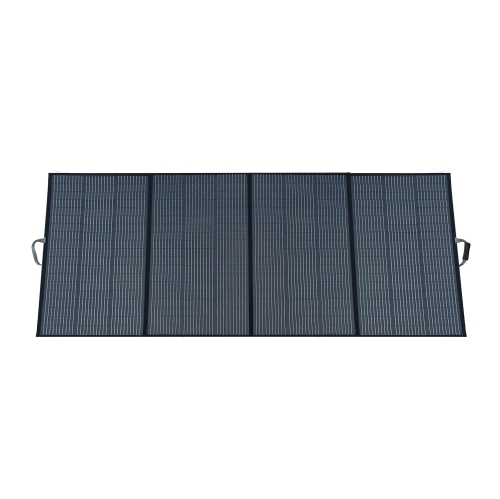
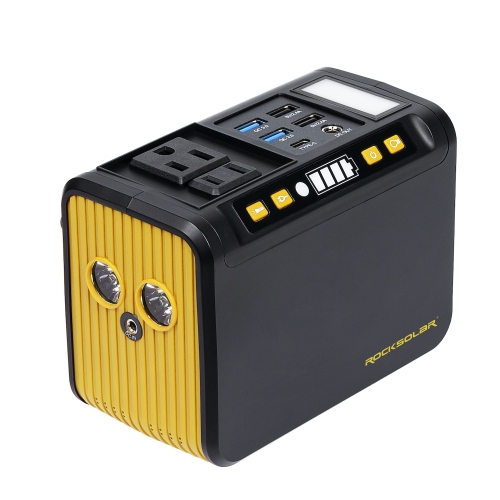
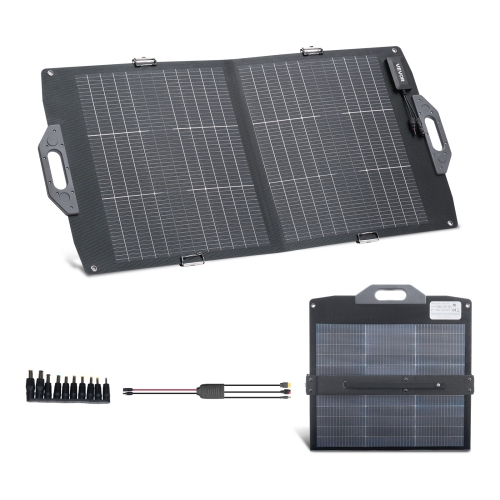
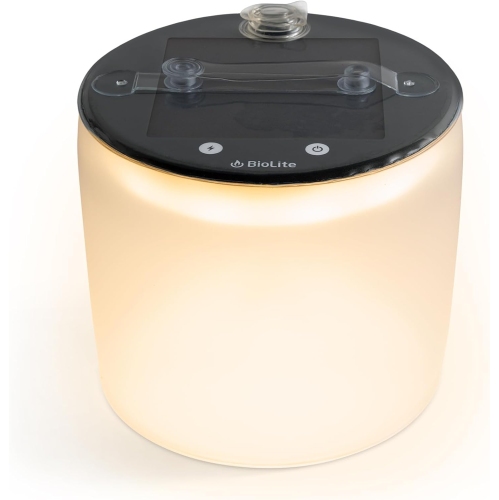
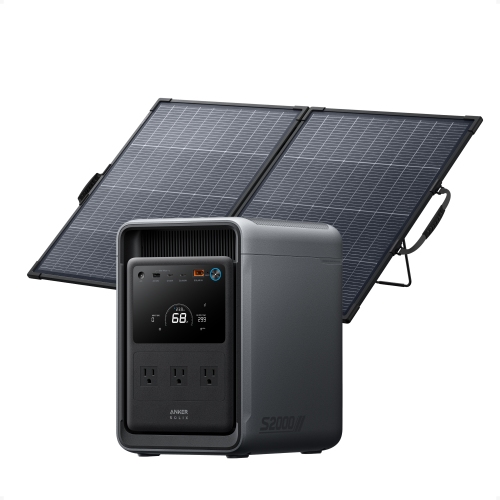
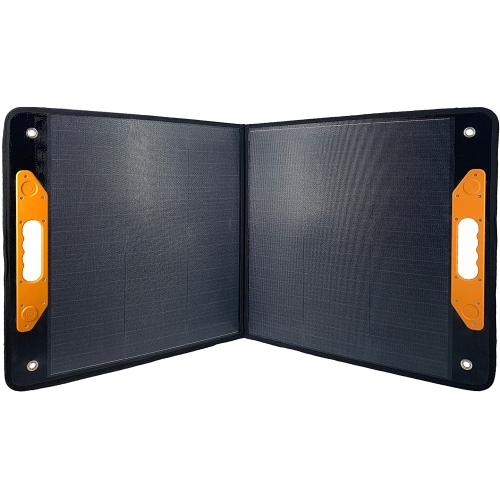
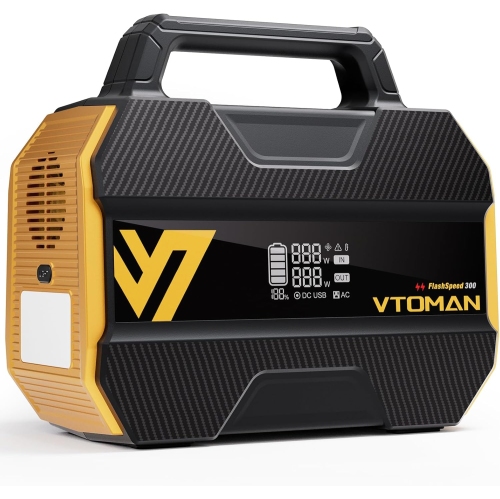
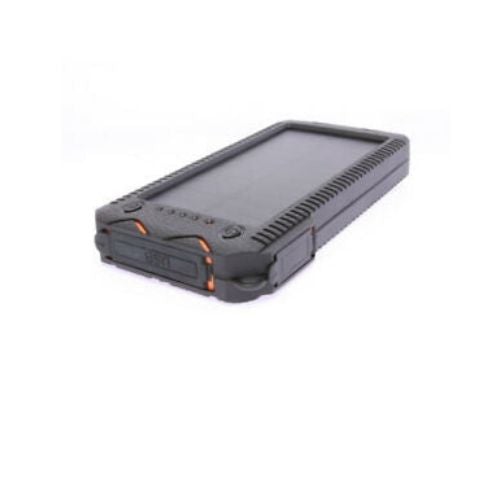
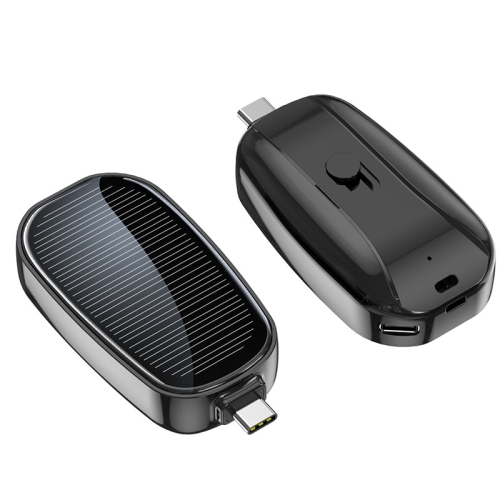
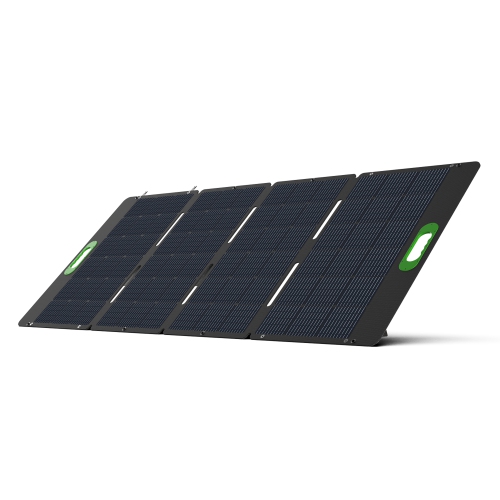
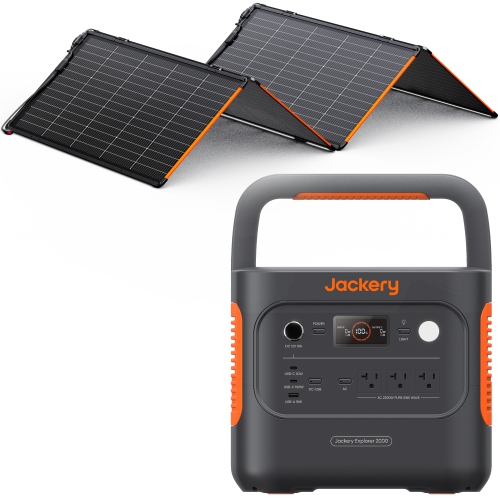
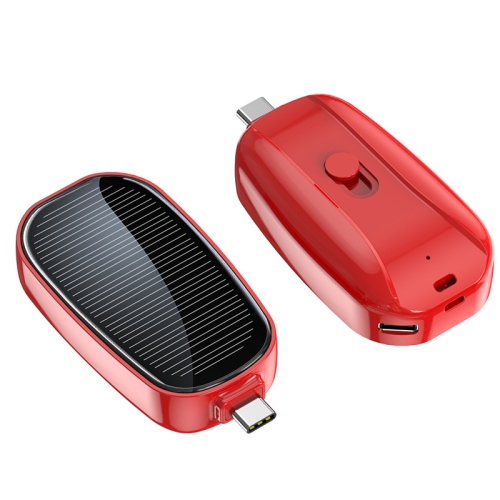
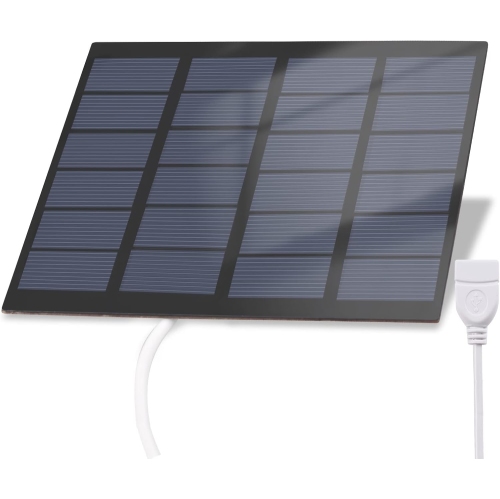
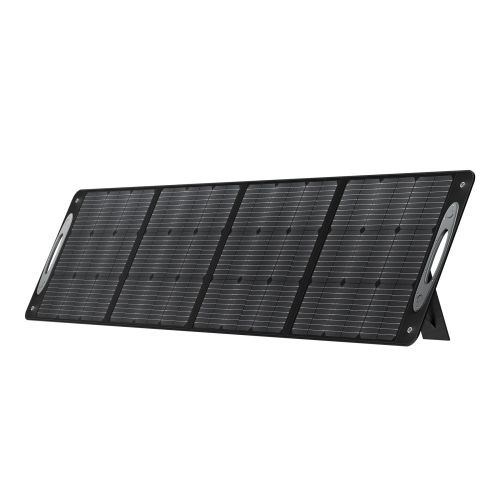
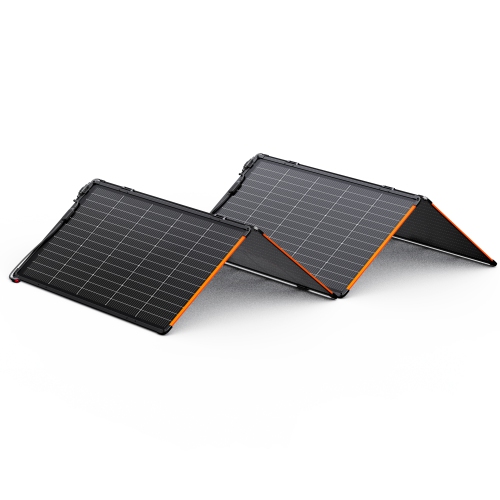
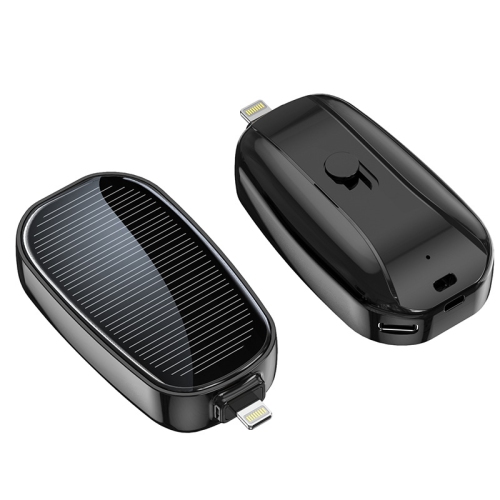
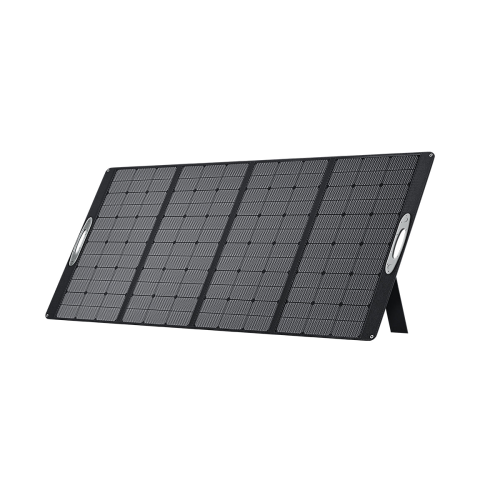
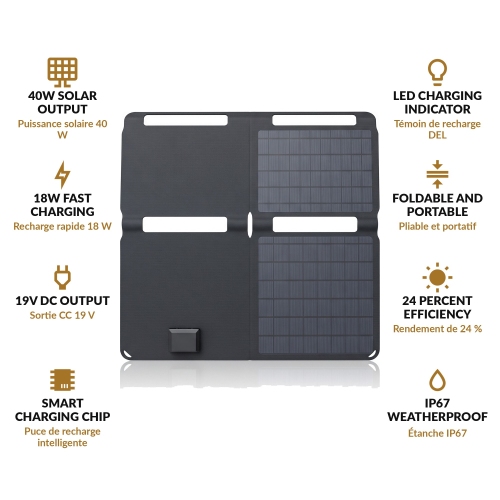
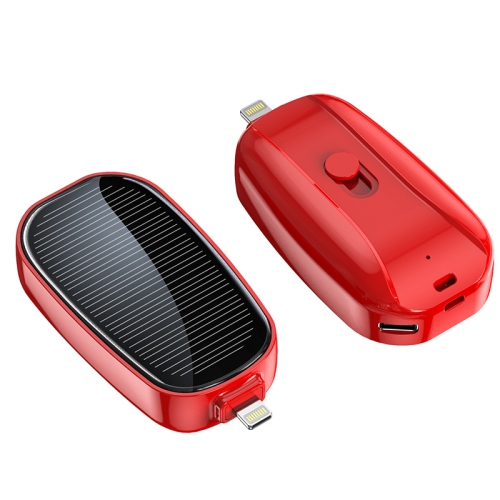
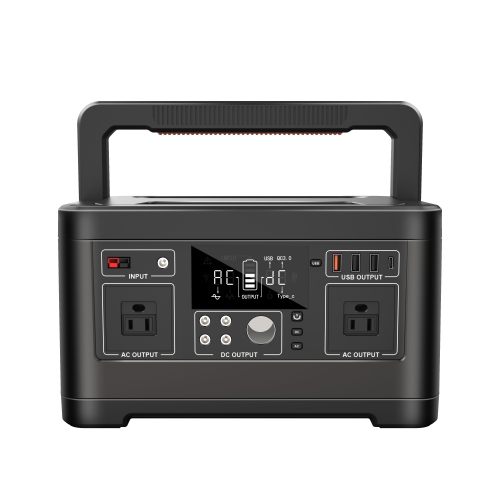
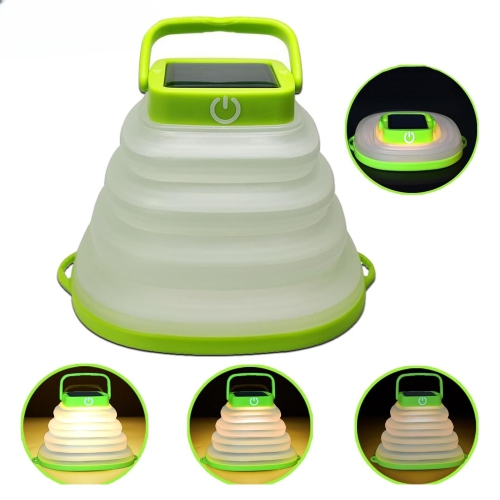
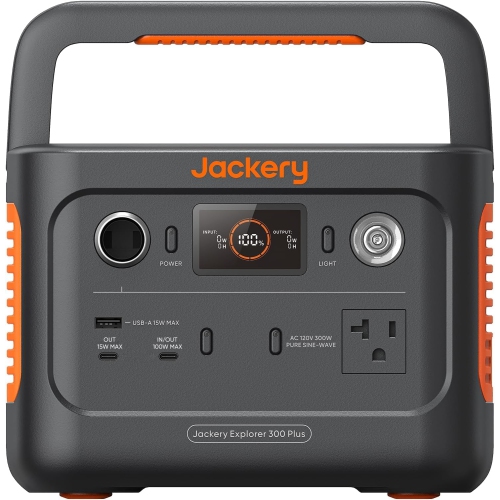
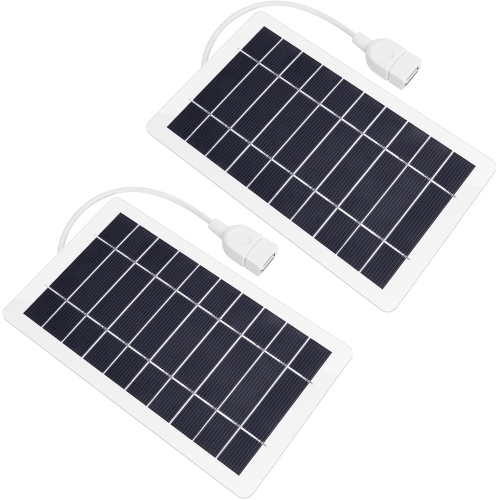
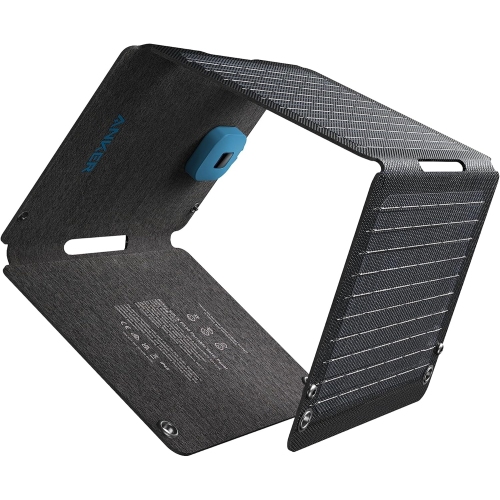
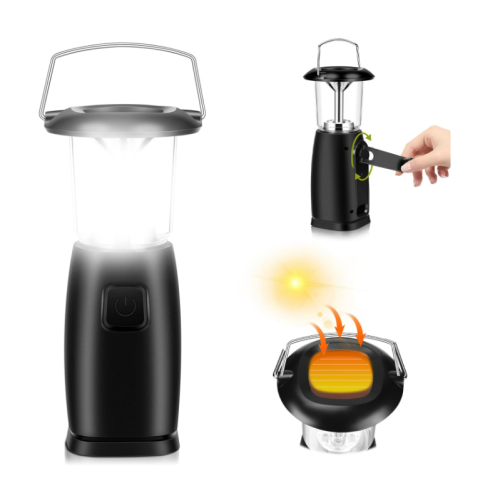
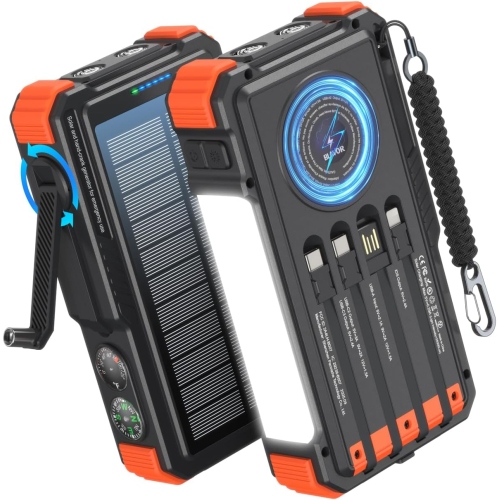
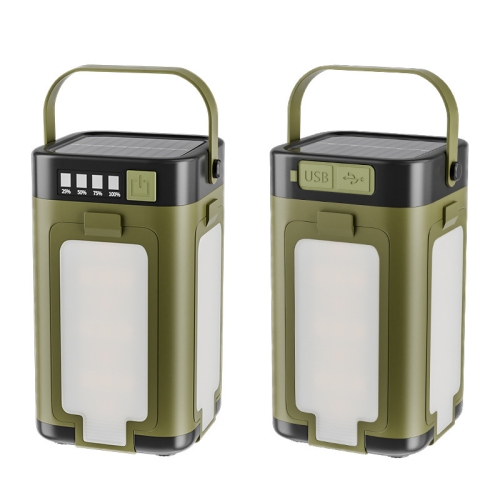
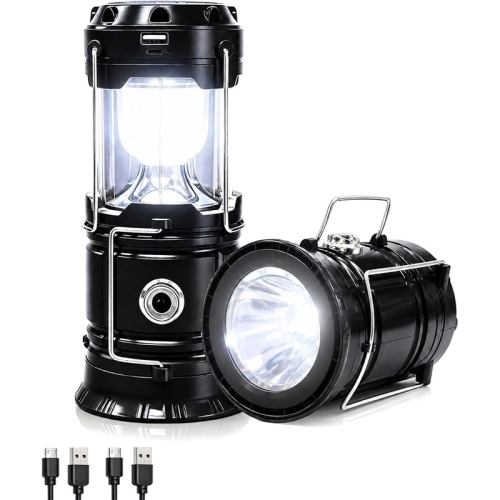
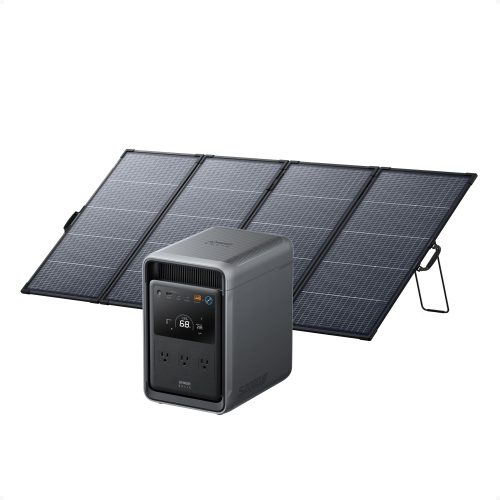
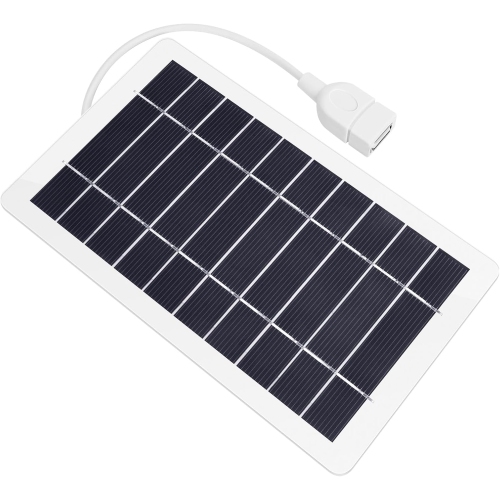
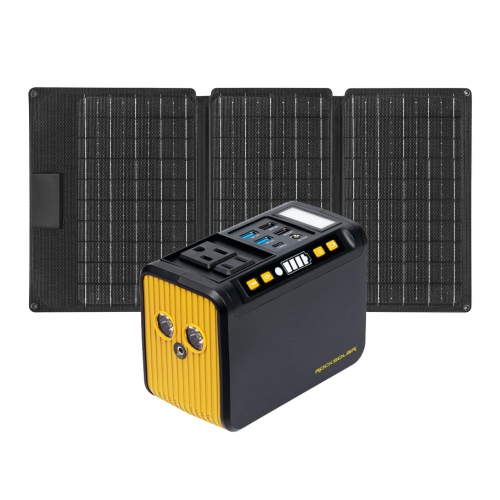
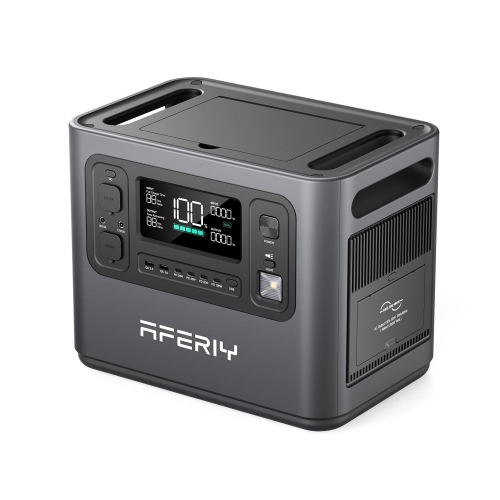
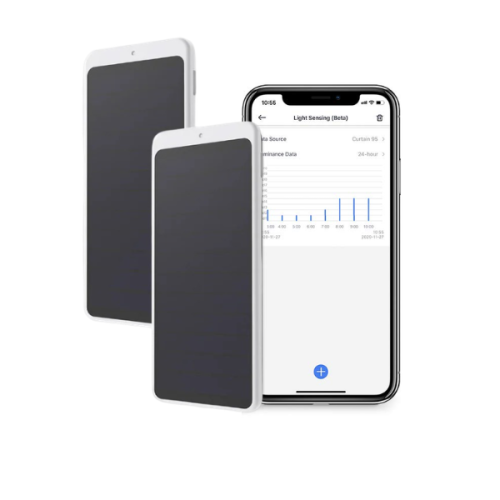
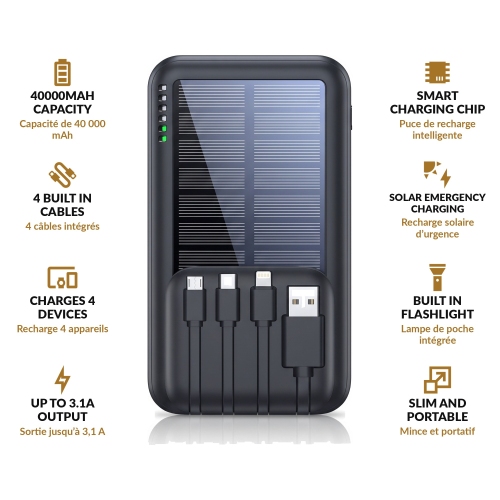
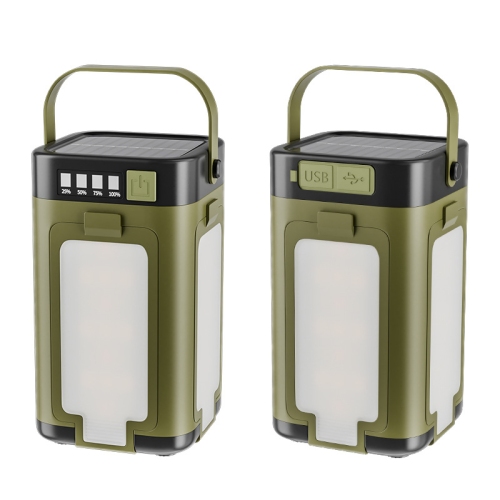
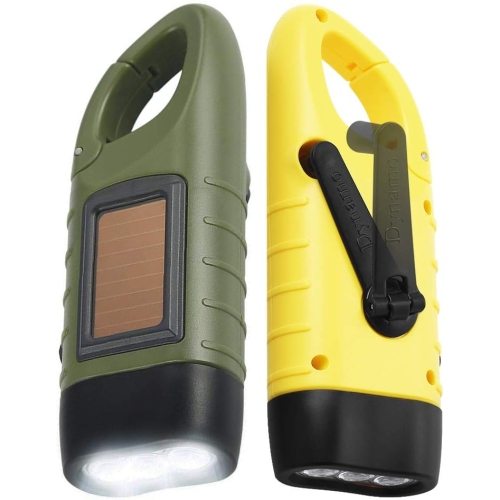
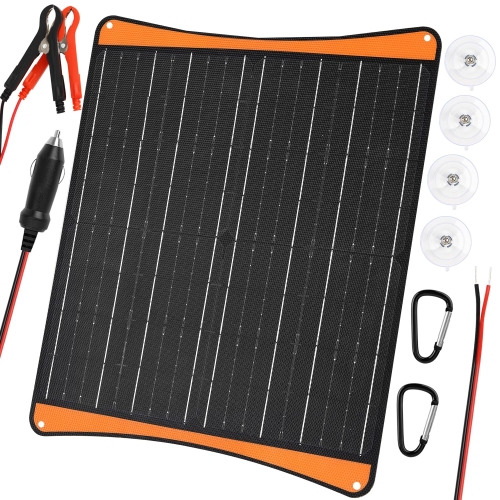
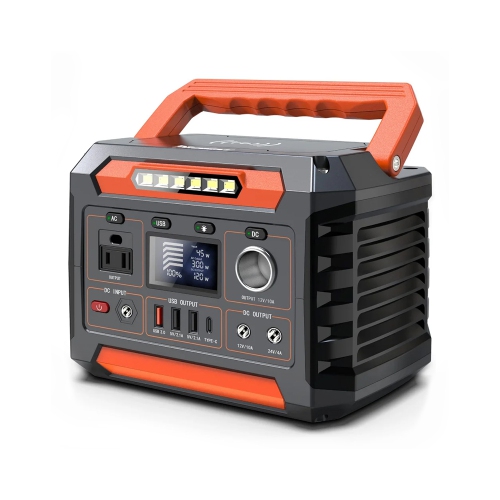
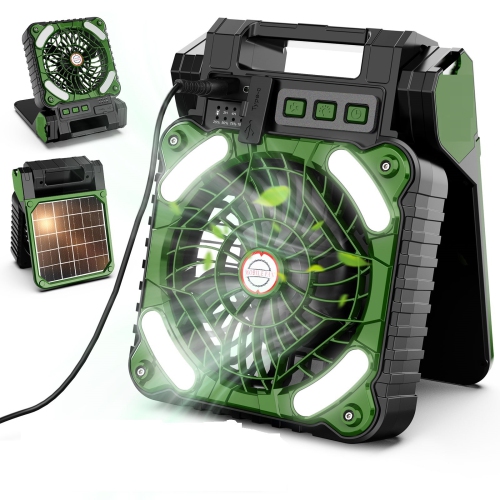
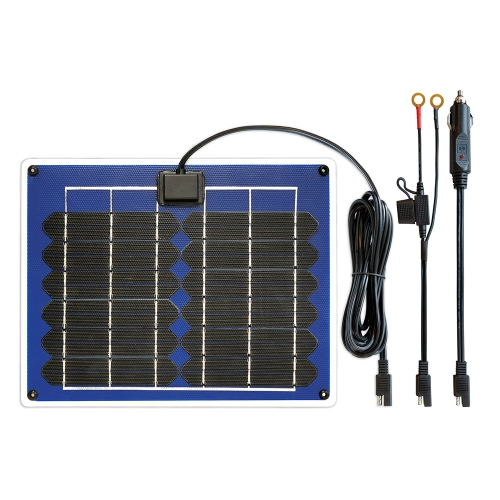
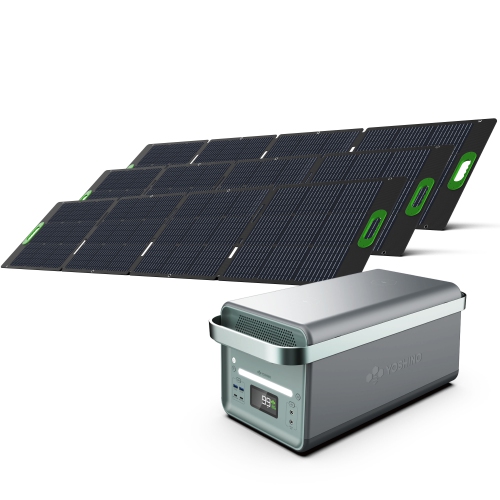
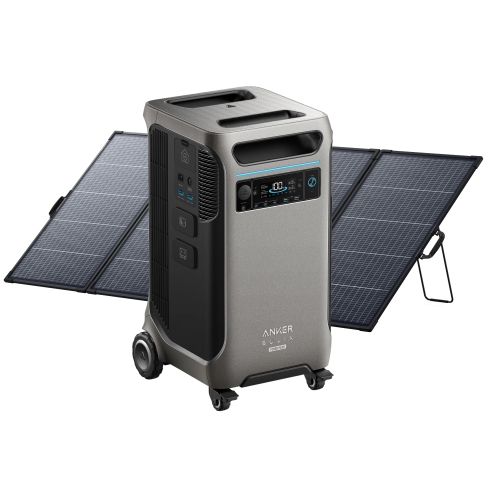
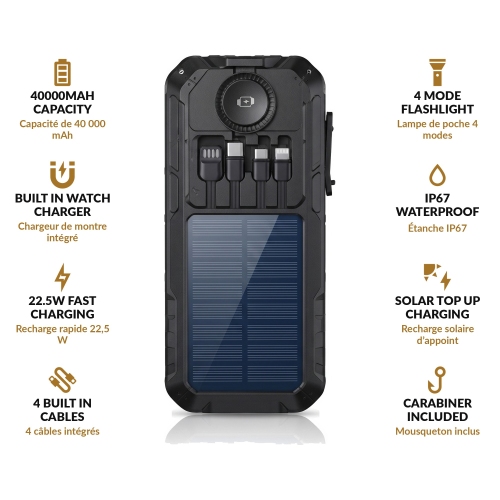
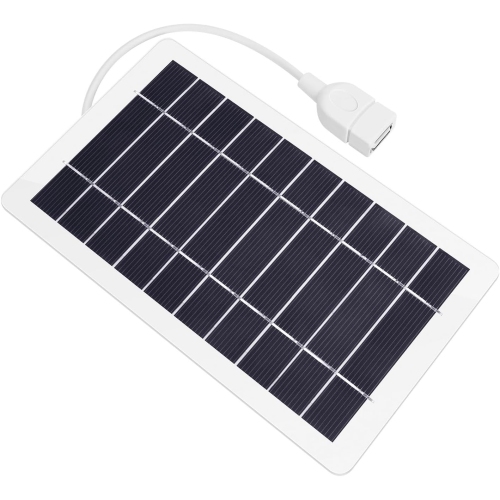
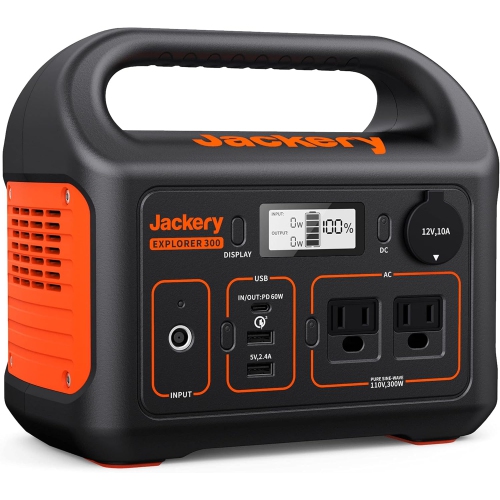
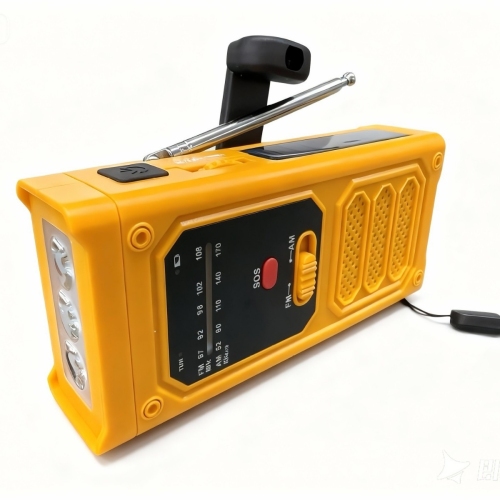
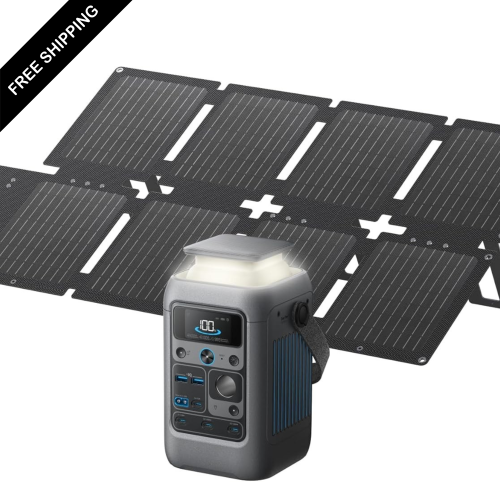
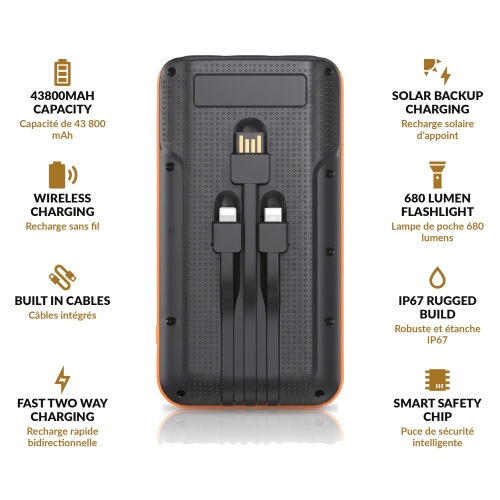
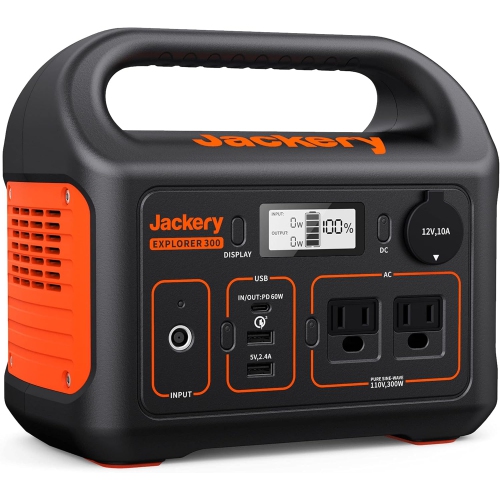
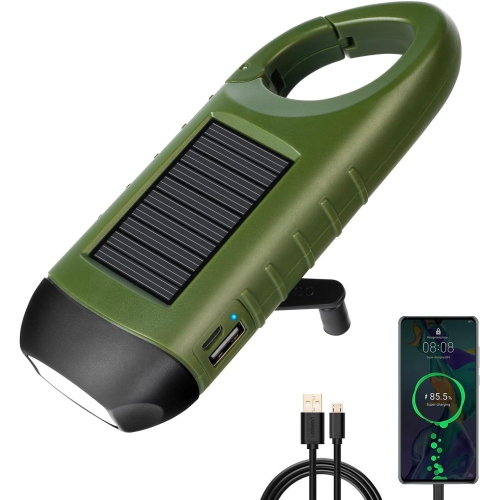
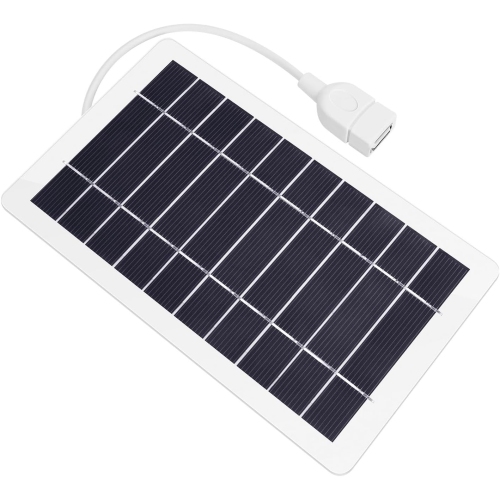
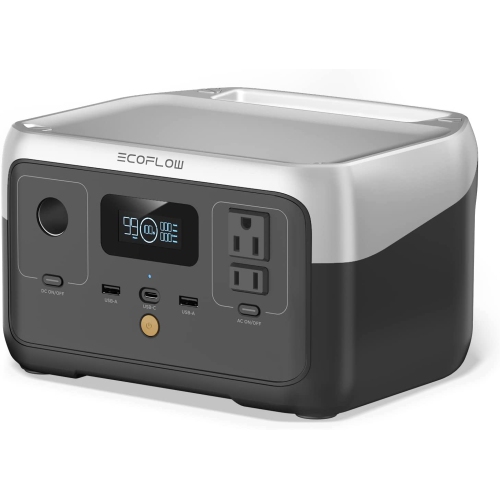
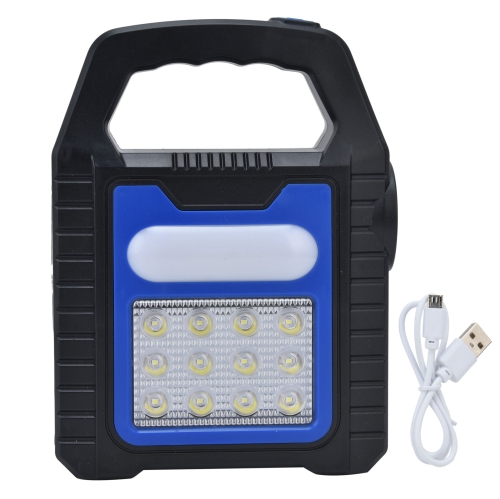
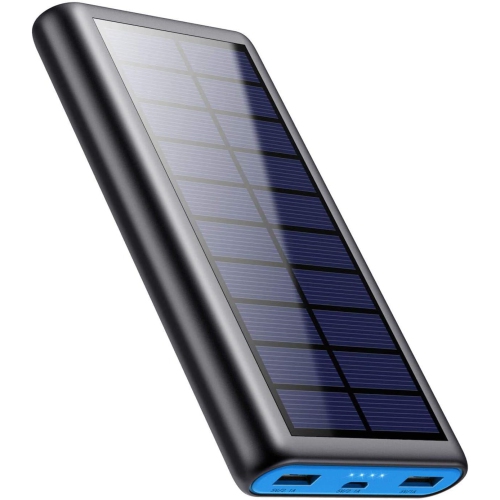
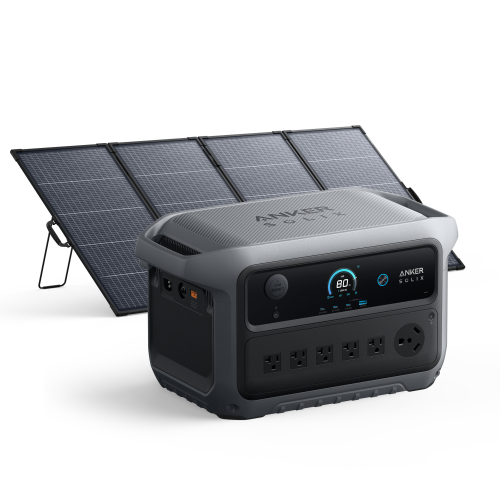
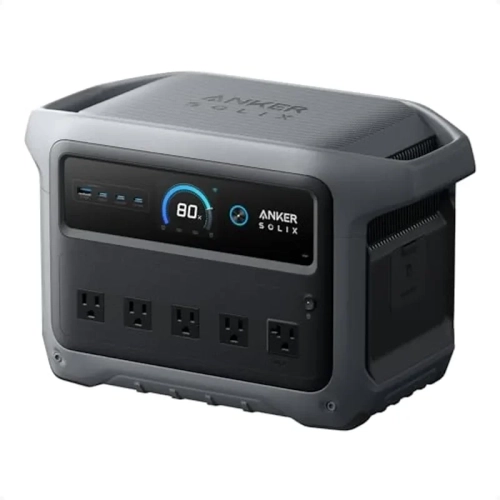
Portable solar chargers for camping use sunlight to supply power to compatible devices or recharge a battery for later use. They generally fall into two groups: compact panels and solar-equipped power banks for small electronics, and larger folding panels designed to recharge portable power stations. The distinction matters at a campsite. A lightweight panel with a USB output can help top up a phone, rechargeable headlamp, or GPS device while there is sufficient sunlight, but a panel without an integrated battery does not store that energy for the evening. A separate power bank or power station provides storage, allowing charging to continue after the panel is packed away. Solar-equipped power banks combine a battery and a small panel in one unit, though the limited panel area usually makes solar charging much slower than charging from a wall outlet. Their solar input is better suited to occasional top-ups than a quick refill of an empty battery. Larger folding panels offer more collecting area and can support higher charging rates when paired with a compatible power station. This arrangement suits longer campsite stays, especially when several people need to charge phones, cameras, and other small devices. Panel wattage describes rated power output under specified test conditions, while battery capacity, commonly expressed in watt-hours, describes stored energy; the two figures answer different questions. Actual charging speed depends on sunlight, panel angle, shade, device requirements, and conversion losses. A panel spread across a shaded picnic table will not perform like one facing unobstructed sunlight. Even a narrow shadow from a branch can reduce output, sometimes substantially depending on the panel design. For a camper who uses a phone mainly for maps and photographs, a compact setup may be sufficient. A family charging several devices each day may need a larger panel and more battery storage, with capacity matched to the expected daily use rather than the number of charging sockets alone.
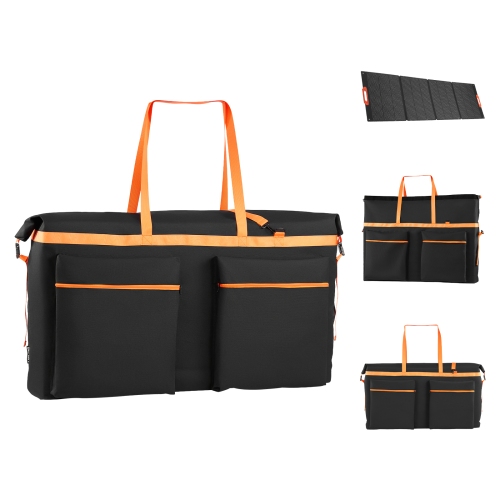
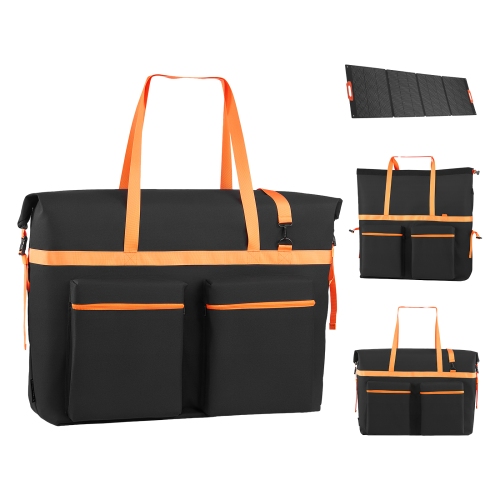
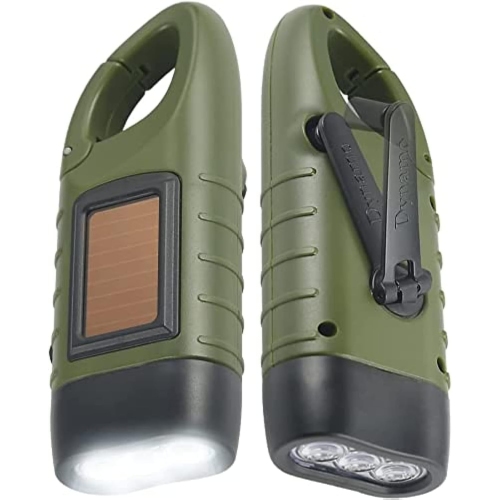
The physical design of a portable solar charger affects how comfortably it travels and how easily it fits into camp life. Folding panels often use segmented construction, protective laminates, and fabric-backed sections that close into a carrying shape. Rigid panels may use a framed construction and a glass face, offering a different balance of weight, stiffness, and packing space. Neither format is automatically the better fit: a backpacker carrying equipment along a trail has different priorities from someone unloading a vehicle beside a tent. Folded dimensions determine whether a panel fits inside a pack or storage compartment, while its open dimensions determine how much clear ground or table space it needs. Carrying handles, secure closures, reinforced hanging points, and integrated stands can make handling simpler, although attachment loops should not be treated as load-bearing hardware unless the manufacturer specifies that use. A panel fastened to a moving backpack may receive inconsistent sunlight as the wearer turns or passes beneath trees, so hanging capability does not guarantee useful charging throughout a hike. At a fixed campsite, an adjustable stand makes it easier to aim the panel towards the sun without leaning it against other equipment. Durability also involves the details around the panel: cable strain relief, protected corners, sturdy hinges, and covered ports all matter when equipment is repeatedly unpacked and stowed. Water resistance should be checked for each component rather than assumed for the whole setup. A panel surface may tolerate splashes while its connector box, USB ports, or attached battery require protection from moisture. Care generally involves removing loose grit gently, wiping surfaces according to the manufacturer’s directions, and letting equipment dry before folding it for storage. Abrasive cleaning, sharp creases, and heavy gear stacked on top can damage surfaces or wiring. Keeping cables loosely coiled and connectors free of dirt helps preserve reliable connections across repeated trips.
Compatibility is just as important as portability, particularly when a solar panel and battery are purchased separately. Matching connectors alone does not establish compatibility: the panel’s output voltage, current, connector polarity, and the battery’s permitted solar input must also align. Some power stations require a particular cable or adapter, and their input limits can prevent them from using a panel’s full rated output. For direct device charging, USB-A and USB-C ports support different capabilities depending on the charger, cable, and connected device; the presence of USB-C does not by itself guarantee fast charging or enough power for a laptop. Multiple ports may share a total output limit, so charging two devices together can be slower than charging one. Pass-through charging, where a battery receives power while supplying a device, is another feature that should only be used when supported by the manufacturer. These details become practical at camp when a camera battery needs charging before an afternoon walk or several phones are plugged in after dinner. A separate battery can provide a steadier supply when sunlight fluctuates, but it should be kept within its stated operating limits and out of excessive direct heat. Panels need exposure to sunlight; phones and batteries do not need to sit on the panel’s hot surface to charge. A little cable length can help keep connected electronics shaded without pulling on their ports. For a broader mix of battery-based charging options, Portable Chargers for Camping offers a related way to consider power storage alongside solar input. Portable solar charging equipment can also be a useful gift for campers, paddlers, photographers, or travellers who spend time away from outlets, especially when its connections suit equipment they already own. For any trip, starting with charged batteries and retaining a separate emergency power reserve helps avoid relying entirely on sunlight for essential communication or navigation.
Top selling and popular products
-
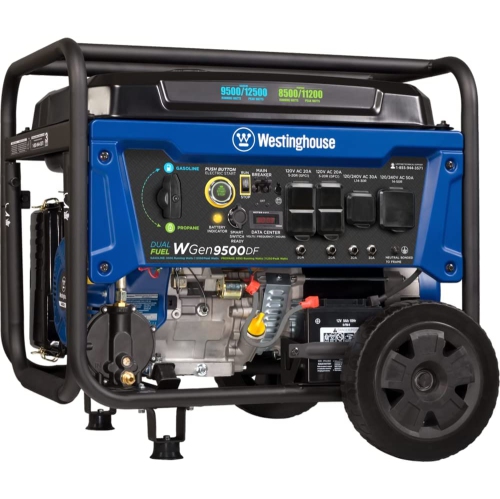 Your price for this item is $2799
-
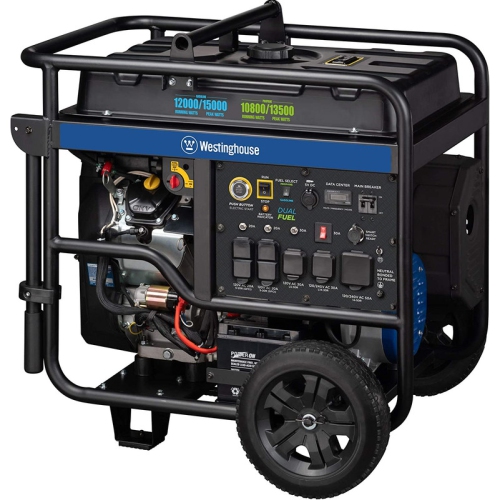 Your price for this item is $6199
-
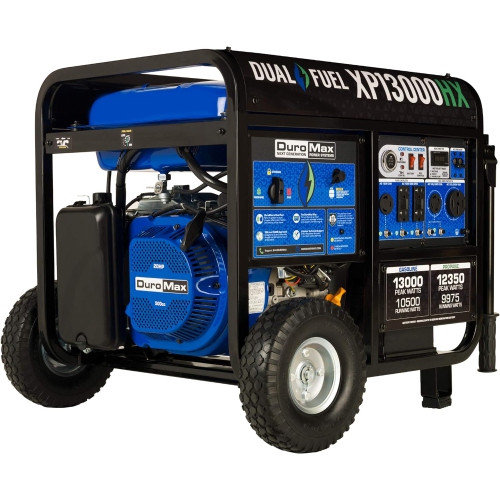 Your price for this item is $3499
-
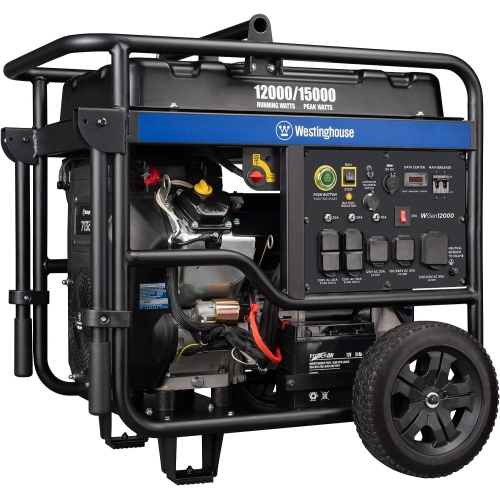 Your price for this item is $5499
-
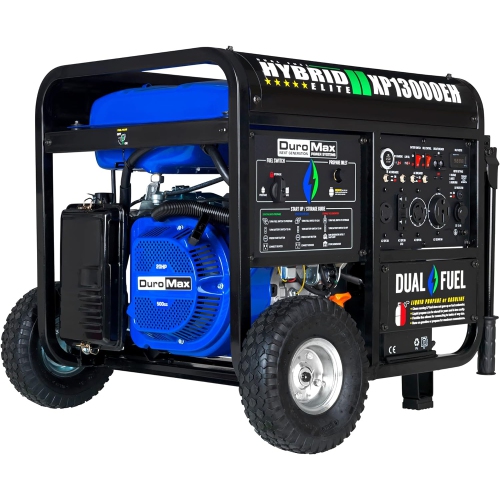 Your price for this item is $2899
-
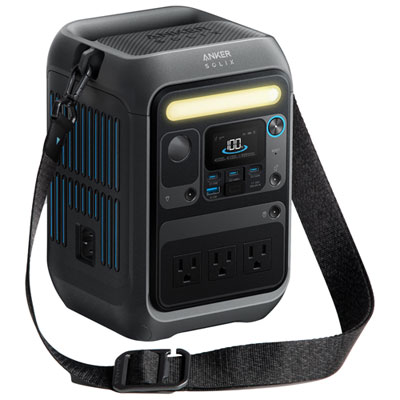 Your price for this item is $289.99
-
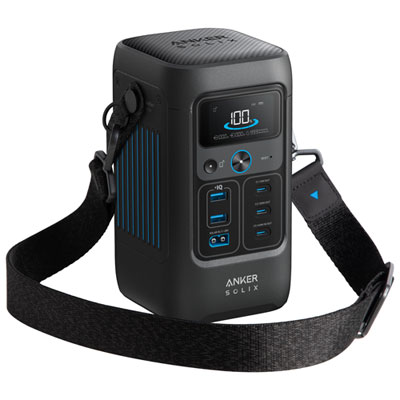 Your price for this item is $189.99
-
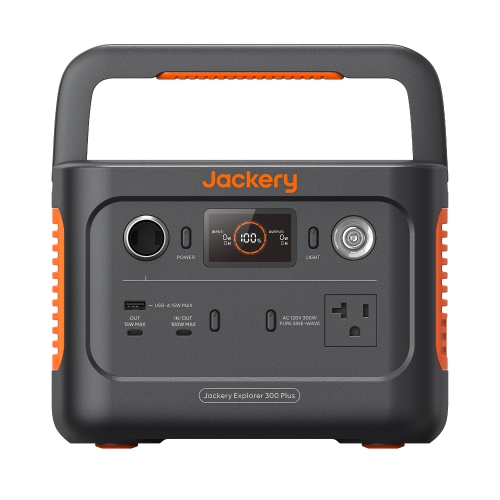 Your price for this item is $259
Discover more categories related to Portable Solar Chargers for Camping

Top Collections:
Best Black Friday Deals This Year, Best Black Friday Deals On Electronics, Kindle Devices, Pokemon Centers, Best Black Friday Deals On Apple Products, Best Cameras for Sports Photography, Dyson Airwrap, Pokémon 30th Celebration Cards, Apple iPhone 17 Pro, Canon G7X Cameras
Some products may be subject to Environmental Handling Fees
(EHF) depending on your province.
Learn more about EHFs.