Solar Power Bank for Camping
Stay powered up on your outdoor adventures with these solar power banks for camping. Whether you're exploring the wilderness or setting up camp in a remote location, these portable and efficient devices harness the power of the sun to keep your electronic devices charged and ready for use. With their compact size and durable construction, these solar chargers for camping are perfect companions for hiking trips, camping excursions, or any outdoor activity where access to electricity may be limited. Say goodbye to worrying about running out of battery and embrace the freedom of staying connected while enjoying nature's beauty.
Sort





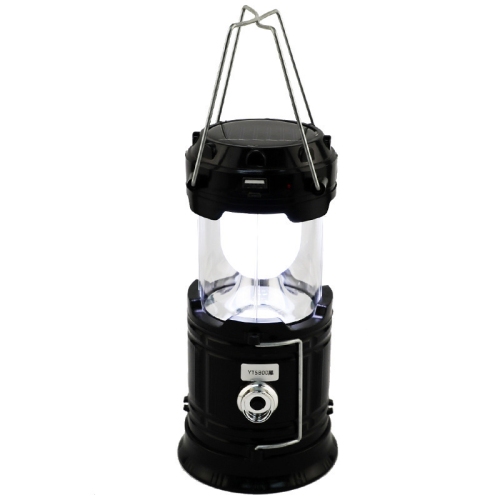
Why solar charging works best as a camping backup
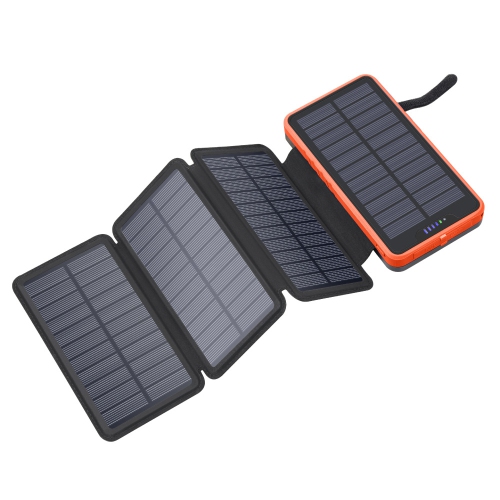
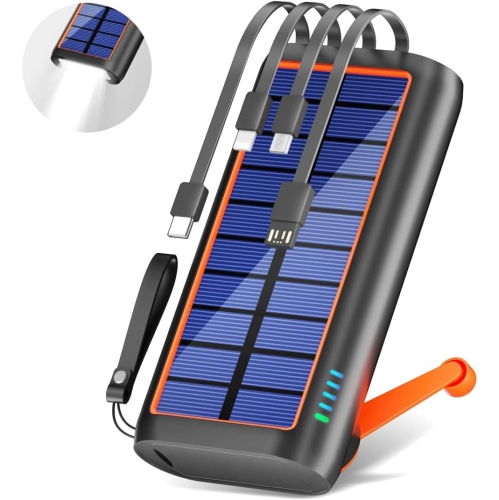
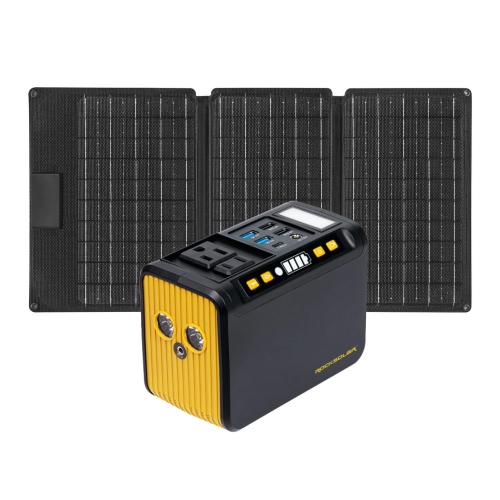
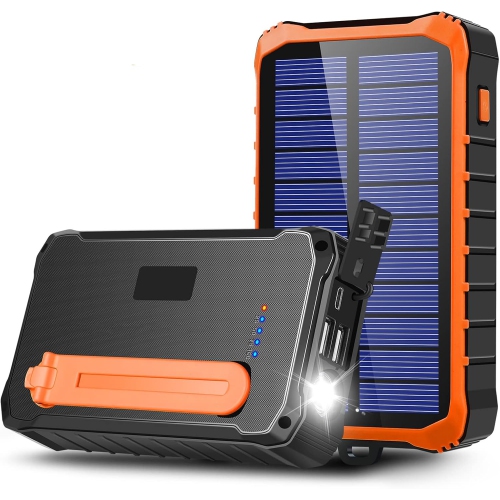
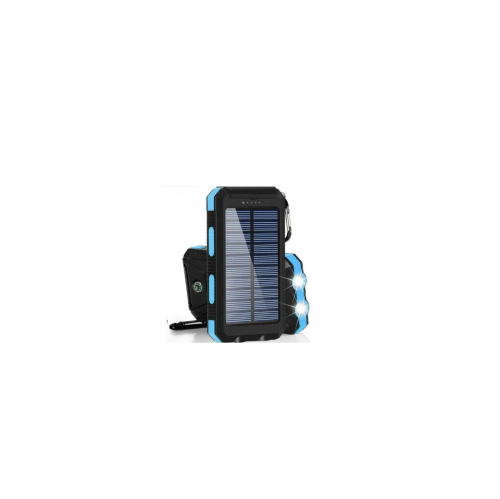
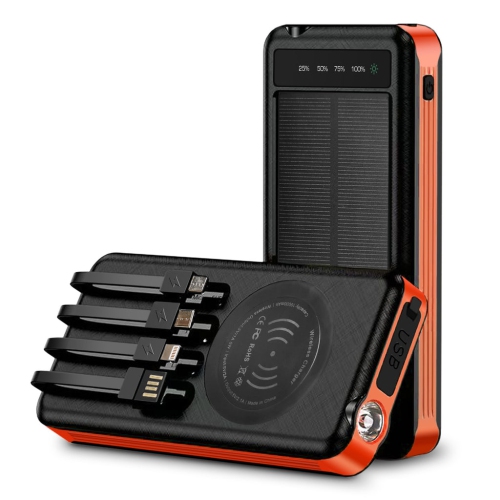
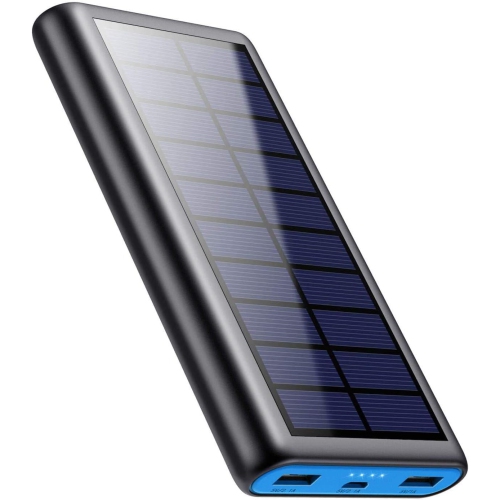
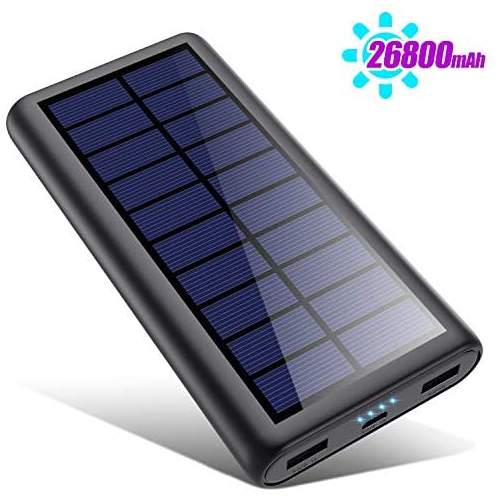
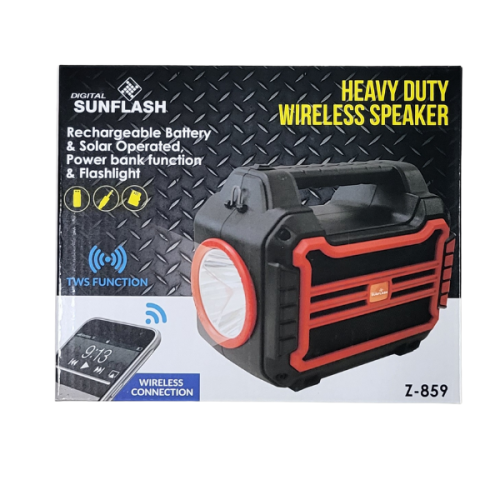
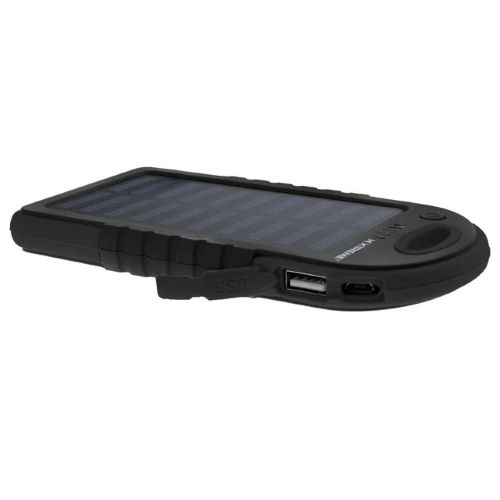
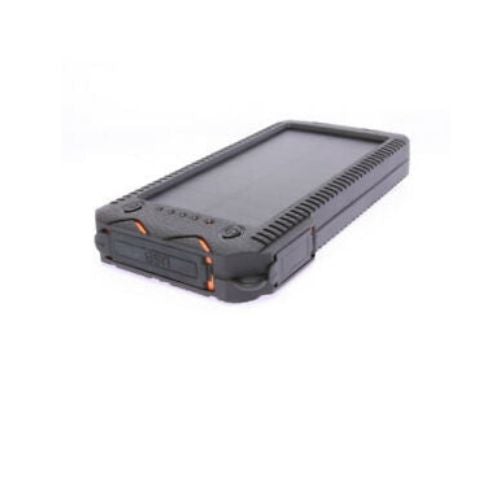
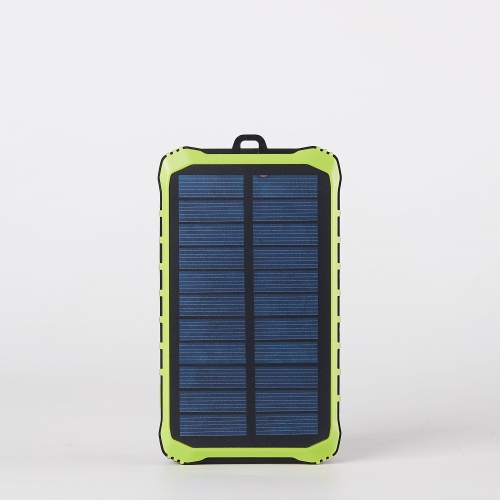
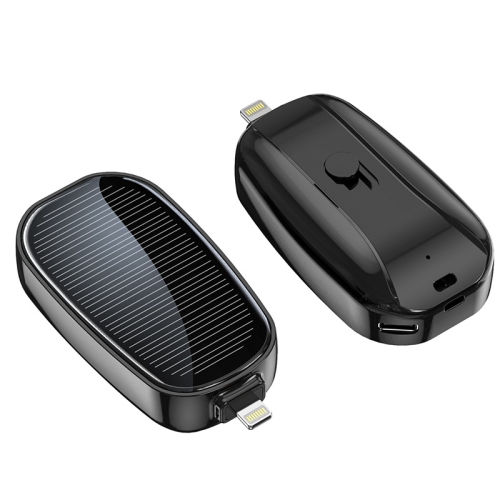
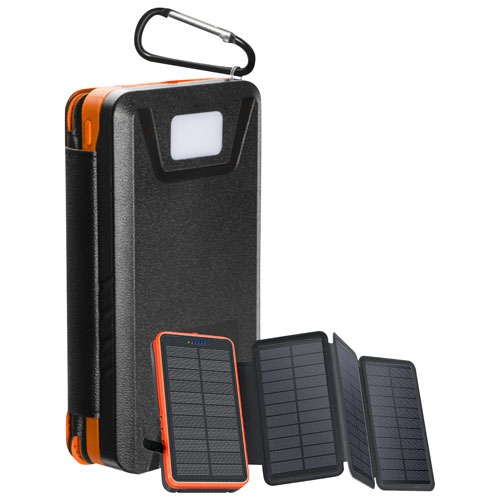
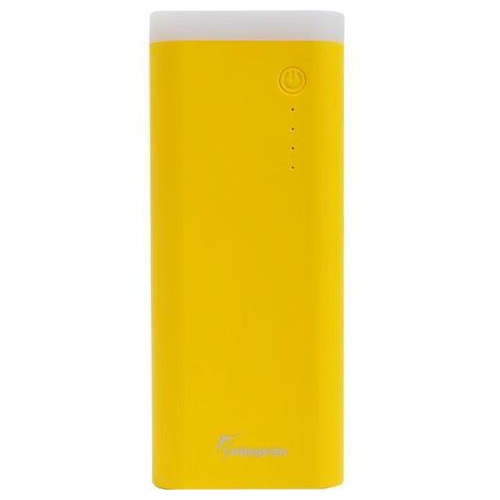
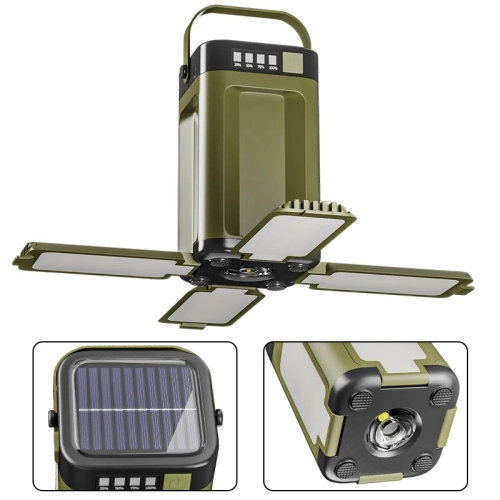
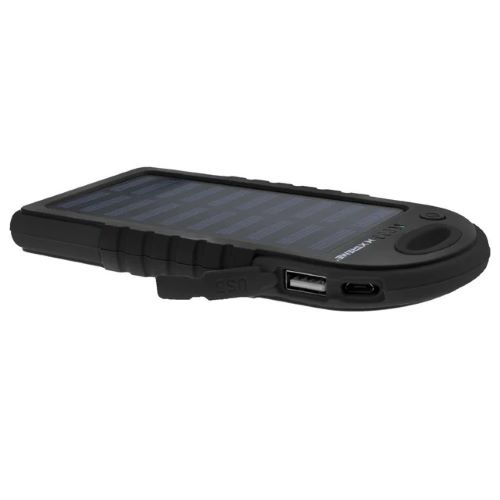
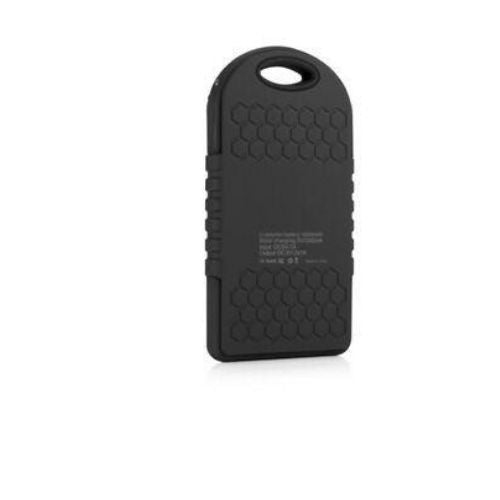
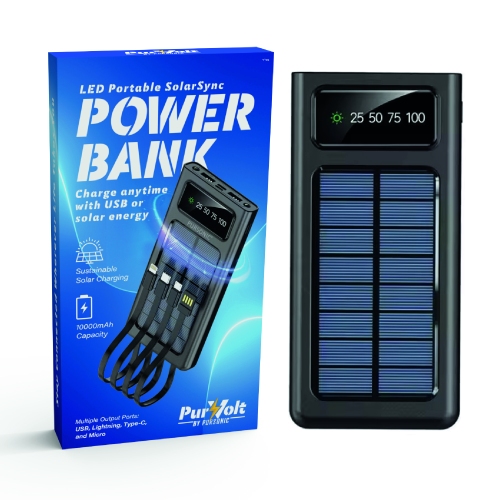
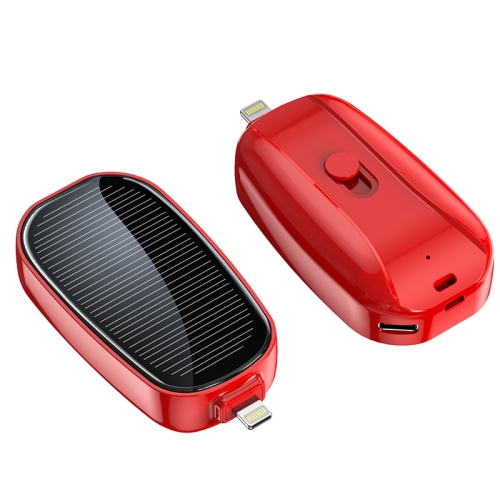
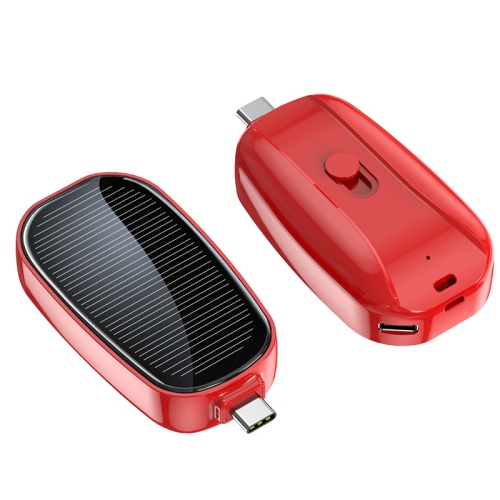
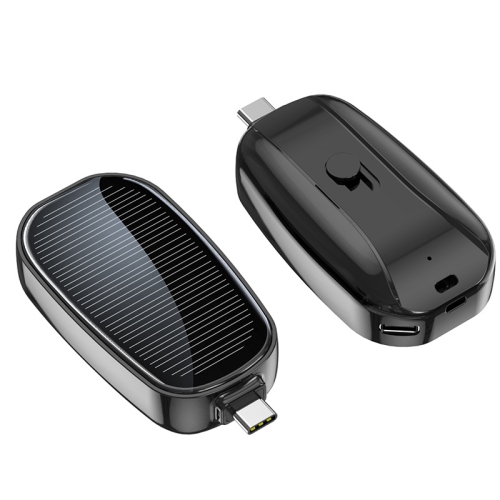
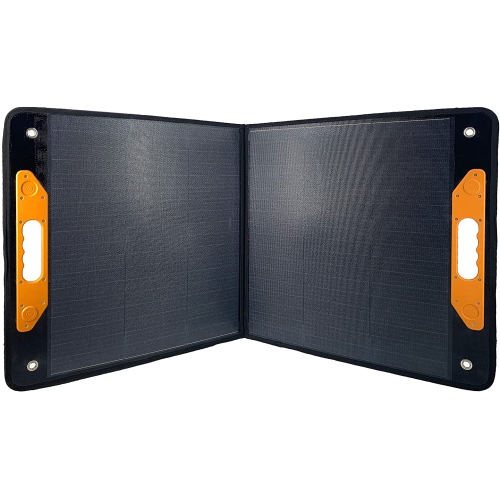
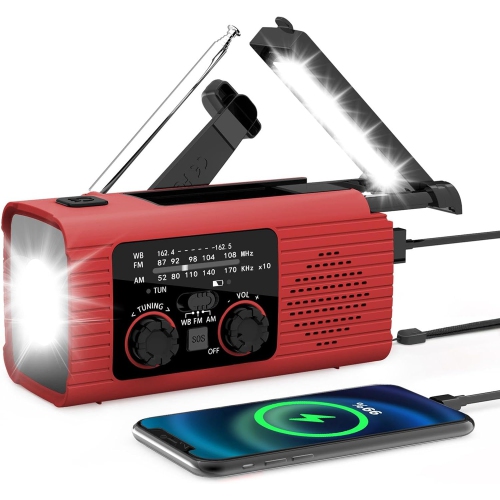
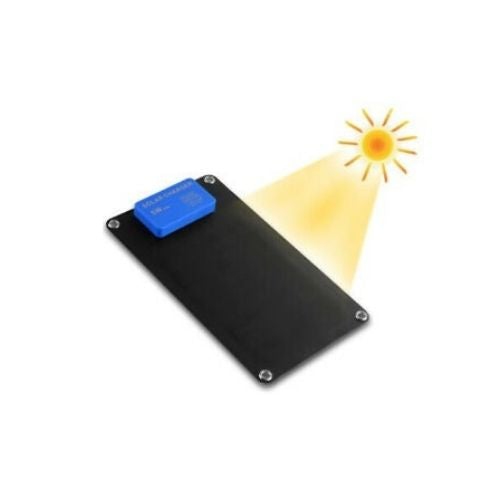
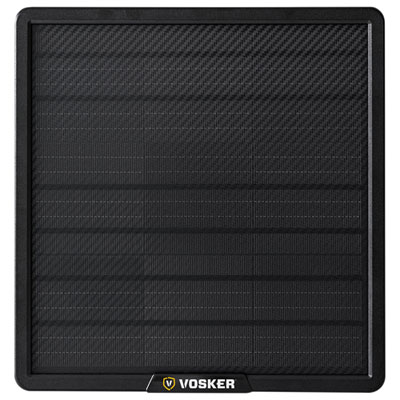
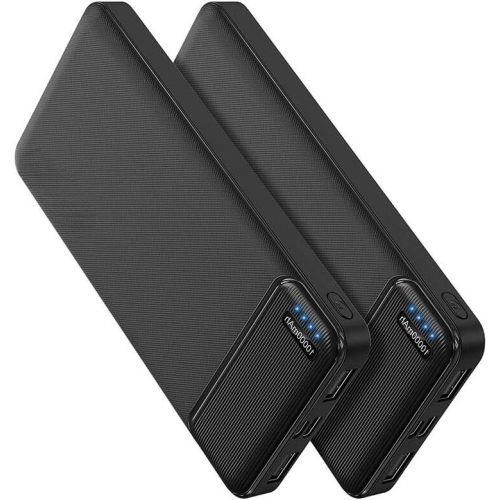
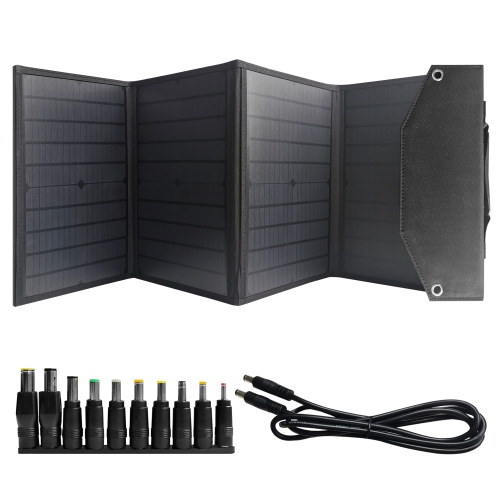
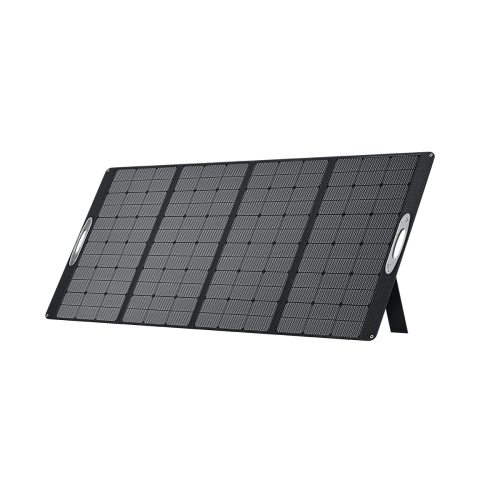
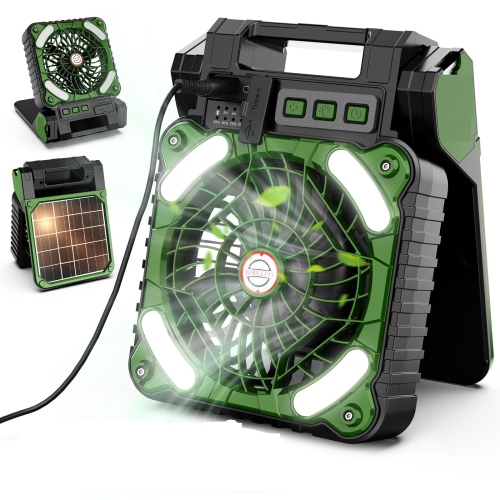
Solar power banks for camping combine a rechargeable battery with a solar charging option, giving phones, headlamps, GPS devices, and other small electronics a source of power away from an outlet. The battery stores electricity for later use, so charging a device does not depend on having sunlight at that exact moment. For most camping trips, the most practical approach is to fully charge the bank from a wall outlet before leaving and treat its built-in solar panel as a supplementary charging source. Small integrated panels collect relatively little energy and may need many hours of strong, direct sunlight to add a useful amount of charge; a full solar recharge can take several days under suitable conditions. They are better suited to occasional top-ups than to replacing a daily wall charge. Fold-out designs provide more panel area, while a separate portable solar panel paired with a compatible battery pack can offer greater charging capability. Actual performance depends on panel wattage, placement, shading, and the battery’s supported input. Capacity is another important distinction. A rating in milliamp-hours, or mAh, describes the battery’s stored charge, but it does not translate directly into the same amount delivered to a phone. Voltage conversion, charging losses, and the device’s own battery size all affect the result. Power banks in the 10,000–20,000 mAh range commonly suit small-device charging, with the larger end offering more reserve for repeated use or shared charging. Watt-hours, or Wh, provide a more useful basis for comparing stored energy across batteries with different voltages. A camper taking occasional photos and checking a downloaded trail map has different needs from someone recording video throughout the day. Keeping a phone powered for navigation also calls for a sensible margin rather than a battery sized to last until the final percentage point. Solar charging adds flexibility, but it should not be the only planned power source for essential communication or navigation equipment.
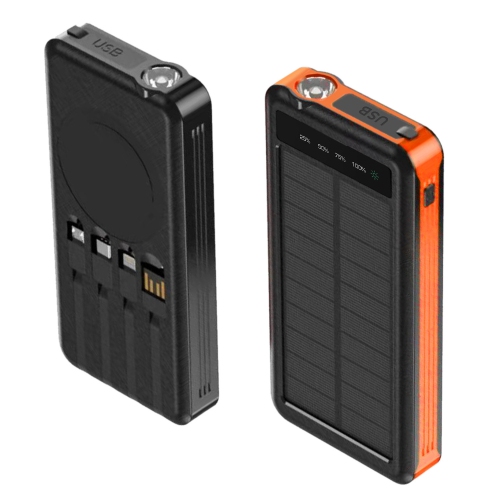
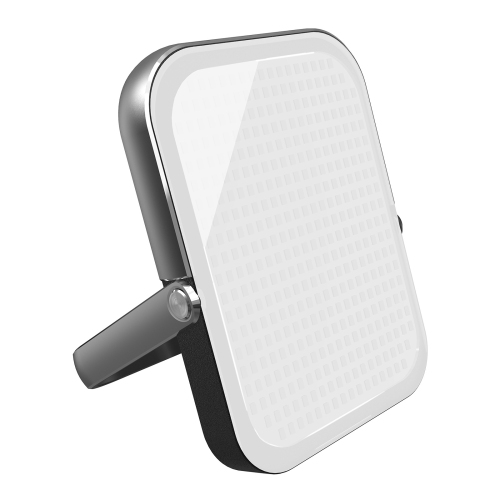
The physical design of a camping solar power bank matters almost as much as its capacity. A compact, enclosed pack slips into a backpack pocket easily, while a folding solar design needs room to open and a stable place to sit while collecting light. Larger panels can be useful at a base camp where equipment stays in one spot for several hours, but they add bulk for someone carrying everything along a trail. Weight figures are most helpful when considered alongside the cables, adapters, and any separate panel needed to complete the setup. Rigid plastic housings are common, and rubberized edges or protective bumpers can help cushion everyday knocks against a picnic table or packed cooking gear. These details do not make a battery indestructible. A stated drop-test specification or ingress protection rating gives a clearer picture of durability than rugged styling alone. Water resistance and dust resistance vary by model, and some protection ratings apply only when port covers are firmly closed. An exposed charging connection may need additional shelter even when the case itself is rated for outdoor use. Solar panels need unobstructed light, so deep shade beneath trees, a panel folded partly shut, or a poor angle toward the sun can substantially reduce charging output. At the same time, the battery must remain within its specified operating limits: direct sun can heat a dark housing, and a battery should never be left on a hot vehicle dashboard. Separate-panel setups may allow the panel to sit in sunlight while the battery stays shaded, provided the cable length and manufacturer’s instructions permit it. Routine care is straightforward but worthwhile. A soft cloth removes surface dirt from the panel, dry connections help prevent charging problems, and a protective pouch keeps loose metal objects away from ports. Before packing the unit away between trips, checking its storage instructions and charge level helps keep it ready for the next outing. Swelling, cracked housings, or damaged cables are reasons to stop using the affected equipment.
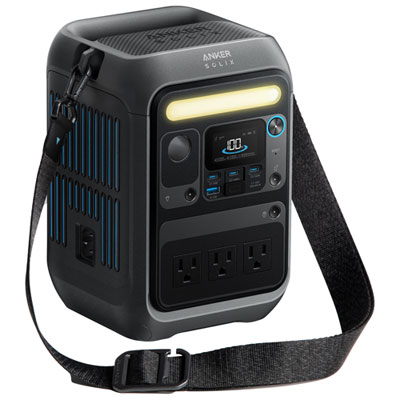
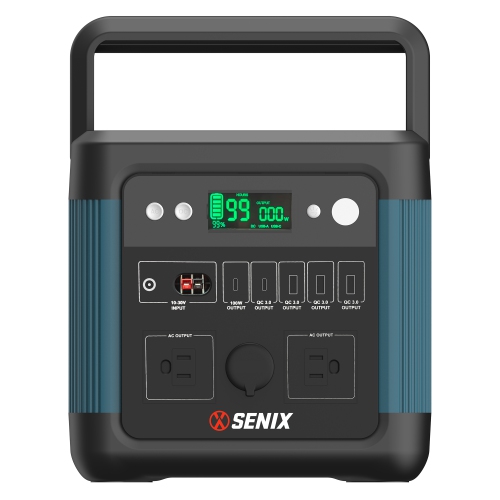
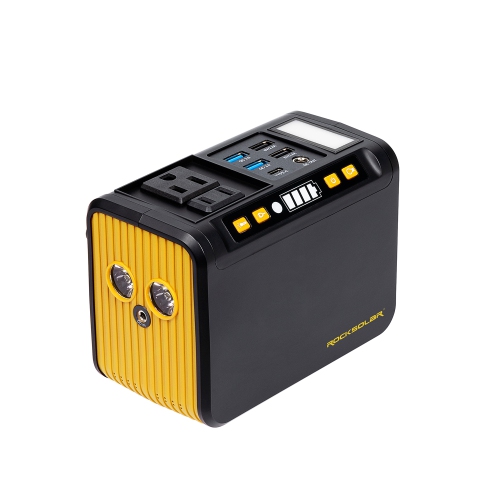
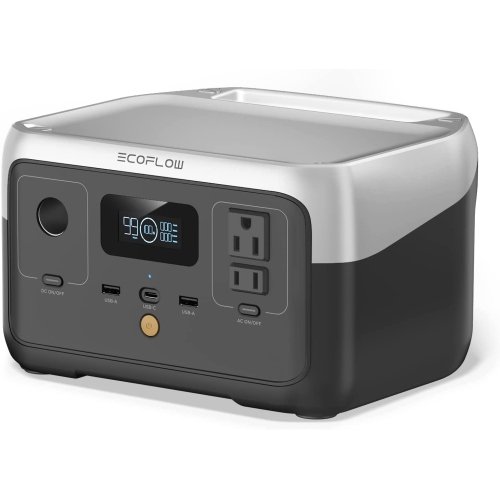
Charging connections determine how comfortably a solar power bank fits into an existing camping kit. USB-A ports support many familiar accessories, while USB-C can provide convenient charging for newer phones, tablets, and some laptops. The connector shape alone does not establish charging speed or compatibility. A USB-C port may accept power, deliver power, or do both, and its supported wattage matters when charging a more demanding device. USB Power Delivery support can be useful, but the power bank, cable, and connected device must all support the required charging profile. Laptop charging generally calls for higher output than a phone or headlamp, and a small solar bank should not be assumed to handle it. Similarly, multiple ports do not necessarily mean every connected device receives the maximum advertised output at once; many packs share a total power limit across their connections. For a couple returning to camp with two nearly depleted phones, that shared limit can affect how quickly both are ready again. Low-current charging support is another useful detail for small accessories that draw too little power to keep some banks active. A clear battery display makes it easier to judge the remaining reserve, while an integrated light can be convenient for finding a cable inside a tent, though it also draws from the same stored energy. Campers planning longer stays or charging devices for several people may find a Large Power Bank for Camping better matched to the amount of stored power they need. Larger capacity does not automatically provide higher charging wattage, so both specifications deserve attention. Equipment that requires an AC outlet belongs to a different power category and may call for a portable power station rather than a pocket-sized bank. For backpackers, paddlers, festival campers, or anyone assembling a practical outdoor gift, the most useful solar charging setup balances carrying weight, dependable battery capacity, compatible connections, and realistic expectations about sunlight. A bank that fits the trip and the devices being carried is more valuable than extra features that rarely leave the bottom of the bag.
The physical design of a camping solar power bank matters almost as much as its capacity. A compact, enclosed pack slips into a backpack pocket easily, while a folding solar design needs room to open and a stable place to sit while collecting light. Larger panels can be useful at a base camp where equipment stays in one spot for several hours, but they add bulk for someone carrying everything along a trail. Weight figures are most helpful when considered alongside the cables, adapters, and any separate panel needed to complete the setup. Rigid plastic housings are common, and rubberized edges or protective bumpers can help cushion everyday knocks against a picnic table or packed cooking gear. These details do not make a battery indestructible. A stated drop-test specification or ingress protection rating gives a clearer picture of durability than rugged styling alone. Water resistance and dust resistance vary by model, and some protection ratings apply only when port covers are firmly closed. An exposed charging connection may need additional shelter even when the case itself is rated for outdoor use. Solar panels need unobstructed light, so deep shade beneath trees, a panel folded partly shut, or a poor angle toward the sun can substantially reduce charging output. At the same time, the battery must remain within its specified operating limits: direct sun can heat a dark housing, and a battery should never be left on a hot vehicle dashboard. Separate-panel setups may allow the panel to sit in sunlight while the battery stays shaded, provided the cable length and manufacturer’s instructions permit it. Routine care is straightforward but worthwhile. A soft cloth removes surface dirt from the panel, dry connections help prevent charging problems, and a protective pouch keeps loose metal objects away from ports. Before packing the unit away between trips, checking its storage instructions and charge level helps keep it ready for the next outing. Swelling, cracked housings, or damaged cables are reasons to stop using the affected equipment.
Charging connections determine how comfortably a solar power bank fits into an existing camping kit. USB-A ports support many familiar accessories, while USB-C can provide convenient charging for newer phones, tablets, and some laptops. The connector shape alone does not establish charging speed or compatibility. A USB-C port may accept power, deliver power, or do both, and its supported wattage matters when charging a more demanding device. USB Power Delivery support can be useful, but the power bank, cable, and connected device must all support the required charging profile. Laptop charging generally calls for higher output than a phone or headlamp, and a small solar bank should not be assumed to handle it. Similarly, multiple ports do not necessarily mean every connected device receives the maximum advertised output at once; many packs share a total power limit across their connections. For a couple returning to camp with two nearly depleted phones, that shared limit can affect how quickly both are ready again. Low-current charging support is another useful detail for small accessories that draw too little power to keep some banks active. A clear battery display makes it easier to judge the remaining reserve, while an integrated light can be convenient for finding a cable inside a tent, though it also draws from the same stored energy. Campers planning longer stays or charging devices for several people may find a Large Power Bank for Camping better matched to the amount of stored power they need. Larger capacity does not automatically provide higher charging wattage, so both specifications deserve attention. Equipment that requires an AC outlet belongs to a different power category and may call for a portable power station rather than a pocket-sized bank. For backpackers, paddlers, festival campers, or anyone assembling a practical outdoor gift, the most useful solar charging setup balances carrying weight, dependable battery capacity, compatible connections, and realistic expectations about sunlight. A bank that fits the trip and the devices being carried is more valuable than extra features that rarely leave the bottom of the bag.
Top selling and popular products
-
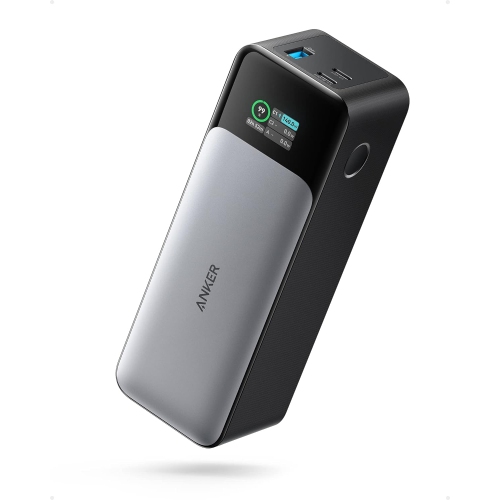 Your price for this item is $234
 -
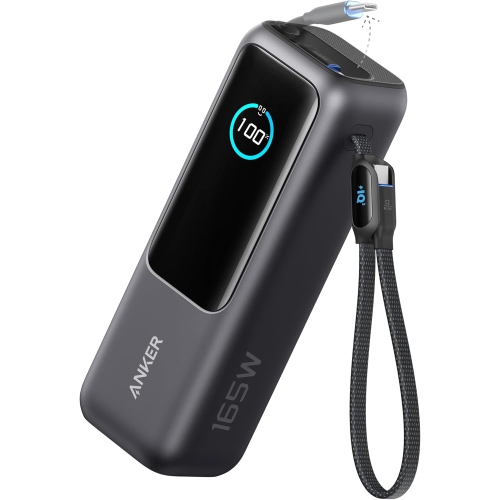 Your price for this item is $238.9
 -
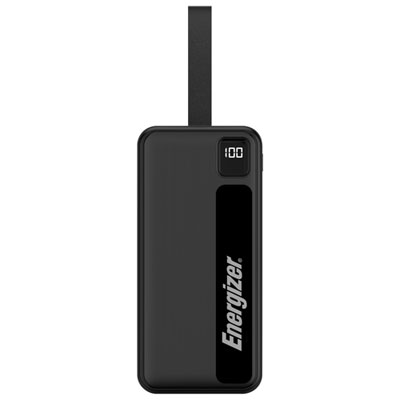 Your price for this item is $49.99
 -
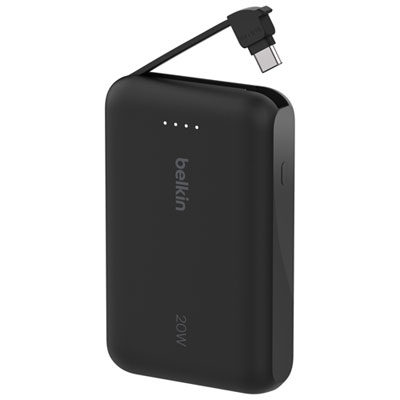 Your price for this item is $49.99
 -
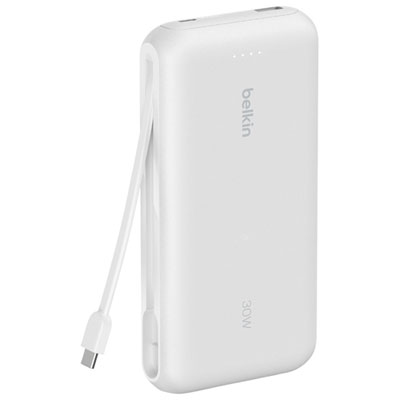 Your price for this item is $59.99
 -
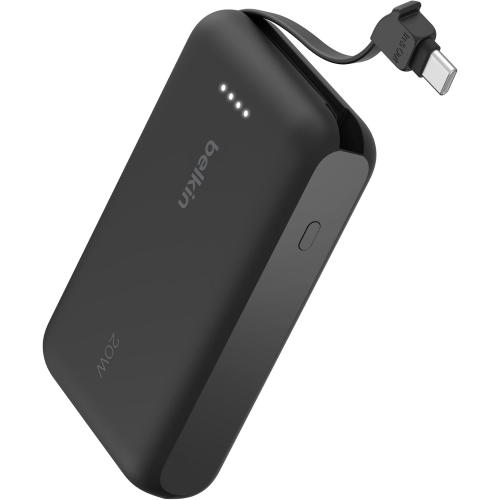 Your price for this item is $100
 -
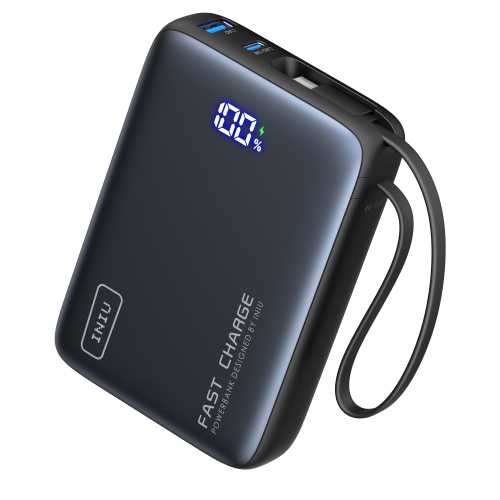 Your price for this item is $54.99
 -
 Your price for this item is $48.97
Discover more categories related to Solar Power Bank for Camping
Top Collections:
Pokemon Centers, Kindle Devices, Best Budget Office Chairs, Apple iPhones 16, Best Laptops for Writers, iPhone 15 Apple, Canon G7X Cameras, Refurbished Apple Laptops, Alarm Clock, Motorola Razr Phones
Some products may be subject to Environmental Handling Fees
(EHF) depending on your province.
Learn more about EHFs.