Places to Get Gift Cards

Looking for places to get gift cards? Browse the available options at Best Buy Canada and check each listing for the card’s value, where it can be used, and any redemption restrictions. Compare the choices to find a gift that suits your recipient and budget.

Read More

Sort

Gift cards don’t always work where you buy them

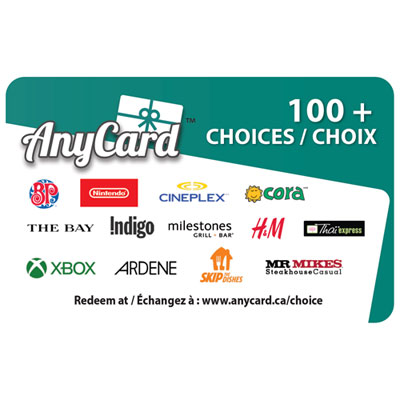
Places to get gift cards include big-box retailers, supermarkets, pharmacies, convenience stores, department stores, office supply stores, shopping centre customer service desks, and retailers’ official websites. Restaurants, cafés, cinemas, and other service businesses can also be sources for cards connected to their own locations or online services. These purchasing channels serve different needs: a neighbourhood shop can fit into an everyday errand, while an official website provides a direct connection to the business where the recipient intends to redeem the gift. A key distinction is the difference between where a card is purchased and where it can be used. A card bought at a supermarket, for example, may be redeemable only with the business named on the card rather than at the supermarket itself. Retailer-specific cards generally connect the recipient with one business, while some shopping centre cards and multi-business cards work across a defined group of participating merchants. Prepaid payment cards operate differently again and have their own terms and acceptance rules. The name on the card, the issuer’s information, and the redemption terms establish those boundaries more reliably than the place of purchase alone. For shoppers in Canada, the intended country of use also matters, especially when a recipient shops through an international website or uses an account registered outside Canada. A familiar business name does not necessarily mean that cards issued in different countries are interchangeable. Online redemption, in-person use, account requirements, and participating locations can all vary by card. Those details shape how conveniently a recipient can put the gift to use, whether that means visiting a nearby business, entering a code at checkout, or adding the card to an account. A gift card is most useful when its redemption options fit the recipient’s habits, rather than simply matching a category they enjoy. The connection between the purchase channel and the intended destination is therefore central to understanding the different places that sell gift cards.

Gift cards suit occasions when personal choice is part of the present. Someone moving into a first apartment may appreciate choosing something that fits their space, while a student settling into college or university may prefer a gift connected to an established routine. A keen hobbyist often has precise preferences that are difficult for another person to guess. In each case, a card leaves room for those preferences without making the gesture feel detached. The personal element can come from knowing which shops, activities, or services the recipient genuinely enjoys. A café card might connect with a regular stop on the way to work; a dining card might become an evening shared with a friend; an entertainment card might support a favourite way to unwind. Personal interests can also provide a starting point for exploring Cool Gift Cards, particularly when the aim is to reflect a hobby or pastime rather than choose on someone else’s behalf. Birthdays, graduations, housewarmings, retirements, and thank-you gestures are all natural occasions for this kind of gift. For a teacher, neighbour, colleague, or host, the connection may be a known preference rather than a close personal relationship. A short message explaining the choice adds meaning: recognition of a recent achievement, appreciation for practical help, or an invitation to enjoy a favourite activity. Gifts shared between relatives in different cities benefit from the same attention to everyday use. A business that is familiar to the giver may not be convenient for the recipient, and an online option may suit one person better than an in-person visit. Access, account preferences, and comfort with digital payments can matter as much as the category itself. A card intended for a child may also involve a parent or guardian in managing an account or completing a purchase. These considerations help connect the gift with a real routine, giving the recipient something straightforward to use rather than another task to sort out.

Physical and digital gift cards provide different ways to deliver the same gesture. A physical card can sit inside a handwritten greeting and gives the recipient something tangible to open. Its printed details, magnetic stripe, barcode, or chip need protection from damage, so flat, dry storage helps preserve the parts needed for redemption. A digital card usually arrives through an electronic message or account and may contain a code, barcode, or link to redemption information. It suits recipients who prefer keeping gift details on a phone or computer, though access to the original message remains important. The correct recipient address and a recognizable sender help prevent a thoughtful gift from being overlooked among routine messages. For either format, clear redemption information makes the handover easier. A recipient may need to know whether the card works online, in person, or through an account, and whether any location or category restrictions apply. Keeping the purchase receipt separate from the gift can also help if the issuer needs proof of purchase to investigate a problem. Physical cards with protective packaging or covered codes should reach the recipient with those safeguards intact. Digital codes deserve similar care because access to the code may allow someone else to use the balance. Sharing a photograph of an uncovered card or forwarding a redemption message beyond the intended recipient can expose that information. Gift cards are intended for purchases under their stated terms, not as a way to settle an unexpected demand from someone claiming to represent a government agency or another authority. For ordinary gifting, a trusted purchase channel, intact redemption details, and a clear connection to the recipient’s interests make the experience easier to manage. The result is a present that can feel personal without requiring guesses about fit, colour, taste, or timing, while allowing the recipient to make the final choice.
Read More

FAQ

Some products may be subject to Environmental Handling Fees (EHF) depending on your province. Learn more about EHFs.