3D Projectors
3D projectors have been around for years, but they've never been more popular than they are now. 3D movies and TV shows are everywhere, and 3D TV technology has improved to the point where you can actually get a good picture from your living room. If you're looking for a way to get the whole family involved in watching a movie or TV show, or if you want to take your home theater experience on the road, a 3D projector is an easy way to do it.
Sort
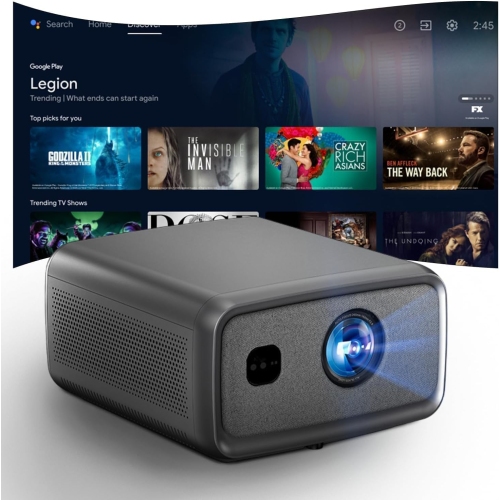
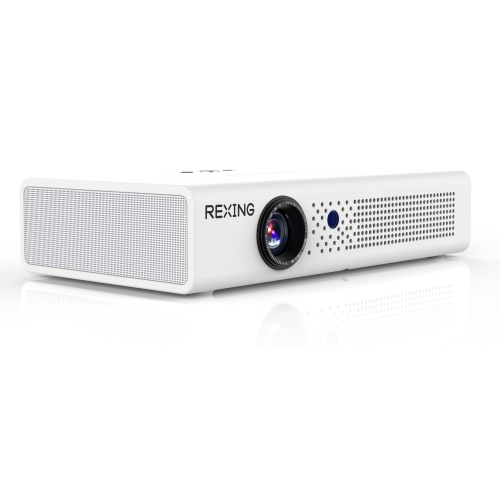
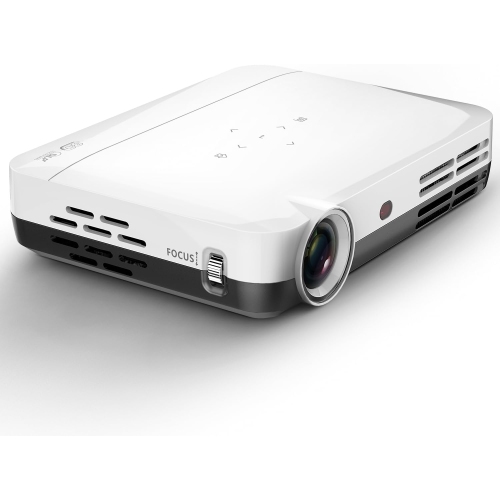
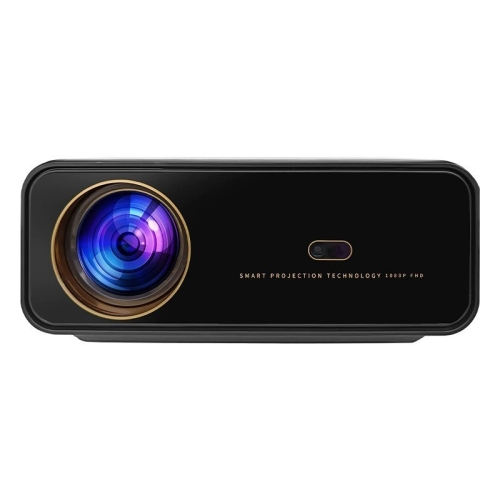

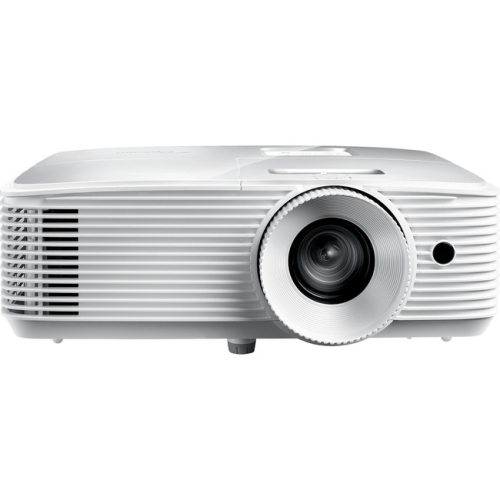

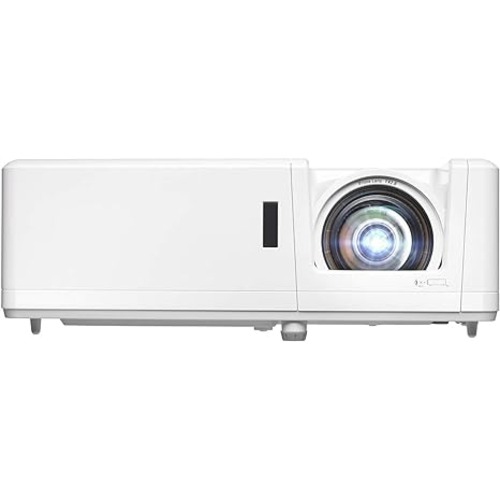
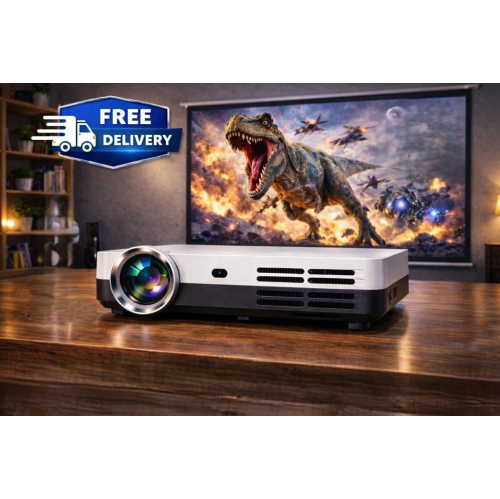
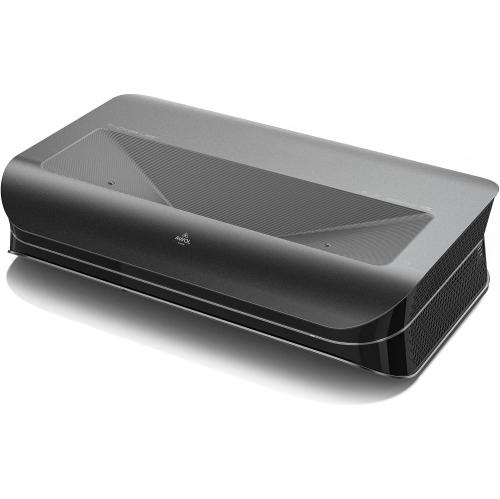


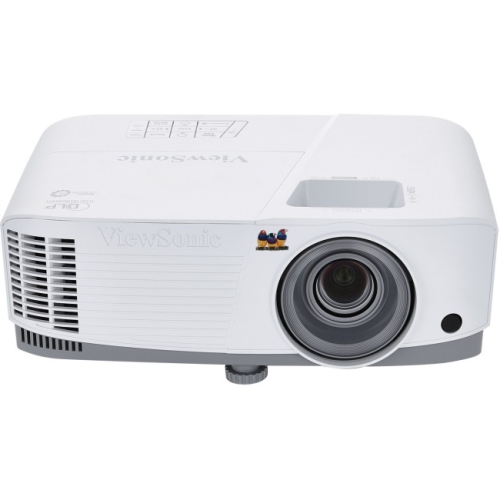
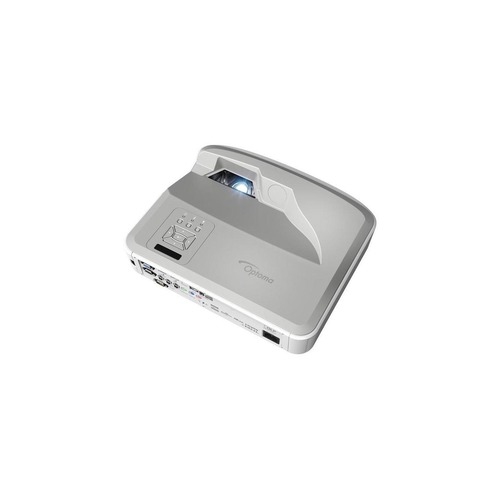
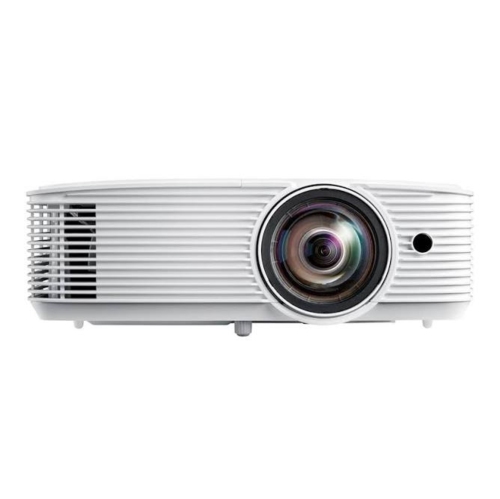
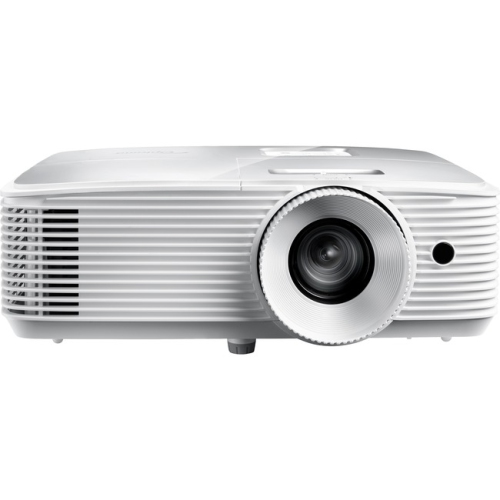
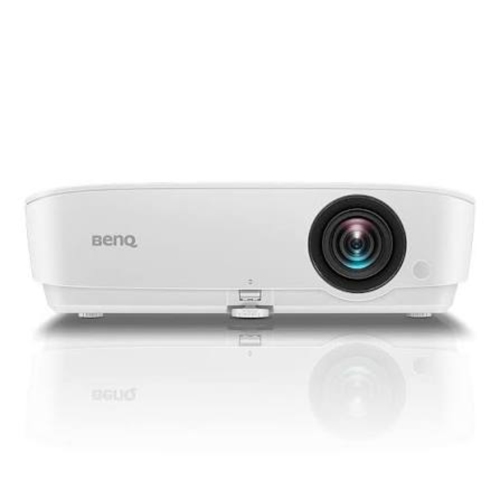
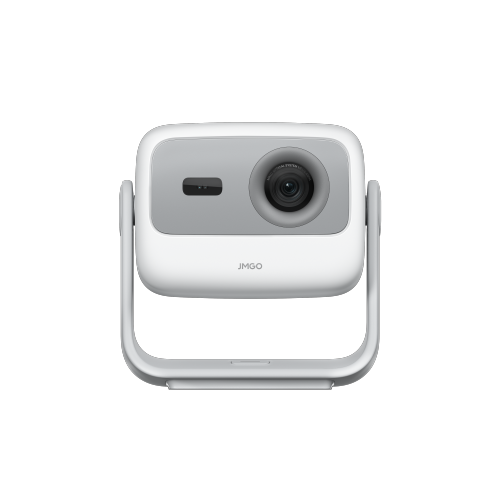

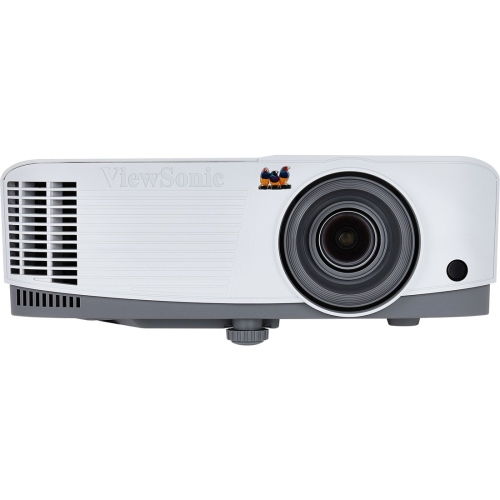
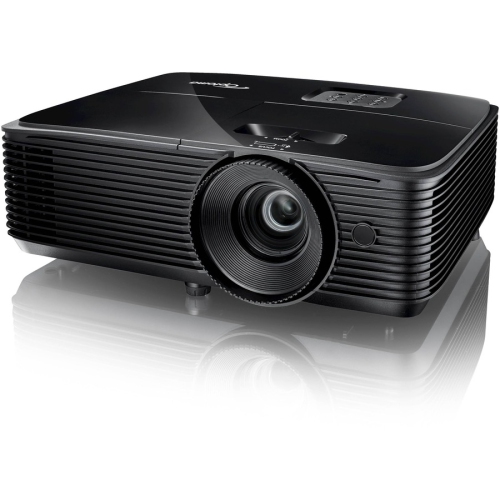
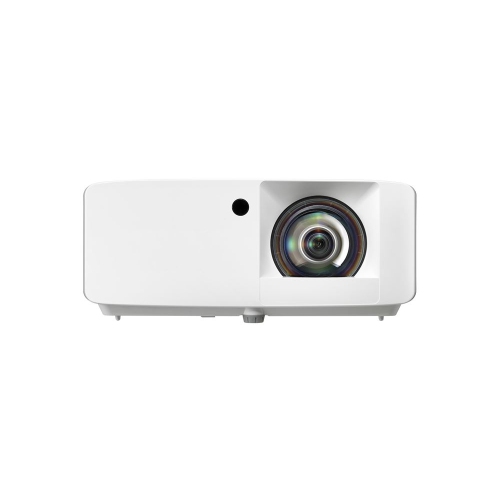
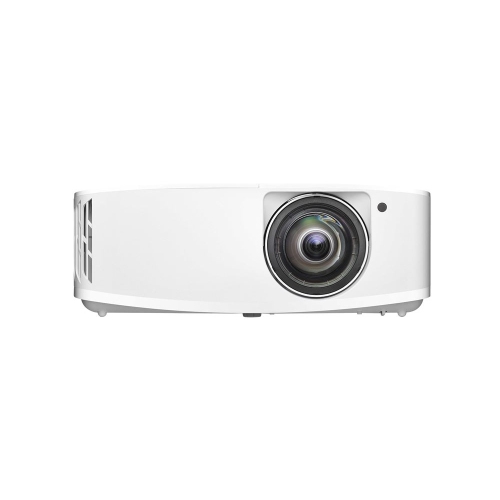
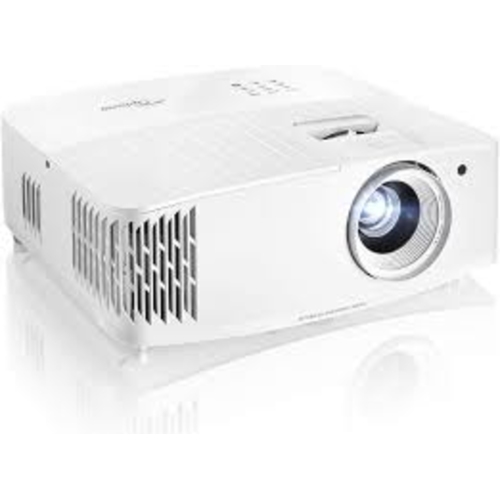
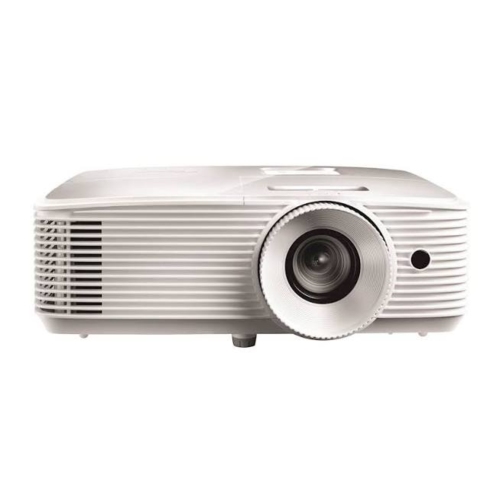

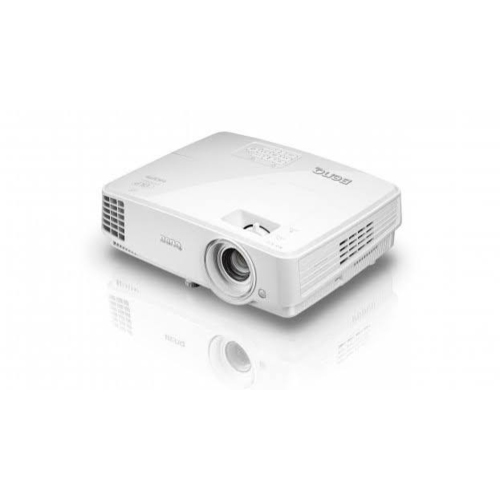
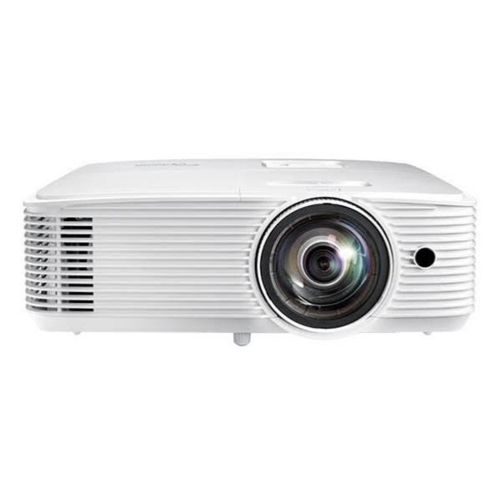

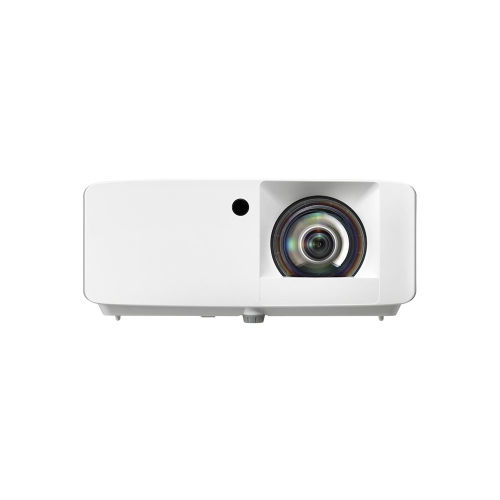
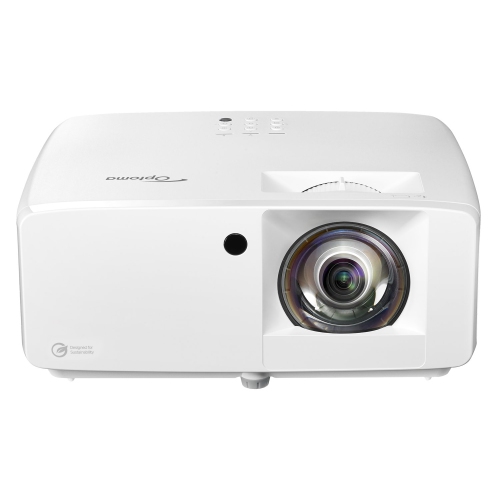


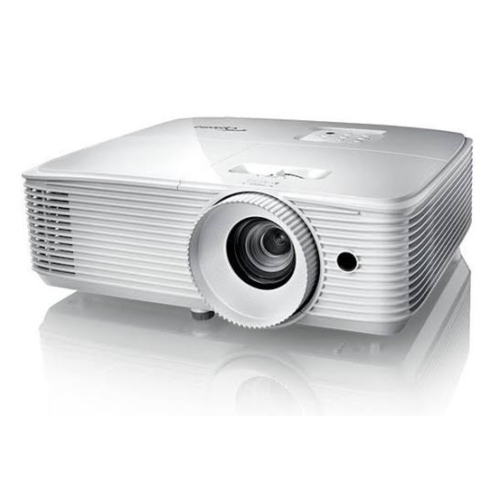
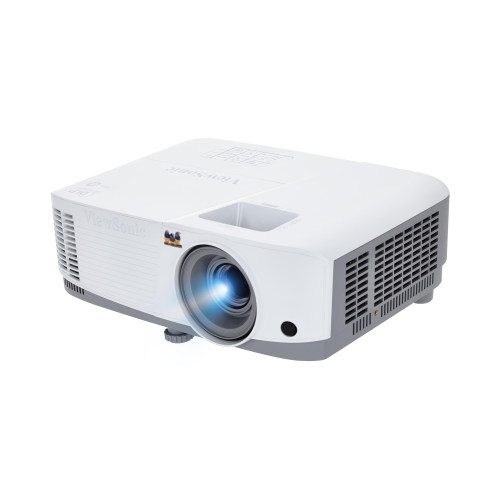
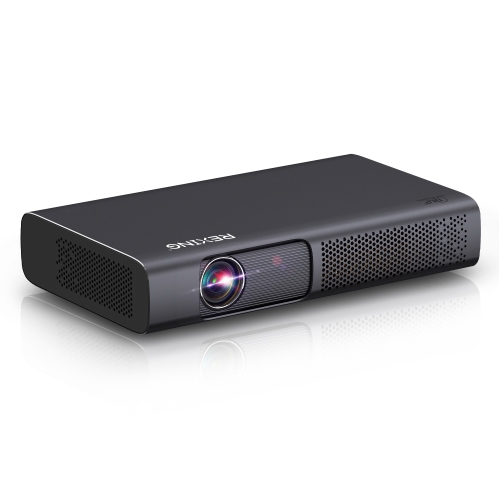
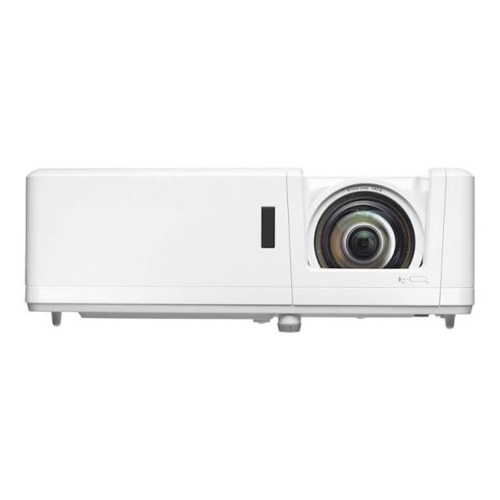
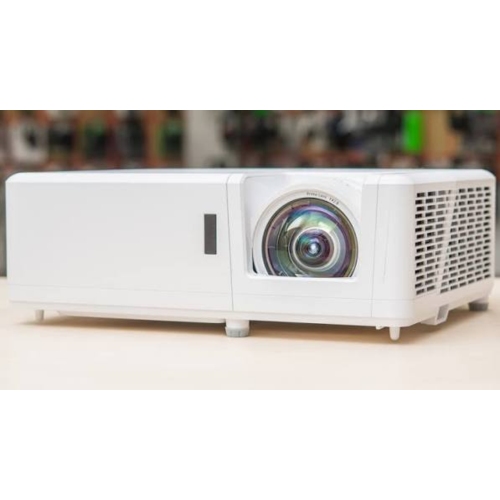

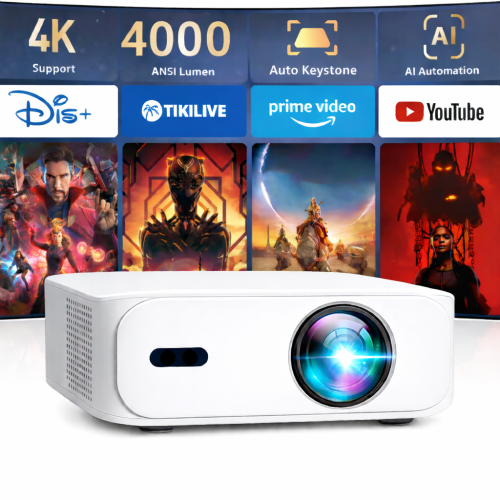

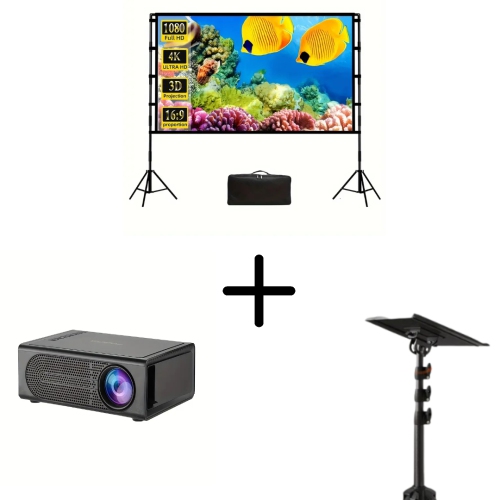
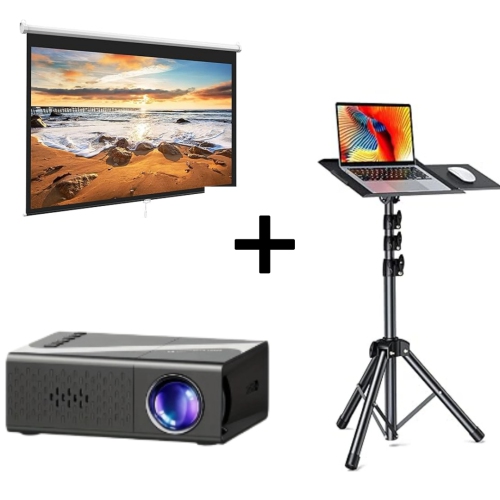
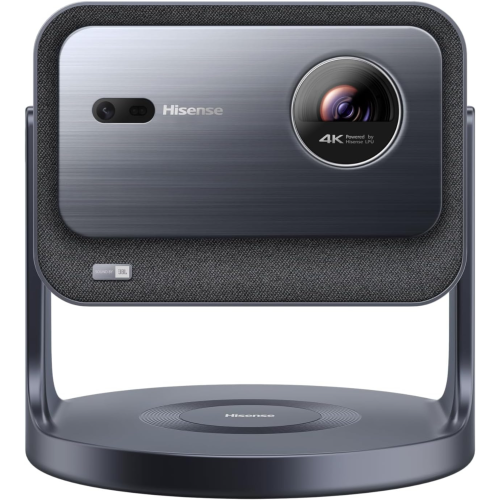

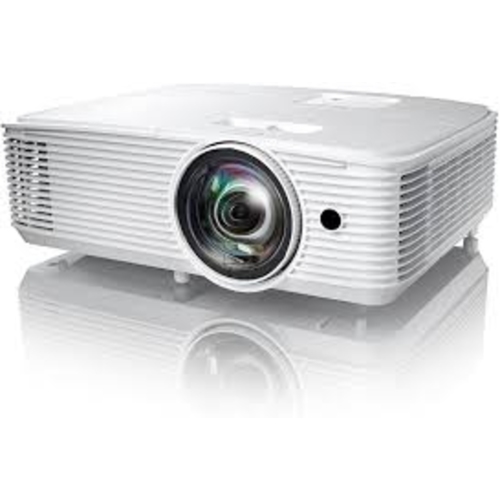

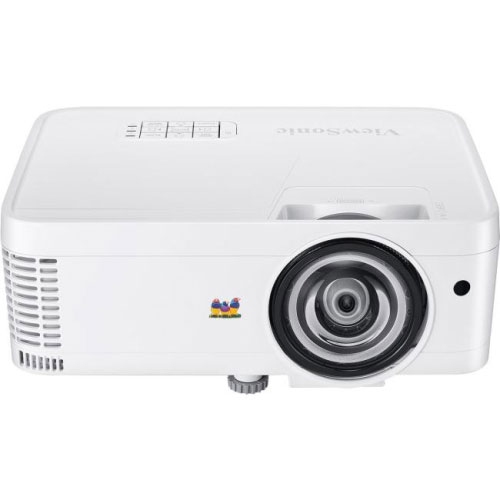
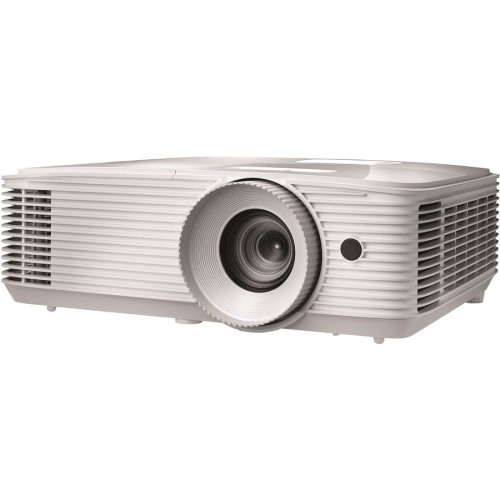

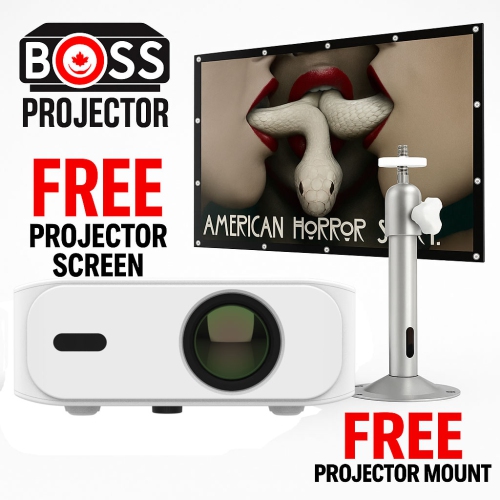
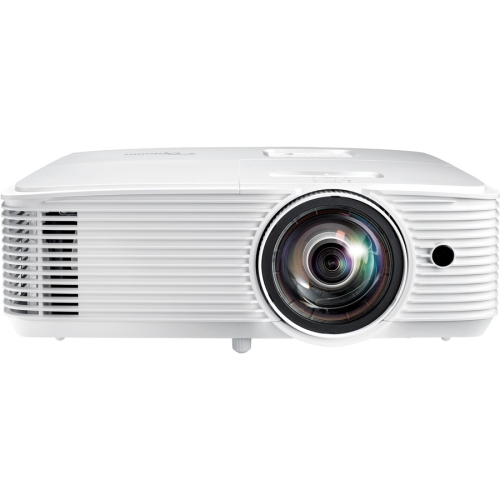

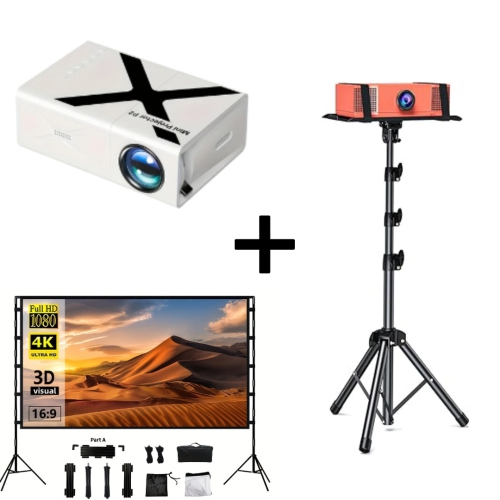
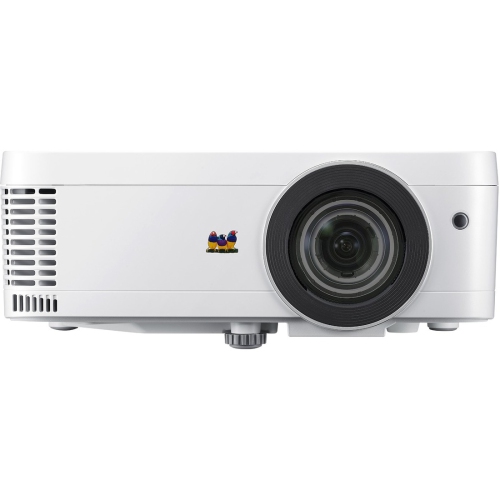

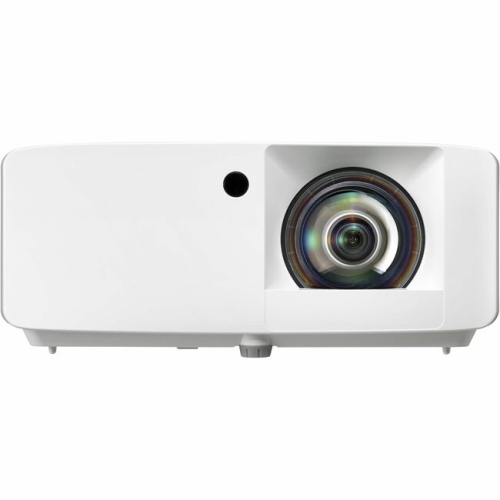
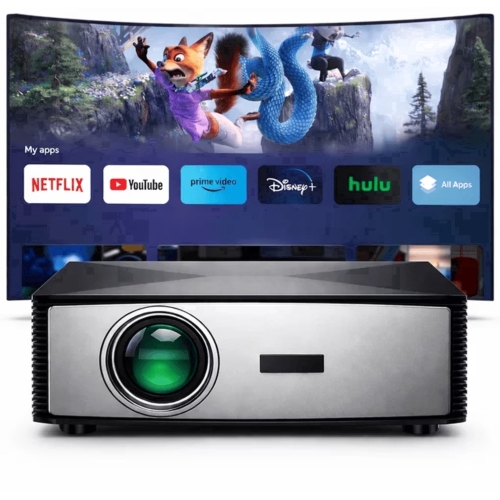
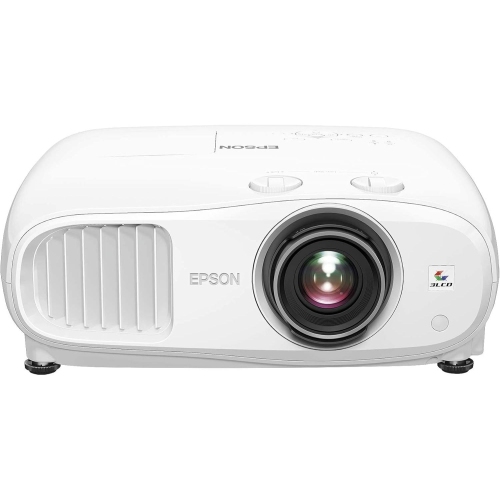
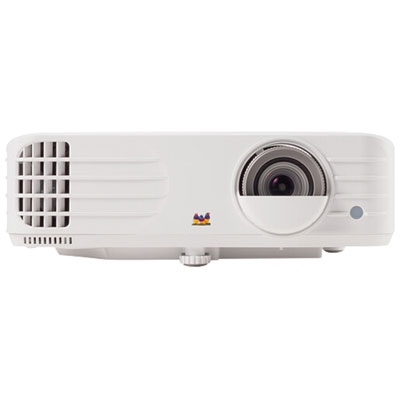

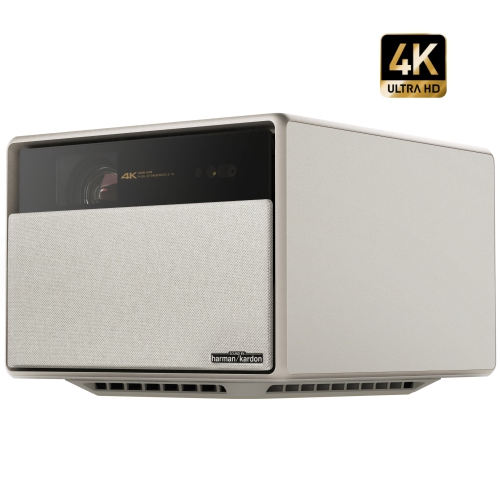
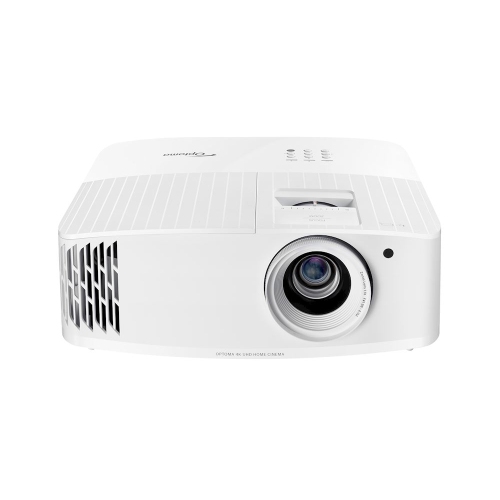

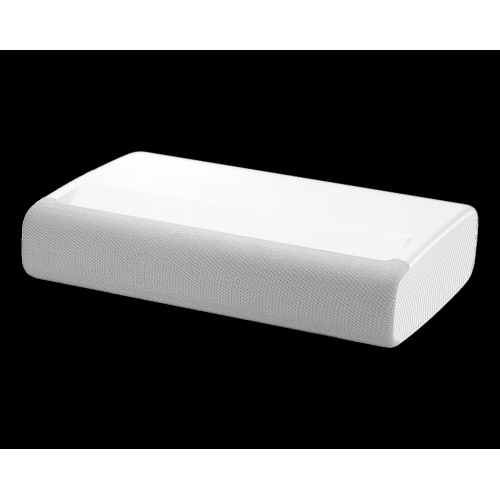







Big-screen 3D depends on more than the projector
3D projectors display stereoscopic video by presenting slightly different images to the left and right eyes, creating a sense of depth when viewed through compatible 3D glasses. On a large projection screen, that depth can make an animated landscape feel layered, place a cockpit in front of a distant star field, or give a concert recording a stronger sense of space. Most home 3D projectors use active shutter glasses, which alternately open and close their lenses in time with the projected images. Some projection systems use passive polarized glasses instead, with different requirements for the projector, accessories, and screen. These approaches are not interchangeable, so the complete setup matters as much as the projector itself. A compatible source, supported 3D video format, suitable connection, and matching glasses all contribute to a working system. Common formats include frame packing, often associated with Blu-ray 3D, and side-by-side or top-and-bottom video, which place both eye views within a single video frame. Support varies by model and input resolution. A projector that accepts one format may not accept every other format or frame rate, and a 3D label does not mean that ordinary streaming video automatically becomes stereoscopic. Some models offer 2D-to-3D conversion, but that feature differs from playing content originally produced in 3D. Native resolution also deserves a separate look: a projector’s advertised 4K capability does not necessarily mean it displays 3D content in 4K. Many home setups use Full HD 3D even when the same projector handles higher-resolution 2D material. For viewers with a collection of 3D films, dependable compatibility with their player and discs can be more useful than a feature that applies only to 2D viewing. Gaming introduces another consideration, since both the game and the source device need to support a suitable stereoscopic output. Input lag and refresh-rate specifications can change in 3D mode, so performance figures from a standard gaming mode may not describe the same experience.
The room and screen shape the picture just as strongly as the video source. A standard-throw projector usually needs more distance to produce a large image, while short-throw and ultra-short-throw designs can work closer to the screen when their specifications support the intended placement. Throw ratio describes the relationship between lens distance and image width; it is more useful for judging room fit than a general claim about maximum screen size. A low table, a ceiling mount, and a dedicated shelf each place different demands on cable routing, ventilation, and image adjustment. Optical lens shift, where fitted, helps position the picture without tilting the projector, while digital keystone correction can reduce usable image detail. Brightness is particularly important for 3D because the viewing glasses reduce the amount of light reaching the eyes. A larger image spreads the projector’s light across more surface area, and room lighting can weaken contrast, leaving dark scenes looking flatter. Standardized brightness measurements, such as ANSI lumens or measurements made under an identified ISO standard, provide more context than an unexplained brightness number. Even then, the selected picture mode and 3D settings affect the result. Screen material also matters: a smooth, tensioned surface can keep fine detail more consistent than a textured wall, while screen gain influences brightness and the useful viewing angle. Some ambient-light-rejecting screens have strict placement requirements, and passive polarized systems generally need a surface that preserves polarization. Image technology is another separate consideration. DLP and LCD-based designs describe how the picture is formed, while lamp, LED, and laser describe different light-source approaches; none of these terms alone guarantees 3D compatibility. The category of 3LCD Projectors refers to a three-panel LCD imaging design, so 3D support still depends on the individual model. Fan noise and exhaust direction are practical details too, especially when the projector sits close to the sofa or beside a quiet viewing area.
Day-to-day enjoyment often comes down to the glasses, controls, and upkeep rather than screen size alone. DLP Link glasses receive synchronization through light signals from the projected image, while other active systems may use a compatible infrared or radio-frequency emitter. Glasses need to match the projector’s supported synchronization method; a pair intended for a different display may not work. For shared viewing, each person needs a suitable pair, and fit can vary around the nose, temples, and prescription eyewear. Lightweight frames and lenses that cover the viewer’s line of sight help make longer films more comfortable, while rechargeable and replaceable-battery designs have different charging and storage needs. Synchronization quality and viewing conditions can also affect crosstalk, the faint duplicate outlines sometimes visible around high-contrast objects. Comfortable seating, a sensible image size for the viewing distance, and breaks when needed can make a session easier to enjoy. These details are especially relevant for households that alternate between individual viewing and a full sofa of guests. A portable projector may suit occasional use in different rooms, although carrying handles, protective cases, connection placement, and repeated setup become part of its practical durability. A fixed installation places more emphasis on secure mounting, accessible filters where fitted, and room around ventilation openings. Housings are commonly made from rigid plastics, sometimes with metal components, but exterior finish alone says little about long-term performance. Clear airflow, careful transport, and appropriate cleaning matter more. Lens coatings and glasses can scratch, so soft cleaning materials and the manufacturer’s care directions are preferable to abrasive cloths or household sprays. Lamp-based models may need replacement lamps over time, while LED and laser models have different servicing arrangements and rated light-source lives. For film enthusiasts, animation fans, or someone building a home theatre, a 3D projector can also be a thoughtful gift when the recipient’s room, source equipment, and eyewear needs are understood. A setup that handles familiar 2D programmes as well as compatible 3D films gives the projector a useful role beyond occasional depth-filled movie nights.
Top selling and popular products
-
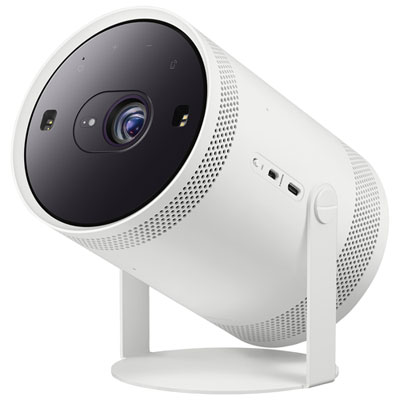 Your price for this item is $899.97
-
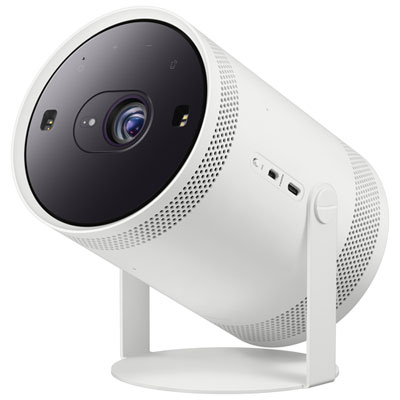 Your price for this item is $999.99
-
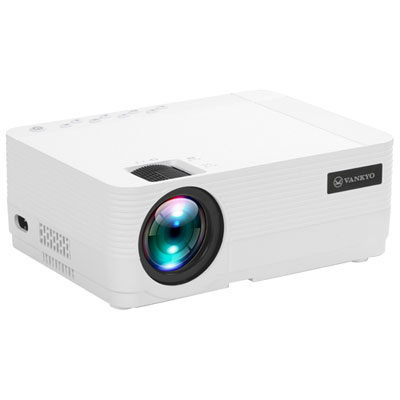 Your price for this item is $229.99
-
 Your price for this item is $1999.99
-
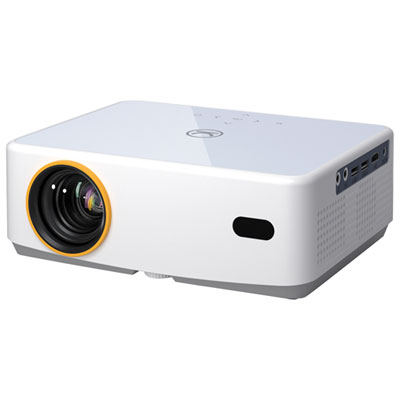 Your price for this item is $319.99
-
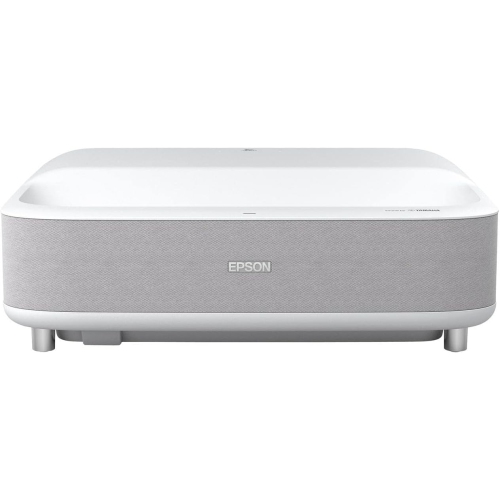 Your price for this item is $2279.05
-
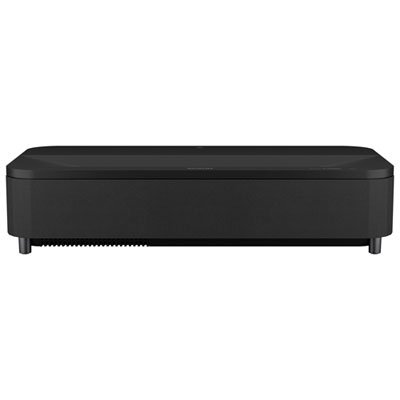 Your price for this item is $4799.99
-
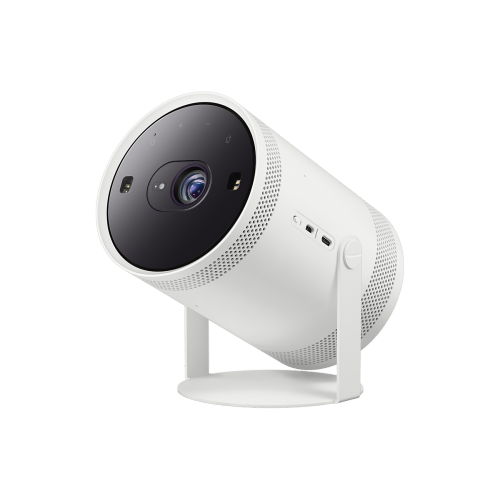 Your price for this item is $799
Discover more categories related to 3D Projectors

Top Collections:
Pokemon Centers, Best Cameras for Sports Photography, Kindle Devices, Samsung Galaxy Phones, Canon G7X Cameras, Pokémon 30th Celebration Cards, Refurbished Apple Laptops, iPhone 15 Apple, Laptops for Students, Budget Smartphones
Some products may be subject to Environmental Handling Fees
(EHF) depending on your province.
Learn more about EHFs.