DLP Projectors
Looking to elevate your home entertainment experience to the next level? Dive into the world of DLP projectors, where stunning visuals and crisp image quality come together to create a cinematic viewing experience right in the comfort of your own space. Whether you're a movie buff, a gaming enthusiast, or a professional in need of top-notch presentation capabilities, DLP projectors offer cutting-edge technology that brings your content to life with vibrant colors and sharp details. Explore our selection of DLP projectors to find the perfect match for your needs and immerse yourself in a world of immersive entertainment like never before.
Sort
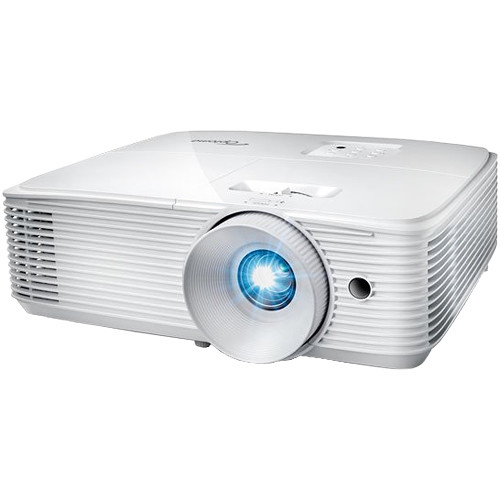
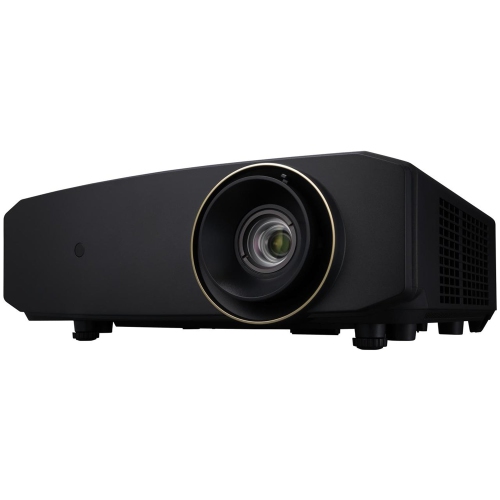
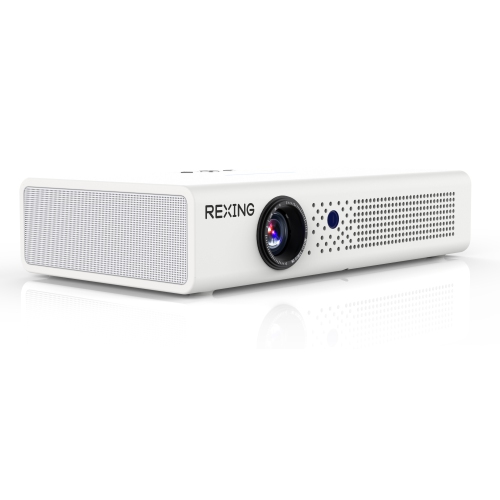
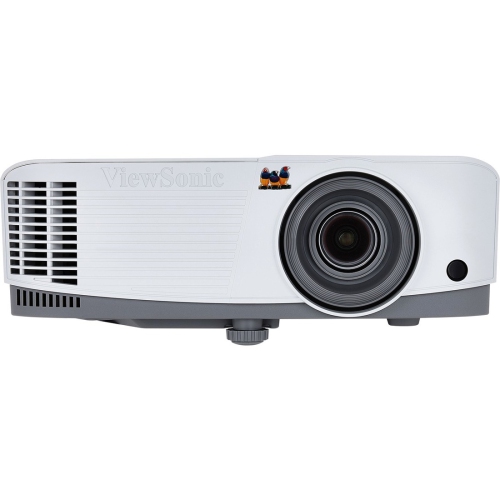
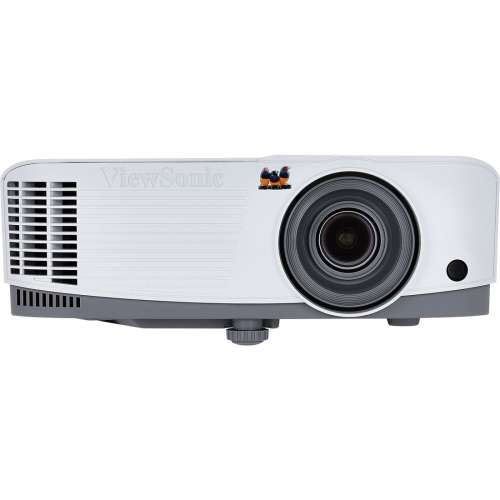
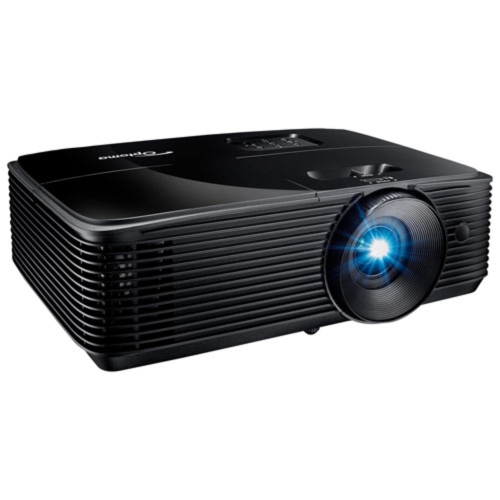
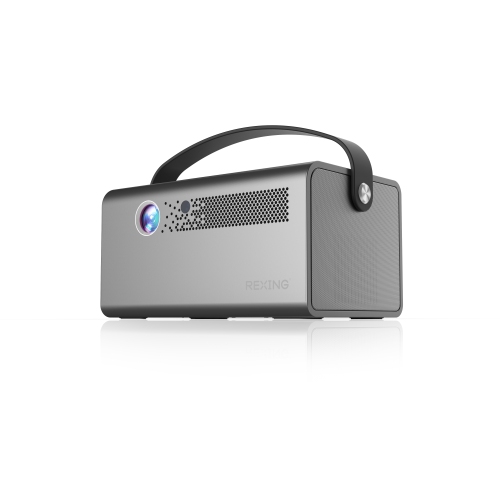
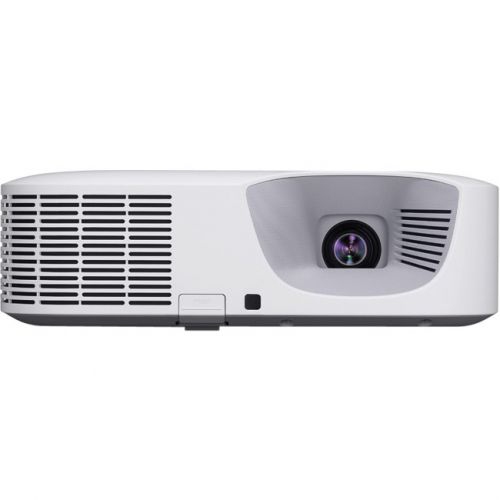
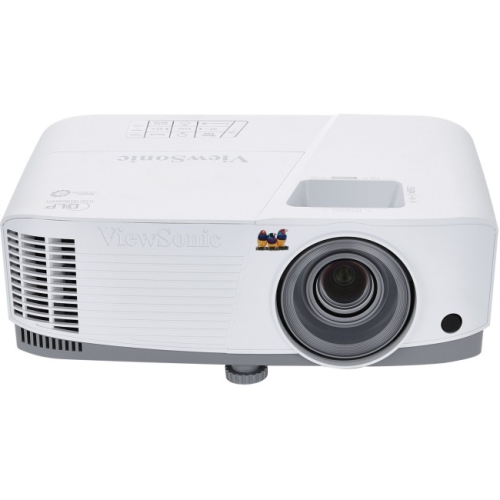
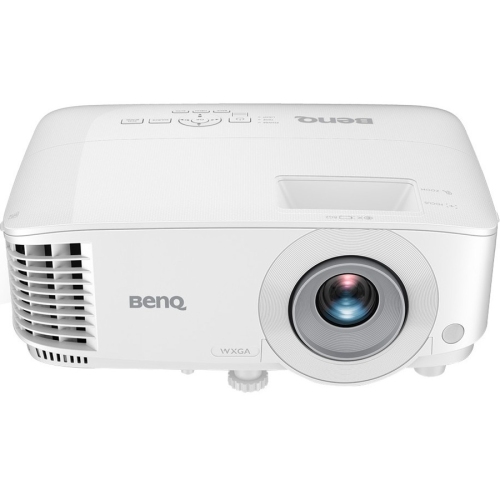
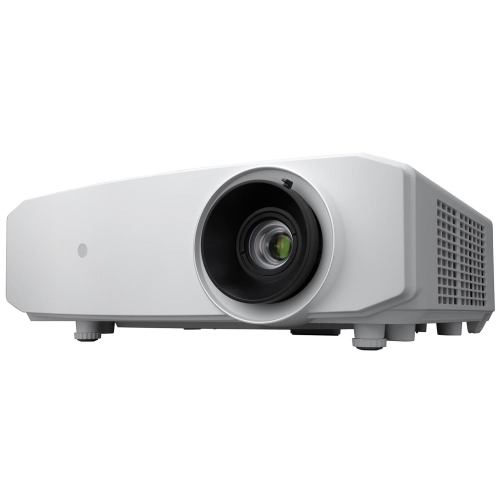
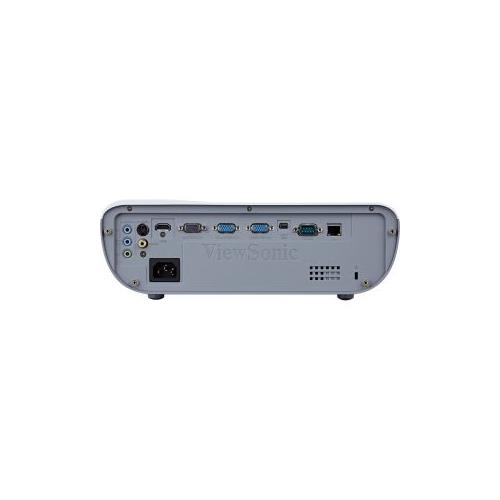
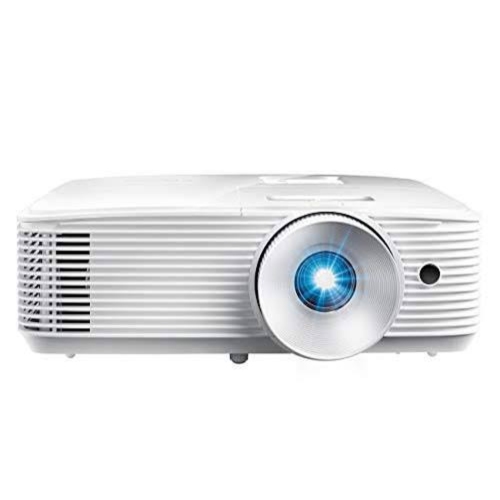
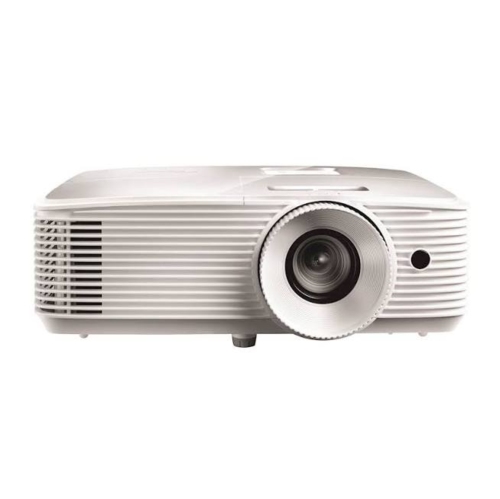
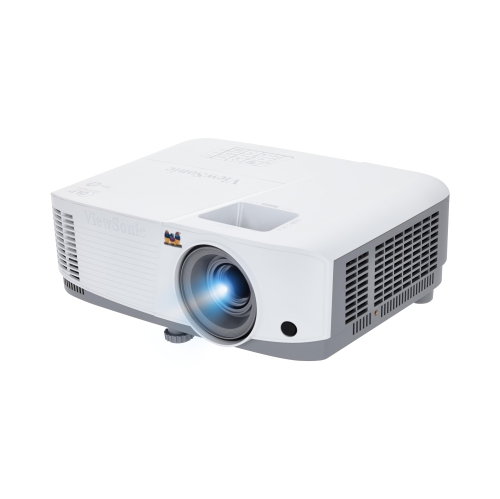
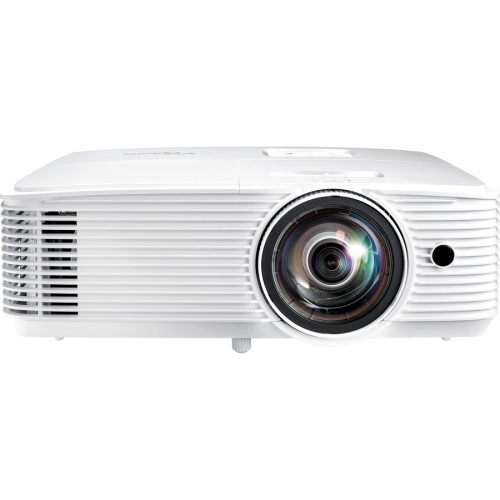
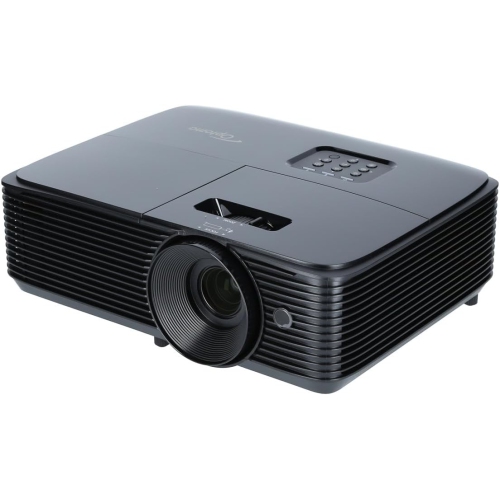
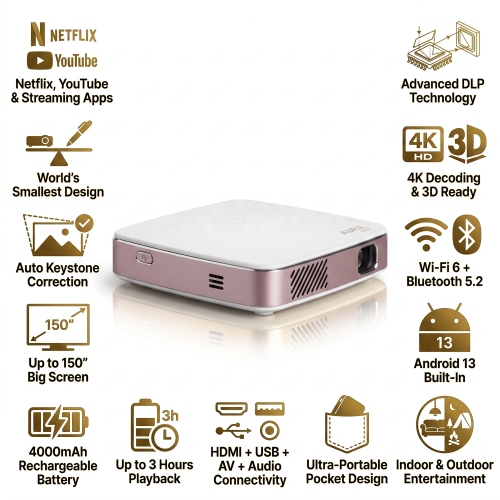
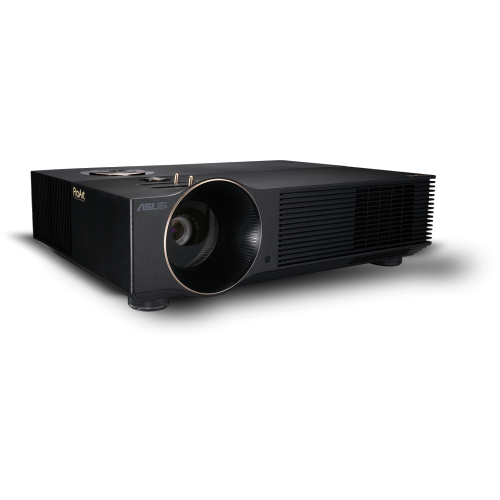
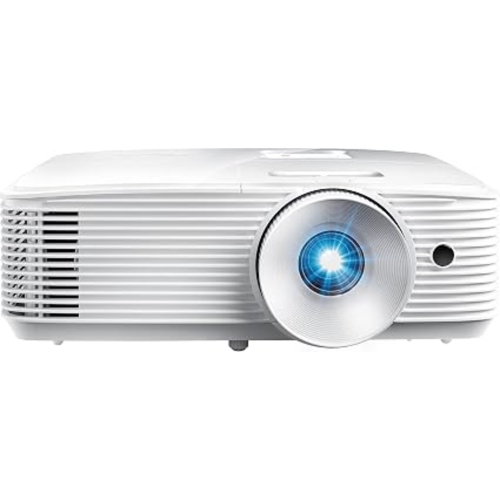
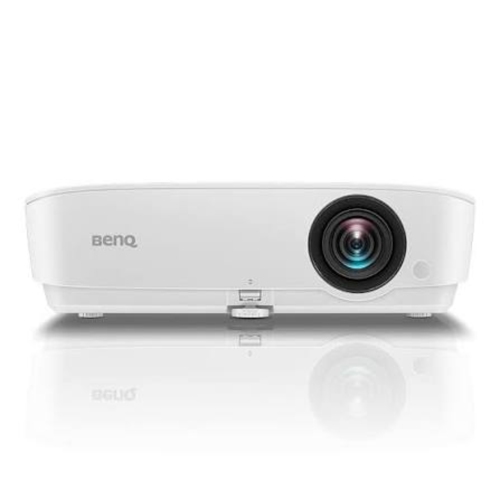
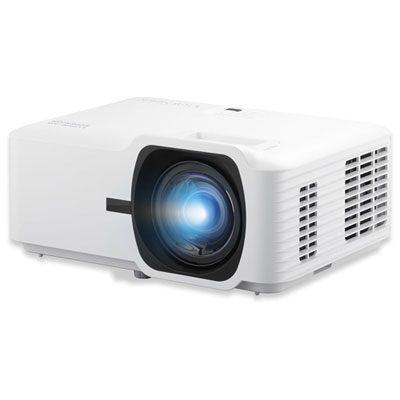
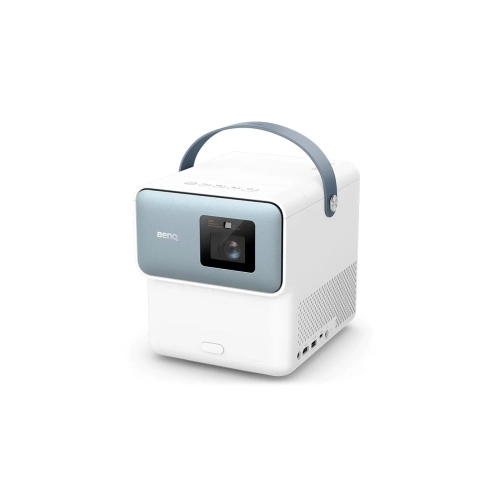
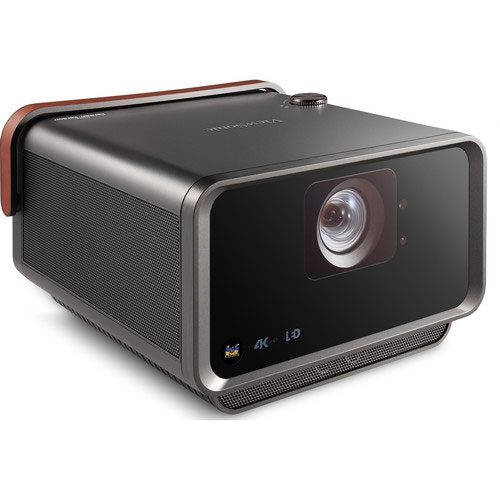
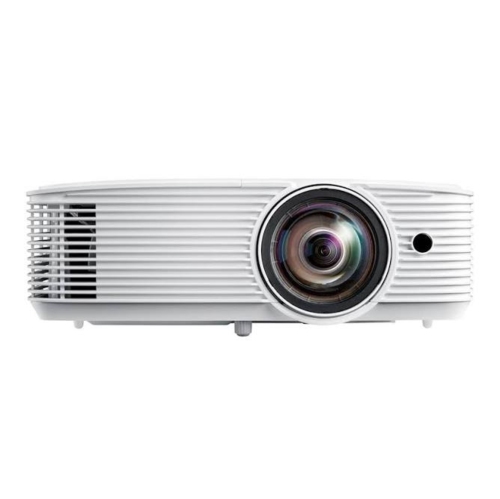
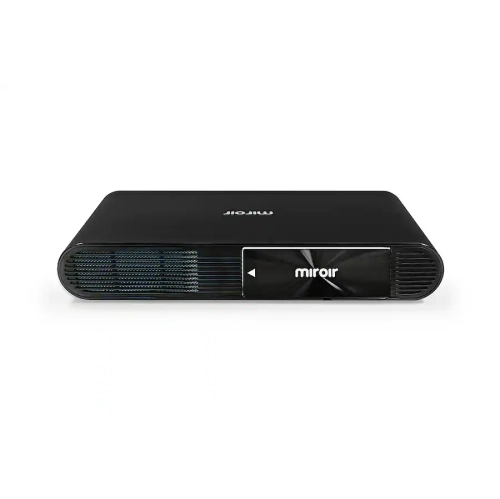
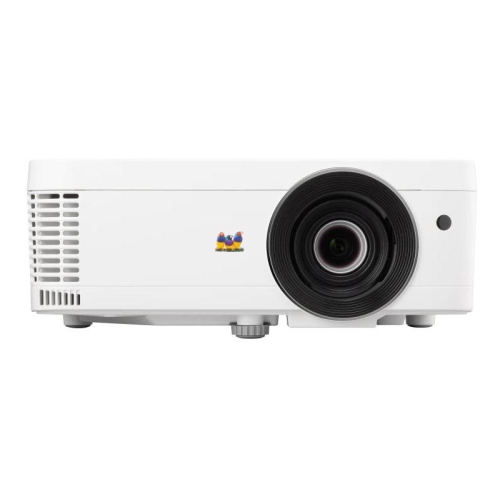
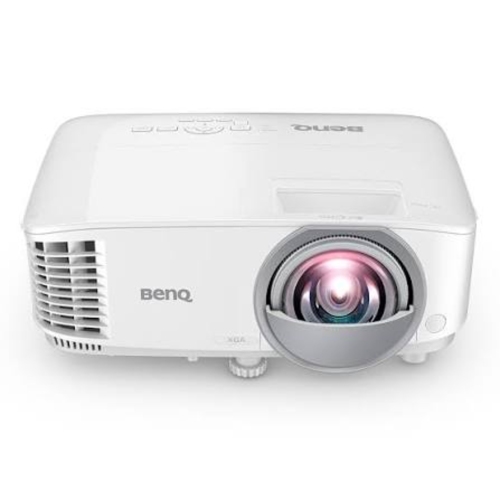
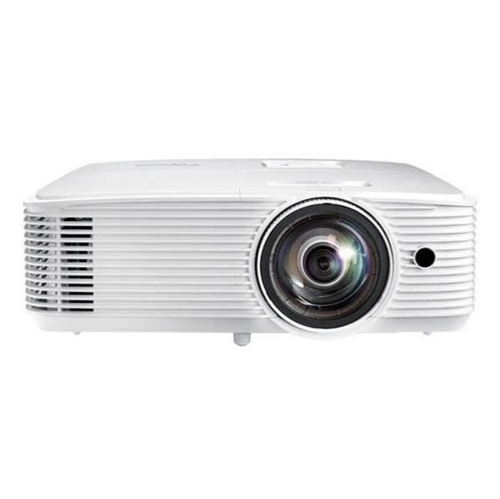
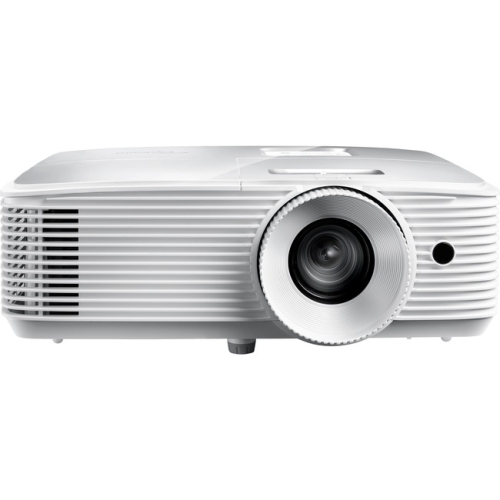
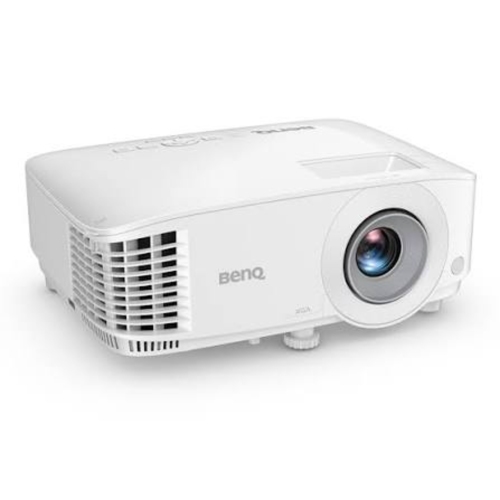
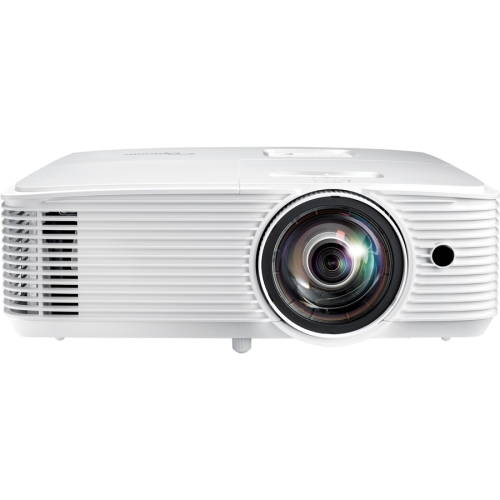
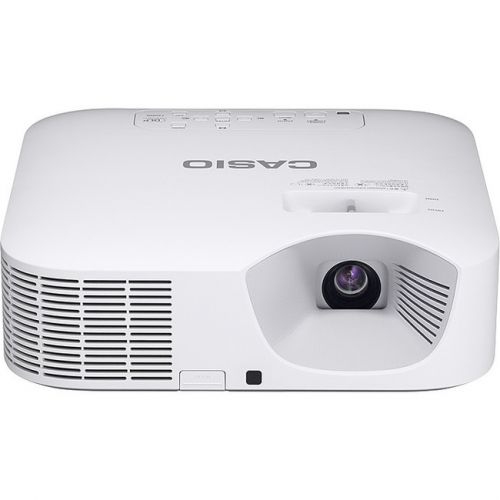
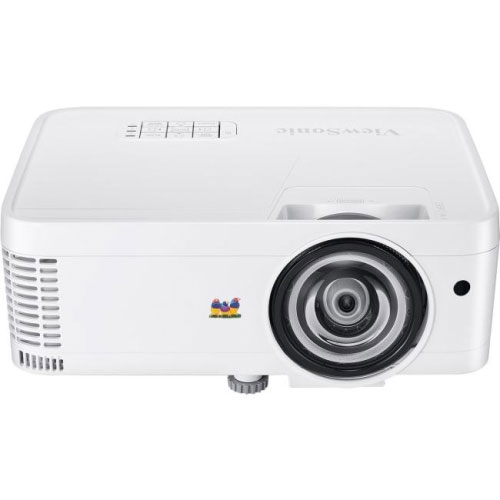
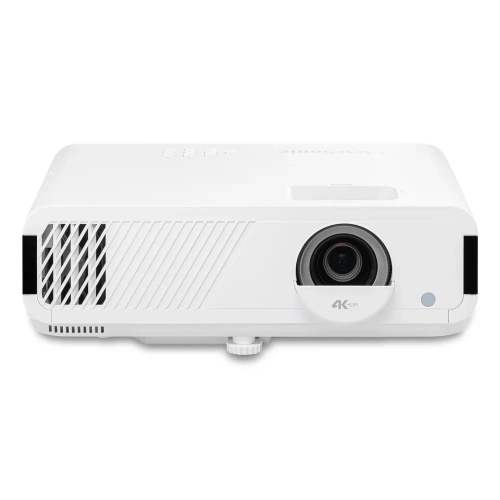
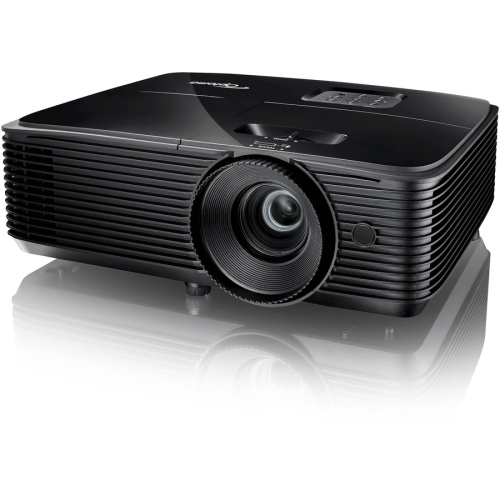
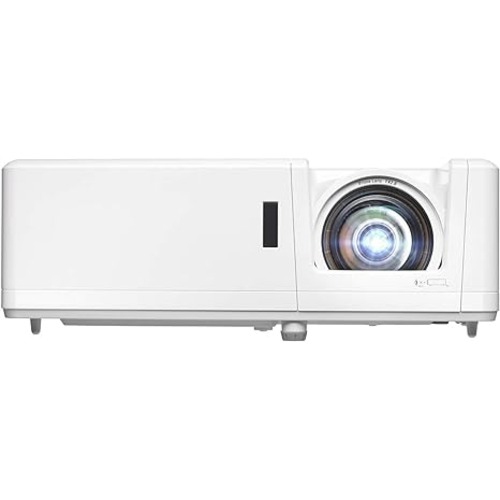
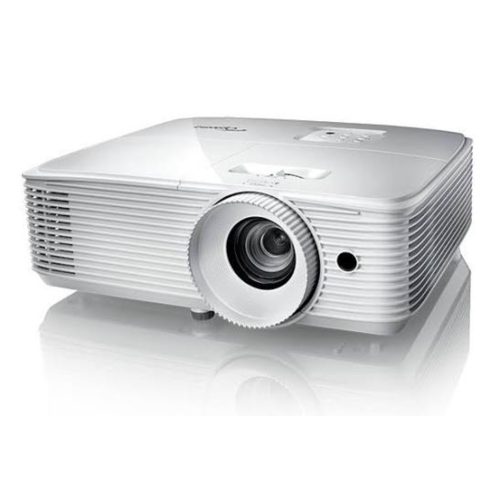
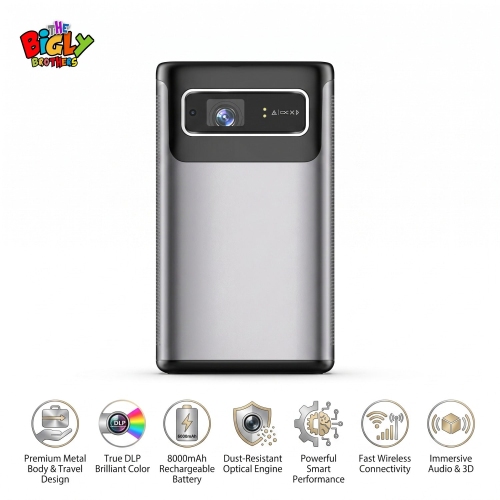
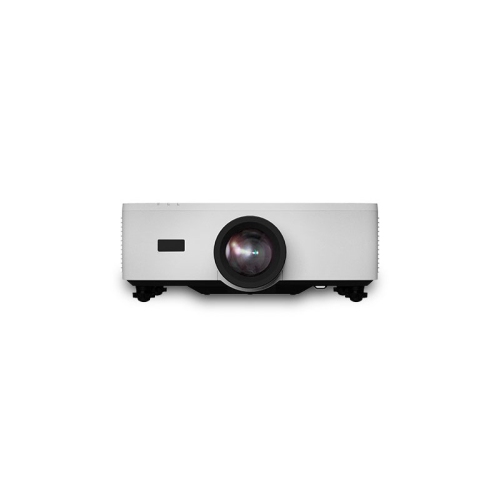
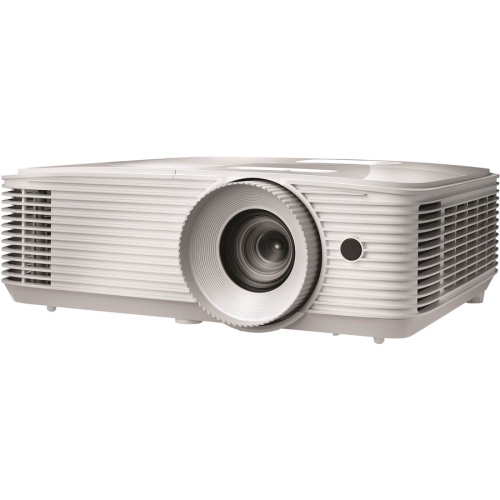
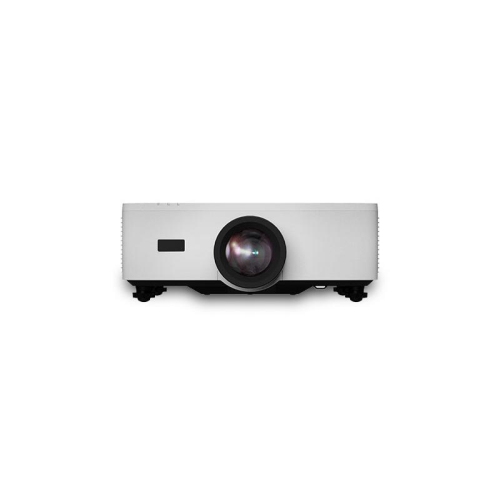
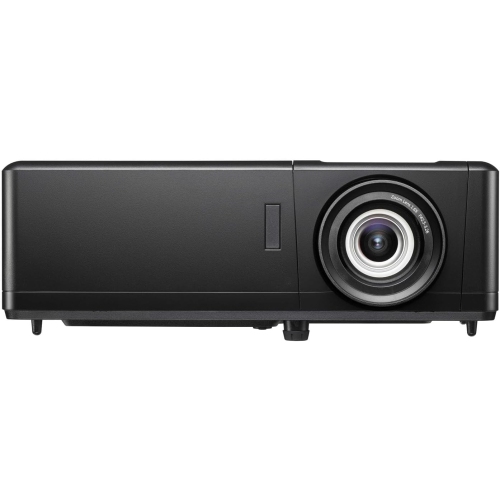
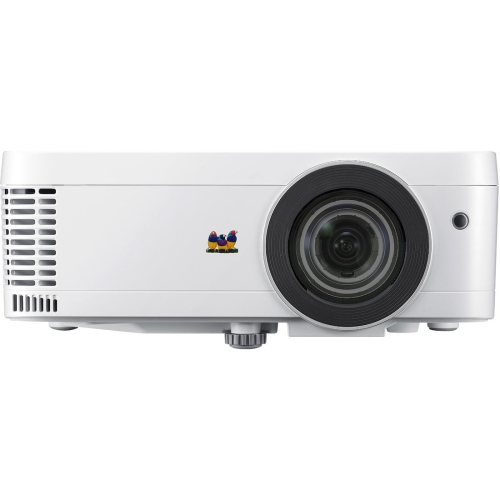
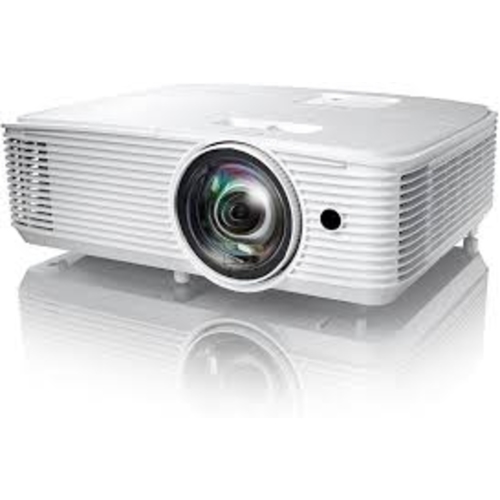
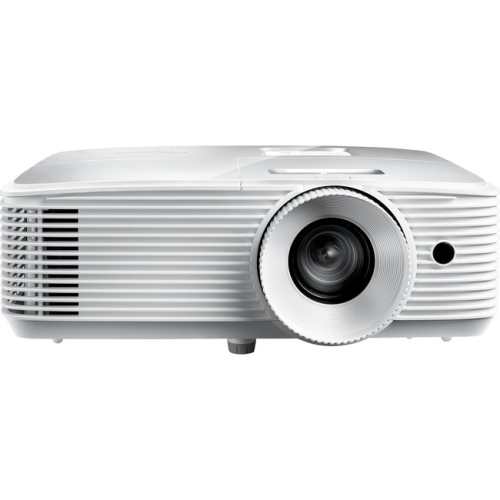
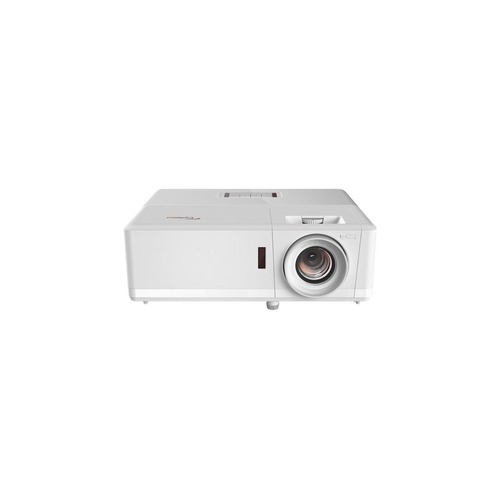
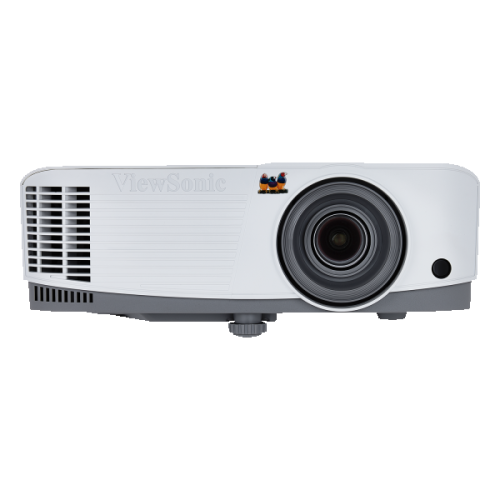
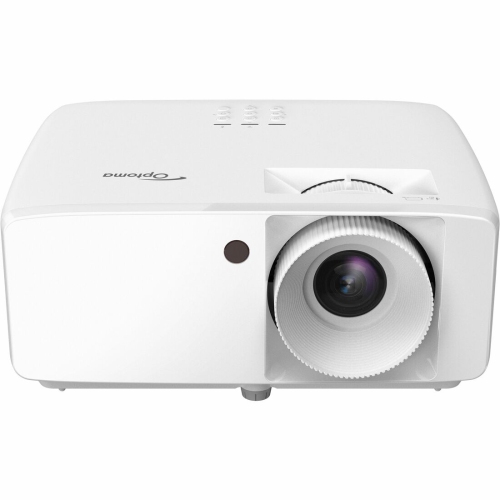
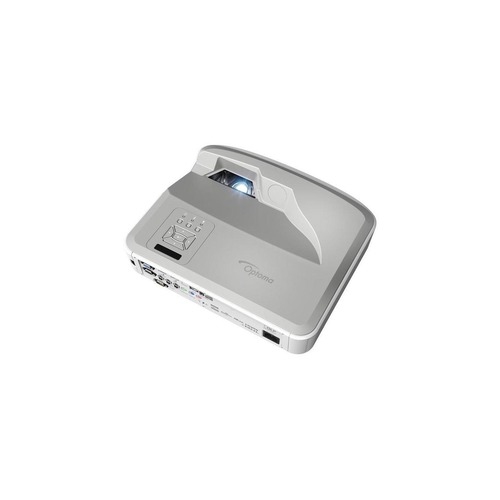
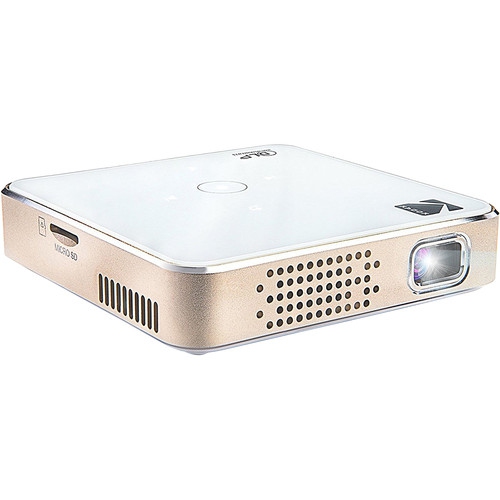
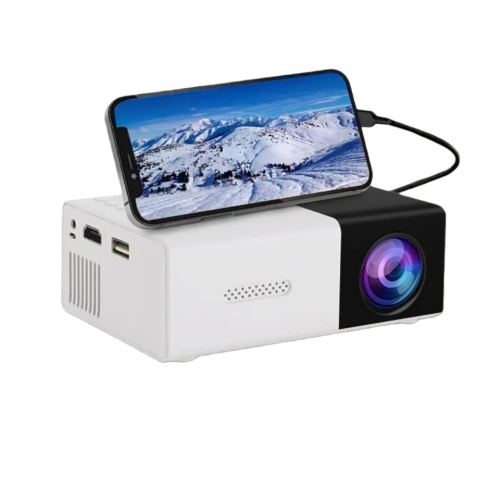
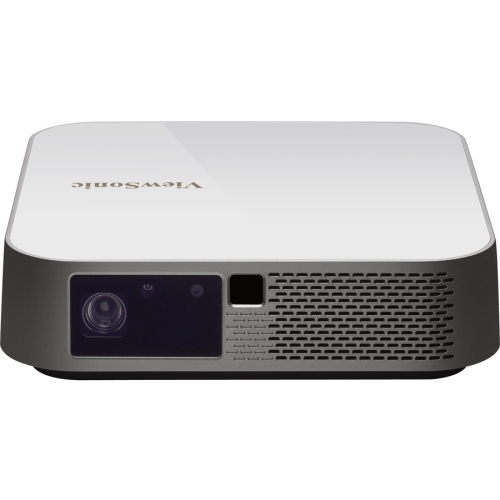
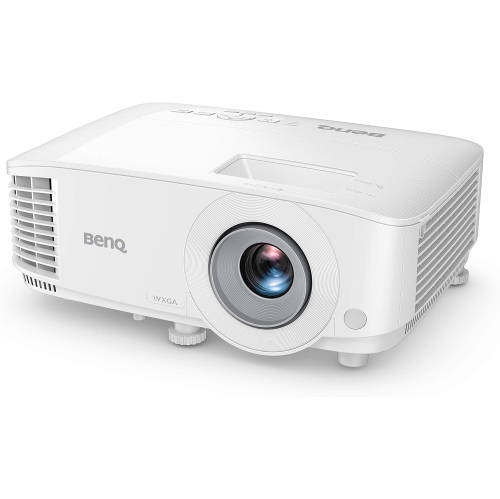
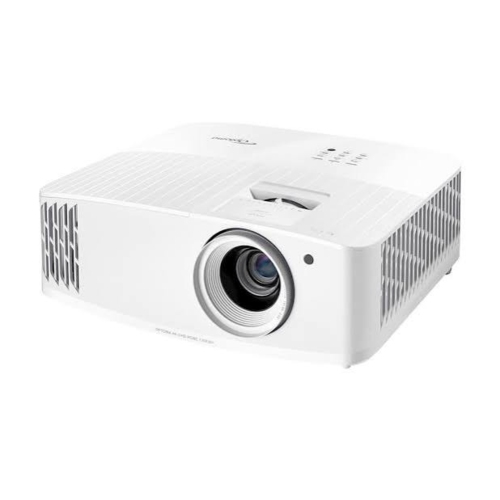
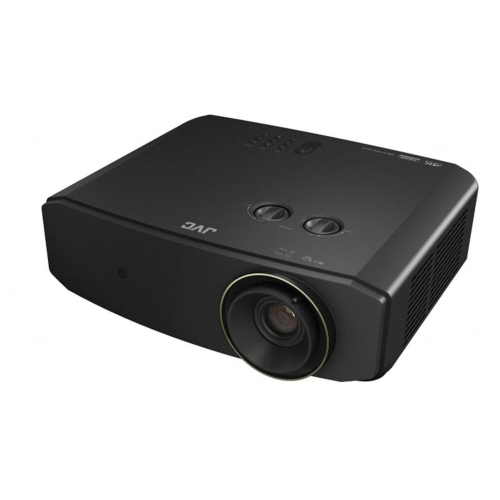
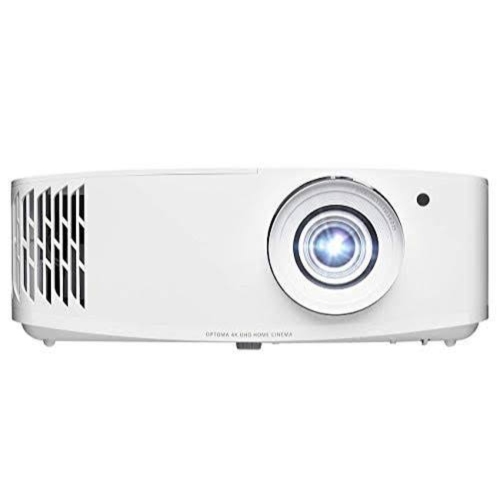
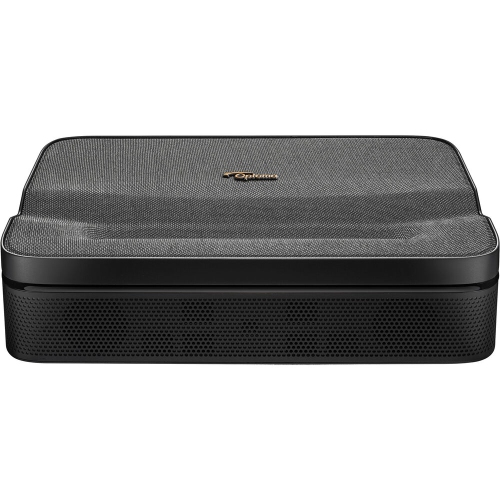
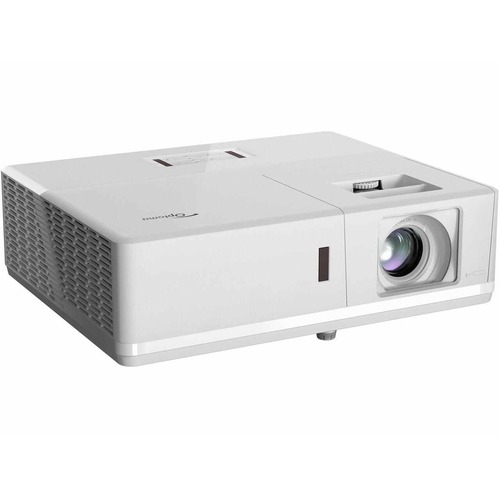
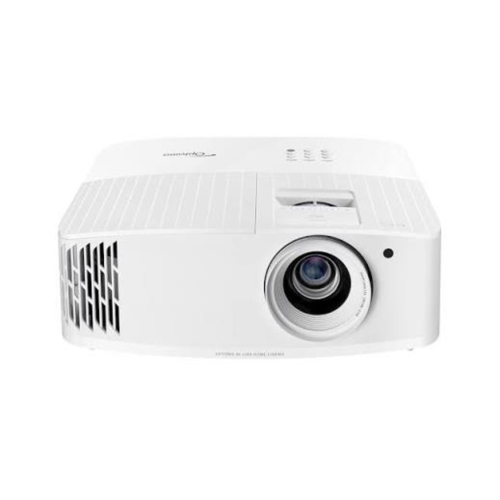
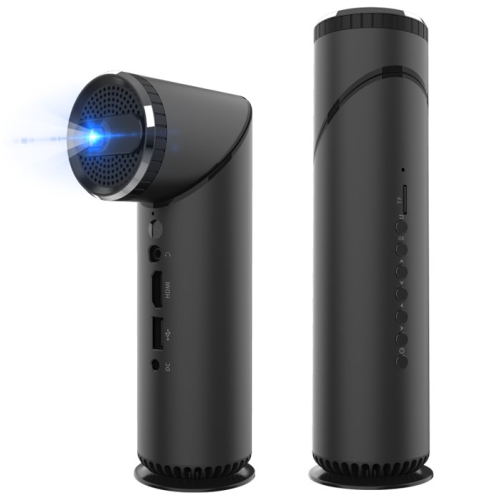
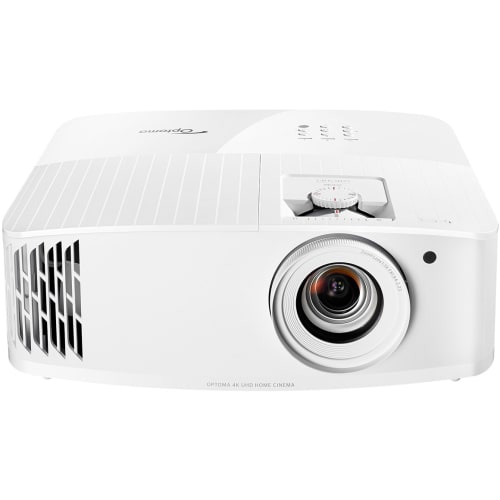
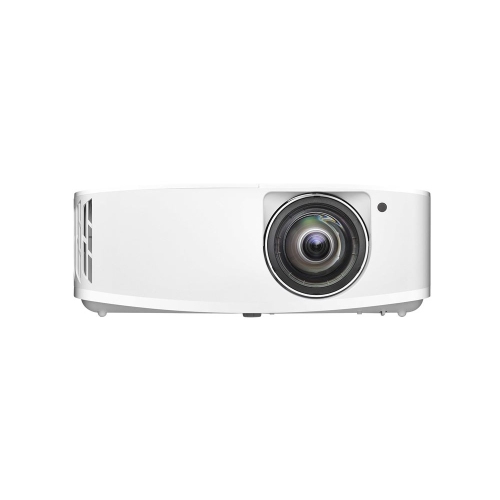
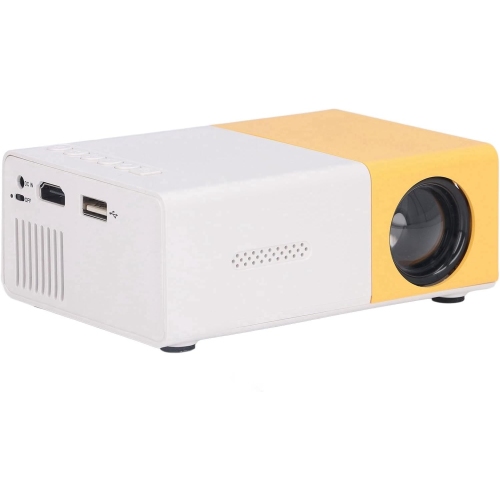
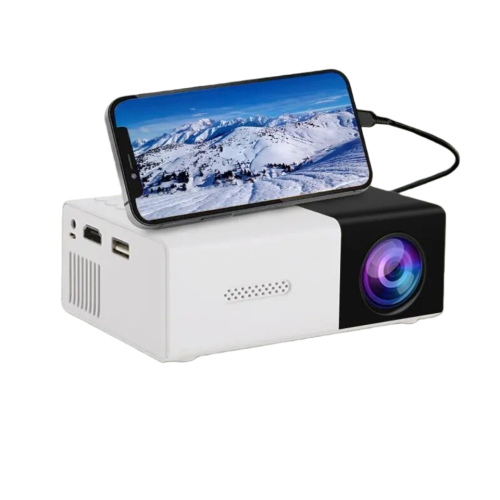
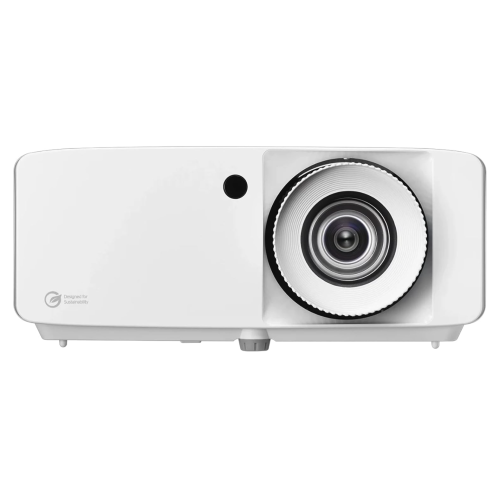
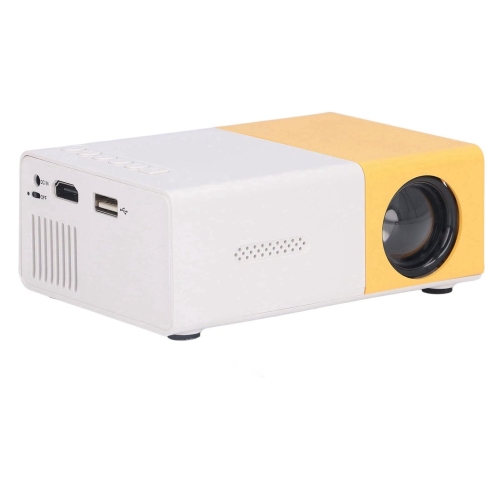
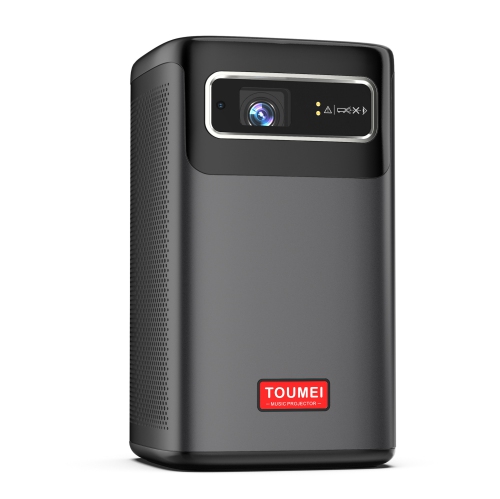
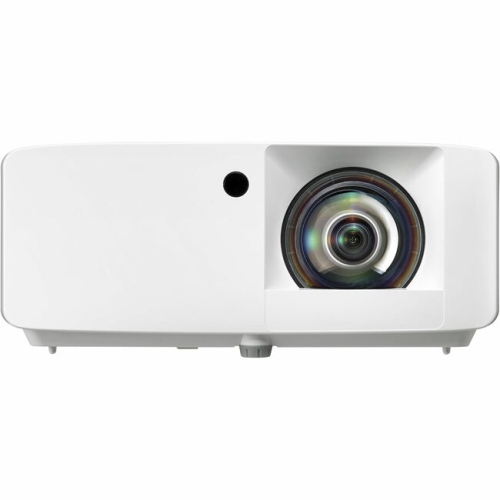
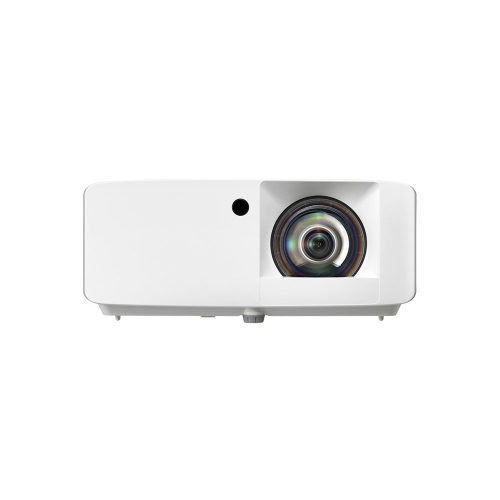
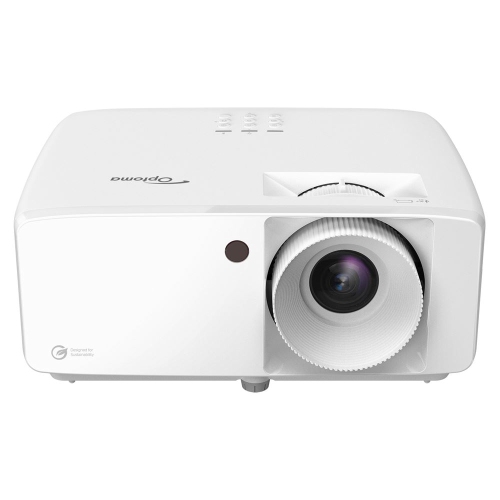
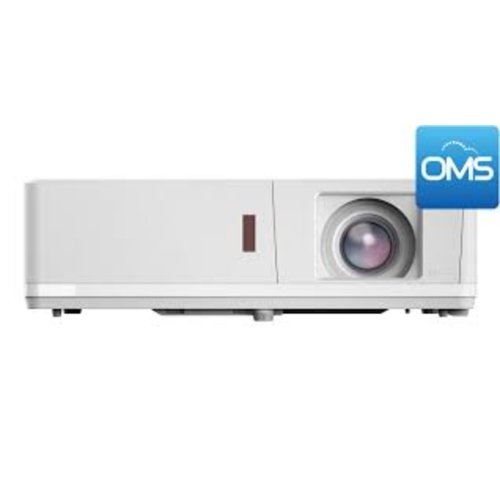
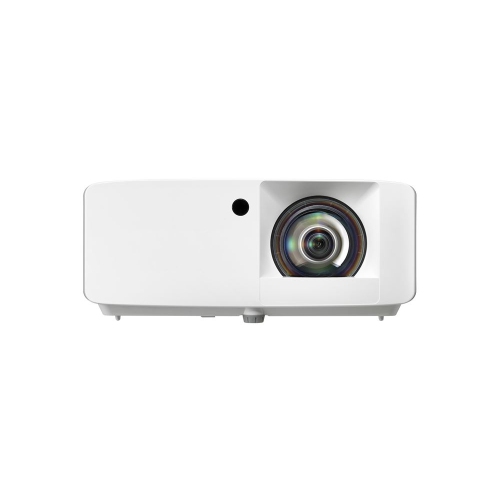
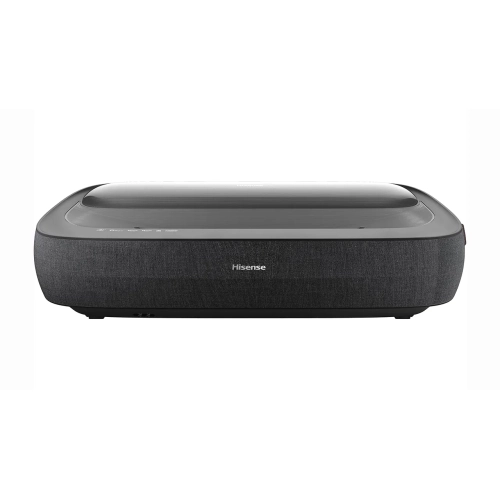
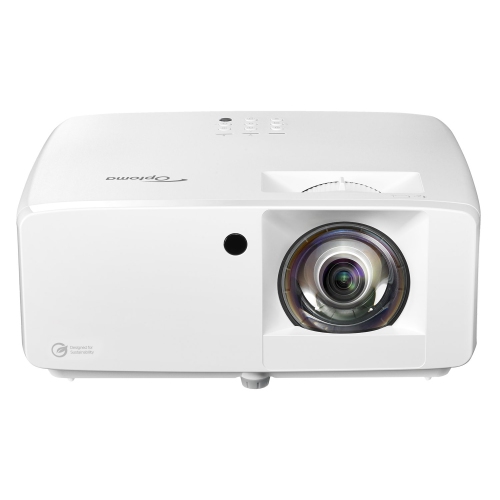
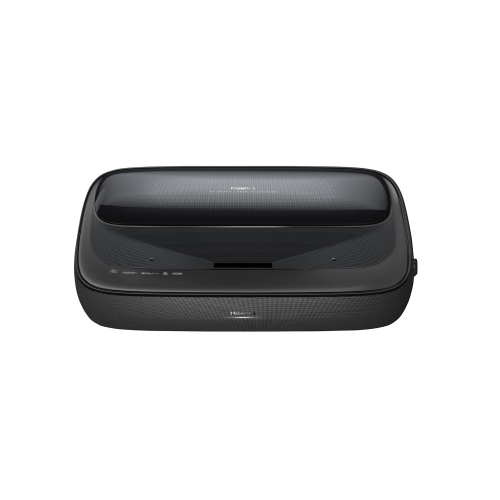
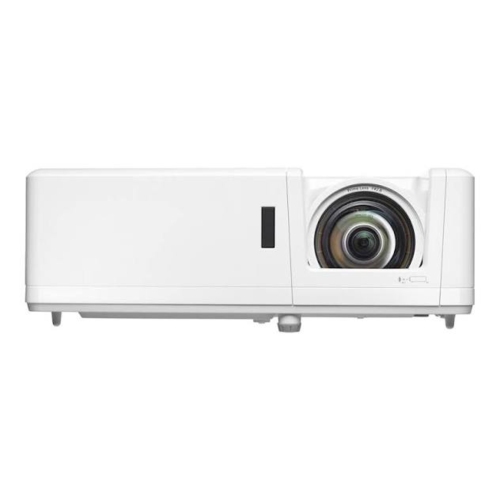
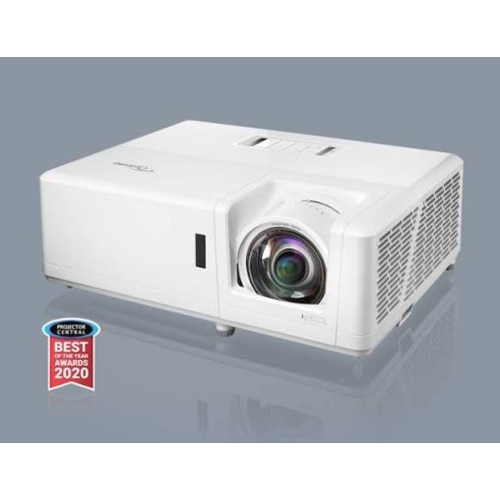
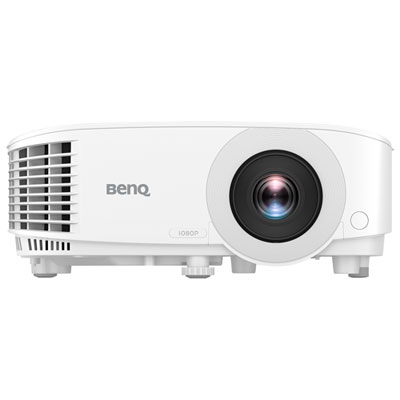
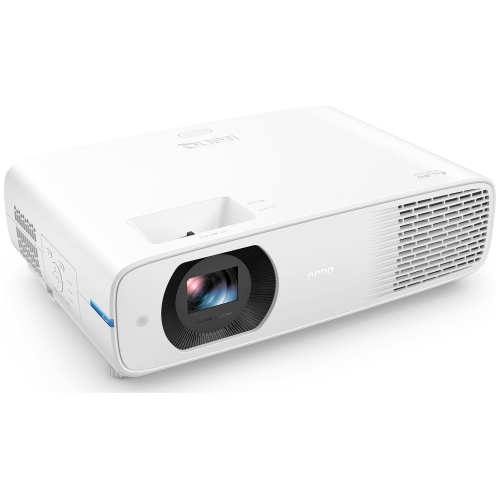
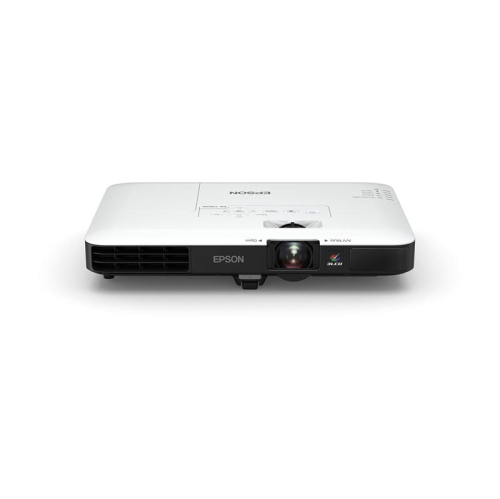
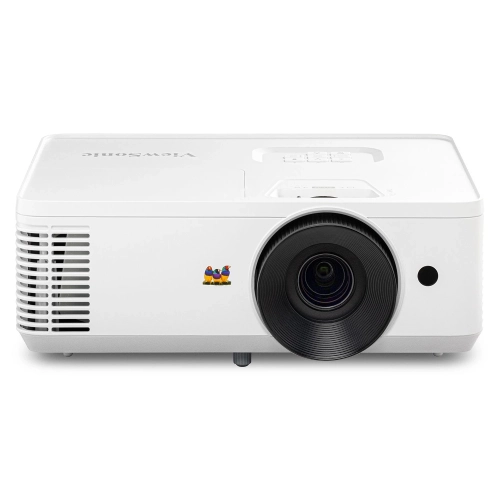
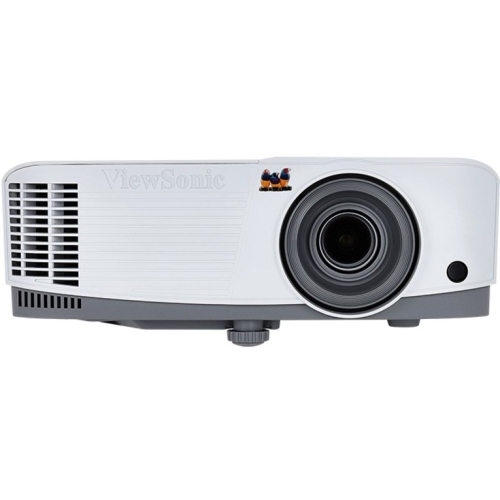
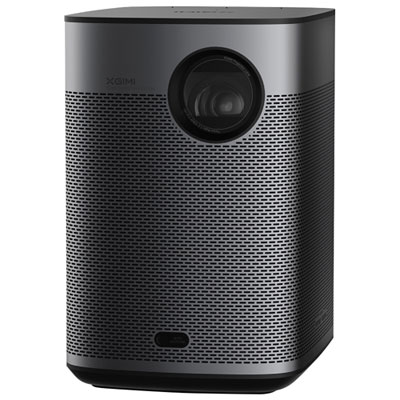
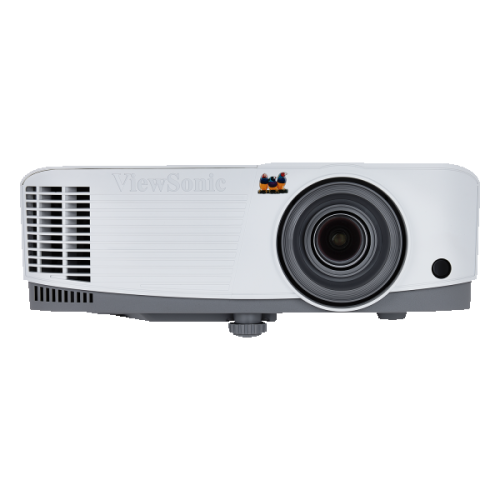
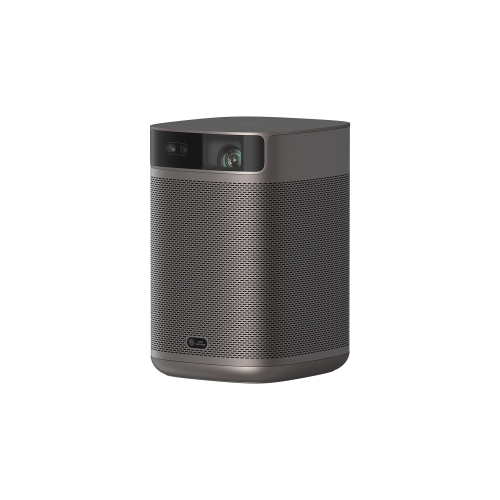
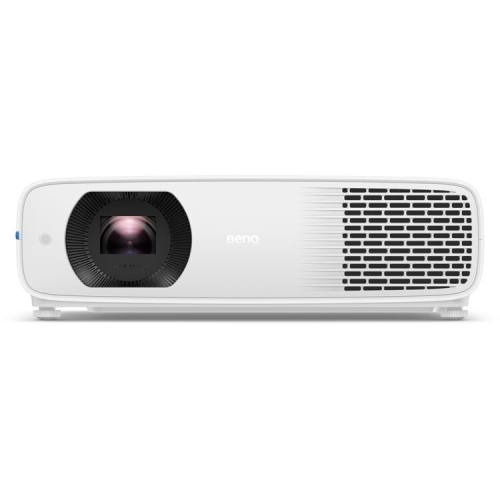
Sharp detail and smooth motion for every setting
DLP projectors use Digital Light Processing technology to create large, detailed images with the help of a DMD chip, a semiconductor covered with millions of microscopic mirrors. Each mirror represents part of the image and tilts rapidly to direct light through the lens or away from it, while many single-chip models use a rotating colour wheel to blend red, green, and blue light into a full-colour picture. This design is known for sharp detail, strong contrast, deep-looking blacks, and smooth motion, making DLP projectors a popular choice for films, sports, gaming, presentations, and everyday entertainment. Their sealed optical systems can also help reduce concerns about dust and internal alignment over time. Depending on the viewer and the design of the projector, some single-chip DLP models may produce a rainbow effect: brief flashes of colour that are most noticeable in high-contrast scenes or when the eyes move quickly across the image. Many people never notice it, while viewers who are particularly sensitive may want to compare projector technologies in person or explore alternatives such as 3LCD Projectors. Looking at the projector’s resolution is an important starting point. A 1080p model can provide a crisp image for movies, sports, streaming, and console gaming, while a 4K-compatible or 4K-resolution model can reveal finer detail in large images and close seating arrangements. Brightness matters just as much. A projector used in a room with windows, lamps, or overhead lighting needs enough ANSI lumens to maintain a clear picture, whereas a dedicated, darker viewing room can often deliver impressive results with a more modest brightness rating. Keep in mind that brightness, contrast, colour performance, and screen size work together; an extremely large image may look washed out if the room is bright or the projector is positioned too far from the screen.
Placement can make the difference between a simple setup and a frustrating one. Check the projector’s throw ratio to understand how far it needs to sit from the wall or screen for a particular image size. A short-throw DLP projector can create a large picture from a relatively short distance, which is useful in a smaller family room, bedroom, classroom, or basement where a standard projector might cast shadows or require a long table. Portable models can be moved between rooms or packed for a presentation, but portability may involve trade-offs in brightness, built-in speaker power, connectivity, or cooling noise. Look for the connections that match the rest of the setup, such as HDMI for a streaming device, game console, Blu-ray player, or computer, along with USB, audio output, wireless connectivity, or network features where appropriate. Keystone correction and lens shift can help position the image, although optical lens shift generally preserves image quality better than relying heavily on digital correction. For a polished home theatre, pair the projector with a properly sized screen, speakers or a soundbar, and a comfortable viewing distance. A blank wall can work for casual viewing, but a dedicated screen usually provides more consistent colour, texture, and edge definition. It is also worth checking lamp or light-source specifications, replacement requirements, fan noise, and the projector’s operating position before purchasing. Some DLP projectors use traditional lamps, while others use LED or laser light sources that may offer long operating life and quick start-up. Keep ventilation openings clear, leave space around the chassis, and avoid placing the unit where heat, dust, or accidental bumps could interfere with performance.
DLP projectors suit a wide range of households and workspaces. Movie fans can transform a quiet room into a cinema-like setting, with a dramatic image that makes animated films, action sequences, and sweeping landscapes feel more immersive. Sports viewers can gather friends around a wall-sized display for games during the warmer season or create a cosy viewing space during the cooler months. Gamers often appreciate DLP’s responsive motion and potentially low input lag, particularly when playing fast racing, action, or competitive titles; always review the projector’s gaming mode and input-lag specifications rather than assuming every model performs identically. Families may use a projector for movie nights, home videos, karaoke, or shared viewing, while students, teachers, and professionals can use one to display slides, spreadsheets, diagrams, and training material in a meeting room or classroom. A compact unit can also be a thoughtful gift for someone moving into a first home, setting up a basement lounge, building a gaming space, or planning memorable gatherings with friends. Picture a sheet of popcorn on the coffee table, the lights turned low, and a favourite film filling the wall without the need for a permanent television installation; that flexibility is part of the appeal. Before choosing, consider the room size, typical lighting, desired screen size, viewing habits, sound requirements, available connections, and how often the projector will be moved. A DLP projector selected with those details in mind can become a versatile centrepiece for entertainment, work, learning, and shared experiences throughout the year.
Placement can make the difference between a simple setup and a frustrating one. Check the projector’s throw ratio to understand how far it needs to sit from the wall or screen for a particular image size. A short-throw DLP projector can create a large picture from a relatively short distance, which is useful in a smaller family room, bedroom, classroom, or basement where a standard projector might cast shadows or require a long table. Portable models can be moved between rooms or packed for a presentation, but portability may involve trade-offs in brightness, built-in speaker power, connectivity, or cooling noise. Look for the connections that match the rest of the setup, such as HDMI for a streaming device, game console, Blu-ray player, or computer, along with USB, audio output, wireless connectivity, or network features where appropriate. Keystone correction and lens shift can help position the image, although optical lens shift generally preserves image quality better than relying heavily on digital correction. For a polished home theatre, pair the projector with a properly sized screen, speakers or a soundbar, and a comfortable viewing distance. A blank wall can work for casual viewing, but a dedicated screen usually provides more consistent colour, texture, and edge definition. It is also worth checking lamp or light-source specifications, replacement requirements, fan noise, and the projector’s operating position before purchasing. Some DLP projectors use traditional lamps, while others use LED or laser light sources that may offer long operating life and quick start-up. Keep ventilation openings clear, leave space around the chassis, and avoid placing the unit where heat, dust, or accidental bumps could interfere with performance.
DLP projectors suit a wide range of households and workspaces. Movie fans can transform a quiet room into a cinema-like setting, with a dramatic image that makes animated films, action sequences, and sweeping landscapes feel more immersive. Sports viewers can gather friends around a wall-sized display for games during the warmer season or create a cosy viewing space during the cooler months. Gamers often appreciate DLP’s responsive motion and potentially low input lag, particularly when playing fast racing, action, or competitive titles; always review the projector’s gaming mode and input-lag specifications rather than assuming every model performs identically. Families may use a projector for movie nights, home videos, karaoke, or shared viewing, while students, teachers, and professionals can use one to display slides, spreadsheets, diagrams, and training material in a meeting room or classroom. A compact unit can also be a thoughtful gift for someone moving into a first home, setting up a basement lounge, building a gaming space, or planning memorable gatherings with friends. Picture a sheet of popcorn on the coffee table, the lights turned low, and a favourite film filling the wall without the need for a permanent television installation; that flexibility is part of the appeal. Before choosing, consider the room size, typical lighting, desired screen size, viewing habits, sound requirements, available connections, and how often the projector will be moved. A DLP projector selected with those details in mind can become a versatile centrepiece for entertainment, work, learning, and shared experiences throughout the year.
Top selling and popular products
-
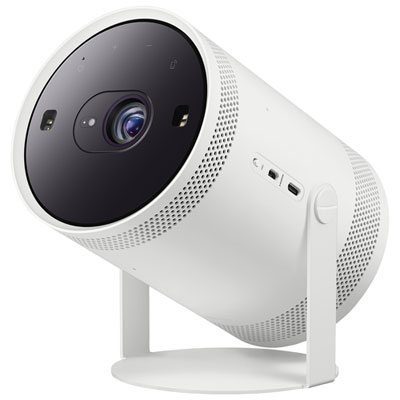 Your price for this item is $899.97
 -
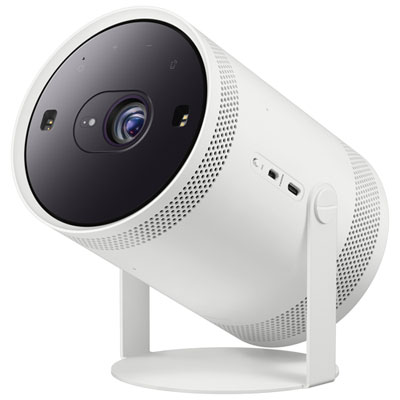 Your price for this item is $999.99
 -
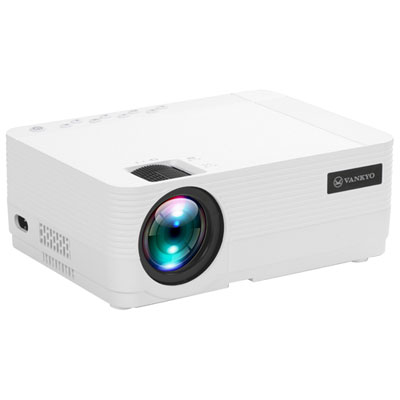 Your price for this item is $229.99
 -
 Your price for this item is $1999.99
 -
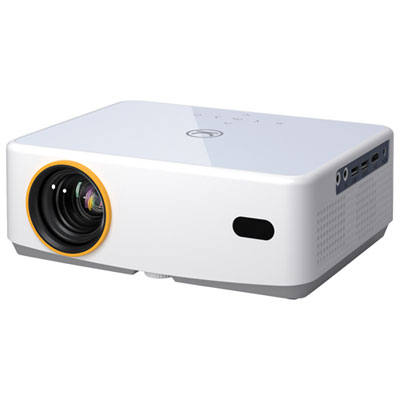 Your price for this item is $319.99
 -
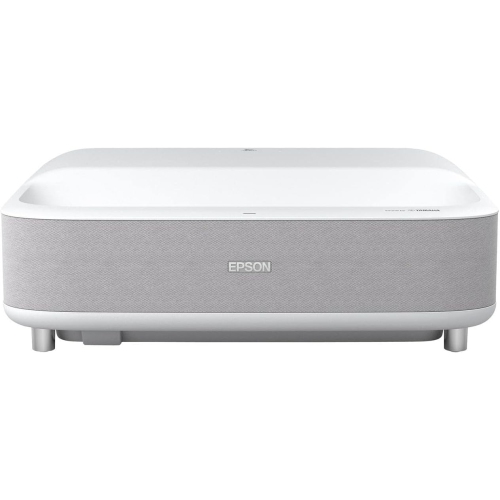 Your price for this item is $2279.05
 -
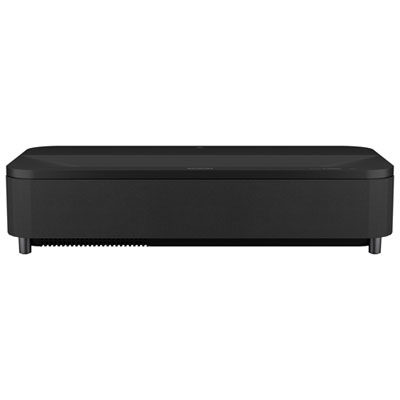 Your price for this item is $4799.99
 -
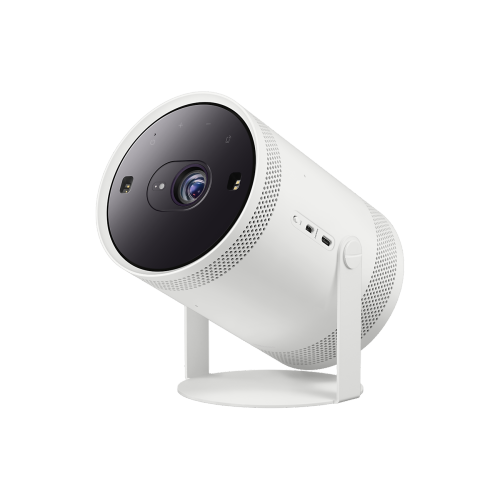 Your price for this item is $799
Discover more categories related to DLP Projectors
Top Collections:
Pokemon Centers, Best Cameras for Sports Photography, Kindle Devices, Samsung Galaxy Phones, Canon G7X Cameras, Pokémon 30th Celebration Cards, Refurbished Apple Laptops, iPhone 15 Apple, Laptops for Students, Budget Smartphones
Some products may be subject to Environmental Handling Fees
(EHF) depending on your province.
Learn more about EHFs.