Fun Puzzles for Kids
Unlock a world of creativity and learning with an exciting selection of fun puzzles for kids. Perfect for sparking curiosity and developing problem-solving skills, these puzzles offer endless hours of entertainment for young minds. Whether your child is just starting out with simple shapes or tackling more complex challenges, there's something to engage every age and skill level. From vibrant colors to imaginative themes, each puzzle is designed to captivate attention and inspire a love for learning. Dive into a collection that encourages critical thinking and provides a rewarding sense of achievement as each piece finds its perfect place.
Sort
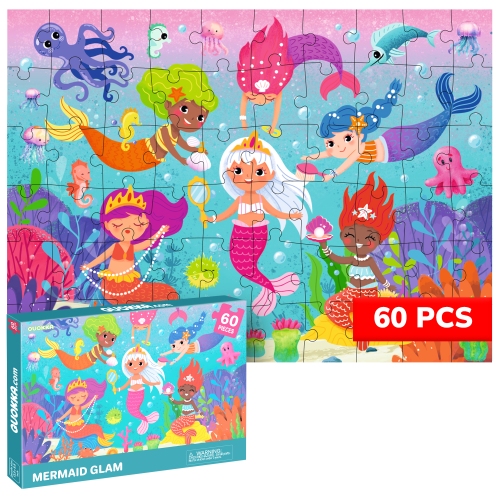
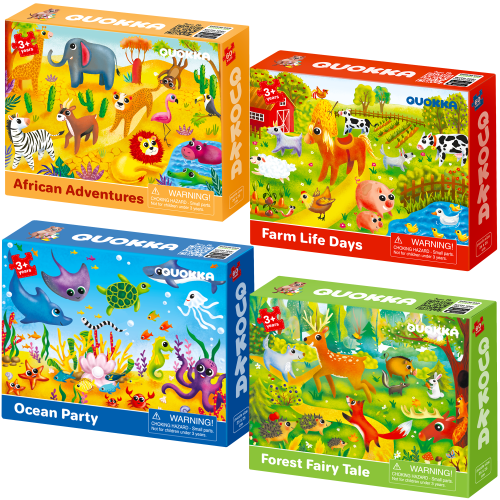
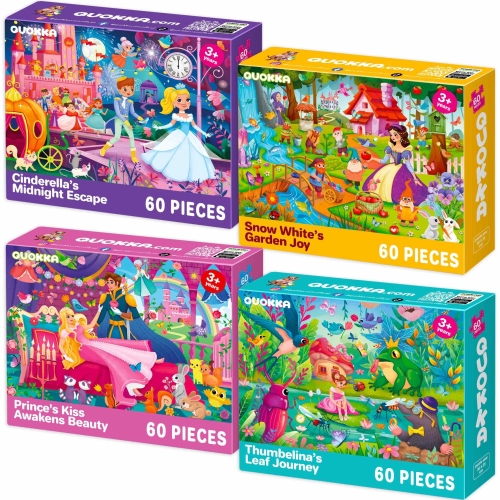
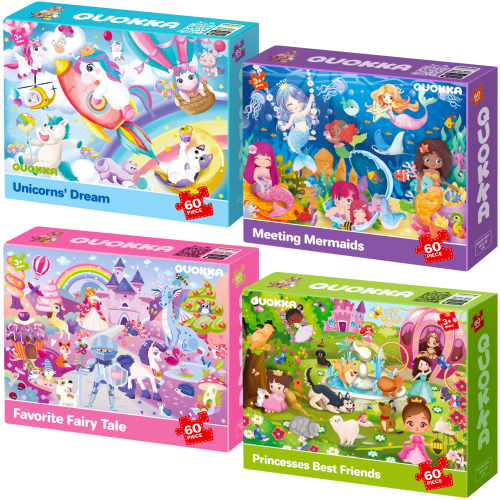
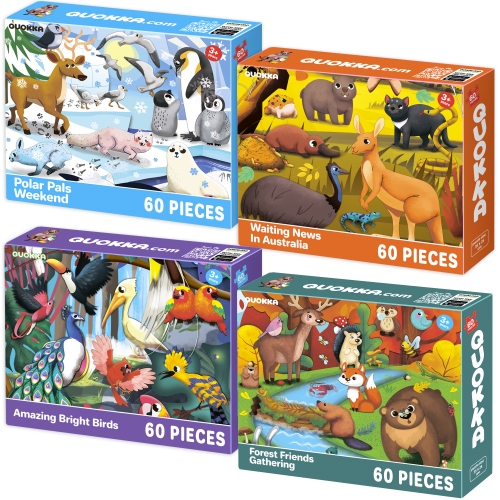
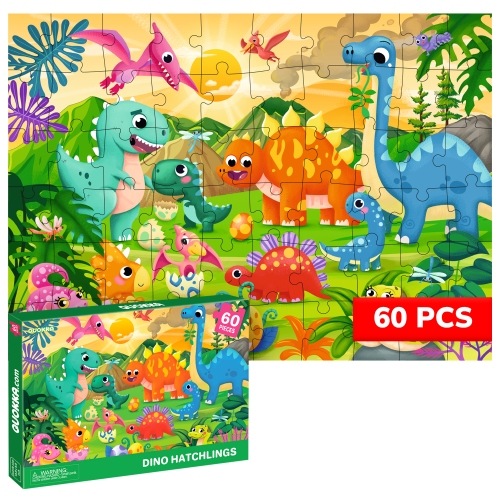
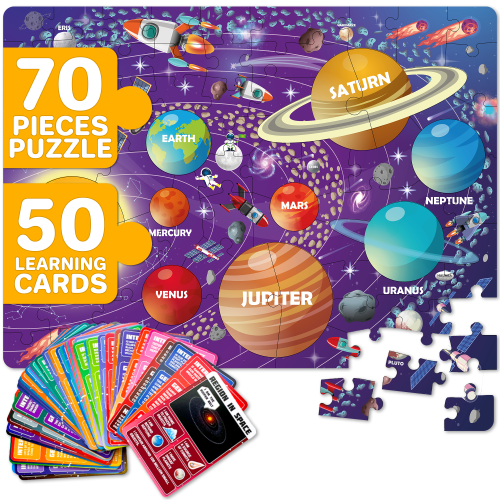
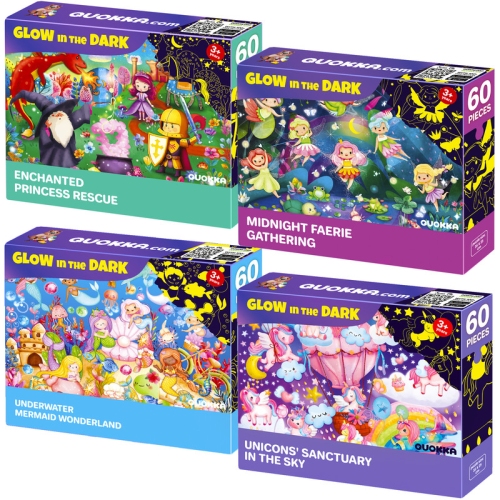
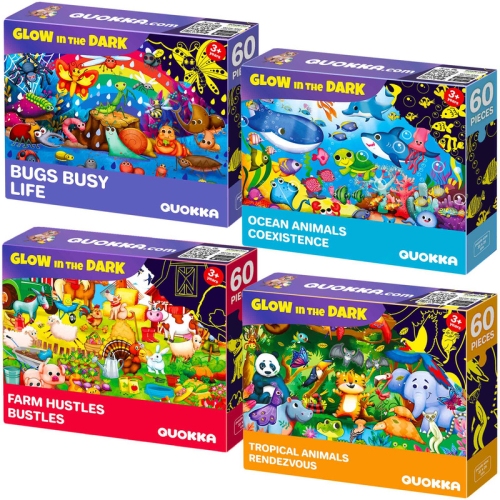
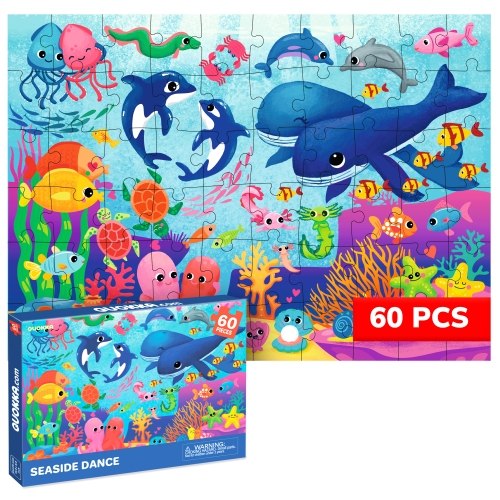
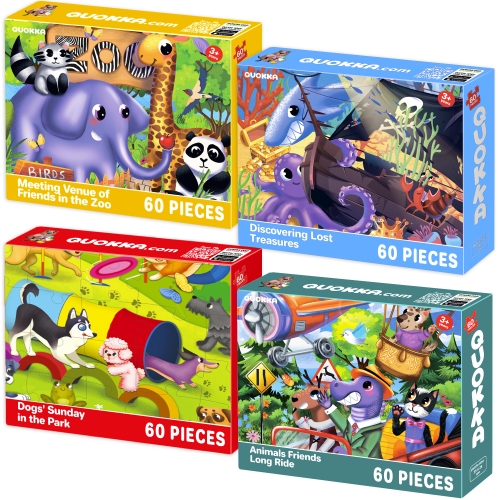
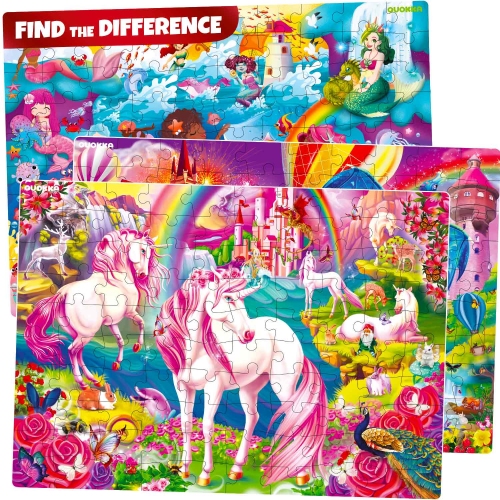
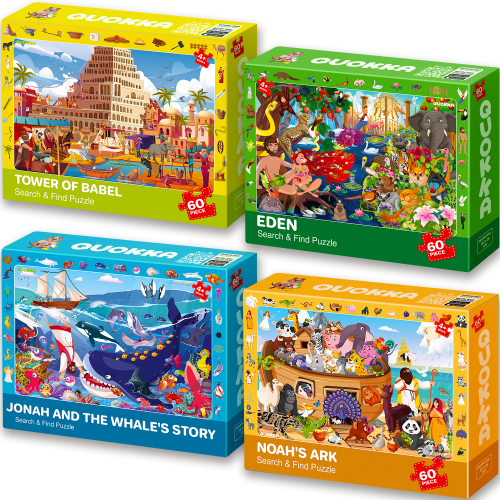

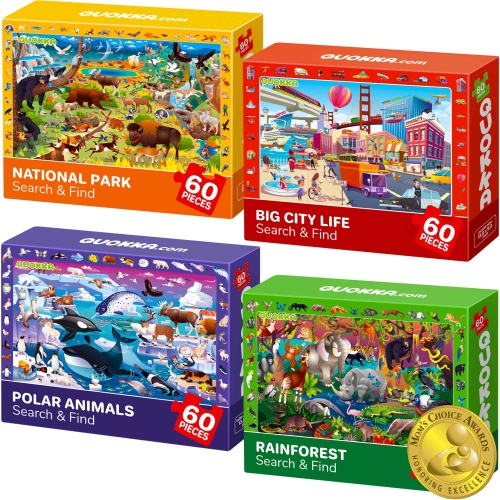
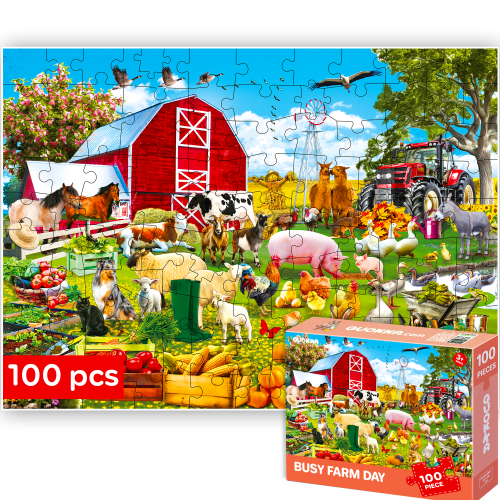
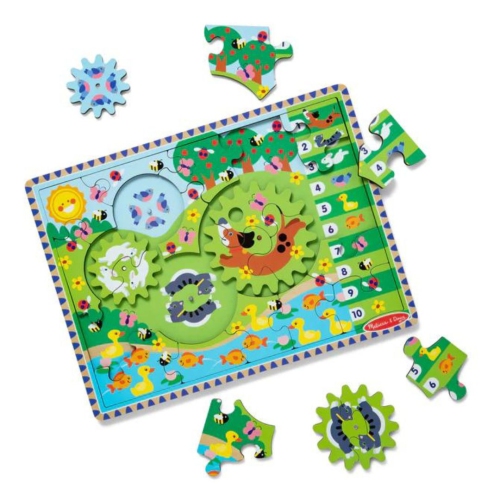
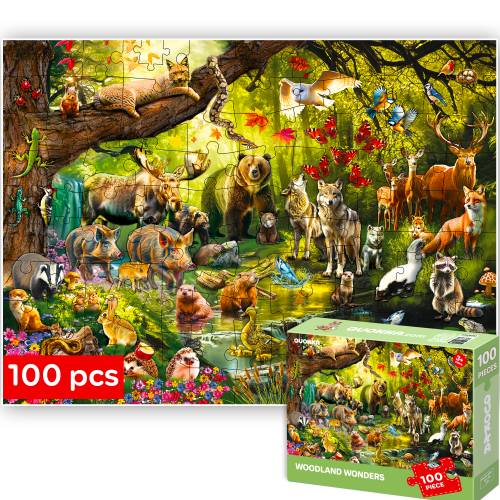
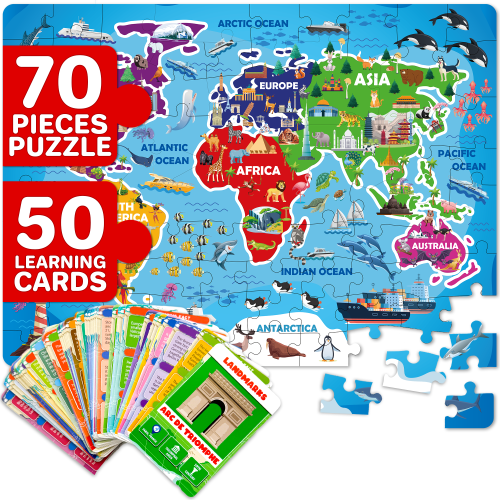
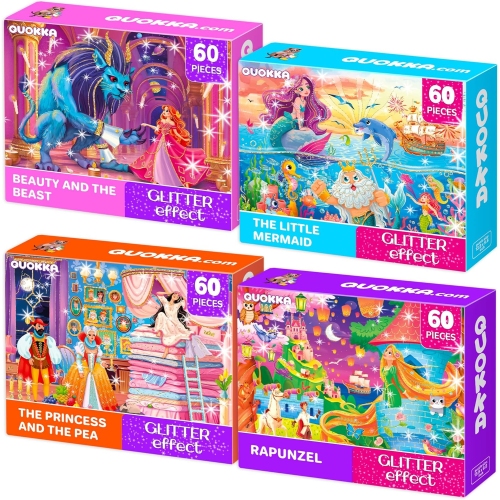
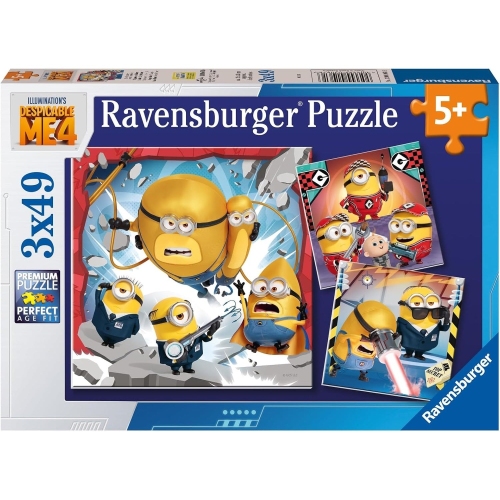
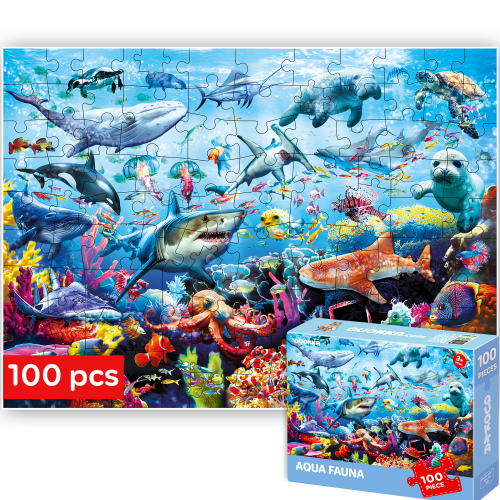
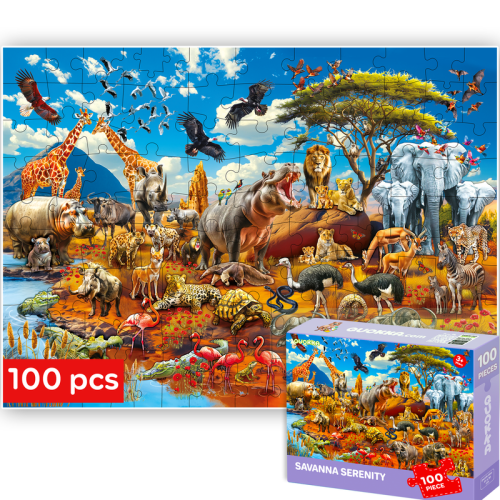
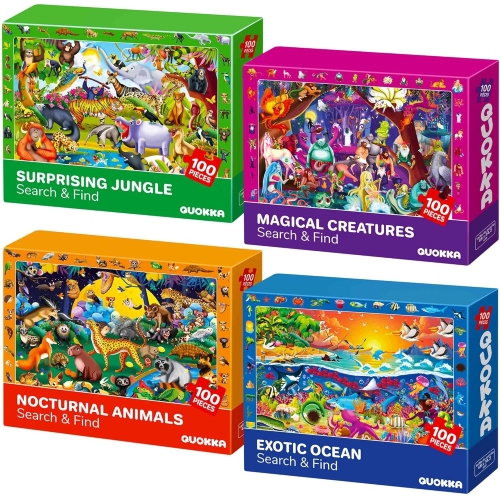
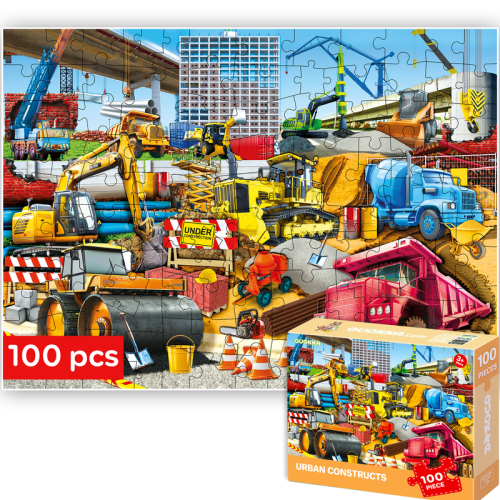
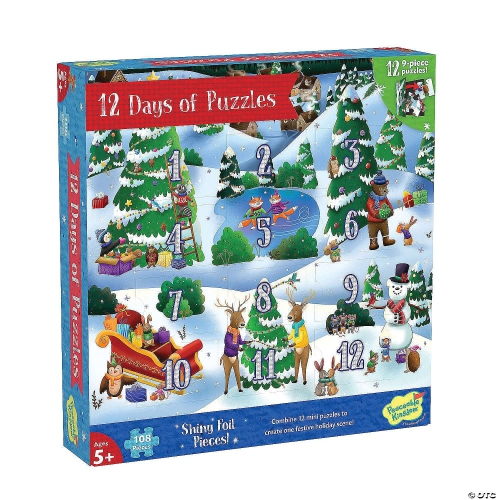
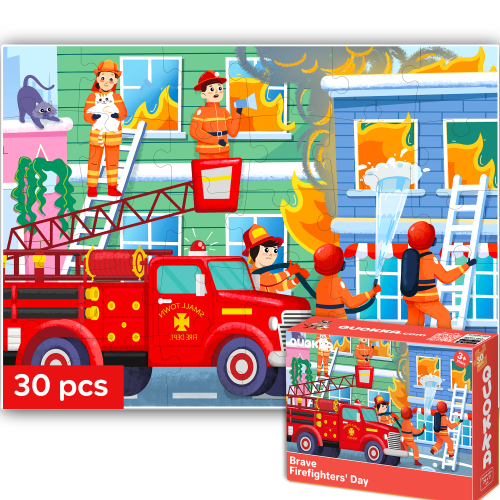
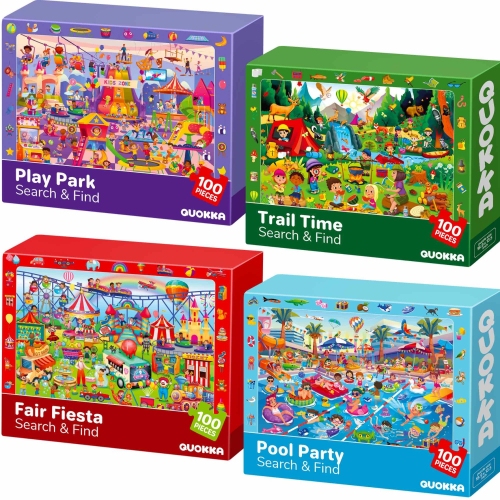
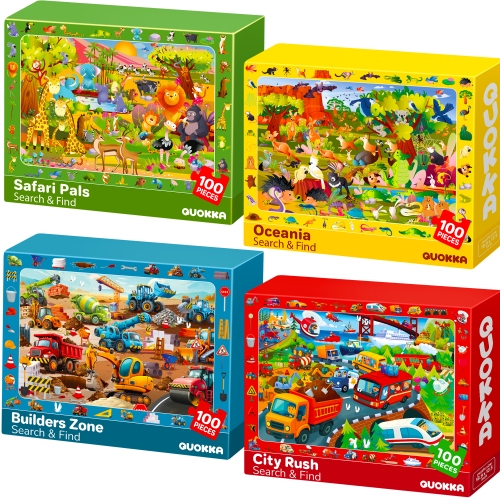
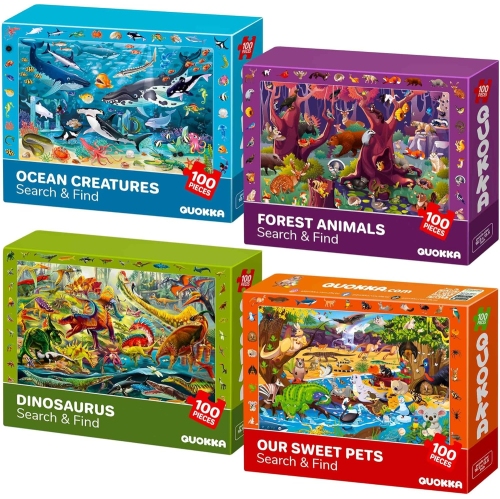
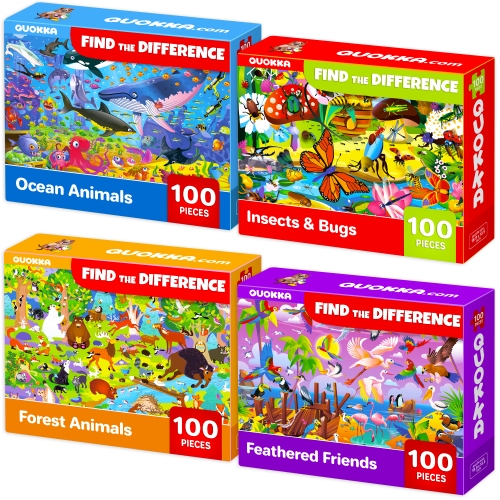
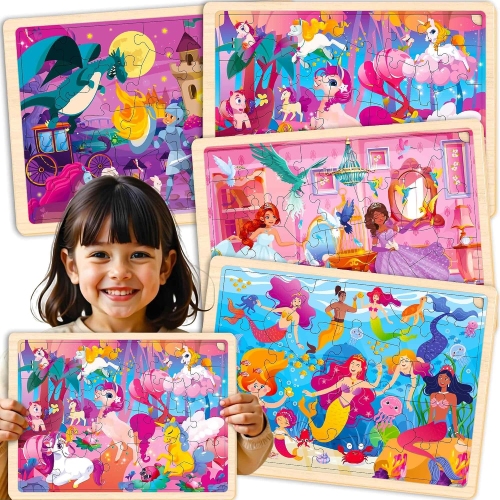
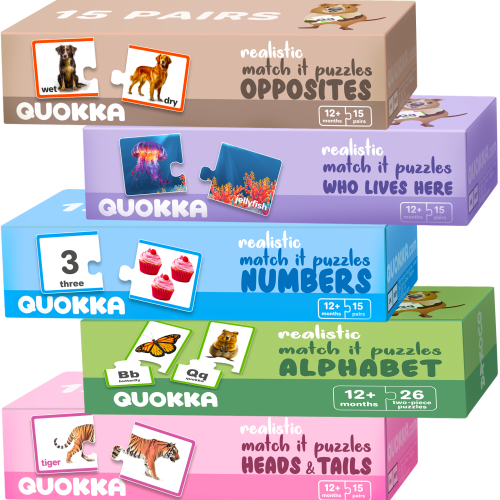
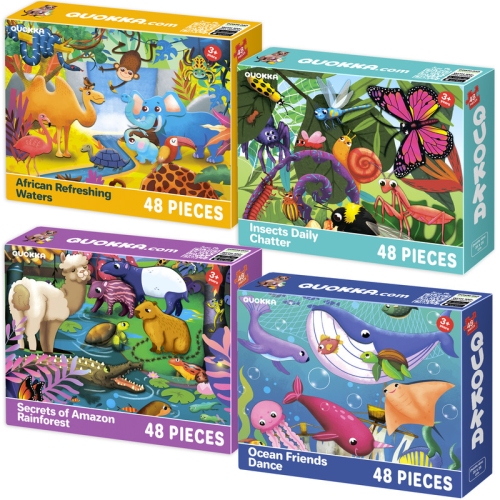
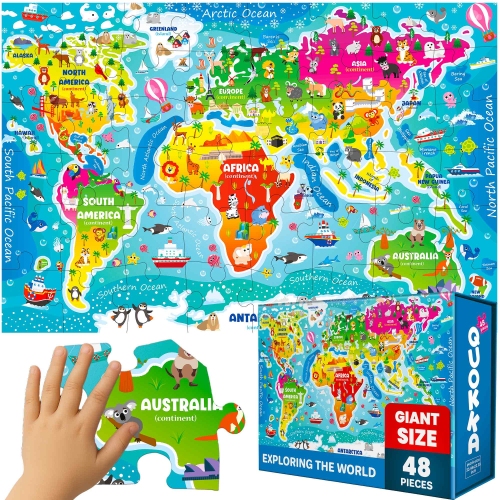
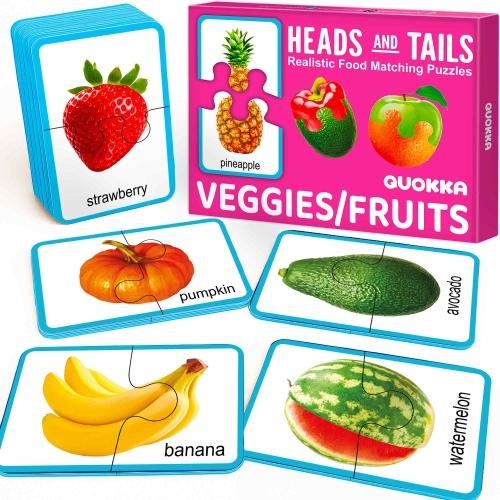
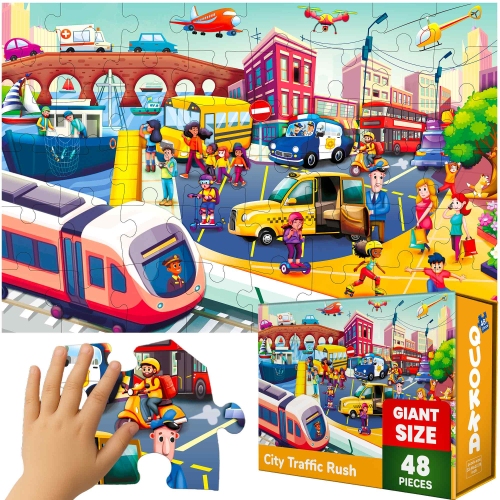
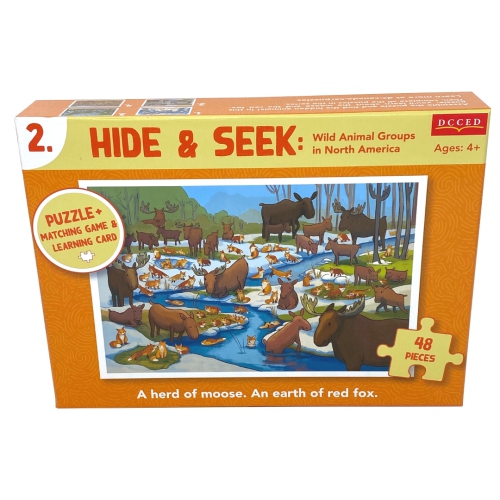
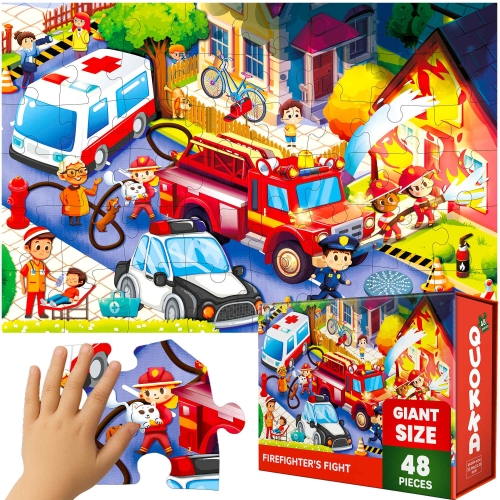
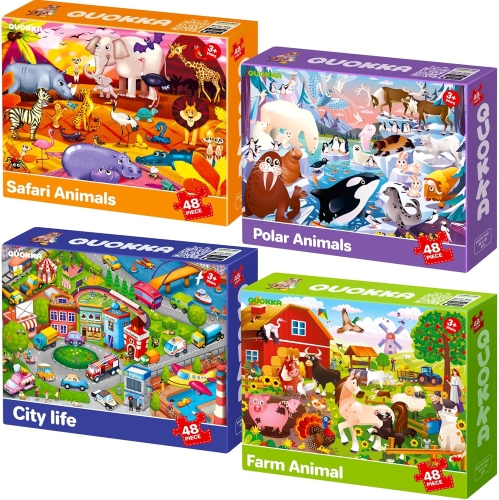
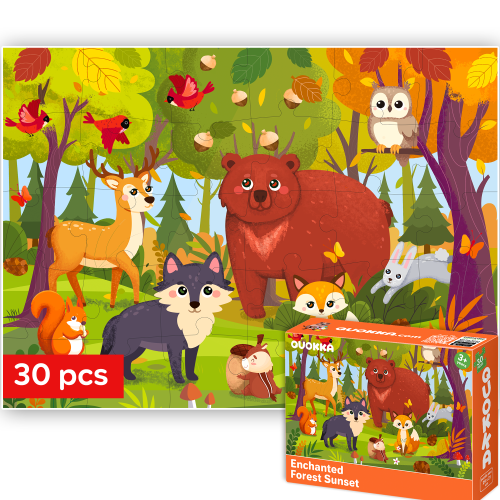
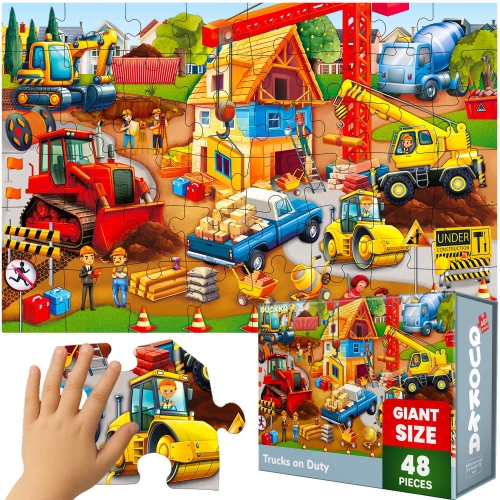
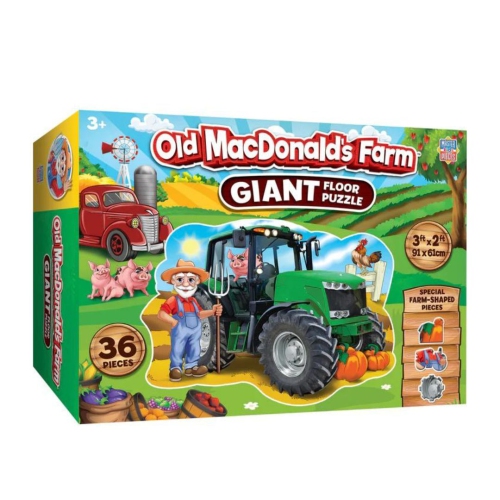
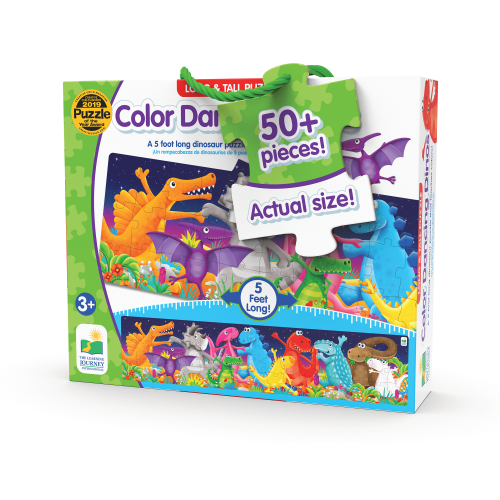
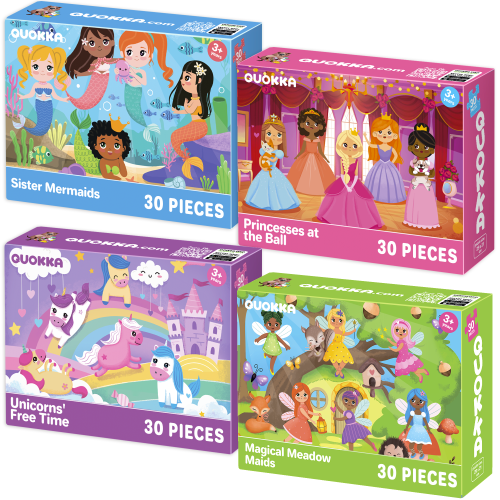
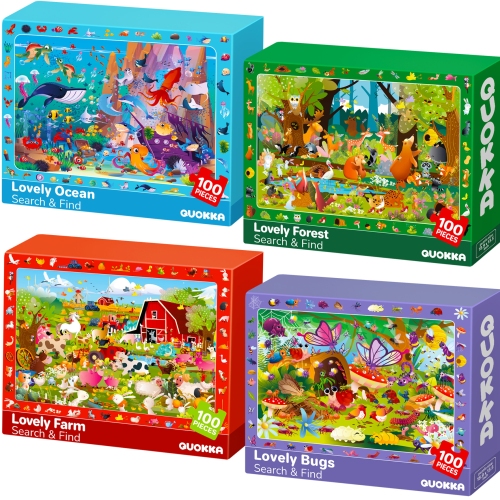
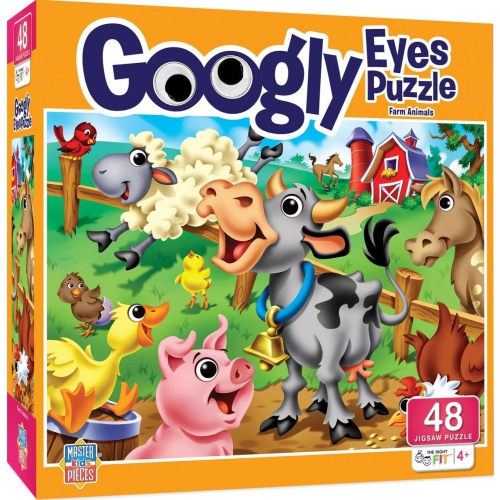
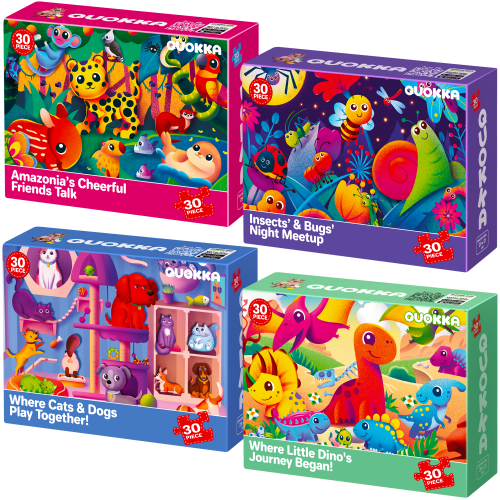
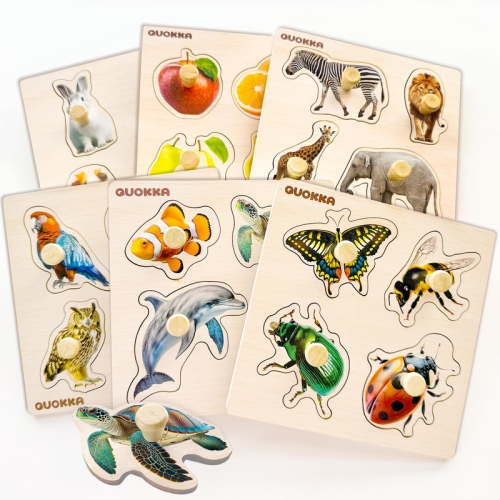
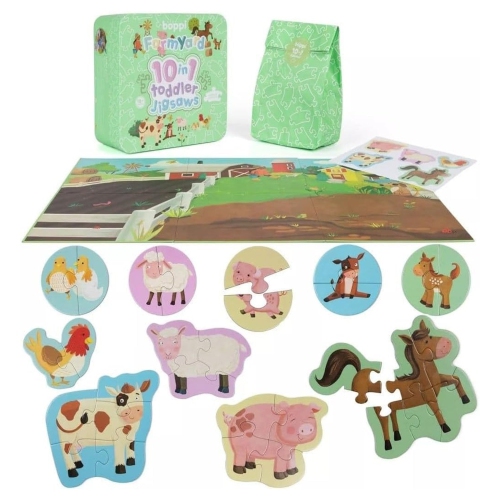
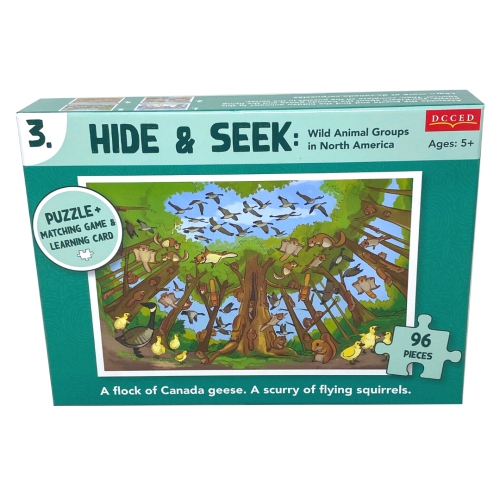
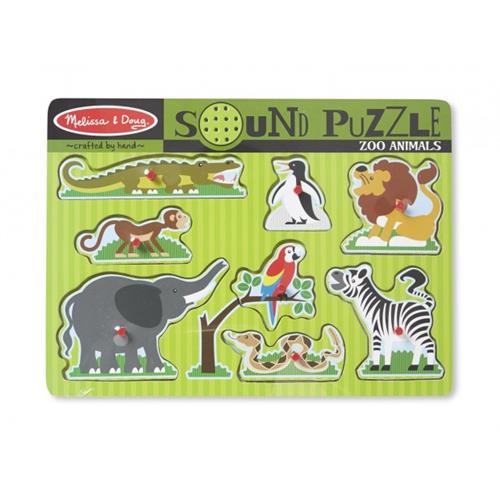
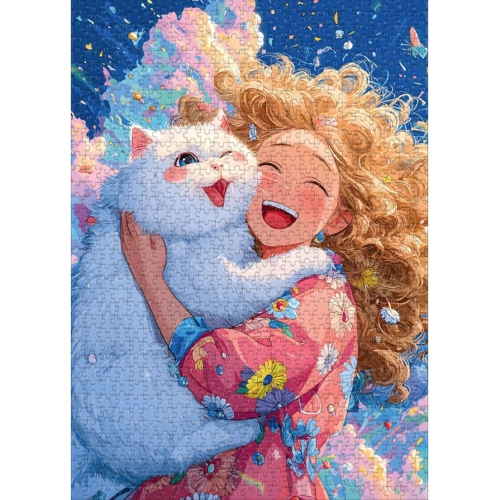
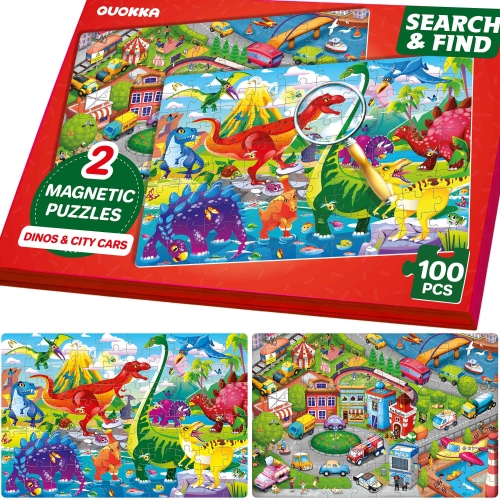
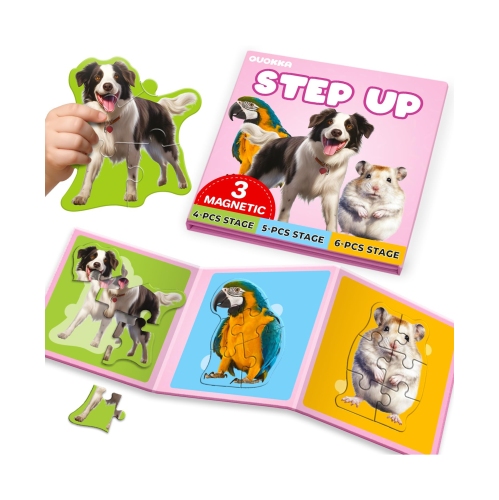
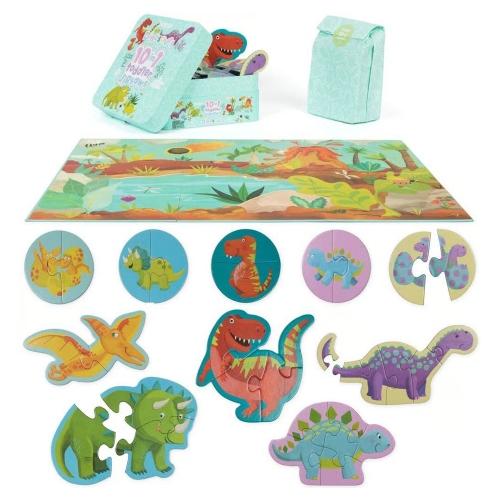
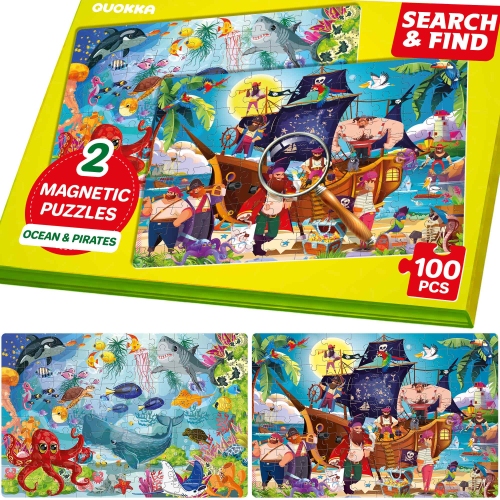
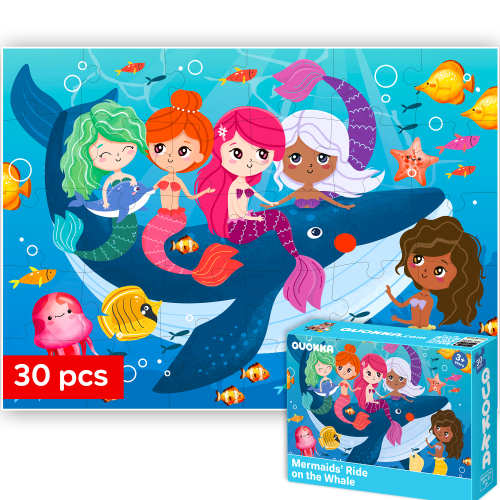
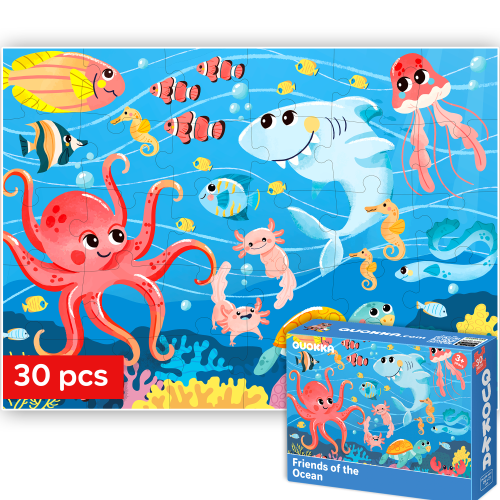
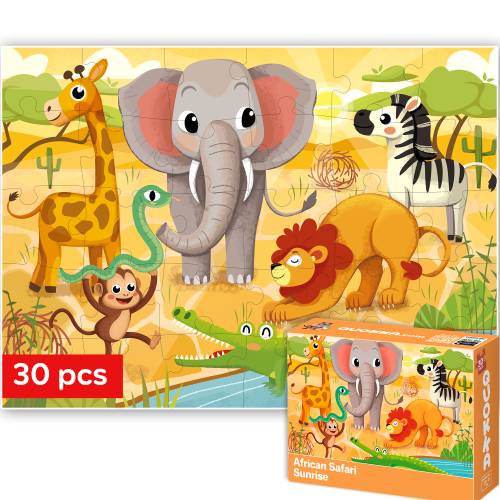
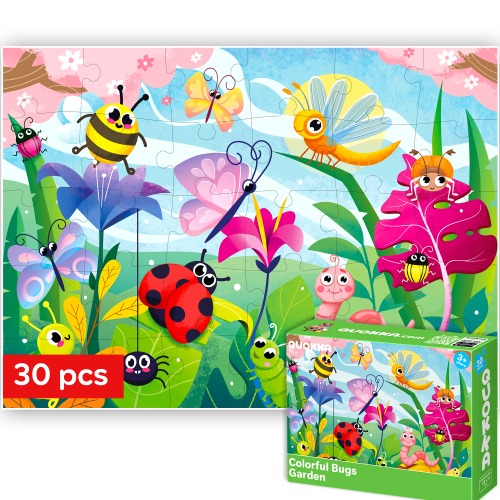
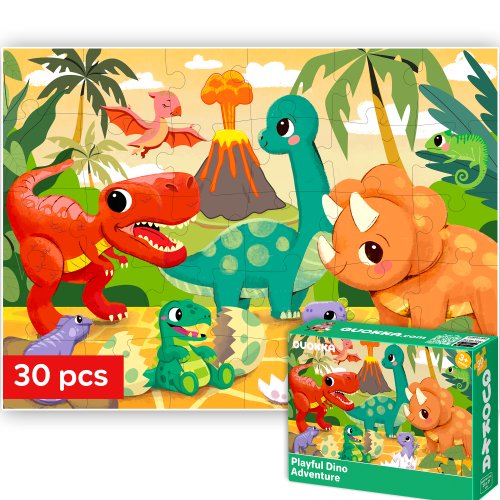
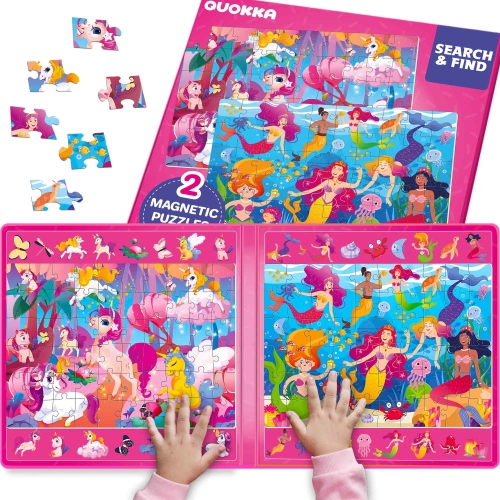
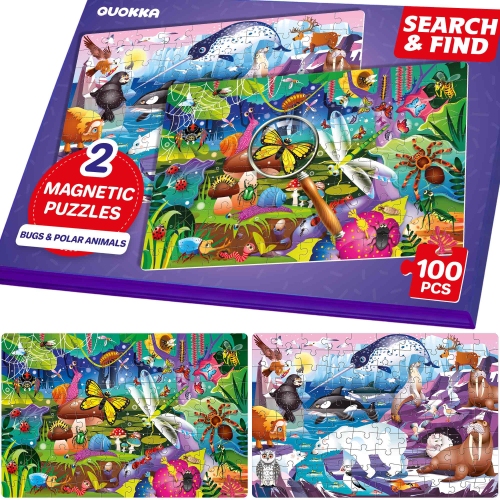
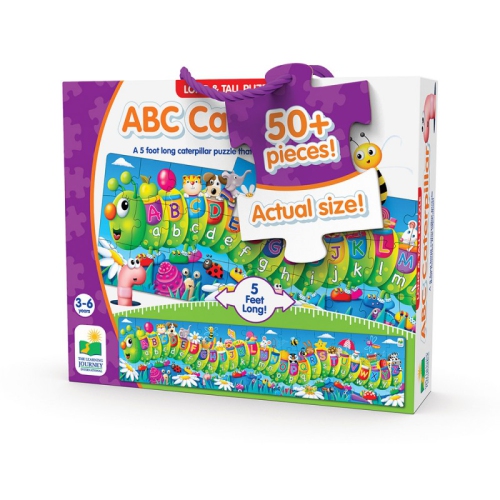
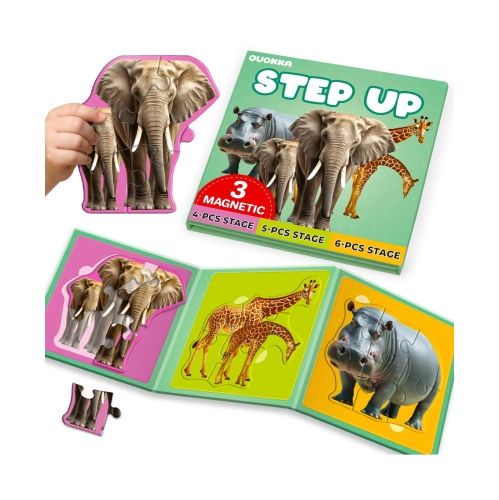
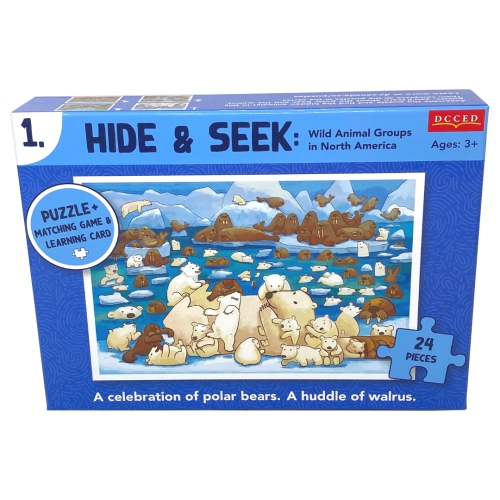
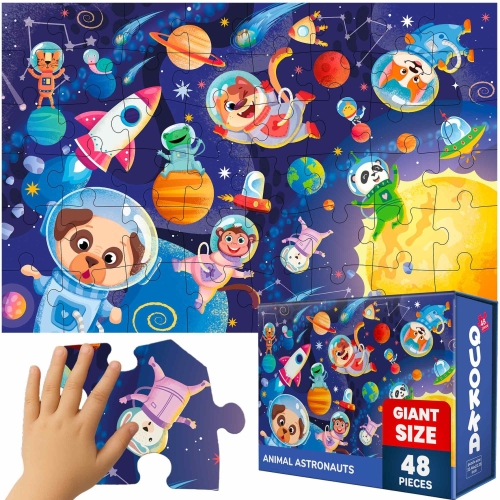
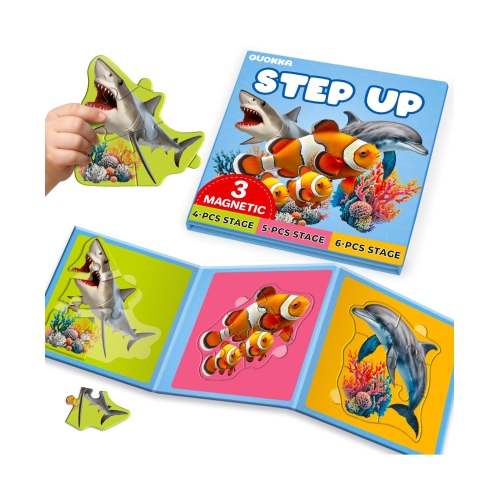
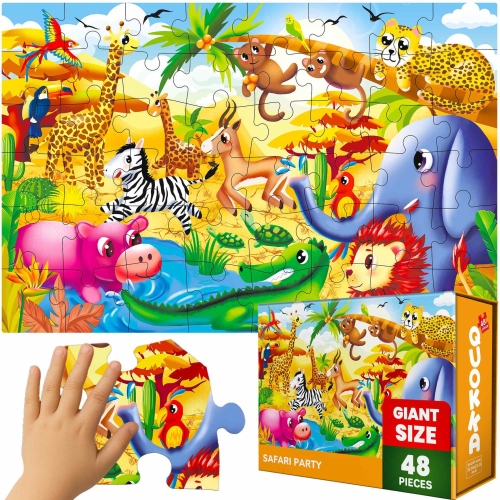
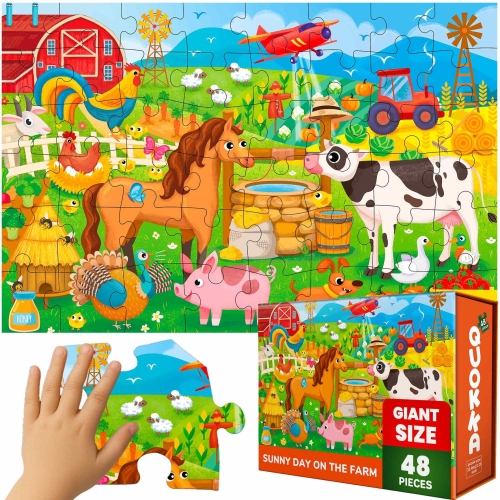
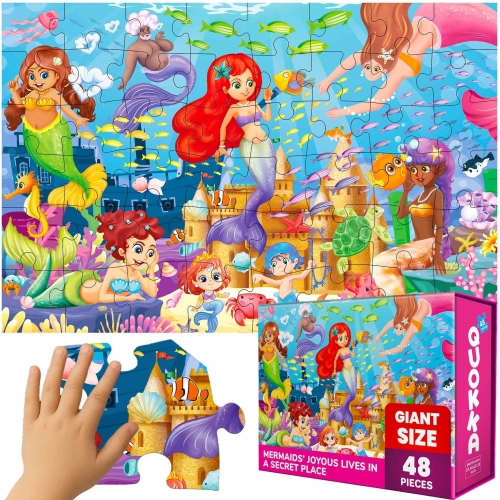
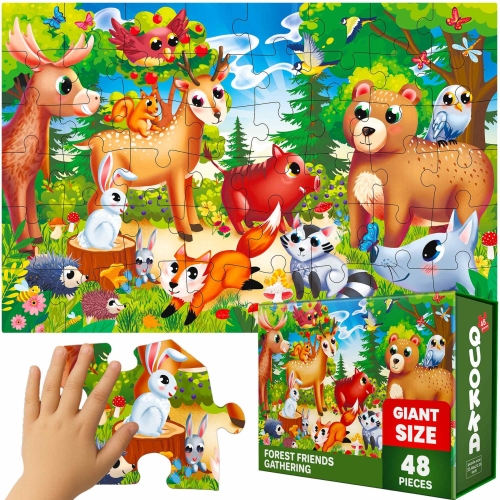
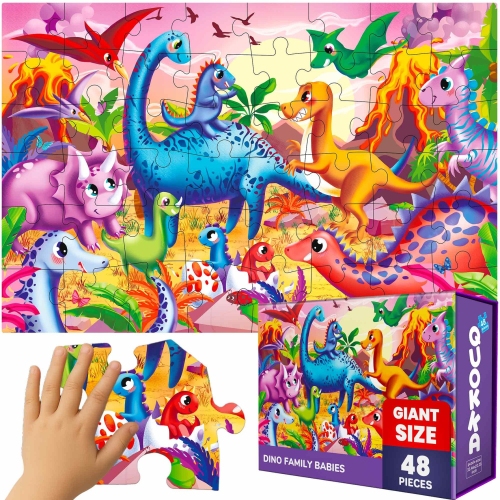
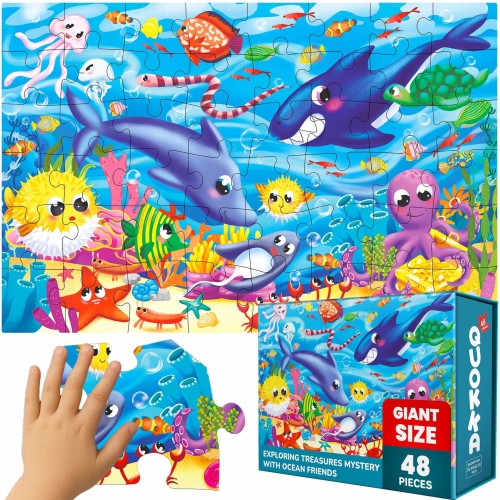
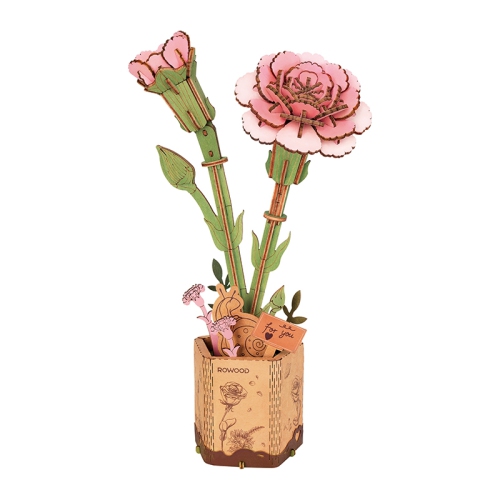
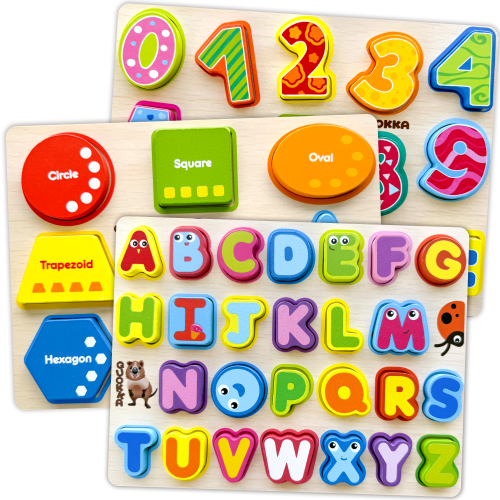
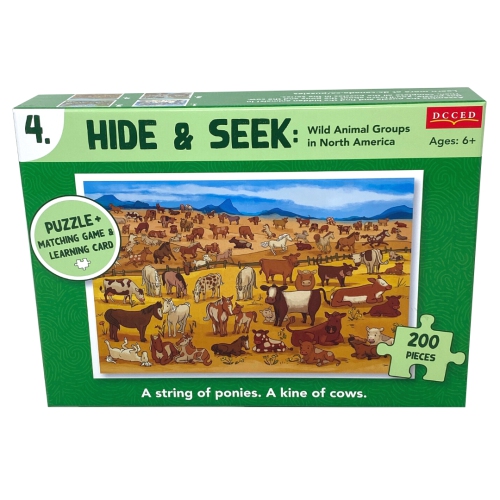
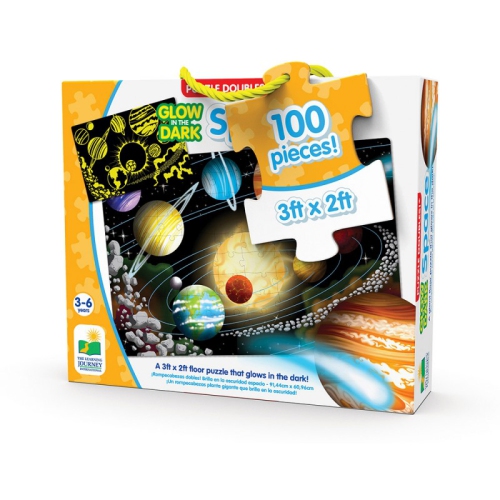
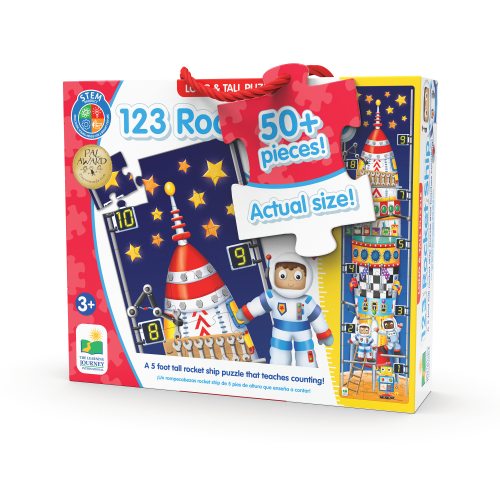
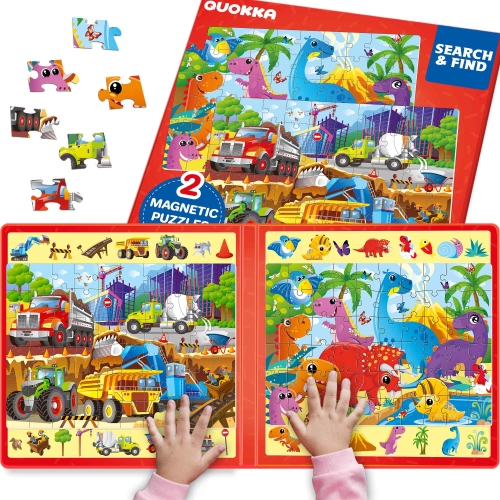
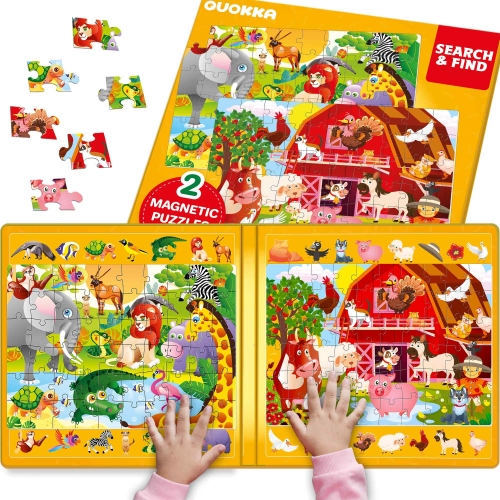
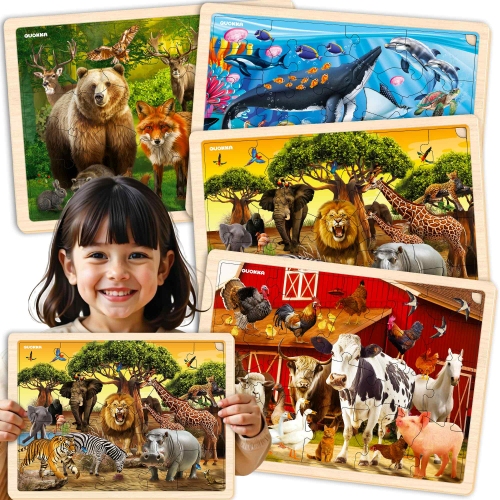
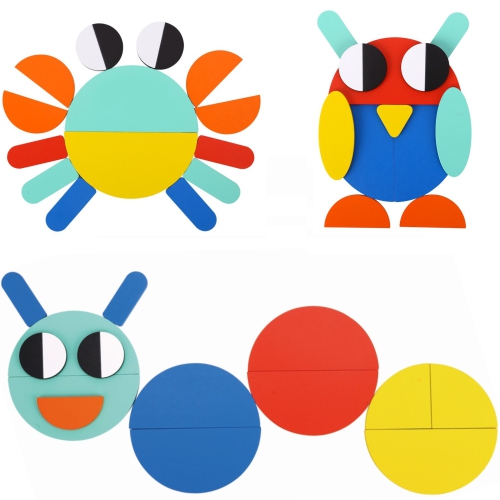
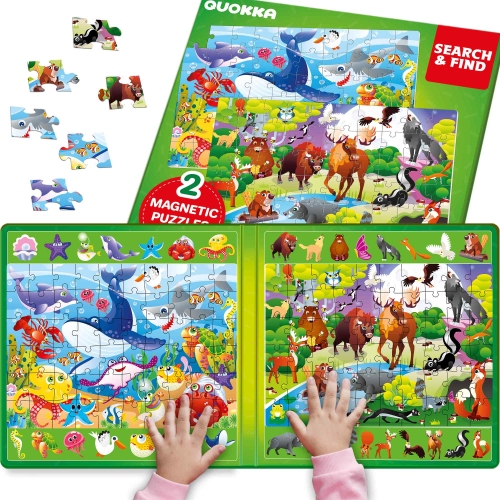
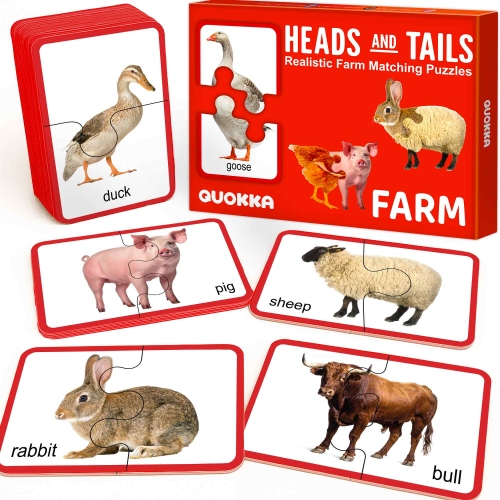
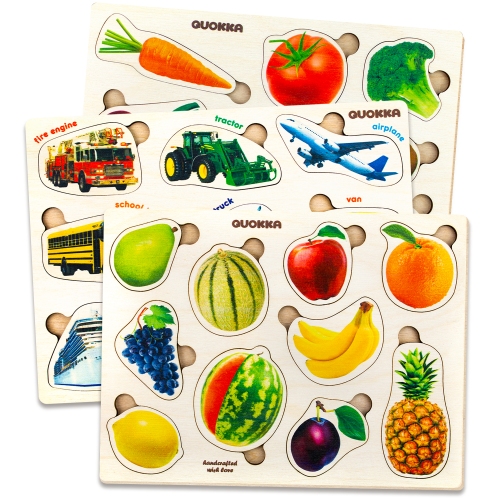
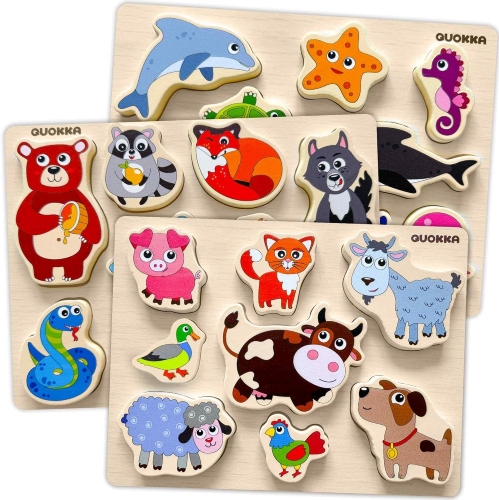
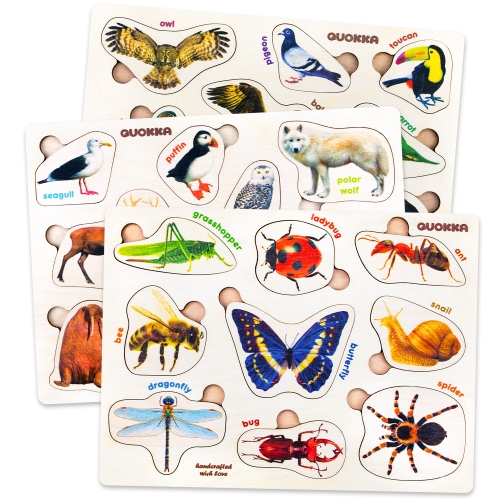
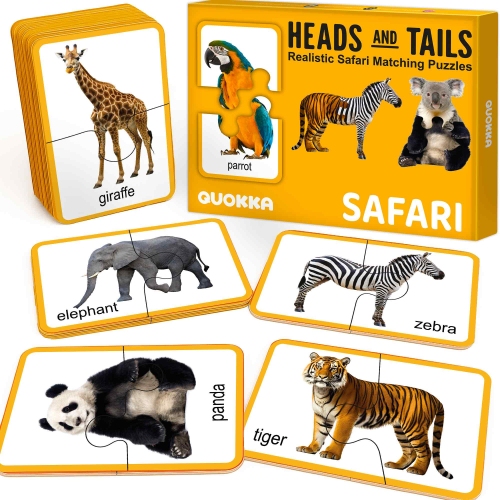
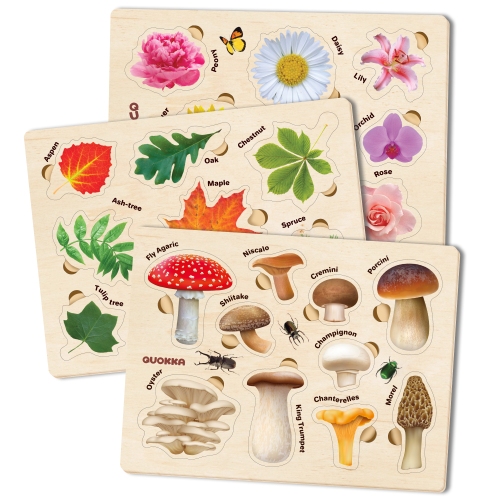
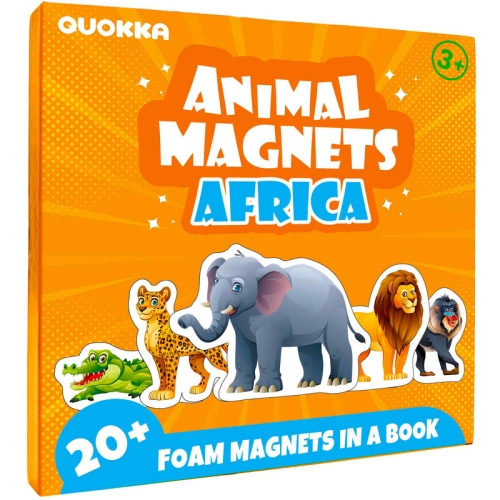
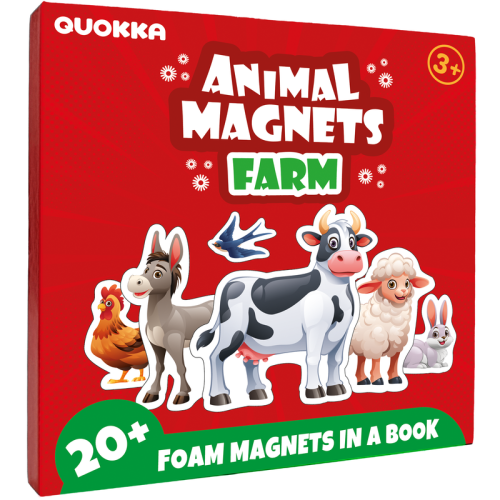
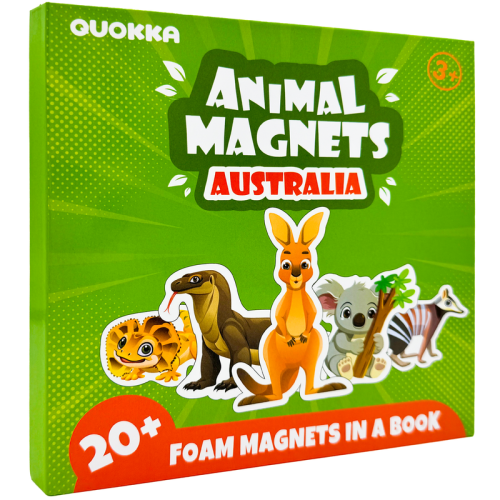

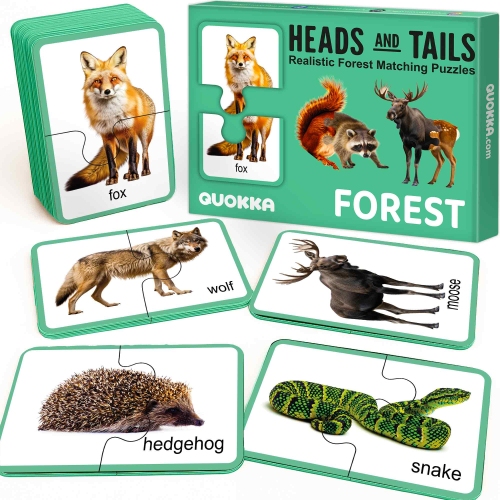
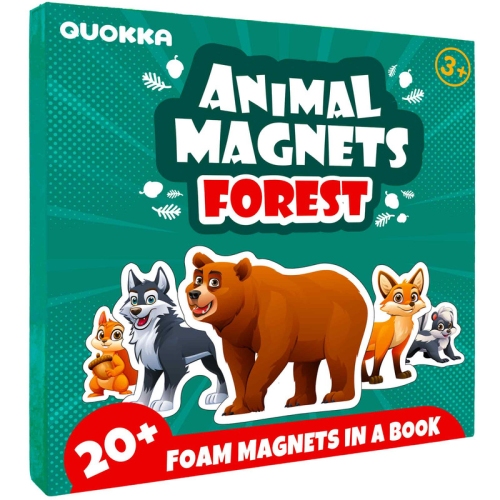
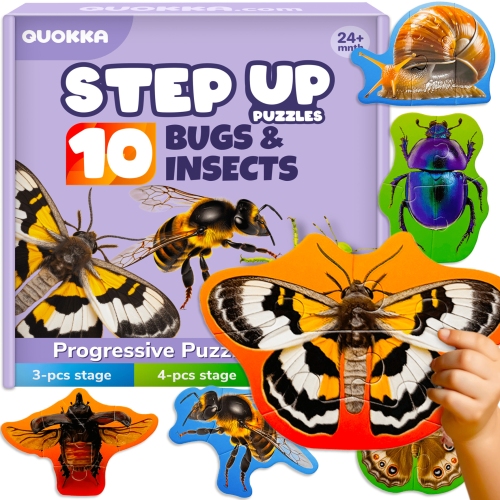
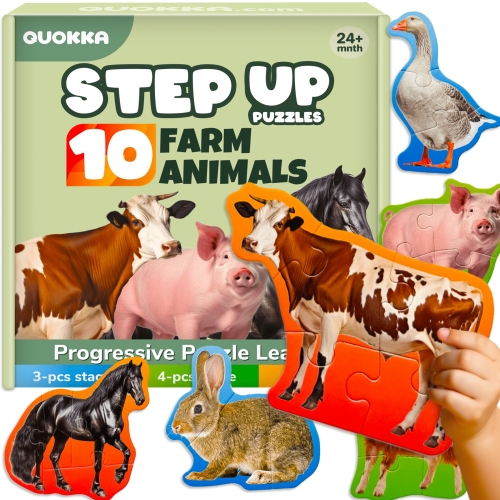
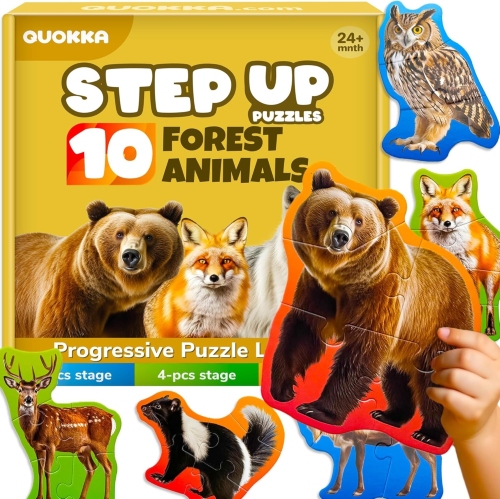
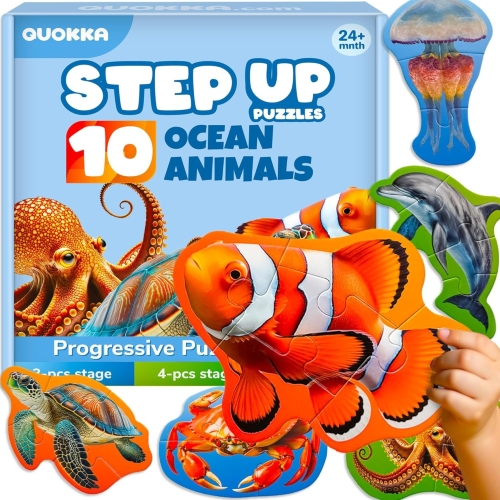
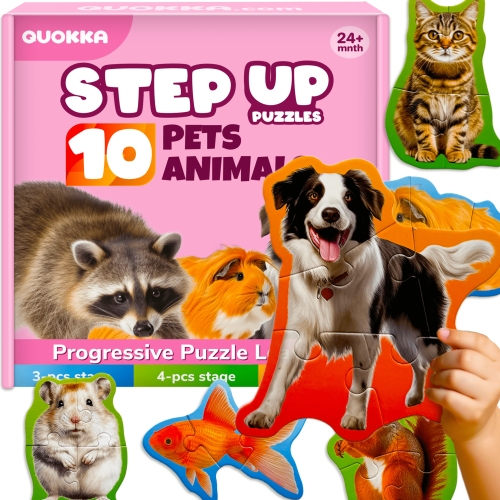
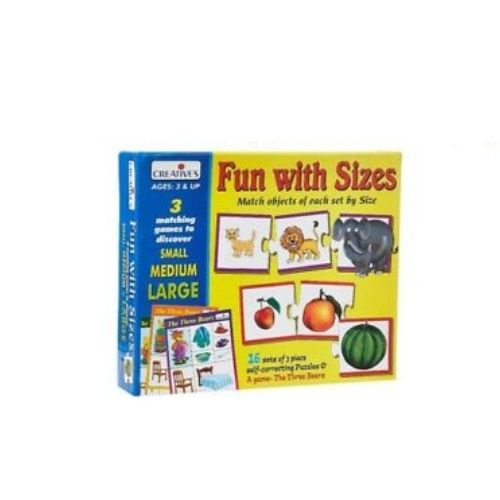
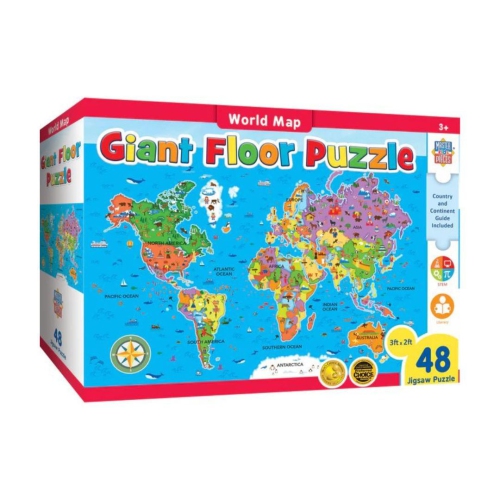
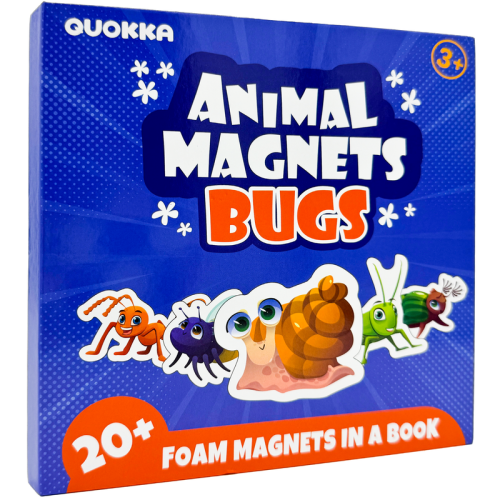
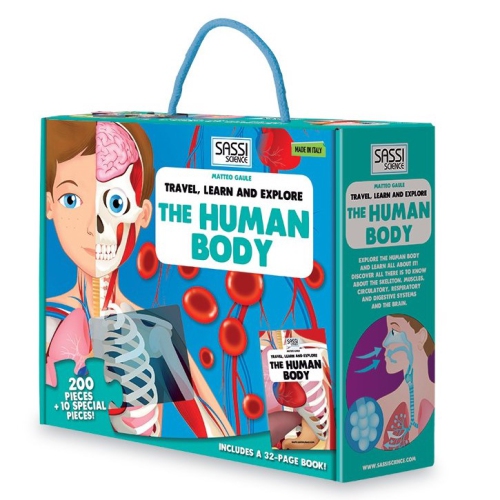
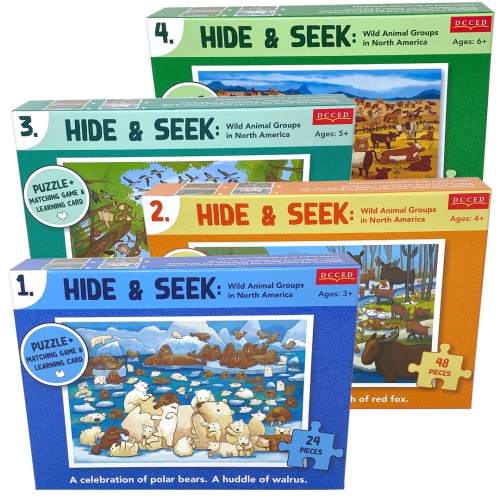
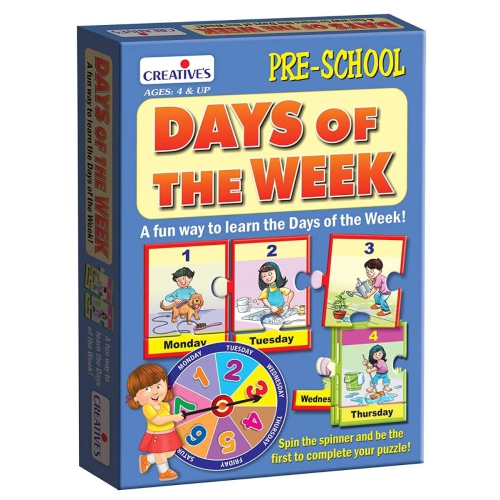
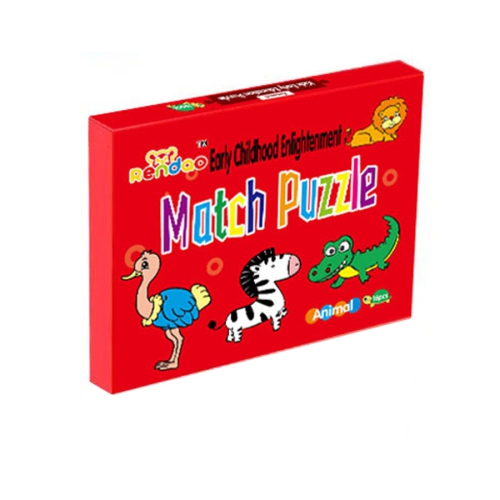
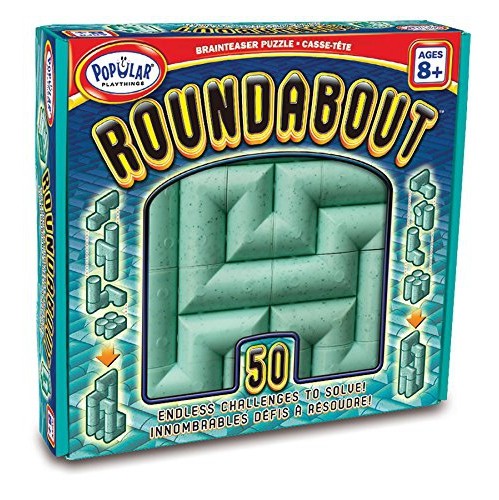

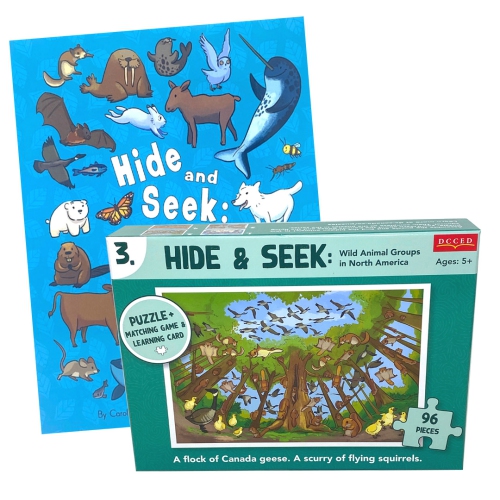
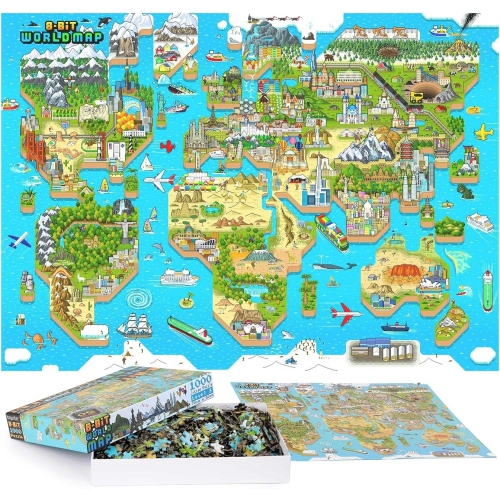
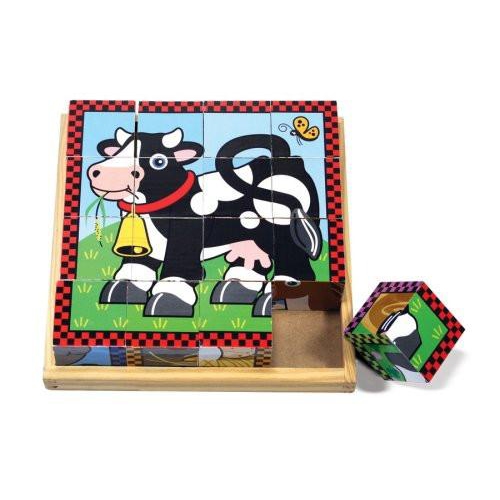
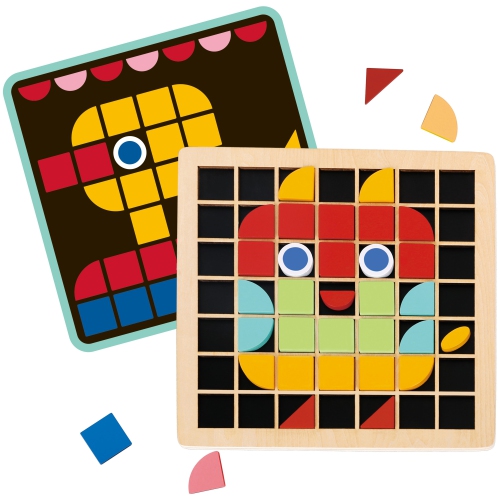
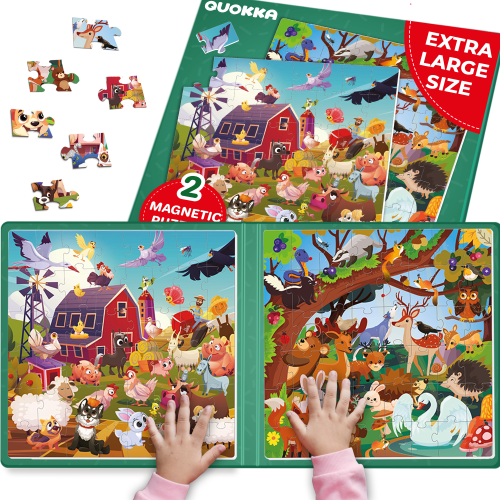
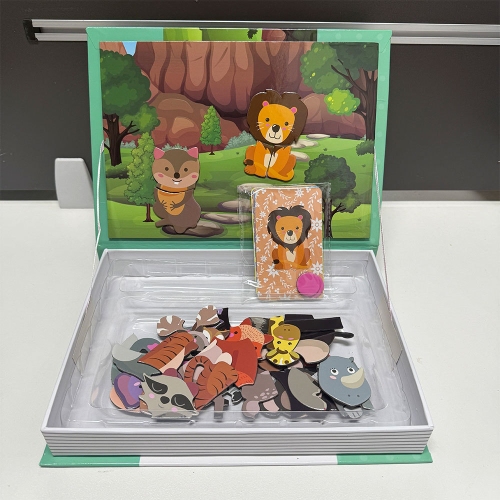
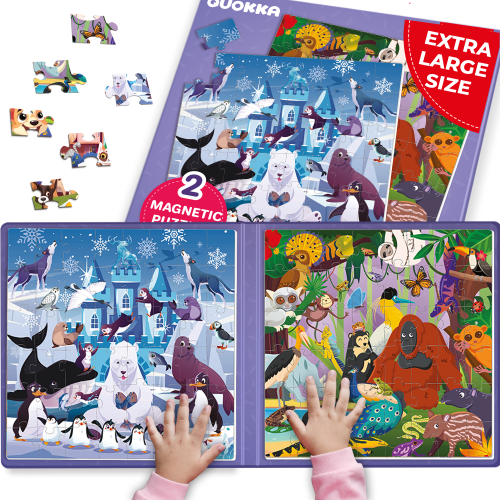
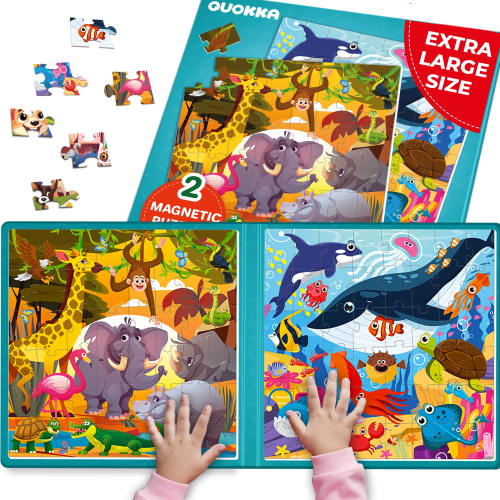
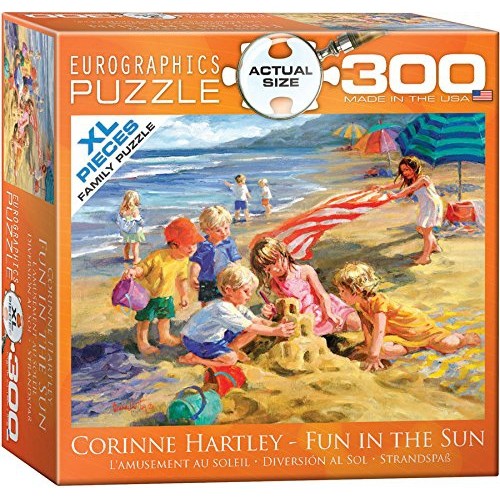
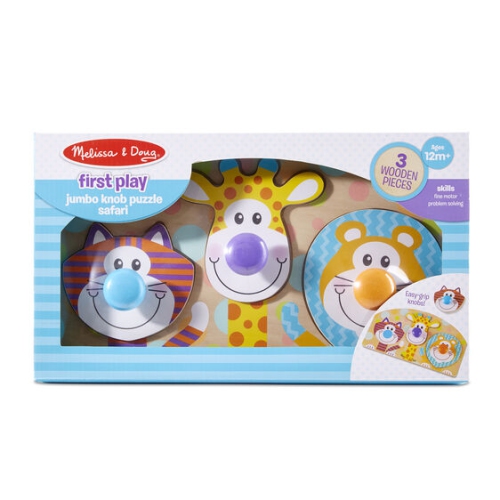
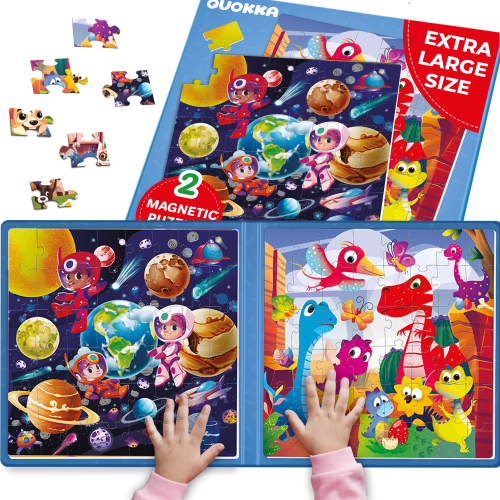
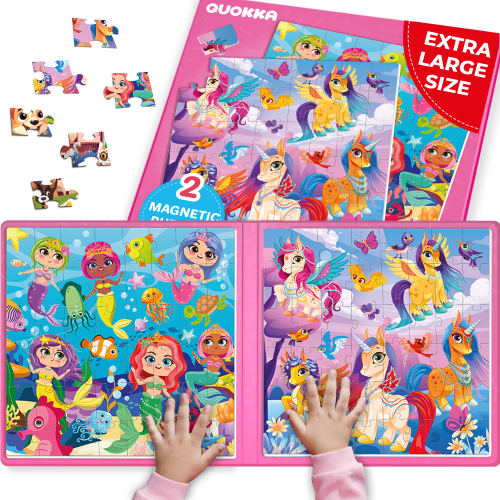
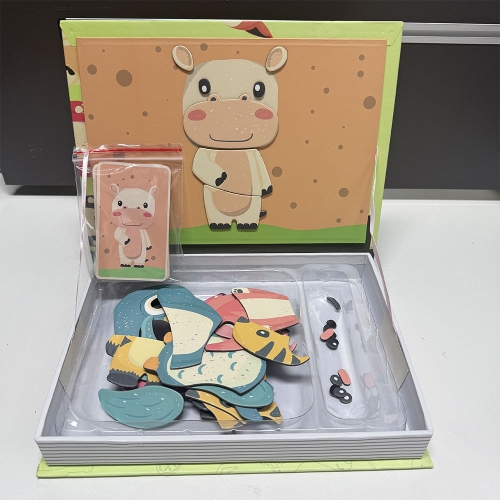
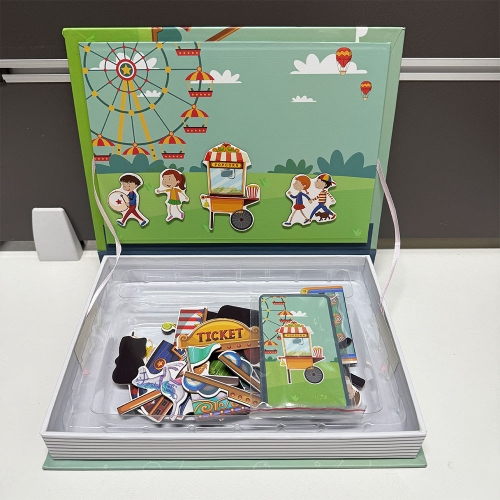
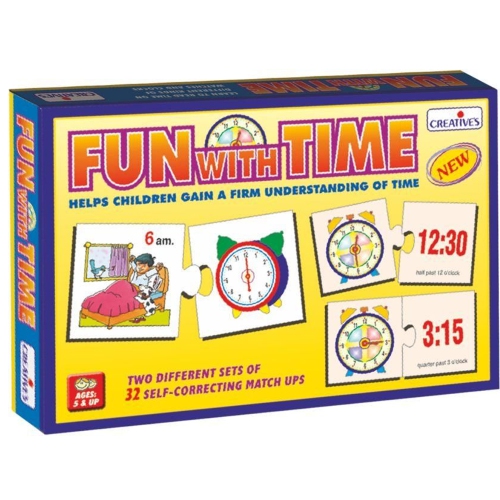
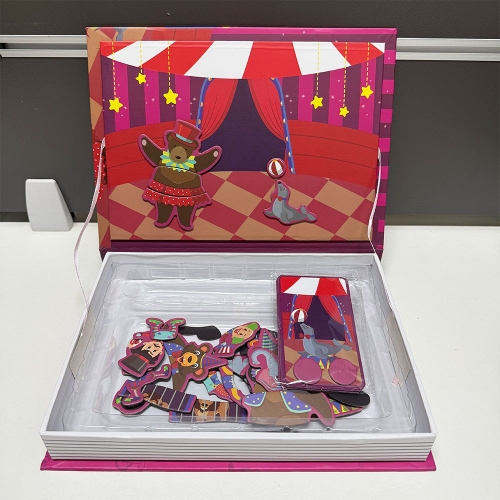
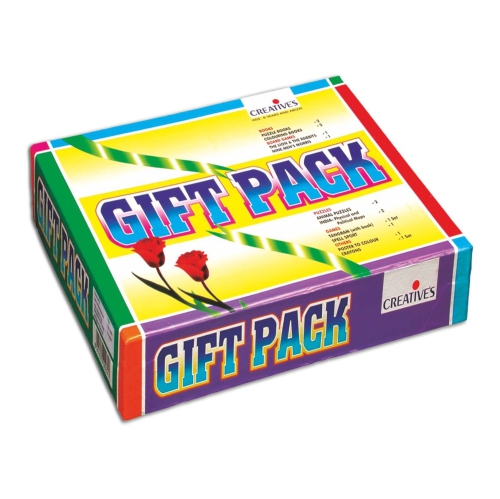
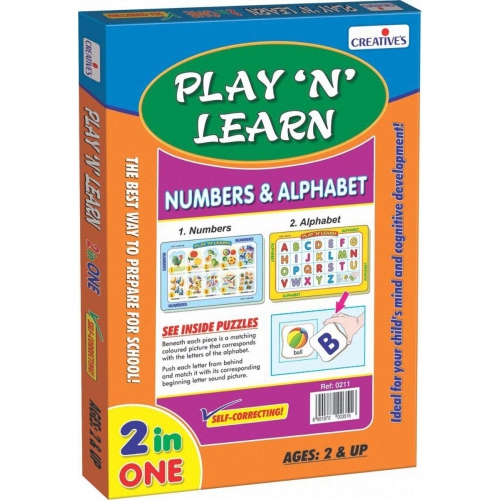
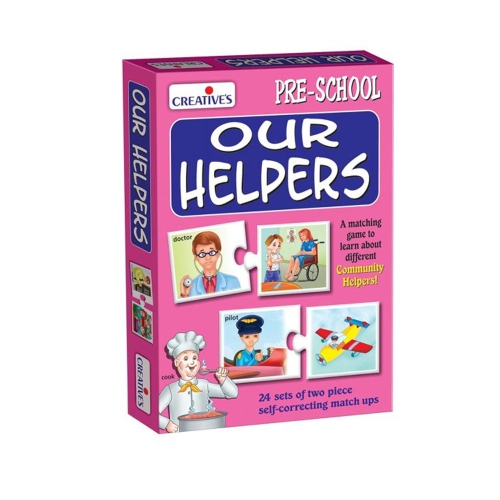
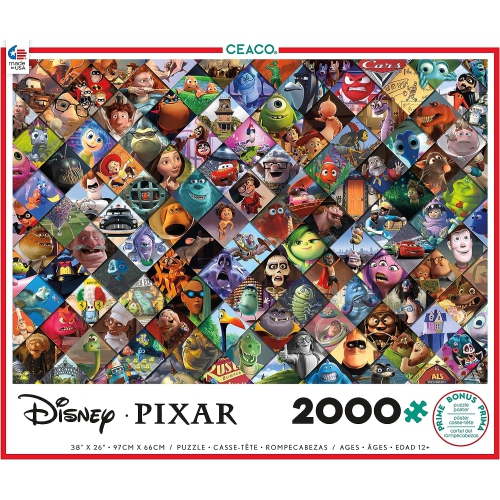
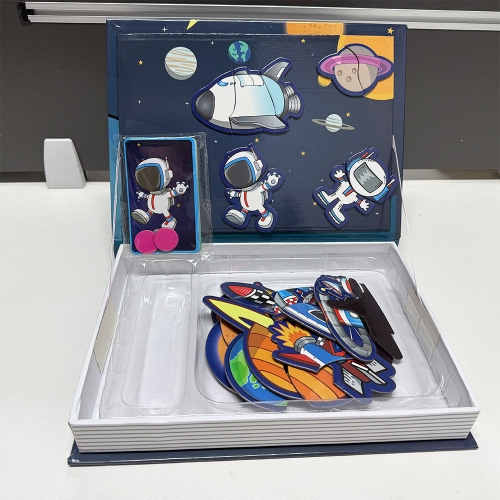
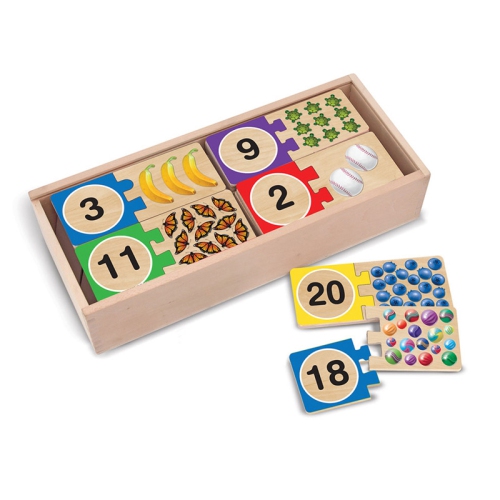
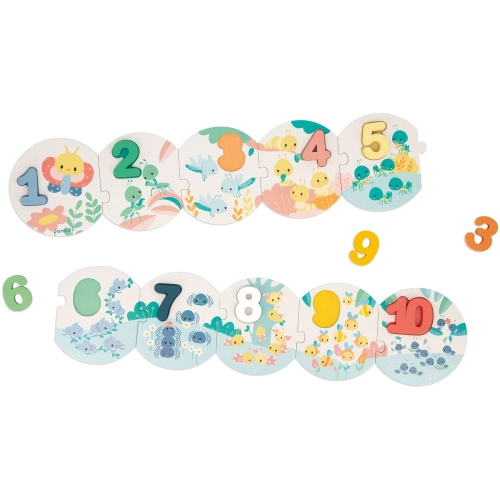

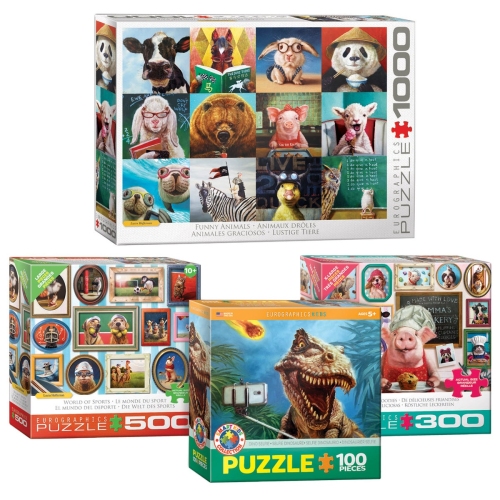
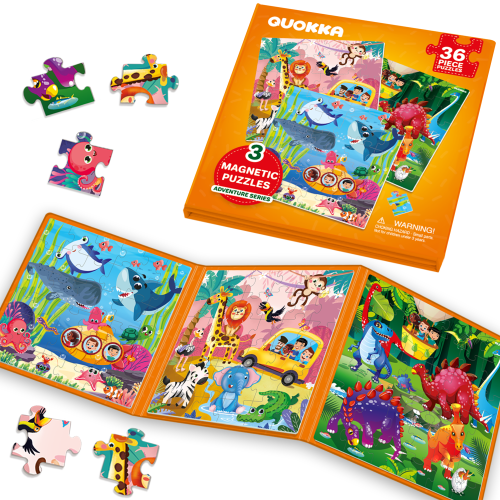
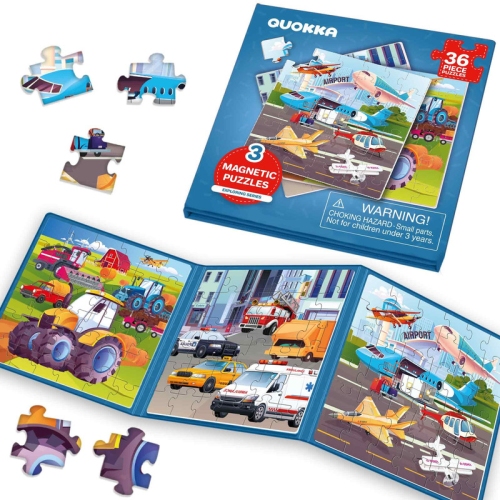
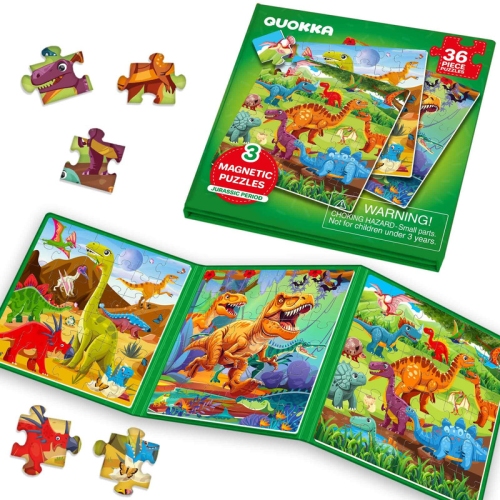
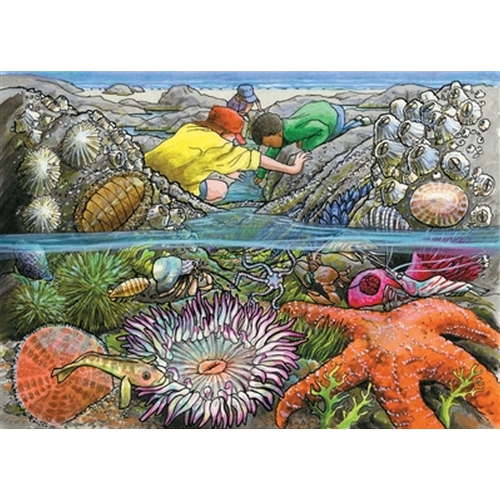
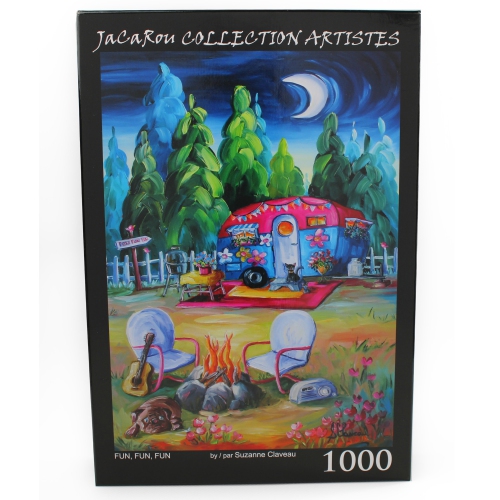
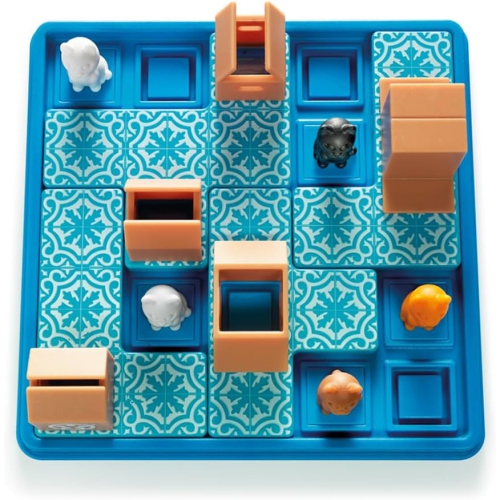
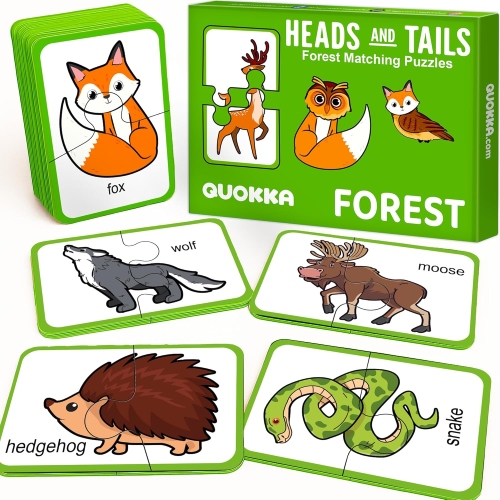
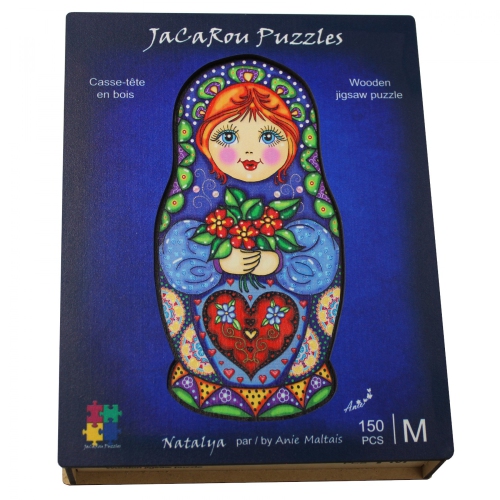
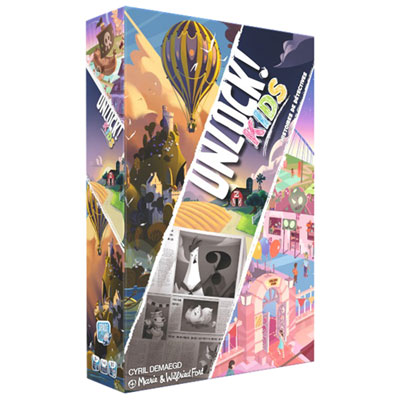
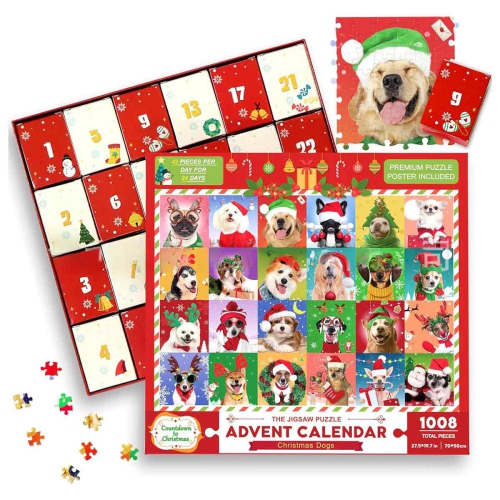
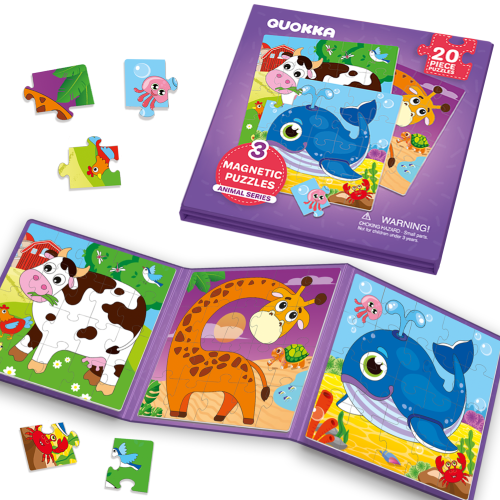
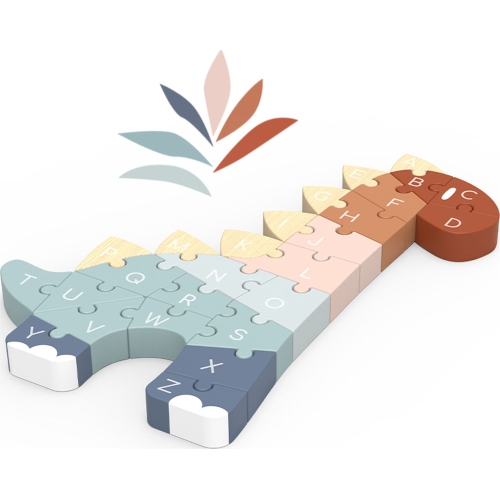
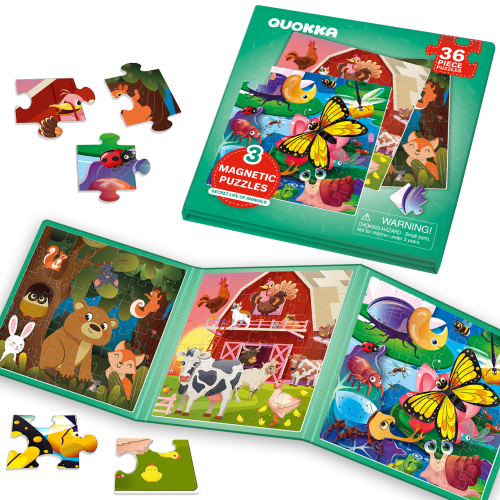
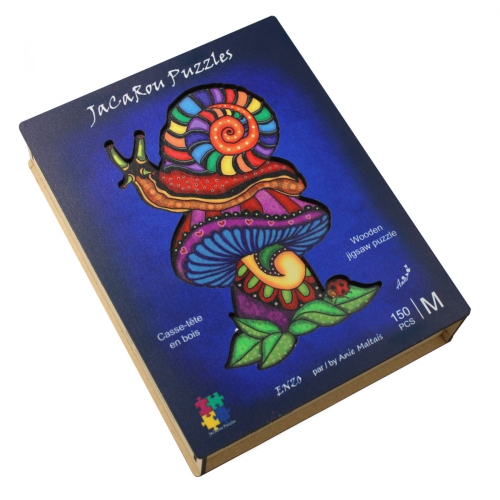
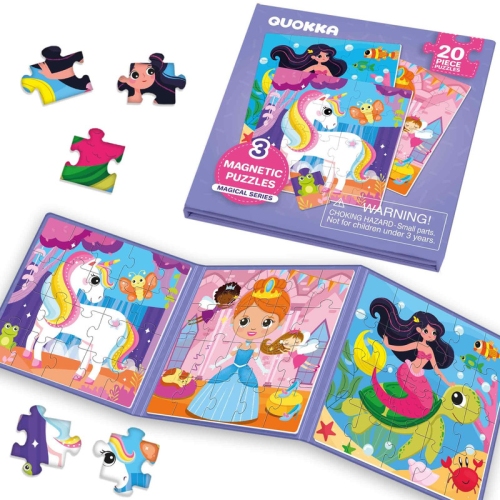
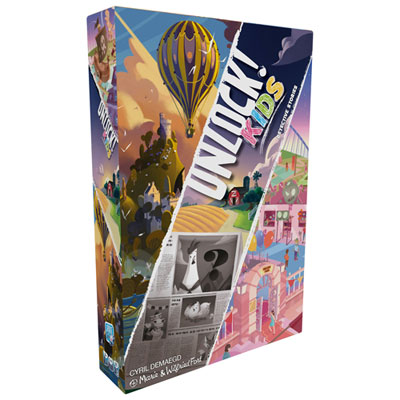
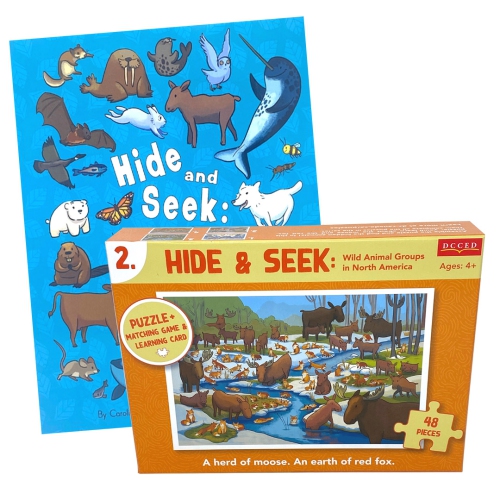
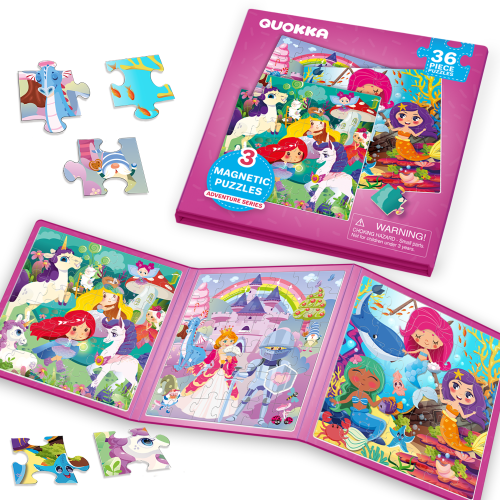
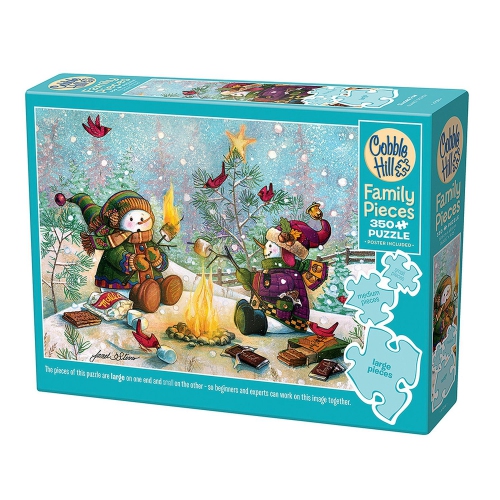
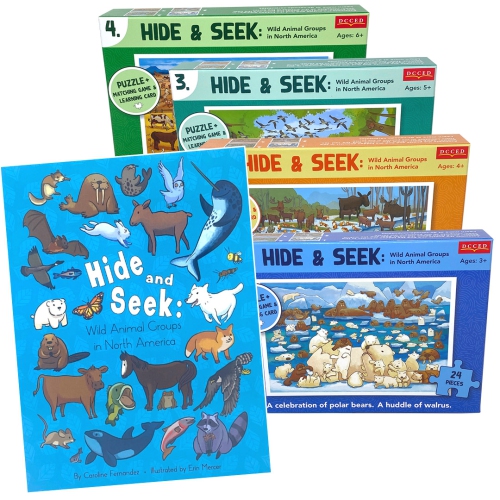
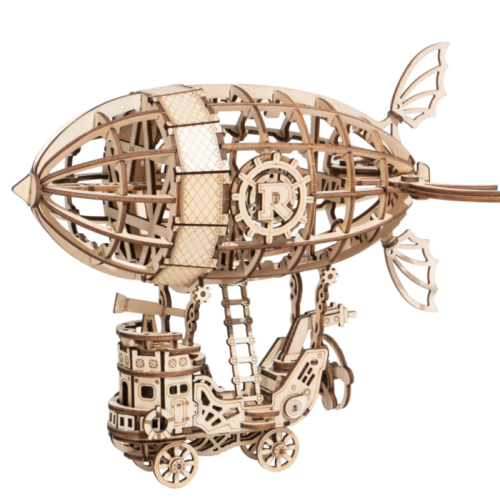
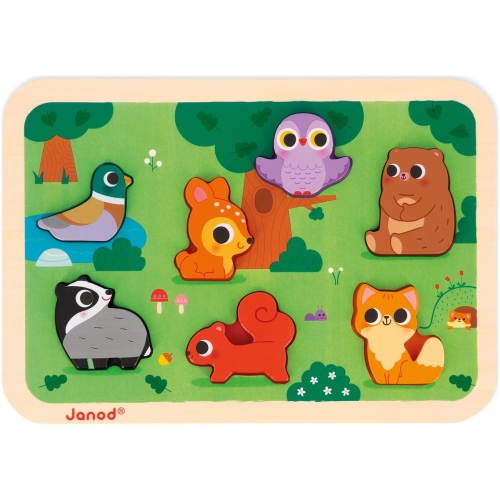
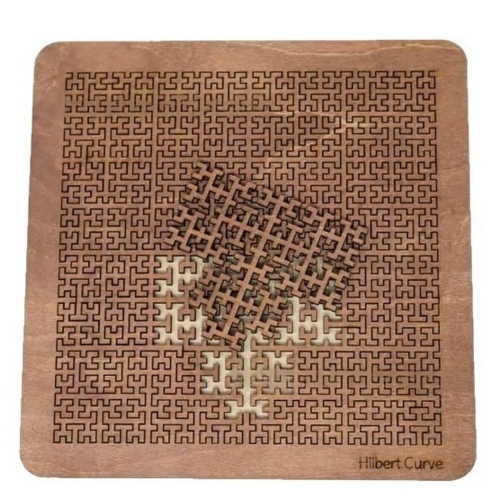
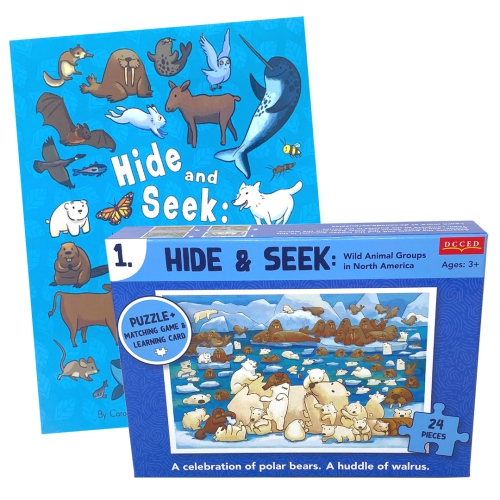
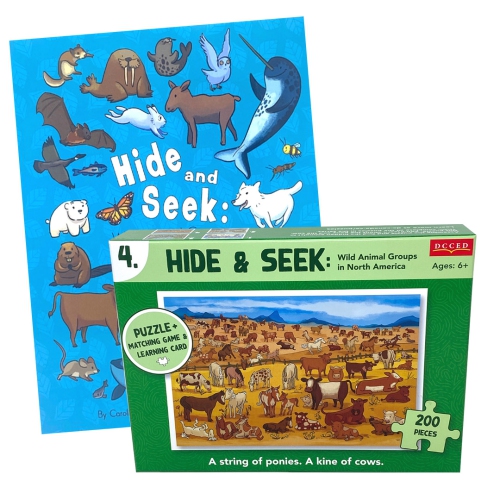
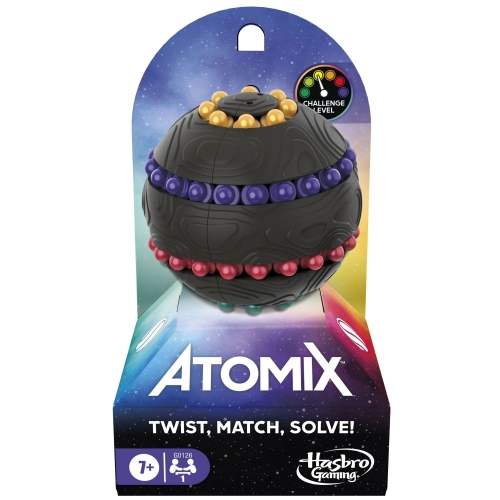
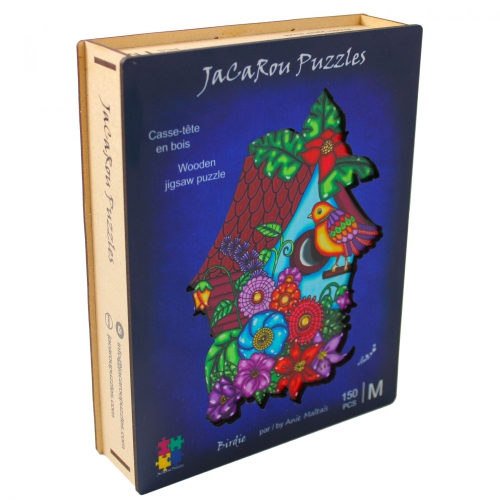
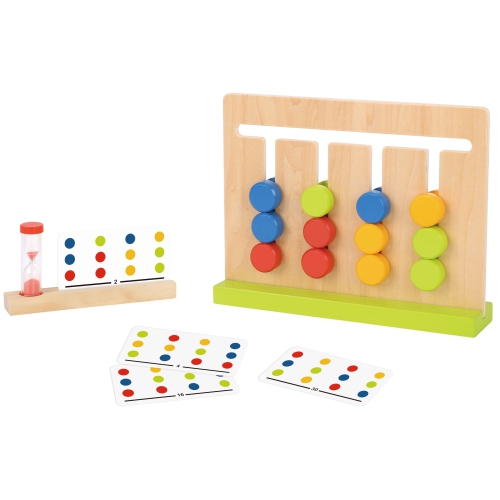
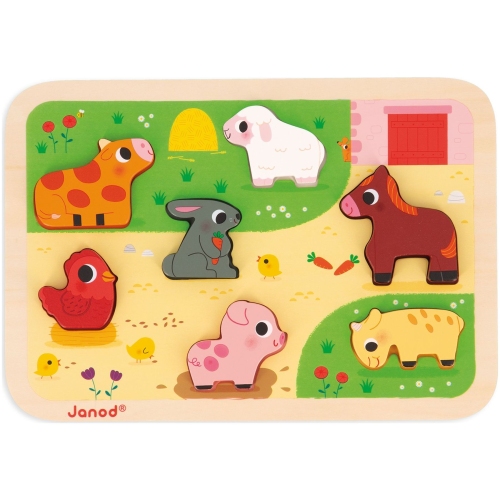
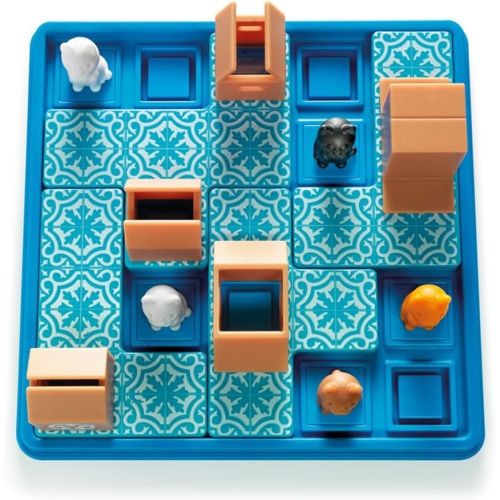
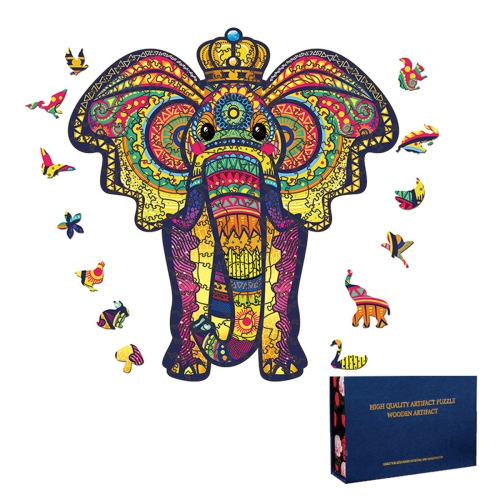
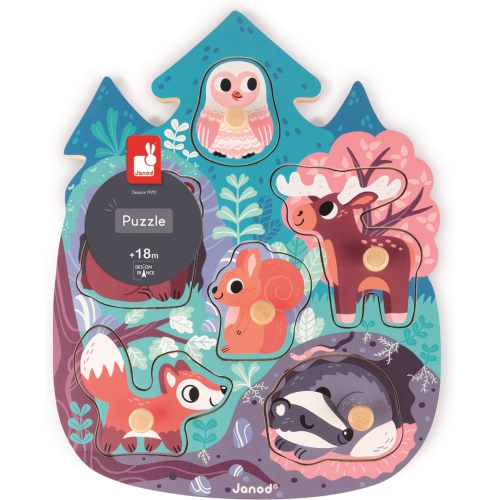
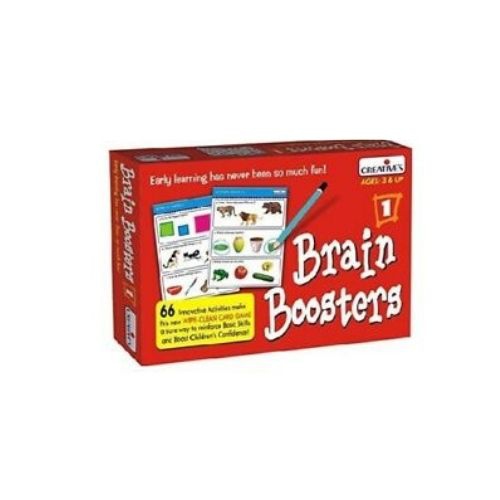
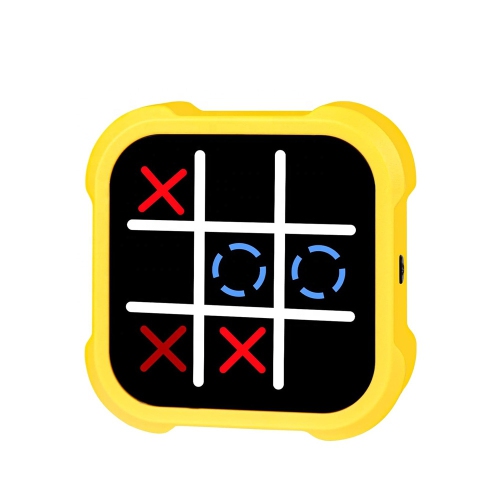
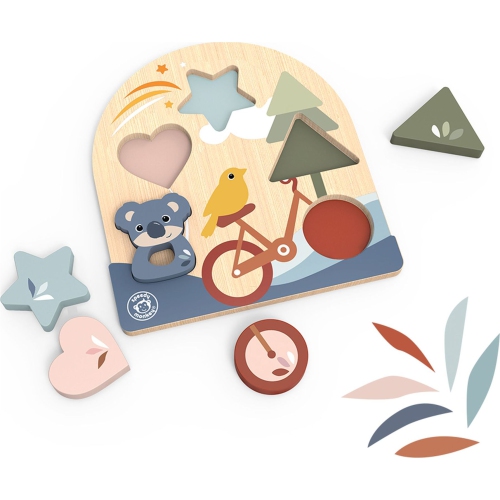
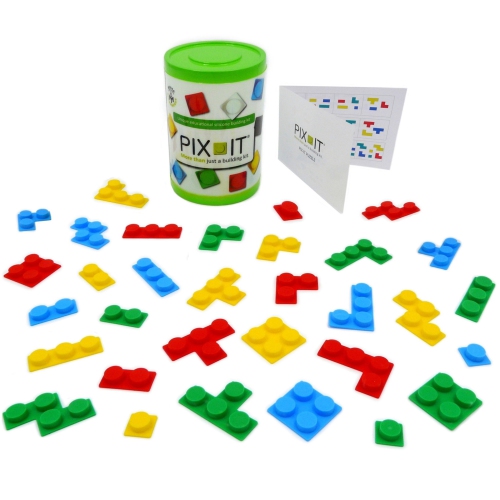
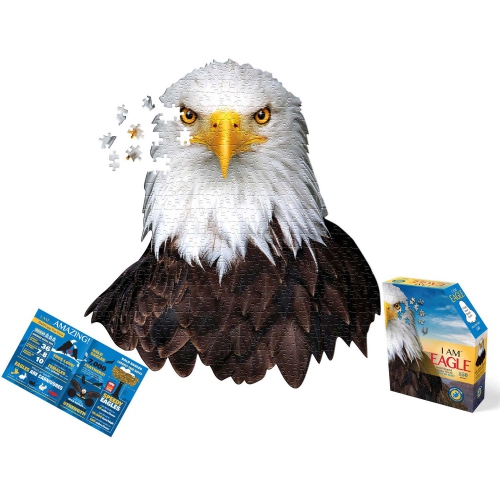
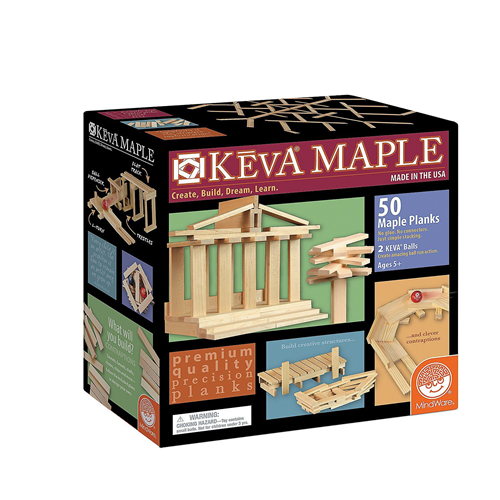
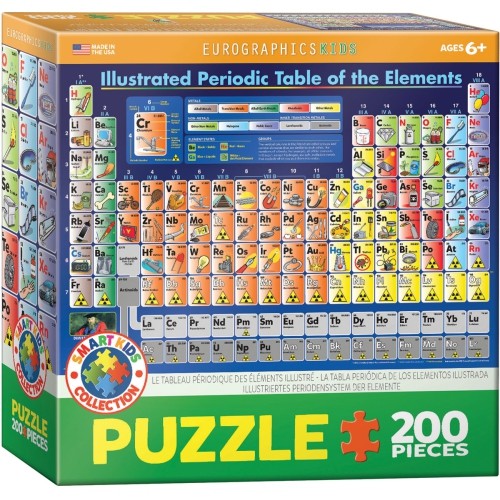
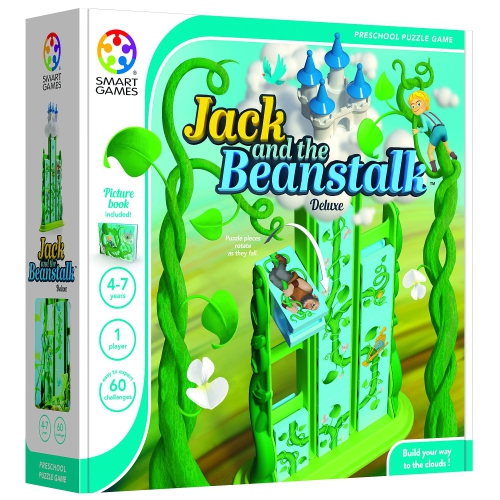


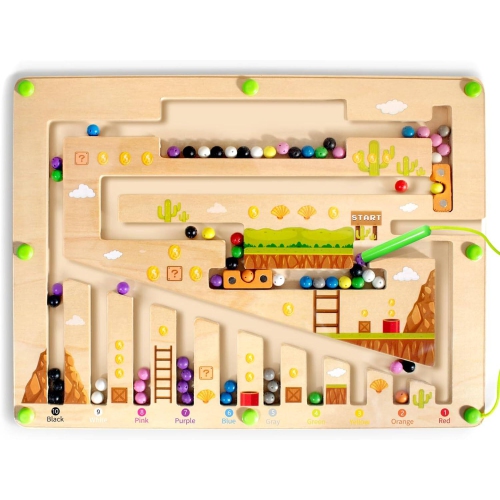
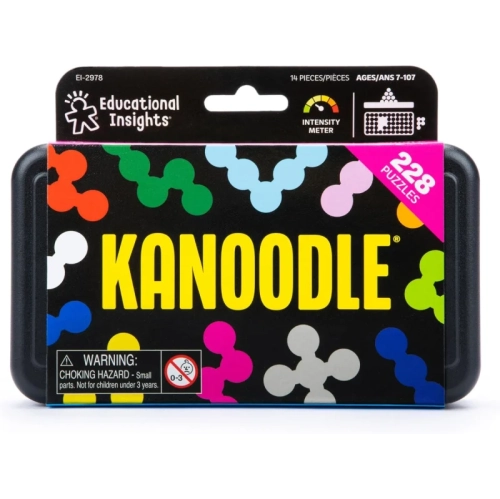
Age-appropriate puzzles for quiet play and shared discovery
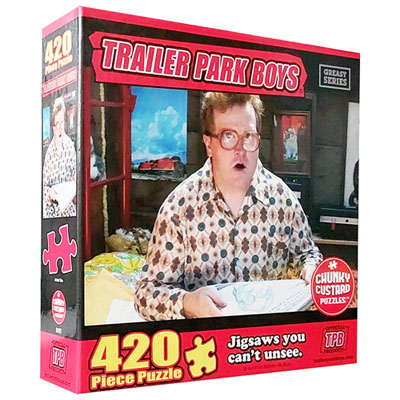
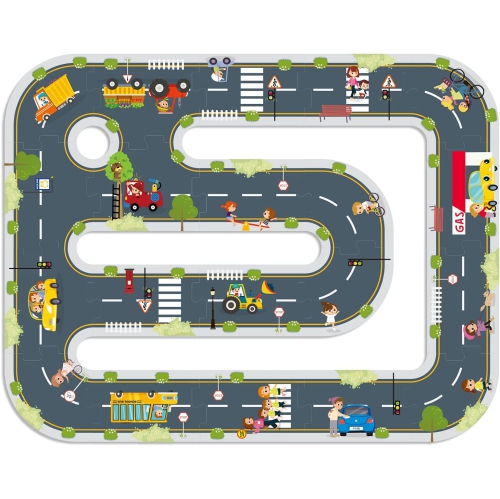
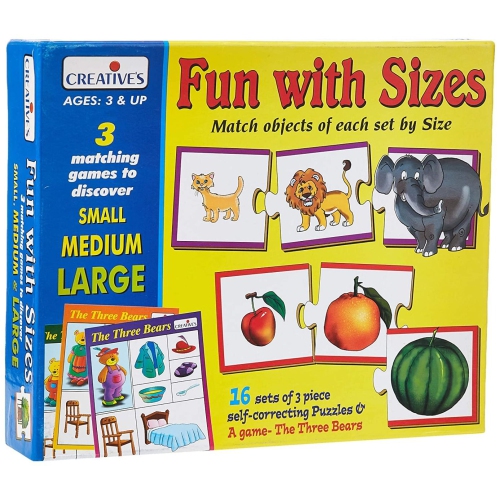
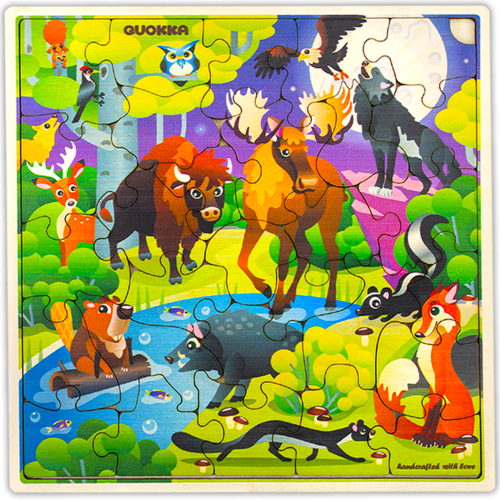
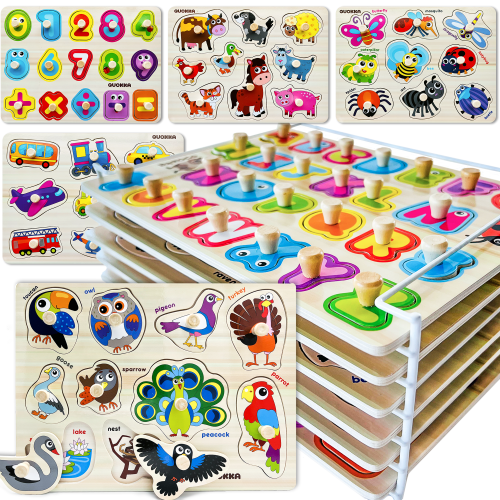
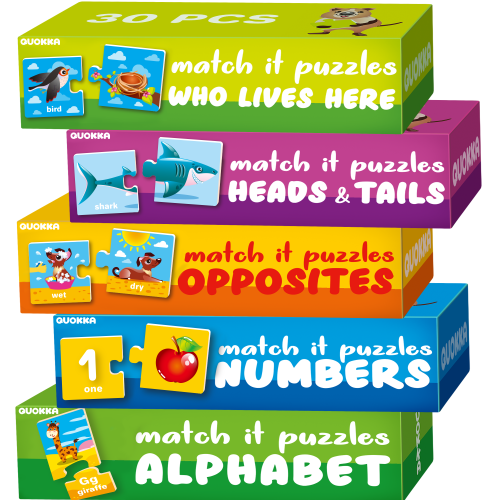
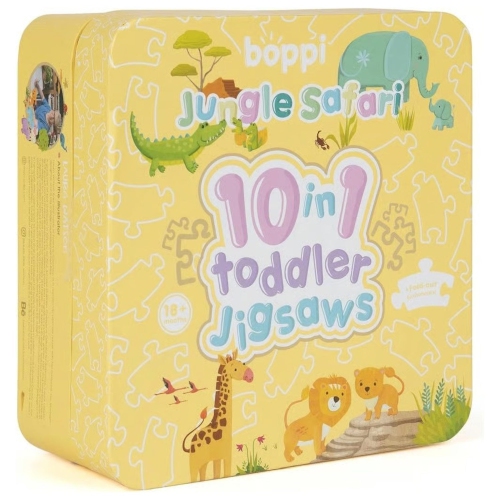
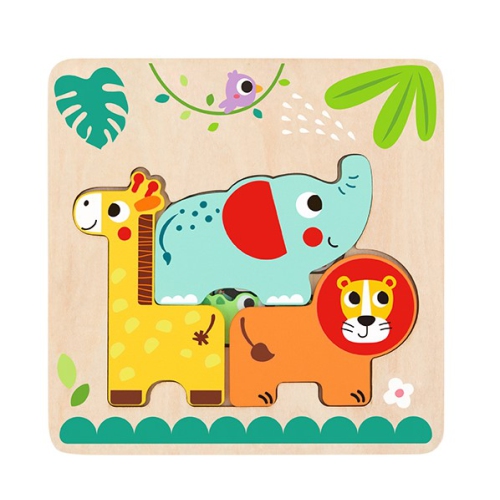
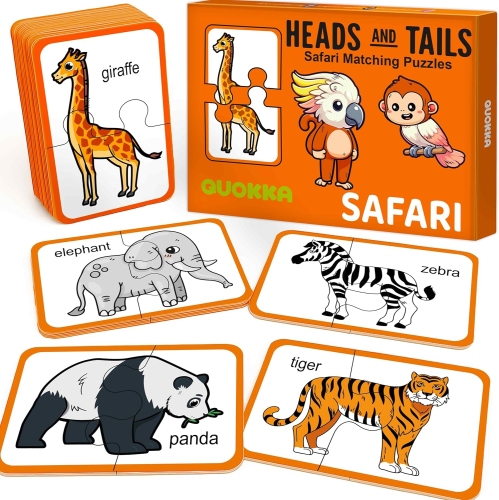
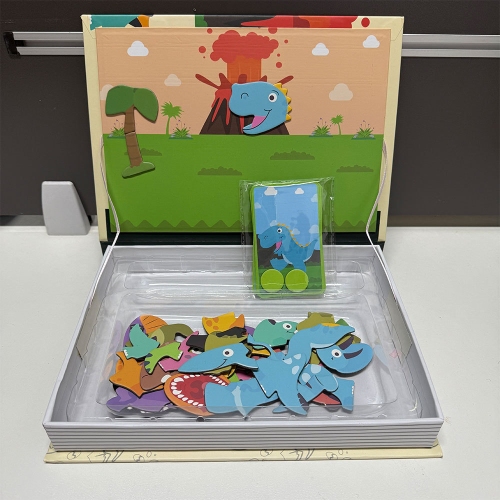
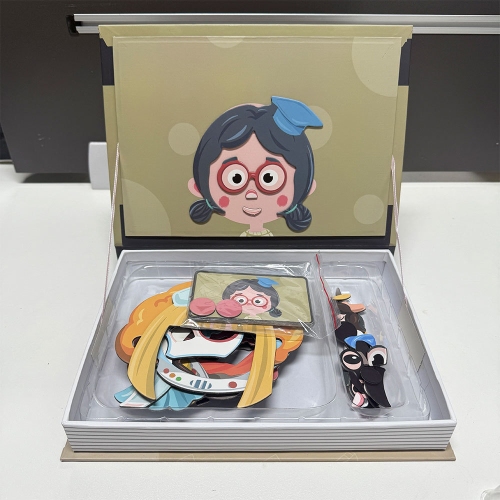
Fun puzzles for kids bring a playful sense of discovery to quiet afternoons, family game time, travel, and rainy-day activities. A puzzle can be as simple as matching large, colourful pieces or as challenging as solving a maze, spotting hidden details, or working through a series of clues. The best choice depends on the child’s age, interests, attention span, and preferred way of playing. Younger children often enjoy chunky wooden puzzles, peg puzzles, and simple matching activities that let them practise recognising shapes, colours, animals, vehicles, and familiar objects. As children grow, they may be ready for jigsaw puzzles with more pieces, larger floor puzzles, dot-to-dots, hidden-picture activities, and beginner word or logic games. Bright illustrations and funny themes can make the experience feel like play rather than practice, encouraging children to keep going when a piece does not fit immediately. A puzzle featuring dinosaurs, outer space, animals, fantasy scenes, food, construction vehicles, or colourful characters can also reflect a child’s current interests and make the activity more inviting. Families looking for an assortment of engaging options can explore Fun Puzzles for ideas suited to different ages and play styles.
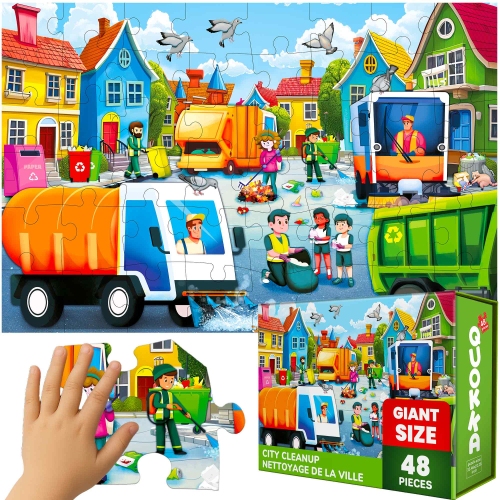
When choosing a puzzle, consider the size and number of pieces, the complexity of the design, and how easily the finished activity can be handled by small hands. Larger pieces are generally easier for younger children to grip, turn, and place, while smaller pieces and more detailed images can provide an absorbing challenge for older kids. Floor puzzles with oversized pieces can create a shared activity on a playroom carpet, while compact puzzle books and travel-sized sets are convenient for car journeys, visits, and waiting rooms. A sturdy construction can be helpful for children who like to repeat the same activity, move pieces around, or work independently without constant assistance. It is also worth checking the recommended age range, particularly when a puzzle includes small parts. Visual and hidden-picture puzzles are a good fit for children who enjoy careful observation, since they invite them to find differences, locate camouflaged objects, or search for details tucked into a busy scene. Mazes and dot-to-dots can appeal to children who like drawing, guiding a character through a funny track, or revealing a picture one line at a time. Word searches, simple crosswords, riddles, and other logic games add an extra layer of thinking for children who enjoy letters, clues, patterns, and playful problem-solving.
Puzzles can be used in many ways beyond completing the picture from beginning to end. A child might sort pieces by colour before starting, describe what they see in an illustration, or tell a story about the scene as it takes shape. Working alongside a parent, grandparent, sibling, or friend can turn a puzzle into a relaxed conversation and help children practise sharing space, taking turns, and asking for help. An adult can offer a small hint without taking over, such as suggesting that the child look for straight edges, match a particular colour, or turn a piece around to test another position. For independent play, a familiar puzzle can provide a satisfying break from screens and a clear sense of progress, especially when a child can see the image becoming complete. Fun puzzles also make thoughtful gifts for birthdays, classroom celebrations, family visits, and occasions when a child enjoys receiving an activity they can open and start exploring right away. They can be paired with other games or creative activities, or kept in a dedicated basket so children can return to them during the cooler months and whenever they want a focused, hands-on pastime. From quick activities that take a few minutes to larger challenges that can occupy an entire afternoon, puzzles offer children an enjoyable way to notice details, build confidence, and celebrate each small success.
When choosing a puzzle, consider the size and number of pieces, the complexity of the design, and how easily the finished activity can be handled by small hands. Larger pieces are generally easier for younger children to grip, turn, and place, while smaller pieces and more detailed images can provide an absorbing challenge for older kids. Floor puzzles with oversized pieces can create a shared activity on a playroom carpet, while compact puzzle books and travel-sized sets are convenient for car journeys, visits, and waiting rooms. A sturdy construction can be helpful for children who like to repeat the same activity, move pieces around, or work independently without constant assistance. It is also worth checking the recommended age range, particularly when a puzzle includes small parts. Visual and hidden-picture puzzles are a good fit for children who enjoy careful observation, since they invite them to find differences, locate camouflaged objects, or search for details tucked into a busy scene. Mazes and dot-to-dots can appeal to children who like drawing, guiding a character through a funny track, or revealing a picture one line at a time. Word searches, simple crosswords, riddles, and other logic games add an extra layer of thinking for children who enjoy letters, clues, patterns, and playful problem-solving.
Puzzles can be used in many ways beyond completing the picture from beginning to end. A child might sort pieces by colour before starting, describe what they see in an illustration, or tell a story about the scene as it takes shape. Working alongside a parent, grandparent, sibling, or friend can turn a puzzle into a relaxed conversation and help children practise sharing space, taking turns, and asking for help. An adult can offer a small hint without taking over, such as suggesting that the child look for straight edges, match a particular colour, or turn a piece around to test another position. For independent play, a familiar puzzle can provide a satisfying break from screens and a clear sense of progress, especially when a child can see the image becoming complete. Fun puzzles also make thoughtful gifts for birthdays, classroom celebrations, family visits, and occasions when a child enjoys receiving an activity they can open and start exploring right away. They can be paired with other games or creative activities, or kept in a dedicated basket so children can return to them during the cooler months and whenever they want a focused, hands-on pastime. From quick activities that take a few minutes to larger challenges that can occupy an entire afternoon, puzzles offer children an enjoyable way to notice details, build confidence, and celebrate each small success.
Top selling and popular products
-
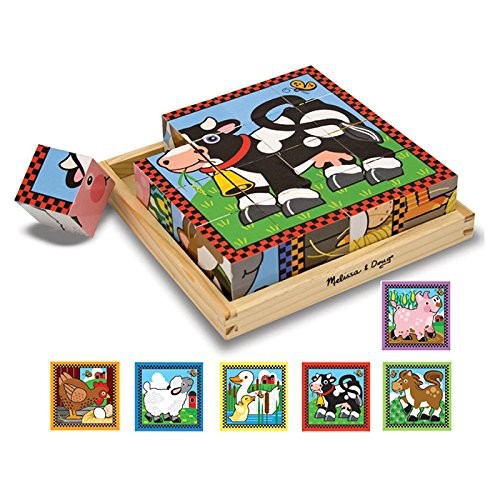 Your price for this item is $32.99
 -
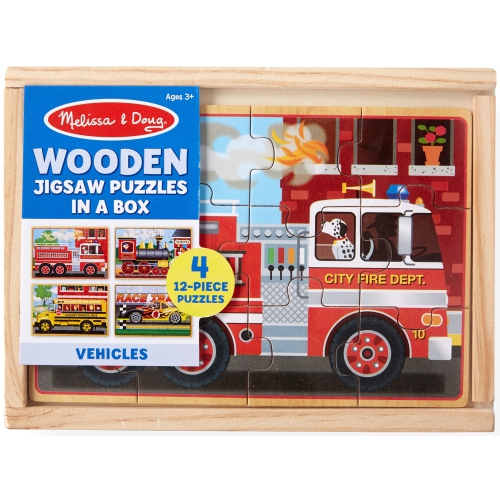 Your price for this item is $35.99
 -
 Your price for this item is $30.99
 -
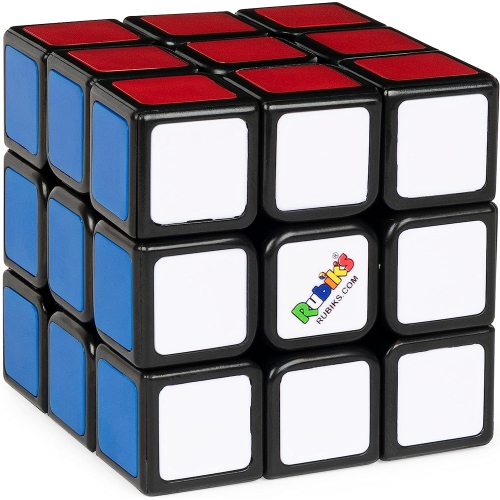 Your price for this item is $26.93
 -
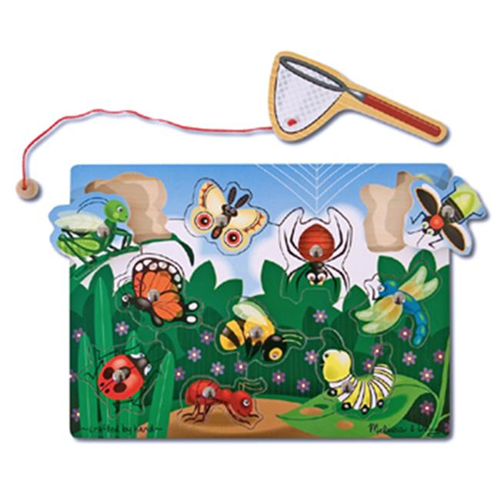 Your price for this item is $29.99
 -
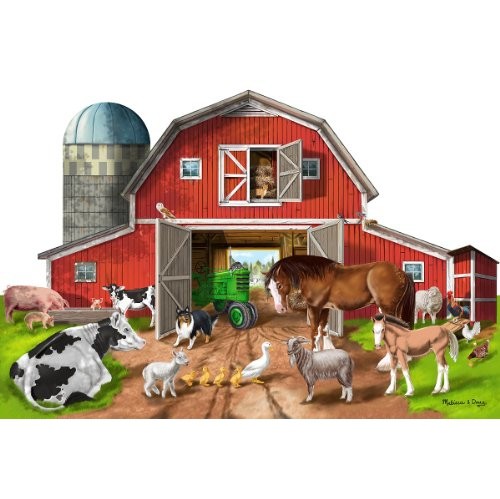 Your price for this item is $36.99
 -
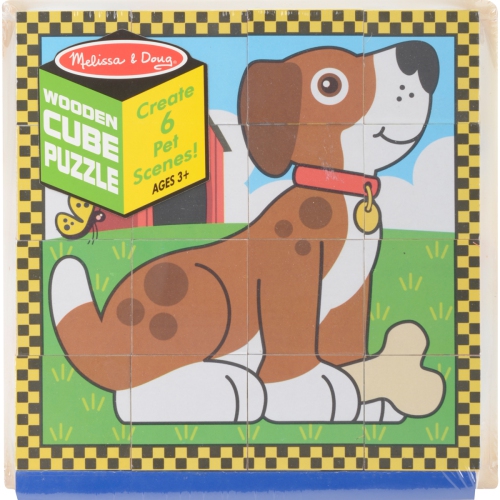 Your price for this item is $32.99
 -
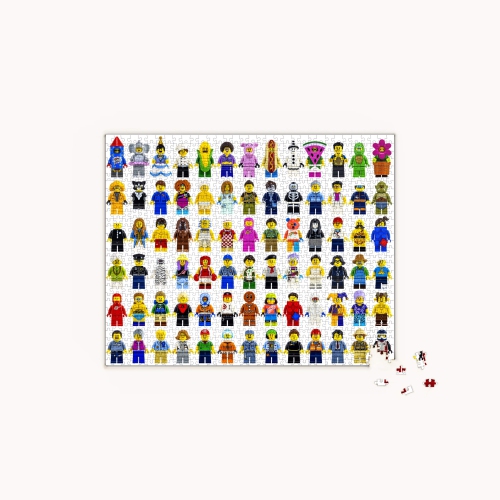 Your price for this item is $34.9
Discover more categories related to Fun Puzzles for Kids
Top Collections:
Pokemon Centers, Best Cameras for Sports Photography, Kindle Devices, Samsung Galaxy Phones, Canon G7X Cameras, Pokémon 30th Celebration Cards, Refurbished Apple Laptops, iPhone 15 Apple, Laptops for Students, Budget Smartphones
Some products may be subject to Environmental Handling Fees
(EHF) depending on your province.
Learn more about EHFs.