Jigsaw Puzzles for Kids
Jigsaw puzzles for kids are a delightful way to spark creativity, enhance problem-solving skills, and provide hours of engaging entertainment. Perfect for children of all ages, these puzzles come in a variety of themes and difficulty levels, ensuring there's something to capture every young imagination. Whether you're looking for a rainy-day activity or a gift that combines fun with educational value, jigsaw puzzles offer an enriching experience that encourages patience and concentration. Explore our wide selection to find the perfect puzzle that will inspire your child's curiosity and sense of accomplishment.
Sort

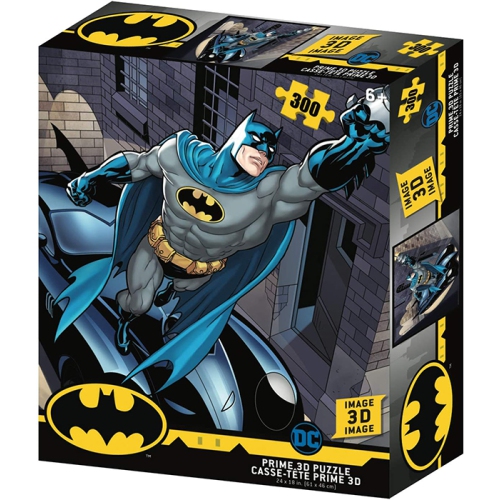
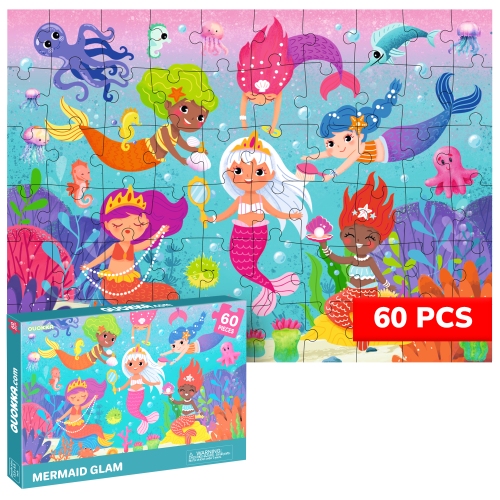
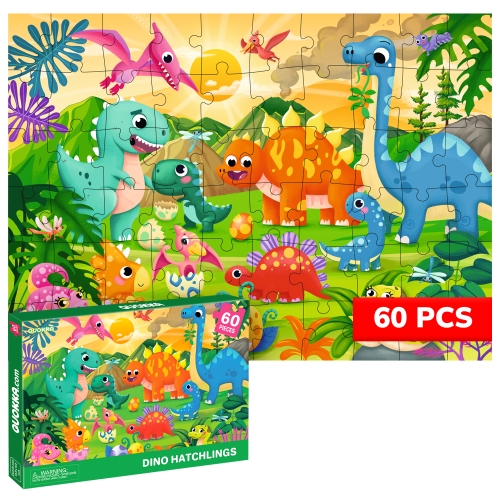
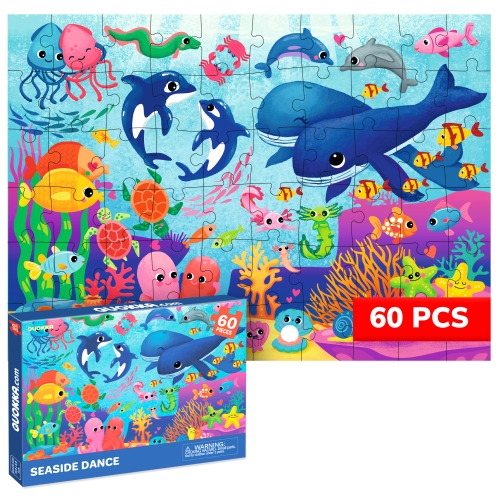
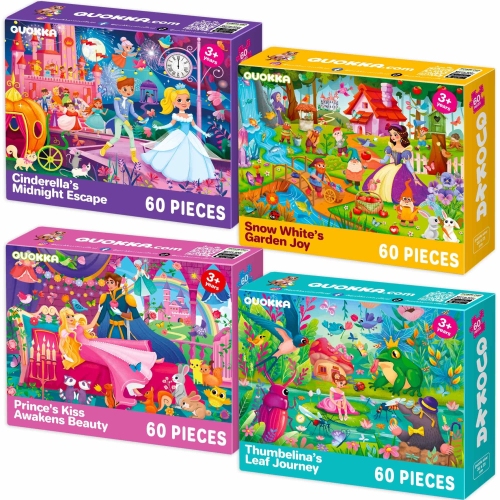
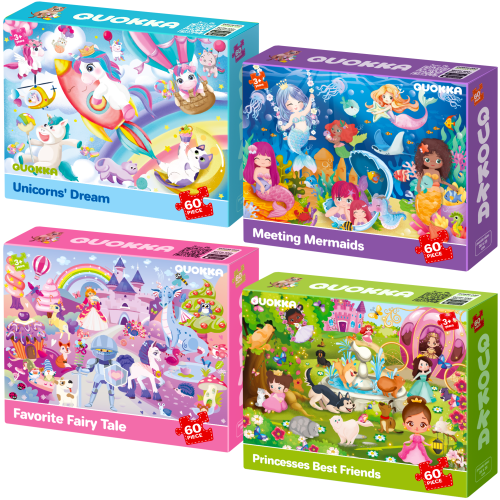
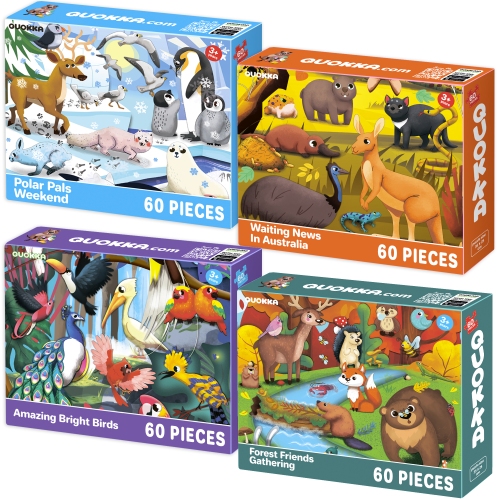
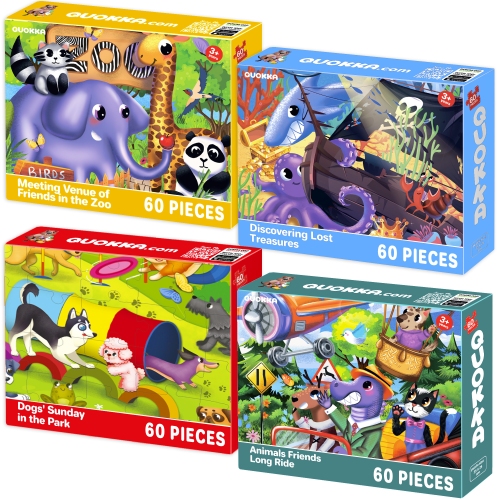
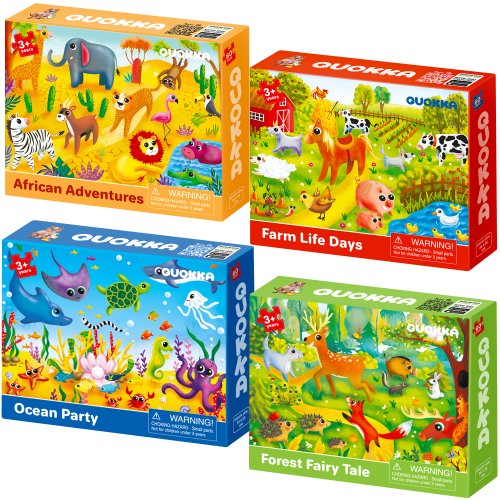
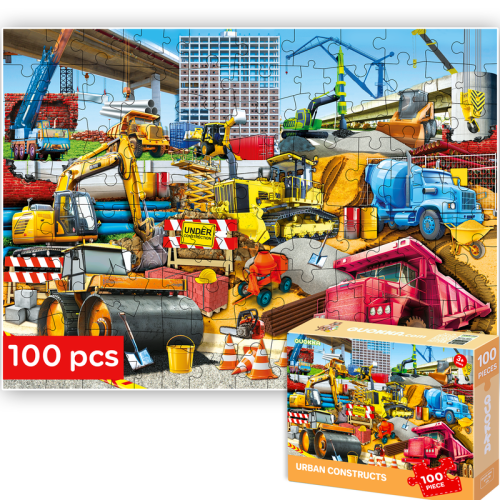
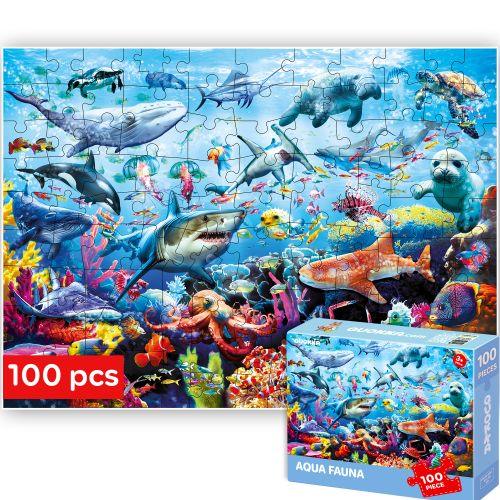
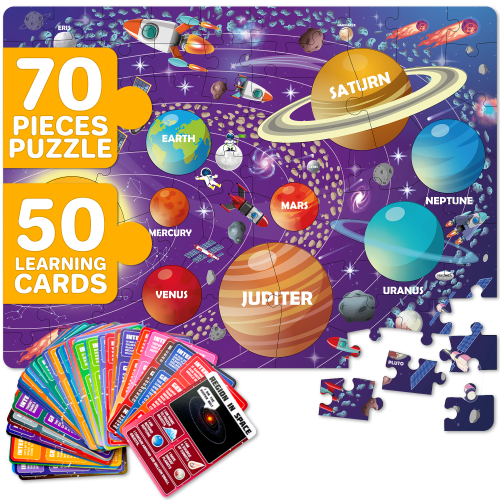
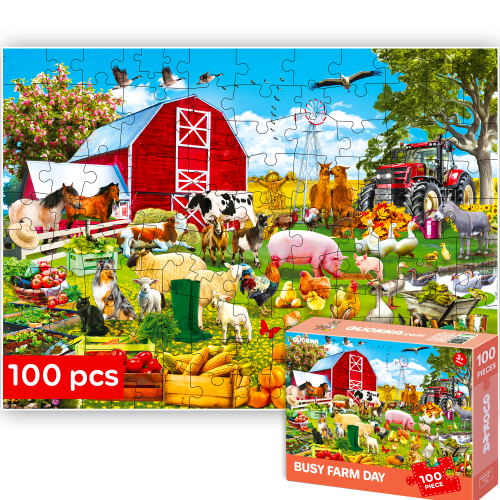
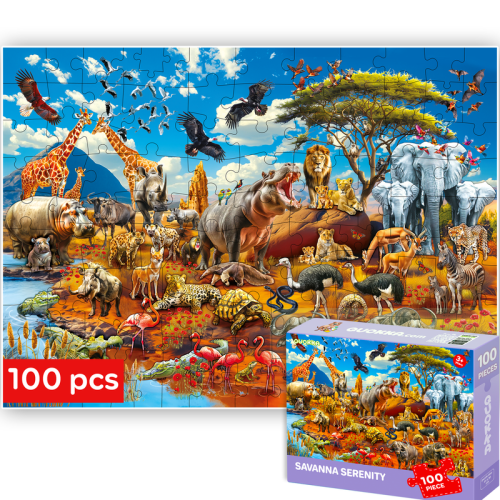
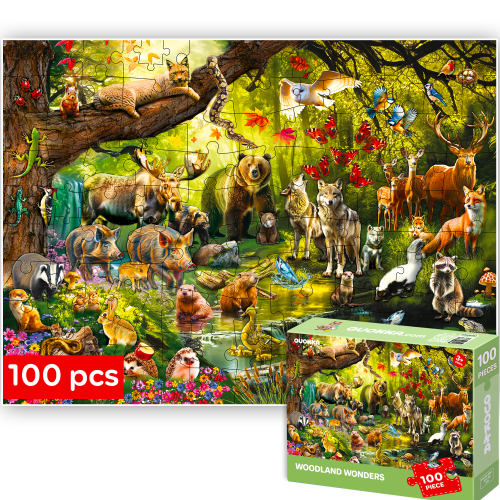
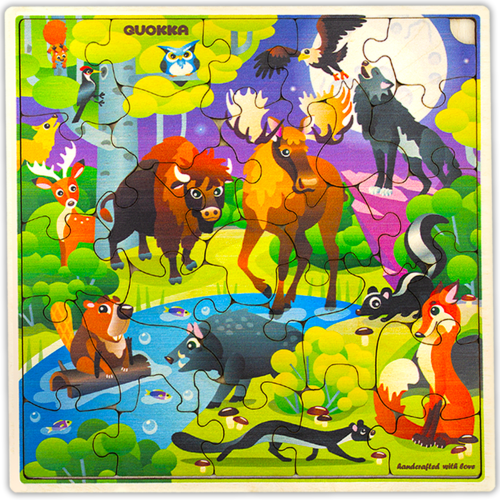
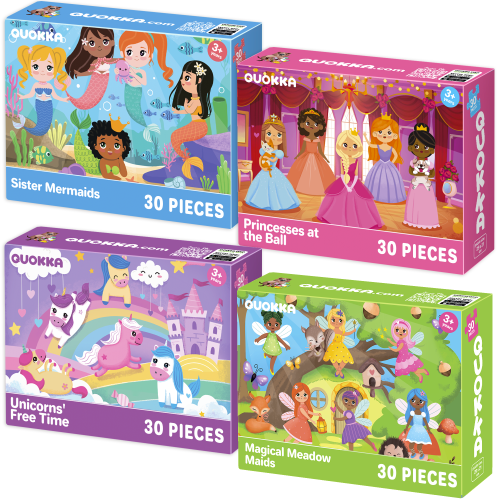
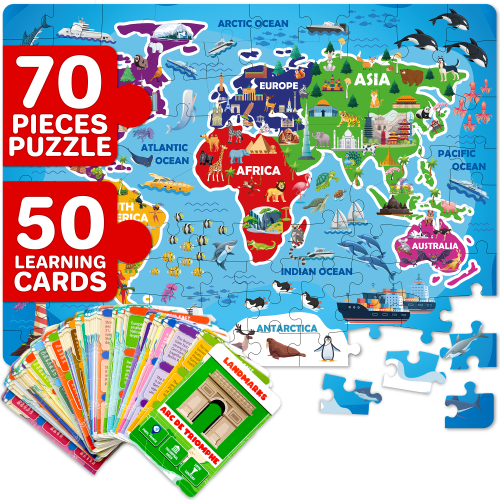
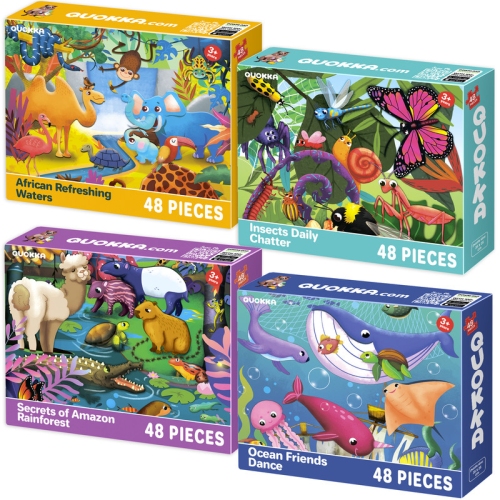
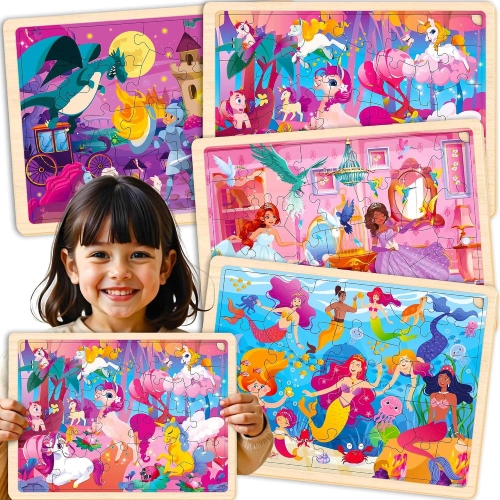
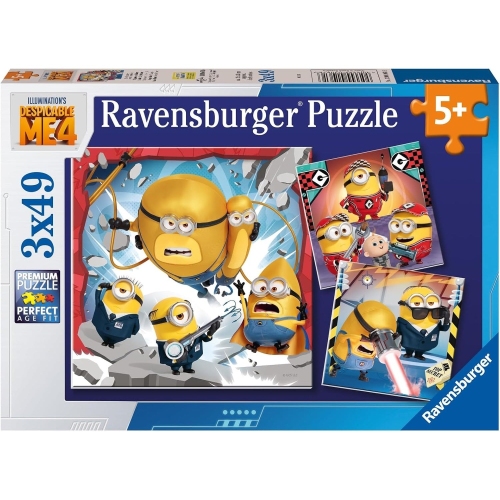
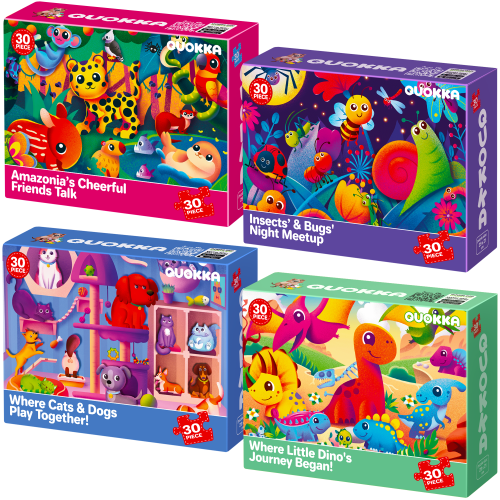
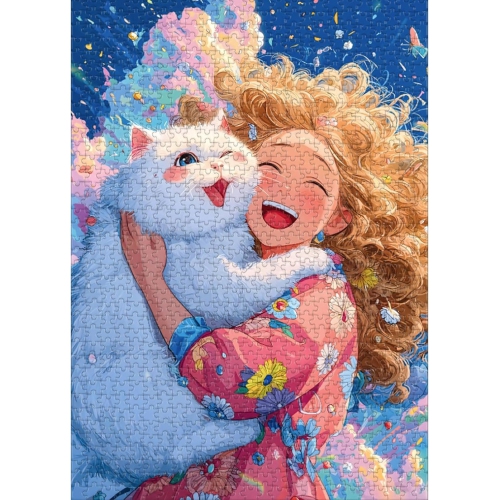
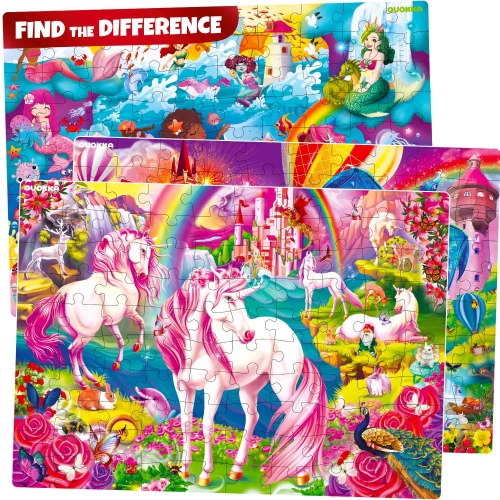
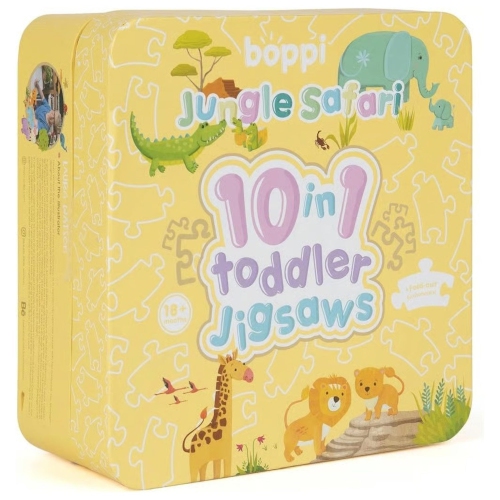
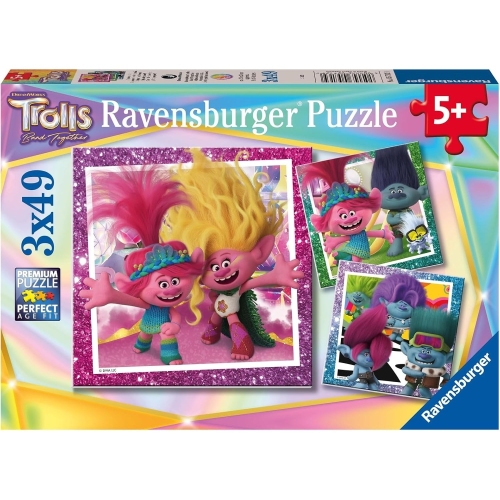
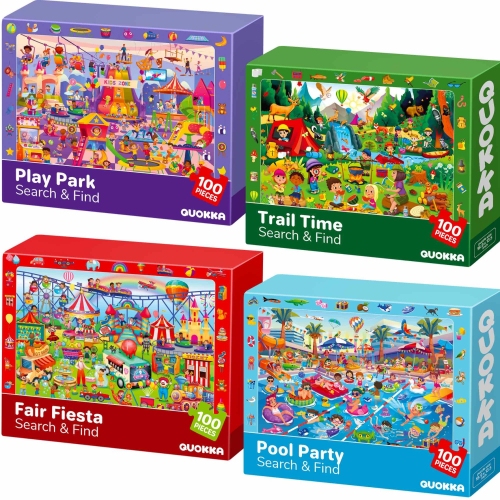

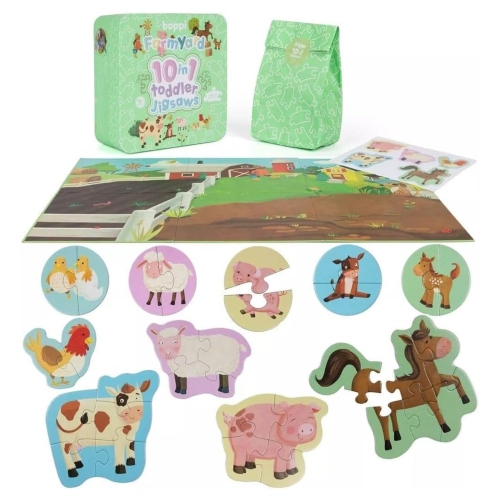
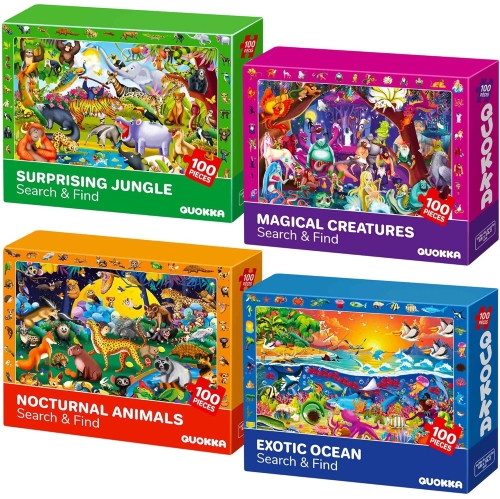
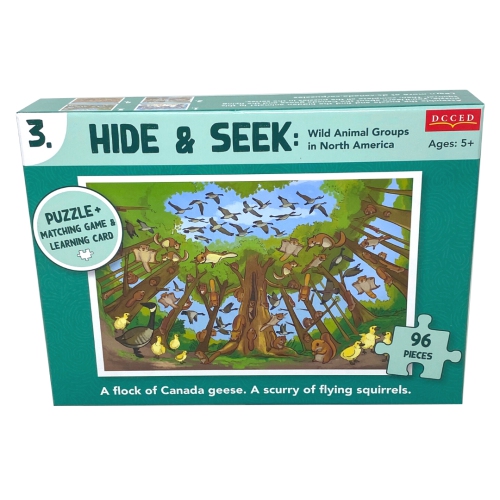
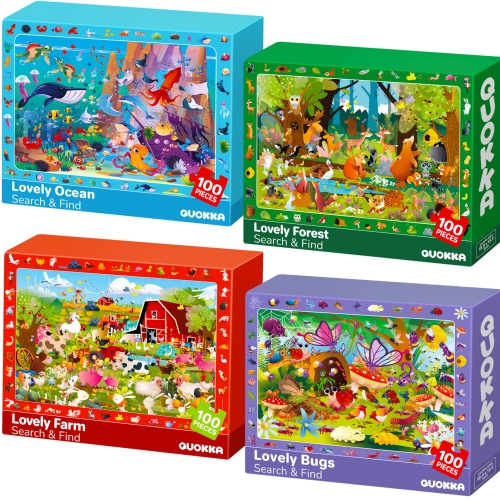


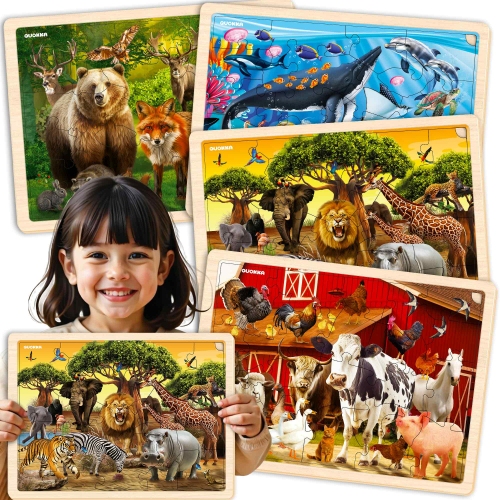
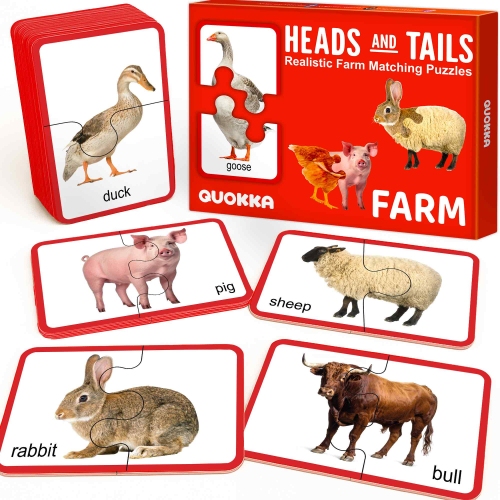

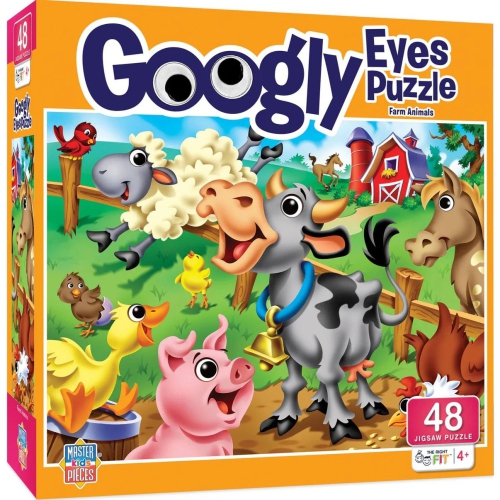
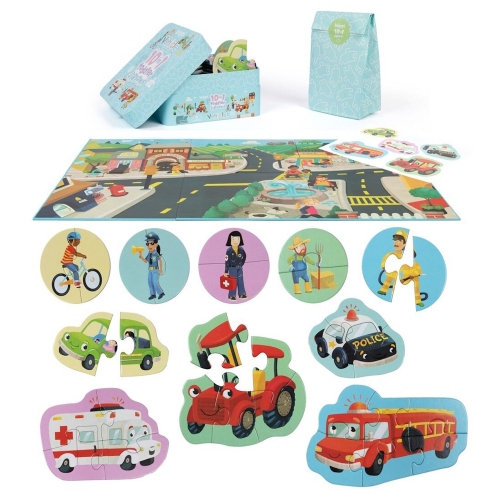
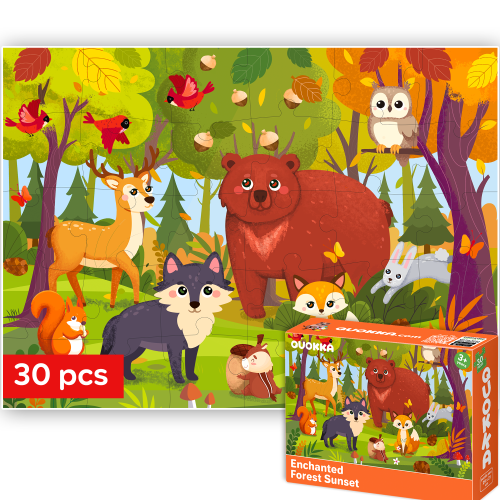
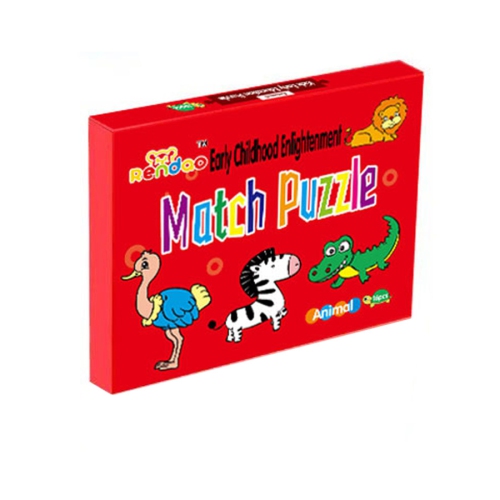
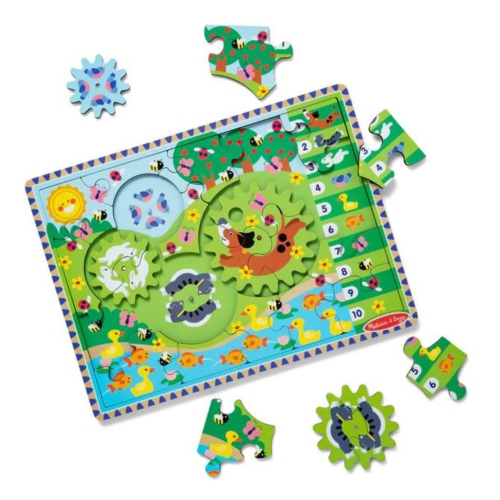
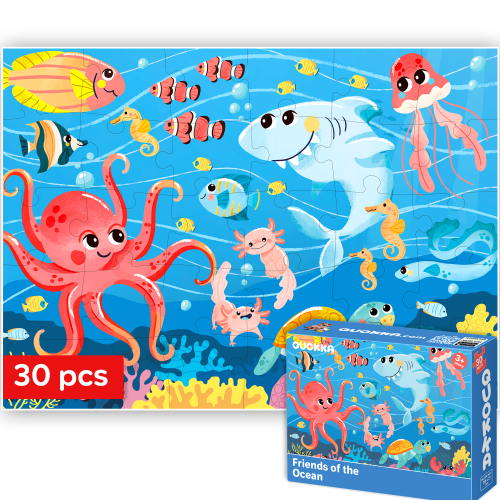
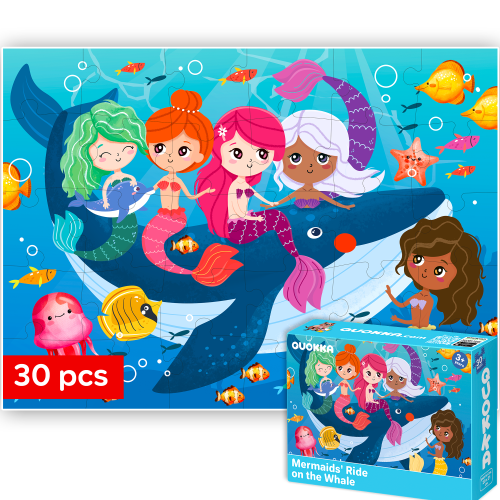


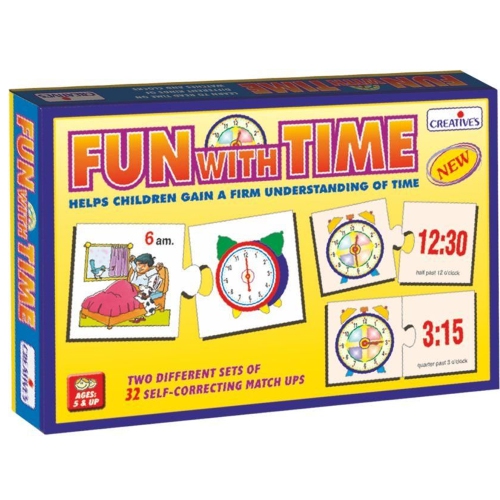
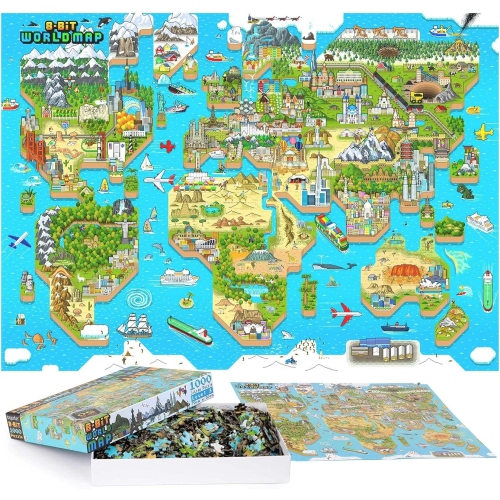
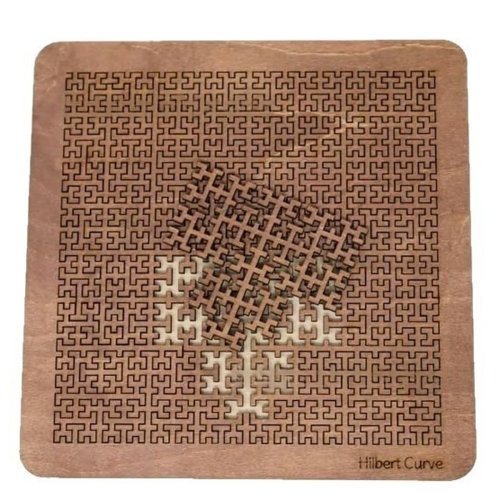
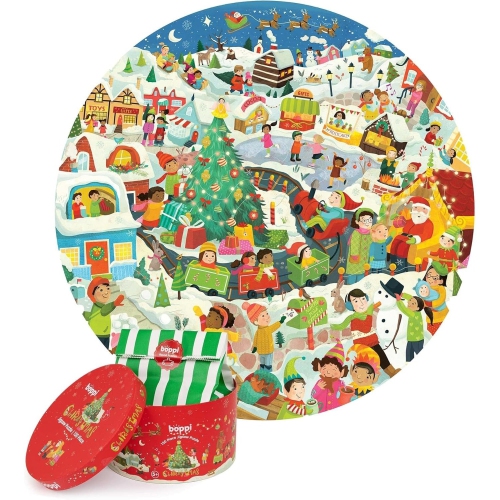
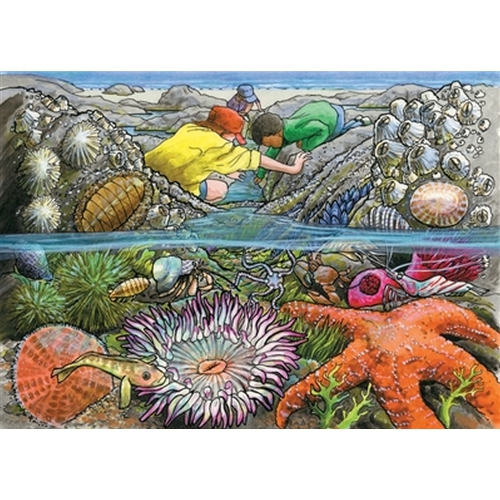
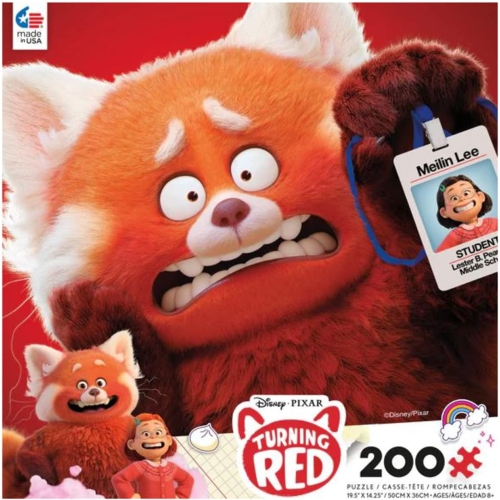


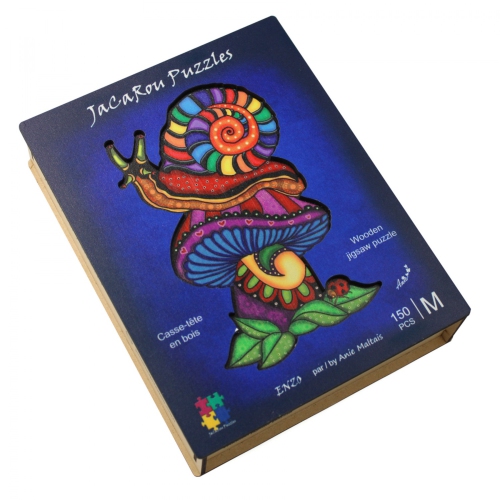
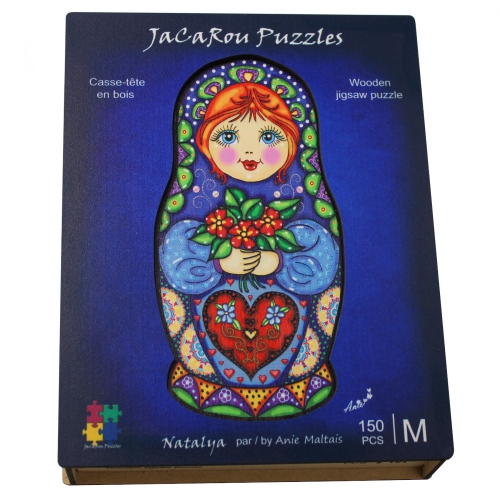
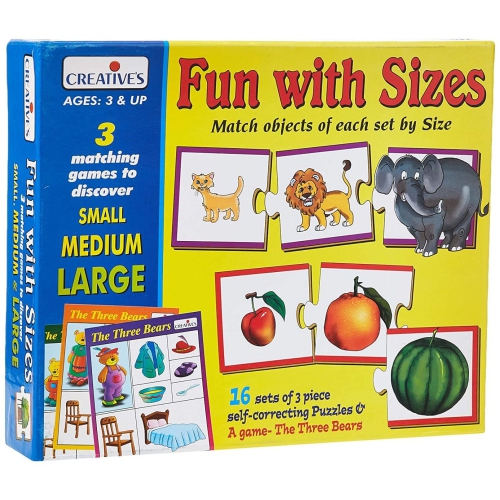
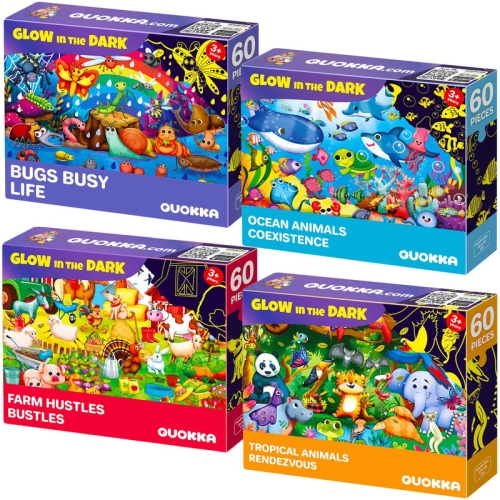
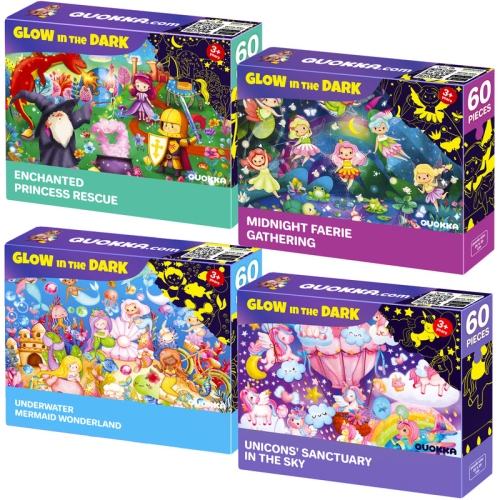
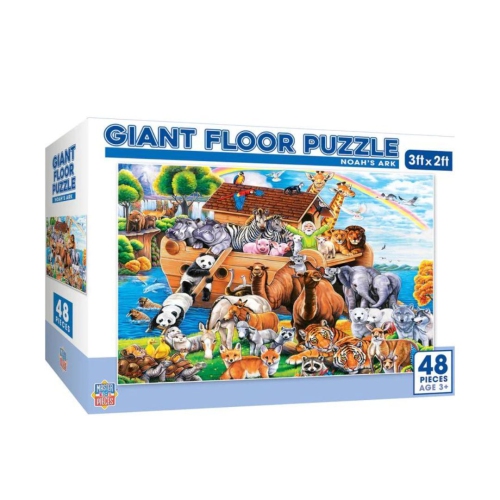
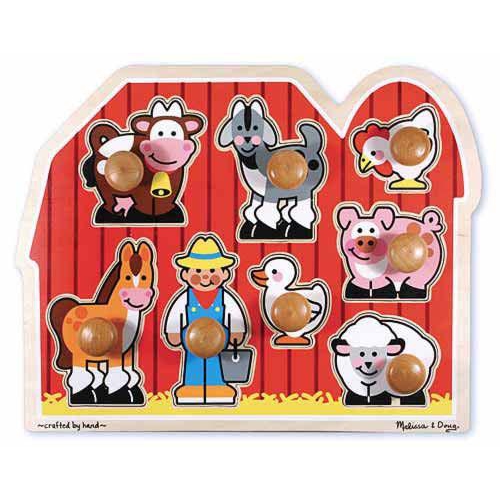
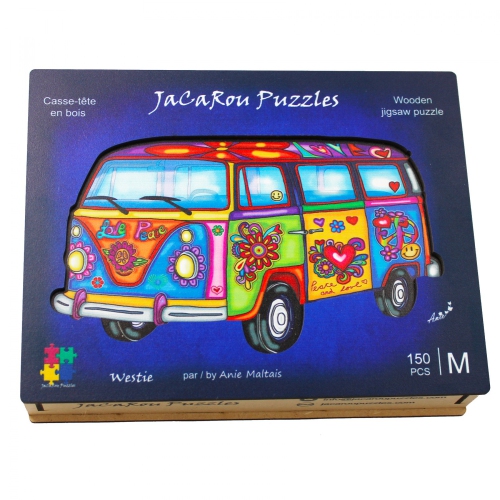


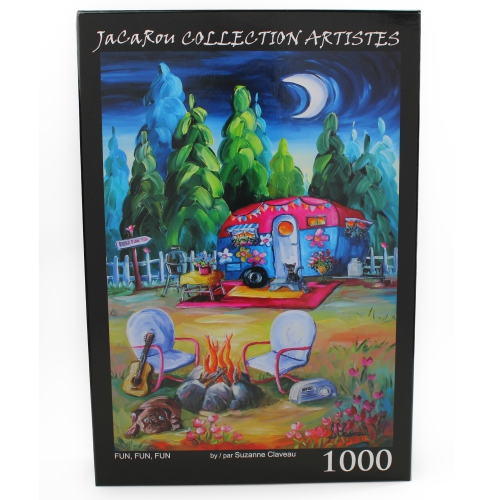
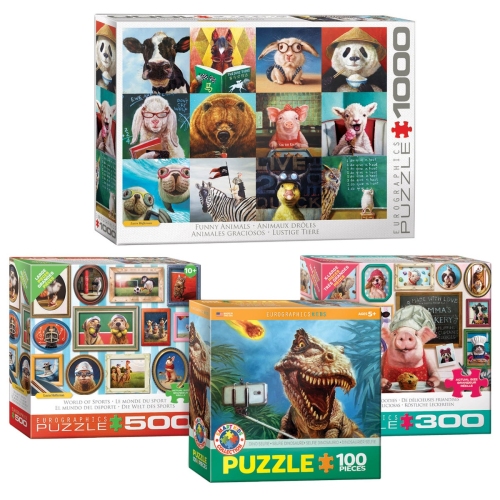
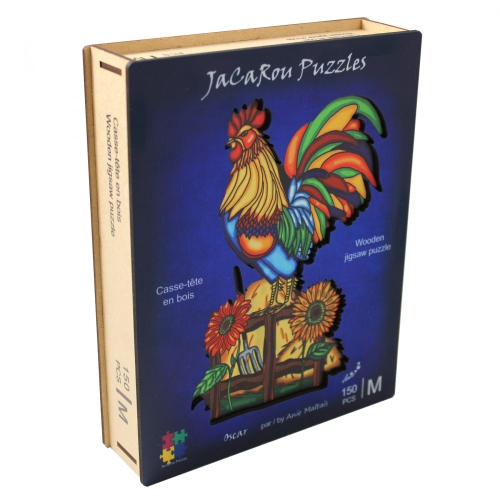
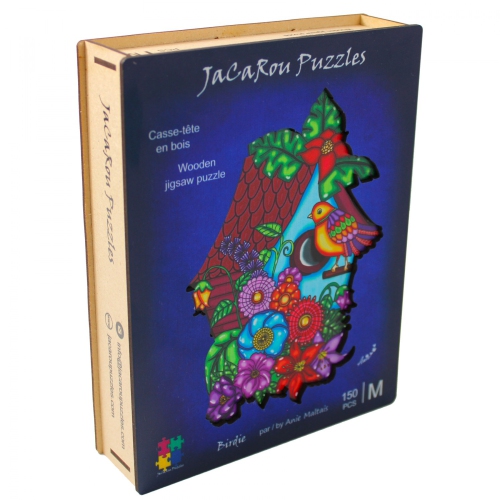
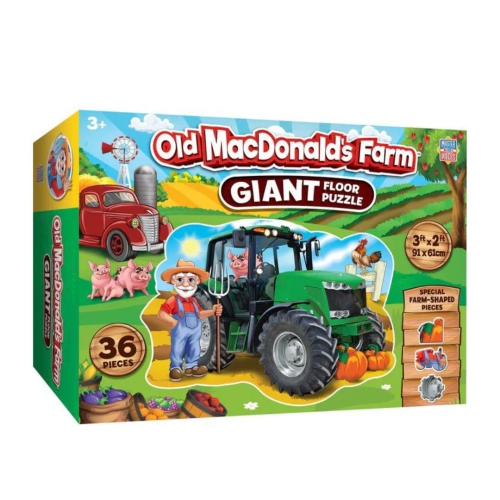
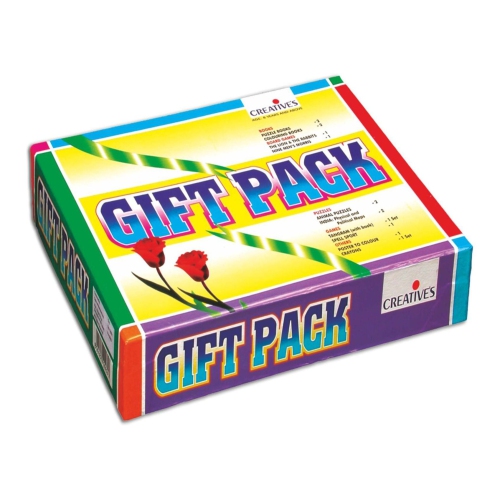

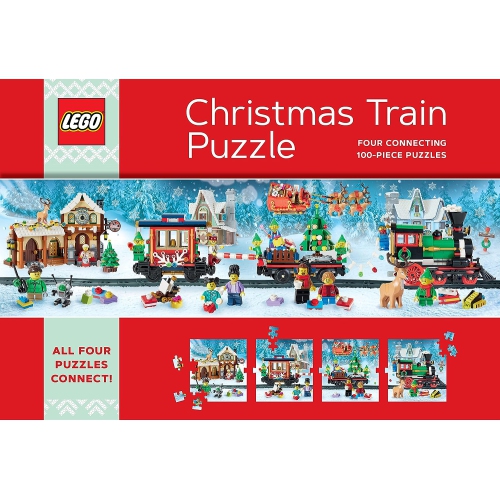
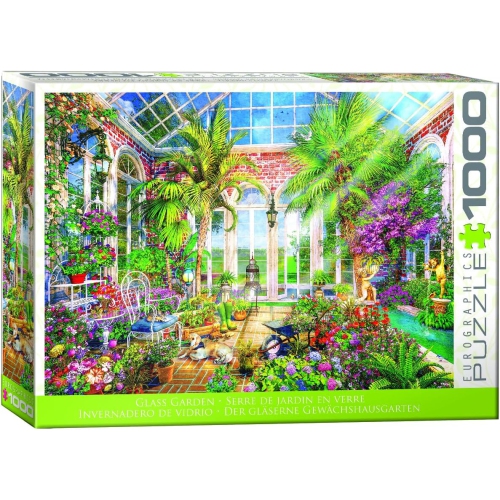
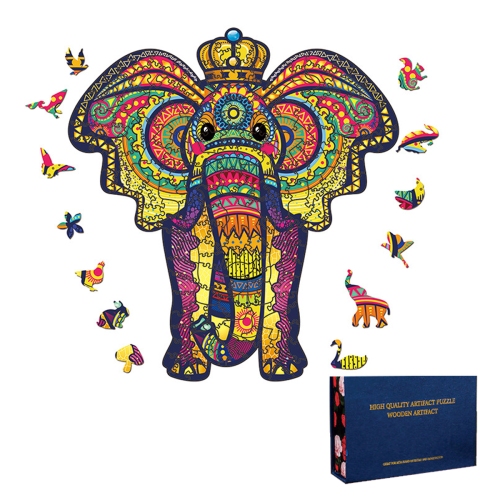
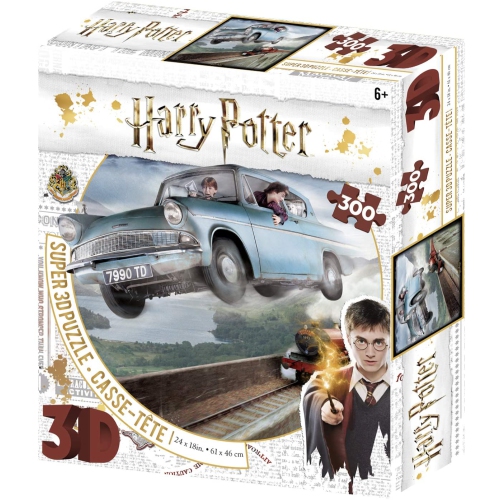
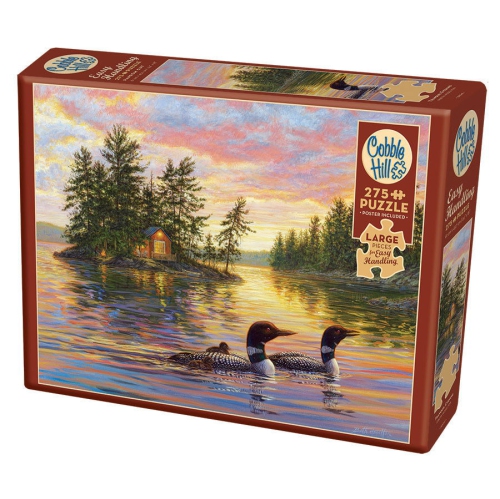

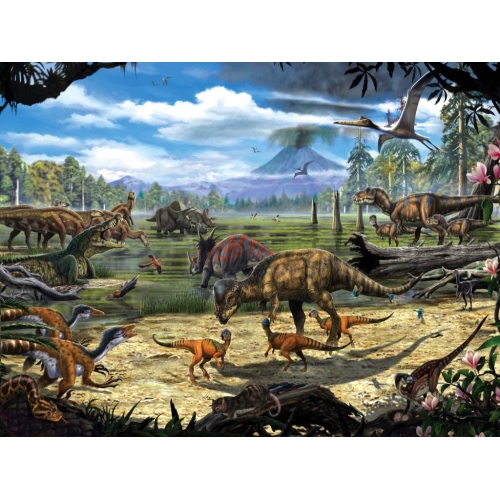
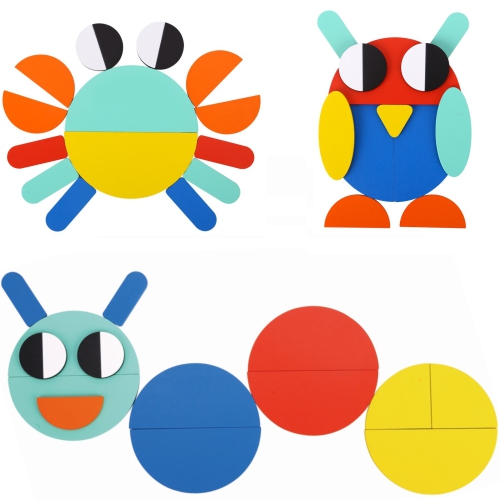
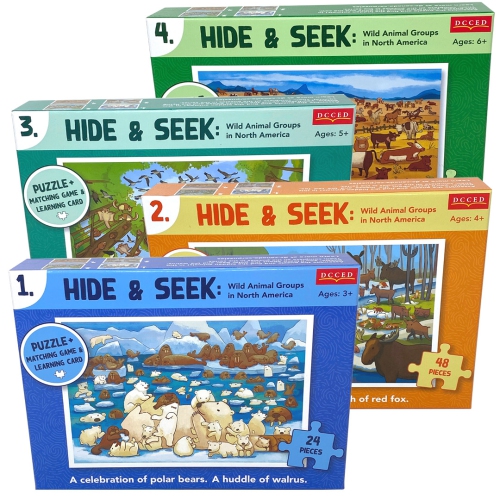
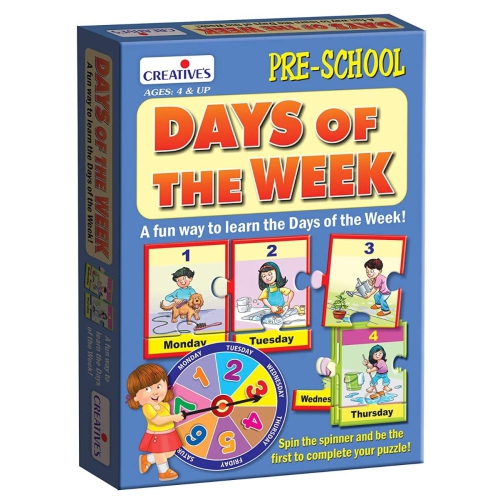
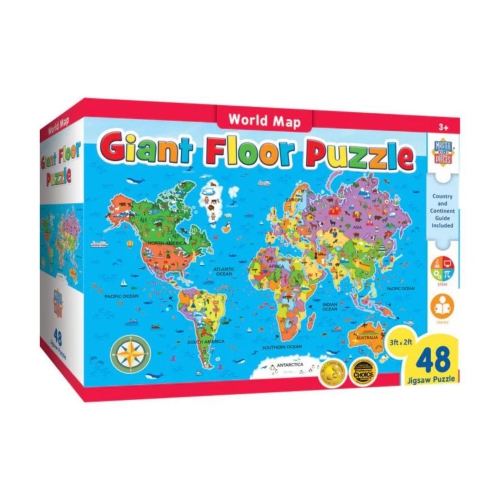
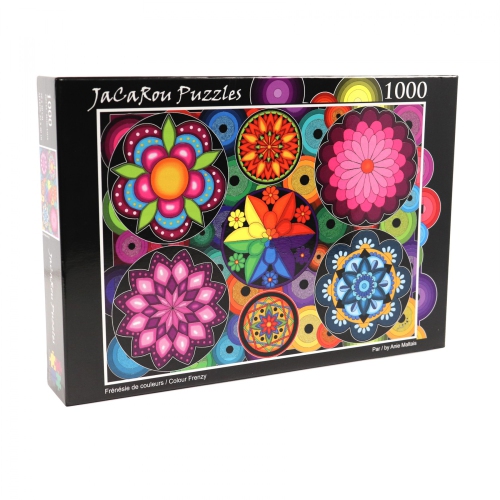

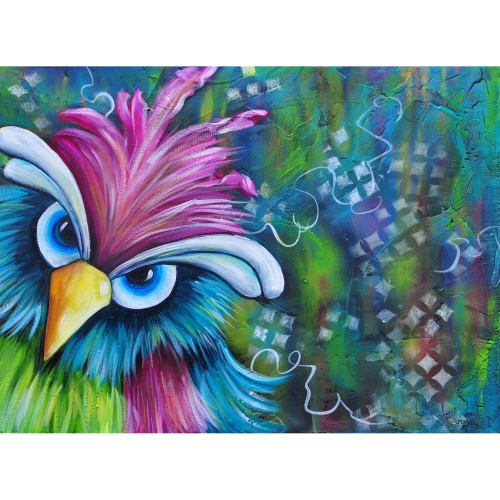
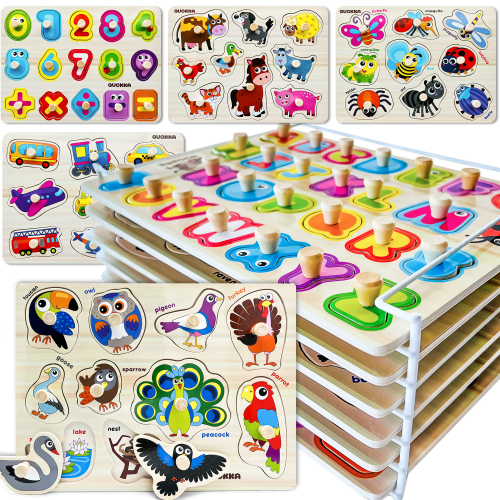

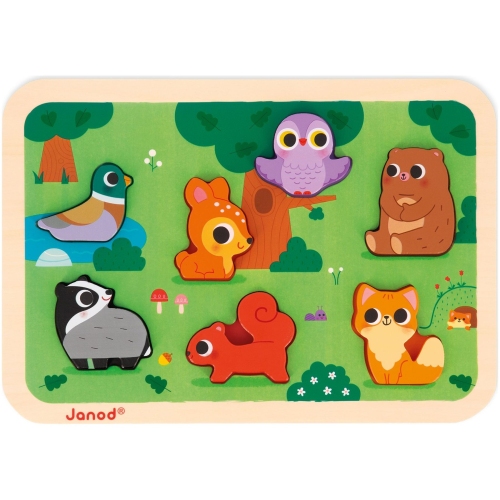
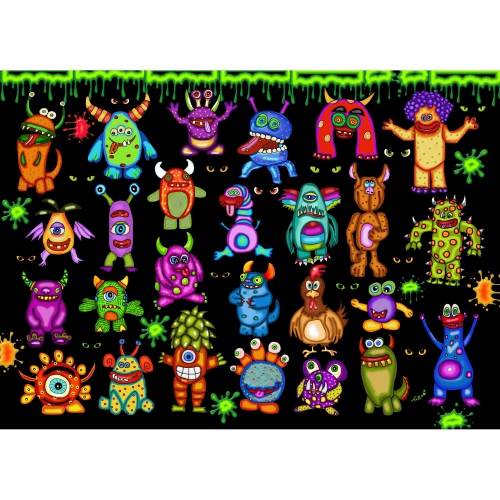

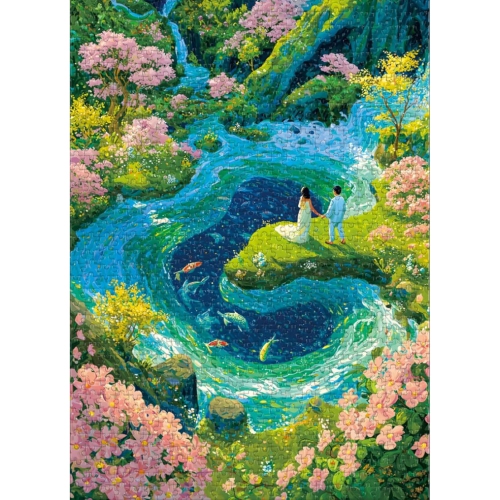


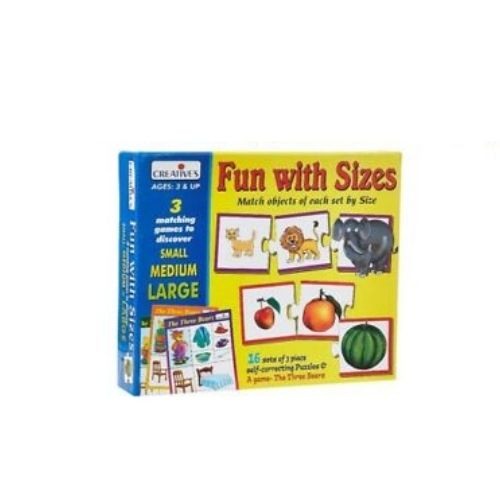

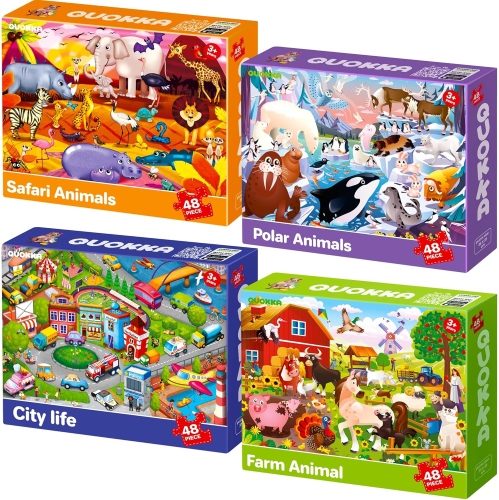

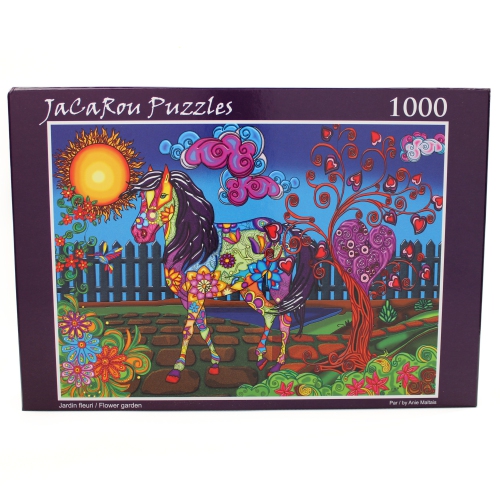

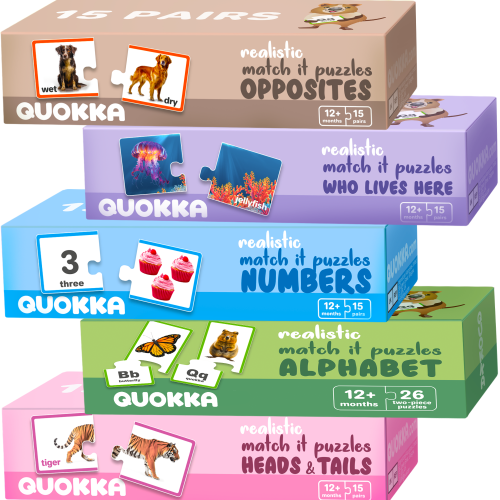
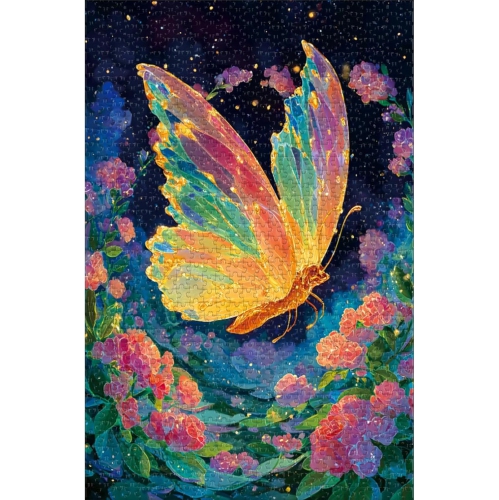


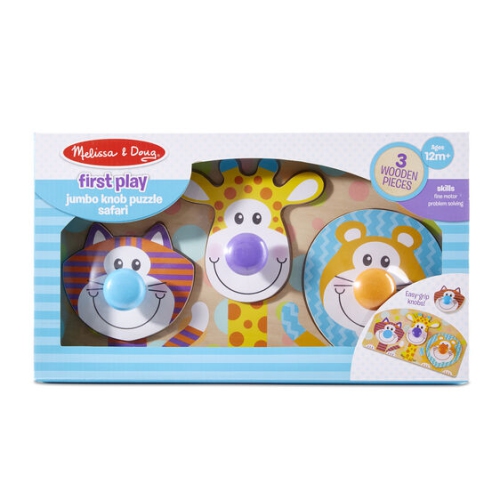

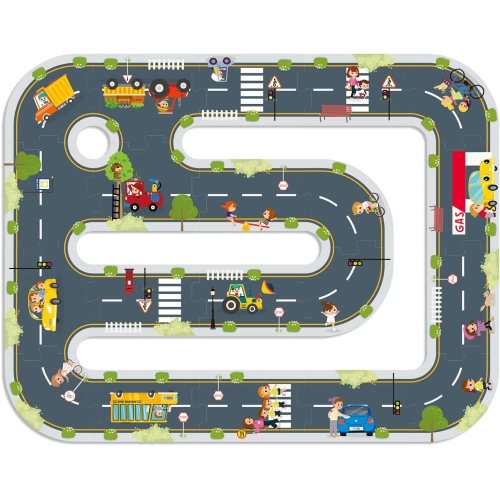

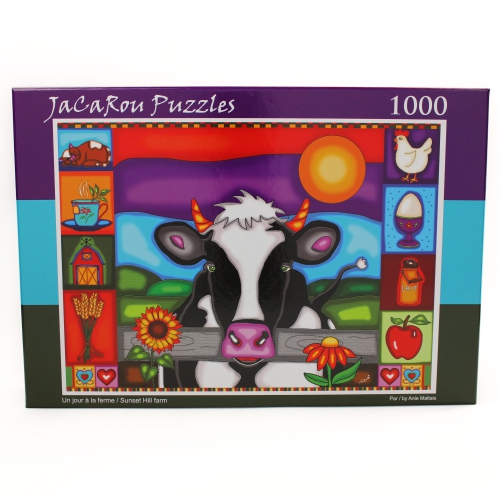
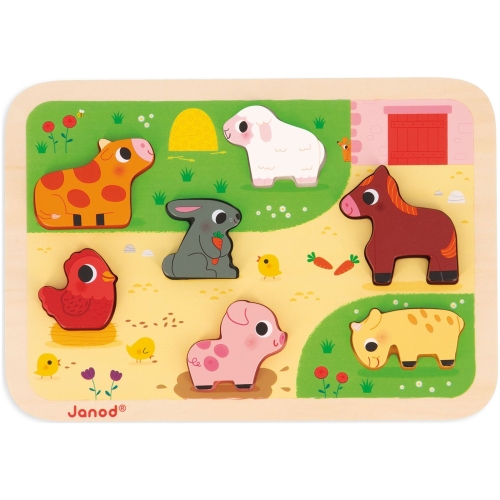
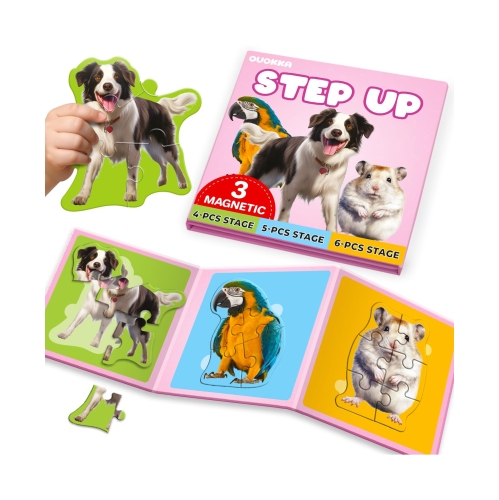

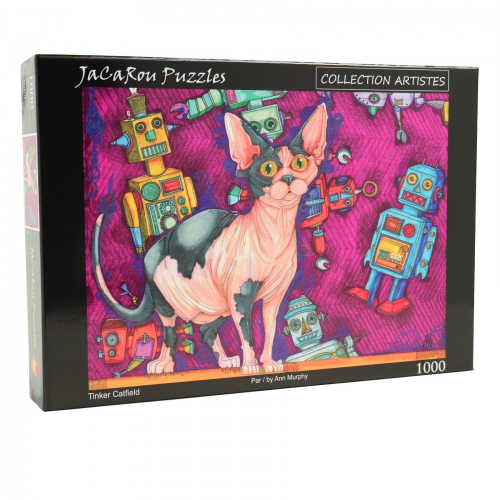

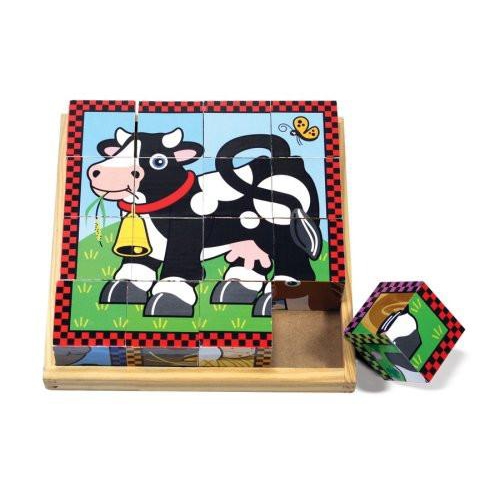

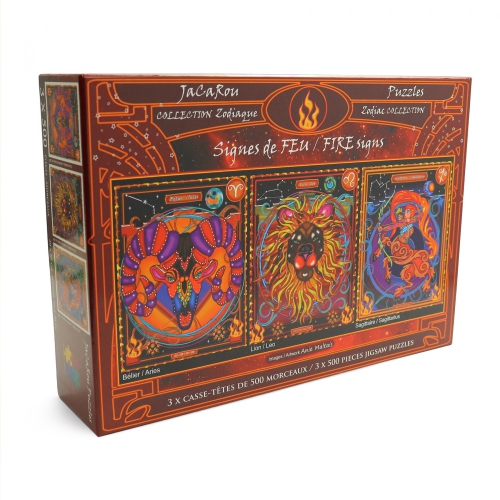
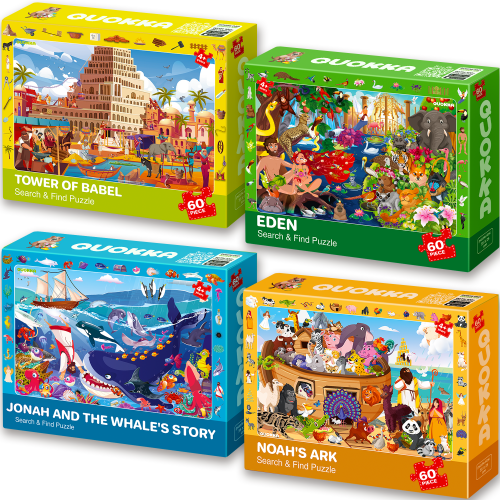

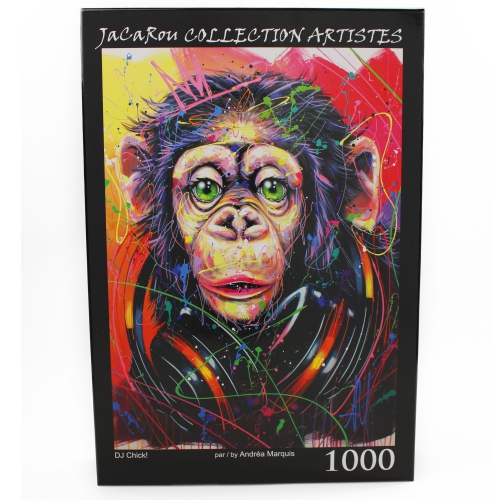
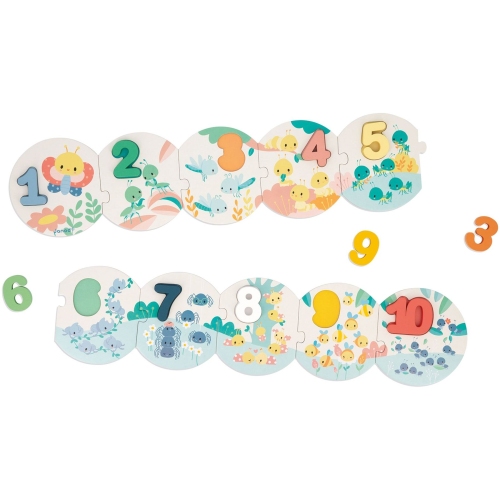
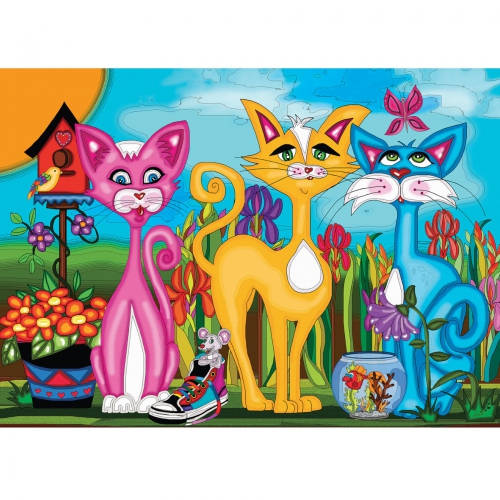
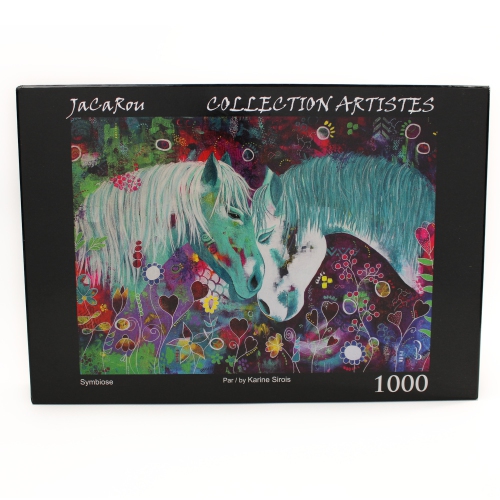
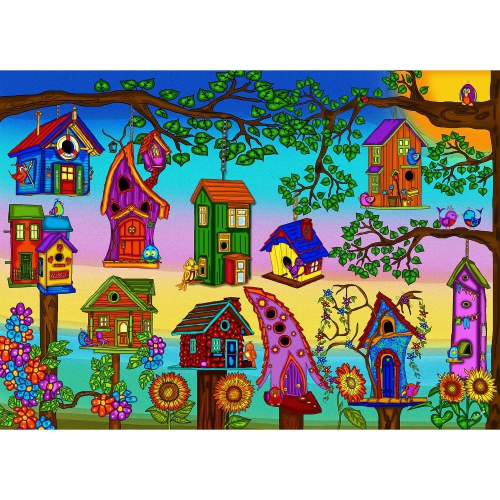
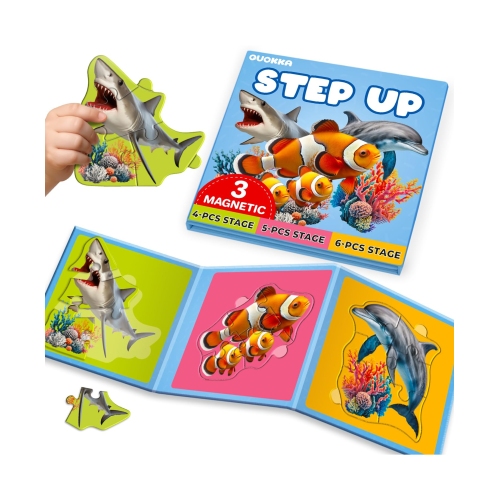
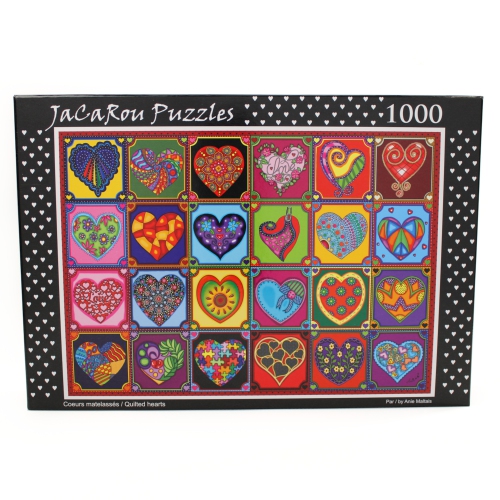
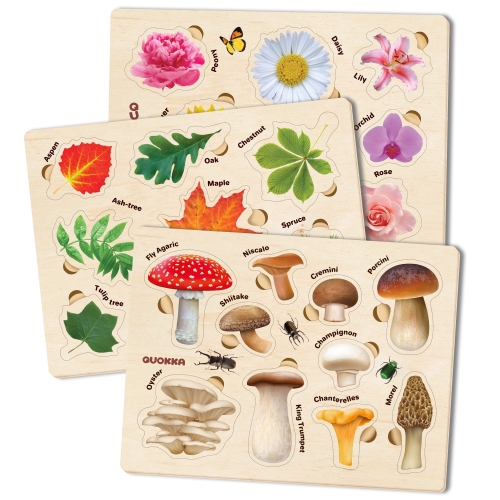

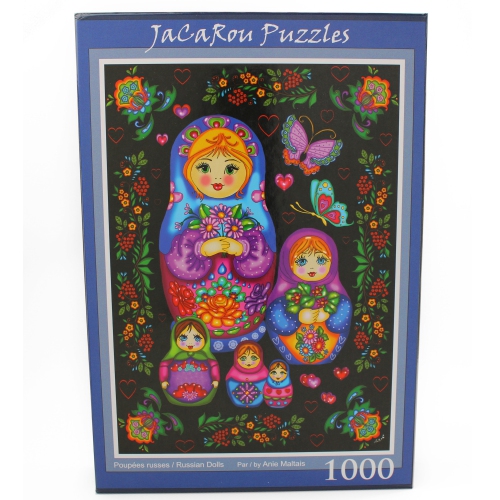

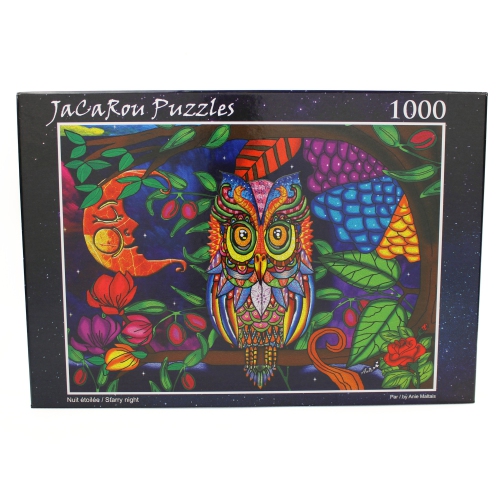
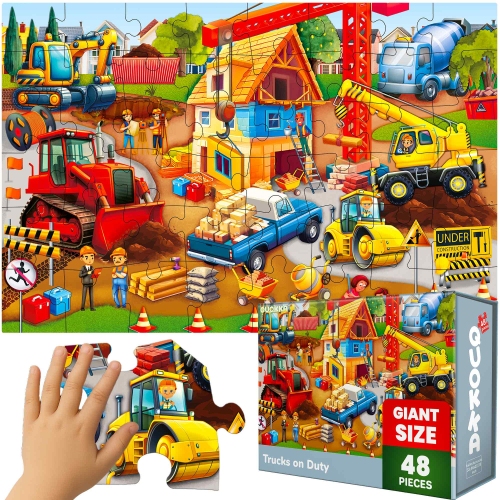
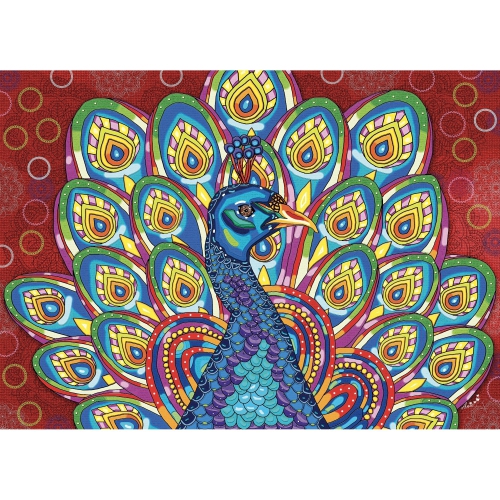
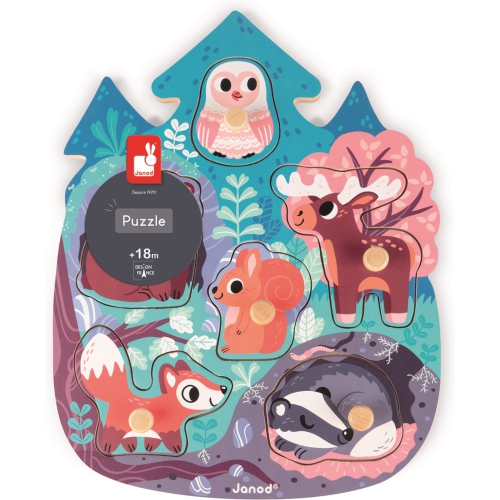
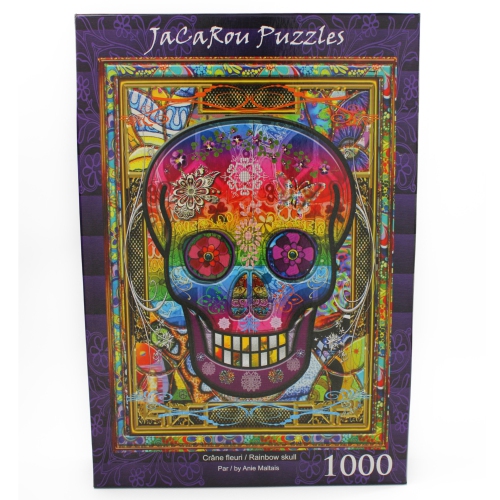
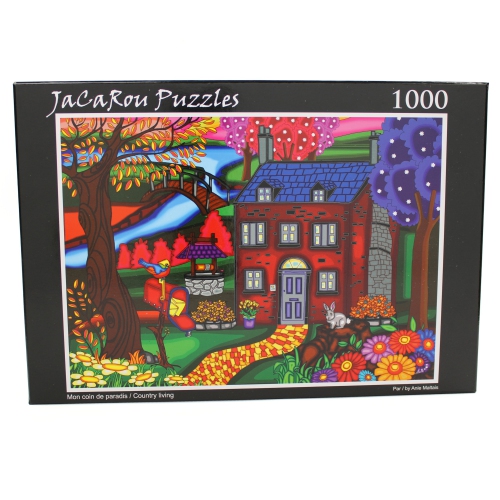
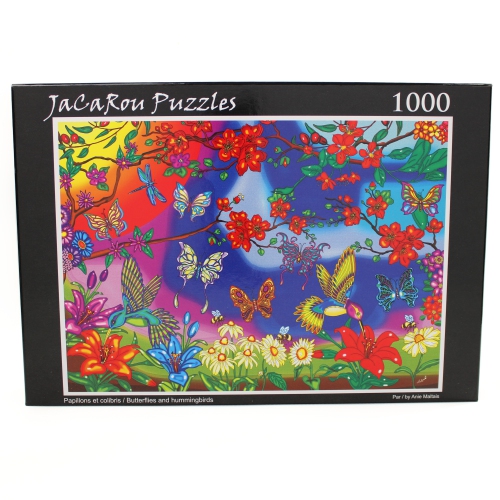
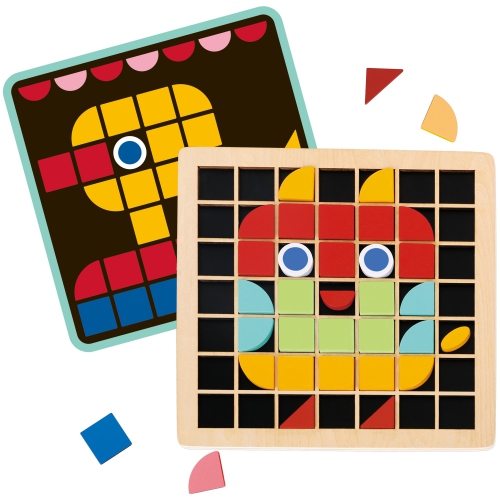
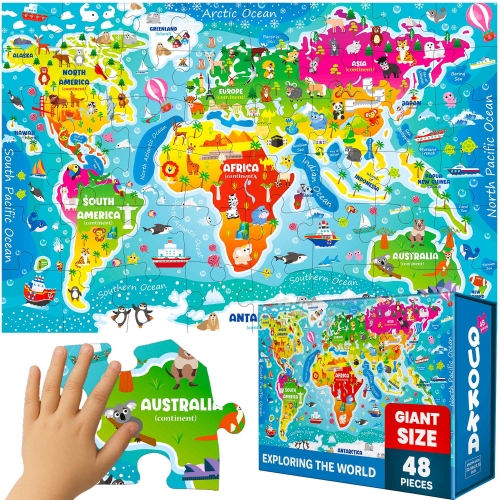
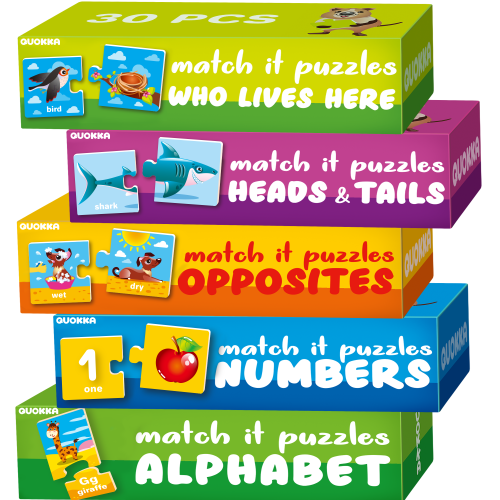
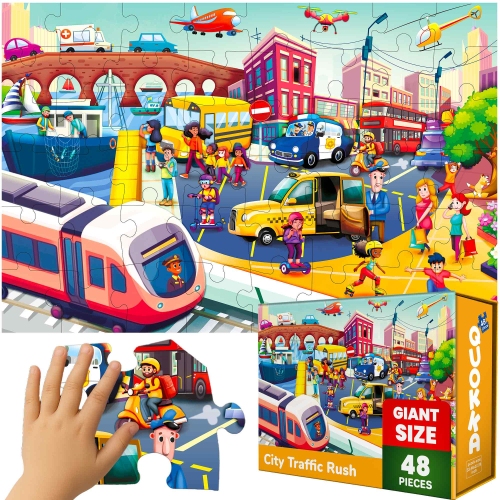

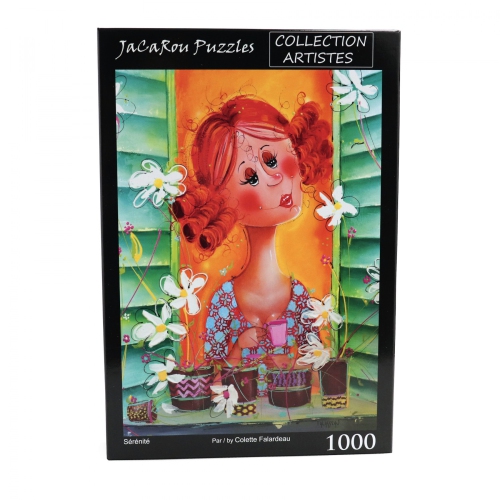


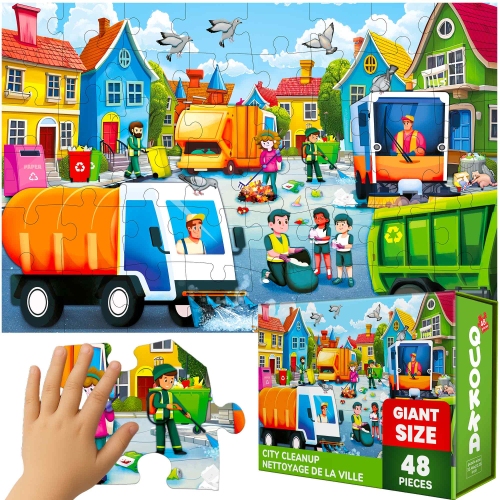
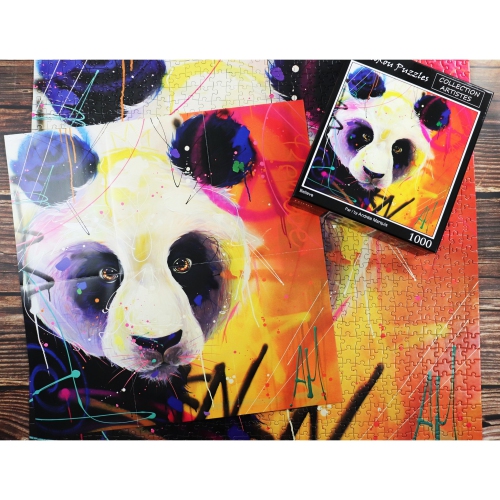

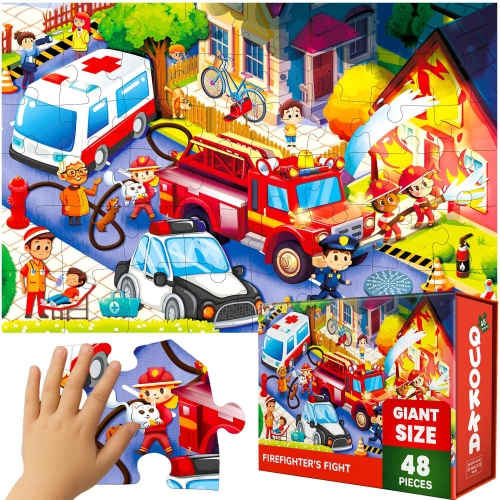


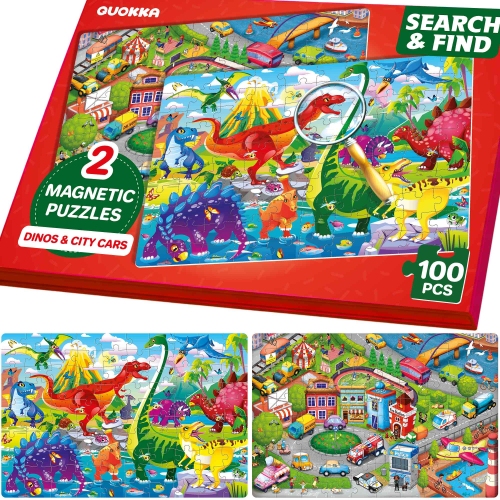
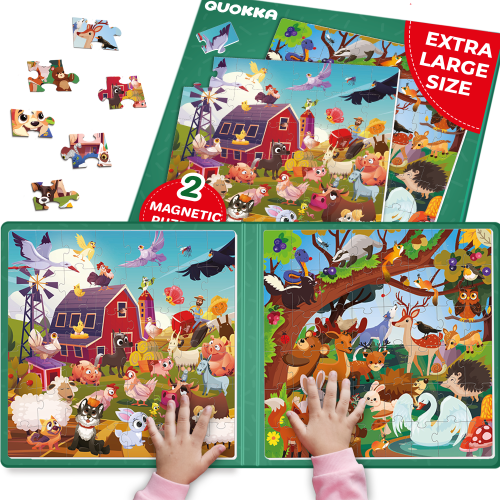
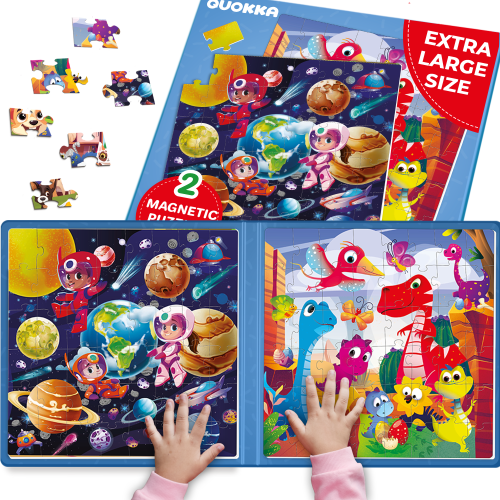
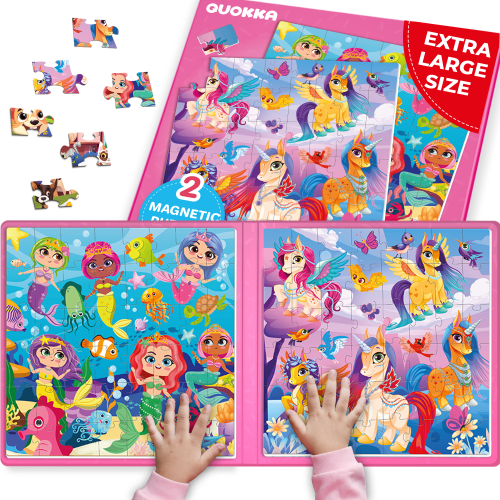
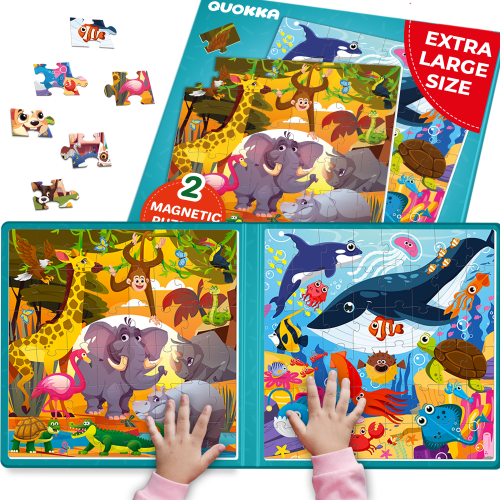
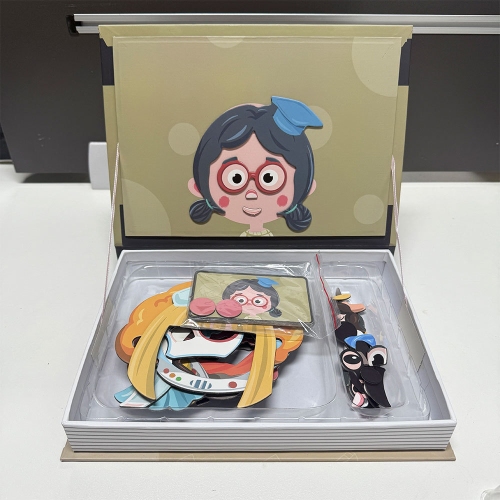
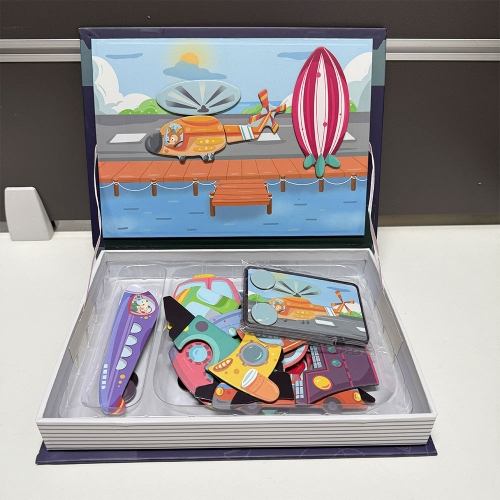
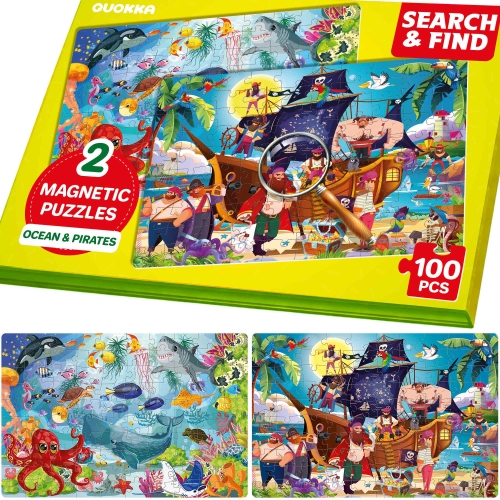
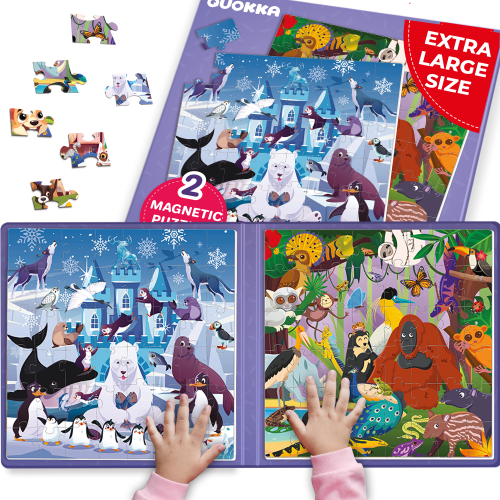
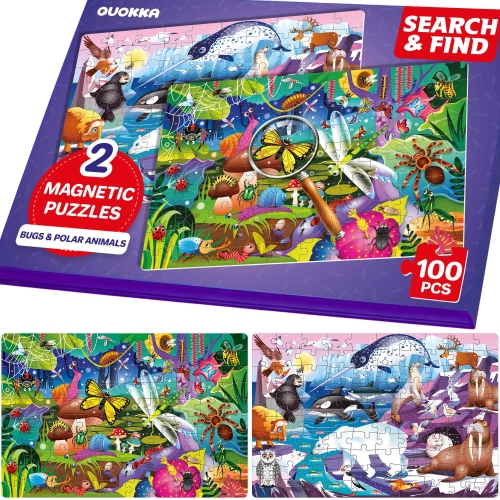
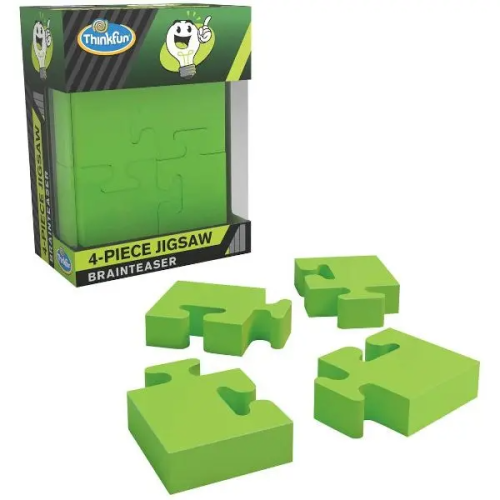
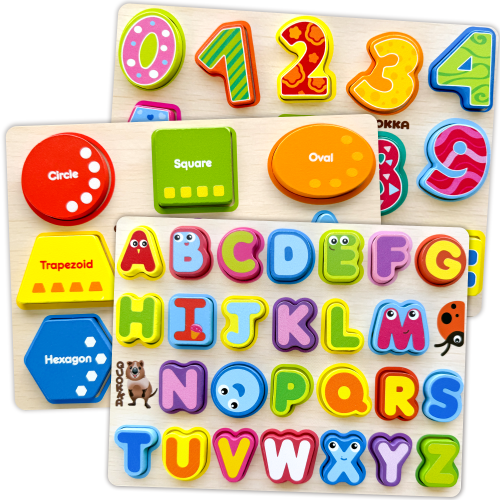
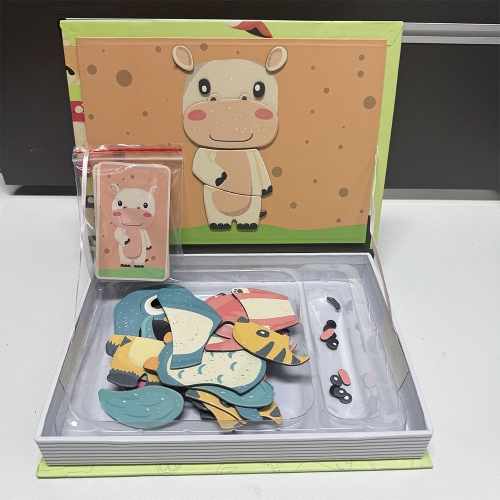
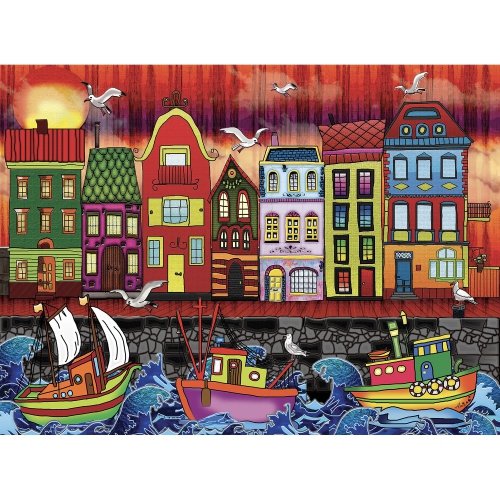
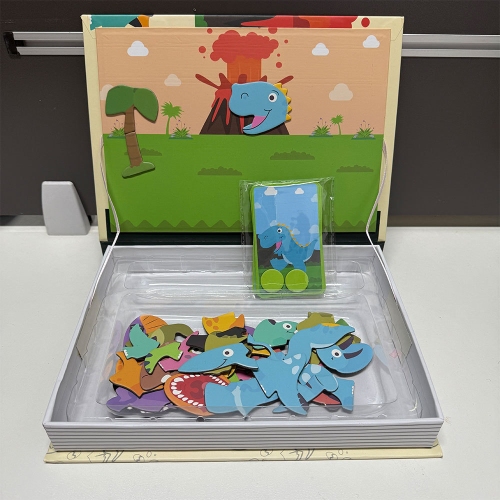
The right puzzle challenge goes beyond piece count
Jigsaw puzzles for kids bring a familiar kind of satisfaction to playtime: a scattered pile of pieces gradually turns into a picture, and every successful match gives a child something tangible to show for their effort. Along the way, children practise fine motor control, hand-eye coordination, visual matching, and patience as they pick up pieces, turn them around, and test where they fit. These screen-free activities suit quiet afternoons, shared family time, and those stretches during the cooler months when indoor play needs a little variety. The best fit depends on more than age alone. A child’s previous puzzle experience, interest in the picture, and comfort with a challenge all matter. As a broad starting point, some children aged two to three may enjoy puzzles with 12 to 24 large pieces, provided the product is specifically labelled as suitable for their age. Children aged four to five may be ready for roughly 36 to 64 pieces, while experienced puzzlers aged six and older may enjoy 100 to 300 pieces. These ranges are not fixed milestones; a familiar, simpler puzzle can be just as welcome as a harder one. Always follow the manufacturer’s age rating and safety warnings, particularly for children under three, since small pieces can present a choking hazard. Large pieces are generally easier for small hands to grasp, but their size does not replace an appropriate age rating. For a first jigsaw, a clear picture with distinct objects can make matching feel manageable. A bright animal beside a tree offers more clues than a broad stretch of nearly identical sky. For a child who already sorts pieces confidently and works independently, a busier scene or a higher piece count can provide a satisfying next challenge without changing the appeal of the activity itself.
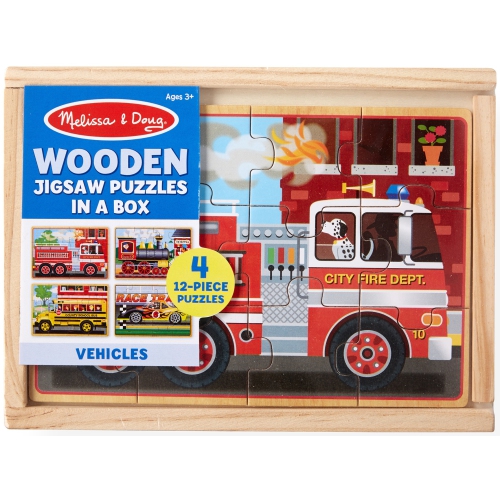
When choosing children’s jigsaw puzzles, the picture deserves as much attention as the number printed on the box. Animals, vehicles, underwater scenes, space, and everyday places give children different reasons to linger over an image. A child fascinated by construction vehicles may happily spend time finding every wheel, while another might be drawn to a woodland scene filled with tiny creatures. That interest can help carry them through a tricky section. Image layout also changes the difficulty: bold outlines, varied colours, and clearly separated areas offer useful clues, whereas repeating patterns and large areas of one colour require closer observation. Piece shape matters, too. Distinctive shapes can make it easier to identify a match, while many similarly shaped pieces can make a modest piece count feel more demanding. Materials and construction are worth considering for puzzles that will be assembled often. Thick cardboard pieces with neatly finished edges and a secure fit can be comfortable to handle; wooden jigsaws offer a different feel and may suit children who prefer sturdier pieces, depending on the product’s age rating. A tray or frame can help define the picture’s boundary, while a floor puzzle gives children room to spread out and work with larger pieces. Check the finished dimensions rather than assuming that fewer pieces mean a smaller puzzle. A large-piece design may take up much of a play mat or coffee table, and a more detailed puzzle may need a surface that can stay undisturbed between sessions. Packaging makes a practical difference as well. A sturdy box or closable pouch helps keep the set together, and an easy-to-see reference picture is useful when several children are working from different sides of the table. For a broader mix of playful themes and formats, Fun Puzzles for Kids offers another place to browse for an activity that matches a child’s interests.
Kids’ jigsaw puzzles work well as gifts because they can reflect both a child’s personality and the way they like to play. A birthday present for an enthusiastic puzzler might offer a little more complexity, while a gift for a younger child may be most enjoyable when it feels approachable from the first few pieces. For siblings, cousins, or friends sharing an activity, a scene with several distinct sections lets each person work on a part before bringing everything together. One child can gather the pieces for a building while another looks for the surrounding trees, making it easier to contribute at different skill levels. At home, puzzles can fill a short pause before dinner or become a longer project spread across several quiet evenings. They also give adults a natural way to join in without taking over: naming a colour, noticing a curved edge, or holding the box where everyone can see it leaves the actual discovery with the child. The moment a child spots the missing piece beside someone’s elbow often becomes as memorable as the finished picture. For visits with grandparents or time at a cottage, a compact box and a manageable finished size can be more useful than a complicated design with hundreds of pieces. Travel use needs a little planning, since loose pieces are easiest to manage on a stable surface rather than in a moving vehicle. In classrooms and shared play spaces, clearly marked storage and puzzles at different difficulty levels help make repeated use more practical. At home, keeping pieces away from younger siblings and pets is especially important when small parts are involved. A quick check before packing up can save the disappointment of an almost-finished picture with one empty space. Whether the puzzle is brought out for independent play, a family gathering, or an unhurried afternoon indoors, a well-matched design gives children room to concentrate, experiment, and enjoy completing something at their own pace.
Top selling and popular products
-
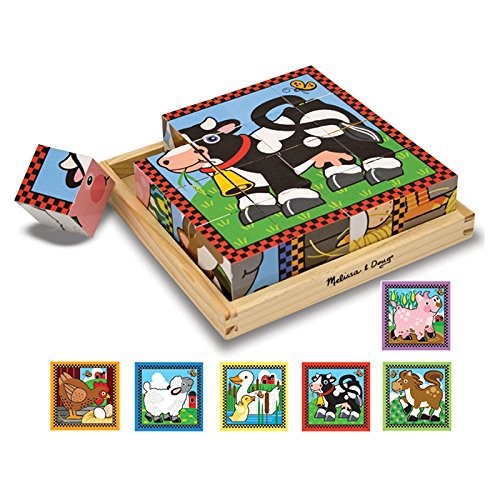 Your price for this item is $32.99
-
 Your price for this item is $35.99
-
 Your price for this item is $30.99
-
 Your price for this item is $29.99
-
 Your price for this item is $26.93
-
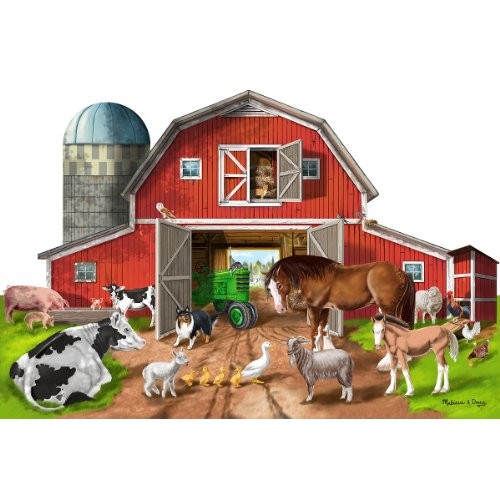 Your price for this item is $36.99
-
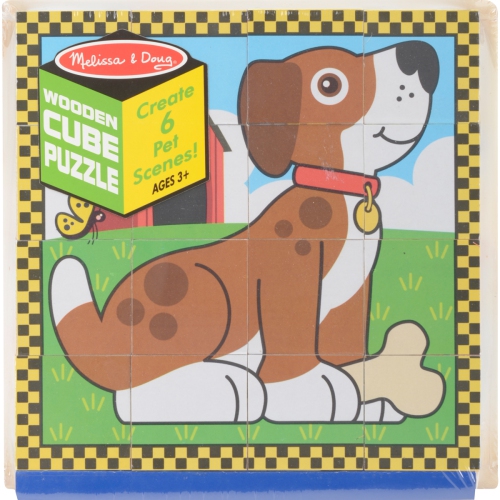 Your price for this item is $32.99
-
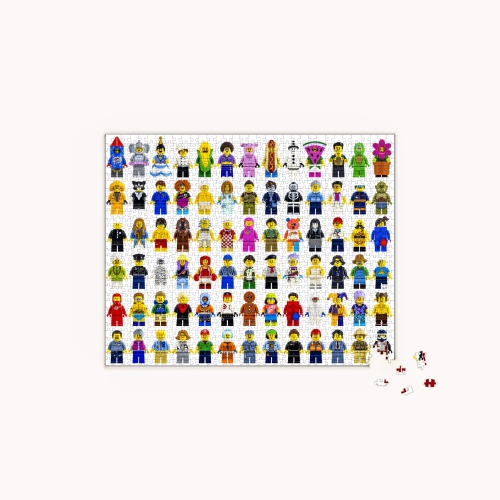 Your price for this item is $34.9
Discover more categories related to Jigsaw Puzzles for Kids
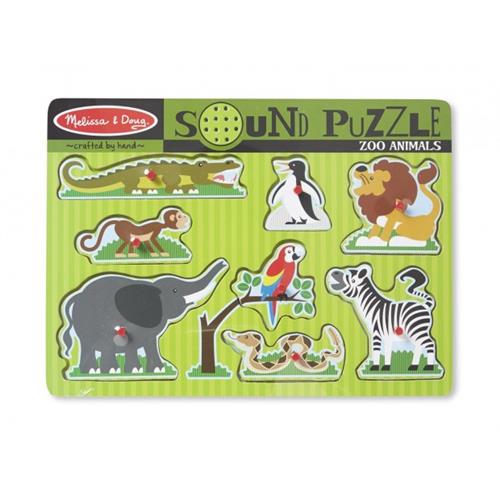
Top Collections:
Pokemon Centers, Kindle Devices, Best Budget Office Chairs, Canon G7X Cameras, Apple iPhones 16, Samsung Galaxy Phones, Refurbished Apple Laptops, Laptops for Students, iPhone 15 Apple, Budget Smartphones
Some products may be subject to Environmental Handling Fees
(EHF) depending on your province.
Learn more about EHFs.