Wooden Puzzles for Kids
Encourage your little ones to unlock their imagination and enhance their problem-solving skills with our delightful collection of wooden puzzles for kids. Crafted from premium quality wood, these puzzles are designed to captivate young minds while providing hours of entertainment. From adorable animal shapes to challenging geometric patterns, our diverse range of wooden puzzles offers something for every child's unique interests and abilities. Whether they're just starting to explore the world of puzzles or are already puzzle enthusiasts, our selection guarantees endless fun and learning opportunities. Discover the joy of hands-on play with our captivating wooden puzzles for kids today!
Sort

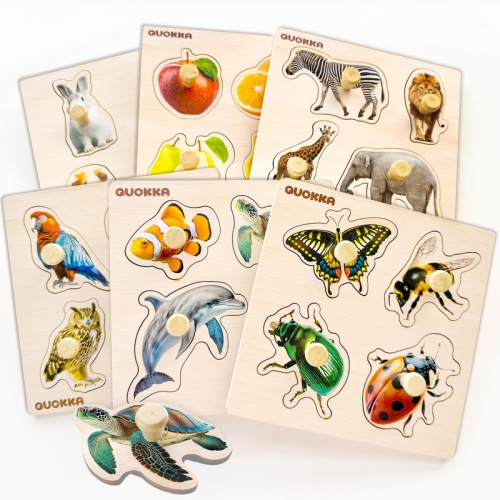
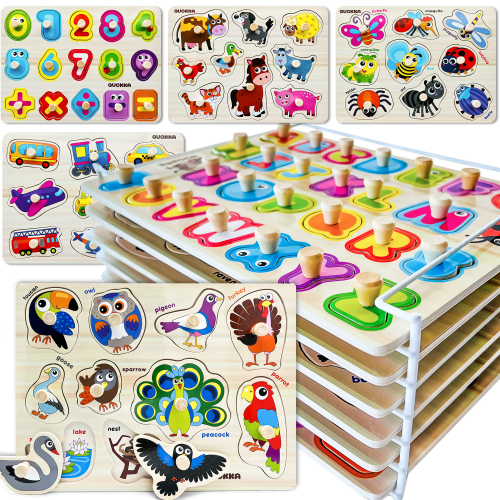
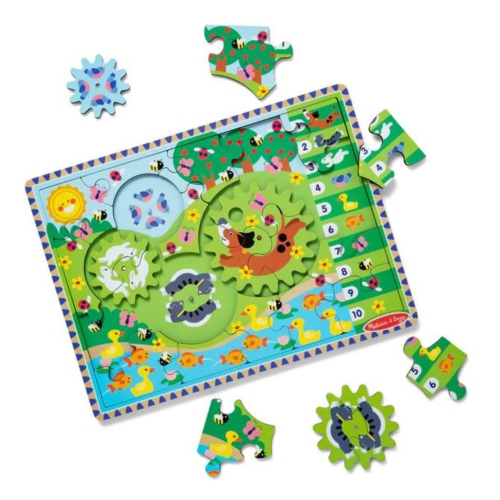
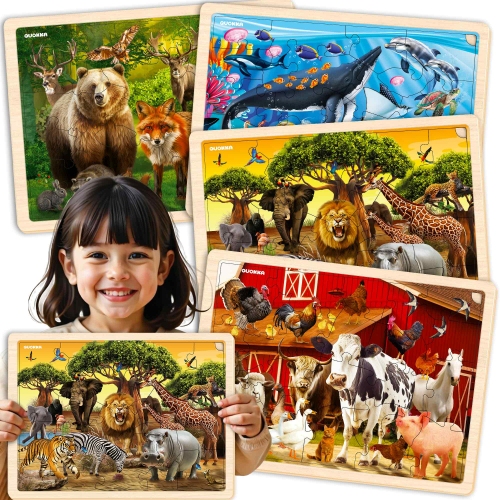
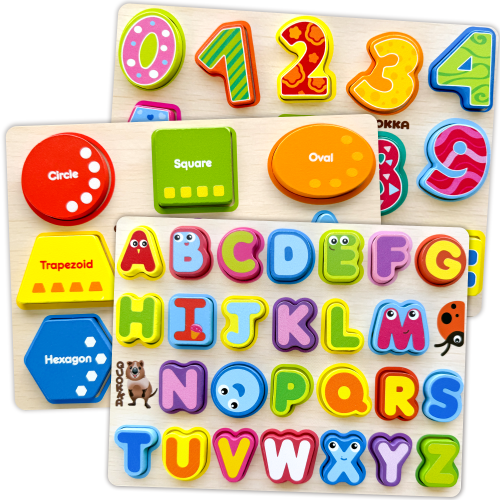
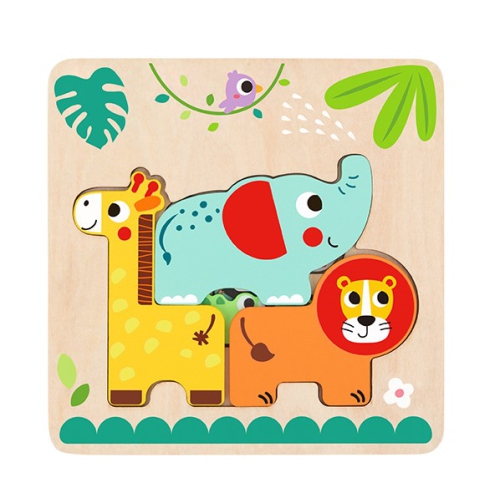
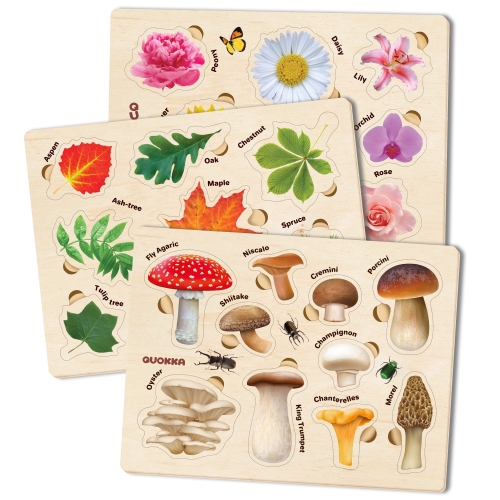

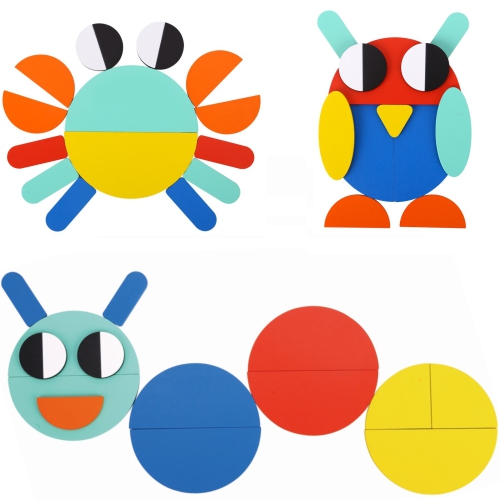
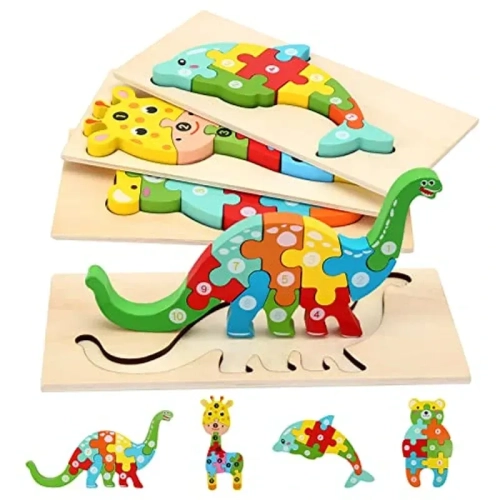
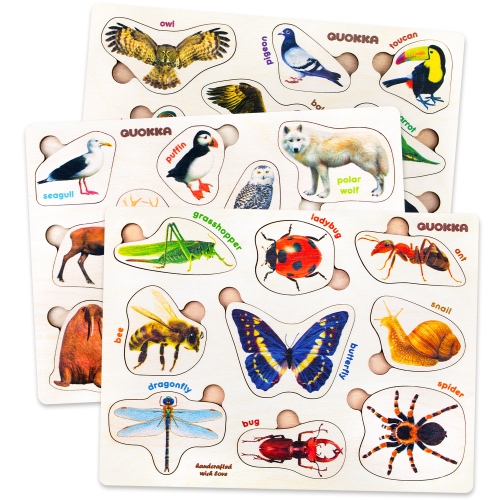
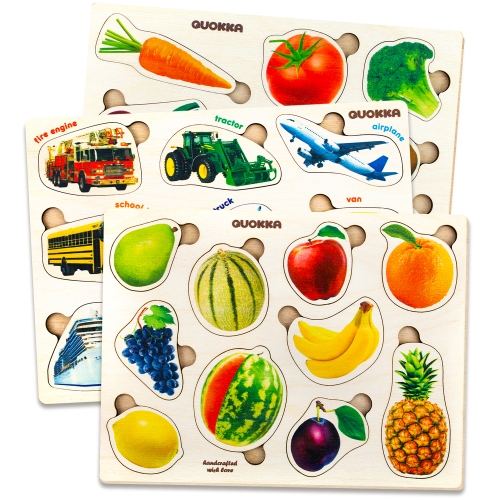
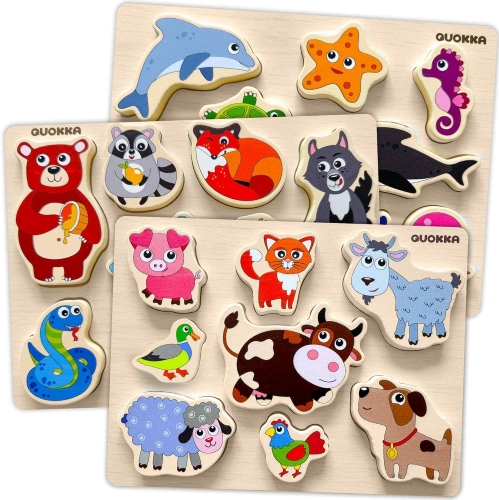
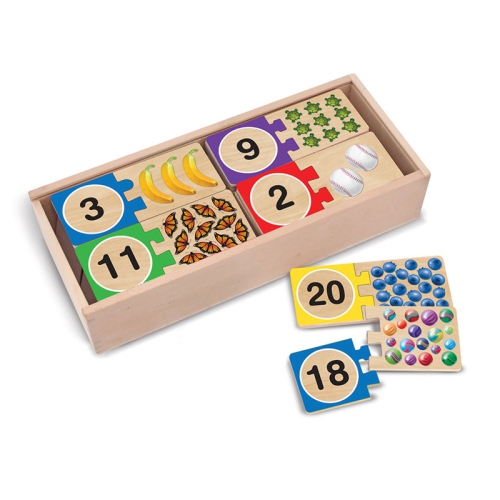
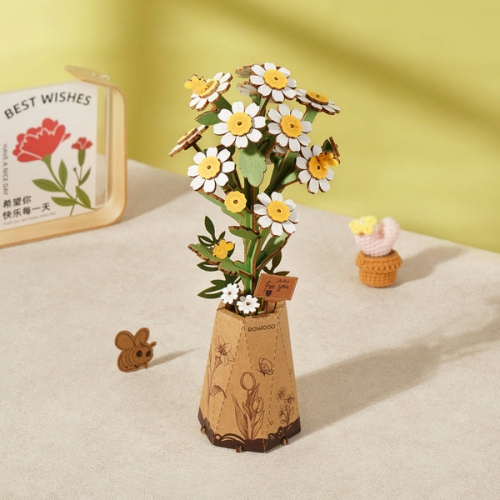

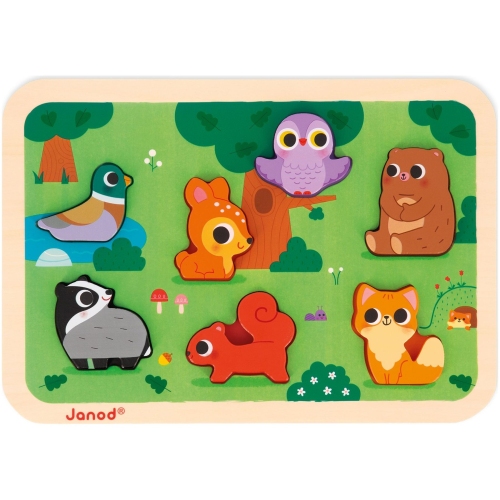
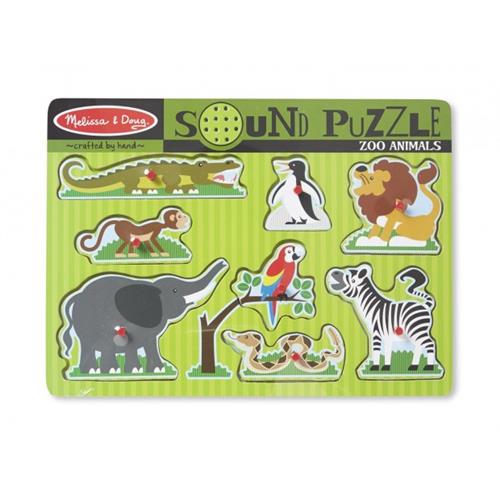
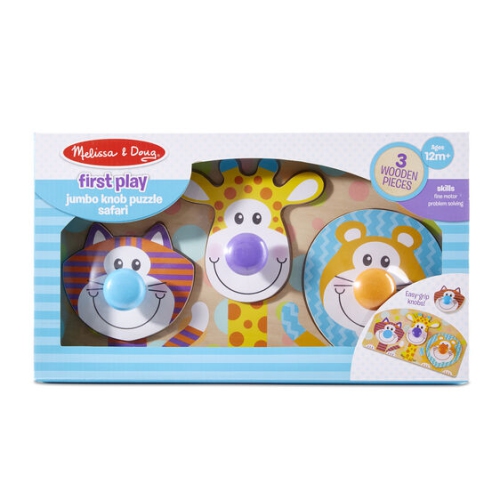
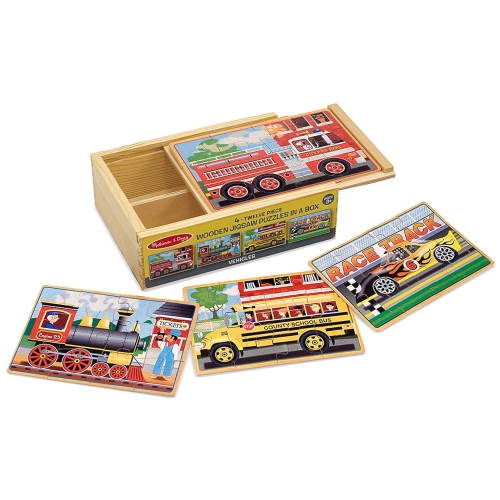
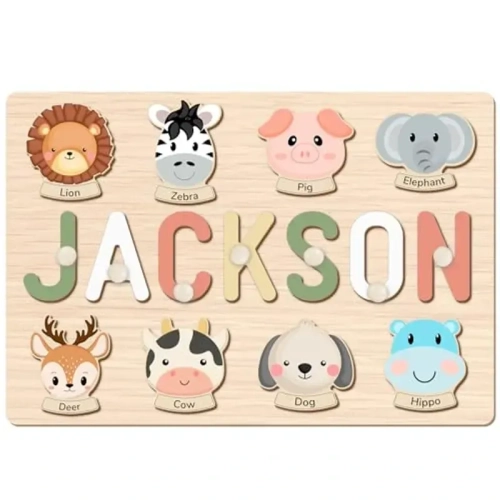
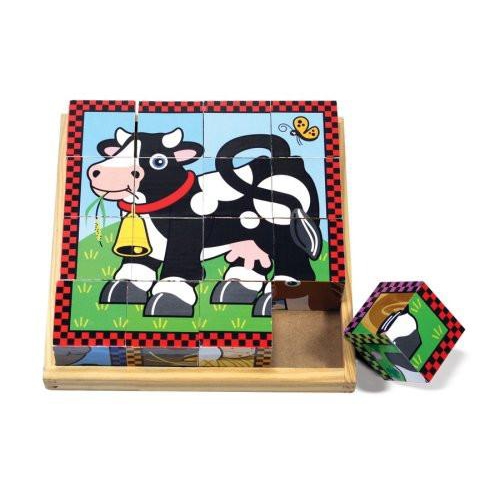
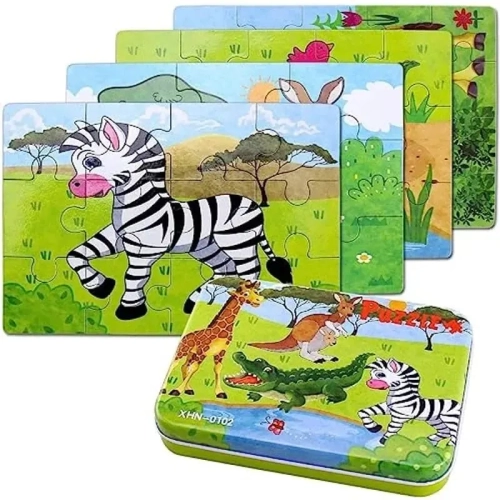
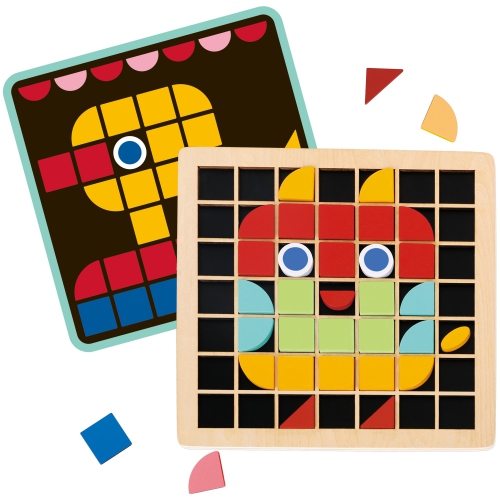
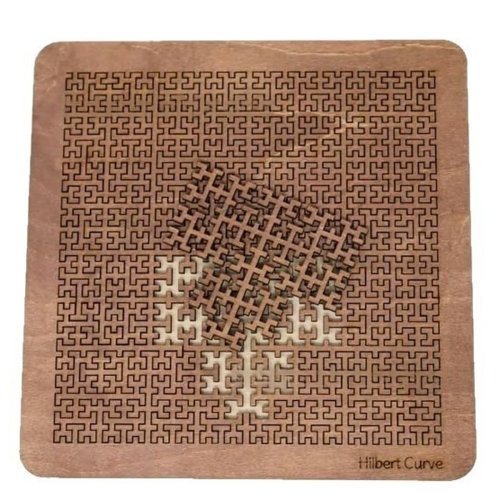
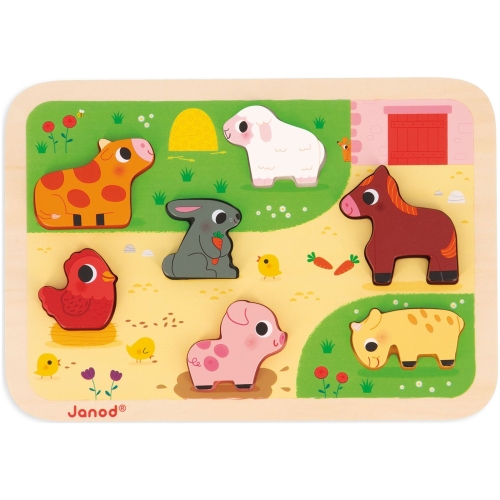
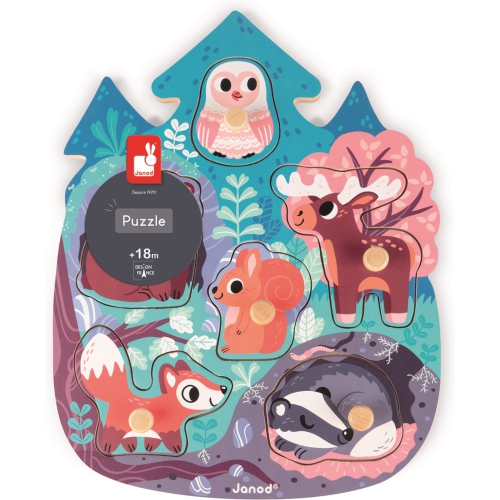
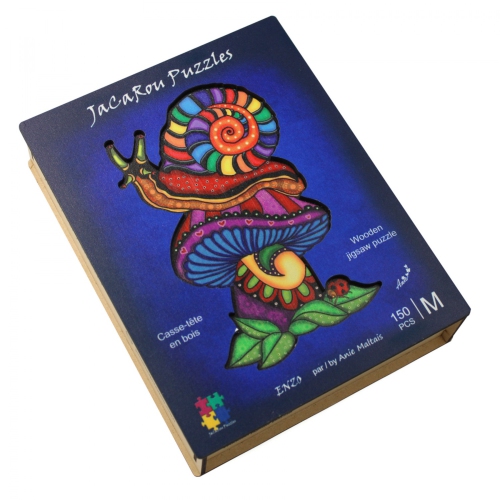
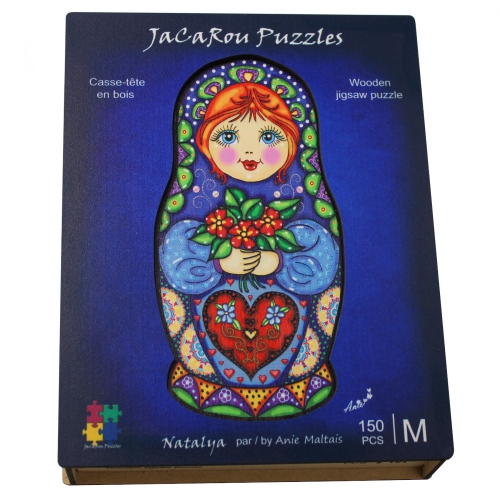
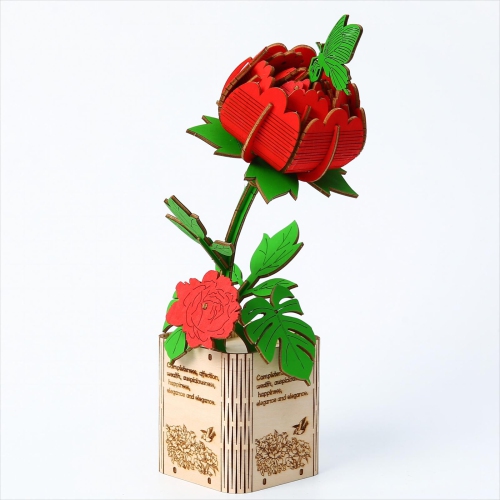
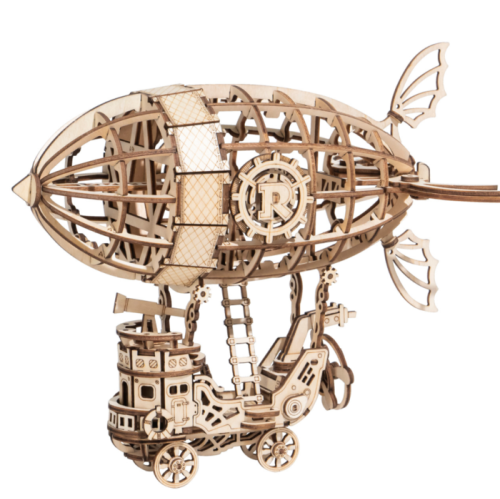
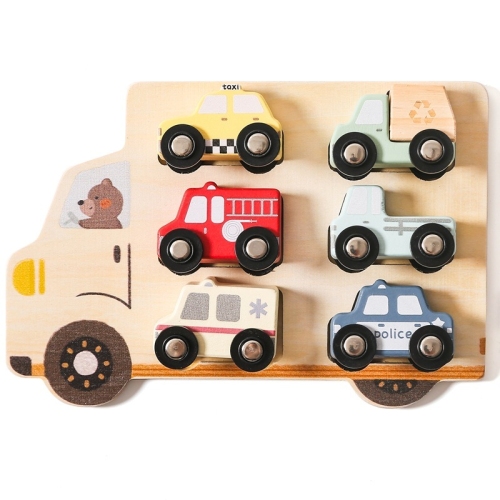
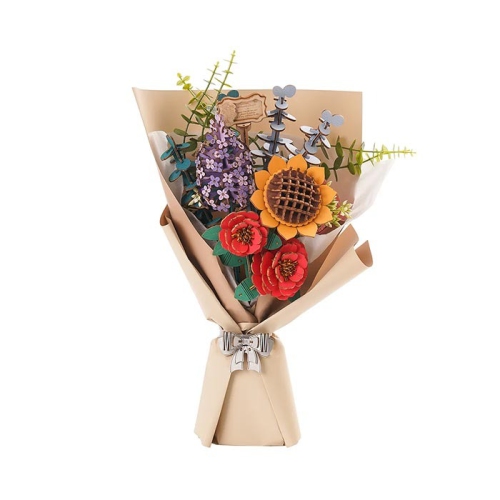
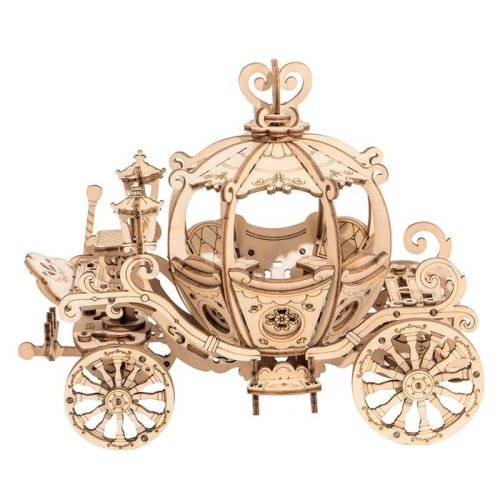
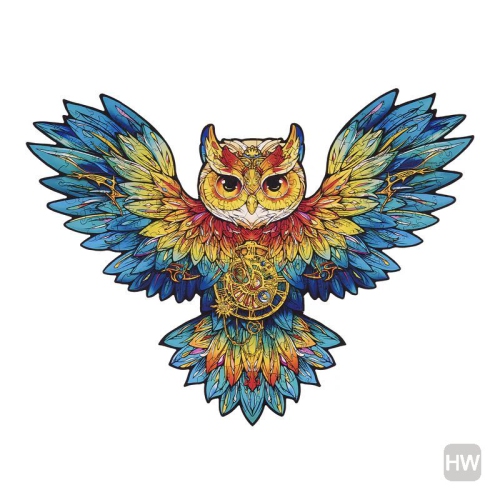
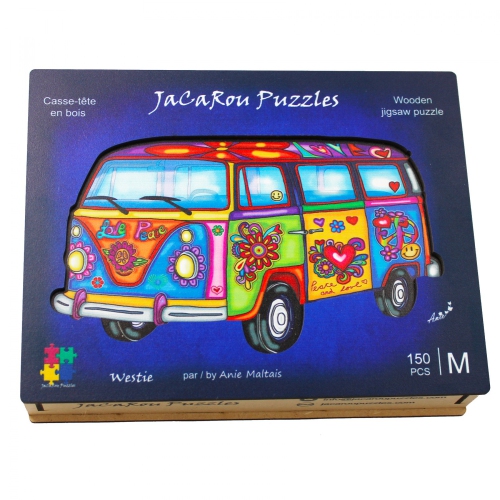

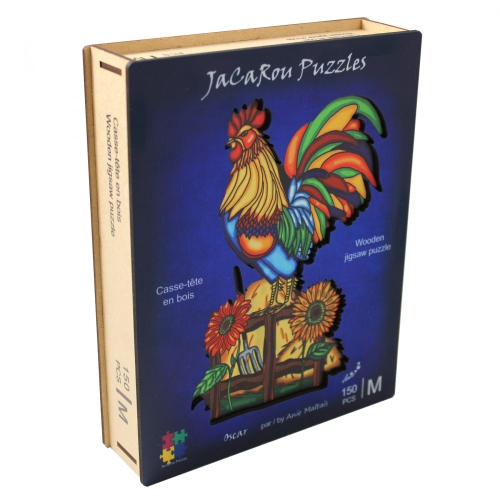
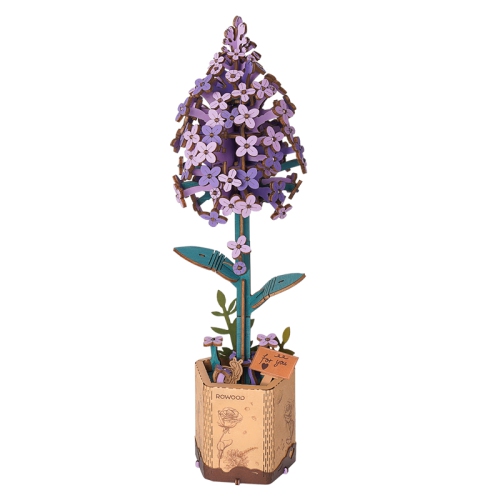
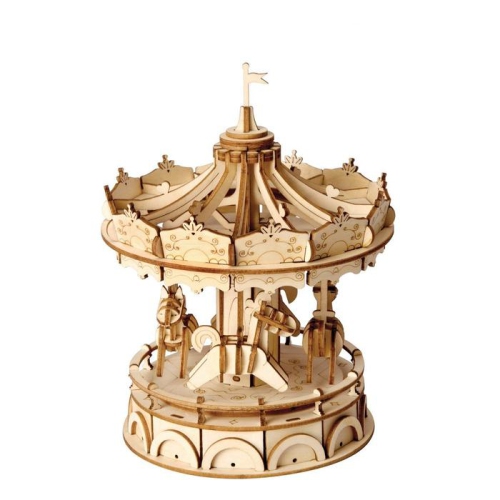
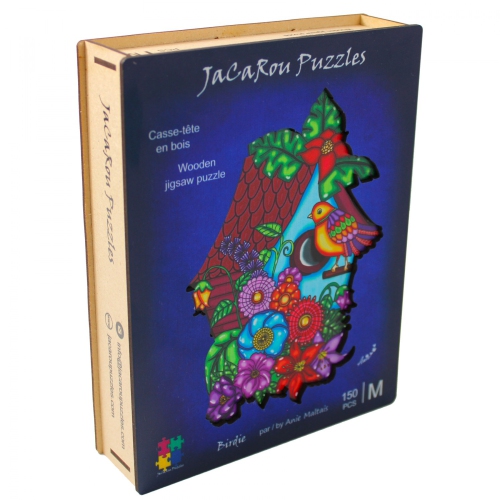
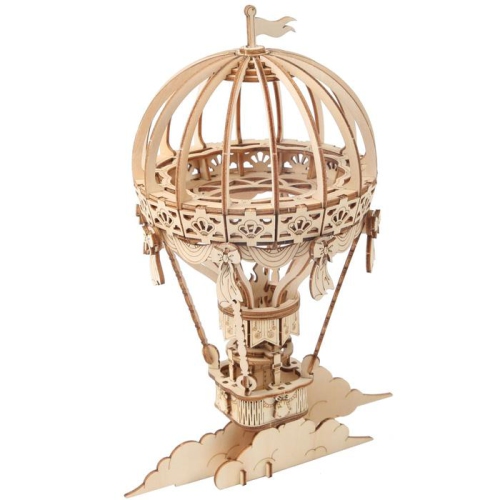
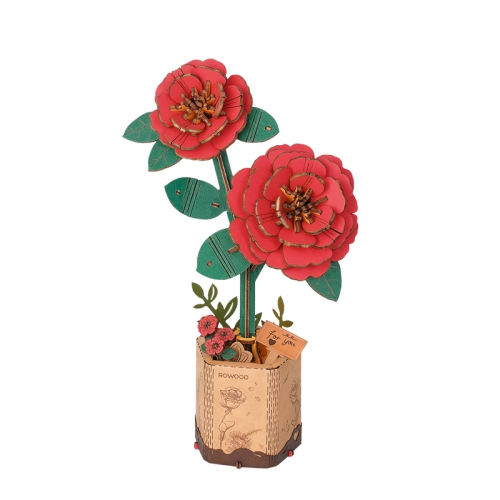
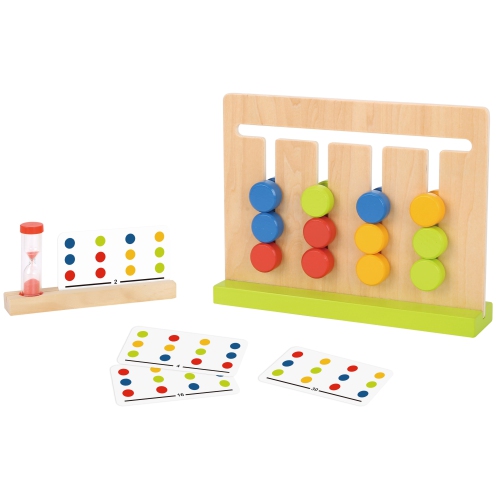
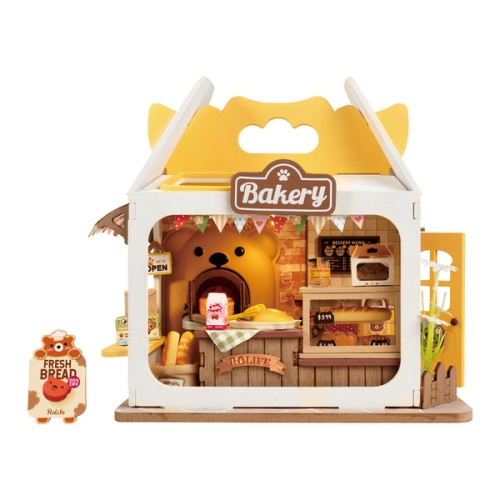
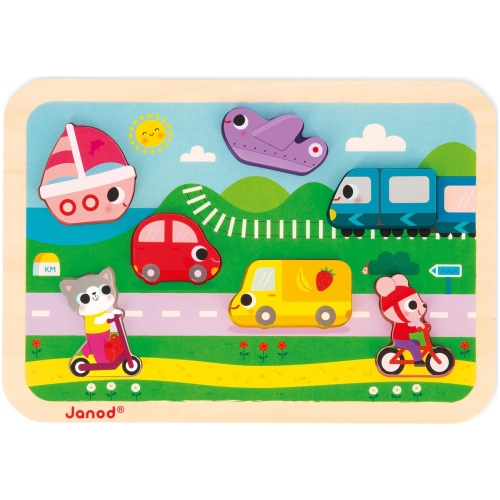
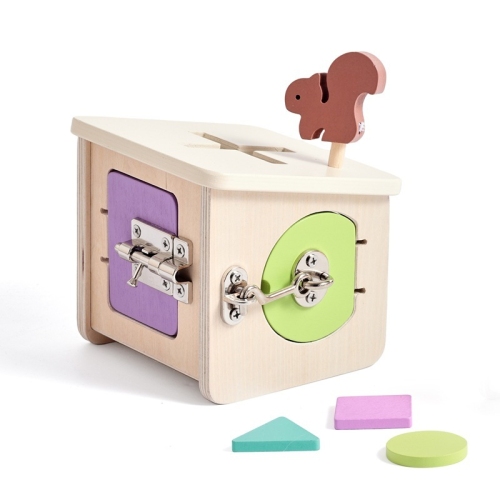
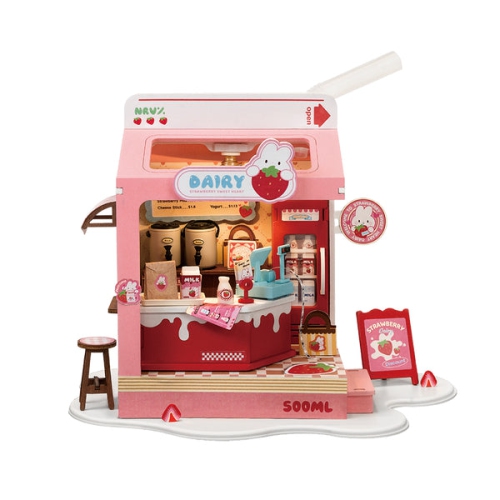
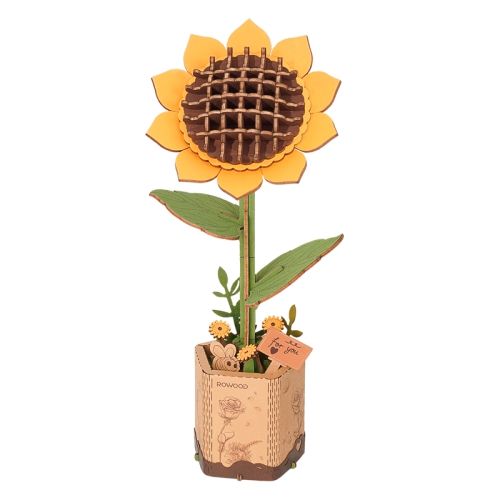
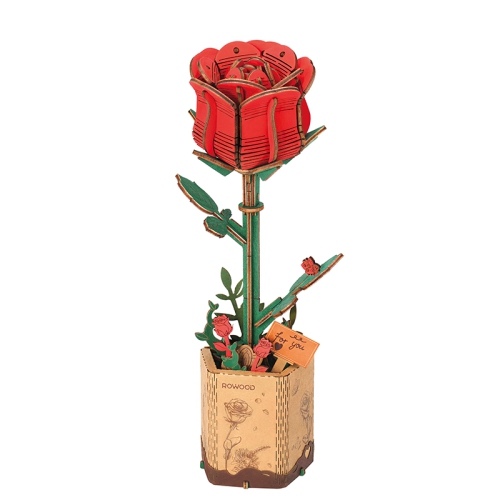
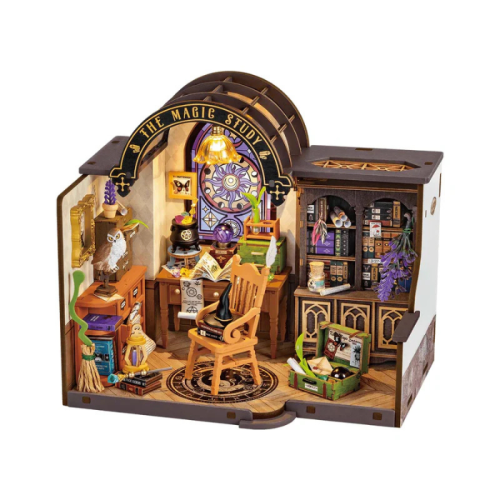
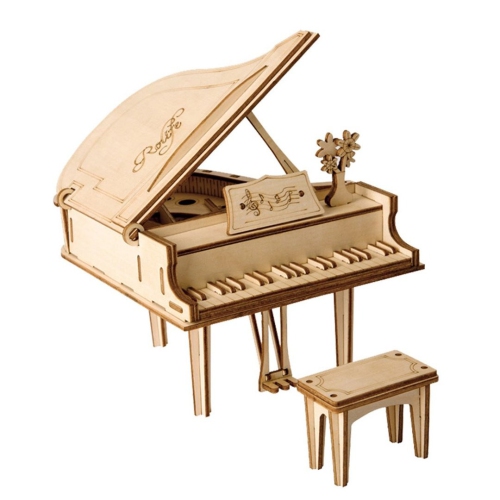


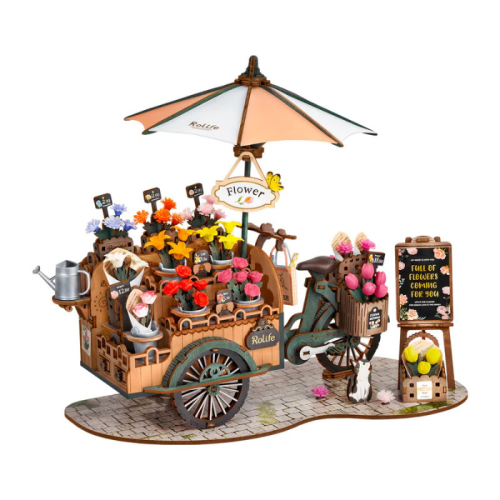
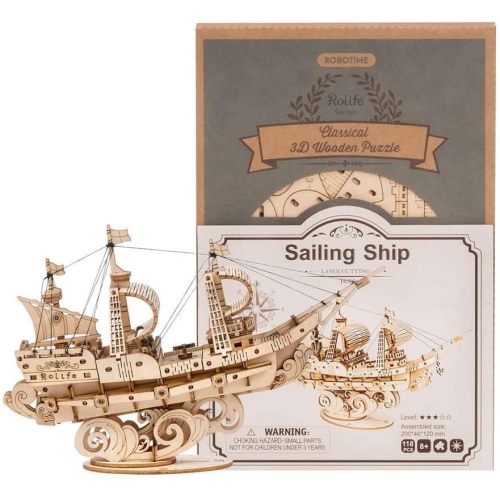
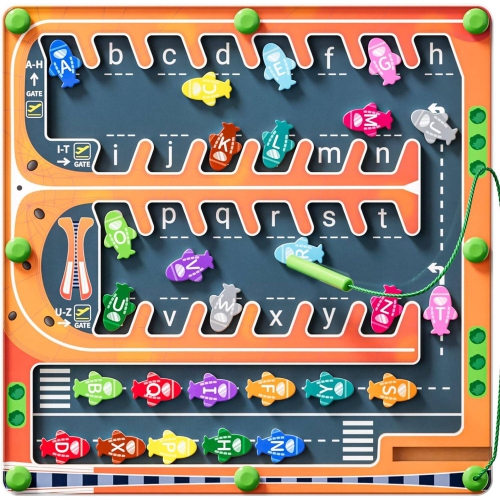
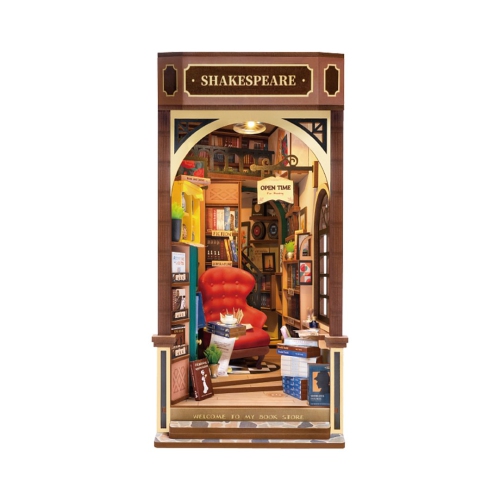

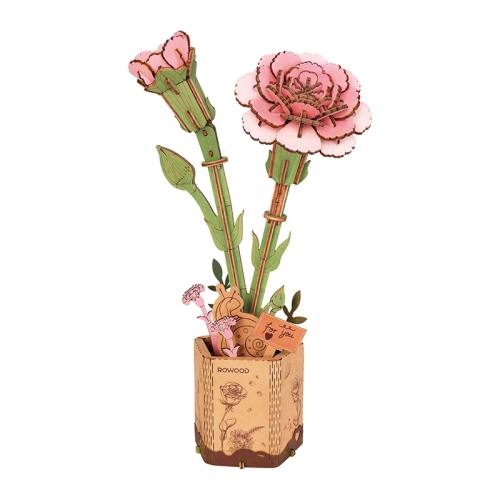

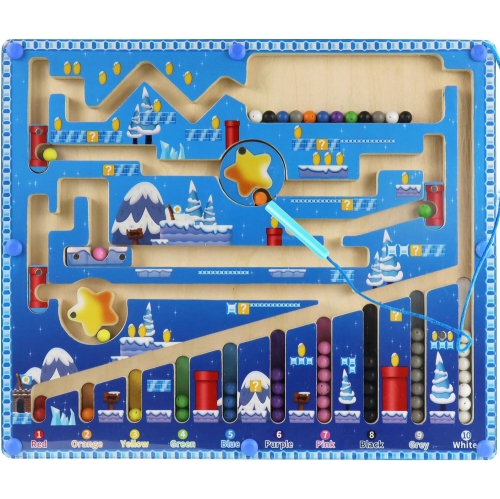
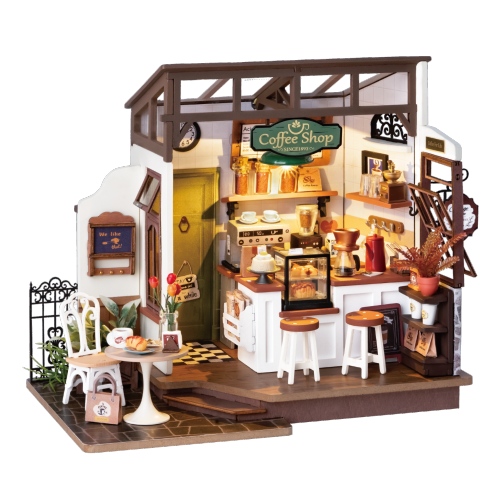
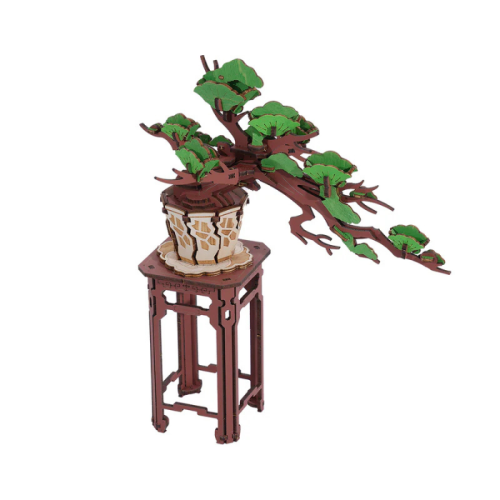
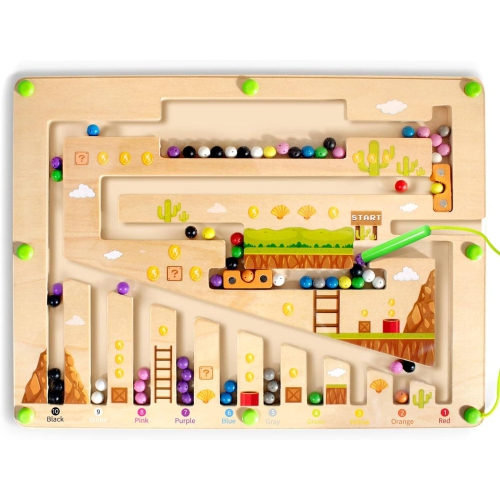
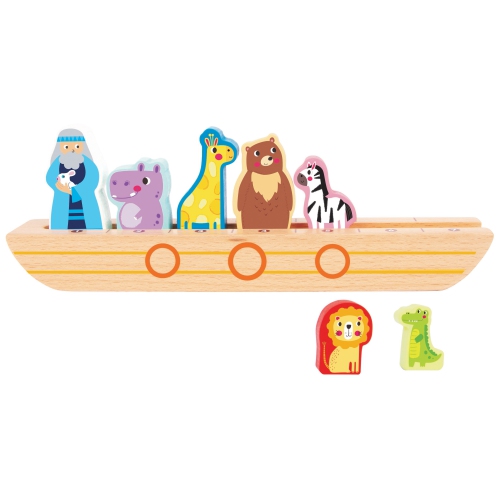
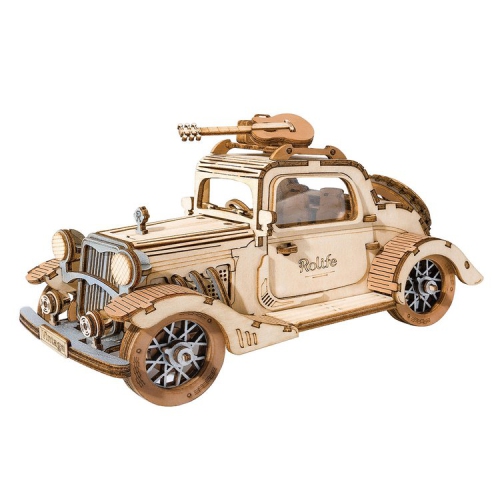
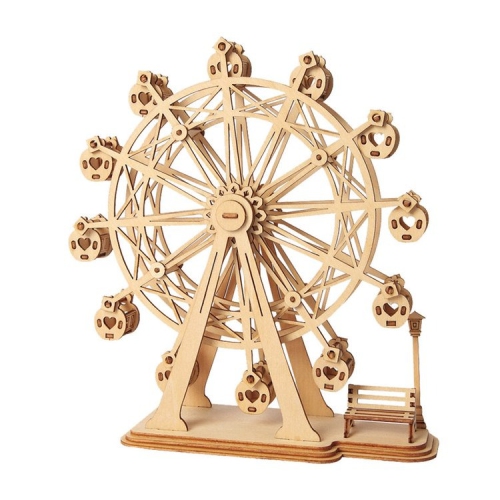
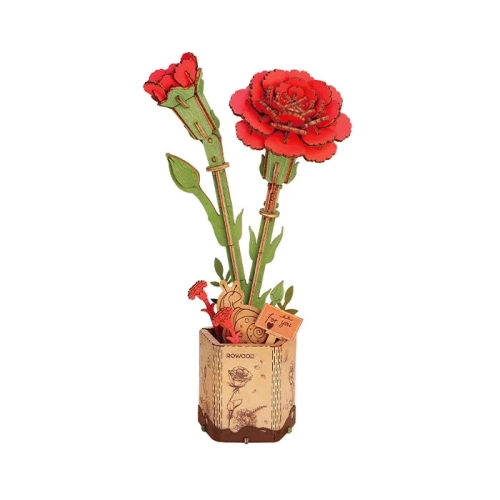
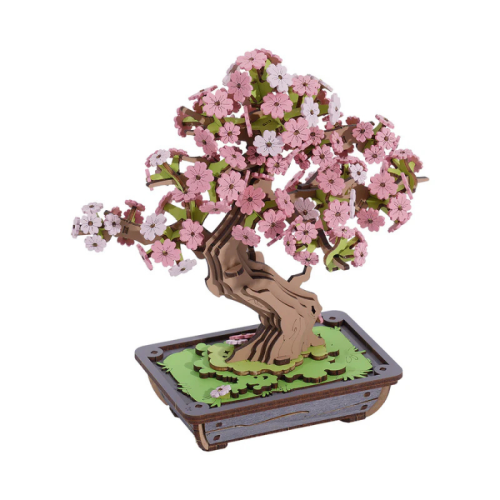
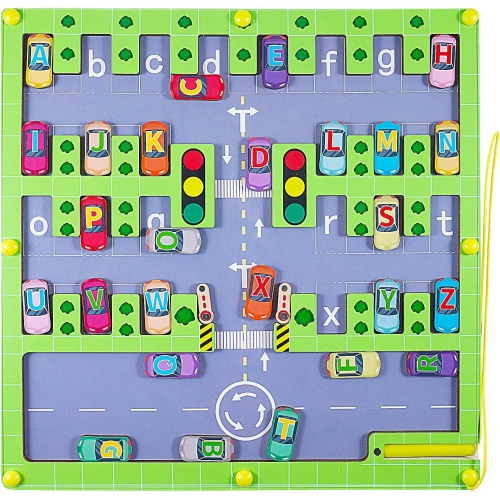


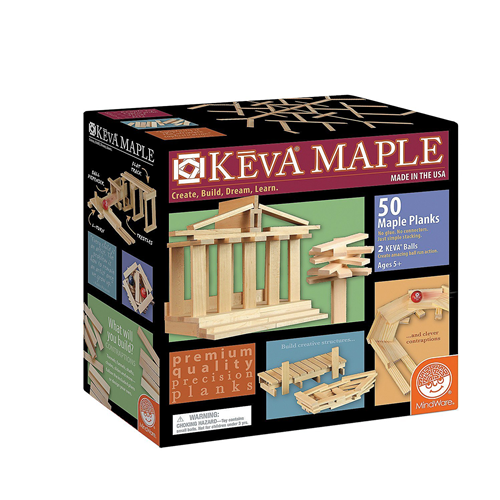
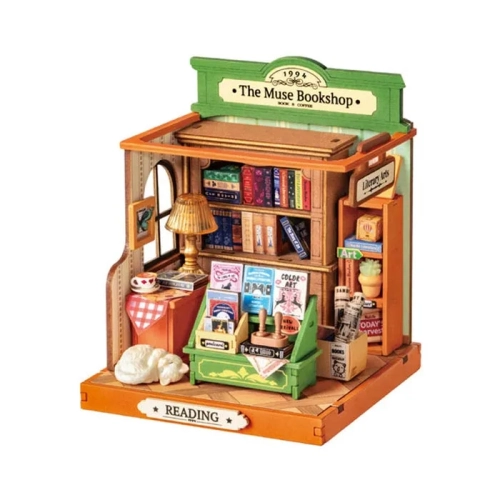
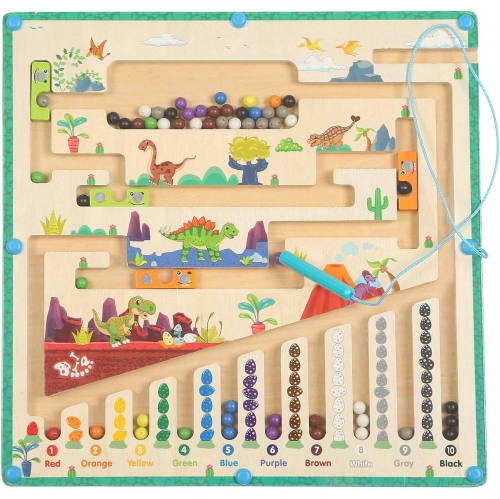
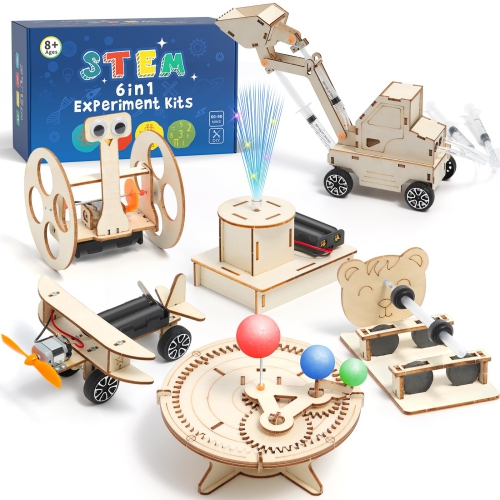
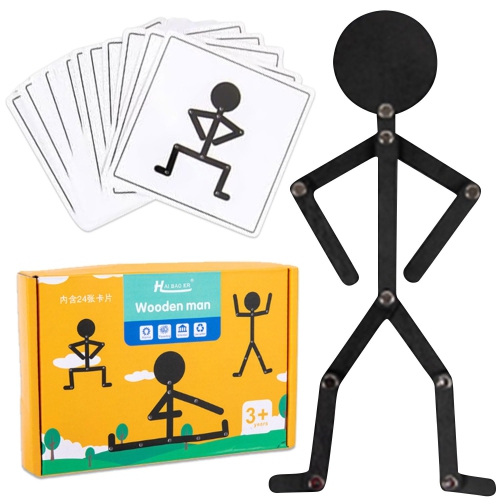
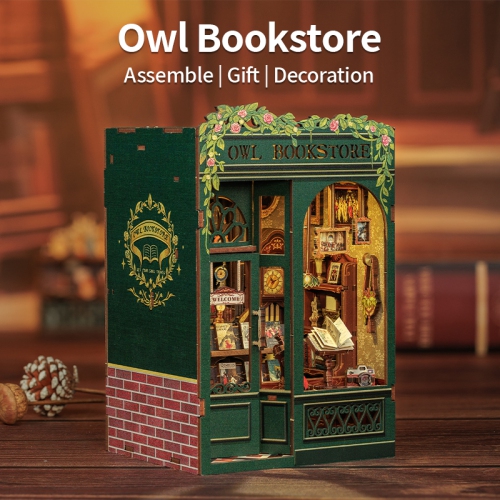

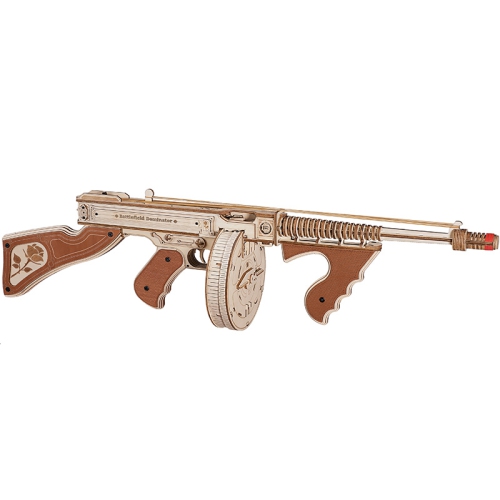
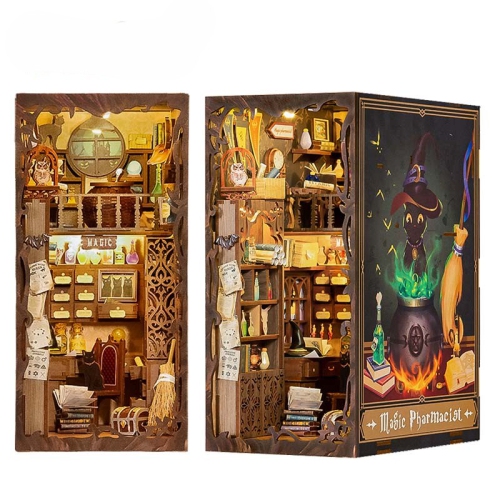
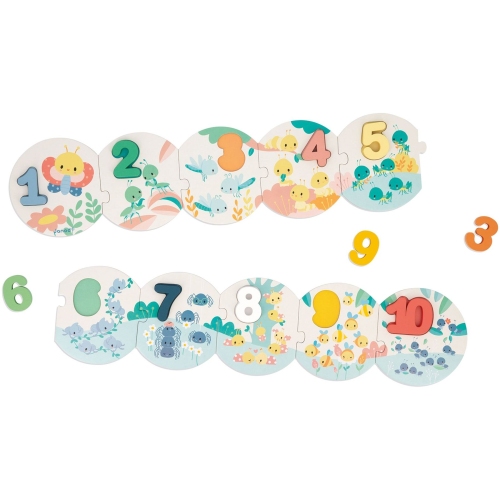
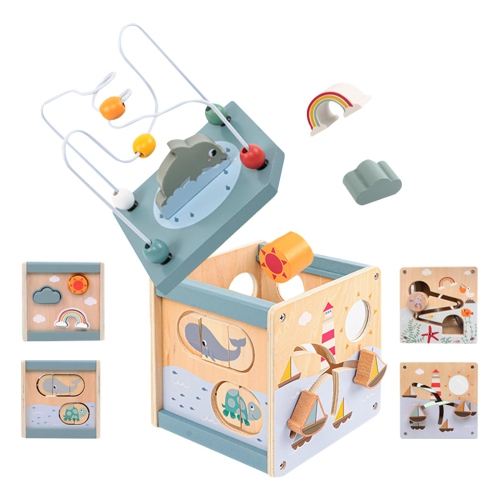
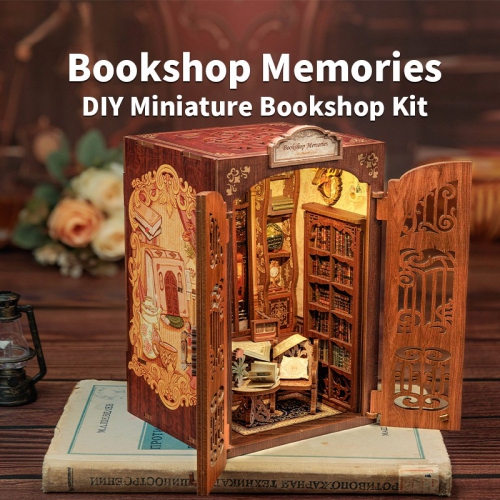
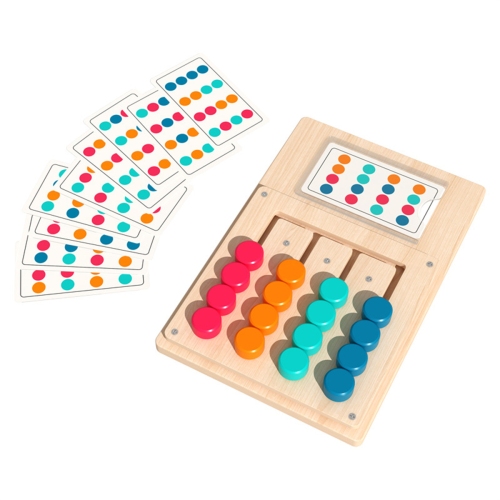
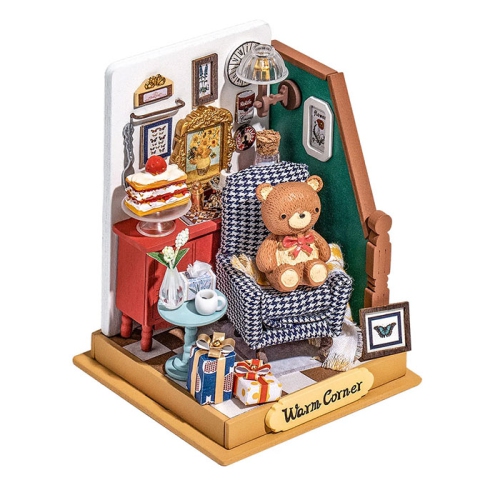
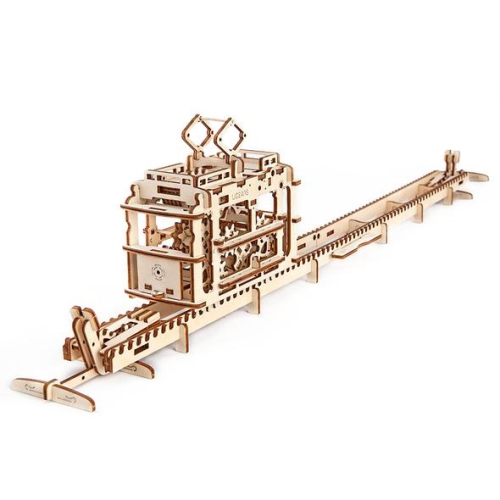
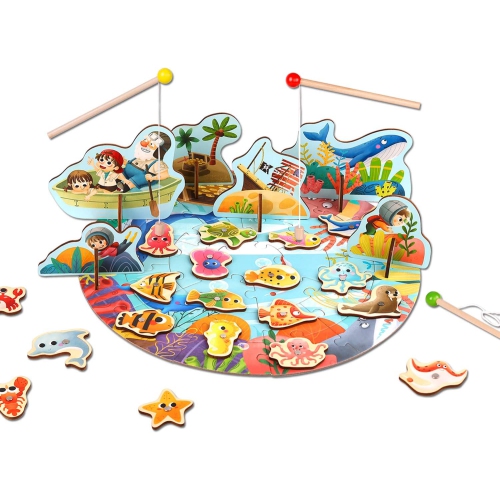
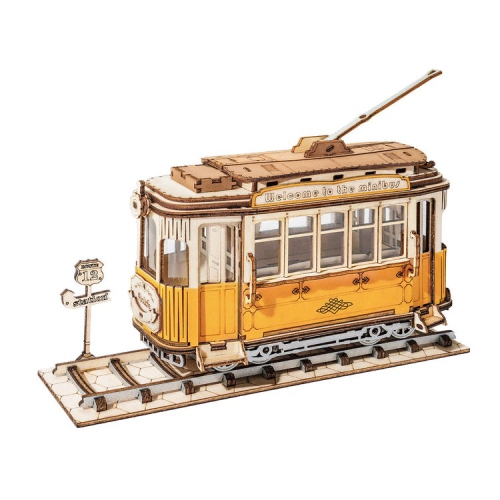
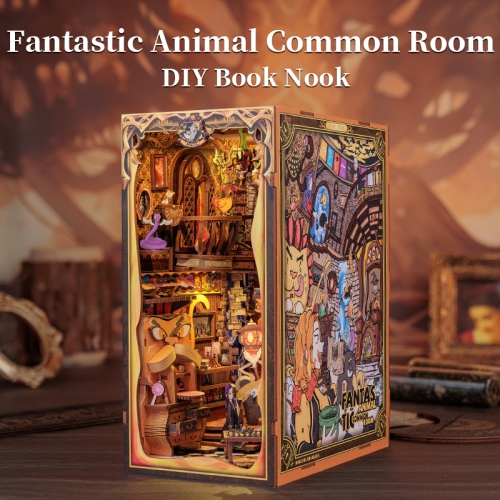

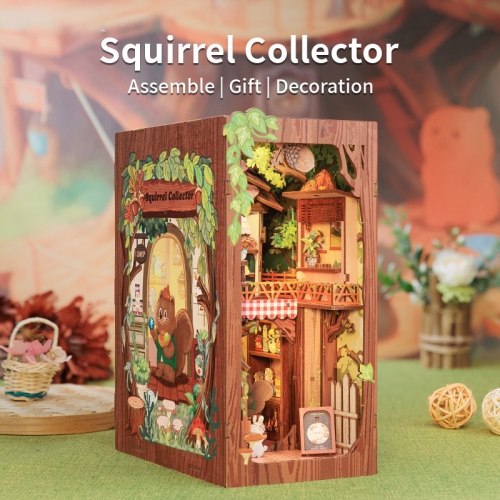
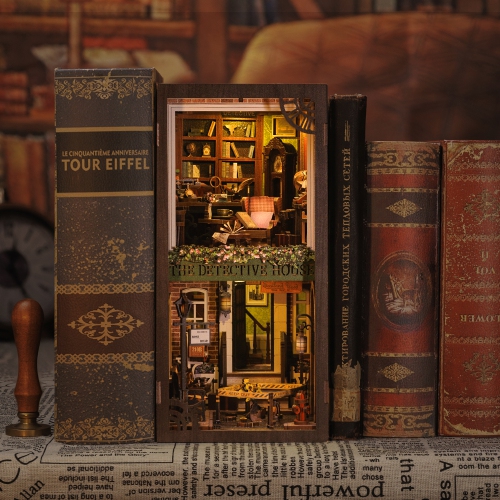
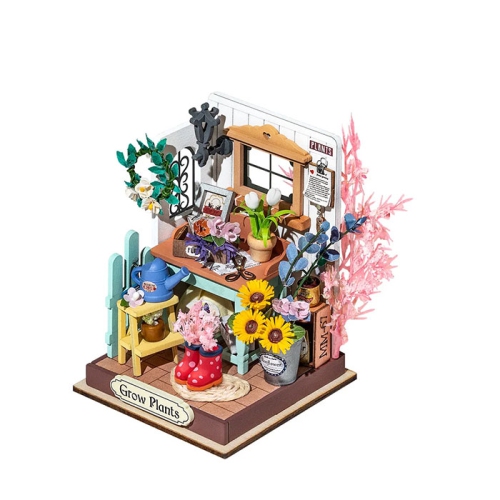

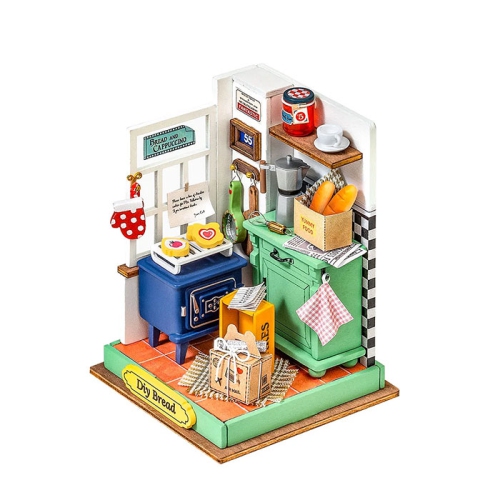
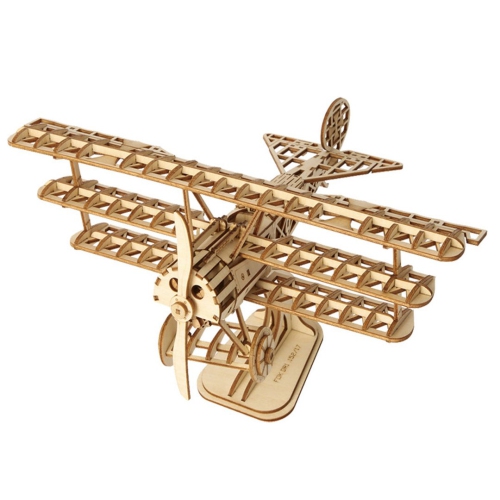
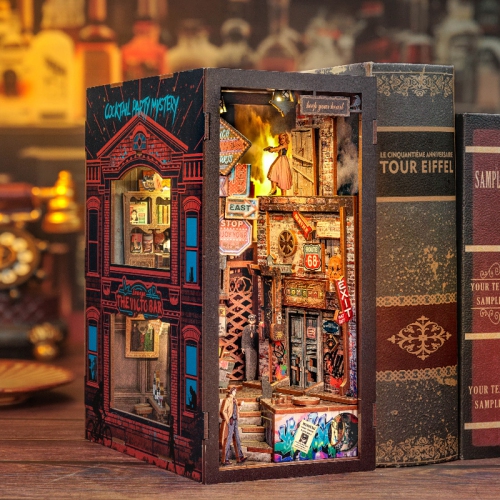
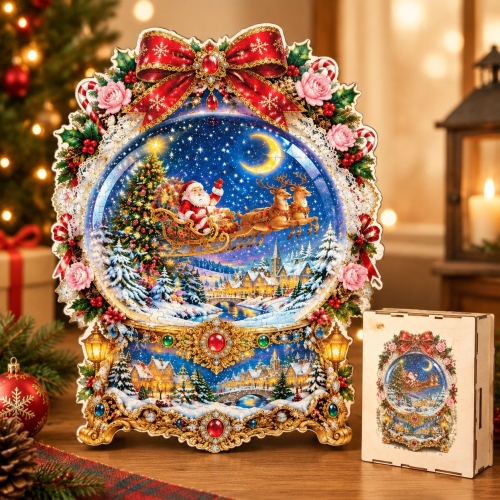
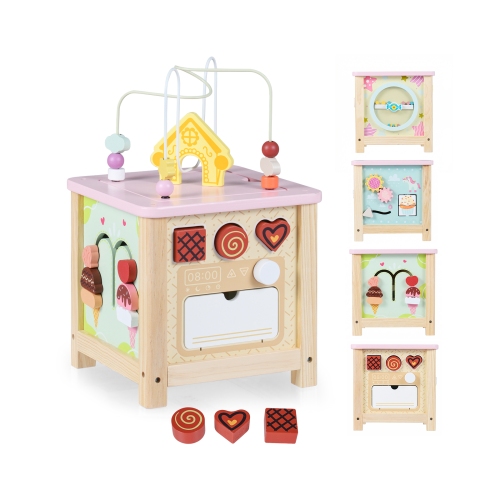
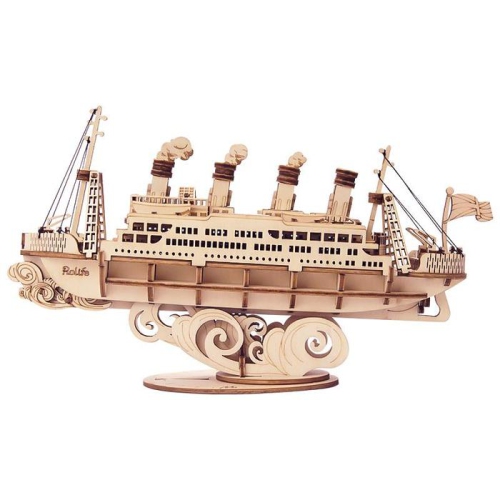
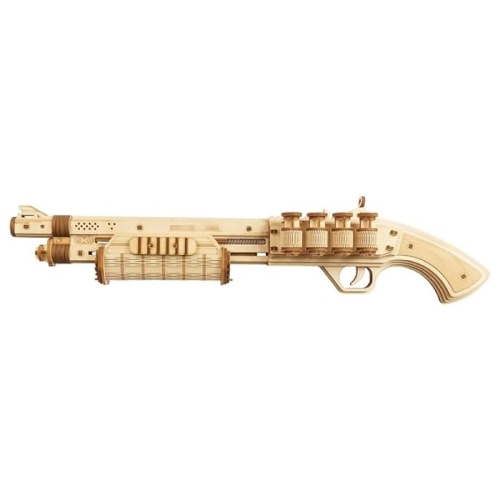
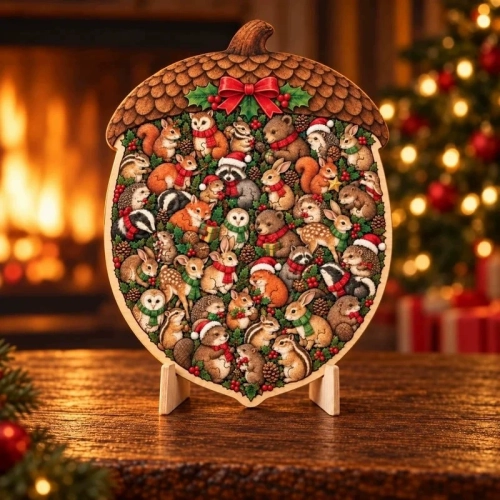
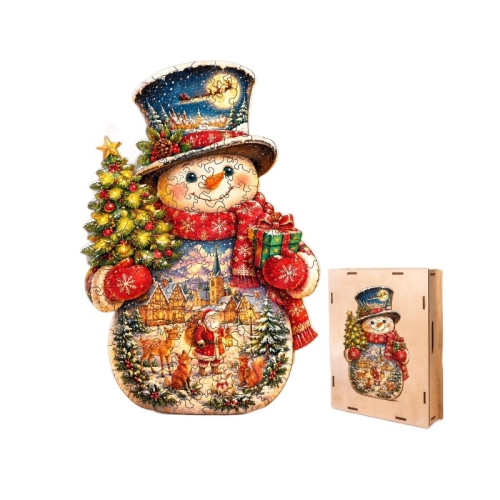
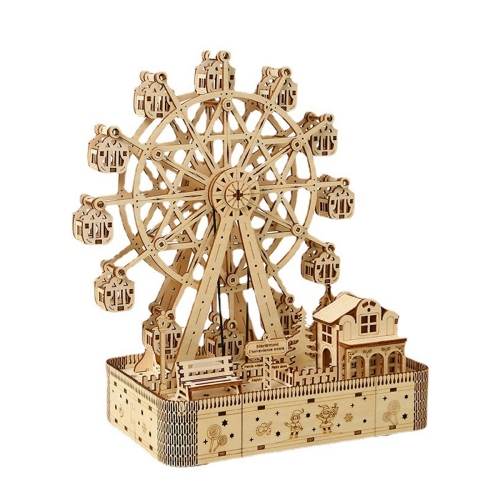
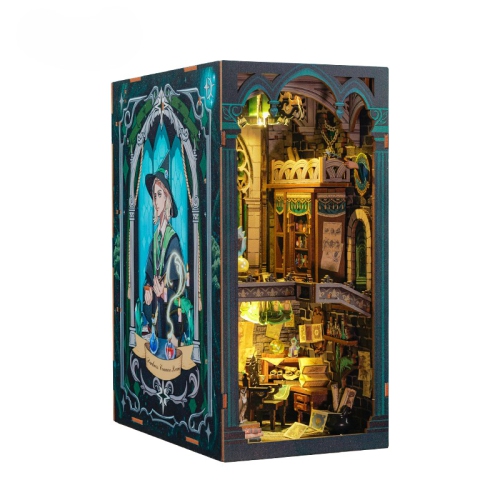
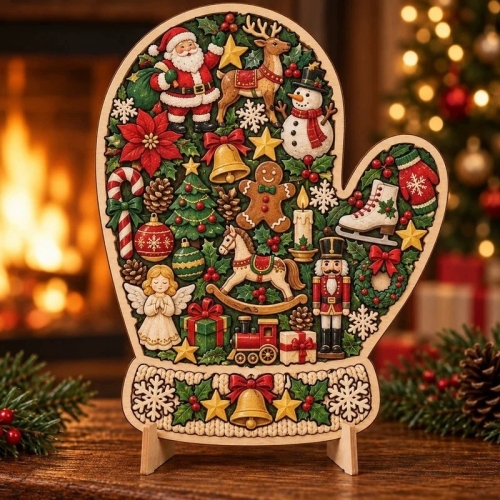
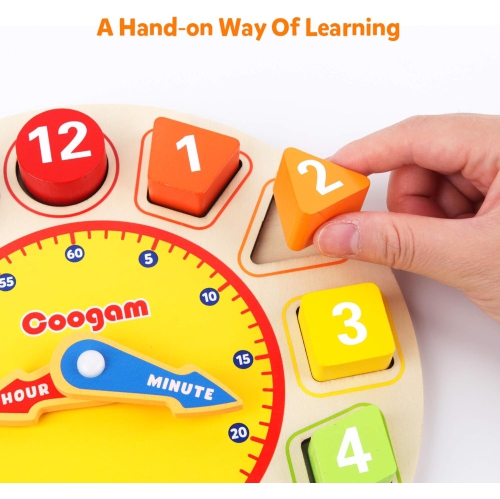
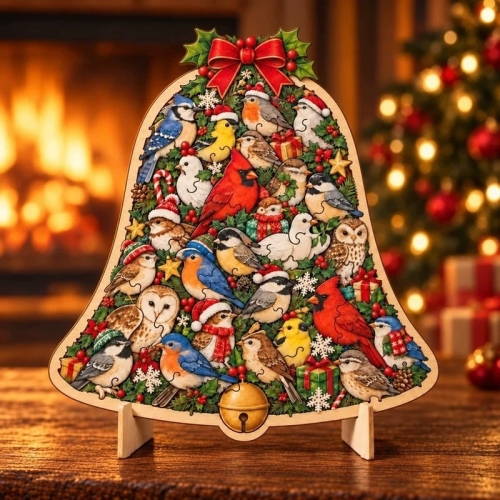
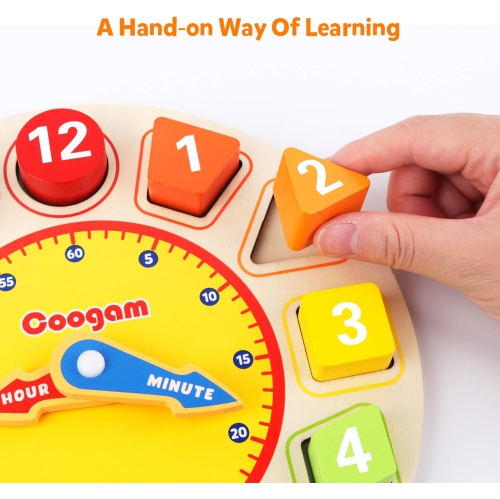
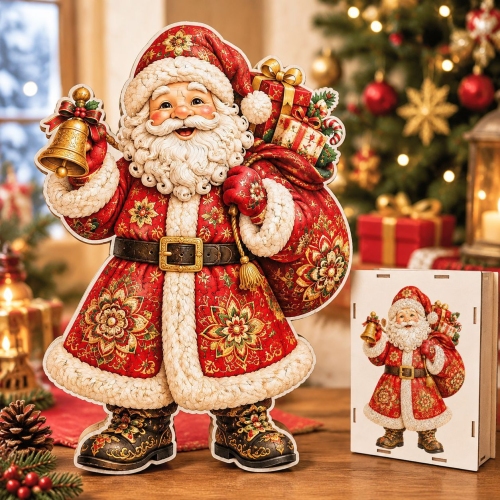
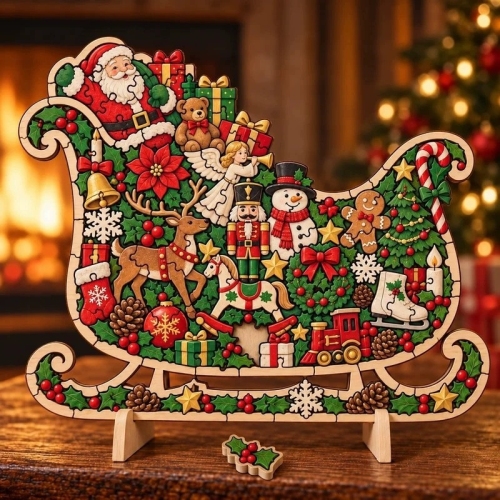
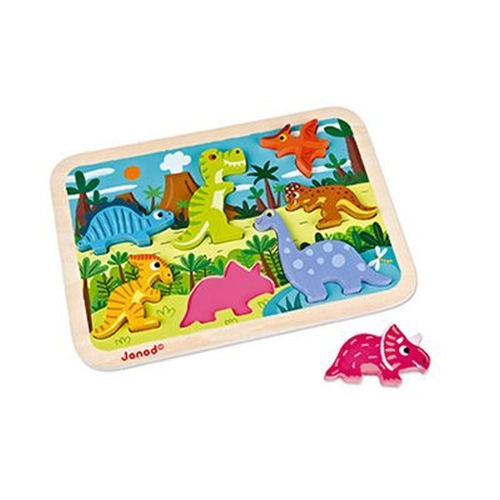
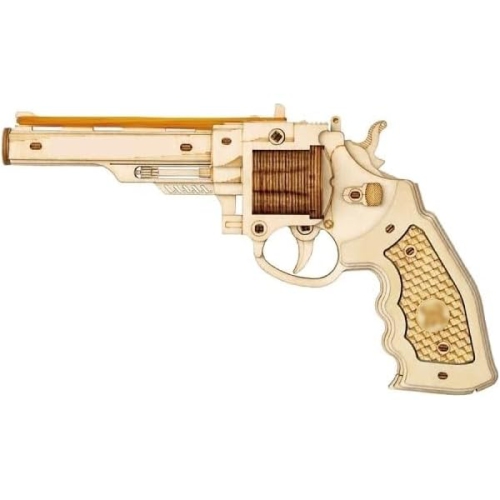
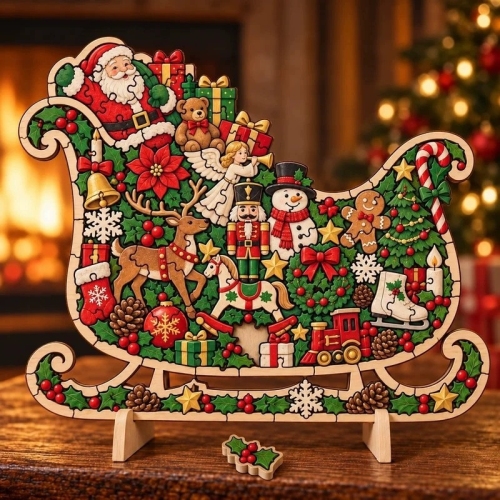
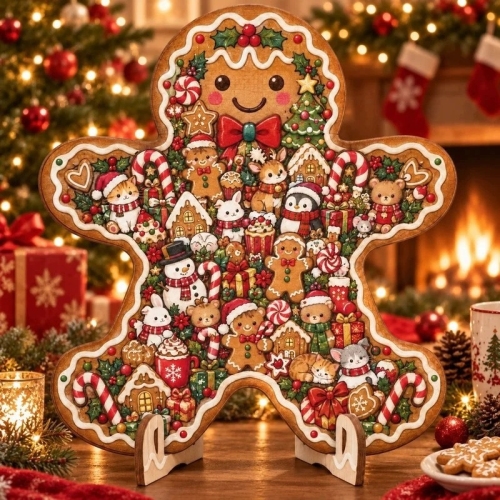
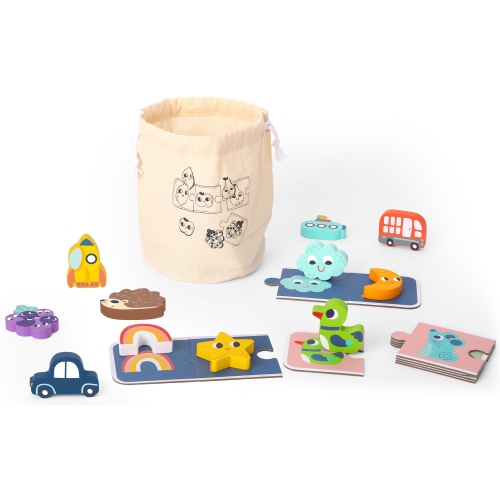
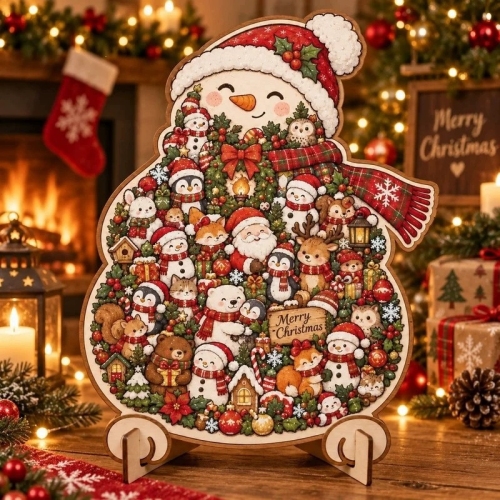
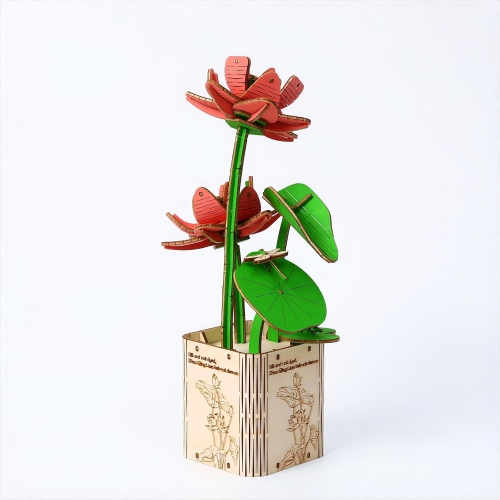
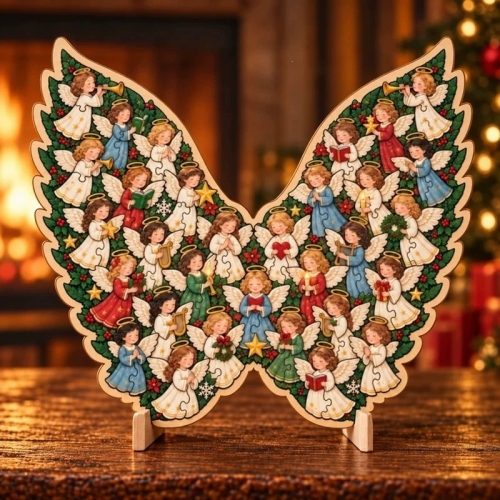
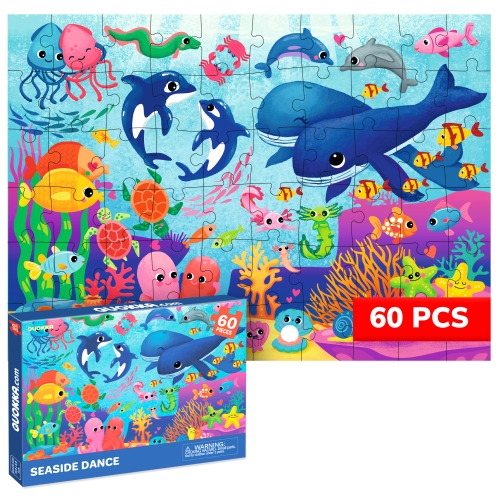
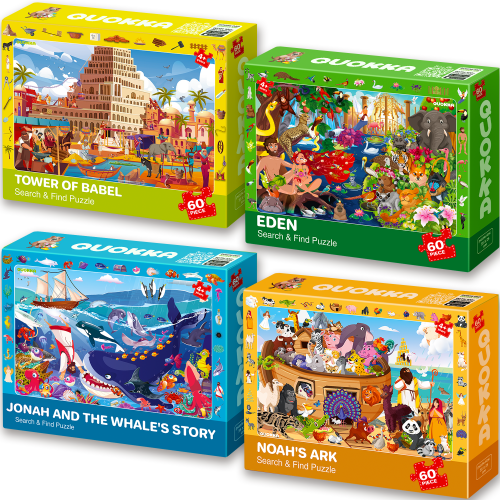
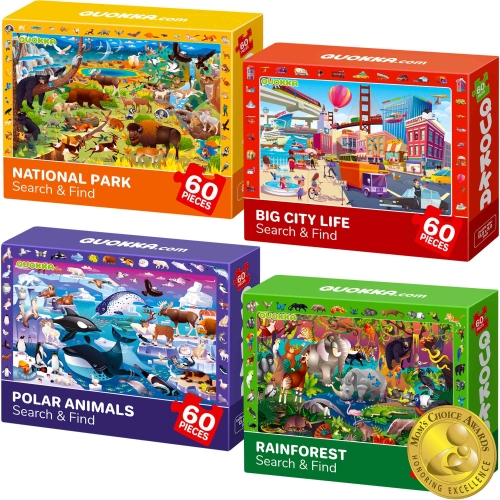
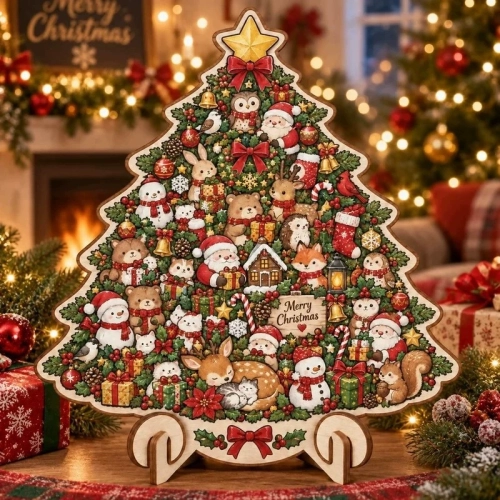
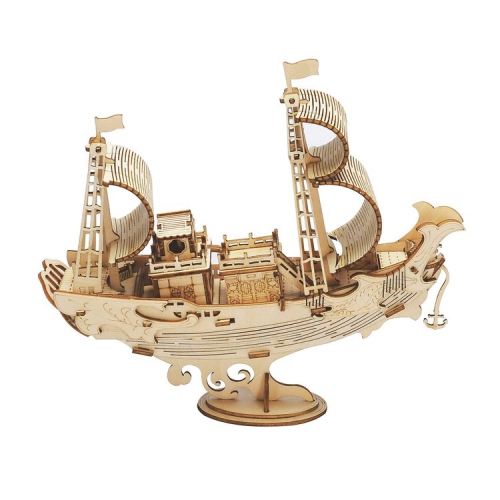
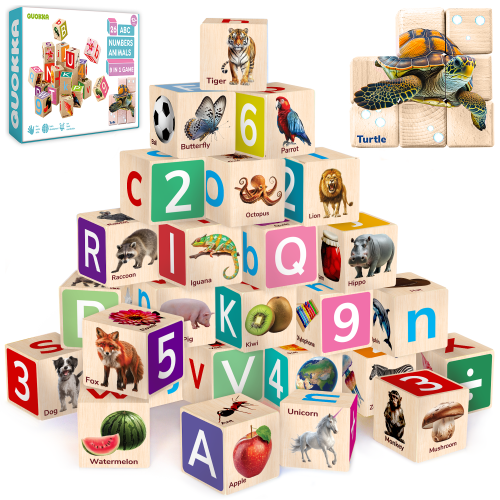
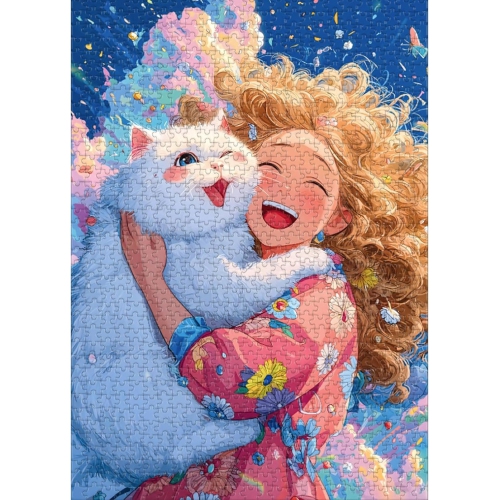
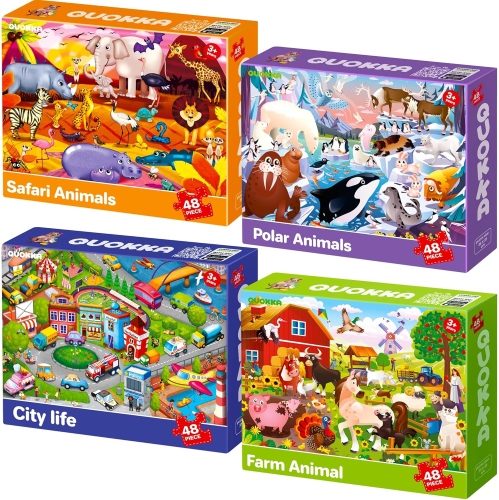
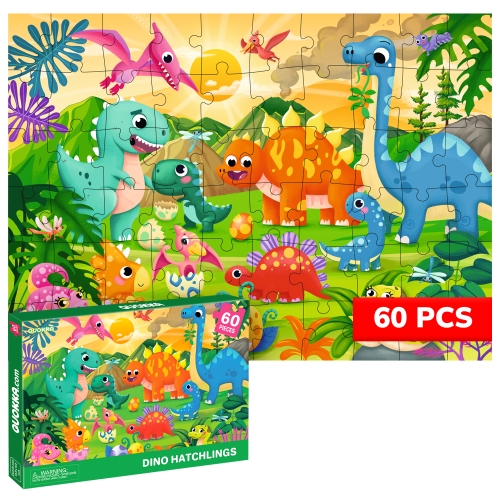
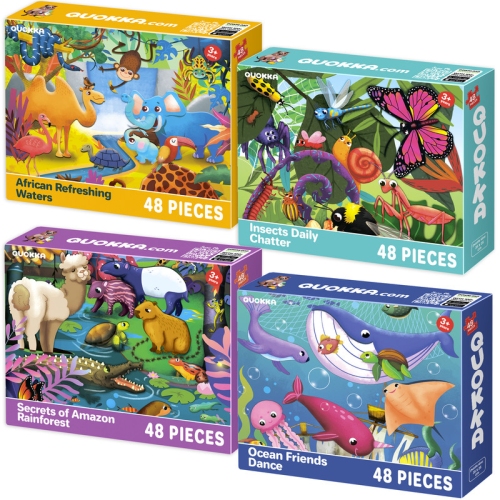
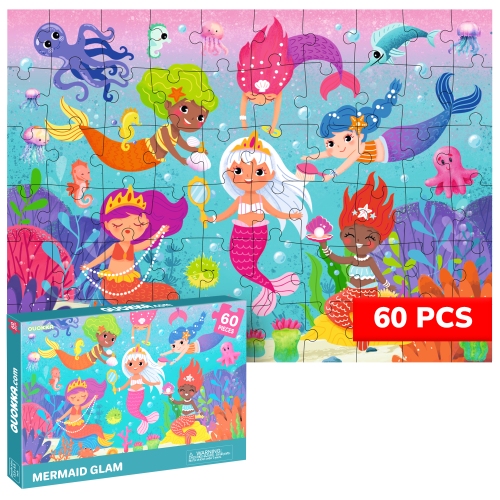
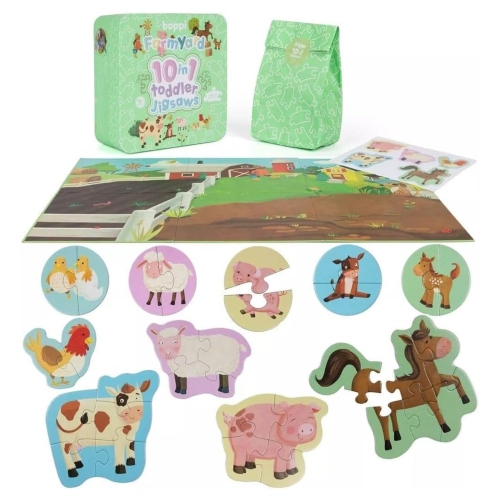
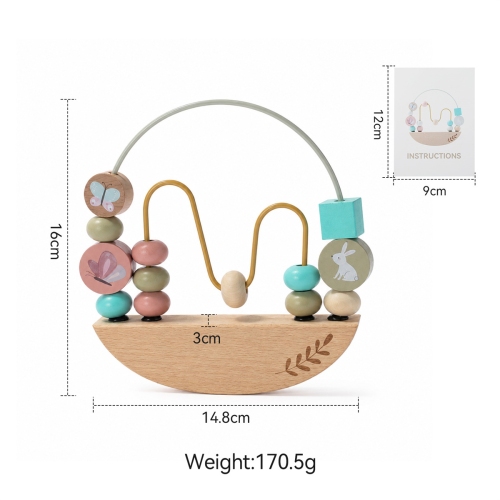
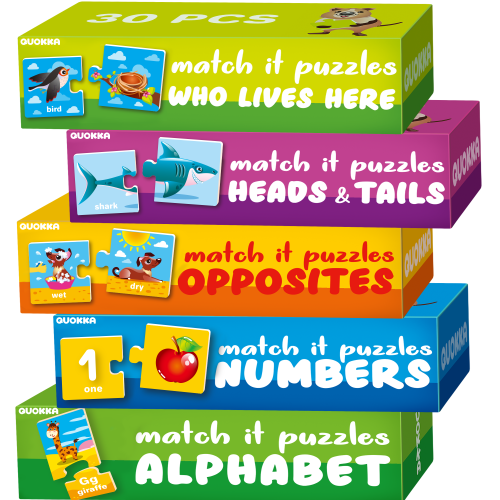
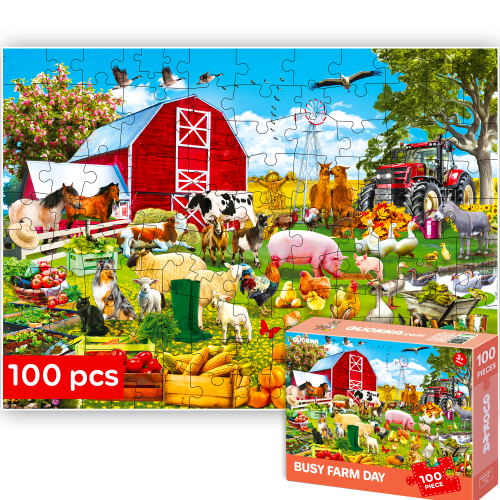
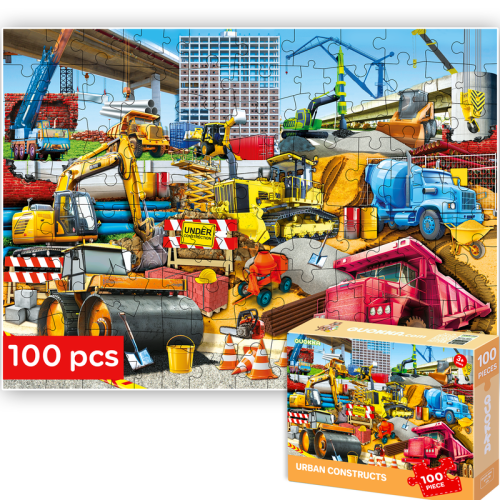
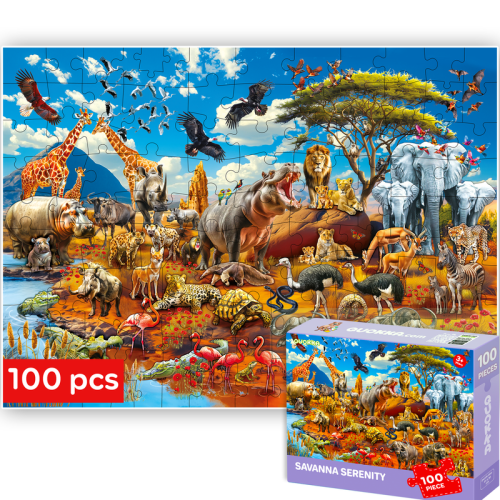
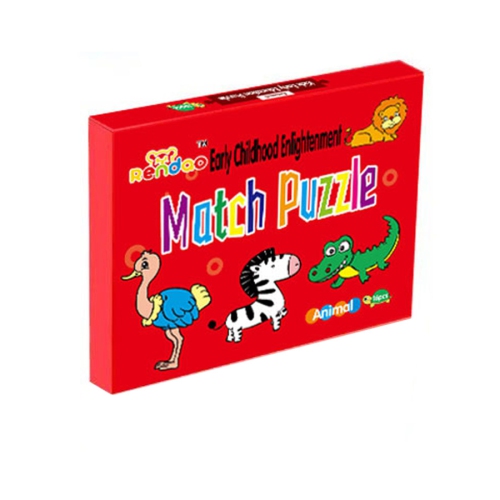
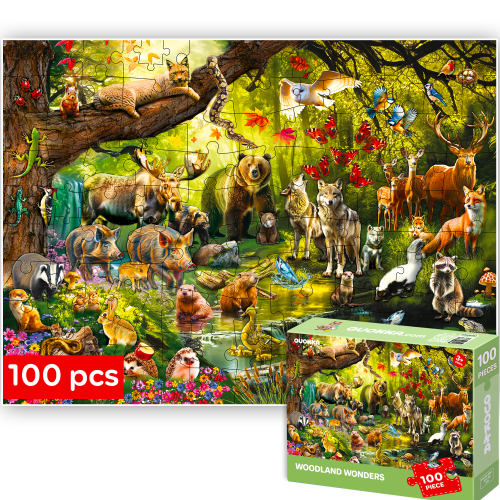
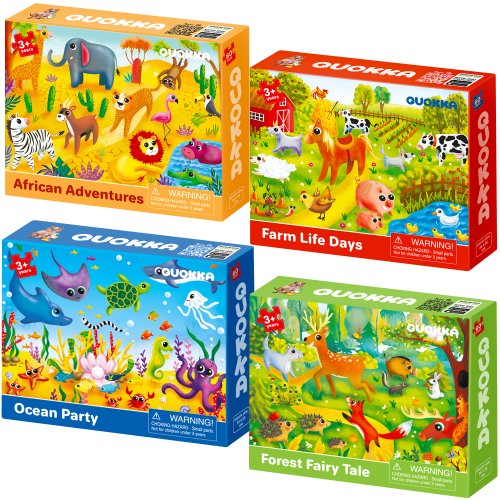
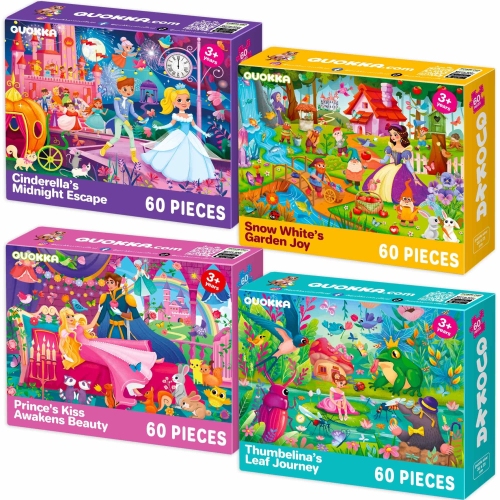
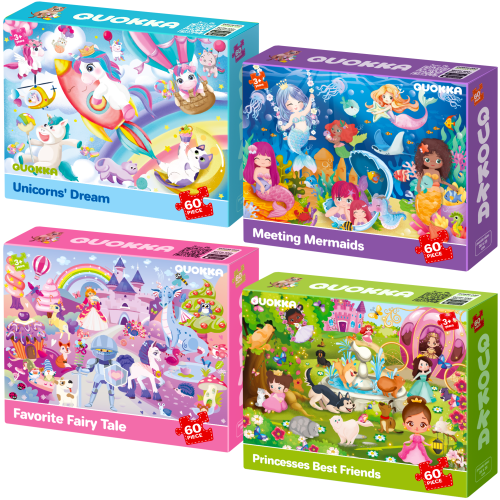
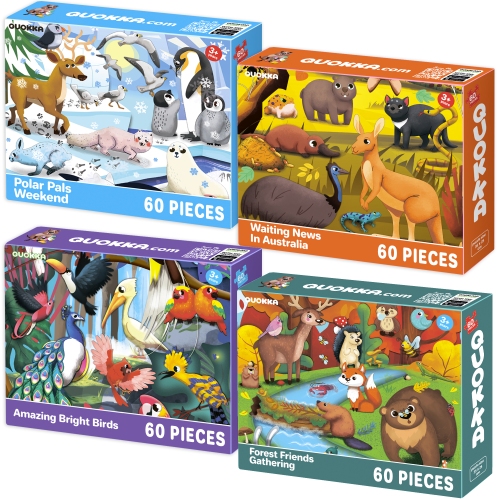
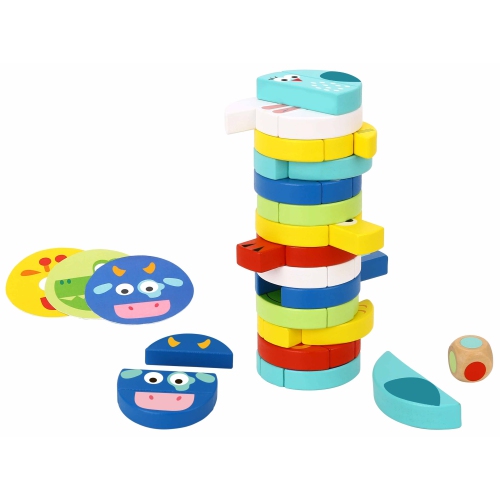
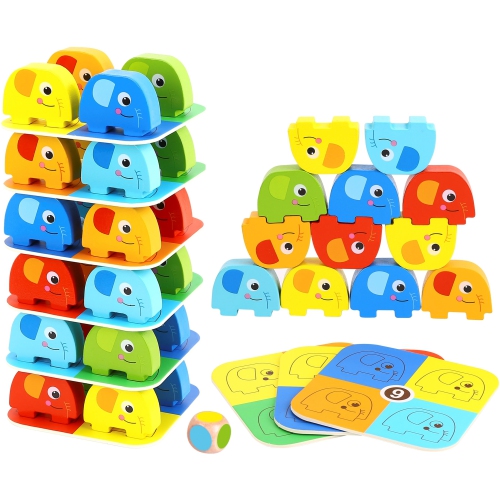
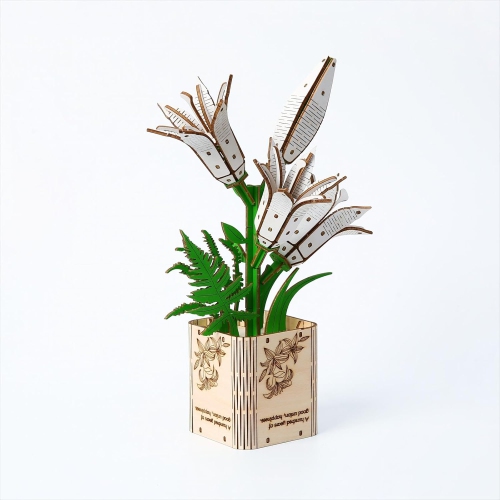
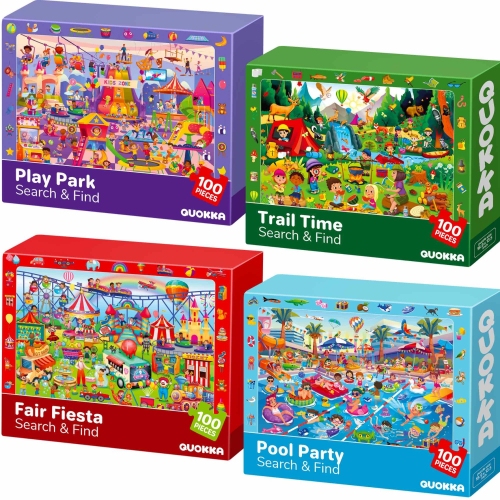
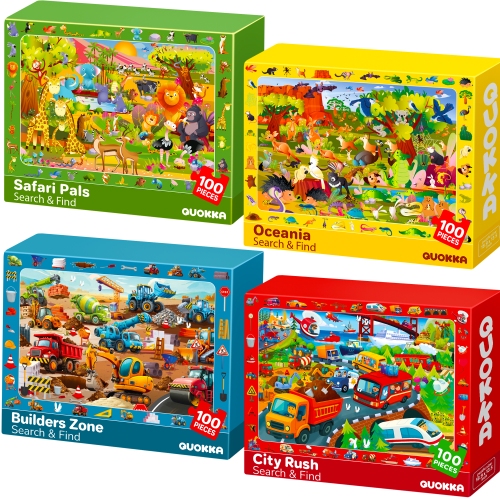
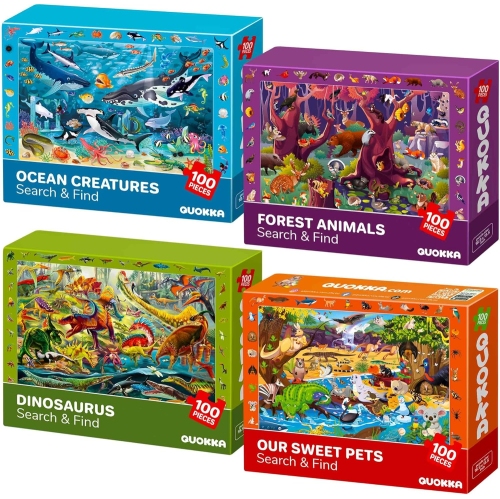
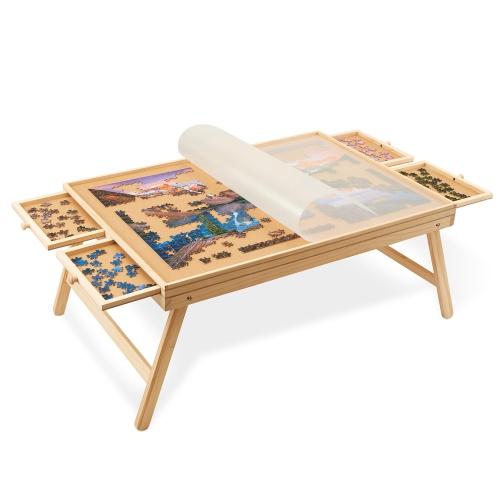
From easy-grip pieces to more intricate puzzle challenges
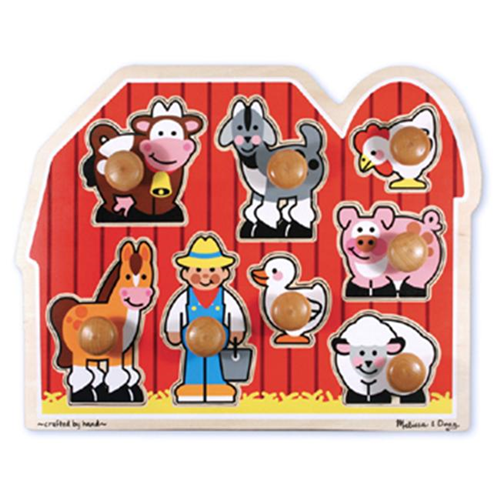
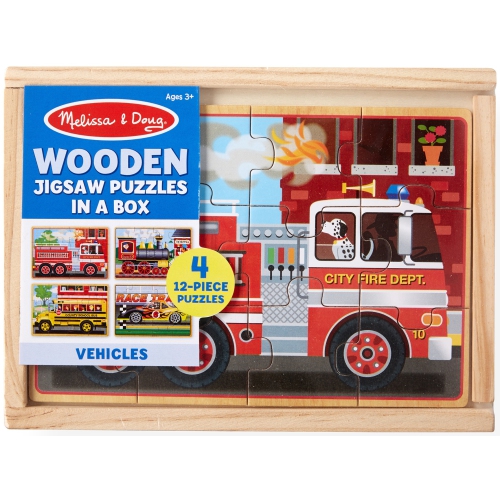
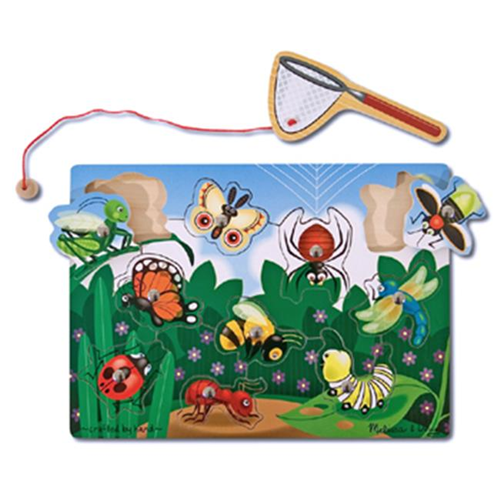
Wooden puzzles for kids bring shape, colour, and hands-on discovery to everyday play. There is something satisfying about lifting a sturdy piece, turning it between small fingers, and finding the space where it belongs. For younger children, a simple inset puzzle offers a clear starting point: each piece has its own opening, and the board provides a boundary for the activity. Large knobs or raised pieces can make grasping easier while children practise coordinating what they see with how their hands move. As experience grows, puzzles with smaller handles, more pieces, or interlocking edges introduce different challenges. A familiar animal scene might invite a child to name each creature, while a vehicle picture can become the starting point for a story about a busy street. Shapes, letters, and numbers add opportunities for conversation, though the play does not need to become a lesson. Sorting pieces by colour, noticing a straight edge, or comparing two similar outlines gives children something concrete to investigate. The most suitable level depends on more than age alone. A child who is comfortable with a few large pieces may enjoy a slightly more detailed picture, while another may prefer repeating a familiar puzzle before trying something different. Clear illustrations and distinct outlines can make a puzzle easier to approach; repeated colours and similar shapes tend to demand closer attention. For shared play, an adult can describe what a child is noticing without immediately pointing out the answer. A simple comment about a curved edge or a missing corner leaves room for discovery. Wooden puzzles can fit into independent play, time together at a table, or a small-group activity where children take turns choosing pieces. Their appeal lies as much in the process as in the completed picture, from the first scattered shapes to the moment the final piece settles into place.
Materials and construction influence how a wooden puzzle feels, how its pieces fit, and how well it stands up to repeated handling. Depending on the design, boards and pieces may use solid wood, plywood, or engineered wood, with painted, printed, or laminated surfaces. The stated materials and care directions offer more useful detail than appearance alone, since a wood-look surface does not necessarily indicate solid wood construction. Smooth edges, securely attached handles, and a stable backing are important features for everyday use. Pieces should sit as intended without needing to be forced, and the space around an inset piece should allow a child to lift it out comfortably. Thickness matters, too: a raised piece can be easier to grasp than one that sits flush with the board, particularly for children still developing finger control. Wooden puzzles can feel substantial, but they are not immune to damage. Rough handling, chewing, and repeated exposure to moisture may affect finishes or edges, so regular checks for splinters, cracks, peeling surfaces, and loose parts are worthwhile. Age labels and safety warnings should always guide selection, especially when a puzzle includes small pieces or removable components. Adult supervision does not make small parts suitable for a child below the stated age range. In homes with siblings, keeping an older child’s intricate puzzle separate from a younger child’s play area helps prevent pieces from being mixed together. Care is usually straightforward, but the manufacturer’s directions take priority. Where permitted, a lightly damp cloth can lift everyday marks, followed by drying before storage. Soaking wooden pieces or putting them in a dishwasher can damage their shape and finish unless the product specifically allows it. A shallow tray, fitted box, or dedicated shelf space can keep each set together and protect the picture surfaces from unnecessary scraping. Storing a puzzle with its board also makes it easier to notice a missing piece before the next play session begins.
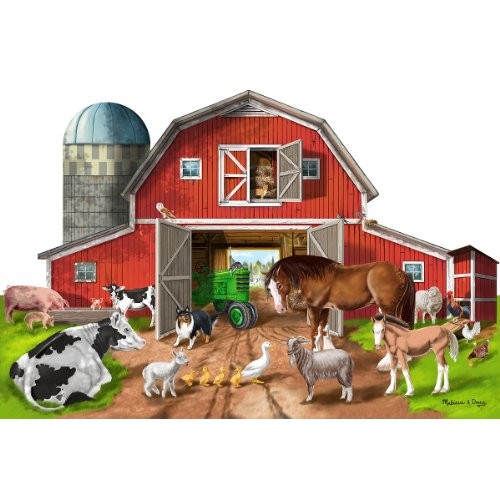
Different kinds of Wooden Puzzle Toys suit different interests, spaces, and ways of playing. A compact board can work well on a small table, while a larger layout needs enough clear space for both the picture and the loose pieces. The dimensions of the completed puzzle matter just as much as the number of pieces, especially when several children share a play surface. For a child who likes storytelling, a detailed scene can continue to hold attention after assembly, with characters and objects to point out and discuss. A child drawn to patterns may enjoy matching outlines, arranging geometric shapes, or working through a layered design. Not every puzzle needs to introduce something new; returning to a favourite can offer a comfortable activity in which a child notices details missed before. Colour contrast, picture clarity, and handle size may also influence how comfortably a child can participate. A quiet corner with a clear surface can make it easier to focus, while a shared table creates space for conversation and taking turns. In a classroom, childcare setting, or family playroom, puzzles with an obvious place for every piece can simplify tidying and help children see when a set is complete. For birthdays and other gift-giving occasions, a wooden puzzle is most thoughtful when it reflects the recipient’s interests and present abilities rather than simply aiming for the highest piece count. Familiar subjects can help make an unfamiliar activity inviting, and manageable difficulty gives a child room to work without constant adult intervention. Packaging that keeps the board and pieces together is helpful for families who move activities between rooms or take them to a relative’s home. Whether used for a few minutes of focused play or brought out repeatedly over time, a well-matched wooden puzzle offers a tangible task with a visible result: separate pieces becoming a picture, a pattern, or a familiar scene through a child’s own effort.
Top selling and popular products
-
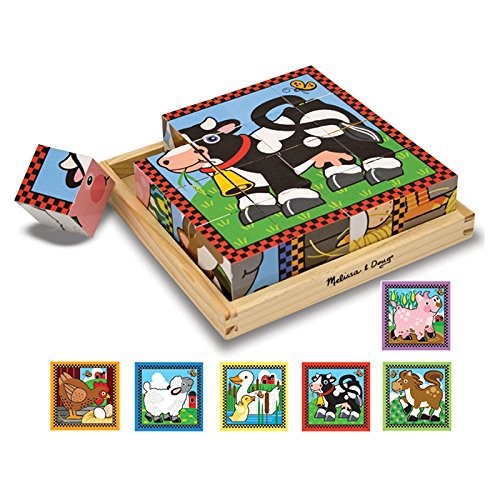 Your price for this item is $32.99
-
 Your price for this item is $46.99
-
 Your price for this item is $35.99
-
 Your price for this item is $30.99
-
 Your price for this item is $29.99
-
 Your price for this item is $36.99
-
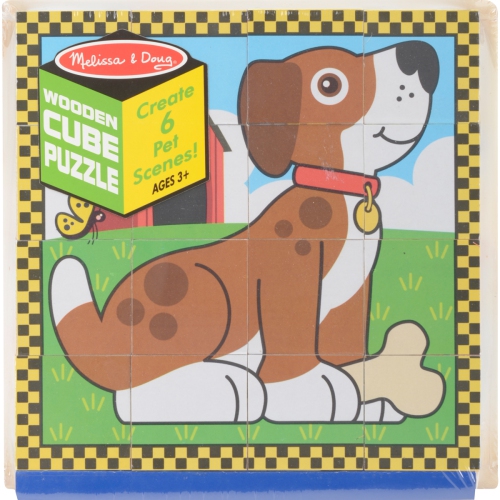 Your price for this item is $32.99
-
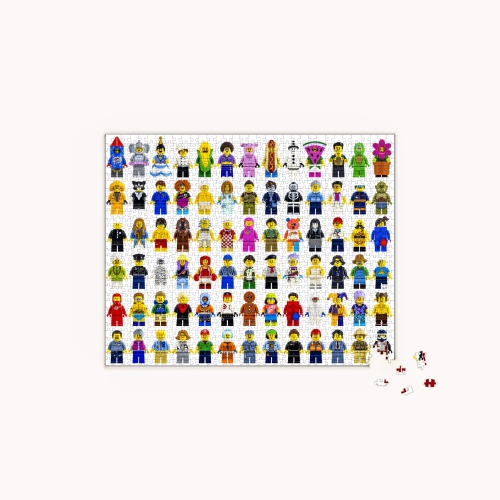 Your price for this item is $34.9
Discover more categories related to Wooden Puzzles for Kids
Top Collections:
Best Black Friday Deals This Year, Best Black Friday Deals On Electronics, Kindle Devices, Pokemon Centers, Best Black Friday Deals On Apple Products, Best Cameras for Sports Photography, Dyson Airwrap, Pokémon 30th Celebration Cards, Apple iPhone 17 Pro, Canon G7X Cameras
Some products may be subject to Environmental Handling Fees
(EHF) depending on your province.
Learn more about EHFs.