Mind Bending Puzzles
Unlock a world of creativity and challenge your intellect with our captivating collection of mind-bending puzzles. Perfect for puzzle enthusiasts of all ages, these intriguing games offer endless hours of entertainment while enhancing cognitive skills and problem-solving abilities. From intricate designs that test your patience to clever conundrums that spark your imagination, there's something here to delight every curious mind. Dive into a realm where fun meets mental agility and discover the joy of piecing together your next great adventure.
Sort




![CITY INTERACTIVE Logic Machines [Nintendo Ds Dsi]](https://multimedia.bbycastatic.ca/multimedia/products/500x500/193/19382/19382554.jpeg)


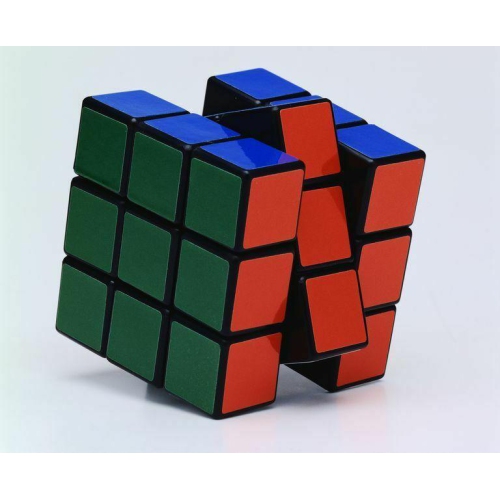
![LIMITED RUN GAMES Humanity - #027 [Xbox Series X]](https://multimedia.bbycastatic.ca/multimedia/products/500x500/194/19476/19476941.jpeg)
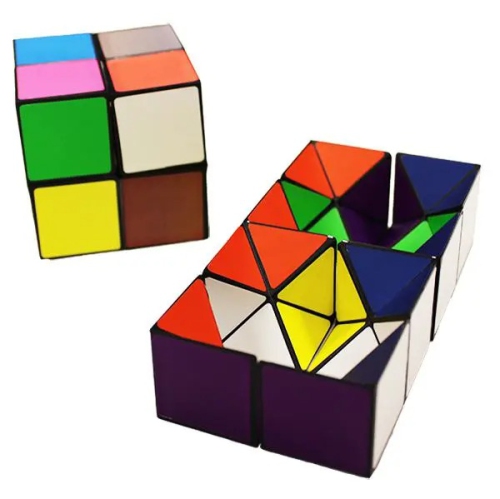
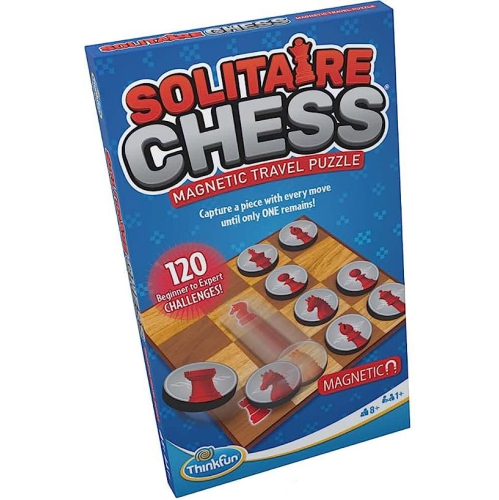
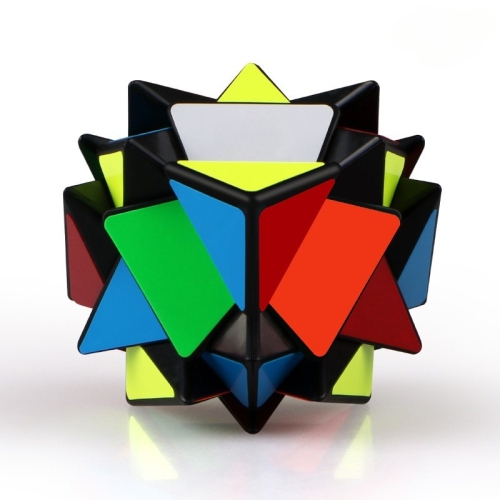
![RED ART GAMES Pillar [Playstation 4]](https://multimedia.bbycastatic.ca/multimedia/products/500x500/160/16011/16011591.jpeg)
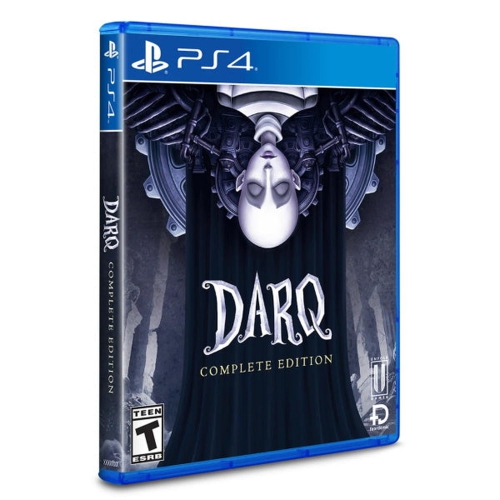
![TESURA GAMES Horror Tales: The Beggar [Playstation 5]](https://multimedia.bbycastatic.ca/multimedia/products/500x500/193/19382/19382684.jpeg)
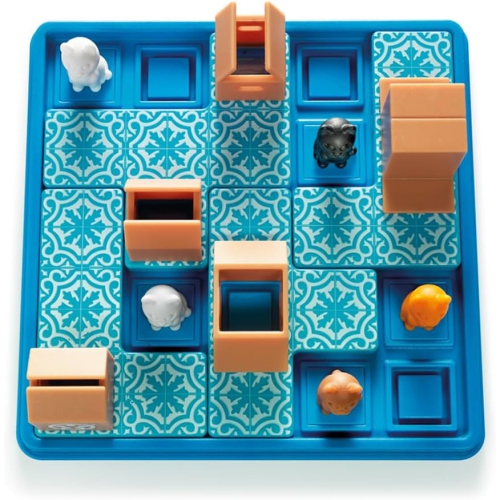

![LIMITED RUN GAMES Humanity - #112 [Playstation 5]](https://multimedia.bbycastatic.ca/multimedia/products/500x500/194/19476/19476975.jpeg)
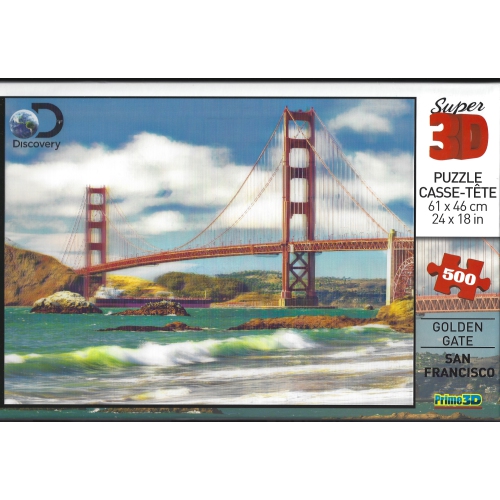
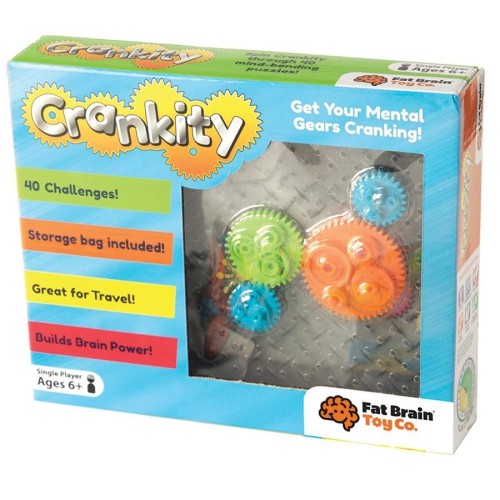
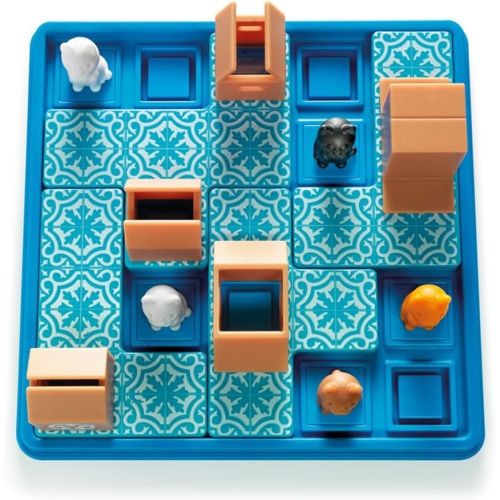
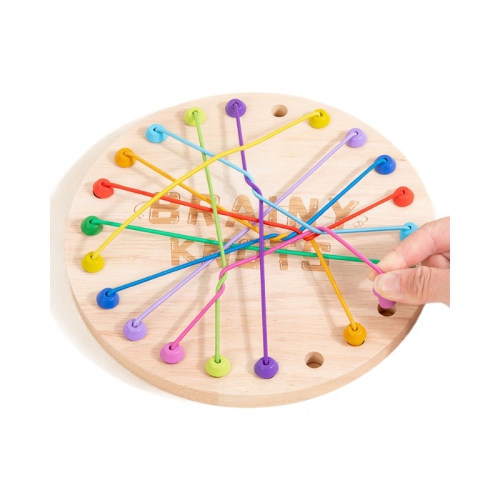
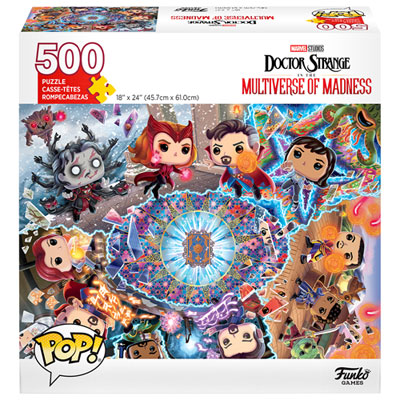
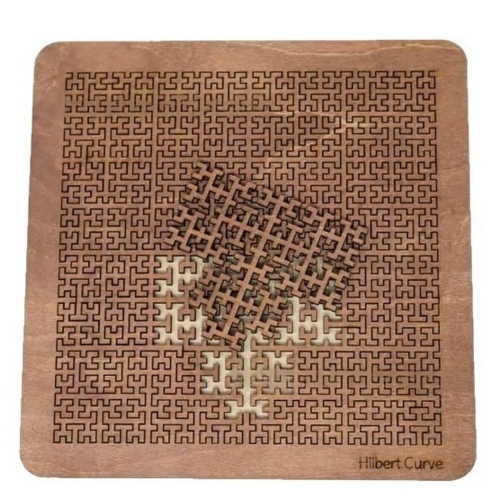
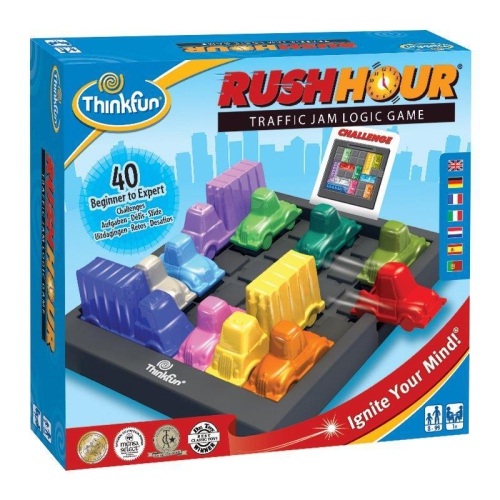
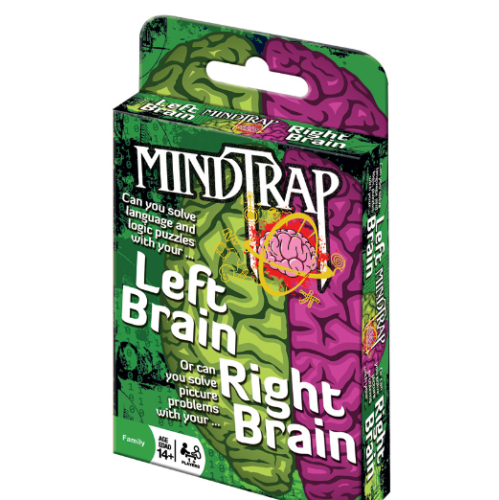
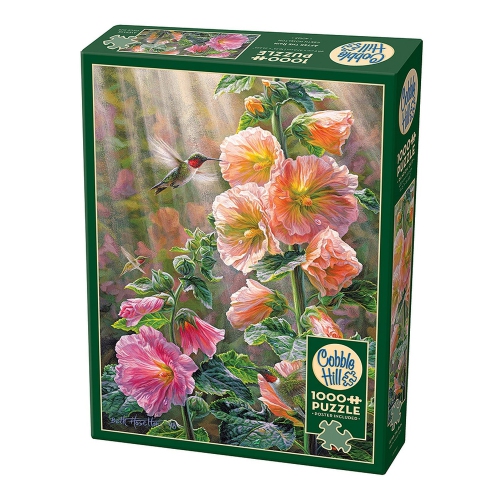
![GS2 GAMES Contraptions Collection [Nintendo Switch] One of the best games of all time!](https://multimedia.bbycastatic.ca/multimedia/products/500x500/193/19382/19382820.jpeg)

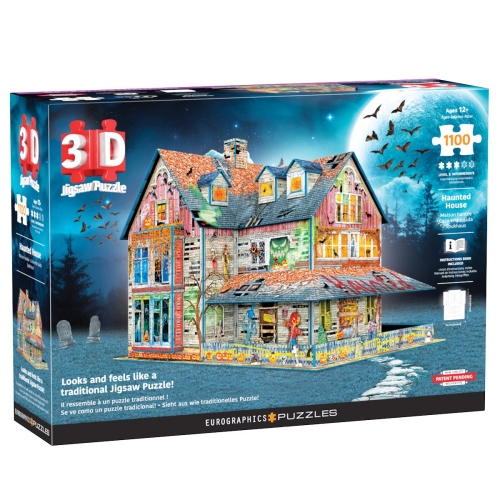
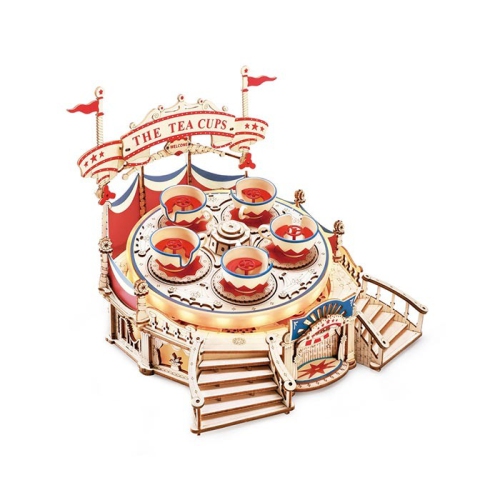

![OSMO - Genius Tangram Pieces [Electronics] In Multicolor](https://multimedia.bbycastatic.ca/multimedia/products/500x500/188/18884/18884528.jpeg)
![IAM8BIT Gorogoa - Exclusive [Nintendo Switch] Great game! I love it! Very different! Doesn’t fit into any one category mold](https://multimedia.bbycastatic.ca/multimedia/products/500x500/165/16590/16590529.jpeg)
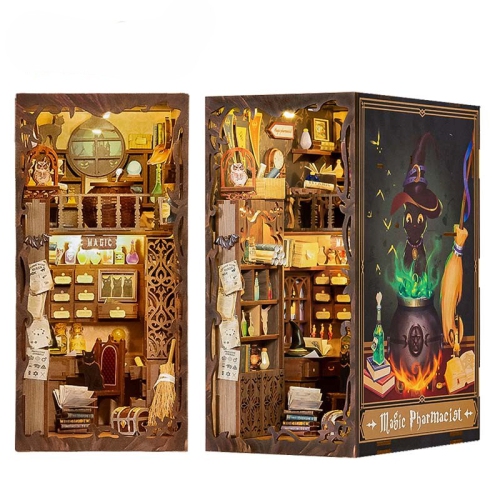
![GS2 GAMES Contraptions Collection [Playstation 4]](https://multimedia.bbycastatic.ca/multimedia/products/500x500/193/19382/19382857.jpeg)
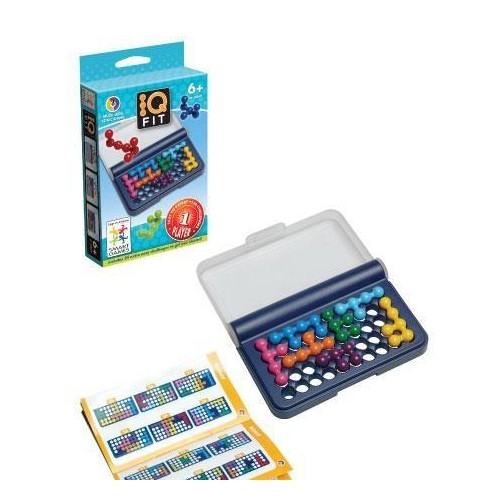



![GS2 GAMES Contraptions Collection [Playstation 5]](https://multimedia.bbycastatic.ca/multimedia/products/500x500/193/19382/19382773.jpeg)



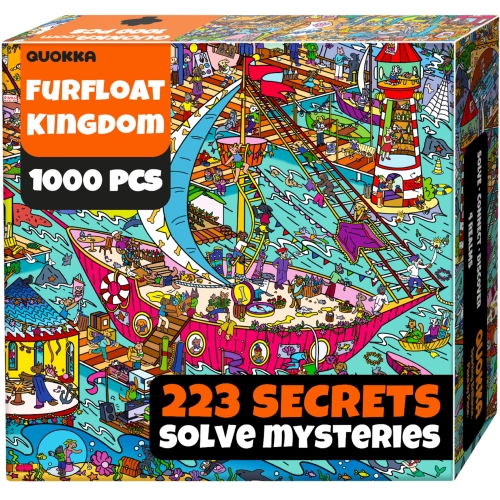
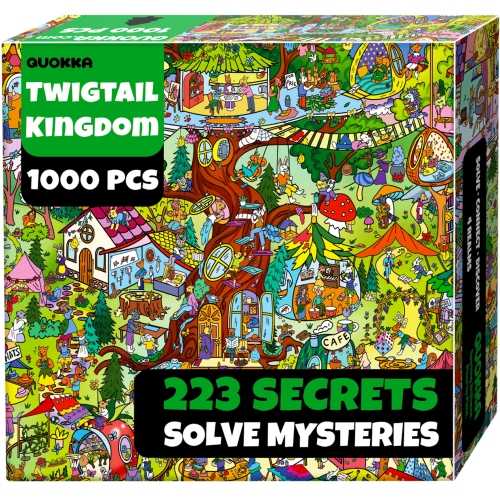
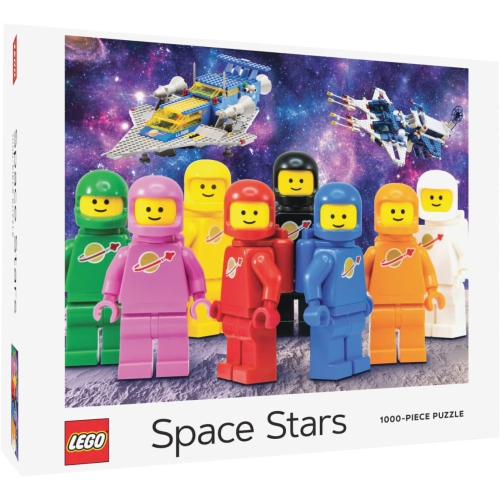
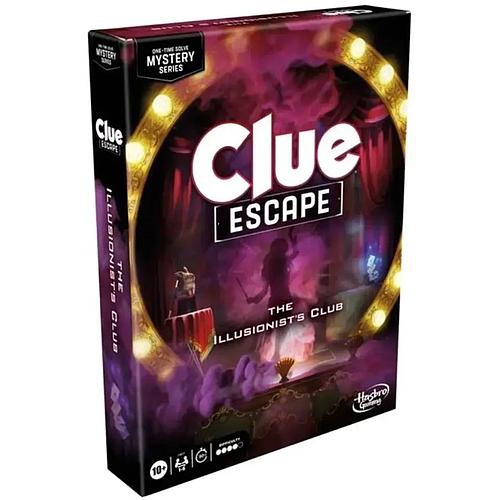

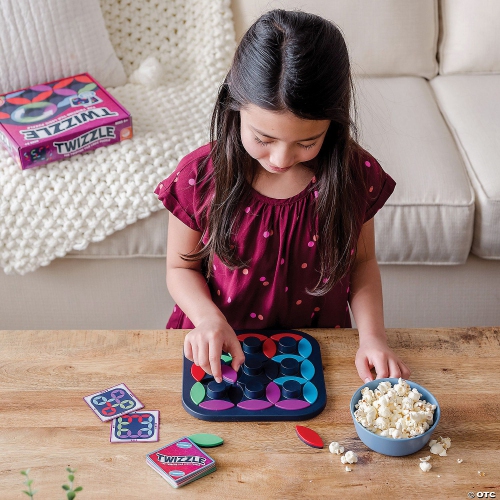
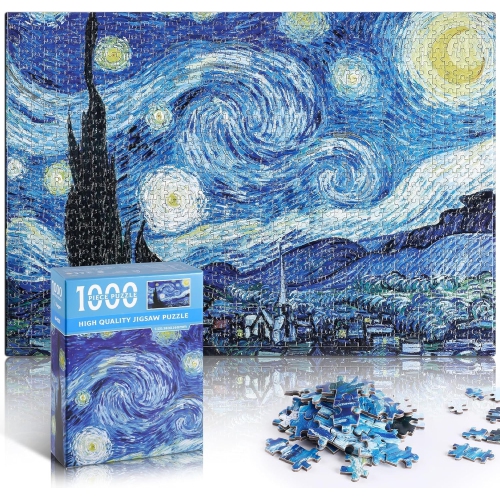
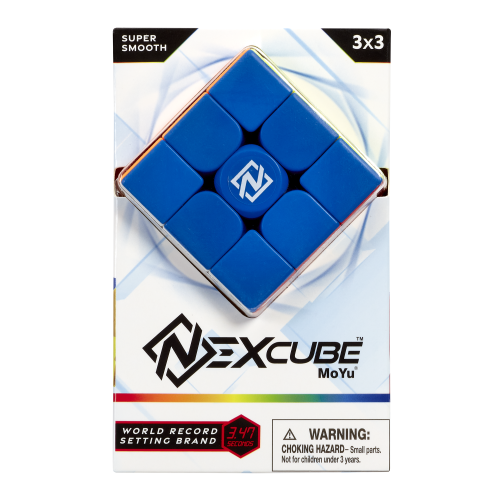
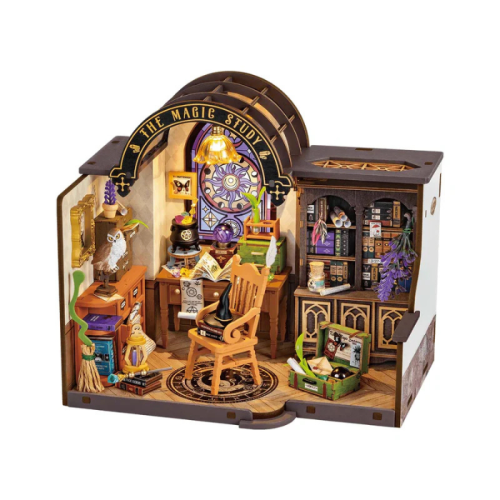


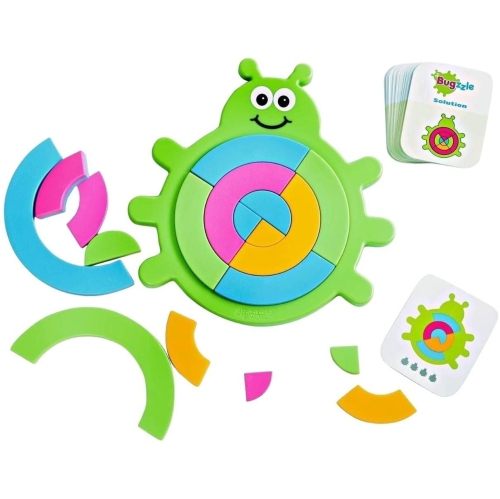

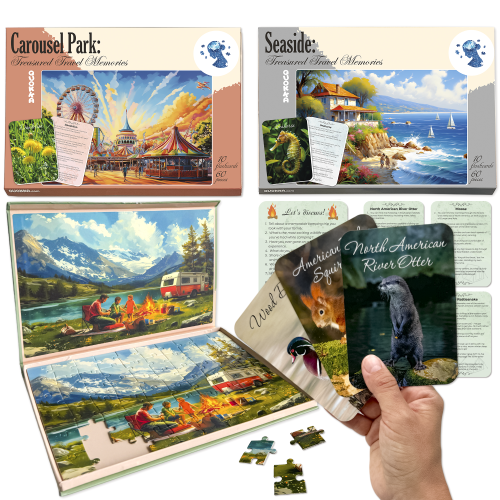
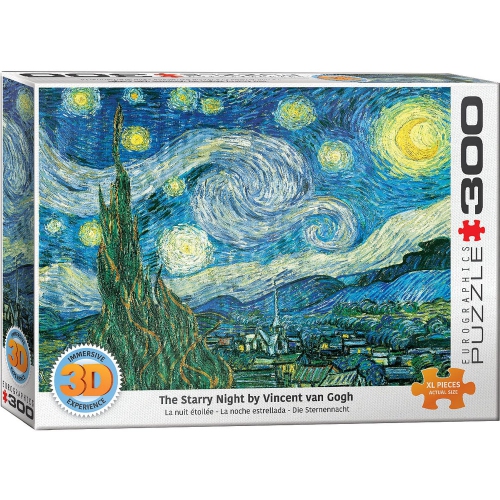

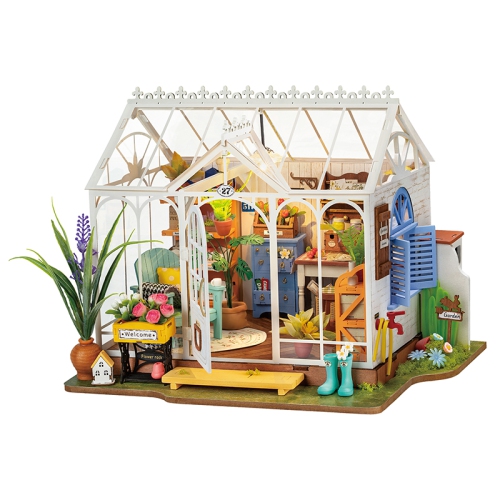
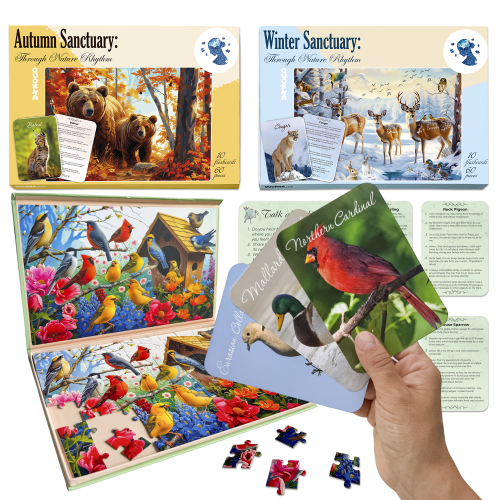
![WARNER BROS. Infinity Train: Book One - (Slipsleeve/digsleeve Packaging, Eco Amaray Case, Dolby) - [DVD]](https://multimedia.bbycastatic.ca/multimedia/products/500x500/165/16549/16549508.jpeg)
![ACID BATH PRODUCTION Mind Melters 62 - [DVD]](https://multimedia.bbycastatic.ca/multimedia/products/500x500/186/18615/18615277.jpeg)
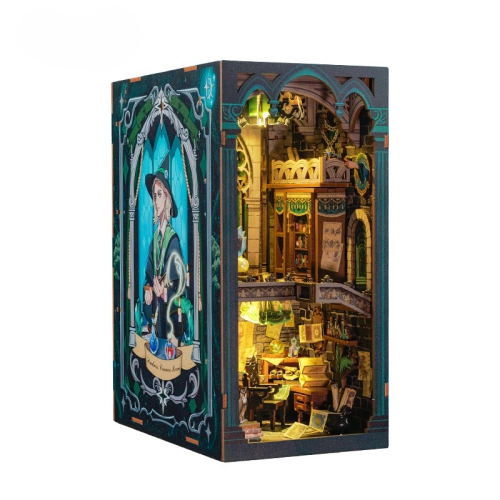
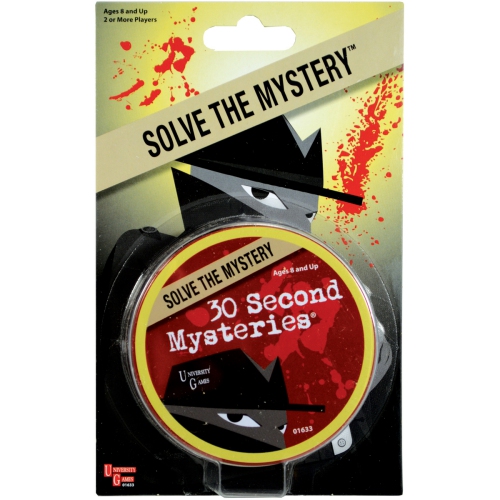
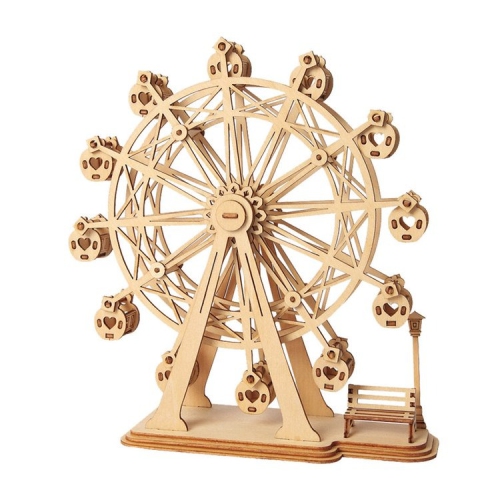

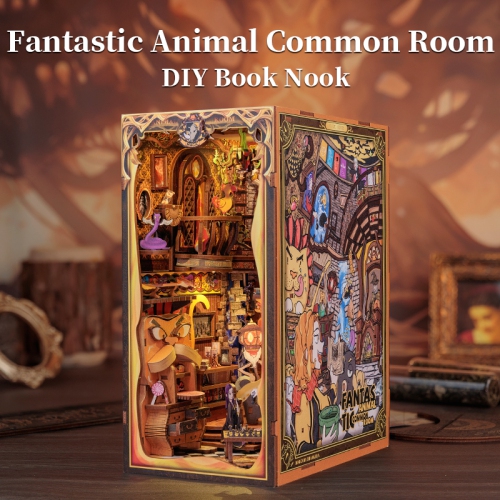




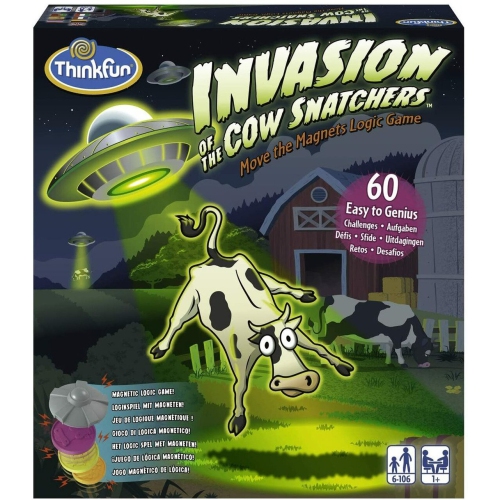
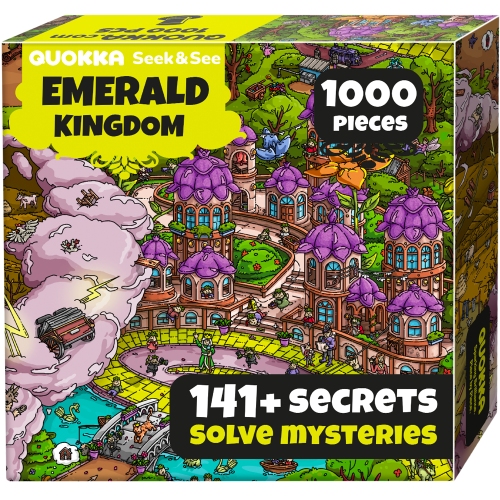
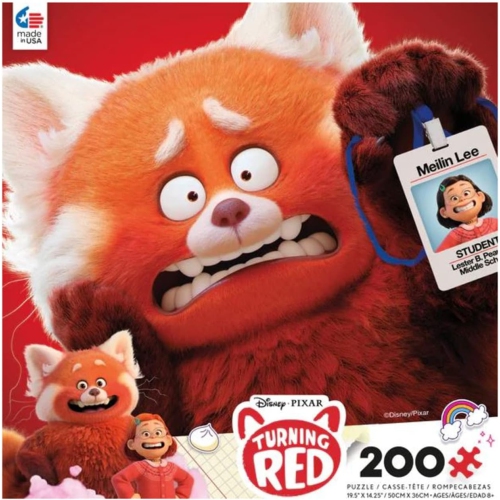
![BRAIN GAMES Deductio [Board Game, 2-4 Players]](https://multimedia.bbycastatic.ca/multimedia/products/500x500/198/19814/19814650.jpeg)
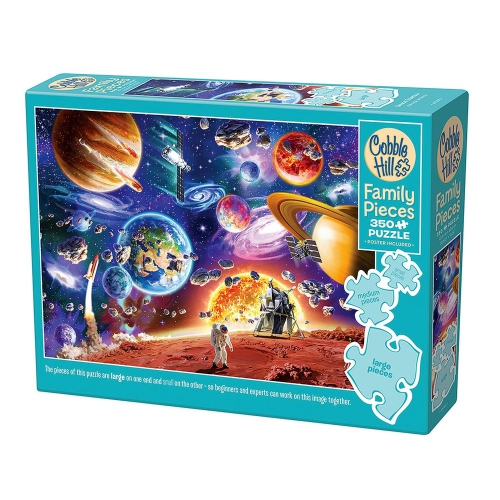
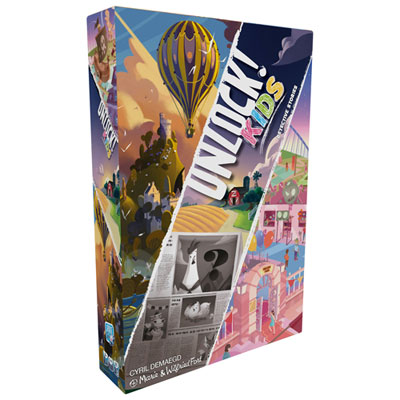
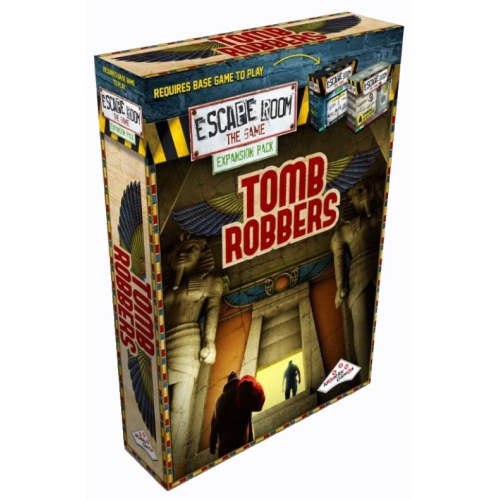
![SOEDESCO Ether One - Limited Steelbook Edition [Playstation 4]](https://multimedia.bbycastatic.ca/multimedia/products/500x500/165/16590/16590488.jpeg)
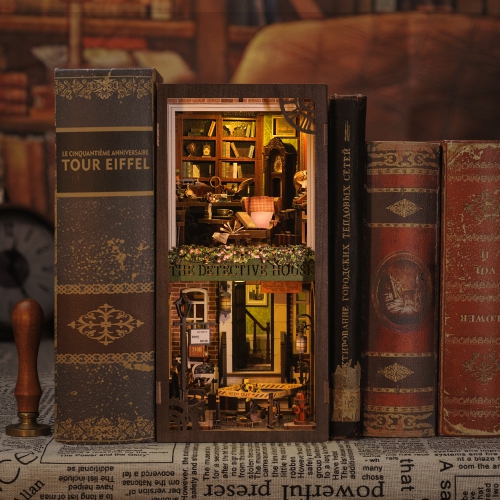














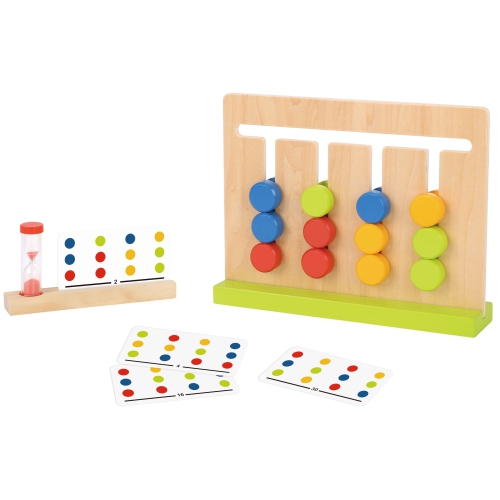

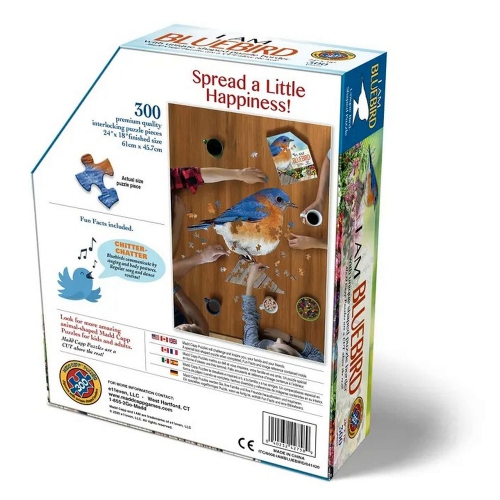
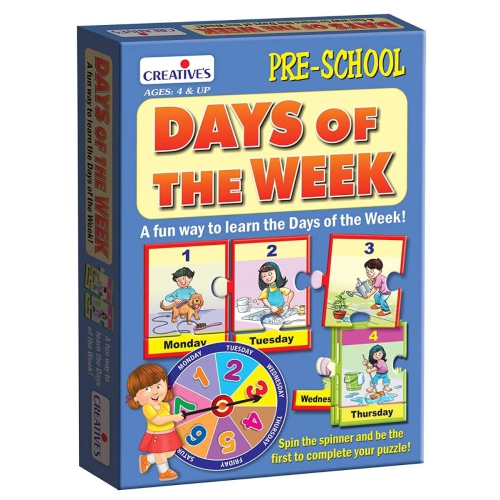

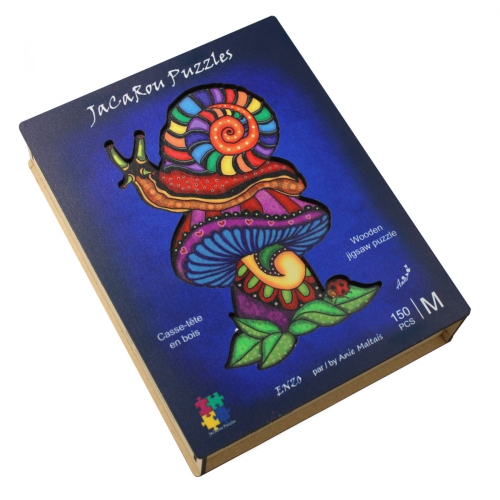

![CURVEBALL Puppet House [Playstation 5]](https://multimedia.bbycastatic.ca/multimedia/products/500x500/199/19957/19957172.jpeg)





![PERP GAMES Oxide: Room 104 [Playstation 5]](https://multimedia.bbycastatic.ca/multimedia/products/500x500/194/19476/19476944.jpeg)
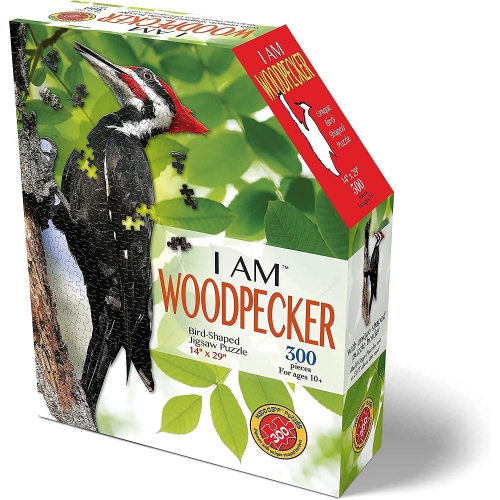


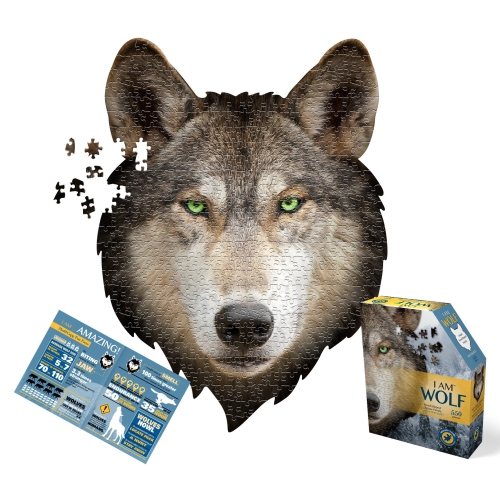


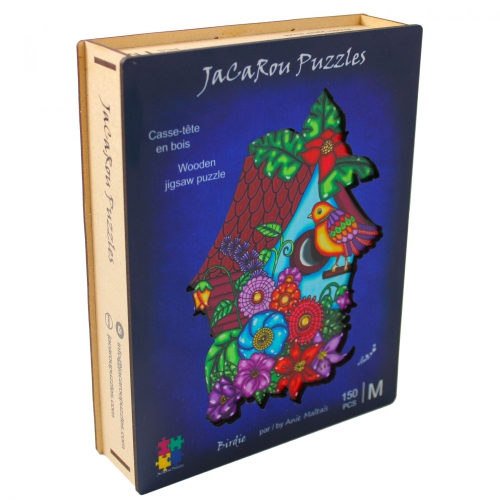
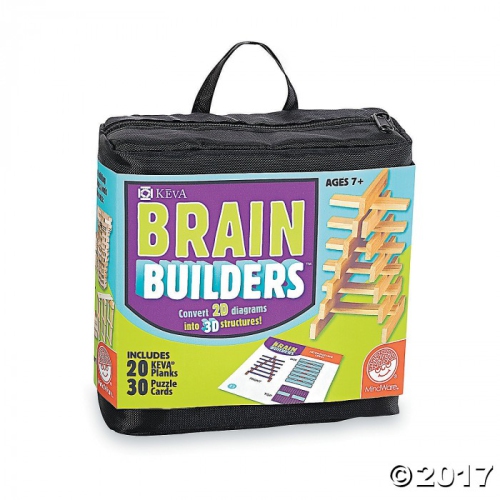

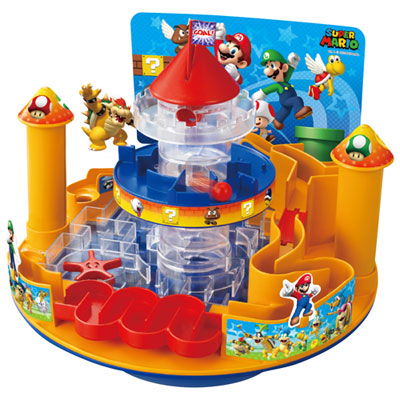
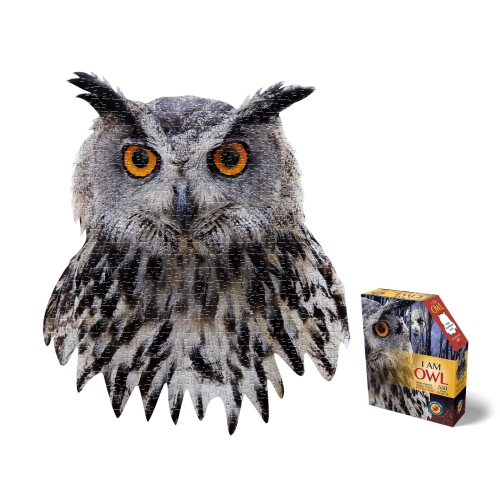
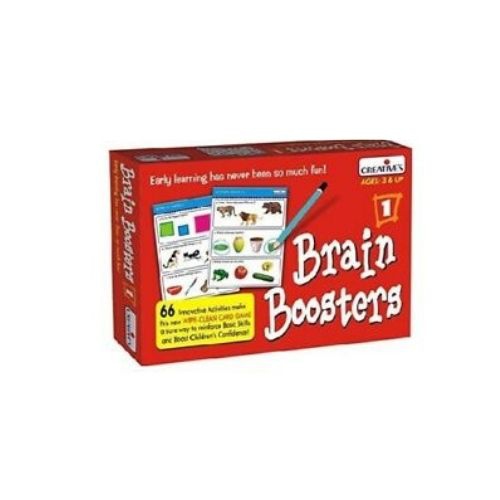

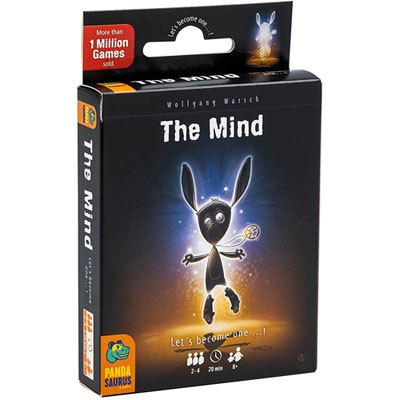

Challenge assumptions with logic, observation, and flexible thinking
Mind-bending puzzles are designed to interrupt familiar patterns and make the brain approach a problem from a different angle. Unlike activities that rely mainly on speed or memorization, these challenges often reward patience, careful observation, logic, and the willingness to question an initial assumption. A puzzle may ask you to arrange pieces in a particular way, identify an overlooked detail, solve a sequence, interpret a clue, or find a solution that is much simpler than it first appears. Some challenges are built around spatial reasoning, while others focus on numbers, words, visual patterns, deduction, or lateral thinking. The most satisfying puzzles often create a brief moment of uncertainty before the solution clicks into place. A familiar example is the electric train puzzle: if an electric train is travelling south while the wind blows north, there is no smoke because an electric train does not produce smoke. Another classic asks how long it takes to take three pills when one is taken every 30 minutes; the answer is one hour, counting the first pill immediately. These puzzles demonstrate how wording can guide the mind toward an assumption that is not supported by the actual details. A well-designed collection of mind-bending puzzles gives you many opportunities to practise that kind of flexible thinking, whether you prefer quick brain teasers, longer logic problems, challenging construction tasks, or puzzles that can be revisited until the solution becomes clear.
When choosing from a selection of mind-bending puzzles, consider the intended age range, difficulty level, playing style, and the amount of time available for each challenge. A compact set of short riddles or logic cards can be convenient for casual play, travel, family gatherings, or a quick break between other activities. Larger puzzles with multiple stages may be better suited to a quiet afternoon, a games night, or a dedicated puzzle table where pieces can remain undisturbed. For younger puzzlers, look for clear instructions, manageable steps, sturdy components, and challenges that introduce patterns, sorting, matching, counting, or simple deduction without becoming frustrating. Older children and adults may enjoy layered clues, unusual perspectives, spatial manipulation, wordplay, and problems with more than one stage. Difficulty is personal, so a puzzle labelled as challenging may feel approachable to an experienced solver and demanding to someone new to the format. It can be helpful to choose a range of challenge levels, especially when several people will be playing together. The physical design also matters: examine whether the pieces are easy to handle, whether the instructions explain the objective clearly, and whether the puzzle is intended for solo use or group participation. Some people enjoy working in silence and testing their own reasoning, while others like comparing approaches and talking through each possibility. Mind-bending puzzles can make thoughtful gifts for curious friends, students, family members, puzzle enthusiasts, and anyone who enjoys activities that engage the mind without relying on a screen. They can also be a practical addition to a game collection because they take up relatively little space and can suit many settings, from a kitchen table during the cooler months to a cottage, classroom, office lounge, or holiday gathering. For more unusual formats and inventive challenges, explore Unique Brain Teaser Puzzles.
The way a puzzle is used can shape the experience as much as the puzzle itself. Set aside a calm area with good lighting, spread out the pieces or clues, and read the instructions carefully before trying to solve anything. Resist the urge to force a solution based on the first idea that comes to mind; many mind-bending challenges are deliberately written to make one interpretation feel obvious. Instead, list the information that is certain, separate it from assumptions, and test each possibility one at a time. With a logic puzzle, it may help to make a small chart or mark off options as they are eliminated. With a visual or spatial puzzle, rotating the pieces, changing your viewing angle, or clearing the work area can reveal a relationship that was hidden in plain sight. For word-based challenges, read every phrase literally and pay attention to singular and plural wording, timing, direction, and what the puzzle does not say. A well-known riddle about a surgeon who cannot operate on an injured boy because he is the surgeon’s son illustrates the importance of examining assumptions: the surgeon can be the boy’s mother. The point is not to catch someone out, but to encourage more careful and open-ended thinking. When playing with others, give everyone time to develop an idea before offering hints, and treat an incorrect answer as part of the process rather than a failure. Younger players often benefit from solving alongside an adult who can model patience and explain how clues connect, while experienced players may prefer to work independently and compare solutions afterwards. Mind-bending puzzles are useful for a quiet solo activity, a screen-free family session, a small social gathering, or a gift that invites the recipient to pause and explore a new way of thinking. As the weather warms or the days become shorter, they can provide an engaging option for indoor and outdoor downtime alike, with challenges that turn a few spare minutes into a satisfying exercise in curiosity, deduction, and discovery.
When choosing from a selection of mind-bending puzzles, consider the intended age range, difficulty level, playing style, and the amount of time available for each challenge. A compact set of short riddles or logic cards can be convenient for casual play, travel, family gatherings, or a quick break between other activities. Larger puzzles with multiple stages may be better suited to a quiet afternoon, a games night, or a dedicated puzzle table where pieces can remain undisturbed. For younger puzzlers, look for clear instructions, manageable steps, sturdy components, and challenges that introduce patterns, sorting, matching, counting, or simple deduction without becoming frustrating. Older children and adults may enjoy layered clues, unusual perspectives, spatial manipulation, wordplay, and problems with more than one stage. Difficulty is personal, so a puzzle labelled as challenging may feel approachable to an experienced solver and demanding to someone new to the format. It can be helpful to choose a range of challenge levels, especially when several people will be playing together. The physical design also matters: examine whether the pieces are easy to handle, whether the instructions explain the objective clearly, and whether the puzzle is intended for solo use or group participation. Some people enjoy working in silence and testing their own reasoning, while others like comparing approaches and talking through each possibility. Mind-bending puzzles can make thoughtful gifts for curious friends, students, family members, puzzle enthusiasts, and anyone who enjoys activities that engage the mind without relying on a screen. They can also be a practical addition to a game collection because they take up relatively little space and can suit many settings, from a kitchen table during the cooler months to a cottage, classroom, office lounge, or holiday gathering. For more unusual formats and inventive challenges, explore Unique Brain Teaser Puzzles.
The way a puzzle is used can shape the experience as much as the puzzle itself. Set aside a calm area with good lighting, spread out the pieces or clues, and read the instructions carefully before trying to solve anything. Resist the urge to force a solution based on the first idea that comes to mind; many mind-bending challenges are deliberately written to make one interpretation feel obvious. Instead, list the information that is certain, separate it from assumptions, and test each possibility one at a time. With a logic puzzle, it may help to make a small chart or mark off options as they are eliminated. With a visual or spatial puzzle, rotating the pieces, changing your viewing angle, or clearing the work area can reveal a relationship that was hidden in plain sight. For word-based challenges, read every phrase literally and pay attention to singular and plural wording, timing, direction, and what the puzzle does not say. A well-known riddle about a surgeon who cannot operate on an injured boy because he is the surgeon’s son illustrates the importance of examining assumptions: the surgeon can be the boy’s mother. The point is not to catch someone out, but to encourage more careful and open-ended thinking. When playing with others, give everyone time to develop an idea before offering hints, and treat an incorrect answer as part of the process rather than a failure. Younger players often benefit from solving alongside an adult who can model patience and explain how clues connect, while experienced players may prefer to work independently and compare solutions afterwards. Mind-bending puzzles are useful for a quiet solo activity, a screen-free family session, a small social gathering, or a gift that invites the recipient to pause and explore a new way of thinking. As the weather warms or the days become shorter, they can provide an engaging option for indoor and outdoor downtime alike, with challenges that turn a few spare minutes into a satisfying exercise in curiosity, deduction, and discovery.
Top selling and popular products
-
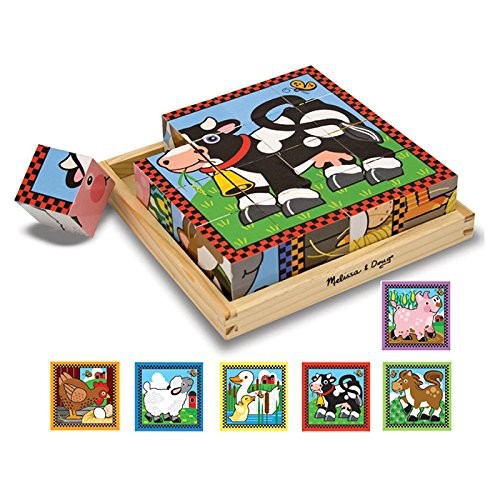 Your price for this item is $32.99
 -
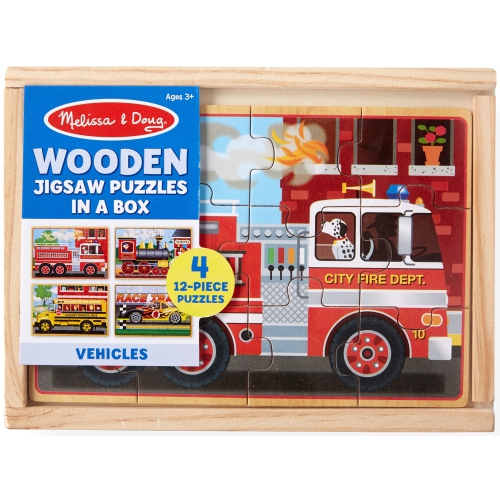 Your price for this item is $35.99
 -
 Your price for this item is $30.99
 -
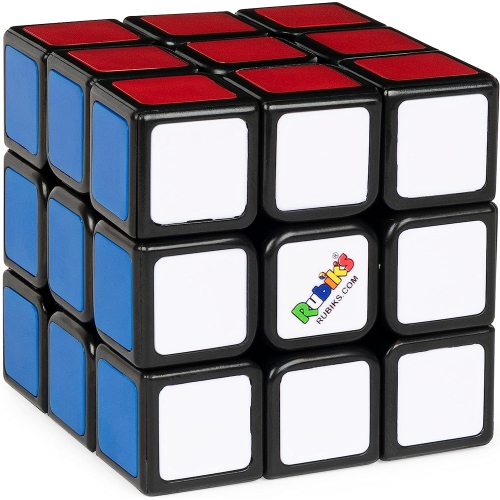 Your price for this item is $26.93
 -
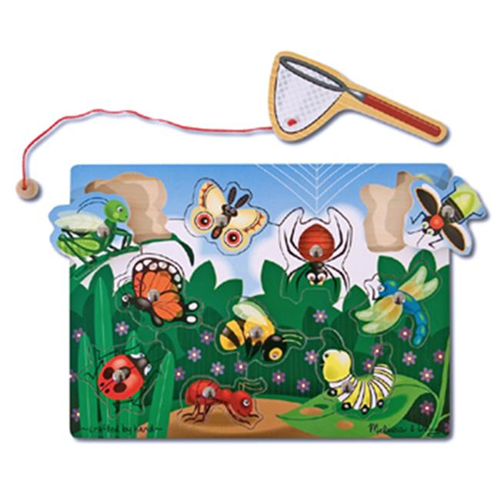 Your price for this item is $29.99
 -
 Your price for this item is $36.99
 -
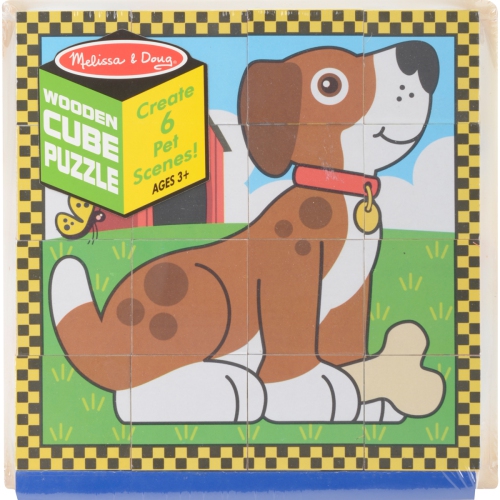 Your price for this item is $32.99
 -
 Your price for this item is $34.9
Discover more categories related to Mind Bending Puzzles
Top Collections:
Pokemon Centers, Best Cameras for Sports Photography, Kindle Devices, Samsung Galaxy Phones, Canon G7X Cameras, Pokémon 30th Celebration Cards, Refurbished Apple Laptops, iPhone 15 Apple, Laptops for Students, Budget Smartphones
Some products may be subject to Environmental Handling Fees
(EHF) depending on your province.
Learn more about EHFs.