Difficult Puzzles
Dive into the world of challenging puzzles that promise to captivate and intrigue both novice and seasoned puzzle enthusiasts. With a variety of complex designs and intricate patterns, these puzzles offer the perfect blend of mental stimulation and entertainment. Whether you're looking to unwind after a long day or seeking a rewarding activity to engage your mind, our selection provides endless opportunities for discovery and satisfaction. Explore puzzles that test your patience, enhance your problem-solving skills, and deliver hours of immersive fun.
Sort

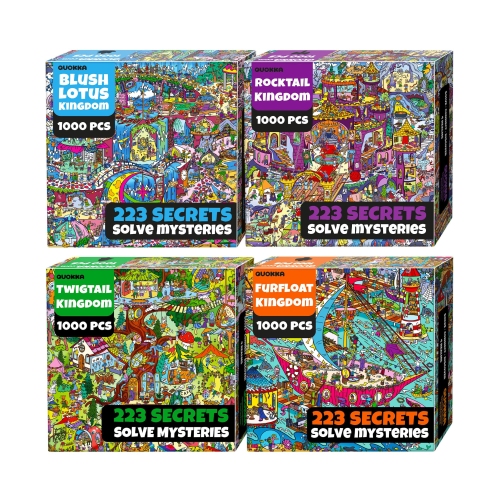
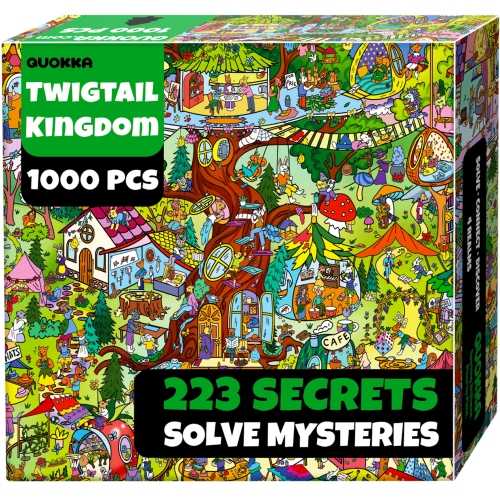
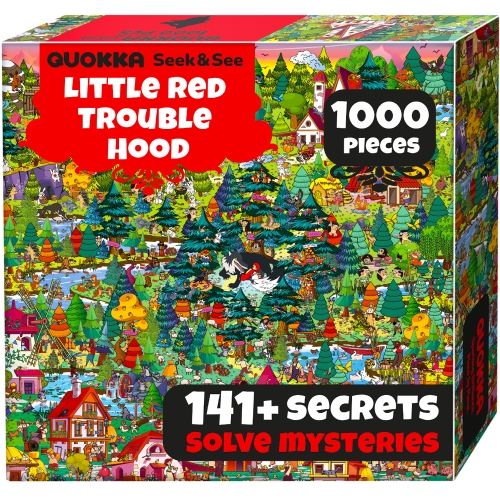
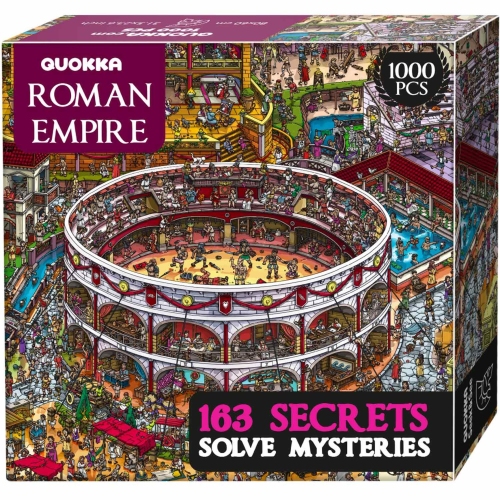
![IAM8BIT Gorogoa - Exclusive [Nintendo Switch] Great game! I love it! Very different! Doesn’t fit into any one category mold](https://multimedia.bbycastatic.ca/multimedia/products/500x500/165/16590/16590529.jpeg)
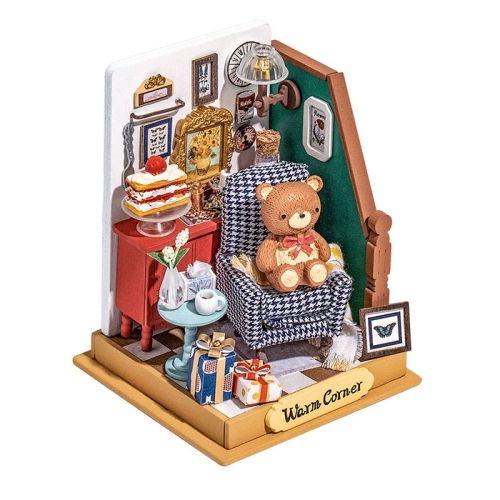
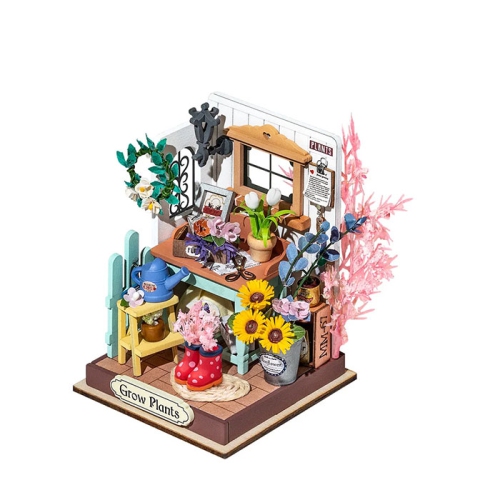
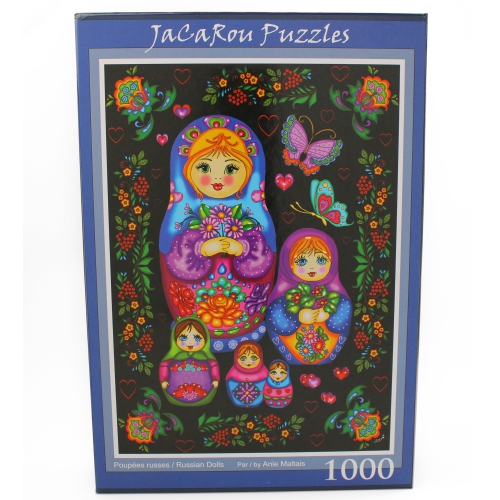
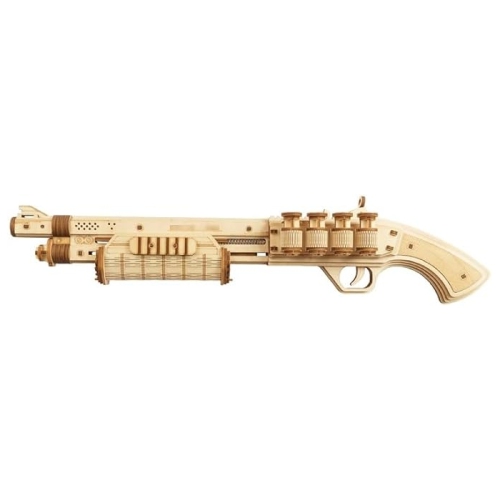
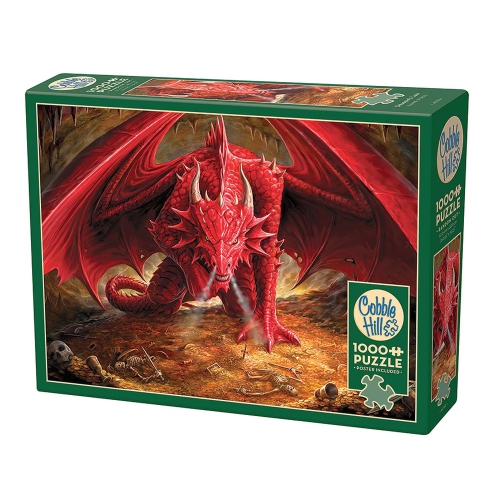
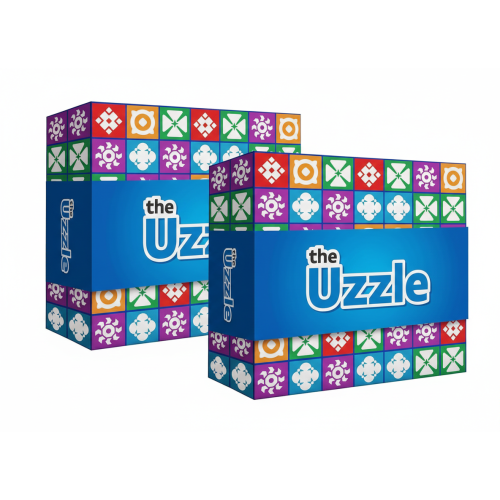
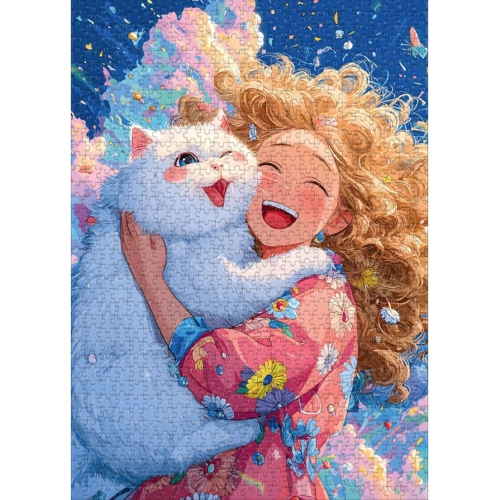

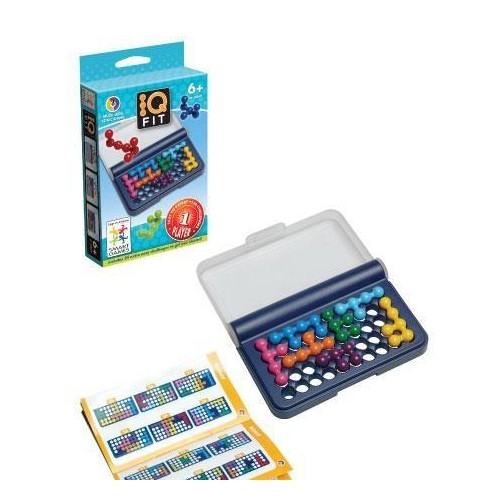
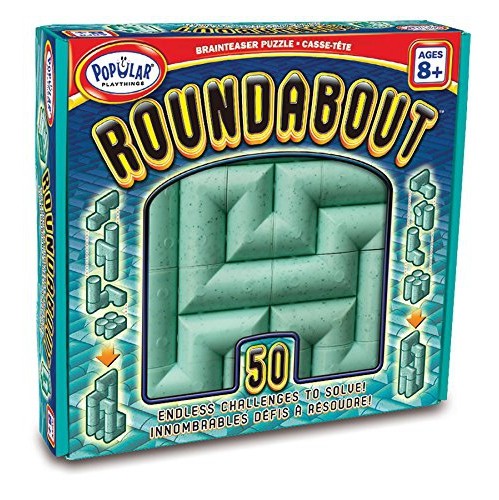
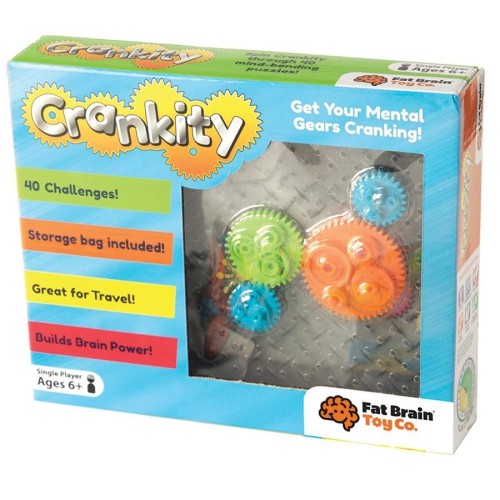
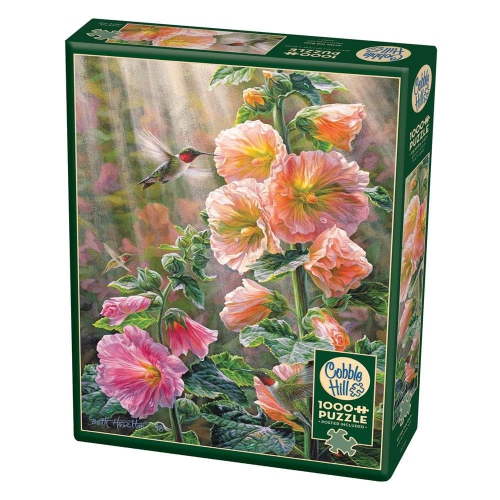
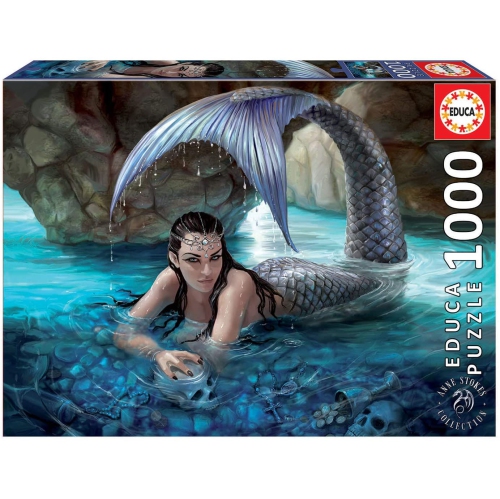
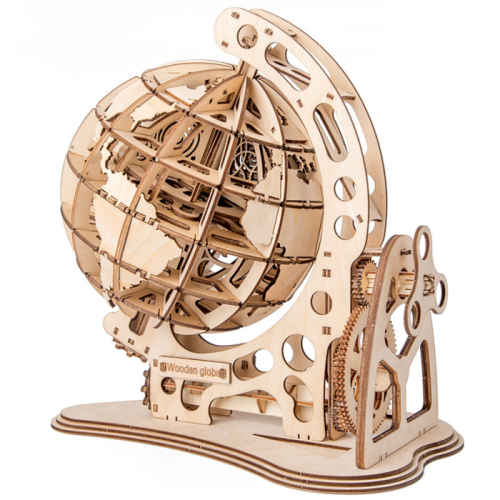
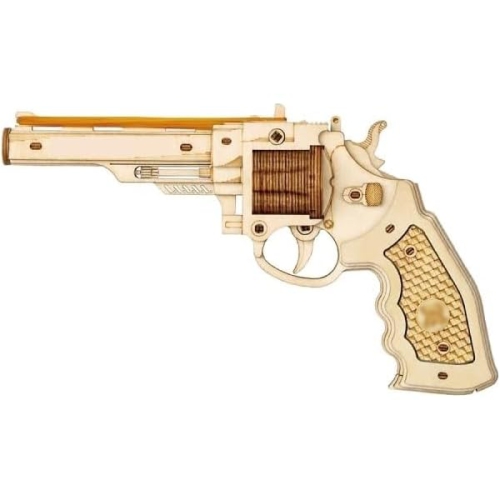
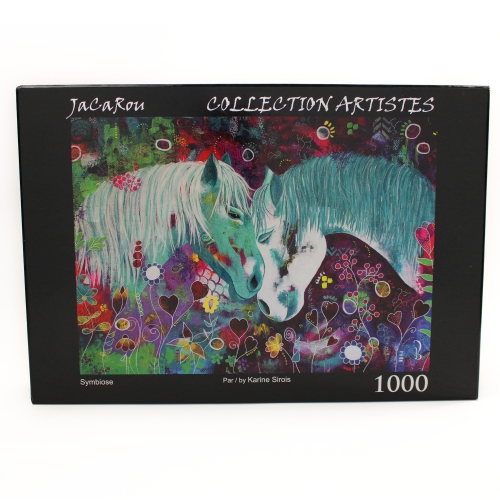
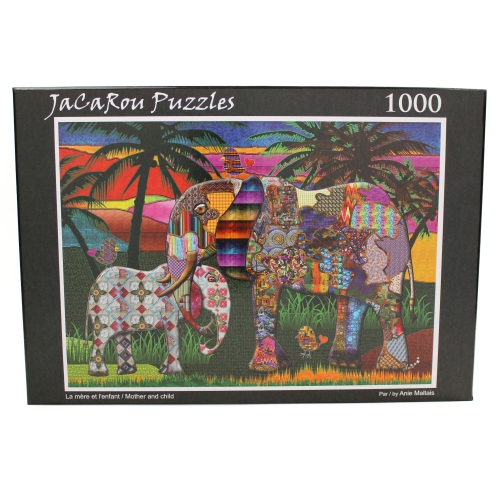
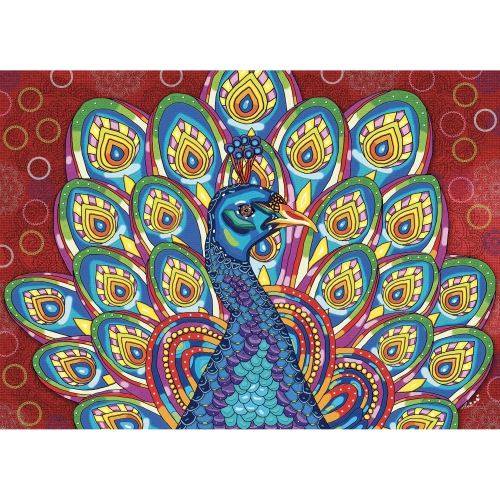
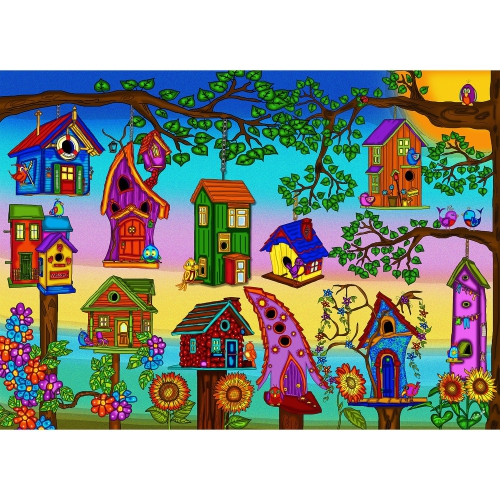
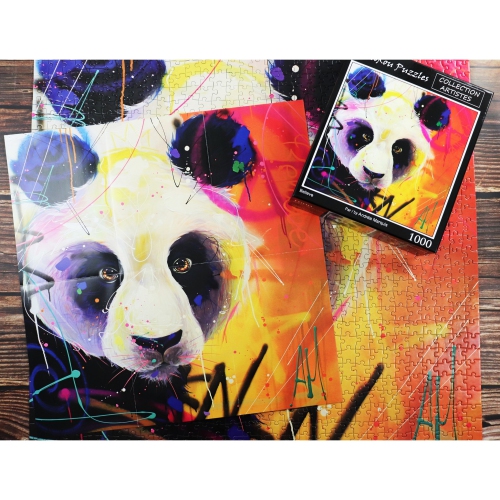
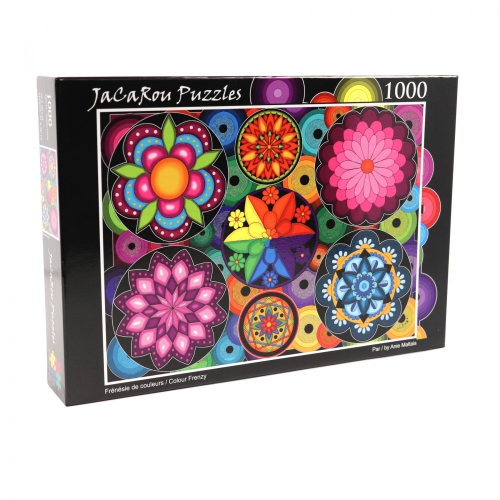
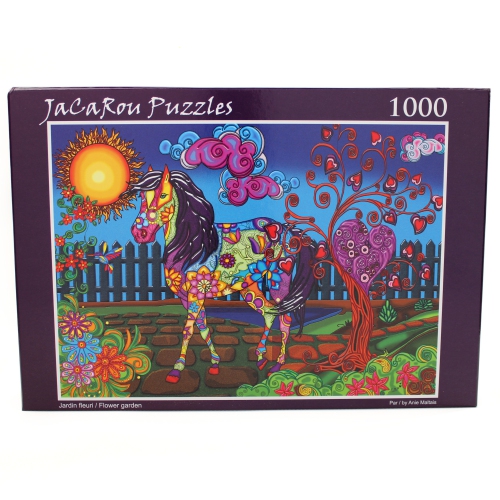
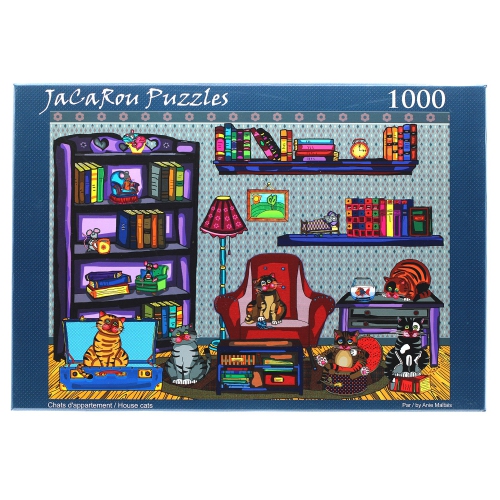
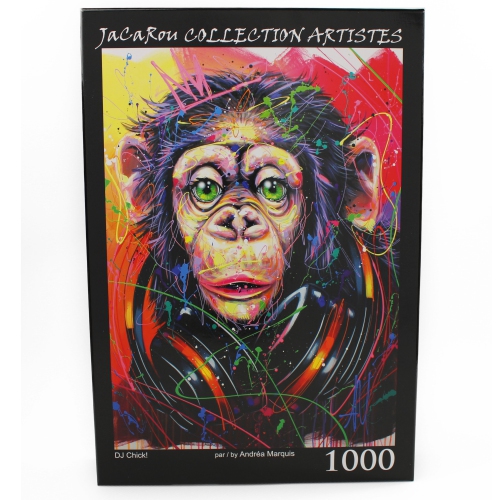
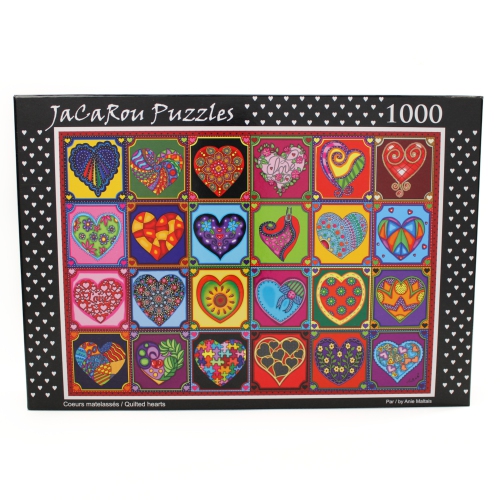
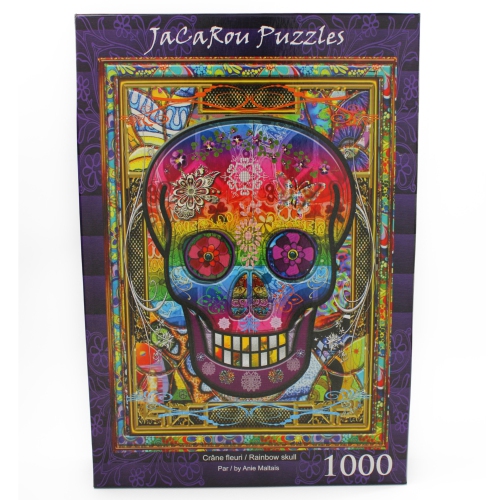
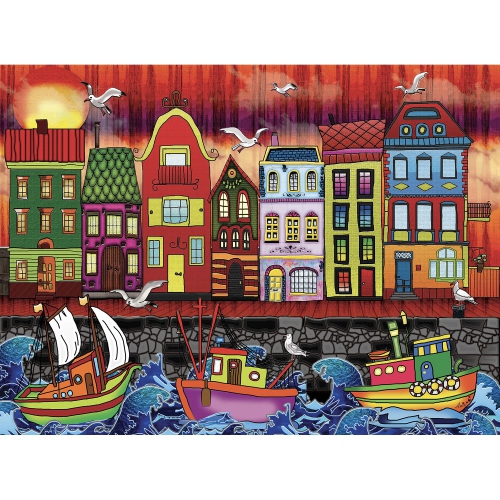
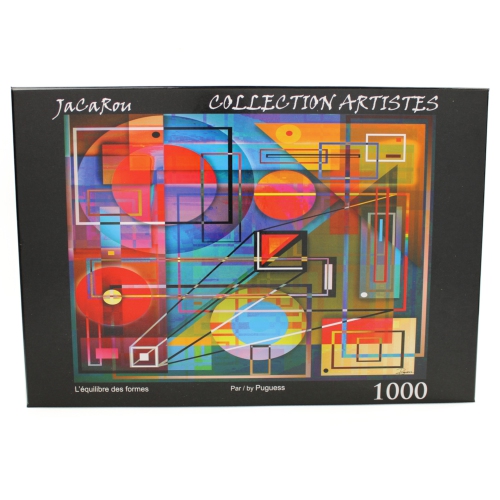
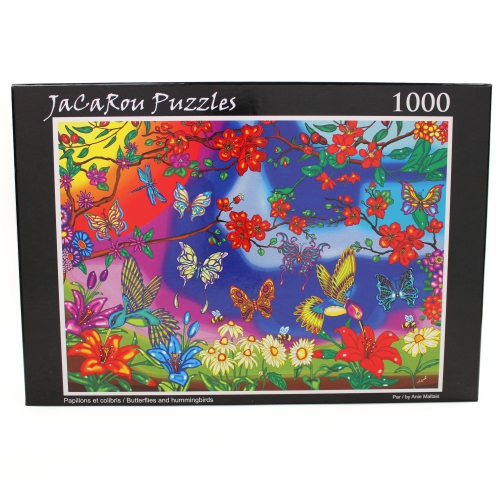
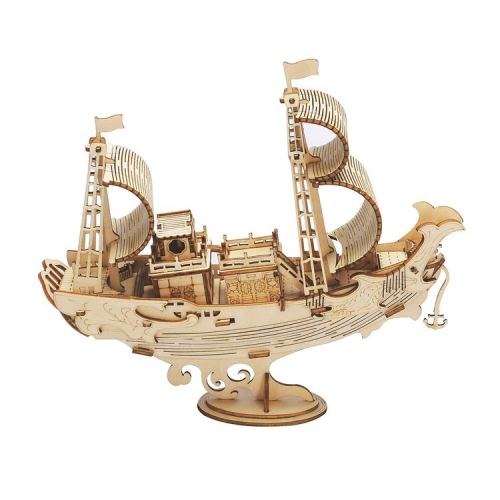
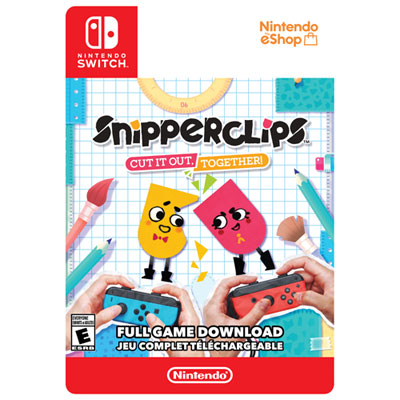
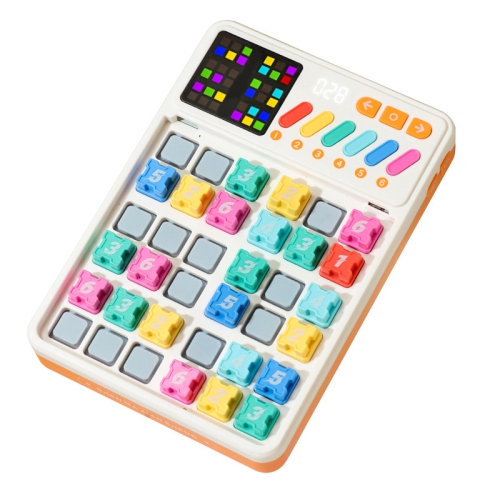
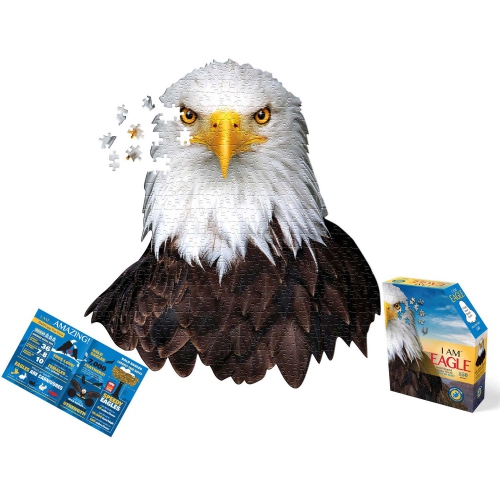
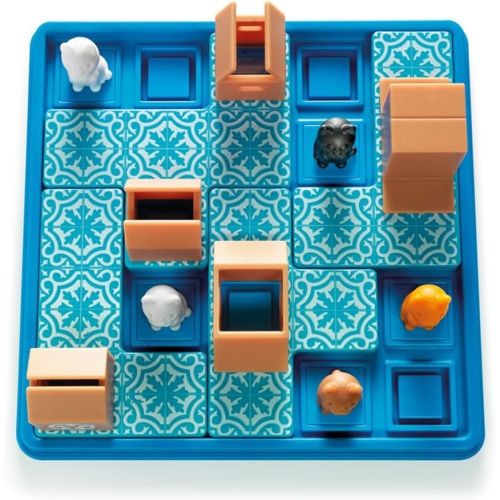
Challenges that reward patience, focus, and persistence
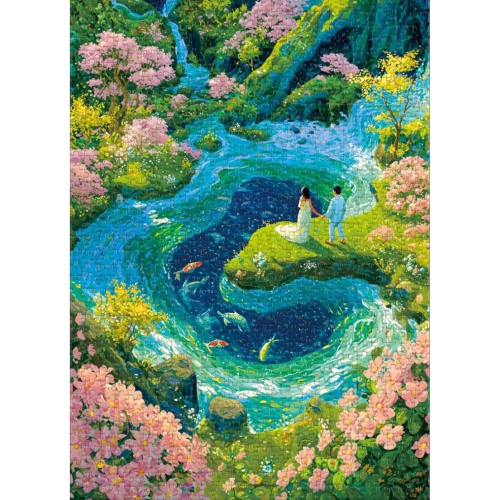
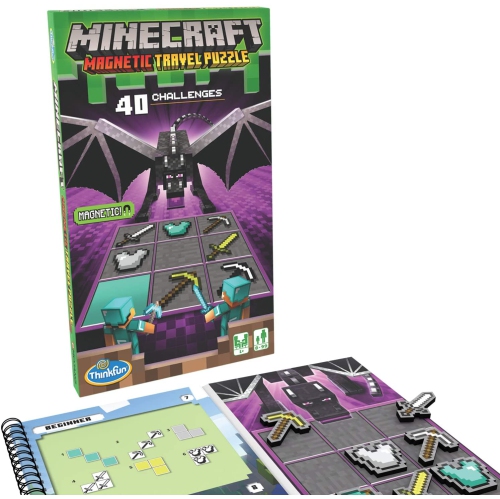
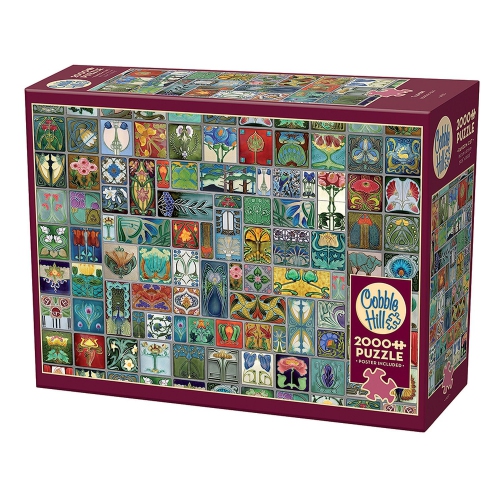
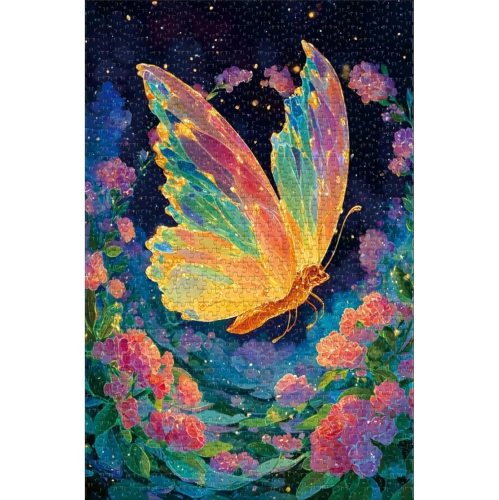
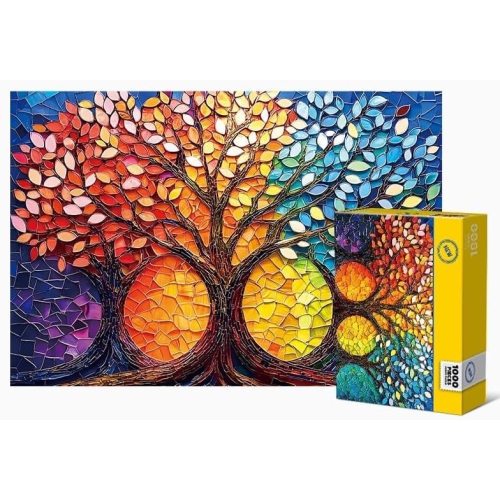
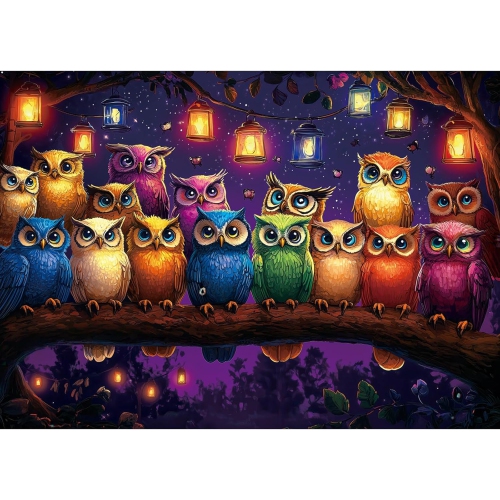
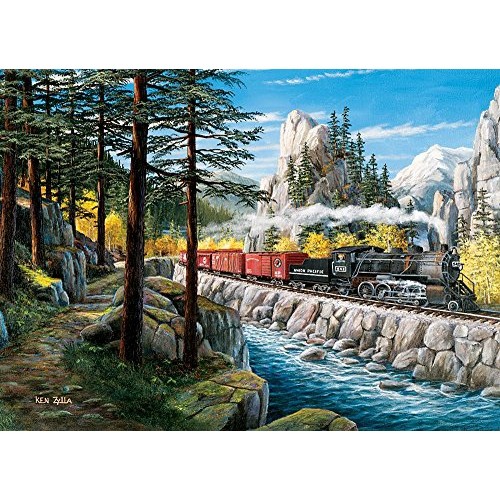
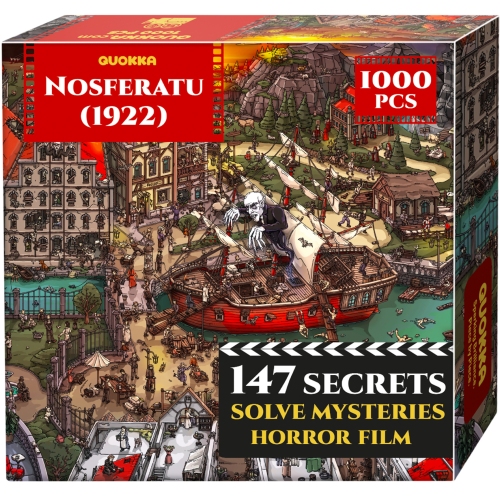
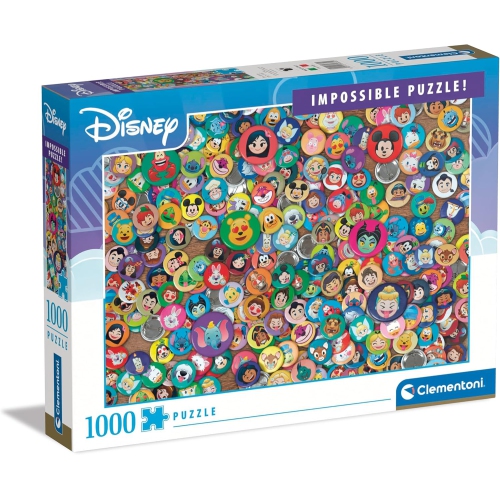
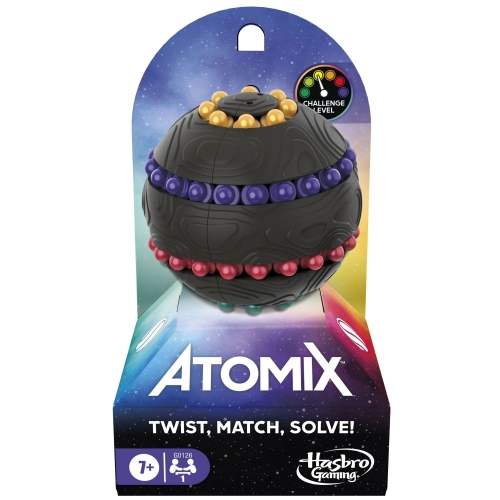
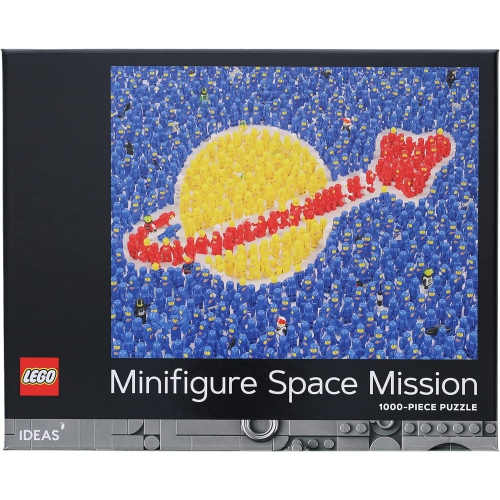
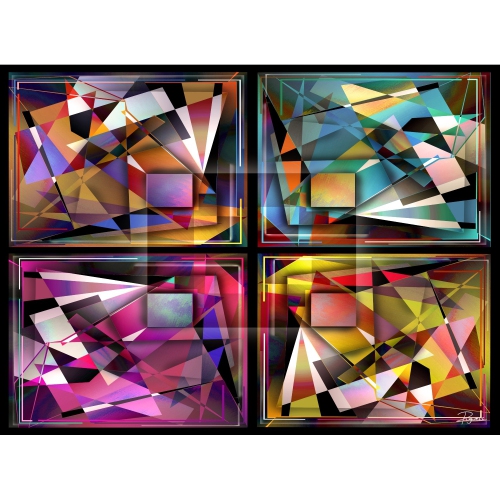
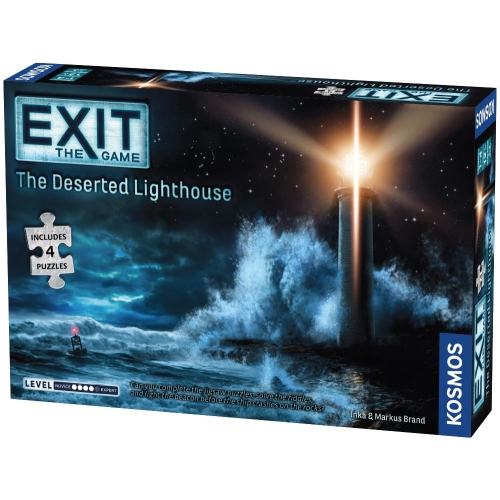
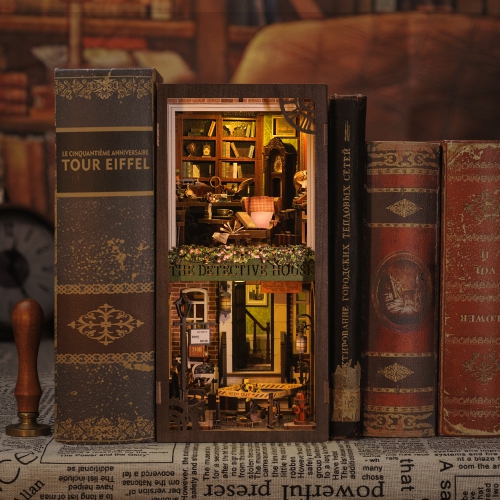
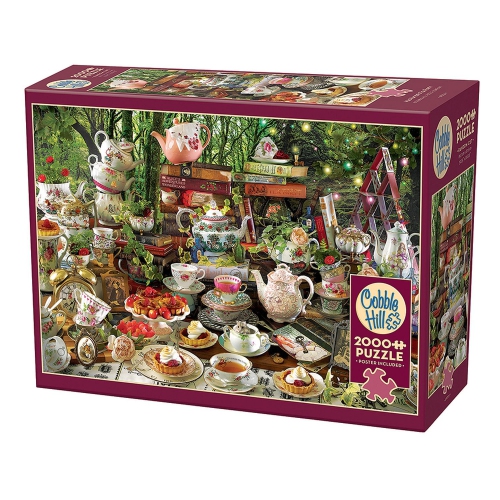
Difficult puzzles are designed for people who enjoy a genuine mental workout rather than a quick, familiar activity. They can take the form of challenging jigsaw puzzles, intricate metal disentanglement puzzles, sequential puzzle boxes, logic games, or riddles that require several stages of deduction. Unlike easier puzzles that can be completed in a single sitting, these designs reward patience, observation, and a willingness to try several approaches before finding the solution. A demanding jigsaw may use a single colour, a repeated pattern, an unusual image, or pieces with distinctive shapes that offer few obvious clues. Transparent puzzles can be especially deceptive because the pieces may look nearly identical until light, edges, and subtle contours reveal how they connect. Some compact puzzles add further difficulty with reversible pieces, misleading corners, or shapes that appear to fit in more than one location. Metal brain teasers create a different kind of challenge: the goal may be to separate interlocked components, release a hidden piece, or return a tangled structure to its original form. Sequential puzzle boxes often combine sliding panels, concealed compartments, symbols, and carefully ordered movements, making them appealing to anyone who likes to solve a mystery with their hands. These products are well suited to experienced puzzlers, escape-room enthusiasts, strategy game players, and anyone who prefers activities that encourage concentration away from screens. They can also make thoughtful gifts for birthdays, housewarmings, family gatherings, or the cooler months when people naturally spend more time enjoying quiet indoor hobbies. A difficult puzzle is easy to wrap, simple to store, and capable of providing hours of engagement long after the occasion has passed. For shoppers drawn to unusual formats, imaginative mechanisms, and puzzles that feel different from a traditional picture-based challenge, exploring Unique Puzzles can help broaden the search.
Choosing the right difficult puzzle starts with matching the format to the solver’s personality and preferred style of thinking. Traditional jigsaw fans may enjoy a large piece count, an image with minimal variation, or a design without a conventional reference picture, while someone who prefers hands-on problem solving may respond better to a metal construction that must be taken apart and reassembled. Consider how the puzzle creates difficulty before making a purchase. A high piece count increases the time required, but it is not the only measure of challenge; a smaller design with repeated shapes or deceptive details can be more demanding than a larger, highly illustrated puzzle. For transparent or monochromatic designs, look for information about the material, piece finish, thickness, and whether the completed puzzle can be displayed or stored easily. For metal puzzles, the shape, weight, finish, and construction can affect how satisfying the pieces feel during repeated attempts. A compact puzzle can be ideal for a desk, travel bag, or small shelf, although tiny components may be less suitable for young children or households where pieces could be misplaced. Puzzle boxes and sequential designs often benefit from a sturdy build and clearly described difficulty rating, especially when the recipient is new to this type of challenge. Difficulty labels are helpful, but they are not perfectly consistent from one format to another, so it is worth checking the recommended age, dimensions, number of components, and any available details about the solving experience. Storage matters as well: a jigsaw in progress needs a flat surface or sorting trays, while a metal or mechanical puzzle can usually return to a shelf between attempts. A well-chosen difficult puzzle should feel demanding without becoming frustrating at every turn. Look for a challenge that suits the person’s available time, patience, and experience, whether that means a short but clever brain teaser for occasional breaks or an absorbing project that can remain on the dining table through a weekend.
These puzzles also work well as shared activities, even when only one person is moving the pieces or testing a solution. Friends and family may gather around a table to sort colours, debate possible moves, or offer a fresh perspective after someone has been focused on the same section for too long. In my experience, the most memorable puzzle sessions are rarely silent from beginning to end: they include the satisfying click of a piece settling into place, a burst of laughter when an apparent shortcut fails, and the small triumph of noticing a detail that had been overlooked. A difficult puzzle can provide that same sense of discovery when used alone, creating a calm routine for a quiet evening, a rainy afternoon, or a break between busier activities as the weather warms and later during the cooler months. For gift-giving, think about the recipient’s interests and surroundings. A visually striking jigsaw may suit someone who enjoys creative projects and wants a finished piece to display, while a metal disentanglement puzzle can appeal to a collector of desk accessories, mechanical objects, or hands-on challenges. A puzzle box adds an element of ceremony and can be used to hold a small note or gift, provided its size and opening mechanism are appropriate for the intended recipient. Families should check age guidance and supervise younger children around small pieces, while adult solvers may appreciate advanced difficulty levels, unusual materials, and designs with little or no visual guidance. It is also useful to consider whether the puzzle has a single solution, multiple possible arrangements, or a resettable mechanism that supports repeated play. With the right choice, difficult puzzles become more than a one-time diversion: they offer a tactile way to build focus, practise spatial reasoning, test persistence, and share a rewarding sense of progress.
Choosing the right difficult puzzle starts with matching the format to the solver’s personality and preferred style of thinking. Traditional jigsaw fans may enjoy a large piece count, an image with minimal variation, or a design without a conventional reference picture, while someone who prefers hands-on problem solving may respond better to a metal construction that must be taken apart and reassembled. Consider how the puzzle creates difficulty before making a purchase. A high piece count increases the time required, but it is not the only measure of challenge; a smaller design with repeated shapes or deceptive details can be more demanding than a larger, highly illustrated puzzle. For transparent or monochromatic designs, look for information about the material, piece finish, thickness, and whether the completed puzzle can be displayed or stored easily. For metal puzzles, the shape, weight, finish, and construction can affect how satisfying the pieces feel during repeated attempts. A compact puzzle can be ideal for a desk, travel bag, or small shelf, although tiny components may be less suitable for young children or households where pieces could be misplaced. Puzzle boxes and sequential designs often benefit from a sturdy build and clearly described difficulty rating, especially when the recipient is new to this type of challenge. Difficulty labels are helpful, but they are not perfectly consistent from one format to another, so it is worth checking the recommended age, dimensions, number of components, and any available details about the solving experience. Storage matters as well: a jigsaw in progress needs a flat surface or sorting trays, while a metal or mechanical puzzle can usually return to a shelf between attempts. A well-chosen difficult puzzle should feel demanding without becoming frustrating at every turn. Look for a challenge that suits the person’s available time, patience, and experience, whether that means a short but clever brain teaser for occasional breaks or an absorbing project that can remain on the dining table through a weekend.
These puzzles also work well as shared activities, even when only one person is moving the pieces or testing a solution. Friends and family may gather around a table to sort colours, debate possible moves, or offer a fresh perspective after someone has been focused on the same section for too long. In my experience, the most memorable puzzle sessions are rarely silent from beginning to end: they include the satisfying click of a piece settling into place, a burst of laughter when an apparent shortcut fails, and the small triumph of noticing a detail that had been overlooked. A difficult puzzle can provide that same sense of discovery when used alone, creating a calm routine for a quiet evening, a rainy afternoon, or a break between busier activities as the weather warms and later during the cooler months. For gift-giving, think about the recipient’s interests and surroundings. A visually striking jigsaw may suit someone who enjoys creative projects and wants a finished piece to display, while a metal disentanglement puzzle can appeal to a collector of desk accessories, mechanical objects, or hands-on challenges. A puzzle box adds an element of ceremony and can be used to hold a small note or gift, provided its size and opening mechanism are appropriate for the intended recipient. Families should check age guidance and supervise younger children around small pieces, while adult solvers may appreciate advanced difficulty levels, unusual materials, and designs with little or no visual guidance. It is also useful to consider whether the puzzle has a single solution, multiple possible arrangements, or a resettable mechanism that supports repeated play. With the right choice, difficult puzzles become more than a one-time diversion: they offer a tactile way to build focus, practise spatial reasoning, test persistence, and share a rewarding sense of progress.
Top selling and popular products
-
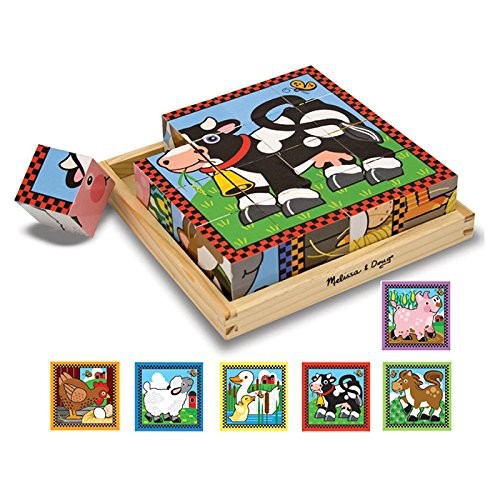 Your price for this item is $32.99
 -
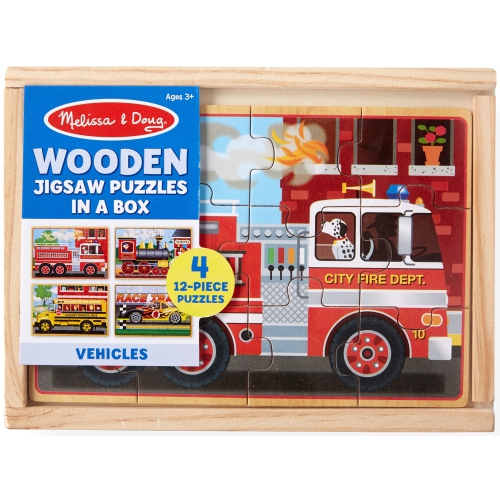 Your price for this item is $35.99
 -
 Your price for this item is $30.99
 -
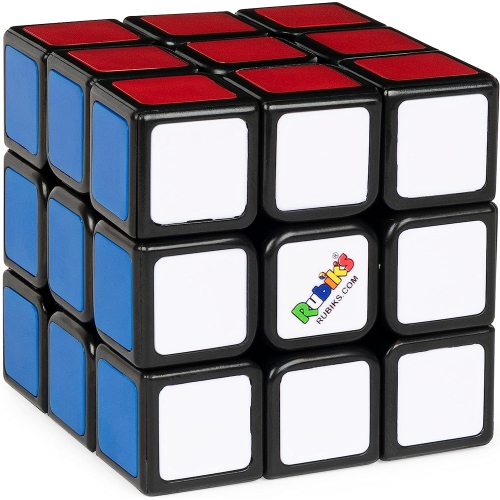 Your price for this item is $26.93
 -
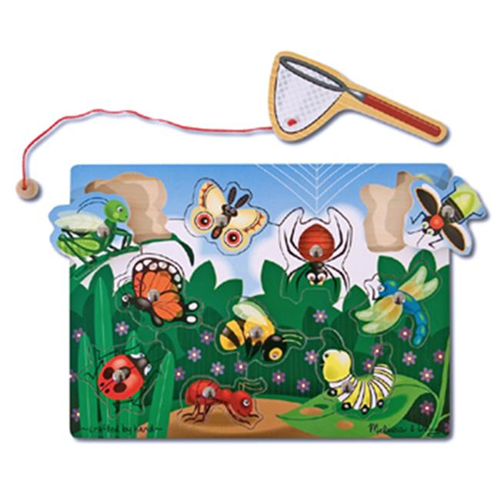 Your price for this item is $29.99
 -
 Your price for this item is $36.99
 -
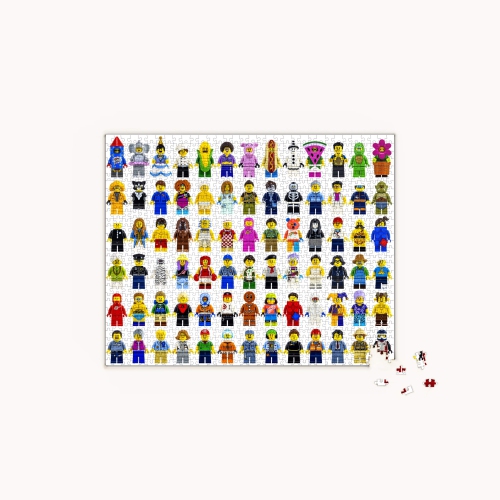 Your price for this item is $34.9
 -
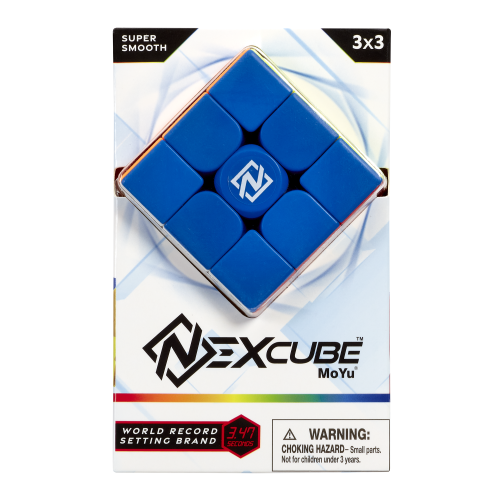 Your price for this item is $17.95
Discover more categories related to Difficult Puzzles
Top Collections:
Pokemon Centers, Kindle Devices, Best Budget Office Chairs, Apple iPhones 16, Canon G7X Cameras, iPhone 15 Apple, Alarm Clock, Refurbished Apple Laptops, Flip Phones, Best Laptops for Writers
Some products may be subject to Environmental Handling Fees
(EHF) depending on your province.
Learn more about EHFs.