Square Puzzles
Square puzzles offer a unique twist on the classic jigsaw puzzle experience, providing endless hours of entertainment and mental stimulation for puzzlers of all ages. With their uniform shape and intriguing designs, these puzzles challenge your spatial reasoning and problem-solving skills in a fun and engaging way. Whether you're a seasoned puzzle enthusiast or just looking for a relaxing pastime, square puzzles are perfect for solo sessions or group activities with family and friends. Dive into a world of vibrant colors and captivating patterns as you piece together your next masterpiece.
Sort

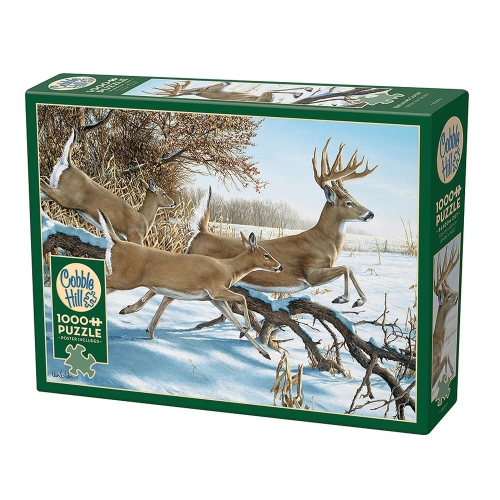
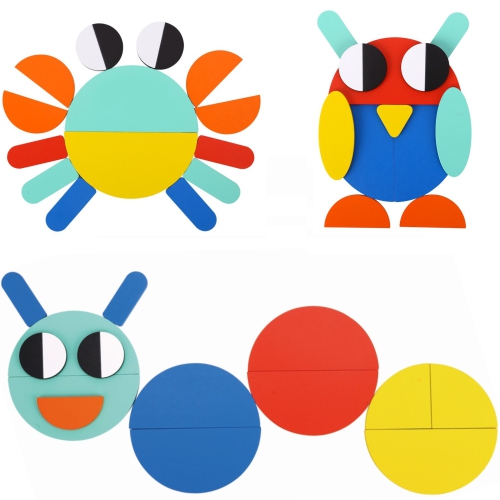
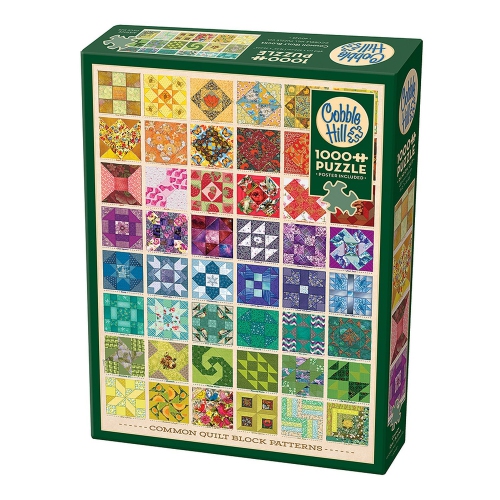
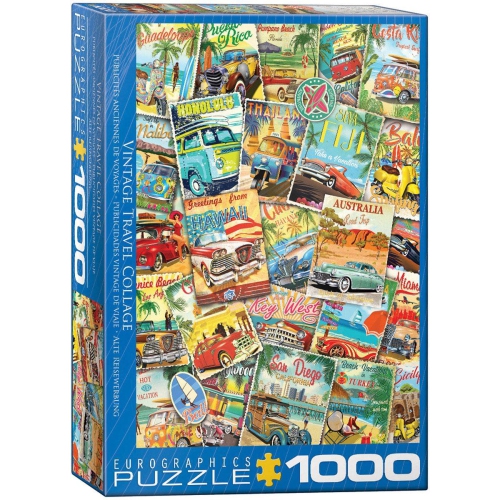

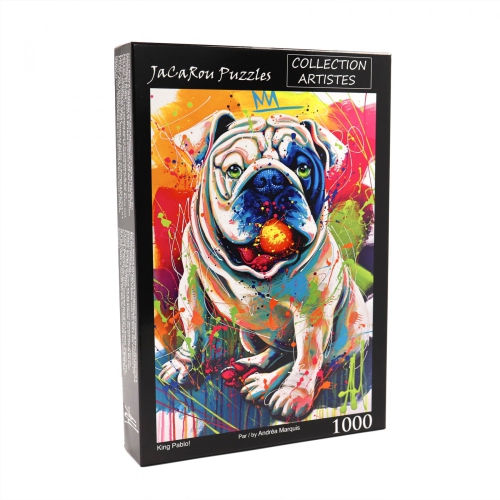
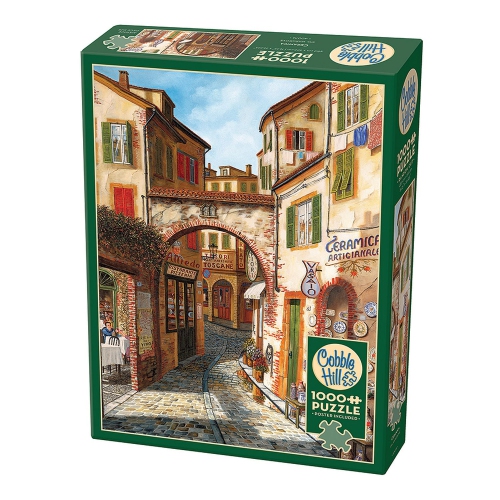
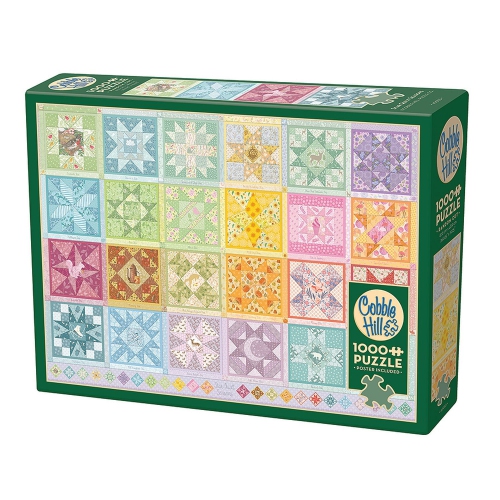
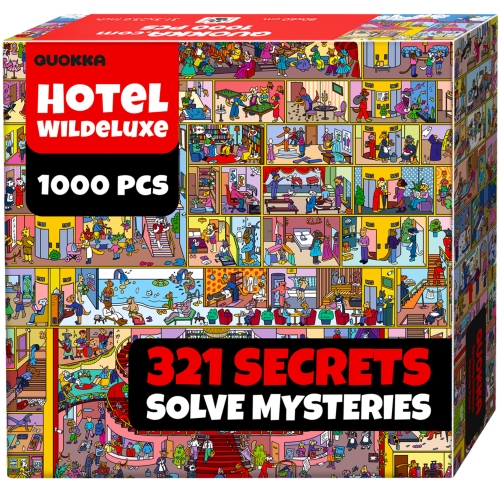

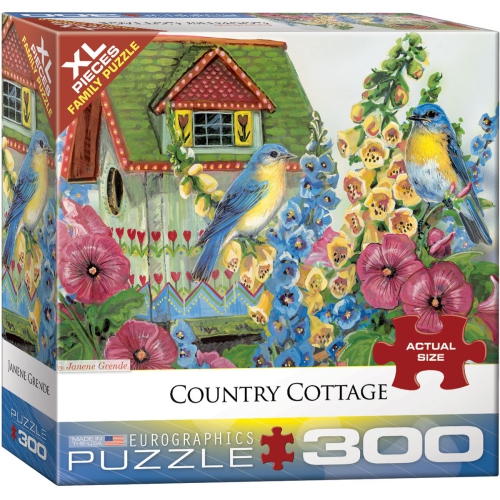
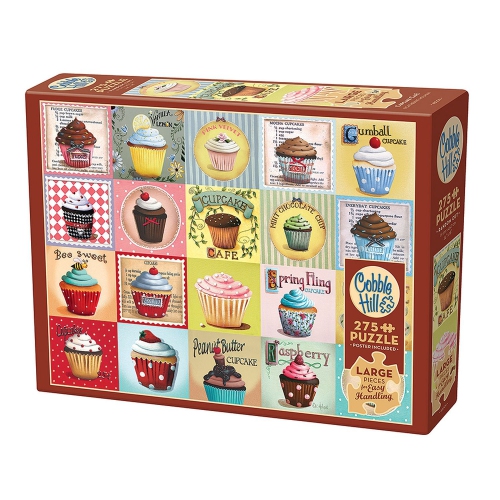


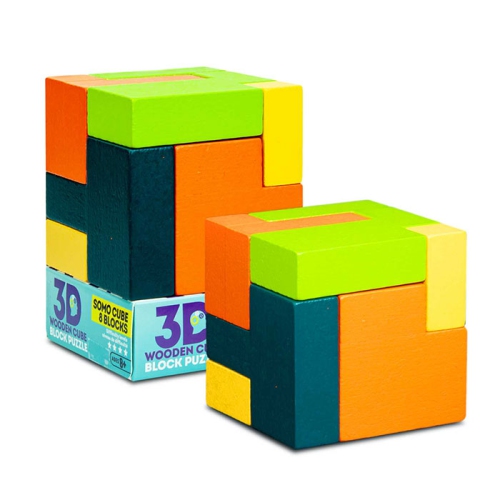
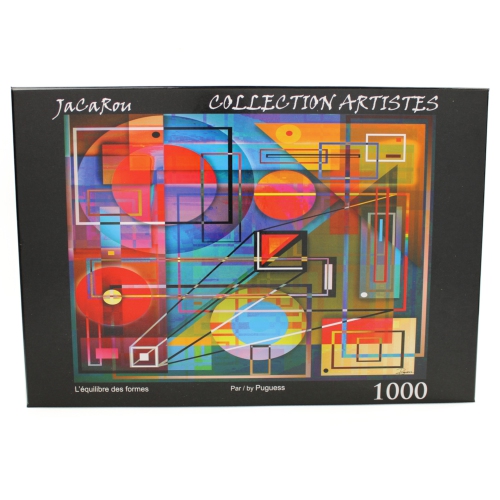
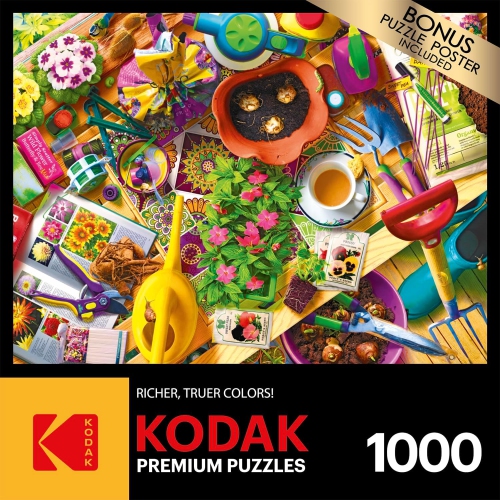
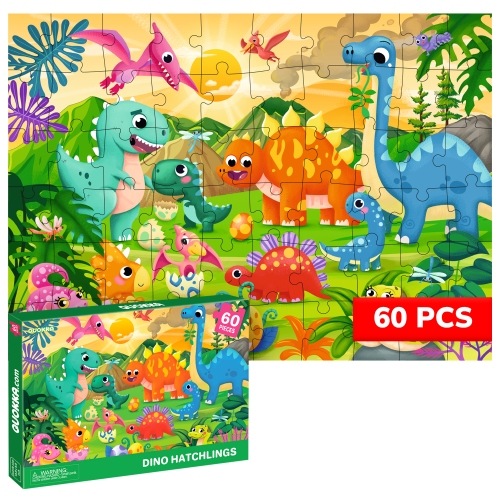
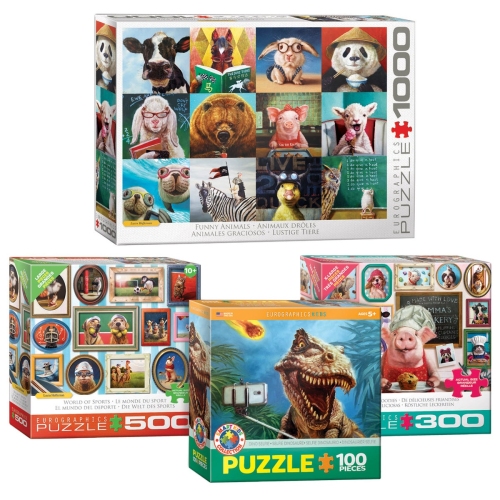
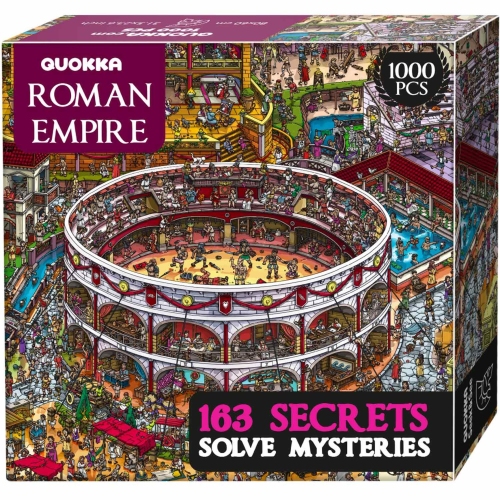
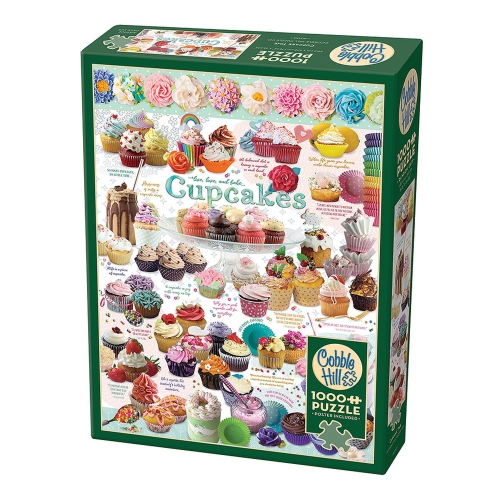
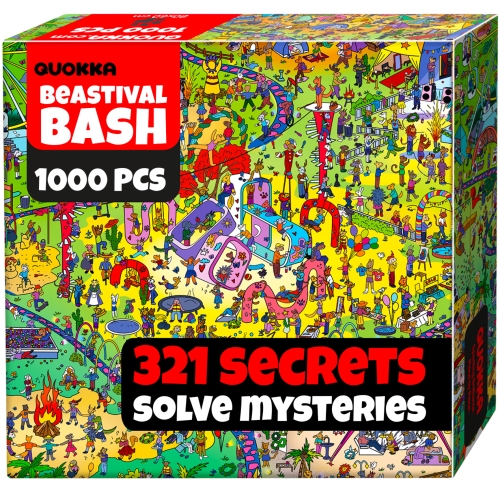
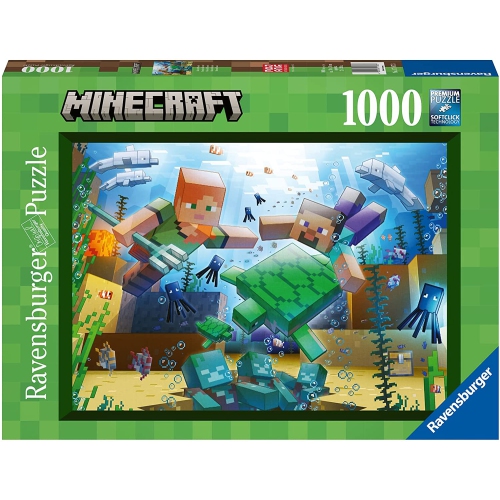
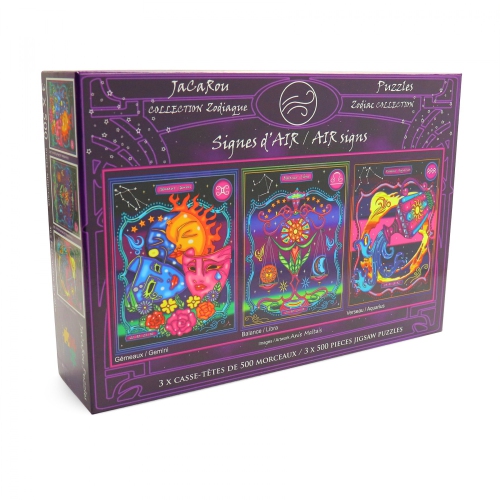
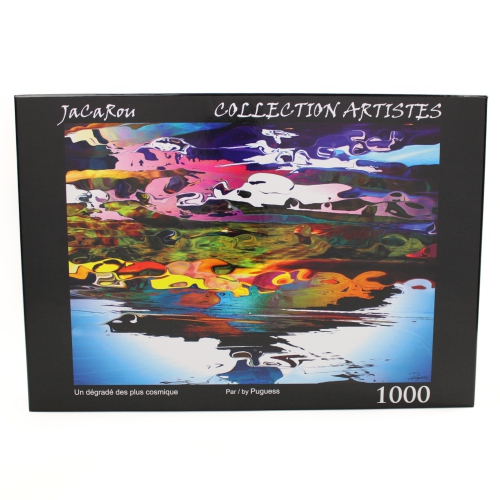
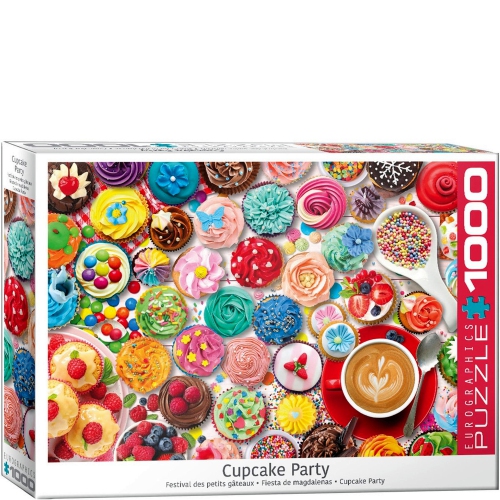
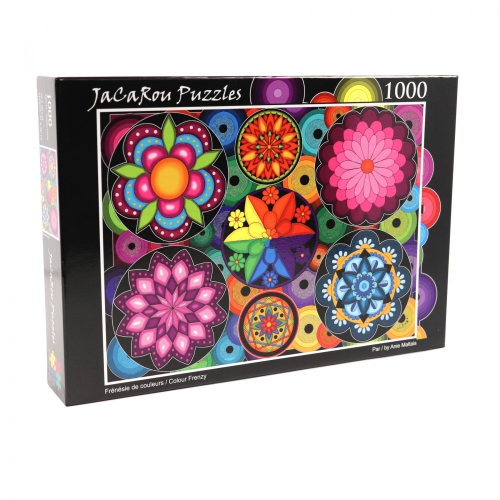
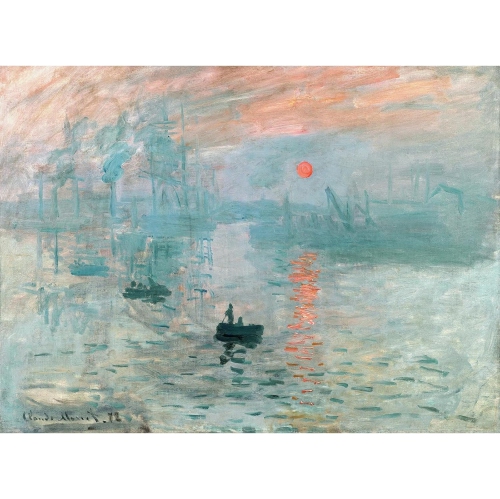
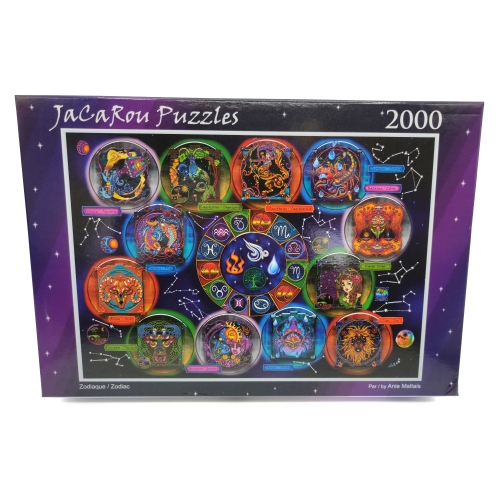
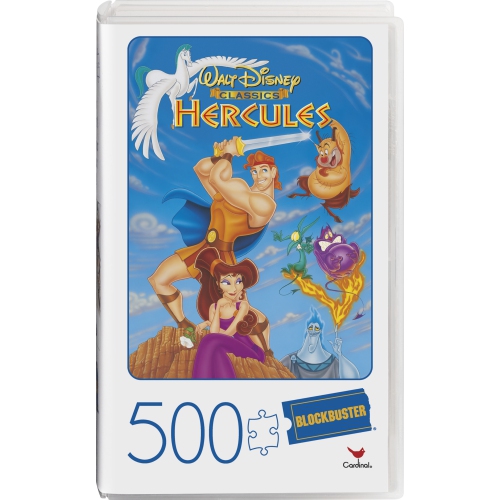
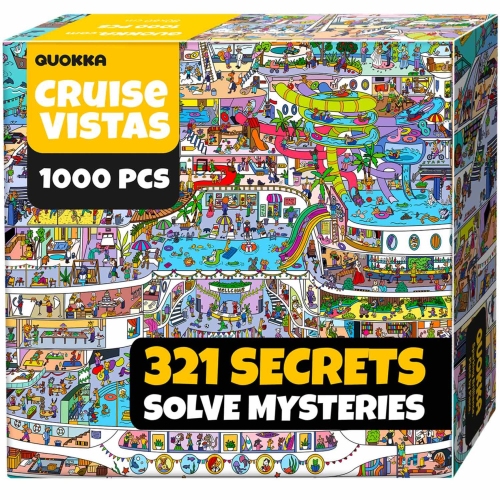

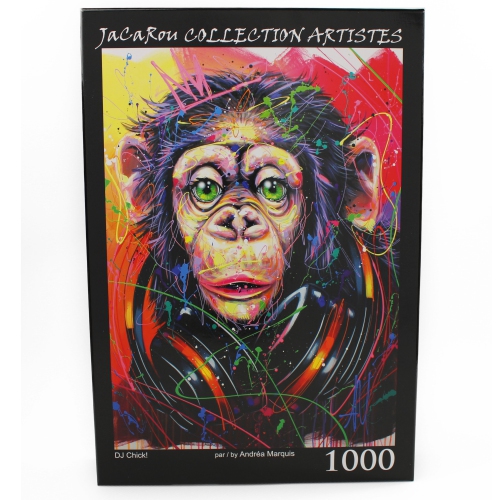
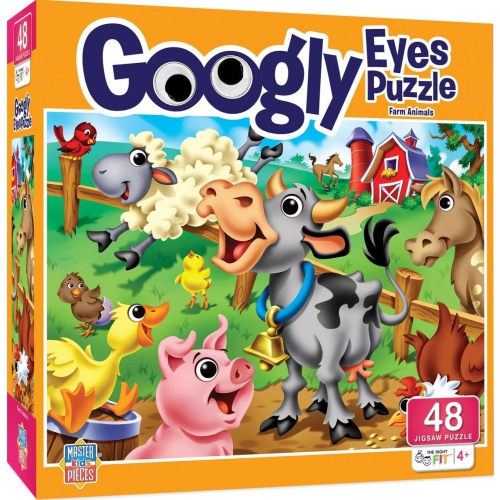
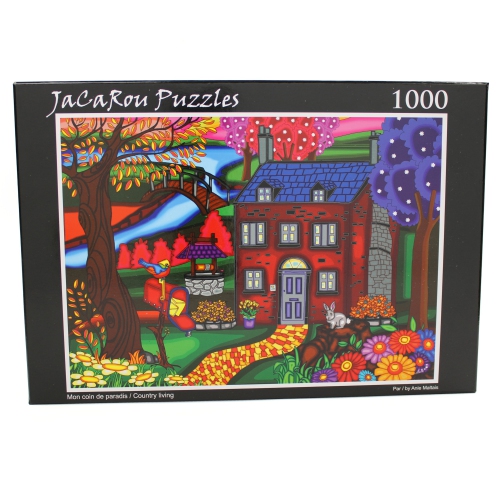
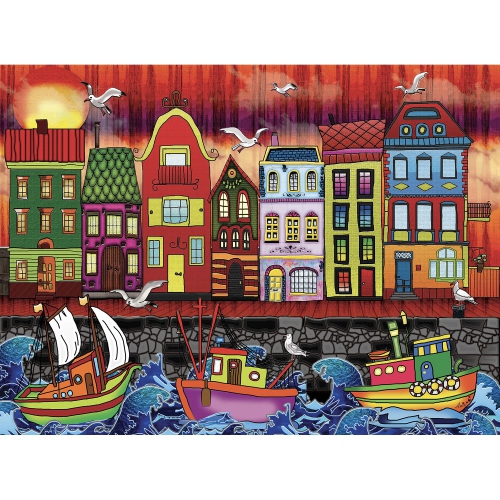
![OSMO - Genius Tangram Pieces [Electronics] In Multicolor](https://multimedia.bbycastatic.ca/multimedia/products/500x500/188/18884/18884528.jpeg)
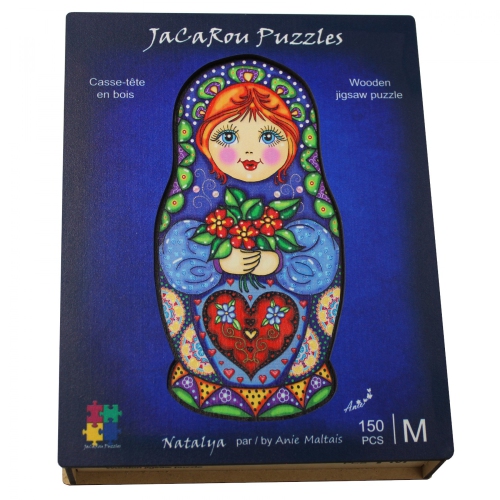
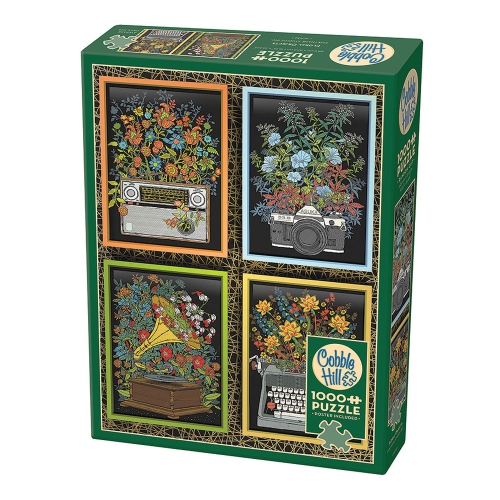
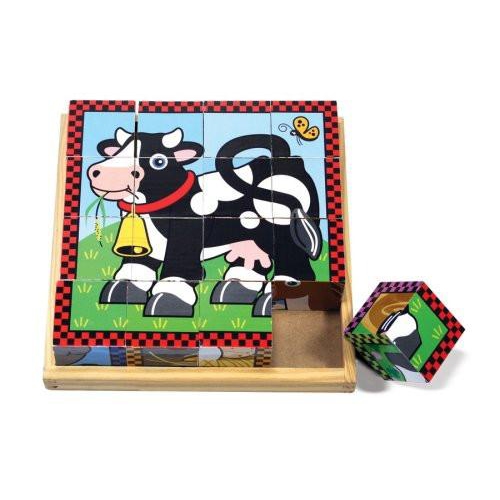
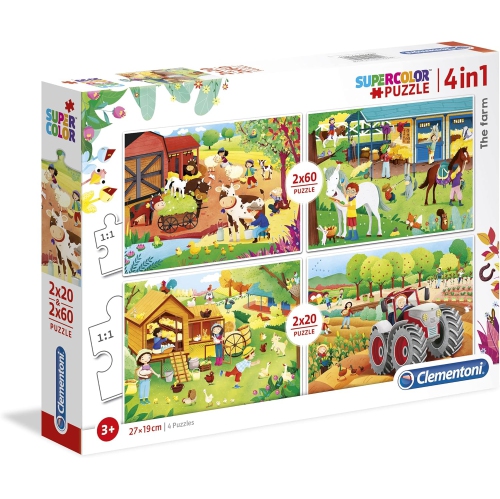
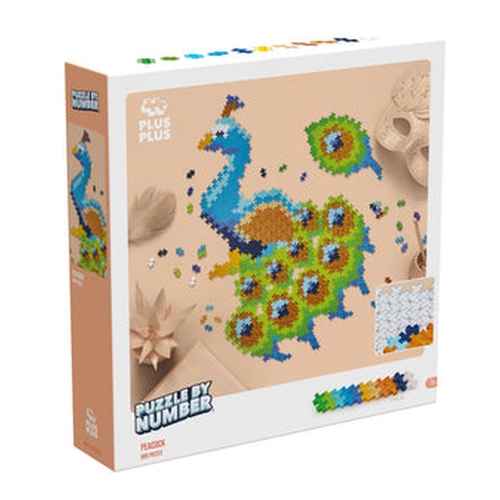
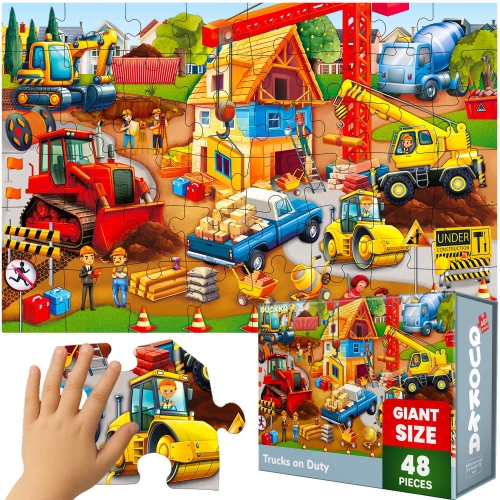
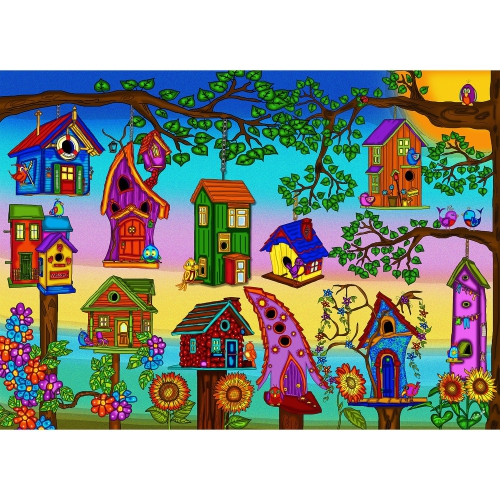
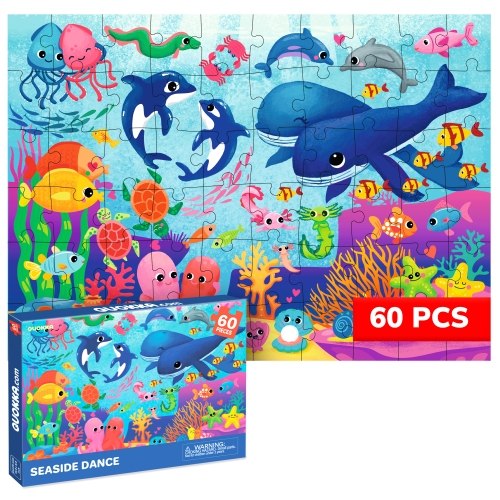

![SQUARE ENIX Ps4 - The Centennial Case: A Shijima Story [Asian English Import]](https://multimedia.bbycastatic.ca/multimedia/products/500x500/169/16982/16982585.jpeg)
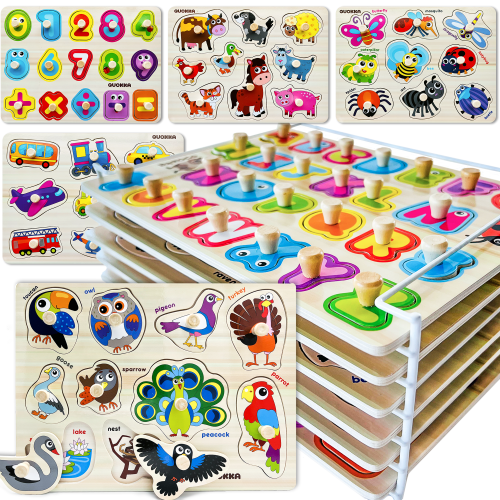
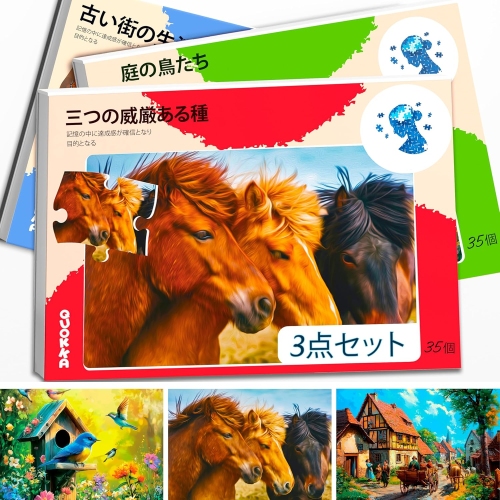
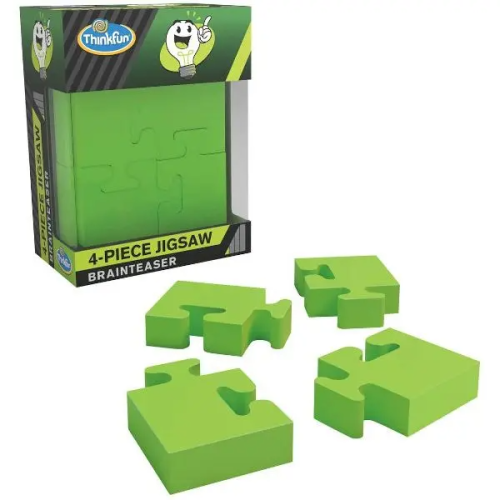
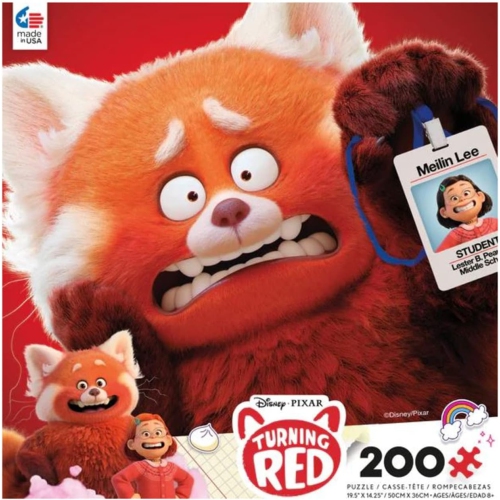
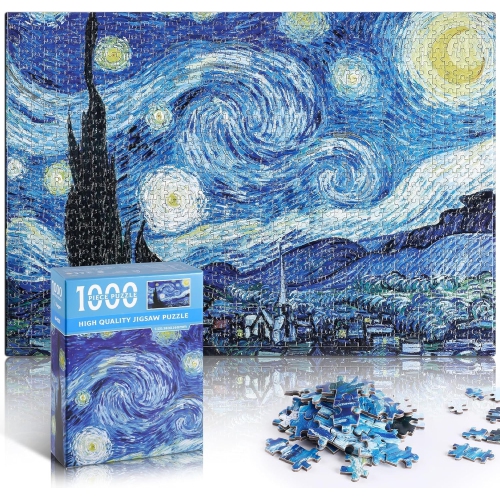
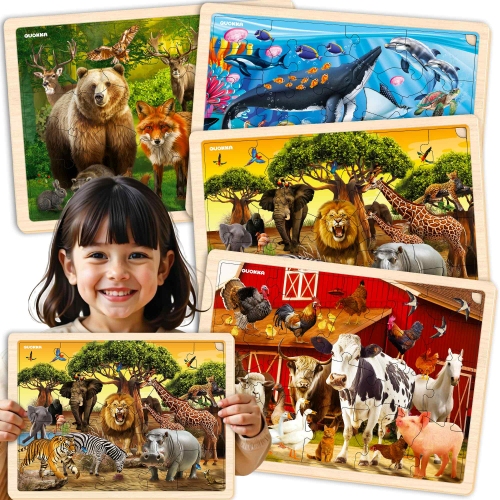
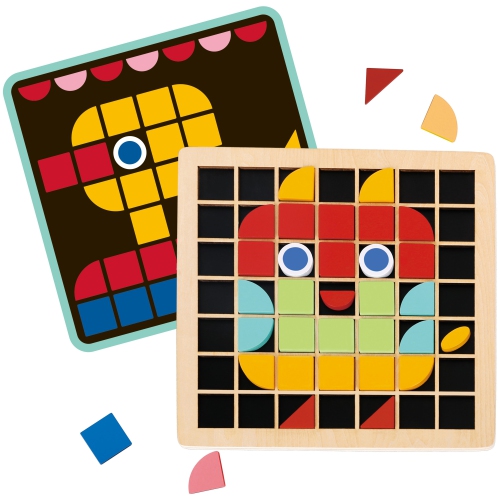
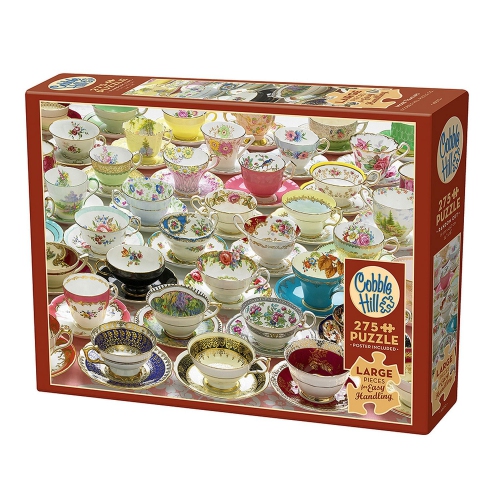
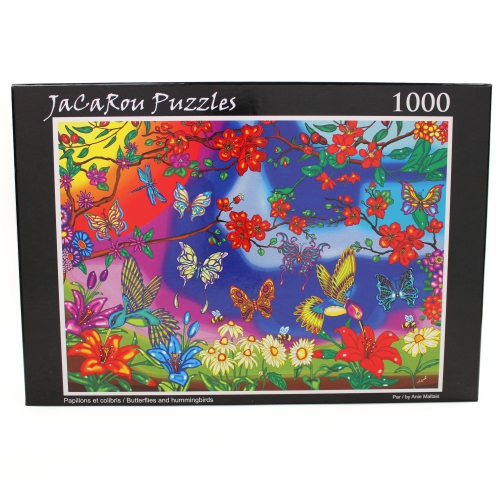

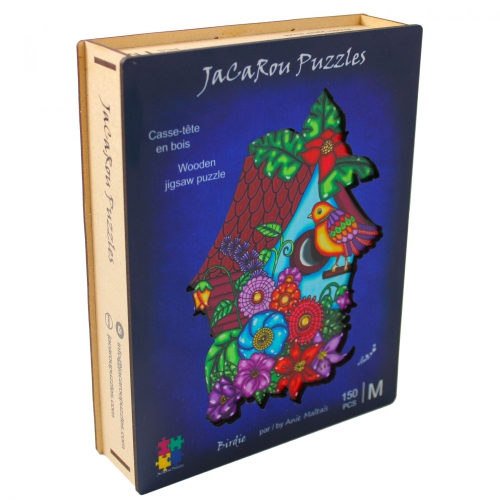
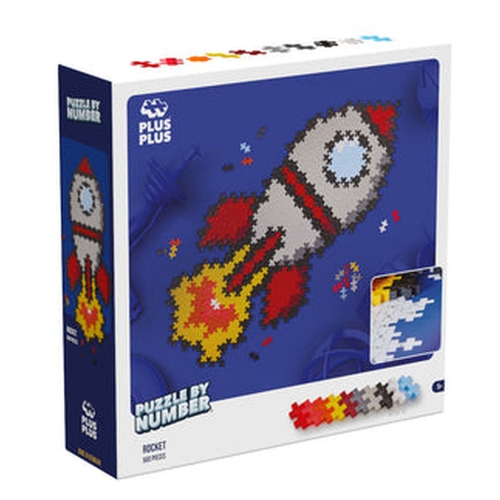
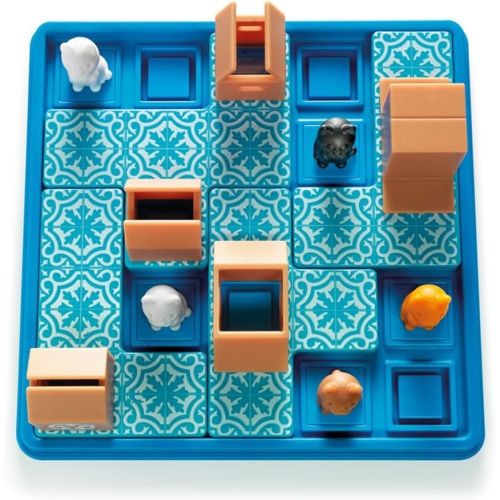
A balanced format for detailed, relaxing puzzle sessions
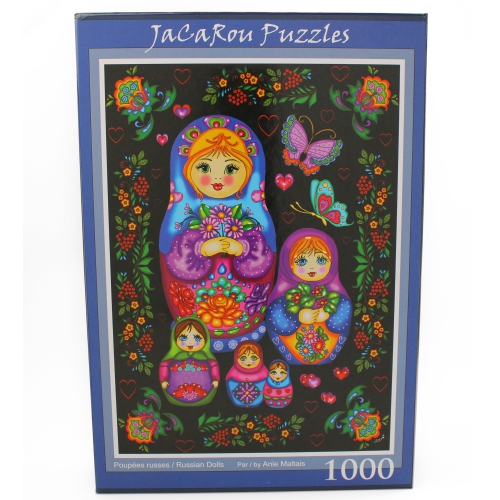
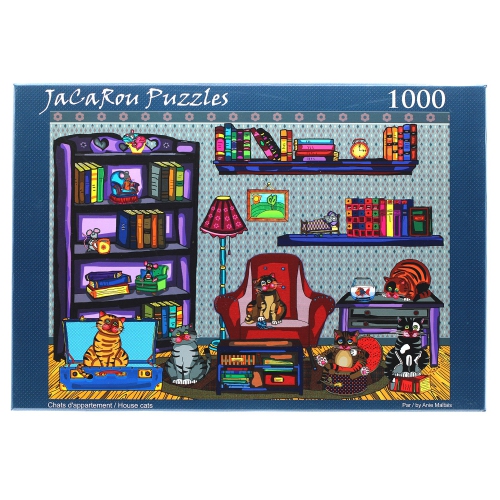
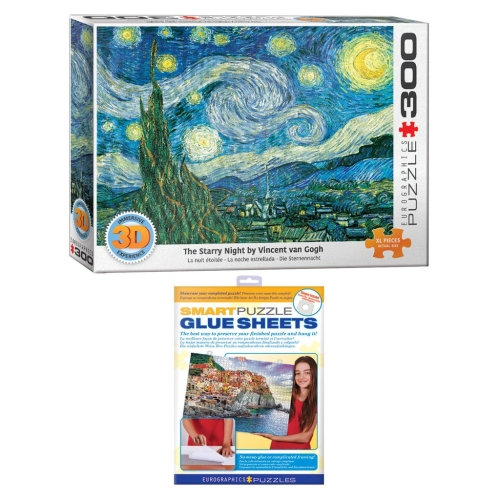
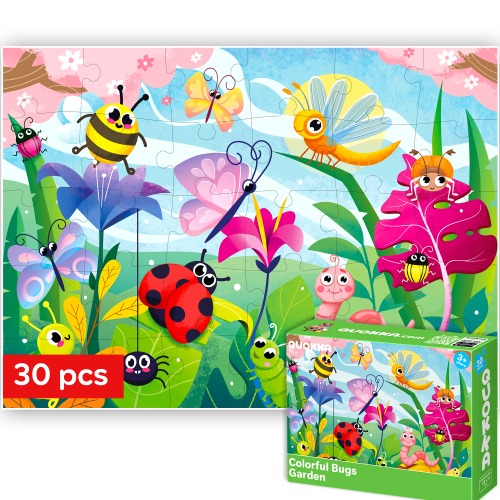
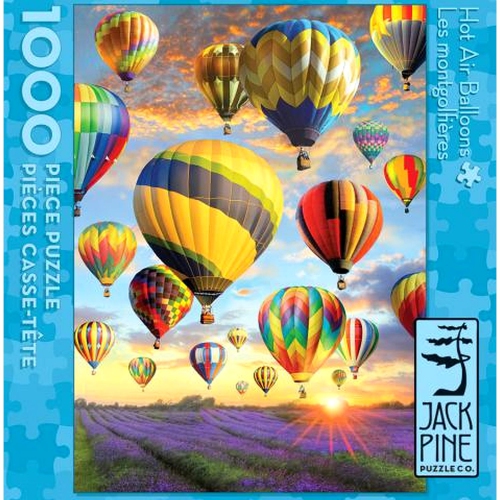
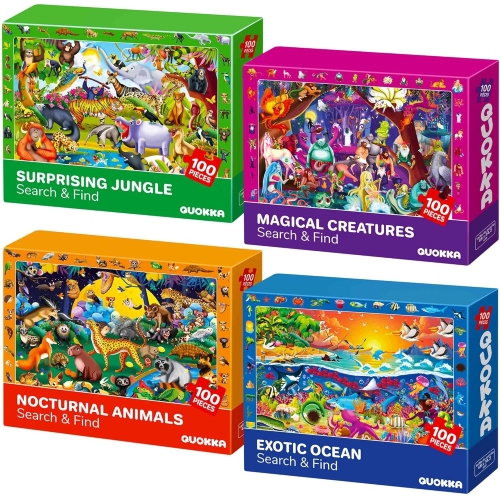
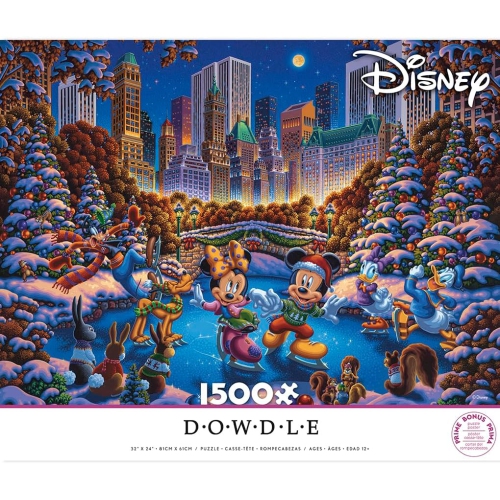
Square puzzles bring a satisfying sense of balance to puzzle time, with an image that extends evenly from one side to the other and a finished layout that is easy to display on a coffee table, dining table, or dedicated puzzle board. Unlike narrow or panoramic designs, square puzzles offer a central scene with plenty of visual detail, making them appealing to people who enjoy taking in an image as it develops piece by piece. Landscapes, wildlife, city scenes, artwork, maps, patterns, and colourful illustrations can all work beautifully in this format. The square shape also makes it easier to judge progress, since each completed section contributes to a clear outer edge and a recognisable overall structure. For anyone who enjoys the quiet concentration of sorting, matching, and assembling, a square puzzle can turn an ordinary afternoon into a relaxing hands-on activity. It can be a thoughtful gift for a friend who enjoys creative hobbies, a family looking for screen-free entertainment, or a host who likes keeping engaging activities available for visitors. During the cooler months, puzzles are especially well suited to evenings spent indoors, when a warm drink, comfortable lighting, and a cleared table create an inviting setting for a few uninterrupted hours. They also fit naturally into casual gatherings: several people can work on different sections, trade observations about colours and shapes, and celebrate when the final pieces come together. Those who already enjoy Jigsaw Puzzles may appreciate exploring square designs as a way to vary their usual routine, while someone new to puzzling can use the format as an approachable introduction to the hobby.
When choosing a square puzzle, consider the intended puzzler, the available workspace, and the kind of experience you want the finished image to provide. Piece count is one of the most important details. A smaller count can be a comfortable starting point for children, casual puzzlers, or anyone who prefers a project that can be completed in one sitting. Larger counts create a more involved challenge and are well suited to experienced puzzlers who enjoy returning to the table over several sessions. An image with distinct colour blocks, strong outlines, or clearly separated areas may be easier to assemble, while a design filled with sky, water, foliage, repeated patterns, or subtle shading can make the process more demanding. Think about how the puzzle will be used, too. For family play, choose a design that offers a mix of simple and challenging sections so different ages and skill levels can participate. For a solo hobbyist, a detailed image with intricate visual clues may provide the absorbing challenge they are looking for. If the puzzle is intended as a gift, consider the recipient’s interests, décor preferences, and typical free time; a nature scene may appeal to someone who enjoys the outdoors, while an artistic or architectural image may suit a person who likes design and visual detail. A sturdy box with a clear image reference is useful for sorting and storage, particularly when a puzzle will be paused between sessions. It is also worth setting up on a smooth, well-lit surface with enough room to group edge pieces, separate colours, and keep completed sections undisturbed. A puzzle mat or portable board can help when the table needs to serve another purpose, and small trays or shallow containers make it easier to organise pieces without mixing sections. Many puzzlers find that starting with the border provides a reassuring framework, followed by distinctive objects or areas with easily recognised colours. Others prefer sorting everything first and building from the most memorable details outward. There is no single correct method: the appeal lies in finding a rhythm that feels absorbing rather than rushed. Square puzzles can be enjoyed quietly on a winter evening, shared during a relaxed family visit, or revisited whenever a calm, tactile activity is welcome. Once completed, the image can be carefully taken apart for another session, passed along to someone else, or kept intact as a temporary piece of decorative art, extending the enjoyment beyond the moment the final piece clicks into place.
When choosing a square puzzle, consider the intended puzzler, the available workspace, and the kind of experience you want the finished image to provide. Piece count is one of the most important details. A smaller count can be a comfortable starting point for children, casual puzzlers, or anyone who prefers a project that can be completed in one sitting. Larger counts create a more involved challenge and are well suited to experienced puzzlers who enjoy returning to the table over several sessions. An image with distinct colour blocks, strong outlines, or clearly separated areas may be easier to assemble, while a design filled with sky, water, foliage, repeated patterns, or subtle shading can make the process more demanding. Think about how the puzzle will be used, too. For family play, choose a design that offers a mix of simple and challenging sections so different ages and skill levels can participate. For a solo hobbyist, a detailed image with intricate visual clues may provide the absorbing challenge they are looking for. If the puzzle is intended as a gift, consider the recipient’s interests, décor preferences, and typical free time; a nature scene may appeal to someone who enjoys the outdoors, while an artistic or architectural image may suit a person who likes design and visual detail. A sturdy box with a clear image reference is useful for sorting and storage, particularly when a puzzle will be paused between sessions. It is also worth setting up on a smooth, well-lit surface with enough room to group edge pieces, separate colours, and keep completed sections undisturbed. A puzzle mat or portable board can help when the table needs to serve another purpose, and small trays or shallow containers make it easier to organise pieces without mixing sections. Many puzzlers find that starting with the border provides a reassuring framework, followed by distinctive objects or areas with easily recognised colours. Others prefer sorting everything first and building from the most memorable details outward. There is no single correct method: the appeal lies in finding a rhythm that feels absorbing rather than rushed. Square puzzles can be enjoyed quietly on a winter evening, shared during a relaxed family visit, or revisited whenever a calm, tactile activity is welcome. Once completed, the image can be carefully taken apart for another session, passed along to someone else, or kept intact as a temporary piece of decorative art, extending the enjoyment beyond the moment the final piece clicks into place.
Top selling and popular products
-
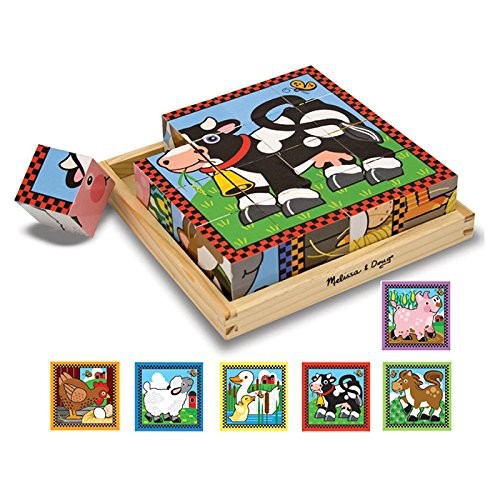 Your price for this item is $32.99
 -
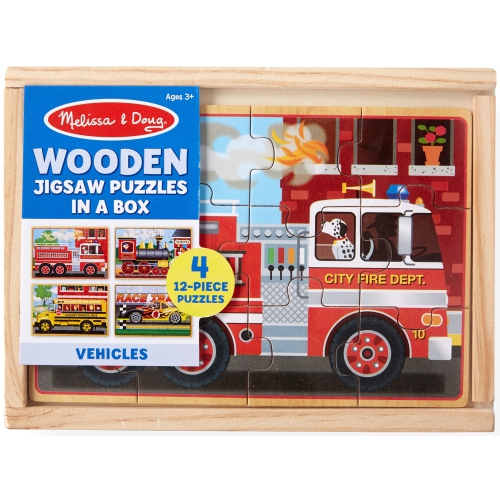 Your price for this item is $35.99
 -
 Your price for this item is $30.99
 -
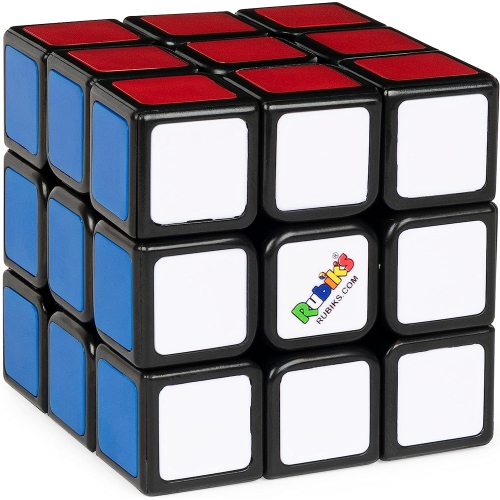 Your price for this item is $26.93
 -
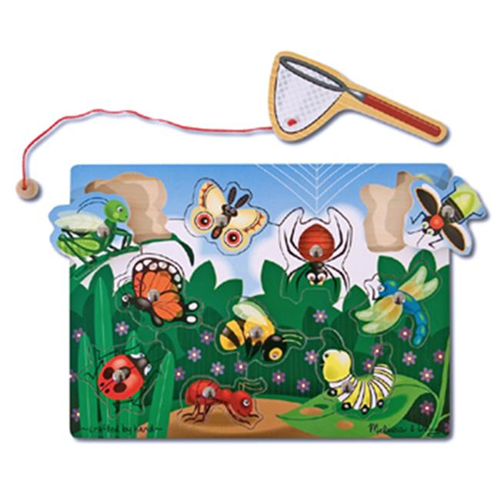 Your price for this item is $29.99
 -
 Your price for this item is $36.99
 -
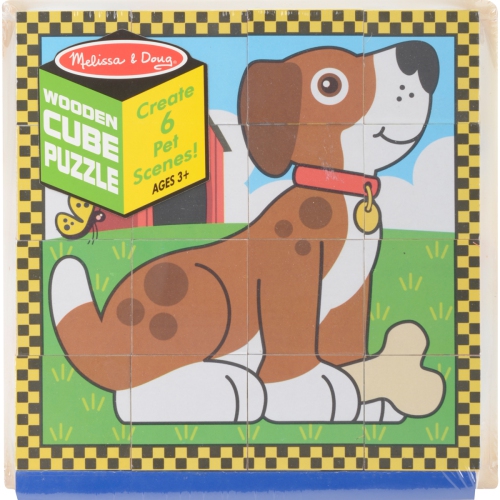 Your price for this item is $32.99
 -
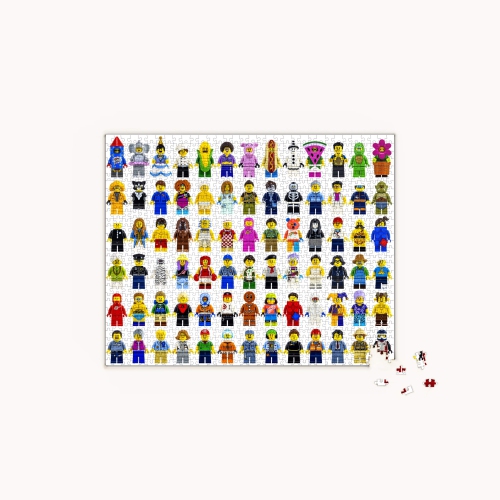 Your price for this item is $34.9
Discover more categories related to Square Puzzles
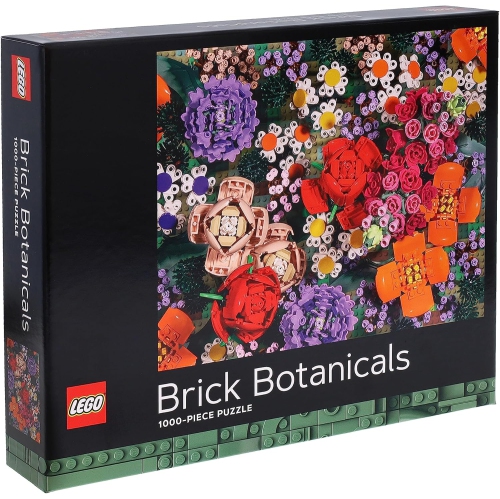
Top Collections:
Pokemon Centers, Best Cameras for Sports Photography, Kindle Devices, Samsung Galaxy Phones, Canon G7X Cameras, Pokémon 30th Celebration Cards, Refurbished Apple Laptops, iPhone 15 Apple, Laptops for Students, Budget Smartphones
Some products may be subject to Environmental Handling Fees
(EHF) depending on your province.
Learn more about EHFs.