Unique Puzzles
Unlock a world of creativity and challenge with our collection of unique puzzles, designed to captivate minds of all ages. Whether you're looking to unwind after a long day or searching for the perfect gift, our diverse selection offers something for everyone. From intricate designs that test your problem-solving skills to beautifully crafted pieces that double as art, these puzzles promise hours of entertainment and satisfaction. Dive into a realm where each piece brings you closer to completing a masterpiece, making every moment spent puzzling both rewarding and fun. Explore now and discover the joy of piecing together something truly special.
Sort
![GS2 GAMES Contraptions Collection [Nintendo Switch] One of the best games of all time!](https://multimedia.bbycastatic.ca/multimedia/products/500x500/193/19382/19382820.jpeg)
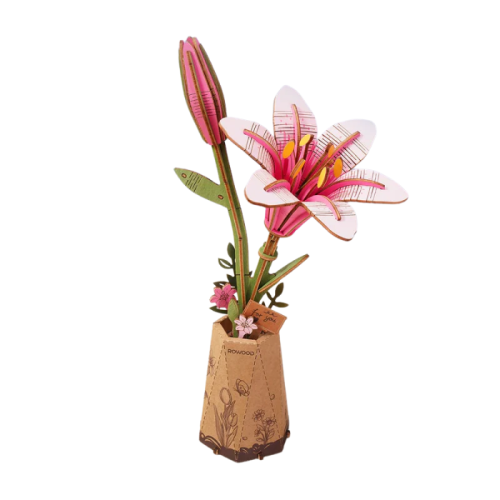

![SUPER RARE GAMES The Pedestrian - Srg#135 [Nintendo Switch]](https://multimedia.bbycastatic.ca/multimedia/products/500x500/197/19796/19796489.jpeg)
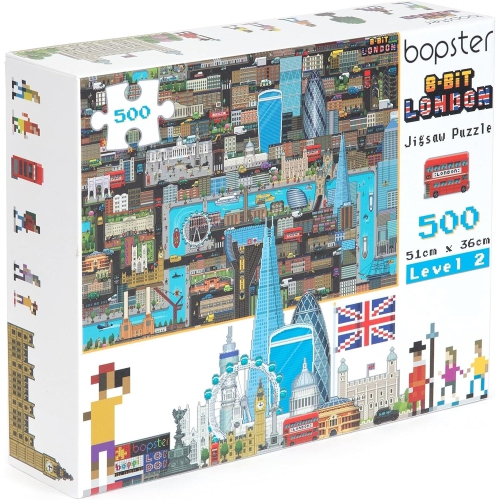
![IAM8BIT A Monster’s Expedition + Earlier Adventures [Nintendo Switch]](https://multimedia.bbycastatic.ca/multimedia/products/500x500/165/16590/16590858.jpeg)
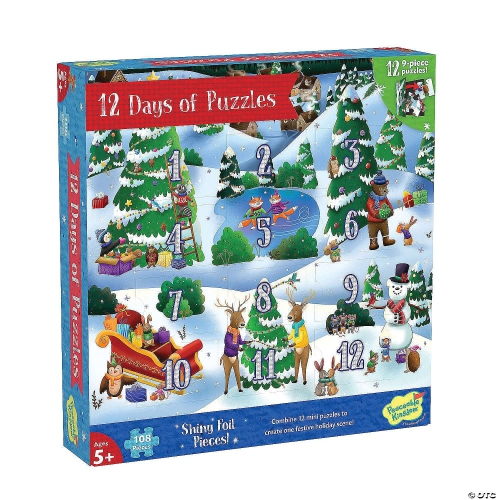
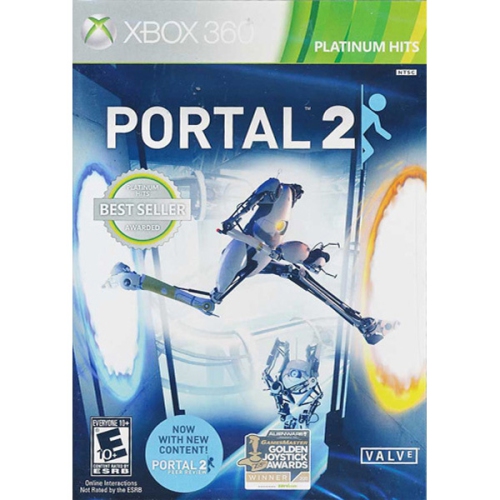
![IAM8BIT Gorogoa - Exclusive [Nintendo Switch] Great game! I love it! Very different! Doesn’t fit into any one category mold](https://multimedia.bbycastatic.ca/multimedia/products/500x500/165/16590/16590529.jpeg)
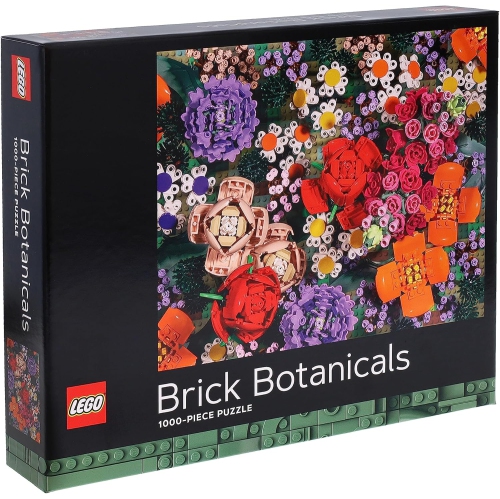
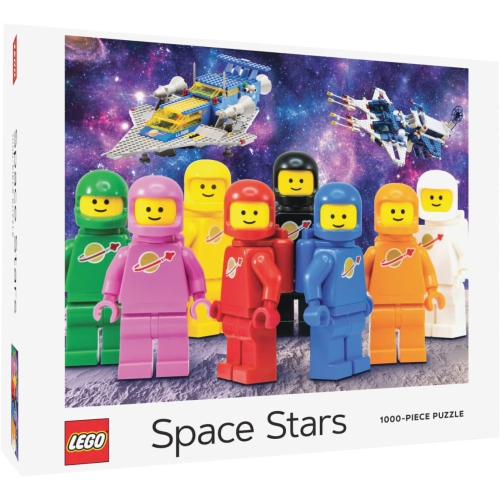

![UBISOFT Might And Magic - Clash Of Heroes Definitive Edition [Nintendo Switch]](https://multimedia.bbycastatic.ca/multimedia/products/500x500/193/19382/19382800.jpeg)
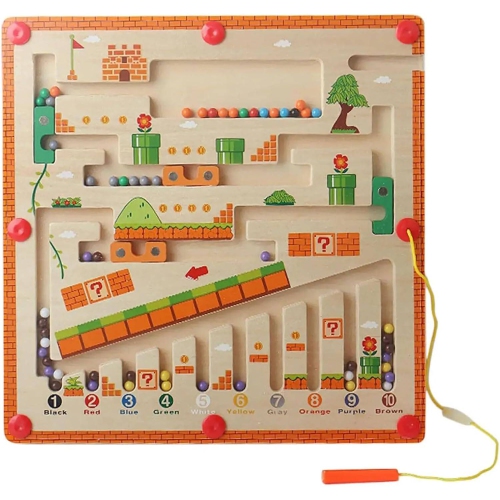
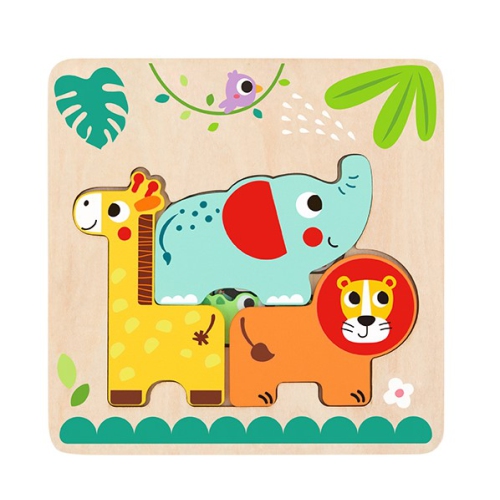
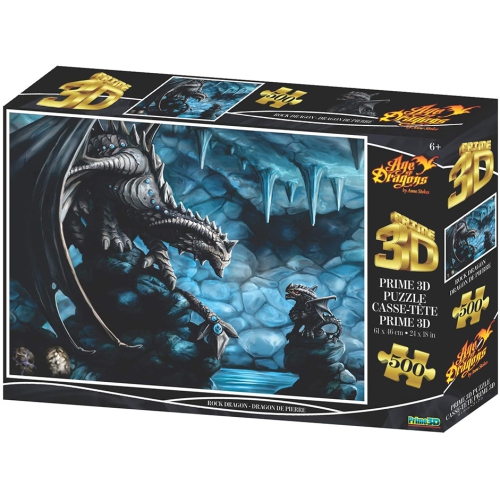
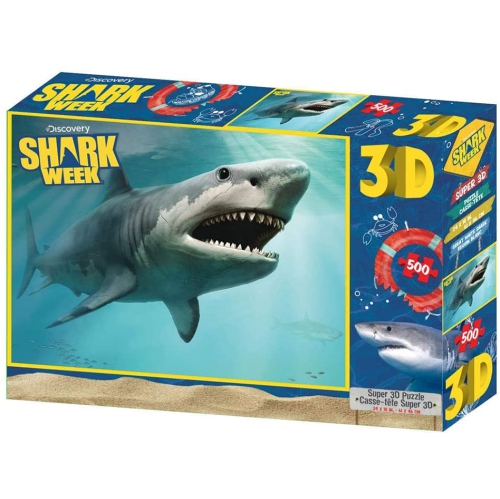
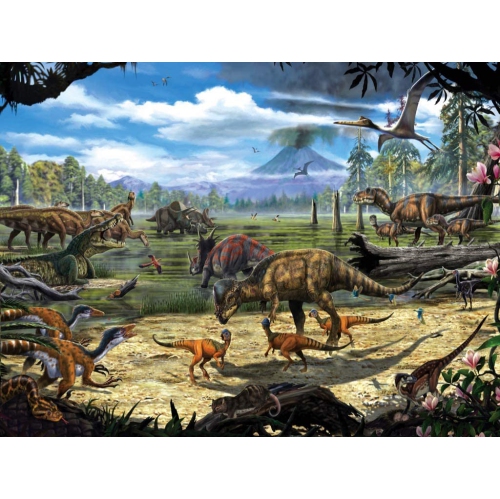
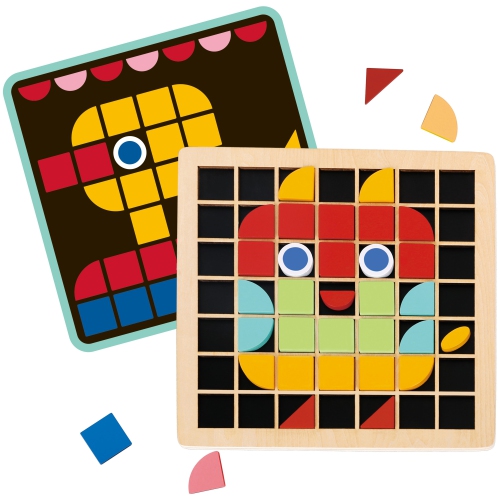
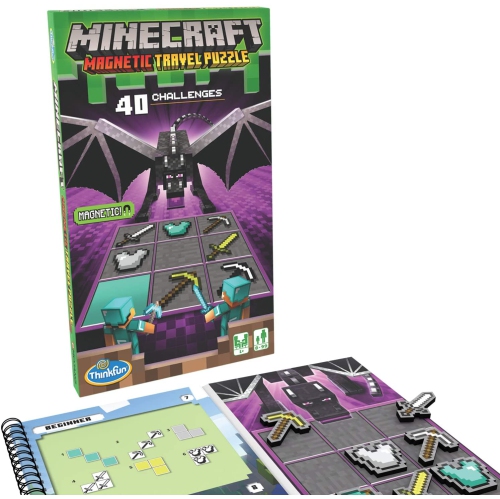
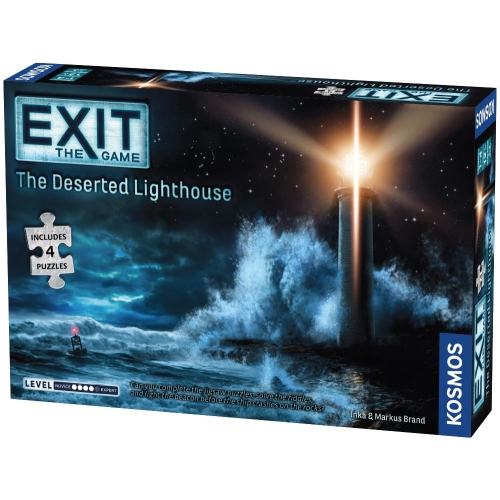
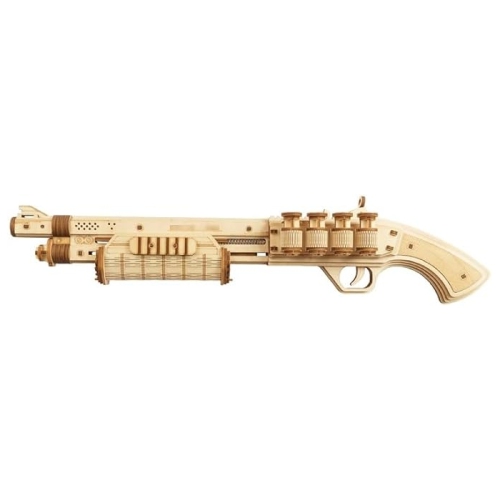
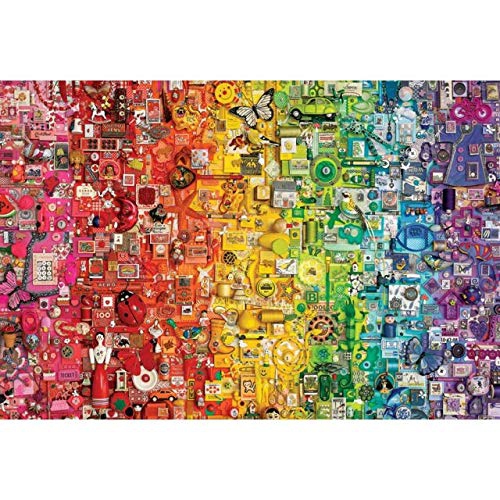
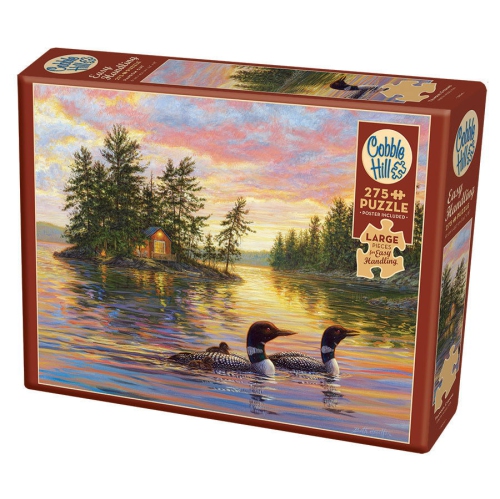
![FUNBOX MEDIA Slime Girl Smoothies - Bonus Art Cards [Nintendo Switch]](https://multimedia.bbycastatic.ca/multimedia/products/500x500/193/19351/19351141.jpeg)
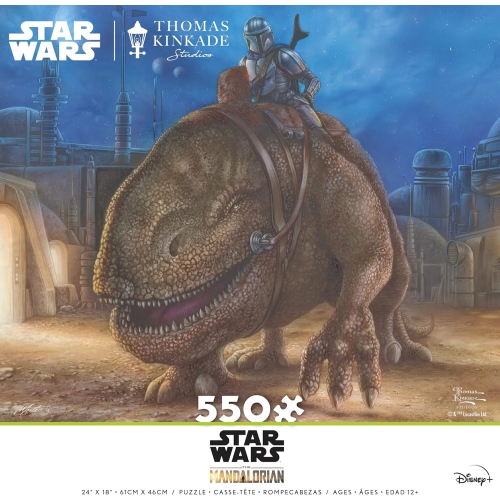
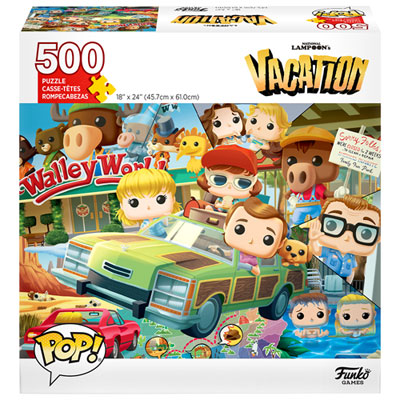
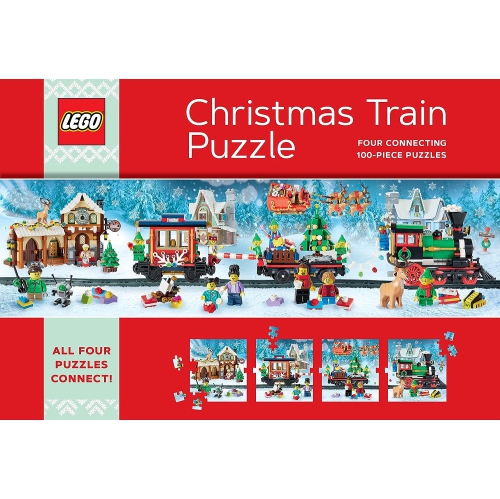
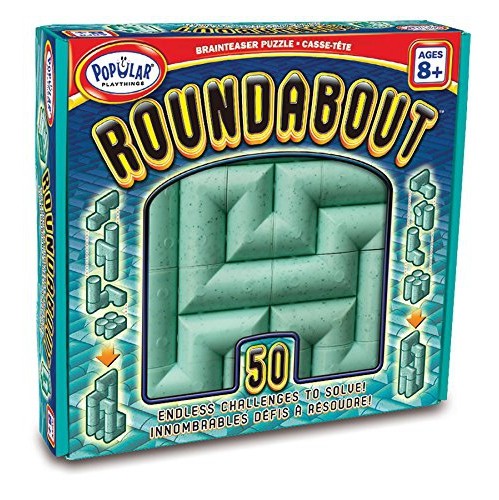
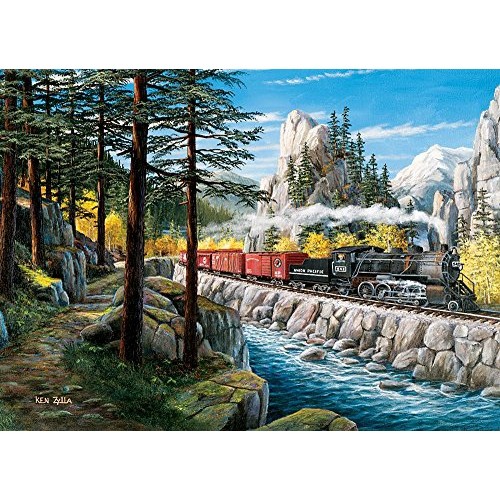

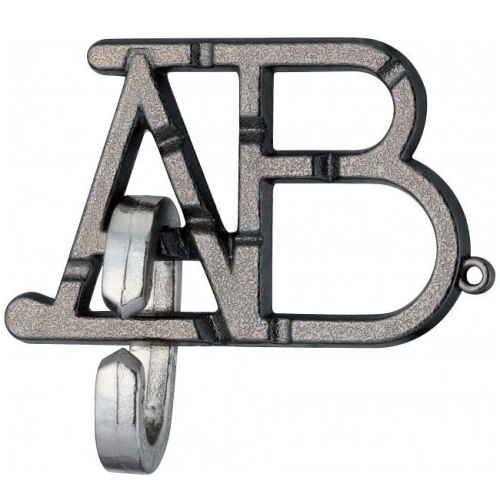
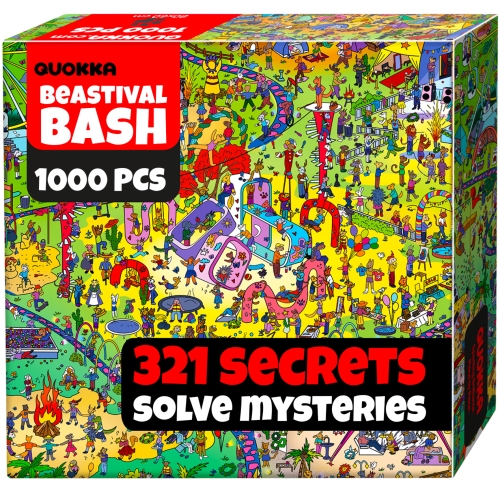
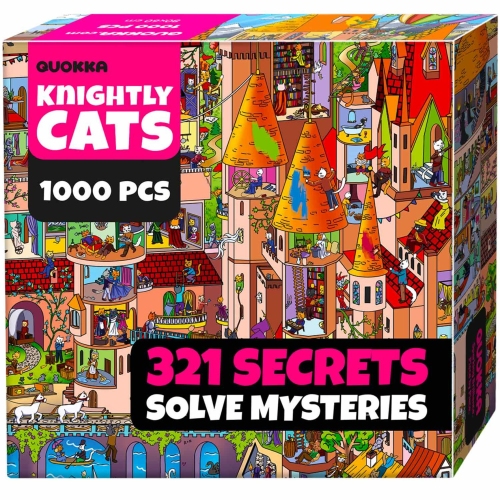
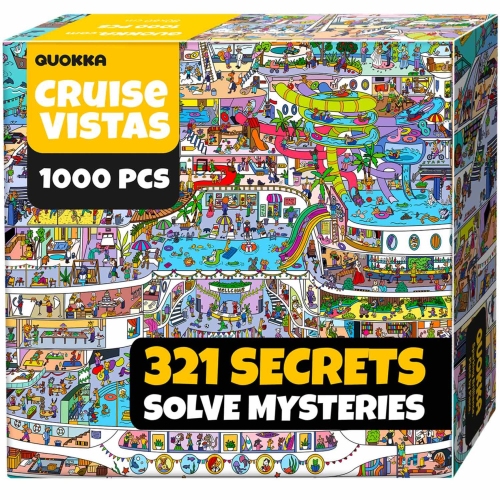
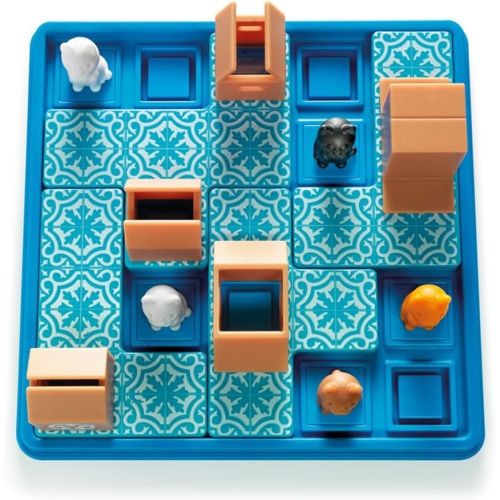
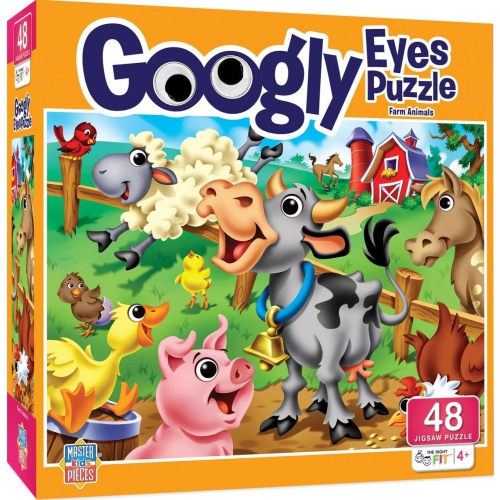
![FUNBOX MEDIA Pretty Girls Game Collection 4 [Playstation 4]](https://multimedia.bbycastatic.ca/multimedia/products/500x500/193/19382/19382950.jpeg)
![LIMITED RUN GAMES Nobody Saves The World - Deluxe Edition [Playstation 4]](https://multimedia.bbycastatic.ca/multimedia/products/500x500/193/19384/19384077.jpeg)
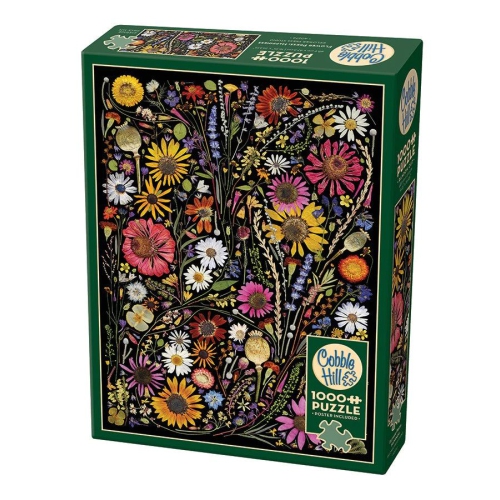
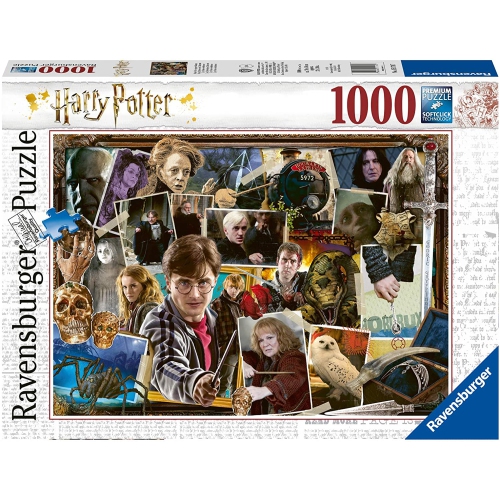
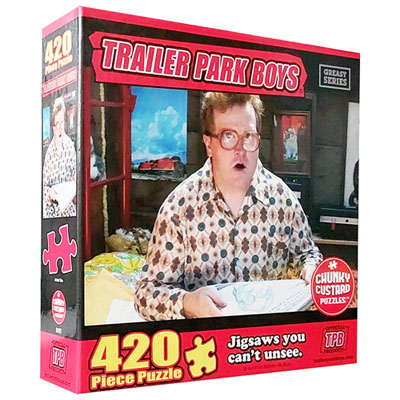
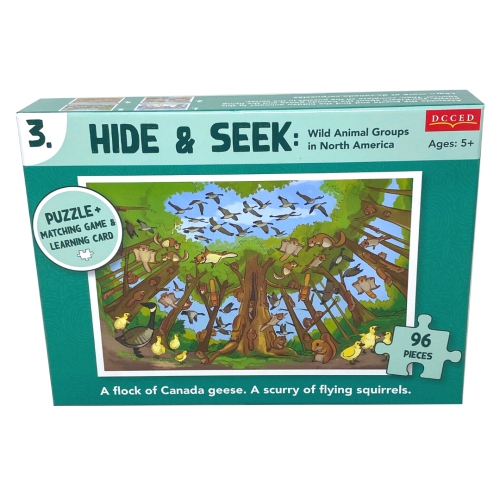
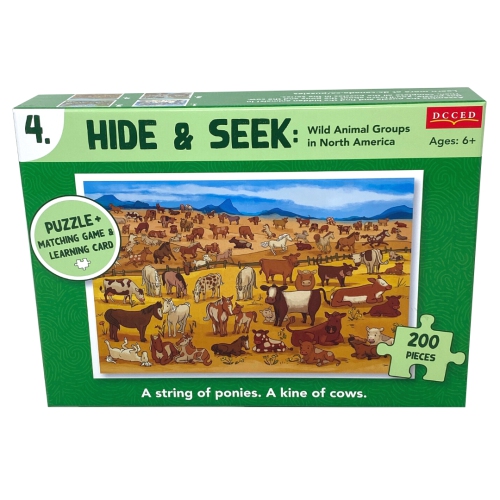
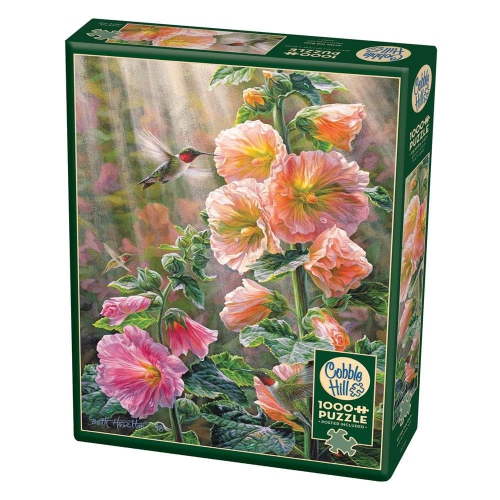

![RED ART GAMES Escape From Life Inc [Playstation 4]](https://multimedia.bbycastatic.ca/multimedia/products/500x500/169/16982/16982354.jpeg)
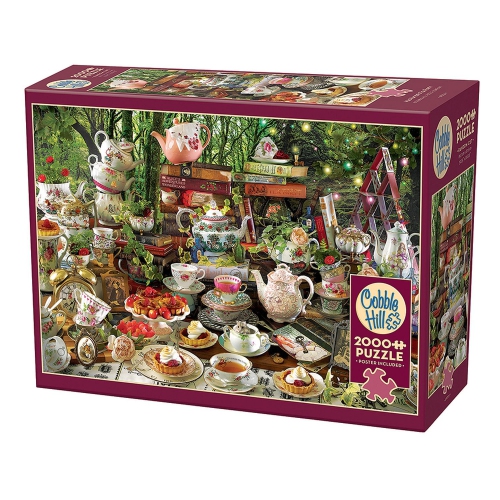
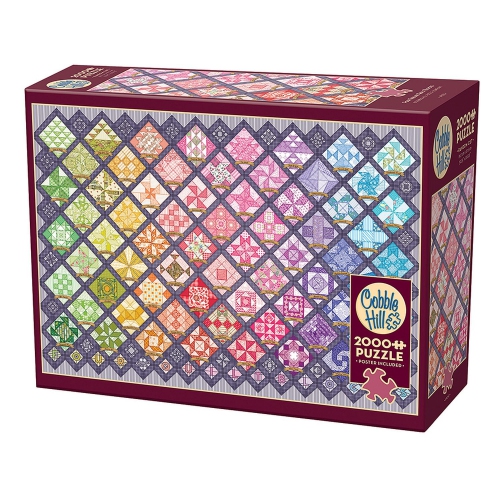
Distinctive formats turn familiar puzzling into a fresh experience
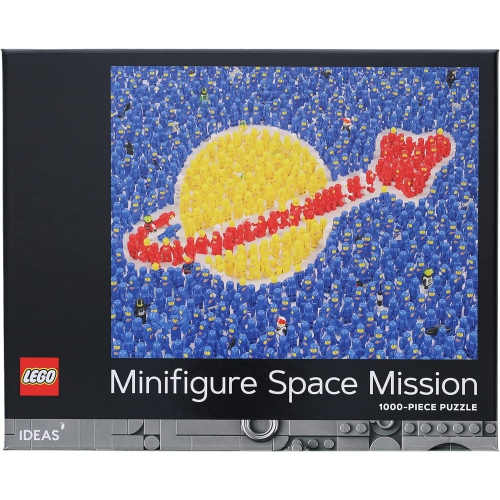
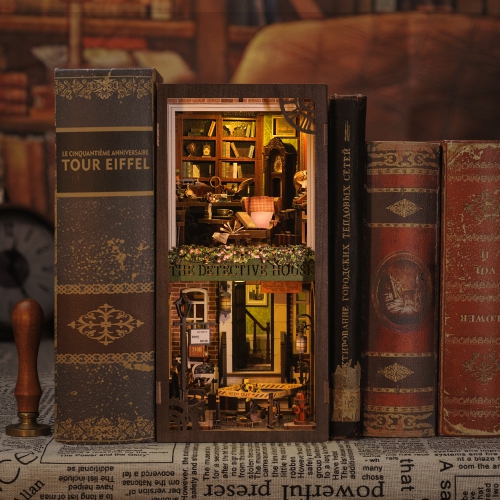
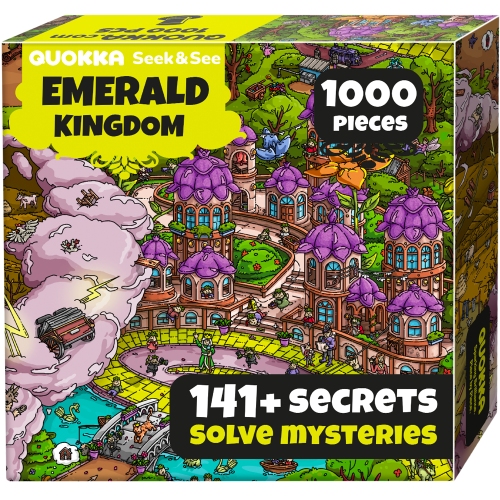
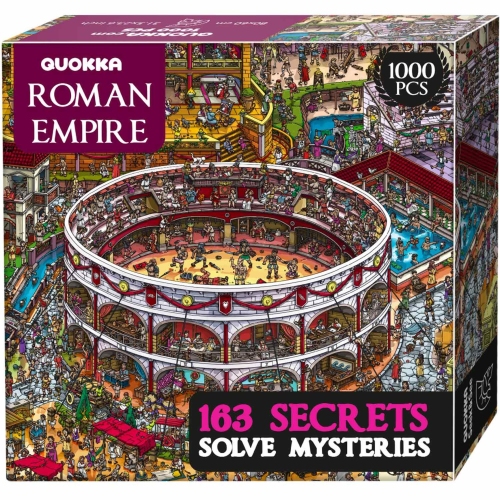
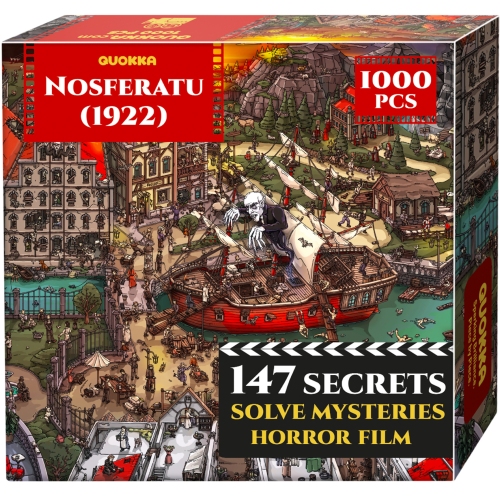
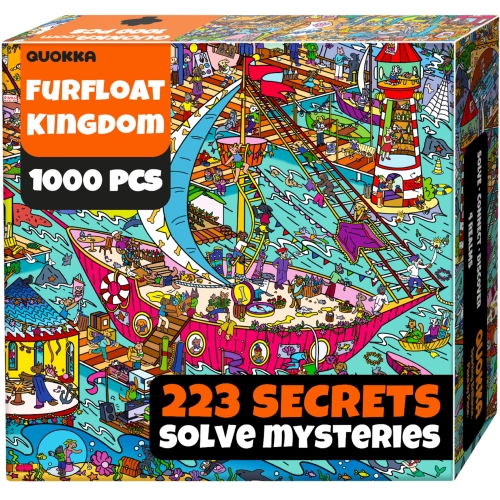
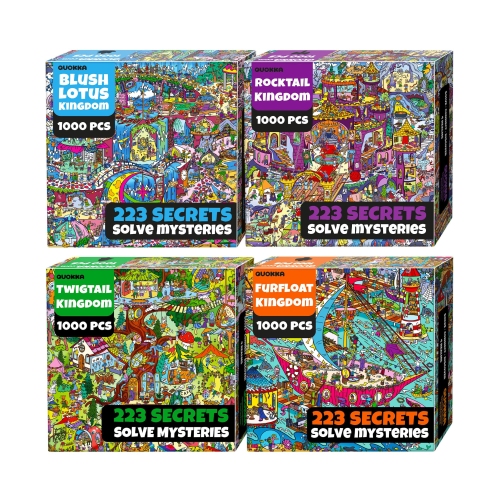
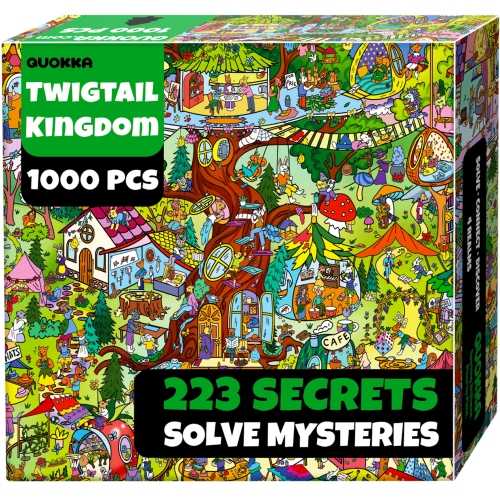
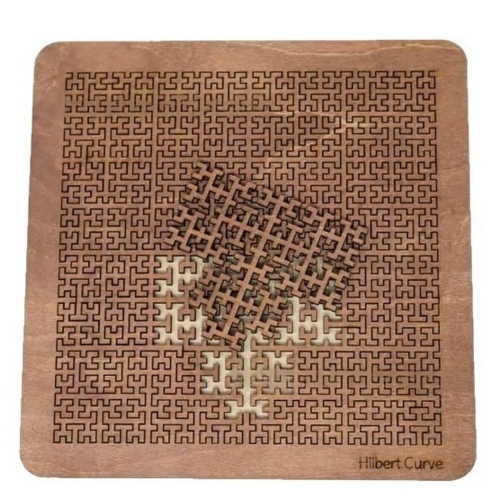
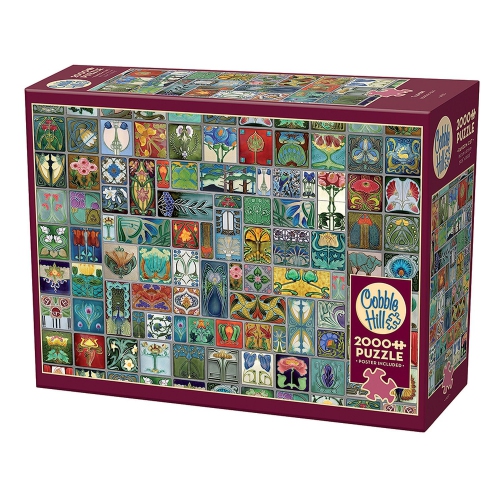
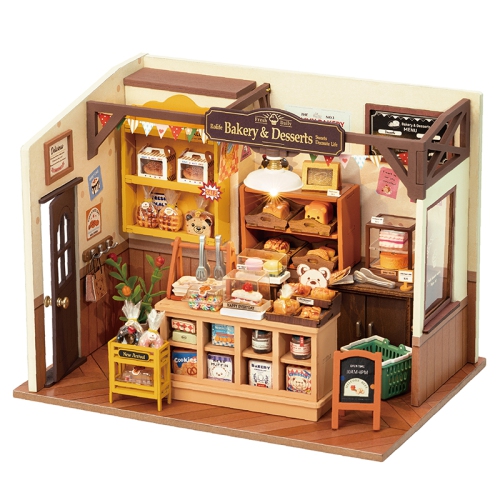
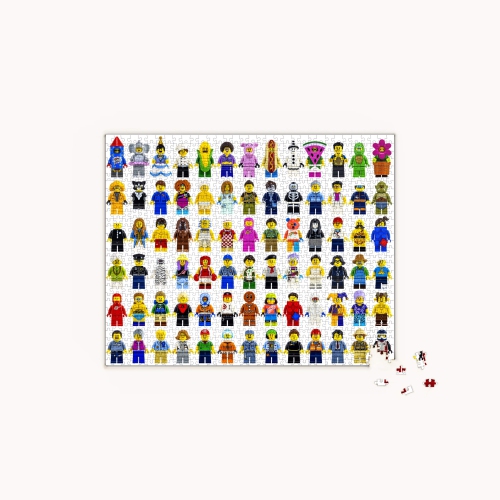
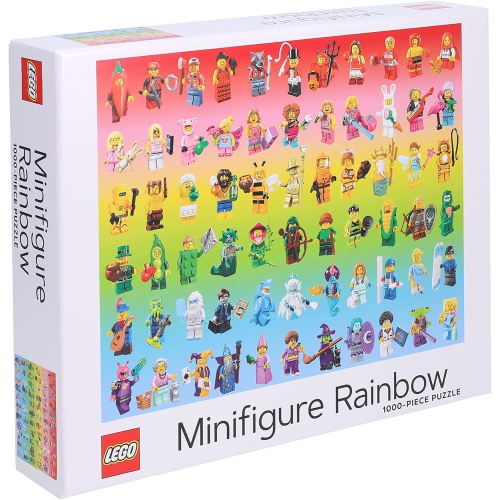
Unique puzzles bring a fresh sense of discovery to a familiar pastime, with formats and designs that make the finished image only part of the experience. Rather than relying solely on a traditional rectangular layout, these puzzles may feature unexpected shapes, irregular borders, unusual piece silhouettes, or artwork that changes the way you sort and assemble each section. Some have double-sided designs, with an image on one side and a secondary illustration, blueprint-style pattern, or complementary scene on the reverse. Others are art-focused, turning the completed puzzle into a colourful display of painting, photography, illustration, maps, architecture, or graphic design. Geode and shaped puzzles can be especially engaging because there may be no straight edges to separate the border from the interior, encouraging a more intuitive approach based on colour, texture, and visual details. Keepsake book puzzles offer another distinctive presentation, often placing the pieces in a decorative, compact box that resembles a book and can be stored neatly on a shelf when the puzzle is not in progress. These thoughtful details make unique puzzles appealing to experienced puzzlers who want something beyond a conventional assembly, as well as to newcomers looking for an inviting way to spend time away from screens. If you enjoy exploring different formats, a selection of Fun Puzzles can also add variety to a game shelf, family room, cottage, or creative workspace.
When choosing among unique puzzles, consider the piece count, the complexity of the image, and the type of challenge that feels most enjoyable. A 500-piece puzzle can provide a satisfying project without requiring a large table for several days, while a 1000-piece or larger design may suit patient puzzlers who appreciate a longer, more absorbing activity. For double-sided puzzles, check whether the two images have noticeably different colours, patterns, or visual structures, since this can make it easier to identify the correct side while sorting. Designs with gradients, repeated details, dark backgrounds, or large areas of similar colour can create a more demanding challenge, whereas bold artwork, distinct sections, and varied textures may offer helpful visual landmarks. Shaped puzzles require a slightly different mindset because the edge may not form a clear frame; sorting by colour, subject, or piece shape can be more useful than beginning with the outside border. The size of the assembled puzzle also matters. Before starting, measure the available surface and make sure there is enough room to spread out loose pieces, reference the image, and leave the project undisturbed between sessions. A puzzle mat, sorting trays, or small containers can help keep pieces grouped by colour and pattern, especially when working on a dining table that needs to be cleared for meals. Pieces with a snug, well-defined fit can make progress feel more precise, while larger pieces may be more comfortable for younger puzzlers or anyone who prefers an easier-to-handle format. Storage is another practical consideration: a sturdy box, resealable bag, or book-style package helps keep the pieces together and makes it simpler to return to the puzzle later. For households with children or pets, a dedicated surface and secure storage can help prevent pieces from wandering into unexpected places.
Unique puzzles can suit many different occasions because they combine creativity, concentration, and the pleasure of seeing a design take shape one piece at a time. They make thoughtful gifts for people who enjoy art, travel, architecture, animals, geography, mystery themes, or hands-on hobbies, and they can be a personal choice for someone who already has a collection of standard jigsaw puzzles. A double-sided design may appeal to a puzzler who likes variety in one package, while a shaped or geode-style puzzle can be a memorable choice for someone who enjoys solving by pattern and experimentation. Book-shaped or decorative formats are well suited to gift giving because the presentation feels considered even before the puzzle is opened, and the compact packaging can be convenient for apartments, guest rooms, offices, or weekend trips. Families can work on a large design together, with different people taking responsibility for distinct colours or sections, while friends and couples may enjoy returning to the table over several evenings as the weather warms or during the cooler months. A puzzle can also create a calm, social activity for gatherings without requiring everyone to follow the same pace; some people may place pieces while others chat, sort, or admire the artwork. For a more personal experience, choose a theme that reflects the recipient’s interests or a setting they love, such as a vivid landscape, an intricate city view, a striking illustration, or a design filled with small details that reward close attention. The best unique puzzles balance novelty with playability, offering an imaginative format, durable pieces, an appealing image, and a level of challenge that feels absorbing rather than frustrating. With the right choice, the process becomes a memorable part of the experience, from opening the box and sorting the first pieces to placing the final piece and taking in the completed design.
When choosing among unique puzzles, consider the piece count, the complexity of the image, and the type of challenge that feels most enjoyable. A 500-piece puzzle can provide a satisfying project without requiring a large table for several days, while a 1000-piece or larger design may suit patient puzzlers who appreciate a longer, more absorbing activity. For double-sided puzzles, check whether the two images have noticeably different colours, patterns, or visual structures, since this can make it easier to identify the correct side while sorting. Designs with gradients, repeated details, dark backgrounds, or large areas of similar colour can create a more demanding challenge, whereas bold artwork, distinct sections, and varied textures may offer helpful visual landmarks. Shaped puzzles require a slightly different mindset because the edge may not form a clear frame; sorting by colour, subject, or piece shape can be more useful than beginning with the outside border. The size of the assembled puzzle also matters. Before starting, measure the available surface and make sure there is enough room to spread out loose pieces, reference the image, and leave the project undisturbed between sessions. A puzzle mat, sorting trays, or small containers can help keep pieces grouped by colour and pattern, especially when working on a dining table that needs to be cleared for meals. Pieces with a snug, well-defined fit can make progress feel more precise, while larger pieces may be more comfortable for younger puzzlers or anyone who prefers an easier-to-handle format. Storage is another practical consideration: a sturdy box, resealable bag, or book-style package helps keep the pieces together and makes it simpler to return to the puzzle later. For households with children or pets, a dedicated surface and secure storage can help prevent pieces from wandering into unexpected places.
Unique puzzles can suit many different occasions because they combine creativity, concentration, and the pleasure of seeing a design take shape one piece at a time. They make thoughtful gifts for people who enjoy art, travel, architecture, animals, geography, mystery themes, or hands-on hobbies, and they can be a personal choice for someone who already has a collection of standard jigsaw puzzles. A double-sided design may appeal to a puzzler who likes variety in one package, while a shaped or geode-style puzzle can be a memorable choice for someone who enjoys solving by pattern and experimentation. Book-shaped or decorative formats are well suited to gift giving because the presentation feels considered even before the puzzle is opened, and the compact packaging can be convenient for apartments, guest rooms, offices, or weekend trips. Families can work on a large design together, with different people taking responsibility for distinct colours or sections, while friends and couples may enjoy returning to the table over several evenings as the weather warms or during the cooler months. A puzzle can also create a calm, social activity for gatherings without requiring everyone to follow the same pace; some people may place pieces while others chat, sort, or admire the artwork. For a more personal experience, choose a theme that reflects the recipient’s interests or a setting they love, such as a vivid landscape, an intricate city view, a striking illustration, or a design filled with small details that reward close attention. The best unique puzzles balance novelty with playability, offering an imaginative format, durable pieces, an appealing image, and a level of challenge that feels absorbing rather than frustrating. With the right choice, the process becomes a memorable part of the experience, from opening the box and sorting the first pieces to placing the final piece and taking in the completed design.
Top selling and popular products
-
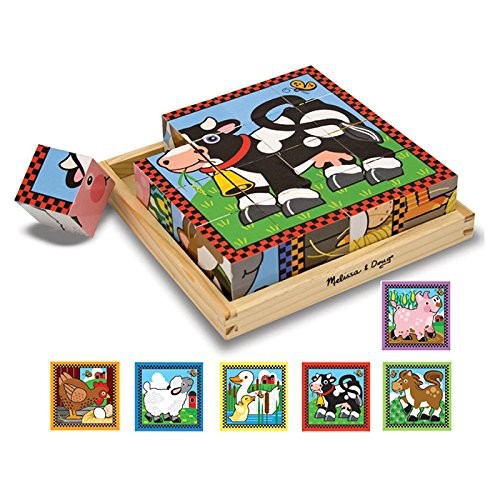 Your price for this item is $32.99
 -
 Your price for this item is $35.99
 -
 Your price for this item is $30.99
 -
 Your price for this item is $26.93
 -
 Your price for this item is $29.99
 -
 Your price for this item is $36.99
 -
 Your price for this item is $34.9
 -
 Your price for this item is $17.95
Discover more categories related to Unique Puzzles
Top Collections:
Pokemon Centers, Kindle Devices, Best Budget Office Chairs, Apple iPhones 16, Best Laptops for Writers, iPhone 15 Apple, Canon G7X Cameras, Refurbished Apple Laptops, Alarm Clock, Motorola Razr Phones
Some products may be subject to Environmental Handling Fees
(EHF) depending on your province.
Learn more about EHFs.