Quiet Bedroom Ceiling Fans with Lights

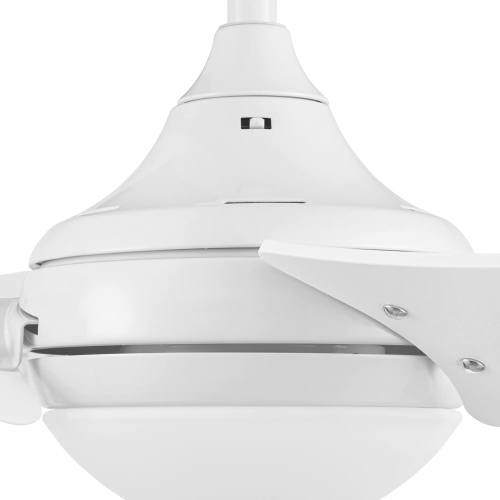
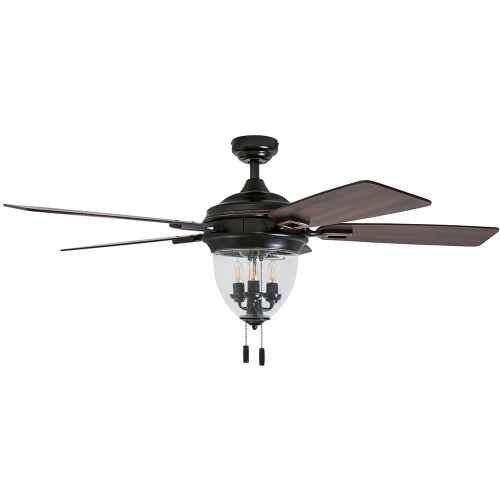
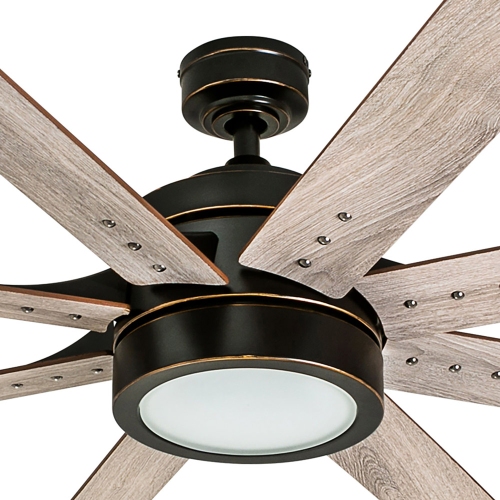
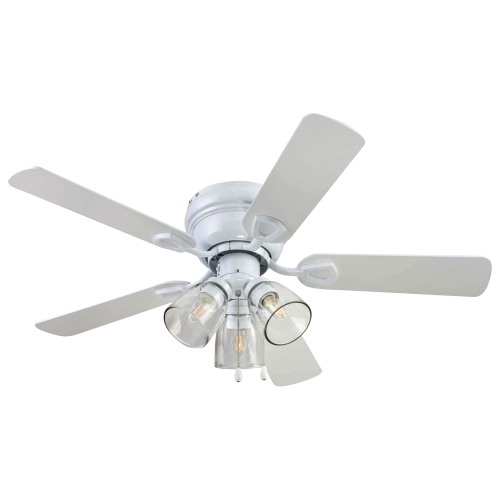
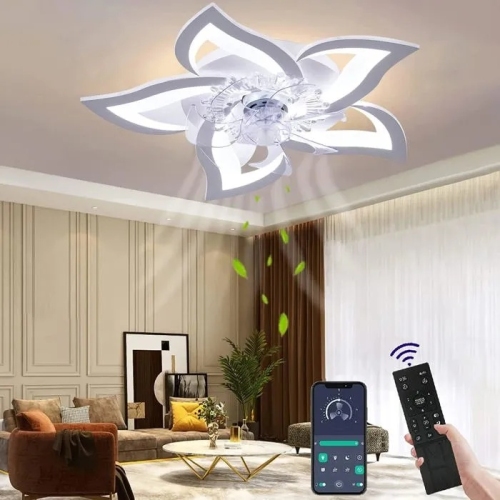
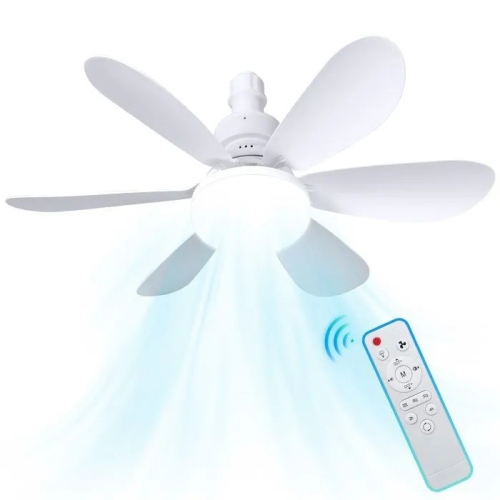
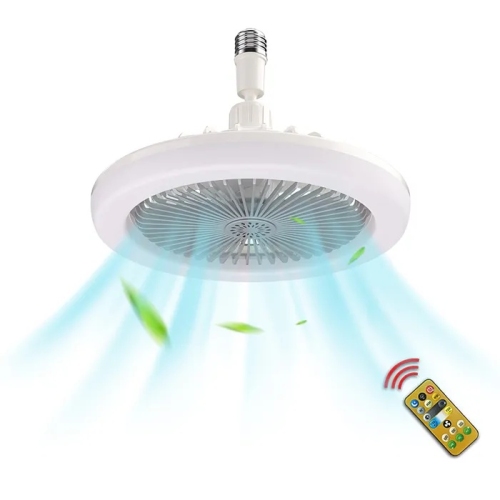
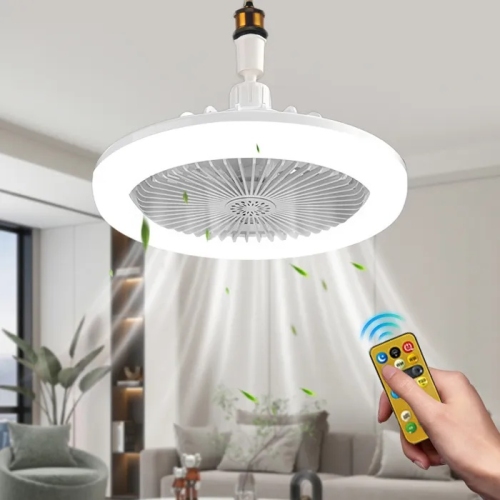
Find quiet bedroom ceiling fans with lights to keep air moving and brighten your room without distracting noise. Compare fan size, noise ratings, light output, and control options to choose a ceiling fan that suits your bedroom’s layout and your preferences for sleep and everyday comfort.
Sort

Bedtime comfort takes more than a quiet fan motor

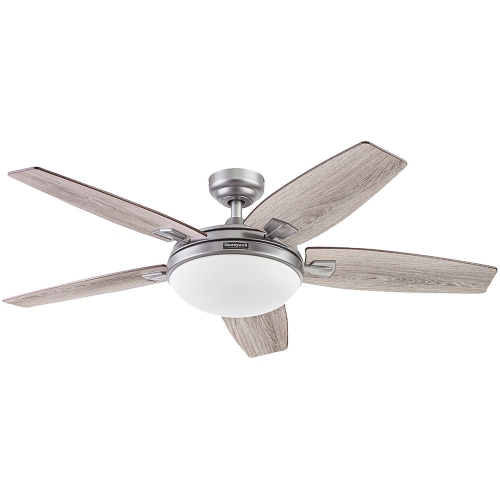
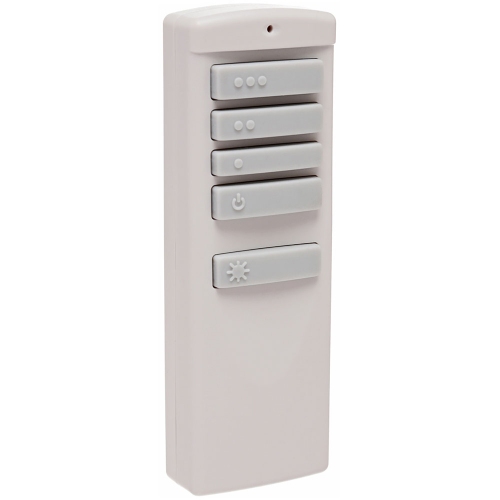
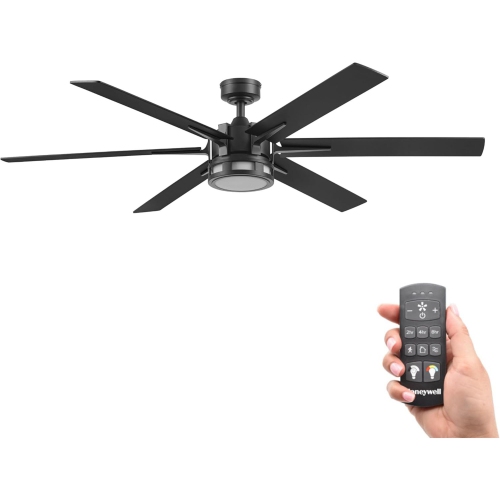
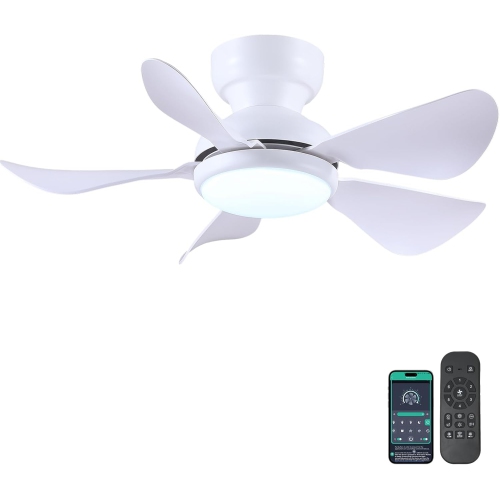
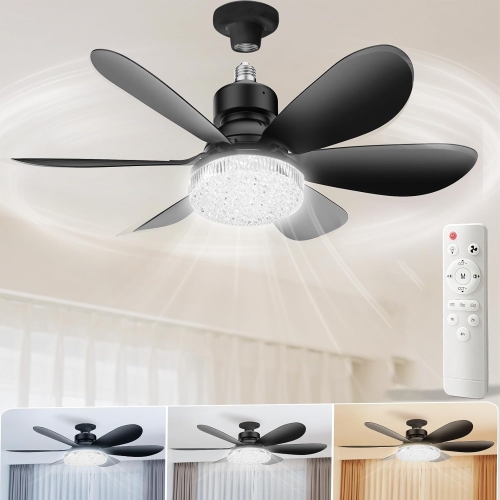
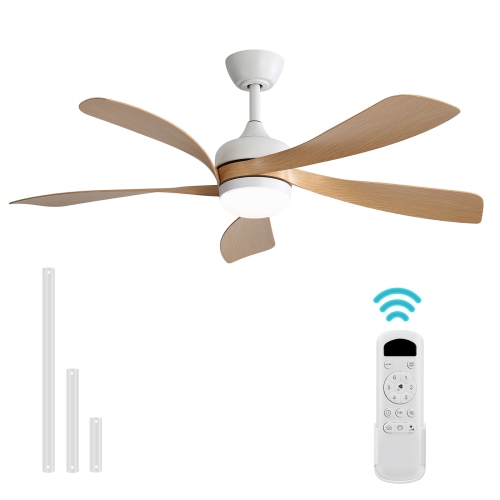
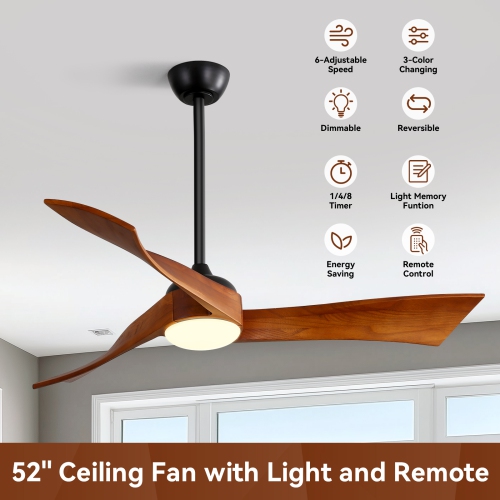
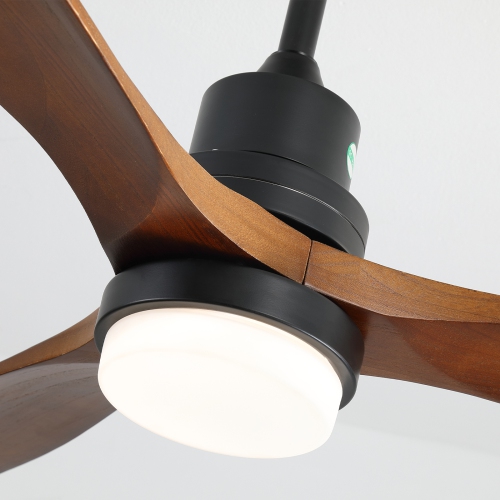
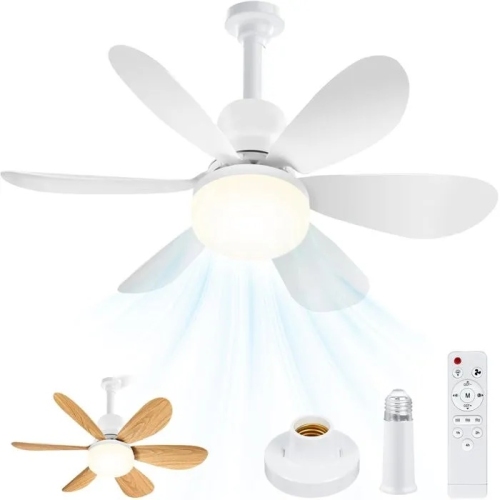
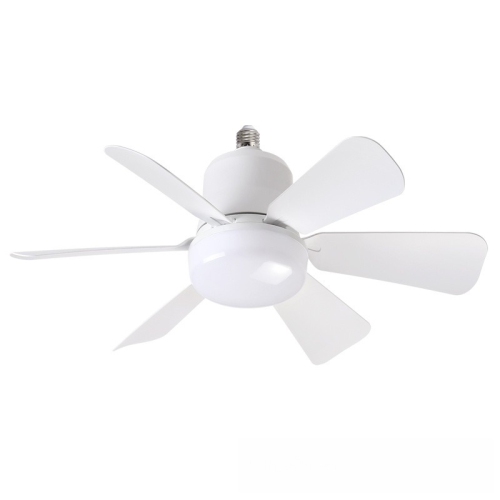
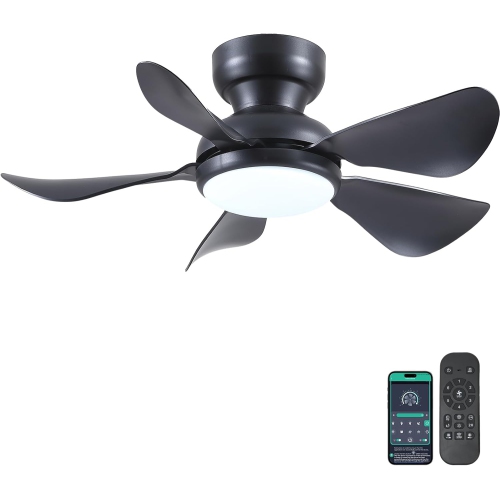
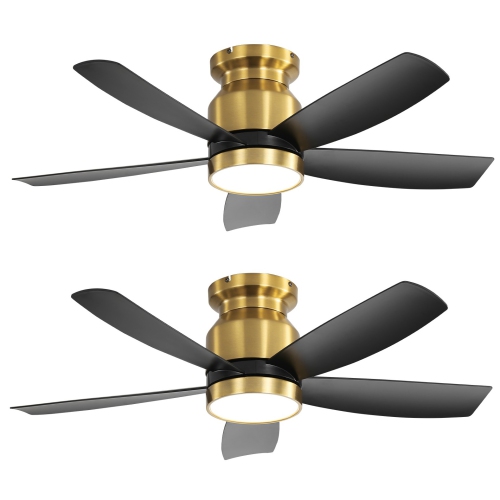
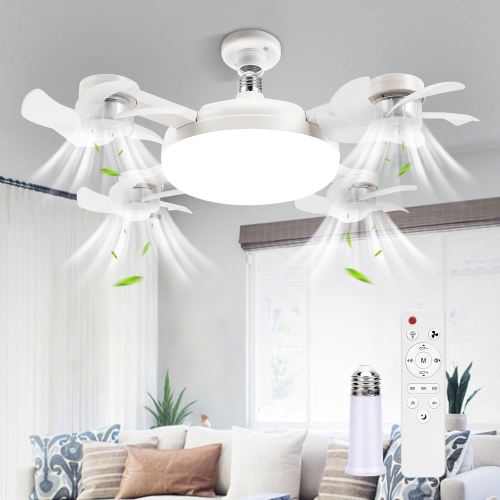
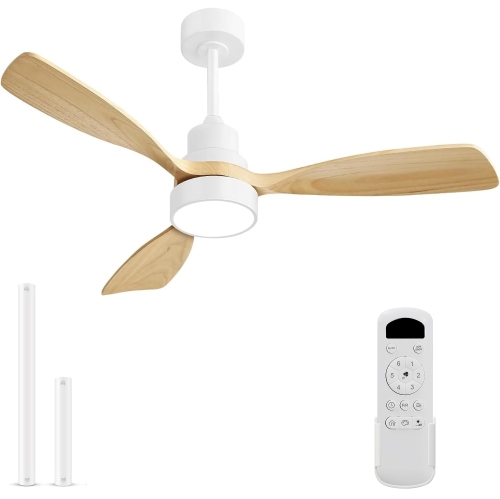
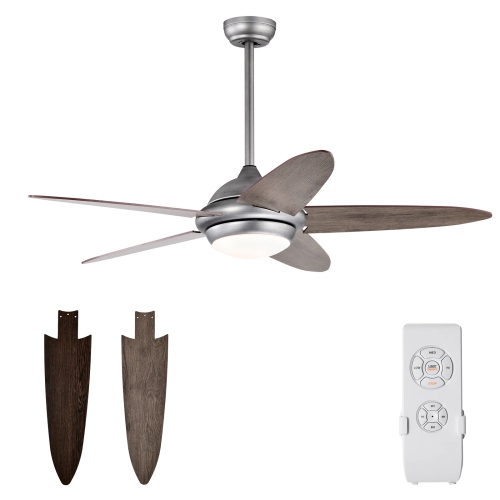
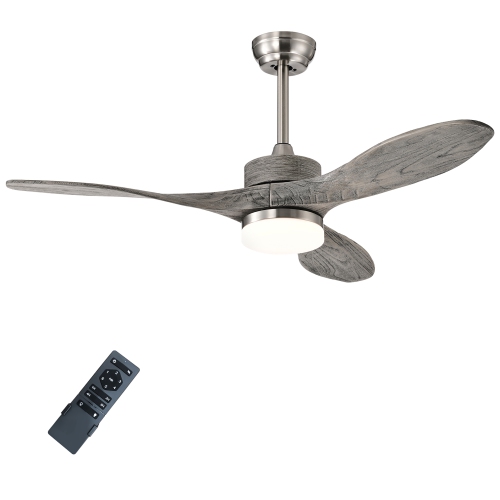
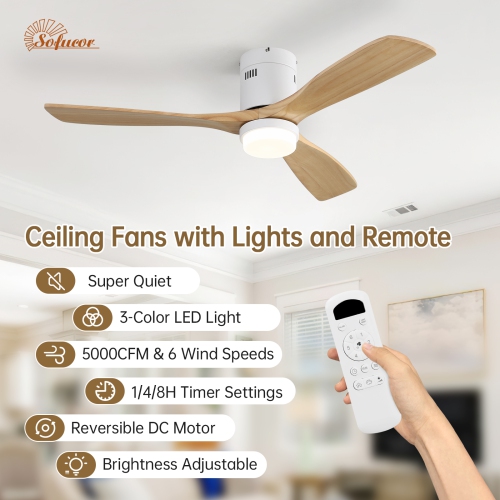
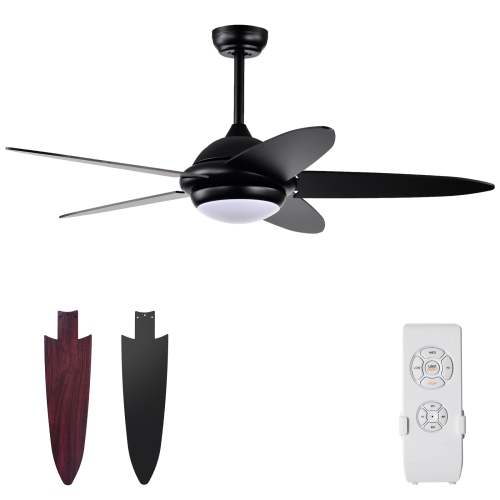
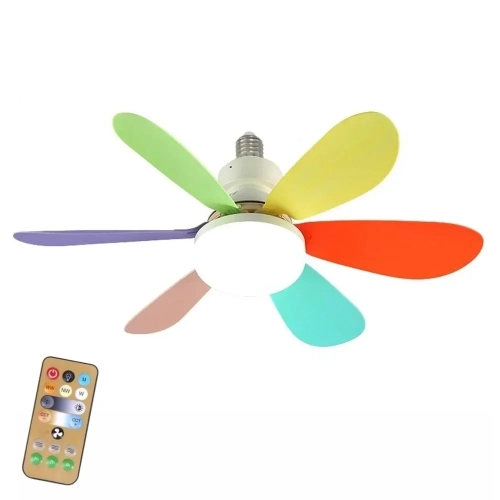
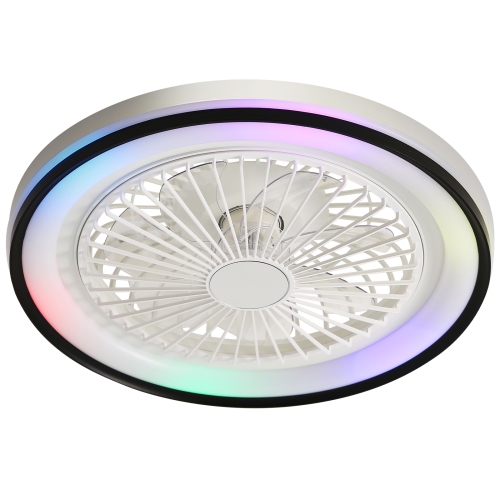
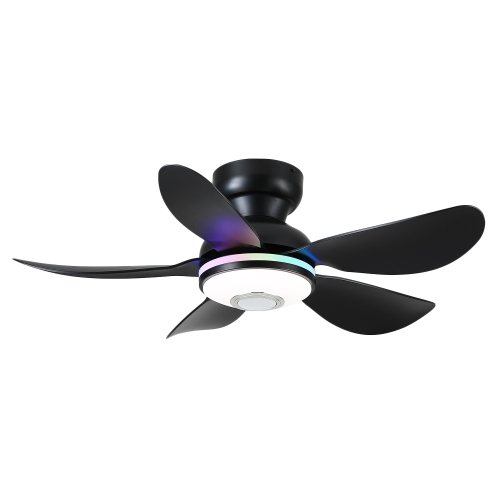
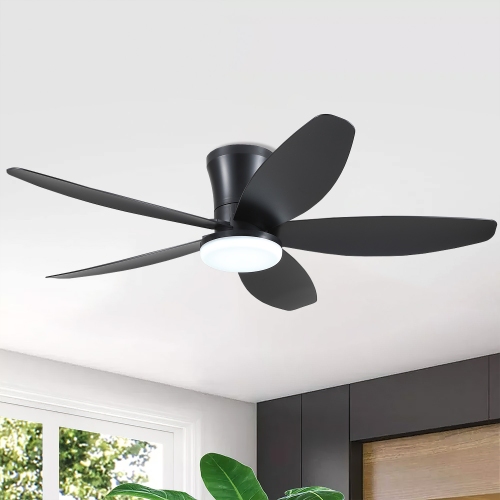
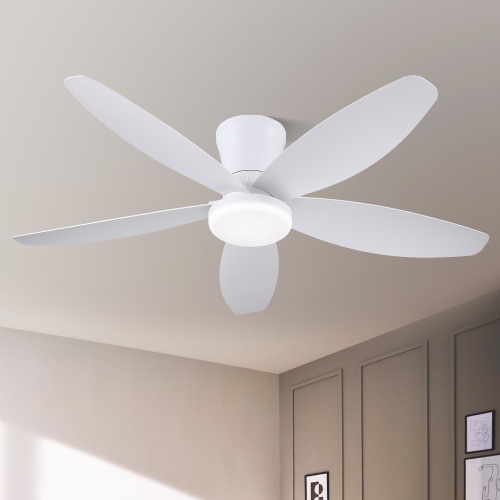
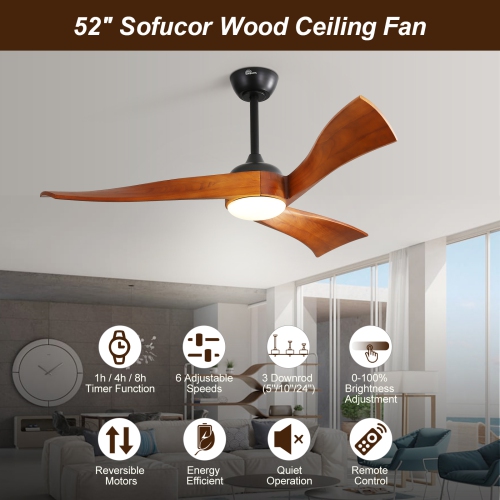
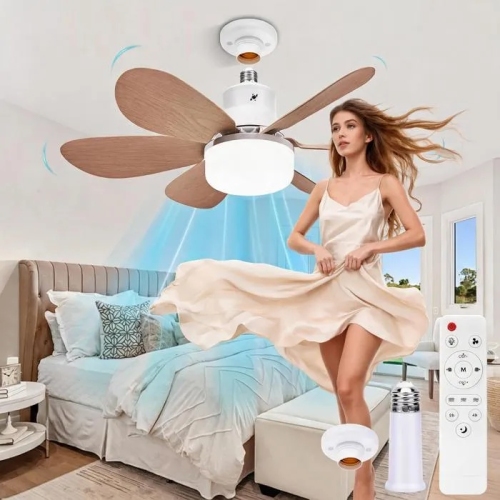
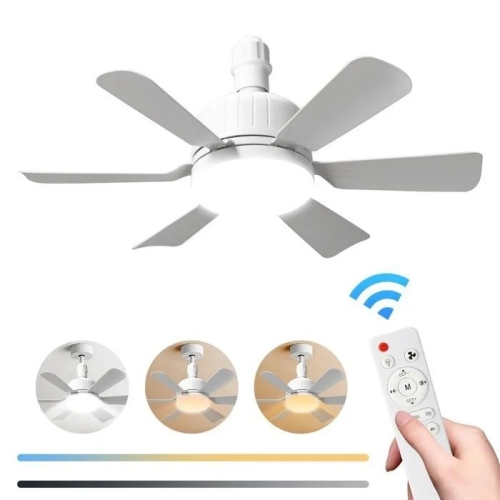
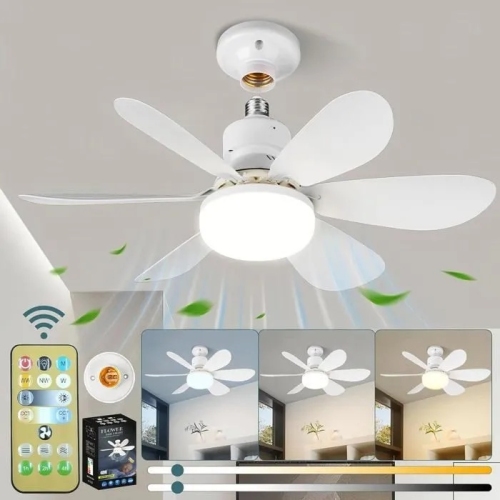
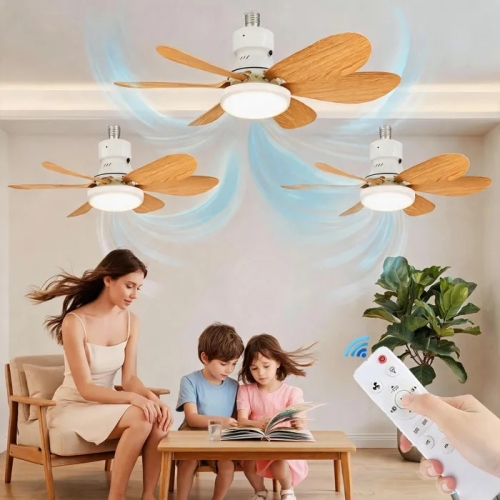
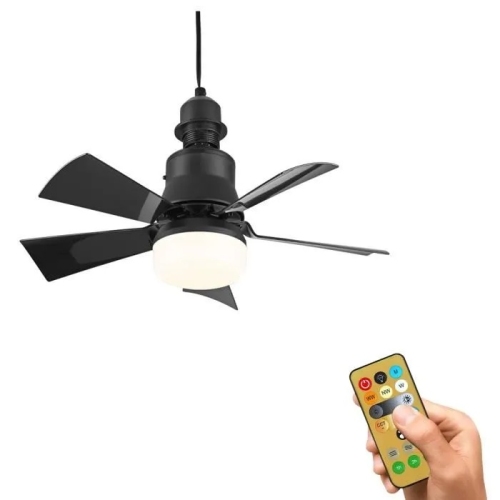
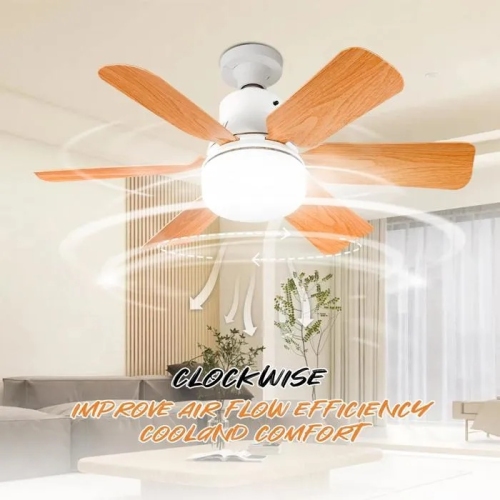
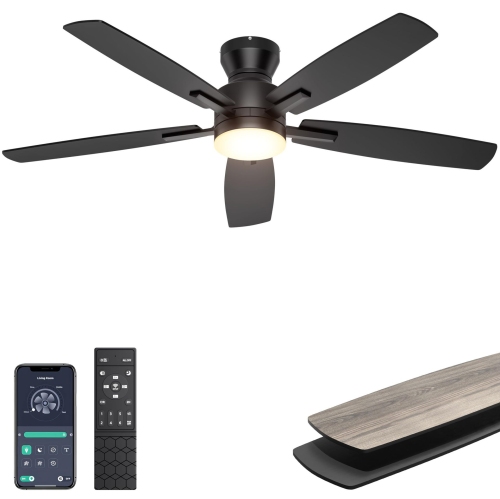
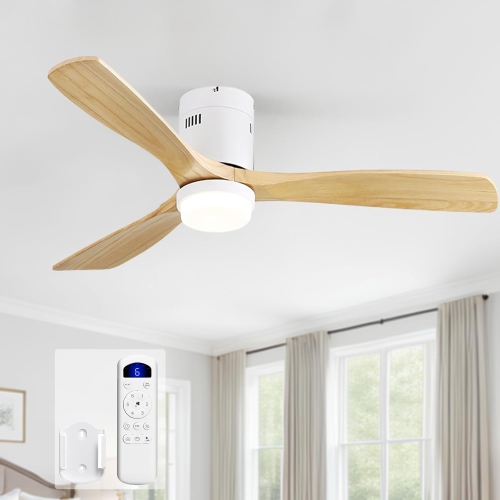
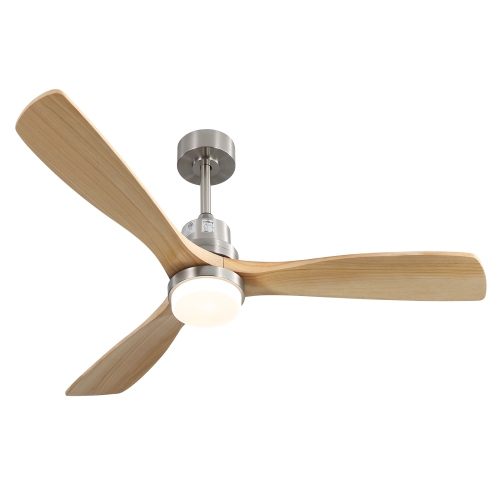
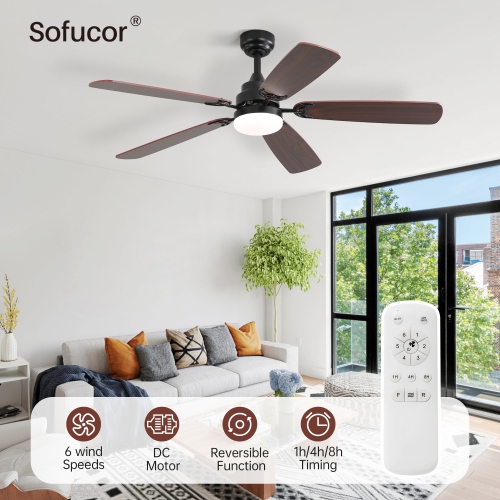
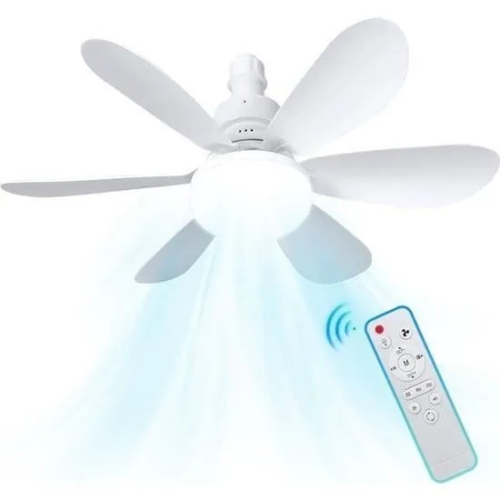
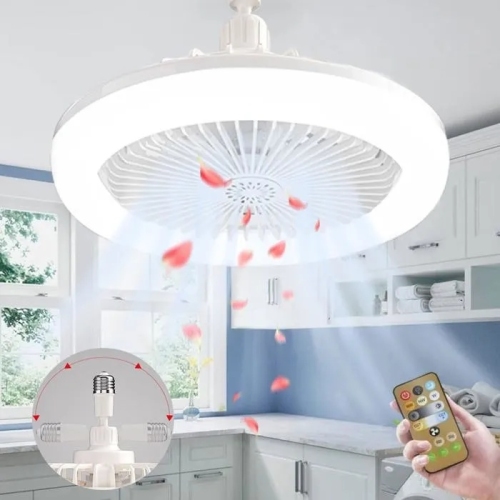
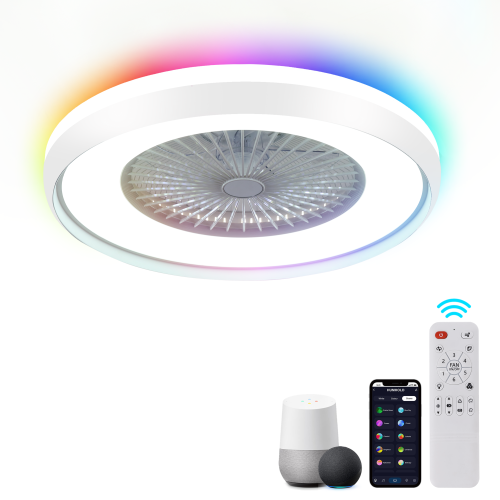
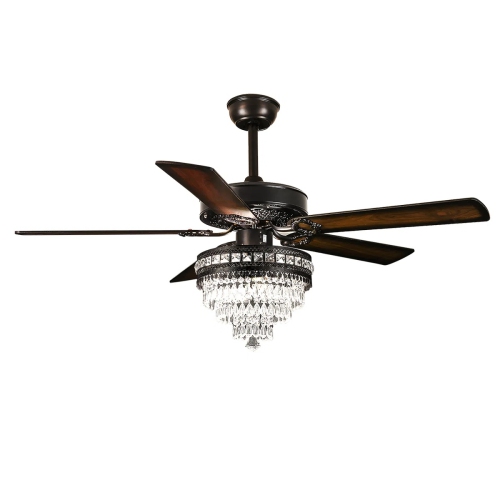
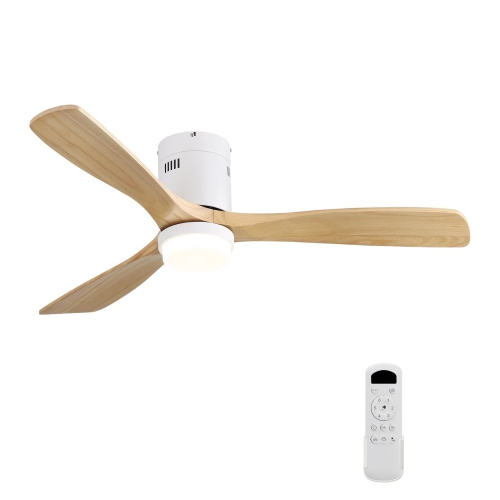
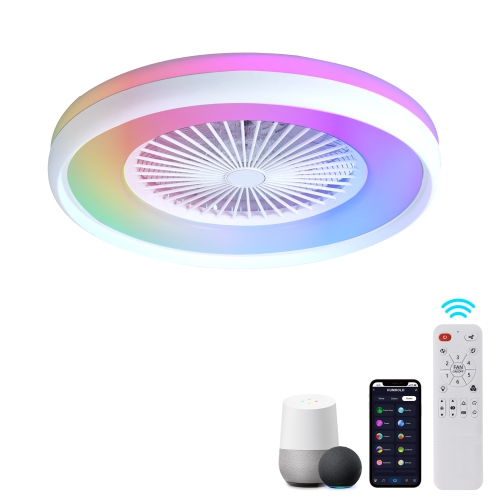
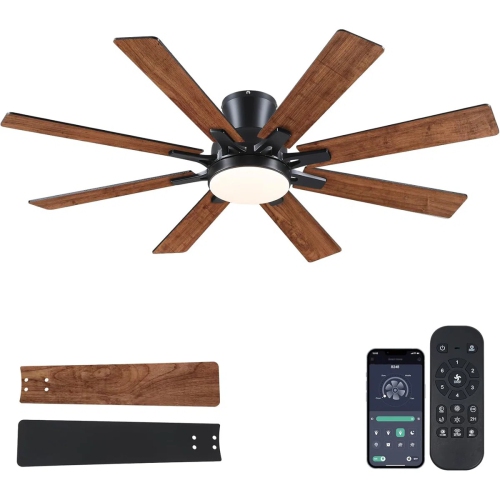
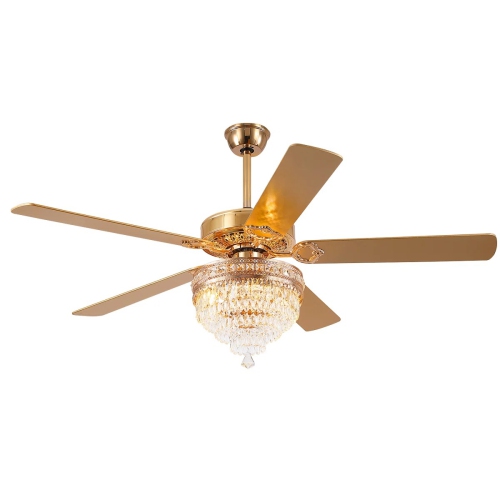
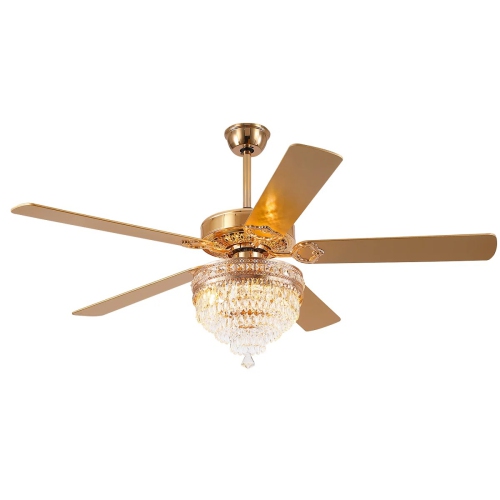
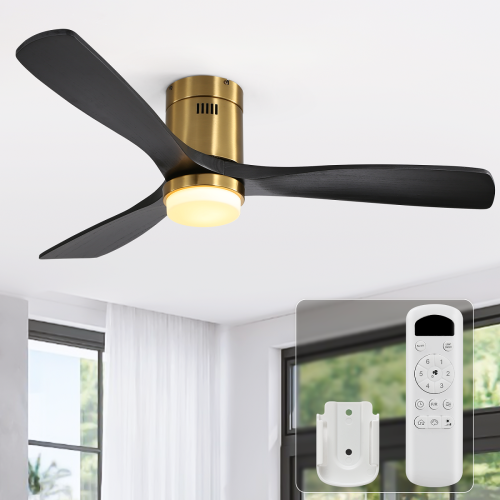
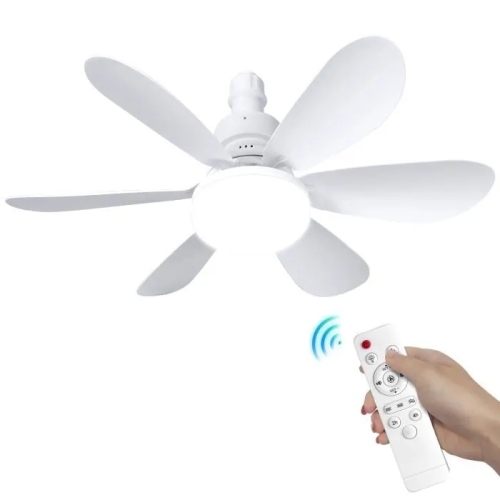
Quiet bedroom ceiling fans with lights bring air movement and overhead illumination together in one fixture, leaving bedside tables and floor space free for other essentials. In a bedroom, quiet operation involves more than choosing a fan with a low sound rating: motor noise, blade movement, mounting stability, and control sounds all contribute to what someone hears from the pillow. Brushless DC motors are often a good fit for this setting because they can provide smooth operation and a broad range of speeds, including gentle settings suited to sleep. Motor type alone does not guarantee a quiet fan, however, and even a well-built design will produce some airflow sound as speed increases. When a decibel rating is provided, its usefulness depends on the test conditions, including operating speed and measurement distance. A figure recorded at the lowest setting may not describe performance at full speed. Balanced blades and a securely mounted housing also matter, particularly in a room where a soft ticking or repetitive vibration becomes noticeable after the lights go out. Proper installation helps prevent movement at the mounting point, loose hardware, and contact between internal components that can create rattling. A fan-rated electrical box, the correct mounting hardware, and installation that follows the manufacturer’s requirements support both safety and steady operation; electrical work is best handled by a qualified professional. For a light sleeper, useful details extend to the controls. A remote that adjusts the fan without an audible confirmation tone, an indicator light that can be switched off, and separate controls for airflow and illumination can make the fixture easier to live with at bedtime. Someone sharing a bedroom may prefer several low-speed settings rather than a large jump between barely perceptible airflow and a stronger breeze. A timer can limit how long the fan runs after bedtime, while memory functions may restore a preferred setting without cycling through every option. These small differences help distinguish a fan that sounds quiet during a brief demonstration from one that feels unobtrusive throughout a night’s rest.
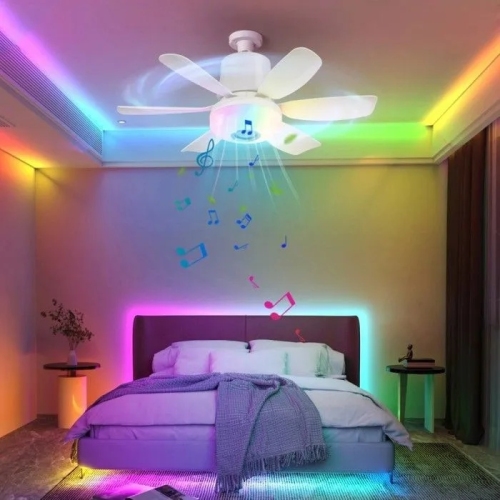
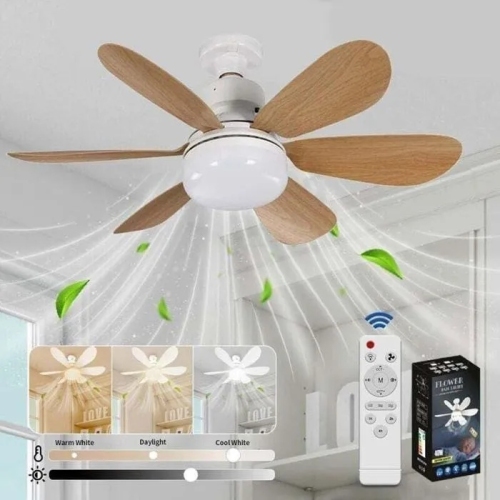
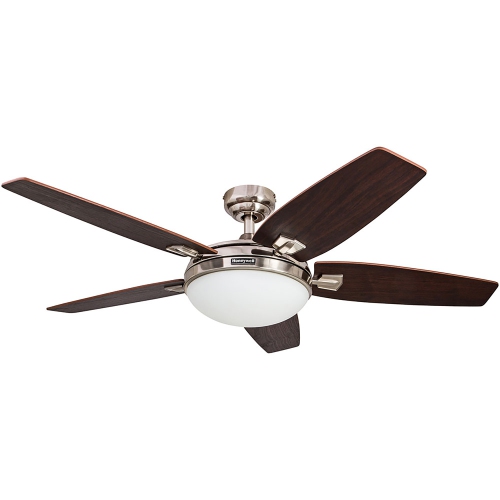
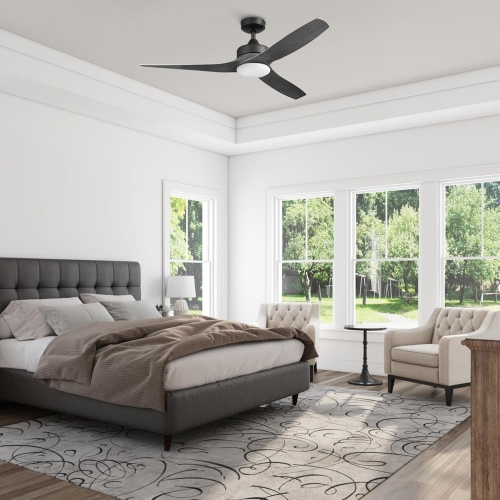
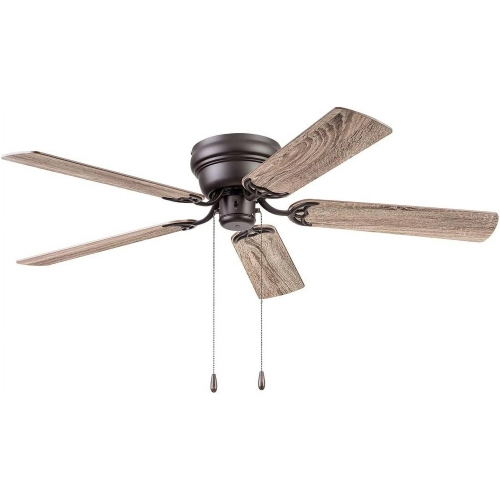
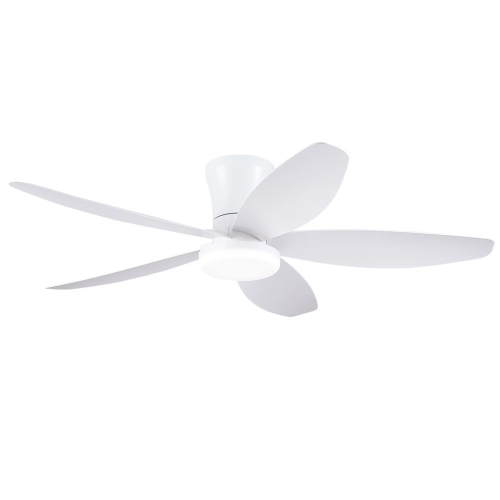
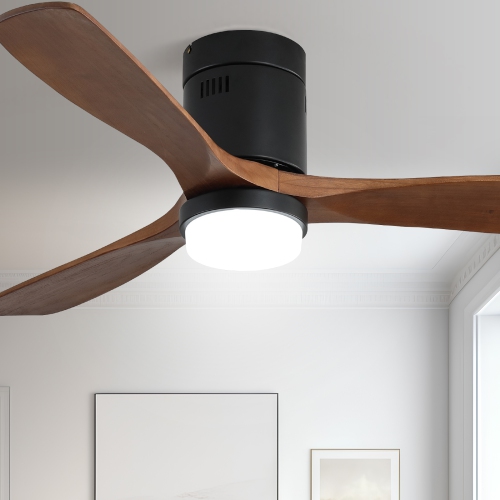
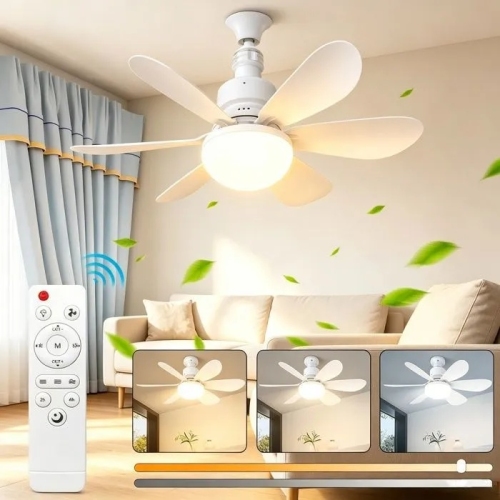
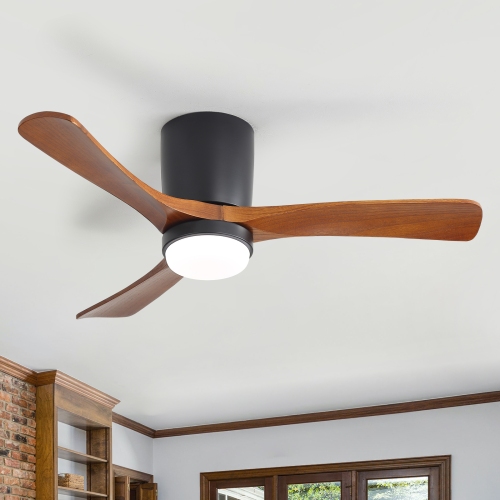
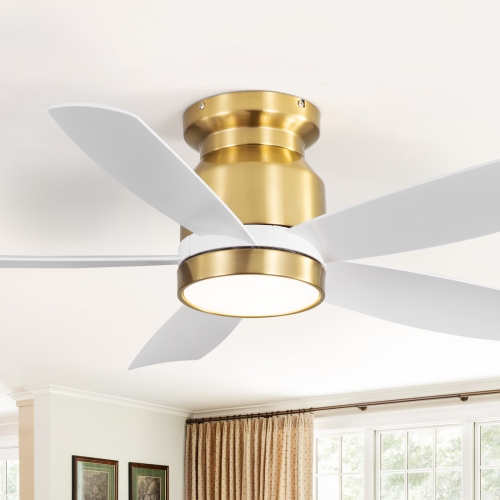
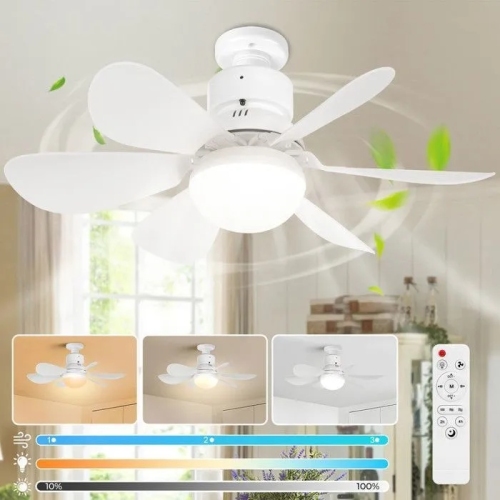
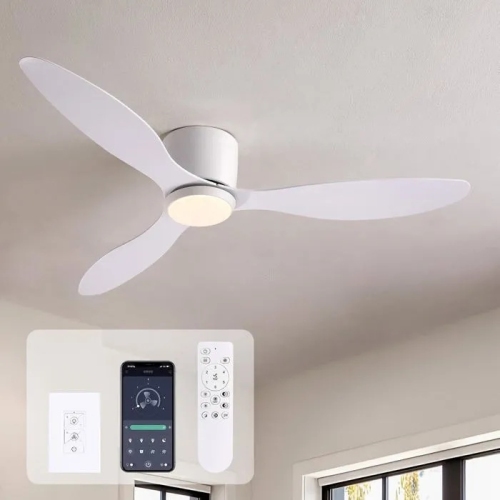
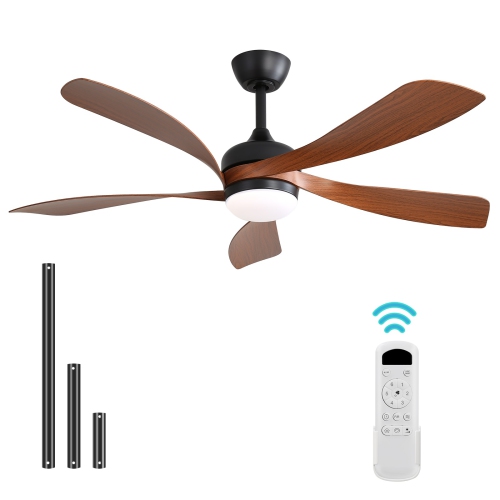
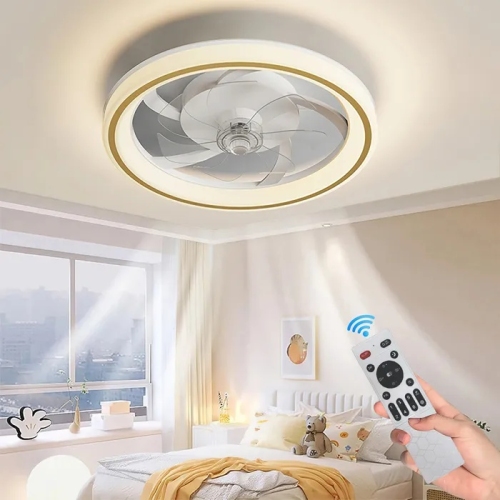
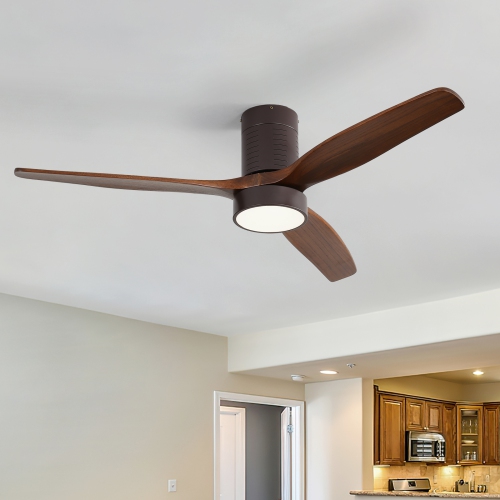
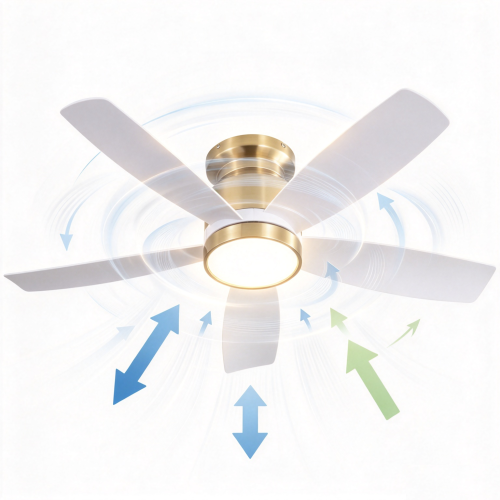
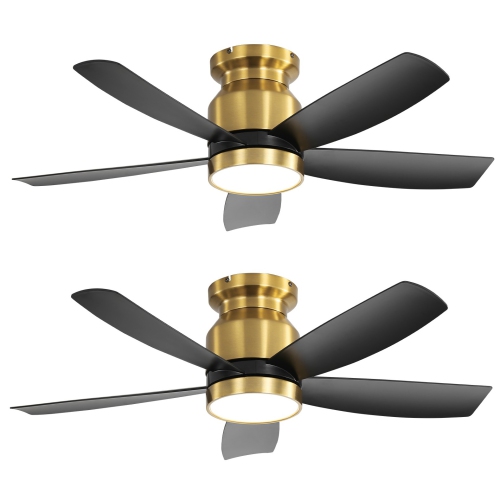
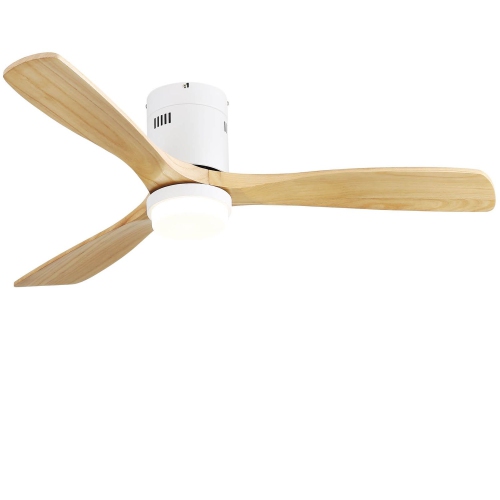
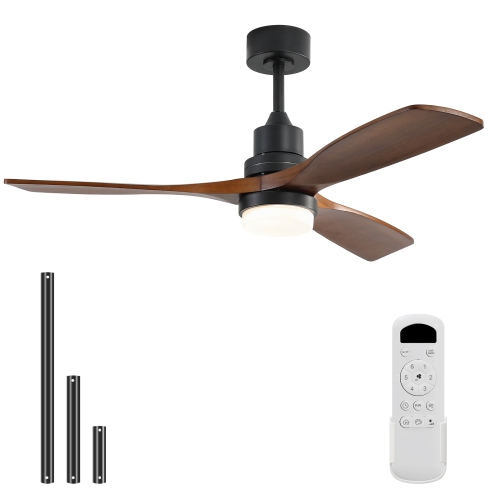
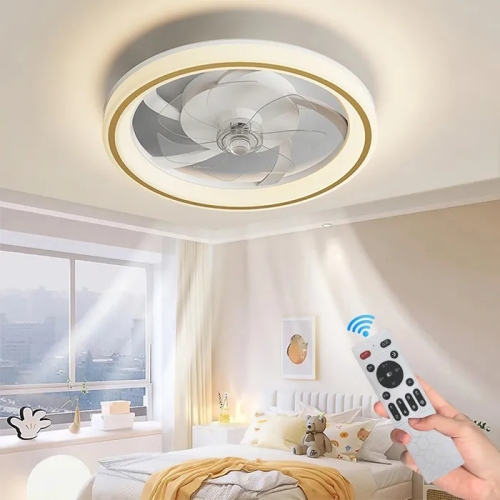
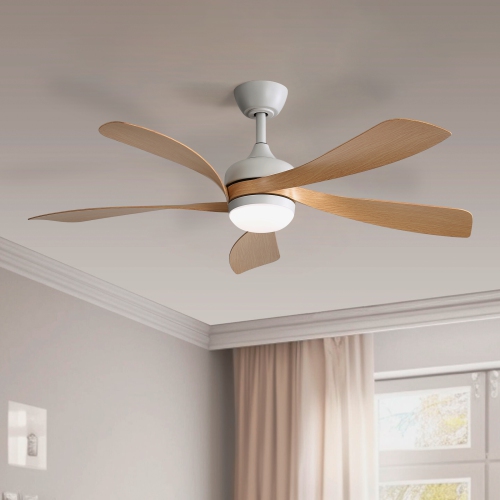
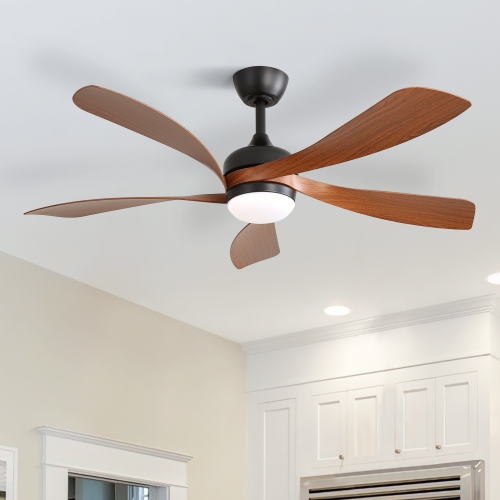
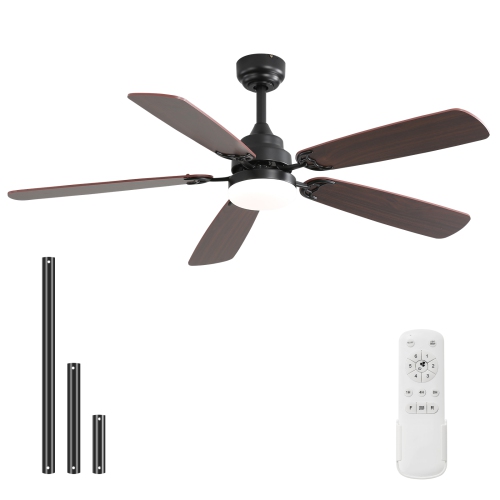
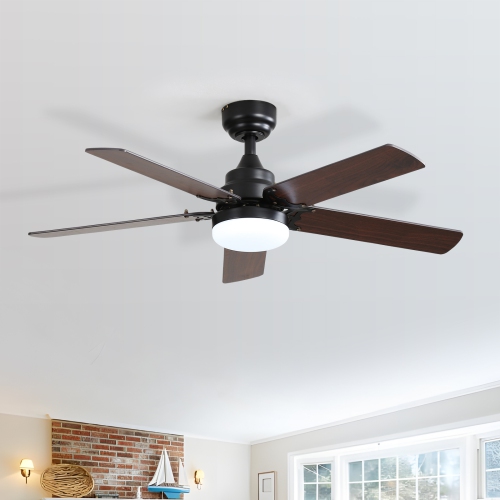
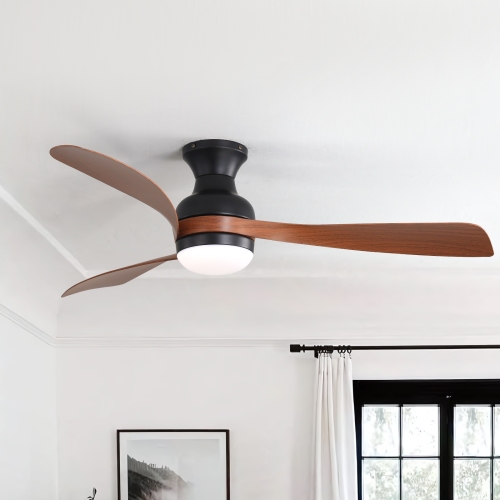
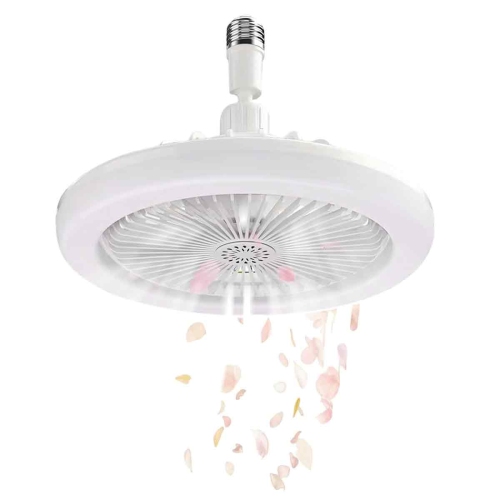
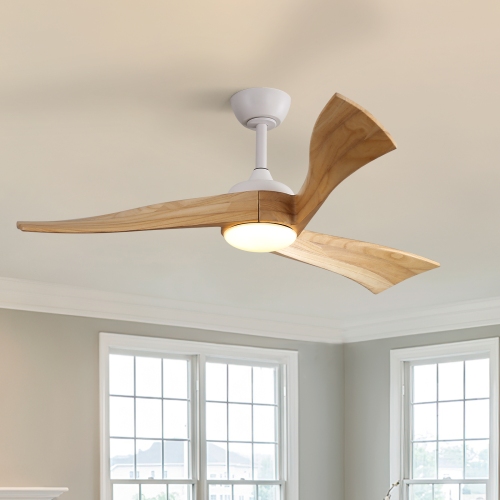
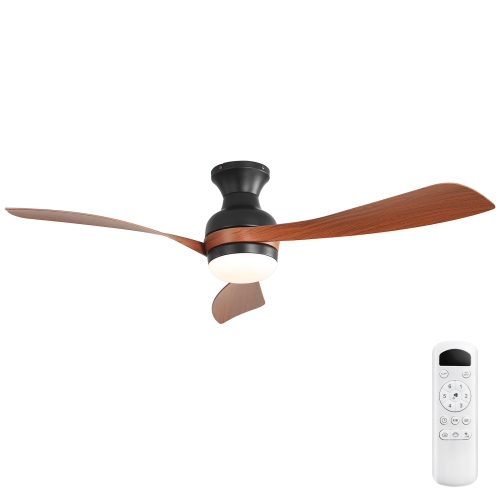
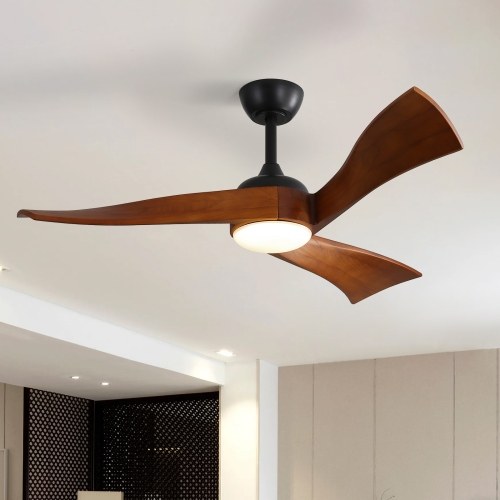
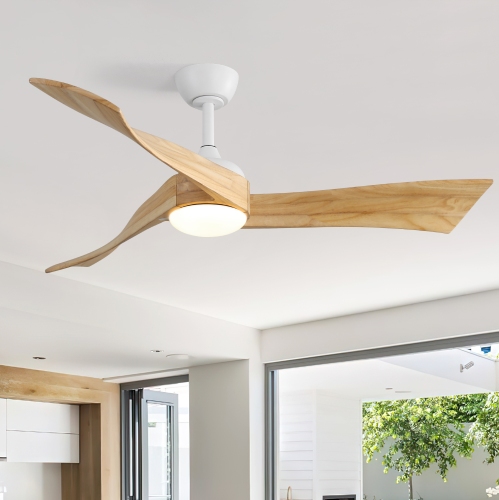
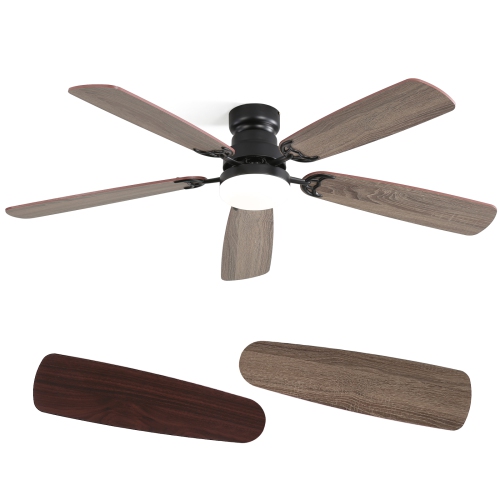
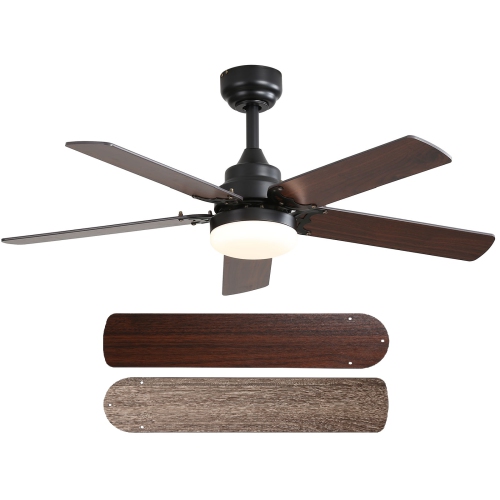
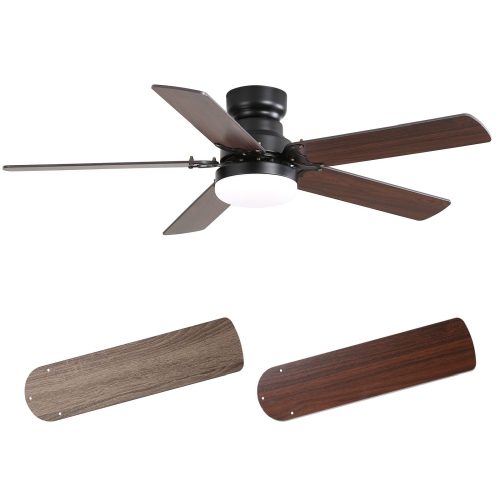
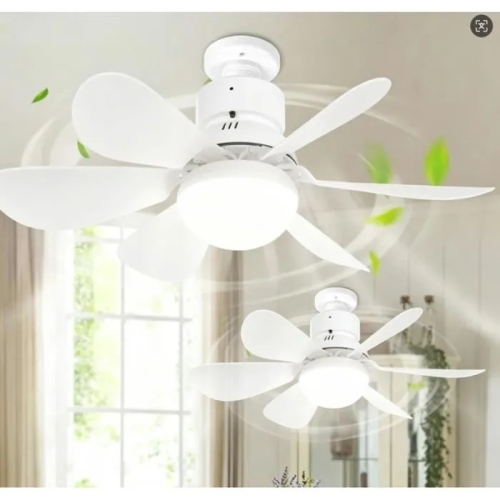
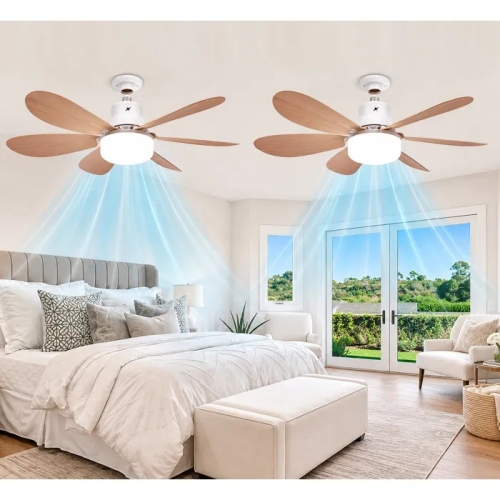
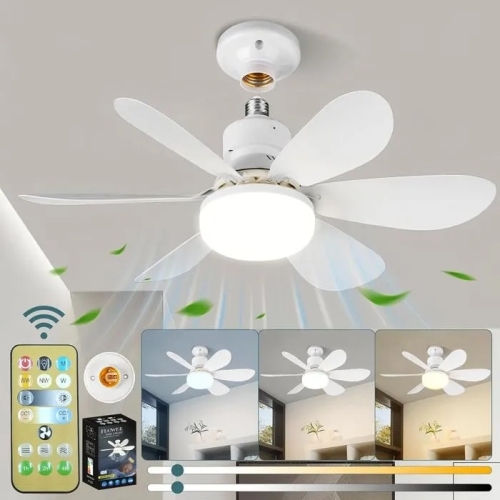
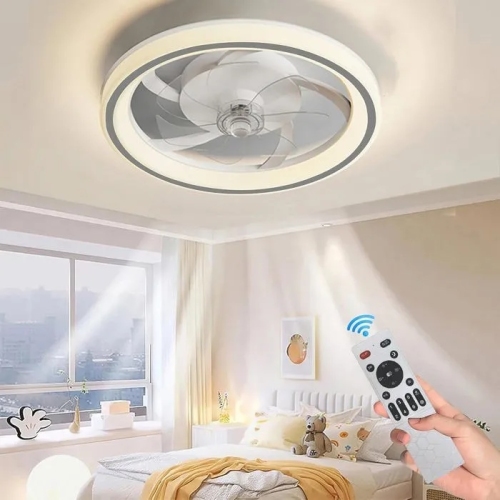
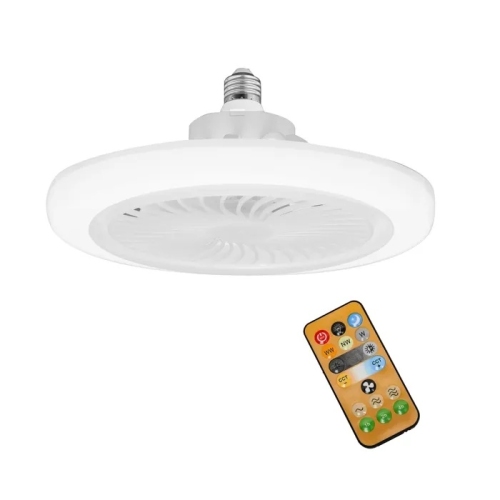
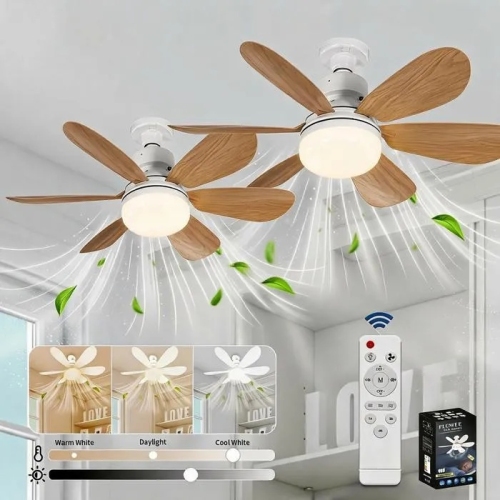
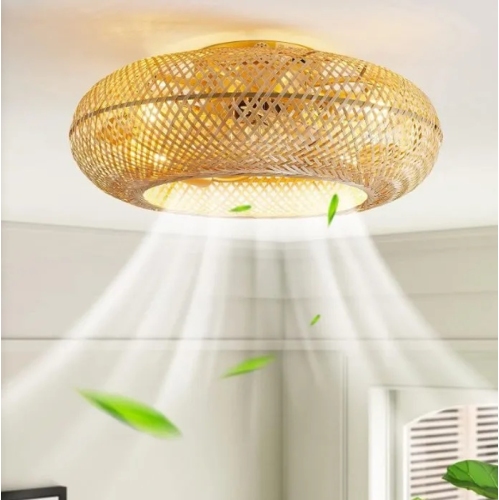
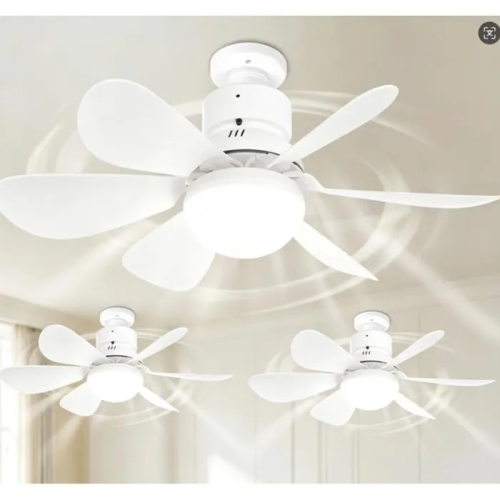
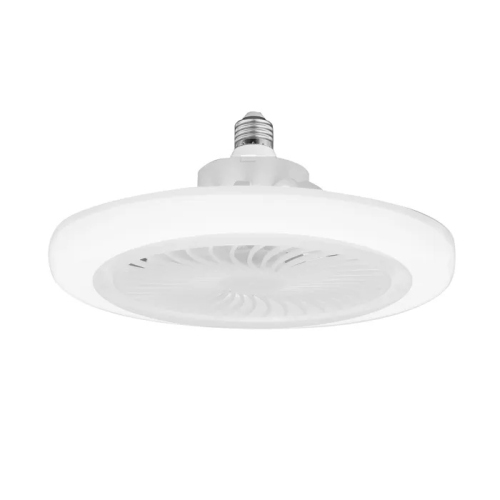
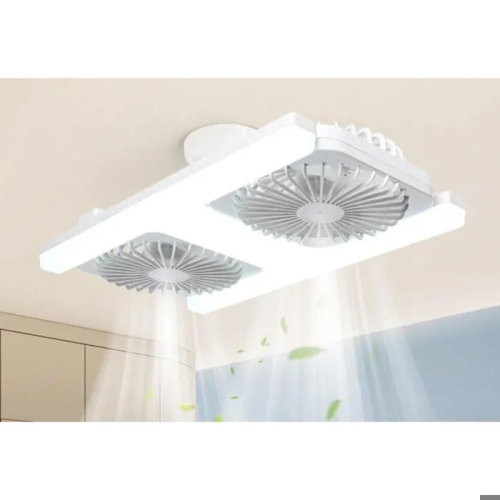
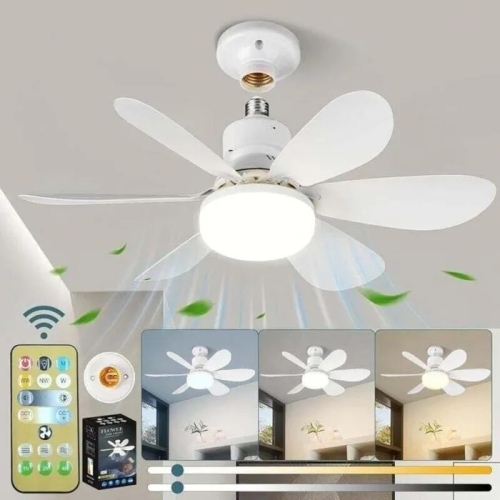
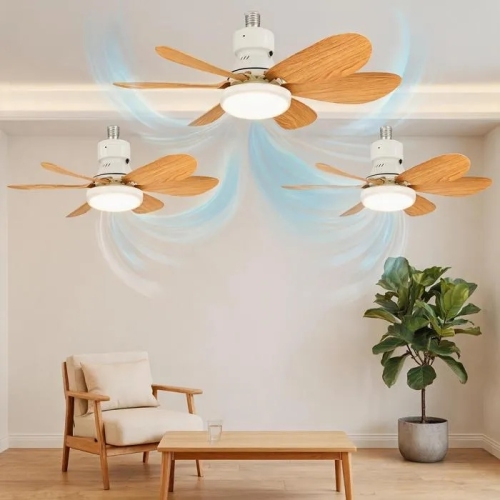
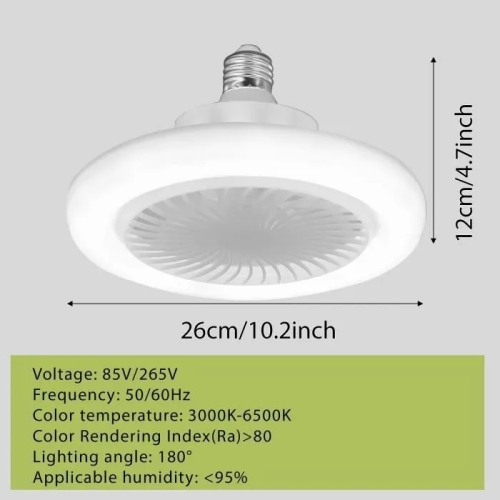
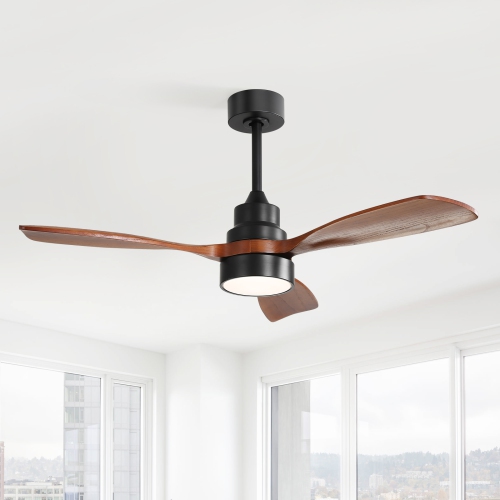
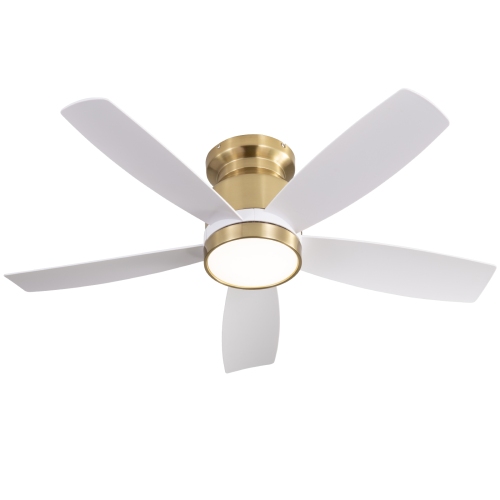
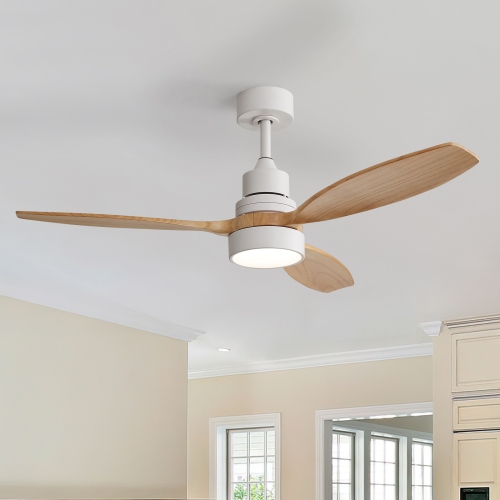
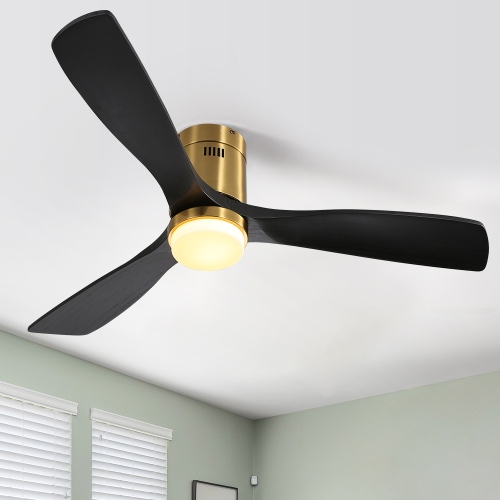
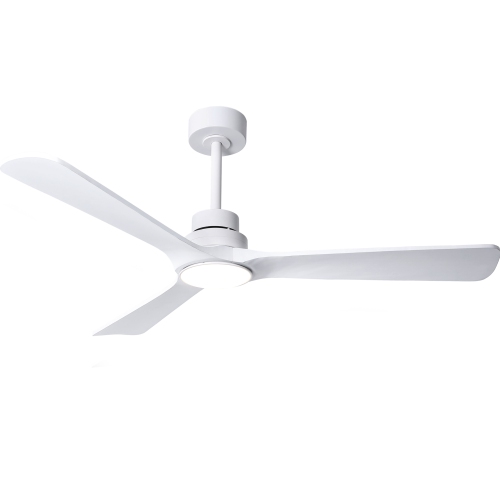
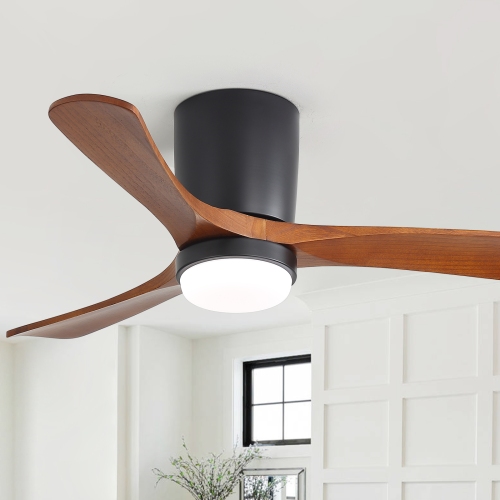
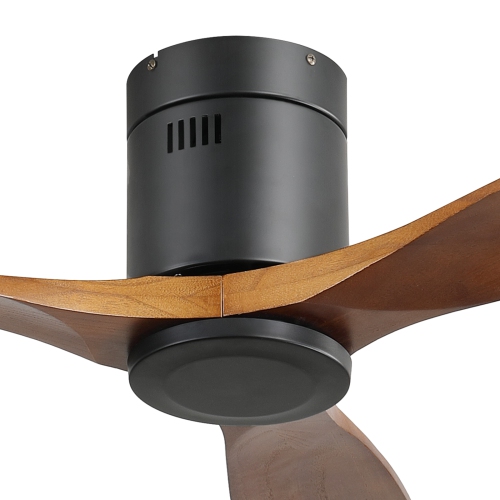
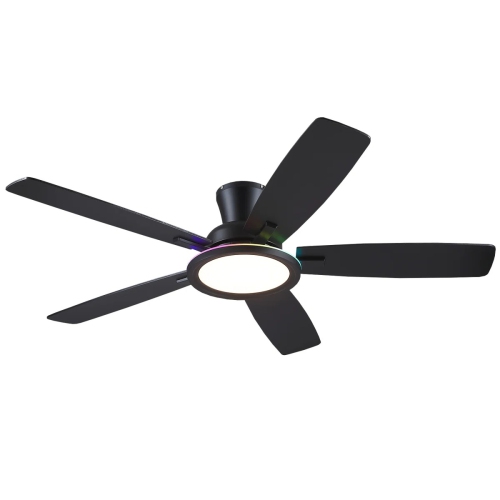
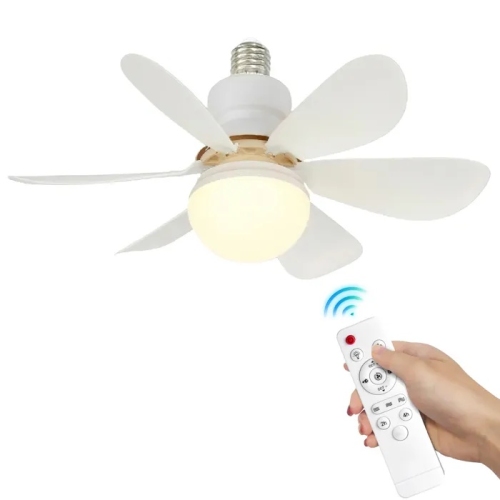
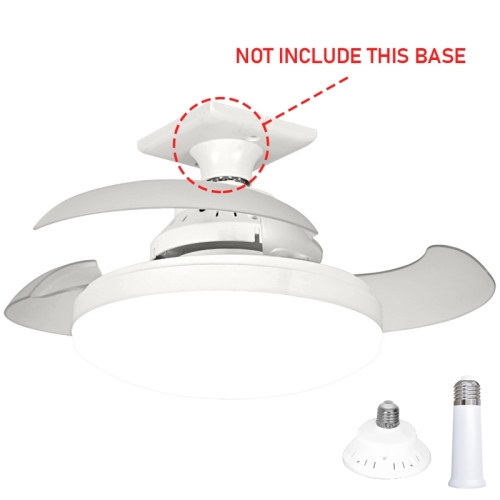
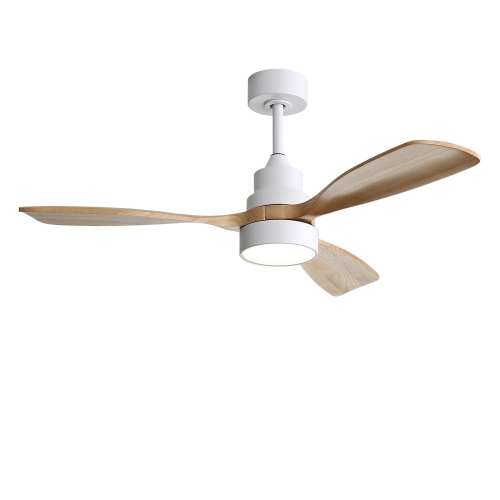
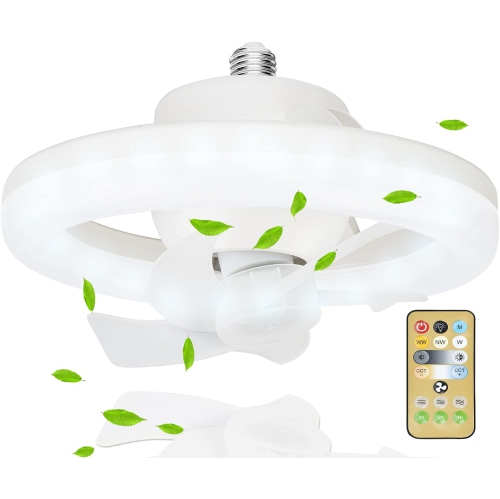
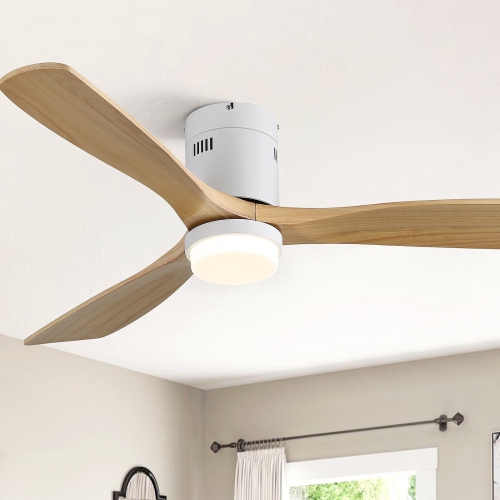
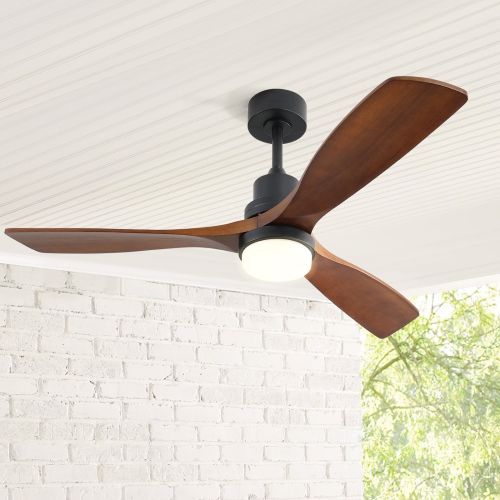
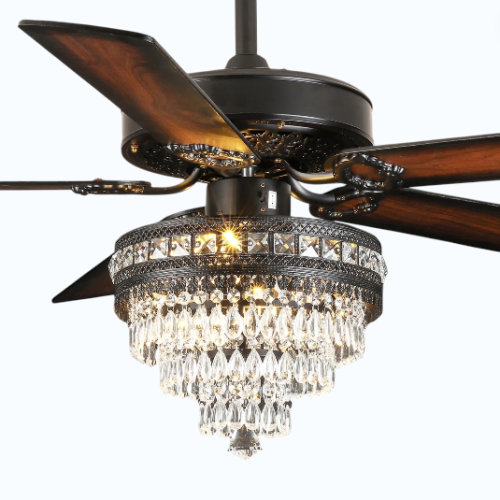
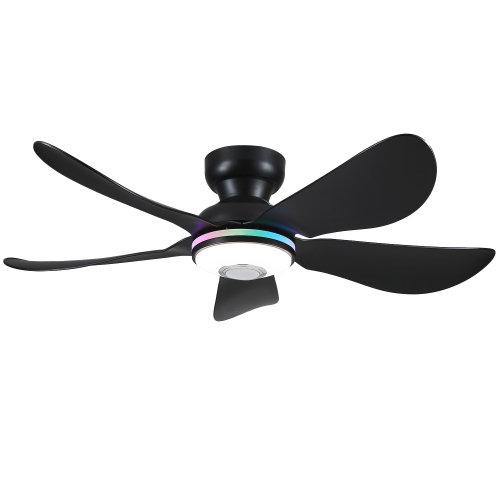
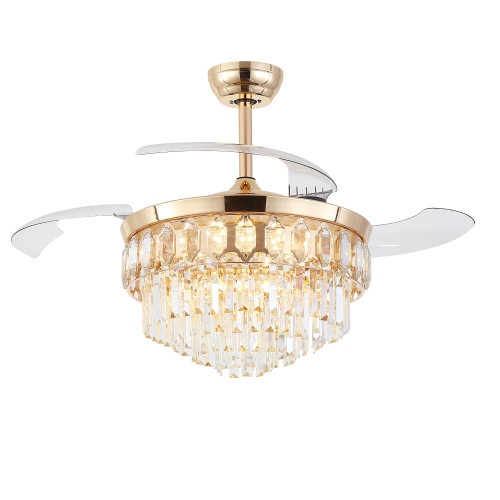
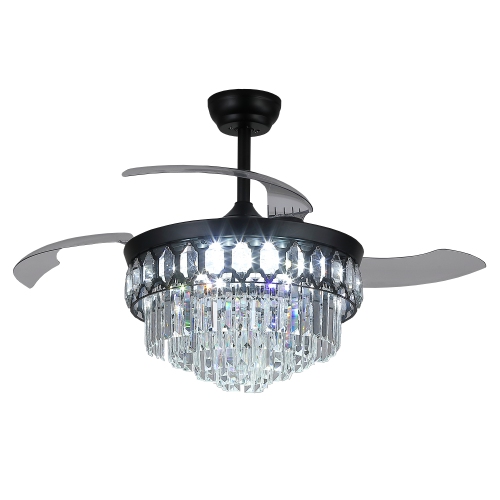
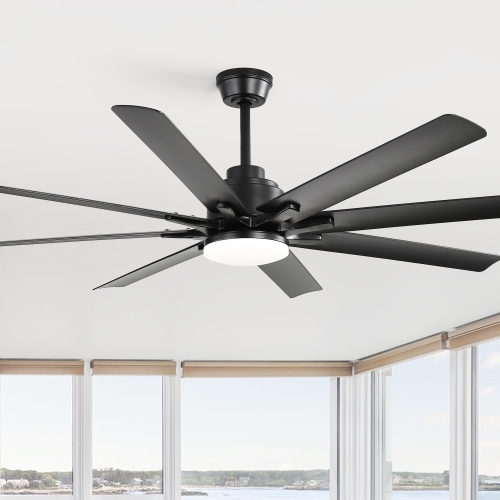
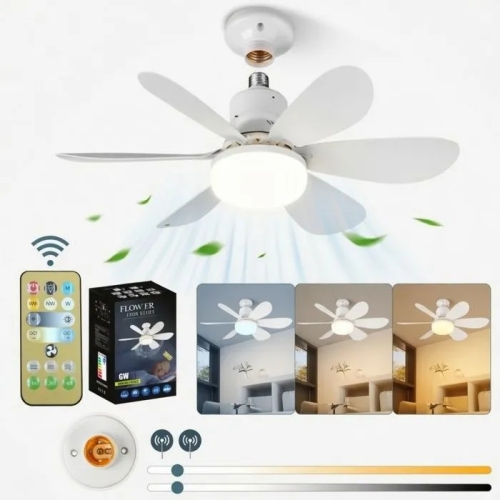
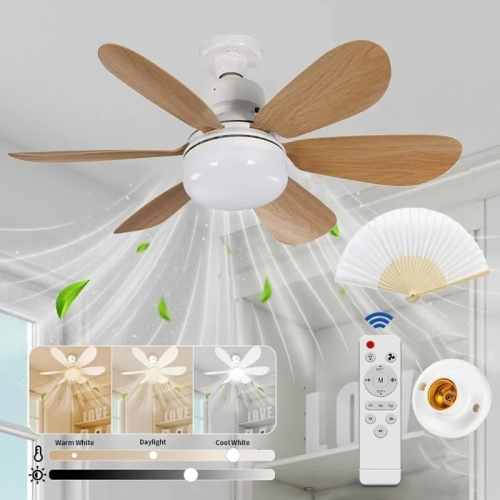
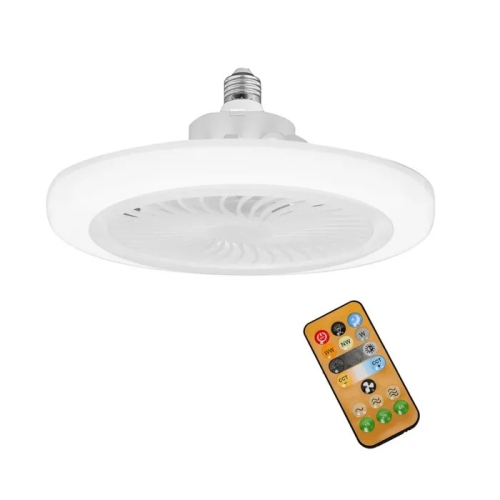
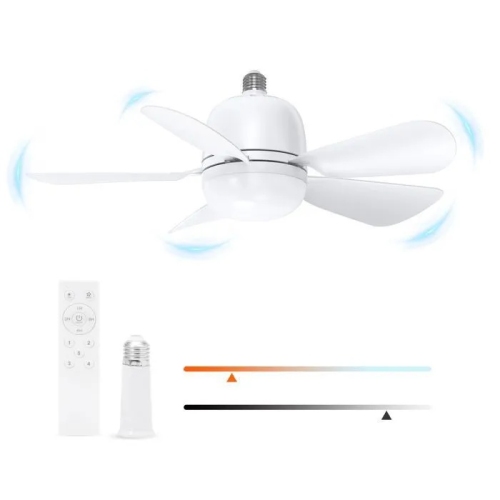
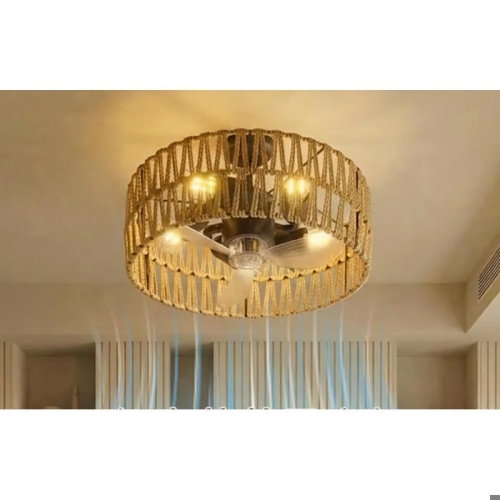
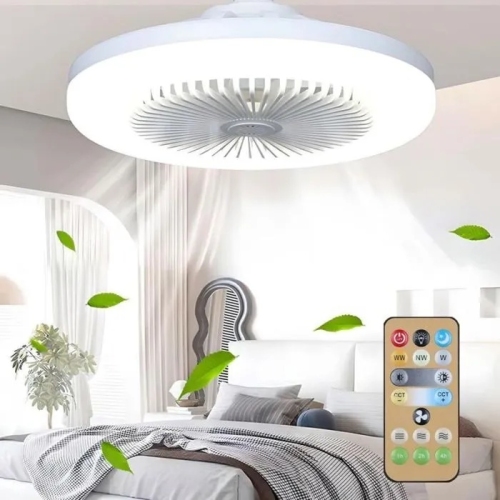
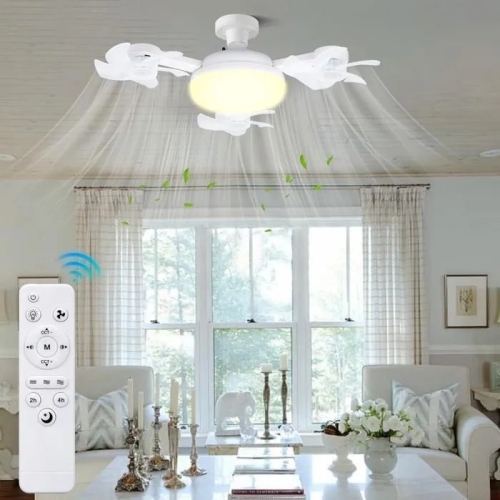
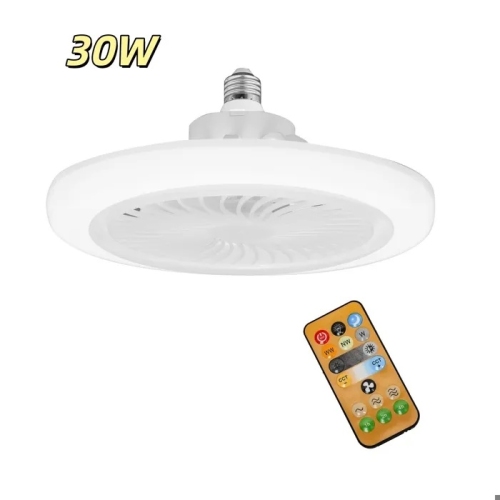
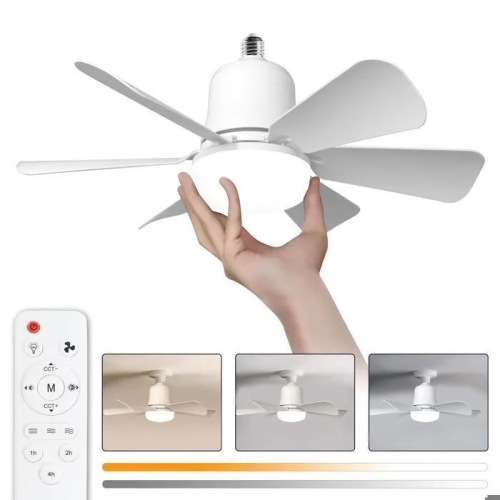
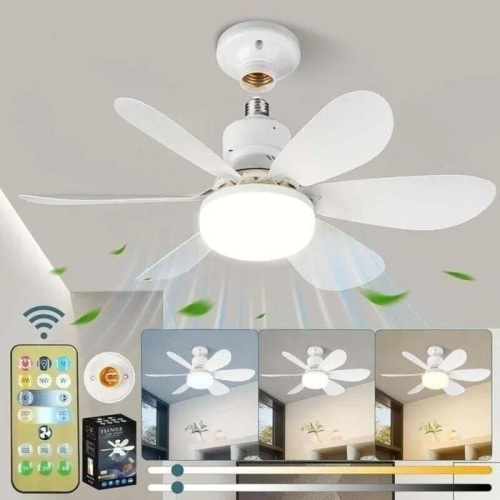
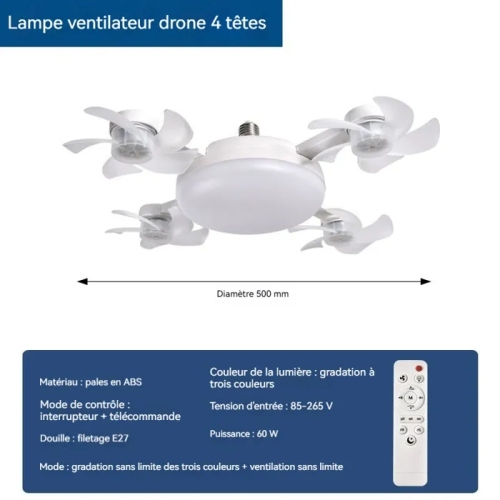
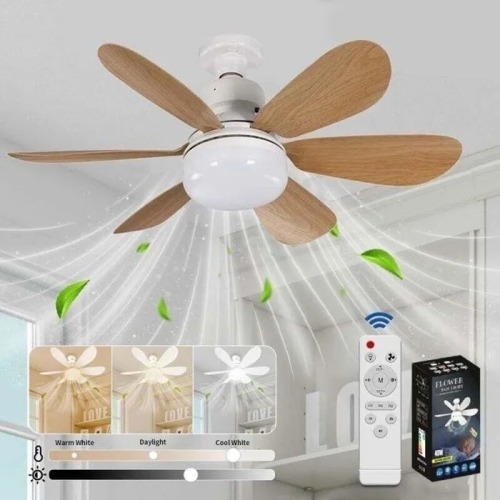
Size and mounting style shape how a ceiling fan fits into the bedroom, both visually and physically. Blade span should suit the room’s dimensions and layout rather than being chosen solely for appearance. A compact bedroom with a wardrobe close to the ceiling has different clearance needs from a larger primary bedroom with an open central area. The fan’s overall diameter, distance from nearby walls, and height above the floor all need to meet the manufacturer’s instructions and applicable installation requirements. Flush-mount and low-profile designs sit closer to the ceiling and can suit rooms where a longer suspension would leave insufficient clearance. They still need enough space around the blades to move air properly. A downrod-mounted fan may be more appropriate for a higher ceiling, and a sloped ceiling can require a compatible mounting system rather than a standard attachment. Position also affects comfort: airflow directly above the bed feels different from airflow centred over the room’s open floor area. Lighting deserves equally close attention because the fixture may serve as the bedroom’s main overhead light. A diffused shade can soften the appearance of individual LEDs, while sufficient light output helps with everyday tasks such as putting away laundry or finding something inside a dresser. Brightness is measured in lumens, so wattage alone is not a reliable way to compare illumination across different lighting technologies. Dimming offers a practical transition from general room lighting to a gentler glow before bed, provided the light and its controls support it. Adjustable white-light settings add flexibility, with warm white often preferred for a relaxed feel and a more neutral white useful when distinguishing clothing colours. The fan and light should ideally operate independently, allowing air movement with the room dark or illumination with the blades stopped. Integrated LED designs can create a streamlined profile, but the replaceability of the light module is worth considering. Fixtures with replaceable bulbs offer a different maintenance approach, and compatibility with the intended bulbs and dimming controls remains important.
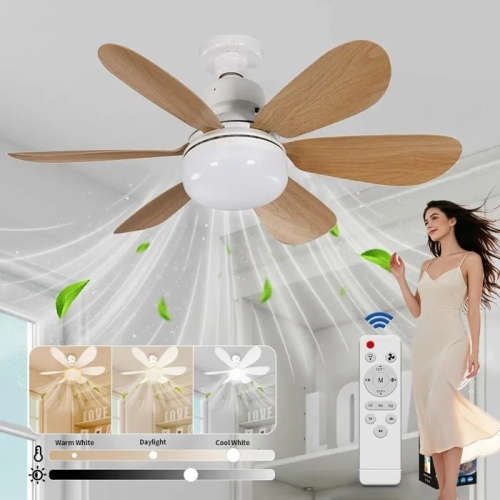
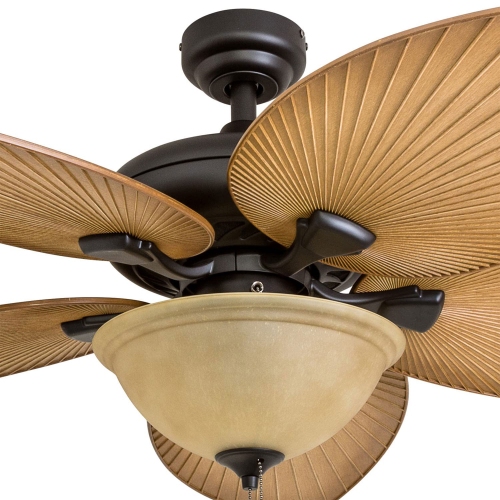
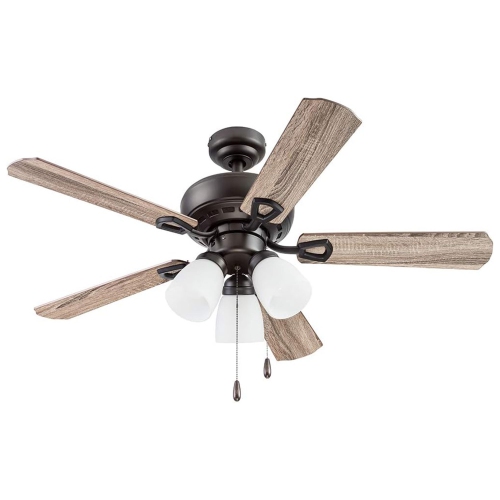
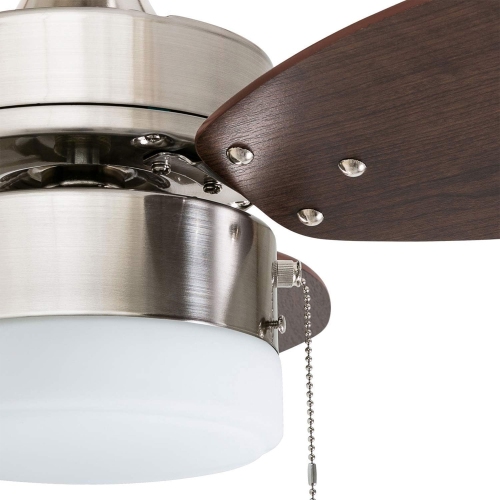
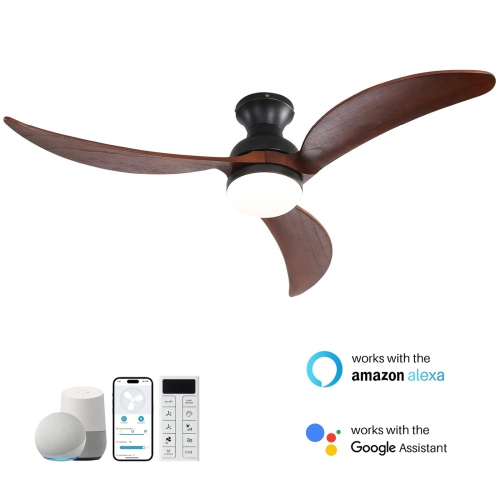
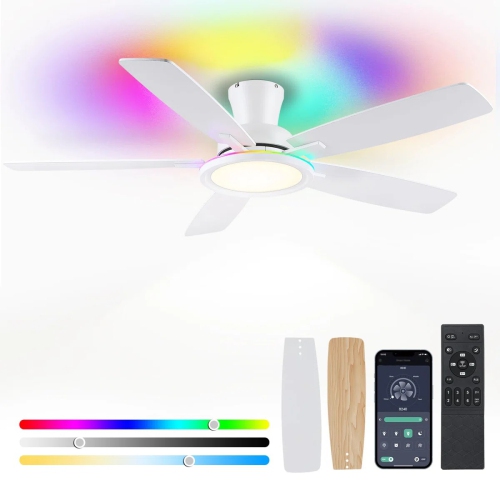
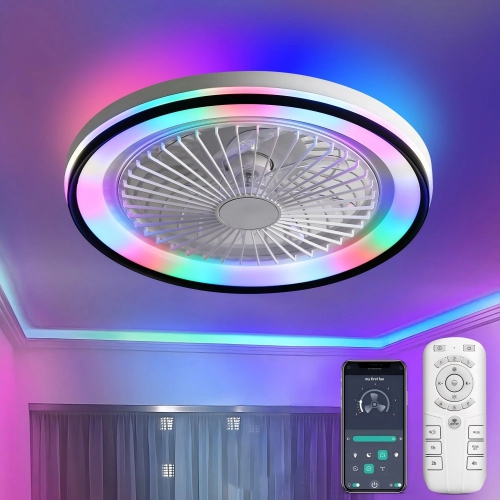
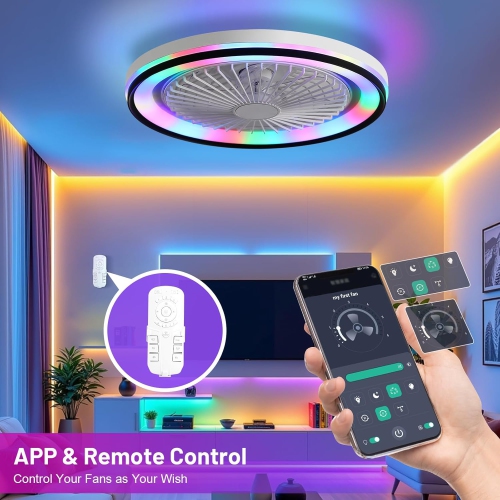
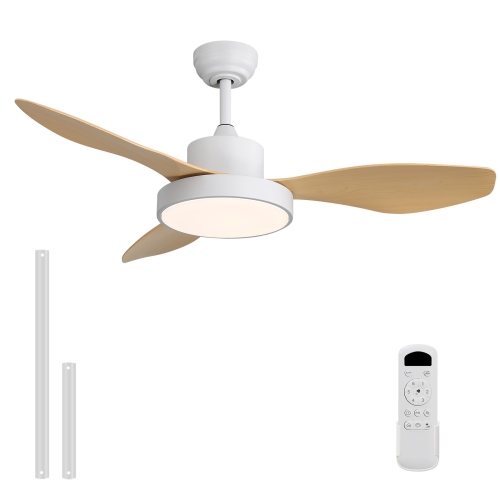
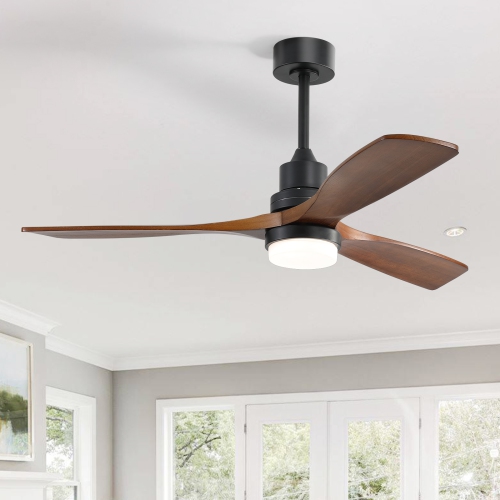
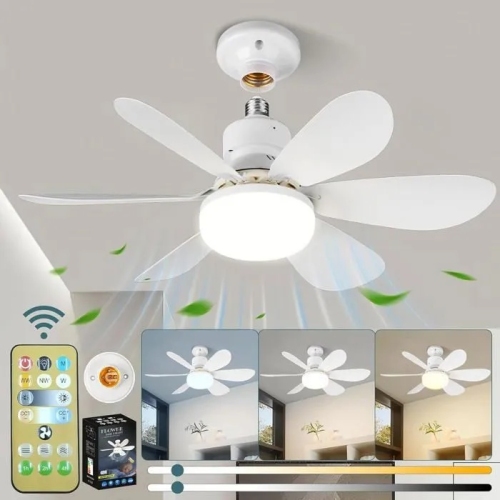
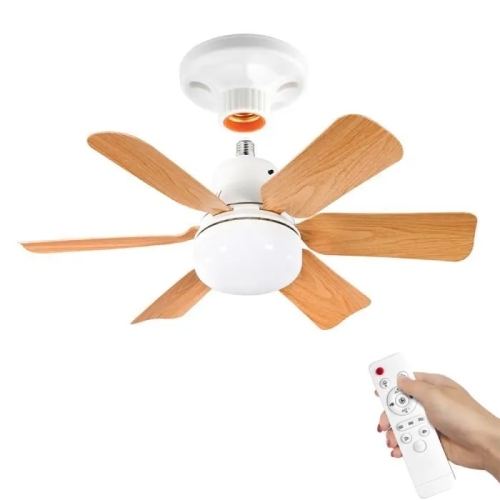
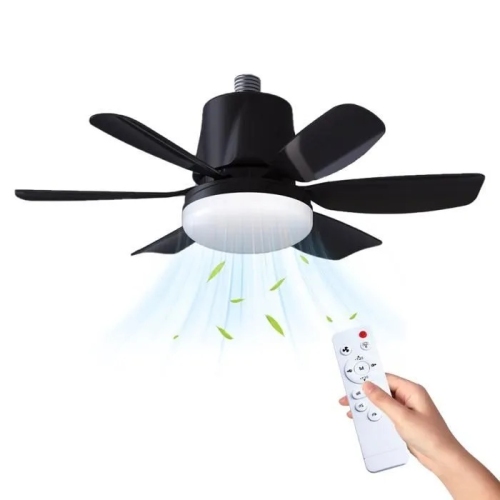
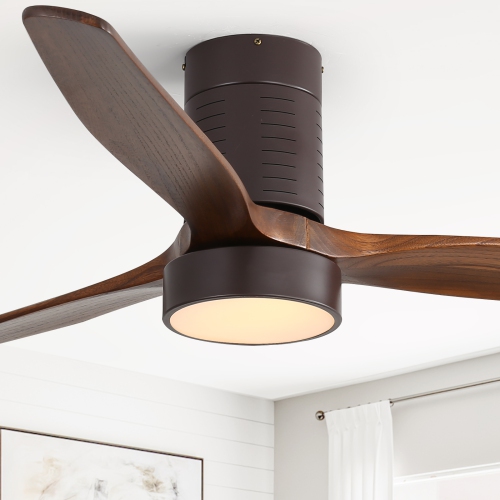
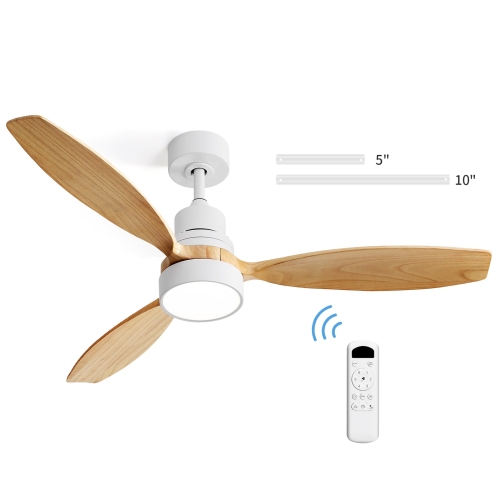
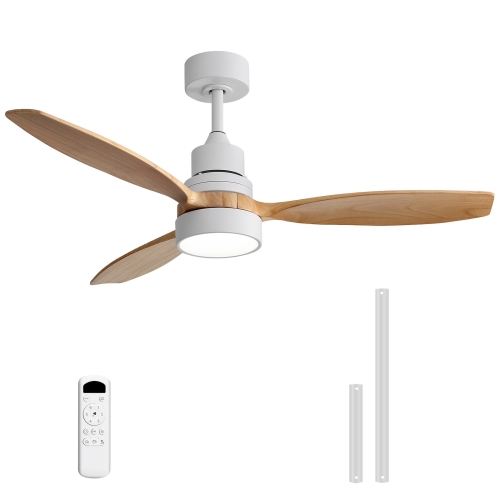
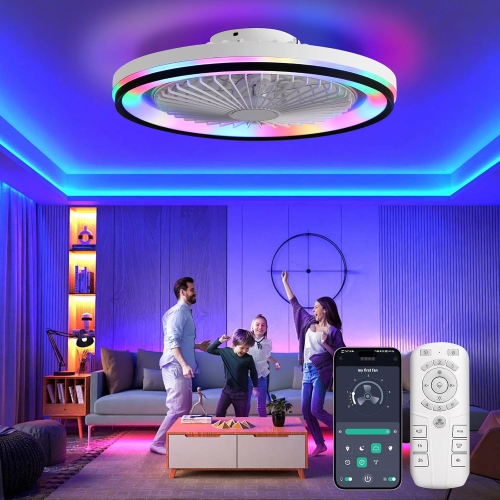
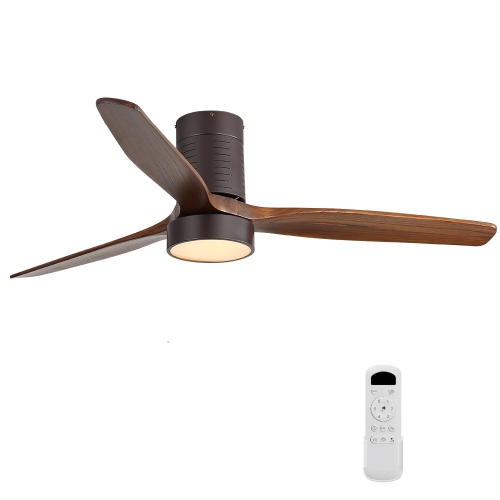
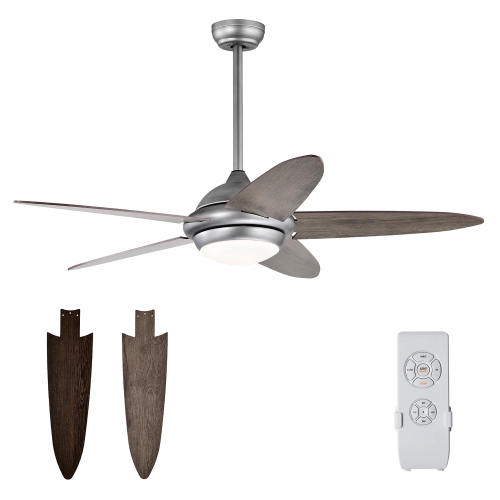
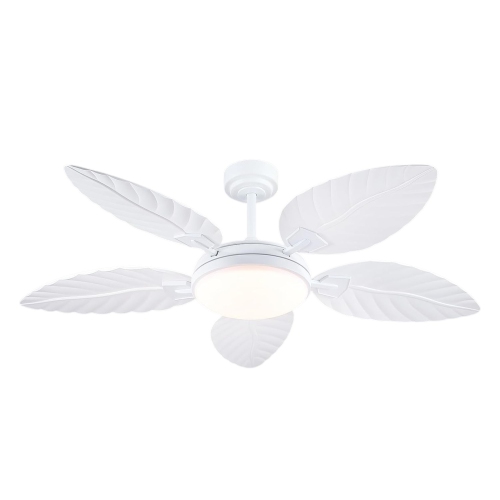
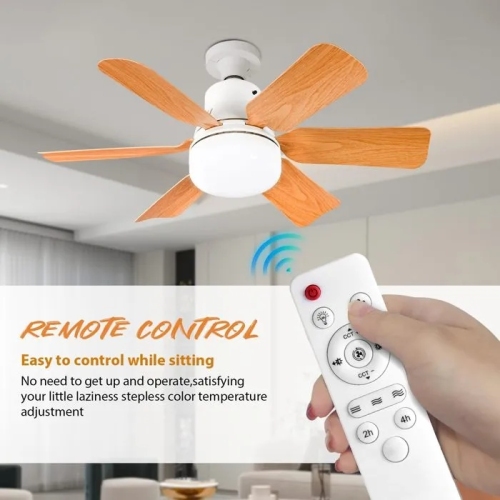
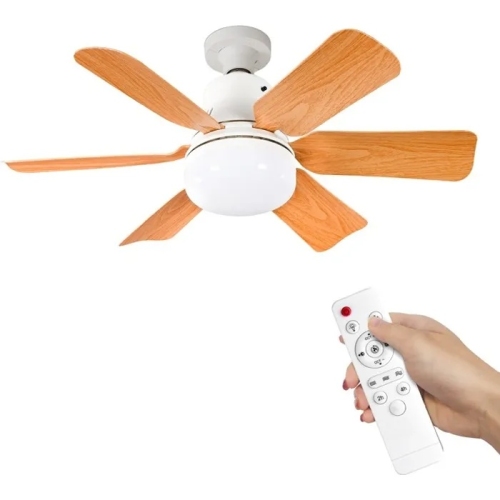
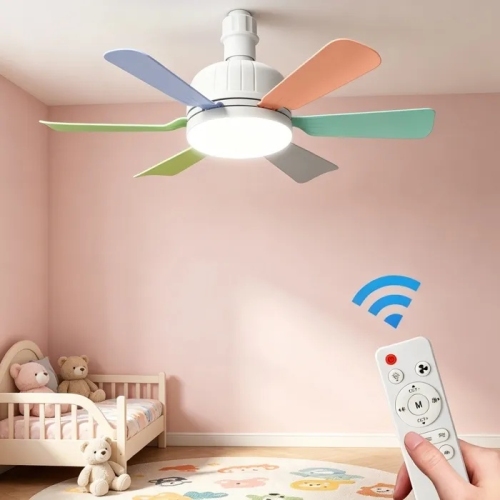
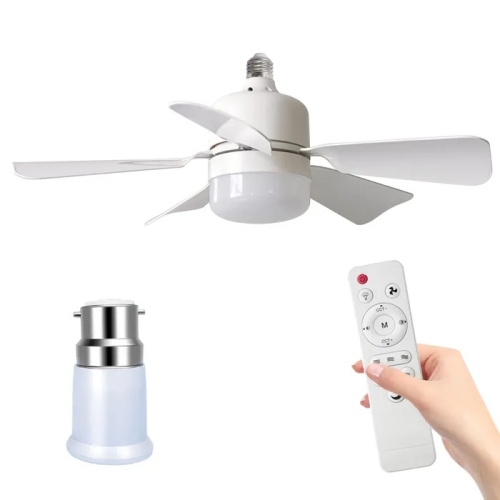
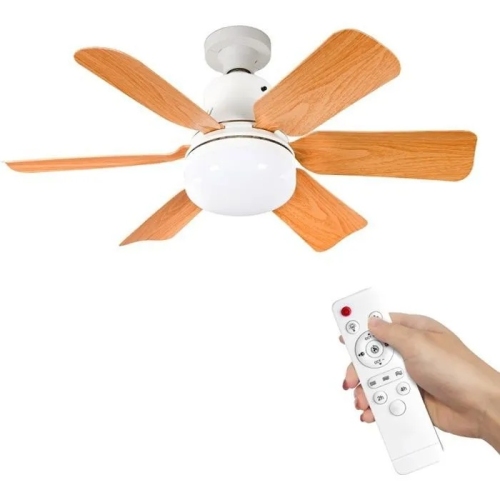
Materials, finish, and everyday care influence how well a bedroom ceiling fan holds up and how naturally it fits the room. Blades may be made from wood, engineered wood, metal, or moulded materials, each with a different visual character and weight. A wood-look finish can complement upholstered furniture and textured bedding, while a simple painted finish may blend into the ceiling and keep attention on the rest of the room. The housing and light shade contribute to the overall impression as much as the blades: a broad diffuser can look softer overhead, whereas a compact enclosure gives the fixture a more contained appearance. Durability depends on sound construction, suitable use, and maintenance, not just the material named in the description. Dust accumulating unevenly on blades can affect balance, so accessible surfaces and straightforward cleaning instructions are useful details. Care generally involves disconnecting power as directed and removing dust gently without bending blades, soaking components, or using cleaners that could damage the finish. Any persistent wobble, scraping, or new clicking deserves attention rather than being treated as normal operation. Controls also affect long-term convenience. A handheld remote is helpful from bed, but a reliable wall control can be preferable when entering the room with laundry or when a remote has been misplaced. Smart features may offer scheduled operation or app control; compatibility with the home’s Wi-Fi network, supported devices, and any account requirements should be clear. For households with different sleep routines, a straightforward way to change brightness or speed without voice commands can be especially welcome. Ceiling fans are a considered choice for a bedroom refresh, a guest room, or a housewarming gift arranged with the recipient, since ceiling height, wiring, and personal lighting preferences determine suitability. Where permanent installation is not practical, Quiet Fans for Bedrooms offers another way to explore bedroom airflow options. The most useful ceiling fan features are those that fit daily habits: gentle air movement during reading, clear overhead light while getting dressed, and unobtrusive operation when the room is ready for sleep.

FAQ

Some products may be subject to Environmental Handling Fees (EHF) depending on your province. Learn more about EHFs.