Quiet Ceiling Fans
Looking to add a breeze of tranquility to your living space? Our selection of quiet ceiling fans offers the perfect solution for keeping cool without distracting noise. These innovative fans are designed to operate silently while efficiently circulating air, creating a peaceful and comfortable environment in any room. Whether you're looking to enhance your bedroom, living room, or home office with a gentle breeze, our range of whisper-quiet ceiling fans will effortlessly blend into your decor while providing a soothing and relaxing atmosphere.
Sort

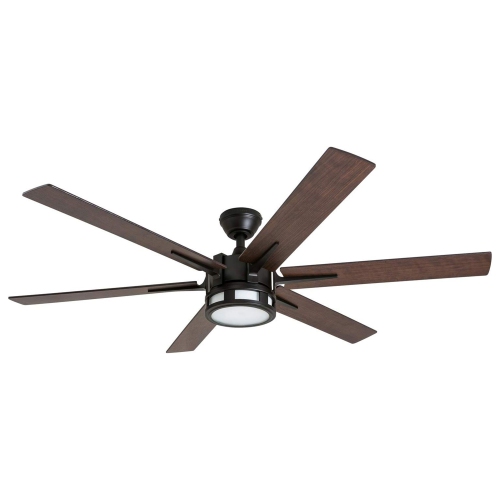
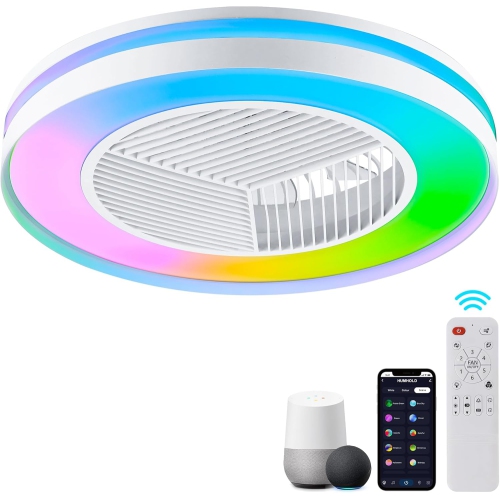
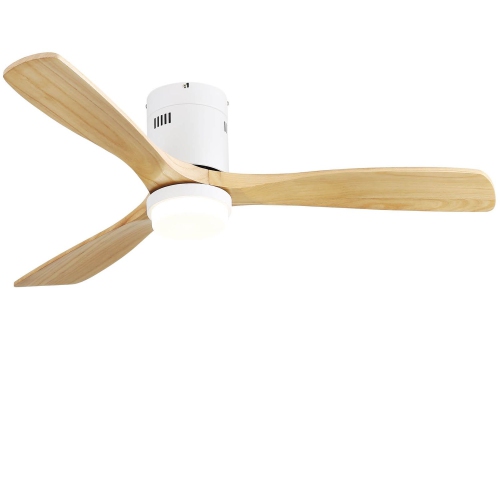
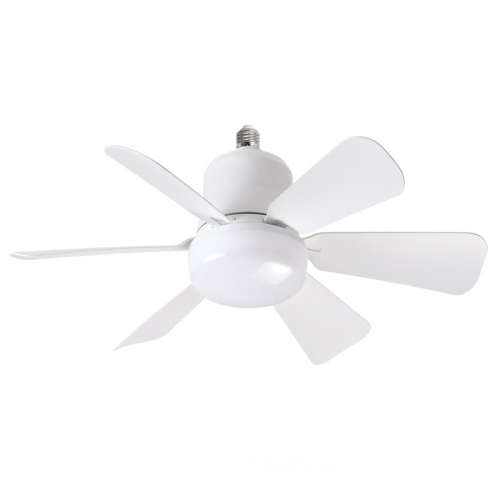
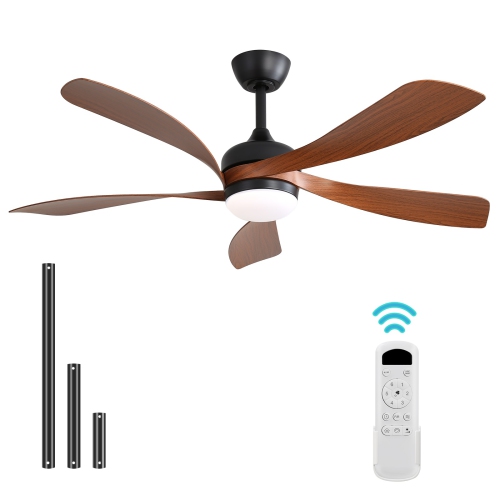
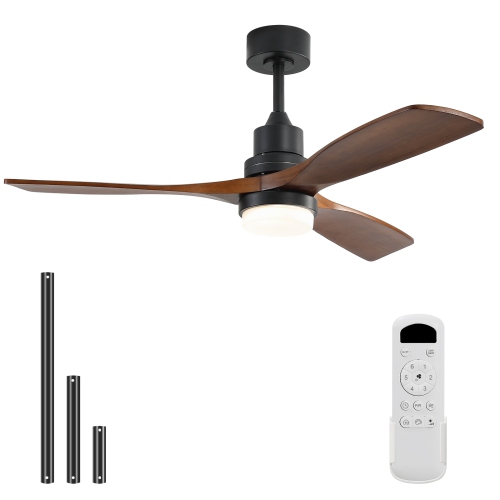
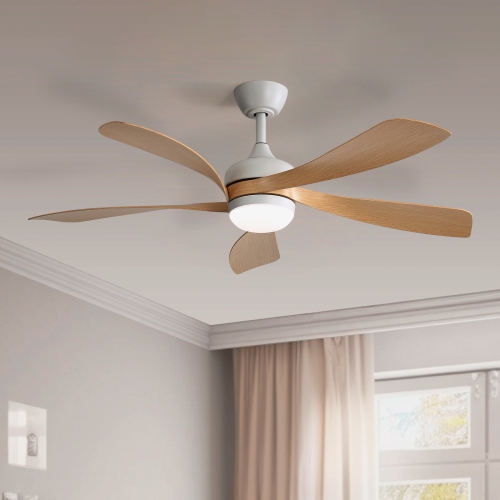
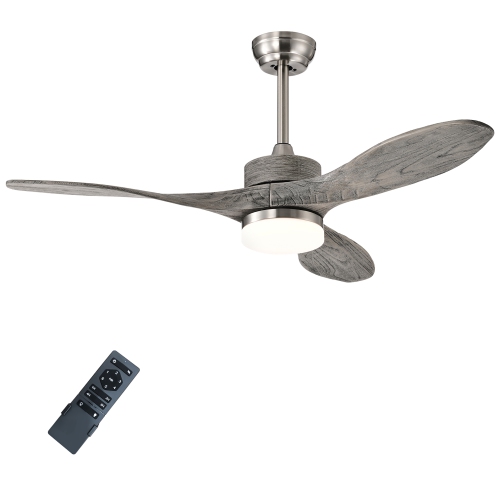

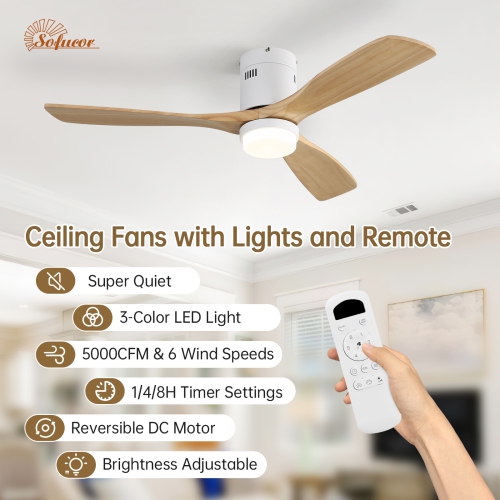
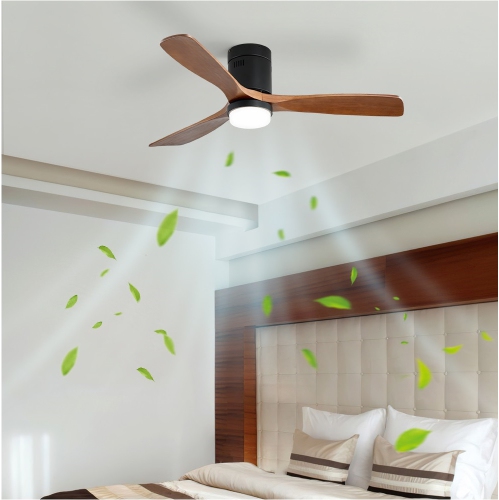
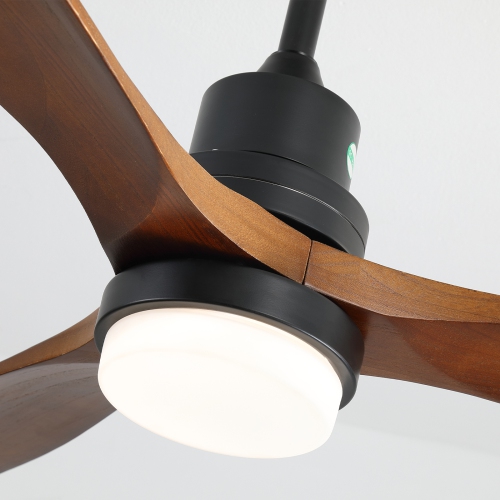
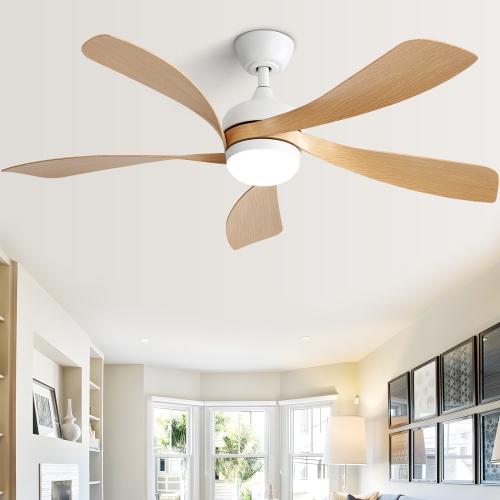
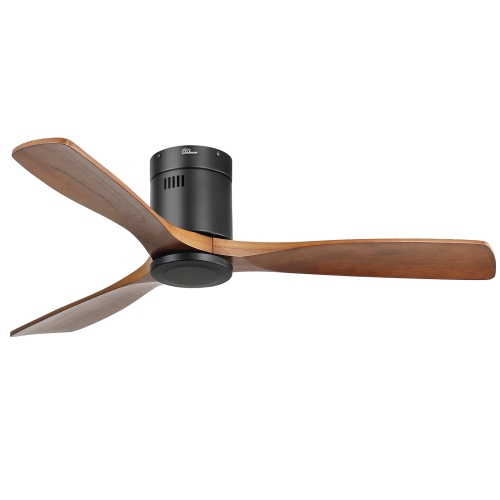
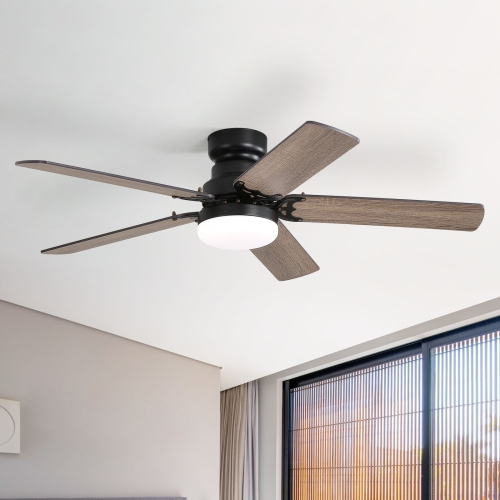
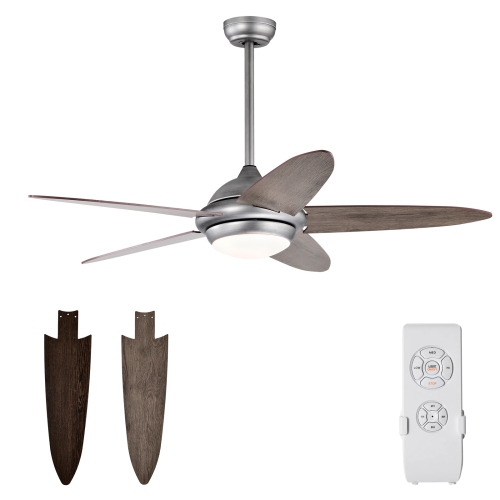
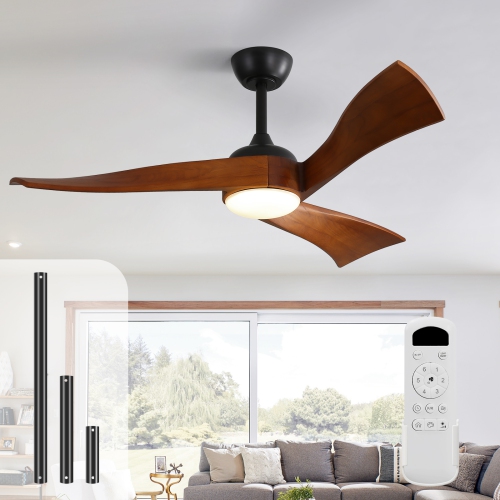
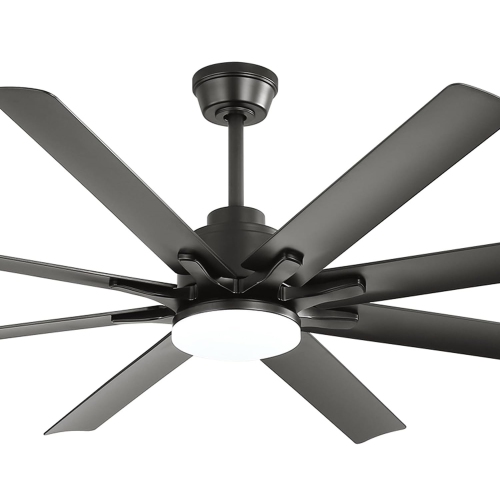
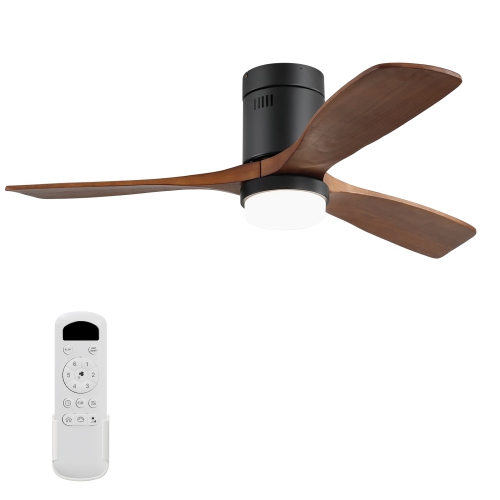
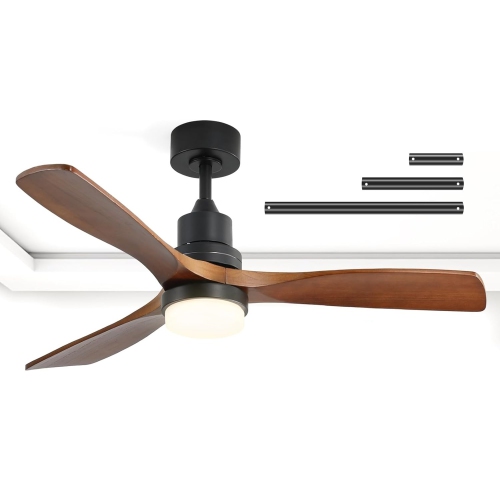
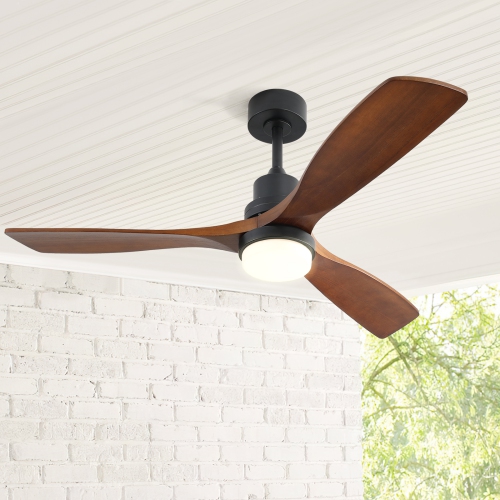
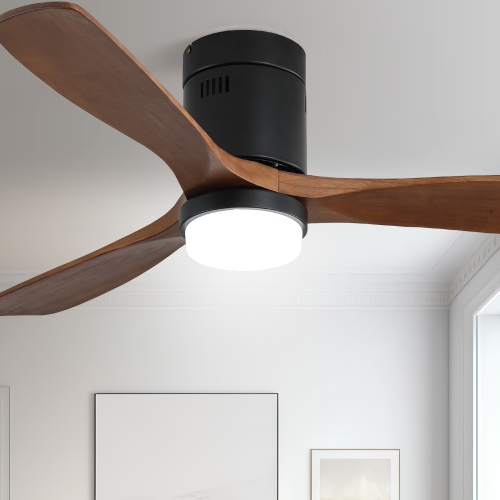
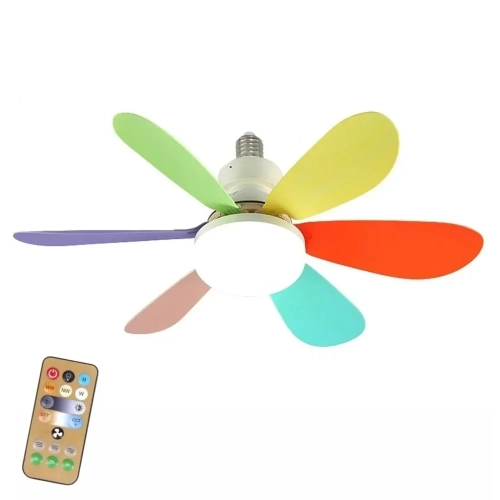
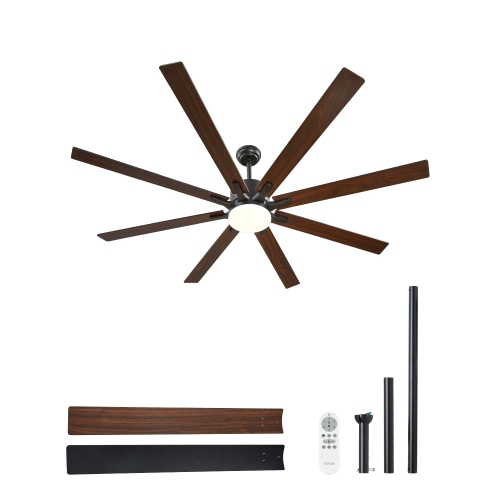
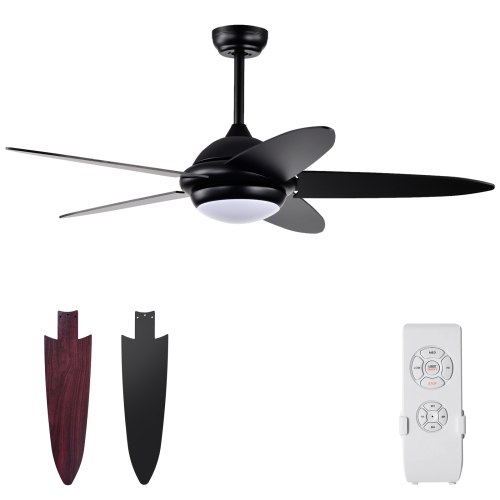
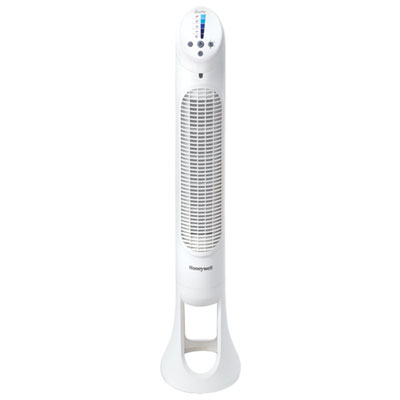
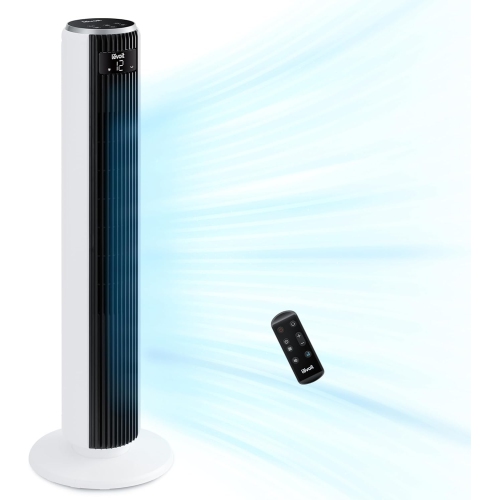
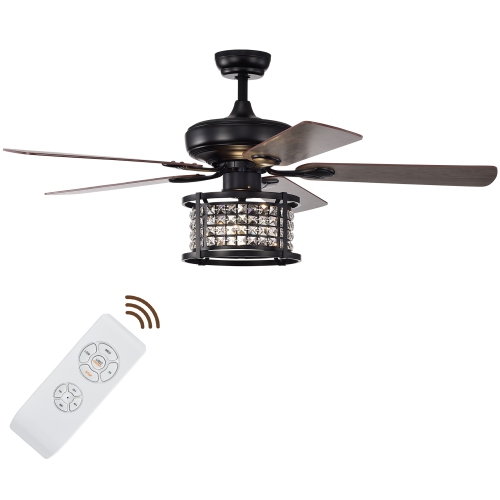

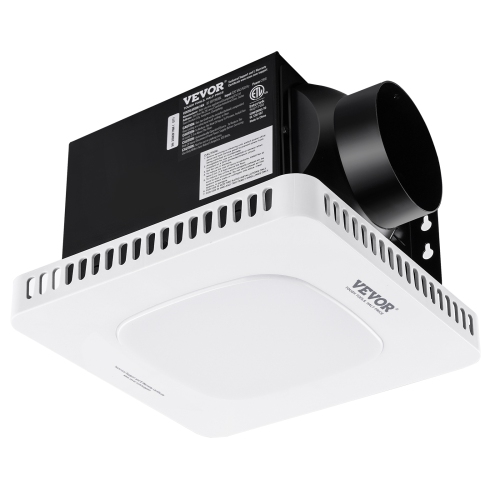
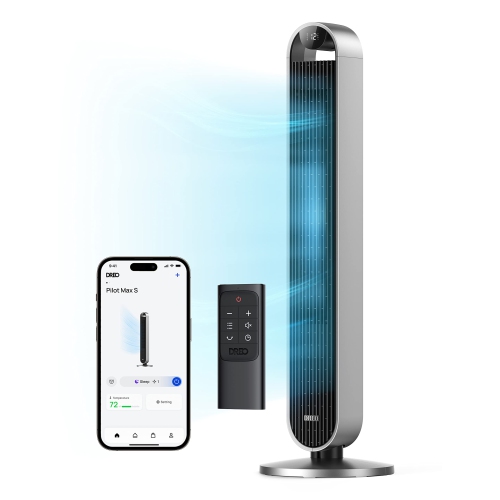
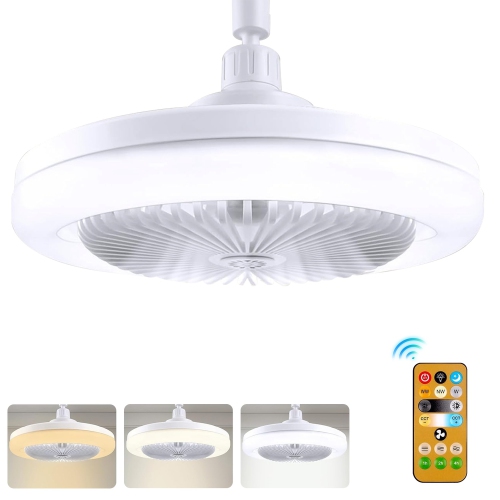
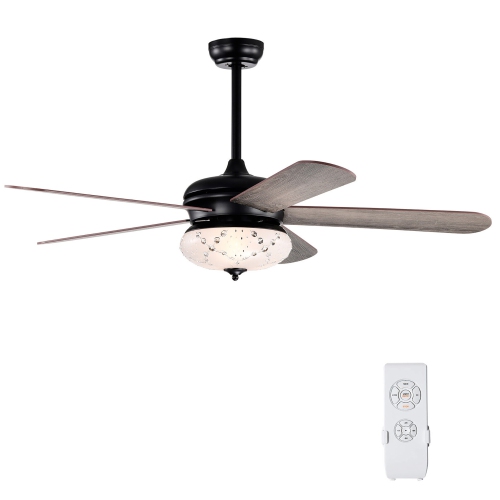
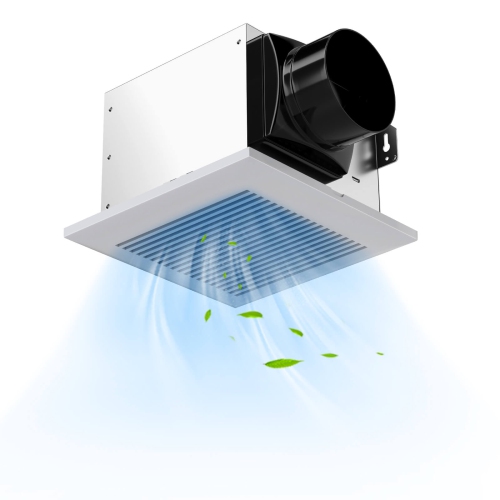
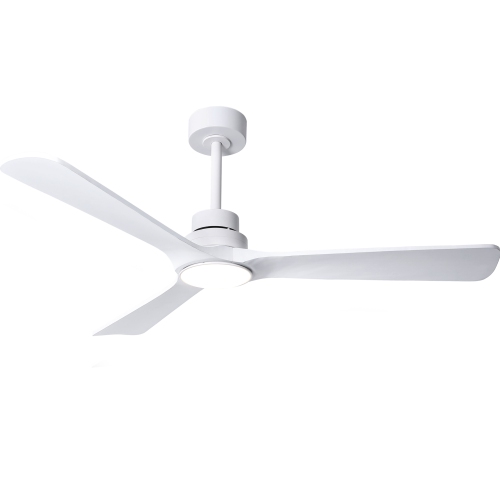
Quiet operation supports restful rooms and focused routines
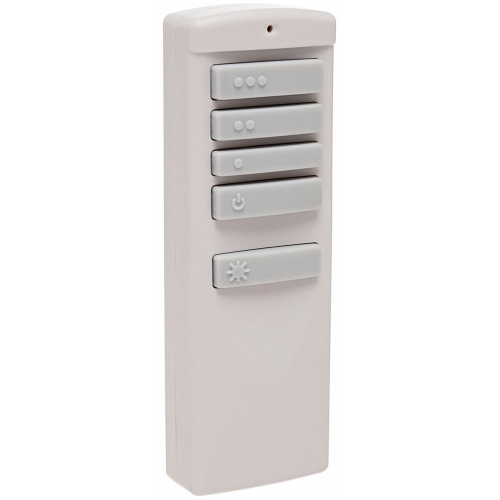
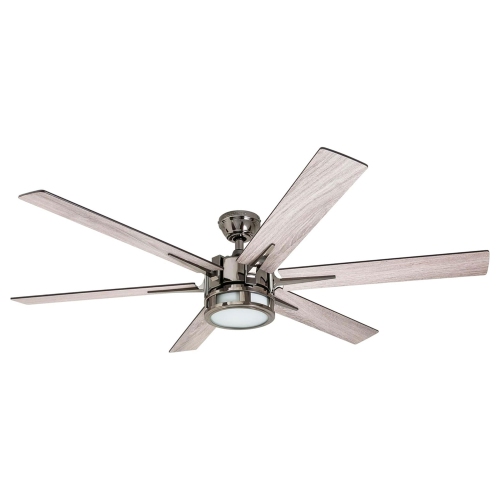
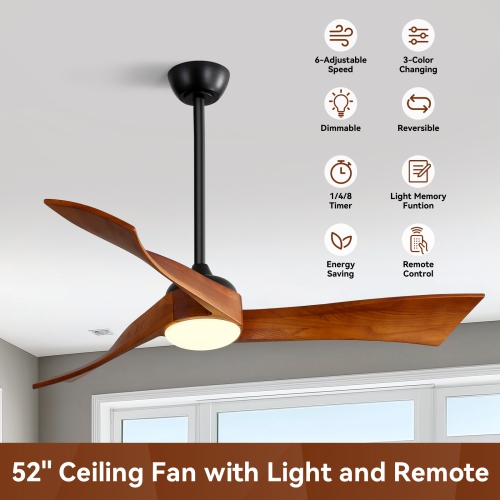
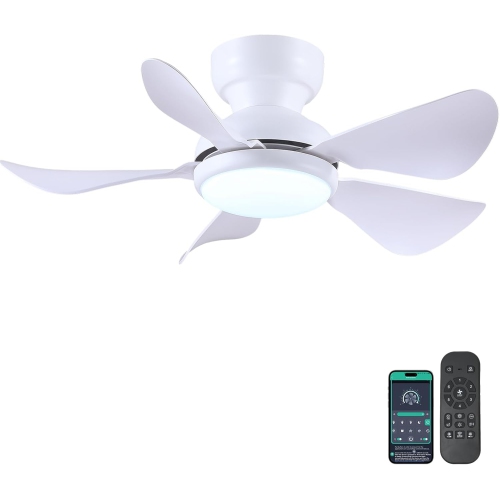
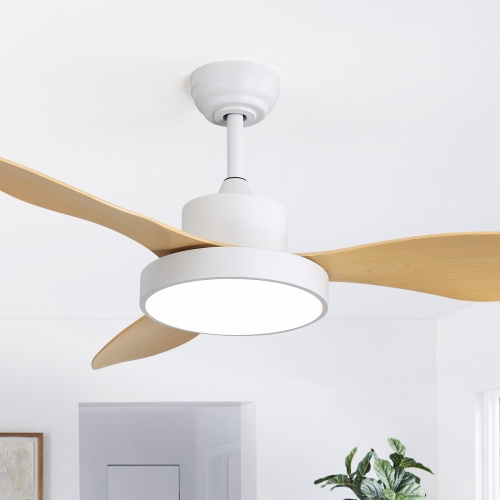
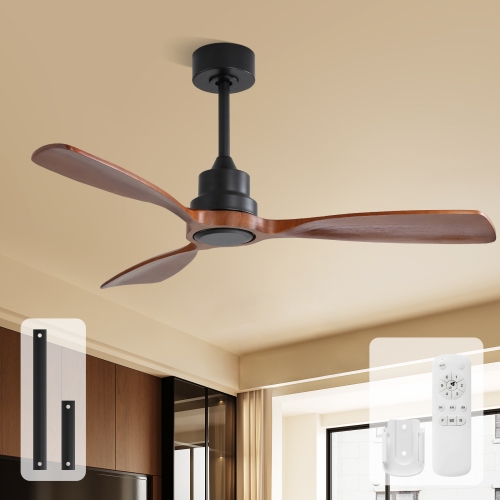
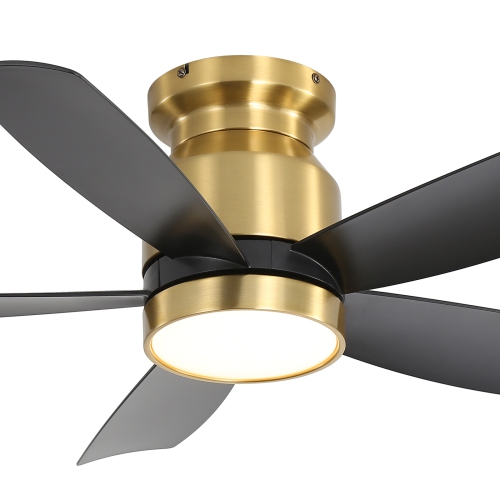
Quiet ceiling fans are designed to move air comfortably without adding a noticeable hum, rattle or mechanical vibration to the room. They can be especially useful in bedrooms, nurseries, home offices, reading areas and open-concept living spaces where background noise is more noticeable. A calm bedroom can feel less restful when a fan clicks or buzzes through the night, while a home office can become distracting when the motor competes with video calls, music or concentration. Modern quiet ceiling fans commonly use direct current (DC) motors, which are engineered to run smoothly and at lower sound levels than many traditional alternating current (AC) motors. A balanced motor, securely fitted housing and carefully shaped blades also help reduce movement and vibration as the fan operates. Blade pitch is another important detail: blades with a steeper angle can circulate air effectively at lower speeds, helping the fan maintain a gentle breeze without requiring fast, noisy rotation. Reversible motors add flexibility throughout the year by allowing the blades to turn in either direction. One direction can create a cooling breeze as the weather warms, while the reverse setting can help circulate air during cooler months without producing the direct wind that may feel uncomfortable. Speed settings are useful for fine-tuning the experience, from a soft airflow for sleeping to stronger circulation for a busy living area. Remote controls make it easier to adjust speed, direction, lighting and timer functions from a bed, sofa or desk, and some connected models may offer app or voice control through a compatible smart home system. When comparing options in this selection, look for a motor and blade assembly that match your room, a control system that fits your routine and a design that complements your existing décor. For rooms with a contemporary look, the clean lines and distinctive finishes found among Modern Ceiling Fans can pair practical airflow with an updated visual style.
Room size is one of the most important considerations when choosing a quiet ceiling fan. A compact fan may be well suited to a smaller bedroom, nursery, hallway or home office, while a larger room may need a wider blade span or a fan designed to deliver greater airflow. Oversizing a fan for a small room can create an overly strong breeze, whereas an undersized fan may need to run at a higher speed to distribute air effectively. Ceiling height and mounting position matter just as much. Flush-mount or low-profile fans sit close to the ceiling and are often a practical choice for rooms with lower ceilings, helping preserve head clearance. A fan with a downrod can be a better fit for higher ceilings because it positions the blades farther into the room, where they can circulate air more evenly. Mounting stability is essential for quiet operation: a properly secured electrical box, a level installation surface and carefully balanced blades all help prevent wobbling and vibration noise. A downrod should provide suitable clearance from the ceiling while keeping the blades at a safe height, and installation should follow the manufacturer’s instructions and local requirements. In rooms with sloped or vaulted ceilings, check whether an angled-ceiling adapter is needed before purchasing. Consider the location of furniture, bunk beds, doors and light fixtures as well, since the fan should have adequate clearance and should not interfere with everyday movement. An integrated light kit can make a ceiling fan a practical replacement for a central fixture, particularly in bedrooms, kitchens, dining areas and living rooms with limited overhead lighting. If the room already has layered lighting, a fan without an integrated light may create a cleaner appearance. Look at the light’s brightness, colour temperature and dimming capability when available, since a soft glow may suit a bedroom while brighter illumination can be helpful over a table or work area. Finish, blade material and overall shape also influence how naturally the fan fits into the room. Neutral colours can blend into a quiet, understated ceiling, while wood-look blades or sculptural housings can become part of the décor. For an especially peaceful setting, place the fan where the airflow reaches the occupants without blowing directly across a workspace, pillow or seating area at the highest setting.
Quiet ceiling fans can be a thoughtful choice for people who value comfort without visual or mechanical distractions. They may suit someone setting up a first home, refreshing a bedroom, creating a more comfortable nursery or furnishing a home office where long hours are spent at a desk. They can also make a practical housewarming, wedding or new-home gift when the recipient has a room that would benefit from better air circulation and a central light fixture. Before giving one as a gift, it is helpful to confirm the room dimensions, ceiling height, existing wiring and preferred design, since installation requirements vary and a fan is a more involved choice than a portable appliance. For personal use, think about the sounds and routines in the room. A sleeper may prefer a low-speed setting, a timer and a remote control that can be operated without getting out of bed. Someone working from home may appreciate quiet operation, directional airflow and a light that can be controlled separately from the fan. In a family room, multiple speeds and reversible operation can make the fan useful across changing weather, while a damp-rated model may be appropriate for certain covered outdoor areas if the manufacturer specifically permits that installation. Dry-rated, damp-rated and wet-rated classifications should not be treated as interchangeable, so always match the rating to the intended location. Maintenance can also support smooth, quiet performance over time. Dust the blades and housing regularly with the power turned off, check for loose visible hardware and pay attention to new wobbling, clicking or scraping sounds. A sudden change in noise may indicate that the fan needs balancing, tightening or professional inspection. Choose controls that are easy for everyone in the household to use, and keep the remote in a consistent location so adjustments remain simple. With the right size, mounting style, motor, blade design and control features, a quiet ceiling fan can become an unobtrusive part of daily life—circulating air while you sleep, work, relax or gather with family during changing seasons.
Room size is one of the most important considerations when choosing a quiet ceiling fan. A compact fan may be well suited to a smaller bedroom, nursery, hallway or home office, while a larger room may need a wider blade span or a fan designed to deliver greater airflow. Oversizing a fan for a small room can create an overly strong breeze, whereas an undersized fan may need to run at a higher speed to distribute air effectively. Ceiling height and mounting position matter just as much. Flush-mount or low-profile fans sit close to the ceiling and are often a practical choice for rooms with lower ceilings, helping preserve head clearance. A fan with a downrod can be a better fit for higher ceilings because it positions the blades farther into the room, where they can circulate air more evenly. Mounting stability is essential for quiet operation: a properly secured electrical box, a level installation surface and carefully balanced blades all help prevent wobbling and vibration noise. A downrod should provide suitable clearance from the ceiling while keeping the blades at a safe height, and installation should follow the manufacturer’s instructions and local requirements. In rooms with sloped or vaulted ceilings, check whether an angled-ceiling adapter is needed before purchasing. Consider the location of furniture, bunk beds, doors and light fixtures as well, since the fan should have adequate clearance and should not interfere with everyday movement. An integrated light kit can make a ceiling fan a practical replacement for a central fixture, particularly in bedrooms, kitchens, dining areas and living rooms with limited overhead lighting. If the room already has layered lighting, a fan without an integrated light may create a cleaner appearance. Look at the light’s brightness, colour temperature and dimming capability when available, since a soft glow may suit a bedroom while brighter illumination can be helpful over a table or work area. Finish, blade material and overall shape also influence how naturally the fan fits into the room. Neutral colours can blend into a quiet, understated ceiling, while wood-look blades or sculptural housings can become part of the décor. For an especially peaceful setting, place the fan where the airflow reaches the occupants without blowing directly across a workspace, pillow or seating area at the highest setting.
Quiet ceiling fans can be a thoughtful choice for people who value comfort without visual or mechanical distractions. They may suit someone setting up a first home, refreshing a bedroom, creating a more comfortable nursery or furnishing a home office where long hours are spent at a desk. They can also make a practical housewarming, wedding or new-home gift when the recipient has a room that would benefit from better air circulation and a central light fixture. Before giving one as a gift, it is helpful to confirm the room dimensions, ceiling height, existing wiring and preferred design, since installation requirements vary and a fan is a more involved choice than a portable appliance. For personal use, think about the sounds and routines in the room. A sleeper may prefer a low-speed setting, a timer and a remote control that can be operated without getting out of bed. Someone working from home may appreciate quiet operation, directional airflow and a light that can be controlled separately from the fan. In a family room, multiple speeds and reversible operation can make the fan useful across changing weather, while a damp-rated model may be appropriate for certain covered outdoor areas if the manufacturer specifically permits that installation. Dry-rated, damp-rated and wet-rated classifications should not be treated as interchangeable, so always match the rating to the intended location. Maintenance can also support smooth, quiet performance over time. Dust the blades and housing regularly with the power turned off, check for loose visible hardware and pay attention to new wobbling, clicking or scraping sounds. A sudden change in noise may indicate that the fan needs balancing, tightening or professional inspection. Choose controls that are easy for everyone in the household to use, and keep the remote in a consistent location so adjustments remain simple. With the right size, mounting style, motor, blade design and control features, a quiet ceiling fan can become an unobtrusive part of daily life—circulating air while you sleep, work, relax or gather with family during changing seasons.
Top selling and popular products
-
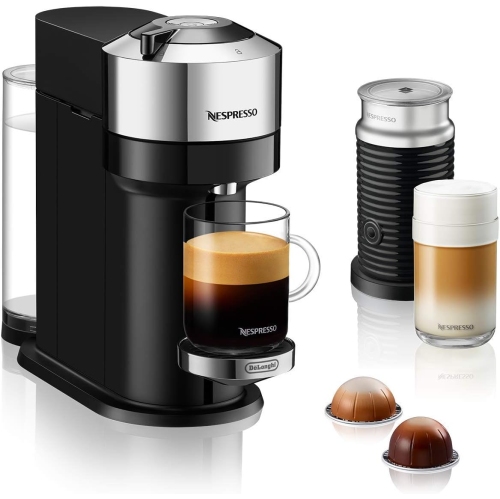 Your price for this item is $149.99
 -
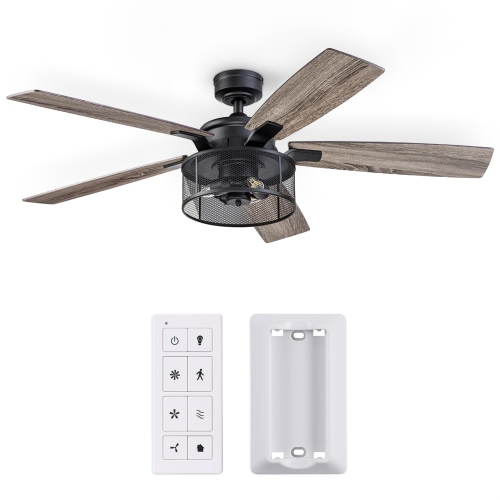 Your price for this item is $250.99
 -
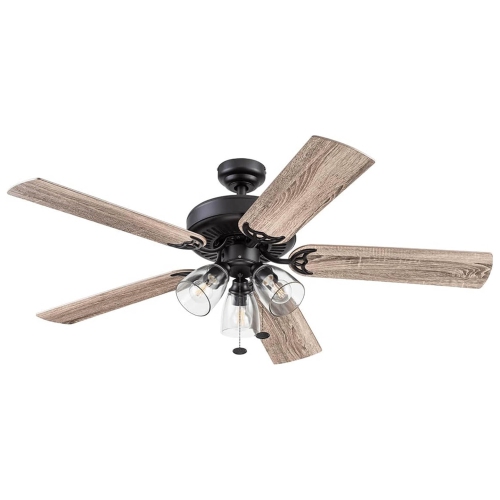 Your price for this item is $238.99
 -
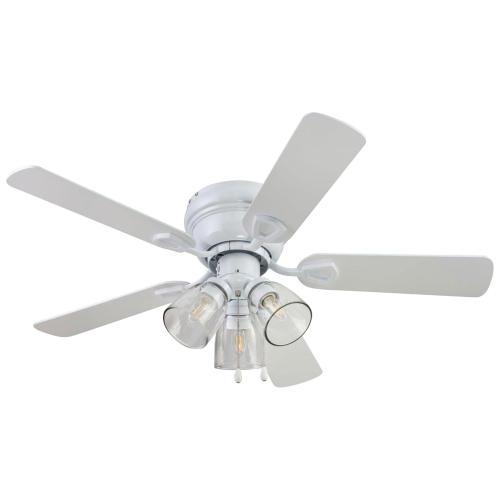 Your price for this item is $219.99
 -
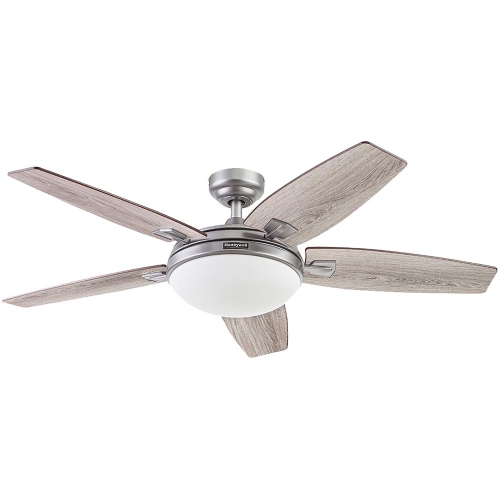 Your price for this item is $288.99
 -
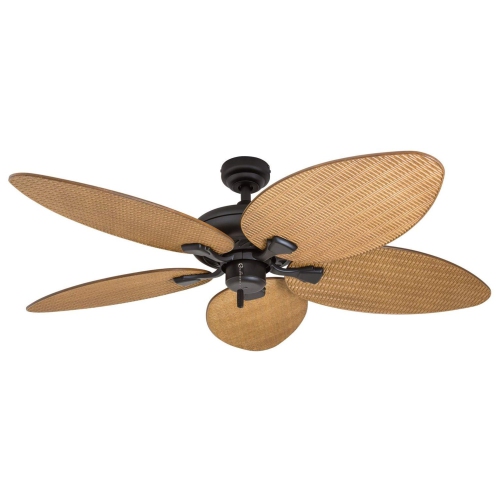 Your price for this item is $294.99
 -
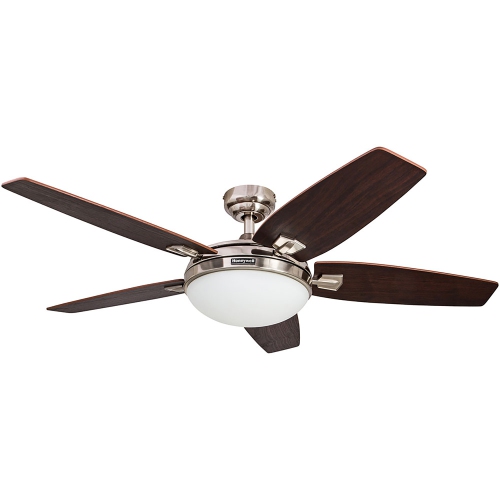 Your price for this item is $266.99
 -
 Your price for this item is $254.99
Discover more categories related to Quiet Ceiling Fans
Top Collections:
Pokemon Centers, Kindle Devices, Best Budget Office Chairs, Apple iPhones 16, Best Laptops for Writers, iPhone 15 Apple, Canon G7X Cameras, Refurbished Apple Laptops, Alarm Clock, Motorola Razr Phones
Some products may be subject to Environmental Handling Fees
(EHF) depending on your province.
Learn more about EHFs.