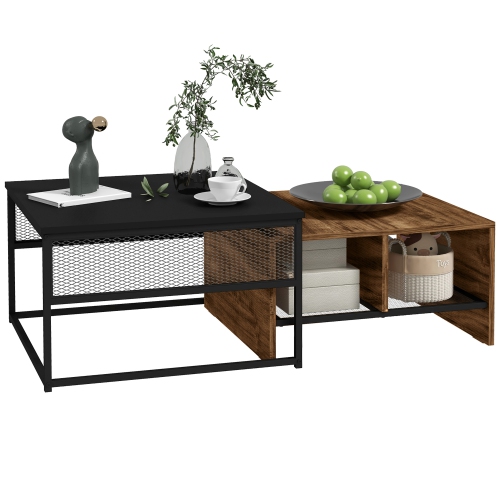
Round Nesting Side Tables

Round nesting side tables offer flexible surface space beside a sofa or chair, with tables that tuck together when not in use. Compare sets by overall dimensions, table heights, and the space needed when separated to find a practical fit for your room.
Read More

Sort

Extra table space that tucks neatly away

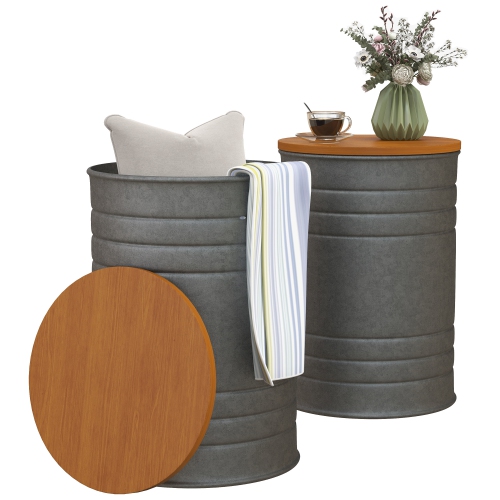
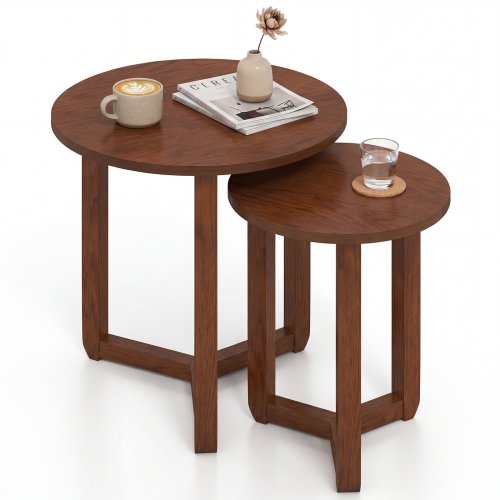
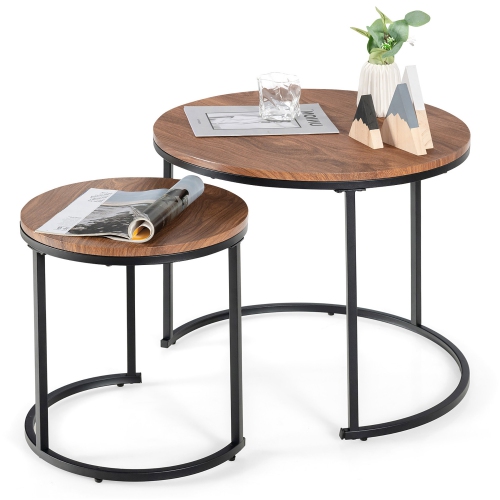
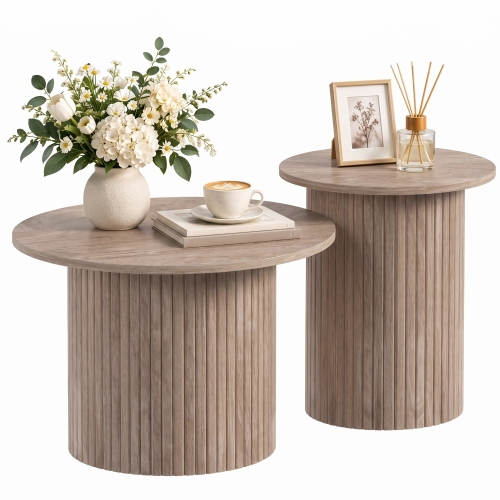
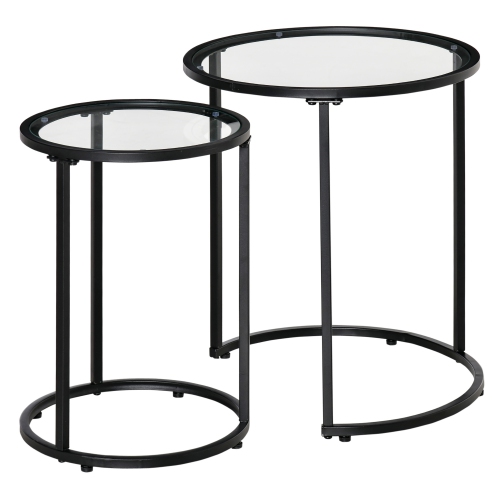
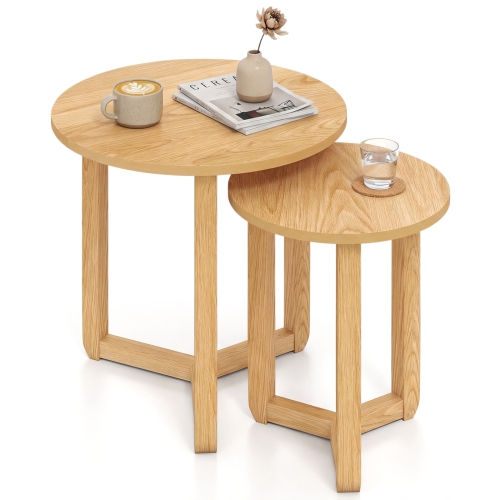
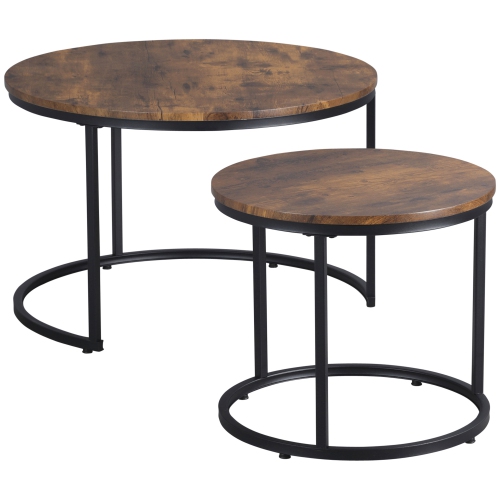
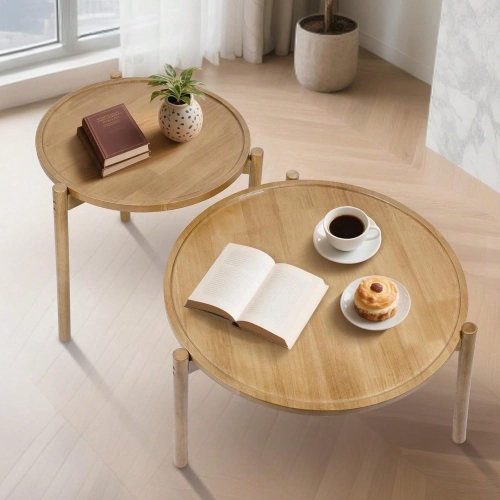
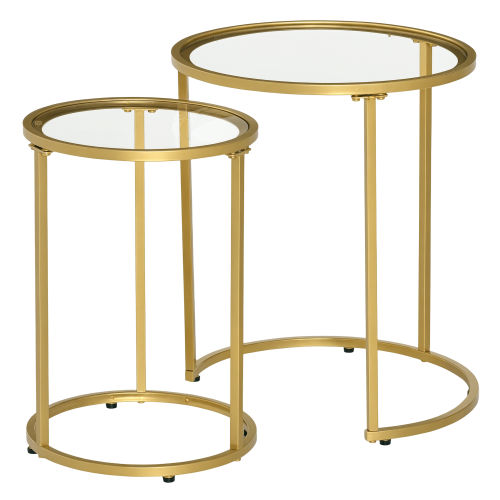
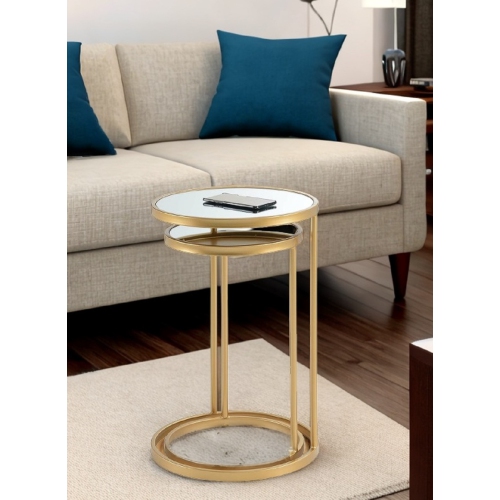
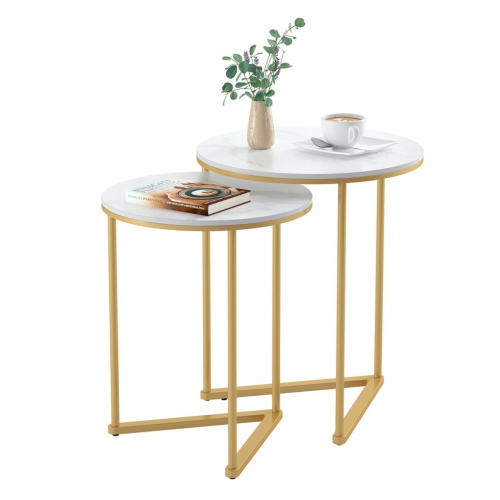
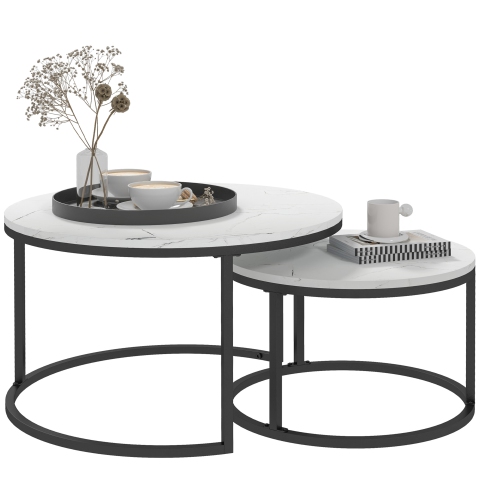
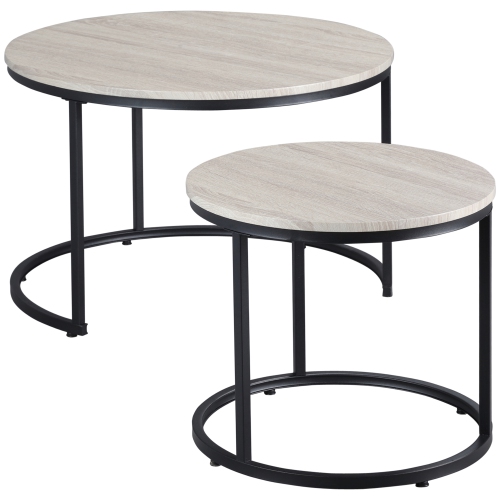
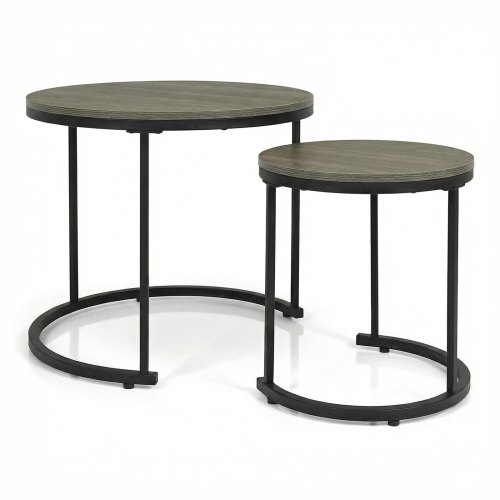
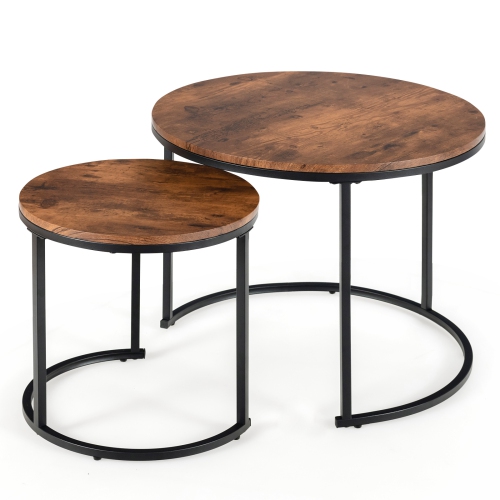
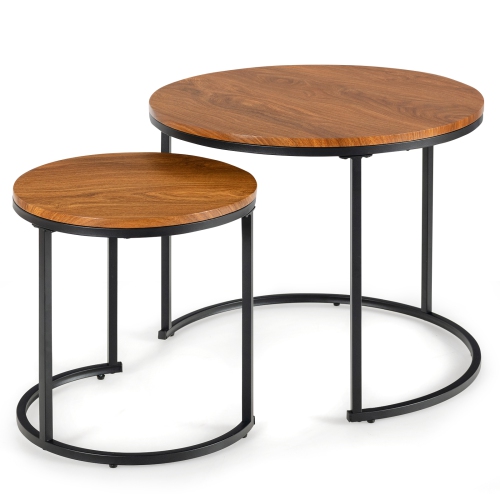
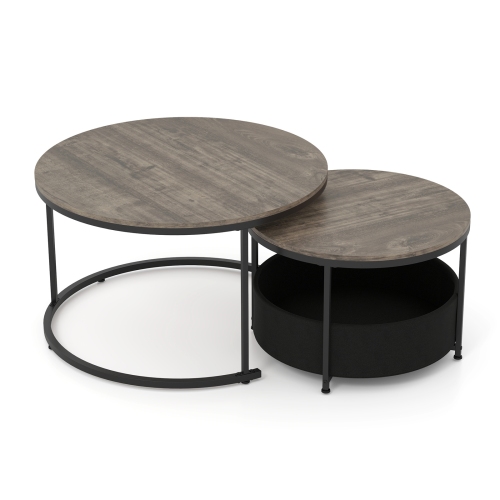
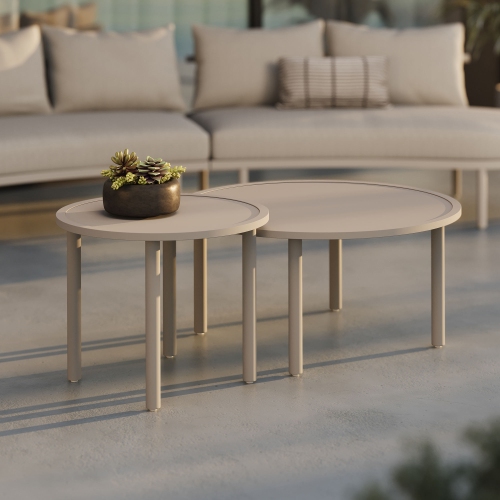
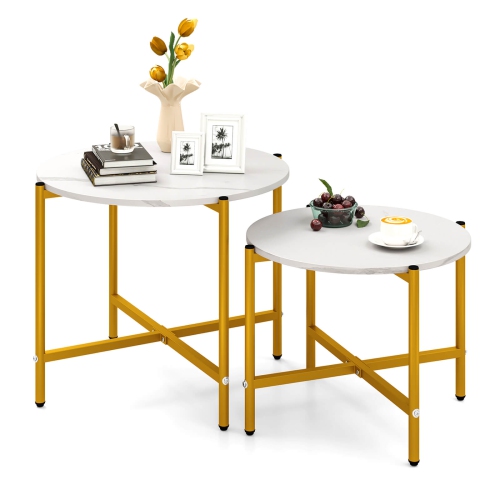
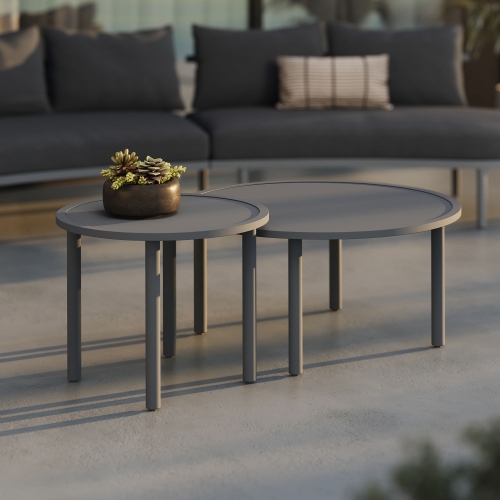
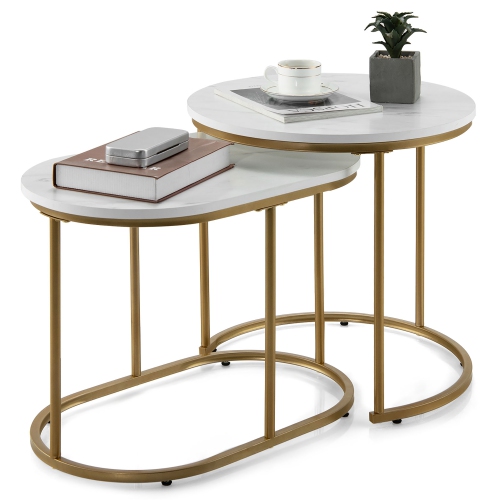
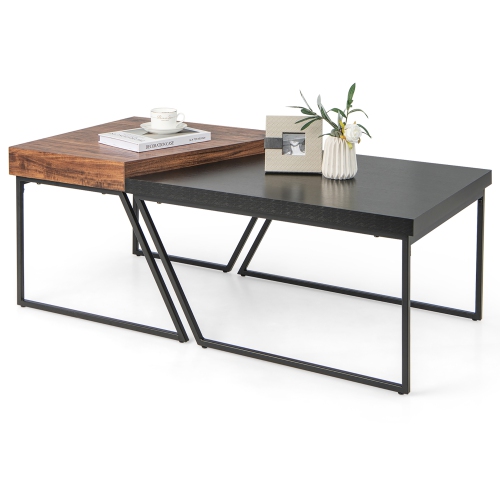
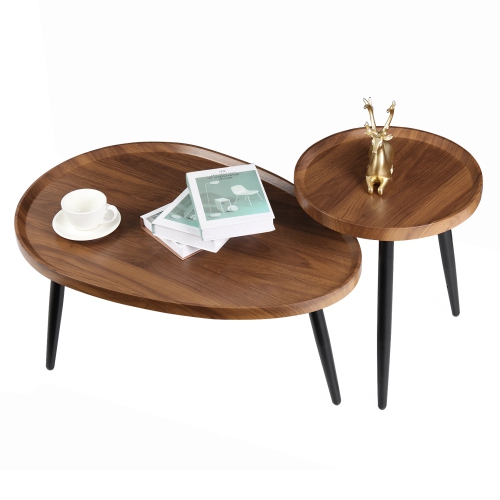
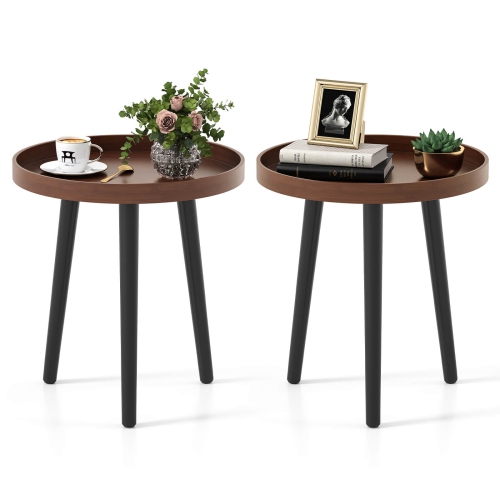
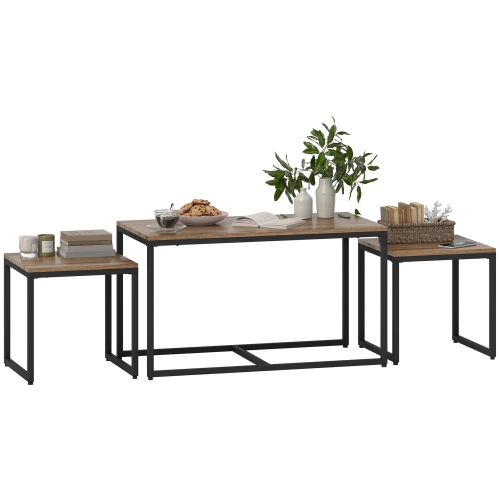
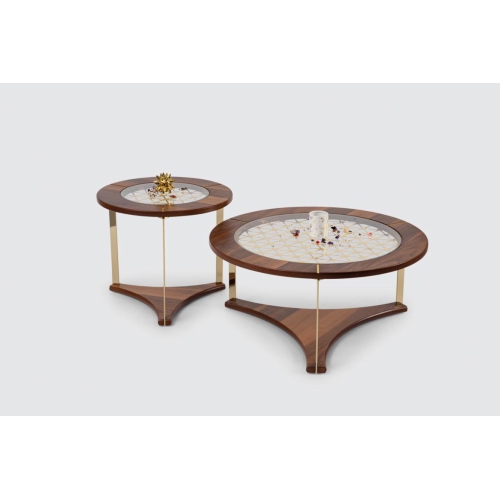
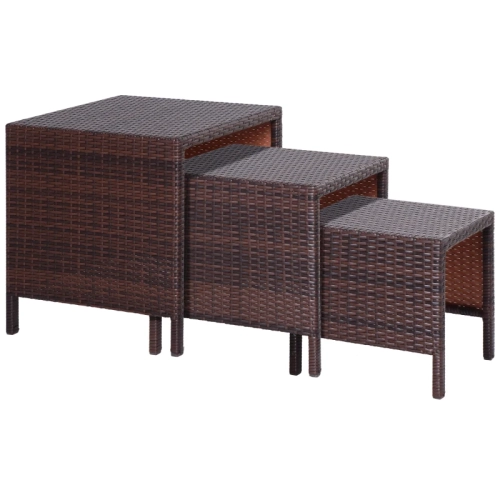
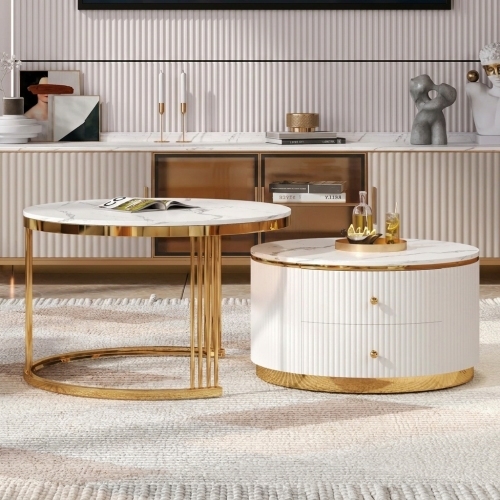
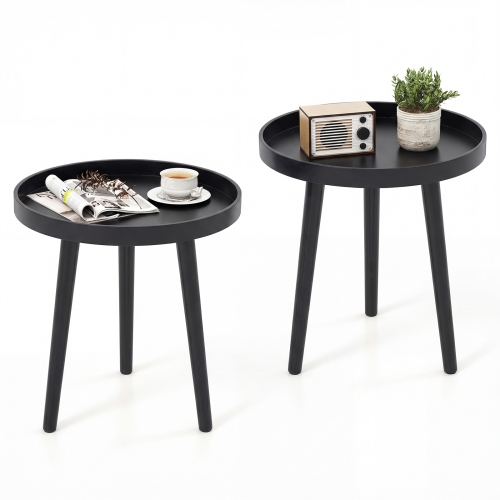
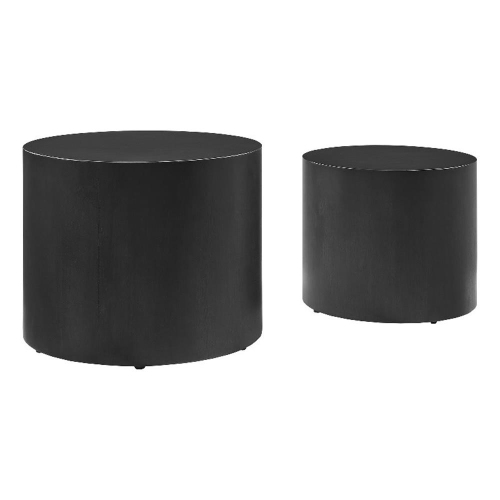
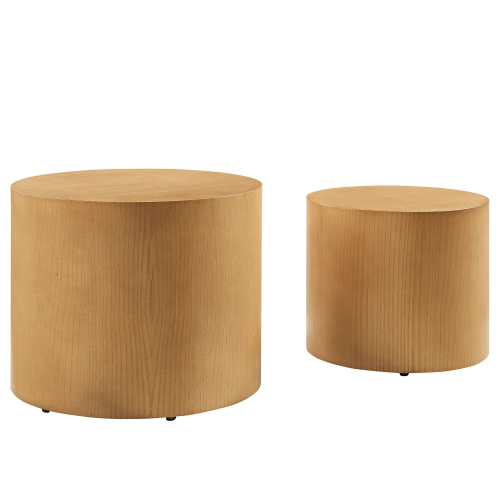
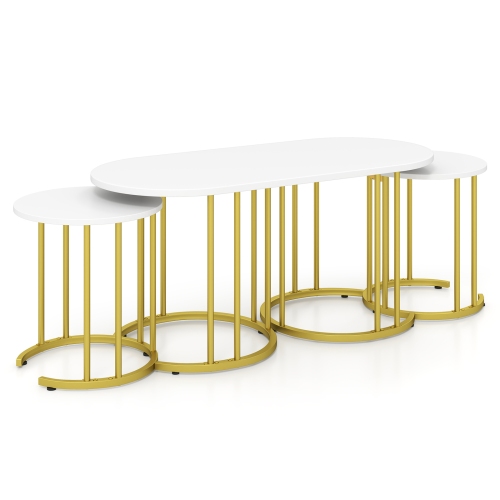
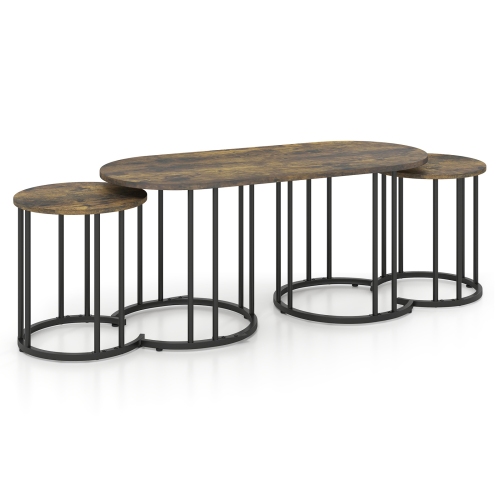
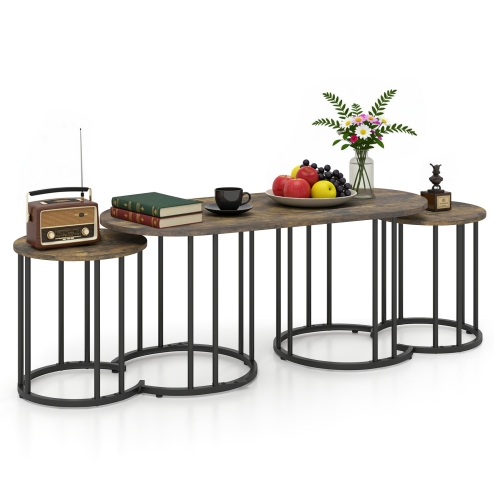
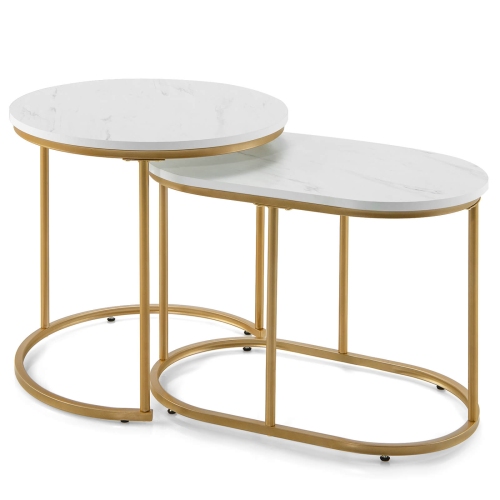
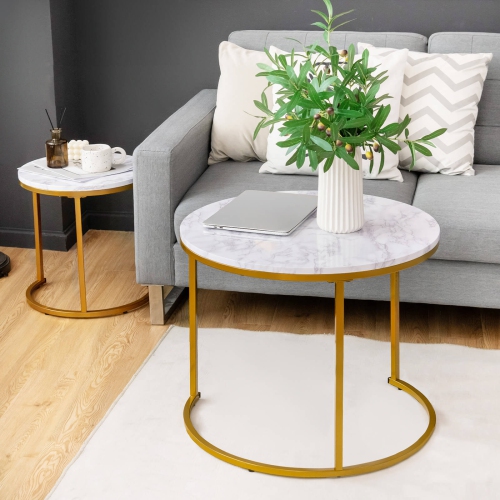
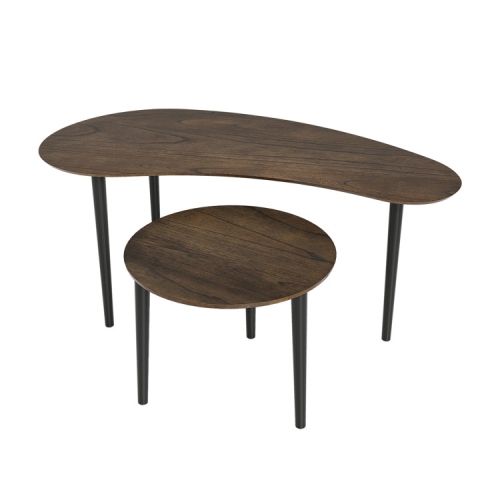
Round nesting side tables are sets of two or more circular accent tables in graduated sizes, designed so the smaller tables fit partly or fully beneath the larger one. Kept together, they provide a compact surface beside a sofa or armchair; separated, they give drinks, books, and everyday essentials a place within reach of different seats. This flexibility makes them useful in condos, apartments, and living rooms where permanent furniture needs to leave room for movement. A smaller table can move beside a guest’s chair for an evening, then tuck away when the extra surface is no longer needed. Circular tops also soften the straight lines of sofas, shelving, and media consoles, creating a relaxed arrangement without projecting square corners into a walkway. Their rounded shape does not eliminate the need for clearance, though: the widest tabletop and the spread of the legs both contribute to the space a set occupies. The height of the largest table matters just as much as its diameter. A surface close to the height of a sofa arm generally makes setting down a mug more comfortable, while a lower arrangement may suit lounge seating. Some sets can serve as compact coffee tables when their height and proportions suit the seating around them, but taller side tables are better positioned beside furniture rather than directly in front of it. Beside a bed, a nesting set can offer space for a lamp and a smaller pull-out surface, provided it does not obstruct drawers or the route around the mattress. Full nesting and partial nesting create different footprints, so the tucked-away dimensions are worth distinguishing from the dimensions of each separate table. Open-sided bases may let the smaller piece slide farther underneath, whereas other frames leave part of its top visible. That overlap can become part of the room’s design, with staggered circular surfaces adding depth while keeping the arrangement visually light.

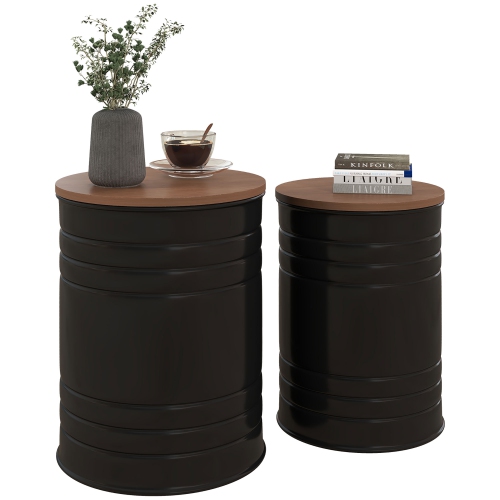
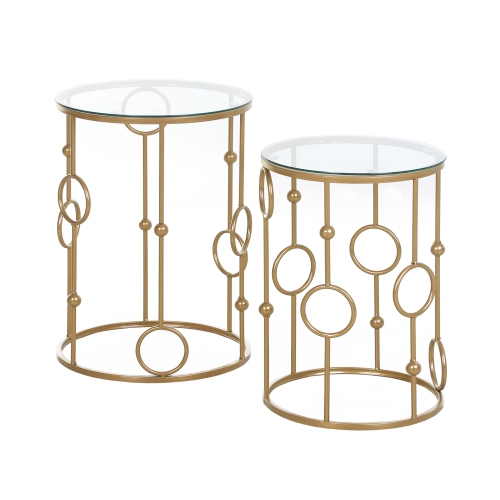
Materials influence both the appearance of round nesting side tables and how they stand up to daily use. Solid wood brings visible grain and natural variation, with its finish determining much of its resistance to moisture and marks. Wood veneer offers a real wood surface over a supporting core, while laminate and other manufactured finishes can provide a consistent colour or pattern. These constructions have different care requirements, so appearance alone does not indicate how a tabletop will handle a spilled drink or frequent wiping. Metal frames can create a slim outline around the tops, although the strength of the joints, the finish, and the overall balance matter more than the look of the legs. Glass tops allow flooring or a rug to remain visible beneath the table, helping a compact seating area feel less crowded. They also tend to show fingerprints, and their edges deserve consideration in busy households. Stone and marble surfaces add weight and distinctive patterning, but porous materials may need sealing and prompt attention to spills. Ceramic and stone-look surfaces vary in construction, making the stated care instructions important even when two finishes look similar. Within the broader range of Side Nesting Tables, circular designs can complement several decorating styles without needing to match every nearby piece. Pale wood and slender legs can sit comfortably alongside textured upholstery, while darker tops and metal bases give a seating area a more defined outline. A repeated detail, such as a similar wood tone or a frame colour that echoes a lamp, can connect the tables to the rest of the room. Contrasting tabletops can also work together when their proportions feel balanced. Raised rims may help contain small objects, but they reduce the flat area available for a tray or a broad lamp base. A smooth edge, an even finish, and a stable stance are practical details that remain noticeable long after the initial styling is complete.
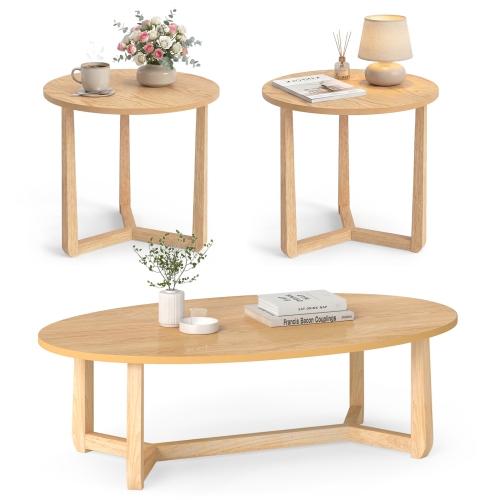
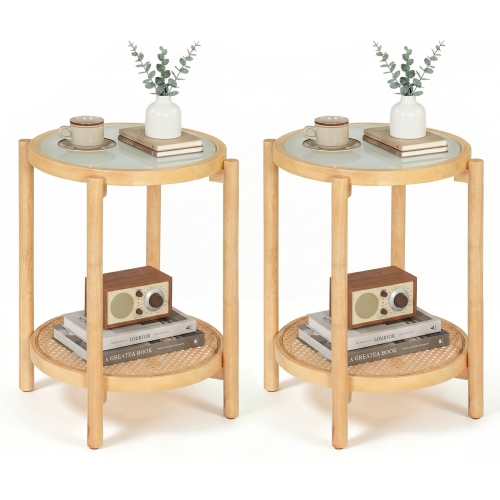
Everyday use is often the best measure of whether a nesting arrangement suits a home. A reader may want enough room for a book, glasses, and a cup without balancing everything along the edge. Someone who enjoys having friends over may value two separate drink surfaces more than one larger tabletop. For a household with children or pets, rounded tops can reduce exposed corners, but stability still depends on the base, placement, and load; these tables are not seats or climbing surfaces. A lamp needs a firm, suitably sized top, and its cord should stay clear of the smaller table’s path so pulling that table out does not catch or drag it. Reclining chairs and sofa beds need unobstructed space to open, making the tables’ position in use as important as their tucked-away footprint. Lightweight construction can make frequent rearranging easier, while heavier materials may be less convenient to move between rooms. On uneven flooring or a thick rug, a narrow base may feel different than it does on a hard, level surface. Floor protectors can help limit scuffs, provided they are suitable for the flooring and do not interfere with nesting. Care is usually straightforward when matched to the material: coasters reduce contact with moisture, heat-resistant mats protect against hot dishes where appropriate, and a soft cloth helps remove dust without unnecessary abrasion. Spills should be wiped promptly, especially around seams and exposed edges, and cleaning products should follow the manufacturer’s recommendations. For sets requiring assembly, secure fasteners and correctly fitted components help the tables sit evenly; any looseness that develops deserves attention before continued use. Round nesting side tables can also make a thoughtful housewarming gift when the recipient’s available space and preferred finishes are known. Their appeal lies in providing useful surfaces without committing a room to a fixed layout, whether they remain neatly overlapped beside a sofa or spend much of their time serving separate seats.
Read More

FAQ

Some products may be subject to Environmental Handling Fees (EHF) depending on your province. Learn more about EHFs.