Small Nesting Tables
Our collection of small nesting tables offers the perfect solution for those tight corners or cozy nooks. These versatile pieces not only provide extra surface area for your essentials but also add a touch of style to any room. Whether you're looking to create a cohesive look or simply need additional tabletop space, these nesting tables are a practical and stylish addition to your home decor.
Sort
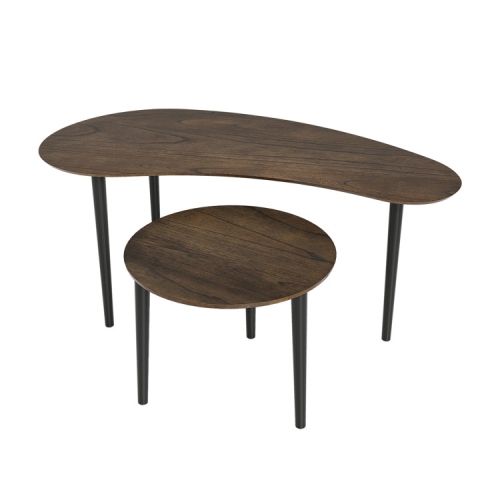

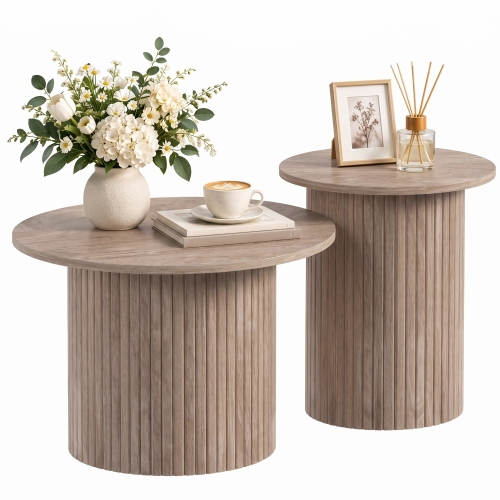

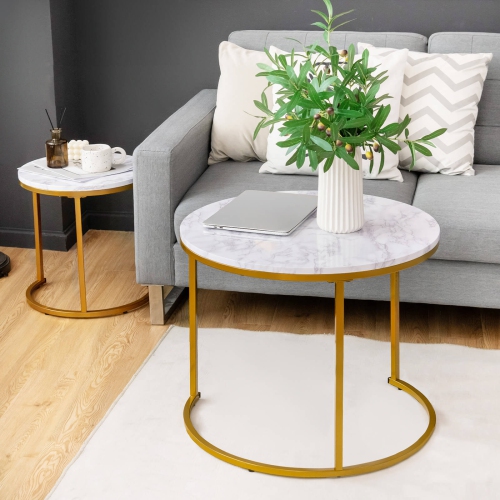
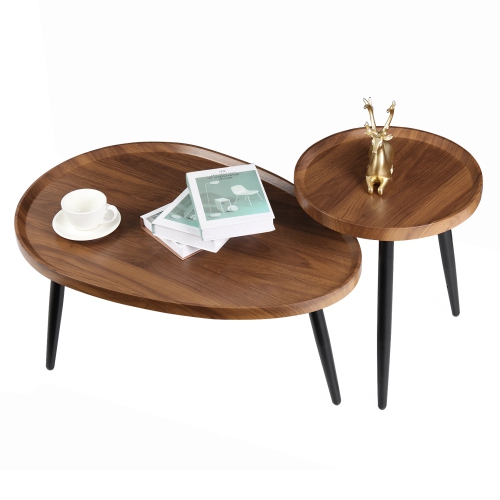


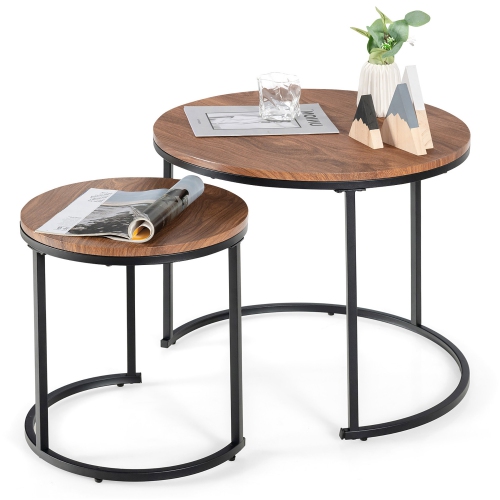
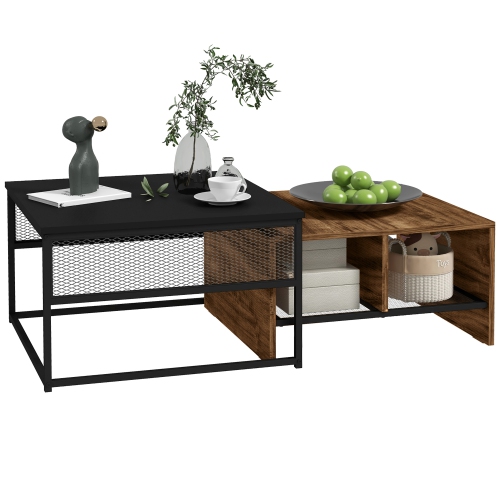
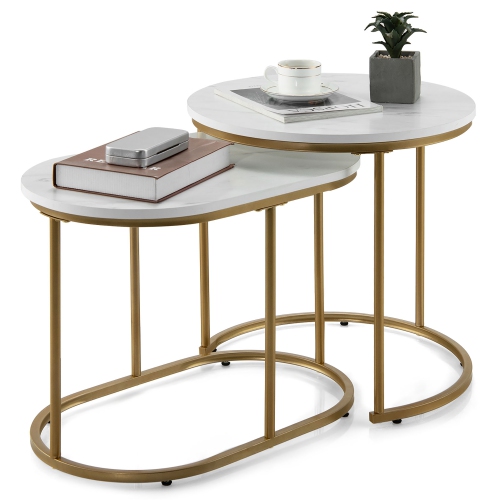
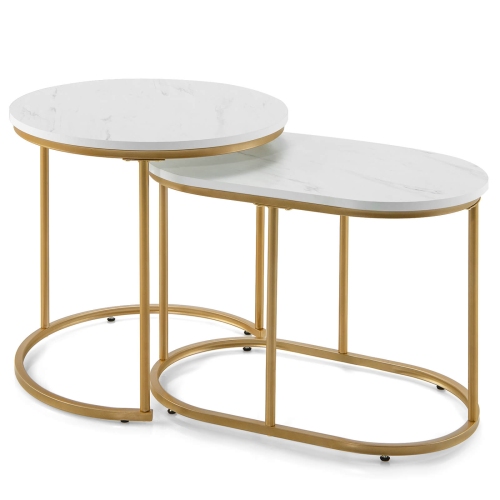
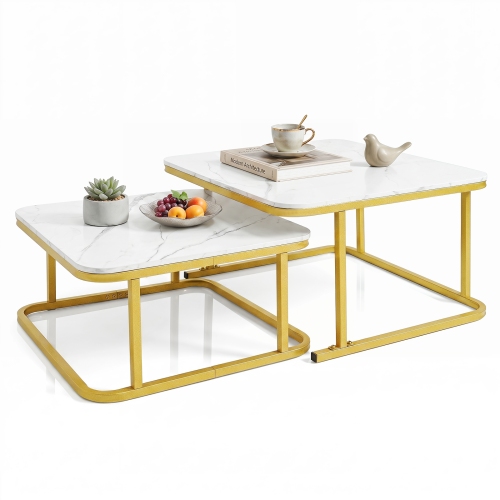
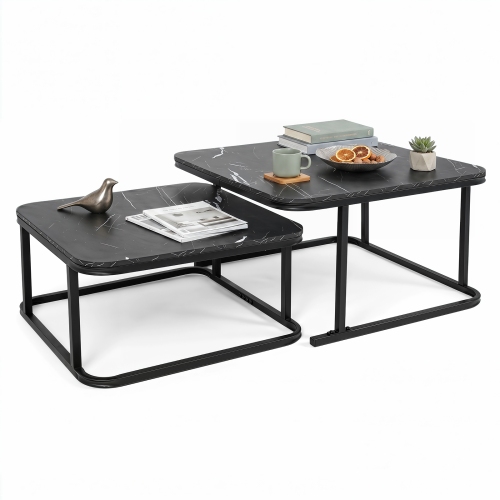
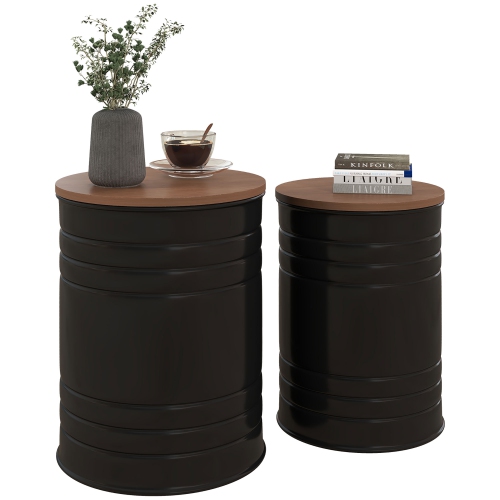
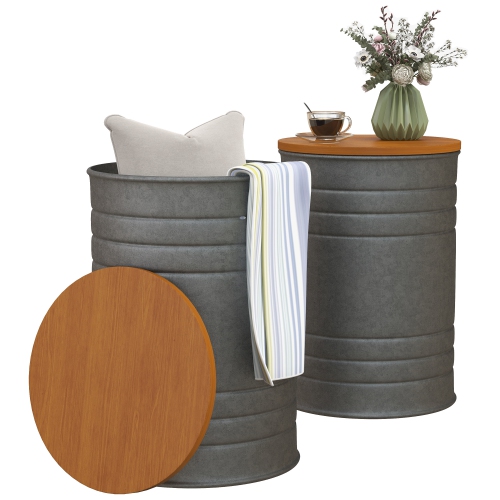
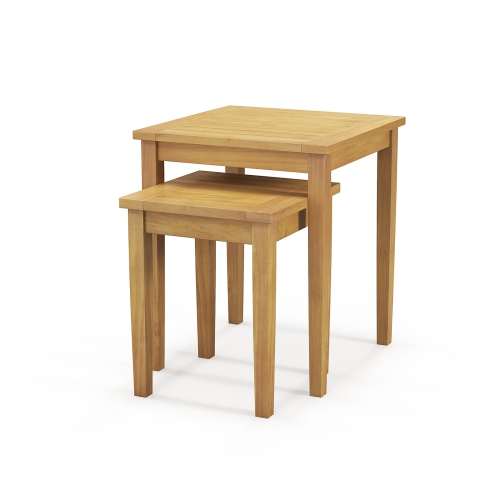


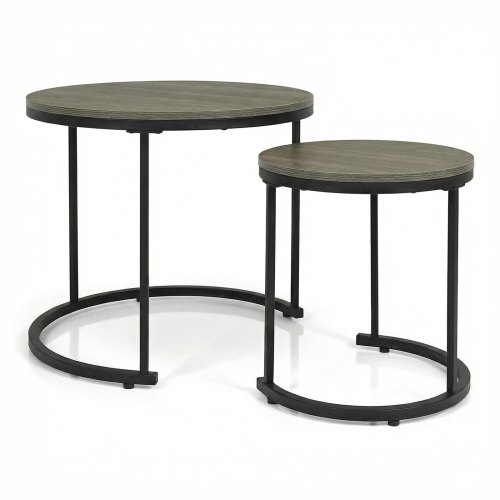


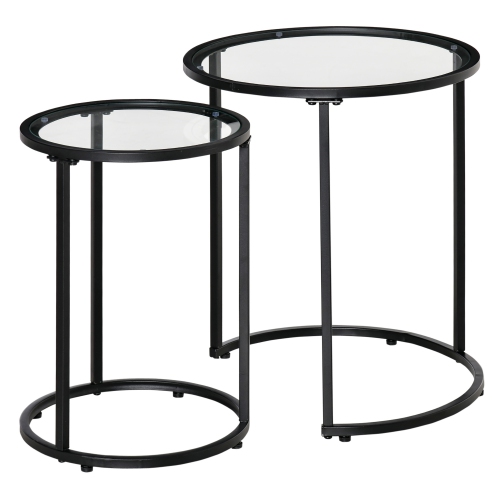


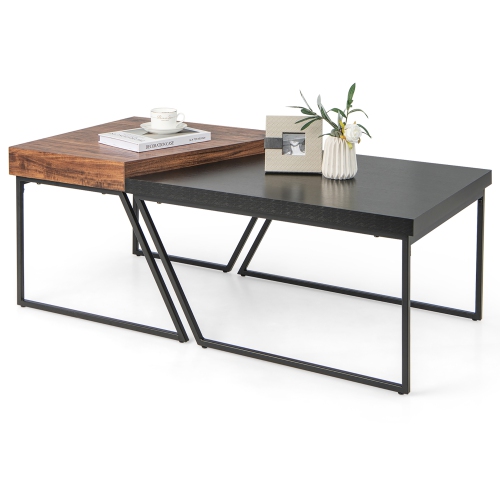
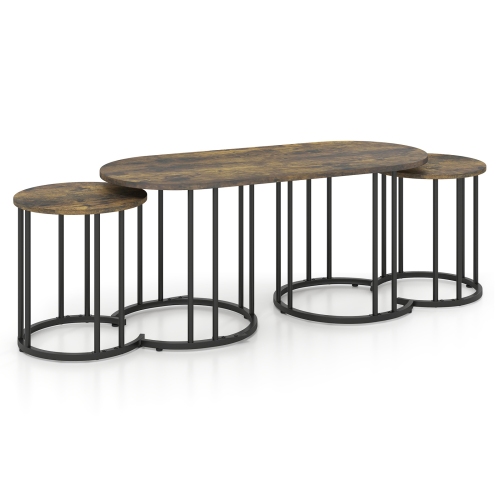

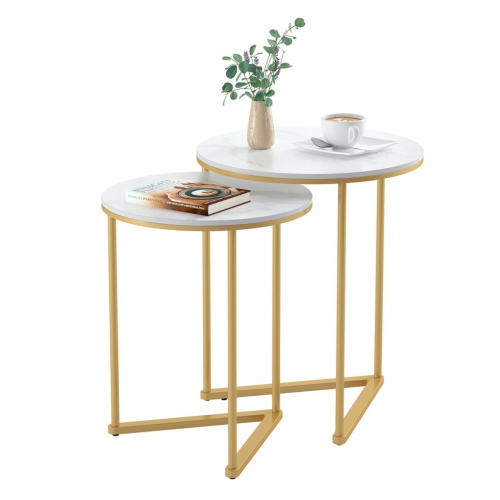
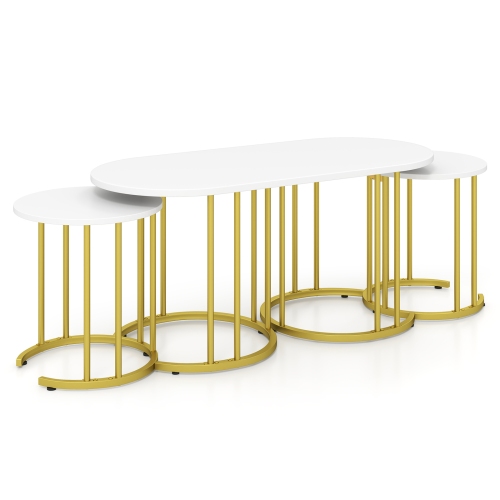


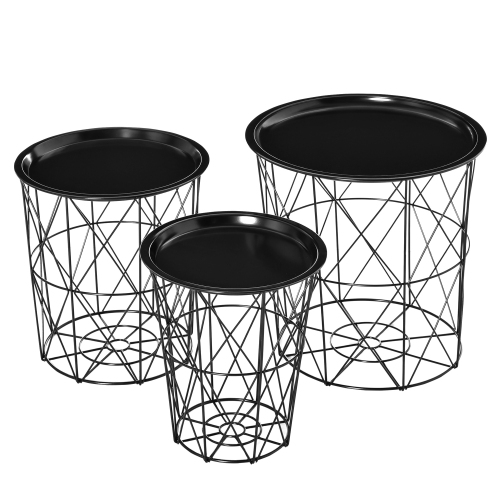

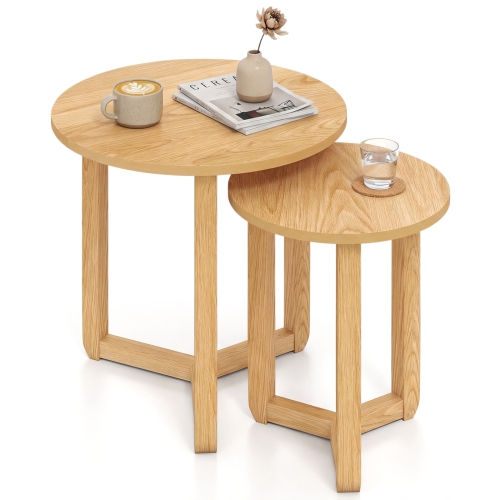
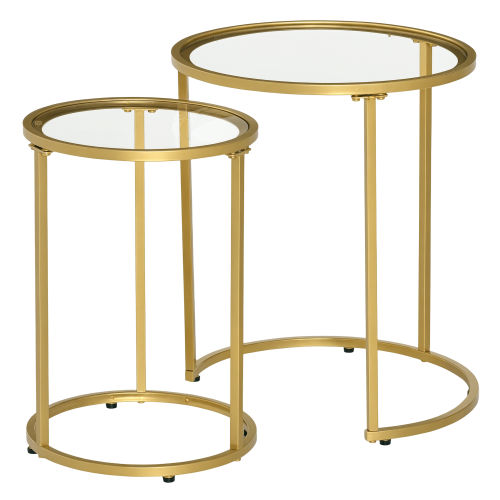

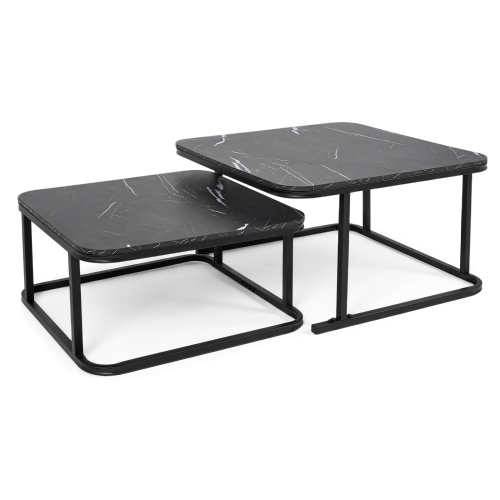


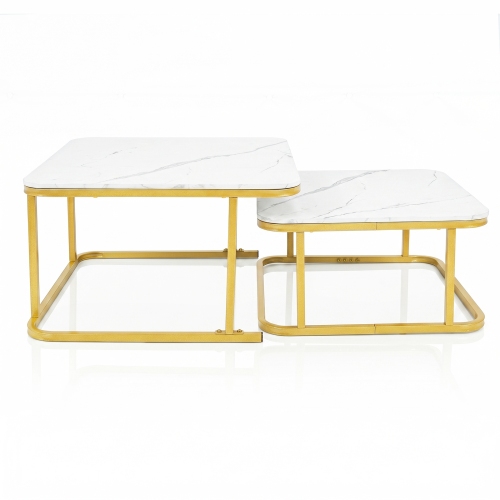
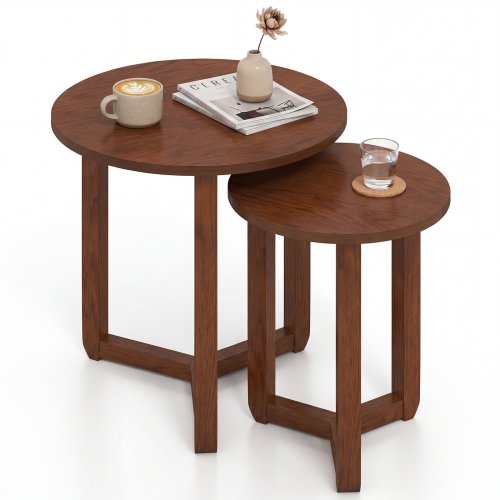

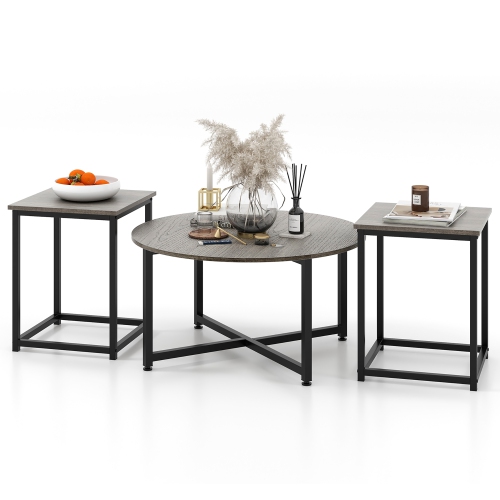

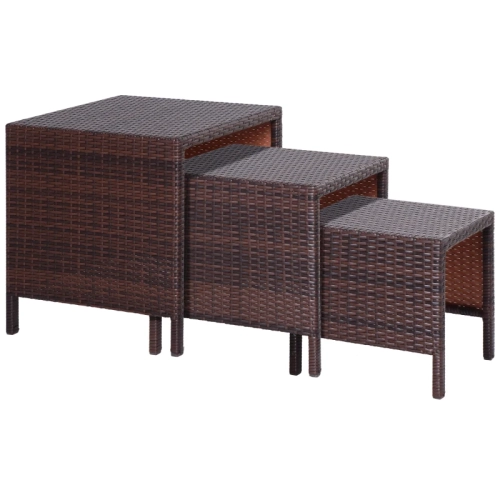


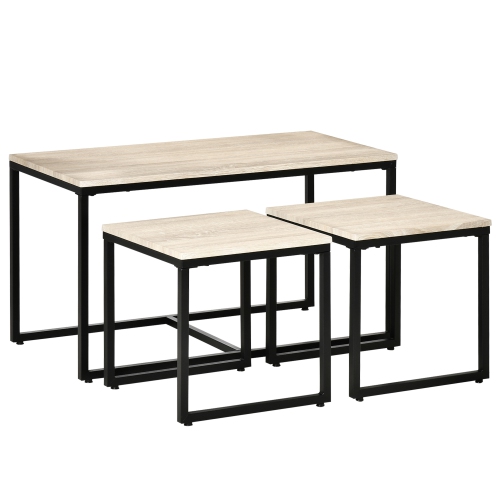
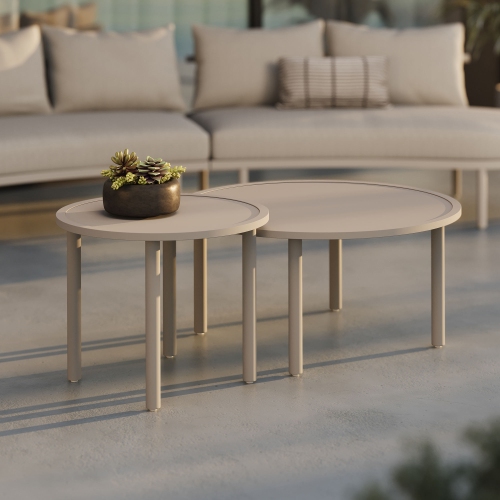
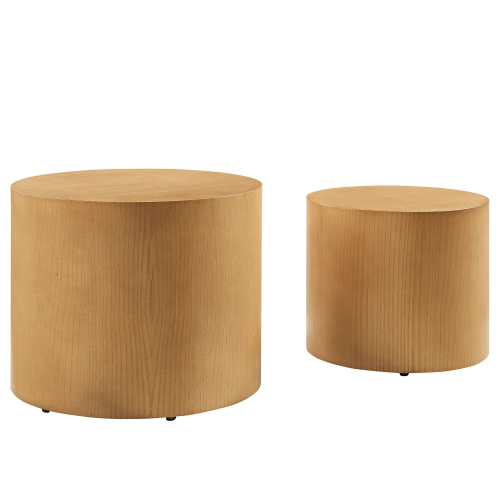

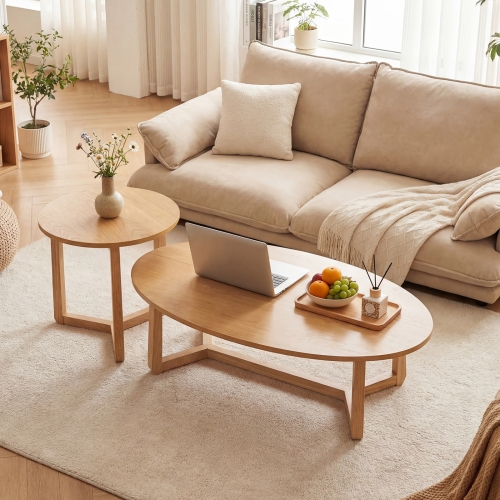

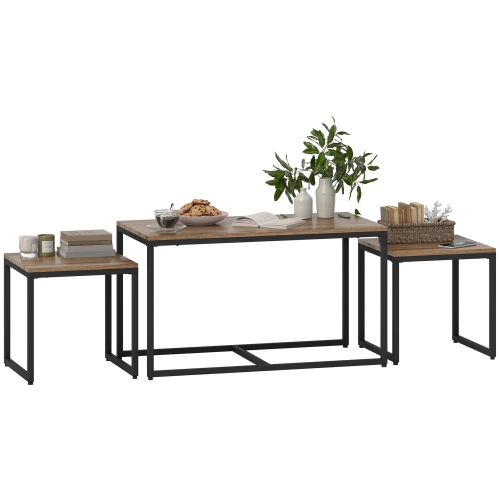
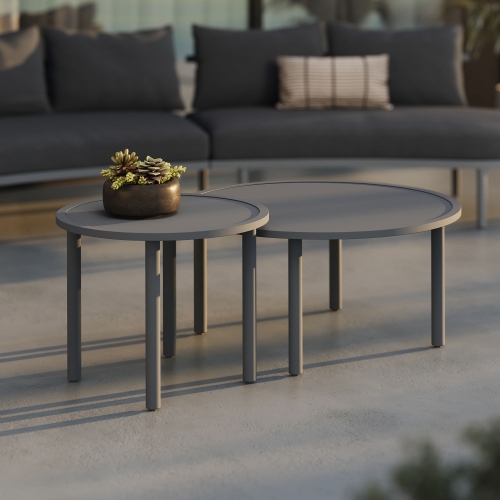
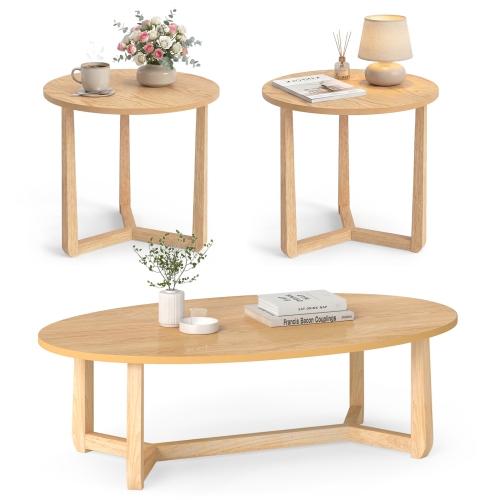
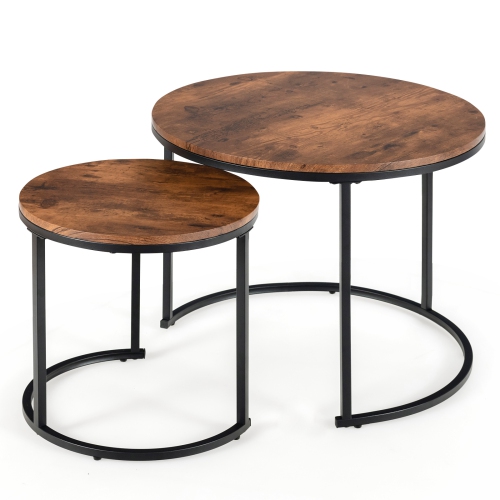

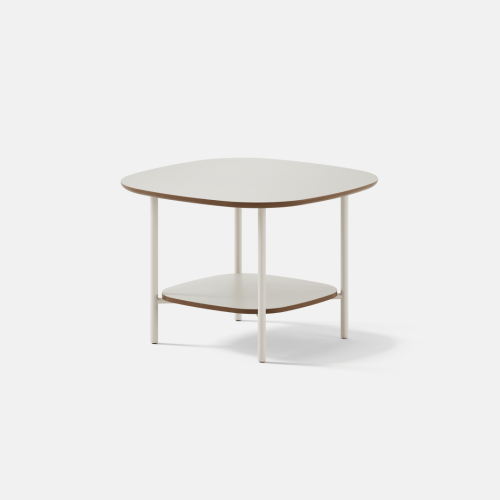


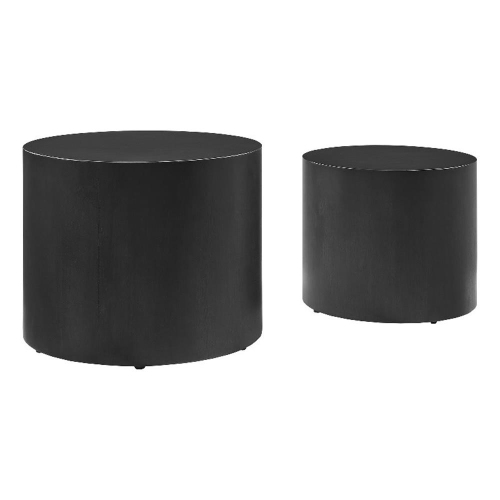


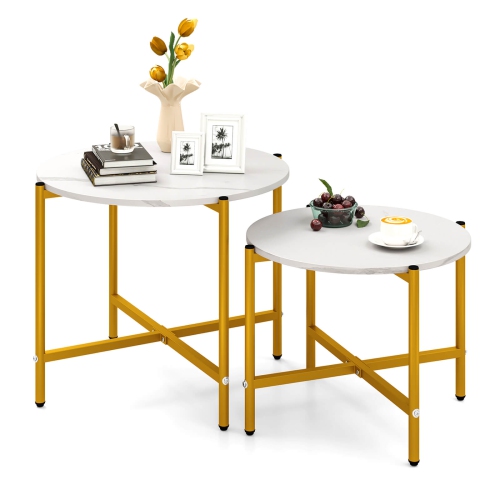


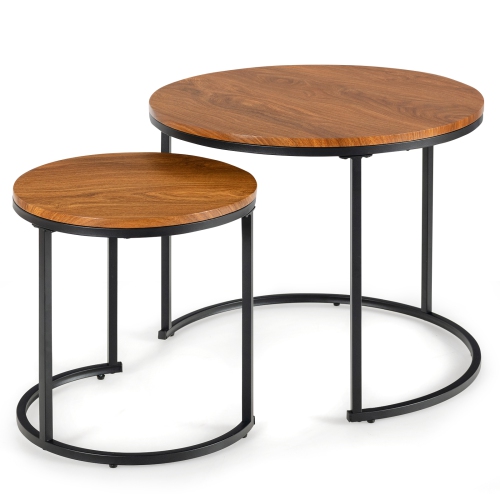
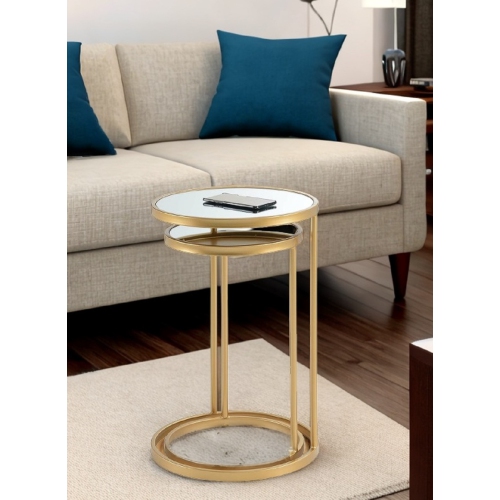
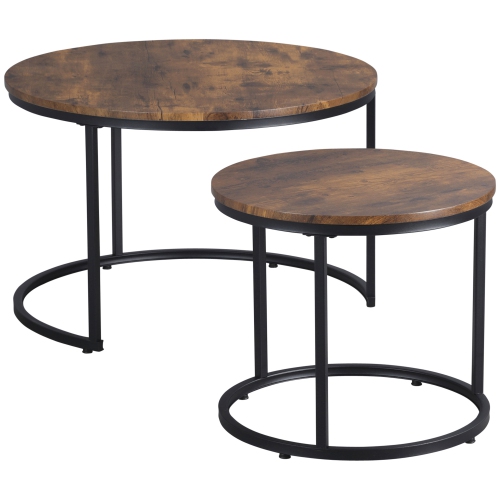
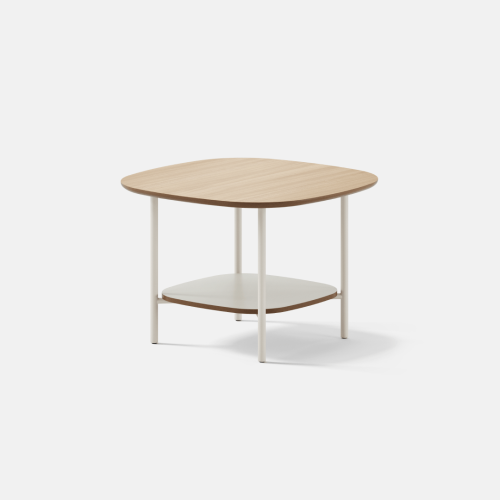
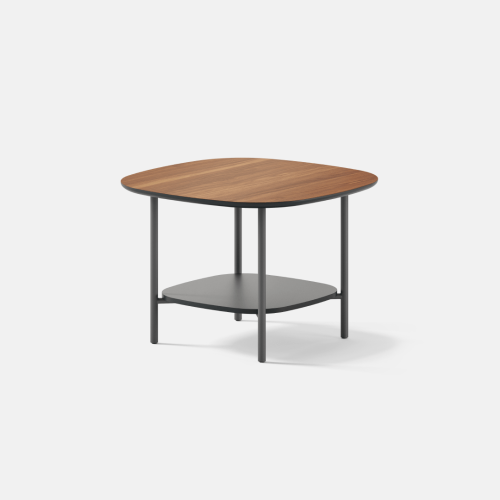


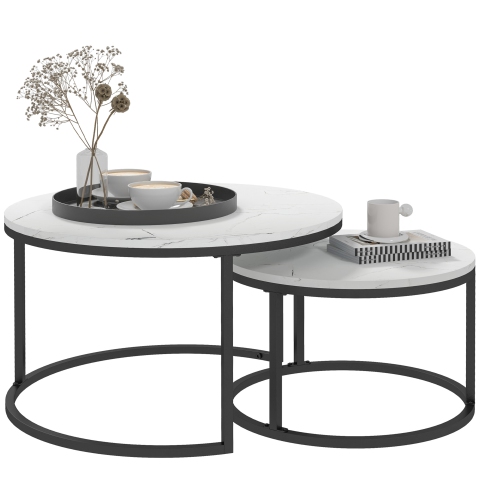

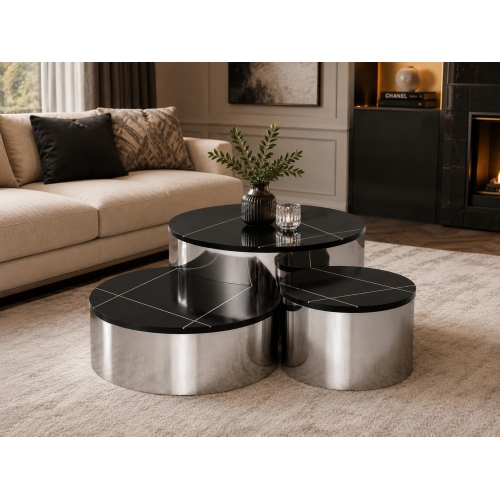
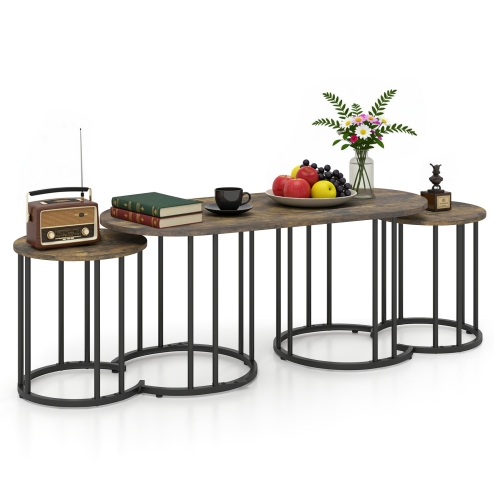


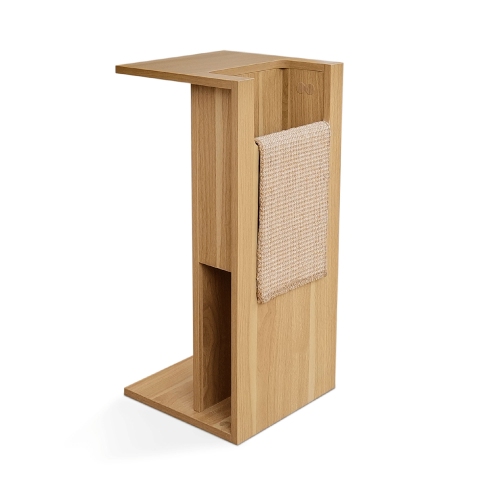

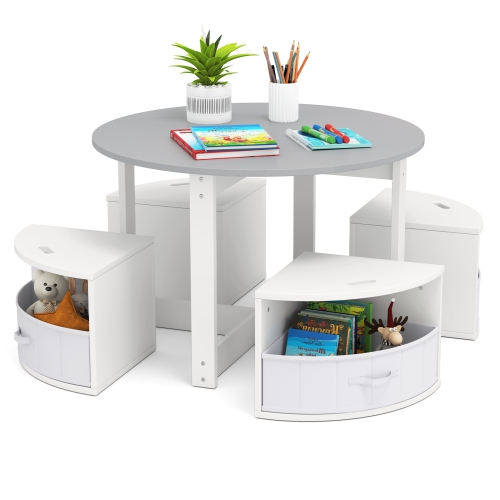

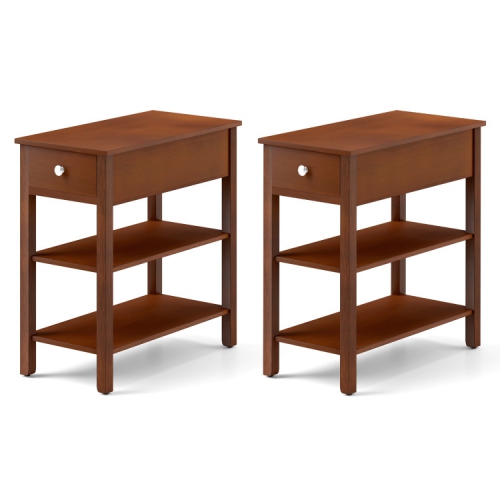


Extra surfaces that tuck away when not needed
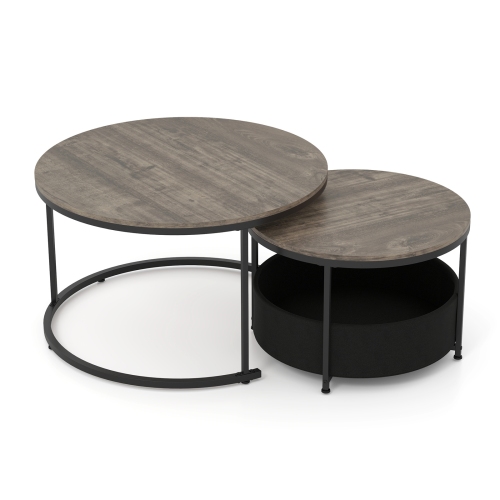
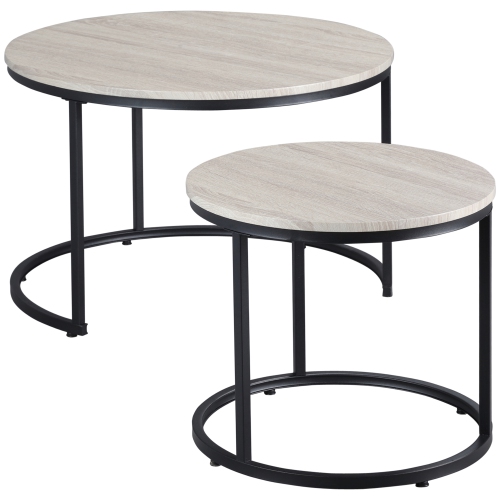
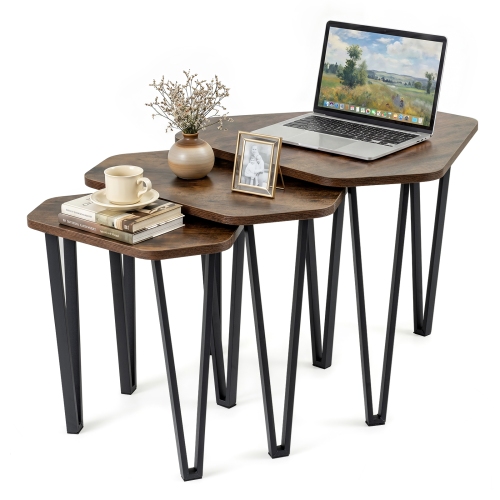
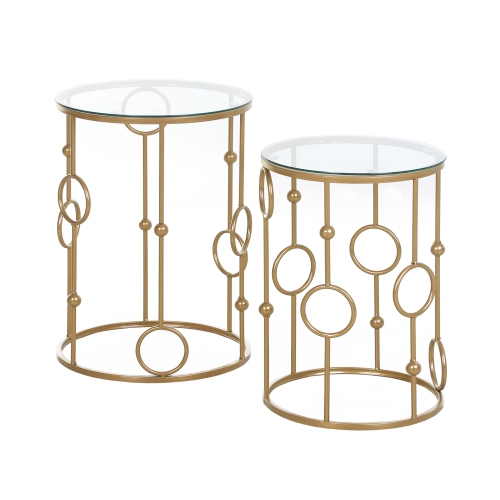
Small nesting tables are compact furniture sets with graduated sizes that allow the smaller tables to slide beneath the largest one. They provide extra surfaces when separated and take up less floor space when tucked together, making them a practical fit for condos, apartments, bedrooms, and living rooms where furniture needs to serve more than one purpose. Unlike a single side table, a nesting set can spread out around a seating area: one table can hold a cup beside an armchair while another supports a snack bowl within reach of the sofa. Once those surfaces are no longer needed, the tables return to a smaller footprint. Sets commonly include two or three tables, though their shapes, heights, and nesting arrangements vary. Some tuck almost completely out of sight, while others remain partially visible in a stepped arrangement that shows off each tabletop. Round nesting tables soften the lines of a room and have no sharp tabletop corners, although they still need stable placement and clear walking space. Square and rectangular shapes sit neatly beside straight sofa arms or along a wall, while oval designs offer an elongated surface with curved edges. In a reading corner, a small nesting table can keep a book and glasses close without crowding the chair. In a guest room, a set can provide a bedside surface and an extra table that moves where it is needed. These pieces are useful for people furnishing a first apartment, adapting a shared living room, or creating comfortable seating in a smaller home. They can also make a thoughtful housewarming gift when the recipient’s room dimensions and preferred style are known. Their appeal is not simply that they are small; it is that they offer separate, usable surfaces without requiring each table to occupy its own permanent spot.
The materials and construction of small nesting tables influence their appearance, weight, care needs, and suitability for everyday use. Solid wood brings natural grain and variation, with finishes ranging from pale tones to deeper browns. Its response to moisture and temperature makes a protective finish and prompt attention to spills important. Wood veneer offers a real wood surface over a supporting core, while laminate and other manufactured finishes can provide a consistent colour or pattern with straightforward routine cleaning. Resistance to scratches, heat, and moisture depends on the particular finish, so a wood-look surface should not automatically be treated like solid wood. Metal frames can create a slim outline that leaves more of the floor visible, but stability depends on the frame design, joints, and quality of assembly rather than the material alone. Glass tops offer an open appearance and allow a rug or flooring to show through; fingerprints and water marks may be more noticeable, and exposed edges deserve consideration in busy rooms. Stone and marble surfaces tend to add weight, and some require sealing or special cleaners. A marble-look top may have a very different composition and care routine from natural stone, making the material description more useful than appearance alone. For households where a table is often pulled over for tea, homework, or a board game, a manageable weight and an easy-to-clean surface can matter as much as the finish. Coasters and suitable protective mats help reduce marks from drinks and warm dishes, while a soft cloth is generally a sensible starting point for dusting. Cleaning should follow the manufacturer’s directions, particularly around veneer edges, painted finishes, and stone surfaces. Lifting a table rather than dragging it helps protect both its joints and the floor. Secure fasteners, well-supported tops, and feet that sit evenly contribute to durability, especially when the tables are moved and nested frequently.
A comfortable fit depends on the dimensions of the entire set, not just the largest tabletop. The width, depth, and height when nested indicate how much room the tables need beside a sofa or bed; their separate dimensions show how useful each surface will be when pulled out. A small lower table may be just right for a drink but too low for comfortable use beside a tall armchair. A tabletop near the height of the adjacent seat cushion or sofa arm is often easier to reach, depending on where it sits and what it holds. The space needed to slide a table out also matters. A set placed tightly between a sofa and a wall may fit neatly when closed but be awkward to separate without moving other furniture. Open floor space in front of the set allows the smaller tables to move into use without blocking a doorway or the route through the room. Rugs can affect that movement, particularly when table legs cross a thick edge or stand partly on carpet and partly on hard flooring. Protective pads suited to the floor and compatible with the table feet can help limit scratches, but every table should remain level and steady. Weight limits apply to each piece, and nesting tables should not be used as seats, steps, or climbing surfaces unless expressly designed for those purposes. Visually, matching shapes can bring order to a seating area, while contrasting tops and frames add definition without the bulk of a larger coffee table. Pale finishes can sit quietly against light walls, and White Nesting Tables suit rooms where a crisp, understated finish works with the surrounding furniture. Dark frames can pick up the lines of nearby shelving or lighting. Leaving part of each tabletop clear preserves the flexibility that makes the set useful, whether it holds everyday essentials or moves closer to guests during a relaxed evening at home.
Top selling and popular products
-
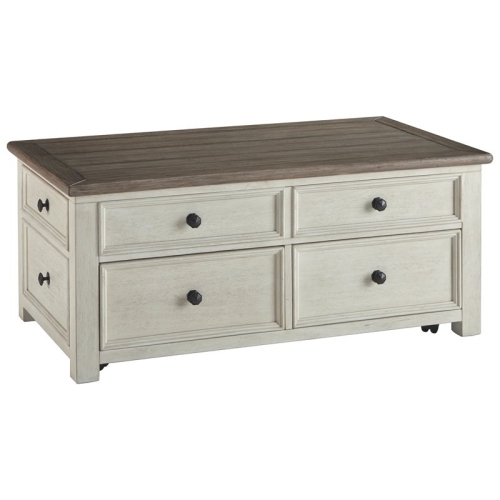 Your price for this item is $949
-
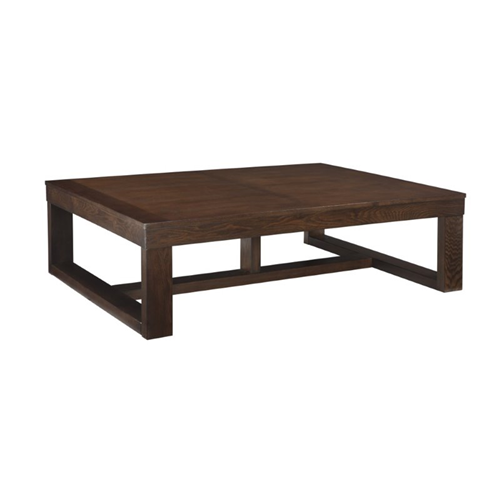 Your price for this item is $449
-
 Your price for this item is $649
-
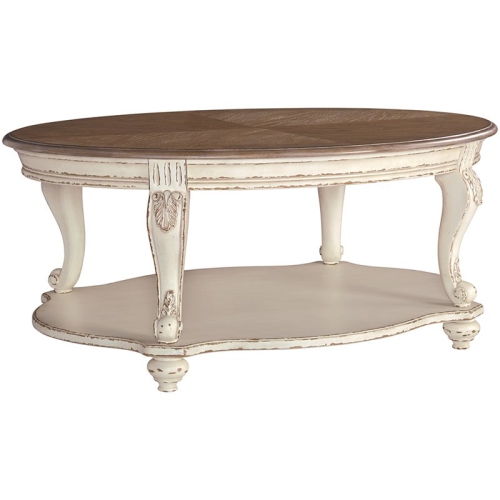 Your price for this item is $599
-
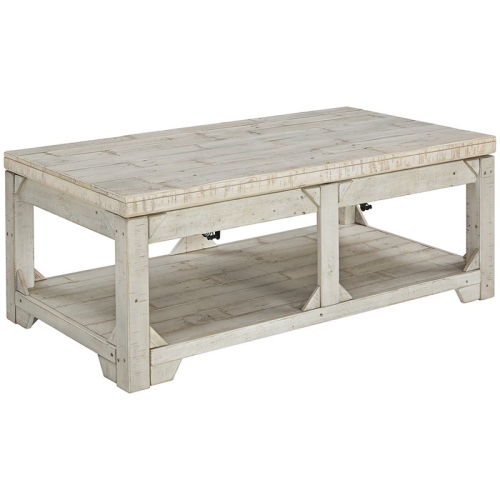 Your price for this item is $549
-
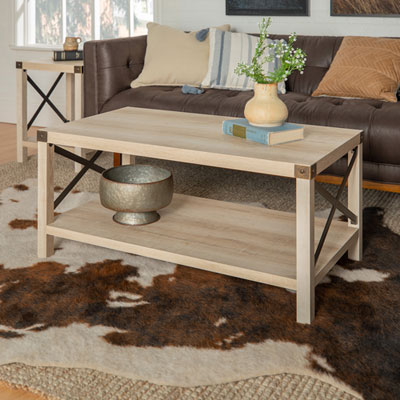 Your price for this item is $311.99
-
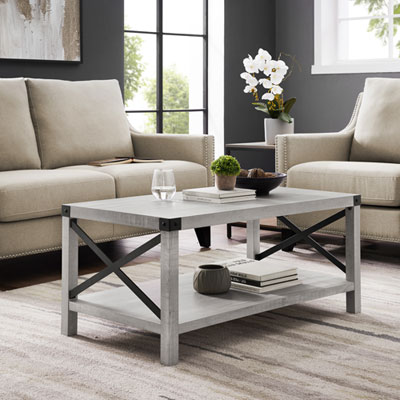 Your price for this item is $249.99
-
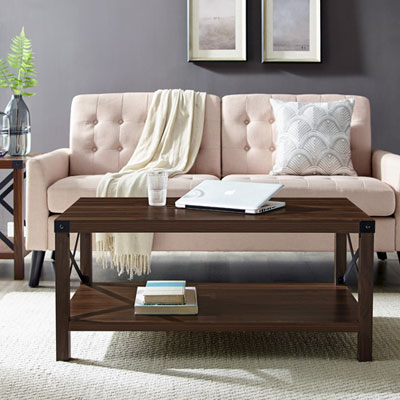 Your price for this item is $311.99
Discover more categories related to Small Nesting Tables

Top Collections:
Pokemon Centers, Kindle Devices, Best Cameras for Sports Photography, Pokémon 30th Celebration Cards, Apple iPhones 16, Canon G7X Cameras, iPhone 15 Apple, Flip Phones, Samsung Galaxy Phones, Alarm Clock
Some products may be subject to Environmental Handling Fees
(EHF) depending on your province.
Learn more about EHFs.