Rucksacks with Compartments
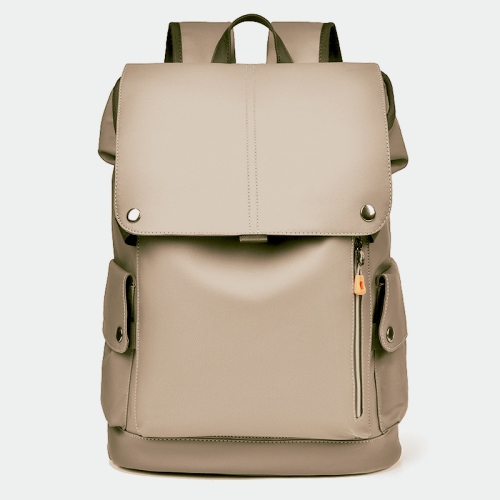
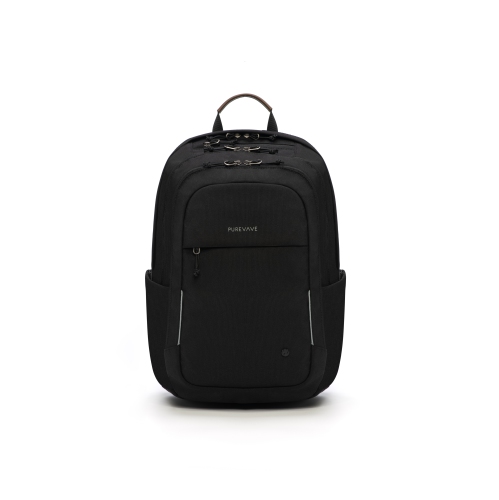
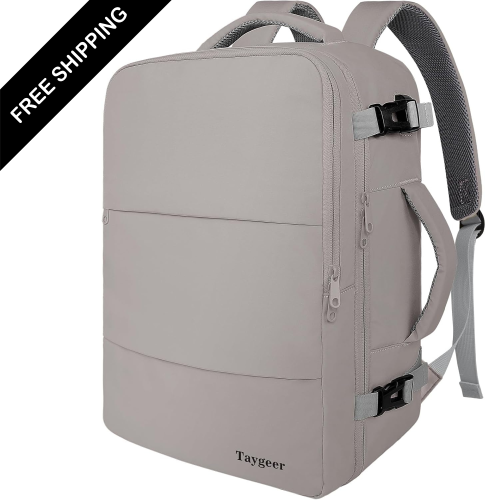
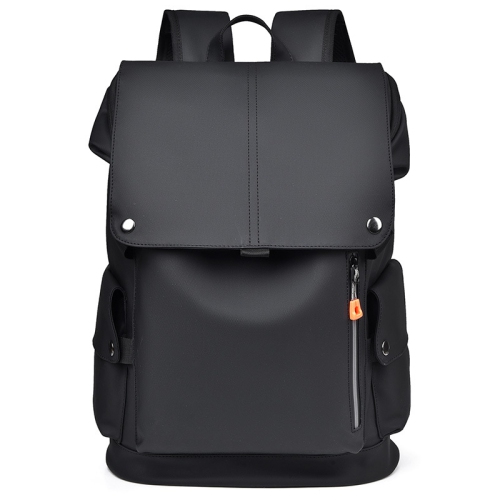
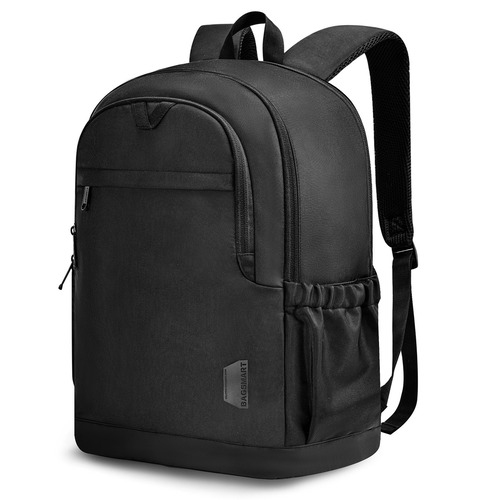
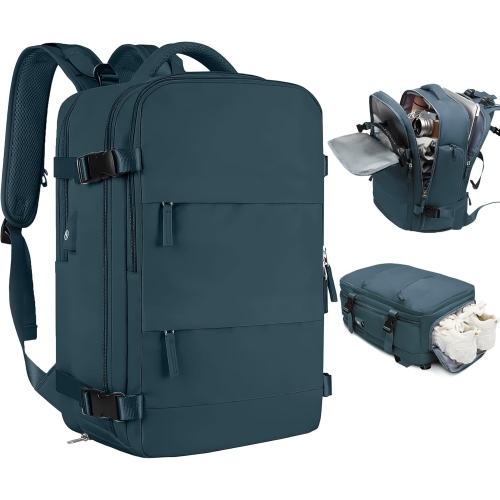
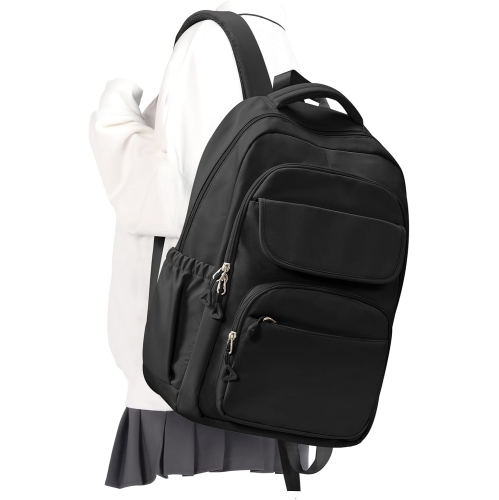
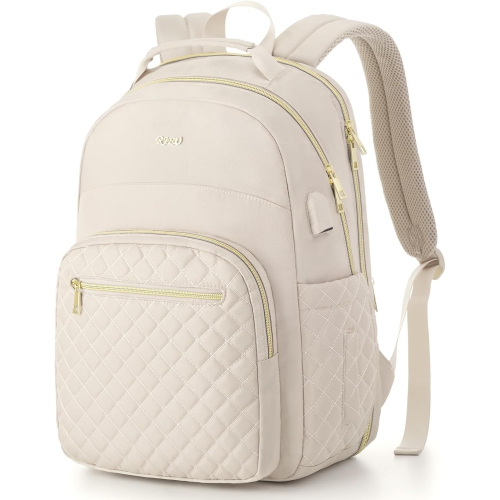
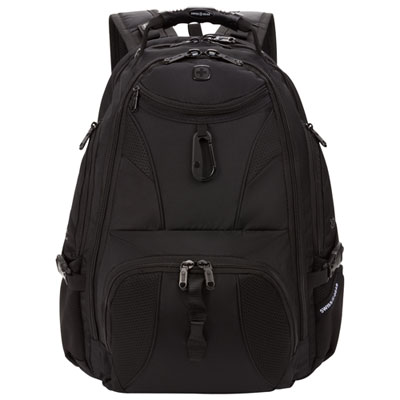
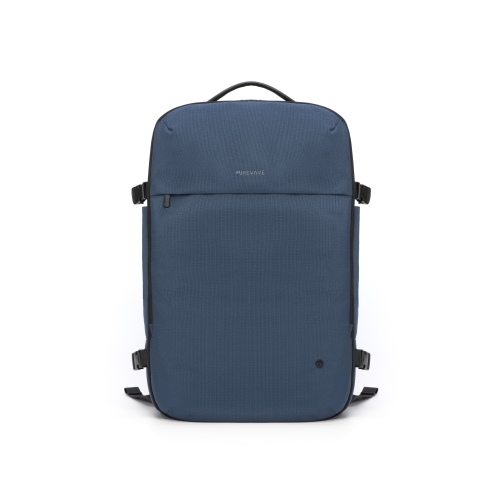
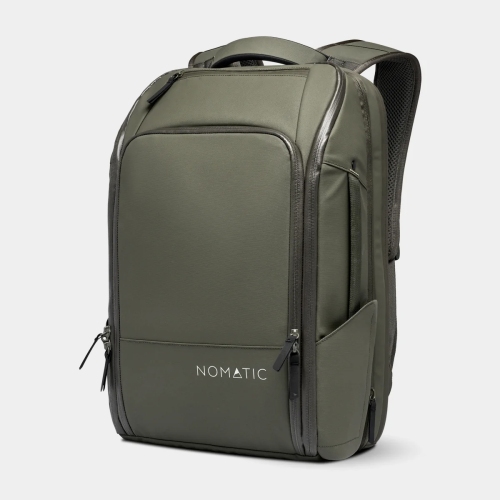
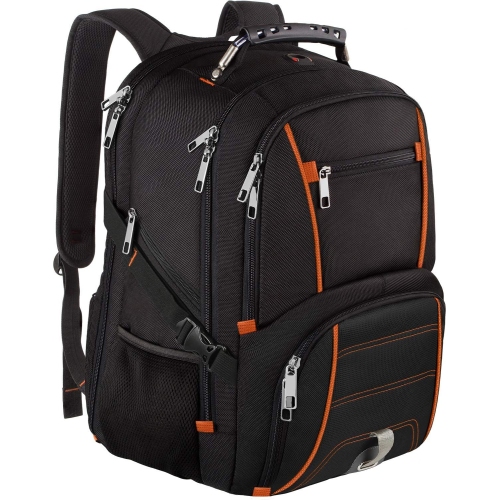
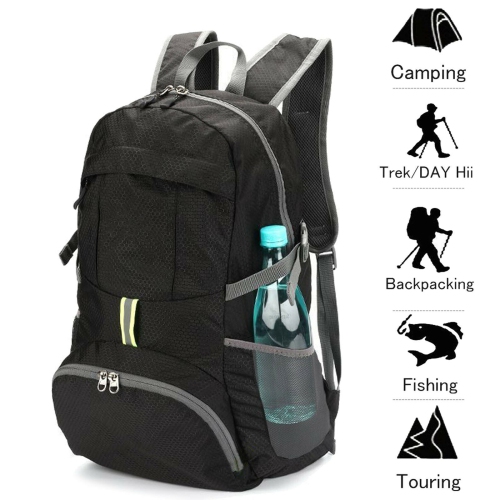
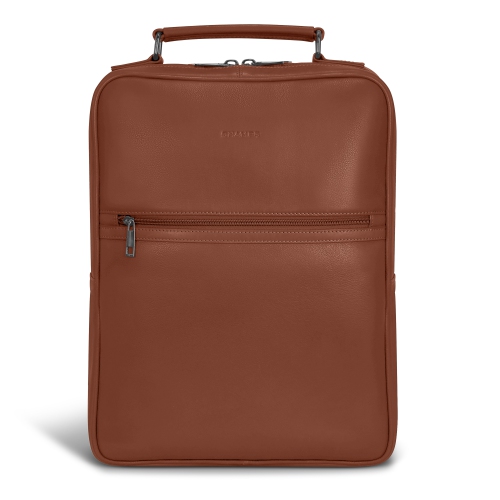
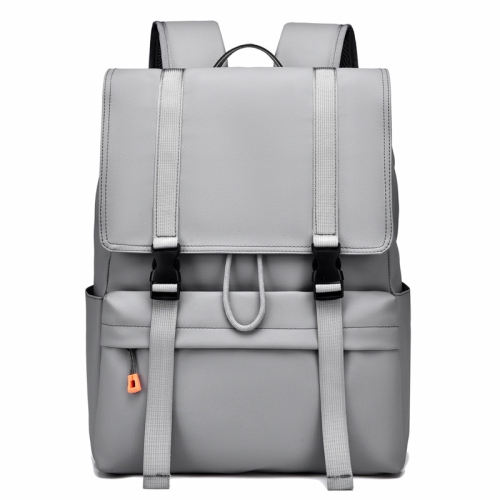
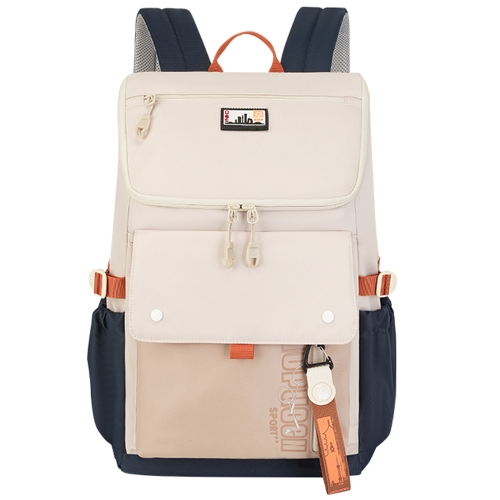
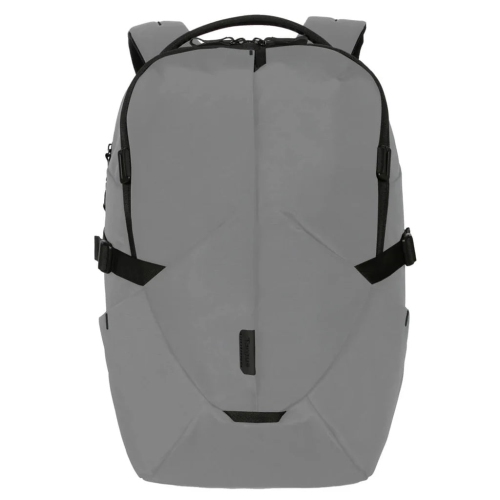
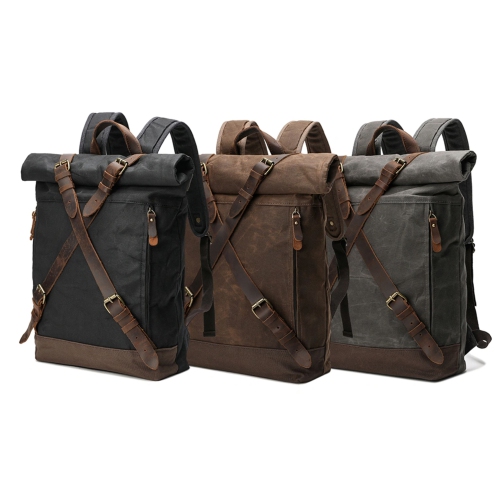
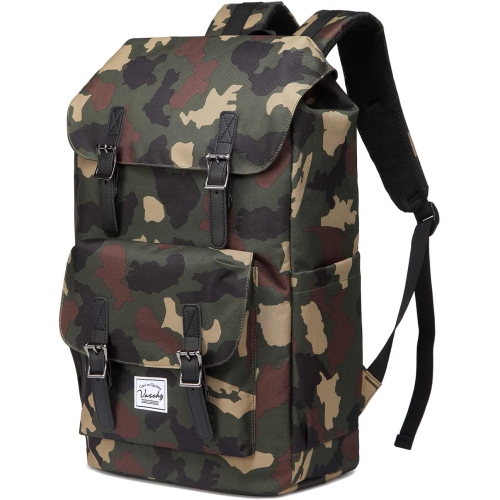
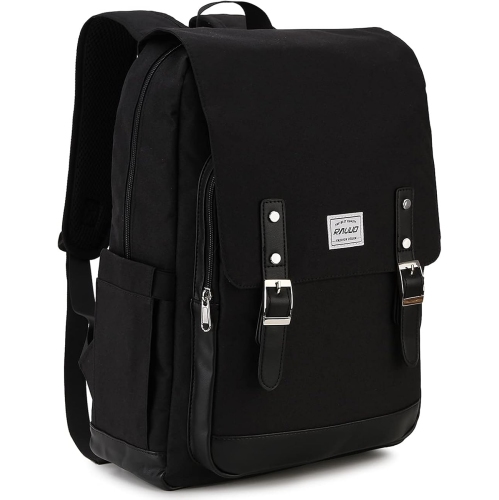
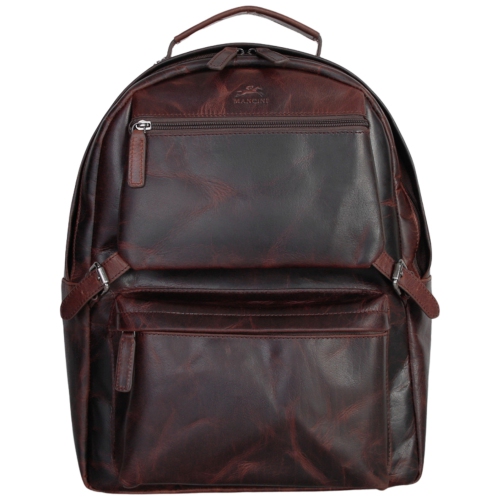
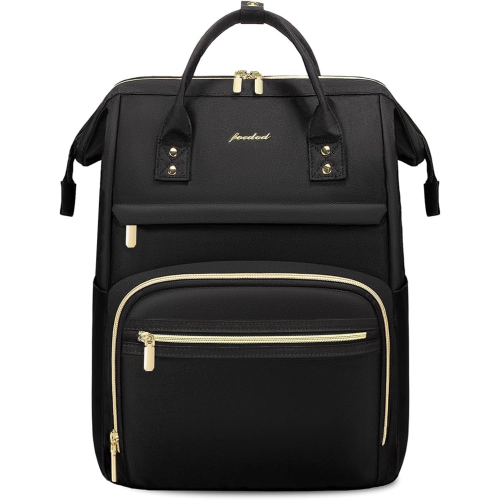
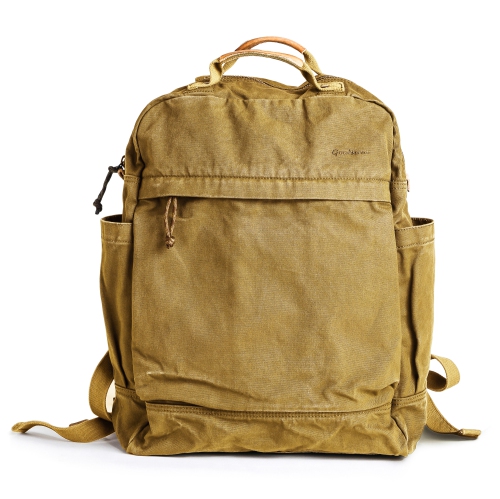
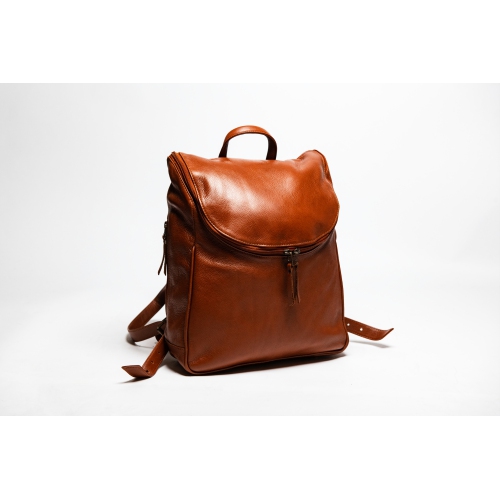
Rucksacks with compartments help keep your belongings organized, separating smaller essentials from larger items so they’re easier to find. Compare backpack sizes, pocket arrangements, and storage layouts to find an option that suits what you carry for your commute, day trips, or travel.


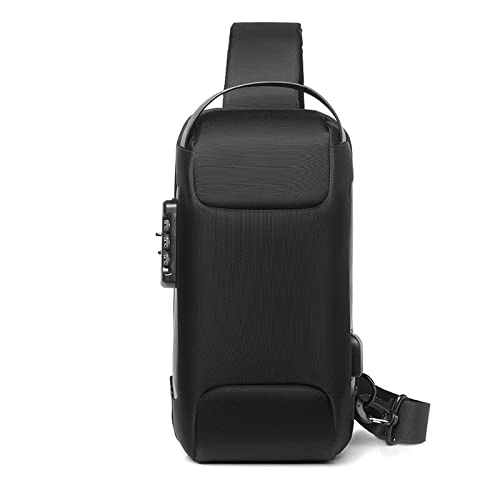
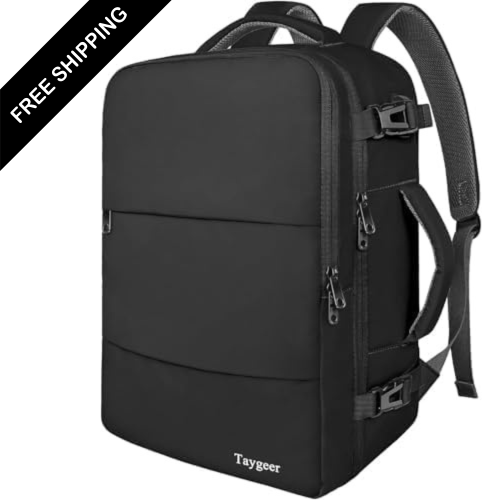
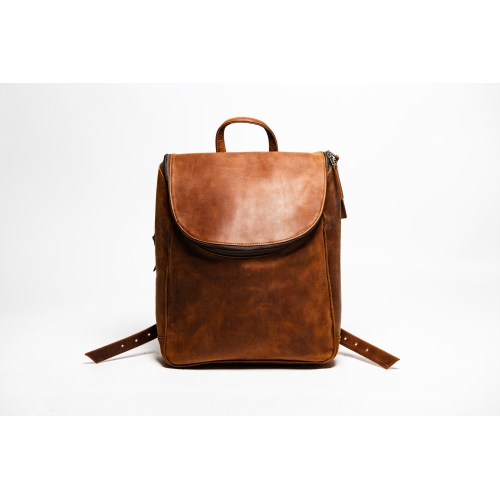
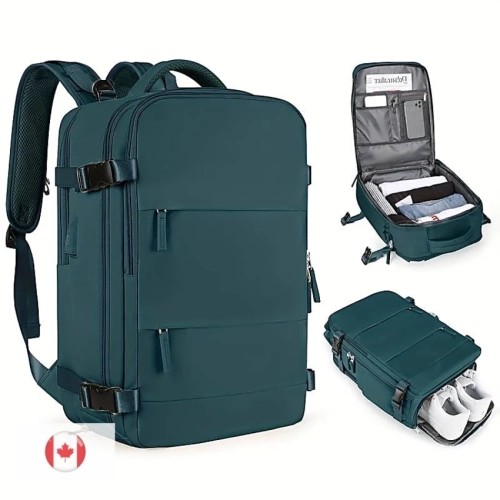









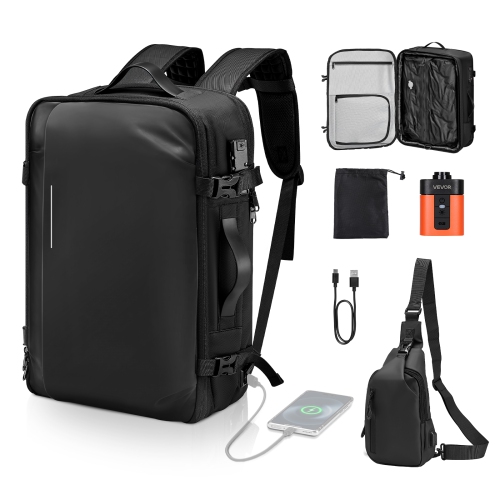
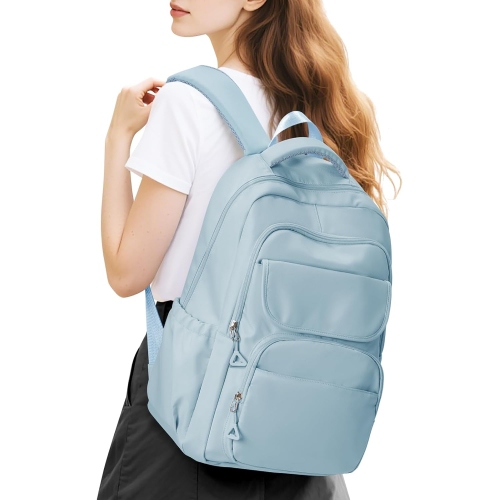
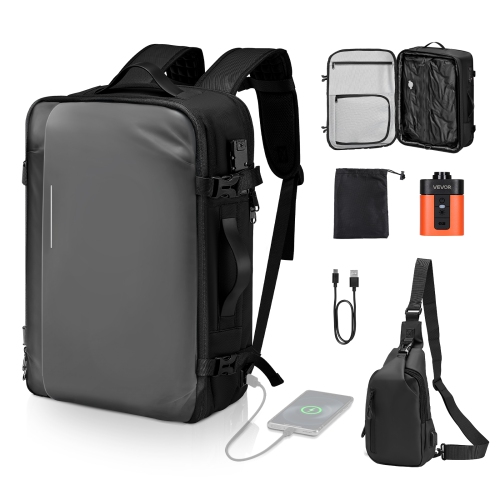


































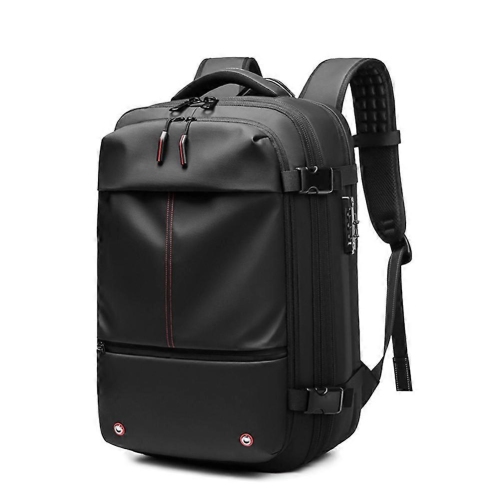
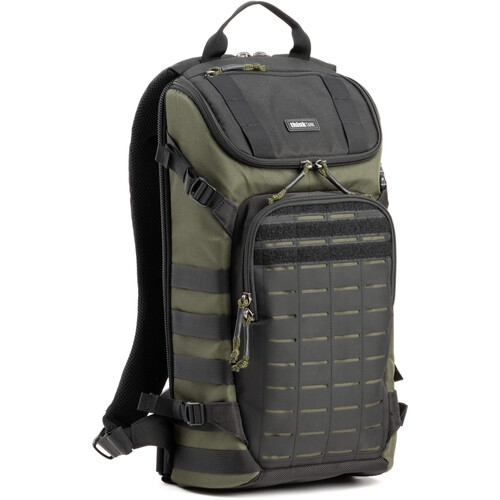
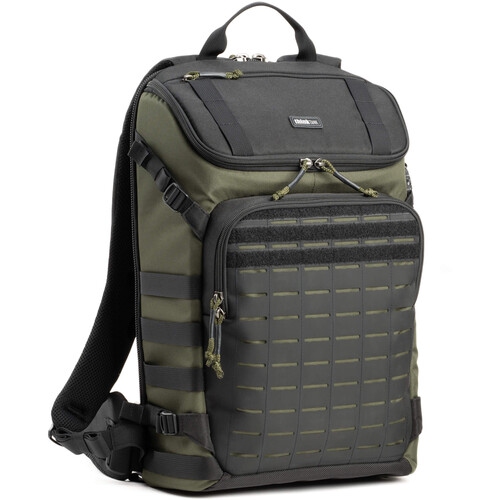

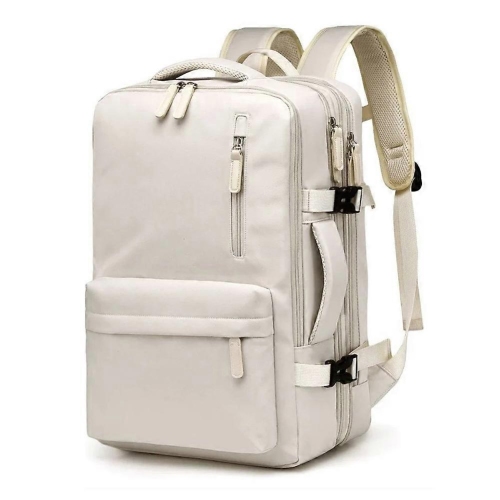





FAQ
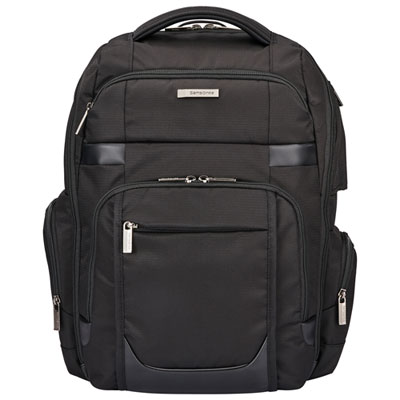
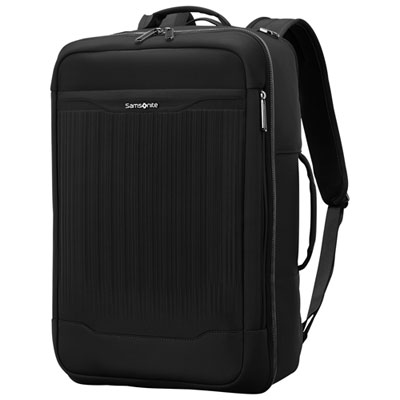
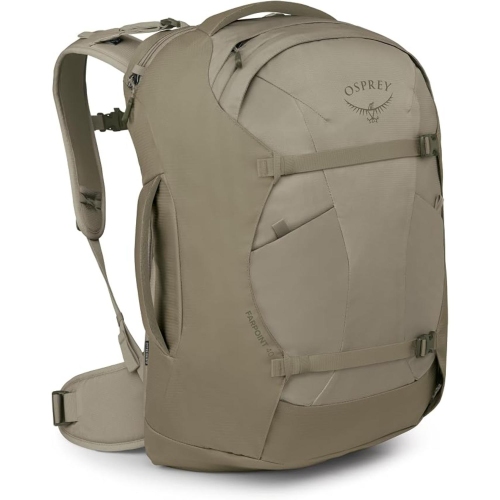
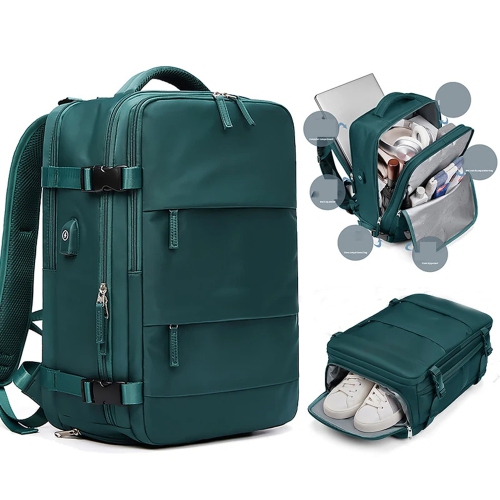
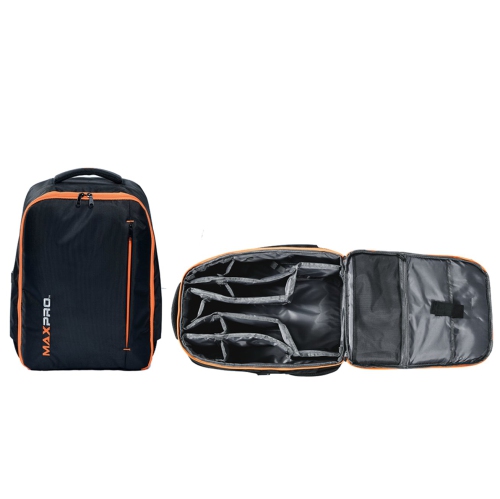
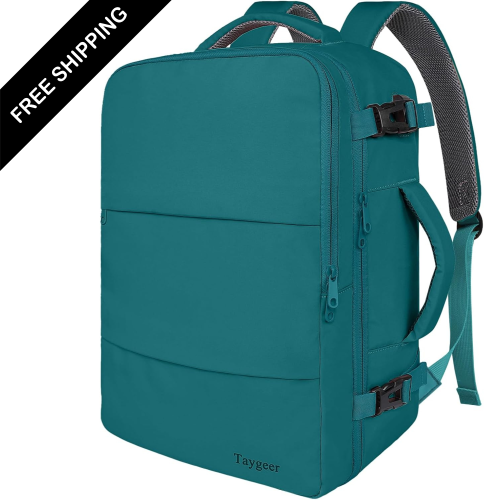
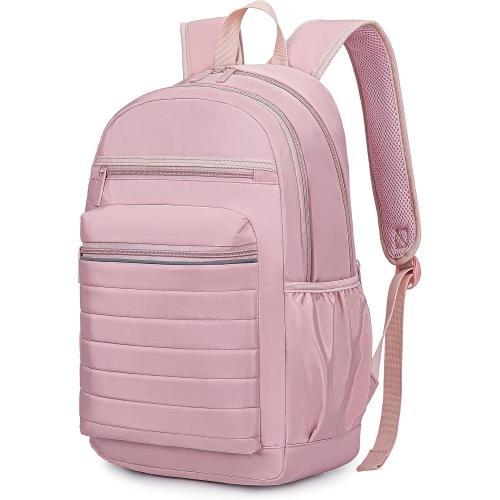
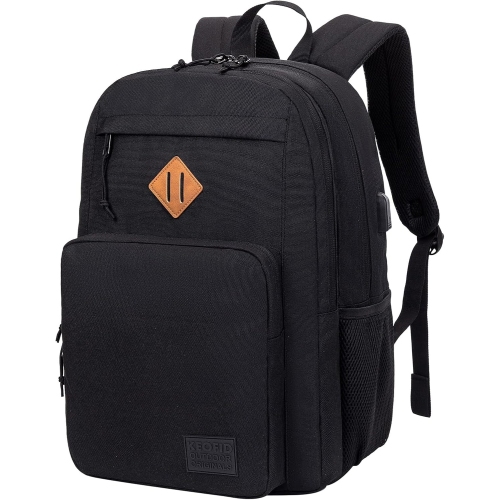
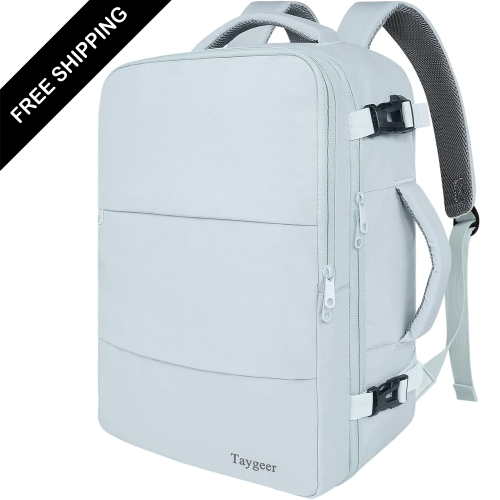
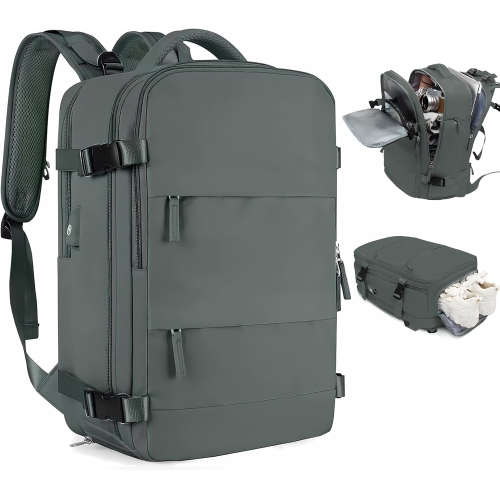
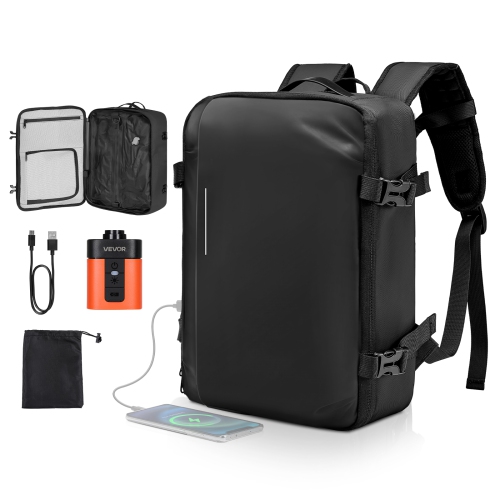
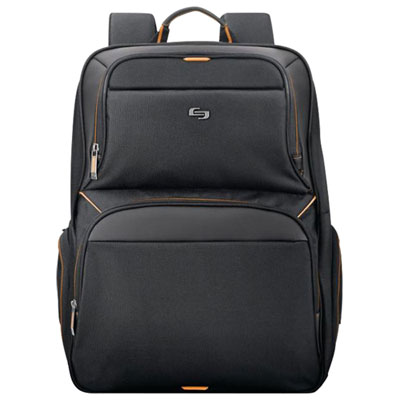
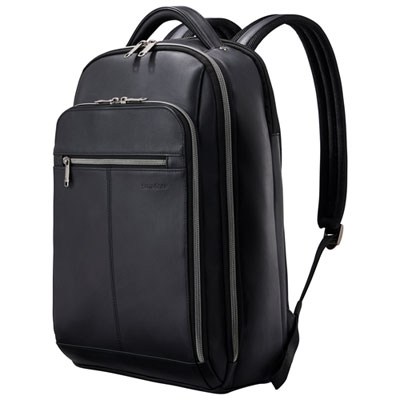
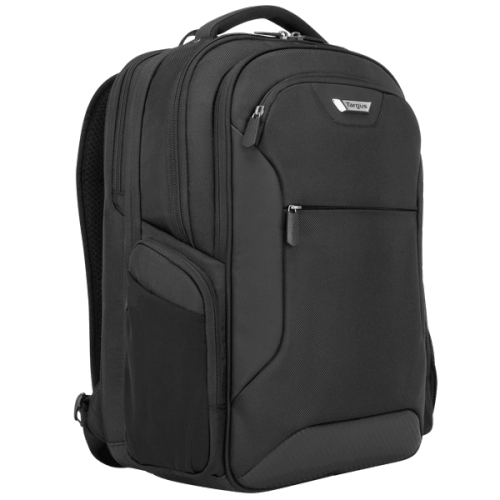
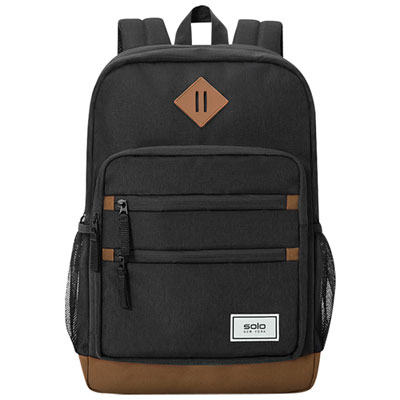
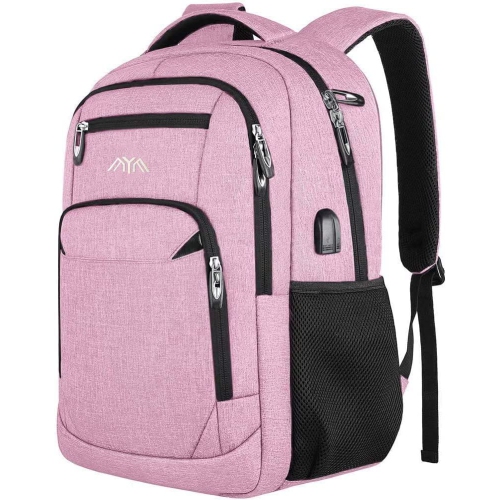
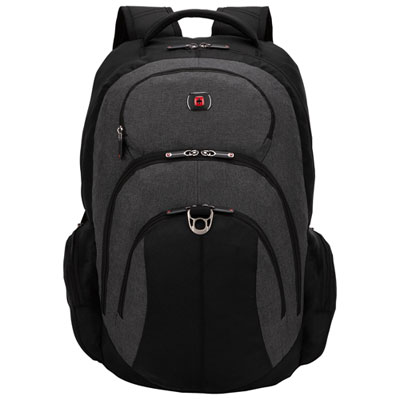
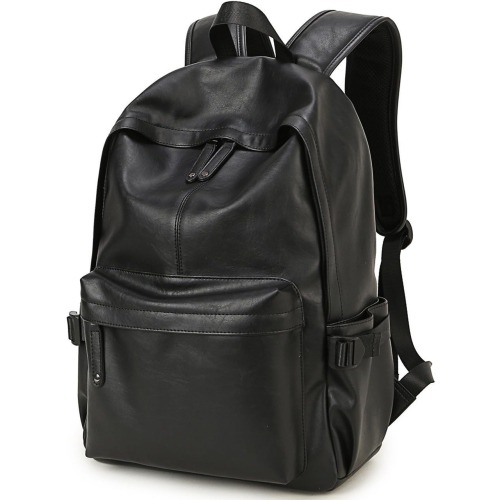
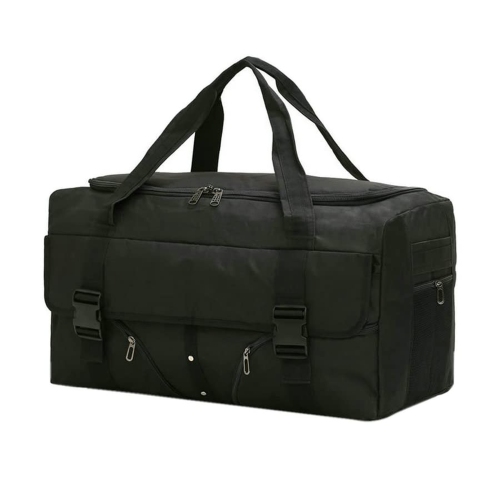
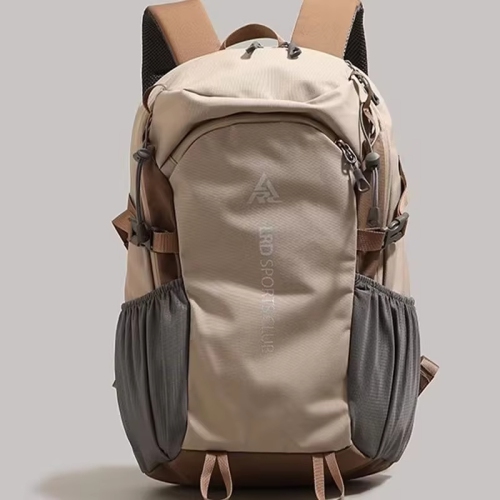
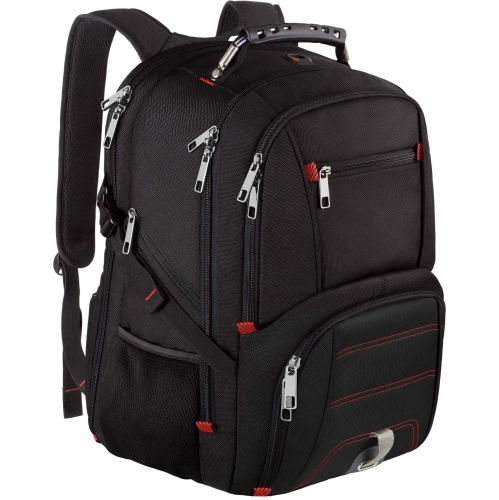
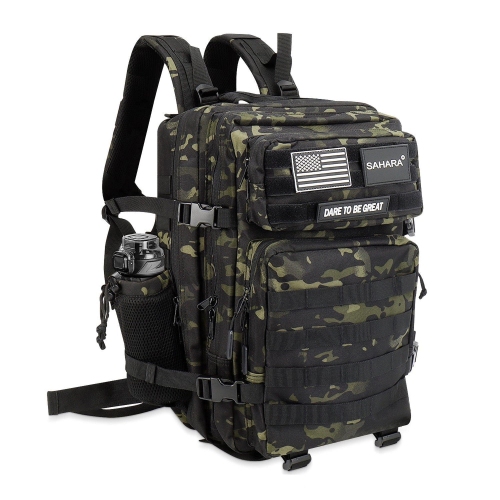
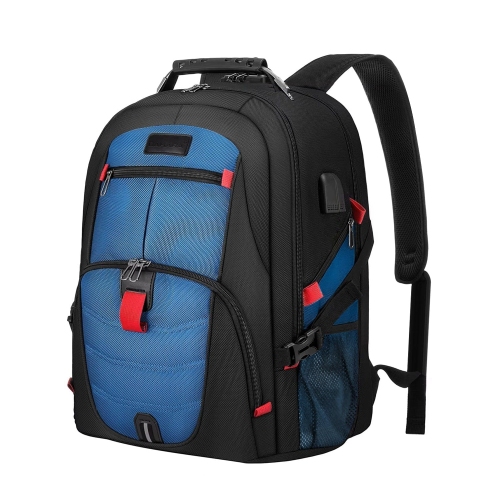
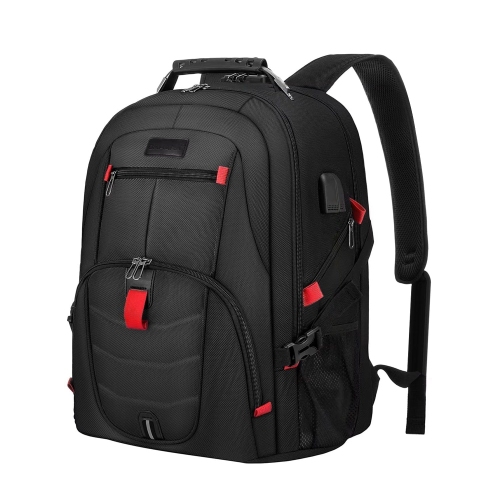
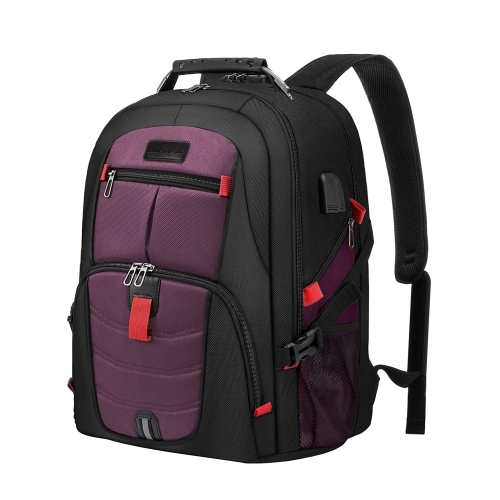
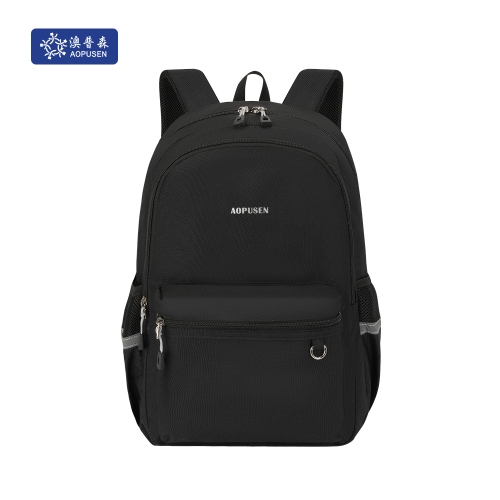
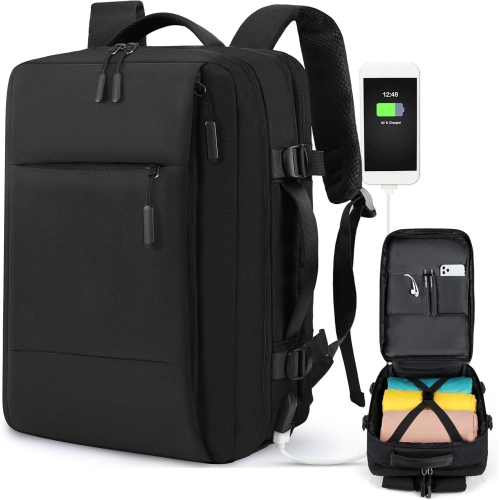
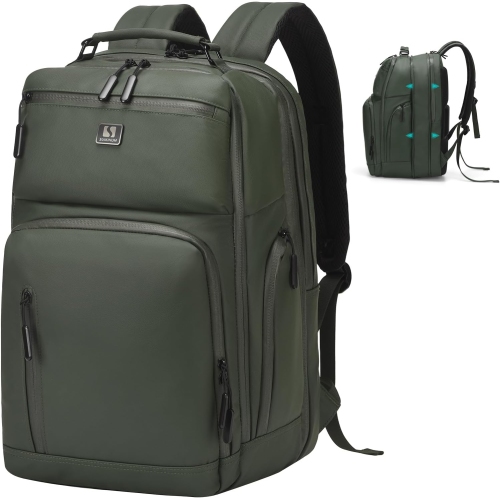
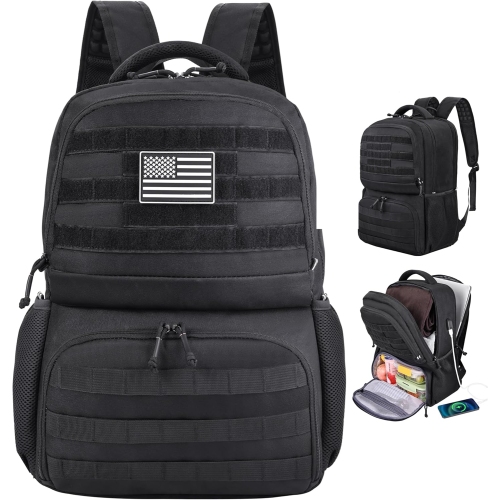
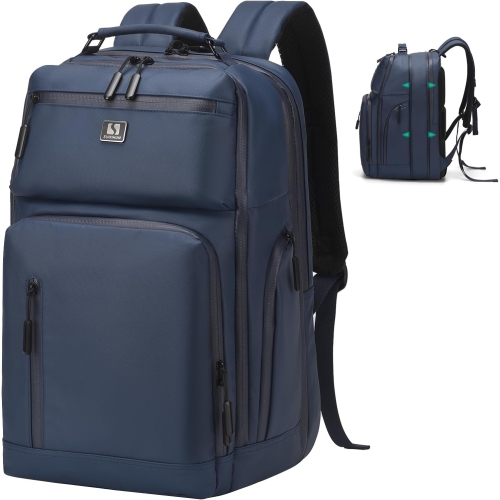
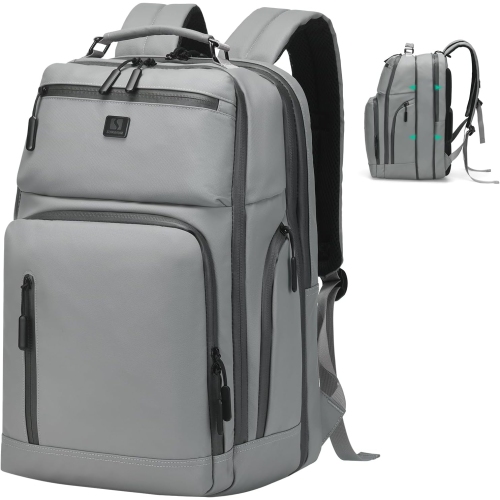
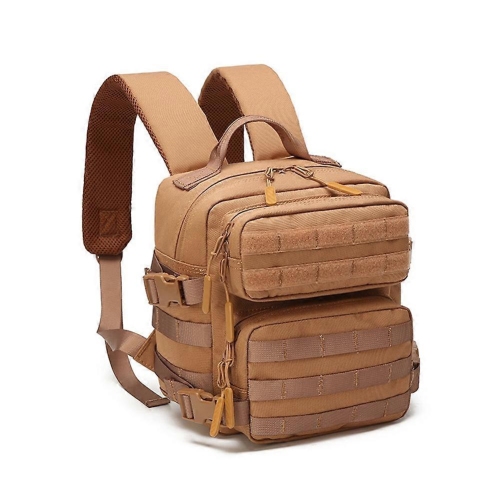
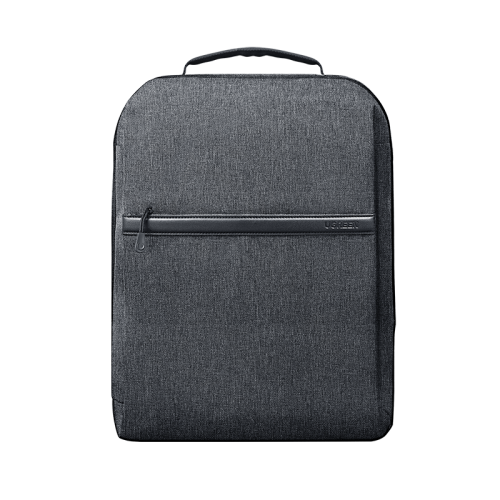
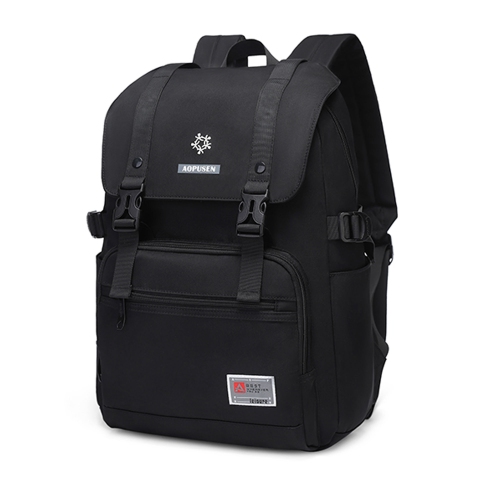
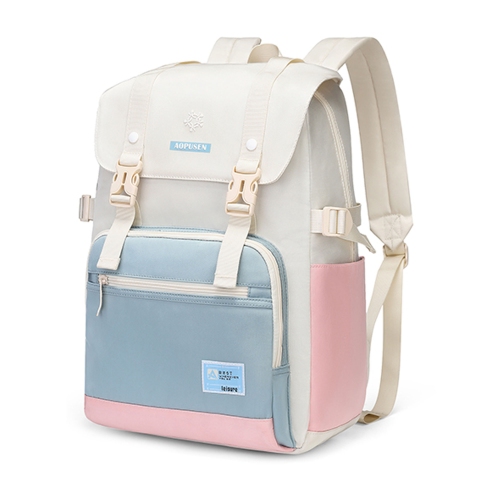
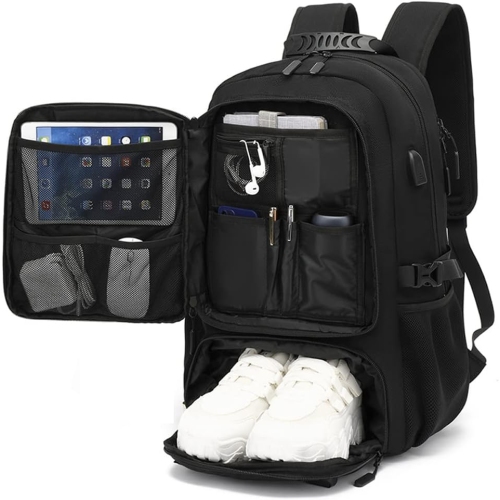
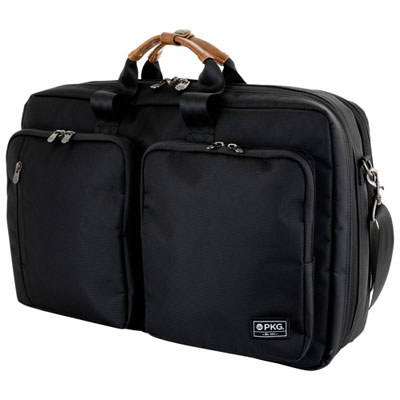
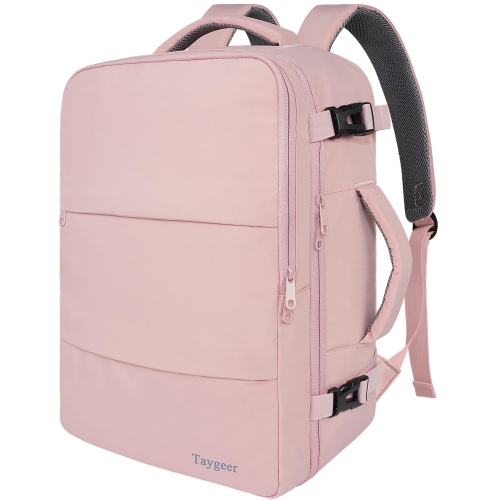
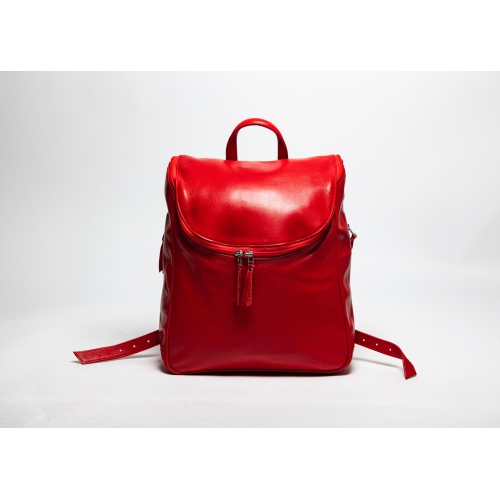
Rucksacks can include a main compartment, an internal sleeve, a front organizer section and exterior pockets. Some designs also have separate sections for footwear or clothing. The layout varies, so consider which belongings you prefer to pack together and which you want to keep apart.
A compartment is a divided section of the rucksack, often with its own opening or an internal partition. A pocket is an additional storage feature attached to the inside or outside of the bag. Both can have zips, elastic openings or other closures, depending on the design.
Group belongings by activity or category. For example, place notebooks in the main compartment, pens and cables in an organizer section, and clothing in a separate compartment. Assigning each category a consistent place gives you a repeatable packing routine for work, school or day trips.
A dedicated laptop compartment is a section intended to hold a laptop separately from other belongings. It may be an internal sleeve or a compartment with its own zipped opening. Some layouts also include distinct places for a tablet, charger or accessories.
Common styles include top-loading openings, panel openings and clamshell openings. Top-loading designs open from above, while panel openings unzip across the front. Clamshell designs open like a suitcase. A rucksack may also have separate openings for individual compartments.
Top selling and popular products
Discover more categories related to Rucksacks with Compartments
Some products may be subject to Environmental Handling Fees (EHF) depending on your province. Learn more about EHFs.