Suitcases With Compartments
Whether you're a frequent flyer or an occasional traveler, having a suitcase with compartments can make your journey more organized and hassle-free. These versatile travel companions are designed to provide ample storage space while keeping your belongings neatly separated and easily accessible. From dedicated pockets for shoes and toiletries to specialized compartments for laptops and documents, these suitcases offer a smart solution for efficient packing. With various sizes, styles, and features available, finding the perfect suitcase with compartments to suit your travel needs has never been easier.
Sort

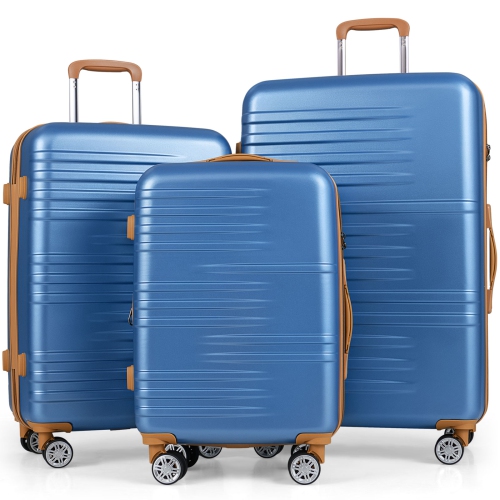
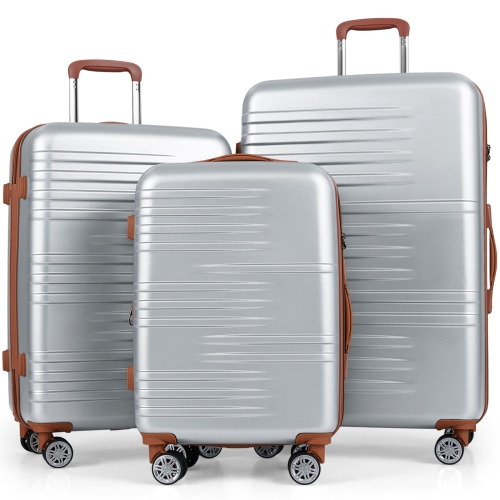
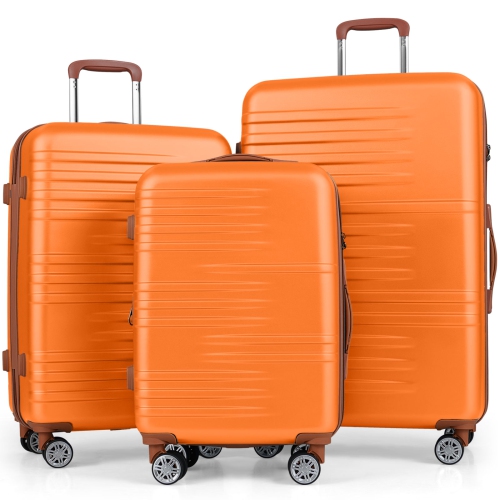
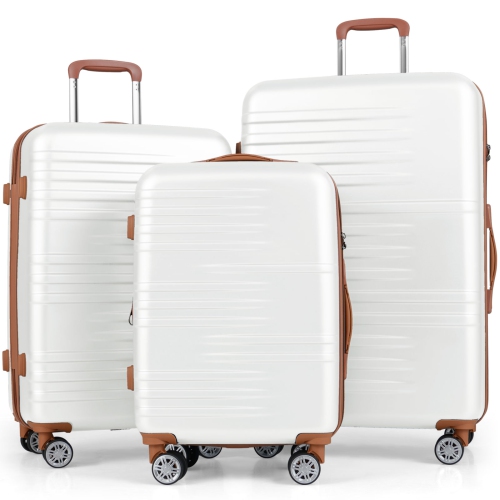



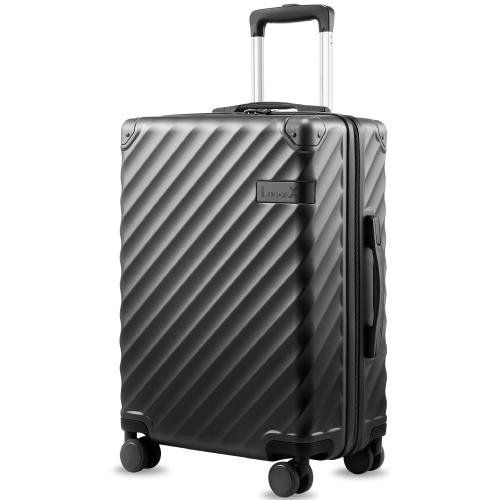

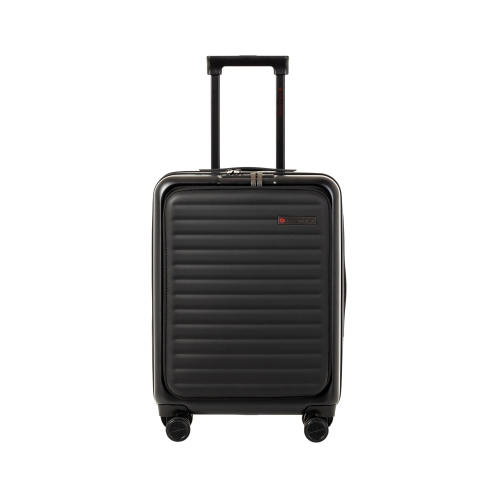
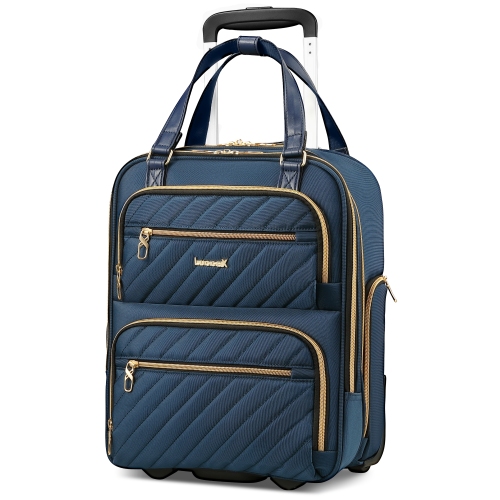
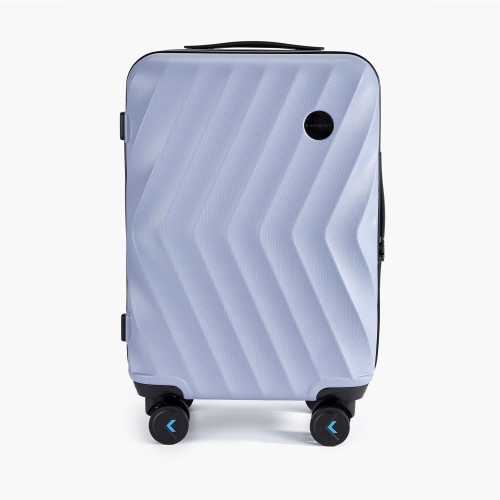
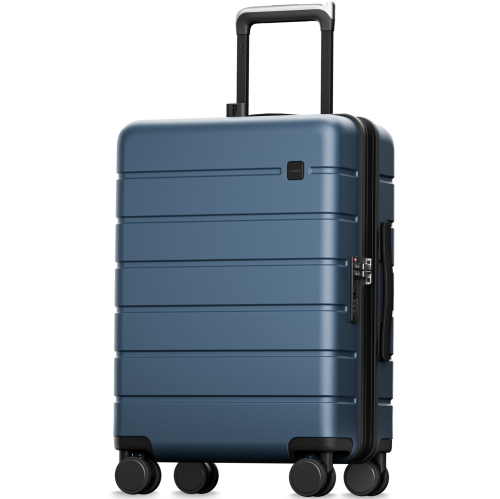

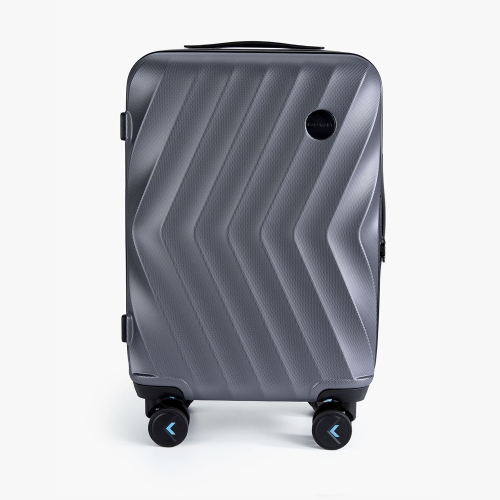
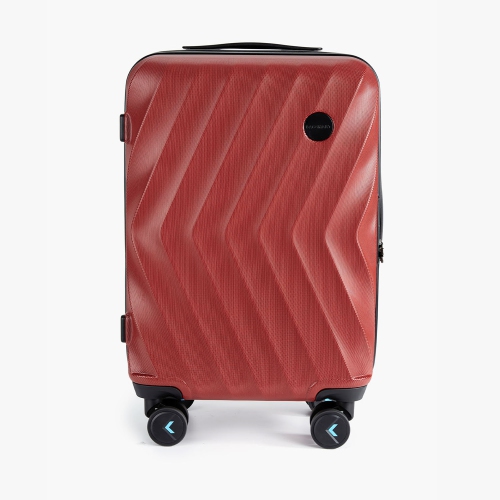
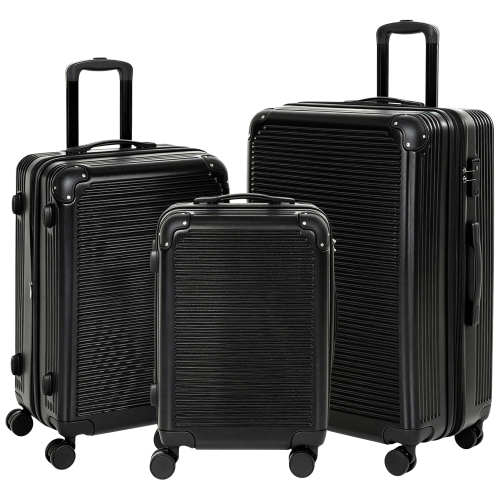
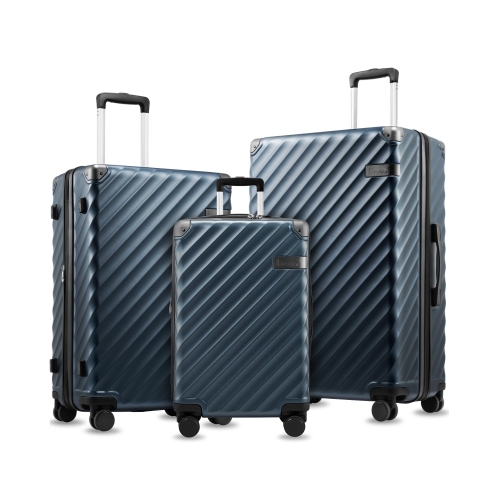
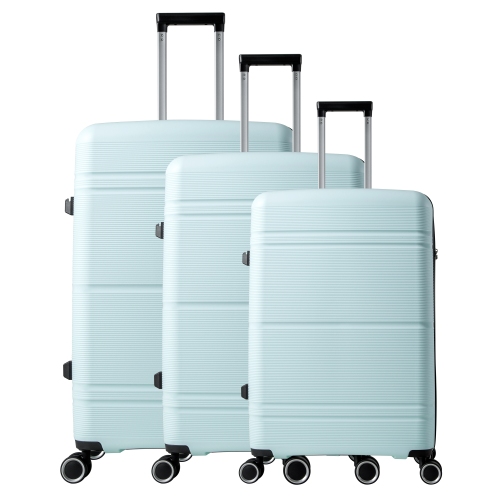
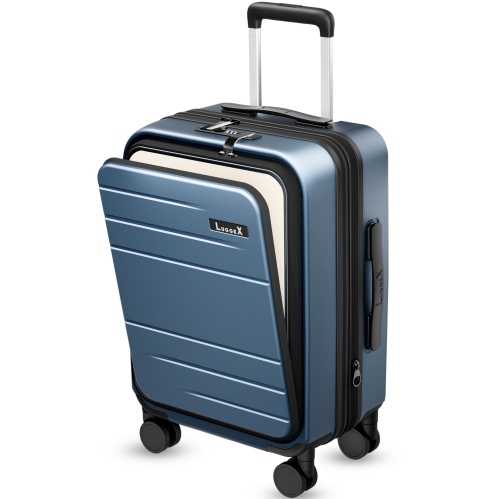
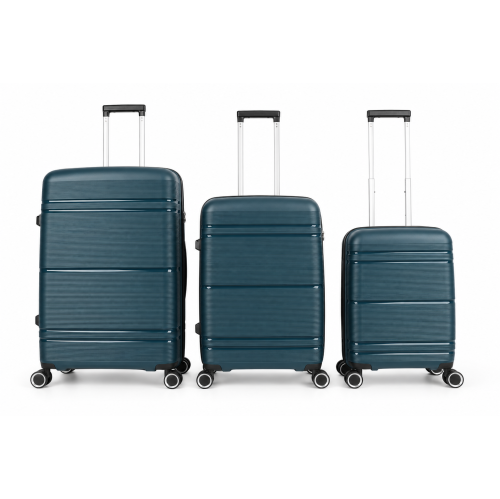
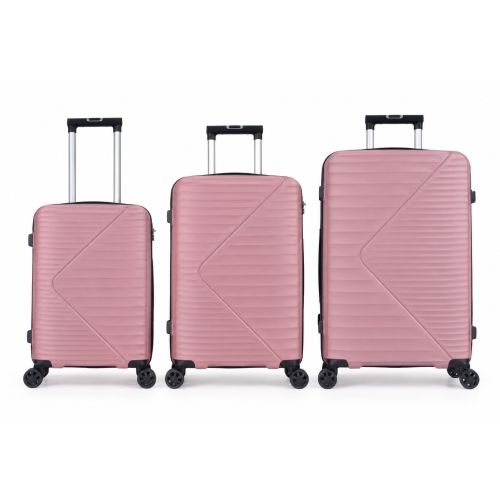
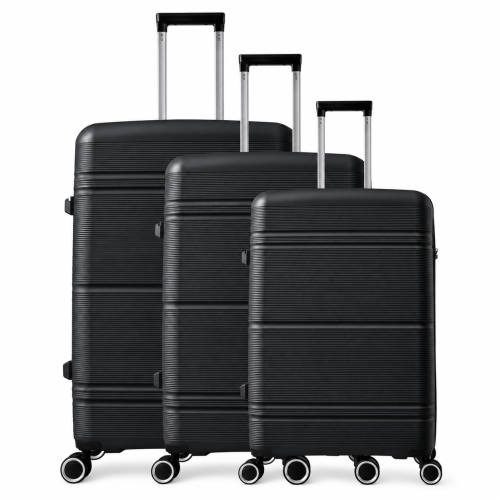
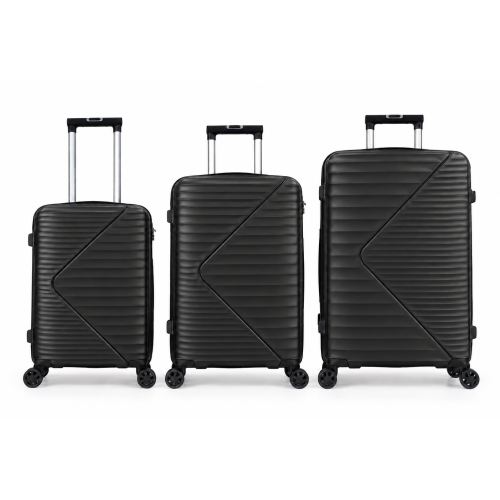
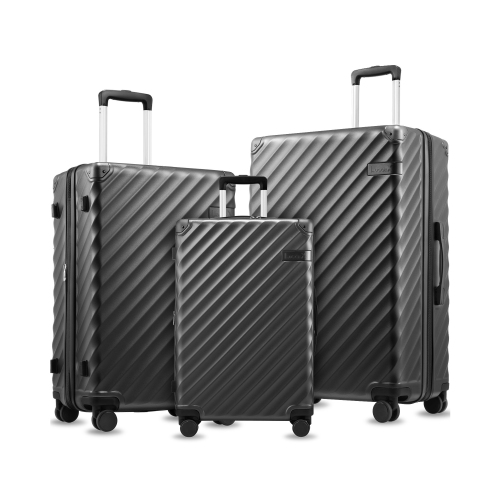







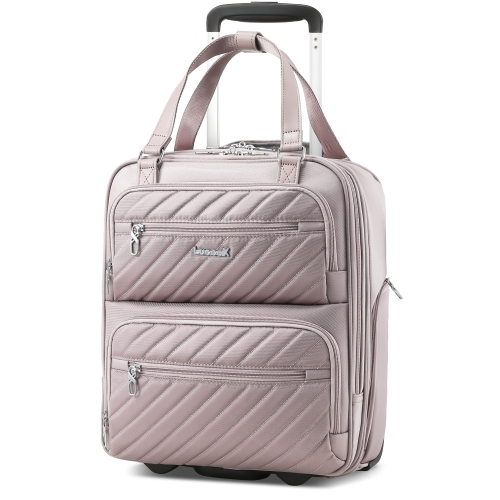
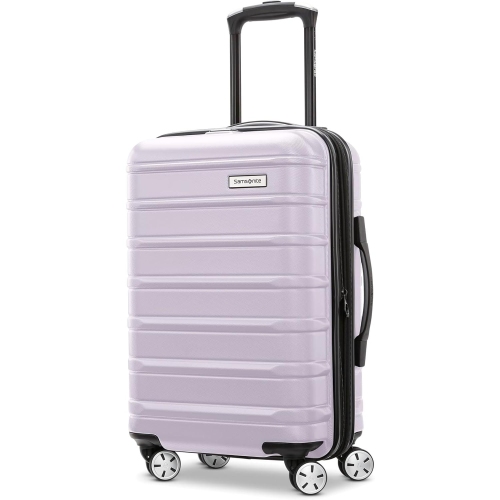
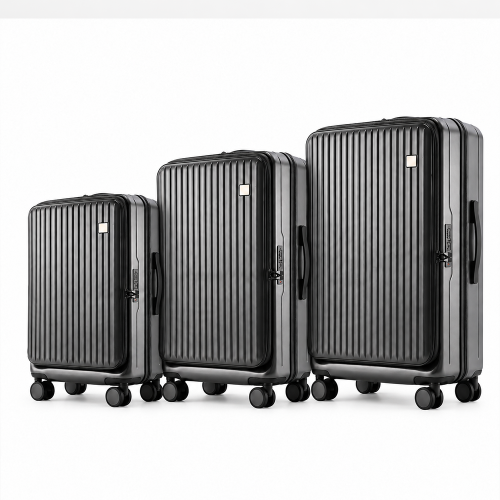
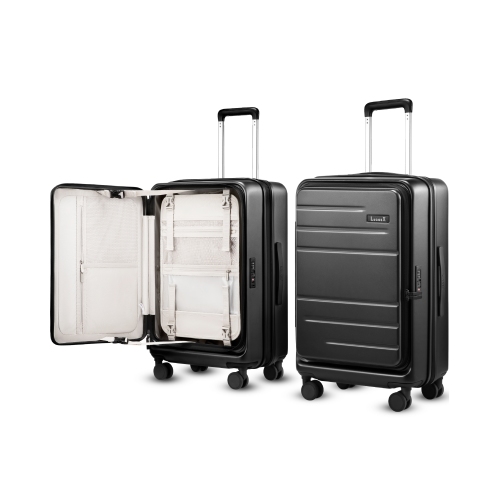
















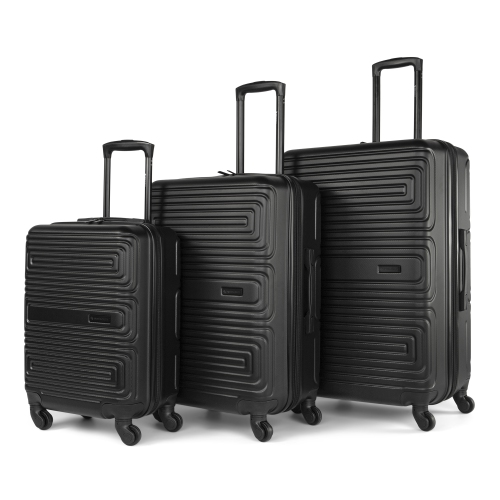
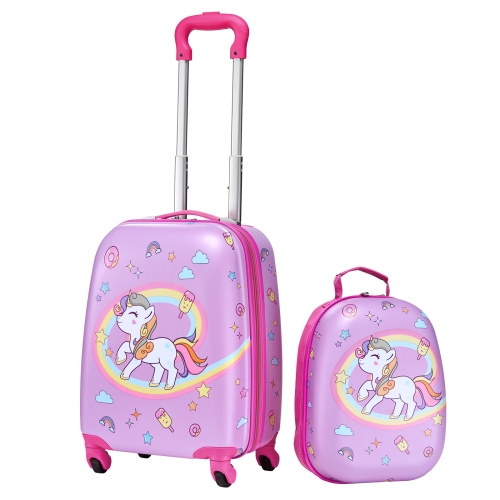
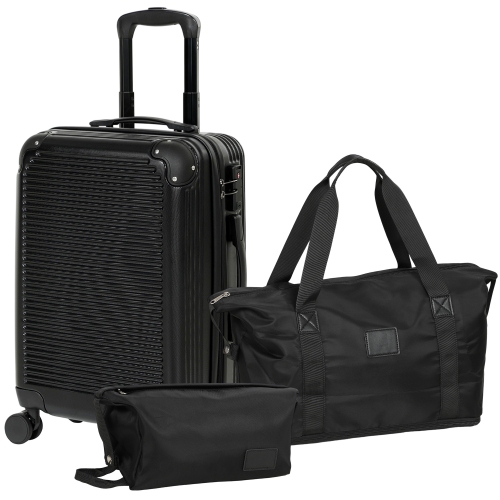
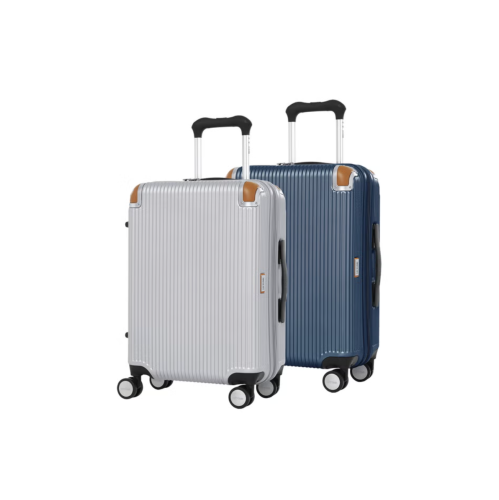
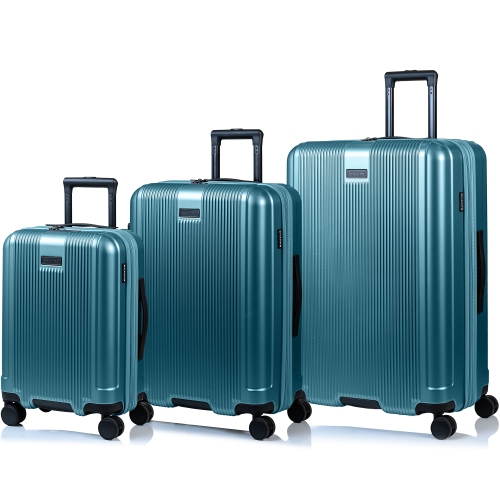

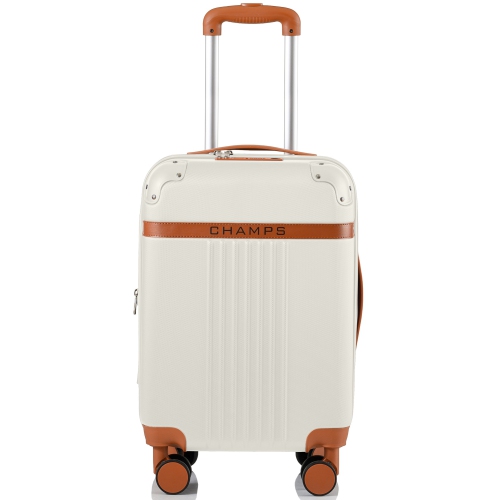
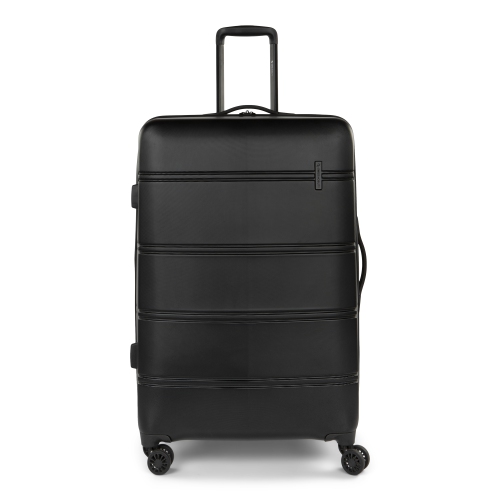

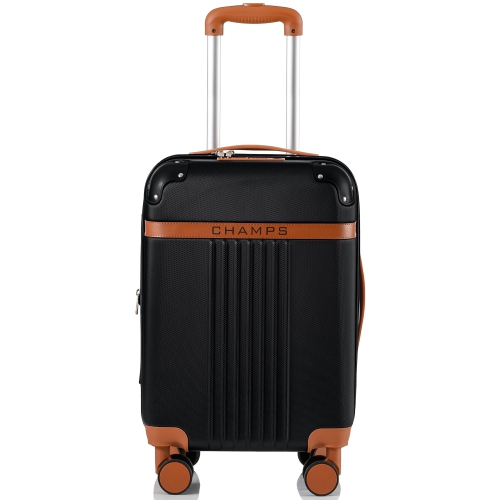
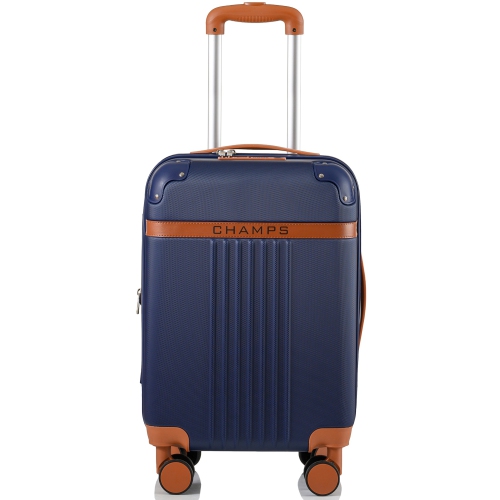


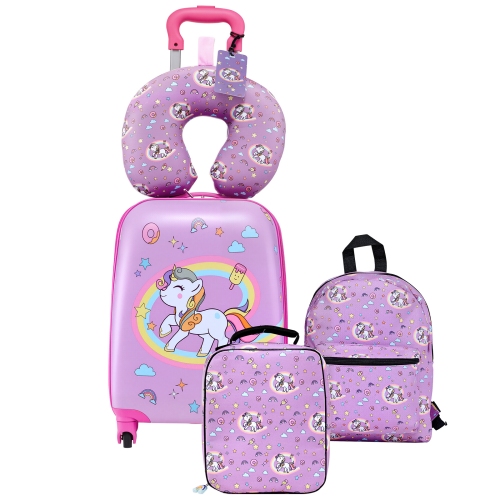
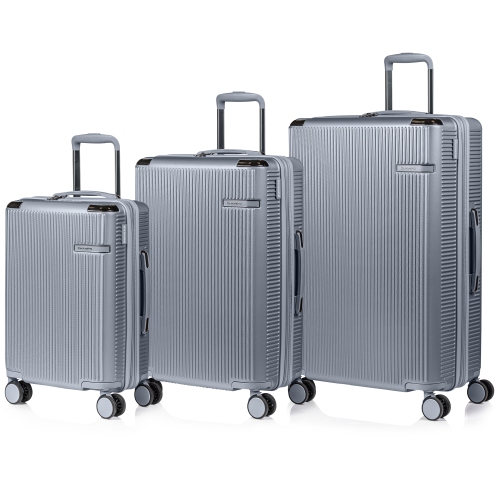
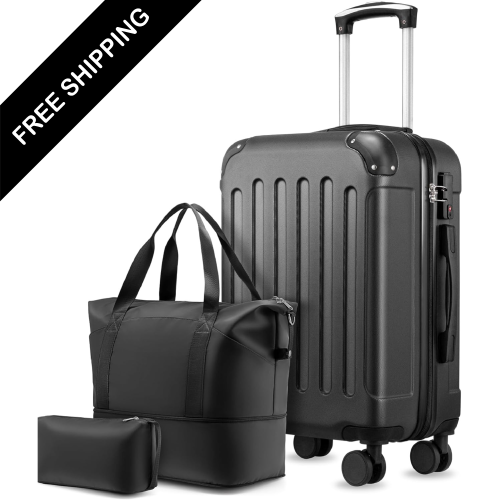


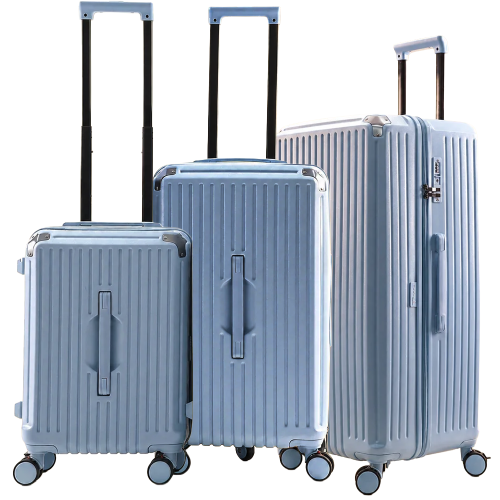
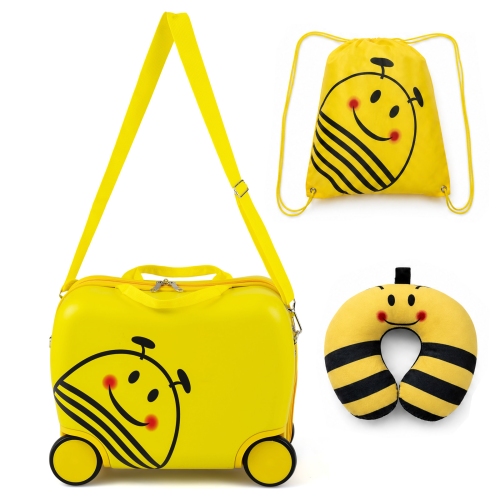
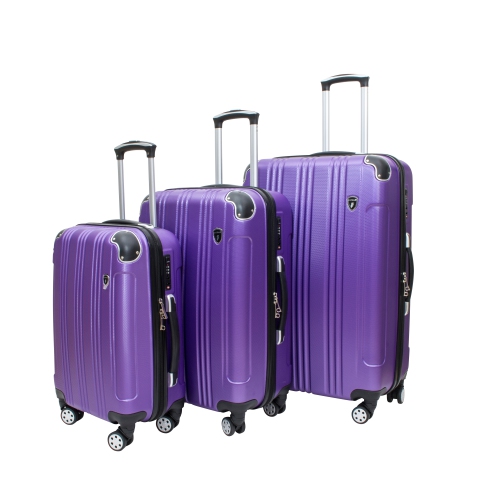
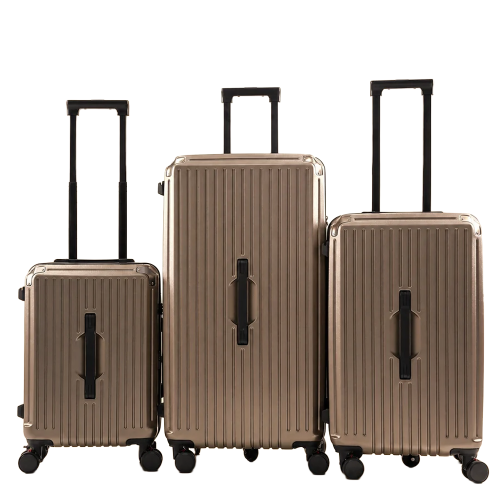












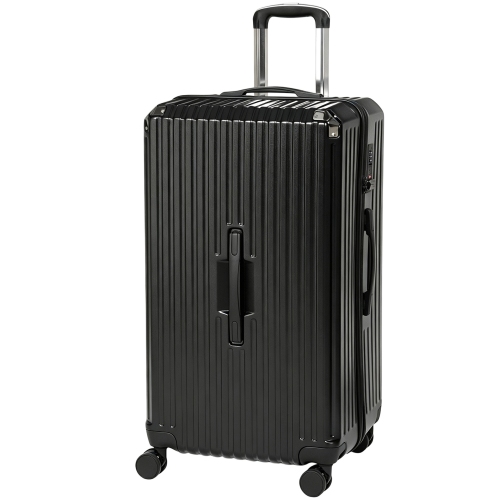

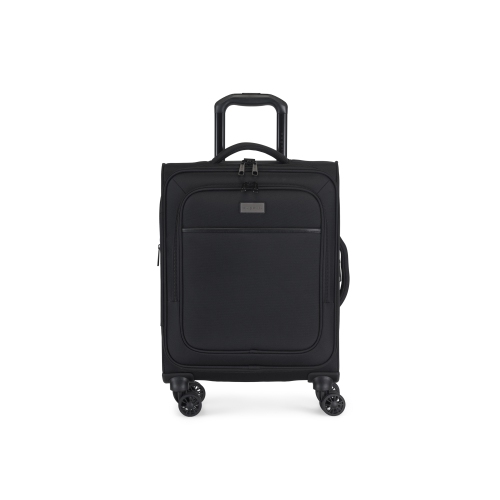

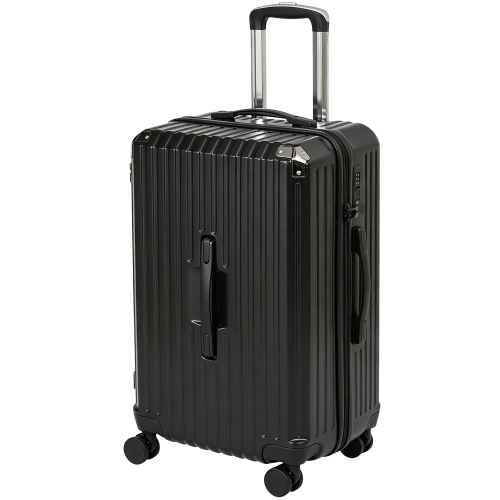
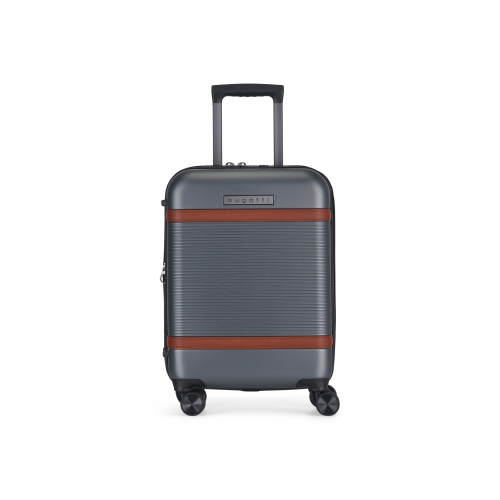












Why pocket placement matters as much as pocket count
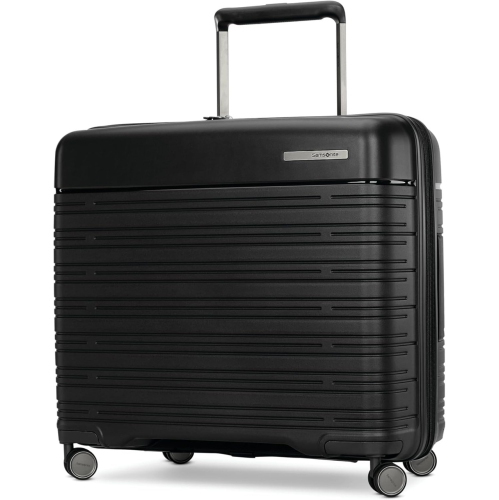
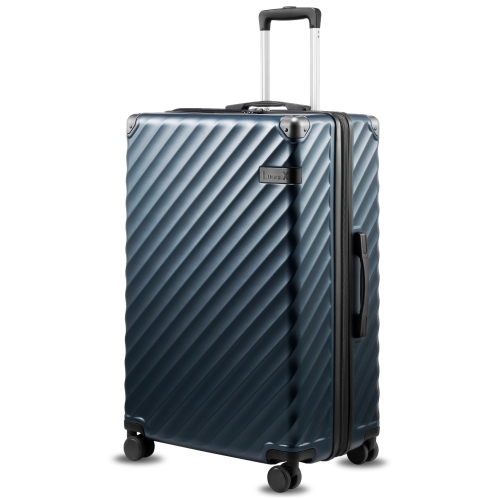
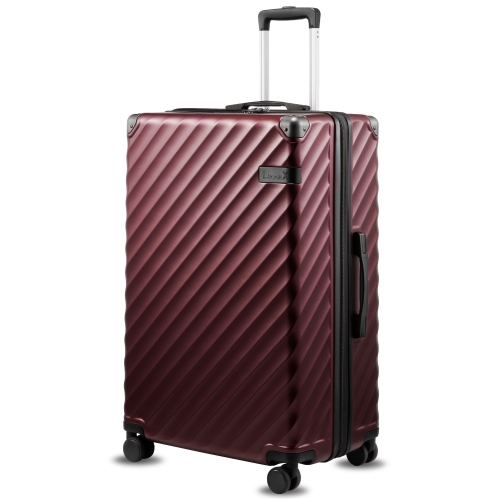
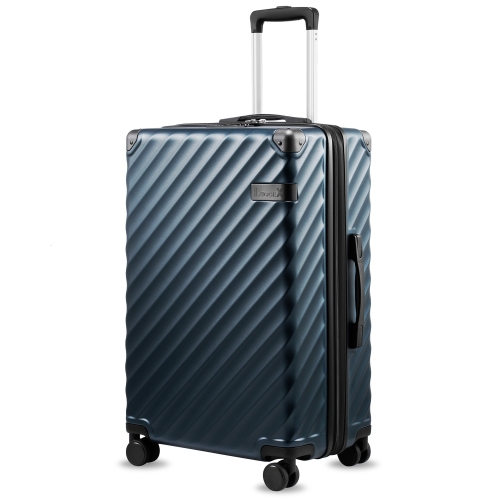
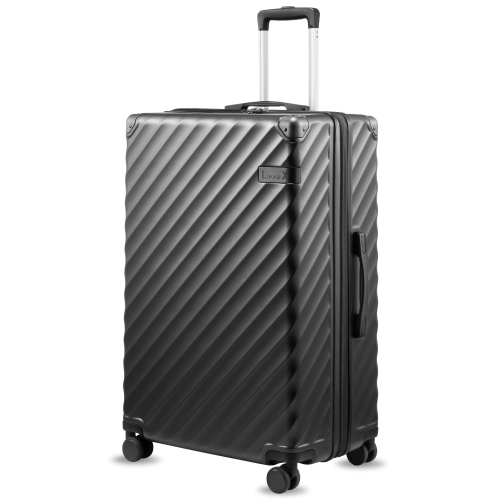
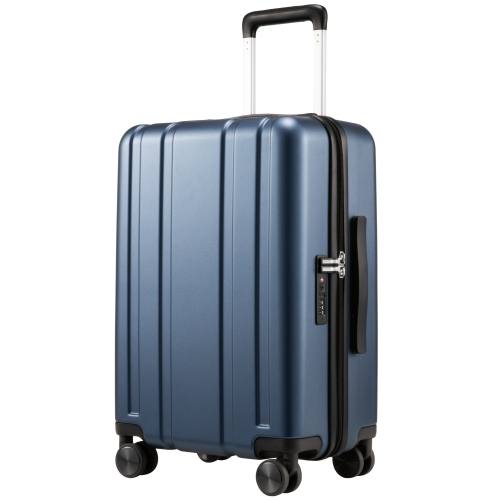
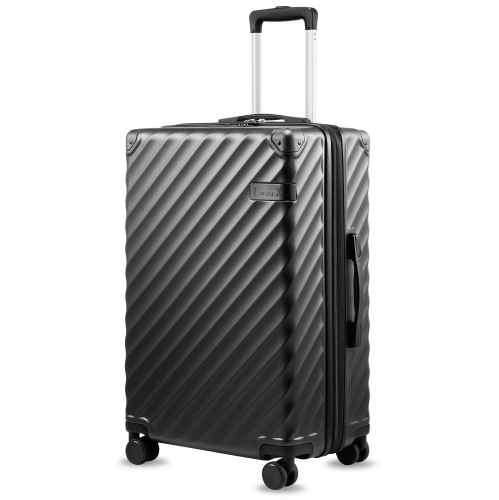
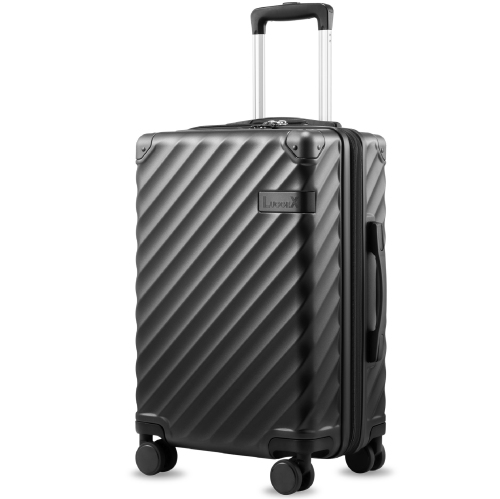
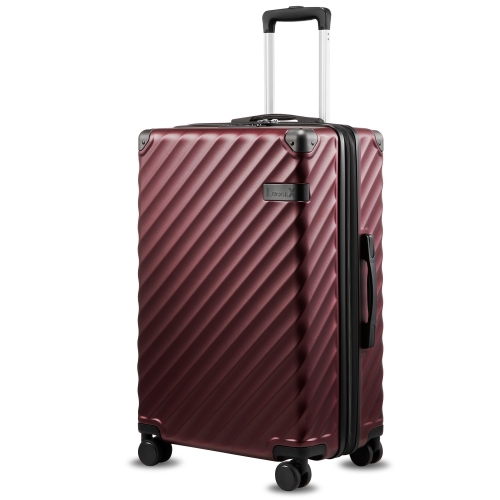
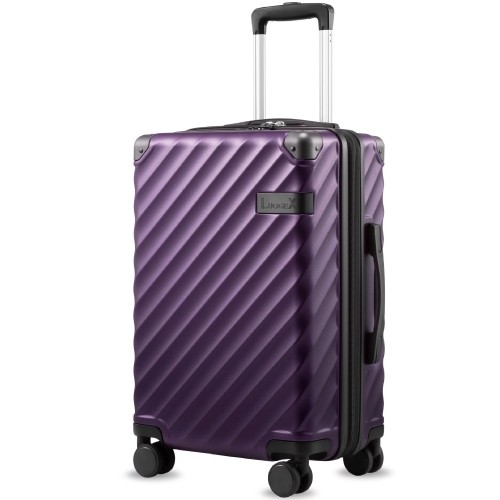
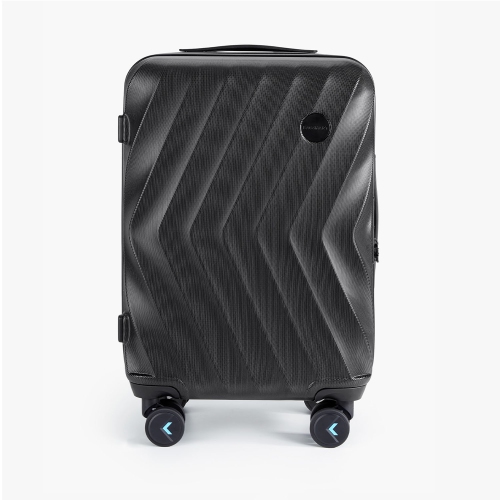
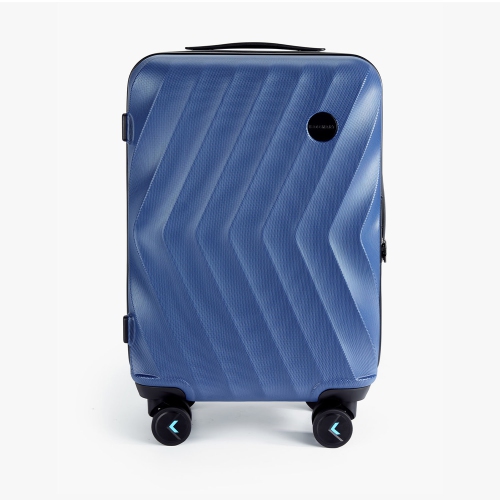
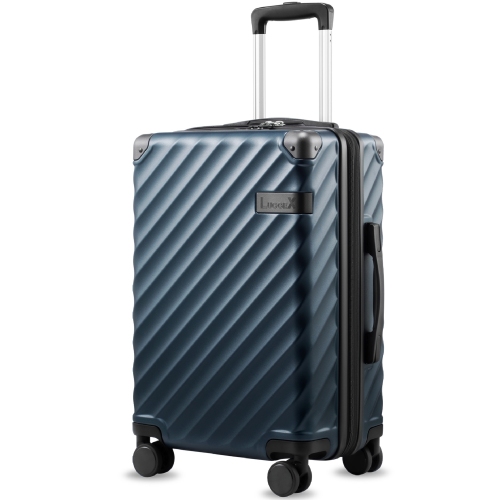
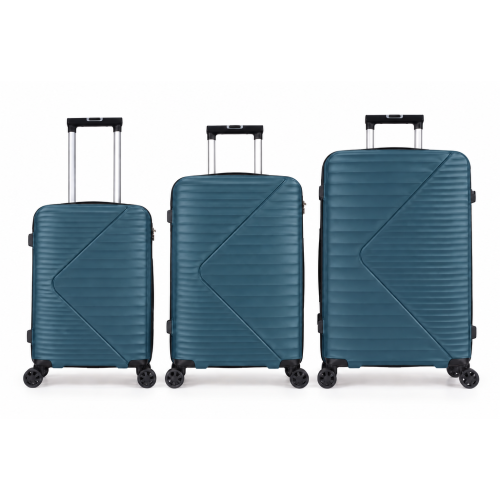
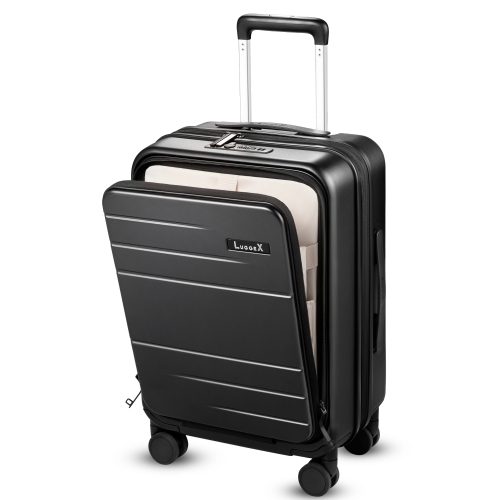
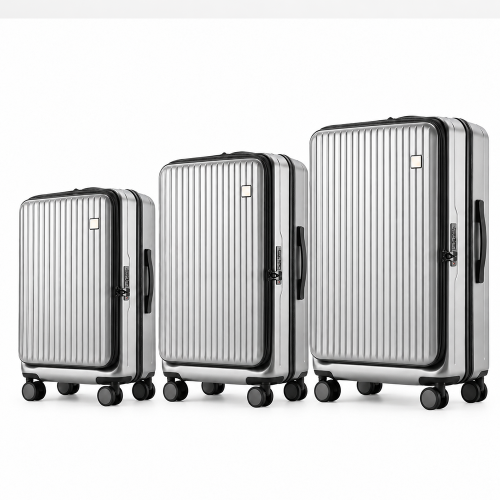
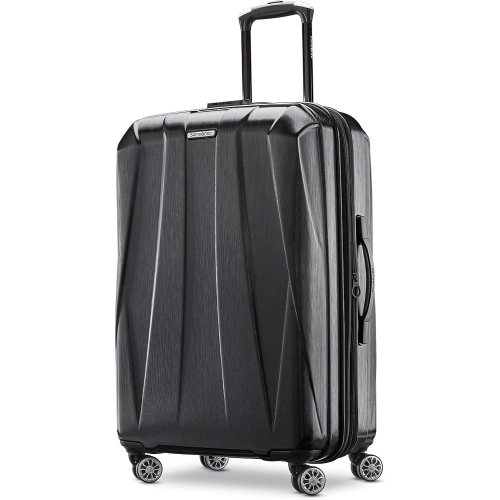
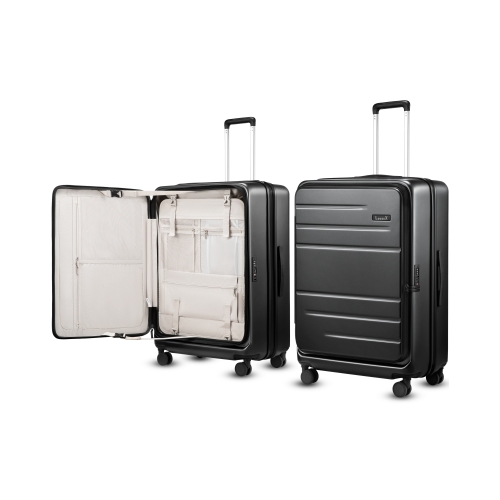
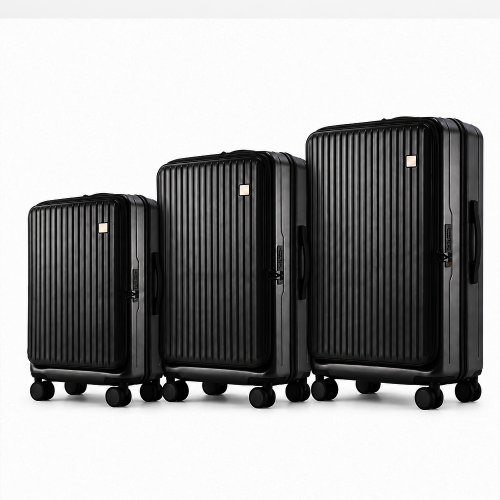
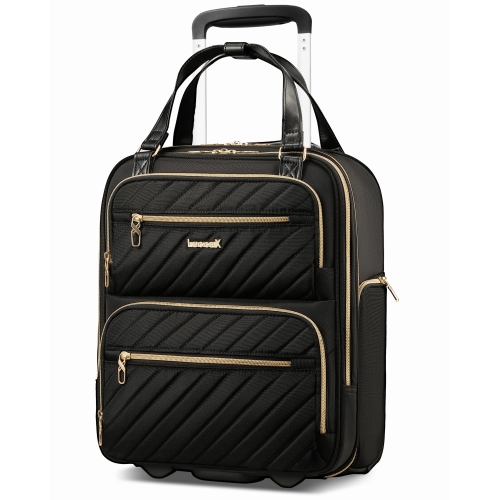
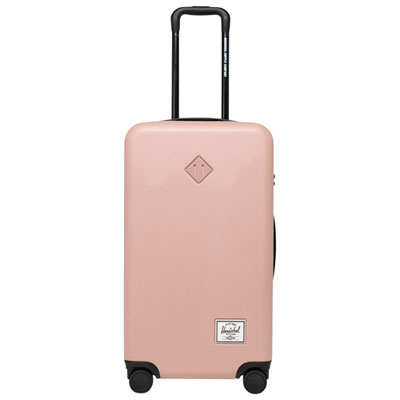
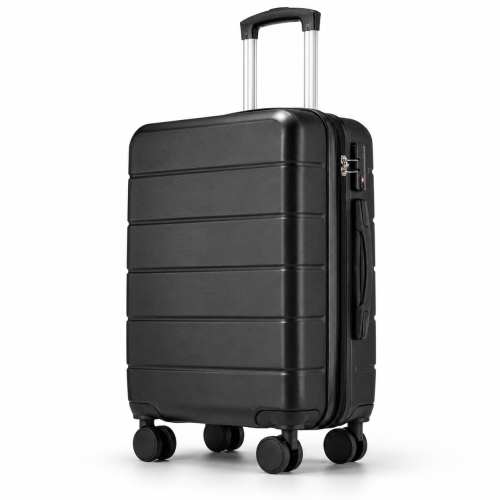
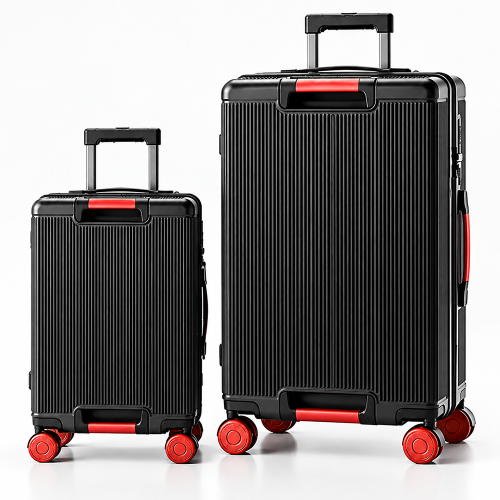
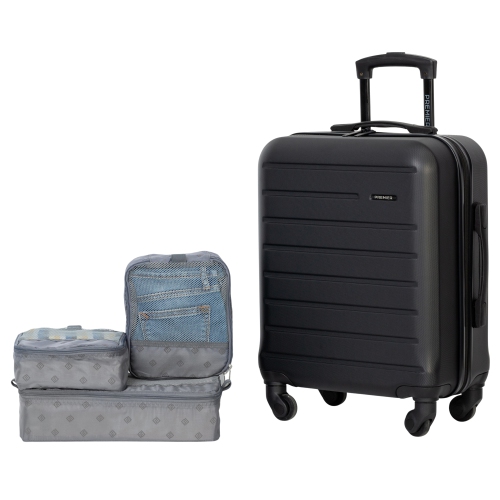
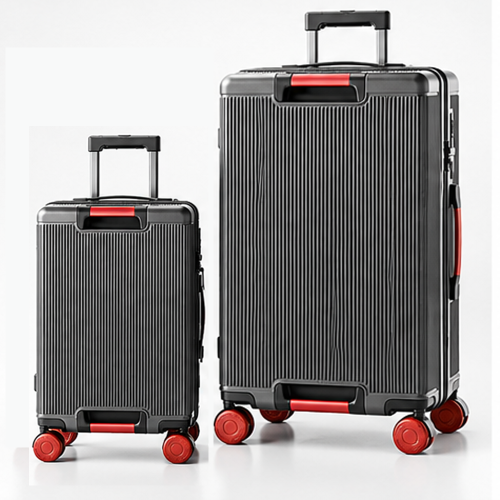
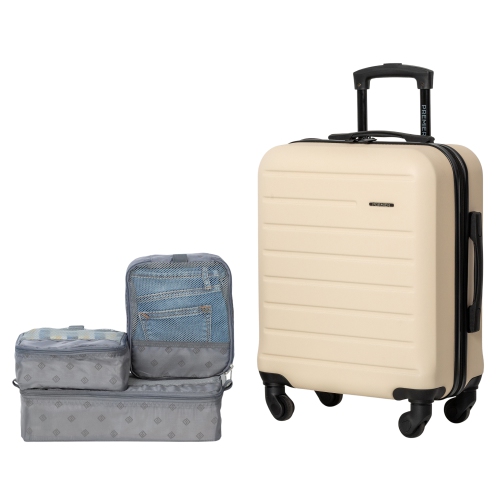
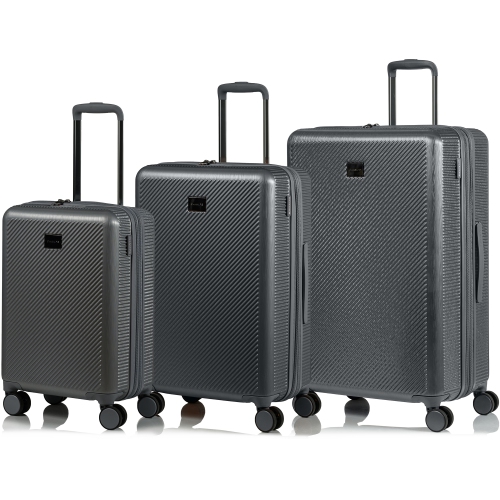
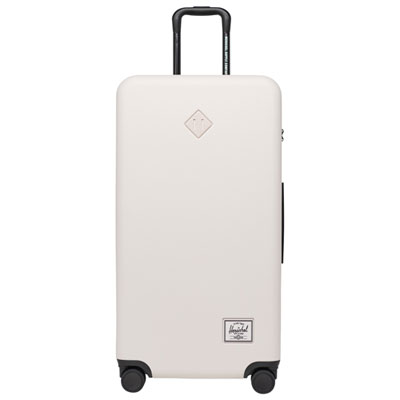
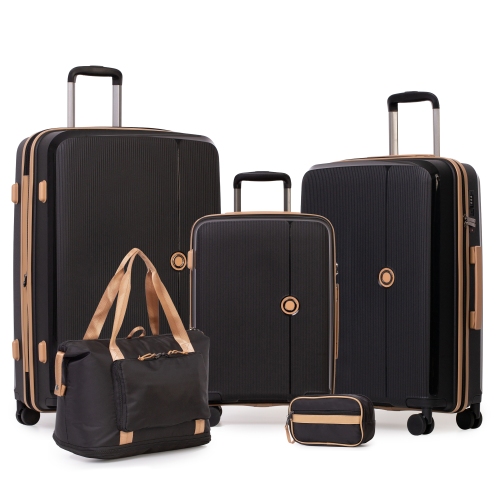
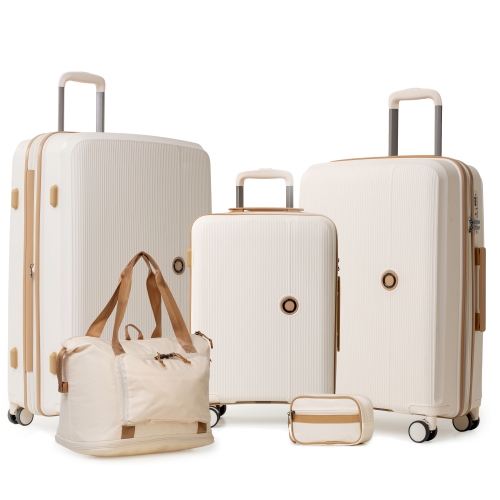
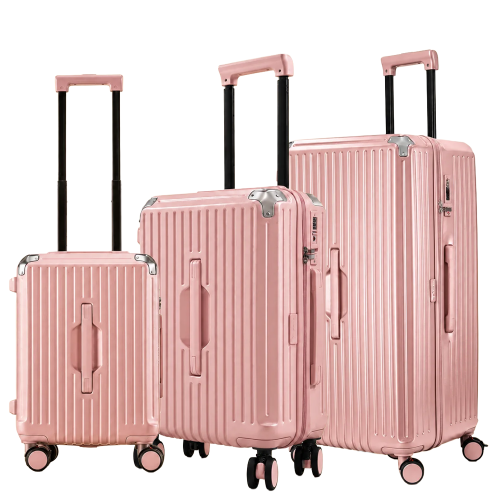
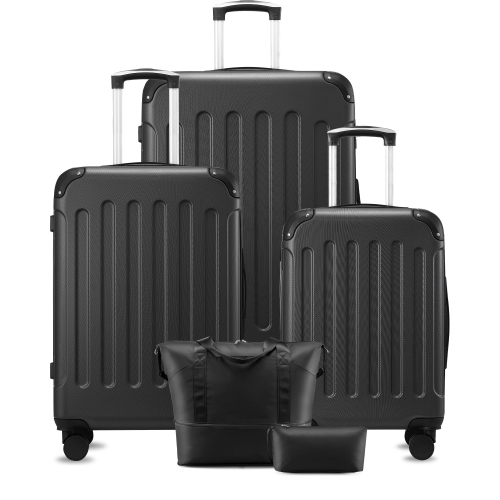
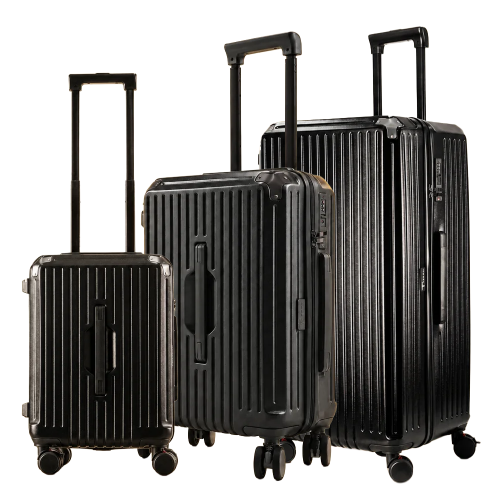
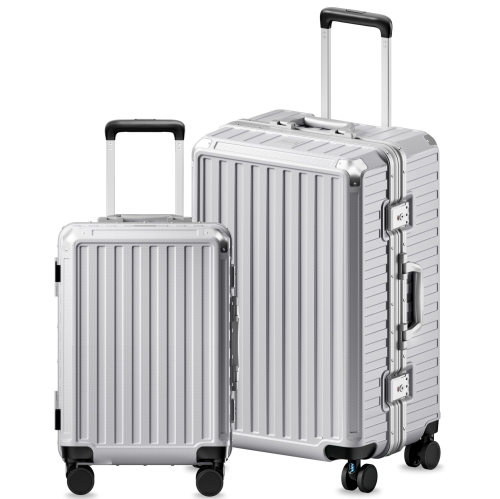
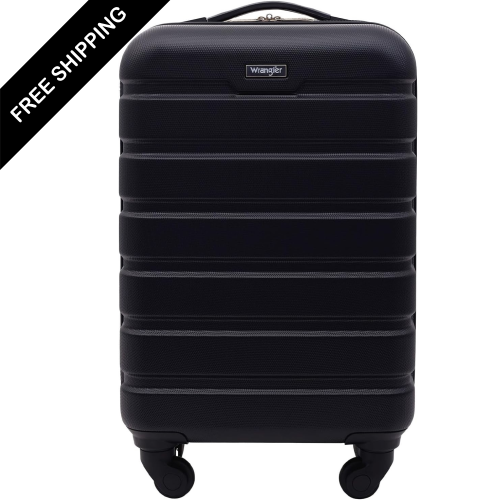
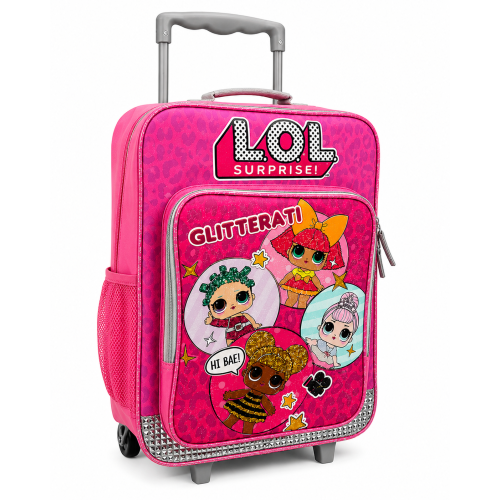
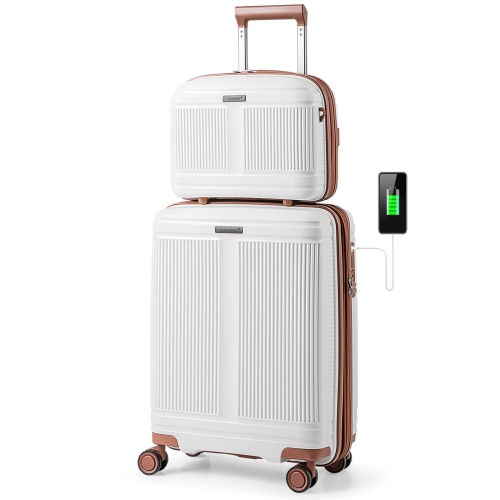
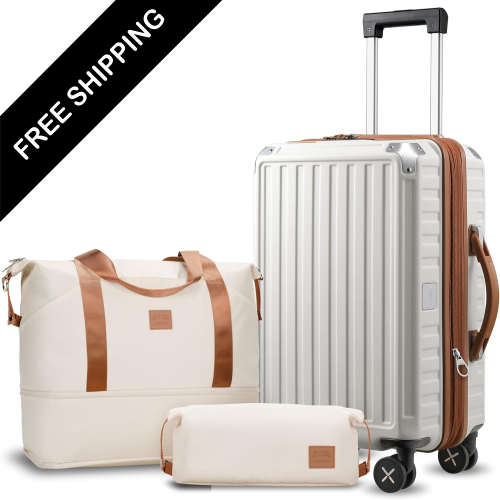
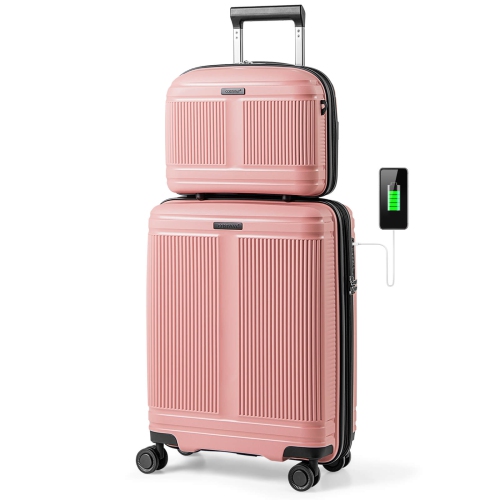
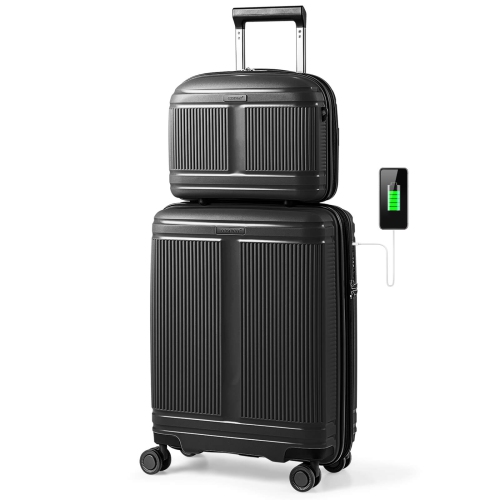
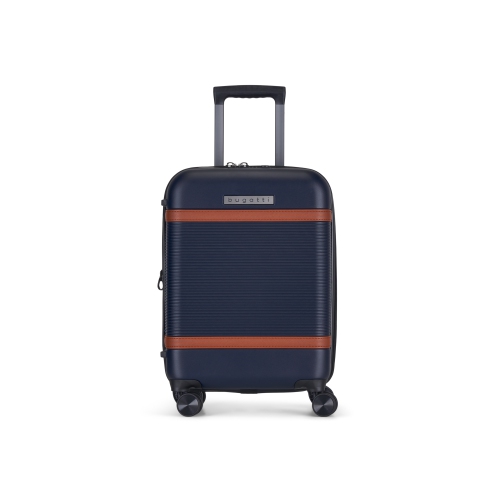
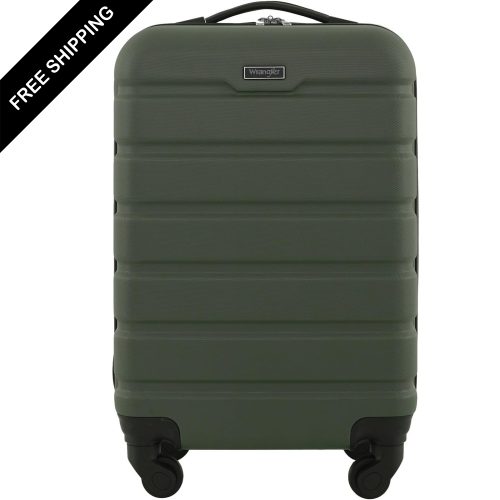
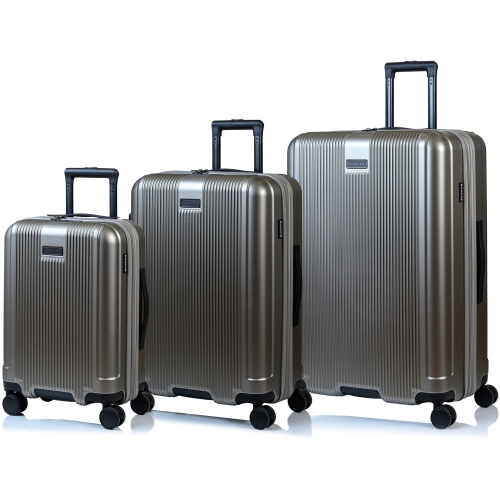
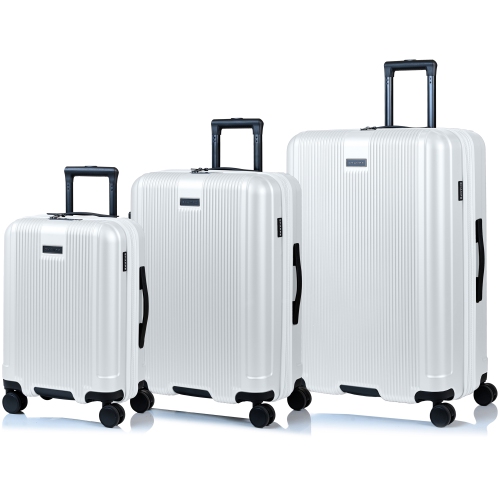
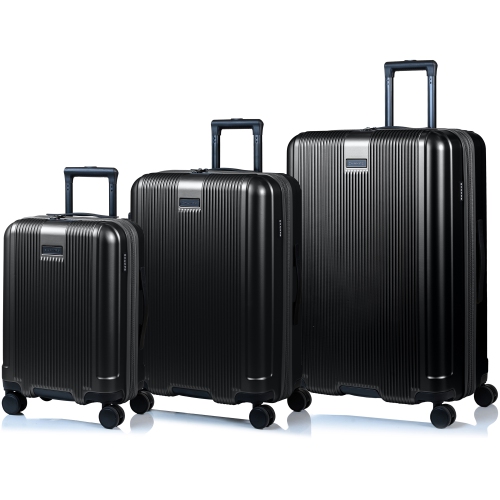
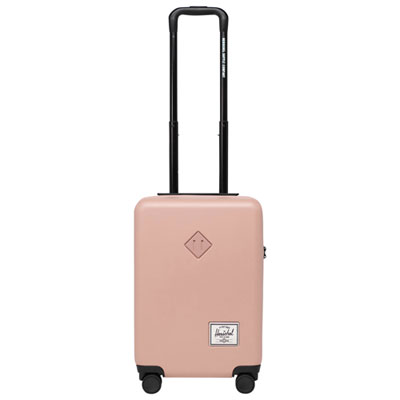
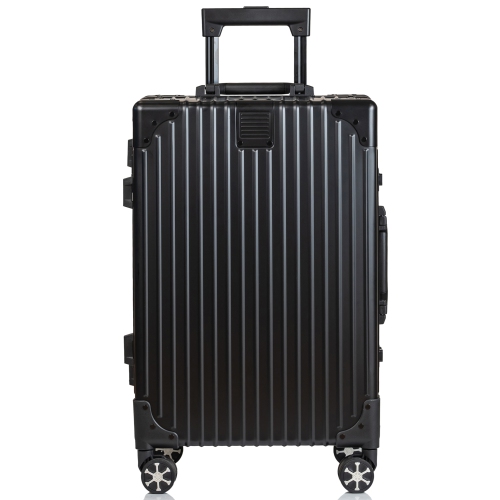
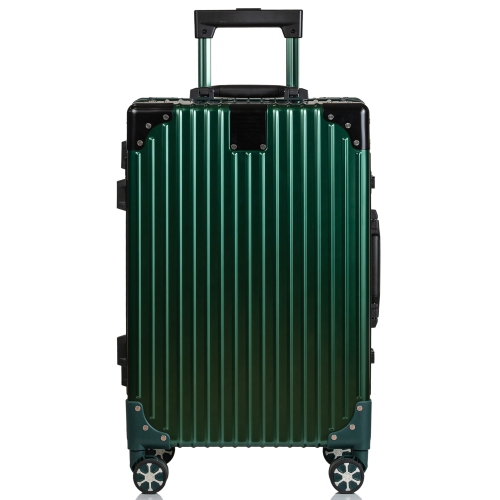
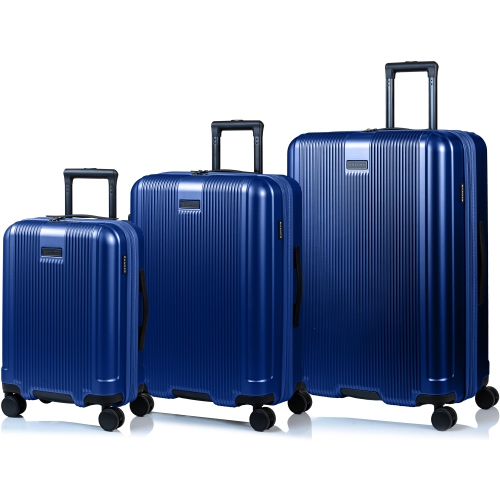
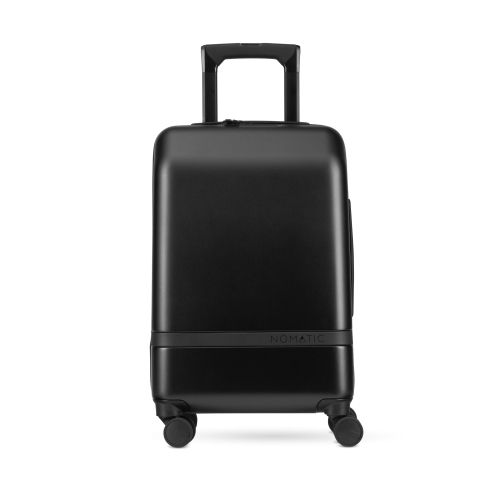
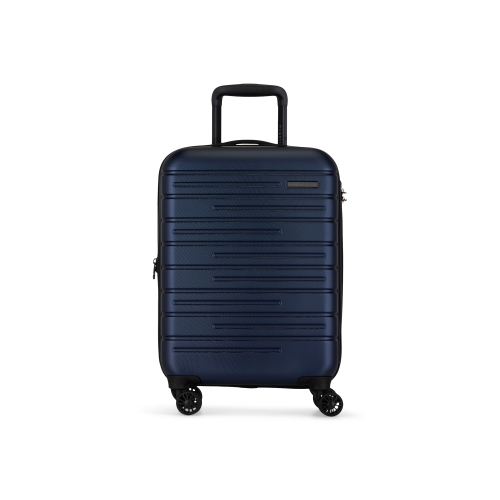
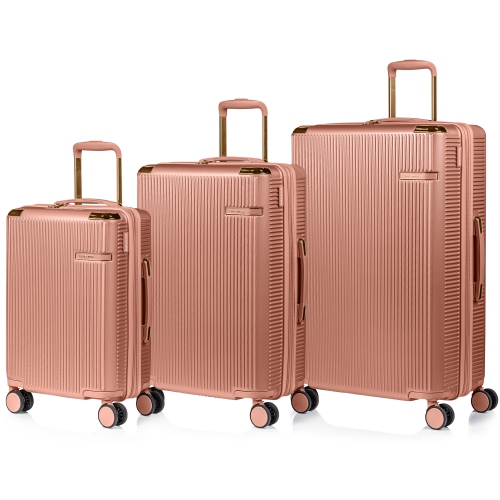
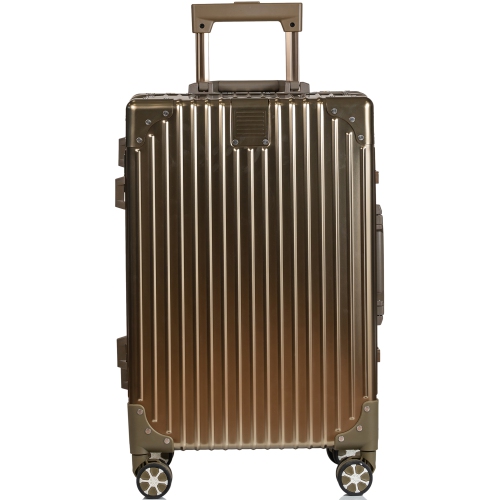
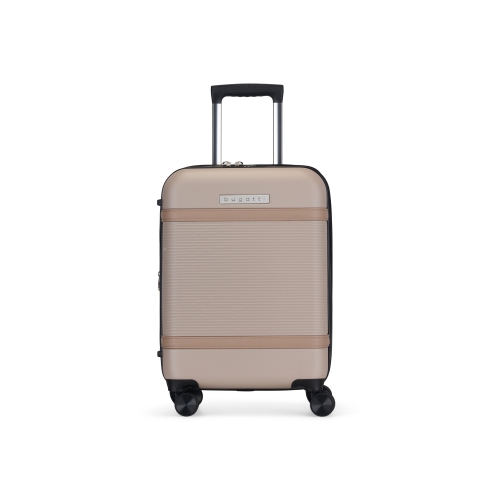
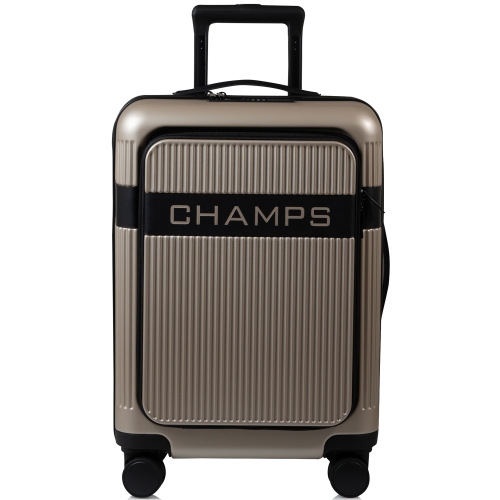
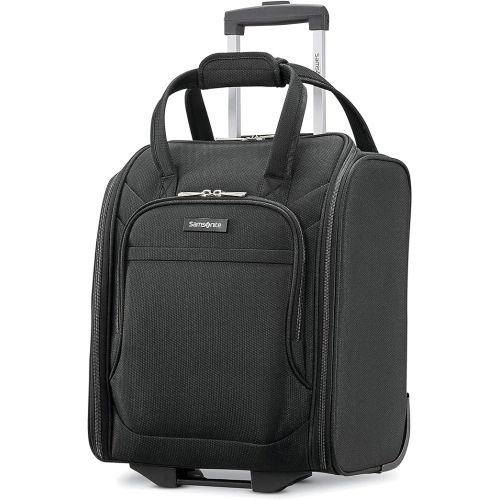
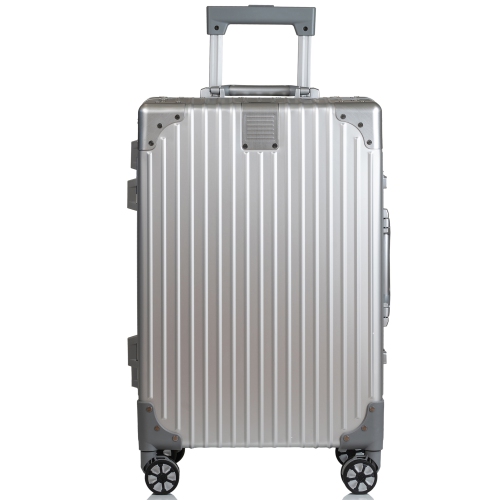
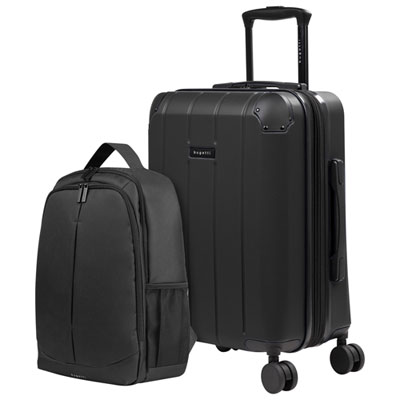
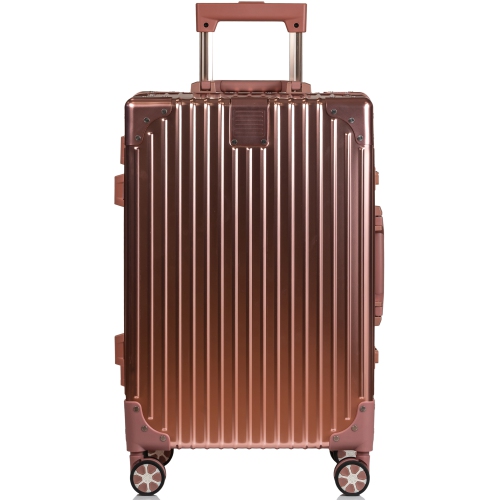
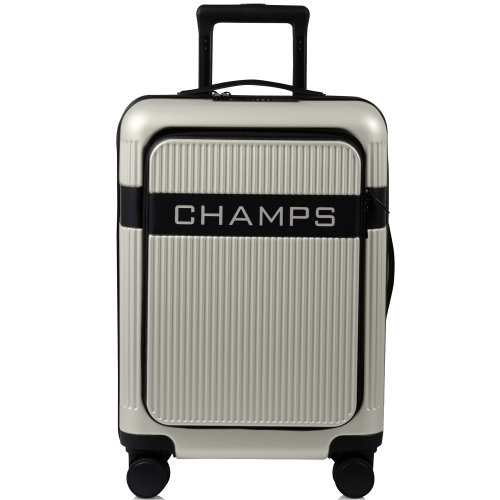
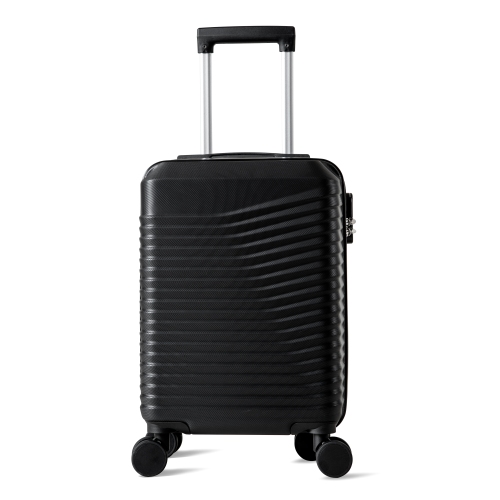
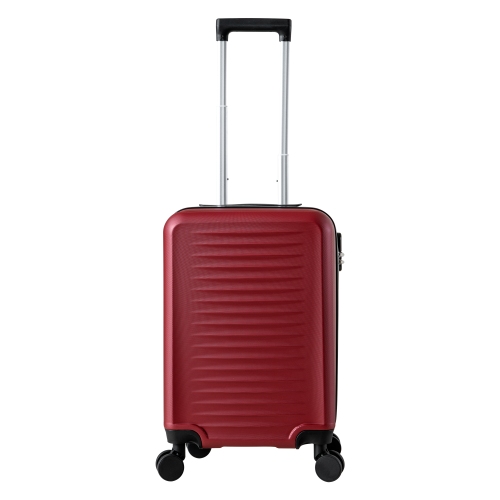
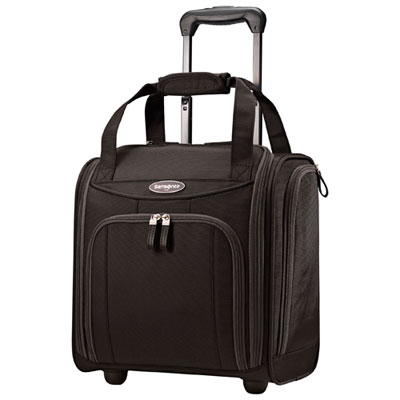
Suitcases with compartments divide packing space into distinct sections, helping keep clothing, footwear, toiletries, and travel essentials organized throughout a trip. Instead of placing everything in one large cavity, a compartmentalized suitcase gives different belongings a designated spot, whether that means folded shirts behind a zippered divider or charging cables inside a small mesh pocket. Common layouts include two main packing sections, interior zippered pockets, adjustable compression straps, and exterior compartments for belongings that need to stay within reach. A split-opening design lets each half serve a different purpose: clothing on one side and shoes, accessories, or bulkier layers on the other. Mesh dividers make contents easier to identify without opening every section, while opaque pockets offer more privacy for personal belongings. Separate laundry sections or removable bags, where included, can keep worn clothing apart from clean outfits, although a fabric divider alone will not contain moisture or odours. For a short business trip, a shallow accessory pocket can hold a belt and charging cables without leaving them loose among shirts. On a family holiday, separate sections can help distinguish one person’s outfits from another’s, making it easier to find a change of clothes without unpacking the whole case. The usefulness of a layout depends as much on pocket placement as on the number of compartments. A deep main section accommodates larger belongings, while several smaller pockets suit travellers who carry many accessories. Too many fixed divisions can make packing an unusually shaped object more difficult, so flexible dividers and removable organizers may be helpful for varied trips. Compression panels can steady folded clothing and reduce shifting, but they do not increase a suitcase’s permitted weight allowance. The most practical arrangement supports the way someone packs and unpacks, whether they move between several hotels or settle into one room and leave most belongings inside their luggage.
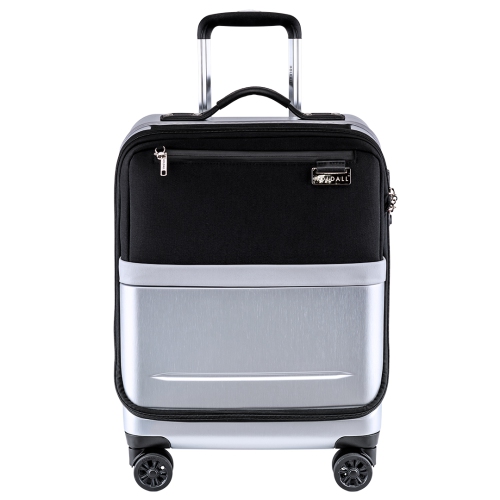
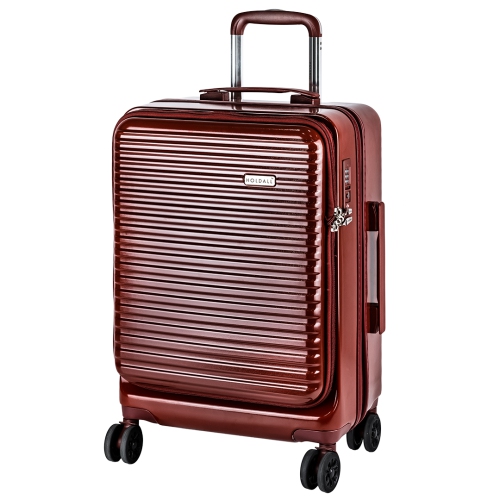
Materials and construction affect how well a suitcase’s compartments work in everyday travel. Hard-shell luggage commonly uses polycarbonate, ABS, or polypropylene, with flexibility, weight, and impact resistance varying by material and construction. A rigid shell provides structure around packed belongings, but it is not a guarantee against damage, and interior padding remains important for fragile contents. Soft-sided luggage often uses woven polyester or nylon and may offer more exterior pockets and some flexibility around the main packing area. Fabric density, stitching, reinforcement, and zipper quality all contribute to durability; the material name alone does not tell the whole story. Interior details deserve equal attention. Smooth lining helps clothing slide into place, securely stitched pocket edges stand up better to repeated loading, and zipper pulls that are easy to grip make smaller sections more convenient to use. Shoe compartments are useful when they fit the footwear being packed, though larger shoes can occupy space that would otherwise hold clothing. A section described as water-resistant may help with minor dampness, but toiletries still benefit from a separate leak-resistant pouch. Size and fit also extend beyond the suitcase’s exterior dimensions. Carry-on luggage must meet the operating airline’s rules, including applicable limits for handles, wheels, and packed weight, while a laptop sleeve needs to fit the device’s actual dimensions and any protective case. A suitcase with laptop compartment can be useful for travellers who want a dedicated place for their computer rather than storing it loose beside clothing. Padding, sleeve depth, and the pocket’s opening determine how comfortably a device fits and how easily it can be removed when required at security. Front-access sections can also hold documents or a notebook, although filling them heavily may reduce the space behind them or affect balance. For electronics carried in cabin luggage, airline requirements and device battery rules should be checked before departure.
The right compartment layout should feel convenient beyond the packing stage, particularly when a suitcase needs to be opened in a small room, lifted onto a luggage rack, or moved through a busy station. A case that opens into two equal halves usually needs a broader surface than a main compartment accessed through a top lid. That distinction matters when there is only a narrow bench beside the bed or limited floor space near a doorway. Four spinner wheels allow a suitcase to roll upright on suitable surfaces, while two-wheel designs typically travel tilted behind the user; wheel quality, handle stability, and the packed load all influence handling. Keeping heavier belongings low and close to the wheel base can improve balance, and securing loose contents helps prevent them from shifting during movement. Grab handles on more than one side can make lifting easier, but no handle should be used to force an overfilled case into a confined space. For frequent work travellers, accessible pockets and tidy cable storage may take priority. For longer stays, larger divided sections and a place to separate laundry can be more useful than numerous small pouches. Students travelling between home and campus, couples sharing checked luggage, and people taking short weekend trips can each benefit from different arrangements. A suitcase with thoughtfully placed compartments can also make a practical gift for someone preparing for regular travel, especially when its size and layout match their habits. Care helps preserve both the shell and the interior organization. Follow the manufacturer’s cleaning instructions, remove crumbs and grit from pockets, and wipe suitable surfaces with a soft cloth and mild cleaning solution where permitted. Let linings and removable bags dry fully before closing the case for storage. Clearing debris from wheels and avoiding strain on packed zippers can help reduce unnecessary wear. Between trips, storing luggage clean and dry, with compartments emptied, keeps small spills or forgotten toiletries from becoming a larger cleaning job before the next departure.
Top selling and popular products
-
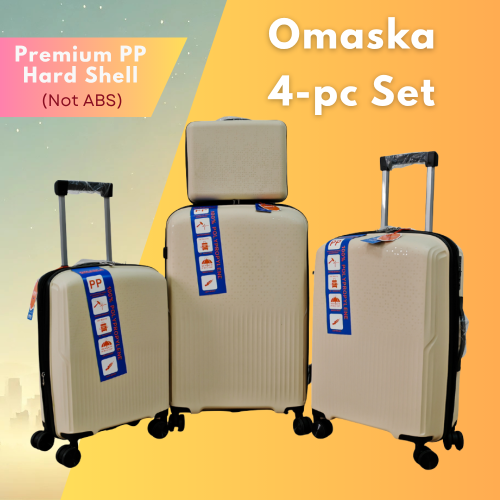 Your price for this item is $279.95
-
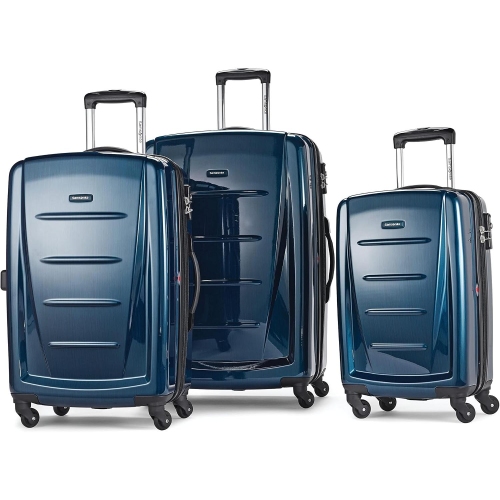 Your price for this item is $474.05
-
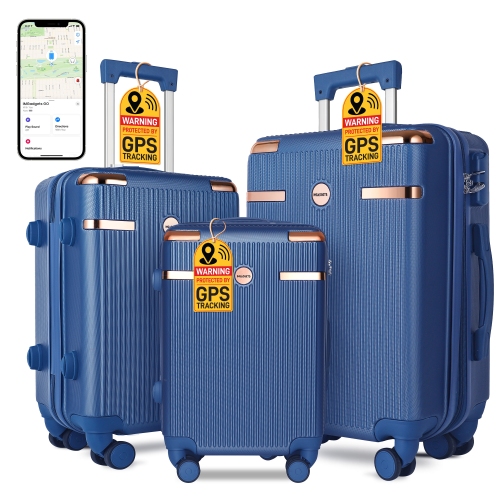 Your price for this item is $159.97
-
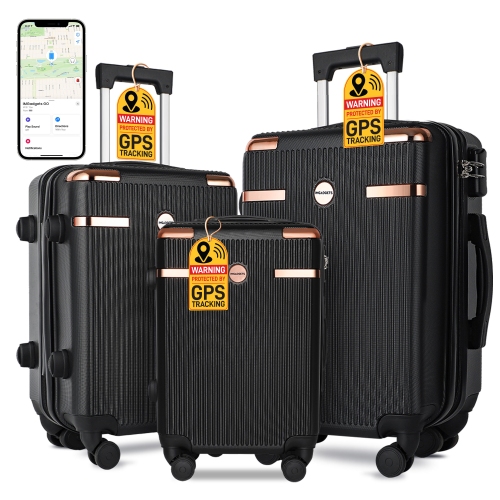 Your price for this item is $189.97
-
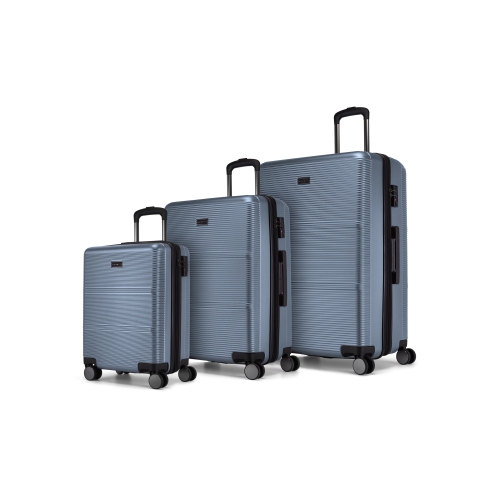 Your price for this item is $239.99
-
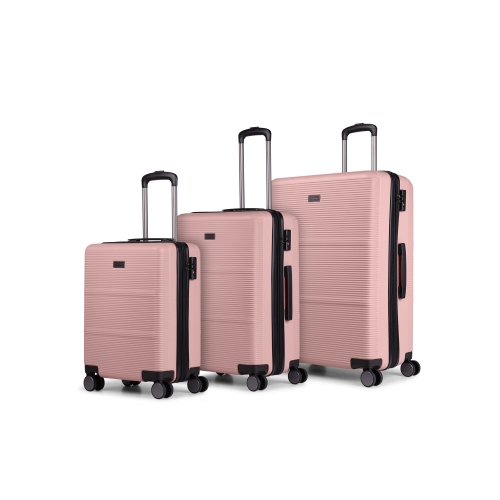 Your price for this item is $239.99
-
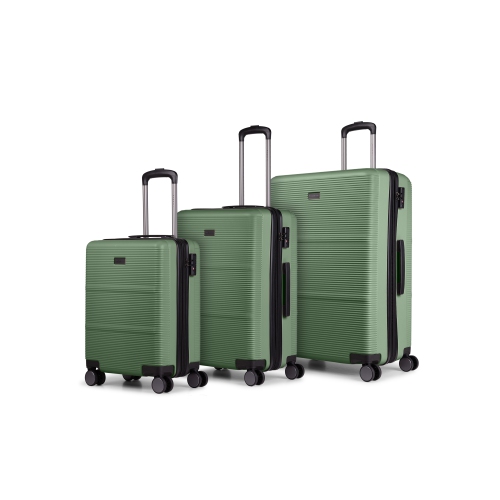 Your price for this item is $239.99
-
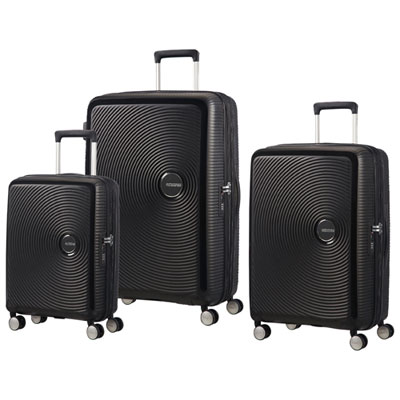 Your price for this item is $569.99
Discover more categories related to Suitcases With Compartments
Top Collections:
Pokemon Centers, Best Cameras for Sports Photography, Kindle Devices, Samsung Galaxy Phones, Canon G7X Cameras, Pokémon 30th Celebration Cards, Refurbished Apple Laptops, iPhone 15 Apple, Laptops for Students, Budget Smartphones
Some products may be subject to Environmental Handling Fees
(EHF) depending on your province.
Learn more about EHFs.