Samsung Note 10 Plus Chargers

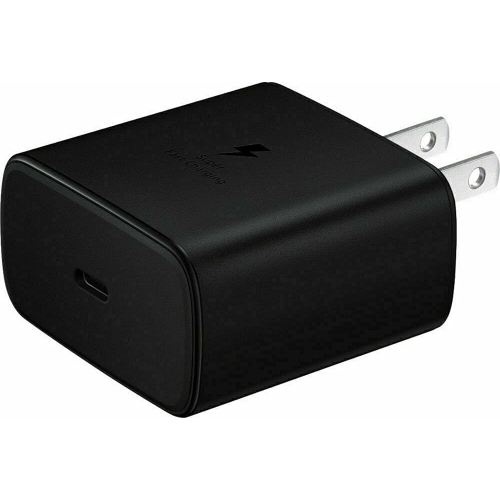
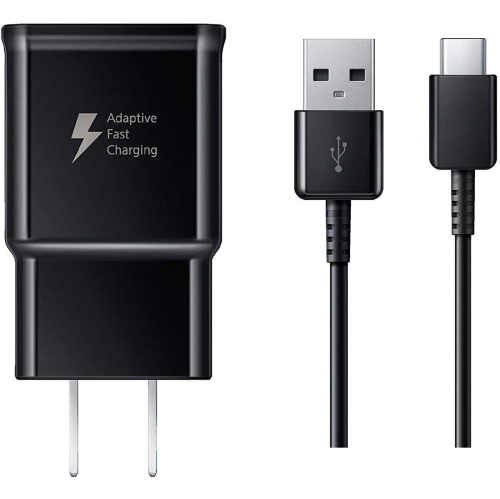
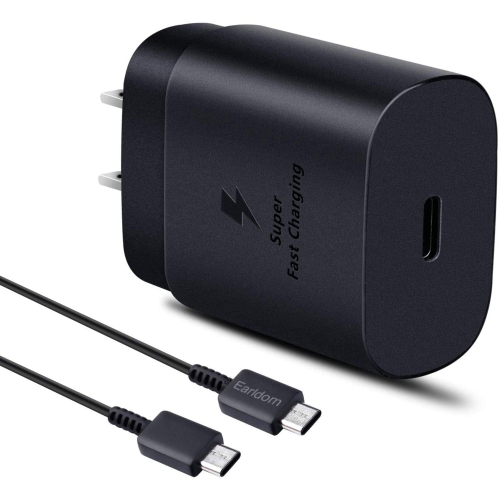
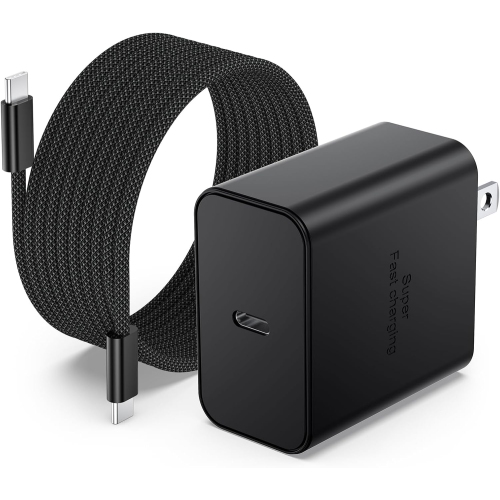
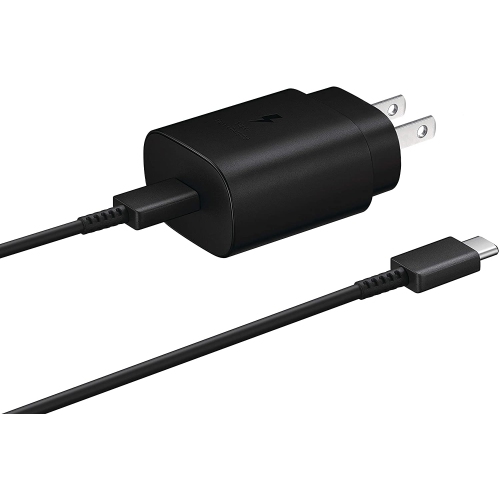
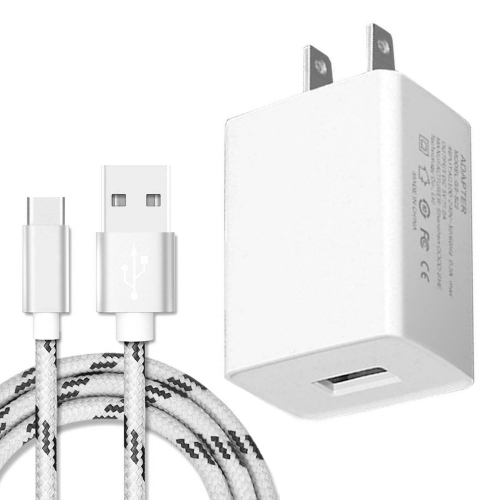
Find Samsung Note 10 Plus chargers for a replacement or an extra charging spot at home, at work, or on the go. Compare charging options by compatibility, power output, and whether a cable is included, and check that both the charger and cable support your phone’s fast-charging requirements.

Read More

Sort

Why charging speed depends on more than wattage

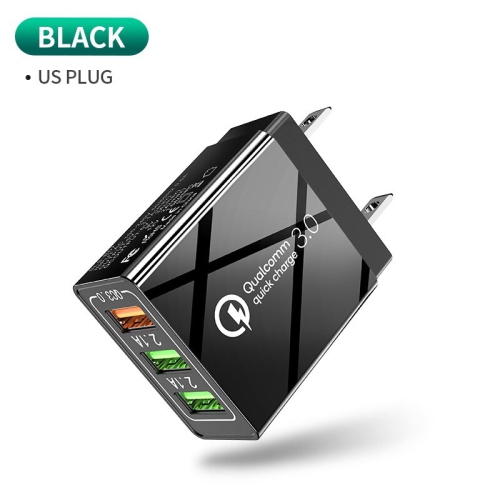
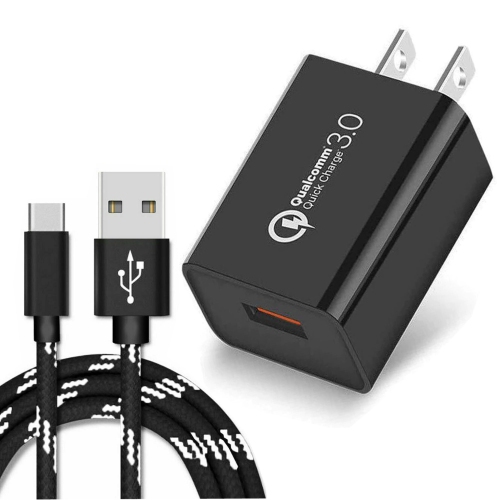
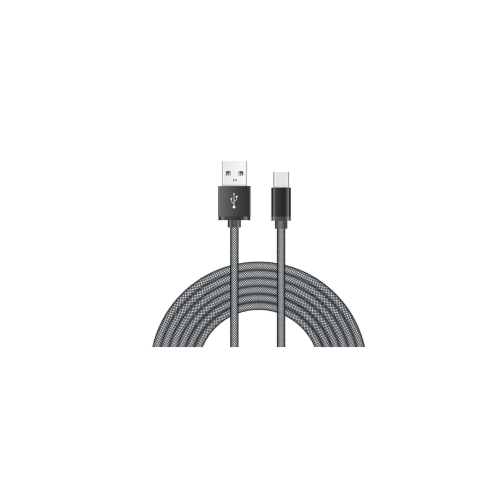
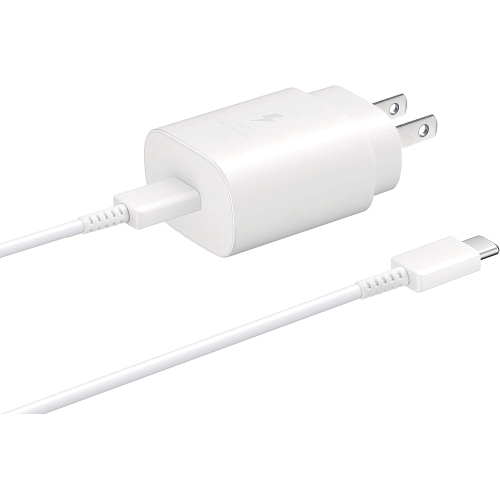
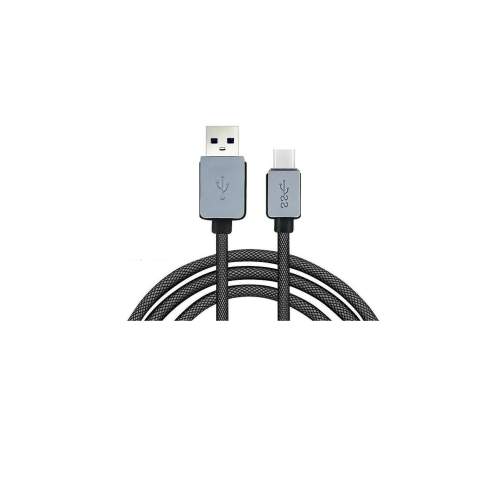
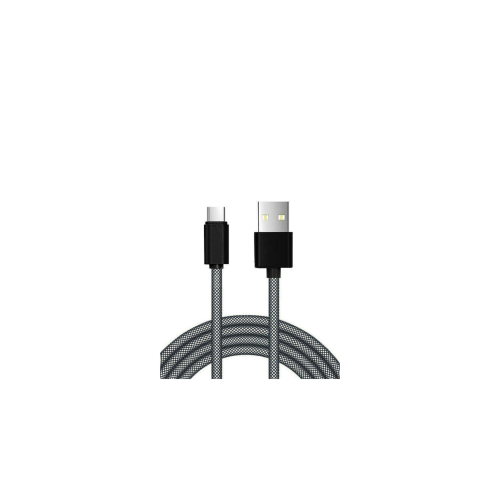
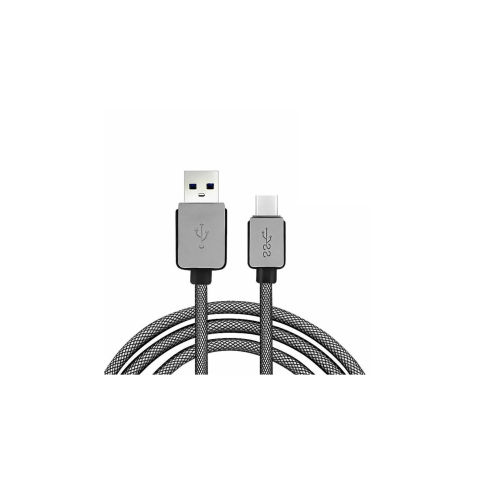
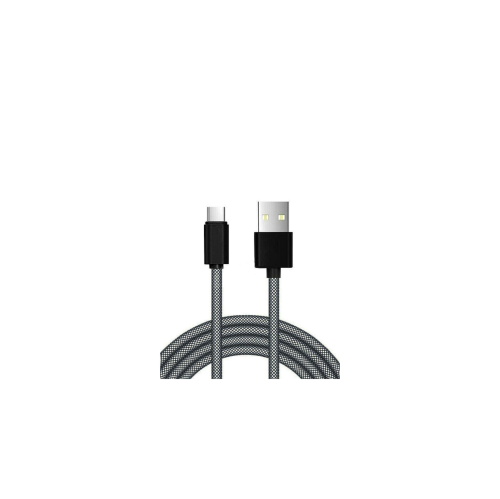
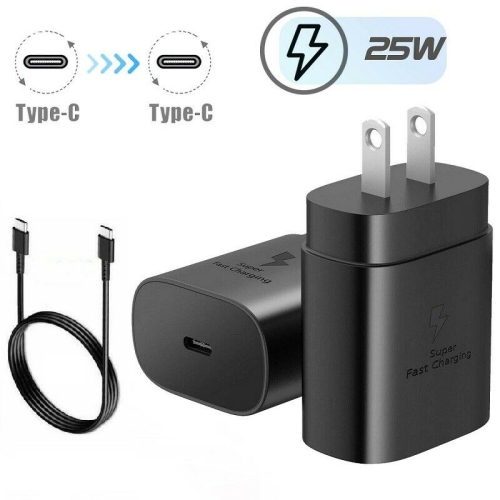
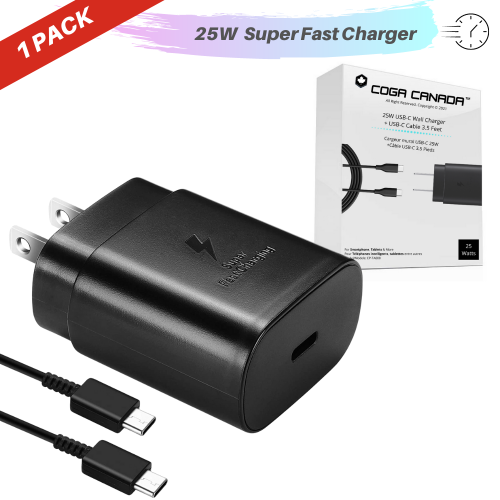
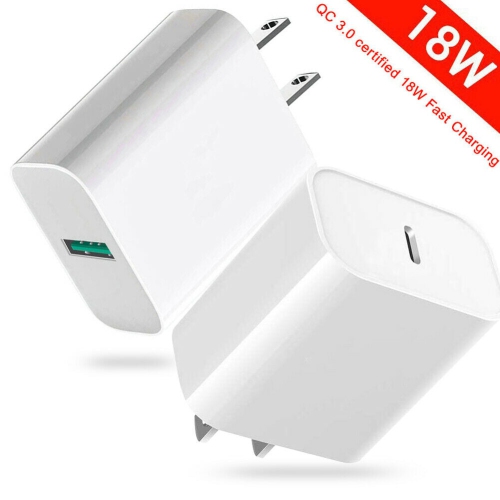
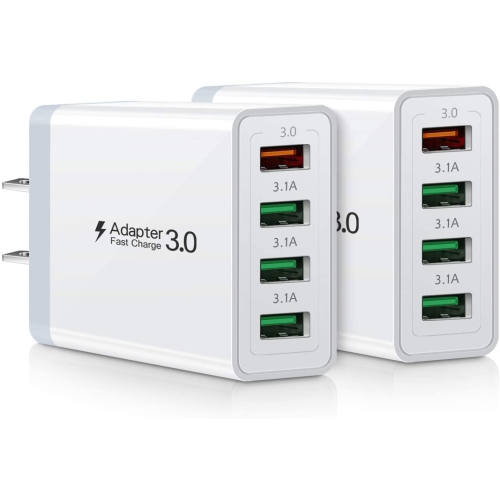
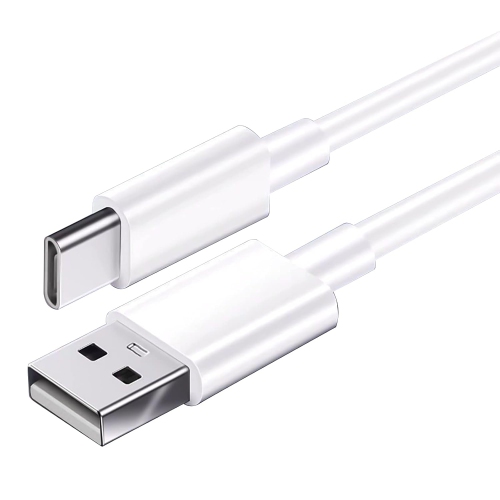
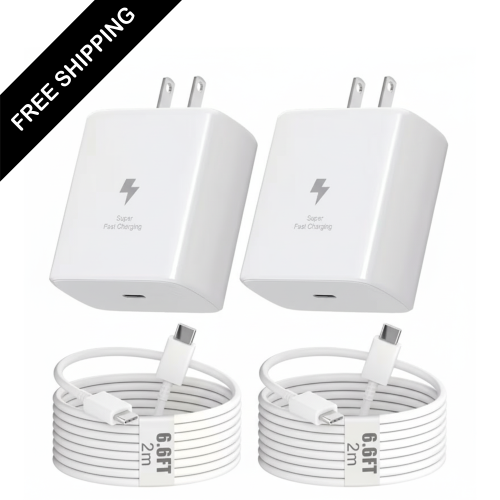
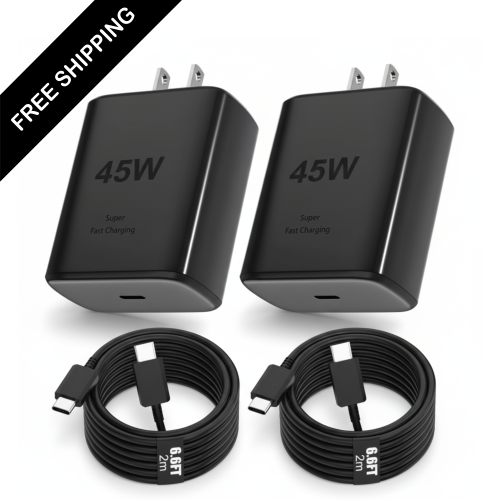
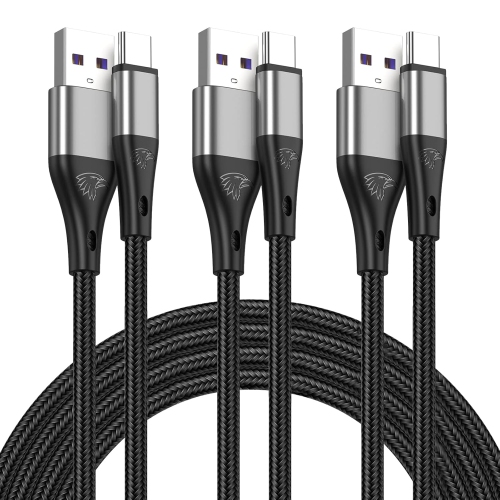
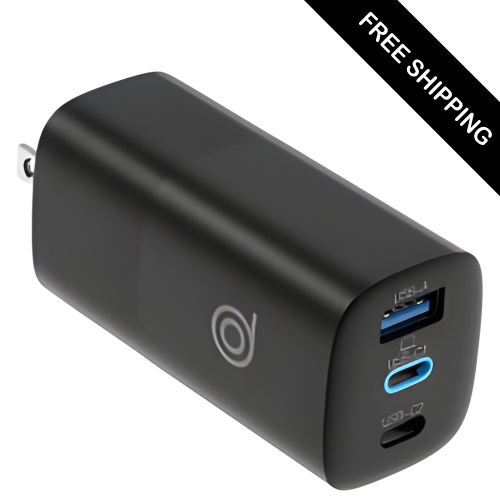
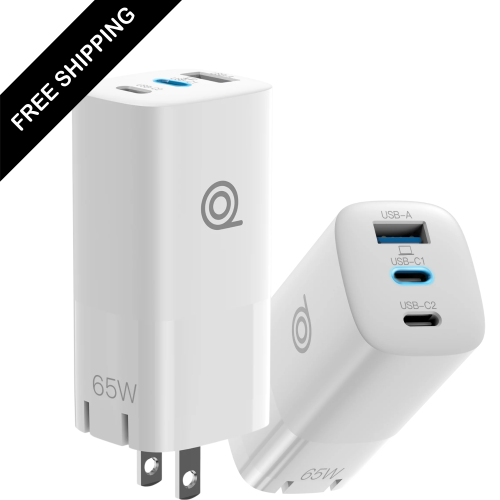
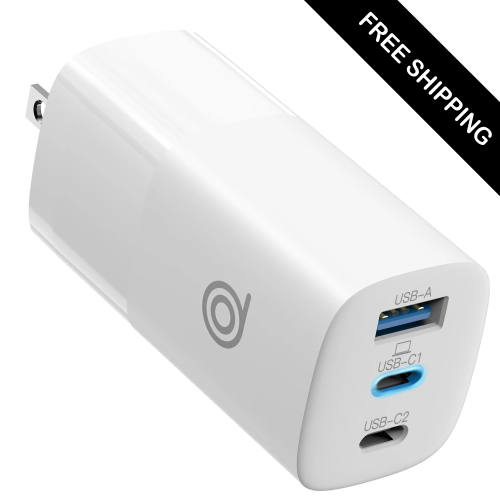
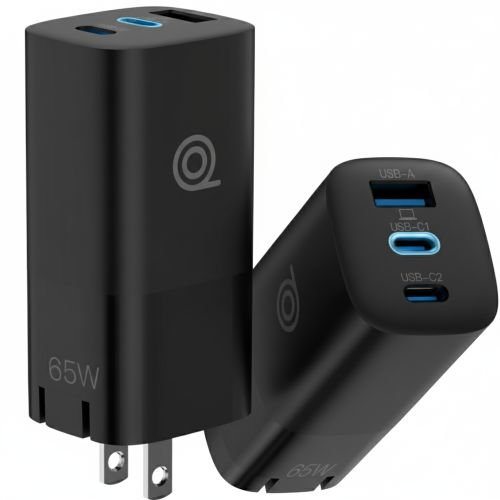
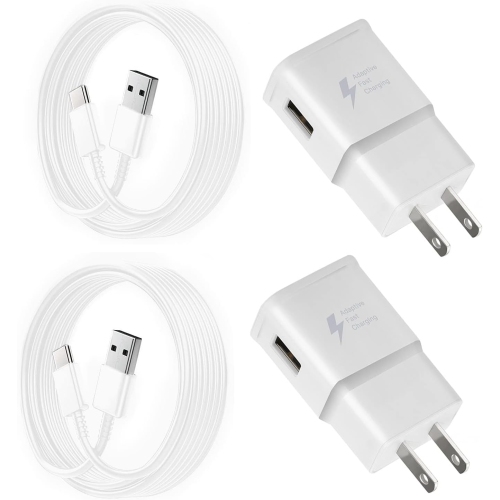
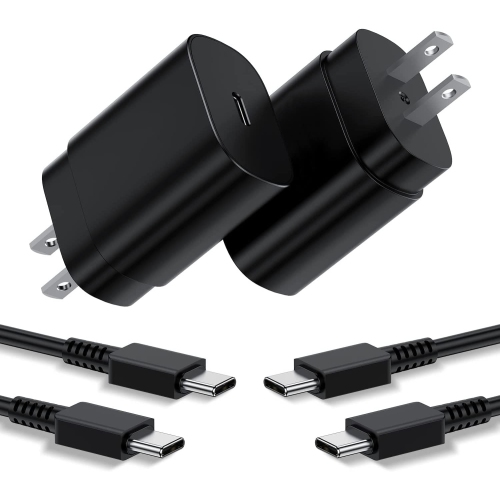
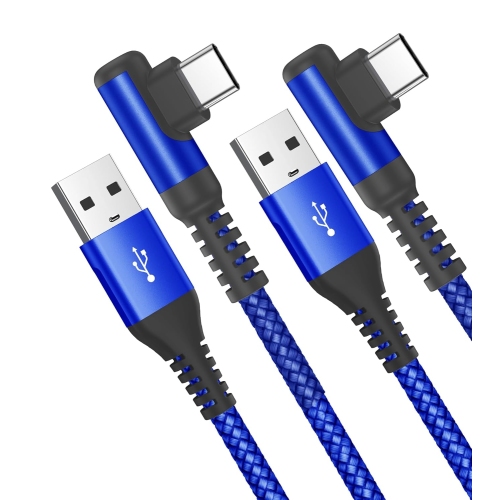
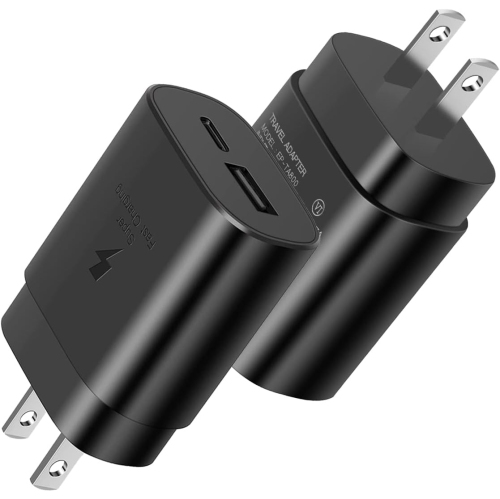
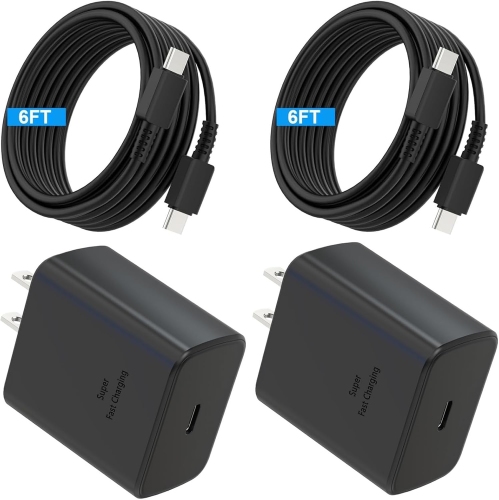
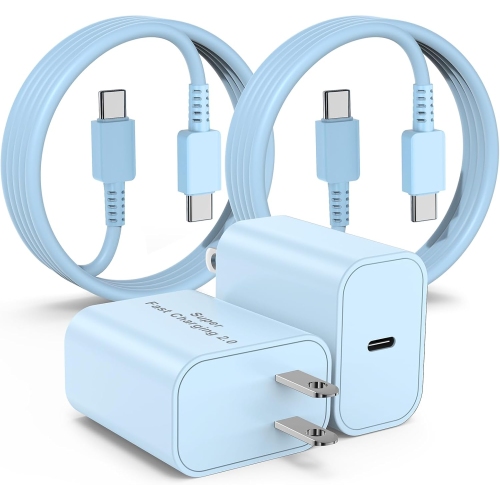
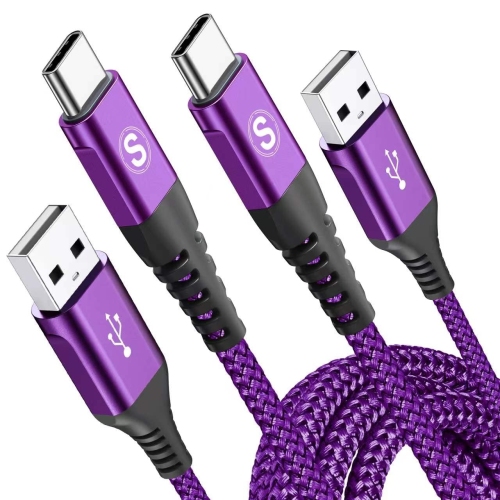
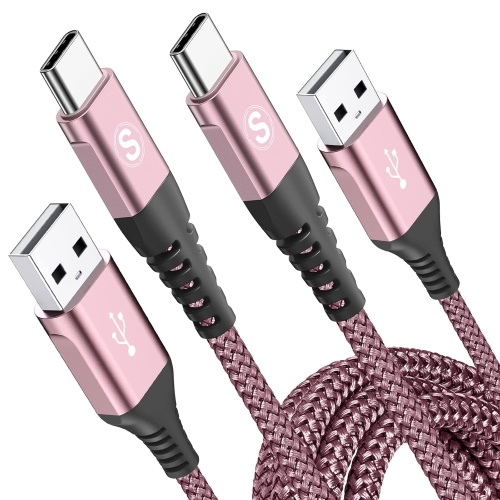
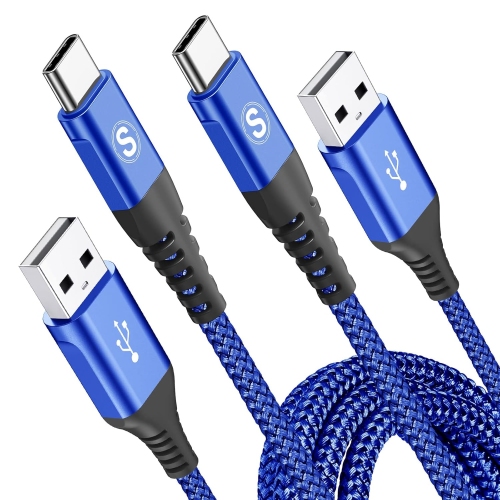
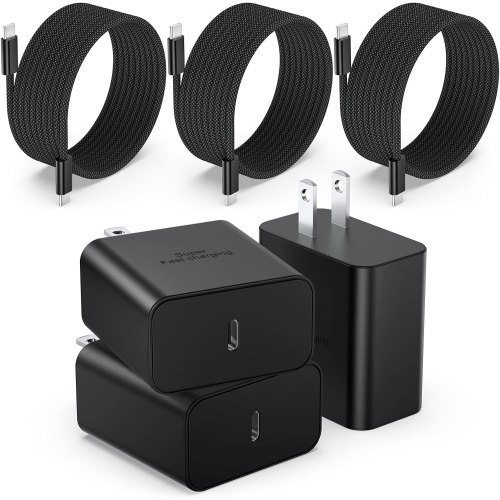
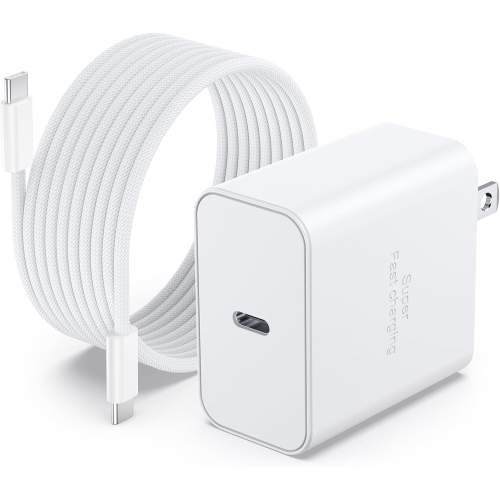
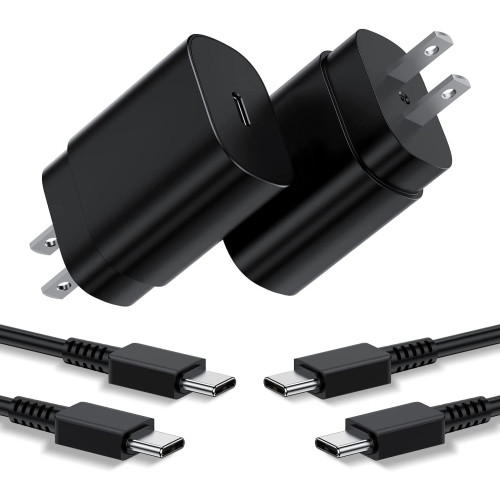
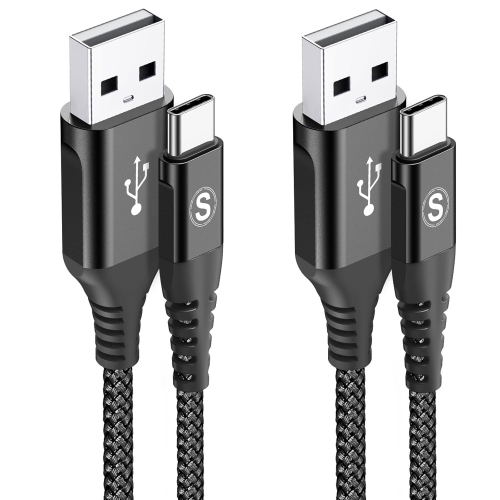
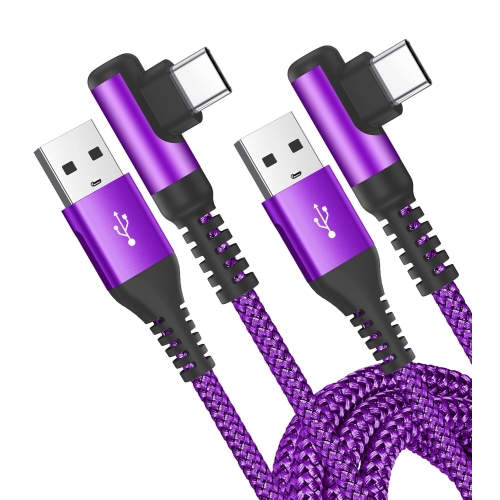
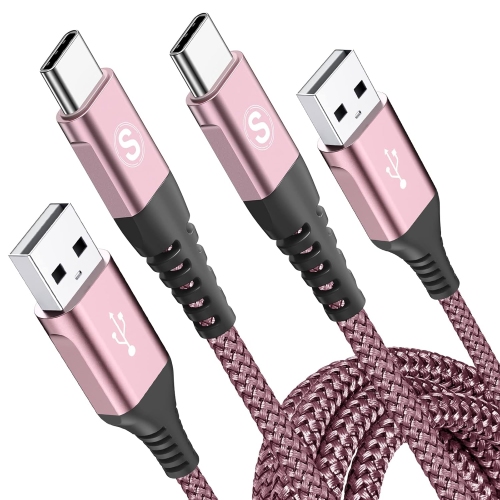
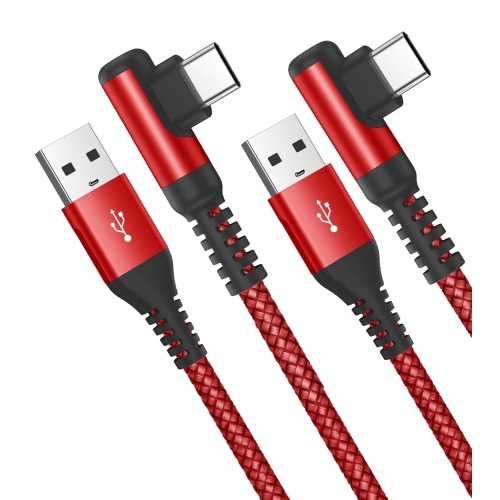
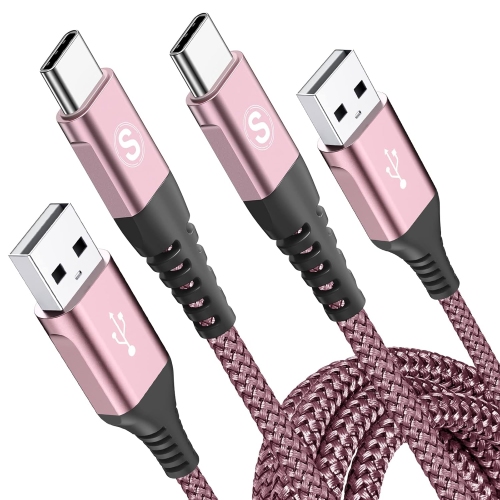
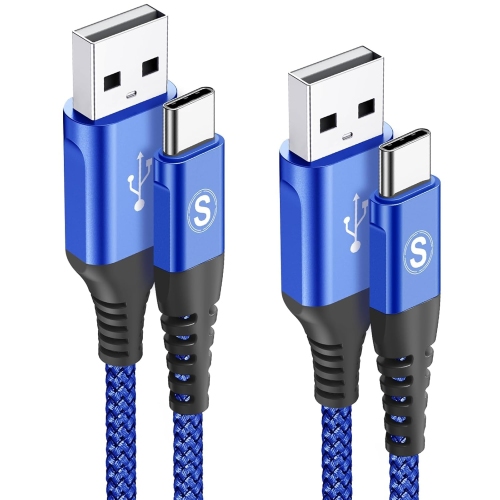
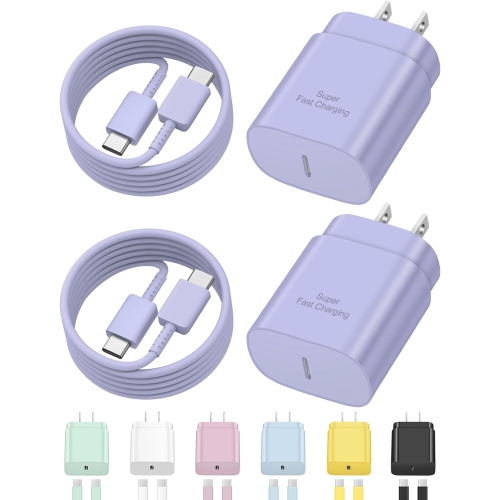
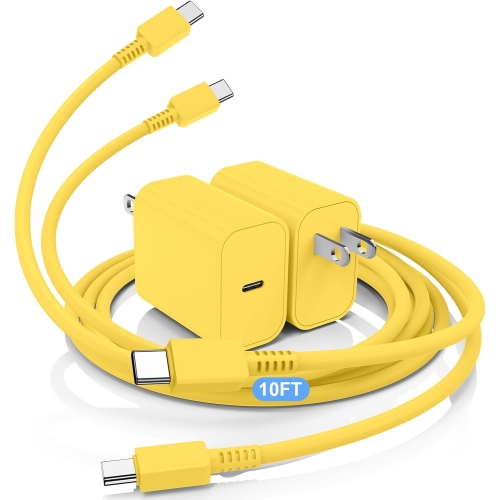
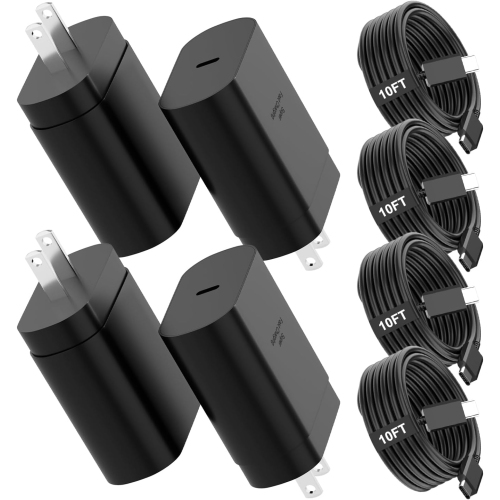
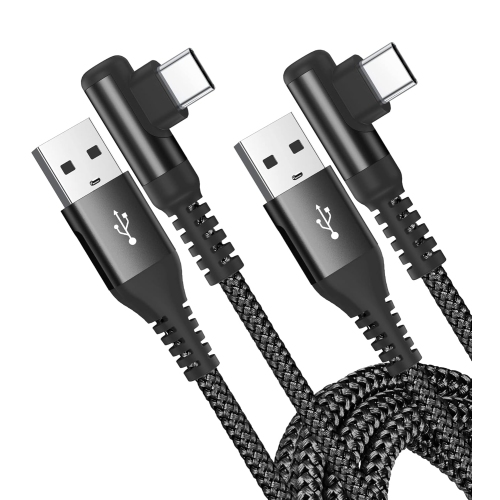
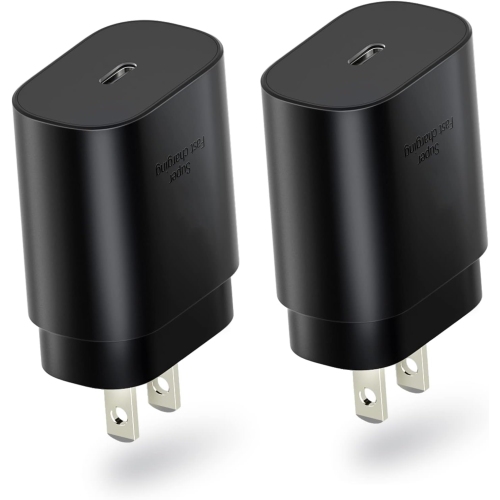
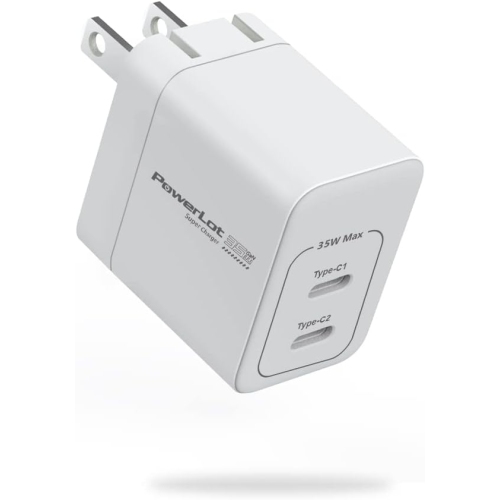
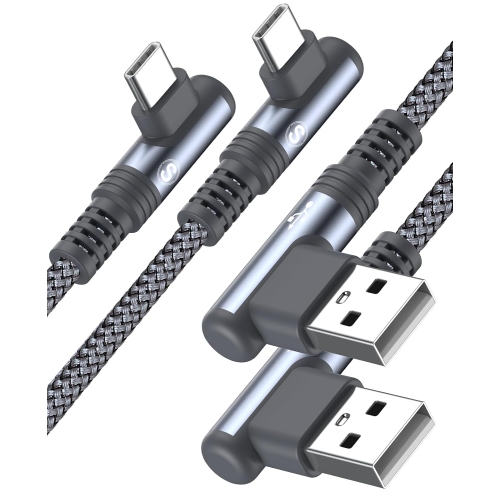
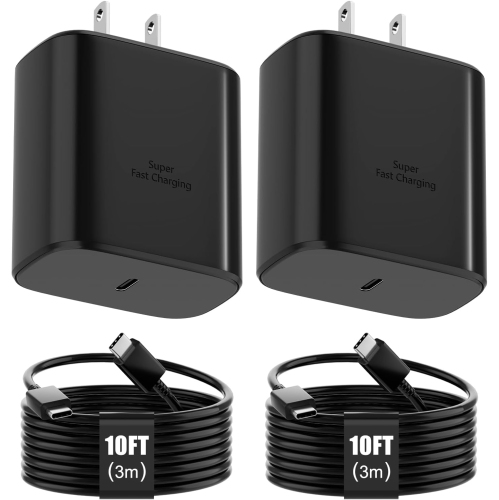
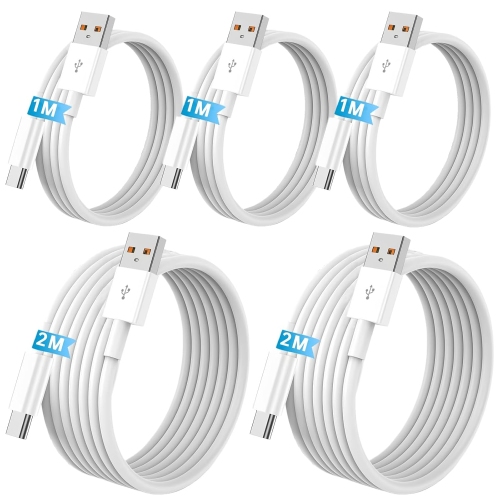
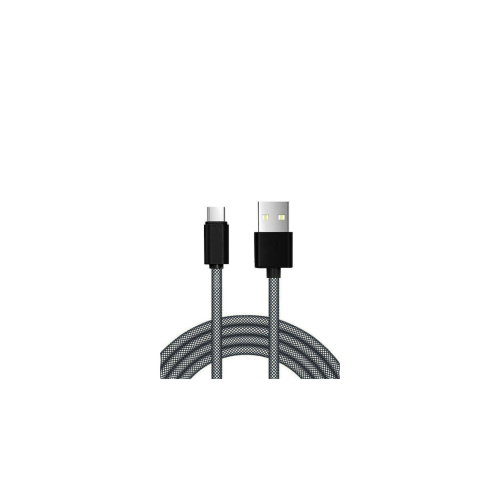
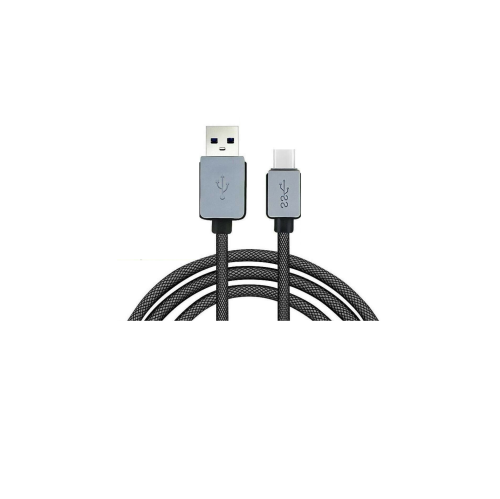
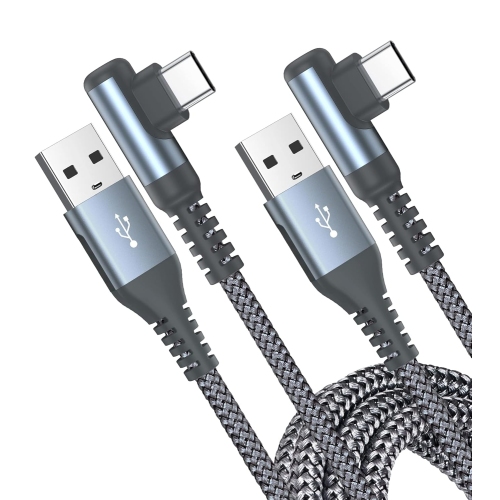
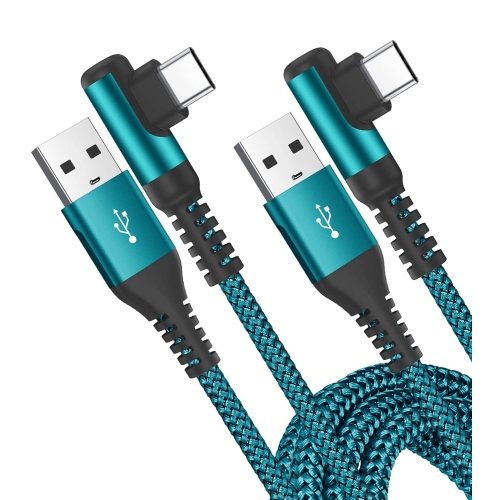
Chargers for a USB-C smartphone support everything from a quick top-up before leaving home to a full recharge beside the bed. The right setup fits both the phone’s charging requirements and the places it gets used: a desk crowded with cables, a kitchen counter shared by several devices, or a bag packed for a long day away from an outlet. Wired charging starts with a compatible power adapter and cable, but the connector shape tells only part of the story. USB Power Delivery and Programmable Power Supply, often shortened to PPS, are important specifications for supported fast charging. A high wattage printed on an adapter does not, by itself, mean the phone will charge at its fastest supported rate; the adapter’s voltage and current profiles, the cable’s capabilities, and the phone’s own limits all matter. Higher-current charging can also require a compatible 5 A electronically marked cable. These details are especially useful when replacing an original charger or putting together a second charging spot. A compact wall adapter suits a crowded power bar, while an adapter with more than one port can serve a phone and another device from the same outlet. With multiport designs, the total output may be divided between connected devices, so the rating for each port matters as much as the combined figure. Cable length affects everyday comfort, too. A shorter cable keeps a desktop tidy, while a longer one can reach from an outlet behind a sofa without leaving the phone suspended by its connector. Reinforced connector housings and flexible strain relief help protect the points that receive the most bending. Braided coverings can resist everyday scuffs, while smooth cable jackets are easy to wipe clean and often slide more easily into a pouch. Neither finish makes a cable immune to damage, and a relaxed curve at each end is better than a sharp bend. For frequent charging, a dependable connection and a cable that sits comfortably within reach are more useful than extra length that stays tangled underfoot.

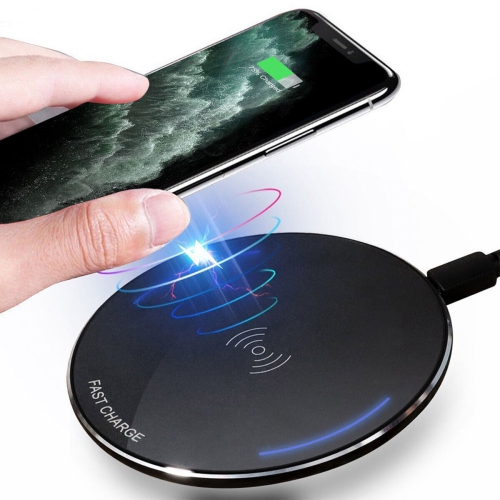
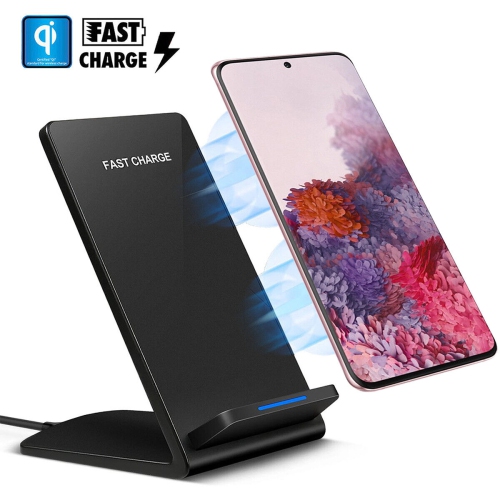
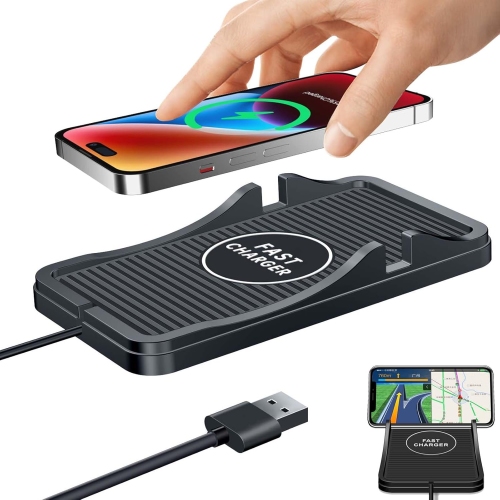
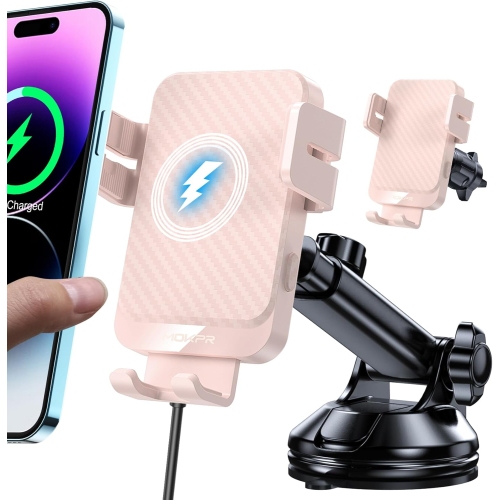
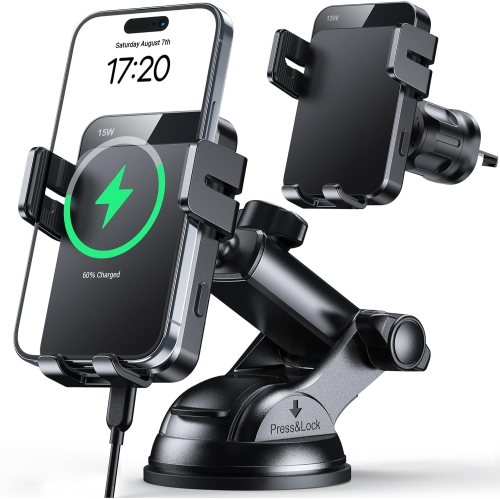
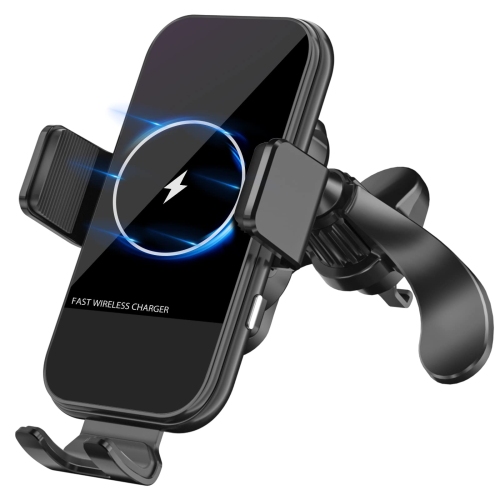
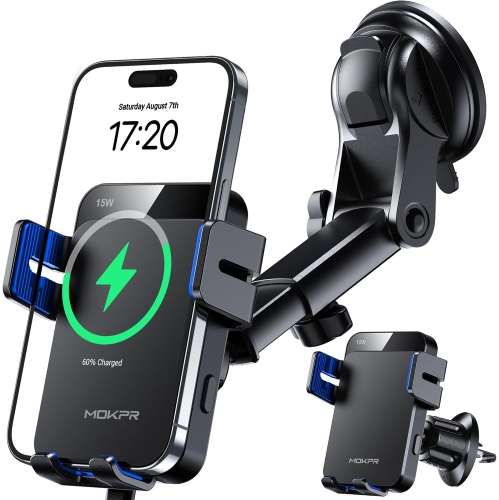
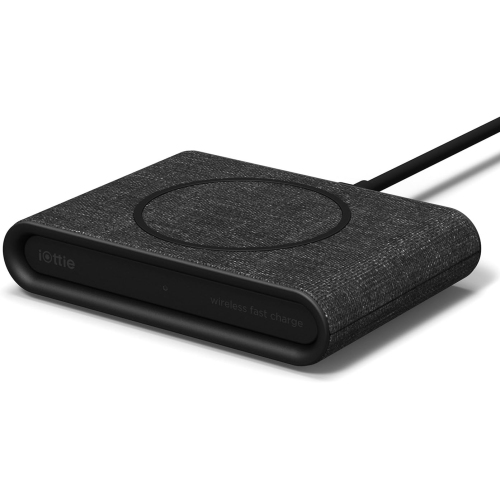
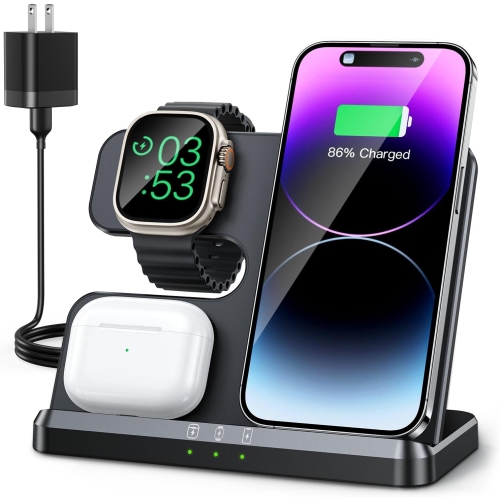
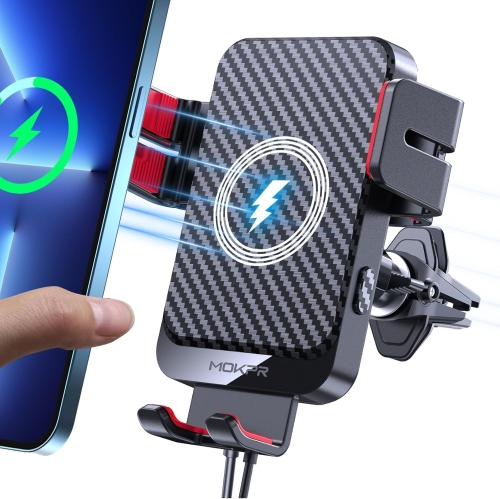
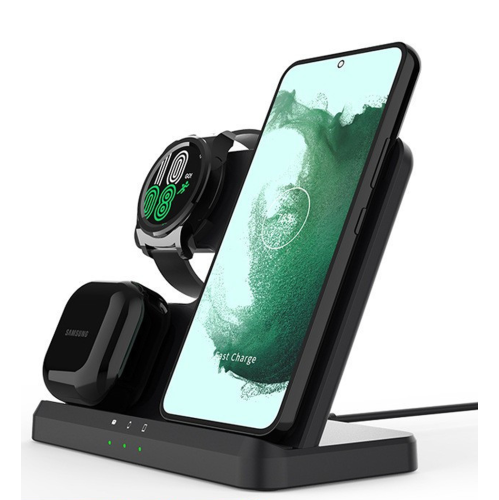
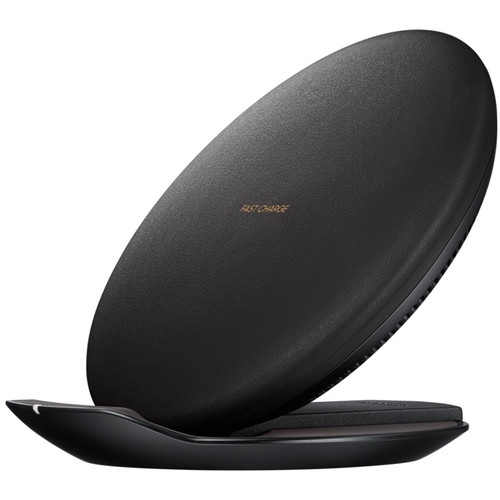
Wireless chargers offer a different kind of convenience: the phone has a regular place to rest, and charging can begin without connecting a cable each time. A Qi-compatible pad works well on a bedside table or an entryway console, where the phone can lie flat between uses. A charging stand can keep the screen visible on a desk, making it easier to glance at a notification or join a video call without balancing the phone against another object. Fit matters here as much as it does with a wired connection. The phone’s charging coil needs to line up with the charger, and a larger handset should rest securely rather than perch on a narrow edge. A grippy surface and a stable base help prevent small knocks from moving the phone out of position. Case thickness and construction can affect wireless charging, particularly when a case includes a metal plate, a card holder, or an attached grip. Compatibility claims should account for the case as well as the phone, and cards or metal accessories should not sit between the handset and the charging surface. Wireless charging speed depends on the phone, the charger, and the power supplied to the charger; a pad’s advertised maximum output is not a promise that every compatible device will receive that rate. Some wireless chargers need a separate wall adapter with particular output specifications, making the power source part of the complete setup rather than an afterthought. A charging indicator can provide useful confirmation that the phone is positioned correctly, although a bright light may be less welcome beside a bed. Materials also influence daily use: textured surfaces can improve grip, sturdy housings resist routine knocks, and a smooth base is easy to keep free of dust. Wireless charging is particularly convenient for someone who picks up and puts down a phone repeatedly throughout the day. A wired connection remains useful when a faster recharge is the priority or when the phone needs to stay in hand while charging.
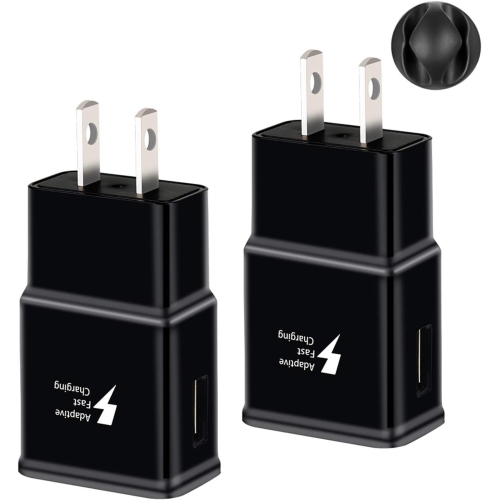
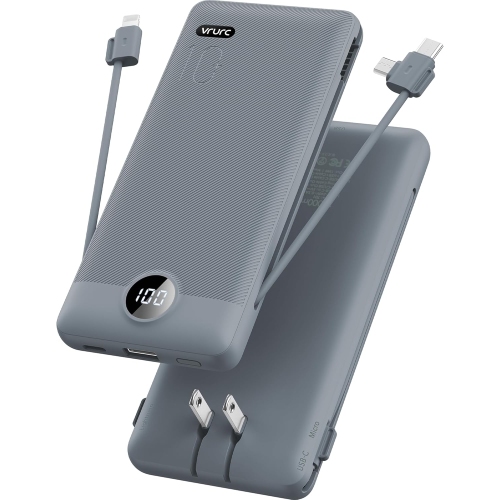
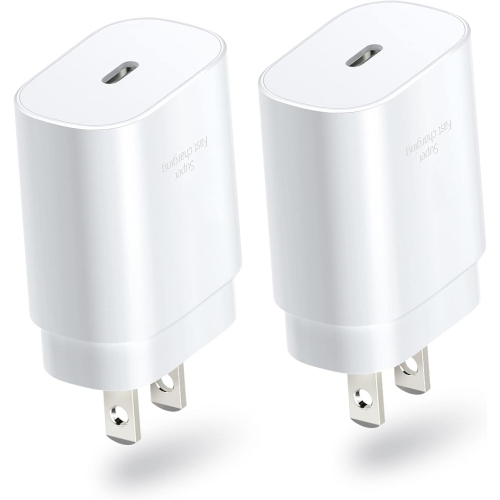
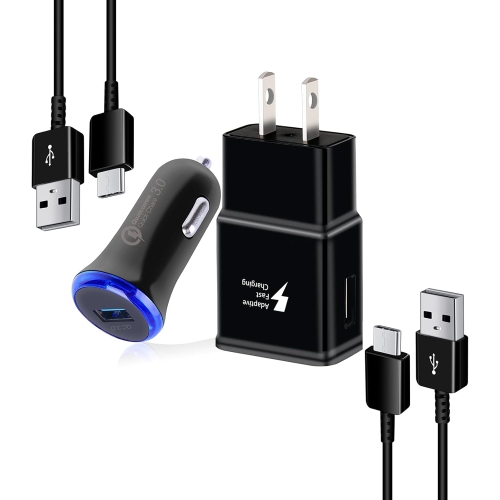
Charging needs often extend beyond a single room. A spare wall adapter in a work bag can prevent the daily routine of unplugging a bedside charger and remembering to bring it home again. For travel, a compact design with folding prongs can be easier to pack without catching on cables or scratching nearby belongings. The adapter’s input-voltage rating should suit the destination, and a plug adapter changes the plug shape rather than converting voltage. In a vehicle, a compatible USB-C car charger can supply power for navigation and hands-free calling, while a cable of suitable length reaches the phone mount without draping across controls. Portable power banks provide another option when an outlet is out of reach. Their usefulness depends on output specifications as well as capacity, since a battery pack with a large capacity may still lack the charging protocol needed for faster charging. The number of recharges also varies with the phone’s battery size, power-conversion losses, and whether the phone is being used at the same time. These practical differences make chargers thoughtful gifts for students, commuters, frequent travellers, or anyone who keeps moving an adapter between rooms. A recipient’s phone connector, preferred charging method, and usual routine are better starting points than appearance alone. Households charging different handsets may also find Samsung S10 Wireless Chargers useful when choosing a separate setup for another phone. Everyday care helps charging accessories stay dependable: unplug an adapter before wiping its exterior with a soft, dry cloth, keep connectors dry, and replace cables with exposed wires, split jackets, or loose ends. Chargers belong on dry, uncovered surfaces, not beneath bedding or squeezed where their cables are sharply bent. When packing, loosely coiling a cable avoids placing repeated strain on the same spot. At home or away, a well-matched charger combines electrical compatibility with a comfortable physical fit, giving the phone a reliable place to recharge without making cables, plugs, or awkward placement part of the daily hassle.
Read More

FAQ

Some products may be subject to Environmental Handling Fees (EHF) depending on your province. Learn more about EHFs.