Samsung VRT Washing Machines

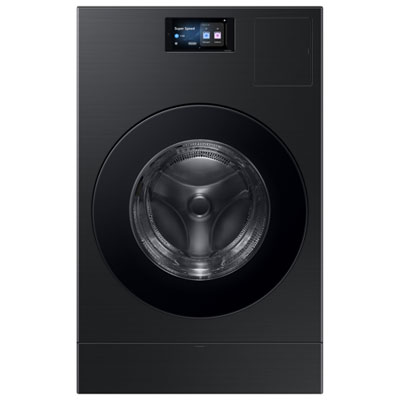
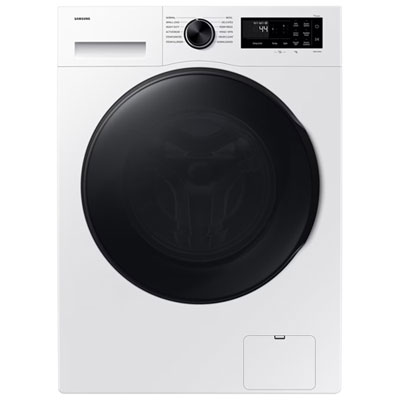
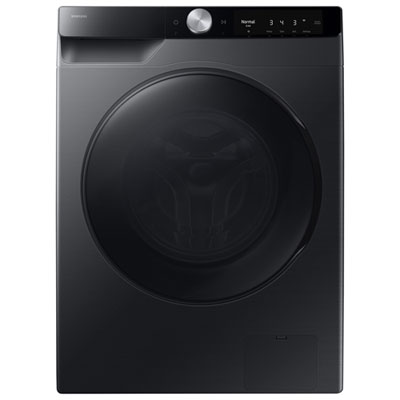
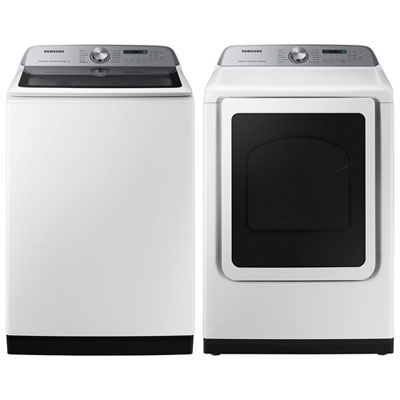
Find Samsung VRT washing machines with Vibration Reduction Technology, designed to help reduce vibration during wash cycles. Compare available washers by capacity, dimensions, wash settings, and price to find a model that fits your laundry space and household needs.
Sort

How vibration reduction helps washers spin more smoothly

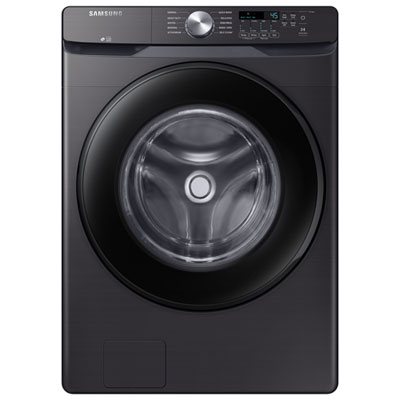
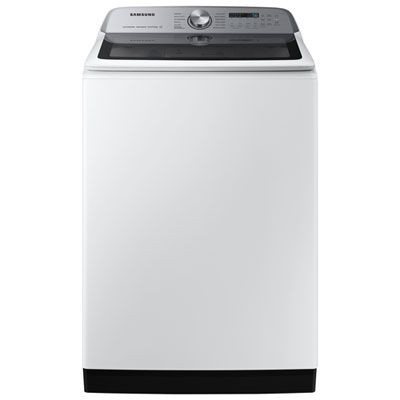
VRT washing machines use Vibration Reduction Technology to help limit the movement and noise produced during the spin cycle. As wet laundry rotates, its weight can shift to one side of the drum, particularly when a load contains a single bulky towel or a tightly bundled sheet. Depending on the design, internal balancing components and sensing controls help manage that uneven weight so the washer can spin more smoothly. This makes vibration reduction a useful consideration for laundry rooms near bedrooms, home offices, and shared living spaces, where a rattling appliance can interrupt a conversation or a quiet task. The technology does not make a washing machine silent, and its performance still depends on correct installation, a suitable floor, and the way laundry is distributed. Water filling, draining, and garments moving against the drum remain normal parts of operation. Vibration control is also separate from cleaning performance: wash action, detergent, cycle selection, and fabric care requirements all contribute to how a load turns out. Front-loading and top-loading formats offer different loading experiences, while their balancing systems and other features vary by model. A front-loading drum is accessed from the front and generally lifts and tumbles clothing through the wash water; a top-loading design provides access from above, with wash action that depends on its internal configuration. Capacity matters alongside format. A household washing school uniforms, work clothes, and towels throughout the week may have different needs from someone doing smaller loads in an apartment. Bulky bedding also needs room to move rather than simply enough space to fit through the opening. A larger drum can accommodate more laundry, but filling it tightly can interfere with washing and balancing. The most useful capacity is one that matches ordinary laundry habits, including the size of frequent loads and the care labels on the fabrics being washed. A fast spin can remove more moisture before drying, although delicate garments may call for a gentler setting regardless of the washer’s maximum speed.

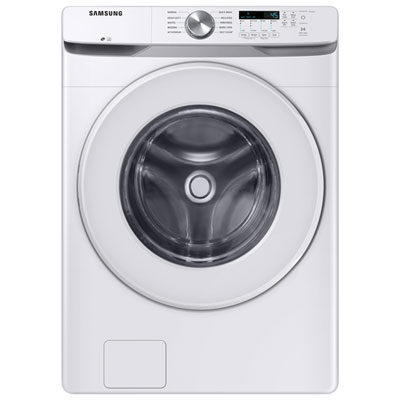
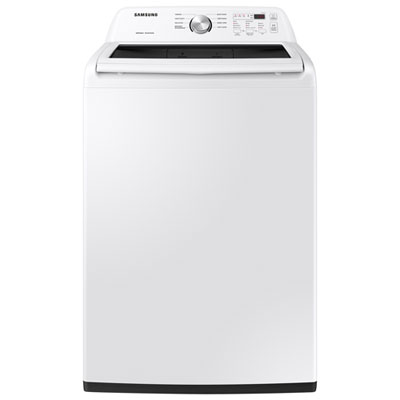
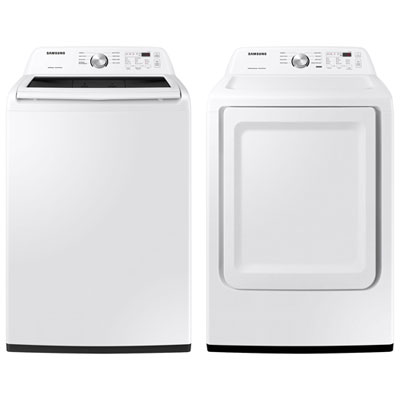
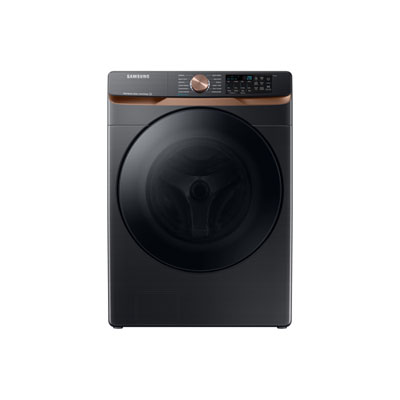
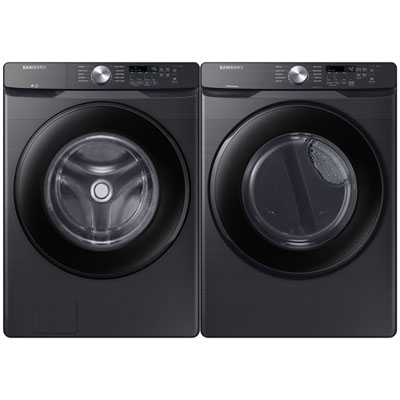
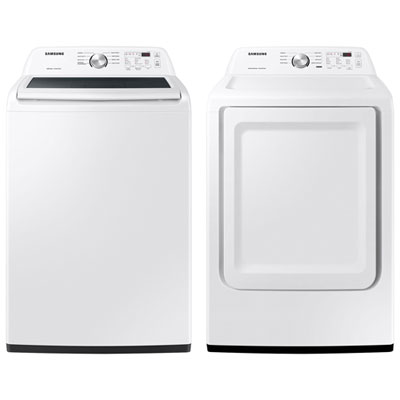
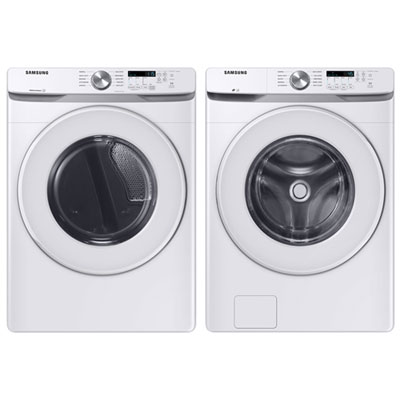
The fit of a washing machine involves more than its listed width. Cabinet depth, hose connections, door movement, and the route into the laundry area all affect how comfortably an appliance works in a home. A washer may fit between two cabinets yet leave too little space for the door to open fully or for someone to load a laundry basket without turning sideways. Space planning for Samsung Front Load Washers includes clearance at the front, access to the detergent drawer, and room behind the appliance for the required connections. In a top-loading layout, overhead shelving needs to allow the lid to open and stay open without obstruction. Reach is another practical detail: a deep tub may accommodate substantial loads, but retrieving small garments from the bottom can be less comfortable for some users. Front-loading designs may work with a compatible pedestal to raise the opening, while stacking requires an approved washer-and-dryer combination and the correct stacking kit. These arrangements change the overall height and access points, so compatibility matters as much as appearance. A firm, level floor and properly adjusted feet provide the foundation for effective vibration control; the washer should not rock when installed. Shipping restraints on front-loading machines must be removed as directed before use, since they hold internal components in place for transport rather than normal washing. Water supply, drainage, and electrical requirements also need to match the installation location. Within the appliance, stainless steel drums are common because they tolerate repeated contact with water and laundry, although surface patterns and construction differ. Smooth drum surfaces, suitable cycles, and sensible load sizes all play a part in fabric care. Exterior finishes are largely a matter of room style and upkeep: darker surfaces may show fingerprints differently from lighter ones, and abrasive cleaners can damage finishes. Accessible controls, readable displays, and a door that opens conveniently can make a greater difference to everyday use than an elaborate feature list.

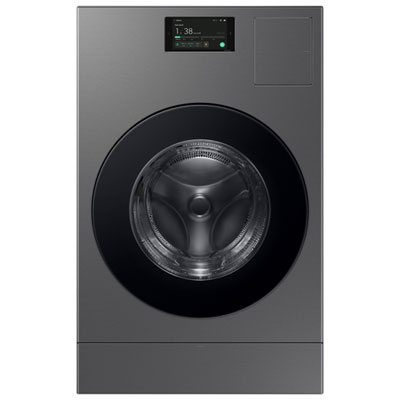
Beyond vibration reduction, the most relevant washer features are those that suit the laundry being washed regularly. Households with children may value flexible settings for everyday clothing and washable bedding, while people laundering workout wear may pay closer attention to fabric-specific cycles and detergent instructions. Towels, denim, lightweight shirts, and delicate knits do not all benefit from the same wash action or spin speed. Adjustable settings allow more control, but garment labels remain the reference for what a fabric can tolerate. Additional rinse options can be useful when a load needs further rinsing, while dedicated bedding settings, where included, are intended to handle bulky washable textiles within the machine’s stated limits. Steam functions, automatic detergent dispensing, drum-cleaning programmes, and connected features are model-dependent rather than standard parts of VRT. Wi-Fi connectivity may support cycle notifications or other app functions on compatible machines, but those capabilities are separate from the system that manages vibration. Everyday care also affects how consistently a washer performs. Too much detergent can leave residue and produce excess suds, so the detergent type and amount should match the appliance instructions, load size, and soil level. Door seals and dispenser drawers benefit from regular attention, especially where moisture or detergent can collect. Removing finished laundry promptly and allowing the drum to dry according to the manufacturer’s directions can help keep the interior fresh. A drum-cleaning cycle, when provided, maintains the washer itself and should be used as instructed rather than treated as a clothing cycle. Pockets emptied of coins and small objects, securely fastened zippers, and suitable laundry bags for delicate pieces can help protect both garments and the drum. Durability also depends on avoiding repeated overloading and keeping the appliance properly installed over time. For a busy family, a smaller household, or someone setting up a dedicated laundry space, a well-matched VRT washer combines manageable sound and movement with the capacity, access, and fabric-care options needed for an ordinary week of laundry.

FAQ

Some products may be subject to Environmental Handling Fees (EHF) depending on your province. Learn more about EHFs.