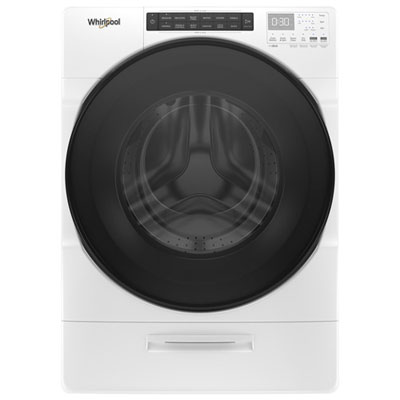
Samsung Large-Capacity Washers And Dryers

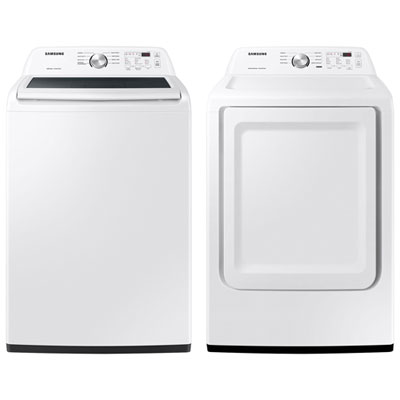
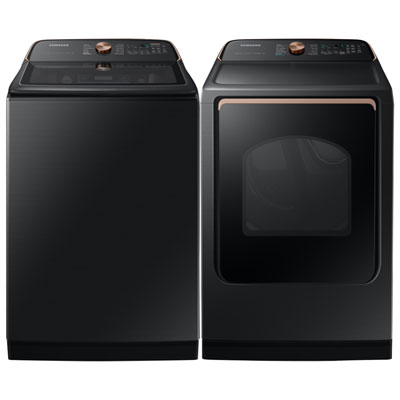
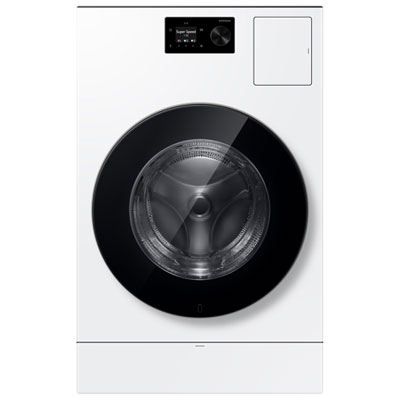
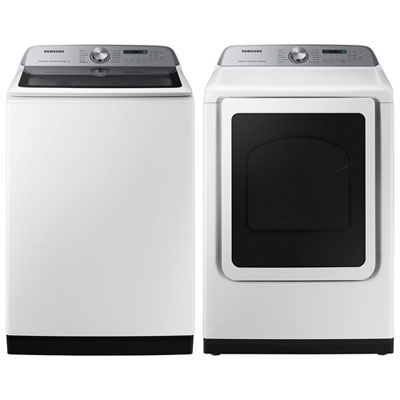
Shop Samsung large-capacity washers and dryers for larger laundry loads, from everyday clothing to towels and bedding. Compare drum capacity, appliance dimensions, and wash or dry settings to find options that suit your household’s laundry routine and fit your space.
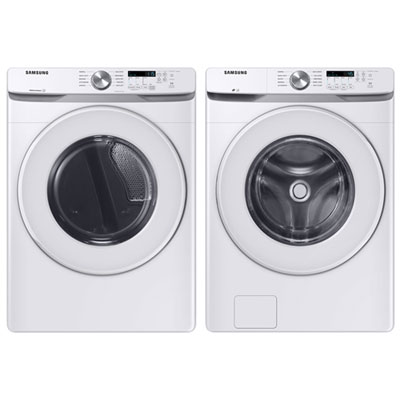
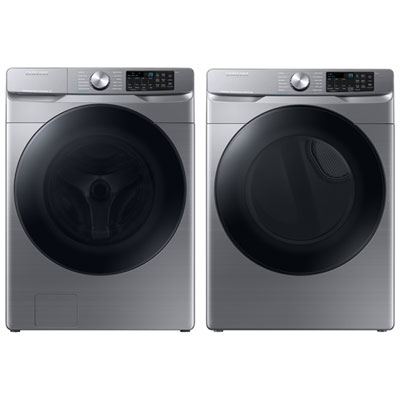
Sort

Why bigger laundry loads need more than drum space

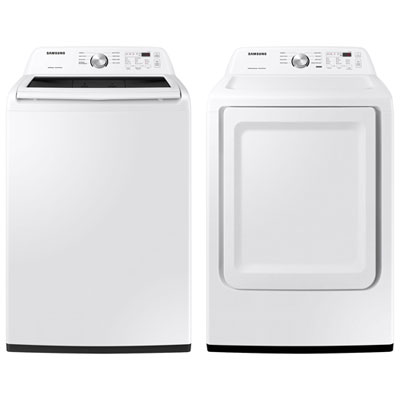
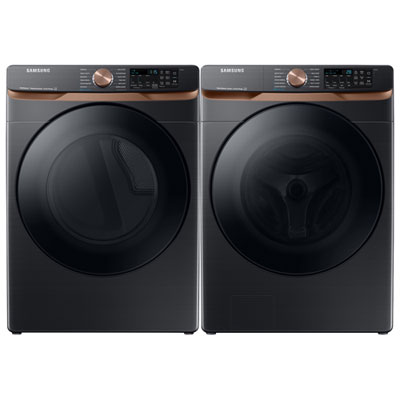
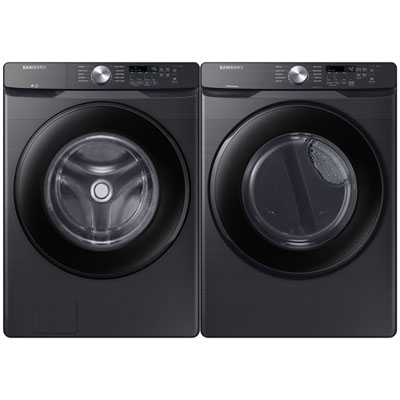
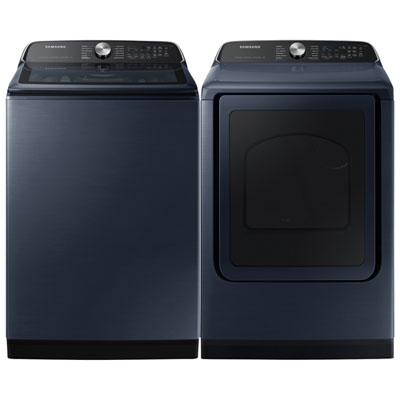
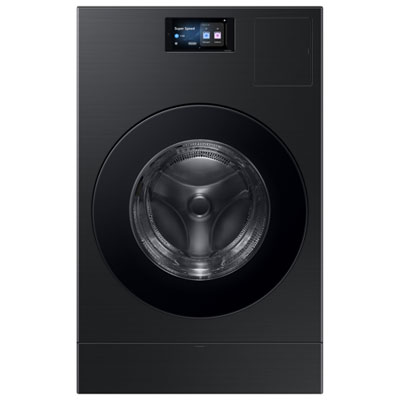
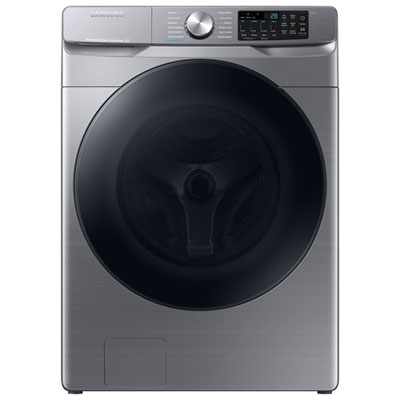
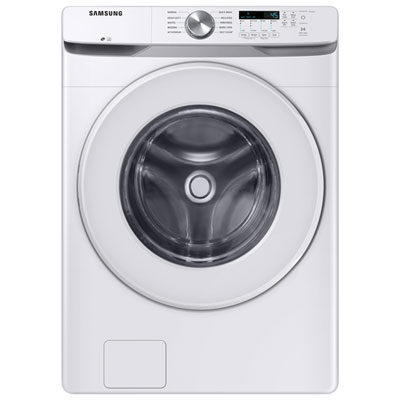
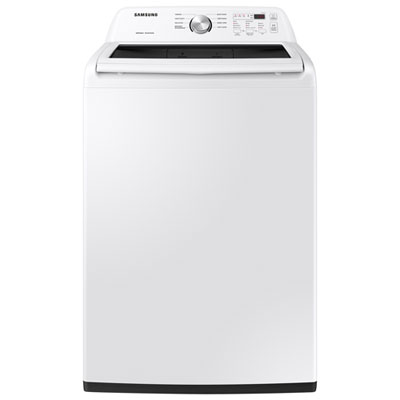
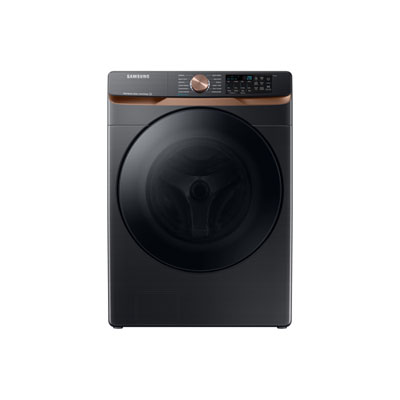
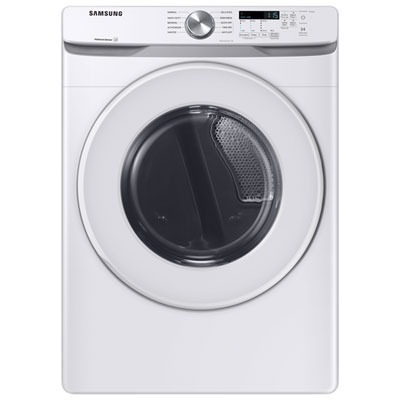
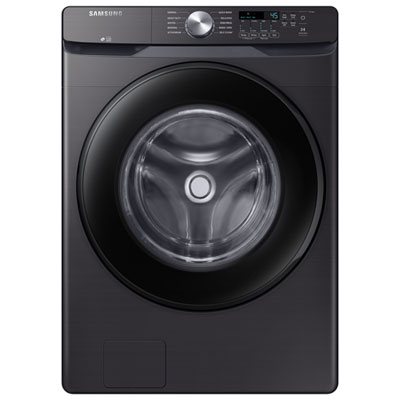
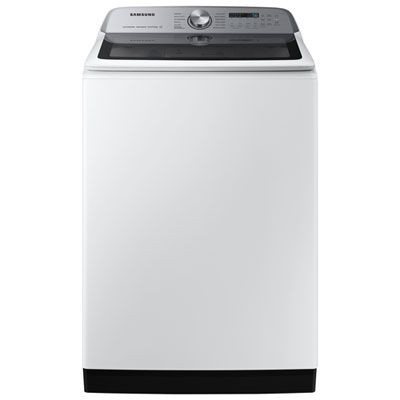
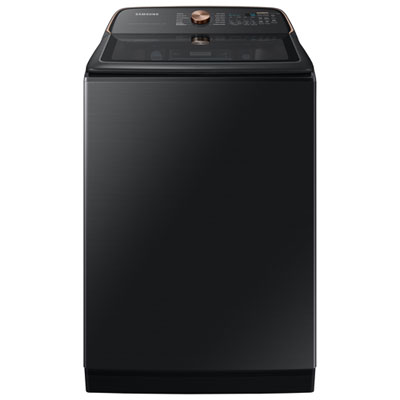
Large-capacity washers and dryers are designed to handle substantial laundry loads, from a family’s everyday clothing to towels, sheets, and bulky washable bedding. Washer capacities in this category can range from approximately 5.0 to 6.2 cubic feet, while matching dryers often provide around 7.2 to 7.5 cubic feet of drum space, depending on the model. These figures describe drum volume rather than a guaranteed number of garments, since fabric weight, absorbency, and care requirements affect how much belongs in each load. A basket of lightweight shirts behaves differently from a pile of thick bath towels, even when both appear to take up the same space. The practical benefit of a larger drum is room for suitable loads to move during washing and tumble during drying, rather than being packed tightly together. This makes large-capacity laundry pairs a useful fit for busy households, shared homes, and anyone who regularly washes bedding or changes of clothing for work and activities. Front-load washers use a horizontal drum and tumbling action, while top-load washers offer access from above and may use an impeller or an agitator. The choice affects loading height, reach, and the way garments move through the wash. An impeller leaves the centre of the wash basket open, whereas an agitator occupies some of that space and moves clothing around a central post. Neither configuration makes every bulky item suitable for machine washing: a comforter’s care label, construction, and size still matter. Matching a washer with an appropriately sized dryer is equally important because wet laundry needs space to separate as it tumbles. A roomy washer paired with an undersized dryer can mean dividing a washed load into smaller drying batches. For households that process several baskets at a time, a well-matched pair can make the routine easier to manage without treating the drum’s maximum capacity as the right target for every cycle. Separate settings for bedding, towels, delicates, and everyday clothing, where offered, provide flexibility for the different fabrics moving through a household.

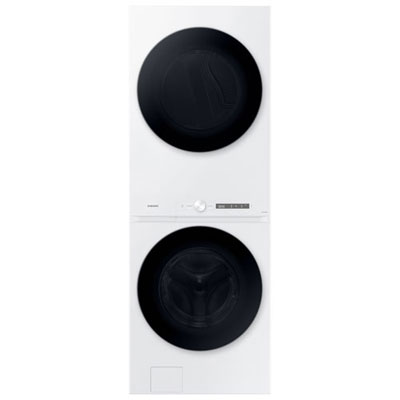
The fit of a laundry pair involves more than its listed width. Cabinet depth, hoses, vent connections, door swing, and the clearance specified in the installation instructions all contribute to the space required. A front-load door needs room to open without blocking a doorway or striking nearby cabinetry, while a top-load lid needs clear space above it. Reaching the bottom of a deep top-load basket is another practical consideration, especially when retrieving a small sock or a damp pillowcase. Side-by-side placement can keep both appliances within easy reach, and compatible front-load pairs may allow stacking with the correct manufacturer-approved kit. Stacking is not interchangeable across all washers and dryers, even when their dimensions look similar. Optional pedestals can raise some front-load appliances to a more comfortable loading height, but they also change the overall height and may affect the fit beneath shelving or a countertop. The delivery route matters too: narrow doorways, stair turns, and hallway corners can complicate bringing a large appliance into its intended room. Laundry spaces near bedrooms or living areas also make vibration control worth considering. Samsung VRT Washing Machines feature technology designed to help manage vibration, although stable flooring, proper levelling, and balanced loads remain important. No vibration-reduction feature replaces correct installation or makes every load silent. Dryer connections deserve the same attention as physical dimensions. Electric and gas dryers have different installation requirements, and a vented dryer needs an appropriate exhaust route with the ducting and clearances specified for that appliance. Water supply connections, drainage, electrical service, and any installation requirements for steam functions also need to match the laundry space. Together, these details determine whether a large-capacity pair will work comfortably in a dedicated laundry room, a closet, or a utility area. A practical layout leaves room for loading, unloading, and routine maintenance, rather than fitting the cabinets into the space so tightly that everyday access becomes awkward.

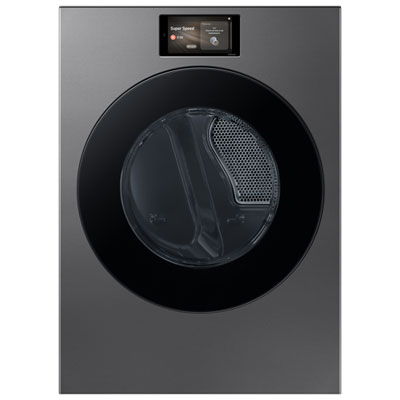
Features and construction help distinguish how large-capacity washers and dryers handle daily use. Stainless steel wash baskets are common and provide a durable surface for repeated contact with wet fabrics, while dryer drum materials and finishes vary. Smooth drum surfaces, accessible controls, and removable lint screens all contribute to everyday usability. Wash options may include adjustable soil levels, extra rinses, pretreatment functions, or cycles intended for particular fabrics. Steam and sanitizing settings are available on some appliances, but their intended uses and eligible fabrics depend on the model and the garment’s care instructions. A quick cycle is generally intended for an appropriate smaller load, not a tightly packed drum of heavily soiled clothing. On the drying side, moisture-sensing functions can adjust cycle time according to the load rather than relying only on a fixed timer. This can help limit unnecessary drying, although mixed loads may still finish unevenly when a thick waistband or folded sheet holds moisture longer than lighter garments. Separating heavy towels from lightweight clothing often makes drying results more consistent. Connected features, where supported, may provide cycle notifications or remote functions through a compatible app, with setup and connectivity requirements varying by appliance. Long-term care is mostly about keeping the machines ready for the next load: using the specified detergent type and amount, following drum-cleaning instructions, wiping accessible seals as directed, and cleaning the dryer’s lint screen at the recommended intervals. Excess detergent can leave residue, and fabric pockets containing coins or small metal objects can create avoidable wear or damage. Pet hair is another everyday concern; removing loose hair before washing and maintaining filters as instructed is useful even when specialized cycles are offered. Manufacturer instructions remain the reference for cleaning products, maintenance schedules, and load limits. A large-capacity pair is most useful when its space, controls, and care requirements suit the household’s actual habits, whether that means regular bedding loads, uniforms between shifts, or several baskets of family laundry.

FAQ

Some products may be subject to Environmental Handling Fees (EHF) depending on your province. Learn more about EHFs.