Doorbell for Apartments
Enhance the security and convenience of your apartment living with a doorbell designed specifically for apartments. Whether you're looking to upgrade your current setup or install a new system, finding the right doorbell can make all the difference in ensuring you never miss a visitor. From sleek designs to easy installation options, there's a variety of choices available to suit your needs and complement your apartment's style. Explore options that offer innovative solutions to fit seamlessly into your living space while providing peace of mind and enhancing your home's accessibility.
Sort
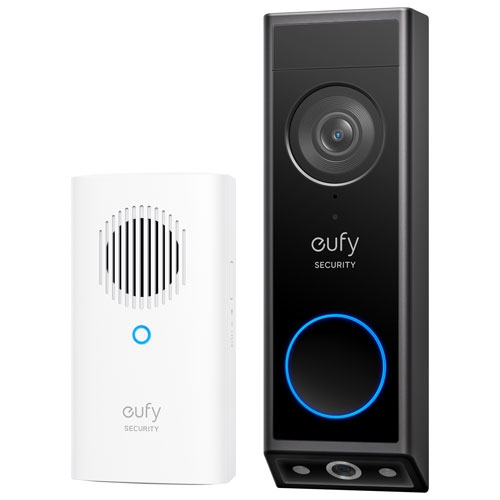
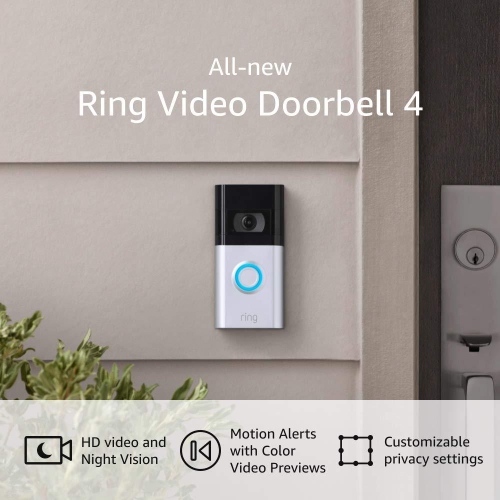
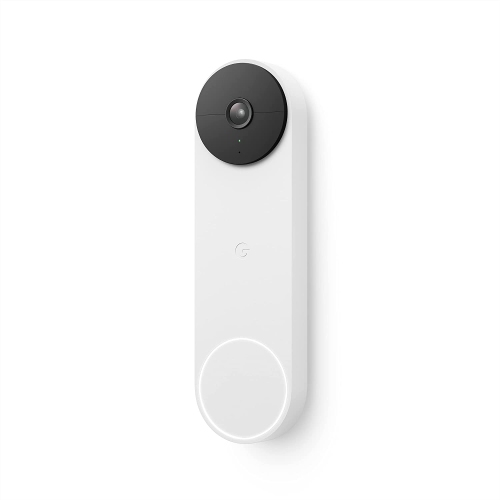
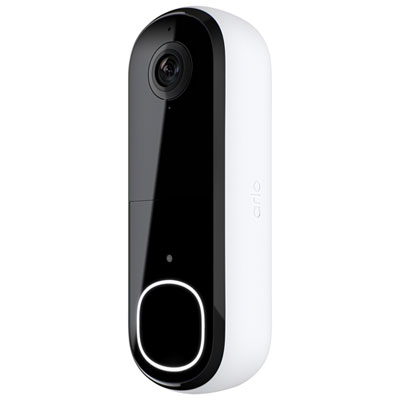
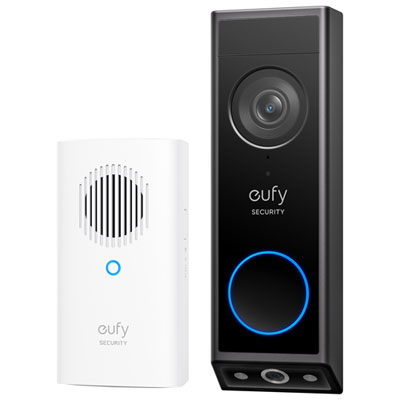
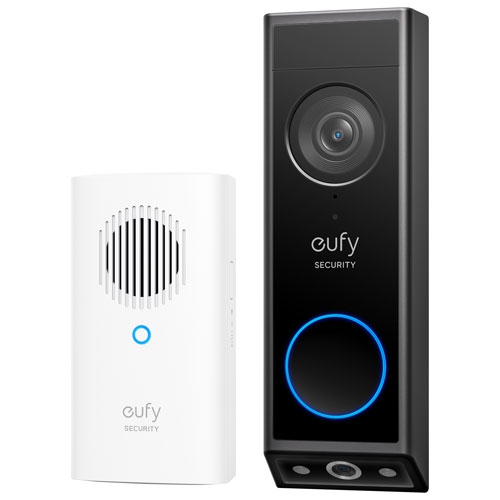
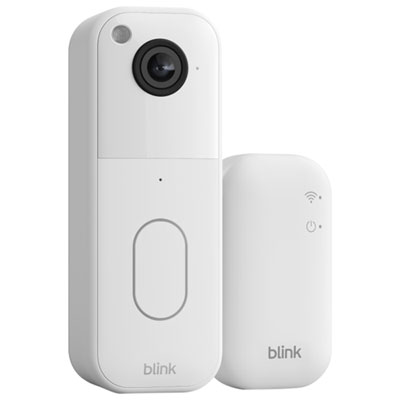
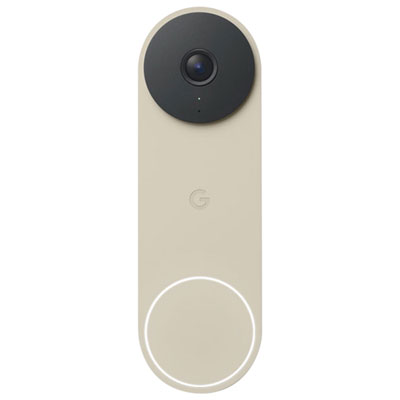
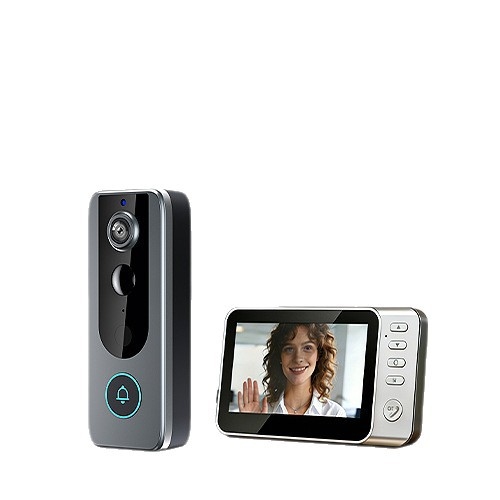
Visitor alerts that don’t depend on existing doorbell wiring
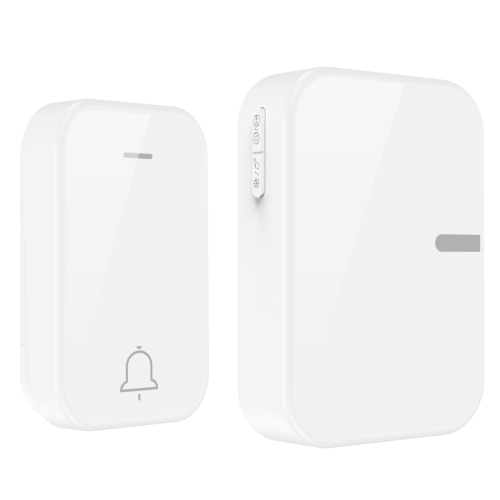
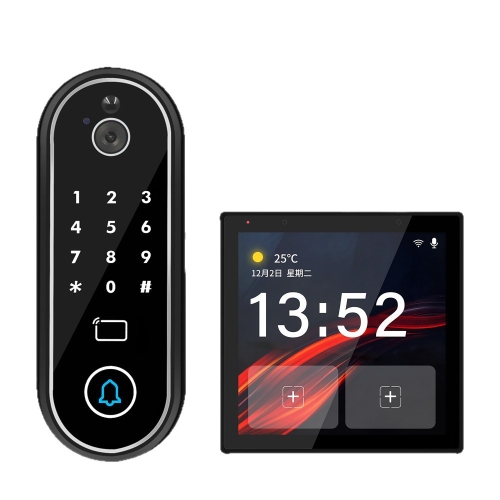
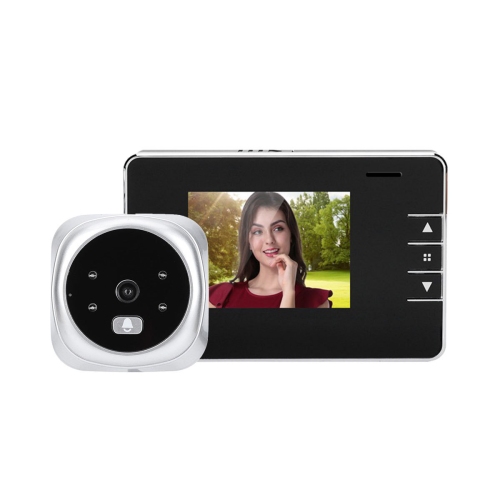
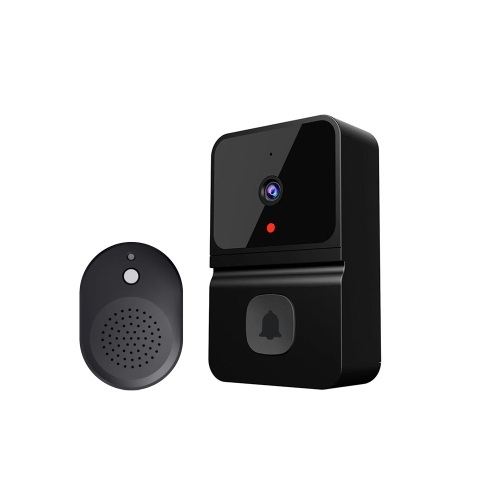
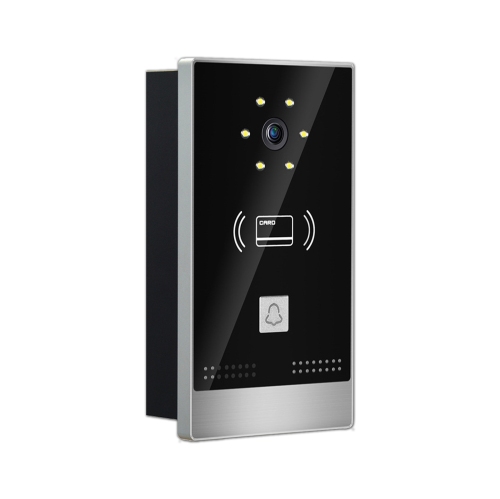
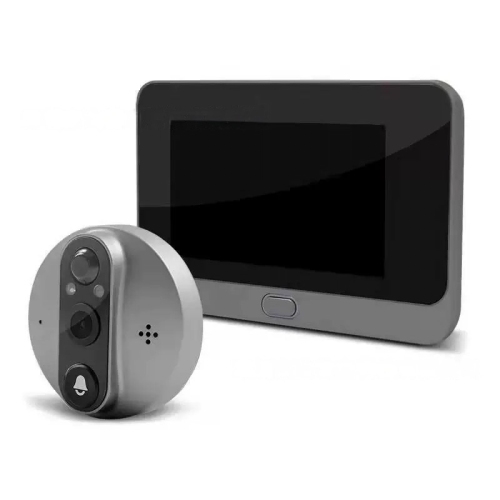
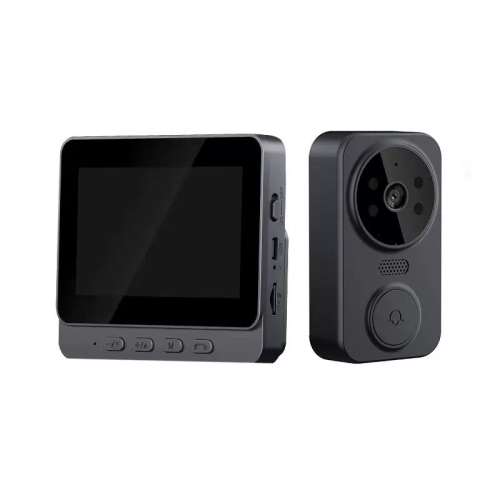
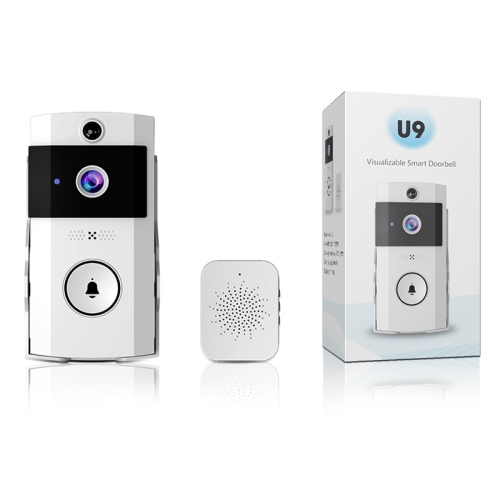
A doorbell for an apartment gives visitors a clear way to announce their arrival, whether the entrance opens onto a shared hallway, a small landing, or a private vestibule. For many renters, a battery-powered wireless doorbell with a compatible no-drill mount is a practical starting point because it can work without existing doorbell wiring. The right fit still depends on building rules, the door’s construction, and whether a simple chime or a camera better suits everyday needs. Traditional wireless doorbells pair an entrance button with an indoor receiver, making them useful for anyone who wants to hear a visitor without adding video or phone notifications. A plug-in receiver can stay in a central location, while a portable battery-powered chime can move from the living room to a home office. Video doorbells add a view of the doorway and, on compatible models, two-way audio for speaking with someone outside. That can be helpful when a delivery arrives during a work call or when a visitor needs a moment before the door is answered. Browsing Apartment Doorbells brings these different approaches together around the needs of smaller homes and shared buildings. An apartment entrance doorbell generally serves the individual unit; it does not replace a building intercom, release a lobby door, or grant access through a controlled entrance unless it is specifically designed and approved for that system. For residents whose guests first need to call from downstairs, that distinction matters more than an extensive feature list. Households with children, roommates, or people working different hours may appreciate adjustable chime volume and quiet modes, while a receiver with a flashing light provides another way to notice the bell. For someone who prefers not to rely on a smartphone, a straightforward button-and-chime setup can be the more comfortable everyday choice.
Fit and mounting deserve particular attention in an apartment, where a narrow frame, a metal entrance door, or limited space beside the handle can affect installation. No-drill mounts generally use an adhesive backing or a bracket that clamps around the edge of the door, but neither approach is suitable for every entrance. Adhesive needs a compatible, clean surface and may lift paint or leave residue when removed; a clamp needs the correct door thickness and enough clearance for the door to close and latch normally. A mount should never interfere with locks, seals, hinges, or a door closer, and modifying a fire-rated entrance door may be prohibited. Permission from the landlord, property manager, or condominium board remains important even when installation does not involve screws. Battery-powered and no-drill describe different aspects of a setup: a wireless doorbell may still include a screw-mounted bracket, and a removable mounting accessory must match the doorbell’s shape and attachment points. Compact housings can fit neatly beside a doorframe, while broader camera units need enough room for both the mount and an unobstructed lens. Moulded plastic housings are common, and some designs use metal components around brackets or fasteners; secure attachment and accessible controls matter as much as the finish. A low-profile shape is less likely to catch on a bag carried through a tight entrance. Where a camera is involved, mounting height and angle affect whether the view shows a visitor’s face, the area near the threshold, or mostly the opposite wall. An angled bracket may help, provided it does not extend awkwardly into a shared passage. Rechargeable designs also need a practical removal method or access to a removable battery, so routine charging does not mean dismantling the entire mount. Wired doorbells depend on compatible existing wiring and power specifications; a nearby intercom connection should not be assumed to provide suitable power. For renters expecting to move, a removable setup can be convenient, although compatibility needs to be checked again at the next home.
Day-to-day performance comes down to how clearly an apartment doorbell announces visitors and how well its features suit a shared setting. A wireless chime’s stated range is not a guarantee of performance through concrete walls, metal doors, or several rooms, so receiver placement matters. Smart video doorbells also need a dependable Wi-Fi connection at the entrance, with support for the wireless band specified by the device. A strong signal beside the router does not necessarily mean the connection is equally reliable outside the front door. For camera models, image resolution is only part of the picture: field of view, hallway lighting, and the camera’s position influence how useful the image will be. A taller view may show more of the threshold, while a wider view can include neighbouring entrances that do not need to be captured. Privacy masking, where supported, can hide selected parts of an image; motion zones typically control where movement triggers an alert and should not be assumed to prevent filming elsewhere in the frame. In a busy corridor, adjustable sensitivity, person detection, and notification schedules can help limit interruptions from passing foot traffic, though results vary with the layout and device. Camera placement and audio features should respect building policies and applicable privacy requirements. Live viewing, saved video, and event history are separate functions, so storage options and account requirements deserve attention. Local storage may use a compatible hub or memory card, while cloud storage relies on the service and an internet connection; neither should be assumed to provide continuous recording or access during an outage. Shared household access is useful when more than one resident answers visitors, especially when each person can have an individual account rather than sharing a password. Clear two-way audio and an audible indoor chime can make the system easier to use than phone alerts alone. Routine care is simple but worthwhile: wipe the button and housing with a soft cloth as directed, keep the lens free of fingerprints, check that the bracket remains secure, and maintain the batteries in both the entrance unit and receiver. These details help keep an apartment doorbell ready for its main job: making an arrival easy to notice and a visitor easier to greet.
Fit and mounting deserve particular attention in an apartment, where a narrow frame, a metal entrance door, or limited space beside the handle can affect installation. No-drill mounts generally use an adhesive backing or a bracket that clamps around the edge of the door, but neither approach is suitable for every entrance. Adhesive needs a compatible, clean surface and may lift paint or leave residue when removed; a clamp needs the correct door thickness and enough clearance for the door to close and latch normally. A mount should never interfere with locks, seals, hinges, or a door closer, and modifying a fire-rated entrance door may be prohibited. Permission from the landlord, property manager, or condominium board remains important even when installation does not involve screws. Battery-powered and no-drill describe different aspects of a setup: a wireless doorbell may still include a screw-mounted bracket, and a removable mounting accessory must match the doorbell’s shape and attachment points. Compact housings can fit neatly beside a doorframe, while broader camera units need enough room for both the mount and an unobstructed lens. Moulded plastic housings are common, and some designs use metal components around brackets or fasteners; secure attachment and accessible controls matter as much as the finish. A low-profile shape is less likely to catch on a bag carried through a tight entrance. Where a camera is involved, mounting height and angle affect whether the view shows a visitor’s face, the area near the threshold, or mostly the opposite wall. An angled bracket may help, provided it does not extend awkwardly into a shared passage. Rechargeable designs also need a practical removal method or access to a removable battery, so routine charging does not mean dismantling the entire mount. Wired doorbells depend on compatible existing wiring and power specifications; a nearby intercom connection should not be assumed to provide suitable power. For renters expecting to move, a removable setup can be convenient, although compatibility needs to be checked again at the next home.
Day-to-day performance comes down to how clearly an apartment doorbell announces visitors and how well its features suit a shared setting. A wireless chime’s stated range is not a guarantee of performance through concrete walls, metal doors, or several rooms, so receiver placement matters. Smart video doorbells also need a dependable Wi-Fi connection at the entrance, with support for the wireless band specified by the device. A strong signal beside the router does not necessarily mean the connection is equally reliable outside the front door. For camera models, image resolution is only part of the picture: field of view, hallway lighting, and the camera’s position influence how useful the image will be. A taller view may show more of the threshold, while a wider view can include neighbouring entrances that do not need to be captured. Privacy masking, where supported, can hide selected parts of an image; motion zones typically control where movement triggers an alert and should not be assumed to prevent filming elsewhere in the frame. In a busy corridor, adjustable sensitivity, person detection, and notification schedules can help limit interruptions from passing foot traffic, though results vary with the layout and device. Camera placement and audio features should respect building policies and applicable privacy requirements. Live viewing, saved video, and event history are separate functions, so storage options and account requirements deserve attention. Local storage may use a compatible hub or memory card, while cloud storage relies on the service and an internet connection; neither should be assumed to provide continuous recording or access during an outage. Shared household access is useful when more than one resident answers visitors, especially when each person can have an individual account rather than sharing a password. Clear two-way audio and an audible indoor chime can make the system easier to use than phone alerts alone. Routine care is simple but worthwhile: wipe the button and housing with a soft cloth as directed, keep the lens free of fingerprints, check that the bracket remains secure, and maintain the batteries in both the entrance unit and receiver. These details help keep an apartment doorbell ready for its main job: making an arrival easy to notice and a visitor easier to greet.
Top selling and popular products
-
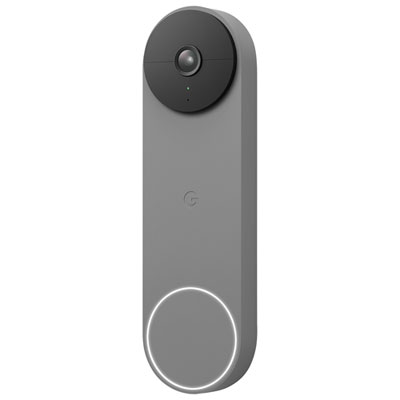 Your price for this item is $239.99
 -
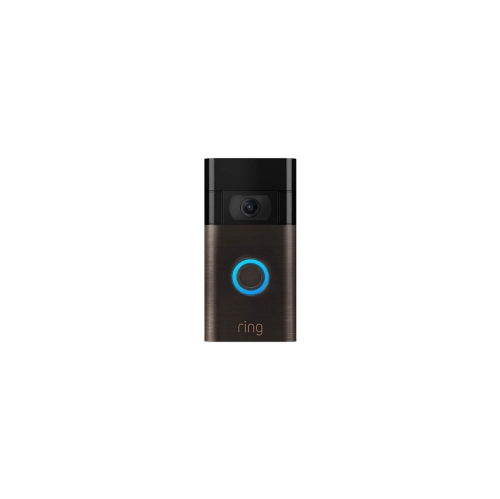 Your price for this item is $249.59
 -
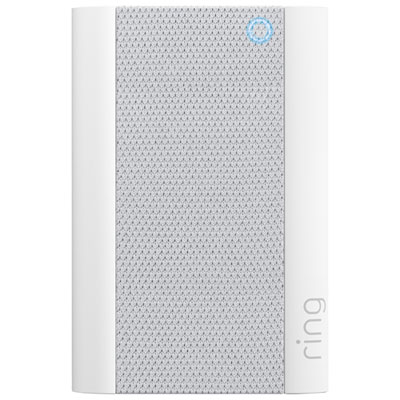 Your price for this item is $74.99
 -
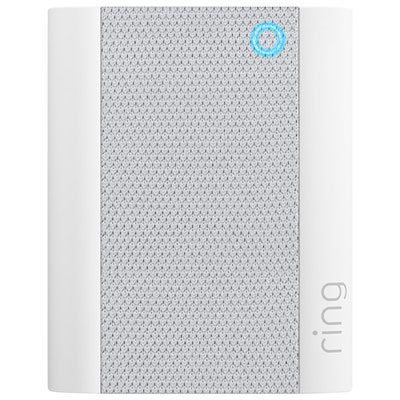 Your price for this item is $49.99
 -
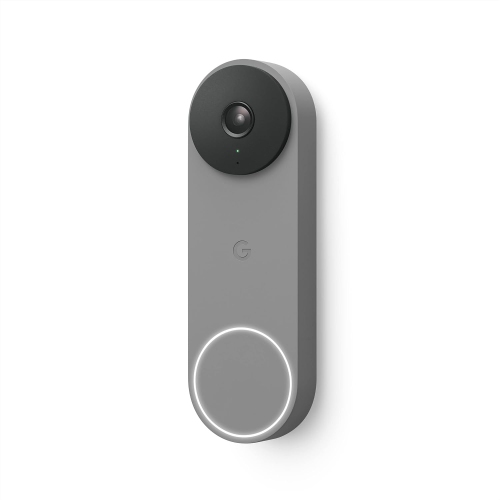 Your price for this item is $199
 -
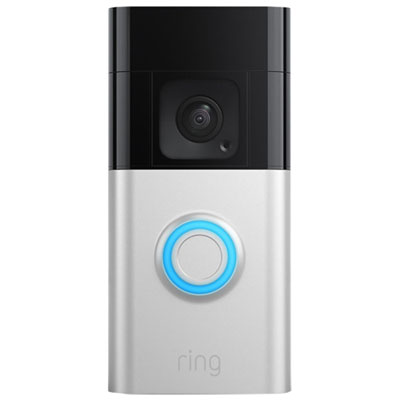 Your price for this item is $209.99
 -
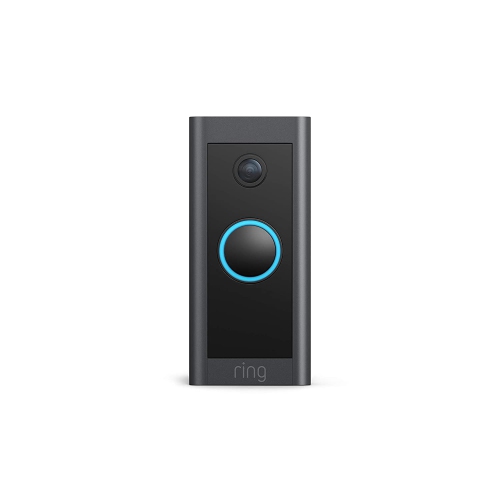 Your price for this item is $89.25
 -
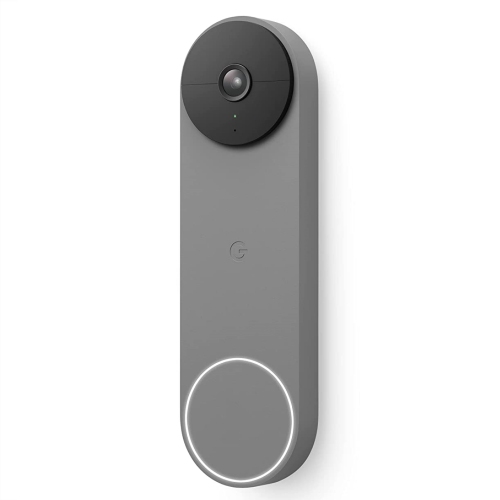 Your price for this item is $254.99
Discover more categories related to Doorbell for Apartments
Top Collections:
Pokemon Centers, Kindle Devices, Best Budget Office Chairs, Apple iPhones 16, Best Laptops for Writers, iPhone 15 Apple, Canon G7X Cameras, Refurbished Apple Laptops, Alarm Clock, Motorola Razr Phones
Some products may be subject to Environmental Handling Fees
(EHF) depending on your province.
Learn more about EHFs.